

Chapters:

Need help with your trip?
Our support team is available 24/7. Request a callback or call us directly at (833) 619-0908
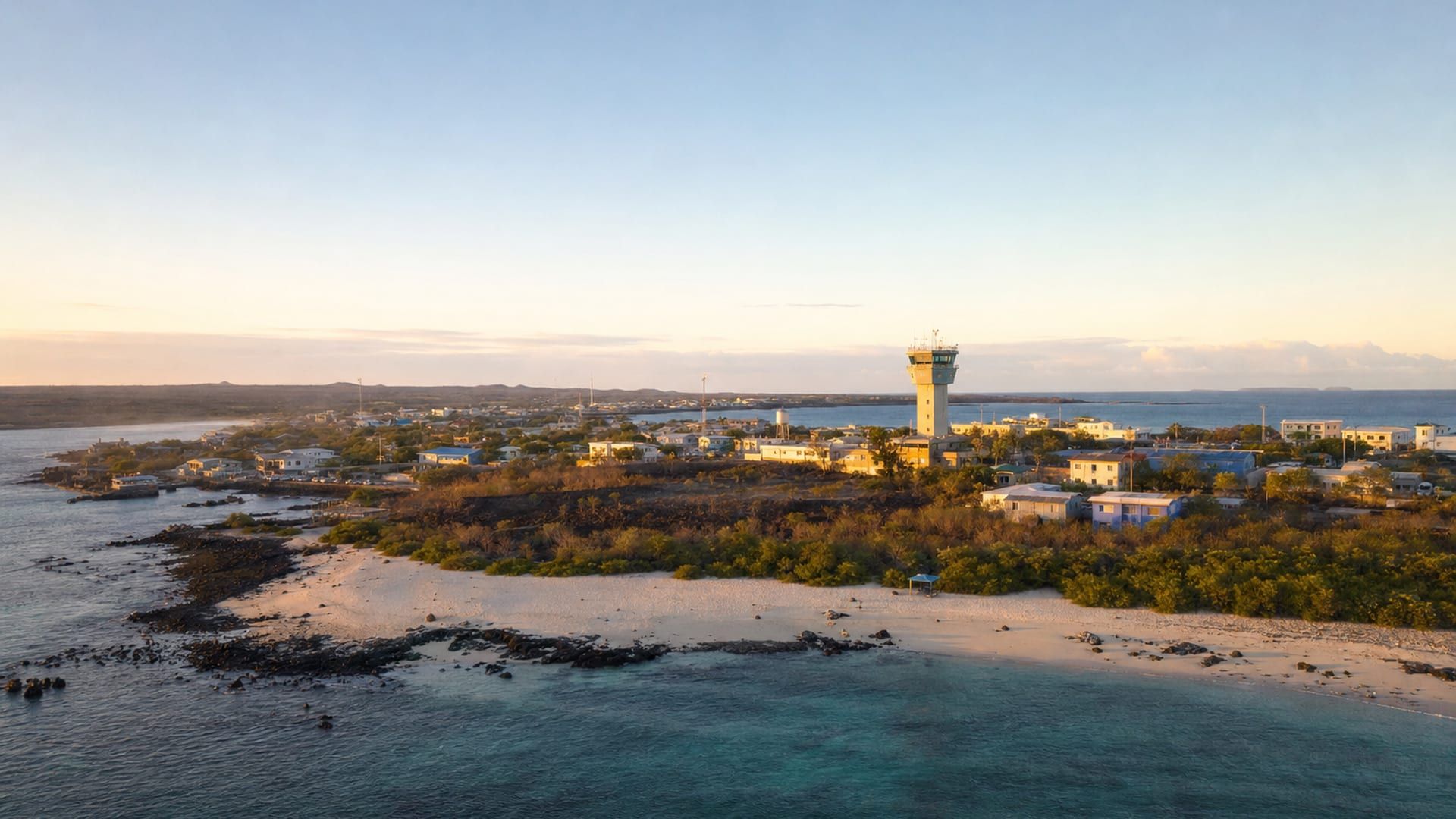
Baltra Island trips often begin and end with the same airport loop: land, cross to Santa Cruz, sleep near Puerto Ayora, then repeat the transfer before departure. What many travelers miss is how much time the airport side can consume if every move is improvised.
That matters here because even short distances involve ferries, shuttles, and taxi fares, and dinner choices thin out quickly away from the dock. A loose plan turns a simple base into a chain of small delays.
This guide separates arrival, inland stops, waterfront walks, and departure timing, so each day has a clear purpose and the transfers fit the itinerary.
Useful things to know

Main language(s): Spanish
Hola (OH-lah) – Hello
Por favor (por fah-VOR) – Please
Gracias (GRAH-see-ahs) – Thank you
¿Habla inglés? (AH-blah een-GLAYS) – Do you speak English?
¿Cuánto cuesta? (KWAHN-toh KWES-tah) – How much does it cost?

Currency: The local currency is the US dollar (USD, $).

Cash and cards: Cards and contactless are widely accepted; keep about $20 to $40 in cash for small purchases and taxis.

Tipping: Round up small bills; tipping is not expected, though a little extra for good restaurant service is appreciated.

Traditional food: ceviche, encebollado, empanadas de verde, bolón de verde

Water and coffee costs: Water about $1.50, bar espresso about $3.

Taxis and ride apps: Uber and DiDi operate; confirm pickup points at the airport.

Plug and voltage: Type A/B socket, 120V

Dining and shop opening hours: Breakfast is about 06:30-09:00, lunch about 12:30-14:30, and dinner about 19:00-22:00. Many places close earlier on Sundays.

Emergency number: Dial 911 for police, fire, and medical emergencies.
Where to stay in Baltra Island
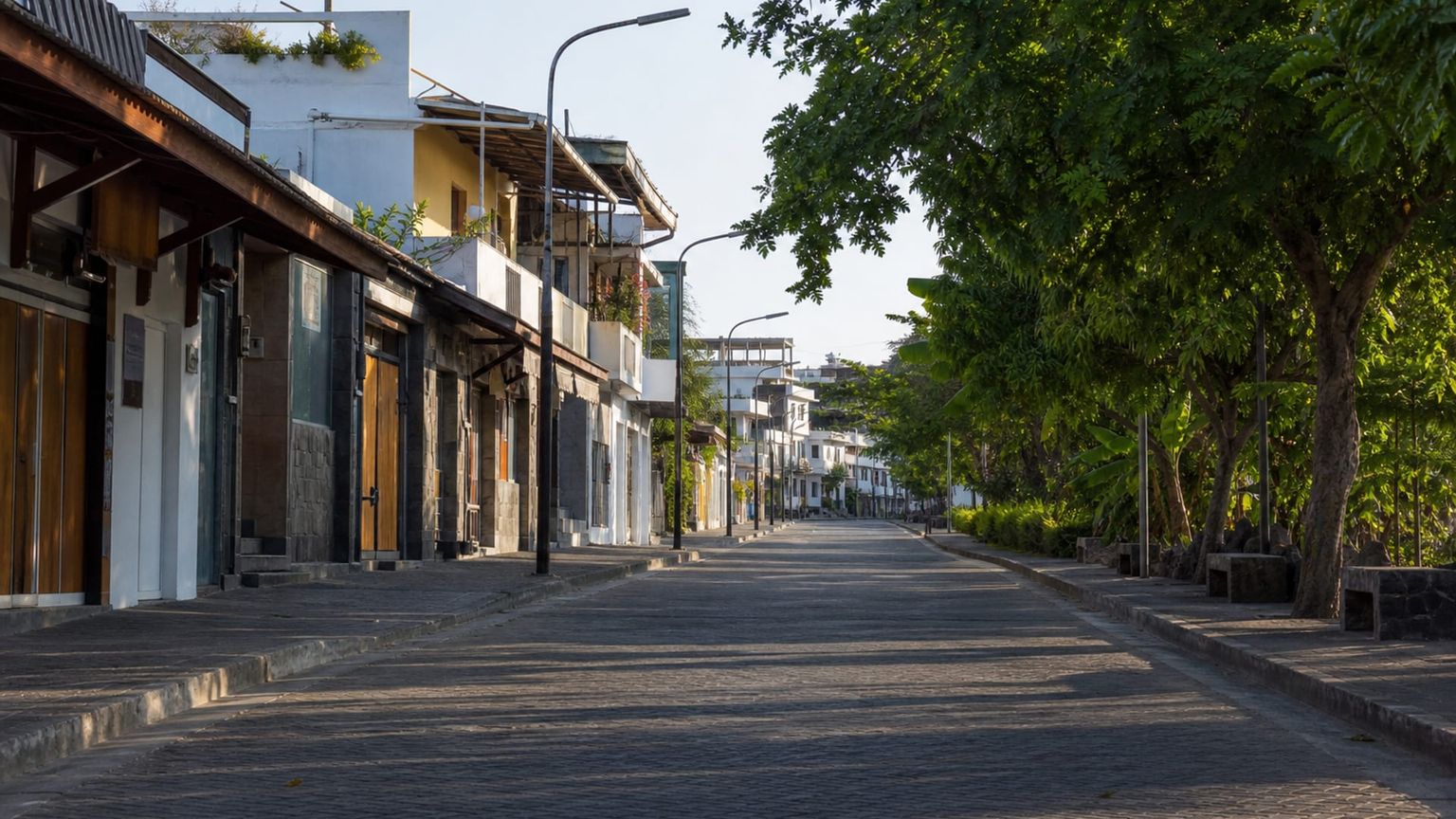
Puerto Ayora is the main town on Santa Cruz Island, about a short ferry ride from Baltra Island and the airport pier. It matters because most visitors who overnight near the airport stay here for the widest choice of hotels, restaurants, and island transfers.
Best for: Ferry connections, first-night stays, and travelers who want the broadest choice of hotels and dining
What to expect: A busy waterfront town with tour desks, shops, and steady foot traffic by the dock, while side streets settle down after dinner.
Hotel prices: Usually about $100 to $250 per night for well-rated stays
Distance to major sights: Approximately 10 to 20 minutes by foot to the Charles Darwin Research Station, plus the ferry ride from Baltra Island
Quietness: Busier in the day, quieter on residential streets in the evening
Main trade-off: You add a ferry transfer and more movement than staying closer to the airport side of the islands.
Good to know: If your itinerary starts early, confirm ferry timings and baggage handling the night before so you do not lose time at the dock.
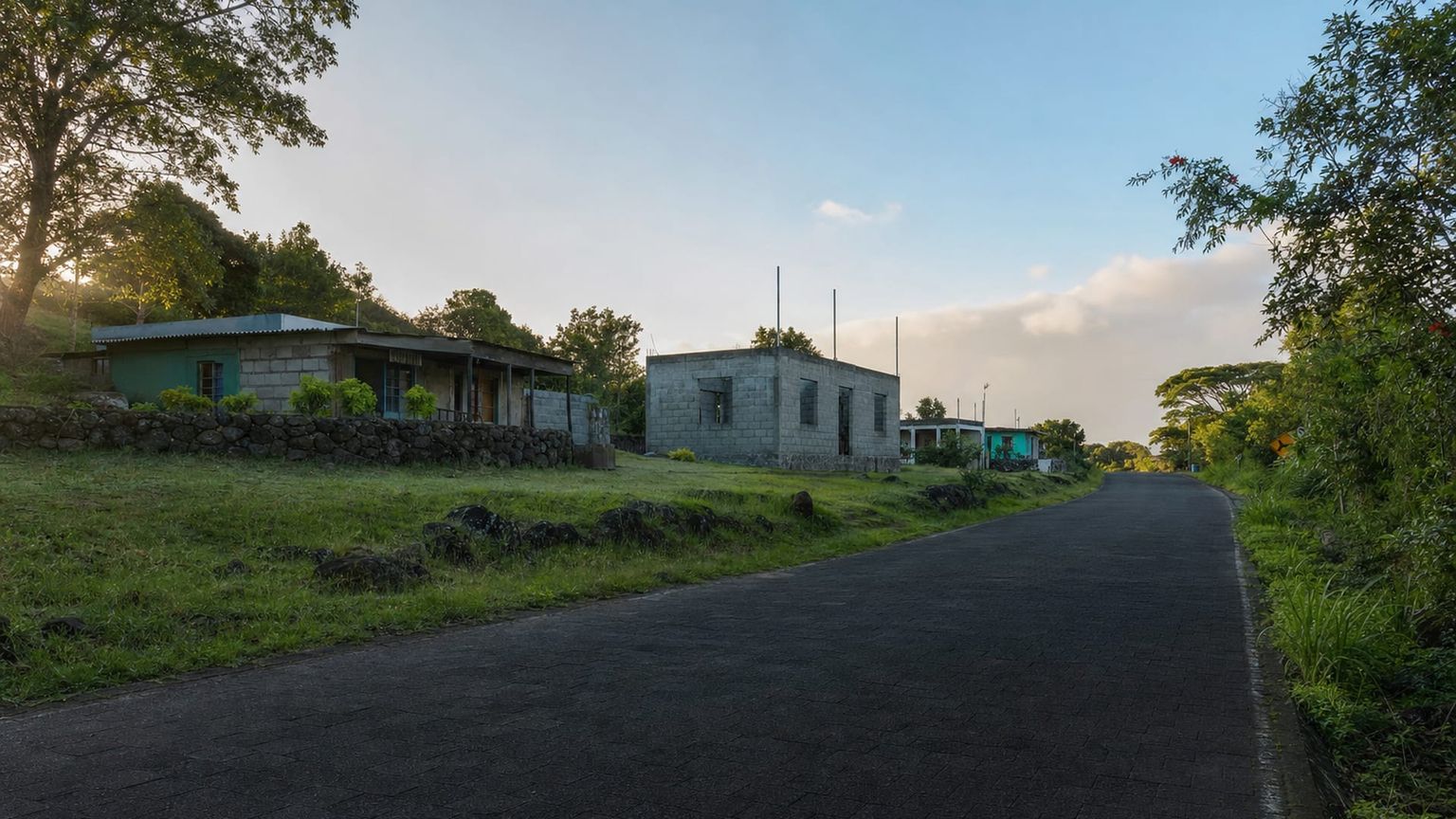
Bellavista sits in the highlands of Santa Cruz Island, inland from Puerto Ayora and farther from the waterfront. It matters for travelers who want cooler air, larger lodges, and a base that fits nature-focused stays rather than port activity.
Best for: Nature stays, cooler inland lodging, and travelers who do not need to be beside the port
What to expect: A green, spread-out highland area with farms, lodge drives, and fewer pedestrians than the coast.
Hotel prices: Usually about $90 to $220 per night for well-rated stays
Distance to major sights: About 25 to 35 minutes by transit to Puerto Ayora, and roughly 20 to 30 minutes to the highland tortoise reserves
Quietness: Quiet through the day and very quiet at night
Main trade-off: You give up easy walking access to the port, ferries, and the main restaurant cluster.
Good to know: Plan on taxis or a rental vehicle, because evening dining and boat departures are not within easy walking distance.
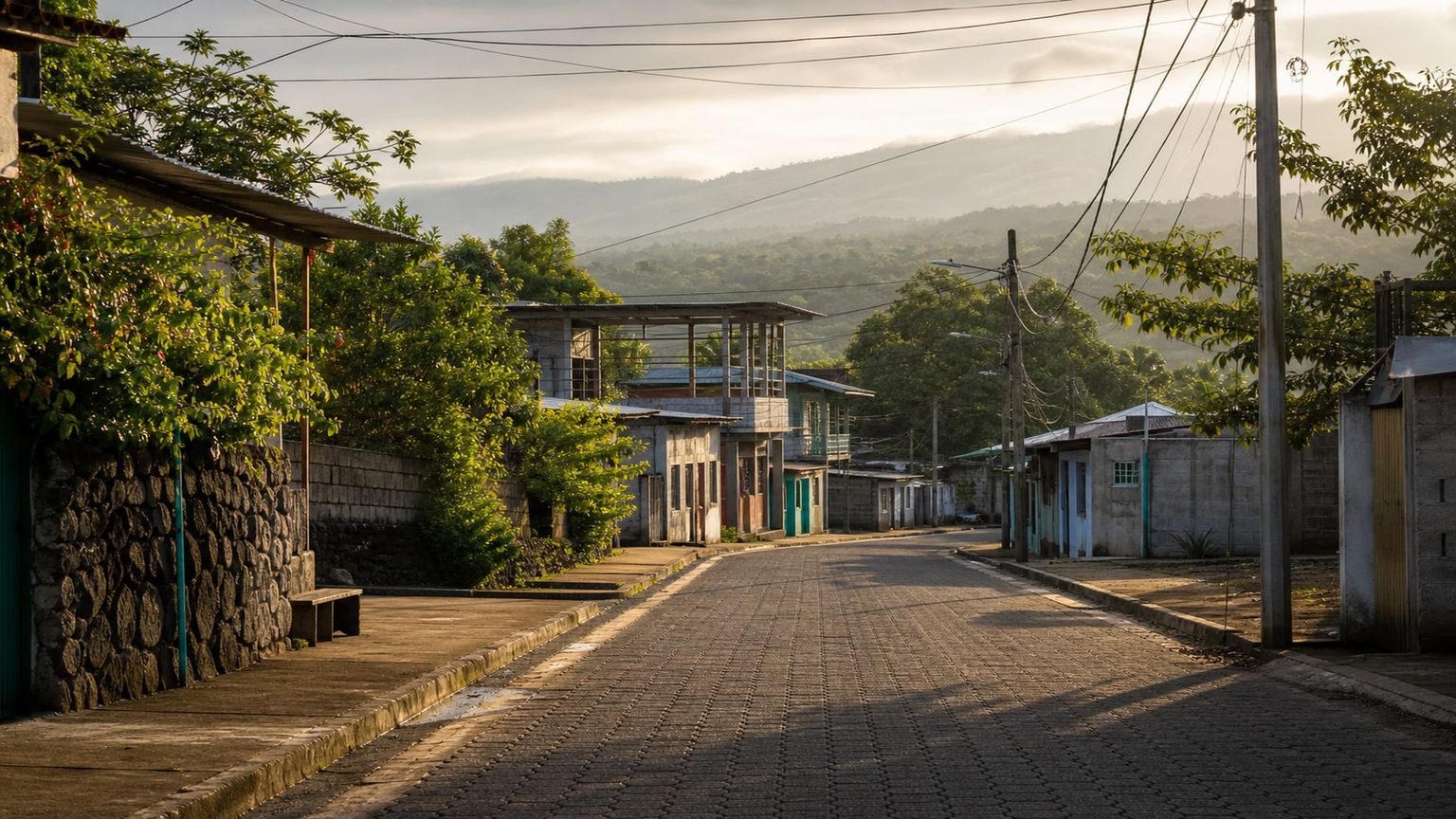
Santa Rosa is another inland settlement on Santa Cruz Island, set between the coast and the highlands. It matters because it can work as a lower-key lodging base with access to farms, lava tunnels, and road connections across the island.
Best for: Road-based itineraries, farm stays, and travelers who want a quieter inland base
What to expect: A small settlement with roadside lodges, scattered homes, and very limited evening activity.
Hotel prices: Usually about $80 to $180 per night for well-rated stays
Distance to major sights: About 20 to 30 minutes by transit to Puerto Ayora, and roughly 10 to 15 minutes to several highland sights
Quietness: Calm during the day and very quiet after sunset
Main trade-off: Dining and late services are limited, so most evenings end at your lodge or in Puerto Ayora.
Good to know: Bring a clear plan for meals, since you may need to eat before returning from day trips.
Travelers usually avoid staying at Baltra Island’s airport area unless they need an overnight near Galápagos Ecologic Airport, because it has very limited visitor amenities and no major sights. Puerto Ayora is also less convenient for a Baltra base, since it sits on Santa Cruz Island and requires a ferry and ground transfer, while Puerto Baquerizo Moreno and Puerto Villamil are even farther away and turn simple evening travel into a longer, multi-step trip.
Hotel deals
How to get around Baltra Island efficiently
Baltra and Santa Cruz work as a transfer pair, so the main choice is whether you move by airport shuttle, public bus and ferry, or a set-fare taxi.

Metro
for longer distances
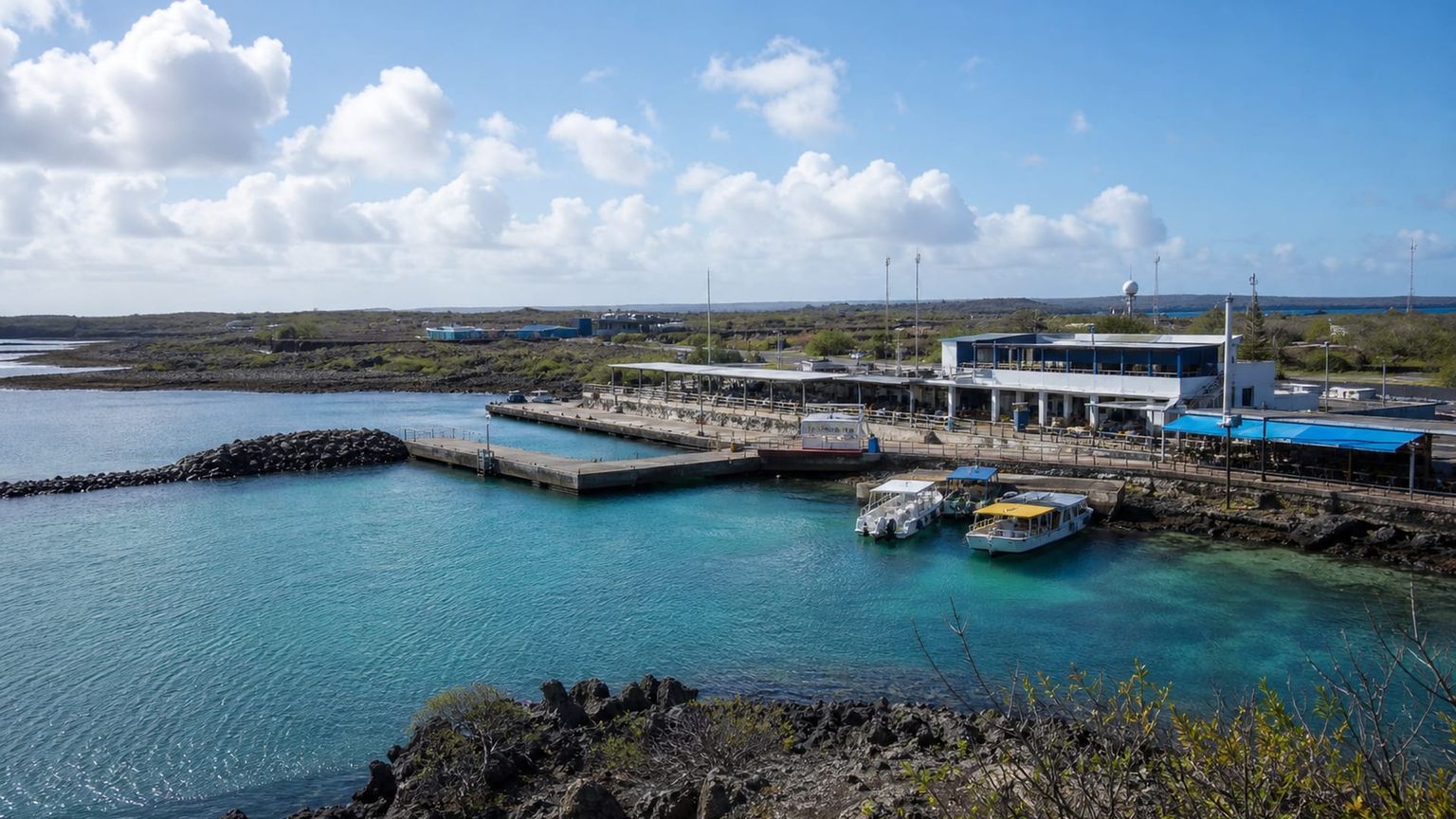
No metro serves Baltra Island, and the closest equivalent is the inter-island ferry link to Santa Cruz, which visitors use before connecting to buses or taxis on the mainland side. Ferries from the airport jetty to Puerto Ayora cost about $1 per person and take roughly 10 minutes, then the road transfer to town takes about 45 minutes more.

Bus and tram
for convenience
Airport buses run between Baltra airport and the canal ferry landing, then public buses continue on Santa Cruz toward Puerto Ayora; the full transfer usually takes about 1 hour. The combined cost is about $6 to $8 ($6 to $8), including the ferry segment, and tickets are paid in cash on board or at the dock.

Taxi
for convenience or late hours
Licensed taxis on Baltra and Santa Cruz use set fares rather than meters for airport trips, with a typical airport-to-Puerto Ayora price of about $25 to $30 ($25 to $30). Drivers wait at the airport exit and at Puerto Ayora ranks, cash in small bills works best, and late-night or baggage-heavy trips may cost slightly more after agreement before departure.
*Prices are based on rates updated as of June 2026 and may change at the time of travel.
Use the bus and ferry for the lowest cost, taxis for the fastest door-to-door transfer, and walking only for short stretches once you are already in Puerto Ayora.
Iconic landmarks
Bachas Beach
This calm white-sand beach on Baltra’s north coast has shallow water, a salt lagoon behind the shore, and frequent sea lion sightings. It is one of the easiest wildlife stops near the airport, with access by short boat landing and a flat beach walk.
Time needed: About 1 to 2 hours
Entry: Free to access; visitor access is through guided Galápagos itineraries, with no separate beach fee and no timed entry at the shoreline.
Tip: Go early for calmer water and softer light, then watch the tide line for birds and shore animals.
Baltra Airport viewpoint
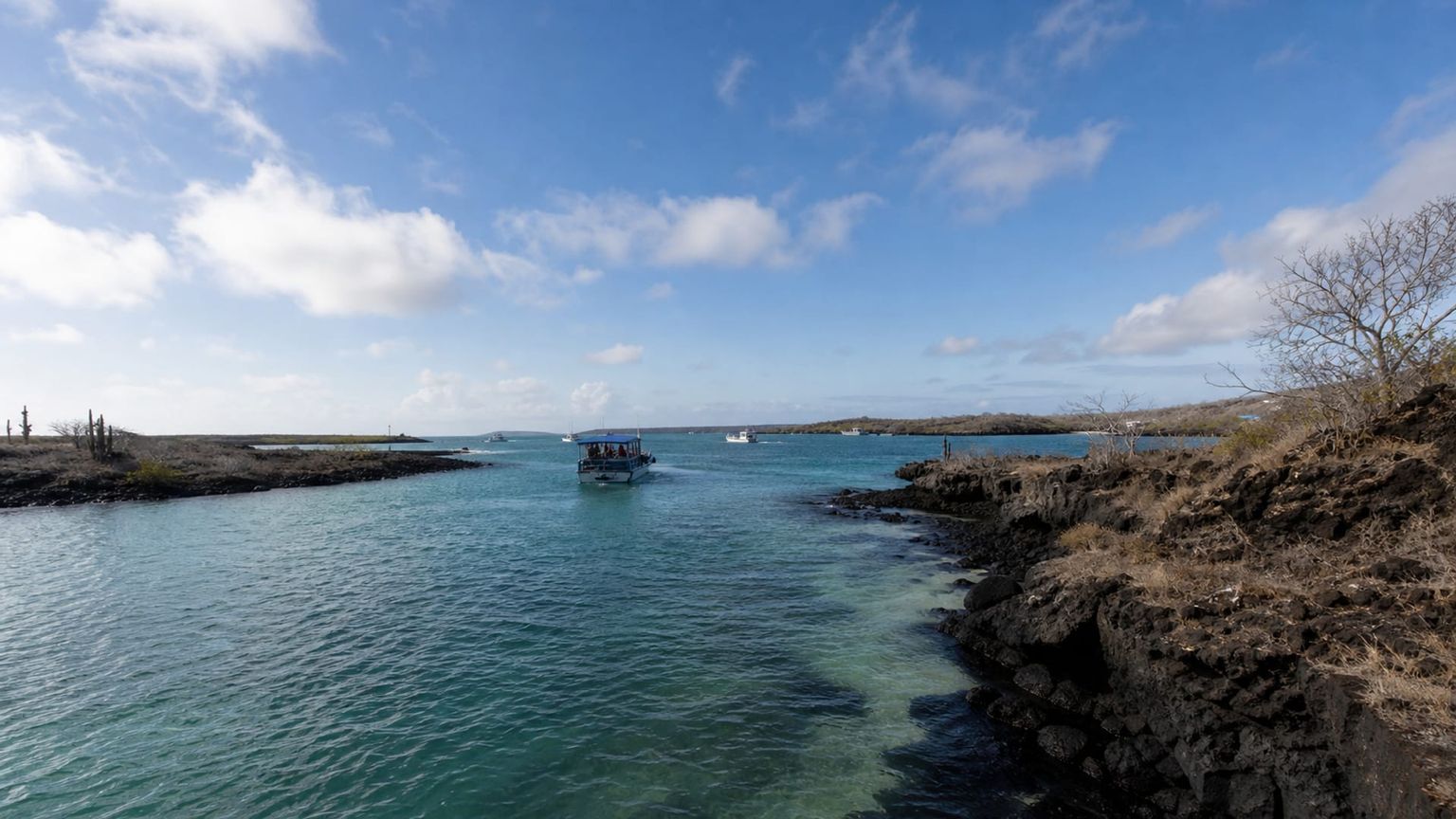
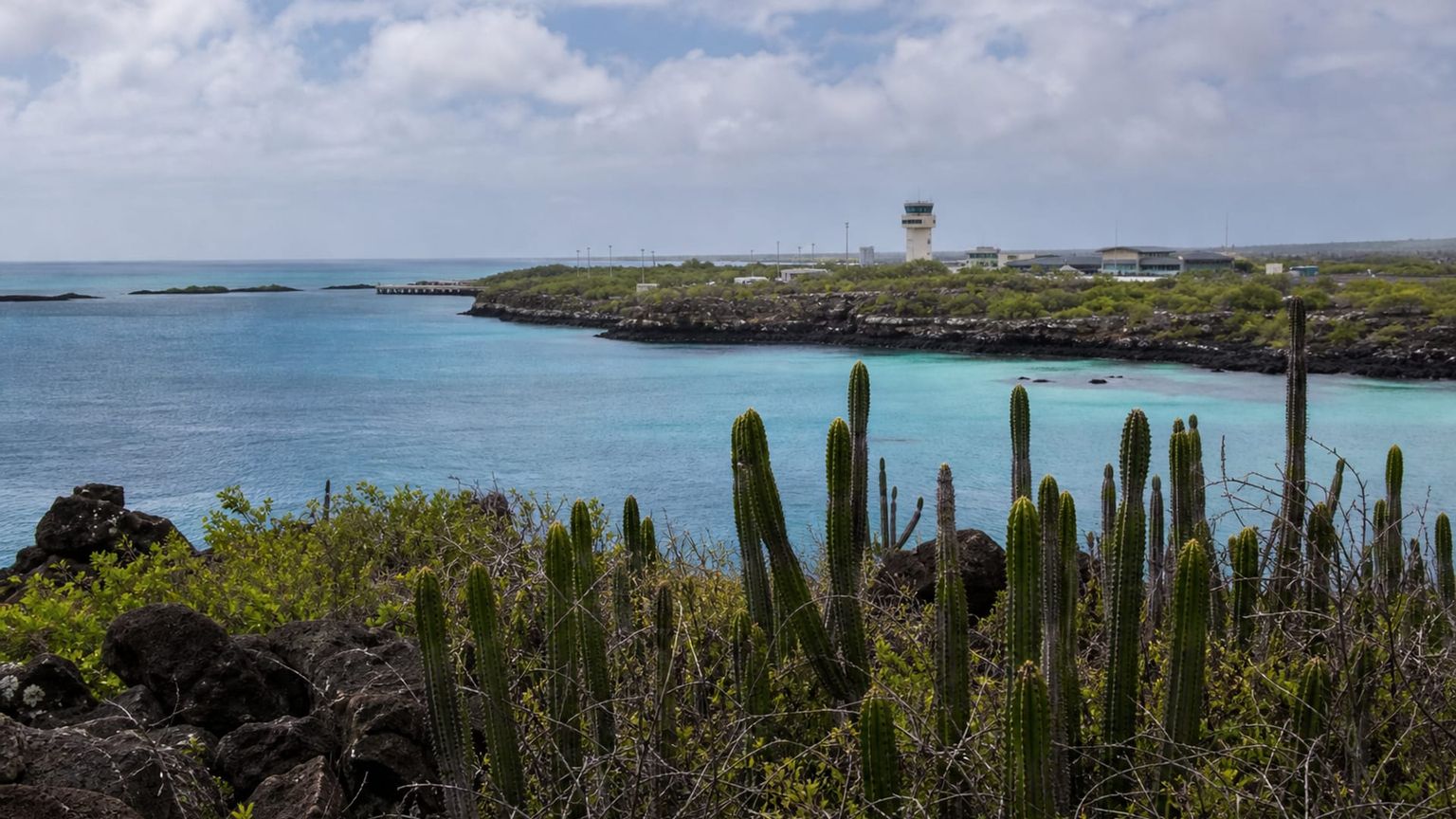
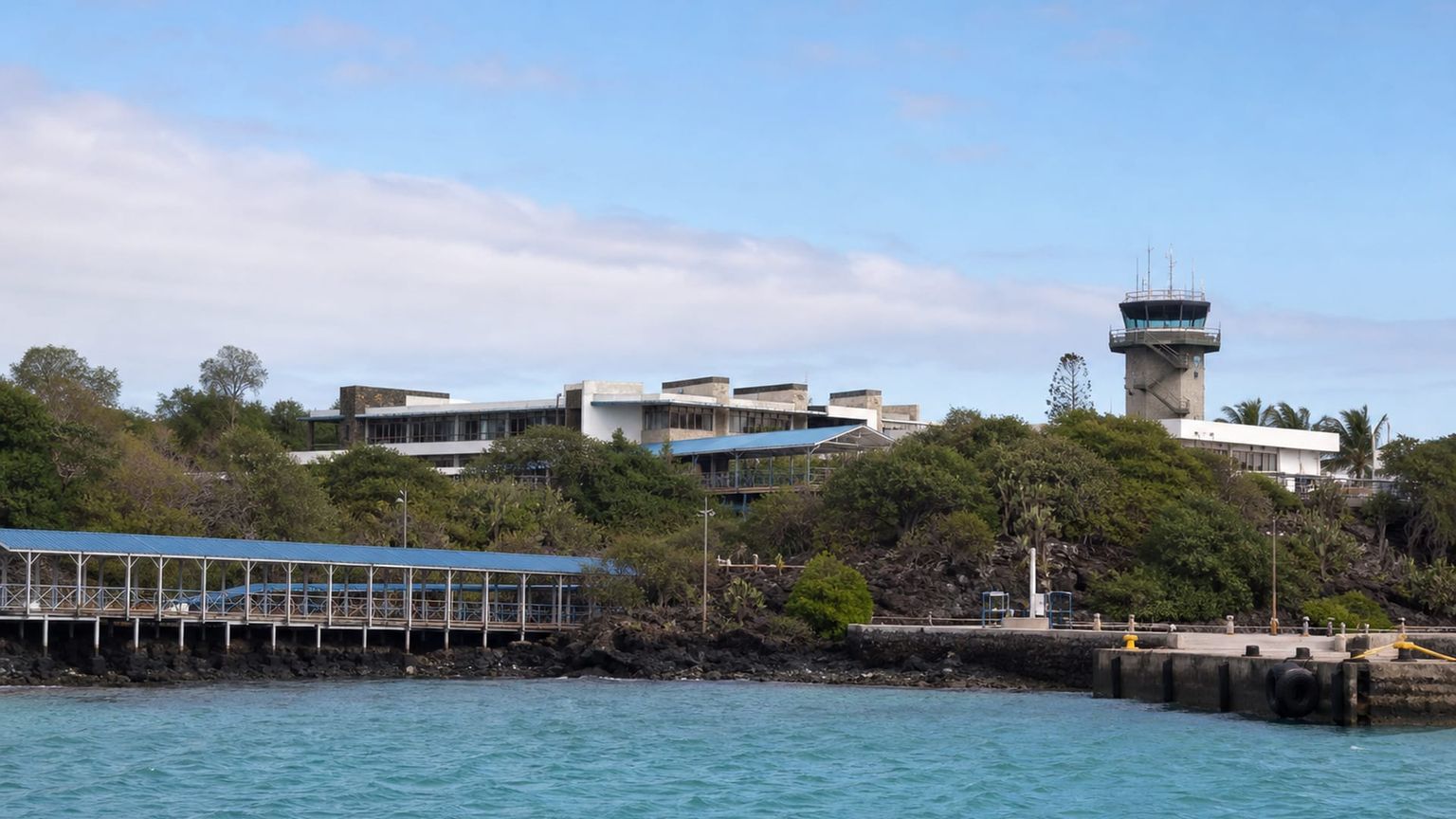
The airport area offers one of the few easy overland stops on the island, with low volcanic terrain, cactus scrub, and clear views toward the northern coast. It gives a close look at Baltra’s dry landscape before or after a flight.
Time needed: About 30 to 45 minutes
Entry: Free to access; this is an open-air stop near the airport, with no admission fee, no ticket booth, and no timed entry.
Tip: Visit in early morning or late afternoon, when the light is softer and the heat is lower.
Itabaca Channel
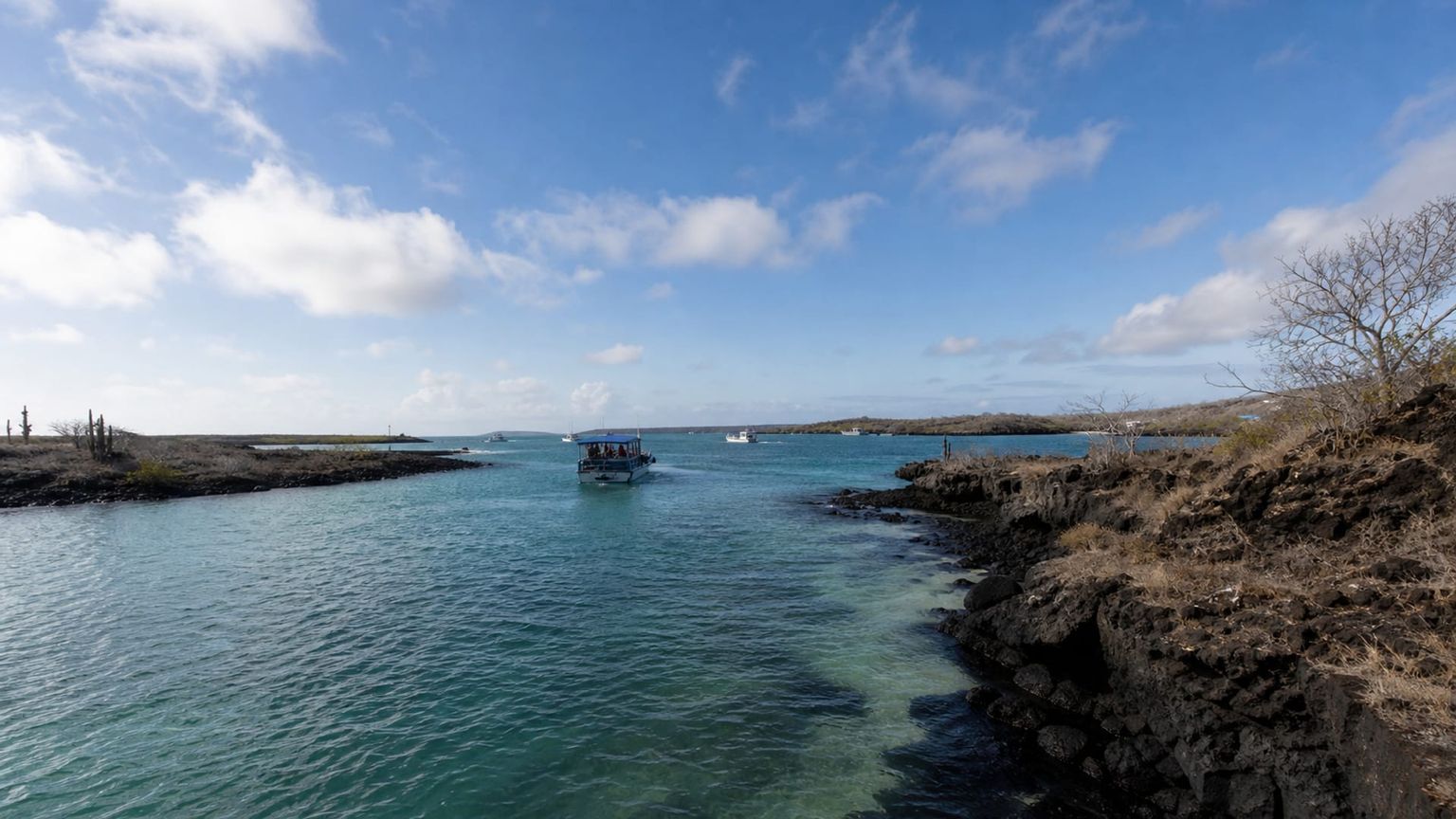
Itabaca Channel separates Baltra from Santa Cruz and serves as the island’s main landing point. The crossing area gives a close view of mangroves, turquoise water, and marine traffic, with easy access from airport transfer boats.
Time needed: About 20 to 40 minutes
Entry: Free to access; the channel can be viewed from public landing points, with no admission fee and no timed entry at the shoreline.
Tip: Stand near the landing only after boats clear, then watch the mangrove edge at changing tide.
Overlooked sites worth visiting

Los Gemelos (Twin Craters)
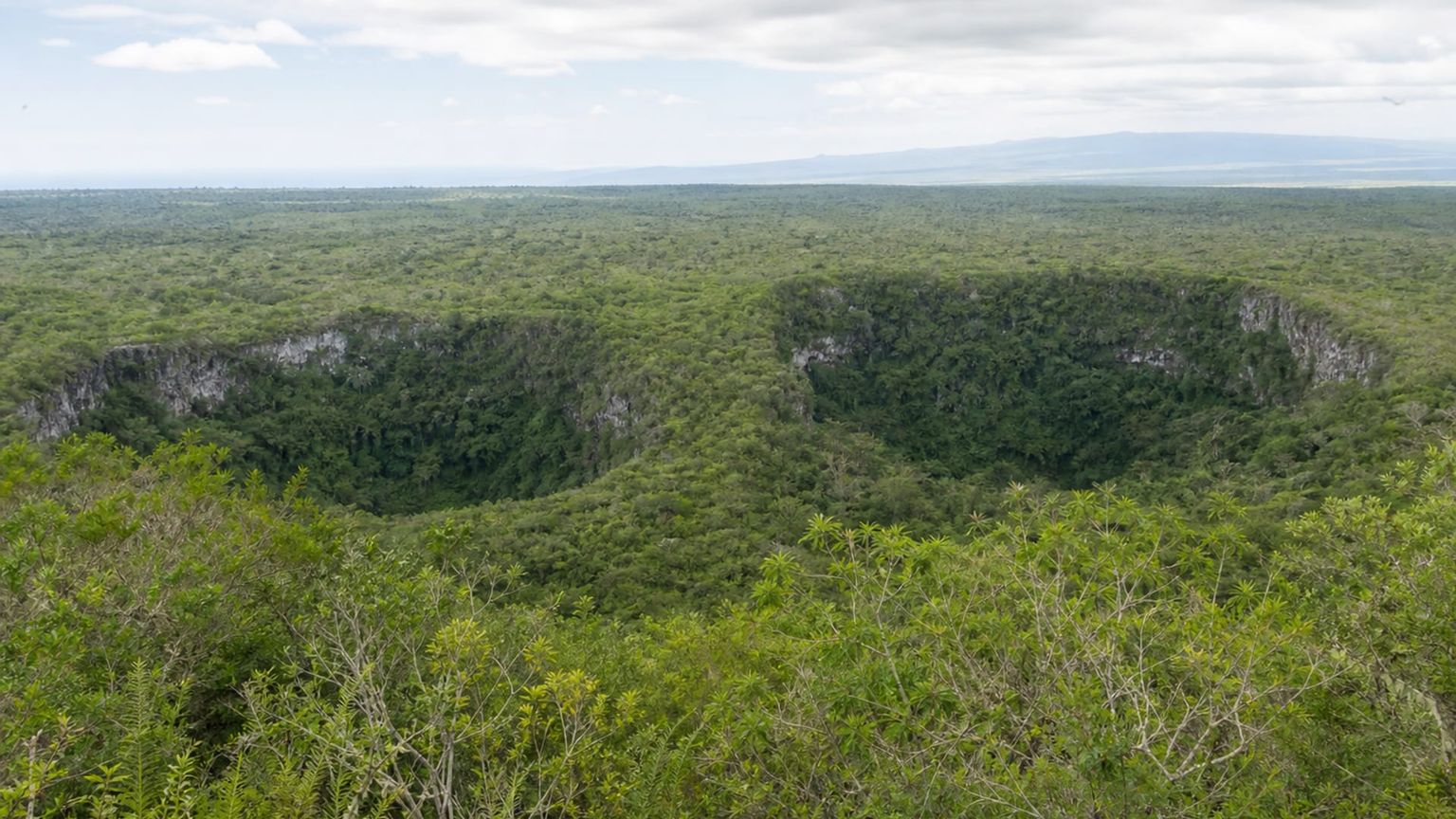
Two sinkholes set in Scalesia forest offer a short, shaded walk and close views of giant ferns and Darwin’s finches. The paved approach keeps the site quiet and easy to pair with nearby highland stops.
Time needed: About 45 minutes
Entry: Free to access. The craters sit beside the main road in Santa Cruz highlands, so you can visit without a permit or timed admission. Expect no ticket booth, parking fee, or on-site guide requirement, just a brief stop on the way to or from Puerto Ayora.
Tip: Go early, before tour buses arrive.

Tortuga Bay
A long white-sand beach and mangrove-backed lagoon sit at the end of a marked trail from Puerto Ayora. It suits a slower visit, with calm wildlife watching, kayaking, and a long shoreline walk.
Time needed: About 2 to 4 hours
Entry: Free to access. Entry follows a signed walking trail from Puerto Ayora, and the beach itself has no admission desk. Kayak rental, if you choose it, is extra and usually priced separately by operators near the trailhead, not by the park.
Tip: Start early, the trail gets hot by late morning.
Traditional food
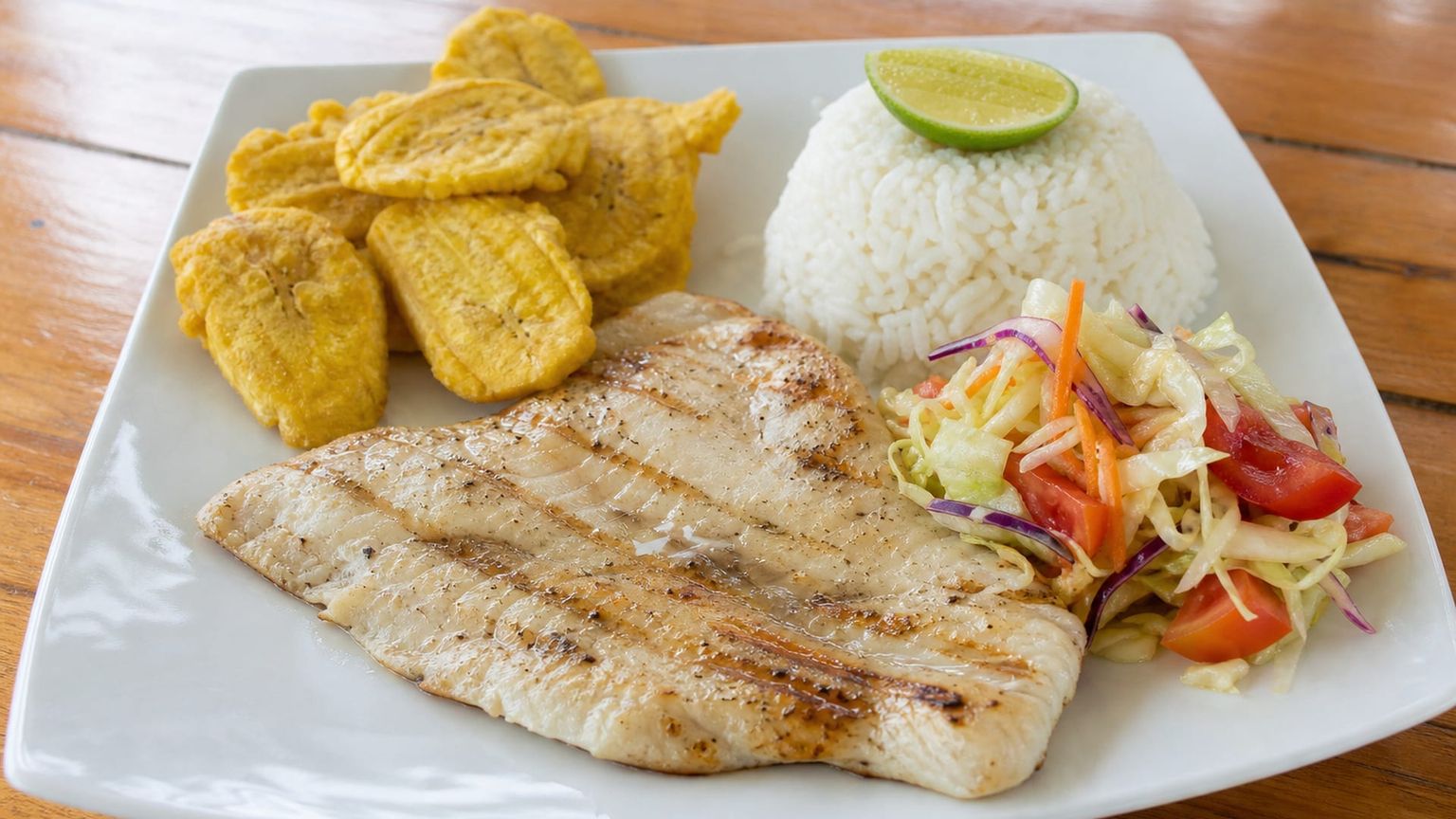
Baltra’s table leans on coastal Ecuadorian staples, with ceviche, encebollado, empanadas de verde, and bolón de verde leading the way. Meals stay simple, salty, and seafood-focused, with early dining hours and an easygoing waterfront routine.
Ceviche
Bright citrus, onion, and seafood define this Galápagos staple, often served as a quick waterfront lunch. In the Baltra area, Isla Grill in Puerto Ayora is a strong place to order it.
Encebollado
This tuna soup with yuca and pickled onion is a classic Ecuadorian reset after a transfer day. Lo and Luis in Puerto Ayora is a dependable place to try it near the dock area.
Empanadas de verde
Green plantain empanadas bring a crisp shell and a savory filling, making an easy breakfast or snack before an island transfer. You can order them at Casa de Mi Abuela in Puerto Ayora.
Bolón de verde
Mashed plantain shaped into a filling breakfast ball, usually with cheese or pork, gives the morning menu its strongest local note. Los Kioskos in Puerto Ayora is a good place to look for it.
Best time to visit Baltra Island
Baltra and nearby Santa Cruz stay warm all year, but the wetter months bring greener highlands and the driest months give the clearest beach and landing-day conditions.
Best for: Warm beach days and easier boat outings
What you get: About 74 to 87°F (23 to 31°C), with a busier holiday period and steady demand for rooms and transfers
Trade-offs: Showers can interrupt plans, especially in the afternoons
Best for: Mixed wildlife viewing and lighter crowds
What you get: About 72 to 84°F (22 to 29°C), with moderate visitor numbers and comfortable conditions for inland stops
Trade-offs: Some days still bring brief rain or cloud cover
Best for: Clearer air and drier landing-day logistics
What you get: About 68 to 80°F (20 to 27°C), with more comfortable temperatures and steady but manageable crowds
Trade-offs: Water can feel cooler for long swims
Best for: Quieter sightseeing and flexible day planning
What you get: About 70 to 83°F (21 to 28°C), with lighter traffic and plenty of room for short walks and ferry timing
Trade-offs: Conditions can shift quickly, so plans need some flexibility
A realistic 5-day plan in Baltra Island
A five-day Baltra trip works best when the airport crossing, Puerto Ayora walks, and highland day trips each get their own space. That way, the itinerary handles transit once, then uses the island’s time on the ground for beaches, viewpoints, and inland stops.
Land at Baltra Airport (GPS) and take the airport shuttle, then the short ferry crossing at Itabaca Channel, which usually takes about 20 to 30 minutes door to door and costs roughly $5 to $10 per person for the combined transfer. Settle in near Puerto Ayora, where you will have the broadest dinner choice, then eat something simple by the waterfront or on the main streets, hydrate, and turn in early after the travel day.
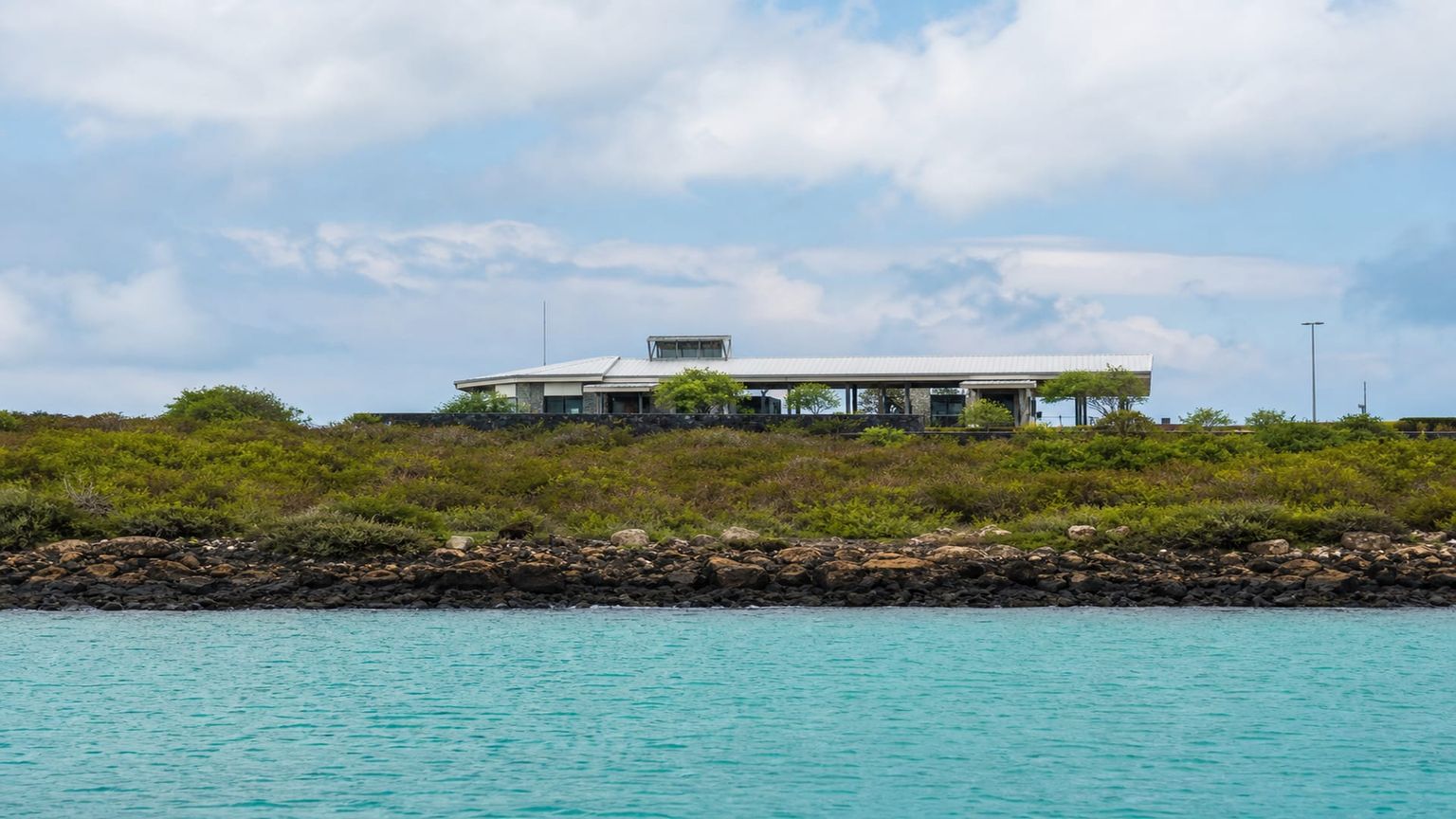
Begin with an early boat or guided visit to Bachas Beach, where the shallow water and salt lagoon make an easy first wildlife stop, then return toward Itabaca Channel for a short look at the crossing point and mangroves. After lunch in Puerto Ayora, continue inland to Los Gemelos, about 25 to 35 minutes from town, for the shaded sinkhole walk among Scalesia forest before heading back to Puerto Ayora for dinner near the dock.
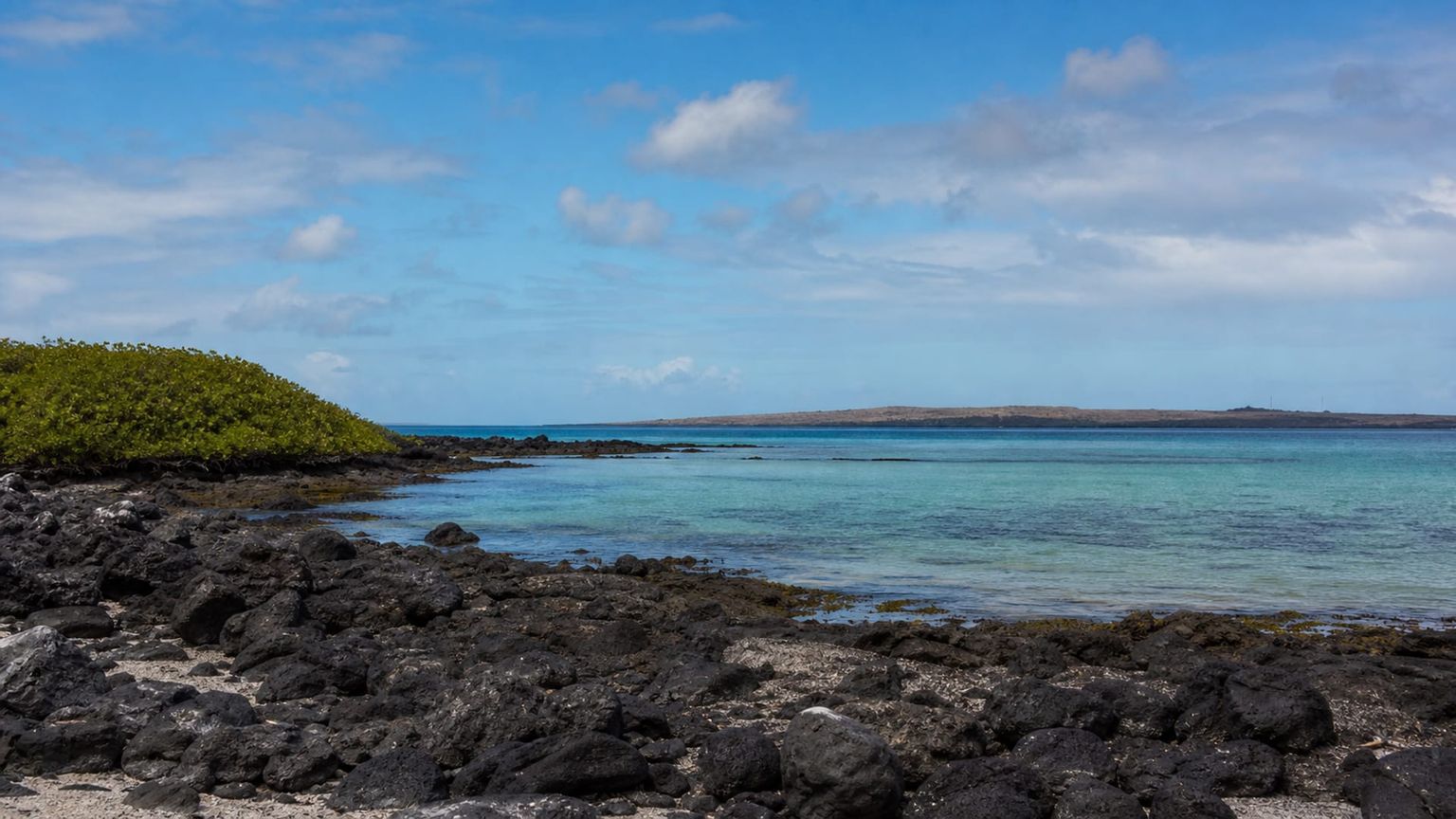
Start on the Puerto Ayora side with Tortuga Bay, which takes about 15 to 20 minutes by taxi or a longer signed walk from town before the beach trail begins, then spend 2 to 4 hours on the long shore and lagoon. In the afternoon, return to the Puerto Ayora waterfront and the Charles Darwin area for a slower walk through town, with dinner close to the pier so you avoid a late ferry or transfer.
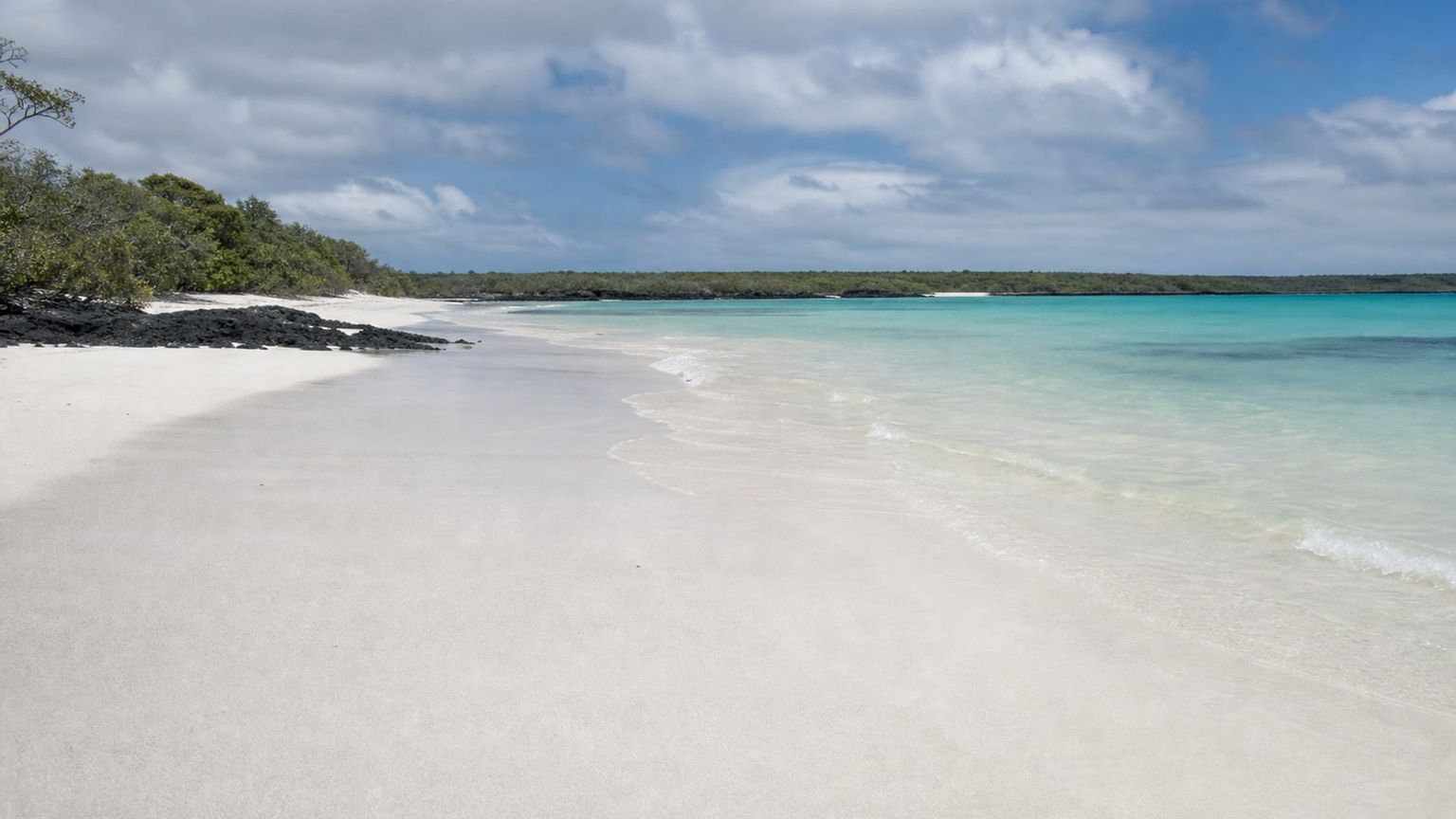
Head into the highlands from Puerto Ayora to Bellavista, a drive of about 25 to 35 minutes, then continue to Santa Rosa for farms, cooler air, and a quieter inland circuit. Pair that with Los Gemelos if you did not visit it on day 2, or linger there again only briefly if you want another look, then finish back in Puerto Ayora for a late meal after the return drive.
Start with a final stop at the Baltra Airport viewpoint, which fits naturally before departure and takes only about 30 to 45 minutes, then continue to the airport area for check-in. If your flight leaves later, spend the extra time in Puerto Ayora on last-minute shopping near the town center or a café stop in the waterfront district before taking the ferry and shuttle back to Baltra.
Business-class flights from the US to Baltra Island
Reaching Baltra usually means connecting through one or more mainland hubs, so the last leg matters as much as the first fare quote. The two sample routes below show how the trip typically looks from New York and Los Angeles.
From New York, American Airlines, Avianca, Copa Airlines, LATAM Airlines, and United Airlines all appear on common routing combinations, with total travel time usually about 10 to 16 hours when connections line up well. Typical layover hubs include BOG, PTY, UIO, MIA, and CLT, and fares from $1,800 to $3,800 round trip set the range for what travelers usually see.
Los Angeles itineraries usually run through BOG, PTY, UIO, MIA, or CLT, and the one-stop pattern dominates because there is no nonstop option from LAX. American Airlines, Avianca, Copa Airlines, LATAM Airlines, and United Airlines are common operators on these trips, and round-trip fares usually start from $1,900 and can reach $4,000.
Baltra Island feels different when you slow down
A deliberate Baltra stay gives each move a role: the airport shuttle and ferry on arrival, one or two nights near Puerto Ayora, an inland loop to Los Gemelos or Bellavista, then a final stop at the Baltra Airport viewpoint before you check in. That structure keeps the dock, the highlands, and the waterfront in clear order. If you want help shaping the route, ask the AranGrant experts to match your dates to the airport transfer and day-trip timing







