

Chapters:

Need help with your trip?
Our support team is available 24/7. Request a callback or call us directly at (833) 619-0908
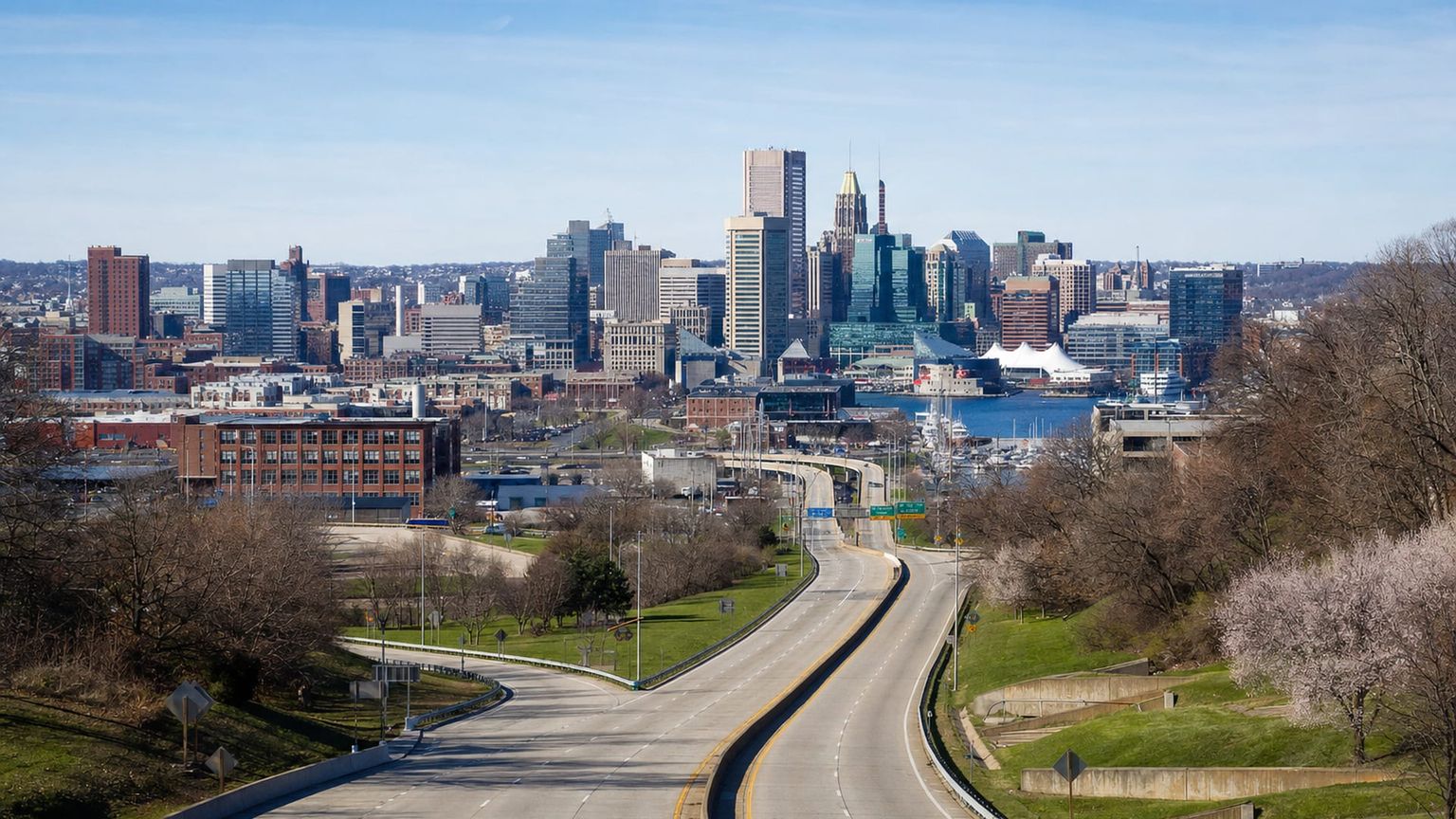
Baltimore trips often start with the harbor, a crab cake, and a quick dash between a few headline sights, yet many visitors miss how much the city changes once you move a few blocks inland.
That approach can leave you fighting parking, crossing longer gaps than expected, and spending too much time in transit between the waterfront, Mount Vernon, and the museum district.
This guide maps the city with that geography in mind, so you can pair the right neighborhoods, move at an even pace, and keep the trip grounded in what each area does best.
Useful things to know

Main language(s): English

Currency: The local currency is the US dollar (USD, $).

Cash and cards: Cards and contactless are widely accepted; keep about $20 to $40 in cash for small purchases and tips.

Tipping: Tip about 15-20% at sit-down restaurants; round up for taxis and small checks.

Traditional food: Maryland blue crab, crab cakes, steamed crabs, Baltimore pit beef

Water and coffee costs: Water about $2 ($2), bar espresso about $4 ($4).

Taxis and ride apps: Uber and Lyft operate here; pickup points can vary by terminal.

Plug and voltage: Type A/B socket, 120V

Dining and shop opening hours: Breakfast 07:00-10:00, lunch 12:00-14:00, dinner 17:00-21:00. Many kitchens close earlier on Sundays.

Emergency number: 911 for police, fire, and medical emergencies.
Where to stay in Baltimore
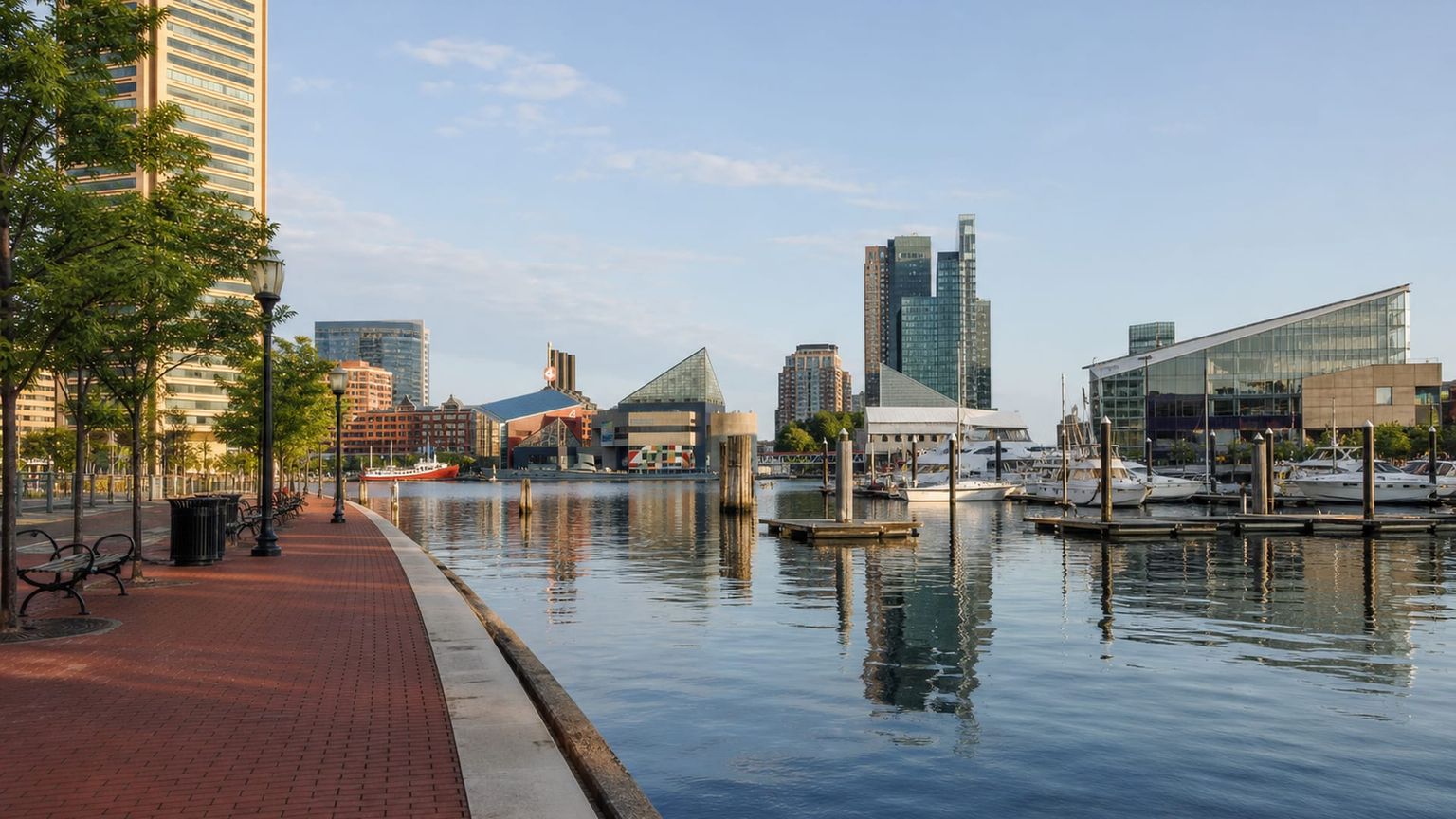
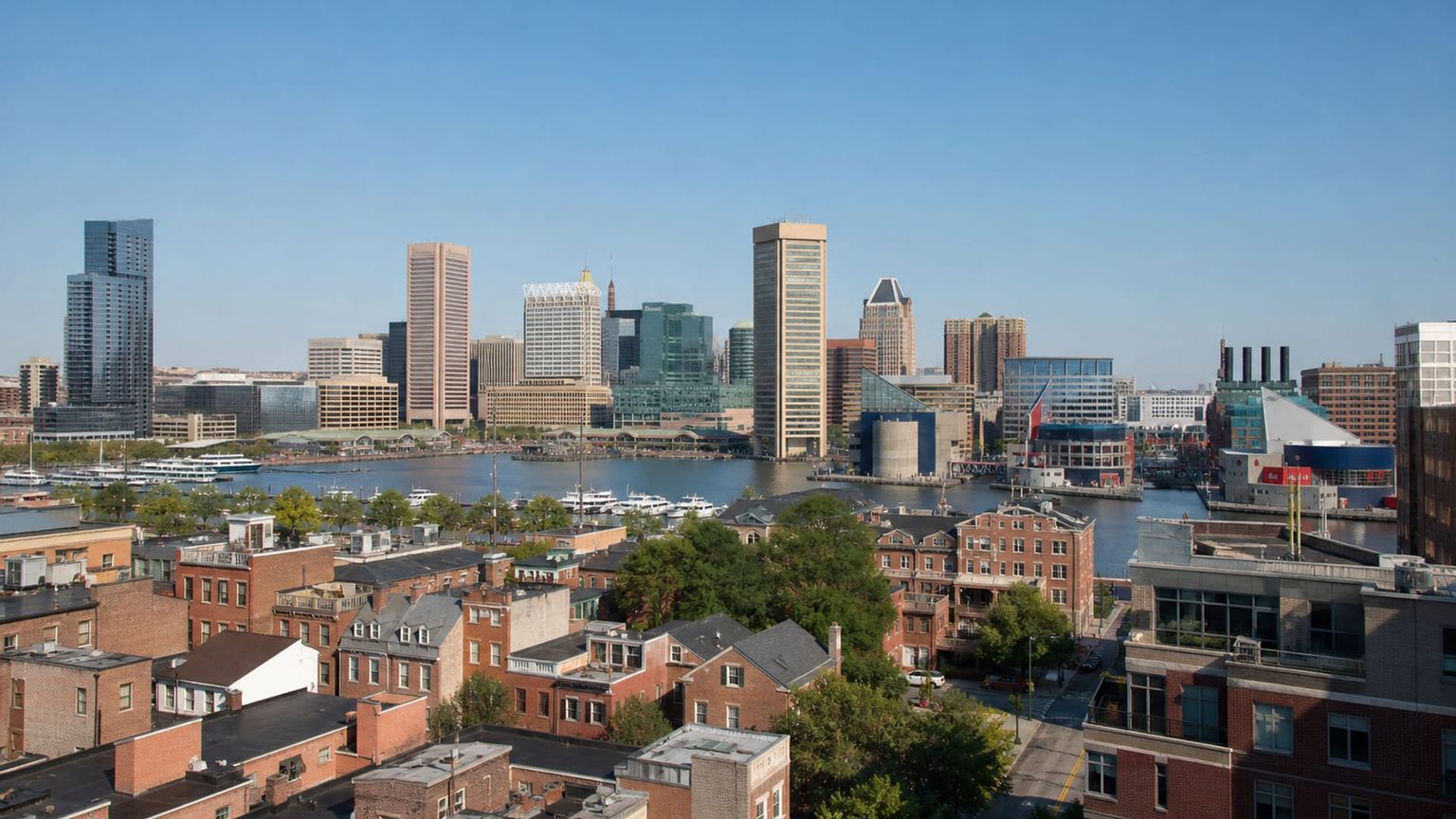
Baltimore’s waterfront core, the Inner Harbor puts major museums, the aquarium, and convention venues within an easy walk. It suits visitors who want the city’s most recognizable sights, plus quick access to downtown dining and transit.
Best for: First-time visits, waterfront sights, and travelers who want to walk to major attractions
What to expect: Busy daytime promenades, hotel towers, and steady evening foot traffic along the water.
Hotel prices: Usually about $170 to $320 per night for well-rated stays
Distance to major sights: 5 to 15 minutes on foot to the National Aquarium
Quietness: Daytime is lively and often crowded; evenings get calmer once offices and attractions close.
Main trade-off: Hotels here often cost more than other Baltimore neighborhoods, and the busiest blocks can feel tourist-heavy.
Good to know: If you plan to visit the aquarium or cruise the harbor, staying here cuts down on transit, but you will pay for the location.
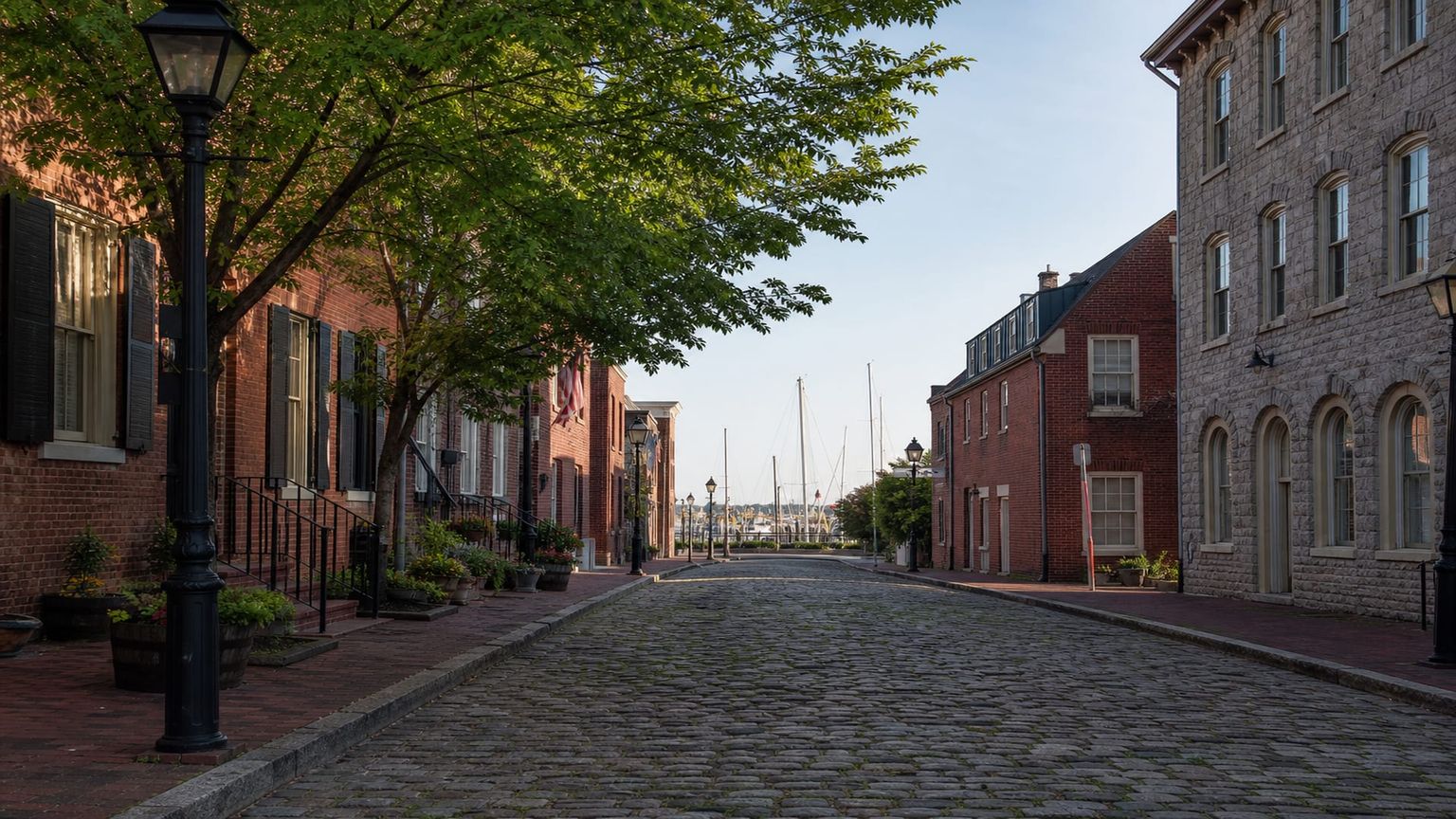
Fells Point is a historic waterfront neighborhood with cobblestone streets, narrow rowhouses, and a dense lineup of bars and restaurants. It matters for travelers who want a lively evening base and easy access to the harbor by water taxi or a short rideshare.
Best for: Dining, nightlife, and travelers who want a historic neighborhood with late hours
What to expect: Narrow streets, outdoor tables, and a constant mix of locals, visitors, and bar crowds.
Hotel prices: Usually about $180 to $350 per night for well-rated stays
Distance to major sights: 20 to 30 minutes on foot to the National Aquarium; about 10 minutes by car
Quietness: Evenings are noisy, especially near the main restaurant strips; mornings are much calmer.
Main trade-off: Late-night noise and limited parking can be an issue, especially on weekends.
Good to know: Choose this area if you want to step out for dinner and drinks without planning a full ride back afterward.
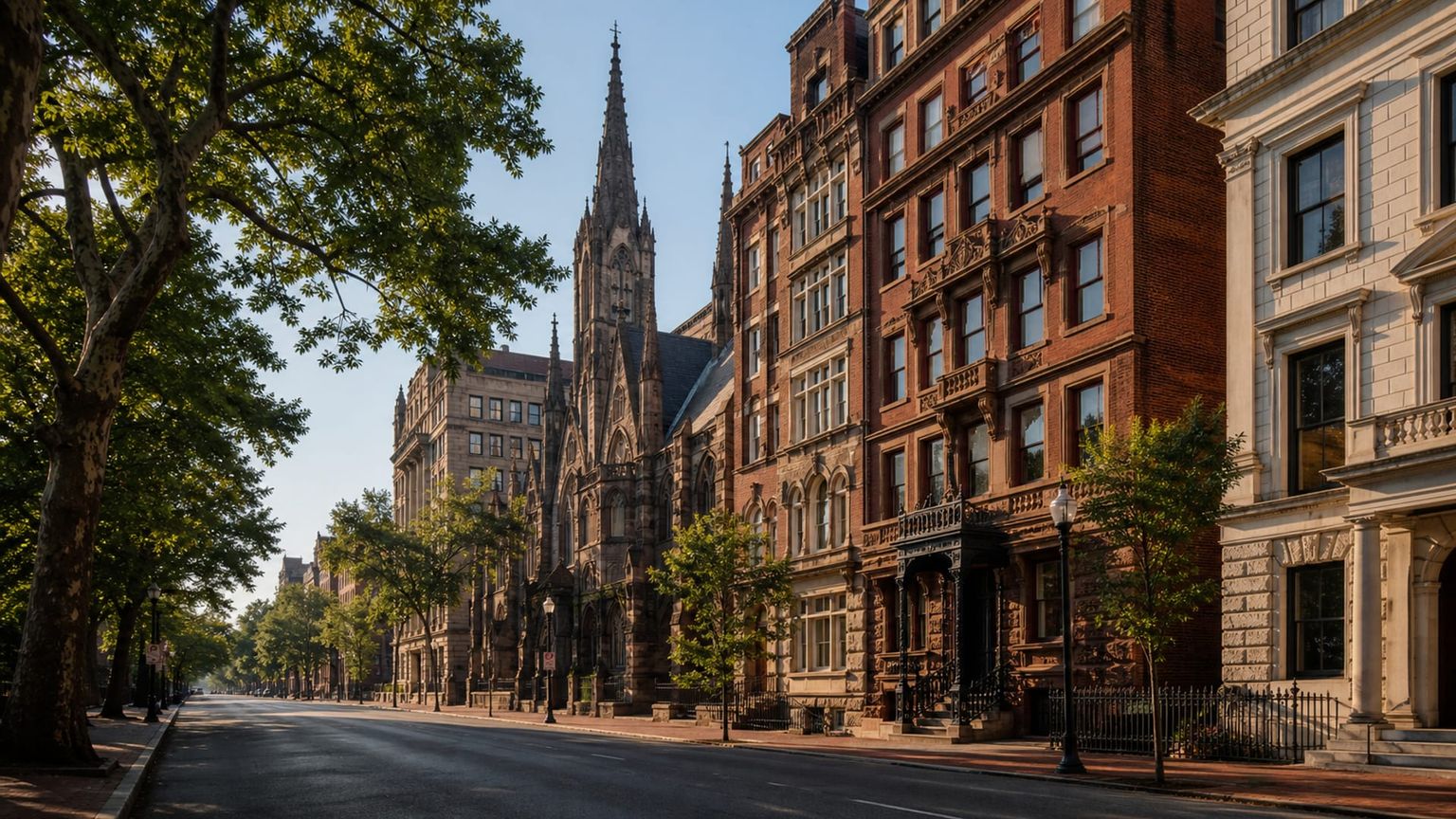
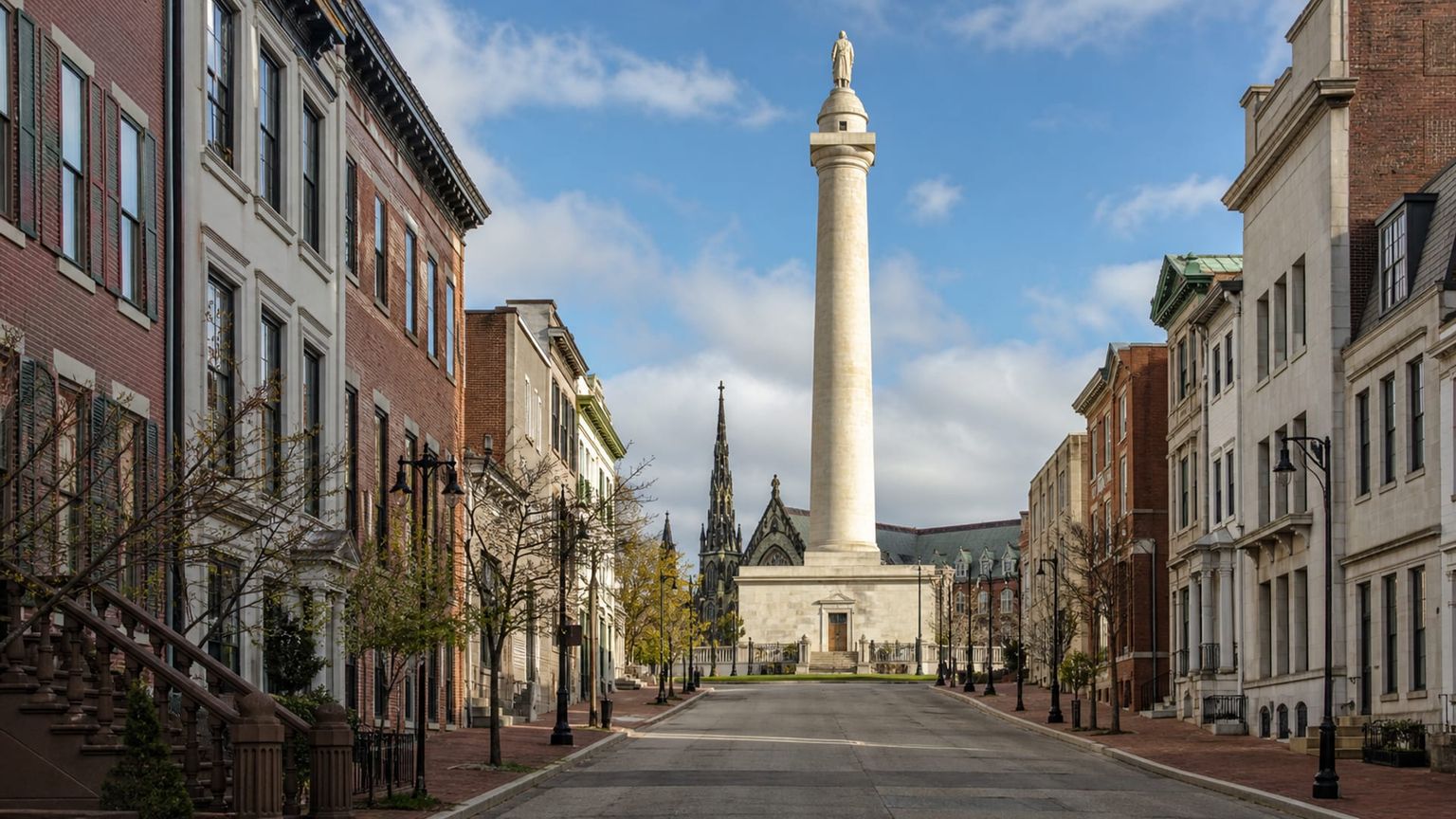
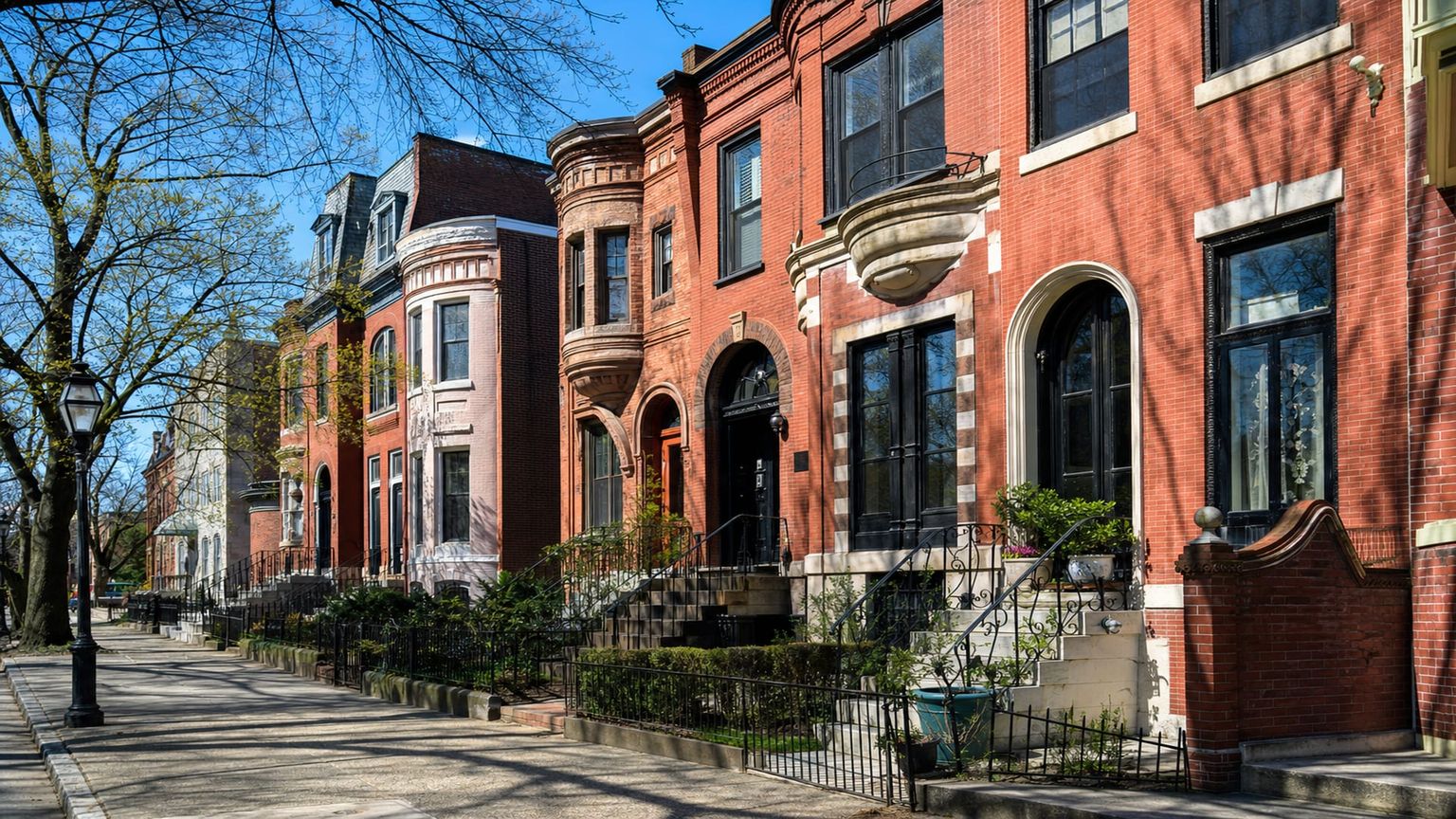
Mount Vernon is Baltimore’s cultural center, home to museums, historic mansions, and the Washington Monument. It works well for travelers who want a central base with easier access to Penn Station, downtown, and some of the city’s best architecture.
Best for: Museums, architecture, and travelers who want a central, well-connected base
What to expect: Tree-lined blocks, older apartment buildings, and a moderate dining scene with a local pace.
Hotel prices: Usually about $150 to $280 per night for well-rated stays
Distance to major sights: 10 to 15 minutes by transit to the Inner Harbor; about 20 minutes on foot to Penn Station
Quietness: Quieter at night than the harbor or Fells Point, though busier near restaurants and transit corridors.
Main trade-off: You will usually need transit or a car for the waterfront, and hotel inventory is smaller than downtown.
Good to know: This area is a strong choice if you expect to use the train, since Penn Station is close and many central neighborhoods are easy to reach from here.
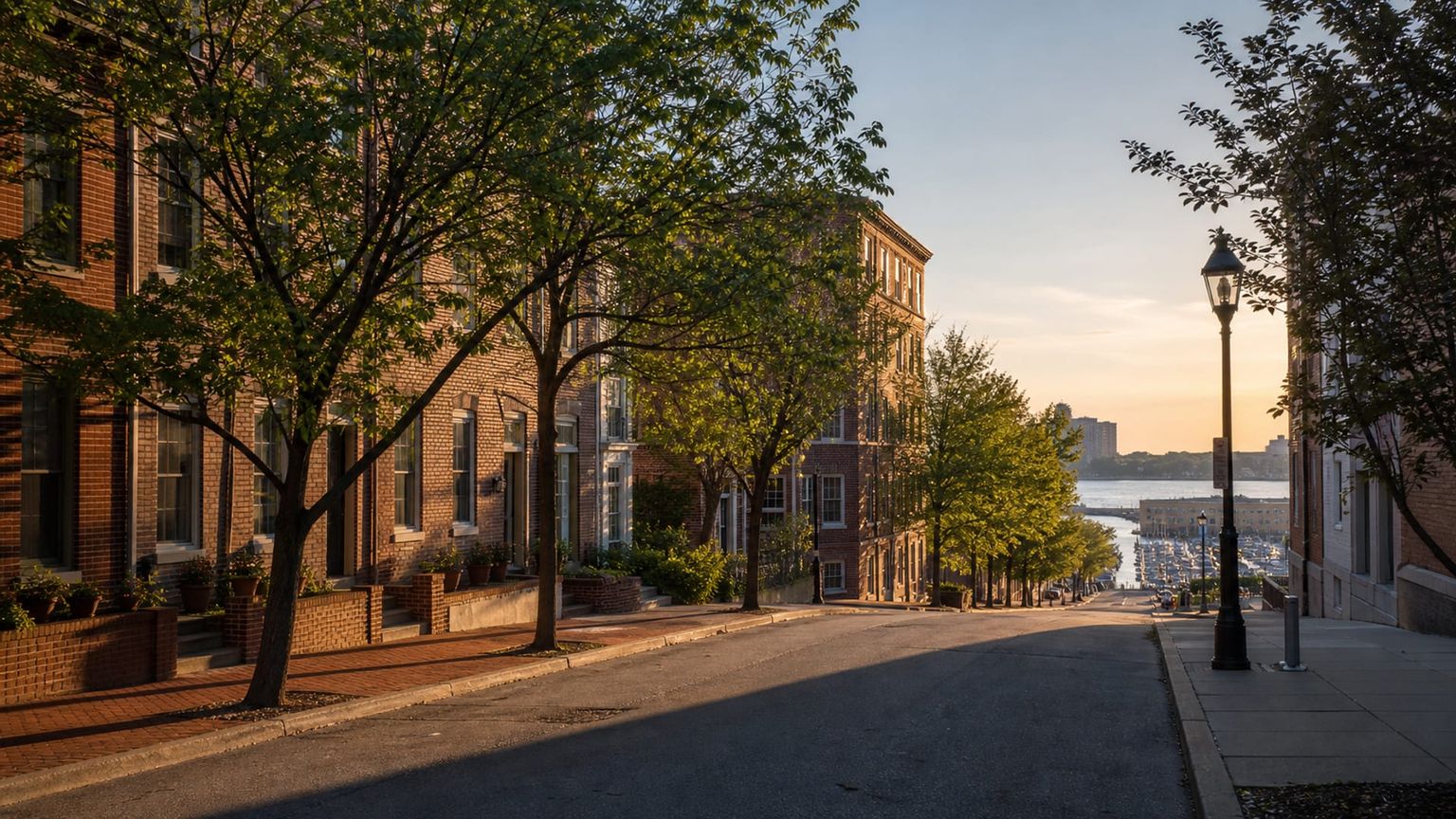
Canton sits east of the harbor and mixes rowhouse blocks, waterfront parks, and a large concentration of bars and casual restaurants. It matters for visitors who want neighborhood nightlife and a slightly less tourist-heavy stay than the harbor core.
Best for: Nightlife, waterfront walks, and travelers who prefer a local neighborhood feel
What to expect: Busy restaurant streets, joggers along the water, and younger weekend crowds near the main squares.
Hotel prices: Usually about $160 to $300 per night for well-rated stays
Distance to major sights: 15 to 20 minutes by car to the Inner Harbor; about 25 minutes by bus
Quietness: Daytime is active but manageable; evenings get louder near bars and weekend dining streets.
Main trade-off: It sits a bit farther from the main downtown sights, so you will likely use rideshares or buses more often.
Good to know: If your plans center on bars, brunch, and waterfront walks, Canton gives you that mix without staying in the busiest tourist strip.
Travelers usually avoid staying in Baltimore’s industrial waterfront areas along parts of the Port Covington and Fairfield peninsula, since they sit far from Inner Harbor, Fells Point, and Mount Vernon and have few visitor amenities. The farther edges of East Baltimore, including areas beyond Johns Hopkins Hospital, are also less convenient for visitors because evening transit and walkable dining options thin out quickly.
Hotel deals
How to get around Baltimore efficiently
Baltimore has no subway, so the trip works best with MARC, Light RailLink, buses, taxis, and rideshares tied to the airport and downtown corridor.

Metro
for longer distances
Baltimore has no subway or metro network, so the closest rail option is the MARC commuter train, which serves Penn Station, BWI Rail Station, and downtown links on the Penn Line. From BWI Rail Station to downtown Baltimore, expect about 15 to 20 minutes by train, with fares of about $6 to $8 ($6 to $8) depending on origin and ticket type. Trains are best for airport-to-city trips and weekday commuting, while most neighborhood travel still depends on bus or taxi.

Bus and tram
for convenience
The MTA Baltimore bus network covers downtown, Inner Harbor, neighborhoods, and BWI via routes that connect with Light RailLink and the MARC station. One-way bus fare is $2 ($2), and a day pass is $4.60 ($4.60); passes are valid for the day of use, while single rides are for one boarding. Light RailLink also runs between BWI, downtown, and north Baltimore, with trips from BWI to downtown taking about 25 to 30 minutes. Buses take longer than rail but reach more local streets and transit hubs.

Taxi
for convenience or late hours
Licensed taxis at BWI use metered fares, not set airport flat rates, with a typical airport-to-downtown Baltimore trip costing about $35 to $50 before tip, traffic, and tolls. From the terminal, use the official taxi stand, since cabs queue there rather than being hailed on the curb. Most taxis accept credit cards, and a short ride within central Baltimore usually lands in the $10 to $20 range, while a cross-town trip can run about $20 to $35.
*Prices are based on rates updated as of June 2026 and may change at the time of travel.
Use MARC or Light RailLink for airport and downtown trips, buses for neighborhood hops, and taxis or rideshares when you want point-to-point movement after dark or across the city.
Iconic landmarks
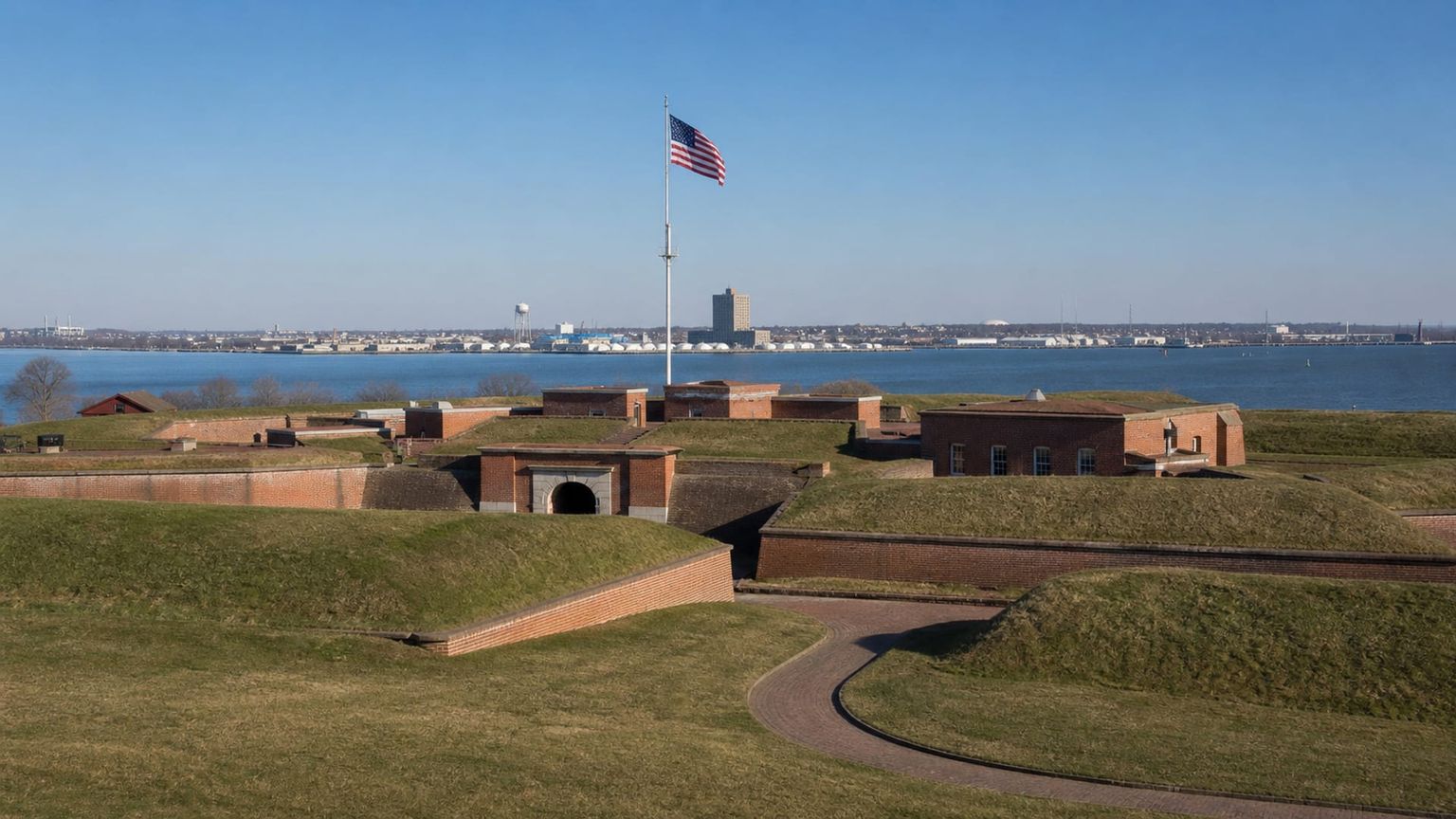
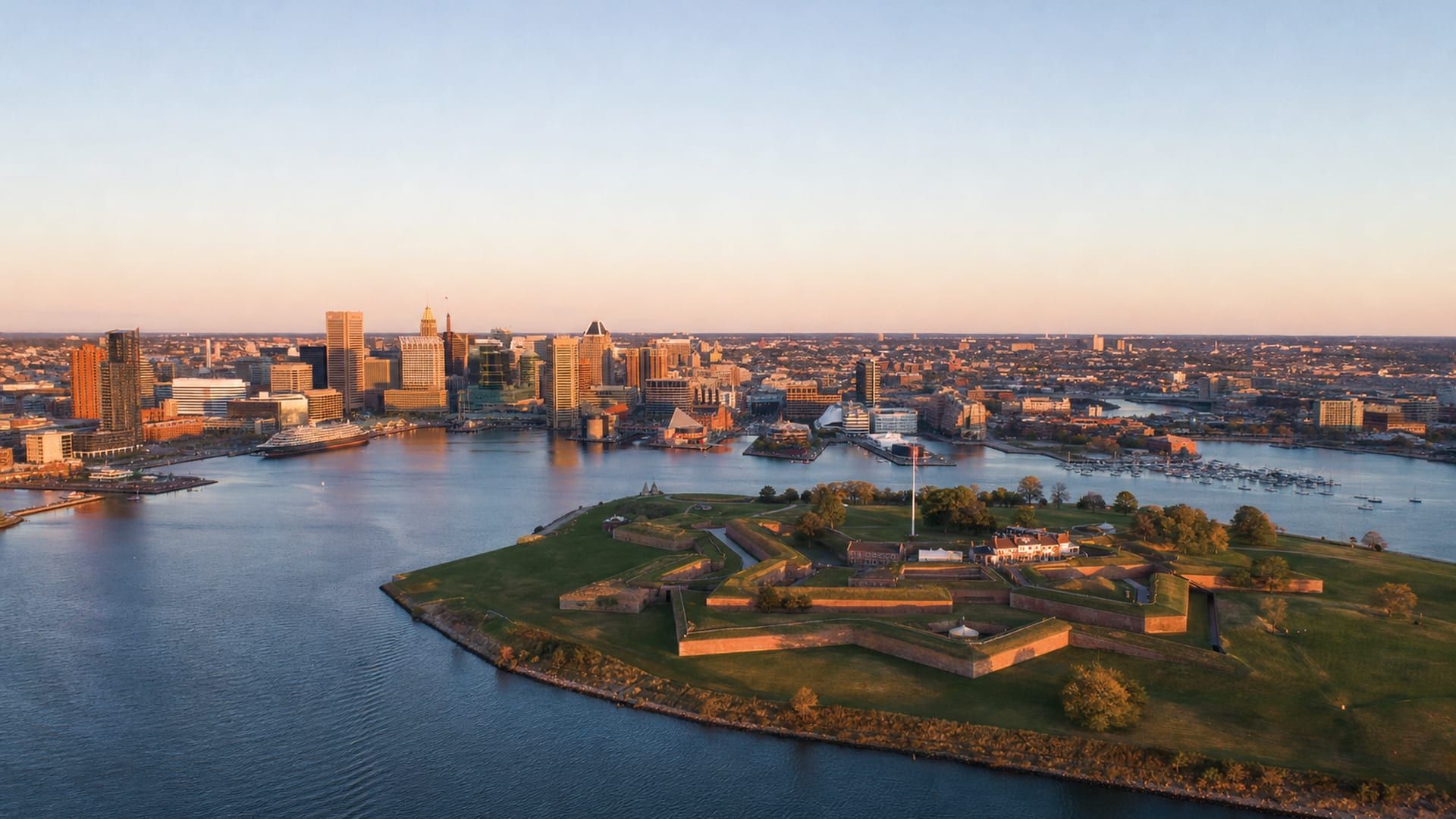
Fort McHenry National Monument and Historic Shrine
This star-shaped harbor fort is where Francis Scott Key wrote the words that became the U.S. national anthem. Its ramparts, cannons, and visitor exhibits explain the 1814 siege and Baltimore’s role in the War of 1812.
Time needed: About 2 to 3 hours
Entry: Park entrance and grounds are free; fort museum admission costs $15 ($15) for adults, $8 ($8) for youth, and $0 for children under 3. Visit the official site for details.
Tip: Arrive early for quieter ramparts and clear harbor views before midday winds pick up.
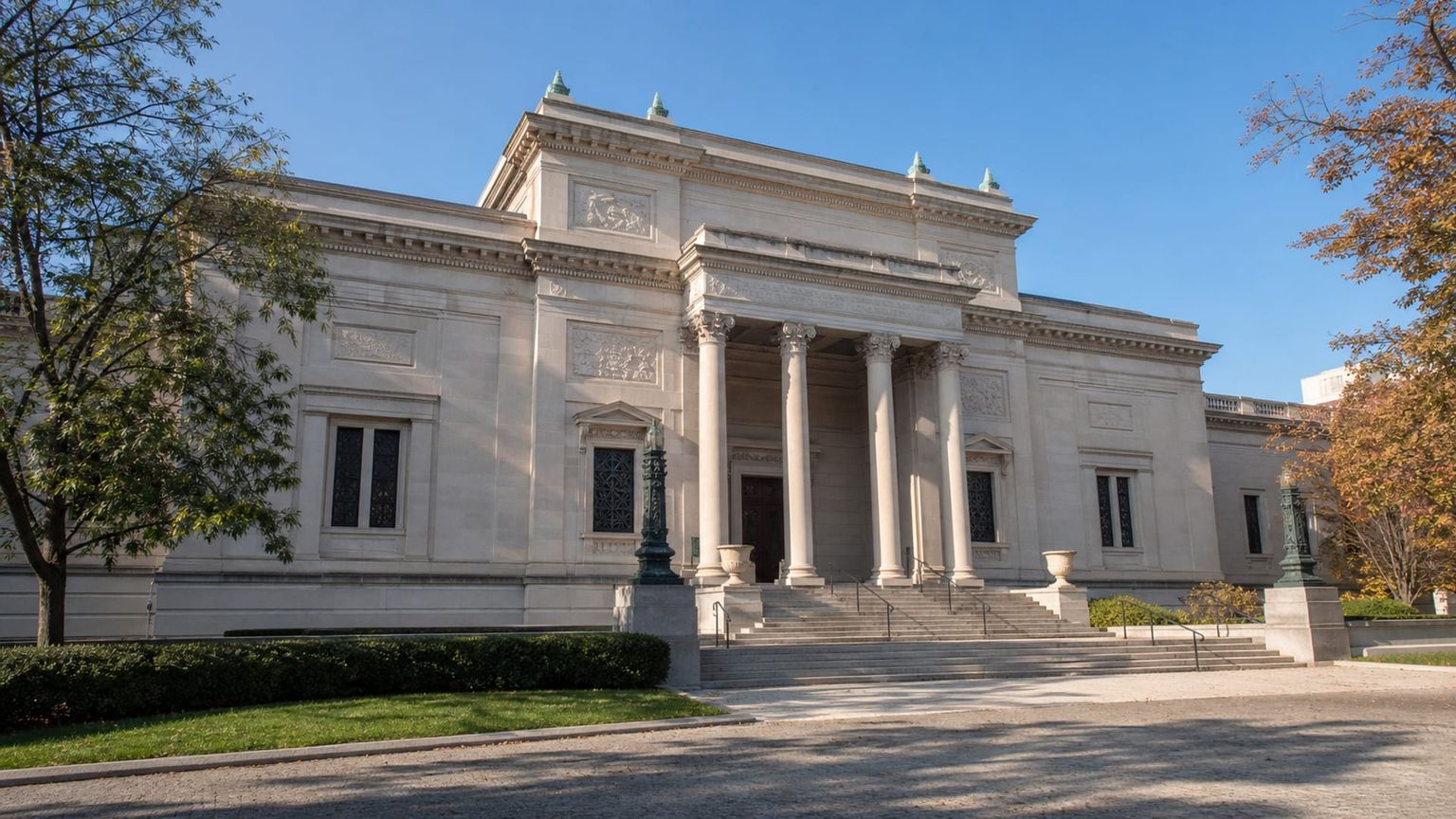
The Walters Art Museum
This Mount Vernon museum spans more than 7,000 years, from ancient Egyptian objects to Renaissance paintings and Art Deco jewelry. Admission is free, and the collection fills several connected historic buildings.
Time needed: About 2 to 3 hours
Entry: Free to access; special ticketed programs and exhibitions may have separate fees, but general admission costs $0 for all visitors. Visit the official site for details.
Tip: Start on the upper floors, then work down so you can pace the galleries without backtracking.
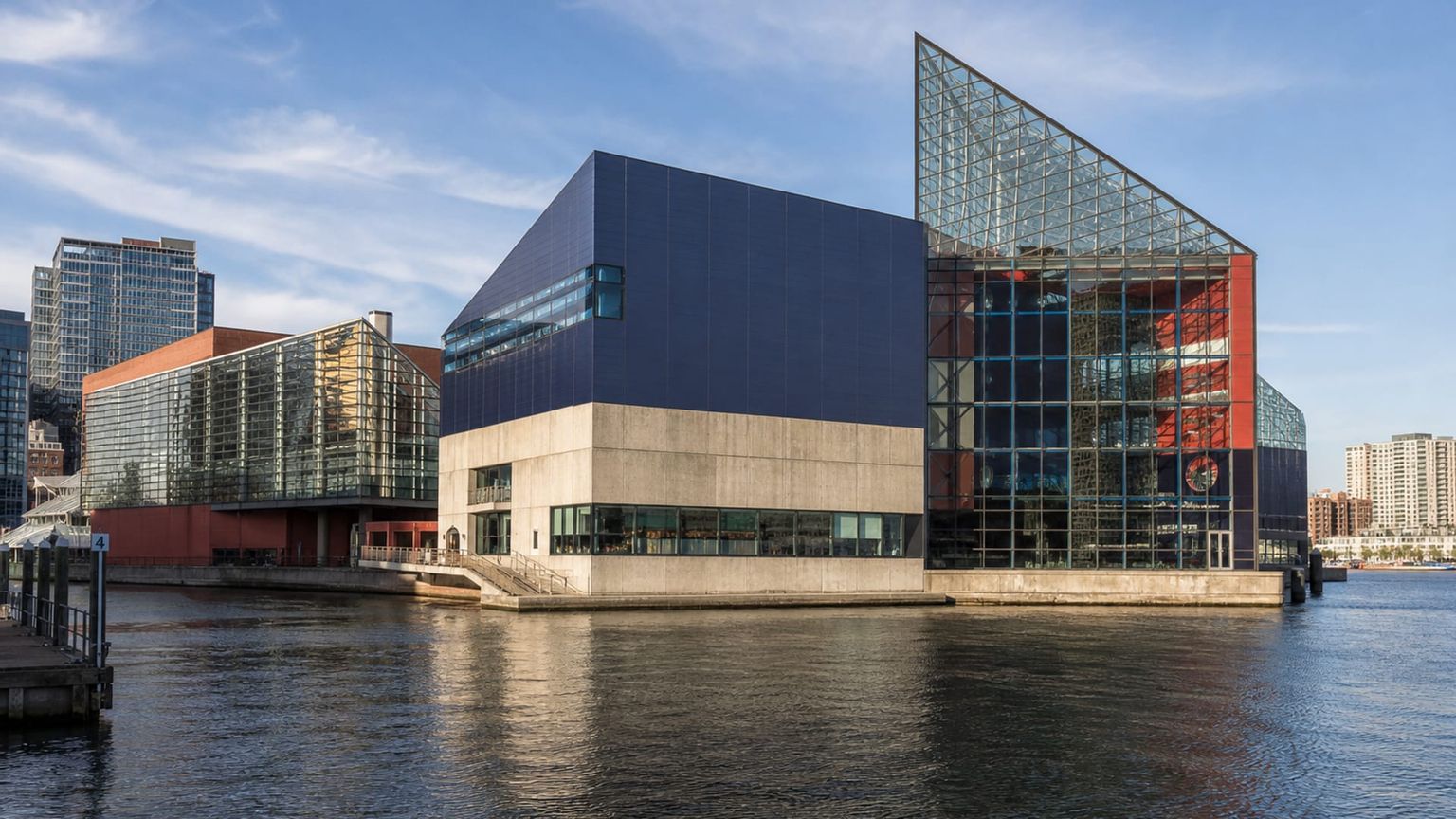
National Aquarium
Set on Baltimore’s Inner Harbor, the aquarium draws visitors for its tropical rainforest, Atlantic coral reef, and dolphin habitats. The building’s stepped glass towers are a city landmark, and the marine exhibits cover several levels.
Time needed: About 2 to 3 hours
Entry: Standard tickets cost $49.95 ($49.95) for adults, $39.95 ($39.95) for children 3 to 11, and $0 for children under 3. Visit the official site for details.
Tip: Go right when it opens, then head to the upper levels before school groups build up.
Overlooked sites worth visiting

Cylburn Arboretum
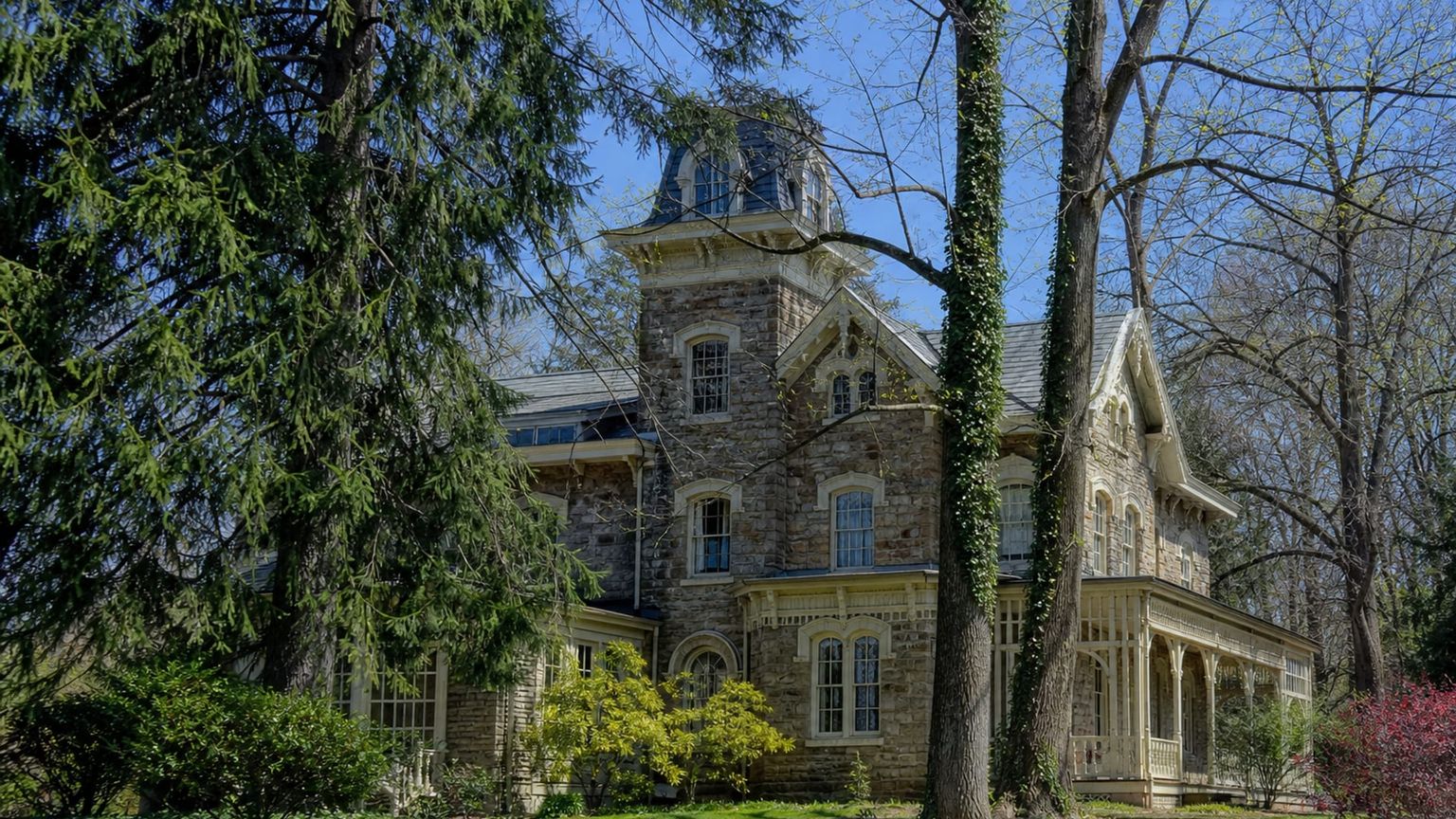
This 207-acre arboretum in northwest Baltimore pairs wooded trails, formal gardens, and a 19th-century mansion. It rewards a slow walk in every season, with peak bloom in spring and foliage in fall.
Time needed: About 1 to 2 hours
Entry: Free to access. The grounds are open daily, and the historic mansion hosts limited hours for exhibitions and events. Parking is free on site, and no ticket is needed for a casual visit to the gardens or trails.
Tip: Visit in late afternoon for softer light on the gardens.

Baltimore Museum of Art
The Baltimore Museum of Art holds one of the country’s strongest Matisse collections, plus American modern and African art. Its compact layout makes it easy to focus on a few galleries without rushing.
Time needed: About 1.5 to 3 hours
Entry: General admission is free. Special exhibitions may require timed tickets and charge about $10 to $20 ($10 to $20), depending on the show. Check the museum calendar for current exhibition pricing, hours, and any reservation rules. Visit the official site for details.
Tip: Start with the Cone Collection, then loop through the sculpture garden.
Traditional food
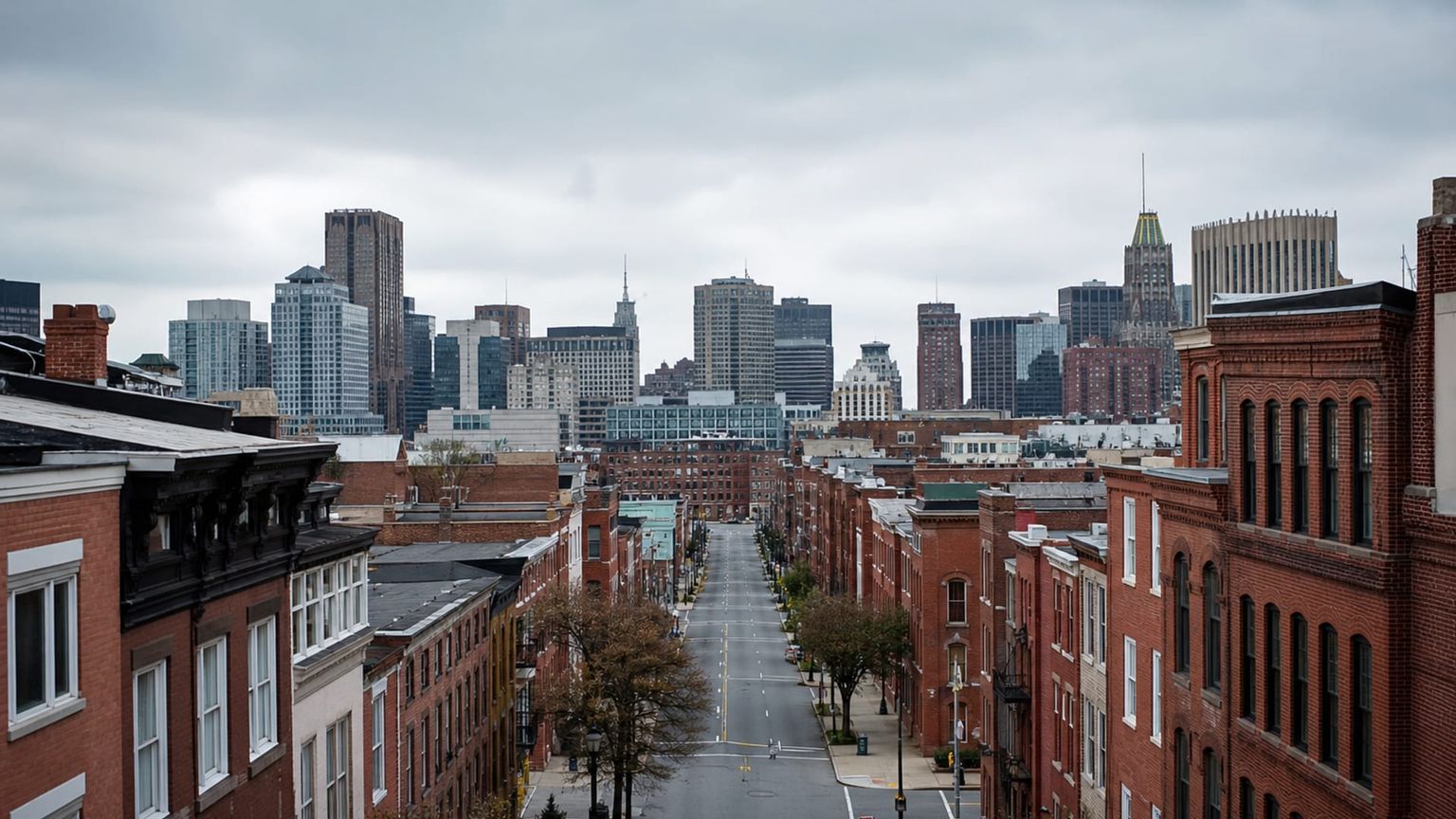
Baltimore cooking leans on Maryland blue crab, crab cakes, steamed crabs, and pit beef, with Old Bay, vinegar, and charcoal smoke shaping many menus. Seafood houses, neighborhood pubs, and market counters keep the city’s food identity close to the water.
Crab cakes
Baltimore crab cakes should lead with lump crab and very little filler, often served broiled with lemon or tartar sauce. Faidley’s Seafood at Lexington Market is the classic stop for a version that many visitors build a meal around.
Steamed crabs
Seasoned blue crabs arrive piled high with mallets, brown paper, and plenty of Old Bay, making the meal as much about the table as the dish. Costas Inn is a long-running Baltimore favorite for this style of crab feast.
Baltimore pit beef
Pit beef is Baltimore’s beef-and-charcoal staple, sliced thin and often stacked on a roll with tiger sauce or horseradish. Chaps Pit Beef is one of the city’s best-known places to try it in the form locals recognize.
Maryland crab soup
This tomato-based soup usually combines crab, vegetables, and Old Bay into a lighter, brothy bowl that shows a different side of the city’s seafood tradition. Pratt Street Ale House is a dependable downtown choice for it.
Best time to visit Baltimore
Baltimore shifts with the seasons, from humid waterfront summers and colorful fall weekends to cooler winter museum days and spring bloom in the city parks.
Best for: Garden walks, museum time, and mild neighborhood exploring
What you get: About 50 to 72°F (10 to 22°C), with moderate crowds and comfortable walking weather
Trade-offs: Rain can interrupt a waterfront day
Best for: Harbor views, outdoor dining, and late evenings in Fells Point
What you get: About 72 to 90°F (22 to 32°C), with heavier crowds near the harbor and more humidity
Trade-offs: Heat and muggy air can make midday walks tiring
Best for: Clear sightseeing days, park visits, and the most balanced city pace
What you get: About 55 to 75°F (13 to 24°C), with moderate crowds and crisp air
Trade-offs: Popular weekends can book up early
Best for: Indoor attractions and lower hotel demand
What you get: About 30 to 48°F (-1 to 9°C), with lighter crowds and shorter lines
Trade-offs: Cold wind off the harbor limits long outdoor strolls
A realistic 5-day plan in Baltimore
The five-day plan below keeps Baltimore in manageable pieces. It starts at the Inner Harbor, moves through Fort McHenry and Mount Vernon, then adds an arboretum day and a slower finish before departure.
Land at Baltimore/Washington International Thurgood Marshall Airport (BWI), then take the MARC train, Light RailLink, or a rideshare into the Inner Harbor, Mount Vernon, or Fells Point, with travel time usually about 20 to 35 minutes and fares roughly $2 to $45 depending on mode. Settle into a hotel near the harbor or Mount Vernon, drink water before heading out, and keep dinner simple with crab cakes or a seafood plate in the Inner Harbor so you can ease into the trip without a long night out.
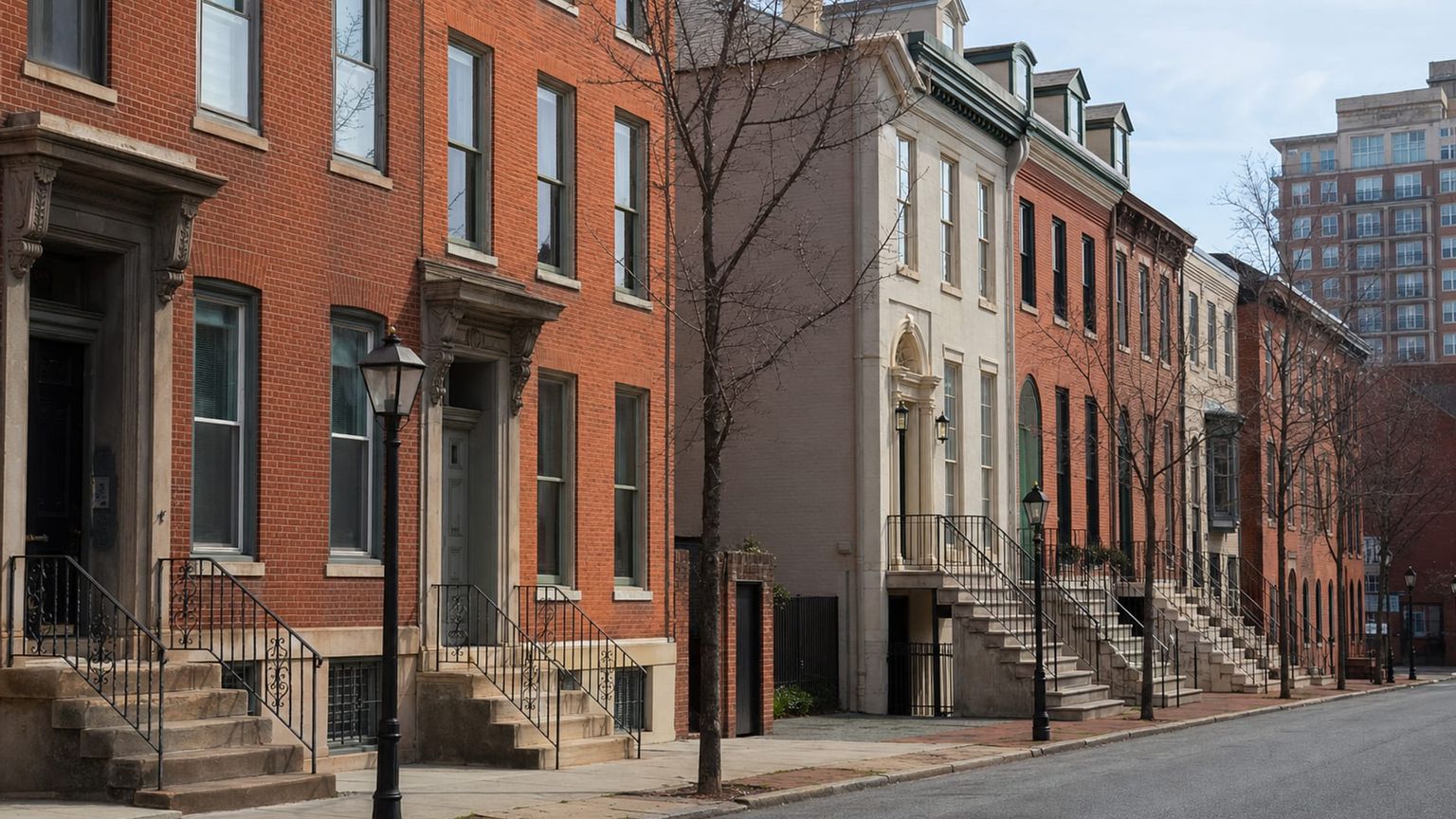
Start in the Inner Harbor with the National Aquarium, then walk about 10 minutes to the waterfront promenade for a harbor pause before lunch nearby. In the afternoon, continue about 15 minutes on foot or a short rideshare to Fort McHenry National Monument and Historic Shrine, where the ramparts and exhibits take about 2 to 3 hours; arrive early if you want the clearest views. Finish with an easy dinner back in Fells Point, about 10 to 15 minutes by car from Fort McHenry, where the cobblestone streets and late restaurants make a relaxed first full day feel complete.
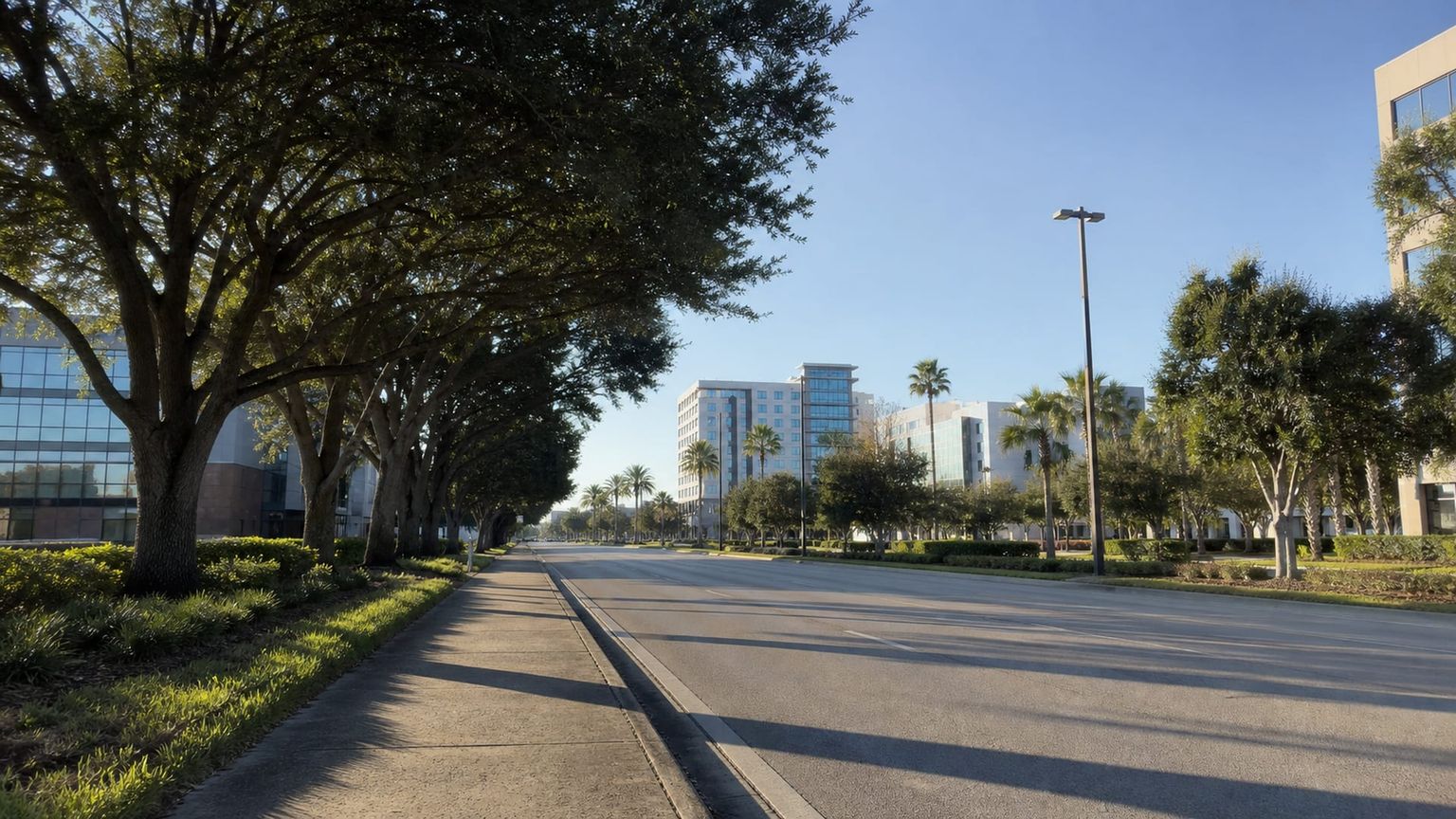
Mount Vernon sets the pace today: begin at The Walters Art Museum, then walk about 5 minutes to the Washington Monument area for a look at the neighborhood’s historic core. After lunch, continue by transit or rideshare about 10 to 15 minutes to the Baltimore Museum of Art, where the free collection and sculpture garden can fill the rest of the afternoon. If you want a quieter final stop, return to Mount Vernon for dinner, since the neighborhood keeps more of its character after dark than the harbor does.
A greener side of Baltimore fits nicely into the middle of the trip, so head northwest to Cylburn Arboretum for wooded trails, formal gardens, and a break from the waterfront. From Mount Vernon or the Inner Harbor, the ride usually takes about 20 to 30 minutes by car, and the grounds reward about 1 to 2 hours, especially in late afternoon light. Later, go back toward Canton for dinner and a harbor-side walk, with about 15 to 20 minutes by car from downtown, then end the evening on one of the neighborhood’s restaurant streets.
For a final day, pair one last museum stop with a neighborhood walk rather than a long excursion. Return to The Walters Art Museum if you want a second look at its collections, then spend time in Mount Vernon and nearby shopping corridors before a café break in Fells Point or Mount Vernon. That keeps the day close to the center of the city, so you can collect your bags, head back to Baltimore/Washington International Thurgood Marshall Airport (BWI), and avoid a rushed airport transfer.
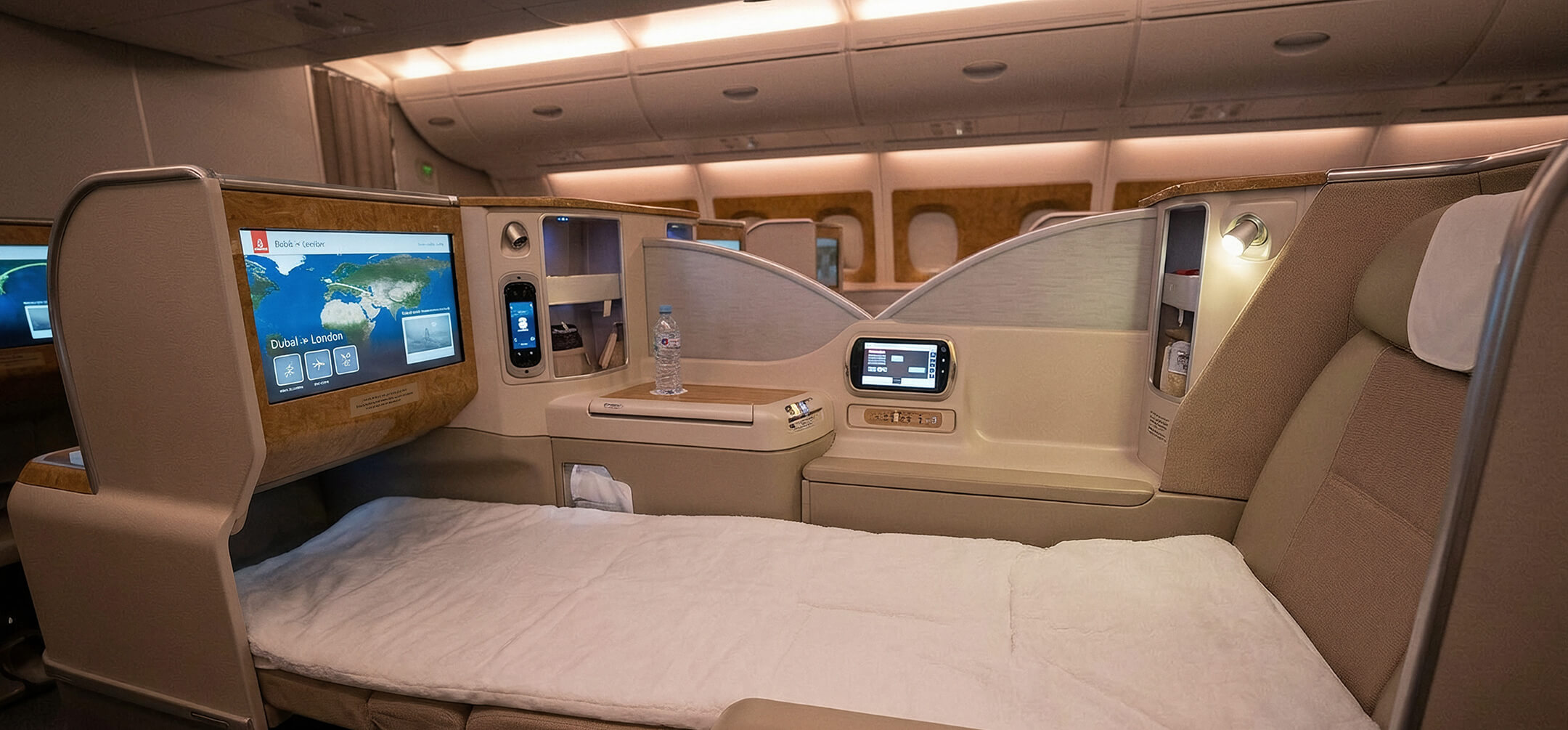
Business-class flights from the US to Baltimore
Baltimore connections into BWI vary by origin, so the best fare often depends on whether you value speed or a lower one-stop price. The examples below show how East Coast and West Coast departures usually differ.
From New York, American Airlines, Delta Air Lines, JetBlue, British Airways, Air Canada, and Lufthansa all appear on this market, with nonstop flying time about 1 to 1.5 hours. One-stop fares via LHR, YYZ, FRA, CDG, or AMS can dip to about $389, while business fares start from $498.
Los Angeles travelers usually look at American Airlines, Delta Air Lines, United Airlines, British Airways, Air Canada, and Lufthansa, with total flying time about 4.5 to 5.5 hours when the schedule is nonstop. Business fares start from $678, so through-ticket comparisons often hinge on timing rather than a large price spread.
Baltimore feels different when you slow down
A good Baltimore trip links the Inner Harbor to Mount Vernon, then uses short rides to Fort McHenry, Cylburn Arboretum, and Fells Point instead of trying to cover the city in one sweep. That gives the food, museums, and waterfront enough room to stand out on their own. If you want help narrowing the route, start with the neighborhood that matches your pace and let the AranGrant experts shape the rest of the plan