

Chapters:

Need help with your trip?
Our support team is available 24/7. Request a callback or call us directly at (833) 619-0908
Avarua trips often start with the same loop, airport to town, market to museum, then a quick beach meal before departure. What travelers miss is how much the capital changes by day of week, with Saturday trade, Sunday closures, and short blocks that reward timing.
That simple pattern can waste time, because a few stops sit close together while others need a taxi or bus, and midday heat can make even short walks feel longer than they are. Planning for opening hours matters as much as distance.
This guide trims the guesswork. It sets out where to stay, how to move, what to eat, and how to shape five days so Avarua feels mapped, not improvised.
Useful things to know

Main language(s): English

Currency: The local currency is the New Zealand dollar (NZD, $).

Cash and cards: Cards and contactless are widely accepted, but carry about $20 to $40 (about NZ$35 to NZ$70) in cash for small stalls and taxis.

Tipping: Round up taxi fares and leave 10% in restaurants if service is good.

Traditional food: Ika mata, rukau, umu, poke

Water and coffee costs: Water about NZ$2 ($1.20), bar espresso about NZ$4 ($2.50).

Taxis and ride apps: No major ride apps are widely used here; use hotel taxis or arrange a local driver.

Plug and voltage: Type I socket, 240V

Dining and shop opening hours: Breakfast is about 07:00-09:00, lunch about 12:00-14:00, and dinner about 18:00-20:00. Many cafes and shops close on Sunday.

Emergency number: Dial 111 for police, fire, and ambulance.
Where to stay in Avarua
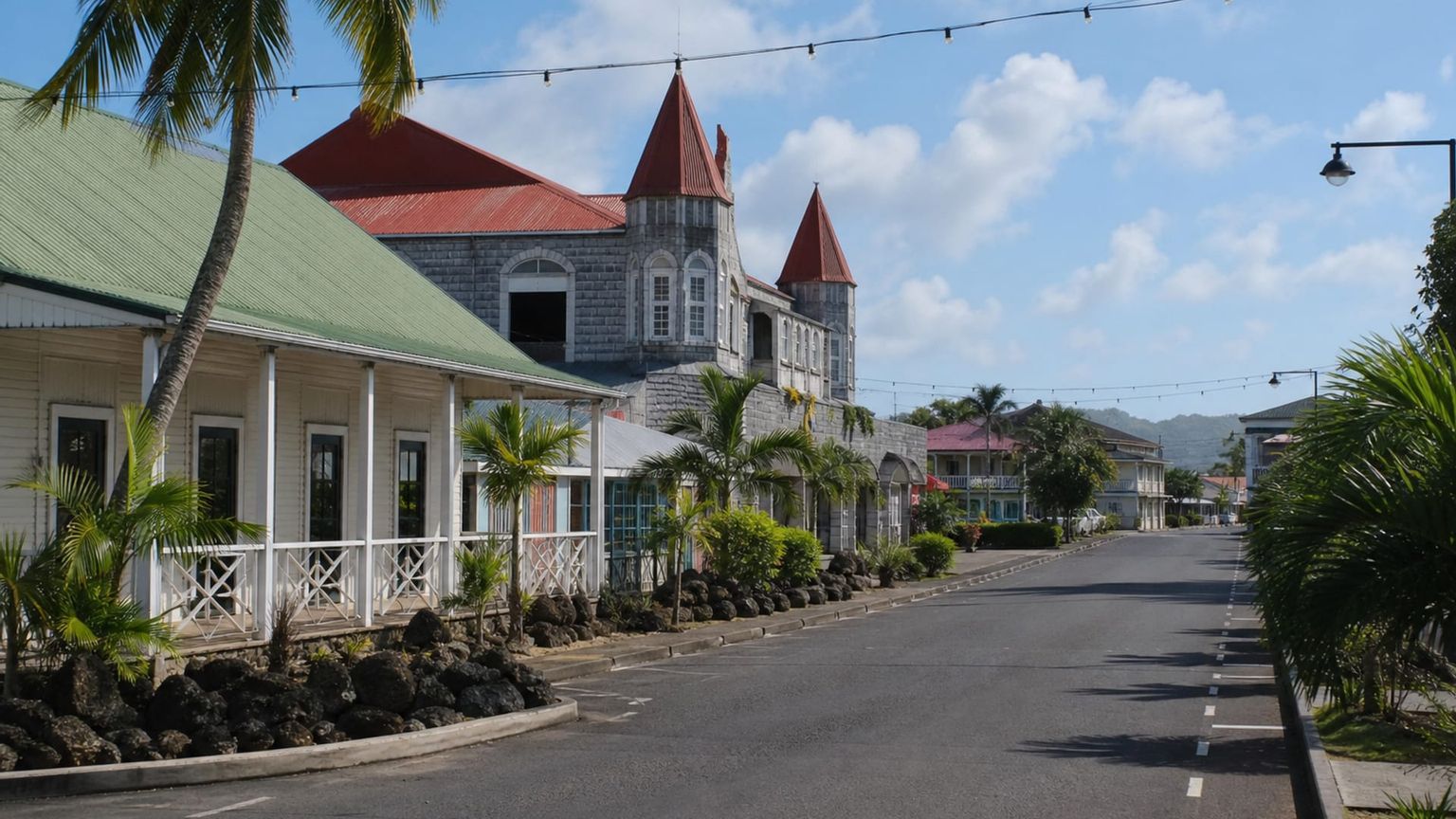
Avarua Town Centre puts you closest to the capital’s main shops, banks, cafes, and government buildings along the lagoon side of the island’s busiest road. It matters for travelers who want daily errands, bus access, and easy walks to the harbor and waterfront.
Best for: Central base for errands, bus access, and short walks to the harbor
What to expect: Daytime brings steady local activity, with traffic, shoppers, and commuters along the main road; evenings are quieter once offices and stores close.
Hotel prices: Usually about $120 to $240 per night for well-rated stays
Distance to major sights: 5 to 10 minutes on foot to the Avarua Wharf and about 10 minutes on foot to Punanga Nui Market
Quietness: Busier and noisier during the day, then noticeably calmer at night
Main trade-off: Rooms near the main road can pick up traffic noise, and the most central spots usually cost more than inland stays.
Good to know: If you want to move around without taxis, stay close to the road grid, because bus stops and everyday services are concentrated here.
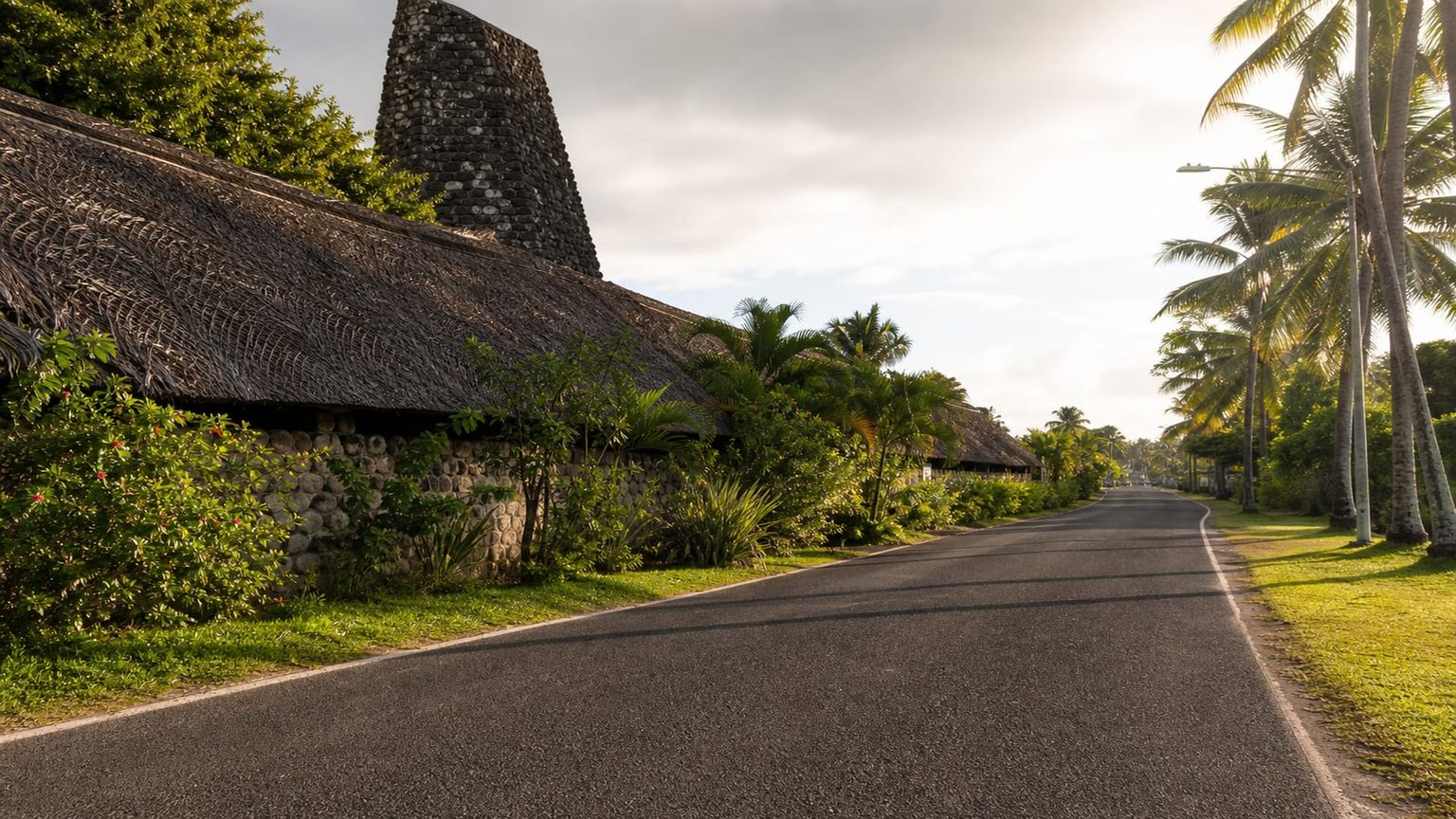
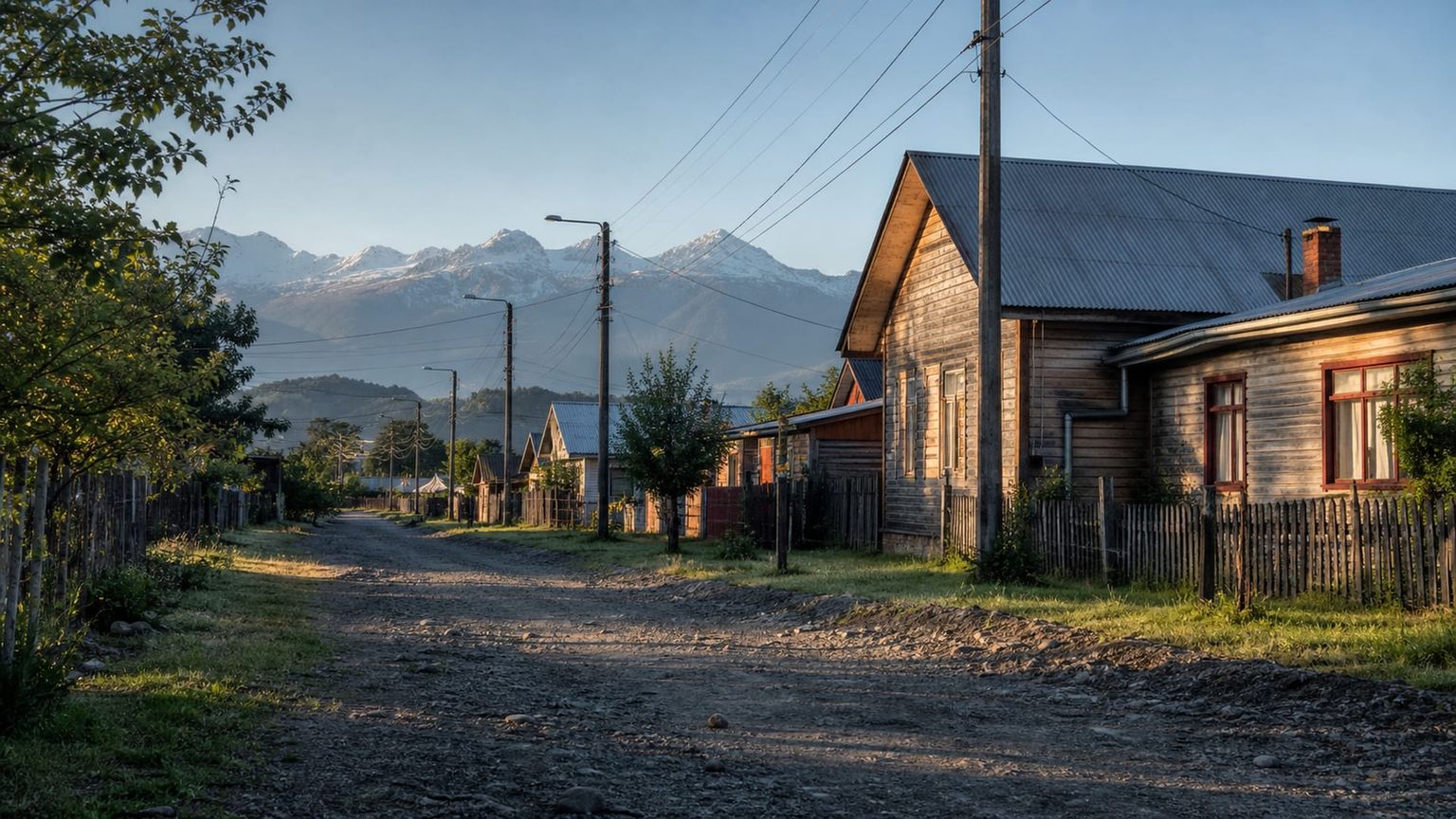
Nikao sits just west of the center near Rarotonga International Airport and the island’s north coast, so it works well for arrivals, early departures, and beach access. It also gives you quicker access to the capital than most outer villages without staying in the thickest traffic.
Best for: Airport access, short stays, and travelers who want quicker road links to town
What to expect: The area is spread out, with low-rise homes, resort properties, and less foot traffic than central Avarua; activity rises near beach hotels and main road stops.
Hotel prices: Usually about $130 to $280 per night for well-rated stays
Distance to major sights: About 5 minutes by car to Avarua Town Centre and about 3 minutes by car to Rarotonga International Airport
Quietness: Quieter than the center by day, with the same calm carrying into the evening except near hotels and the main road
Main trade-off: You will rely more on transport for dining and shopping, since the area is not built for walking to many venues.
Good to know: Choose this if flight timing matters, because it cuts transfer time to the airport and still keeps the capital within a short ride.
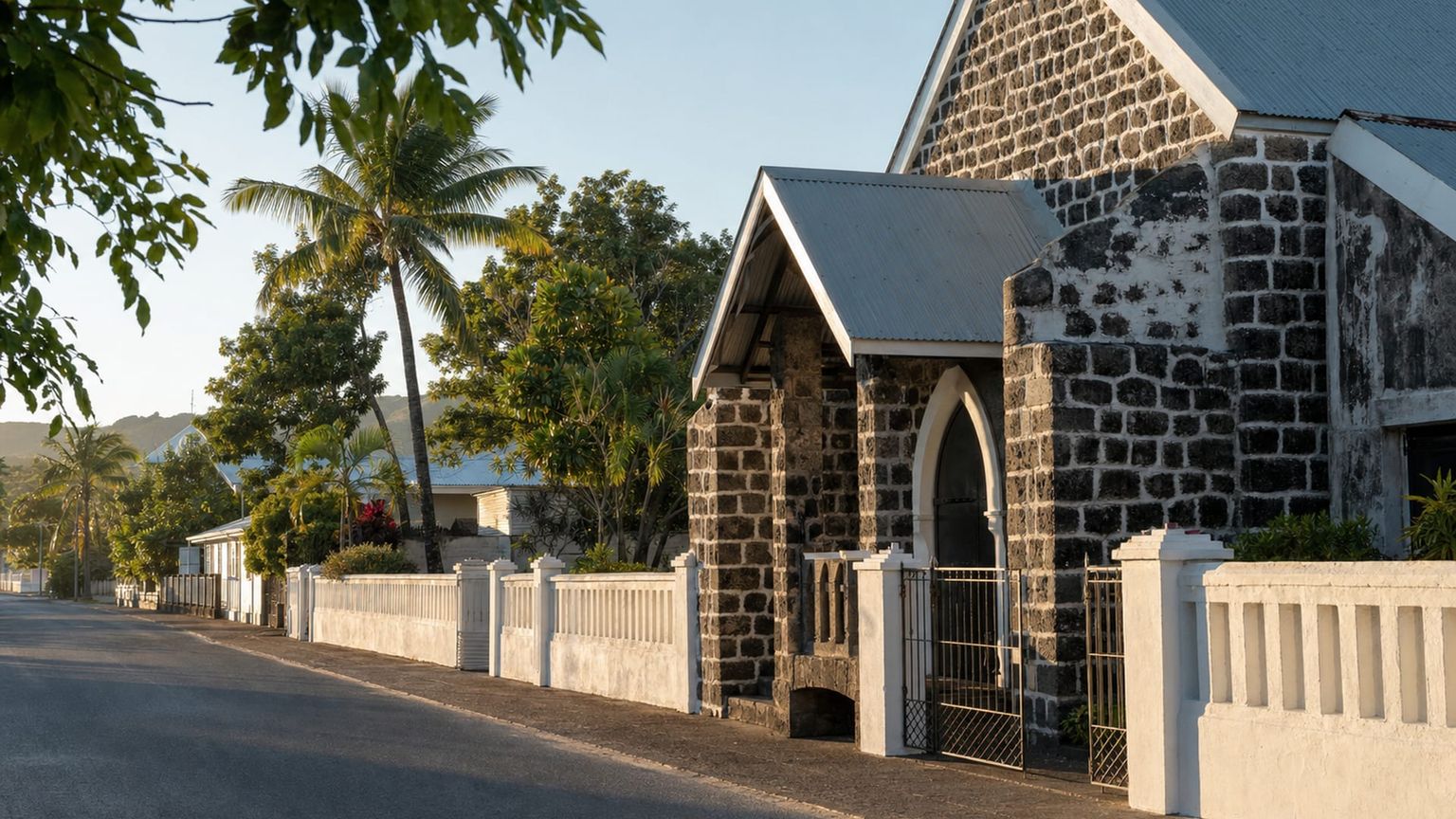
Tupapa lies east of Avarua along the coastal road, close enough for easy access to the town center but a little removed from its busiest blocks. It suits travelers who want a residential base with shoreline access and less through traffic than the core.
Best for: Longer stays, self-drive travelers, and visitors who prefer a residential setting near town
What to expect: Expect quiet residential streets, scattered guesthouses, and local movement along the main road rather than dense pedestrian activity.
Hotel prices: Usually about $110 to $220 per night for well-rated stays
Distance to major sights: About 5 to 10 minutes by car to Punanga Nui Market and about 8 to 12 minutes by car to Avarua Wharf
Quietness: Generally quiet both day and evening, with only brief road noise near the coastal highway
Main trade-off: You gain more calm, but you may need a car or taxi for dinners, market visits, and evening plans in the center.
Good to know: If you plan to rent a car, this area gives you easier parking and a calmer night scene than the core around the market.
Travelers usually avoid staying in Avarua Industrial Area, as it sits away from the waterfront, markets, and most visitor-facing dining. Palm Grove and Avatiu fringe areas are less convenient for walking, since they have fewer hotel options and you will need transport for evenings in central Avarua. Taputapuatea side roads are also less convenient, because they are farther from the main sights and have limited amenities after dark.
Hotel deals
How to get around Avarua efficiently
Avarua is small enough for walking in the center, but the island bus, taxis, and airport shuttles fill the gaps between the harbor, Nikao, and Tupapa.

Metro
for longer distances
Avarua has no metro or suburban rail, so there is no rail option for getting between Rarotonga Airport and town; use the bus or a taxi instead, with most journeys on the island taking about 10 to 20 minutes by road.

Bus and tram
for convenience
The Cook Islands bus loops the island in both directions, with buses on the main road through Avarua and toward Rarotonga Airport; a one-way fare is about $5 ($7.50), and a day pass is about $10 ($15), usually valid for the full operating day. Check the timetable before you rely on it, because departures are limited, especially outside the busiest hours.

Taxi
for convenience or late hours
Licensed taxis are not metered in the usual way, so ask for the fare before you set off; airport transfers to central Avarua typically cost about $10 to $20 ($15 to $30), while longer cross-island trips can run about $25 to $40 ($38 to $60). Drivers usually accept cash, and some also take cards, but it is best to confirm payment before boarding.
*Prices are based on rates updated as of June 2026 and may change at the time of travel.
Use the bus for low-cost island loops, taxis for airport runs and evening dinners, and walking when your stops stay within central Avarua.
Iconic landmarks
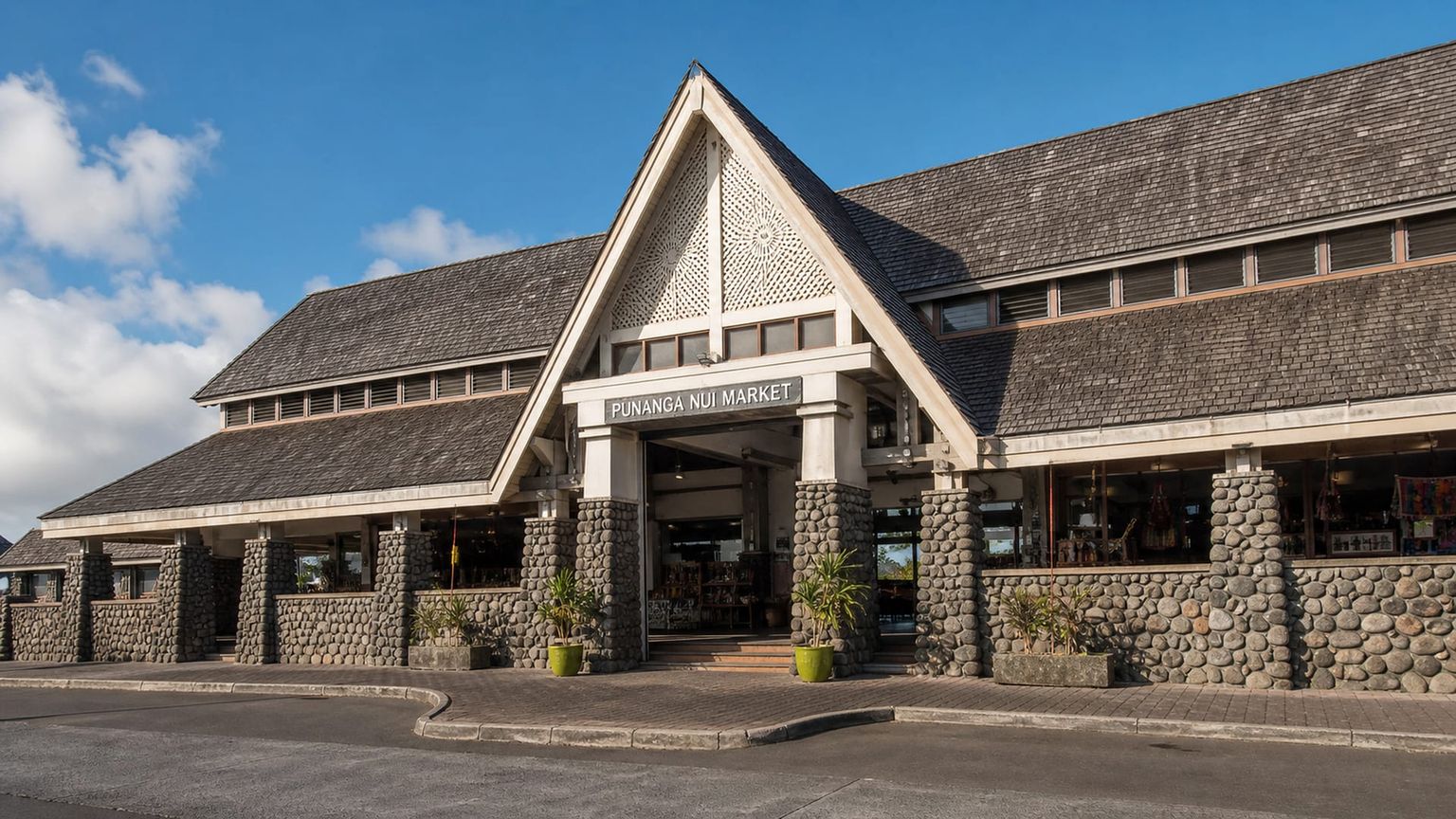
Punanga Nui Market
Avarua’s main market fills Saturday mornings with stallholders selling produce, pareu, black pearls, carvings, and cooked food. Live music and square-side activity make it the clearest snapshot of local trade and weekend life.
Time needed: About 1 to 2 hours
Entry: Free to access; food, crafts, and souvenirs are priced by individual stallholders
Tip: Arrive before 10:00 am for the fullest selection and easier parking.
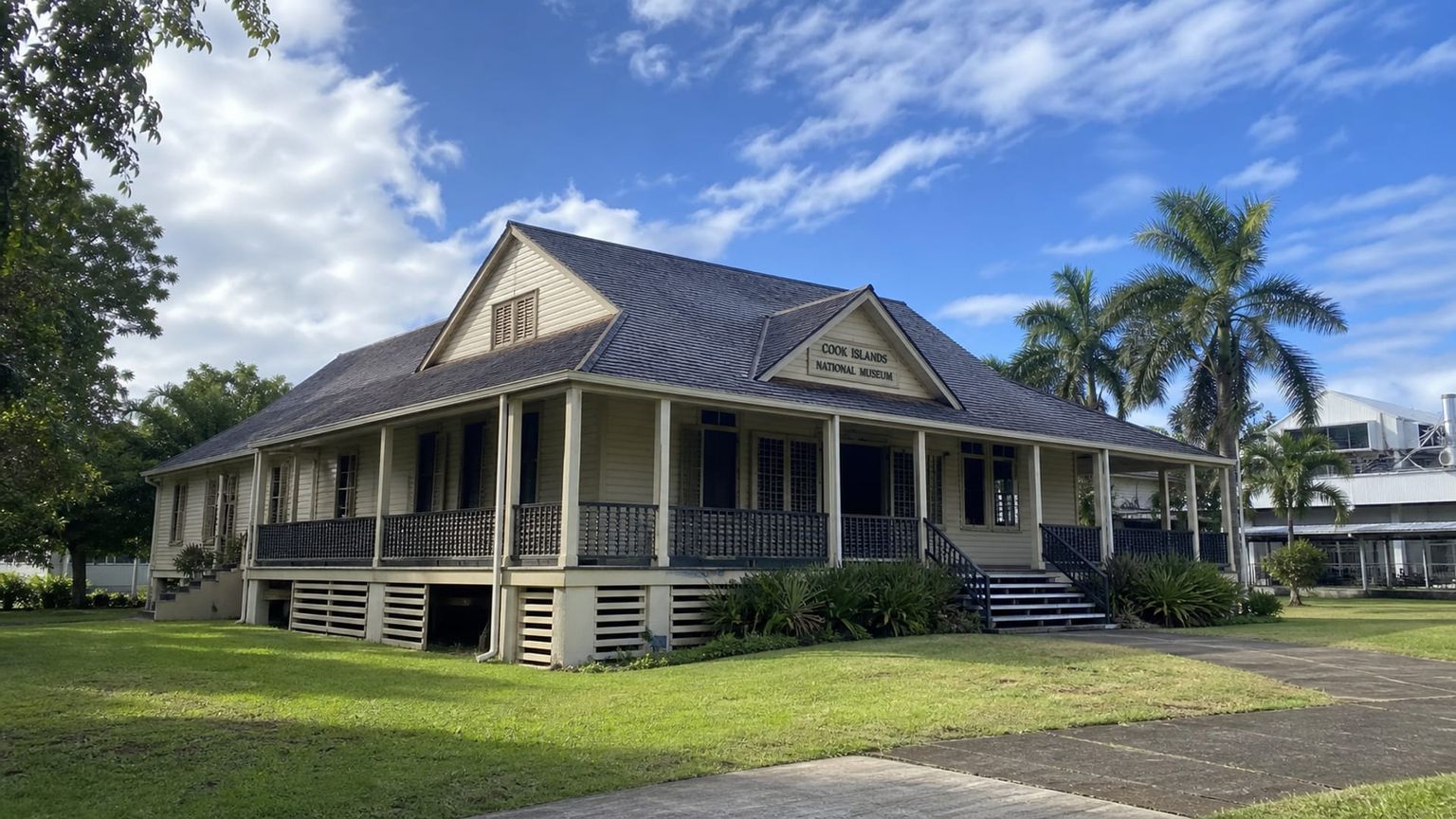
Cook Islands National Museum
This small museum in central Avarua traces Polynesian settlement, traditional navigation, and colonial-era change through artifacts, photographs, and craft displays. Its compact galleries suit a short visit between other town stops.
Time needed: About 45 minutes to 1 hour
Entry: Admission is free; donations are welcome at the entrance
Tip: Visit earlier in the day, when the galleries are quieter and cooler.
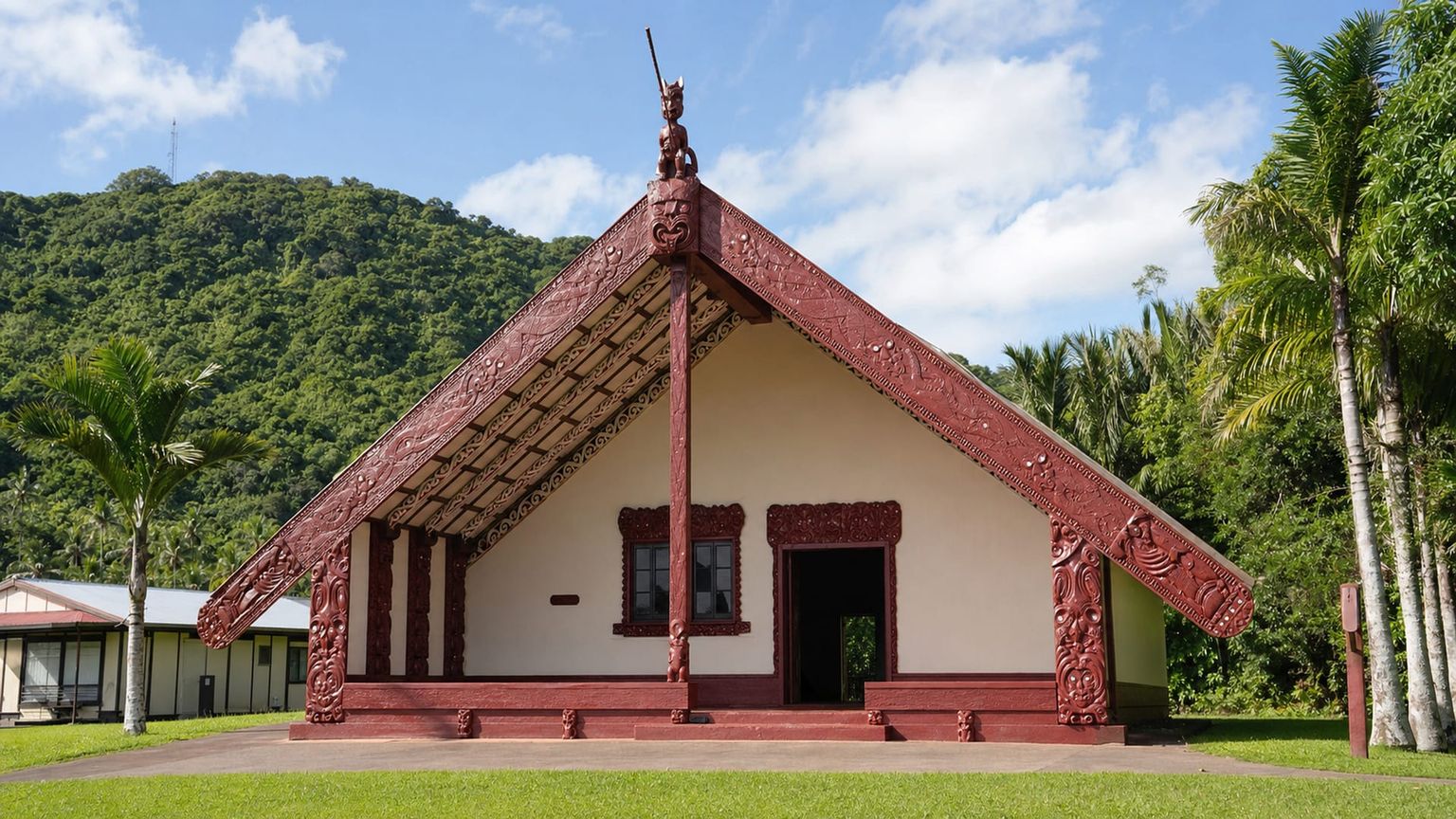
Arai-Te-Tonga Marae
Arai-Te-Tonga is one of the Cook Islands’ most important ceremonial sites, linked to ancestral chiefly power and traditional gatherings. The stone platform and surrounding grounds give a direct view of pre-Christian sacred architecture near town.
Time needed: About 30 to 45 minutes
Entry: Free to access; the site is open as a self-guided historic landmark
Tip: Go in the morning, when light is better for reading the stonework and site details.
Overlooked sites worth visiting

Avarua Sunday market
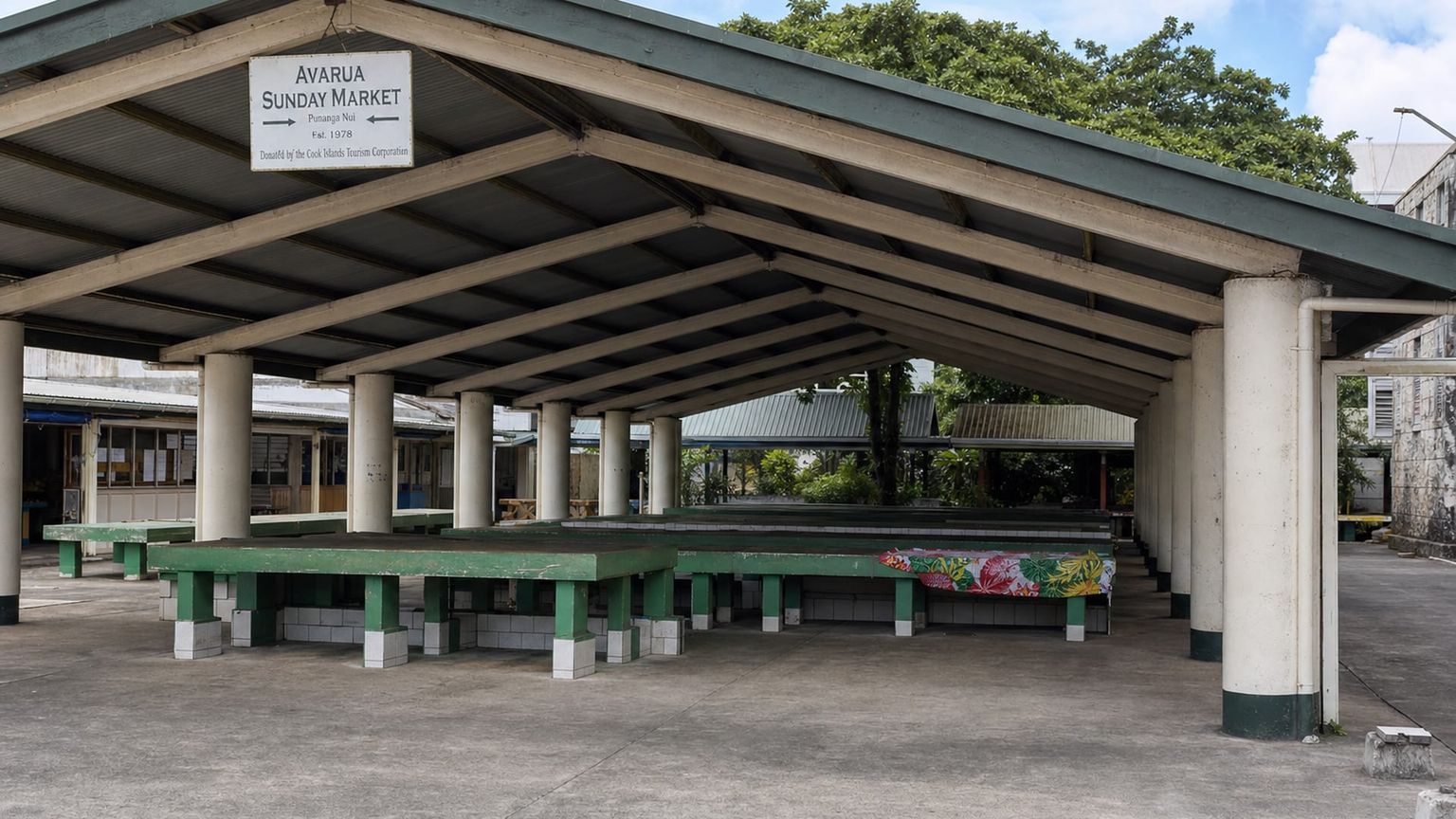
Small stalls sell produce, prepared food, and shell jewelry beside the main road. Go early for the widest choice, then walk the nearby lanes for murals and parish life.
Time needed: About 1 hour
Entry: Free to browse and buy; food and craft prices vary by stall, with most snacks and small purchases costing roughly $2 to $15 ($3 to NZ$25).
Tip: Arrive before 10:00 am for the best selection.

Cook Islands library and museum
This compact stop holds books, photographs, and island artifacts in central Avarua. It gives a quick look at local history, with displays that reward a short, quiet visit.
Time needed: About 30 to 60 minutes
Entry: Admission is usually free or by small donation; special exhibits and guided talks, when offered, may charge a modest fee of about $5 to $10 ($8 to NZ$17).
Tip: Check opening hours, since they can change on public holidays.
Traditional food
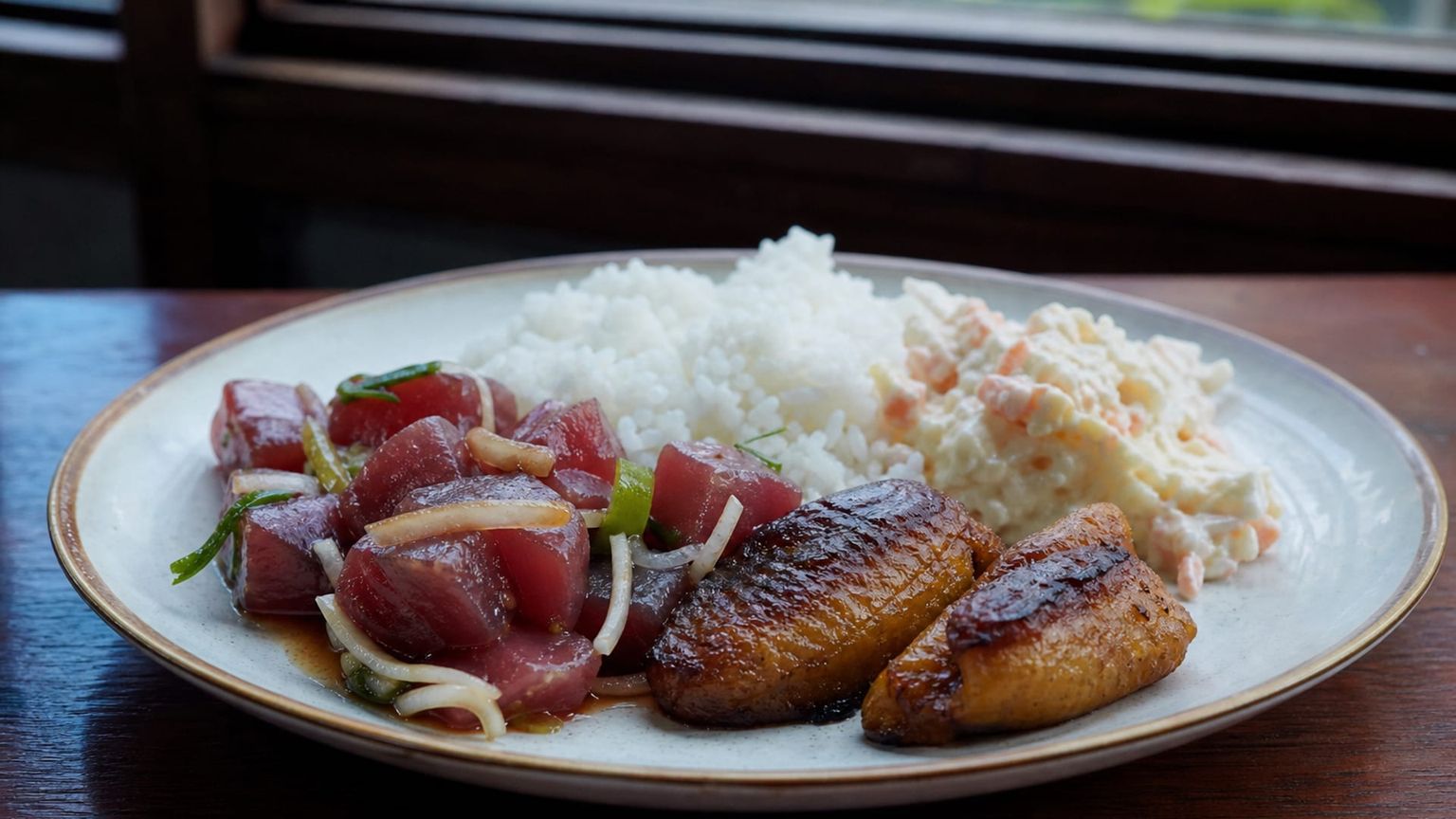
Avarua’s table leans on reef fish, taro leaves, coconut, and earth-oven cooking, with ika mata, rukau, umu, and poke showing up in cafes and market stalls. Lunch usually runs on the same local ingredients, with simple plates and early closing hours.
Ika mata
Raw fish cured in citrus and coconut, usually bright and clean rather than heavy. The canonical Avarua stop is Trader Jacks, where the waterfront setting suits a seafood-first lunch.
Rukau
Cooked taro leaves with coconut milk, often served as a side with fish or pork. The Punanga Nui Market is the best canonical place in town to find it in a local lunch plate.
Umu
Earth-oven cooking that brings together meats, fish, and root vegetables in a communal style. The Pacific Resort Hotel Rarotonga restaurant is a solid canonical choice in the Avarua area for a more set-dining version.
Poke
Cooked pudding or cake made with banana, taro, or breadfruit and finished with coconut cream. The canonical Avarua place for a sweet version is The Lucky Rooster Eatery, where it fits well after a cafe meal.
Best time to visit Avarua
Avarua stays warm year-round, but the drier months make market mornings and coastal walks easier, while the wet season brings heavier showers and fewer people on the road.
Best for: Warm sea swimming and full market activity
What you get: About 73 to 84°F (23 to 29°C), with humid days and the smallest crowds outside holiday periods
Trade-offs: Short, heavy showers can interrupt outdoor plans
Best for: Balanced weather for town visits and day trips
What you get: About 72 to 83°F (22 to 28°C), with moderate crowds and easier conditions for walking
Trade-offs: Occasional rain still appears, especially early in the season
Best for: Dryer air and comfortable sightseeing hours
What you get: About 69 to 80°F (21 to 27°C), with the most settled weather and steady visitor numbers
Trade-offs: Popular stays can book early around school holidays
Best for: Quieter streets and bright mornings
What you get: About 71 to 82°F (22 to 28°C), with lighter crowds and good visibility for coastal views
Trade-offs: Late spring can turn wetter as the season changes
A realistic 5-day plan in Avarua
Five days in Avarua work best when you mix market time, short cultural stops, and one or two easy local loops. The plan below keeps the center at the core, then adds Tupapa, Nikao, and the airport side without packing the days too tightly.
Land at Rarotonga International Airport (RAR) and take a taxi or prearranged transfer into Avarua Town Centre, usually about 10 to 15 minutes and roughly $15 to $25. If you arrive on an early or late flight, Nikao makes the easiest first-night base, since it sits closest to the airport and still keeps town within a short ride. Settle in, refill your water bottle, then walk to a nearby cafe in Avarua for a light dinner, with the harbor road and central blocks close enough for an easy, low-key first evening.
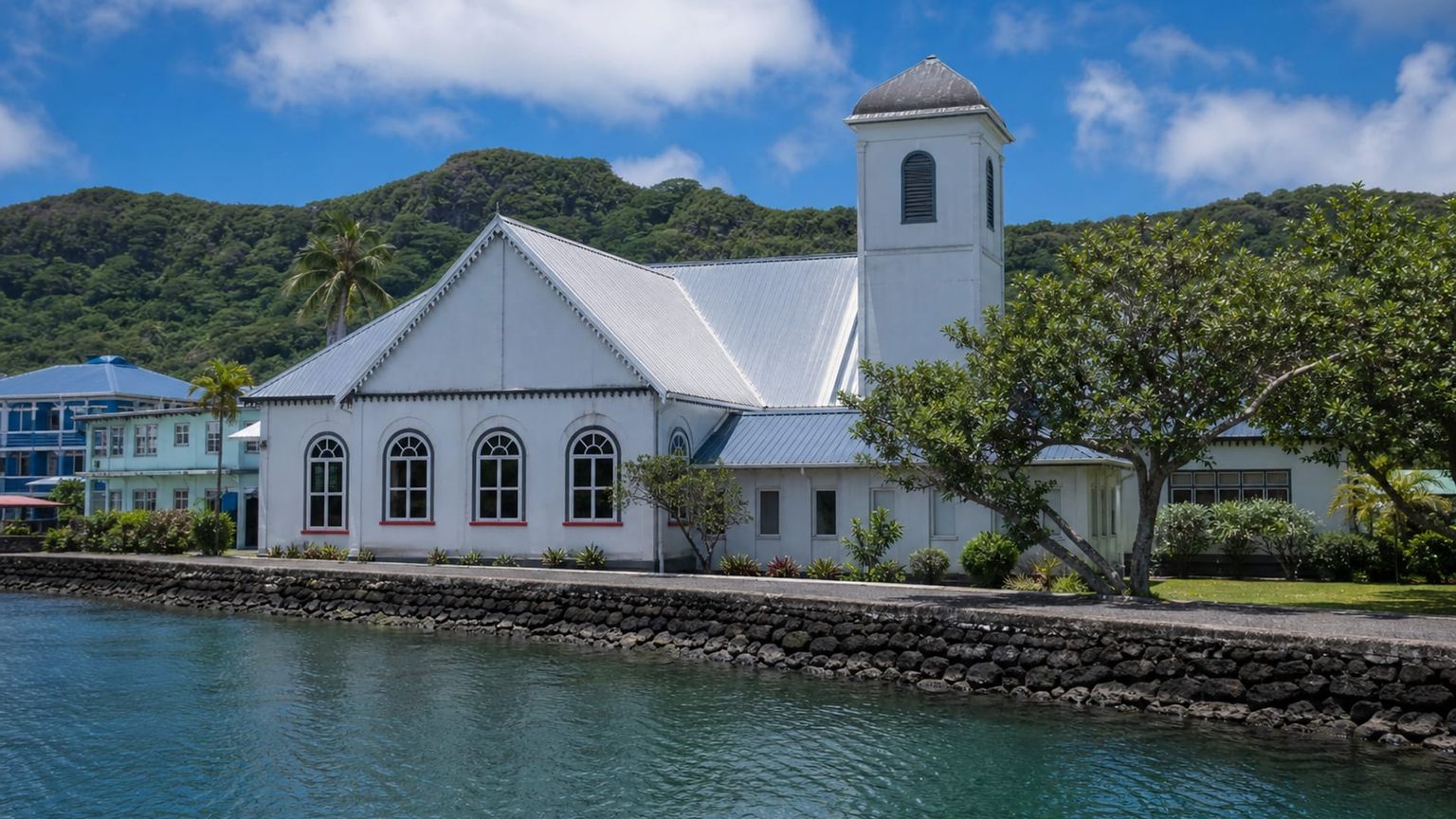
Begin at Arai-Te-Tonga Marae in the morning, then walk or take a short taxi ride, about 5 to 10 minutes, to the Cook Islands National Museum for a compact history stop. From there, it is about a 10-minute walk to Punanga Nui Market, where Saturday brings the widest food and craft selection, and the market is also an easy place for lunch. If you want one more stop after the market, the Cook Islands library and museum sits nearby in central Avarua, about 5 minutes on foot, which keeps the day focused on the town center.
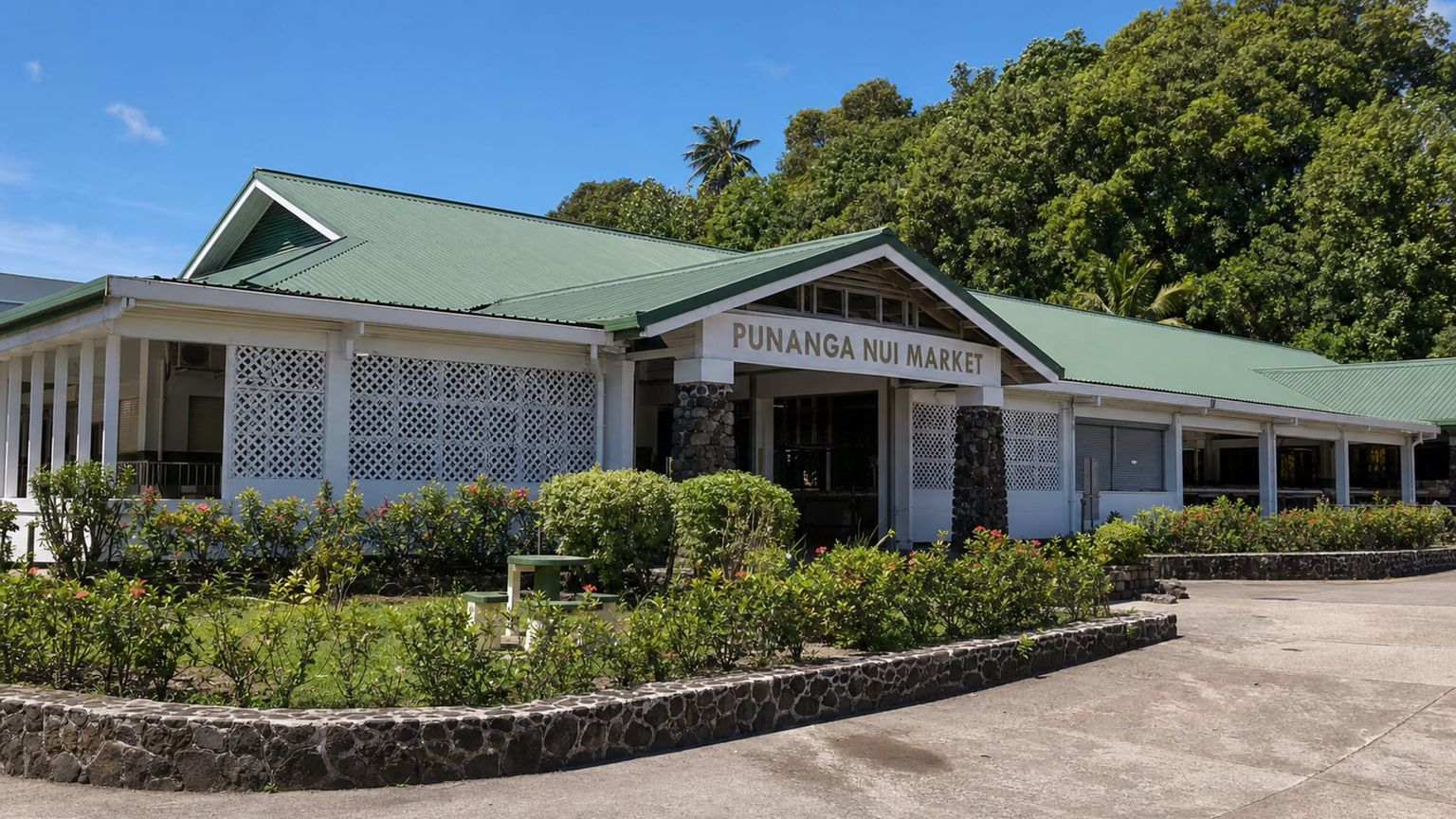
Punanga Nui Market sets the pace for a second market-led morning, especially if you arrive before 10:00 am for fresh produce and cooked food, then you can continue into nearby central streets on foot. The Avarua Sunday market, when it is operating, sits close to the main road and works well with the surrounding murals and parish activity, so plan about 1 hour there. Finish with a short walk or taxi ride back toward Avarua Town Centre for an easy lunch break, since the market area and town core stay only a few minutes apart.
For a quieter day, start in Tupapa, about 5 to 10 minutes by car east of Avarua Town Centre, then head back toward the capital for the Cook Islands library and museum, which needs about 30 to 60 minutes. After that, it is an easy 5-minute ride into the center for a relaxed cafe stop and a look through the harbor-side blocks near Avarua Wharf. This pairing keeps the day rooted in the island’s residential edge and the town’s small cultural stops without long crossings.
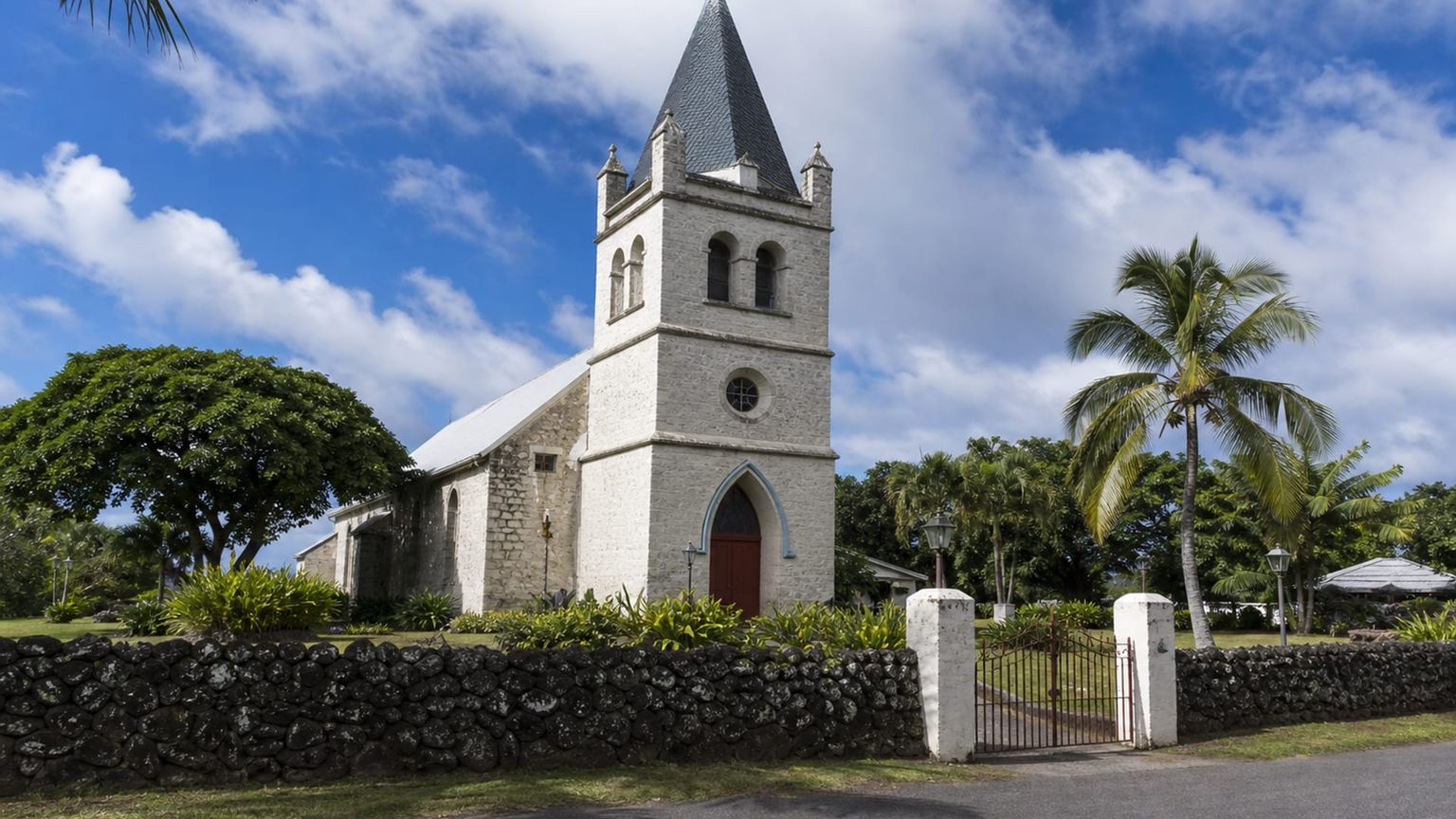
One last loop through Avarua works well before departure: begin at the Cook Islands National Museum if you missed it earlier, then spend time browsing the central shopping streets in Avarua Town Centre, where banks, souvenir shops, and everyday stores sit close together. If your flight is later in the day, settle into a cafe in Nikao or central Avarua for a final coffee, since both areas keep you within an easy drive of Rarotonga International Airport (RAR).
Business-class flights from the US to Avarua
Long-haul flights to Rarotonga usually involve at least one stop, and the most useful comparisons for Avarua come from the New York and Los Angeles gateways. The route shape and price band can vary sharply by connection point.
From New York, Air New Zealand, Qantas, United Airlines, Delta Air Lines, and Air Tahiti Nui typically price this route from $5,200 to $8,500, with the nonstop usually above the one-stop options. The nonstop takes about 10 to 11 hours, while one-stop itineraries commonly connect through LAX, AKL, PPT, or HNL and stretch the trip to about 17 to 23 hours.
From Los Angeles, Air New Zealand, Qantas, United Airlines, Delta Air Lines, and Air Tahiti Nui usually price flights at $4,200 to $7,200 round trip, with the nonstop near the upper end of that range. The nonstop takes about 9 to 10 hours; if you route through AKL, PPT, HNL, or SYD, plan on roughly 15 to 21 hours instead.
Avarua feels different when you slow down
A deliberate Avarua trip usually stays close to the waterfront, Punanga Nui Market, Arai-Te-Tonga Marae, and the small museum stops in the center, then uses taxis or the island bus only when the route opens out toward Nikao or Tupapa. That approach keeps the days tied to real opening hours, not guesswork. If you want help shaping the route, the AranGrant experts can match it to your arrival time and hotel location