

Chapters:

Need help with your trip?
Our support team is available 24/7. Request a callback or call us directly at (833) 619-0908
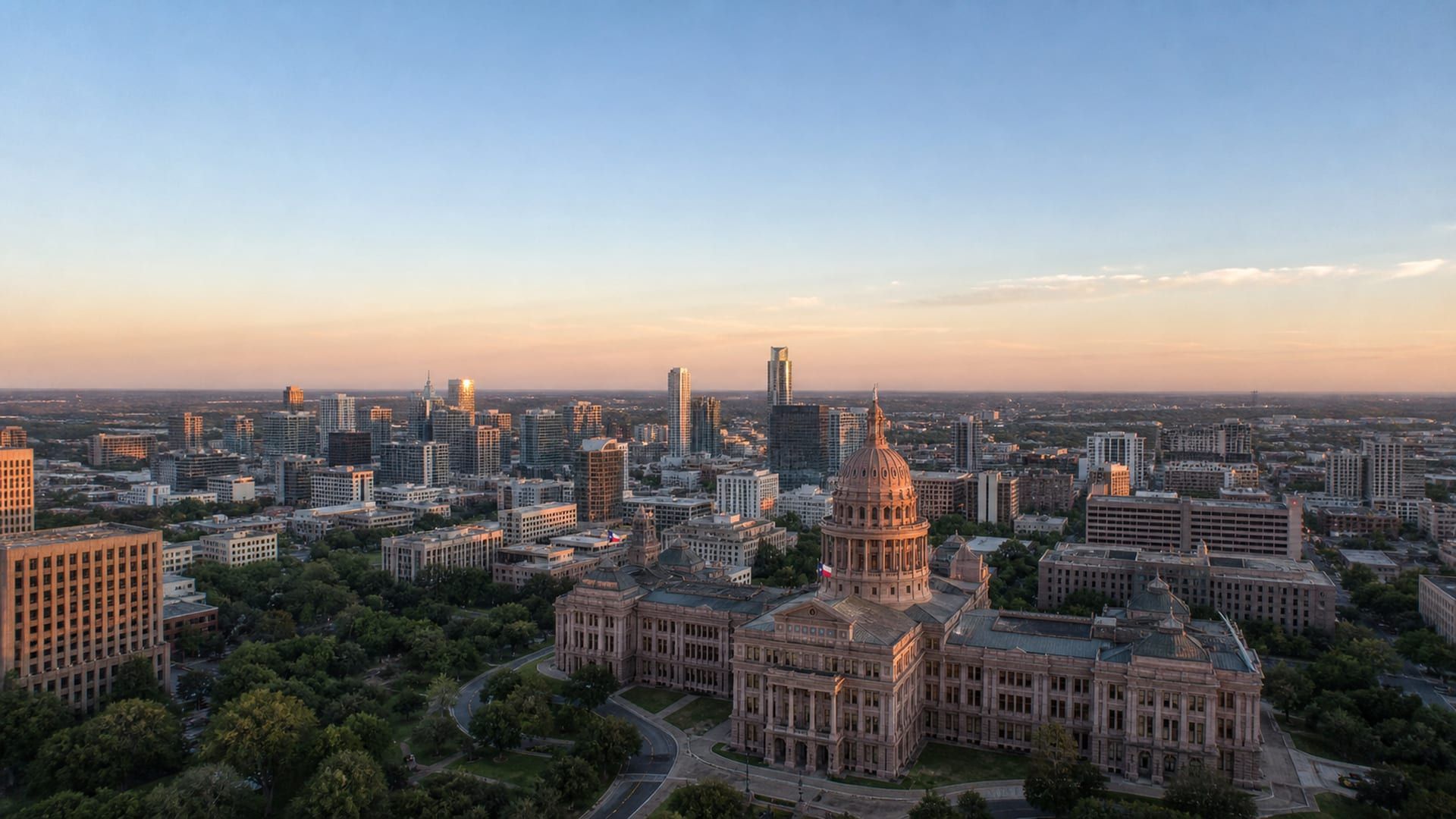
Austin trips often begin with a Capitol stop, a quick photo downtown, and one big music night, but travelers still miss how much time the city asks between neighborhoods. The compact map on paper hides real gaps once you cross the river or move toward the greenbelt.
That matters because traffic, parking, and weekend crowds can stretch short rides into long pauses, and a walkable block in one district may sit far from lunch or dinner in the next. A loose plan can waste an afternoon.
This guide ties the major sights to specific neighborhoods, keeps transfers brief, and gives each day a clear purpose so you can move through Austin without guessing what comes next.
Useful things to know

Main language(s): English

Currency: The local currency is the US dollar (USD, $).

Cash and cards: Cards and contactless are widely accepted; keep about $20 to $40 in cash for tips and small buys.

Tipping: Tip 15-20% in restaurants and bars if gratuity is not already included; round up for taxis.

Traditional food: Texas barbecue brisket, breakfast tacos, chicken-fried steak, queso

Water and coffee costs: Water about $2 to $4, bar espresso about $3 to $6.

Taxis and ride apps: Uber and Lyft operate here; wait times can rise late at night.

Plug and voltage: Type A/B socket, 120V

Dining and shop opening hours: Breakfast is about 07:00-10:00, lunch 11:30-14:00, and dinner 17:30-21:00. Many kitchens close earlier on Sundays.

Emergency number: 911 for police, fire, and medical emergencies.
Where to stay in Austin
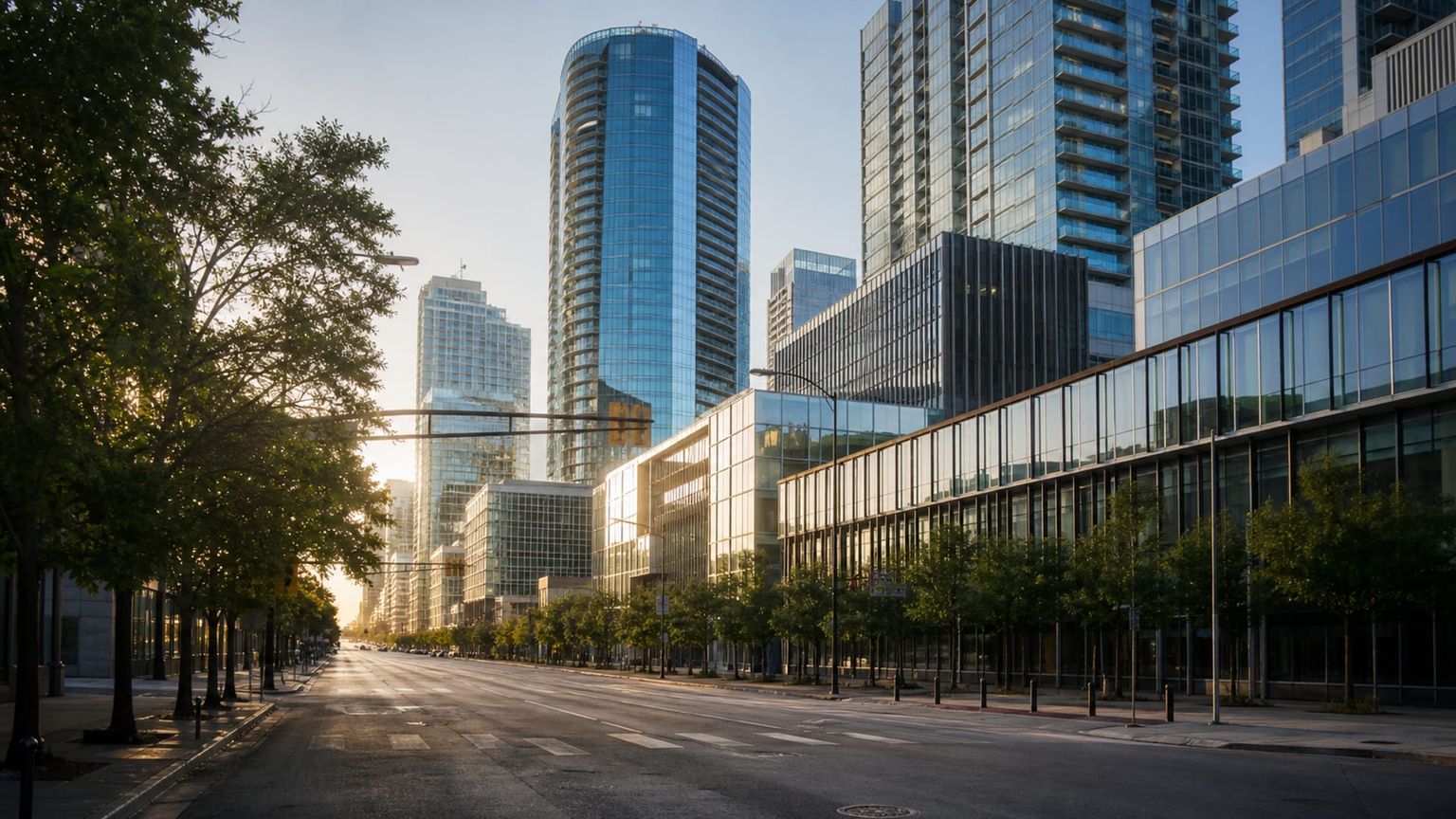
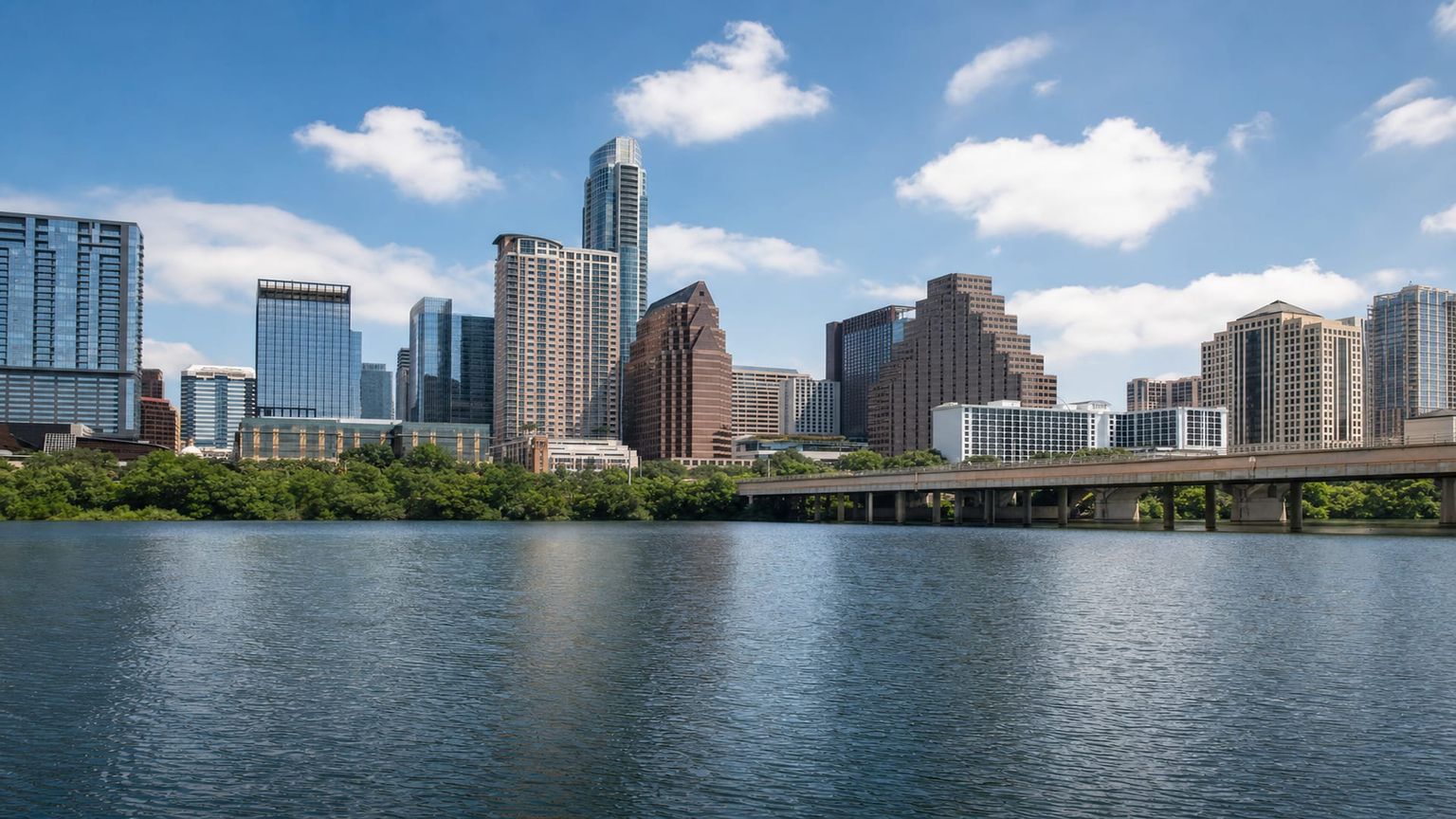
Austin’s central district puts you close to the Texas State Capitol, the convention center, and the riverfront trail system. It suits travelers who want the densest mix of restaurants, bars, and business hotels within a short ride of major sights.
Best for: First-time visits, nightlife, and business trips
What to expect: Busy sidewalks by day, then heavy bar traffic on weekend evenings, especially near Sixth Street and Rainey.
Hotel prices: Usually about $220 to $420 per night for well-rated stays
Distance to major sights: 10 to 15 minutes on foot to the Texas State Capitol; about 10 minutes by car to Lady Bird Lake
Quietness: Lively through the day and often noisy late at night, especially on weekend blocks with bars.
Main trade-off: You pay more for central convenience, and street noise can rise quickly after dark.
Good to know: Parking often costs extra, so choose a hotel with onsite parking if you plan to drive.
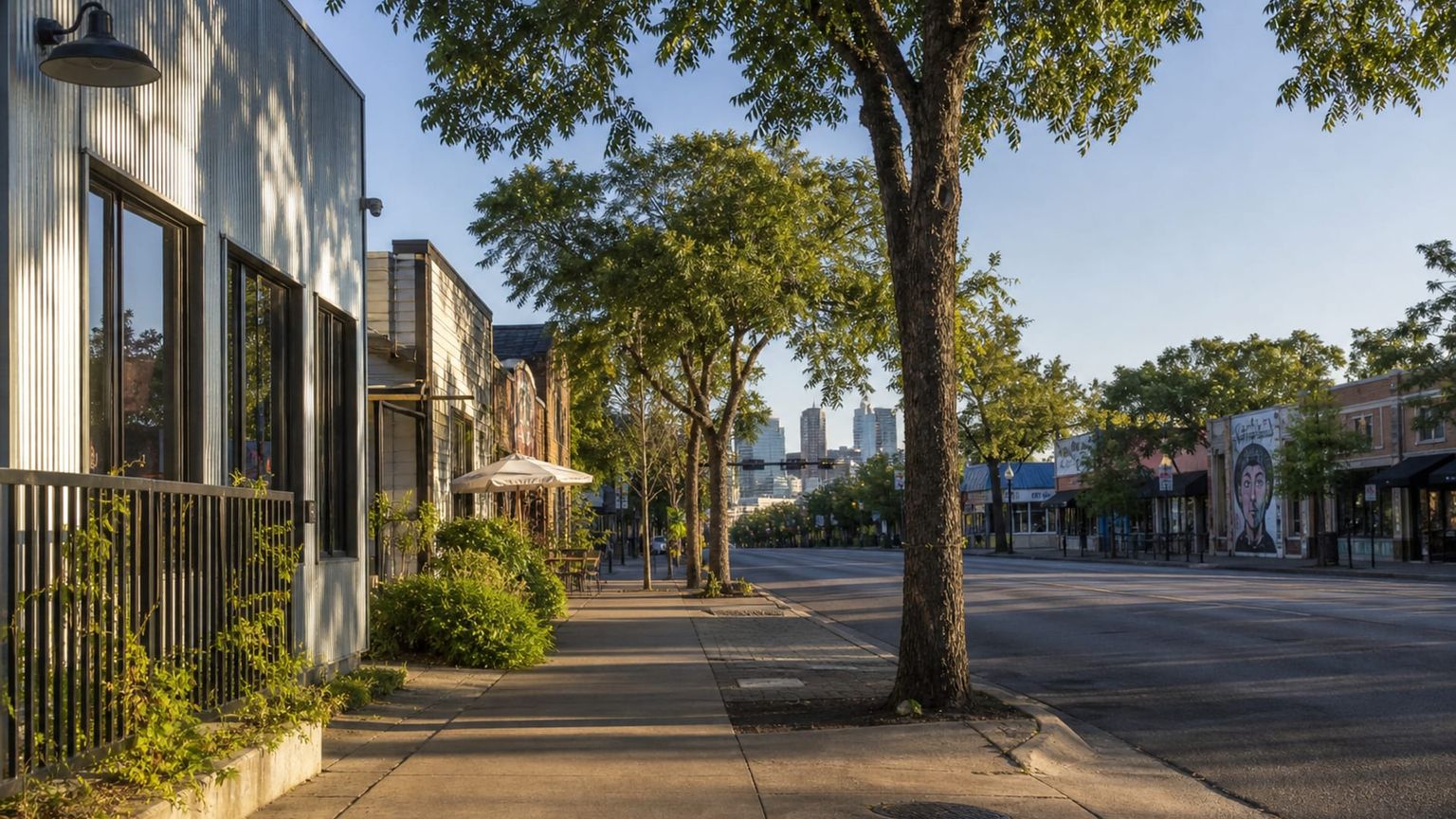
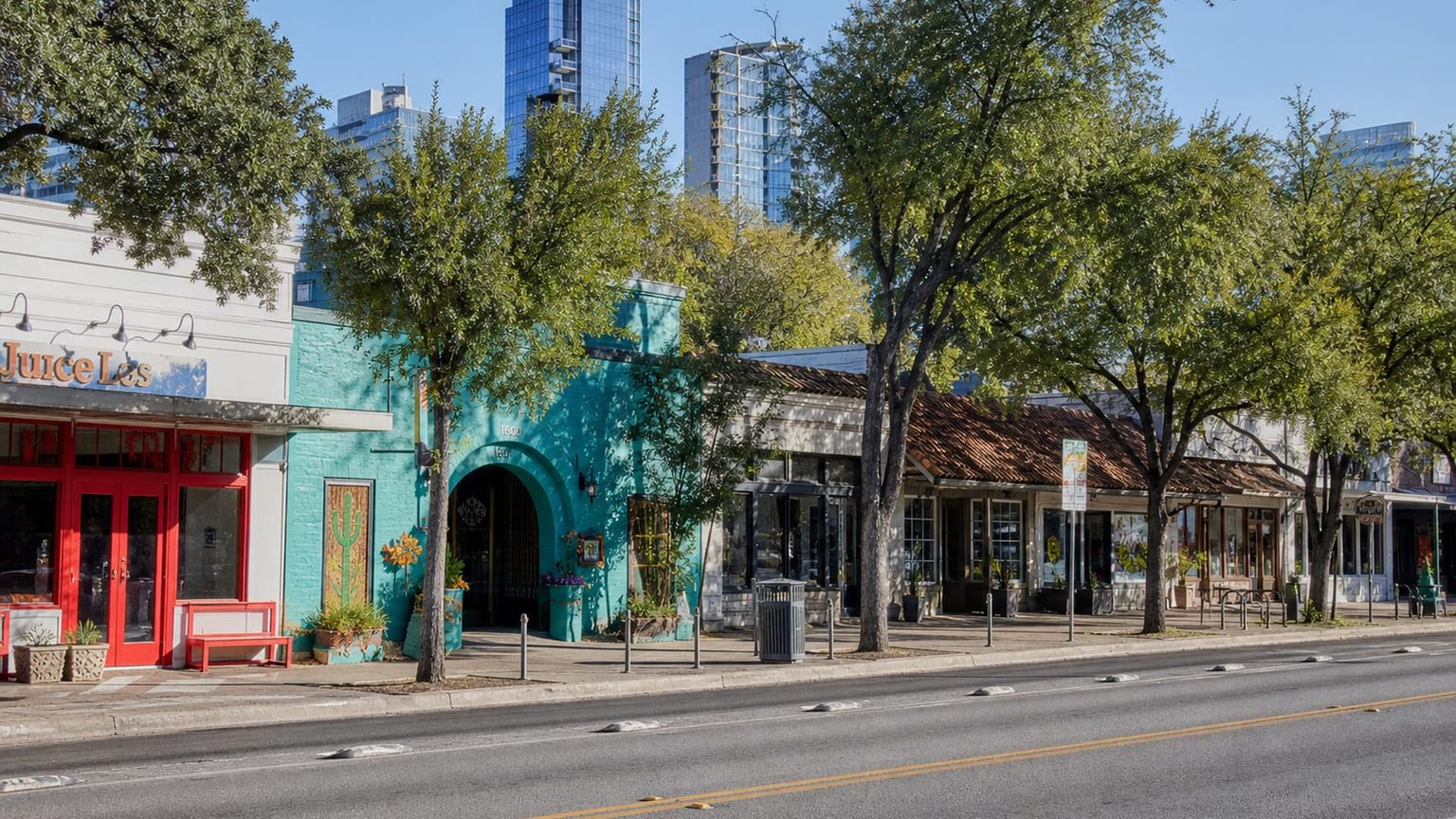
South Congress stretches just south of the river, with independent shops, music venues, and a strong dining strip along South Congress Avenue. It matters because it gives visitors an Austin street scene that feels distinct from the downtown office core.
Best for: Dining, boutique shopping, and travelers who want a walkable neighborhood with character
What to expect: Busy along the avenue, with steady foot traffic, weekend crowds, and late evenings around popular bars and live music spots.
Hotel prices: Usually about $210 to $380 per night for well-rated stays
Distance to major sights: About 10 to 15 minutes by car to the Texas State Capitol; 5 to 10 minutes by car to Lady Bird Lake trails
Quietness: Active most of the day and into the evening; side streets usually settle down sooner than the avenue itself.
Main trade-off: Rooms near the main strip can be noisy, and the best locations tend to book fast.
Good to know: If you want to rely on rideshares after dinner, this area works better than trying to park on South Congress itself.
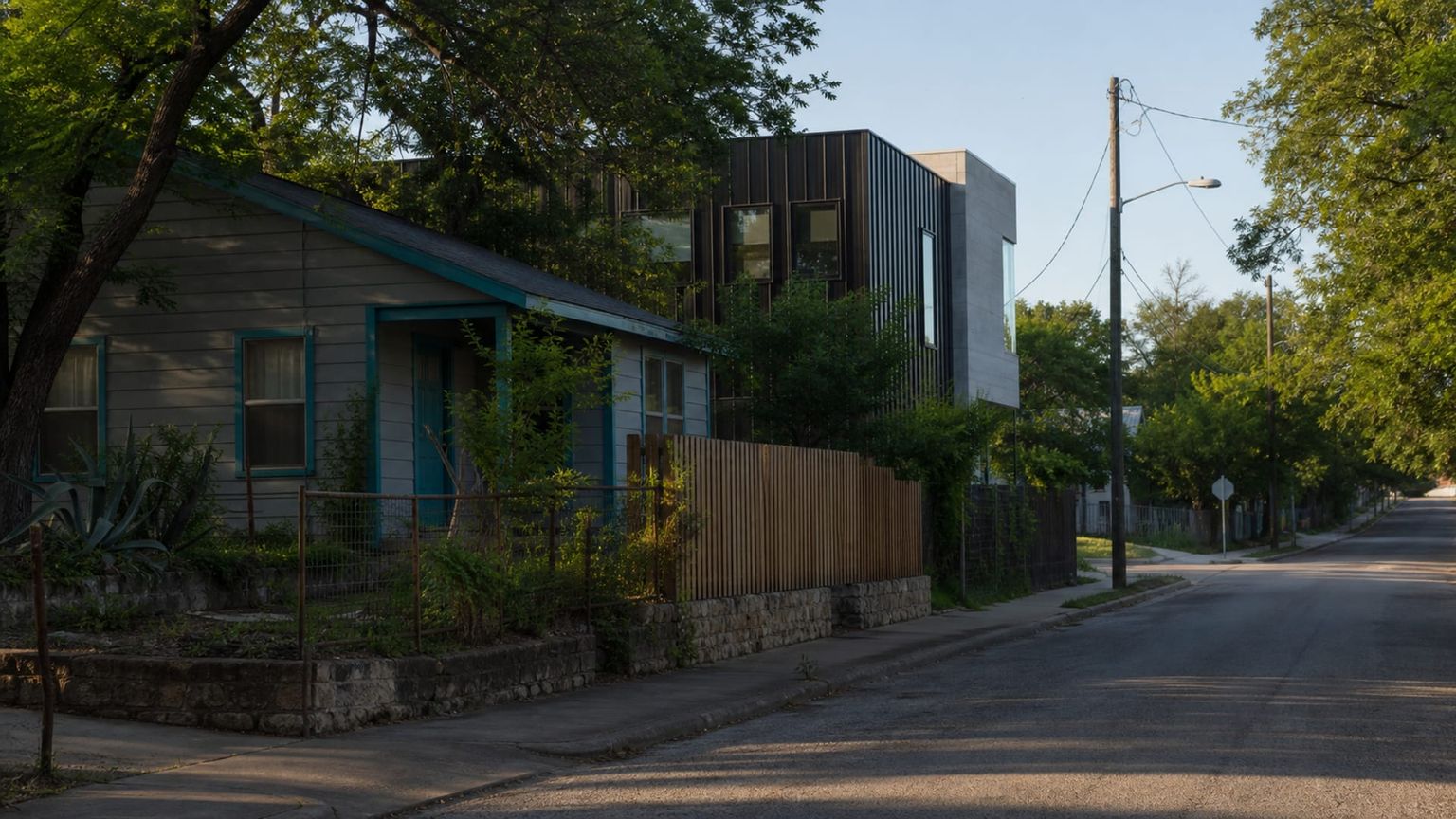
East Austin sits just east of downtown and mixes restaurants, cocktail bars, galleries, and older residential blocks. It matters for travelers who want a neighborhood base with a strong local dining scene and quick access to the center.
Best for: Dining, local bars, and travelers who prefer a neighborhood feel near downtown
What to expect: Active evenings near popular corridors, with quieter residential stretches only a few blocks away from the main dining streets.
Hotel prices: Usually about $180 to $320 per night for well-rated stays
Distance to major sights: About 5 to 10 minutes by car to the Texas State Capitol; 10 to 15 minutes by bike to Lady Bird Lake
Quietness: Quieter than downtown in the morning, then busier near restaurant corridors after sunset.
Main trade-off: You may be a little farther from the classic sightseeing core, and some blocks still lack late-night transit options.
Good to know: Check whether your stay includes parking, because many small properties in the area have limited spaces.
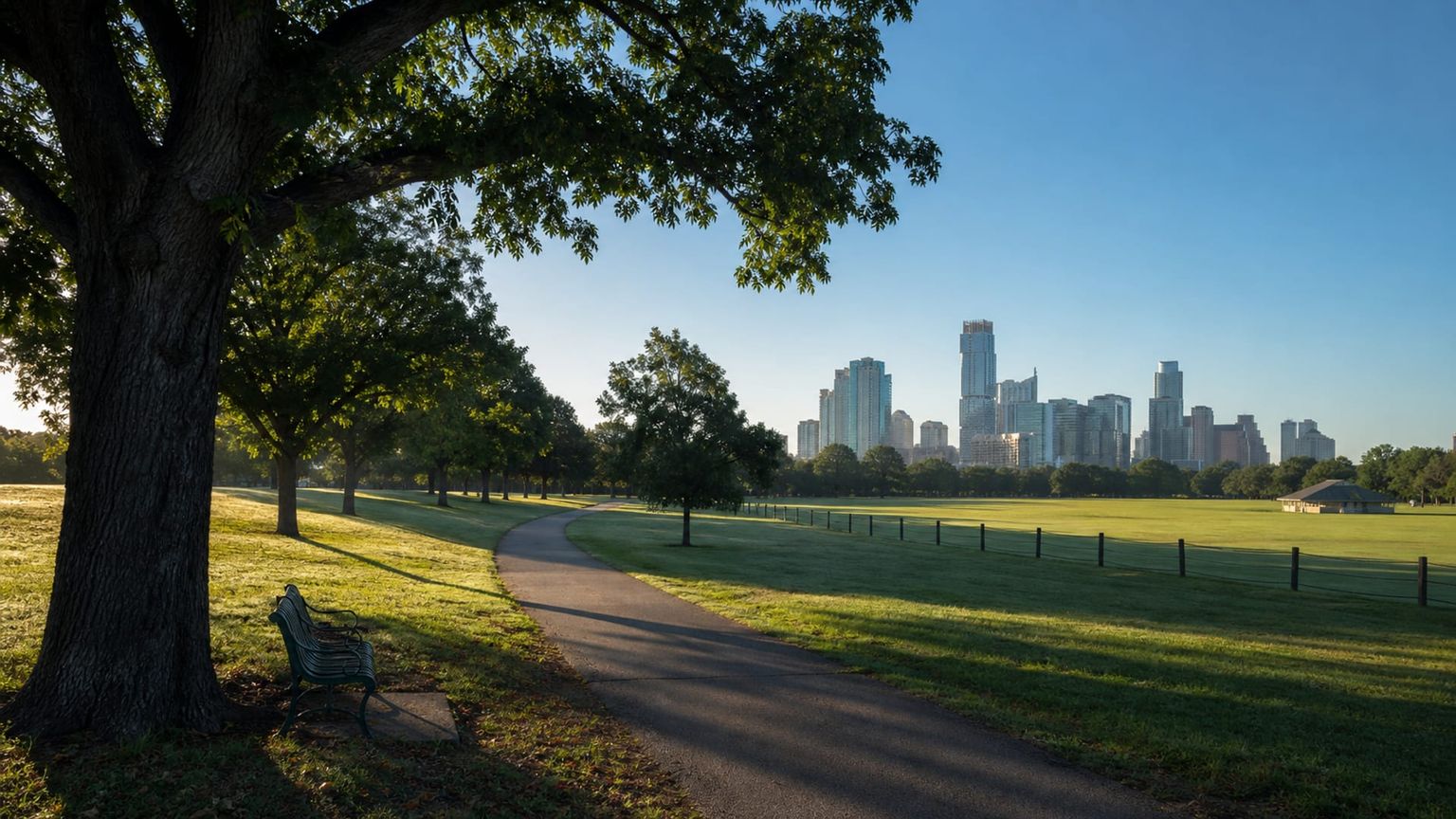
Zilker sits southwest of downtown near Zilker Park, Barton Springs Pool, and the hike-and-bike trails around Lady Bird Lake. It matters if you want green space close to the center and a calmer base that still reaches major sights quickly.
Best for: Park access, outdoor time, and travelers who want a quieter base near central Austin
What to expect: Residential streets, joggers, and park traffic during the day, with far less late-night activity than downtown or South Congress.
Hotel prices: Usually about $200 to $360 per night for well-rated stays
Distance to major sights: About 10 minutes by car to the Texas State Capitol; 5 to 10 minutes on foot to Zilker Park and Barton Springs Pool
Quietness: Calm in the evening, with the main activity centered on park hours and daytime outdoor use.
Main trade-off: You trade nightlife and some restaurant density for more space and easier access to the park.
Good to know: If you plan to swim at Barton Springs, staying here makes early starts much simpler than crossing town from the east side.
Travelers usually avoid staying in far south Austin, especially south of Slaughter Lane, because it sits well away from downtown, the Capitol, and the main museum district, and late-night rides back can take longer. East of I-35 in industrial stretches near Montopolis and the airport corridor is less convenient for visitors who want walkable dining and easy access to central sights, while parts of north Austin near the Domain can leave you far from the core historic and cultural areas. Far west Austin can also be a poor fit if you plan to rely on sightseeing on foot, since it is mostly residential and requires longer drives to reach the city’s main attractions.
Hotel deals
How to get around Austin efficiently
Austin has no metro, so most visitors mix walking with CapMetro buses, rideshares, or taxis depending on the neighborhood and the distance between downtown, South Congress, and the park areas.

Metro
for longer distances
Austin has no metro or subway network, so the closest rail option is CapMetro’s commuter rail, the Red Line, which runs between Leander and Downtown Austin. Fares start at $2.50 for a local single ride, with day passes at $7.50, and the trip from the airport area to central Austin still usually needs a bus or taxi transfer because rail does not serve Austin-Bergstrom International Airport directly.

Bus and tram
for convenience
CapMetro buses handle most airport-area trips, with Route 20 connecting Austin-Bergstrom International Airport to Downtown Austin in about 30 to 40 minutes, traffic permitting. A local single ride costs $1.25, a day pass costs $2.50, and tickets stay valid for the chosen ride or pass period in the app or on board; there is no tram network in Austin.

Taxi
for convenience or late hours
Licensed taxis from Austin-Bergstrom International Airport use metered fares, not flat citywide set fares, and a downtown trip typically costs about $30 to $40 before tip, depending on traffic and route. You can queue at the airport taxi stand or book through a licensed company, and most cabs accept major credit cards, though it is wise to confirm card payment before you depart.
*Prices are based on rates updated as of June 2026 and may change at the time of travel.
Use the bus for airport runs and low-cost downtown hops, choose rideshares or taxis when you need speed across town, and walk when your stops stay inside one district.
Iconic landmarks
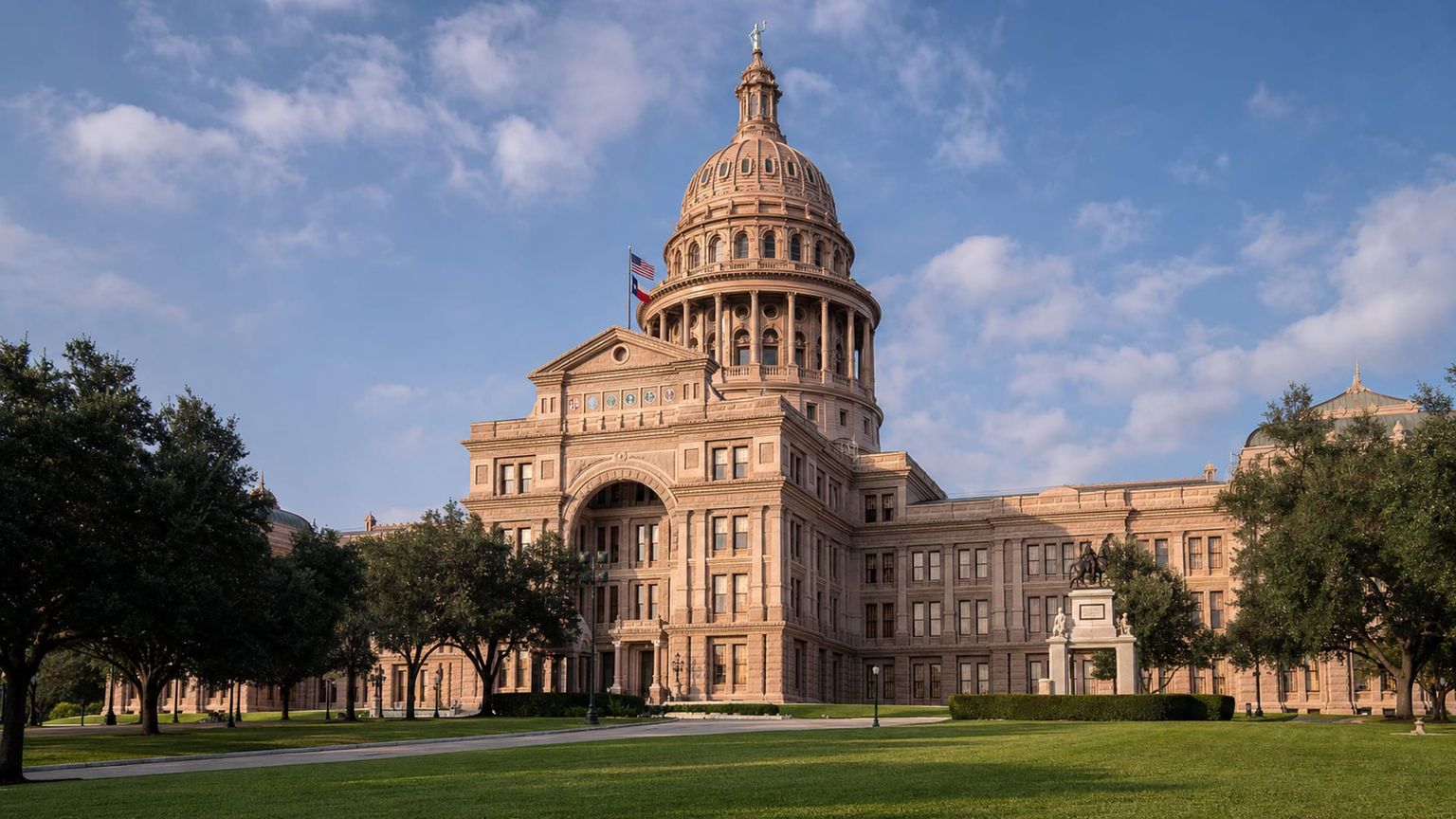
Texas State Capitol
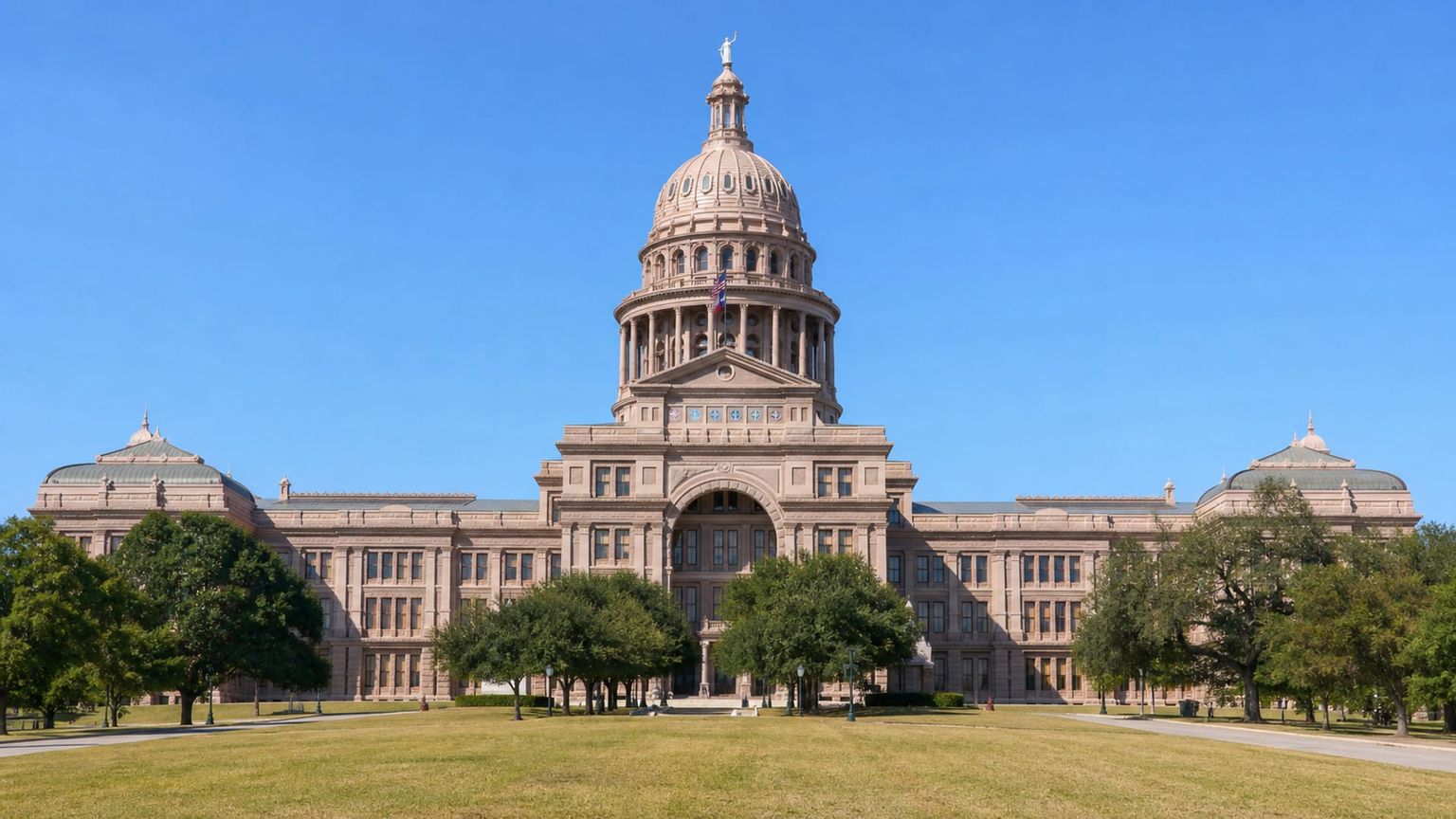
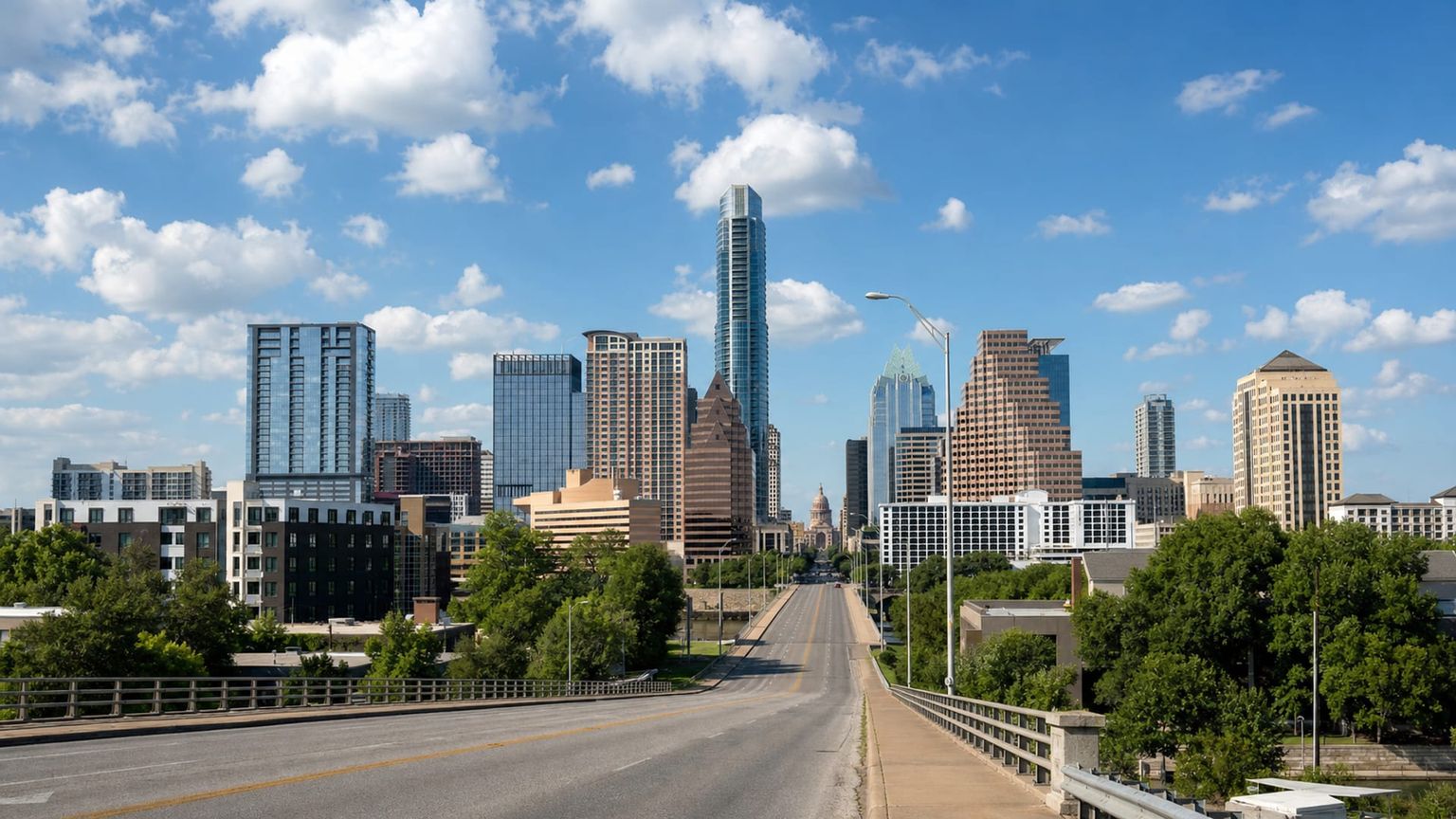
Texas State Capitol anchors downtown Austin with a pink granite dome, House and Senate chambers, and grounds lined with monuments. The building sits inside a 22-acre park, a short walk from the Capitol Visitor Center and nearby museums.
Time needed: About 1 to 2 hours
Entry: Free to access; guided tours are free and run daily, while special exhibits at the Visitor Center may charge separate admission Visit the official site for details.
Tip: Arrive early on weekdays for quieter galleries and easier parking nearby.
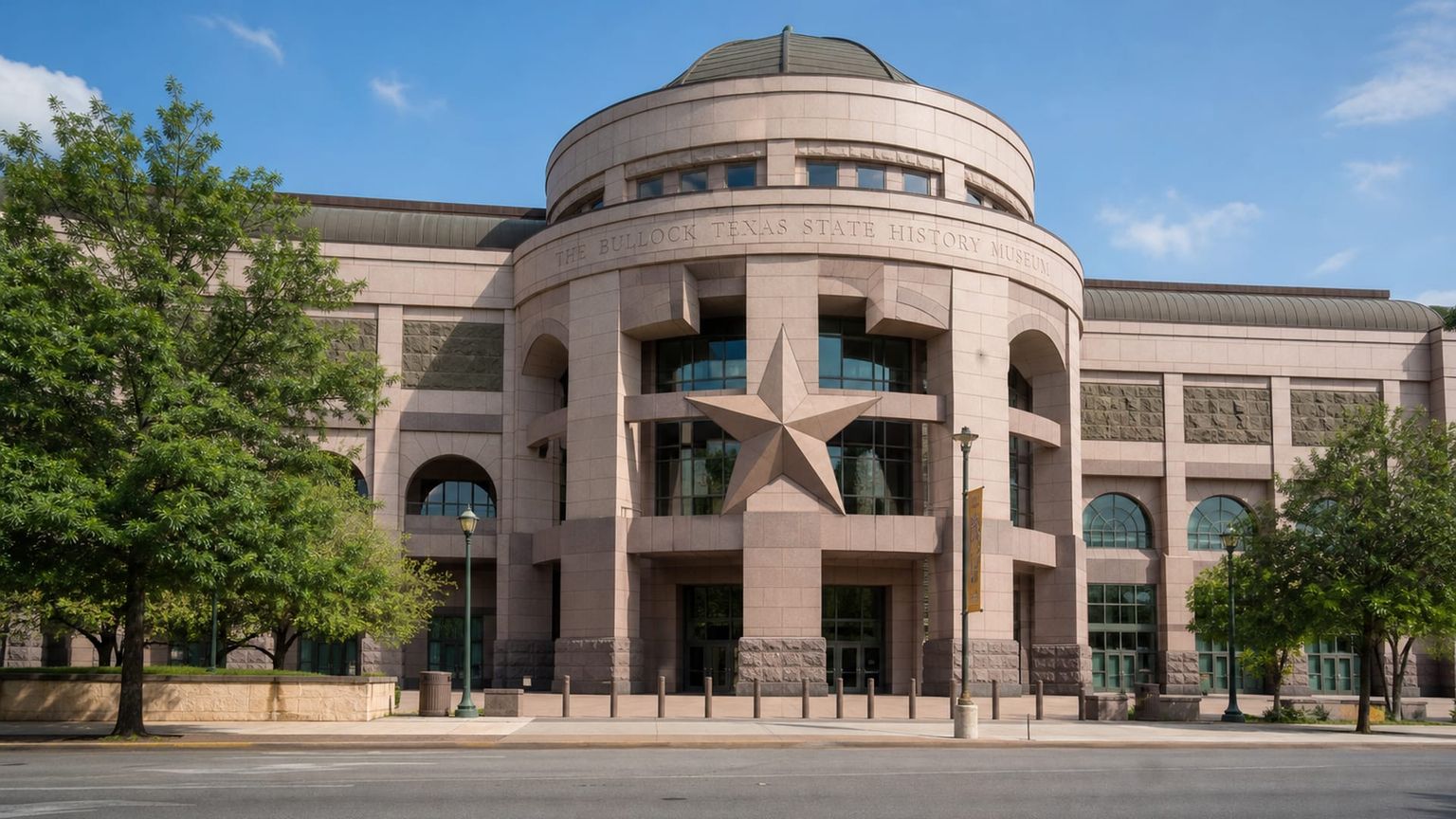
The Bullock Texas State History Museum
The Bullock Texas State History Museum traces state history through three floors of galleries, a 2,400-square-foot artifact spread, and the restored 1894 Lone Star Brewery facade. Its IMAX theater and rotating exhibitions add depth.
Time needed: About 2 to 3 hours
Entry: Museum admission is $15 ($15) for adults, $13 ($13) for seniors and students, and $10 ($10) for children ages 4 to 12 Visit the official site for details.
Tip: Go before noon for smaller crowds, then pair it with the Capitol across the street.
Zilker Metropolitan Park
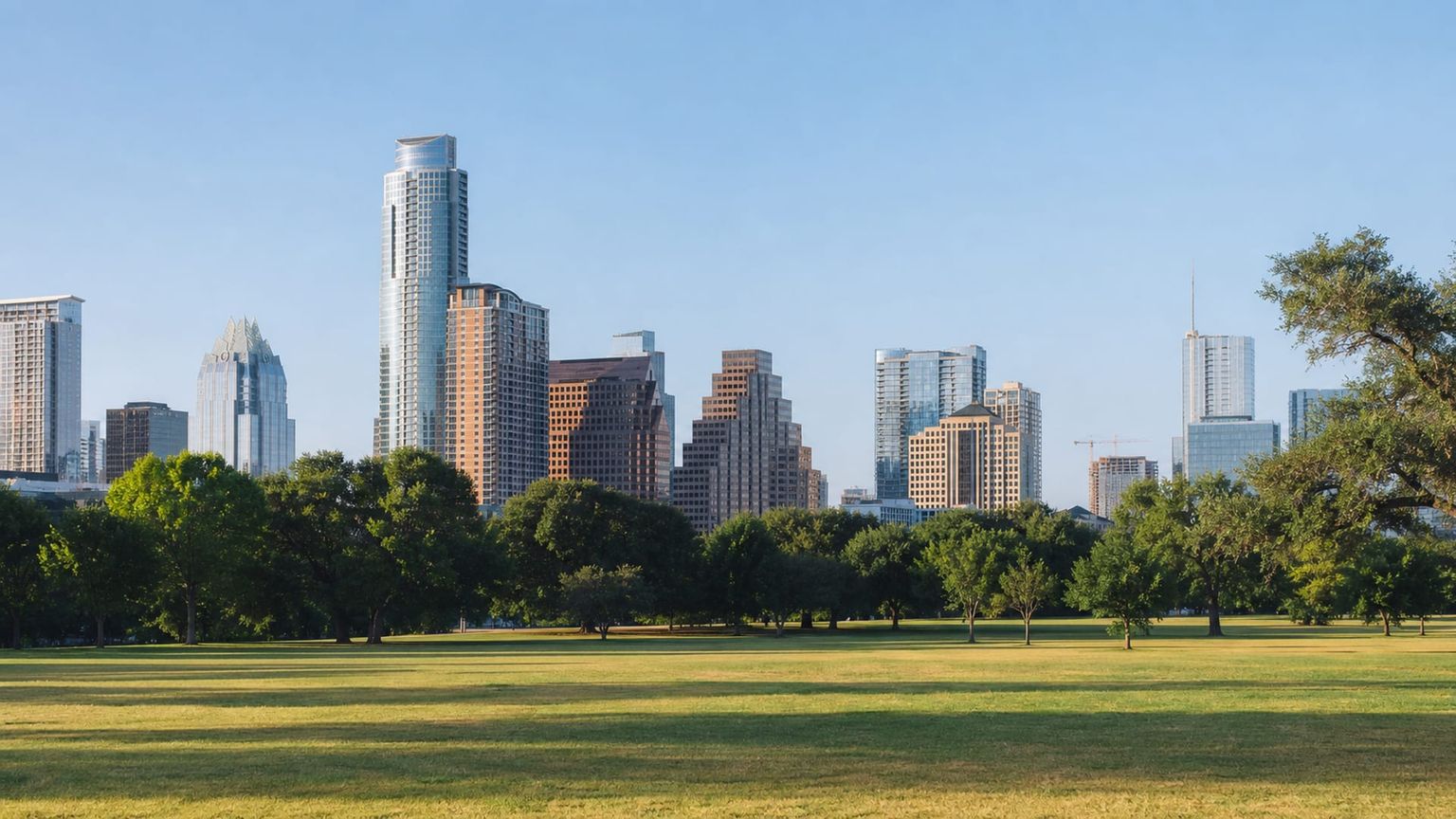
Zilker Metropolitan Park brings Austin’s most recognizable green space into one place: the Barton Springs pool area, the Great Lawn, trail access, and views of the skyline. It also hosts major events, including Austin City Limits Music Festival.
Time needed: About 2 to 4 hours
Entry: Free to enter the park; Barton Springs Pool charges $5 ($5) for adults, $2 ($2) for seniors, and $2 ($2) for children 1 to 11 Visit the official site for details.
Tip: Visit late afternoon for shade, then stay for sunset across the lawn.
Overlooked sites worth visiting

Barton Creek Greenbelt
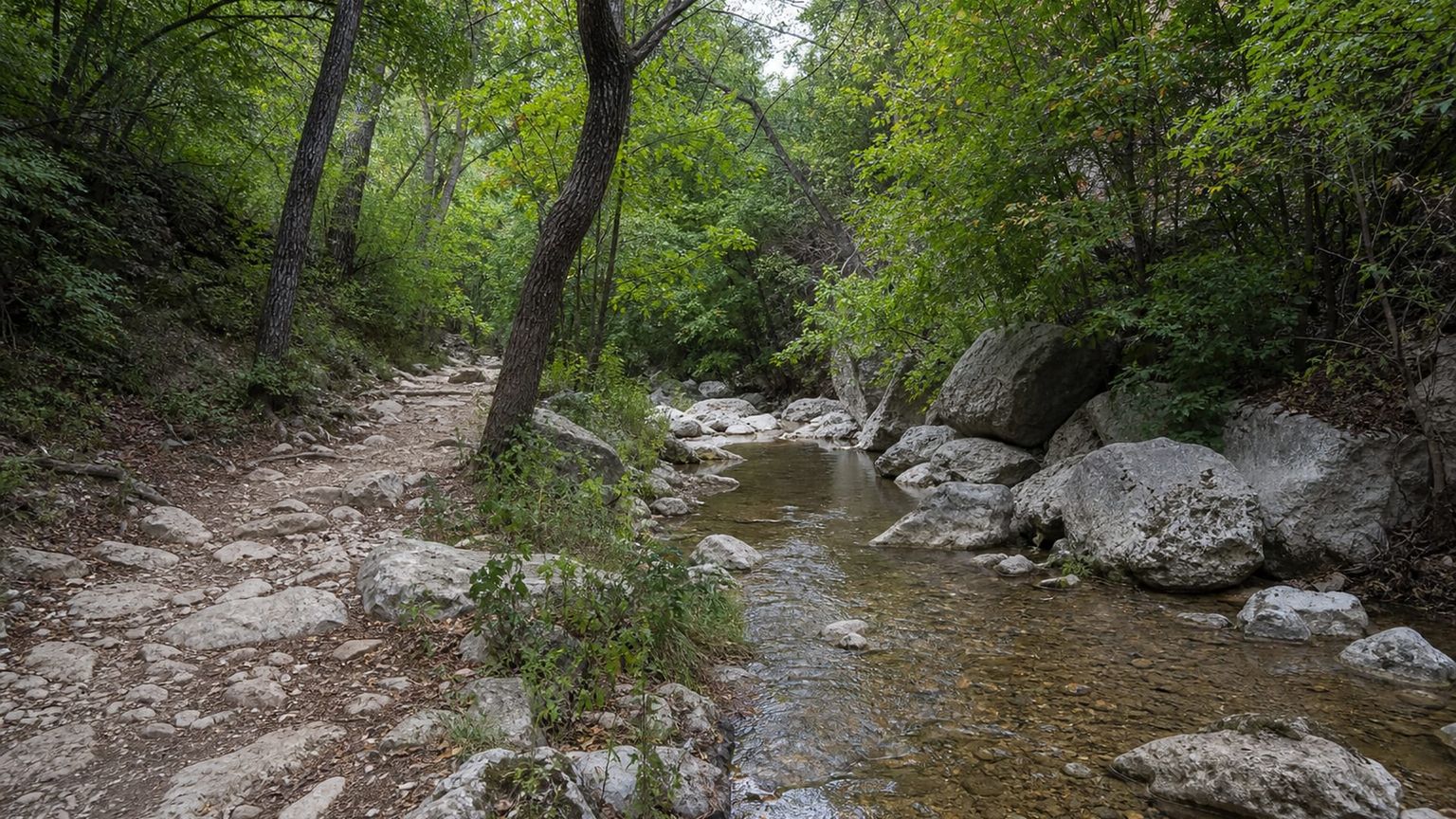
A long, rocky creek corridor on Austin’s west side, with limestone bluffs, swimming holes, and shaded trails. It suits hikers, cyclists, and anyone who wants a quieter stretch close to town.
Time needed: About 2 to 4 hours
Entry: Free to access, with no ticket required. Parking lots at trailheads can fill on weekends and after school hours, and some access points have limited spaces, so arrive early if you want to start near the main creek crossings and avoid a longer walk from street parking.
Tip: Go early for shade and easier parking.

George Washington Carver Museum, Cultural and Genealogy Center
This compact museum in East Austin presents Black history, genealogy resources, and rotating exhibitions in a former school building. Its size makes it easy to pair with nearby neighborhood stops.
Time needed: About 1 to 2 hours
Entry: Admission is free for the permanent galleries, but special programs, temporary exhibitions, or genealogy research sessions may carry separate fees or require registration. Check the current schedule before visiting, since hours and access can change for private events or holiday closures. Visit the official site for details.
Tip: Check the calendar for talks and temporary exhibits.
Traditional food
Austin cooking leans on Texas barbecue brisket, breakfast tacos, chicken-fried steak, and queso, with smoked meat, corn tortillas, and bold chile heat shaping the city’s most recognizable plates.
Texas barbecue brisket
Slow-smoked brisket anchors Austin barbecue, usually served by the pound with simple sides and pickles. Franklin Barbecue is the citywide reference point for the style, with lines that show how seriously locals and visitors take it.
Breakfast tacos
Breakfast tacos fold eggs, potatoes, beans, bacon, or chorizo into warm tortillas, and they define easy Austin mornings. Veracruz All Natural is a canonical stop for this dish, especially if you want a classic local version with a regional Mexican base.
Chicken-fried steak
Chicken-fried steak brings a breaded cutlet, cream gravy, and diner comfort to the center of a Texas plate. Moonshine Grill is a strong Austin name for it, especially when you want the dish in a downtown setting.
Queso
Queso arrives as a warm cheese dip with peppers, often with chips, and it shows up across Austin menus as both starter and shared snack. Matt’s El Rancho is the classic local reference, with a long history tied to Tex-Mex dining in the city.
Best time to visit Austin
Austin shifts from hot, crowded summer days to milder spring and fall weather, while winter stays usable for sightseeing if you plan around shorter daylight and the occasional cold front.
Best for: Capitol walks, patio meals, and park time before the worst heat arrives
What you get: About 60 to 86°F (16 to 30°C), with moderate crowds and busy weekends around festivals
Trade-offs: Rain and event traffic can tighten parking near central neighborhoods
Best for: Early swims, shaded trails, and evening music once the sun drops
What you get: About 74 to 100°F (23 to 38°C), with heavier crowds near pools, lakes, and popular restaurants
Trade-offs: Midday heat limits long walks and makes outdoor plans harder to stretch
Best for: Comfortable city walks, live music, and outdoor dining
What you get: About 62 to 88°F (17 to 31°C), with strong demand during festival weekends and football dates
Trade-offs: Hotel rates and restaurant waits can rise when the calendar fills
Best for: Museum days, shorter lines, and calmer neighborhood exploring
What you get: About 42 to 67°F (6 to 19°C), with lighter crowds and occasional cold snaps
Trade-offs: Some evenings turn chilly, and a few attractions shorten hours after dark
A realistic 5-day plan in Austin
A five-day Austin stay works best when the first days stay close to downtown, then the schedule opens toward South Congress, East Austin, and the greenbelt. That order limits cross-town backtracking and gives each neighborhood enough time to register on its own.
Arrive at Austin-Bergstrom International Airport (AUS), then take a rideshare or taxi into Downtown Austin or South Congress, which usually takes about 15 to 25 minutes and costs roughly $20 to $35 before tip. If you are staying in East Austin, the ride is often a little shorter, and the evening works best for a low-key meal and water after the flight. Settle in near your hotel, then keep dinner simple at a nearby taco spot or neighborhood café, with an early night so you are ready for a full city day tomorrow.
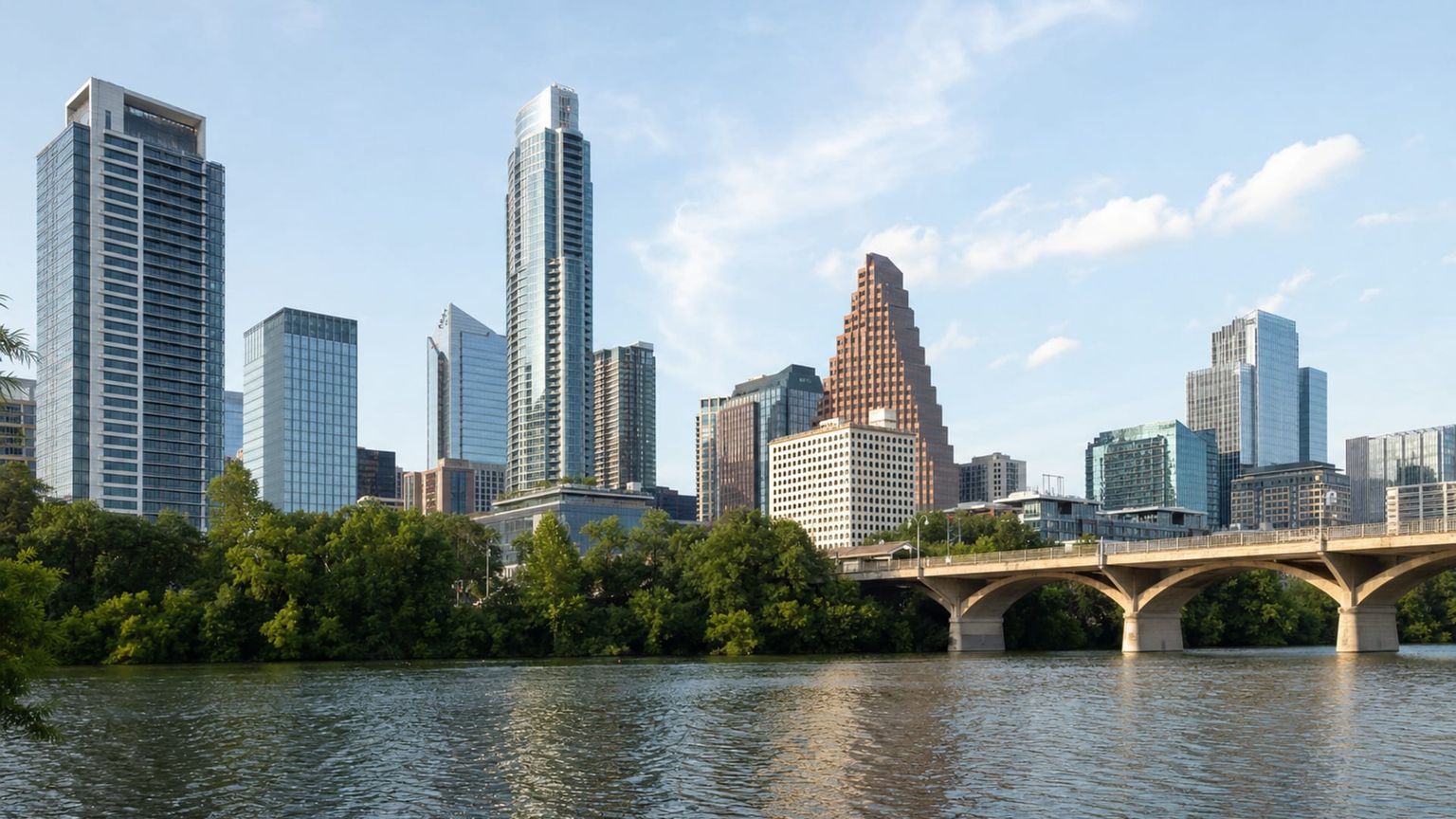
Start with the Texas State Capitol, where the free grounds and guided tours give you an easy first look at downtown Austin, then walk about 10 minutes to the Bullock Texas State History Museum for a deeper history stop. Plan 1 to 2 hours at the Capitol and about 2 to 3 hours at Bullock, with lunch nearby in Downtown Austin so you can stay on foot between visits. In the afternoon, continue by rideshare or bus to Zilker Metropolitan Park, roughly 15 to 20 minutes from downtown, and end at Barton Springs Pool or the Great Lawn for skyline views and an easy sunset walk.
Begin in South Congress, where you can browse the main strip, stop for coffee, and look through local shops before lunch. From there, rideshare to the George Washington Carver Museum, Cultural and Genealogy Center in East Austin takes about 10 to 15 minutes, and the visit usually needs 1 to 2 hours. Finish with dinner in East Austin, where the restaurant scene gives you a compact evening without a long cross-town return.
A morning at Barton Creek Greenbelt brings a different side of Austin, with limestone bluffs, shaded trails, and creek crossings that reward an early start, especially since trailhead parking fills quickly on weekends. From Downtown Austin, expect roughly a 15 to 20 minute rideshare to the main access points, and plan 2 to 4 hours if you want time for hiking and a break by the water. After that, return toward South Congress for an unhurried late lunch or early dinner, then circle back downtown for live music if you still have energy.
For the last day, stay close to the center and keep the schedule short, beginning with one final museum stop if you missed the Bullock Texas State History Museum or the George Washington Carver Museum, Cultural and Genealogy Center earlier in the trip. Then head to South Congress for shopping, since the district packs boutiques, gift shops, and easy café stops into a compact walkable stretch. End with a late coffee or early dessert in East Austin or Downtown Austin, depending on where you are staying, and leave enough time for your airport ride back to Austin-Bergstrom International Airport (AUS).
Business-class flights from the US to Austin
Reaching Austin by air usually means one-stop long-haul itineraries from the East Coast or West Coast, so the differences come down to routing, airline choice, and price bands. The examples below show what those trips typically look like from New York and Los Angeles.
From New York, American Airlines, Delta Air Lines, JetBlue, Qatar Airways, British Airways, and Turkish Airlines all appear on long-haul itineraries, with round-trip fares starting at roughly $3,200 and climbing to about $7,500. Most itineraries connect through DOH, LHR, IST, CDG, or MAD, and the total journey usually takes about 17 to 23 hours.
Los Angeles fares usually run from $3,000 to $7,200 round trip, and the lowest prices often show up on one-stop itineraries through Doha (DOH) or Istanbul (IST). American Airlines, Delta Air Lines, United Airlines, Qatar Airways, and Turkish Airways serve those routes, with total travel time generally about 16 to 22 hours.
Austin feels different when you slow down
A deliberate Austin trip keeps the center of gravity in downtown, South Congress, East Austin, and Zilker, then uses short rides to connect the gaps. That approach gives the Capitol, Bullock Museum, Barton Springs Pool, and the Greenbelt room to stand out without turning the schedule into a series of long transfers. If you want help shaping those days into a trip that fits your pace, the AranGrant experts can build it around the neighborhoods you want most







