

Chapters:

Need help with your trip?
Our support team is available 24/7. Request a callback or call us directly at (833) 619-0908
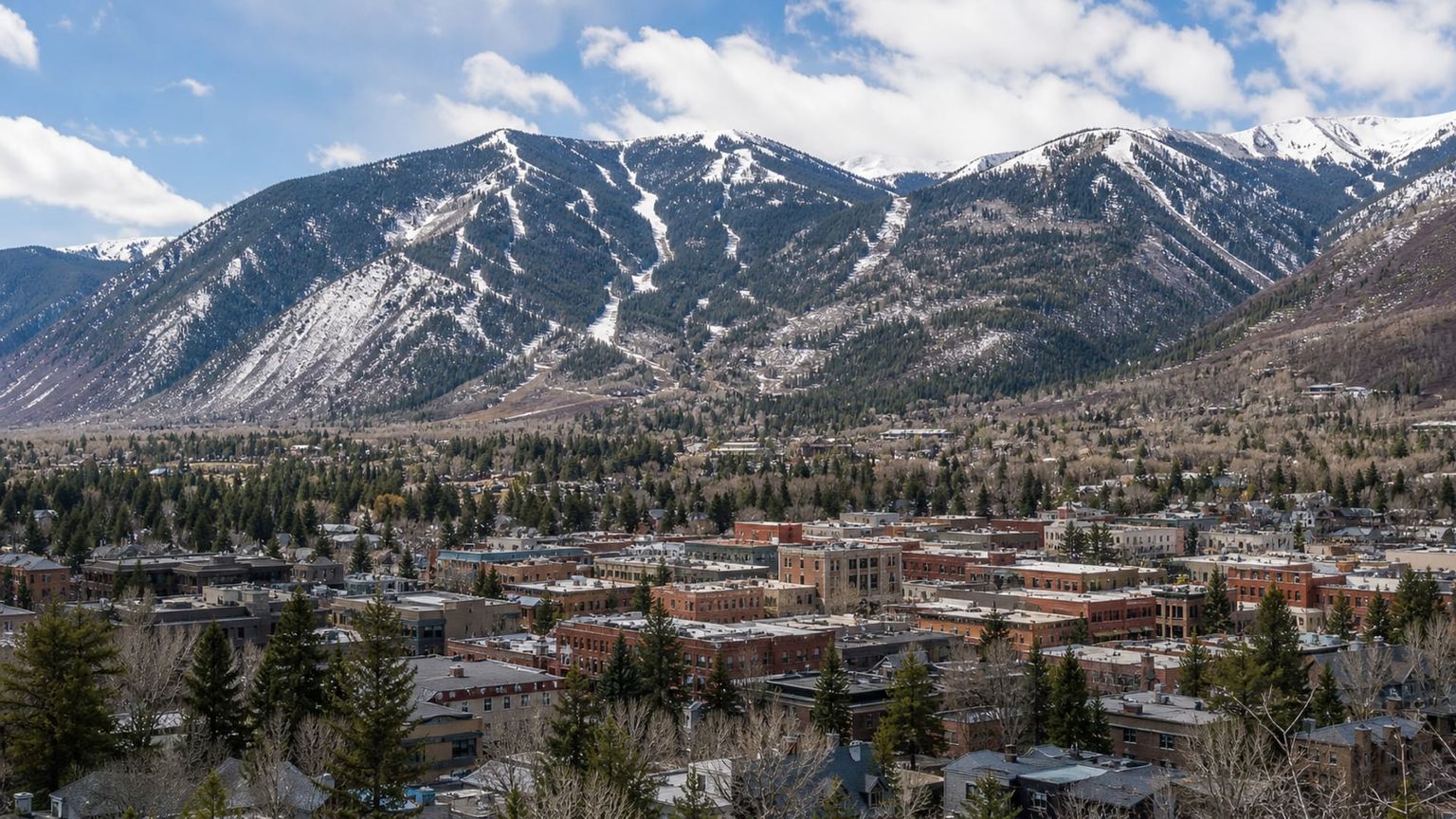
Aspen trips often start with the gondola, a dinner reservation, and a quick glance at Maroon Bells, but visitors sometimes miss how much time the town asks you to account for between the airport, trailheads, and evening tables.
That matters because the core is compact, yet the best-known sights sit outside it, shuttle schedules change by season, and late dinners can turn simple plans into a race against distance and mountain daylight.
This guide organizes Aspen by arrival, transit, food, seasons, flights, and a five-day pace, so each part of the trip has a clear place before you book anything.
Useful things to know

Main language(s): English

Currency: The local currency is the US dollar (USD, $).

Cash and cards: Cards and contactless are widely accepted; carry about $20 to $40 cash for tips and small shops.

Tipping: Tip 18-20% at sit-down restaurants; 10-15% is common for taxis and hotel staff.

Traditional food: Rocky Mountain trout, bison burger, elk tenderloin, green chile stew

Water and coffee costs: Water about $2 ($2), bar espresso about $4 ($4).

Taxis and ride apps: Uber and Lyft operate here; availability can thin late at night.

Plug and voltage: Type A/B socket, 120V

Dining and shop opening hours: Breakfast is about 07:00-10:00, lunch 12:00-14:00, and dinner 18:00-21:00. Many restaurants close earlier than in big cities, especially in shoulder season.

Emergency number: 911 for police, fire, and medical emergencies.
Where to stay in Aspen
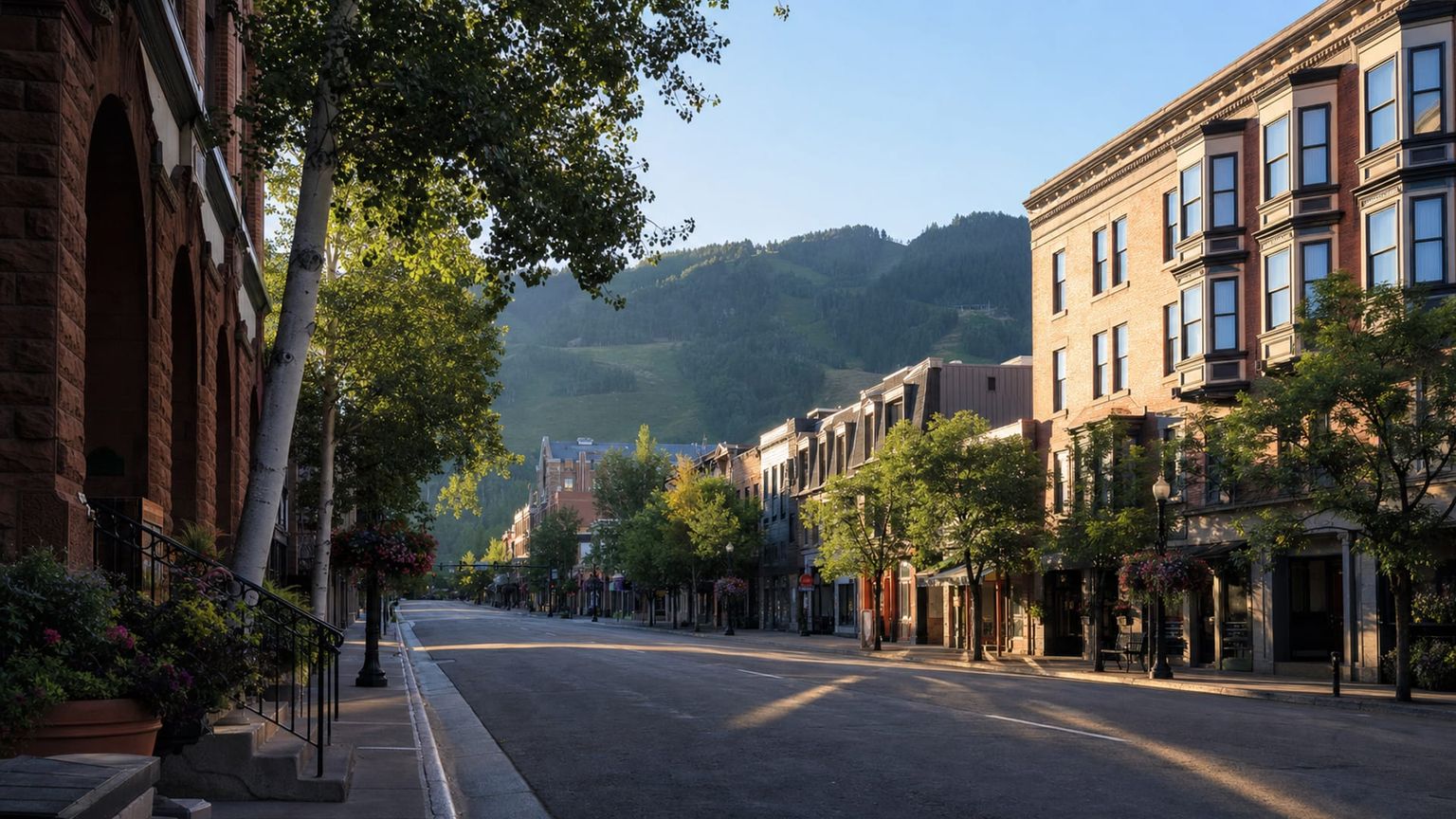
Aspen’s compact core puts restaurants, galleries, and the gondola within a few blocks of many hotels. It suits visitors who want to walk to the base area, the Wheeler Opera House, and late dinners without planning every transfer.
Best for: Walkable dining, shopping, and easy access to Aspen Mountain
What to expect: Sidewalks stay busy through the day, with ski traffic, shoppers, and restaurant crowds around the central blocks.
Hotel prices: Usually about $400 to $900 per night for well-rated stays
Distance to major sights: 5 to 10 minutes on foot to Aspen Mountain gondola, 3 to 8 minutes on foot to the Wheeler Opera House
Quietness: Lively all day, then quieter late evening once dinner crowds thin out.
Main trade-off: The central location keeps rates high, and rooms near the main blocks can pick up street noise.
Good to know: If you plan to move around on foot, this is the easiest base, but book early because inventory in the center is limited.
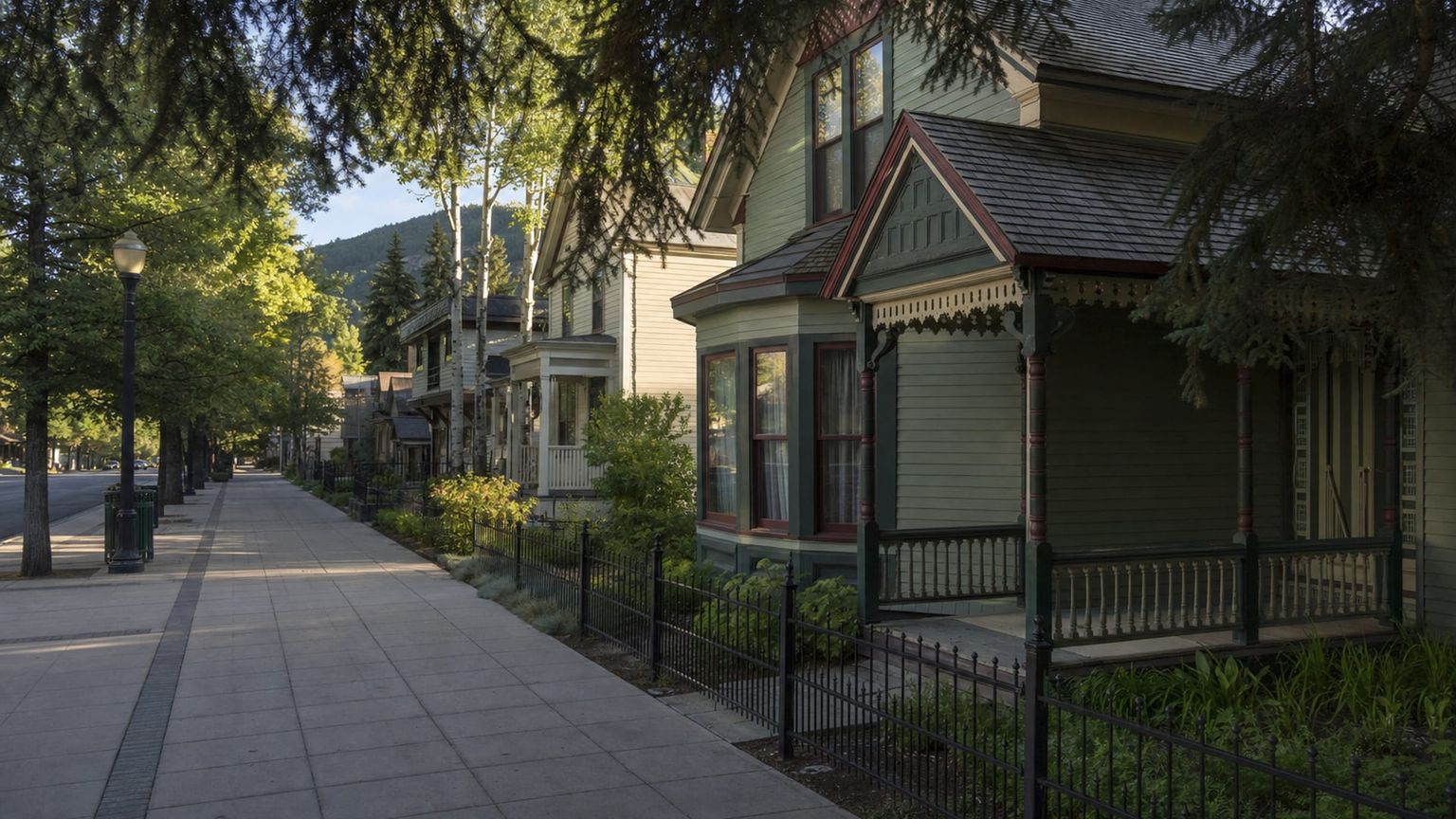
West End sits just west of downtown and is known for historic houses, tree-lined streets, and a more residential feel. It works well if you want a quieter base that still keeps the Aspen Institute, downtown, and the free shuttle close by.
Best for: Historic homes, calmer evenings, and access to downtown without staying on the busiest blocks
What to expect: Mostly residential streets with light pedestrian traffic, plus more movement near the institute and shuttle stops.
Hotel prices: Usually about $350 to $750 per night for well-rated stays
Distance to major sights: 10 to 15 minutes on foot to downtown Aspen, 5 to 10 minutes on foot to the Aspen Institute
Quietness: Quieter than the core during the day and generally calmer at night, though some lodge traffic comes and goes.
Main trade-off: You trade immediate doorstep access to the gondola for a more residential setting and a slightly longer walk to central dining.
Good to know: Check shuttle access before booking, since a few blocks can feel much farther after dinner or in winter weather.
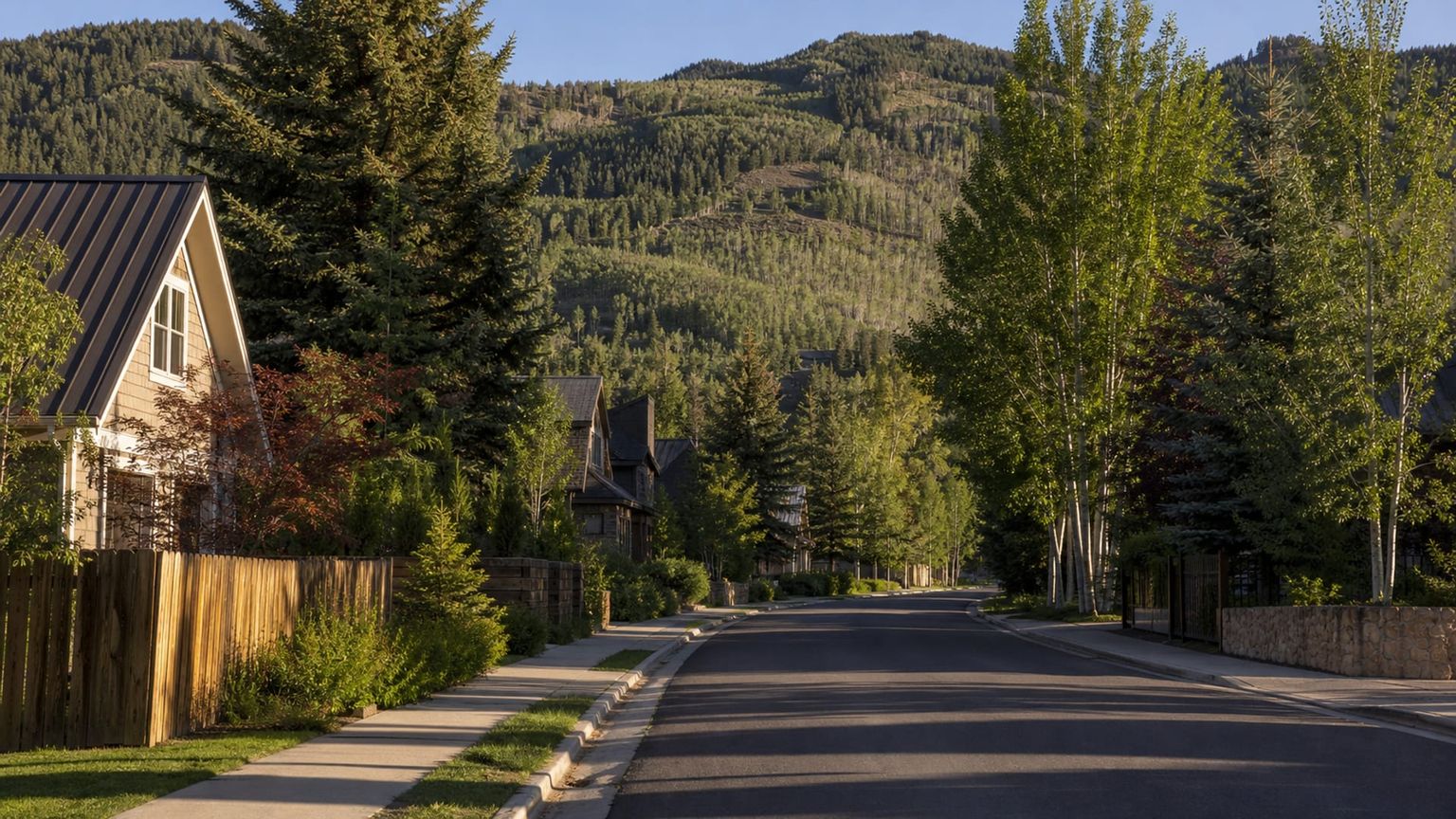
East Aspen stretches along the east side of town and mixes condos, homes, and some lodging near the Roaring Fork River. It appeals to travelers who want a slightly lower-key base with fast road access and easy rides into the center.
Best for: Longer stays, travelers with a car, and visitors who want a quieter residential base
What to expect: Residential streets, river corridor paths, and less storefront activity than downtown.
Hotel prices: Usually about $300 to $650 per night for well-rated stays
Distance to major sights: 5 to 10 minutes by car or shuttle to downtown Aspen, about 20 minutes on foot to the gondola
Quietness: Calm in the daytime and usually very quiet at night, with little late pedestrian traffic.
Main trade-off: You will need to factor in rides, shuttles, or parking, because most restaurants and shops sit farther west.
Good to know: This area works best if you do not mind planning your returns after dinner rather than stepping out into the center.
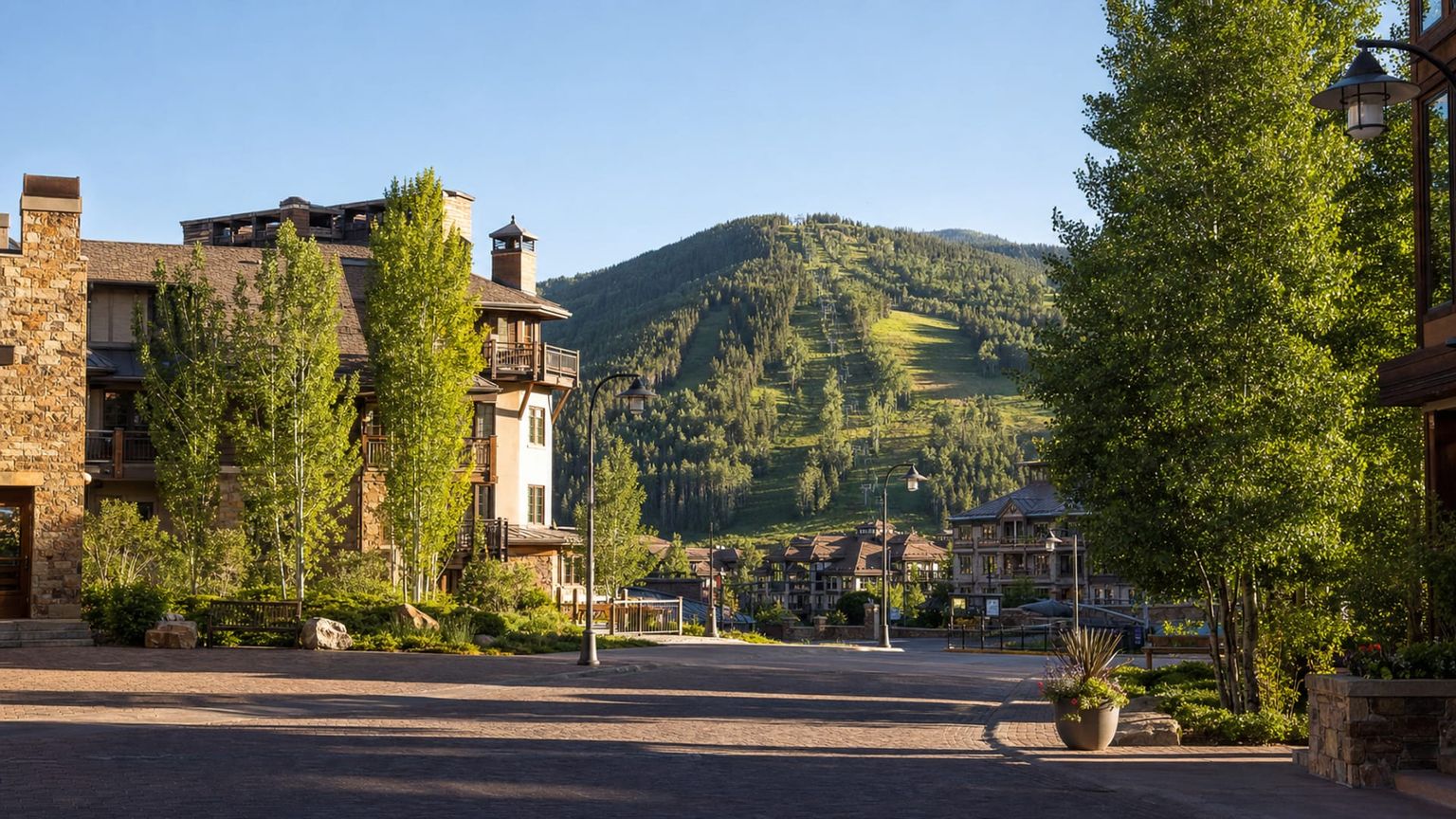
Snowmass Village sits about 15 minutes from Aspen and centers on a larger ski base with resort lodging, trails, and family-oriented amenities. It matters if your trip leans toward mountain time and you want more space than downtown Aspen usually offers.
Best for: Ski vacations, families, and travelers who want a resort base with more room
What to expect: Busy around the village core and lift areas, especially in ski season, with a more resort-driven atmosphere than Aspen proper.
Hotel prices: Usually about $250 to $700 per night for well-rated stays
Distance to major sights: About 15 to 20 minutes by car or shuttle to downtown Aspen, about 20 minutes to the Aspen Mountain gondola
Quietness: Active during the day near lifts and village dining, then quieter in the evening outside the main resort blocks.
Main trade-off: You save some congestion compared with central Aspen, but you give up the convenience of staying inside the main town.
Good to know: If you choose Snowmass, confirm evening shuttle frequency, since after-dinner returns shape how easy the stay feels.
Travelers usually avoid staying in Snowmass Village if they want easy access to Aspen’s main dining and shopping, since it sits about 6 miles from downtown Aspen and evening travel can be less convenient. East Aspen, West Aspen, and areas along the far edges of Aspen Airport (ASE) are also less convenient for visitors, because they sit farther from the core attractions and have fewer hotel, restaurant, and pedestrian amenities.
Hotel deals
How to get around Aspen efficiently
Aspen has no metro, so most visitors rely on the RFTA bus network, taxis, rideshares, and walking for the last stretch between hotels, the gondola, and downtown blocks.

Metro
for longer distances
Aspen has no metro or subway, so there is no rail line to use for in-town trips. The closest transit equivalent is the Roaring Fork Transportation Authority bus network, which connects Aspen, Snowmass Village, Basalt, and nearby towns with free or low-cost local links; most visitors rely on buses plus walking for the final block or two.

Bus and tram
for convenience
Route maps matter here: the Roaring Fork Transportation Authority runs the core bus network, with frequent service between Aspen, Aspen Highlands, Snowmass Village, and the airport corridor in season. Many local trips are free, while some regional rides cost about $2 to $6 ($2 to $6) one way, with passes valid by trip or for a day depending on the route; check the posted timetable for winter and summer schedules because frequencies change by season.

Taxi
for convenience or late hours
Licensed taxis in Aspen use metered fares rather than set citywide flat rates, and airport trips from Aspen/Pitkin County Airport (ASE) usually cost about $18 to $35 ($18 to $35), while short in-town rides often land near $10 to $20 ($10 to $20). You can hail at taxi stands, call ahead, or book by phone or app; drivers commonly accept cards and cash, and a tip of 15 to 20 percent is standard.
*Prices are based on rates updated as of June 2026 and may change at the time of travel.
Use the bus for Aspen, Snowmass Village, and airport-area connections, taxis or rideshares for late returns and short hops, and walking once you are in the central blocks.
Iconic landmarks
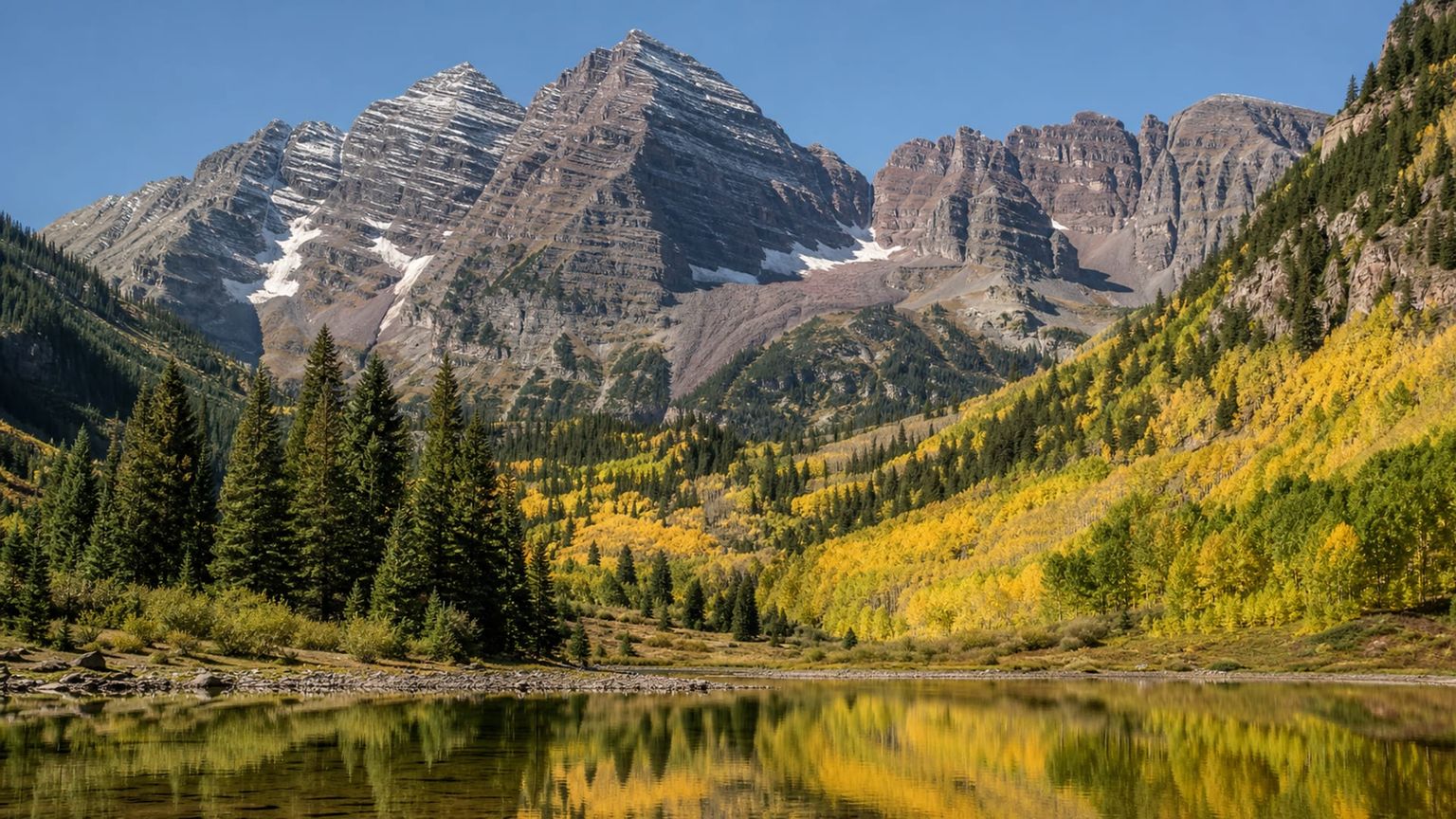
Maroon Bells
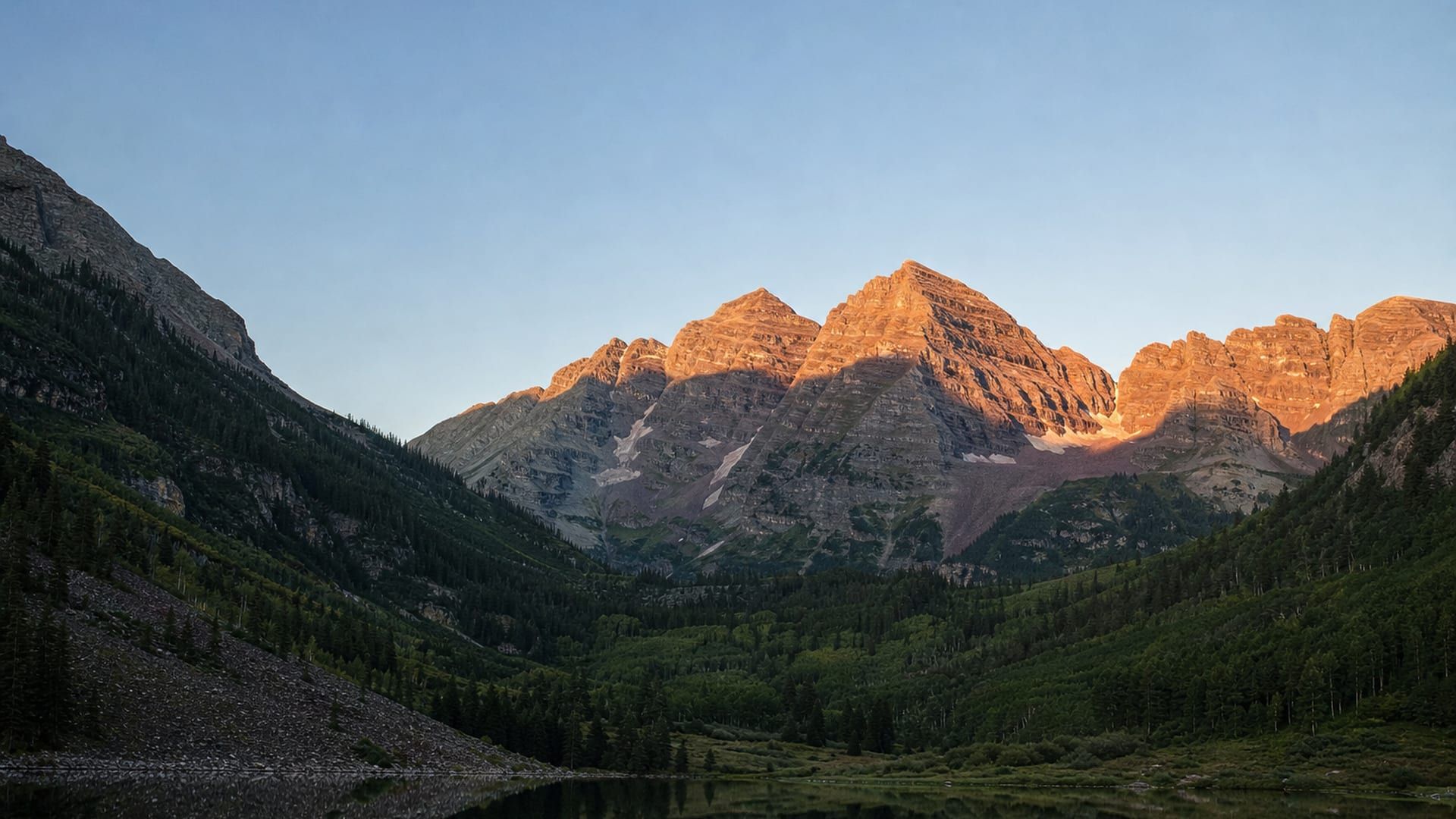
The Maroon Bells are twin peaks above Maroon Lake, about 16 miles from Aspen. The lakefront trail gives close views of the Bells, alpine meadows, and seasonal wildflowers, with bright color at sunrise and fall.
Time needed: About 2 to 4 hours
Entry: Shuttle access costs $16 per person ($16) in peak season; private vehicle entry requires a reservation and a $10 fee ($10). Visit the official site for details.
Tip: Arrive at sunrise for calm water and fewer people, then walk the lake loop before noon.
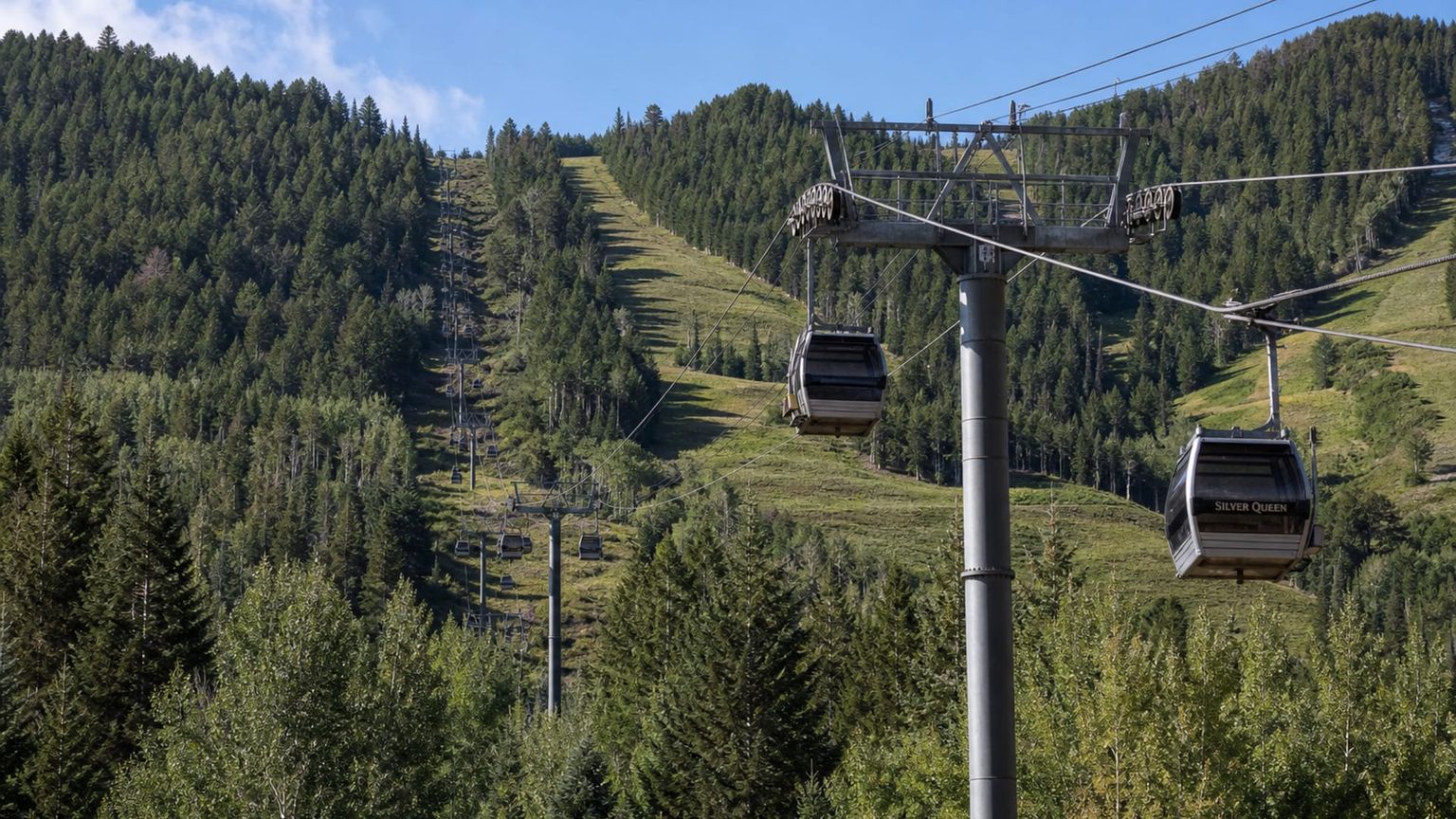
Silver Queen Gondola
The Silver Queen Gondola climbs from downtown Aspen to Ajax Mountain in about 15 minutes. At the top, you get wide views over the town and the Elk Mountains, plus hiking access in summer and snow sports in winter.
Time needed: About 1 to 2 hours
Entry: Round-trip gondola rides cost about $39 ($39) for adults, with lower fares for children and seniors; seasonal hours apply. Visit the official site for details.
Tip: Go on a clear afternoon for longer views, or at opening time if you want shorter lines.
Wheeler Opera House
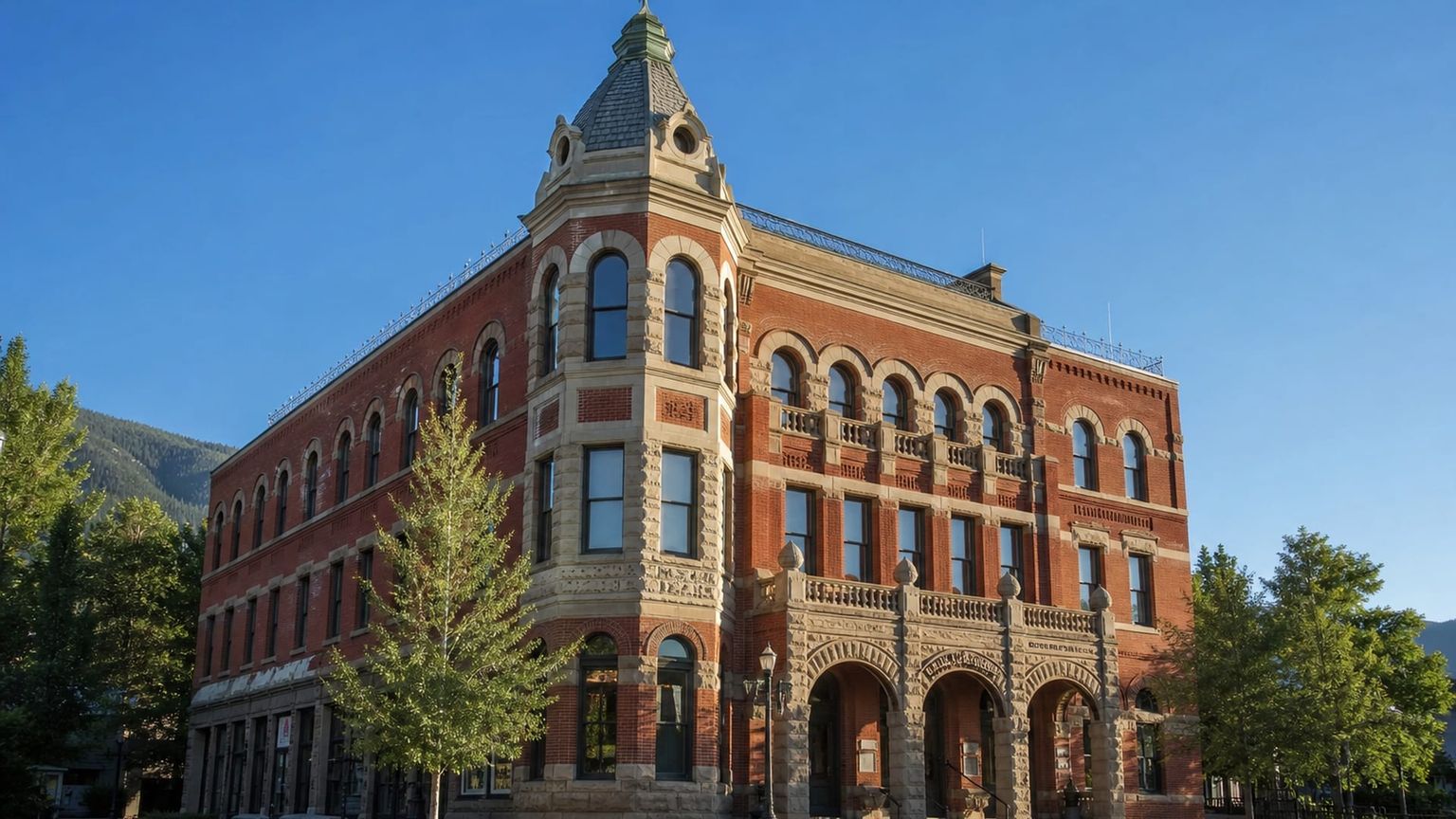
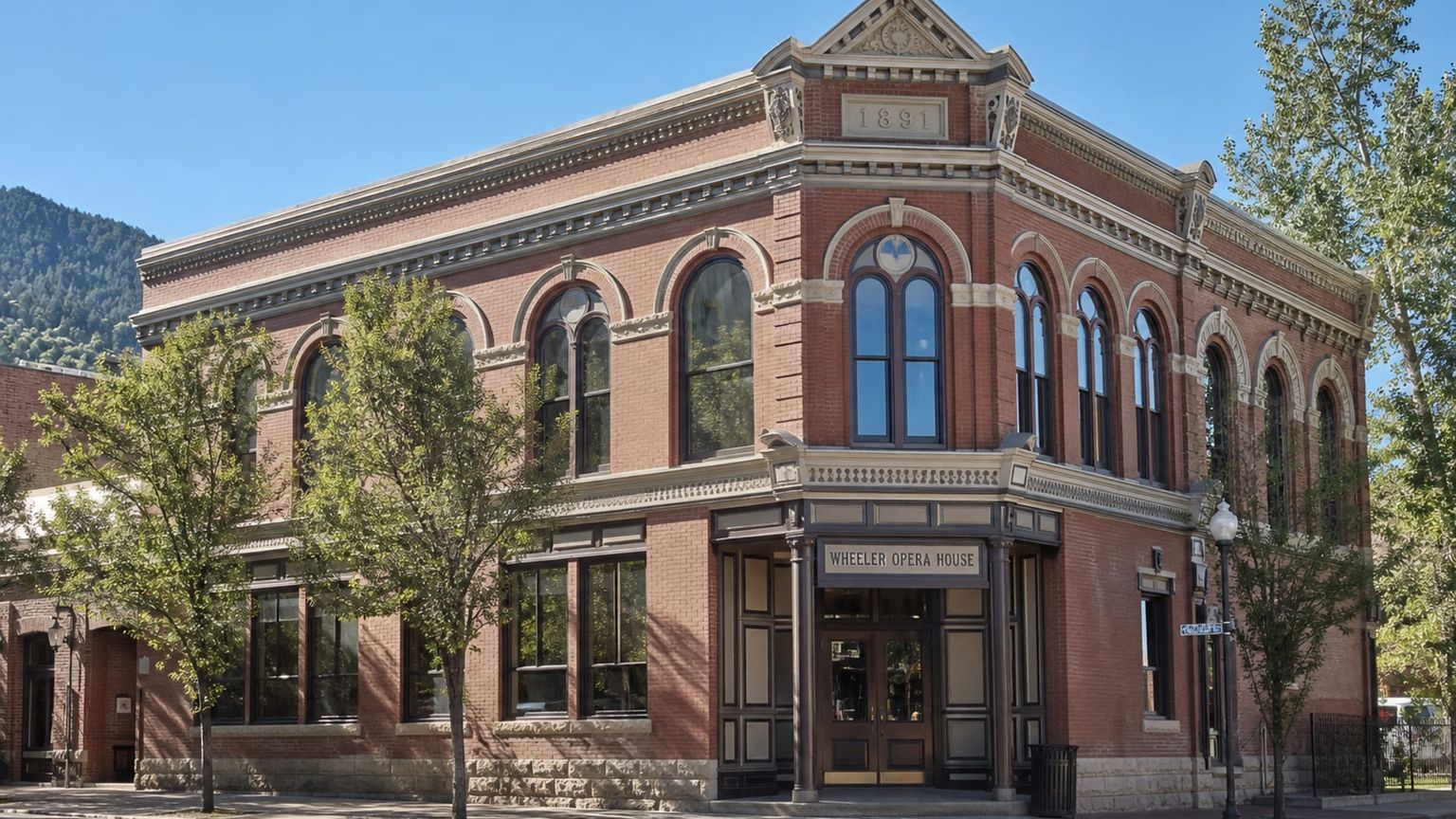
Built in 1889, Wheeler Opera House anchors downtown Aspen with a restored historic auditorium and year-round performances. Its brick facade and corner tower make it one of the city’s best-preserved mining-era landmarks.
Time needed: About 1 hour
Entry: Public tours and most events cost $10 to $45 ($10 to $45), depending on program and seat location; some lobby access is free. Visit the official site for details.
Tip: Check the event calendar first, then arrive early if you want time to see the lobby before curtain.
Overlooked sites worth visiting

Maroon Bells Scenic Area
Two bell-shaped peaks rise above Maroon Lake, with easy shoreline access and frequent wildlife sightings. The setting suits a slower visit, with short walks, reflective water, and autumn aspen color.
Time needed: About 2 to 3 hours
Entry: Access requires a Maroon Bells shuttle reservation during peak season; shuttle tickets are about $16 ($16) for adults, with parking reservations and seasonal rules that change by date. Check the Forest Service page before you go. Visit the official site for details.
Tip: Go early for calmer trails and better light on the peaks.

Smuggler Mountain Road
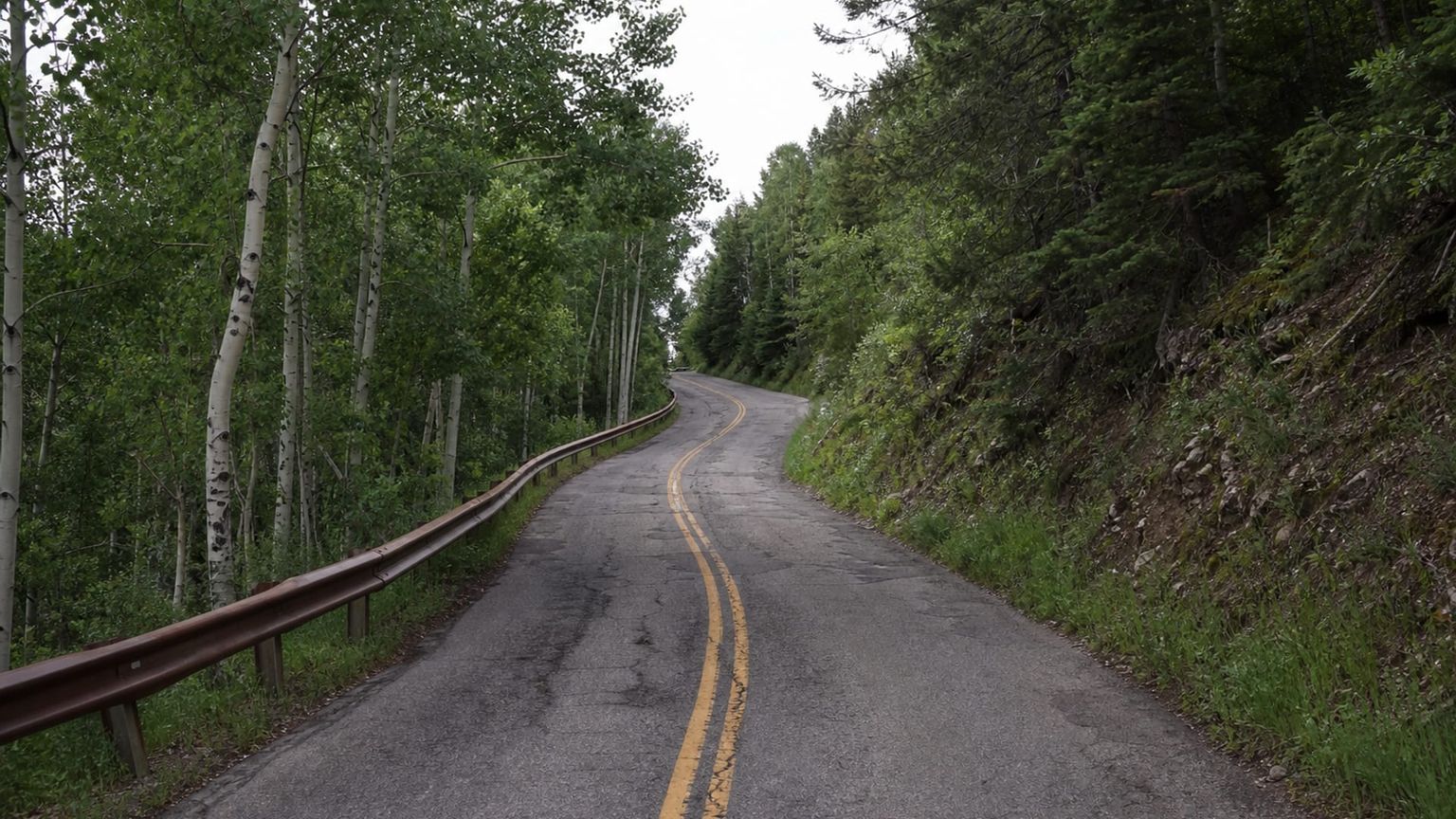
This graded dirt road climbs above Aspen with wide views of the valley, castle-like peaks, and older mining terrain. It draws hikers, runners, and cyclists looking for a quiet ascent close to town.
Time needed: About 1 to 2 hours
Entry: Free to access
Tip: Start at dawn or late afternoon for cooler temperatures and softer views.
Traditional food
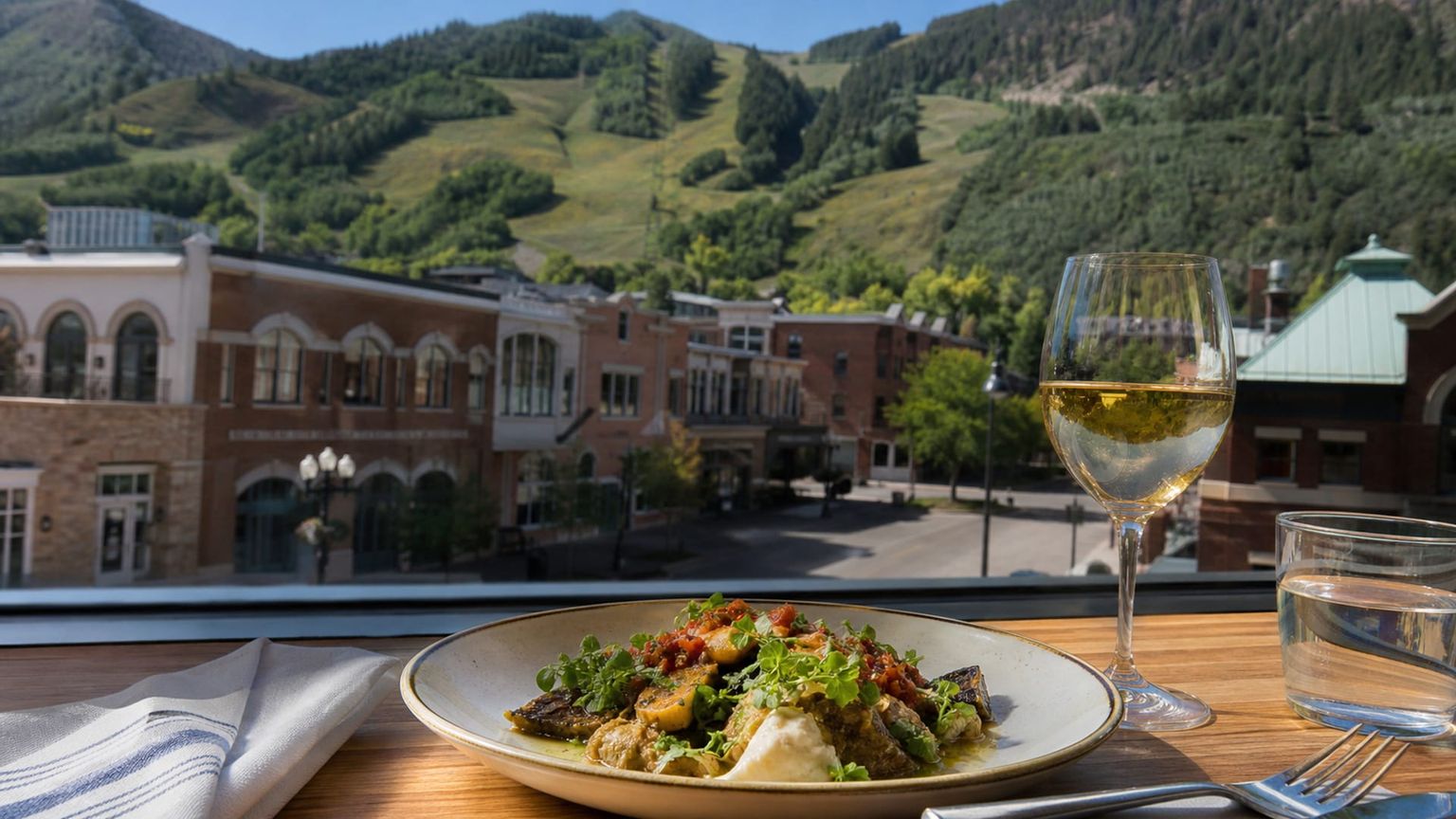
Aspen dining leans on Rocky Mountain trout, bison, elk, and green chile stew, with early kitchen hours and a strong après-ski bias. Expect mountain ingredients, rich sauces, and dining rooms that fill before the evening gets late.
Rocky Mountain trout
This is one of Aspen’s clearest local plates, usually pan-seared and paired with vegetables or grains. Cache Cache is a strong canonical stop for it, with an upscale dining room that suits a relaxed dinner downtown.
Bison burger
A bison burger gives you the town’s mountain-to-table side in a format that works for lunch or a casual dinner. The Monarch is a good Aspen choice, with a menu that handles classic lodge-style fare well.
Elk tenderloin
Elk tenderloin appears on more polished Aspen menus and usually arrives with seasonal sides or a dark sauce. Element 47 at The Little Nell is a fitting restaurant for it, with one of the town’s most established fine-dining settings.
Green chile stew
Green chile stew adds a warmer, more regional note to the table, often built for a hearty lunch or a post-outdoor meal. Mezzaluna serves a version that matches Aspen’s comfort-food side without leaving the center.
Best time to visit Aspen
Aspen changes more by season than by month, with winter bringing ski crowds, summer drawing hikers and festivals, and shoulder seasons offering quieter streets and easier reservations.
Best for: Ski days, snow views, and the busiest mountain atmosphere
What you get: About 10°F to 35°F (-12°C to 2°C), with the heaviest crowds around holiday weeks and powder days
Trade-offs: Hotel rates climb and peak dining slots disappear quickly
Best for: Longer daylight, lighter crowds, and easier access to town
What you get: About 25°F to 55°F (-4°C to 13°C), with moderate crowds that thin after ski season
Trade-offs: Snow and mud can make some hikes or scenic stops less predictable
Best for: Maroon Bells, lakefront walks, and outdoor dining
What you get: About 40°F to 80°F (4°C to 27°C), with the most visitors in July and August
Trade-offs: Popular trailheads and shuttles need advance planning
Best for: Aspen color, crisp hiking weather, and quieter streets
What you get: About 20°F to 65°F (-7°C to 18°C), with shoulder-season crowds and cooler evenings
Trade-offs: Some restaurants and attractions cut hours after peak fall color
A realistic 5-day plan in Aspen
The five-day plan moves in a way that matches Aspen’s geography, starting with downtown arrival, then shifting toward marquee mountain views, historic blocks, a higher trail, and an easy departure morning.
Touch down at Aspen (ASE), then take a taxi or rideshare into downtown Aspen in about 15 minutes for roughly $25 to $40. If you prefer a quieter landing spot, check into West End, where historic houses and tree-lined streets sit 10 to 15 minutes on foot from the center. Settle in, drink water, and keep dinner close by at a downtown café or bistro, since the gondola, galleries, and the Wheeler Opera House are all within easy walking distance once you are ready to go out again.
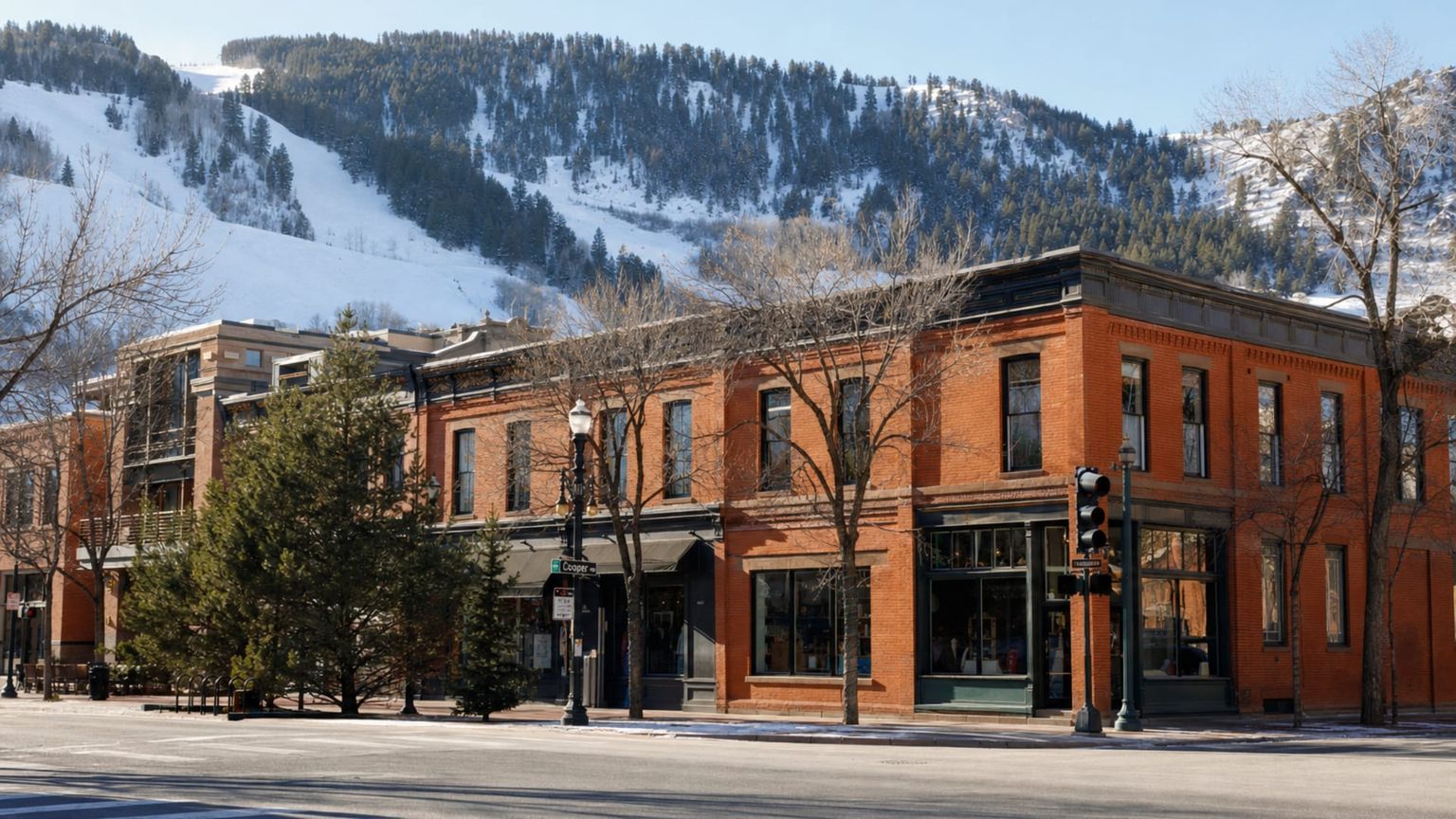
Start early at Maroon Bells Scenic Area, where a shuttle reservation usually costs about $16 ($16) per person in peak season and the ride from Aspen makes the outing simplest in summer and fall. Plan about 2 to 3 hours for the lakefront trail, then return to town for a late lunch and a shorter afternoon at the Silver Queen Gondola, about 15 minutes from downtown to the summit. Round-trip gondola tickets run about $39 ($39) for adults, and the mountain views over Aspen and the Elk Mountains make an easy contrast with the morning at Maroon Lake.
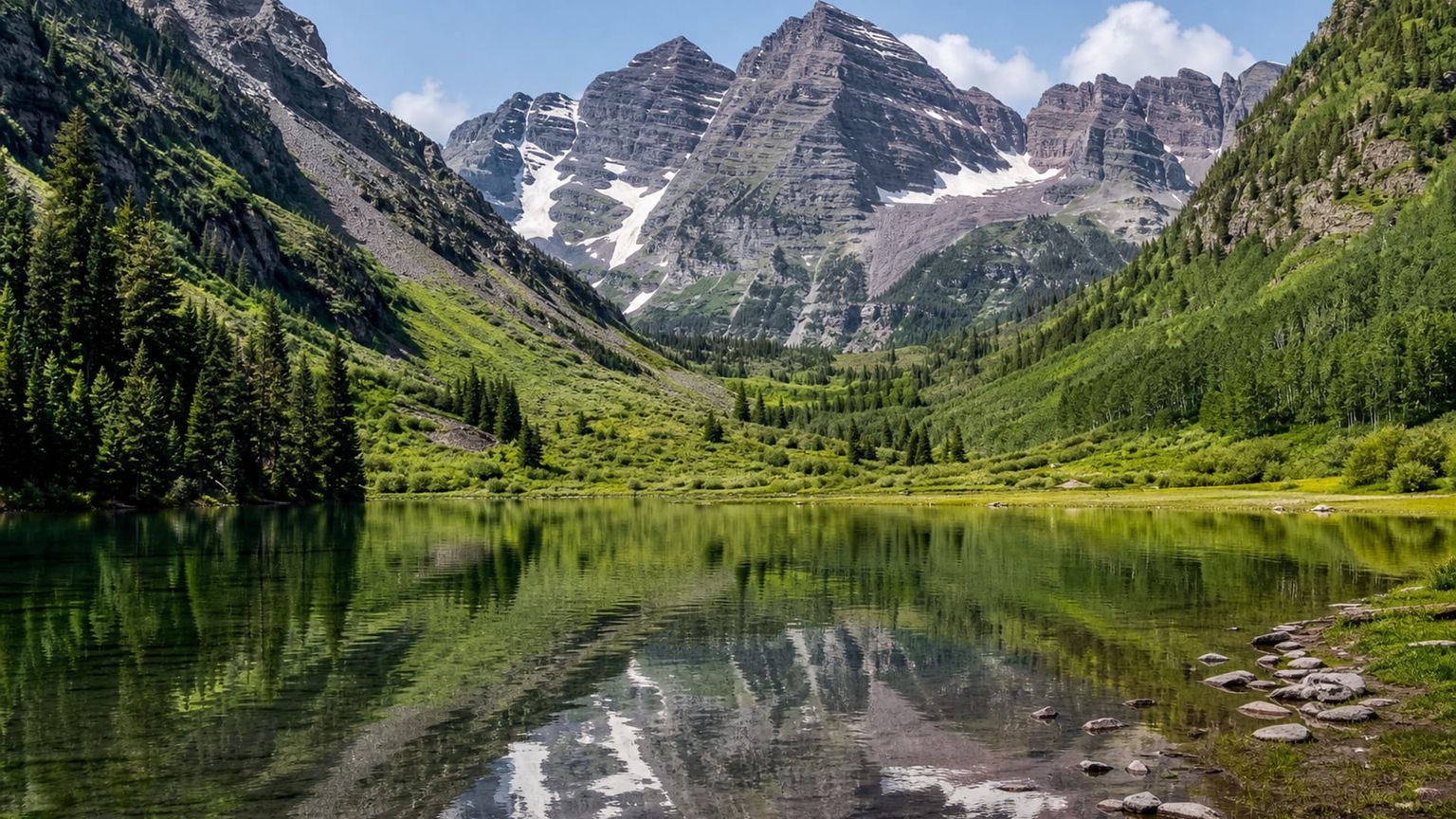
Wheeler Opera House sets the tone for a downtown day, with the 1889 theater just a few minutes on foot from most central hotels and public tours or events usually priced at $10 to $45 ($10 to $45). After that, walk about 5 minutes to the Silver Queen Gondola for a ride to Ajax Mountain, then come back down for an unhurried dinner in downtown Aspen, where the main blocks keep you close to restaurants, shops, and evening crowds without needing a car.
Begin on Smuggler Mountain Road, a free climb above Aspen that rewards an early start with broad views of the valley and the surrounding peaks. From downtown, the trail access is only a short ride or a longer uphill walk, and the full outing takes about 1 to 2 hours. Afterward, return to the center for a relaxed afternoon in Downtown Aspen, then end with a walk through the West End, where the historic homes and quieter streets show a different side of town before dinner.
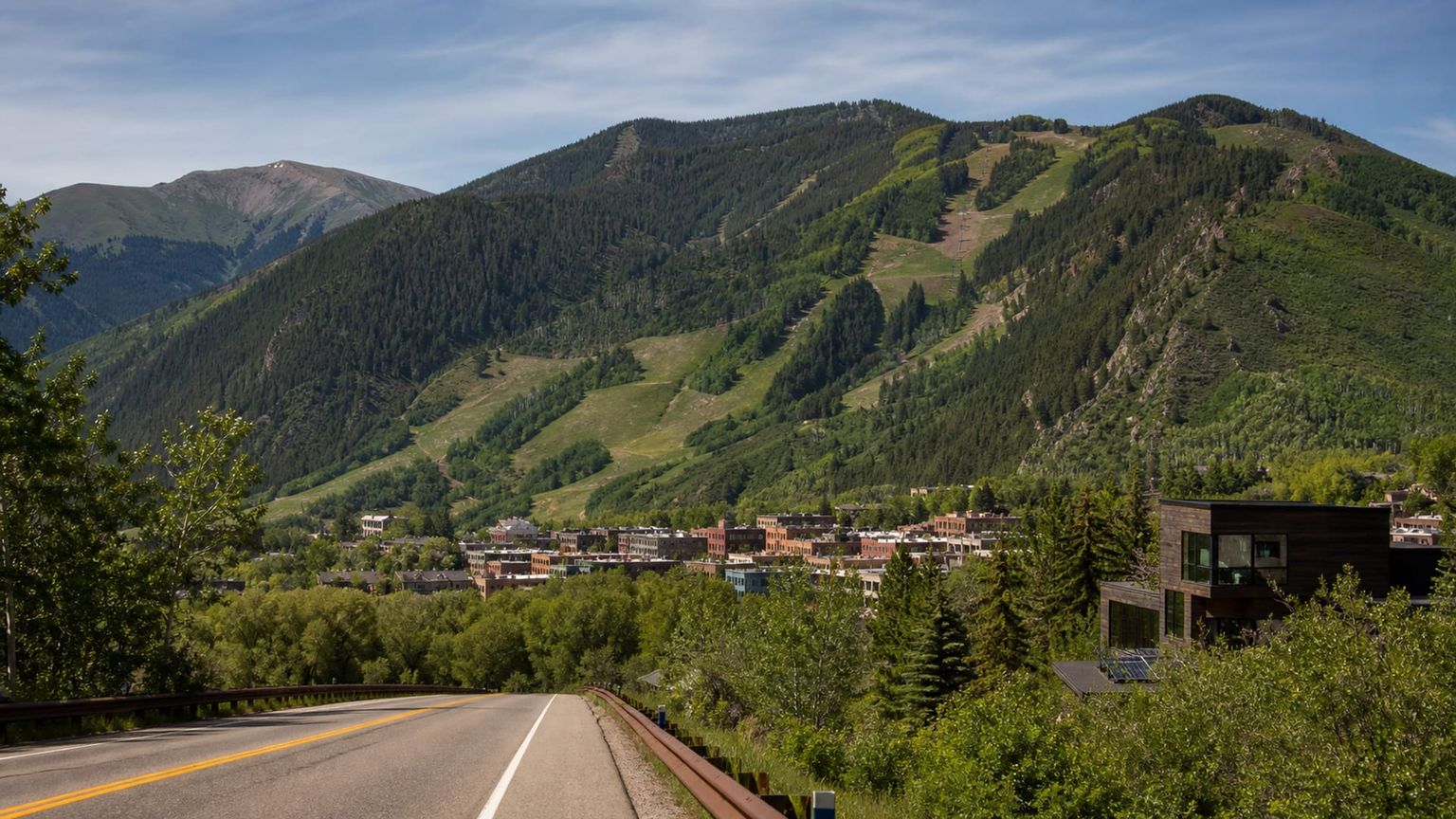
For a last slow morning, head to Downtown Aspen for a café breakfast, then spend time browsing the central shopping blocks near the Wheeler Opera House, where the storefronts stay close together and easy to cover on foot. If you want one more visual stop before you go, a final look at the Silver Queen Gondola base area adds a clean mountain-town scene without leaving the center. Set your departure plans so you can reach Aspen (ASE) in about 15 minutes by taxi or rideshare, leaving enough time for a final coffee and a calm handoff to the airport.
Business-class flights from the US to Aspen
Aspen usually connects through major hubs rather than on simple nonstop links, so the route you choose depends on where you are starting and how much time you want to spend in transit. From both coasts, schedules and layovers can change the shape of the trip.
From New York, carriers including American Airlines, Delta Air Lines, United Airlines, JetBlue, Air Canada, and Alaska Airlines sell itineraries that usually take about 5 to 6 hours nonstop when available. If you connect, common hubs include ORD, DEN, DFW, IAH, and MSP, and the route can stretch to about 6 to 8 hours. Round-trip fares from New York usually start near $450 and can reach about $1,200.
Los Angeles travelers can choose among United Airlines, American Airlines, Delta Air Lines, Alaska Airlines, Air Canada, and Southwest Airlines, with trips to Aspen taking about 4 to 5 hours nonstop. When schedules require a stop, typical hubs include DEN, SFO, ORD, DFW, and PHX, and the total journey usually runs about 5 to 7 hours. Round-trip fares from Los Angeles usually run from $400 to $1,050.
Aspen feels different when you slow down
A deliberate Aspen stay usually means sleeping close to downtown or the West End, using the RFTA bus for bigger moves, and saving taxis for late dinners or airport timing. It also means choosing one mountain outing at a time, whether that is Maroon Bells, the Silver Queen Gondola, or Smuggler Mountain Road, instead of trying to stack everything into one day. If you want AranGrant experts to turn that plan into a trip, start with Aspen’s center and build outward from there







