

Chapters:

Need help with your trip?
Our support team is available 24/7. Request a callback or call us directly at (833) 619-0908
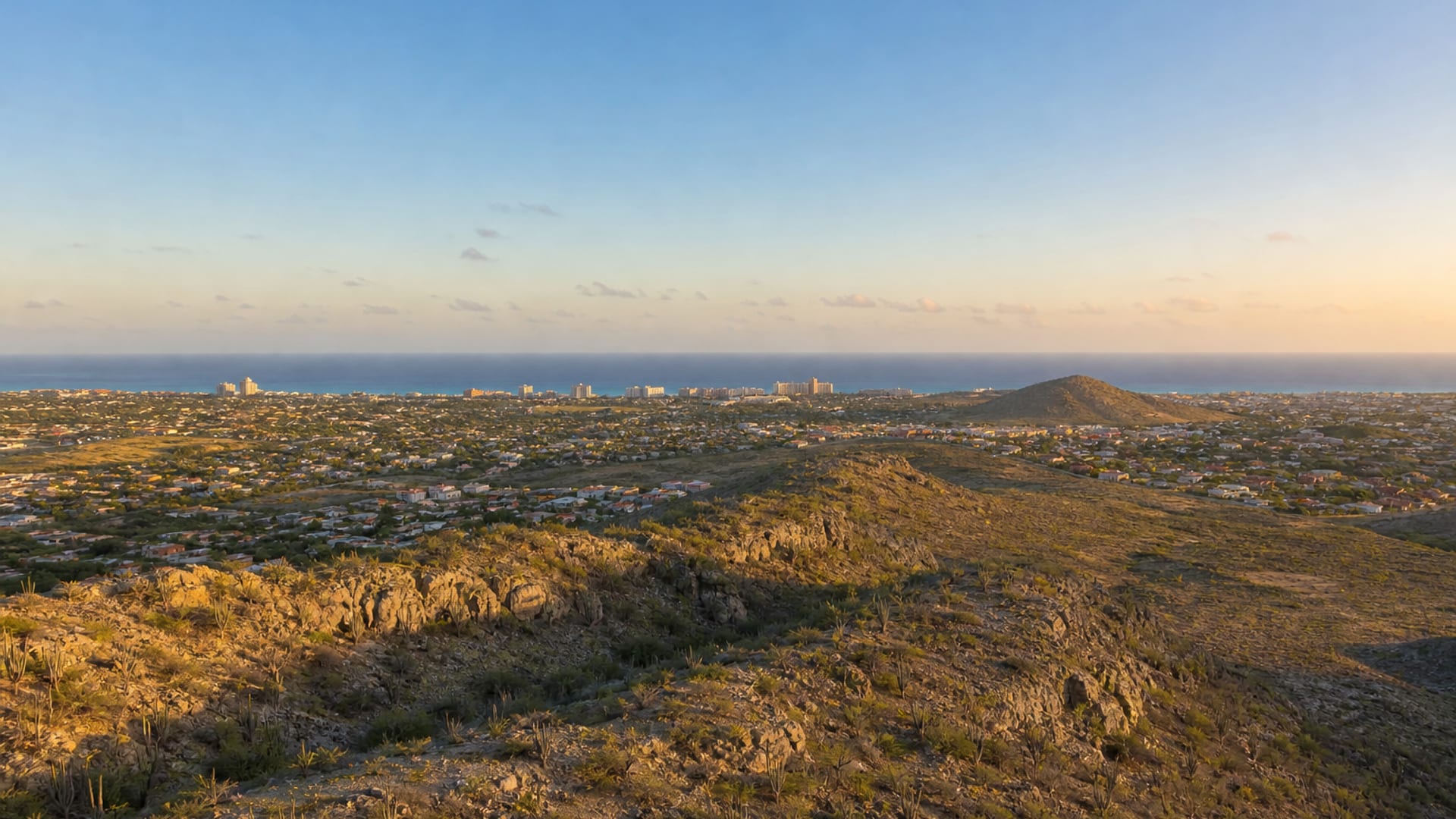
Aruba is small enough to cross in a morning, but its main experiences pull in different directions. Palm Beach and Eagle Beach line the hotel-heavy northwest coast; Oranjestad offers shopping facilities, museums, and Dutch-Caribbean architecture; and Arikok National Park opens into a rougher landscape of caves, desert scrub, and wave-cut coastline. Farther southeast, San Nicolas adds murals, local restaurants, and access to Baby Beach. The distances are not huge, but taxis, heat, and the limited roads into Arikok can make an unplanned day feel more fragmented than expected.
Five days give you room to alternate beach time with the capital, the park, and the island’s quieter southern side without turning every morning into a race across Aruba.
Useful things to know

Main language(s): Papiamento and Dutch; English and Spanish are widely spoken.

Currency: Aruban florin (AWG, Afl.)

Cash and cards: Major credit cards and US dollars are widely accepted. Carry small cash for taxis and minor purchases; some businesses may refuse $50 and $100 bills.

Tipping: Tipping is optional; leaving 15%–20% is customary. Check the bill first, since some restaurants add a service charge.

Traditional food: Keshi yena, pastechi, pan bati, and stoba are among Aruba’s best-known traditional dishes.

Water and coffee costs: At casual restaurants, bottled water costs Afl. 5–Afl. 6 ($2.75–$3.25); espresso is roughly Afl. 5–Afl. 5.40 ($2.75–$3).

Taxis and ride apps: Uber and Lyft do not operate in Aruba. Use licensed taxis with government-set fares; Taxi.aw lists official rates.

Plug and voltage: Type A and B plugs are standard, with some Type F outlets; electricity is 120V, 60Hz.

Dining and shop opening hours: Many restaurants serve dinner from 5 pm or 6 pm to 10 pm or 11 pm. Oranjestad shops often close at 6 pm, and many close on Sundays.

Emergency number: Dial 911 for general emergencies, ambulance, fire, and police dispatch; 100 reaches Oranjestad police.
Where to stay in Aruba Island
Palm Beach is Aruba’s high-rise resort district, with large beachfront hotels, casinos, watersports, shopping, and the island’s densest concentration of restaurants and bars. It is the easiest choice if you want the beach, dinner, and evening entertainment within walking distance of your hotel.
Best for: Beachfront resorts, watersports, dining, nightlife, and walkable evenings
What to expect: High-rise hotels, casinos, beach bars, shops, watersports kiosks, and busy evenings.
Hotel prices: Well-rated stays often cost Afl. 450–Afl. 1,080 ($250–$600) per night; luxury resorts can run higher.
Distance to major sights: Oranjestad is roughly 15 minutes away by car; California Lighthouse is 10–15 minutes north.
Quietness: Mornings are calmer; the hotel and restaurant strip becomes much livelier after sunset.
Main trade-off: Convenient beach access comes with higher prices and more evening activity than elsewhere.
Good to know: Choose a room away from the main strip if it is more important to avoid nightlife noise than to have immediate restaurant access.
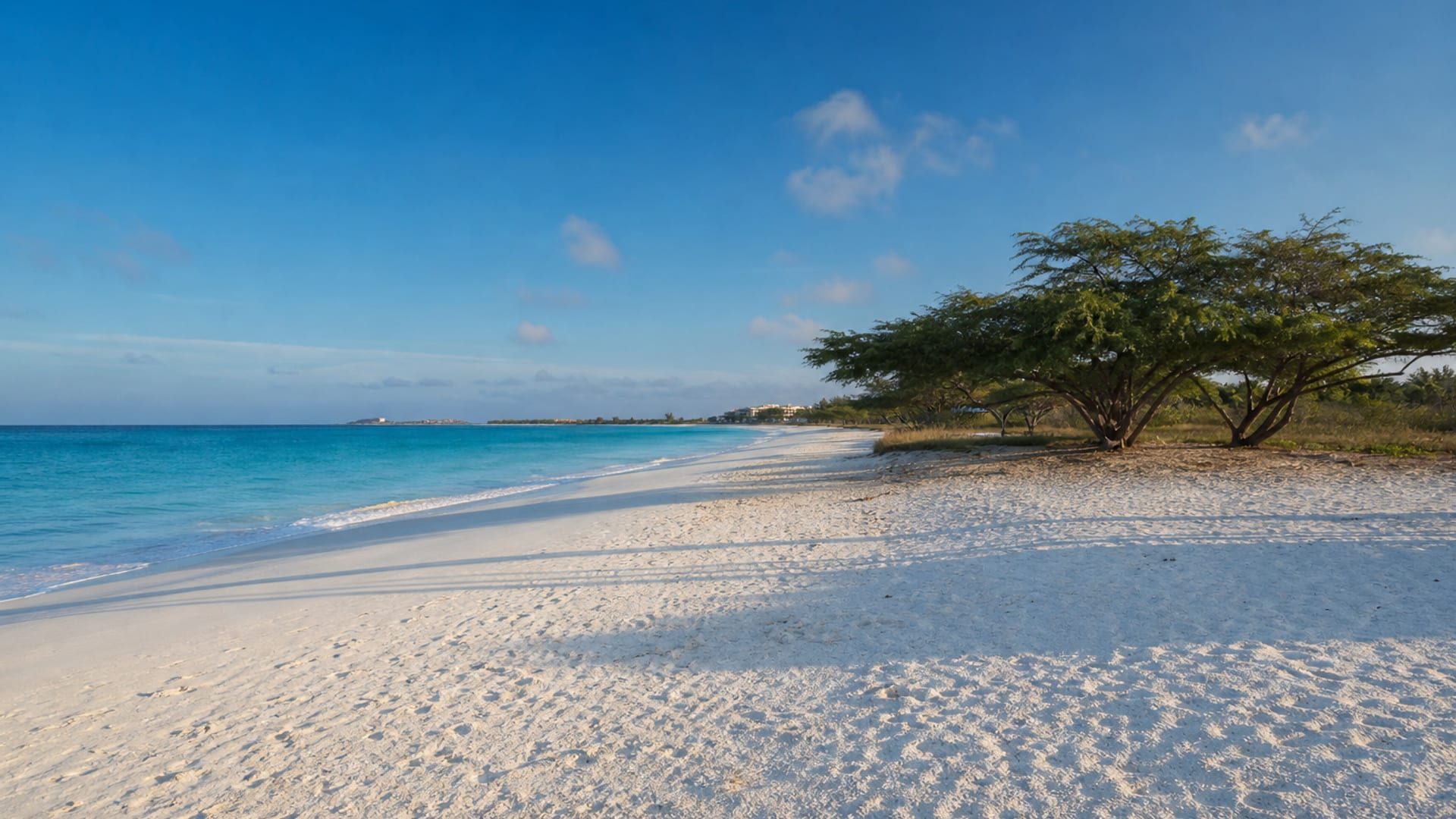
Eagle Beach sits just south of Palm Beach and centers on one of Aruba’s best-known stretches of sand, with lower-rise hotels and broader shoreline views. It works well for travelers who want beach access without staying in the island’s busiest strip.
Best for: Quieter beach stays, couples, long beach walks, and low-rise resort settings
What to expect: Wide sand, low-rise hotels, condo resorts, fofoti trees, and less nightlife than Palm Beach
Hotel prices: Hotel listings commonly span Afl. 250–Afl. 1,080 ($140–$600); upscale beachfront resorts can cost more.
Distance to major sights: Oranjestad is roughly 10 minutes by car; Palm Beach is 5–10 minutes north.
Quietness: Generally calmer day and night, especially away from the main public beach access points
Main trade-off: Dining and late-night options are thinner than on Palm Beach, so you may rely on taxis more often.
Good to know: Check whether the property is directly on the sand or across J.E. Irausquin Boulevard before booking.
Oranjestad is close to Aruba’s museums, shopping streets, Dutch-Caribbean architecture, cruise port, and main bus connections. It feels more urban than the beach districts, while Eagle Beach and Palm Beach are a short ride away when you want to combine sightseeing with time on the coast.
Best for: Museums, shopping, local restaurants, bus access, and a more urban stay
What to expect: Colorful historic buildings, cruise traffic, shops, museums, restaurants, and quieter evenings
Hotel prices: Rooms often range from Afl. 150–Afl. 810 ($85–$450); larger waterfront resorts can cost considerably more.
Distance to major sights: Fort Zoutman downtown is within walking distance; Eagle Beach is 10 minutes away, and Palm Beach is 15 minutes away by car.
Quietness: Busy during cruise and shopping hours; many streets settle noticeably after stores close
Main trade-off: You trade immediate resort-beach access for better access to museums, shops, and local buses.
Good to know: Stay near the downtown core if you want to use Arubus regularly or walk to museums and restaurants.
If most of your plans center on Palm Beach, Eagle Beach, and Oranjestad, think twice before booking far south in Savaneta or San Nicolas. Those areas are quieter, but you’ll spend more time driving to the resort coast.
Hotel deals
How to get around Aruba Island efficiently
Arubus connects Oranjestad with the main beach and resort areas, while taxis and rental cars cover late trips, luggage, and less accessible parts of Aruba.

Arubus
for rides to Oranjestad and the beach areas
Arubus links Oranjestad with Eagle Beach, Palm Beach, Arashi, San Nicolas, and the airport. A single ride costs Afl. 4.50 ($2.60) and can be bought onboard with cash. Day passes cost Afl. 26.25 ($15) and are sold at the Oranjestad Bus Station booth and participating resort shops.

Taxi
for direct trips and late hours
Licensed taxis use fixed government fares. From AUA, rides cost Afl. 46.80 ($26) to Oranjestad and up to Afl. 73.80 ($41) to Palm Beach. Use the airport taxi stand; elsewhere, call Taxi Address Service, Aruba Taxi Company, or Aruba Transfer Tour & Taxi. Taxi.aw shows official fares only.

Rental car
for rides to Arikok and the southern coast
A rental car is useful for exploring Arikok, Baby Beach, San Nicolas, and on days with several stops. Economy cars currently start at Afl. 83 ($46) per day for a week-long rental, or Afl. 99 ($55) for a single day. Reserve online with an airport-listed company; desks are outside Arrivals at AUA.
*Prices are based on rates updated as of June 2026 and may change at the time of travel.
Use Arubus between Oranjestad and the main beach areas, taxis for direct or late rides, and a rental car for Arikok, Baby Beach, or San Nicolas.
Iconic landmarks
Arikok National Park
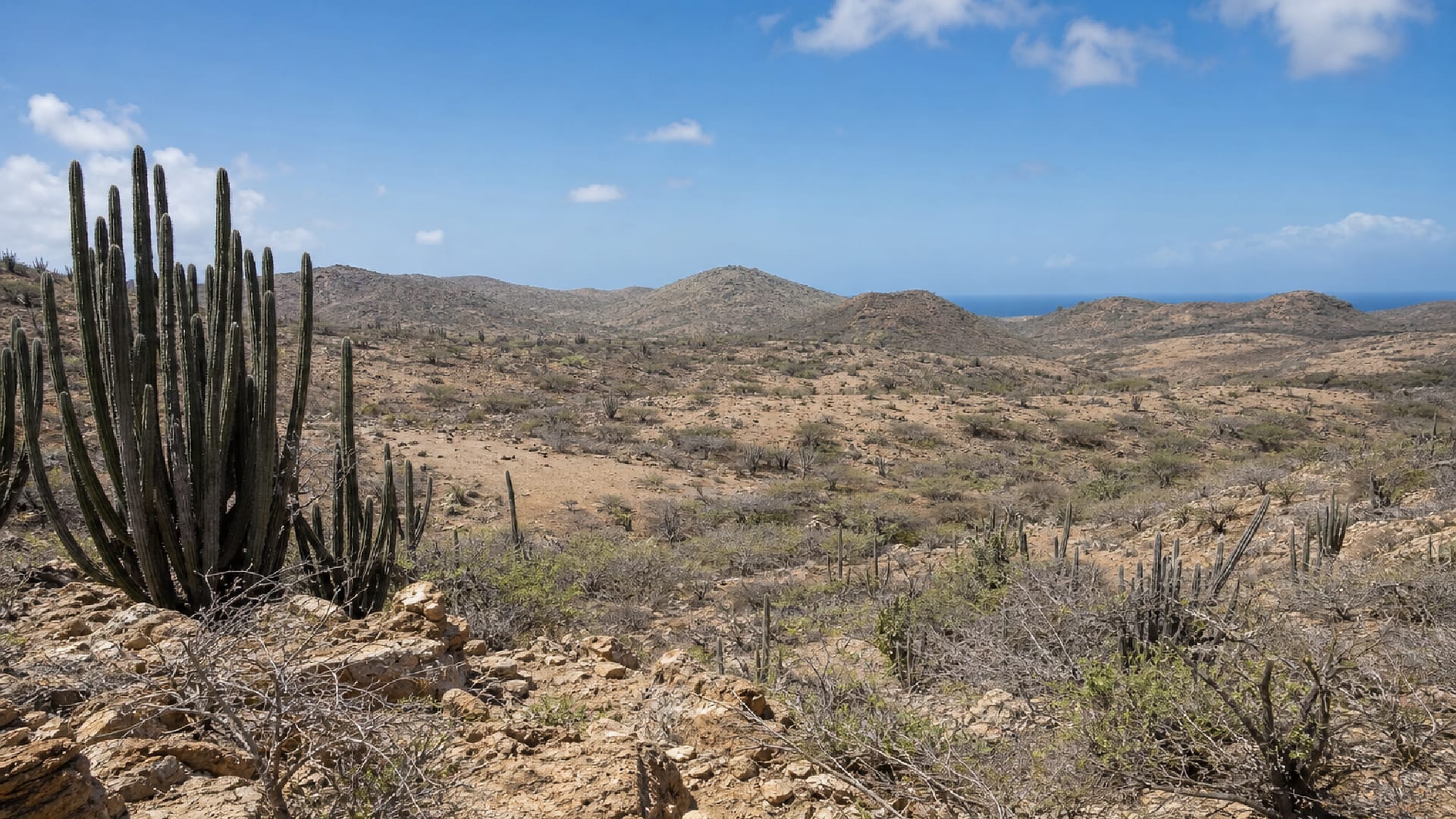
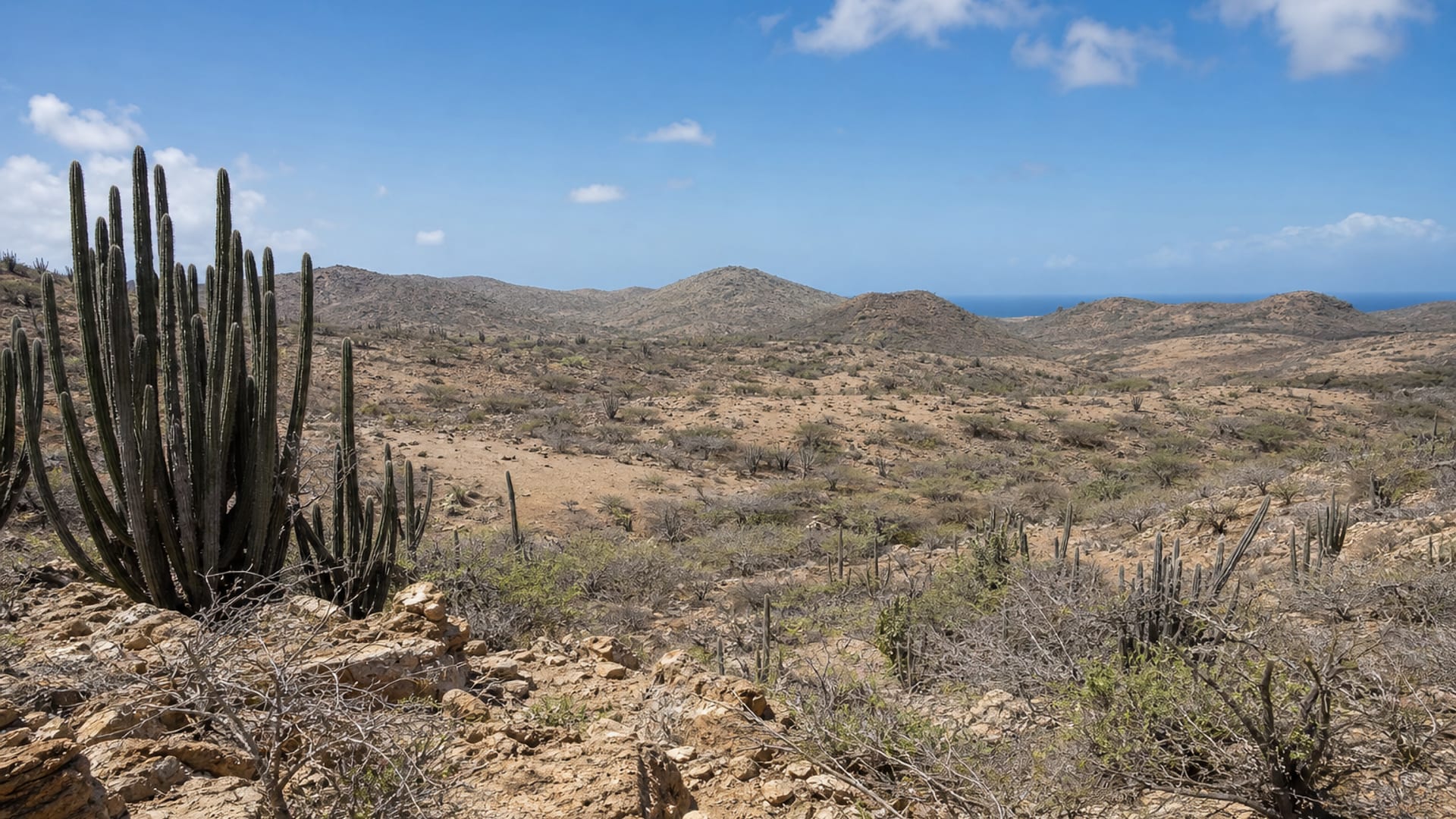
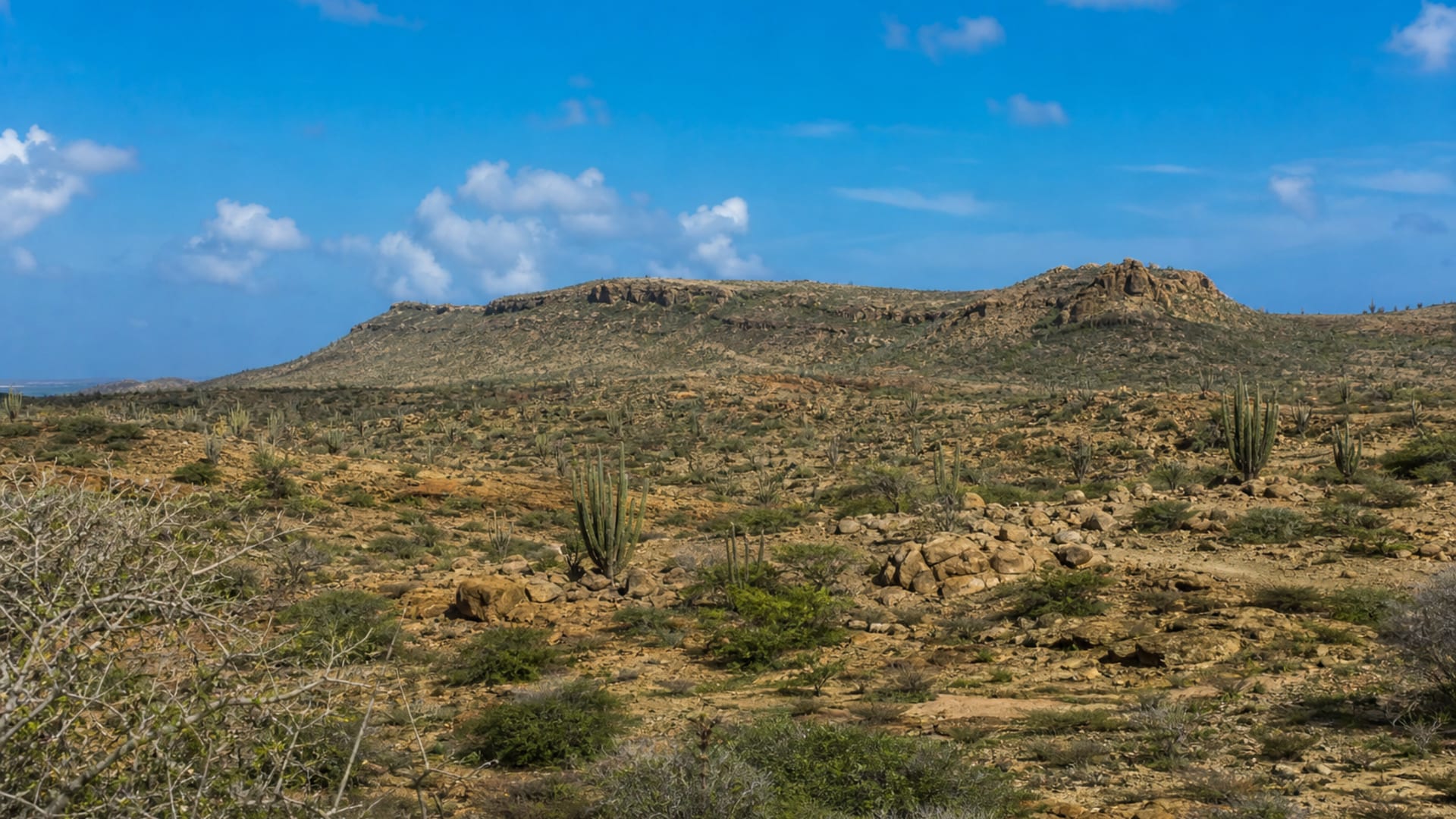
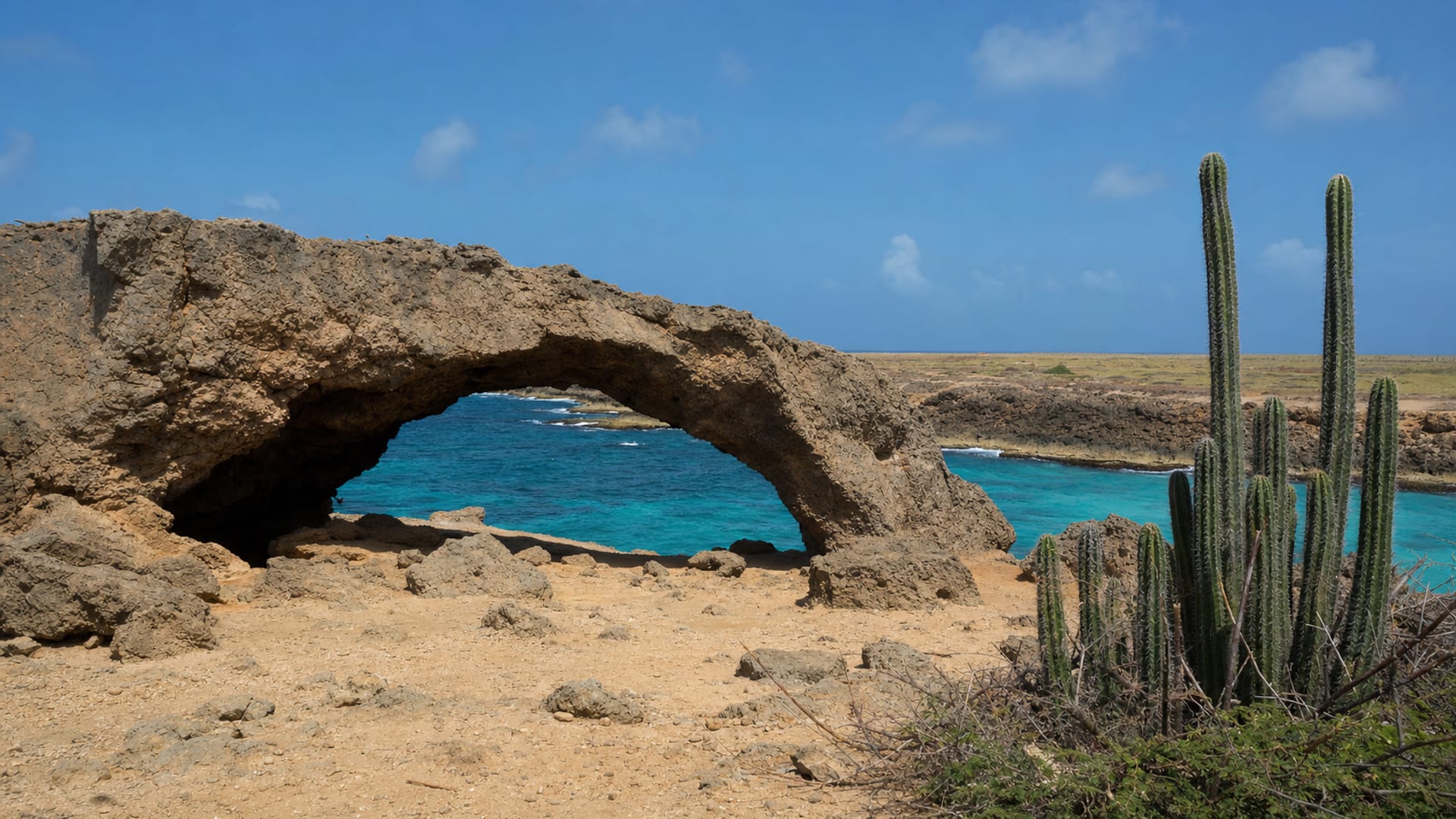
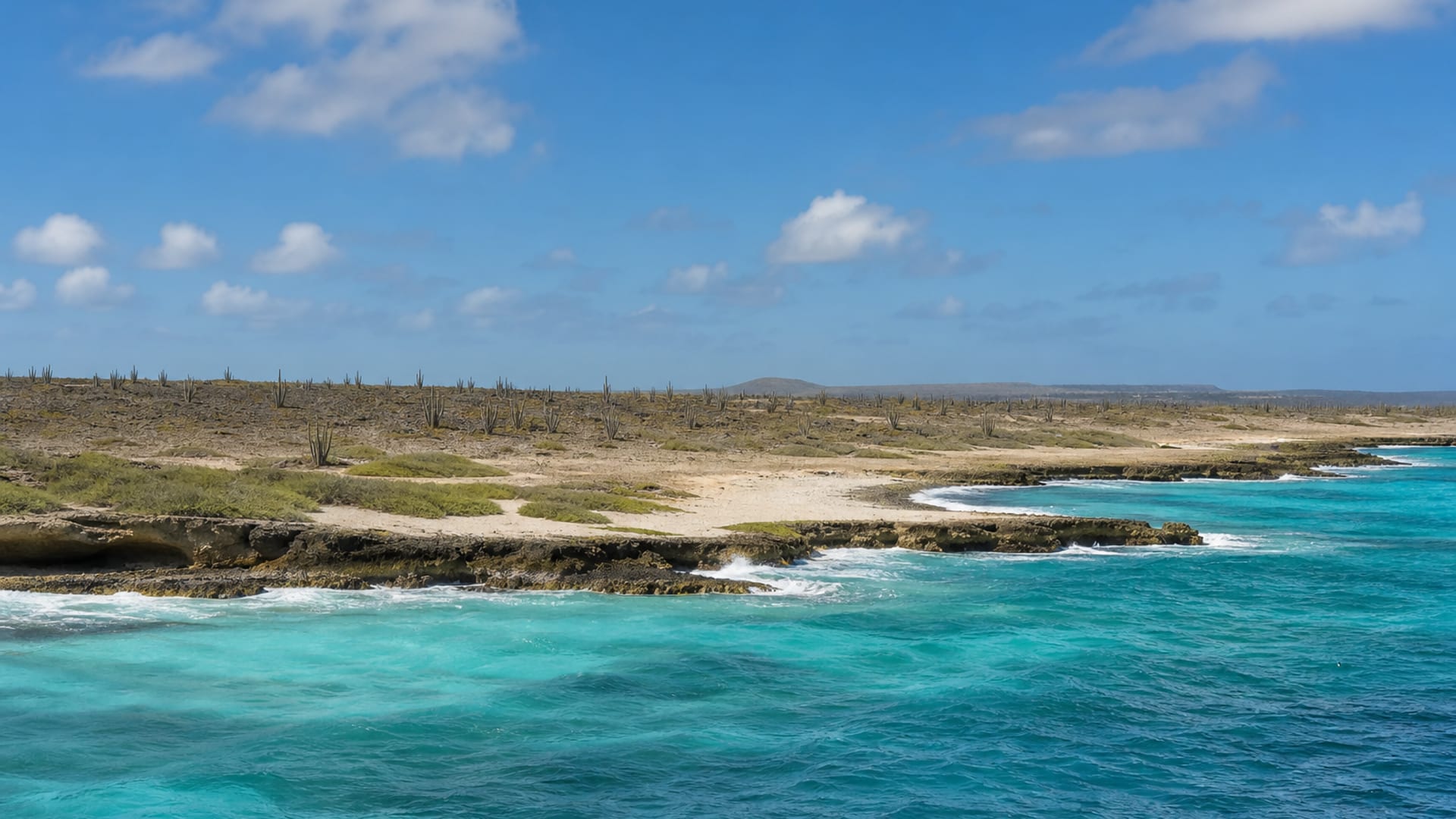
Arikok National Park covers about one-fifth of Aruba, with cactus plain, limestone hills, sea caves, and the Natural Pool reached by rough tracks. It also protects Arawak rock art at Cunucu Arikok and Fontein Cave.
Time needed: About 4 to 6 hours
Entry: Adult day passes cost Afl.39.60 ($22). Find more information on the official website.
Tip: Use a 4×4 or guided tour for Conchi; regular cars should stay on the main roads.
California Lighthouse
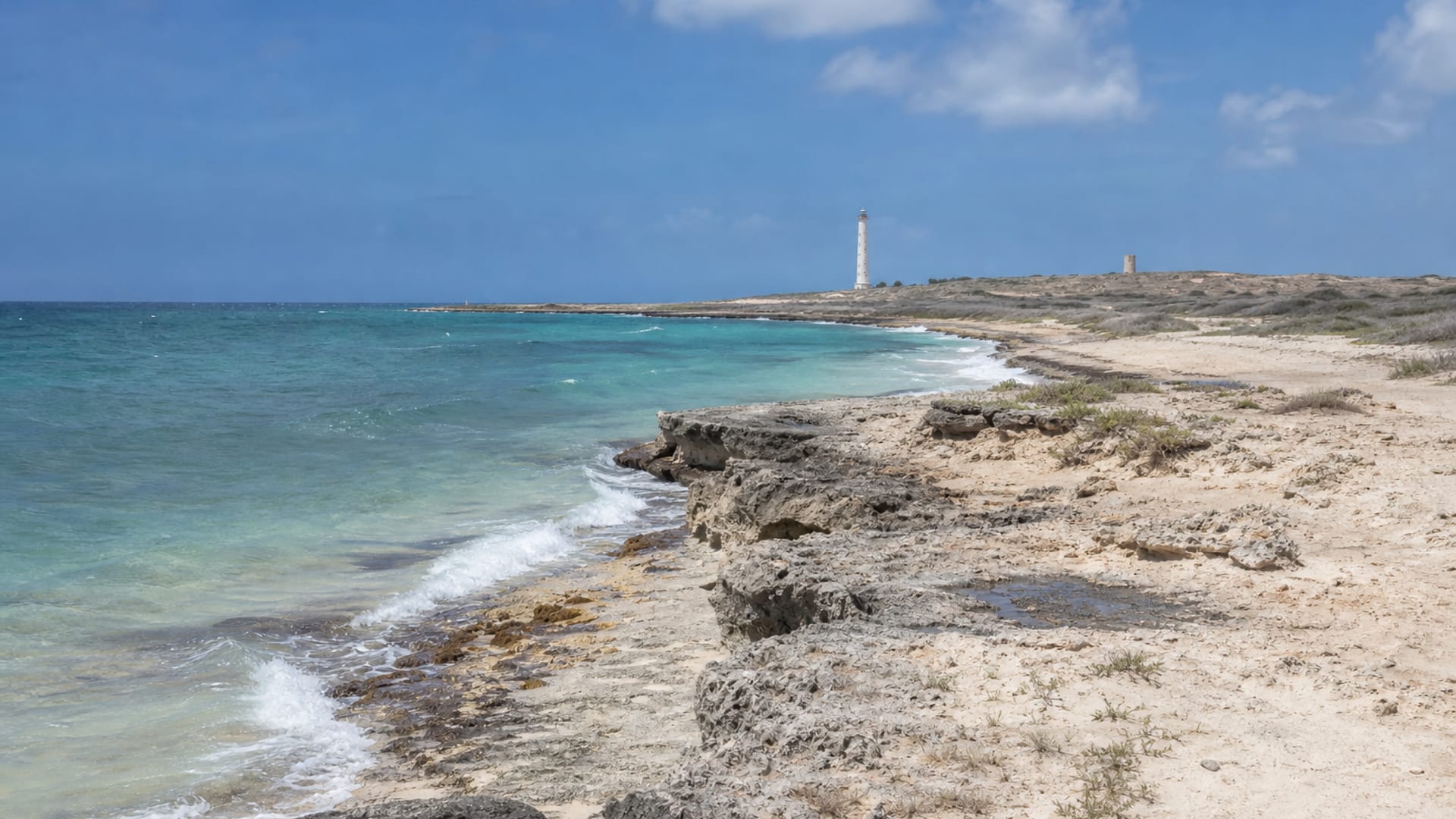
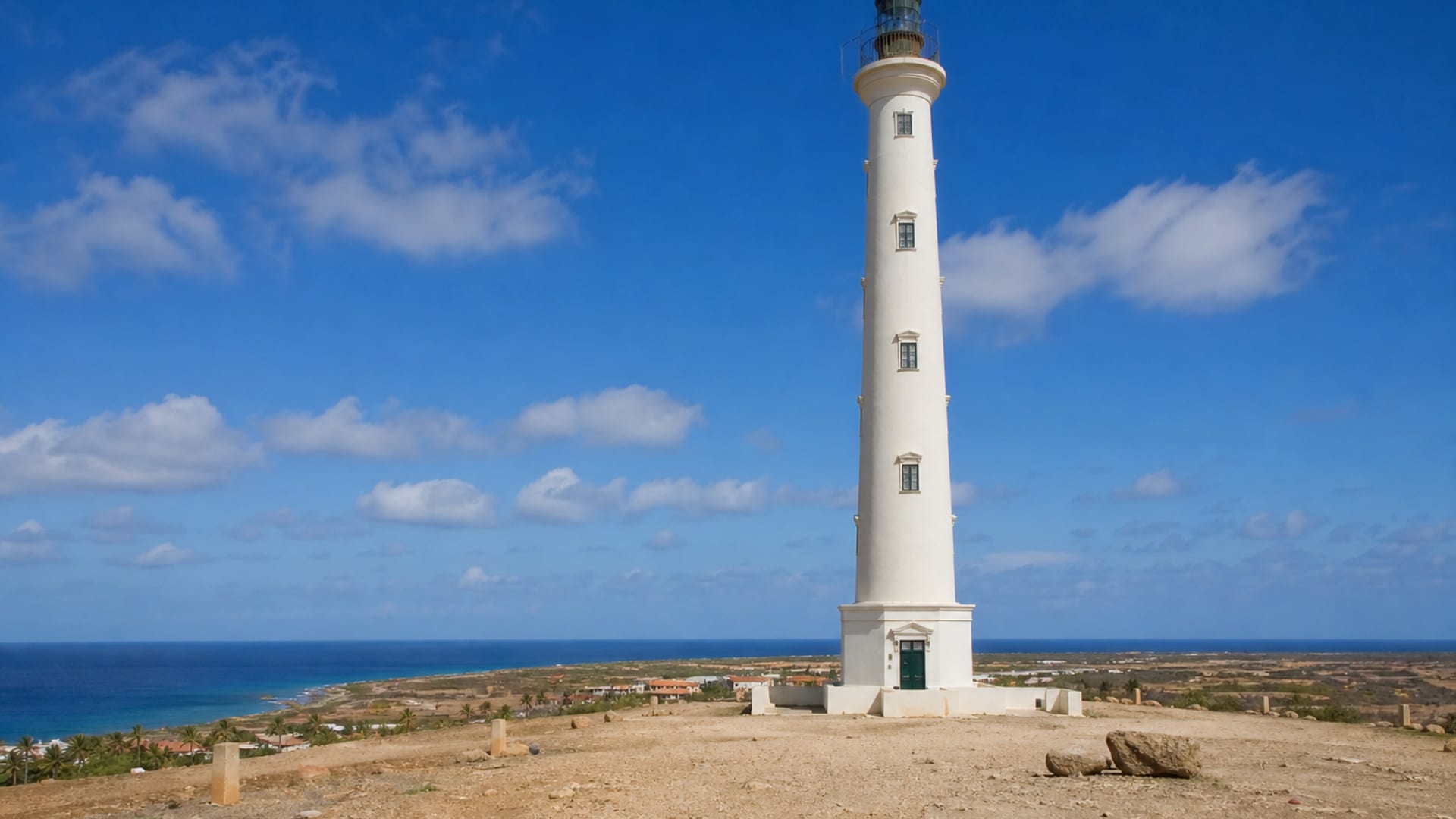
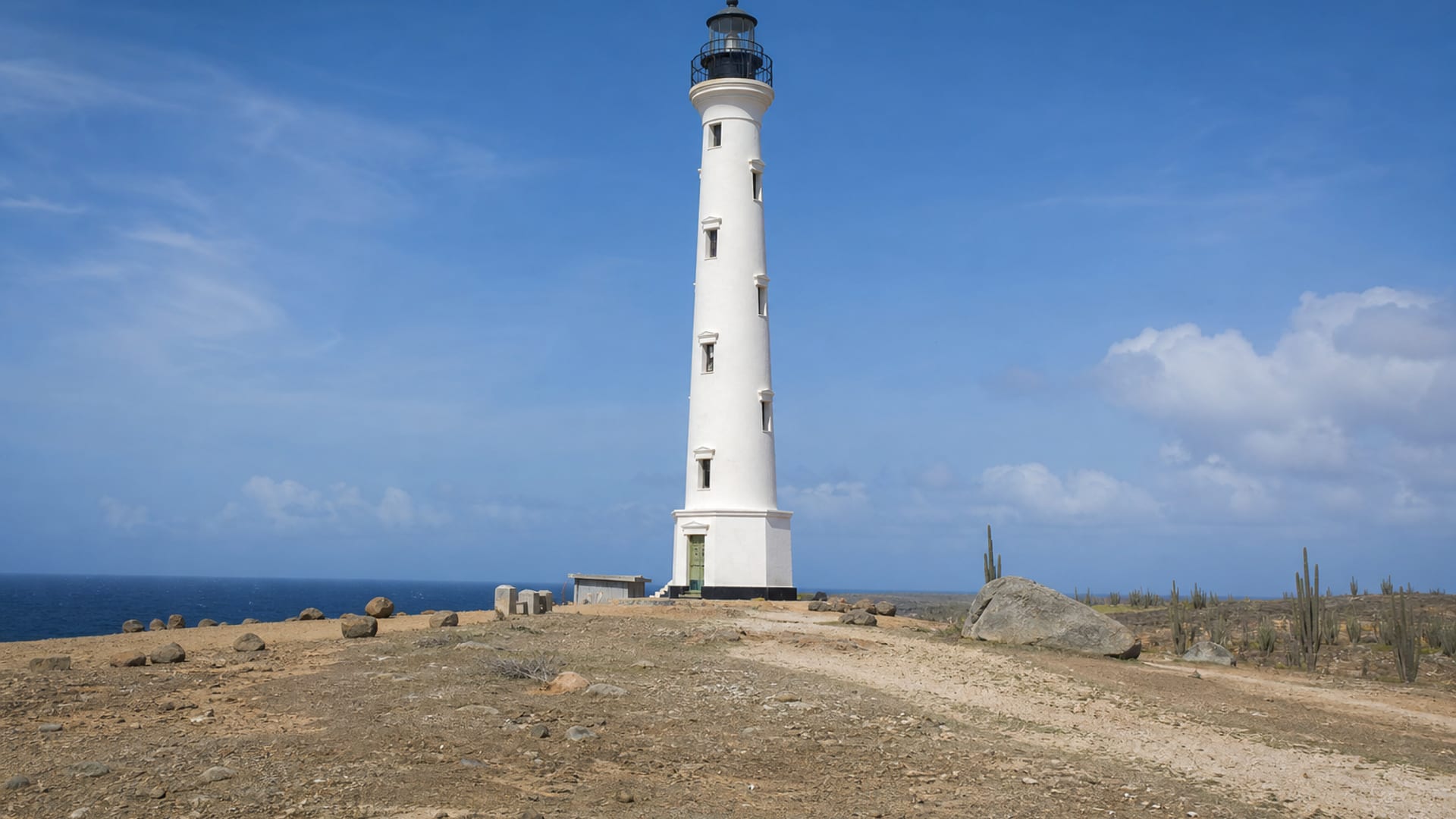
California Lighthouse rises above Aruba’s northwestern tip, with 360-degree views across the western beaches, dunes, and rocky coast. Named after the S.S. California, which sank offshore in 1891, the stone tower has become one of the island’s most recognizable landmarks and sunset viewpoints.
Time needed: About 45 to 60 minutes
Entry: A ticket to climb the tower costs Afl. 9 ($5); no reservation required. Find more information on the official website.
Tip: Visit late afternoon if you want to climb the tower and stay for sunset.
Alto Vista Chapel
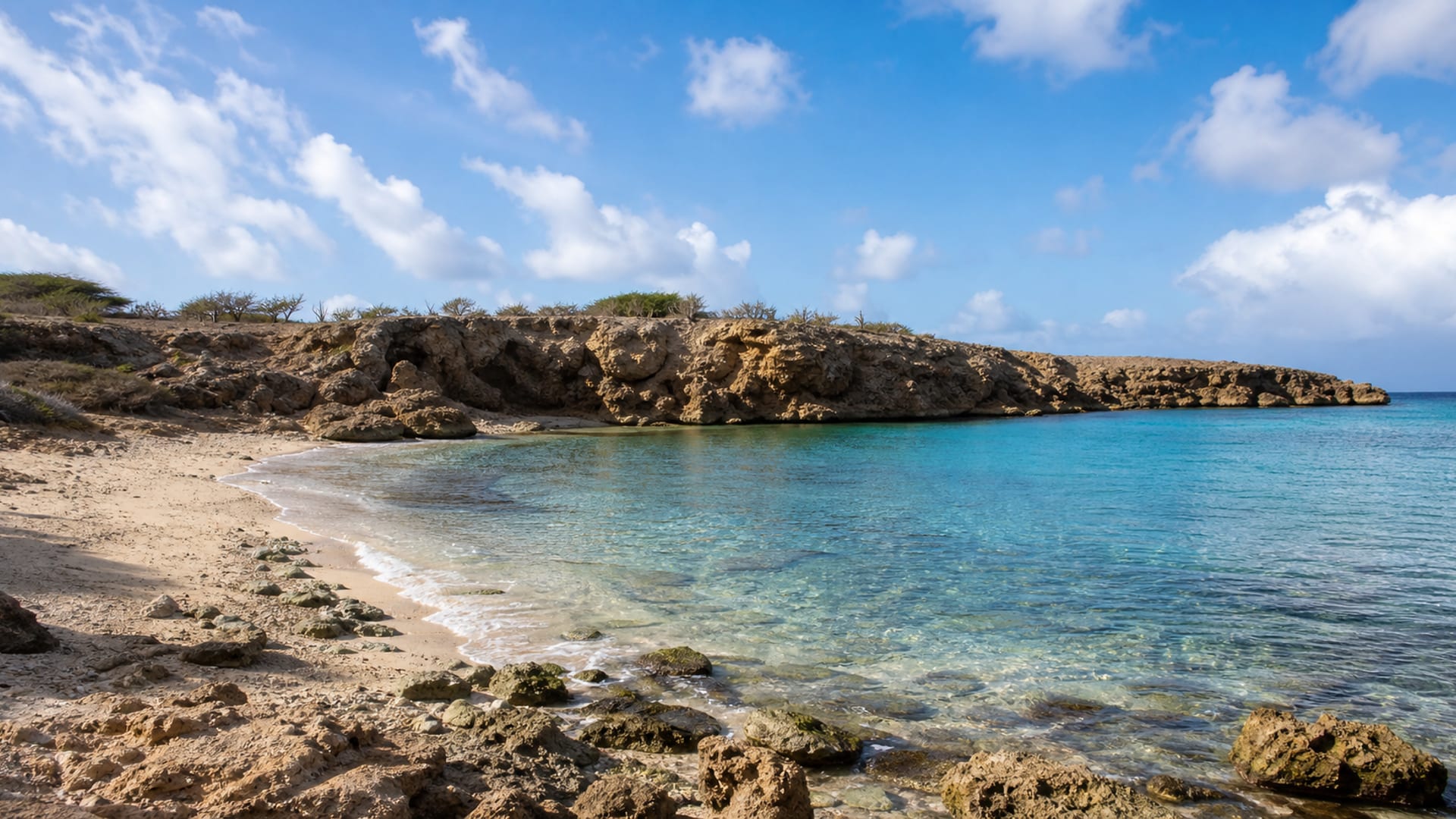
Alto Vista Chapel stands on a hill above Aruba’s north coast, beside the white crosses of the Stations of the Cross and views over the dry countryside. The present yellow chapel was rebuilt in 1952 on the site of Aruba’s first Catholic church, founded there in 1750, and remains a place of worship.
Time needed: 30–45 minutes
Entry: Free. Find more information on the official website.
Tip: Dress respectfully and avoid interrupting services or private prayer.
Overlooked sites worth visiting

Bubali Bird Sanctuary
Bubali Bird Sanctuary is a wetland near Palm Beach where more than 80 migratory bird species can be seen from an observation tower, including herons, egrets, coots, and ducks.
Time needed: 45–60 minutes
Entry: Admission is free; no booking is required.
Tip: Go early in the morning and bring binoculars for better views across the ponds.

Aruba Aloe Factory and Museum
Aruba Aloe’s Hato facility explains how aloe shaped the island’s economy, with historic tools, a working factory, cultivated fields, and demonstrations of how the plant is processed.
Time needed: 45–60 minutes
Entry: Admission and the factory tour are free. Find more information on the official website.
Tip: Visit during tour hours if you want to see the production process explained in person.
Traditional food
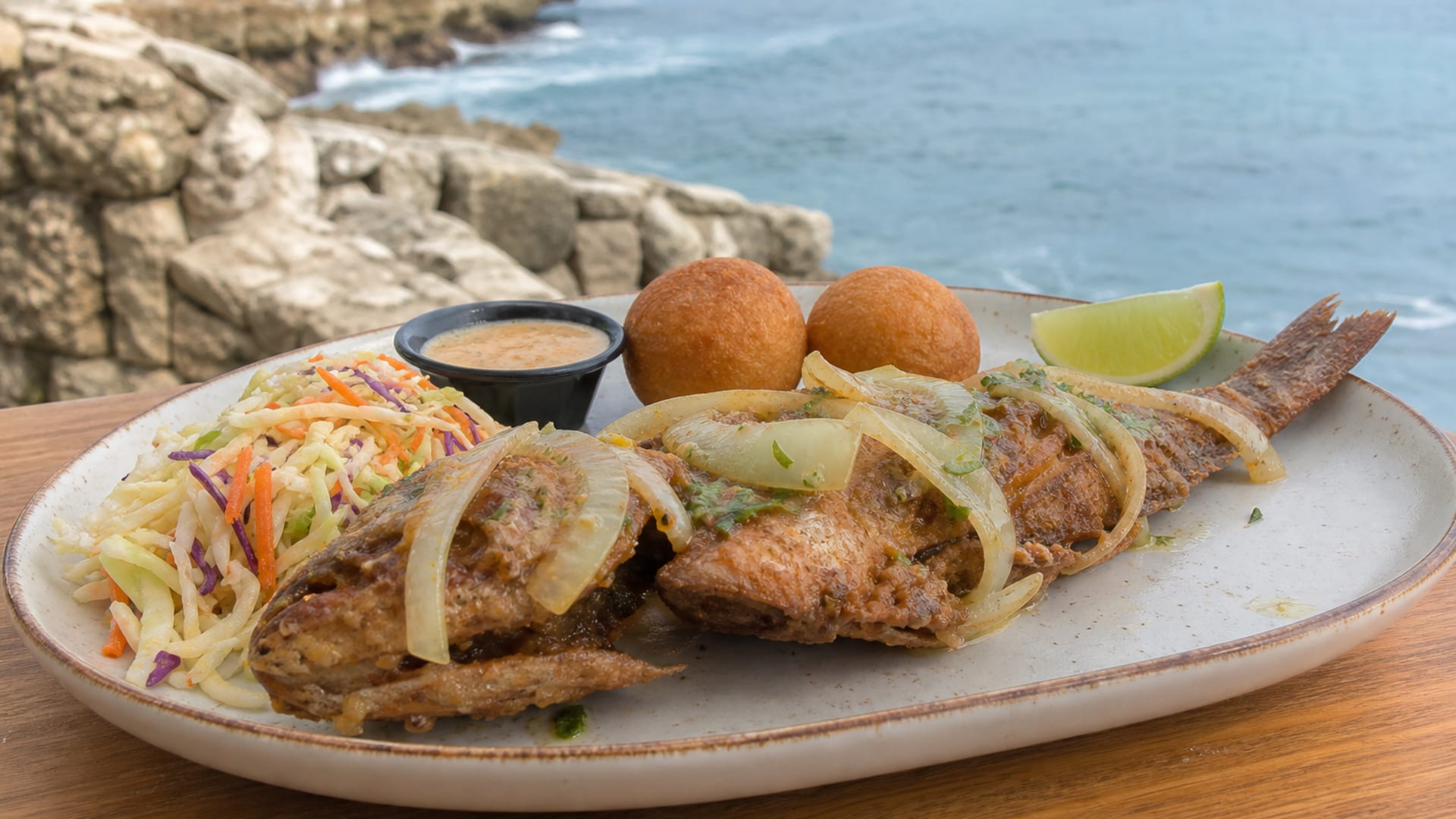
Aruban cuisine combines Dutch, Caribbean, Latin American, and Indigenous influences, with stuffed cheese, fried pastries, cornmeal breads, and slow-cooked stews.
Keshi yena
Keshi yena consists of a hollow Edam or Gouda shell, filled with spiced meat, olives, raisins, capers, and cashews before baking. Papiamento Restaurant in Noord serves a family version made with tenderloin, chicken, prunes, and Dutch cheese.
Pastechi
Pastechi is a deep-fried crescent pastry filled with cheese, chicken, tuna, beef, or other savory fillings and commonly eaten for breakfast or as a snack. The Pastechi House in Oranjestad specializes in more than 20 varieties.
Pan bati
Pan bati is a soft, slightly sweet cornmeal pancake-bread served with fish, stews, and other local dishes. Driftwood Restaurant in Oranjestad includes pan bati with several seafood plates and also offers it as a side.
Stoba
Stoba is a slow-cooked stew made with beef, goat, chicken, or other meats, usually served with rice, funchi, pan bati, or fried plantain. The Old Cunucu House in Noord serves both cabrito stoba and carni stoba.
Best time to visit Aruba Island
Aruba is warm all year, so its four seasons differ more in rainfall, trade winds, and travel demand than in temperature.
Best for: Dry beach days, snorkeling, sightseeing, and first-time visits to Aruba
What you get: Dry-season conditions dominate, with steady trade winds, low rainfall, and the strongest demand for beach resorts and restaurants.
Trade-offs: Hotel prices rise, especially around Christmas, New Year, and winter school breaks.
Best for: Warm beach days, snorkeling, outdoor dining, and easier hotel availability
What you get: Rainfall is low through much of spring, while warmer days, longer evenings, and strengthening May winds favor beach time and sailing.
Trade-offs: Late spring feels hotter, and stronger trade winds become more noticeable by May.
Best for: Beach time, wind sports, and travelers looking for more flexible hotel choices
What you get: Stronger trade winds take the edge off hotter afternoons, while warm seas and lower winter-season demand suit watersports and beach days.
Trade-offs: Afternoons feel hotter, and June through August falls within Atlantic hurricane season.
Best for: Quieter stays, easier reservations, and flexible plans around brief showers
What you get: Trade winds ease, and humidity rises, with brief showers becoming more common in October and November while sunny periods are frequent.
Trade-offs: Rain is more likely, especially in October and November, and winds can be lighter.
A realistic 5-day plan in Aruba Island
Five days is enough to see more than Aruba’s resort coast without turning the trip into a string of long drives.
After landing at Queen Beatrix International Airport (AUA), take a taxi to Eagle Beach for Afl. 66.60 ($37) or Palm Beach for roughly Afl. 72–Afl. 73.80 ($40–$41). Once you check in, keep the afternoon easy with a swim and a walk along the sand. Dinner near your hotel is enough for the first night, especially after a long flight, and leaves the north coast and park for mornings when the heat is easier to manage.

After breakfast, focus on the northwestern coast. Boca Catalina is small enough for a relaxed swim or snorkel without consuming the morning, and Aruba Tourism places it five minutes from Palm Beach by car. Continue north to California Lighthouse for the tower view, then follow the coast inland toward Alto Vista Chapel. The chapel’s hilltop setting changes the pace from beach to history, and Palm Beach is an easy place to return for a late lunch and an unplanned afternoon by the water.
Set aside your longest sightseeing day for Arikok National Park. Start with the caves and desert landscape, then make time for Boca Prins or Dos Playa before the afternoon heat builds. If Conchi is part of your plan, use a 4×4 or guided tour instead of taking a standard rental car onto the rough track. Four to six hours in the park is enough for several stops without trying to cover every road, and a quiet dinner near your hotel will probably feel better than another cross-island trip.
Give Oranjestad a full day instead of treating it as an airport stop. The National Archaeological Museum brings Aruba’s Indigenous history into focus before you walk toward Fort Zoutman, the Willem III Tower, and Wilhelmina Park. Lunch can stay downtown, followed by the shopping streets and waterfront at your own pace. Most of these stops are close enough to cover on foot, so you can spend more time inside the museums and over a long meal without needing a taxi between every stop.
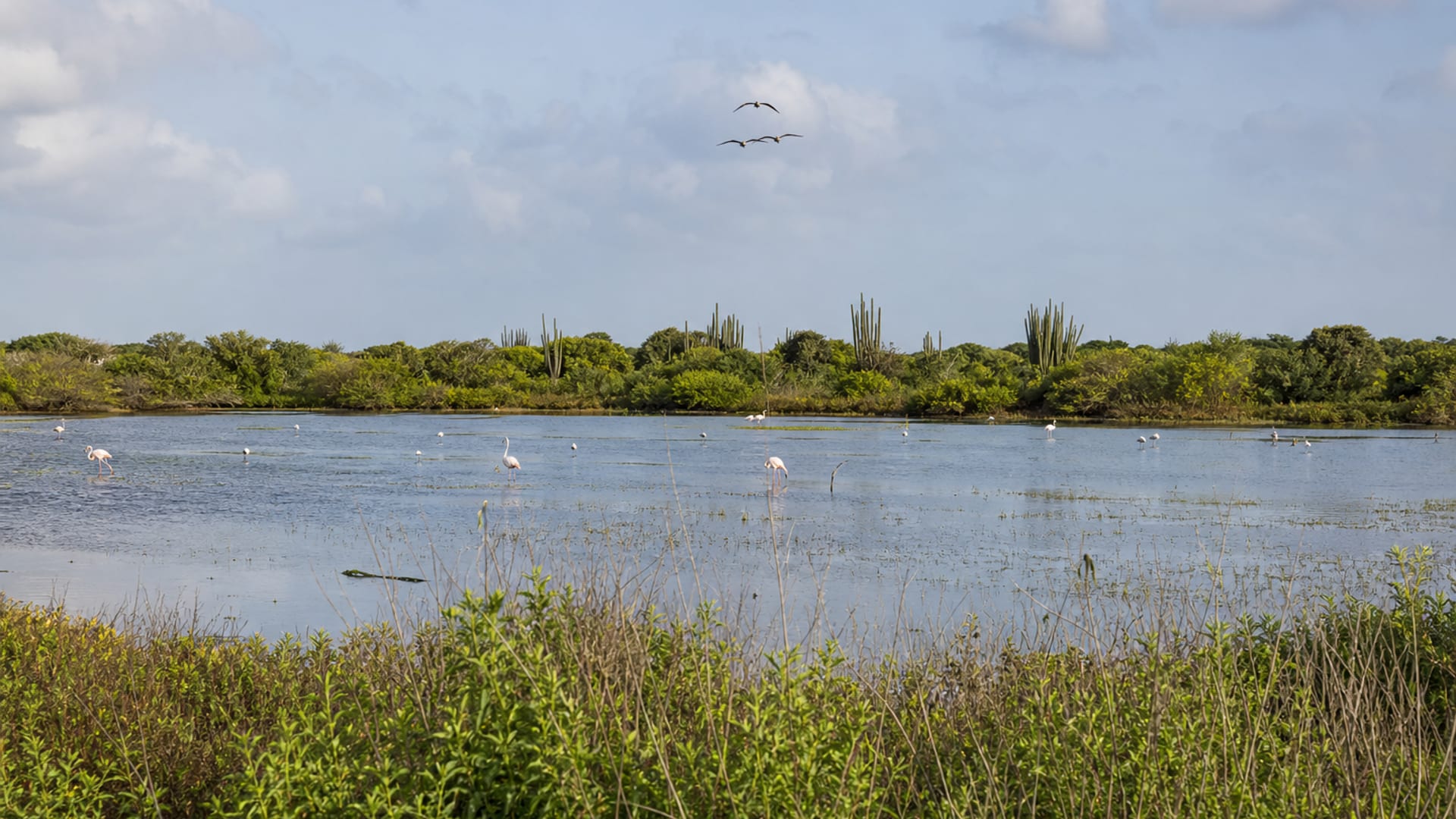
Use the final morning for Bubali Bird Sanctuary if you are staying near Palm Beach or Eagle Beach. The observation tower gives you a quiet look at herons, egrets, ducks, and other migratory birds, and an hour is enough before breakfast or a final swim. Leave the rest of the morning open for the beach, packing, and lunch near your hotel. For the airport, check the fare on Taxi.aw and plan to arrive three hours before a US-bound flight because Aruba Airport (AUA) handles US preclearance before departure.
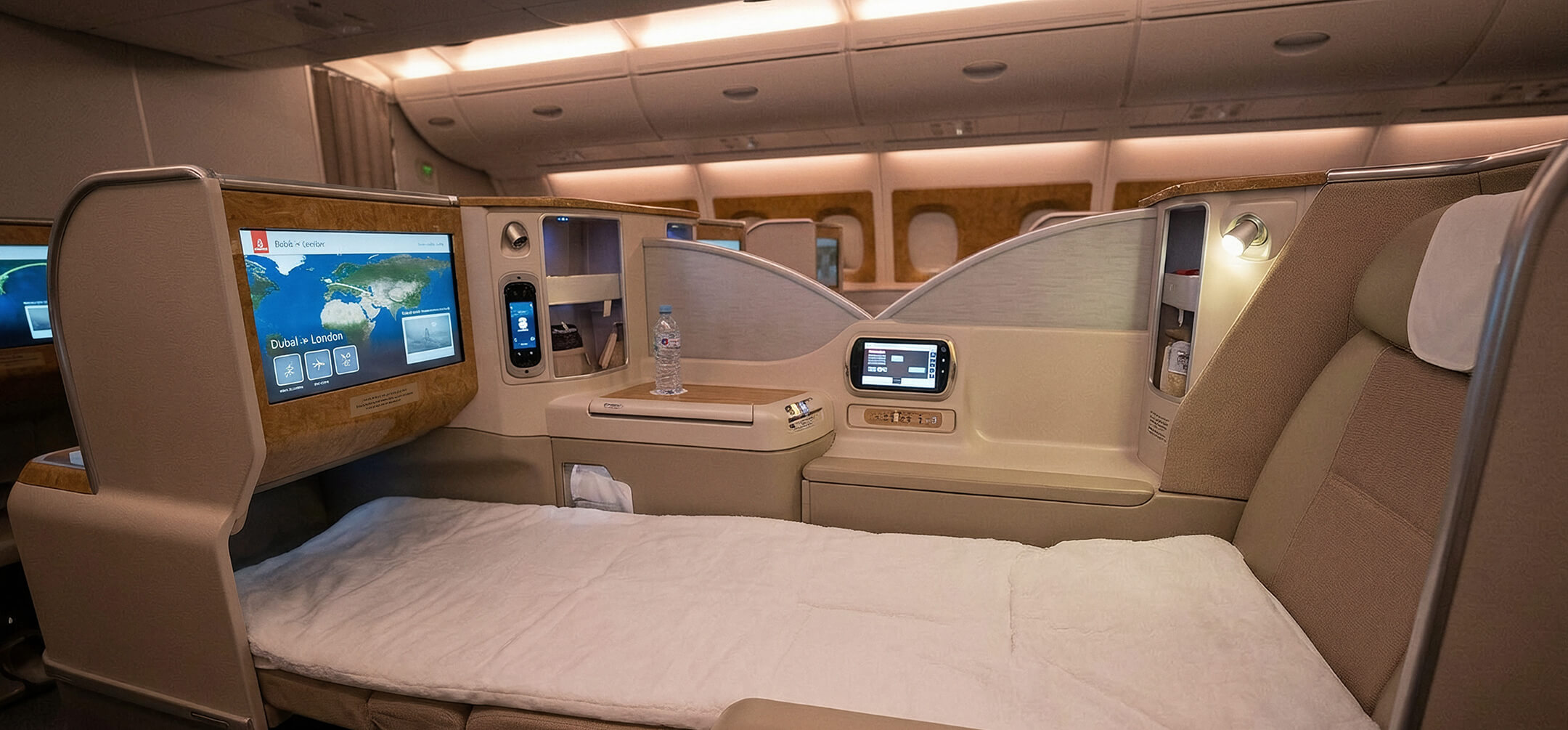
Business-class flights from the US to Aruba Island
New York offers the easiest premium-cabin trip to Aruba with nonstop service, while Los Angeles travelers usually connect once through a major hub.
New York (JFK) to Aruba (AUA)
Delta Air Lines offers nonstop flights from JFK to Aruba, which take roughly 5 hours. One-stop flight options on this route include flights with American Airlines through Miami (MIA) or Charlotte (CLT), with Copa Airlines via Panama City (PTY), and with Avianca through Bogotá (BOG), with total travel times commonly reaching 7–10 hours. Round-trip business-class tickets usually range from $1,500 to $2,500, depending on the airline and travel dates.
Los Angeles (LAX) to Aruba (AUA)
Travelers who want to reach Aruba from LAX have several one-stop flight options. These include flights with United Airlines through Houston (IAH), with American Airlines through Miami (MIA) or Dallas/Fort Worth (DFW), with Delta Air Lines through Atlanta (ATL), and with Copa Airlines via Panama City (PTY). The shortest flights take roughly 8–9 hours, while those with long layovers can take up to 14 hours. Round-trip business-class tickets on this route generally range from $1,500 to $2,500.
Aruba Island feels different when you slow down
A deliberate Aruba stay usually means mornings near Palm Beach or Eagle Beach, a middle day in Arikok National Park, and at least one hour in Oranjestad for the Numismatic Museum of Aruba or a waterfront walk. Add taxis for short cross-island hops, keep the bus in mind for the main corridor, and let the airport transfer stay simple on the last day. If you want help shaping that mix, the AranGrant experts can build it around your dates and route