

Chapters:

Need help with your trip?
Our support team is available 24/7. Request a callback or call us directly at (833) 619-0908
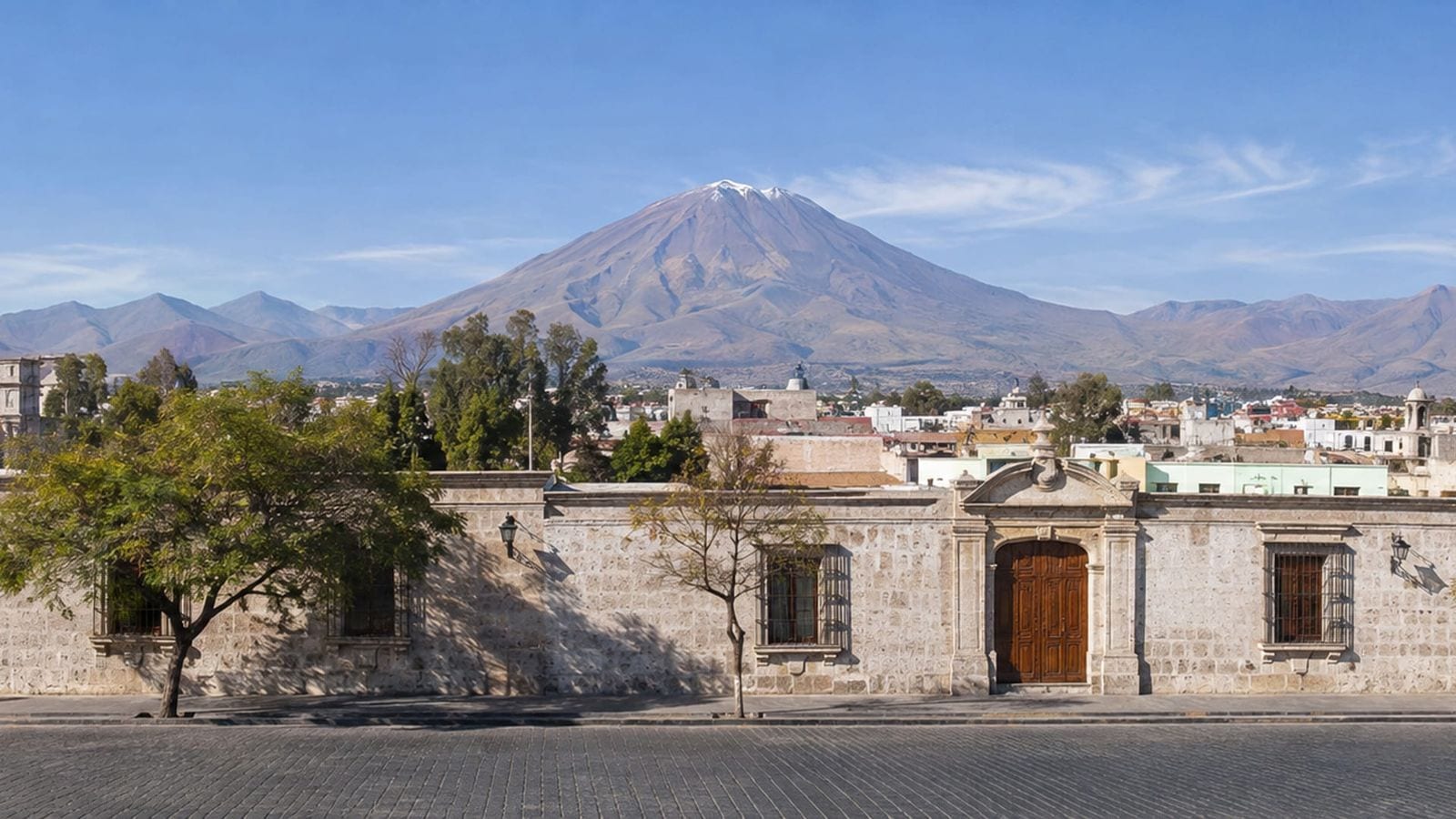
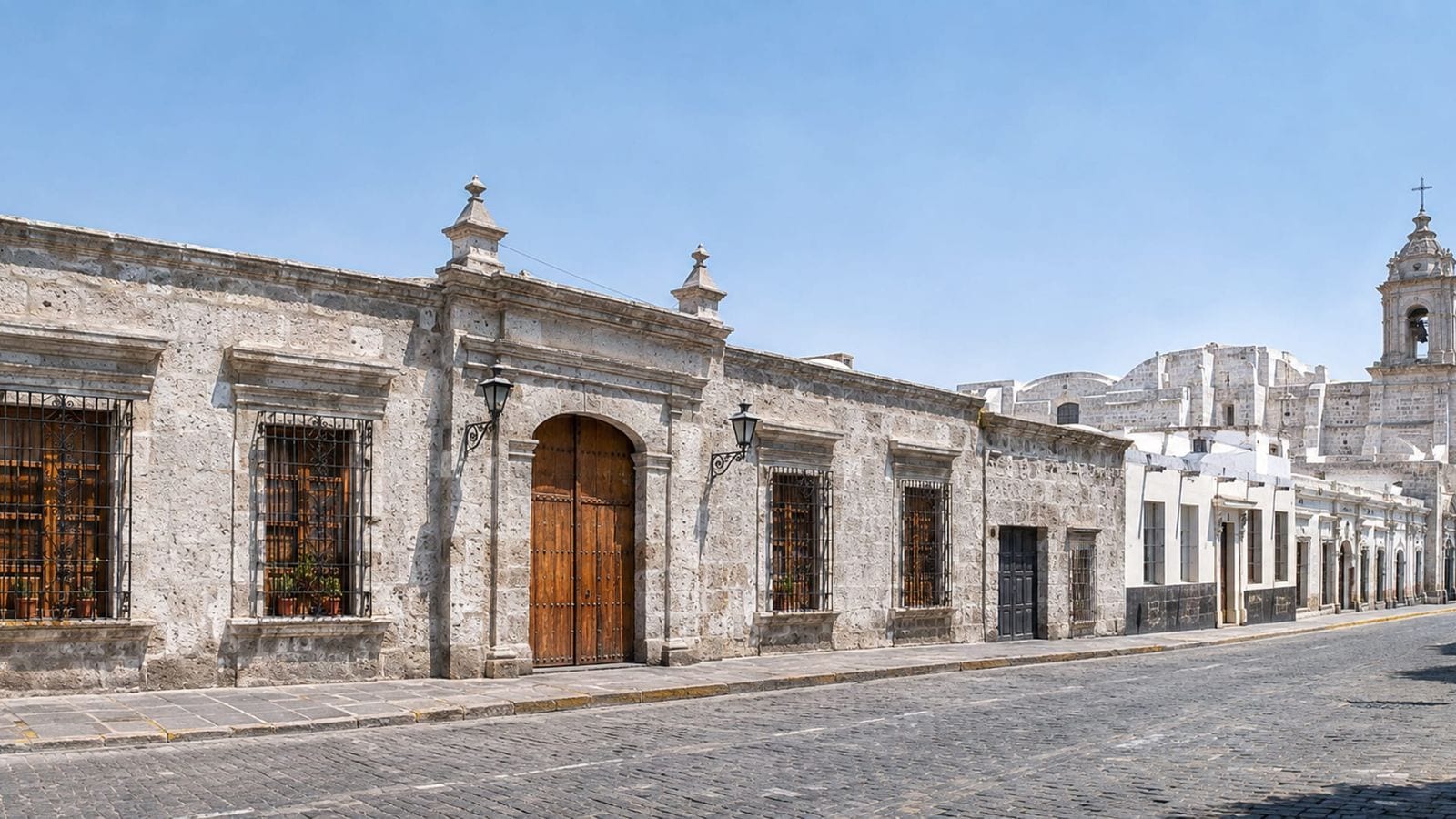
White volcanic-stone buildings line Arequipa’s historic center, with El Misti visible above the rooftops on clear days. Plaza de Armas, Santa Catalina Monastery, and the cathedral are close together, so you can explore much of the old city on foot.
Beyond the center, Yanahuara has stone arches overlooking the volcanoes, while Sabandía Mill shows how water once powered local grain mills. At traditional picanterías, lunch often includes rocoto relleno, a stuffed pepper, or chupe de camarones, a rich river-shrimp soup.
Five days is enough time for these places without crowding the schedule. This guide covers where to stay, how to travel between districts, what to see and eat, and when to visit, with an itinerary that keeps nearby sights together and gives each day a clear focus.
Useful things to know

Main language(s): Spanish
Hola (OH-lah) – Hello
Por favor (por fah-VOR) – Please
Gracias (GRAH-see-ahs) – Thank you
¿Habla inglés? (AH-blah een-GLEHS) – Do you speak English?
¿Cuánto cuesta? (KWAHN-toh KWES-tah) – How much does it cost?

Currency: Peruvian sol (PEN, S/)

Cash and cards: Cards and contactless payments are common in hotels, malls, and larger restaurants. Carry S/80 to S/150 ($23 to $44) for smaller shops, markets, and some taxis.

Tipping: Tipping is optional. Round up small bills or leave 5% to 10% at restaurants when the service is good.

Traditional food: Rocoto relleno, chupe de camarones, adobo arequipeño, and ocopa are among Arequipa’s best-known regional dishes.

Water and coffee costs: A small bottle of water costs S/4 to S/6 ($1 to $2) at cafés and restaurants, while an espresso costs S/5 to S/10 ($1.50 to $3).

Taxis and ride apps: Uber and Cabify operate in Arequipa. Check the license plate before entering an app-booked car, and agree on the fare before taking a regular taxi.

Plug and voltage: Type A, B, and C sockets, 220 V. Check your device’s voltage rating before plugging it in, even if your US plug fits.

Dining and shop opening hours: Mall shops commonly open from 10:00 am to 10:00 pm. Lunch is served from noon to 3:00 pm, and dinner from 7:00 pm. Traditional picanterías close by late afternoon.

Emergency number: Call 105 for police, 106 for an ambulance, or 116 for fire emergencies.
Where to stay in Arequipa
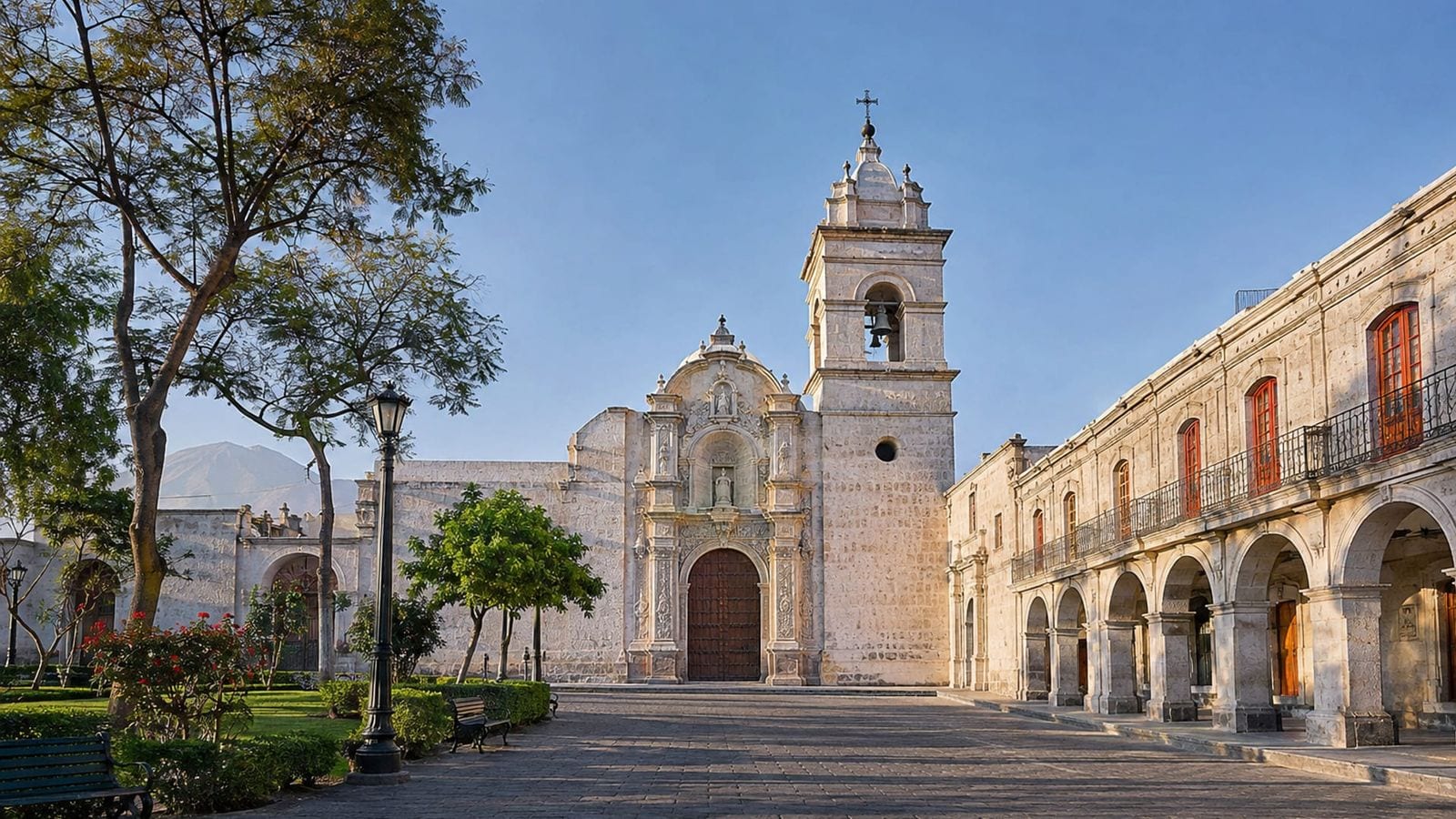
Arequipa’s historical center surrounds Plaza de Armas, with white sillar buildings, churches, restaurants, museums, and hotels in colonial houses. Santa Catalina Monastery is a short walk from the square, and many of the city’s main historical attractions lie within walking distance.
Best for: First-time visits, sightseeing, and staying close to major monuments and dining
What to expect: Expect busy sidewalks by day, tour groups near the plaza, and a steady stream of restaurants, cafes, and taxis.
Hotel prices: Usually about $45 to $140 per night for well-rated stays
Distance to major sights: 0 to 10 minutes on foot to Plaza de Armas, about 10 to 15 minutes on foot to Santa Catalina Monastery
Quietness: Busy in the daytime and early evening, then quieter after restaurants close.
Main trade-off: Rates are higher than in outer districts, and some blocks get traffic and late footfall near the main square.
Good to know: Request a courtyard-facing room if noise is a concern, and confirm the nearest taxi drop-off point when traveling with luggage.
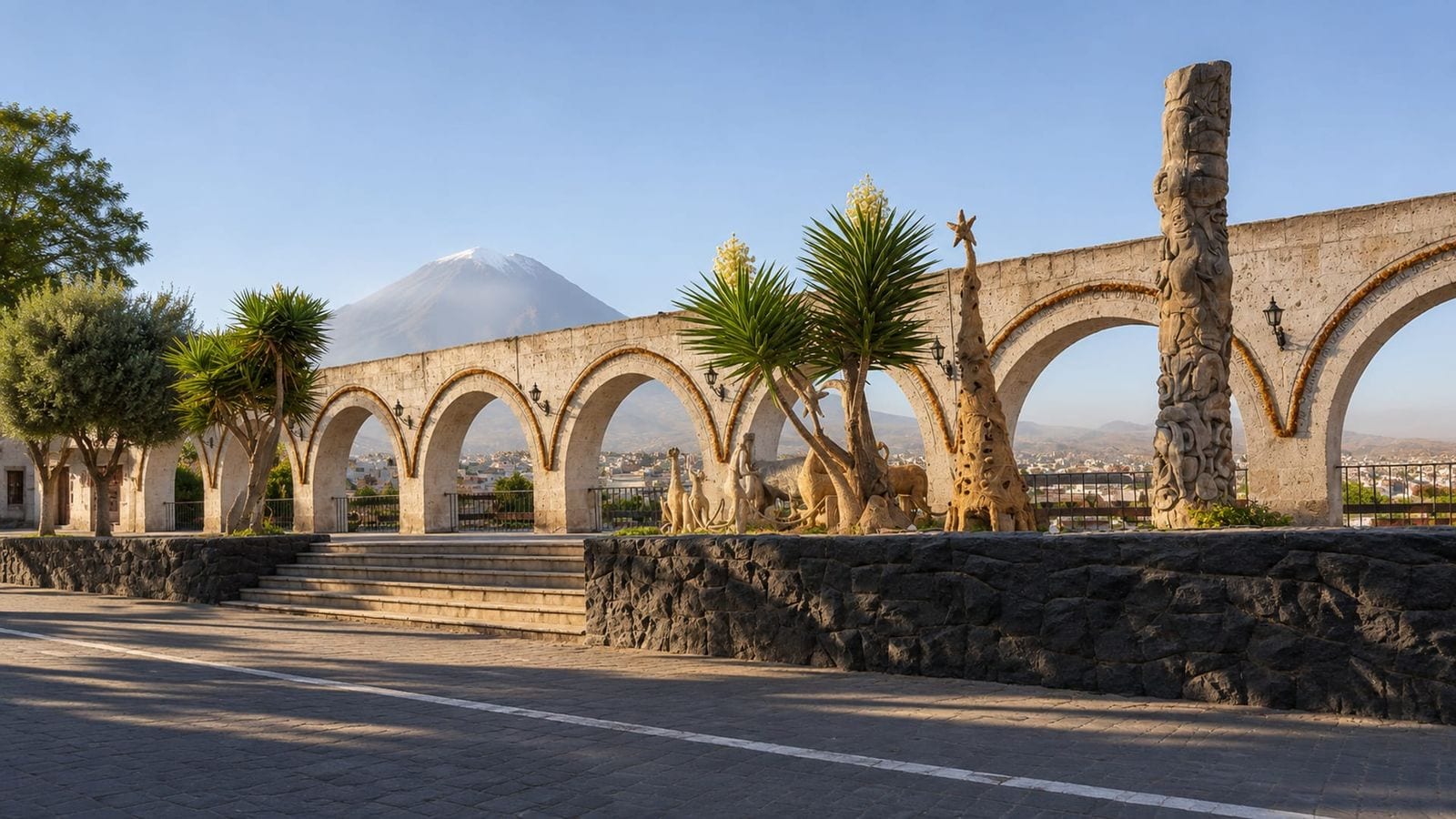
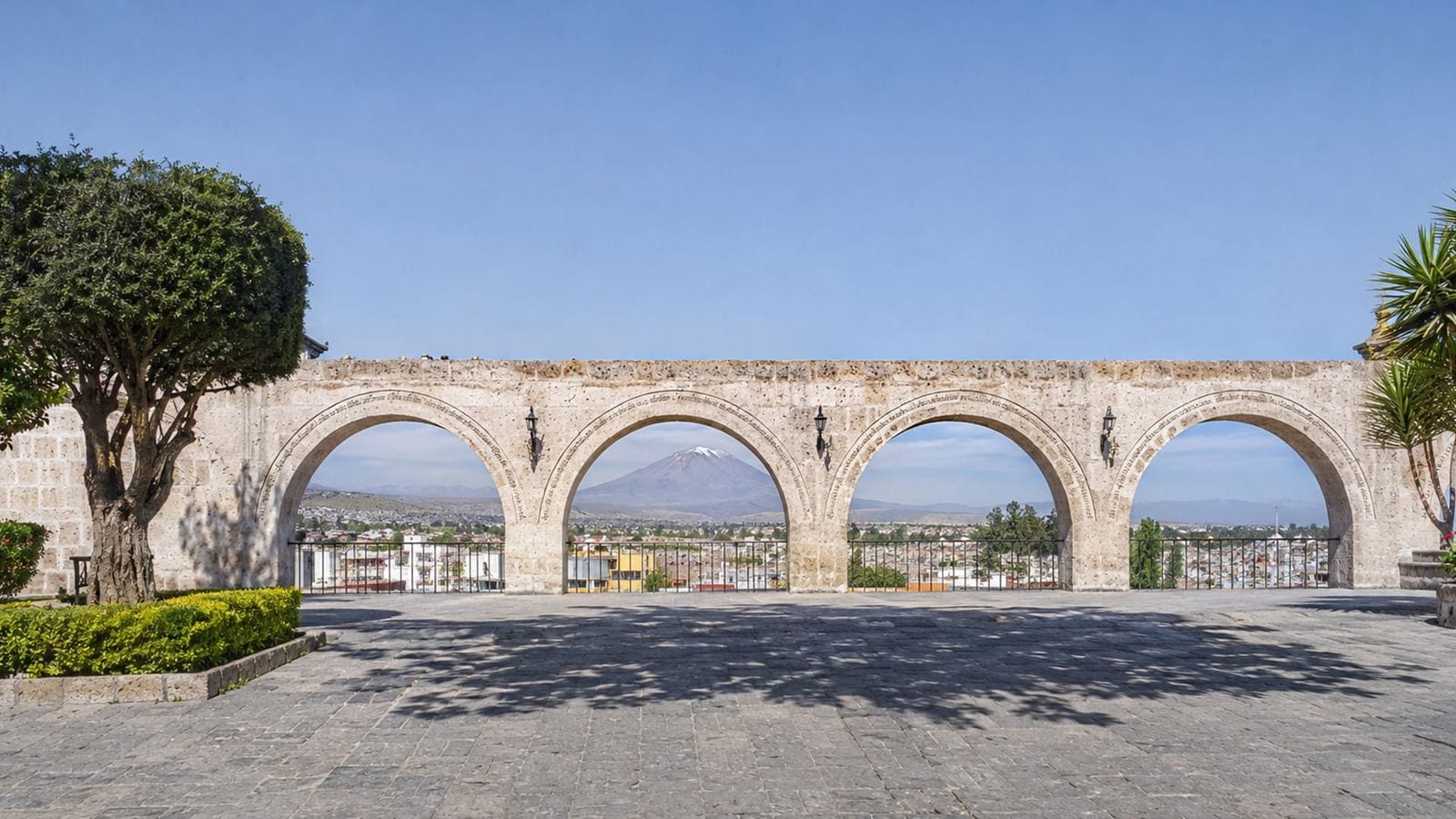
Yanahuara lies northwest of Arequipa’s historic center, across the Chili River. Its white sillar arches frame views of El Misti, while San Juan Bautista Church stands beside the main square. Nearby streets contain traditional houses, cafés, and restaurants, with less tourist activity farther from the viewpoint.
Best for: Volcano views, quieter evenings, and travelers who prefer a residential setting
What to expect: Expect a neighborhood feel, fewer late-night crowds, and some café traffic around the main viewpoint and square.
Hotel prices: Usually about $35 to $110 per night for well-rated stays
Distance to major sights: About 10 to 15 minutes by taxi to Plaza de Armas, about 5 to 10 minutes on foot to Yanahuara Viewpoint
Quietness: Calmer than the center in the day and notably quieter at night.
Main trade-off: You will usually rely on taxis for most dinners and evening plans in the historic center.
Good to know: Some traditional picanterías close by late afternoon, so check their opening hours before planning dinner in Yanahuara.
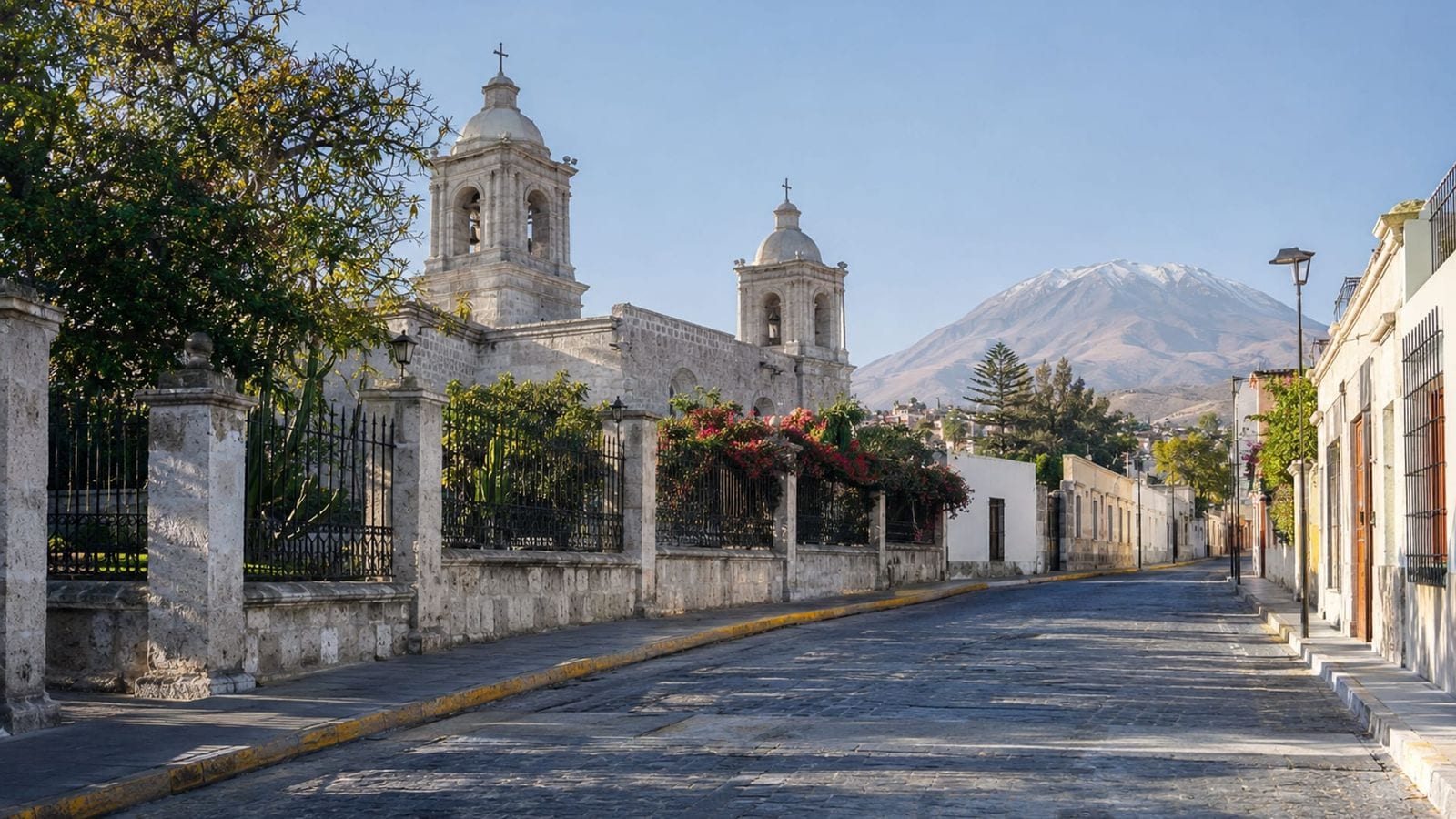
Cayma is a large district northwest of Arequipa’s historic center, with residential neighborhoods, hotels, restaurants, and shopping areas. Mallplaza Arequipa and Real Plaza Arequipa are both on Avenida Ejército, where shops, dining, and major roads serve the southern part of the district.
Best for: Drivers, longer stays, and travelers who want newer hotels and shopping nearby
What to expect: Expect wider streets, local shopping centers, and less tourist foot traffic than in the historic core.
Hotel prices: Usually about $30 to $95 per night for well-rated stays
Distance to major sights: About 15 to 20 minutes by taxi to Plaza de Armas, about 20 to 25 minutes by taxi to Santa Catalina Monastery
Quietness: Generally quieter than the center by day and evening, with some traffic on main roads.
Main trade-off: You will spend more time in taxis if your plans focus on museums, churches, and central dining.
Good to know: Check the hotel’s exact location, as Cayma extends well beyond its main shopping area. Confirm parking availability before booking.
For a sightseeing-focused visit, avoid hotels in Characato and the far southern outskirts, which require longer trips to the historic center. Selva Alegre is much closer, while airport-area hotels are less suited to daily sightseeing.
Hotel deals
How to get around Arequipa efficiently
Arequipa has no metro or tram. Buses and shared minibuses connect districts, while taxis cover direct trips and rental cars suit out-of-town journeys.

Bus and shared minibus
for low-cost city trips
Public buses and shared minibuses called combis travel between the center and districts such as Cayma, Cerro Colorado, and Paucarpata. A ride costs S/1 to S/1.30 ($0.30–$0.40). Keep small change handy, and ask the driver if you’re unsure which route to take.

Taxi
for for direct trips and airport transfers
When you have luggage or plan to return late, taxis take you straight to your destination. Short city rides commonly cost S/5 to S/20 ($2–$6), while trips from the airport to the center run S/30 to S/45 ($9–$13). For street taxis, agree on the fare before you get in.

Rental car
for trips outside the city
A rental car is useful for visiting Sabandía and other sights beyond central Arequipa, especially if you plan several stops. Small cars start at S/100 ($30) a day, before fuel and extras. In the historic center, traffic, limited parking, and vehicle restrictions make driving less appealing.
*Prices are based on rates updated as of October 2026 and may change at the time of travel.
Taxis are handy for direct city trips, while buses and shared minibuses cost less for travel between districts. Rent a car for excursions outside Arequipa.
Iconic landmarks
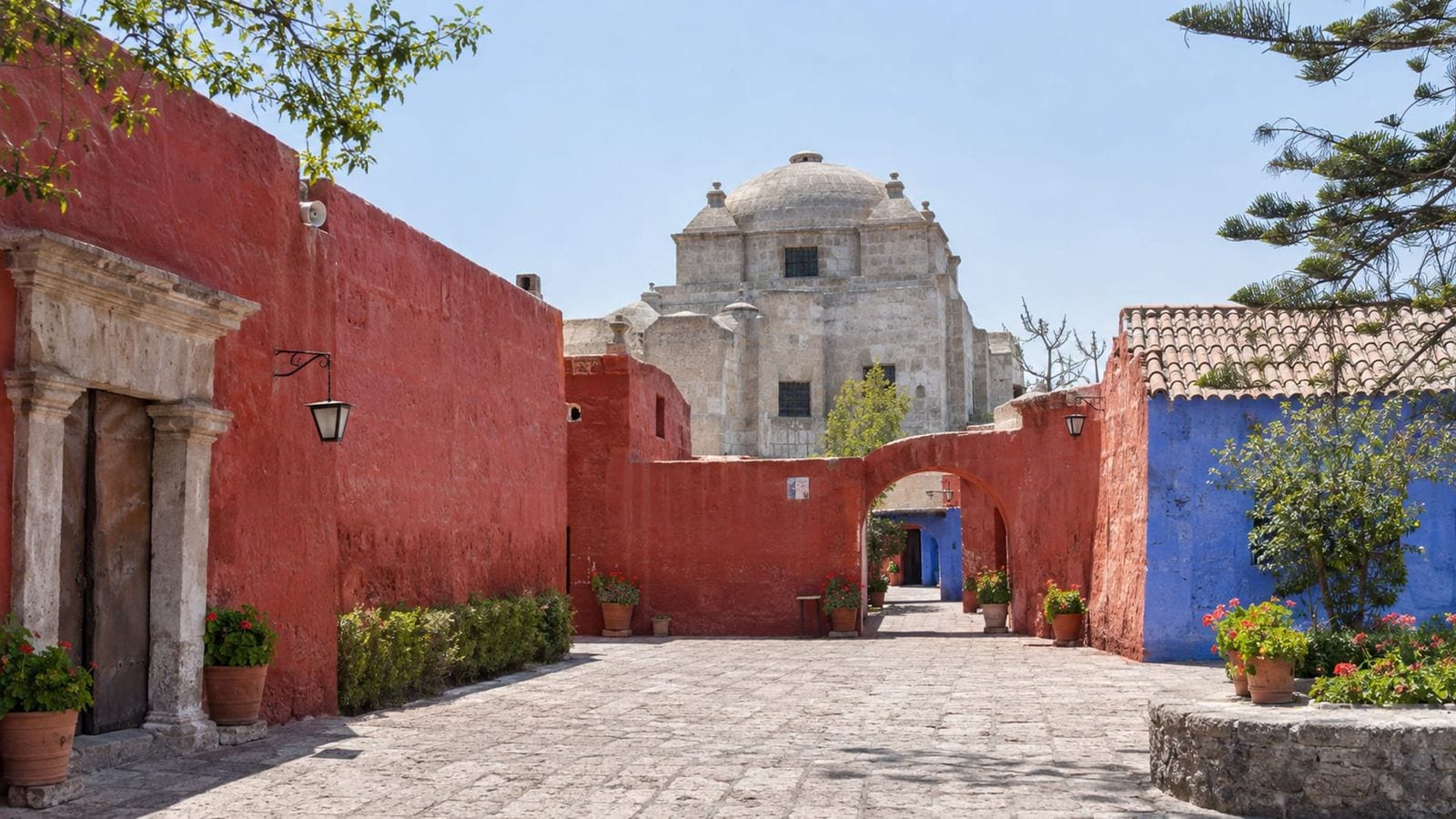
Santa Catalina Monastery
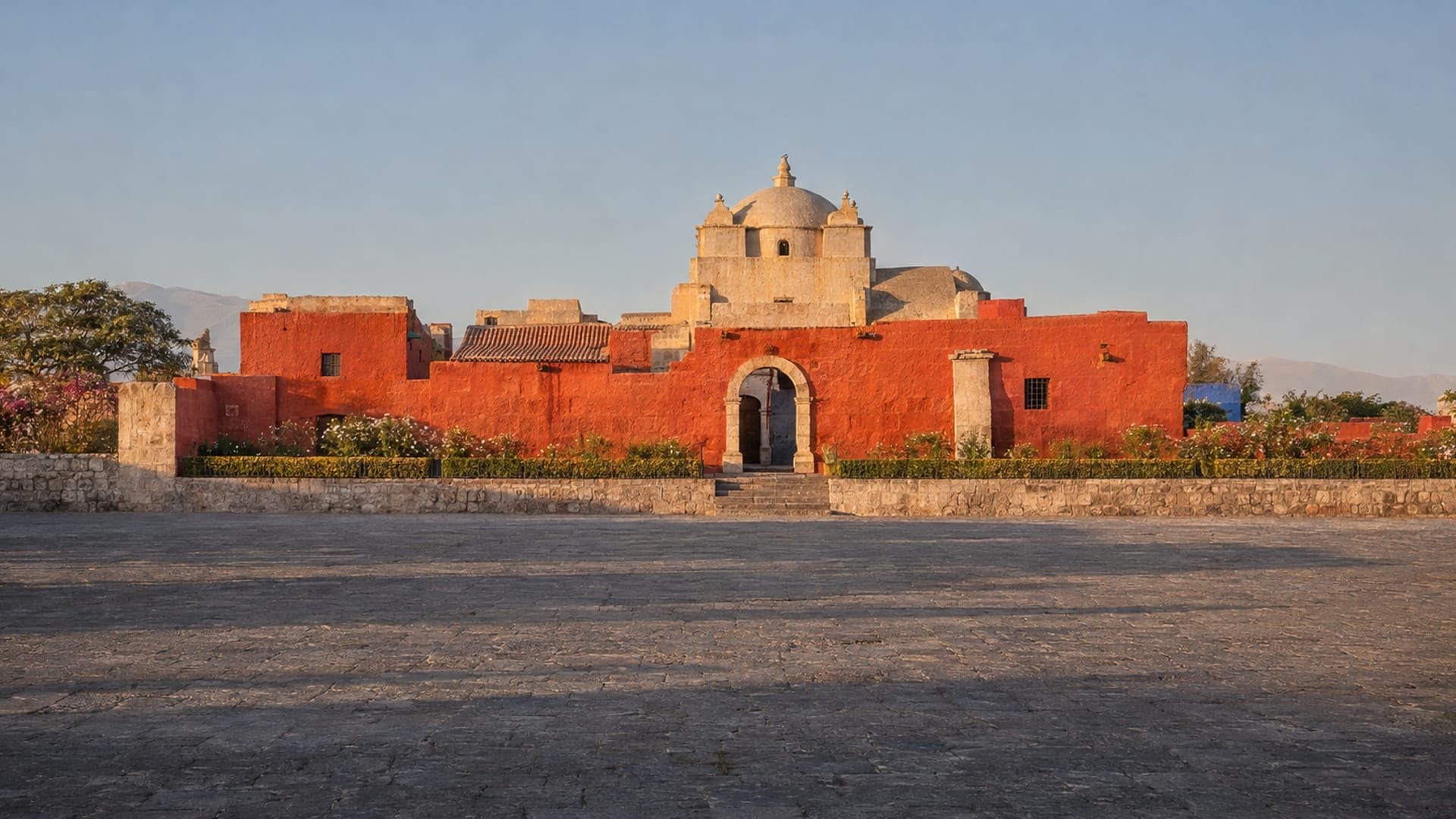
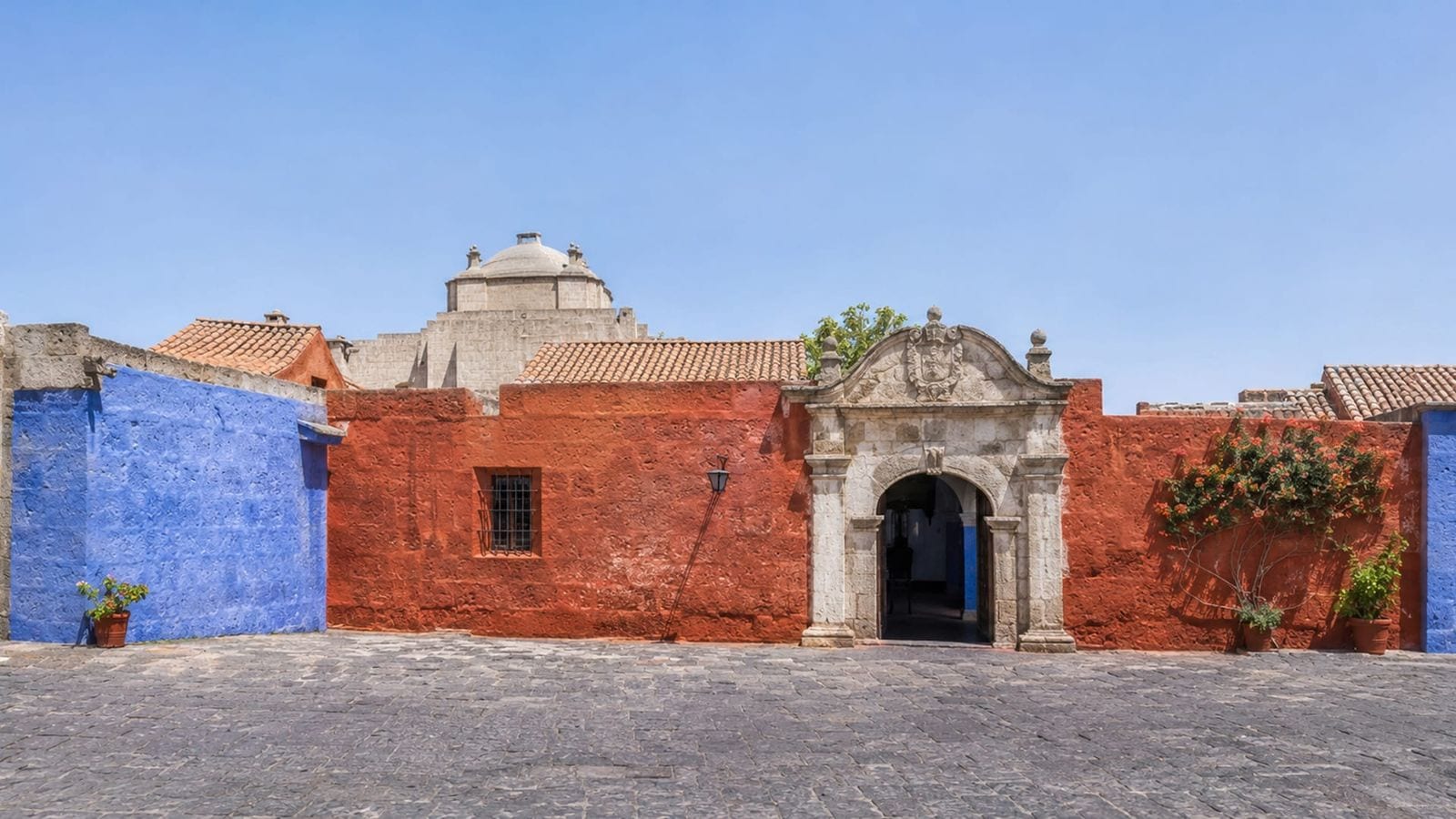
Santa Catalina Monastery dates to 1579 and occupies a walled complex near Plaza de Armas. Inside, stone streets lead past blue and red cloisters, courtyards, former nuns’ rooms, and a gallery of colonial paintings. The complex preserves the layout of a small town within Arequipa’s historic center.
Time needed: About 2 to 3 hours
Entry: Admission costs $14 to $16 (about 54 to 62 soles) for adults, with lower rates for students and some local visitors. Visit the official site for details.
Tip: Arrive at 9:00 am for quieter courtyards, or visit on Tuesday or Wednesday evenings.
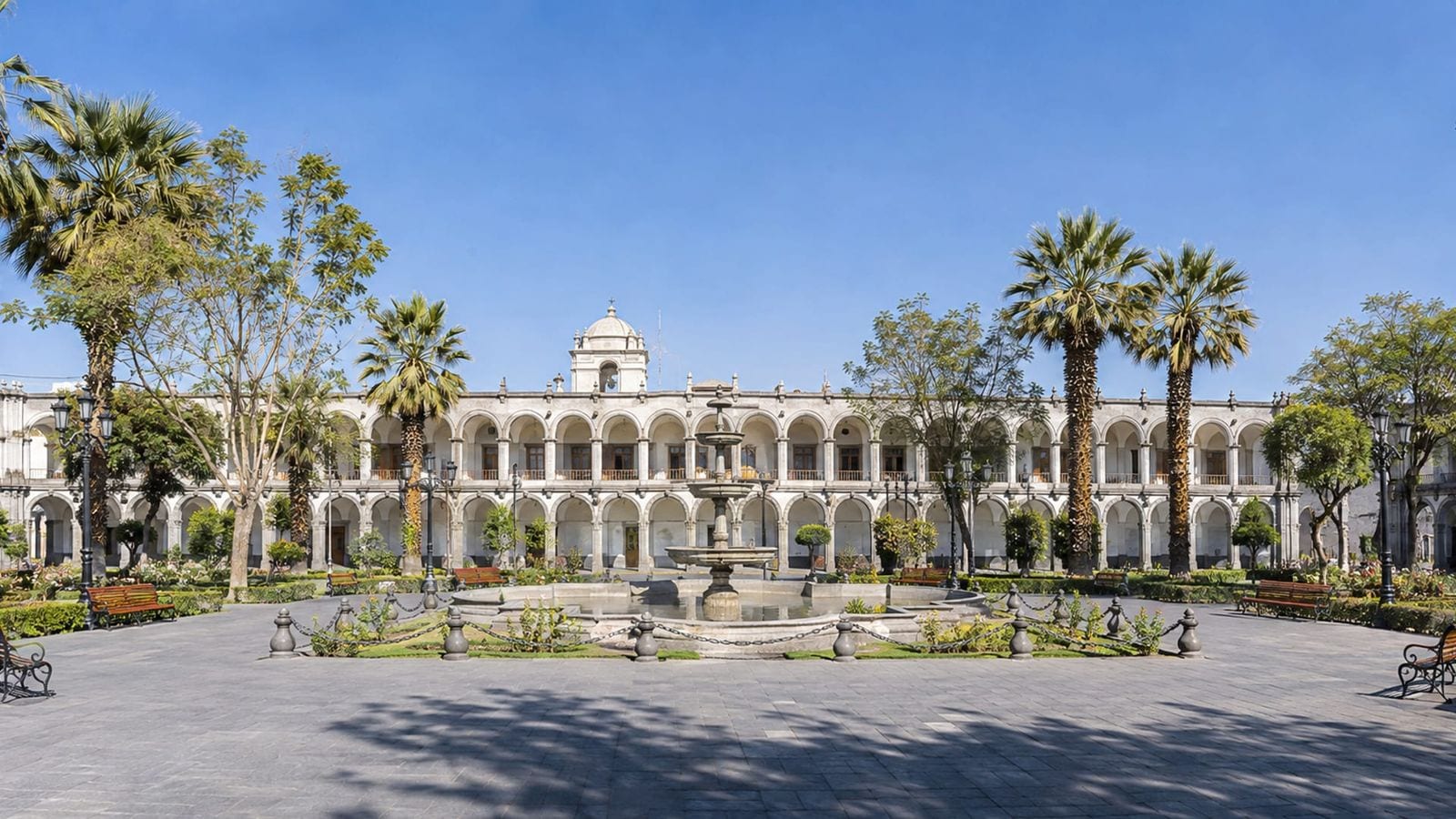
Plaza de Armas
Plaza de Armas is Arequipa’s central square. A bronze fountain with the Tuturutú figure stands among palms and flower beds, while white sillar arcades line three sides and the Basilica Cathedral fronts the fourth. Restaurants and cafés fill the arcades, and locals gather here into the evening.
Time needed: About 1 to 2 hours
Entry: Free to access
Tip: Visit at dusk to see the cathedral illuminated and the square at its liveliest.
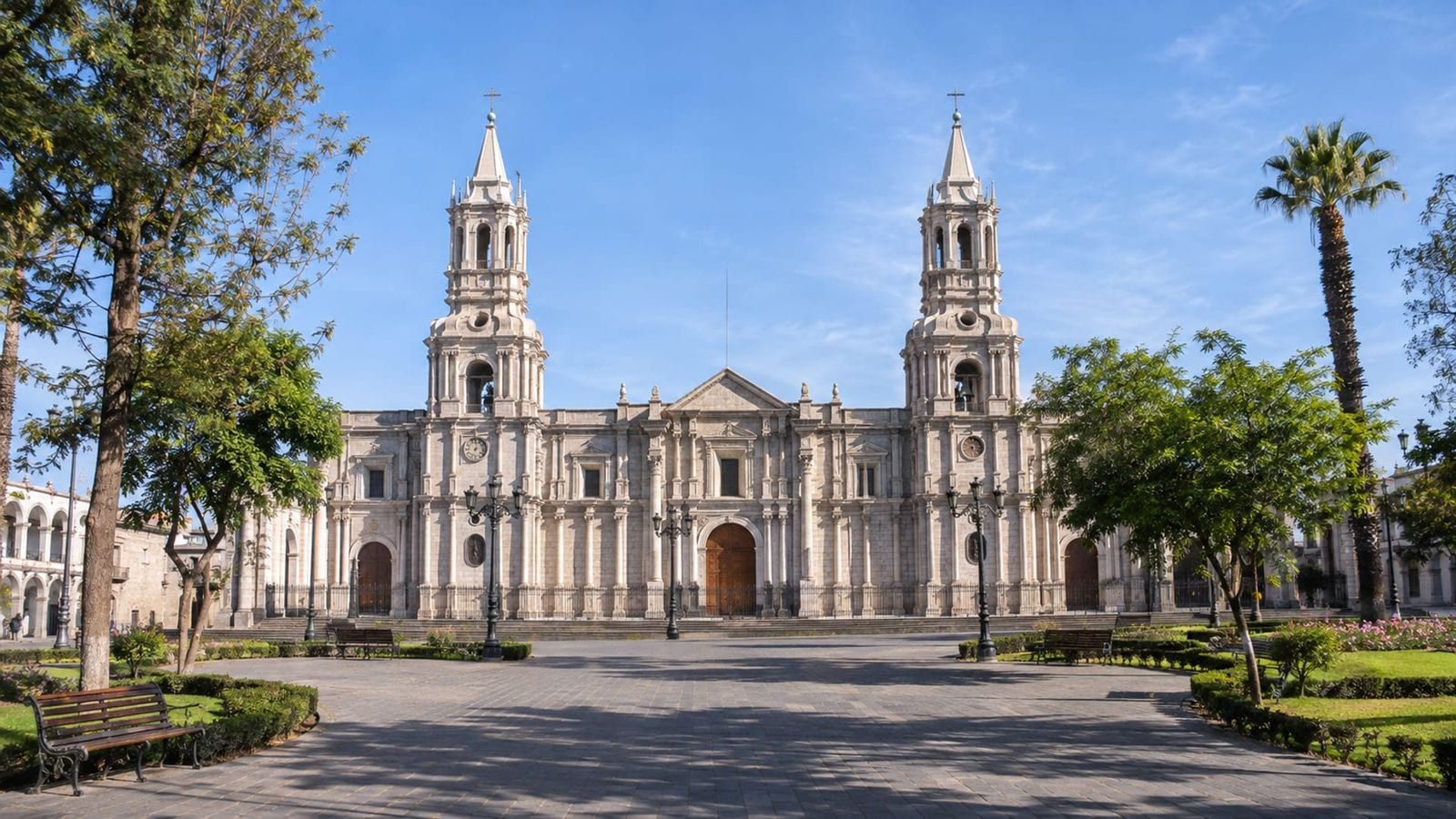
Basilica Cathedral of Arequipa
The Basilica Cathedral faces Plaza de Armas with twin towers and a neoclassical facade of white volcanic sillar. Inside, a carved wooden pulpit and monumental Belgian organ stand out. Its museum displays paintings, vestments, and silverwork, while tours lead to the bell tower for views of Arequipa.
Time needed: About 45 minutes to 1 hour
Entry: Tickets cost $3 to $5 (about 12 to 19 soles) for the church and museum areas. Visit the official site for details.
Tip: Check Mass times before going; museum visits use the entrance on Calle Santa Catalina.
Overlooked sites worth visiting

Sabandía Mill
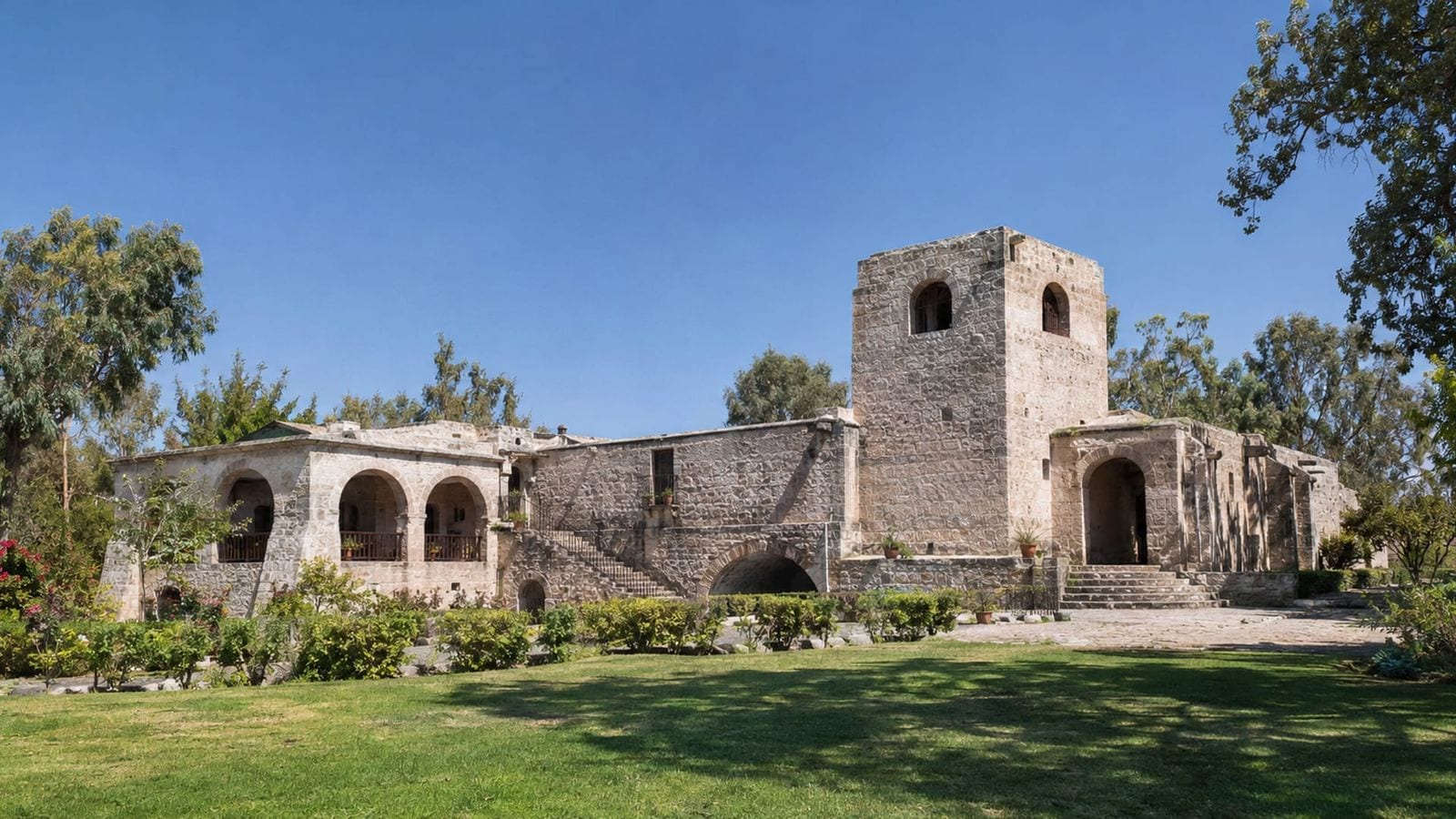
Sabandía Mill dates to 1621 and stands in the countryside southeast of Arequipa. Water channels turn its grinding stones, while sillar arches, a waterfall, and gardens surround the historic building.
Time needed: About 1 hour
Entry: Admission is about $3 ($11) for adults, with lower rates for children and local residents; the site also offers paid guided explanations at the ticket office during open hours.
Tip: Visit in the morning, then head to a nearby picantería in Sabandía for lunch.

Museum of Andean Sanctuaries
Near Plaza de Armas, the Museum of Andean Sanctuaries displays textiles, ceramics, and offerings from Inca mountain rituals. It preserves the remains of Juanita, a girl archaeologists found on Ampato.
Time needed: About 1 hour
Entry: Admission costs about $5 ($18) for adults, with reduced prices for students and Peruvian residents; tickets are sold on site, and the museum closes one day each week. Visit the official site for details.
Tip: Juanita is shown May–December; Sarita replaces her from January through April.
Traditional food
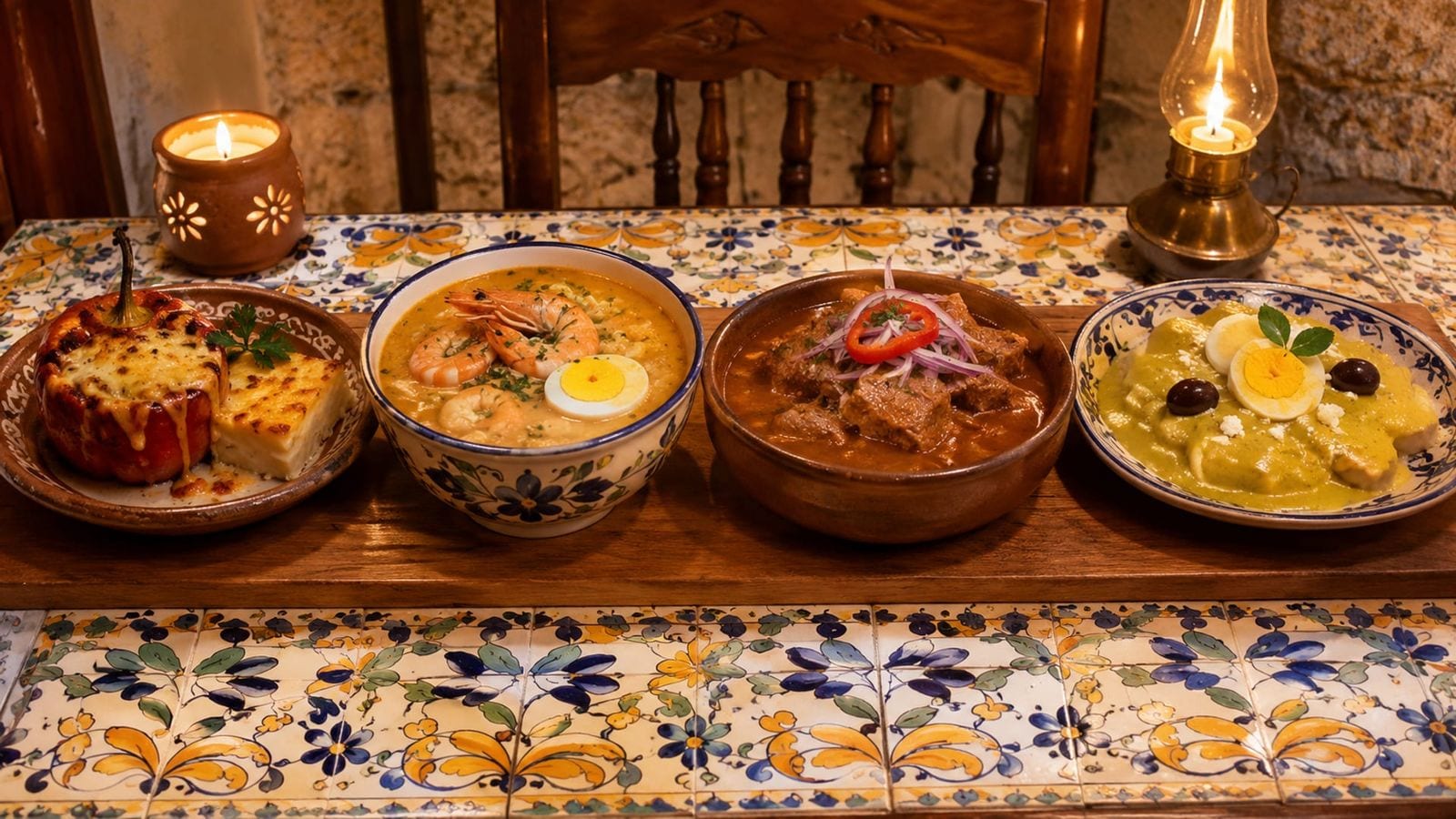
Arequipa’s traditional cooking features rocoto peppers, river shrimp, pork, potatoes, and herbs. Many dishes come from picanterías, where families gather for long lunches and regional specialties.
Rocoto relleno
Rocoto relleno starts with a spicy rocoto pepper stuffed with ground beef, onions, olives, and spices, then topped with cheese and baked. At La Benita de los Claustros in the historic center, it comes with pastel de papa, a layered potato bake.
Chupe de camarones
Chupe de camarones is a thick soup of river shrimp, potatoes, corn, milk, cheese, and egg, often substantial enough for lunch. Picantería La Mundial serves it at its restaurant in El Filtro, a neighborhood near central Arequipa.
Adobo arequipeño
Adobo arequipeño is pork simmered in chicha de jora (fermented corn beer), rocoto, garlic, and spices. Arequipeños traditionally eat it for Sunday breakfast with bread. La Nueva Palomino in Yanahuara serves the dish on Sunday mornings.
Ocopa
Ocopa is a creamy sauce of huacatay (an Andean herb), yellow chili, peanuts, and fresh cheese, spooned over boiled potatoes and often garnished with egg and olives. Chicha Arequipa grinds its ocopa on a traditional batán stone.
Best time to visit Arequipa
Arequipa has mild afternoons all year, but summer brings rain, and winter nights turn cold. The clearest volcano views come during the dry months.
Best for: City museums, relaxed mornings, and countryside greenery after summer rain.
What you get: Daytime highs reach 70°F–72°F (21°C–22°C), with cool nights and more cloud cover and afternoon showers, especially in January and February.
Trade-offs: Rain can interrupt trips to Colca Canyon and hide volcano views, especially during February.
Best for: City walks and outdoor sightseeing in April and May, after the summer rains end
What you get: Rainfall drops sharply after March, with sunny afternoons near 70°F–72°F (21°C–22°C). Nights become cooler in May, especially after sunset.
Trade-offs: March can still be rainy, while evenings turn colder in May, so bring a warm layer for dinner.
Best for: Dry-weather city walks, clear volcano views, and day trips to Colca Canyon
What you get: Days are sunny with highs near 70°F–72°F (21°C–22°C), while nights drop to 42°F (6°C). August brings the city’s founding celebrations.
Trade-offs: July and August bring larger crowds, so popular hotels and Colca tours can fill up well ahead of time.
Best for: Dry days for outdoor sightseeing, with fewer tourists than in July and August
What you get: Afternoons reach 72°F–73°F (22°C–23°C), with very little rain. September and October have clear skies, while cloud cover grows in November.
Trade-offs: The midday sun is strong at this altitude, and clouds can hide the mountains later in the season.
A realistic 5-day plan in Arequipa
Arequipa’s museums, churches, and colonial streets are close enough to explore on foot. This five-day plan keeps central sightseeing together, then heads to Yanahuara, Sabandía, and Cayma for a change of scene without long transfers or rushed meals.
Visit Santa Catalina Monastery in the morning and spend two hours exploring its red and blue courtyards, cloisters, and narrow stone streets. Walk five minutes to Plaza de Armas for lunch beneath the arcades, then see the fountain and the cathedral from the outside. In the afternoon, visit the Cathedral Museum to see its religious art and the church interior, then have coffee near the square. The museum closes on Sundays, so plan this day for Monday through Saturday.
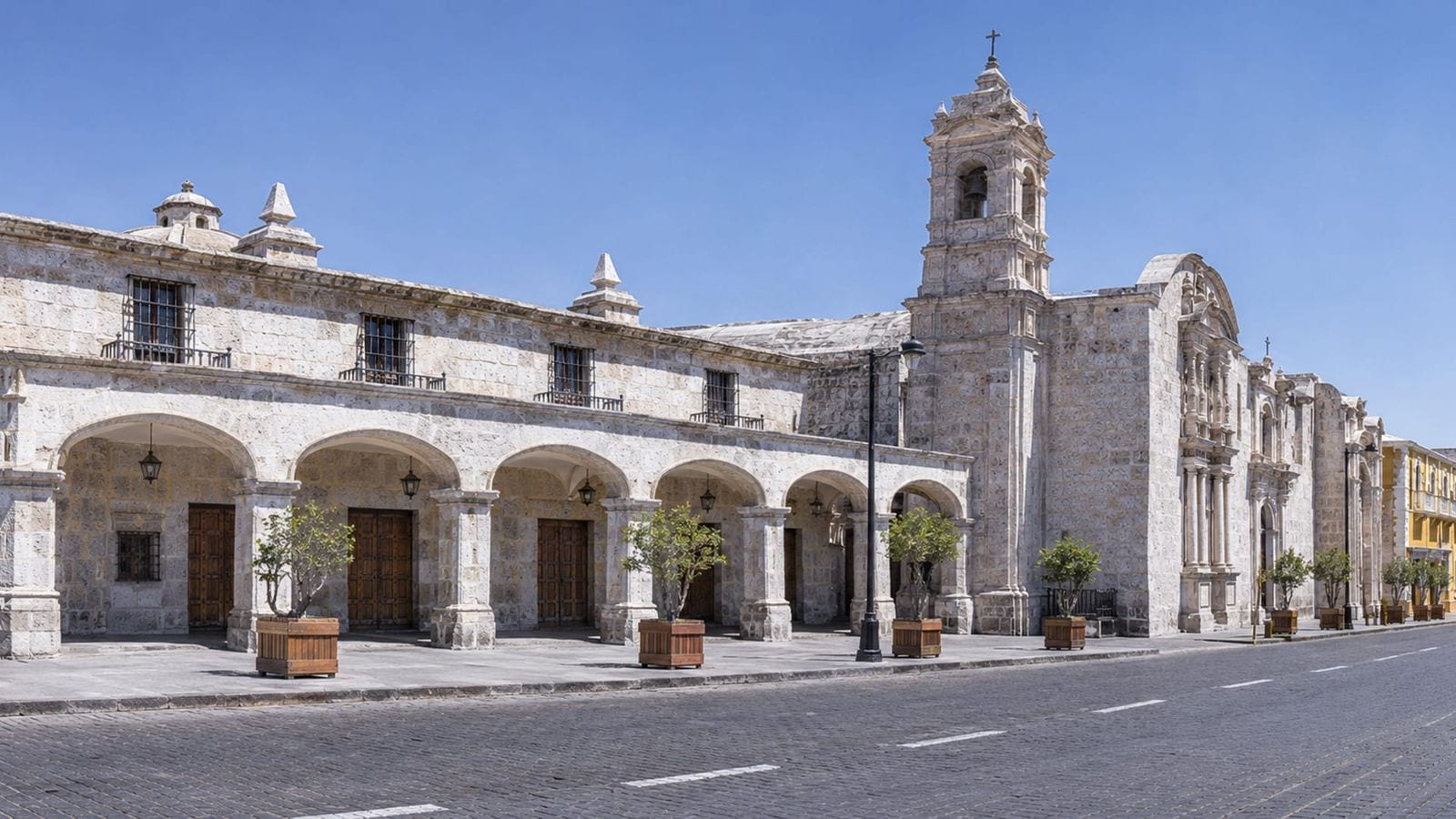
Visit Santa Catalina Monastery in the morning and spend at least two hours exploring its red and blue courtyards, cloisters, and narrow stone streets. Its red and blue courtyards, cloisters, and small stone streets deserve at least two hours before lunch. From the entrance, Plaza de Armas is a five-minute walk; eat beneath the arcades, then admire the fountain and cathedral facade. Visit the Cathedral Museum afterward to see religious art and the church interior, and finish with coffee beside the square. The museum closes on Sundays, so switch this visit with another day when needed.
The Museum of Andean Sanctuaries is a short walk from Plaza de Armas, making it an easy first stop. Inside, Inca textiles, ceremonial objects, and the story of Juanita explain rituals carried out high in the Andes. Take a leisurely lunch in the historic center, then catch a taxi to Yanahuara. Walk past San Juan Bautista Church to the sillar arches overlooking El Misti and Arequipa’s rooftops. Enjoy the late-afternoon light from the viewpoint, then return to the center for dinner.
After breakfast, leave central Arequipa for Sabandía Mill, about 30 minutes southeast by taxi. Follow the water channels through the gardens and see the old millstones, then have lunch at a local picantería. Back in the city, spend the afternoon in San Lázaro, one of Arequipa’s oldest neighborhoods. Its narrow stone lanes, low houses, and small square look different from the formal arcades near Plaza de Armas. Return to the center for dinner, without another long taxi trip.
Save the morning for Cayma, where Mallplaza Arequipa and nearby cafés line Avenida Ejército. Browse the shops and stop for coffee, keeping the visit short enough to return to your hotel without rushing. Collect your luggage in the historic center, then take a taxi to Arequipa Airport (AQP), allowing at least 30 minutes for the drive and extra time for traffic. If your flight leaves early, skip Cayma and have breakfast near your hotel before heading directly to the airport.
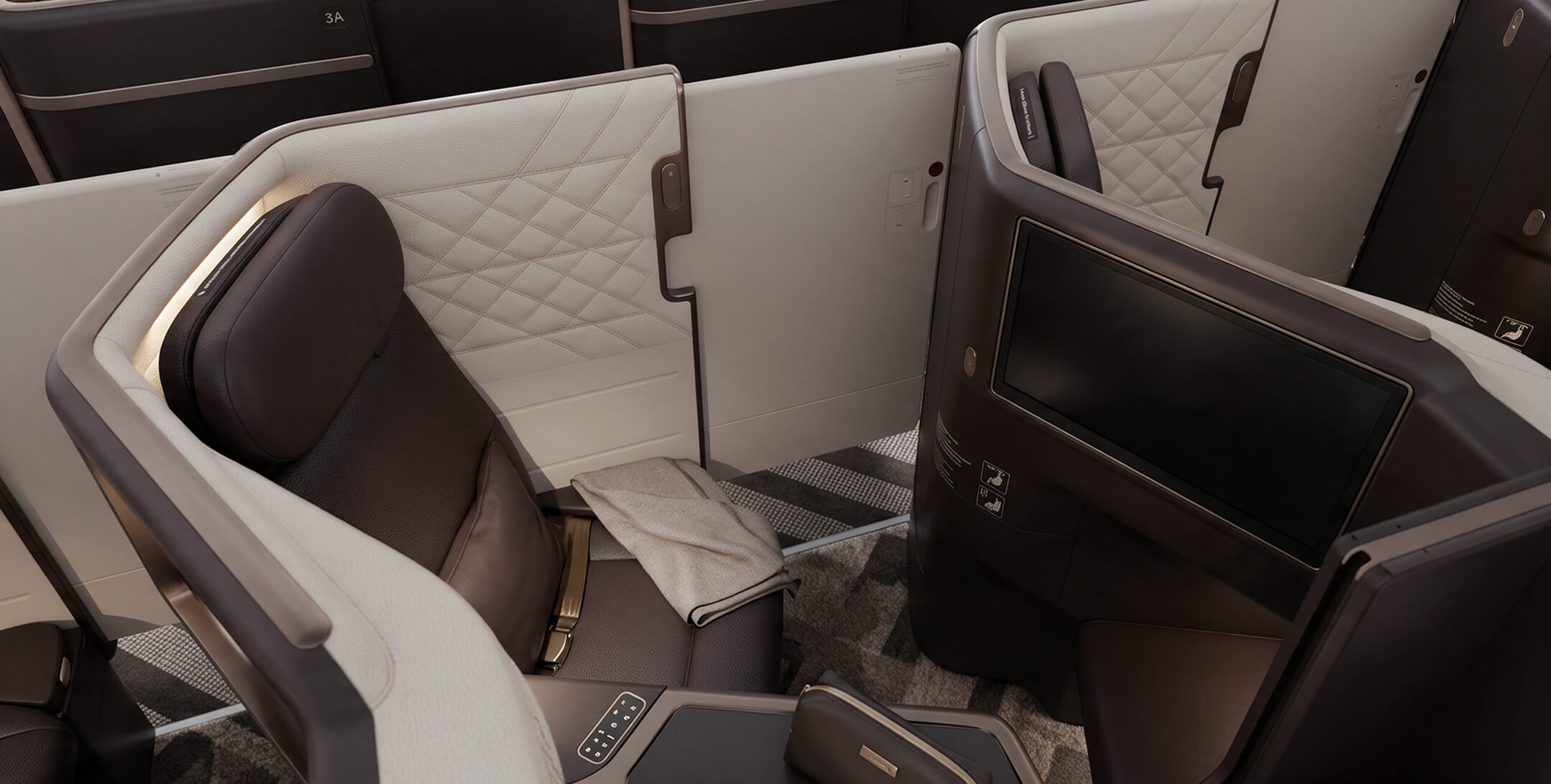
Business-class flights from the US to Arequipa
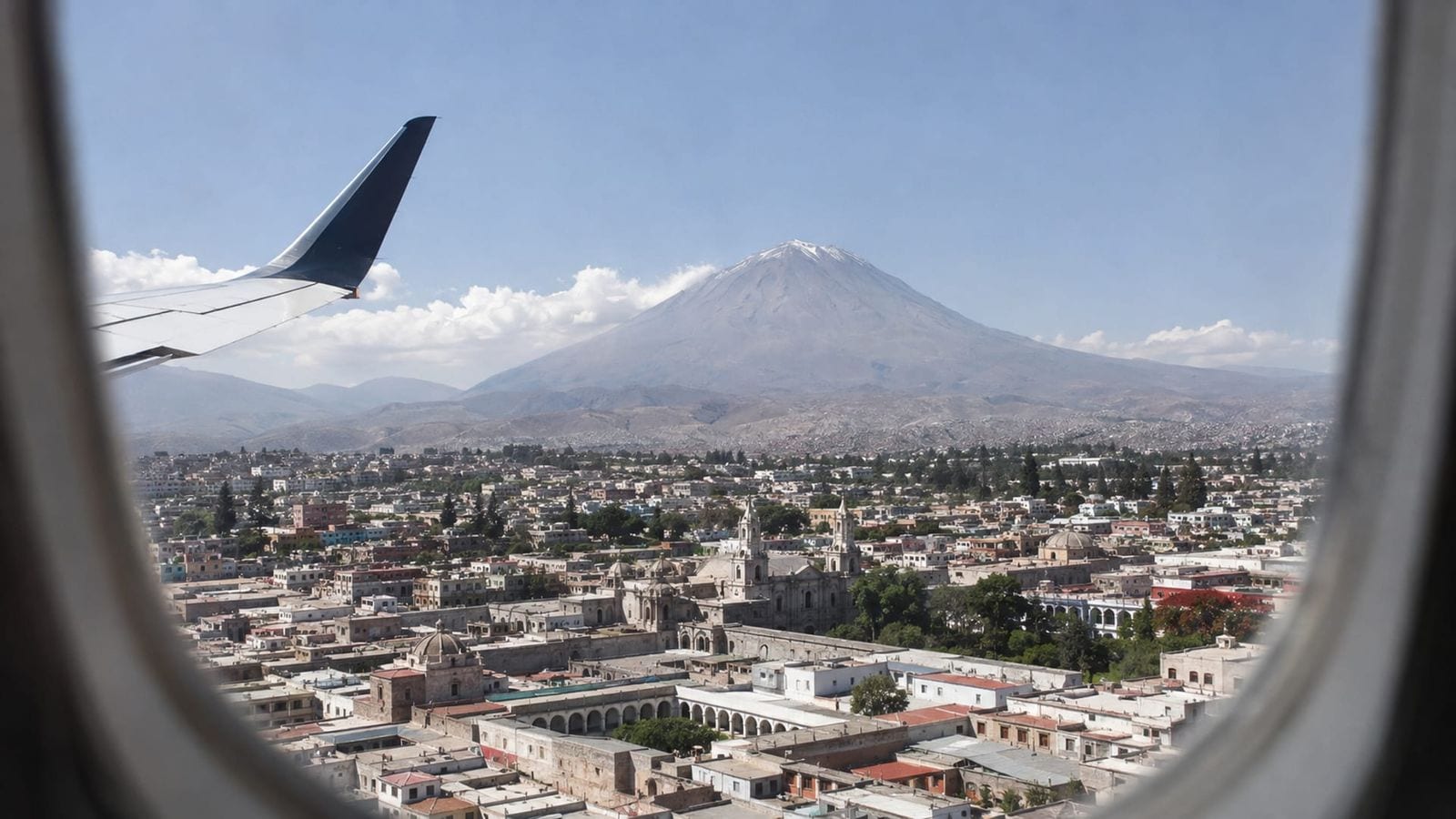
There aren’t any nonstop flights to Arequipa from the US. Most flights to this destination connect in Lima. The final short flight from there often features a premium economy cabin.
New York (JFK) to Arequipa (AQP)
LATAM offers one-stop flights on this route through Lima (LIM); the second flight features a domestic premium economy cabin instead of a long-haul business-class one. Two-stop flights between JFK and Arequipa include options with Delta Air Lines and LATAM via Atlanta (ATL) and Lima, or American Airlines and JetSMART via Miami (MIA) and Lima. JetSMART operates its flight with economy seats only. Including layovers, these trips take 12 to 21 hours. Round-trip fares for itineraries that include business-class segments range from $3,200 to $9,600.
Los Angeles (LAX) to Arequipa (AQP)
From Los Angeles (LAX), flights to Arequipa take 12 to 25 hours, with round-trip business-class fares that range from $3,900 to $13,500. LATAM offers one-stop flights via Lima (LIM). Routes with other airlines involve two layovers: Delta Air Lines and LATAM fly through Salt Lake City (SLC) and Lima, while American Airlines and JetSMART connect via Miami (MIA) and Lima. Delta’s Salt Lake City–Lima flight is seasonal, so its availability depends on your dates.
Make time for more of Arequipa
Arequipa is worth exploring at a slower pace, with time for its historic streets, volcano views, and traditional food. Keeping nearby sights together reduces travel time and leaves room for a long lunch at a picantería or an extra stop along the way. A little planning helps you enjoy each day without filling every hour. When you’re ready to arrange your trip, AranGrant travel advisors can help you compare business-class flights and hotels that fit your dates and plans.