

Chapters:

Need help with your trip?
Our support team is available 24/7. Request a callback or call us directly at (833) 619-0908
Apia trips often begin with a waterfront hotel, a taxi from the airport, and a quick pass through the market before the first dinner. What many travelers miss is how much the city opens up through small choices, an early museum visit, a timed swim, or a better-timed cathedral stop.
That matters because distances change quickly here, and a short list of sights can still turn into extra car time, lunch in the wrong part of town, or a rushed afternoon. The center helps, but it does not solve the day on its own.
This guide organizes Apia with that in mind, using clear neighborhood bases, paced sightseeing, and realistic transfer times so each day has a defined purpose.
Useful things to know
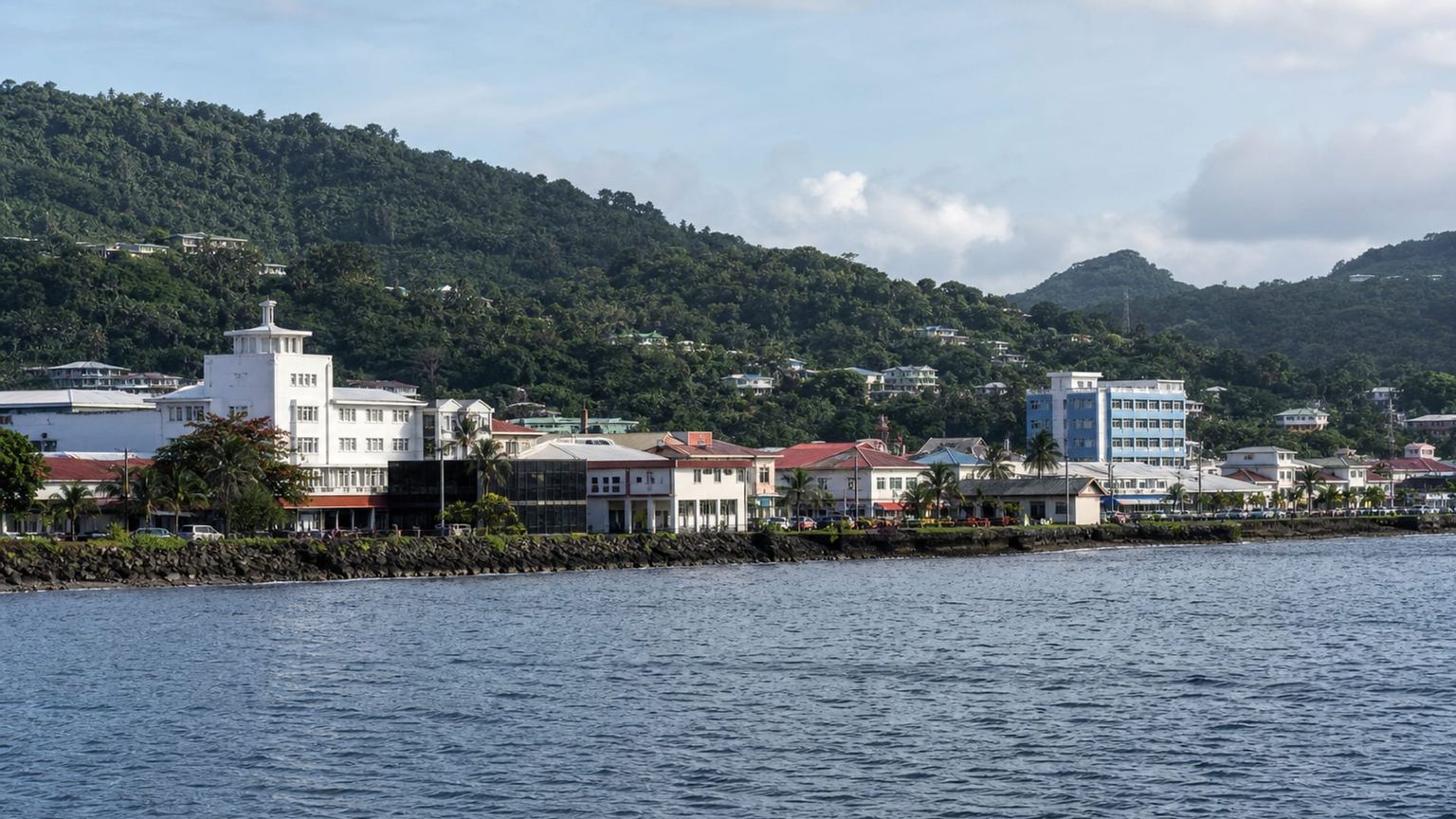

Main language(s): Samoan
Talofa (tah-LOH-fah) – Hello / good morning
Faamolemole (fah-ah-moh-leh-MOH-leh) – Please
Faafetai (fah-ah-feh-TAH-ee) – Thank you
E te tautala i le Igilisi? (eh teh tau-TAH-lah ee leh ee-ngih-LEE-see) – Do you speak English?
E fia le tau? (eh fee-ah leh tah-oo) – How much does it cost?

Currency: The local currency is the tala (WST, T).

Cash and cards: Cards and contactless are accepted at larger hotels and shops, but carry about WST 100 to 200 ($37 to $74) in cash.

Tipping: Tipping is not expected; round up small bills or leave a little extra for exceptional help.

Traditional food: Oka, palusami, oka i’a, fa’alifu taro

Water and coffee costs: Water about WST 3 to 5 ($1 to $2), bar espresso about WST 8 to 12 ($3 to $4).

Taxis and ride apps: No widely used ride-hail apps; use hotel taxis or prebooked transfers.

Plug and voltage: Type I socket, 230V

Dining and shop opening hours: Breakfast is about 07:00-09:00, lunch 12:00-14:00, and dinner 18:00-21:00. Many places close earlier on Sundays, and some reopen after church services.

Emergency number: Call 999 for police, fire, or ambulance.
Where to stay in Apia
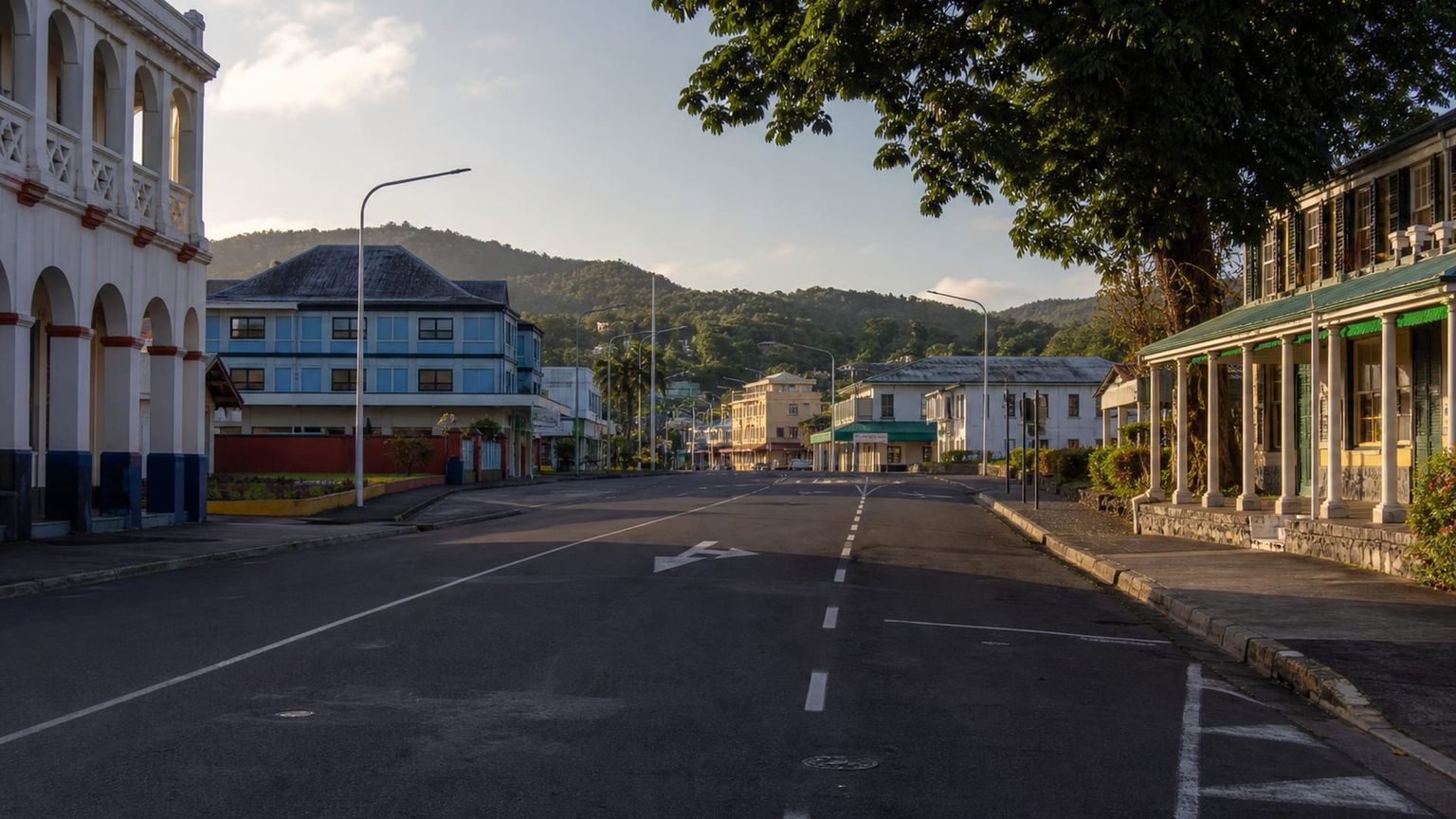
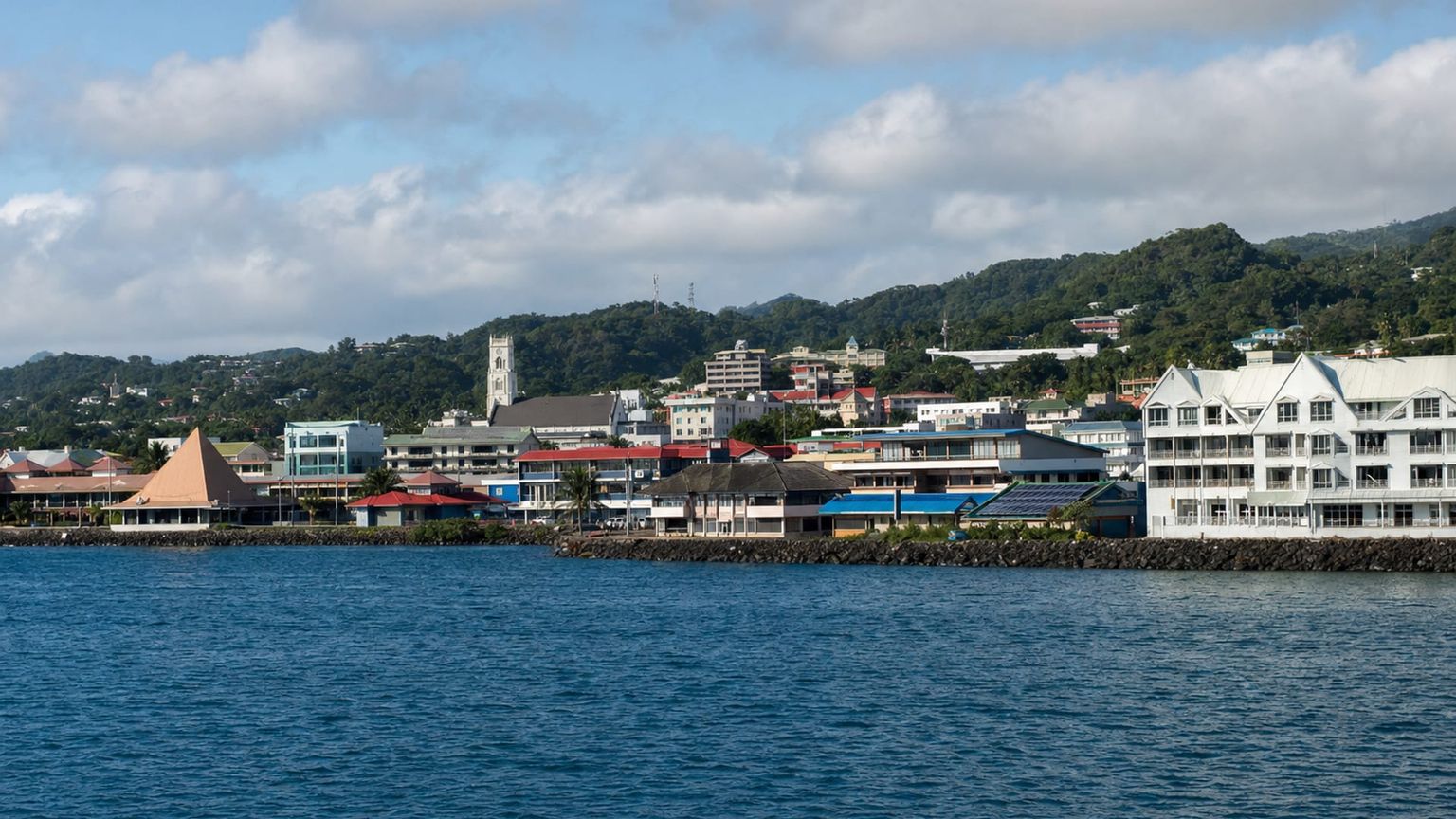
Apia central puts you beside the waterfront, markets, government buildings, and most of the city’s hotels and restaurants. It works well for visitors who want the easiest access to taxis, tours, and daily errands without leaving the urban core.
Best for: First-time visits, short stays, and travelers who want to walk to markets, dining, and the harbor
What to expect: Busy daytime streets, hotel traffic, and the most continuous foot activity in Apia.
Hotel prices: Usually about $90 to $180 per night for well-rated stays
Distance to major sights: 5 to 15 minutes on foot to the Flea Market and Apia waterfront
Quietness: Quieter late at night, with the most activity during business hours and early evening.
Main trade-off: You pay more than in outer suburbs, and the busiest blocks can feel busy during the workday.
Good to know: If you plan to use taxis for island outings, this area cuts the time needed to start and finish each day.
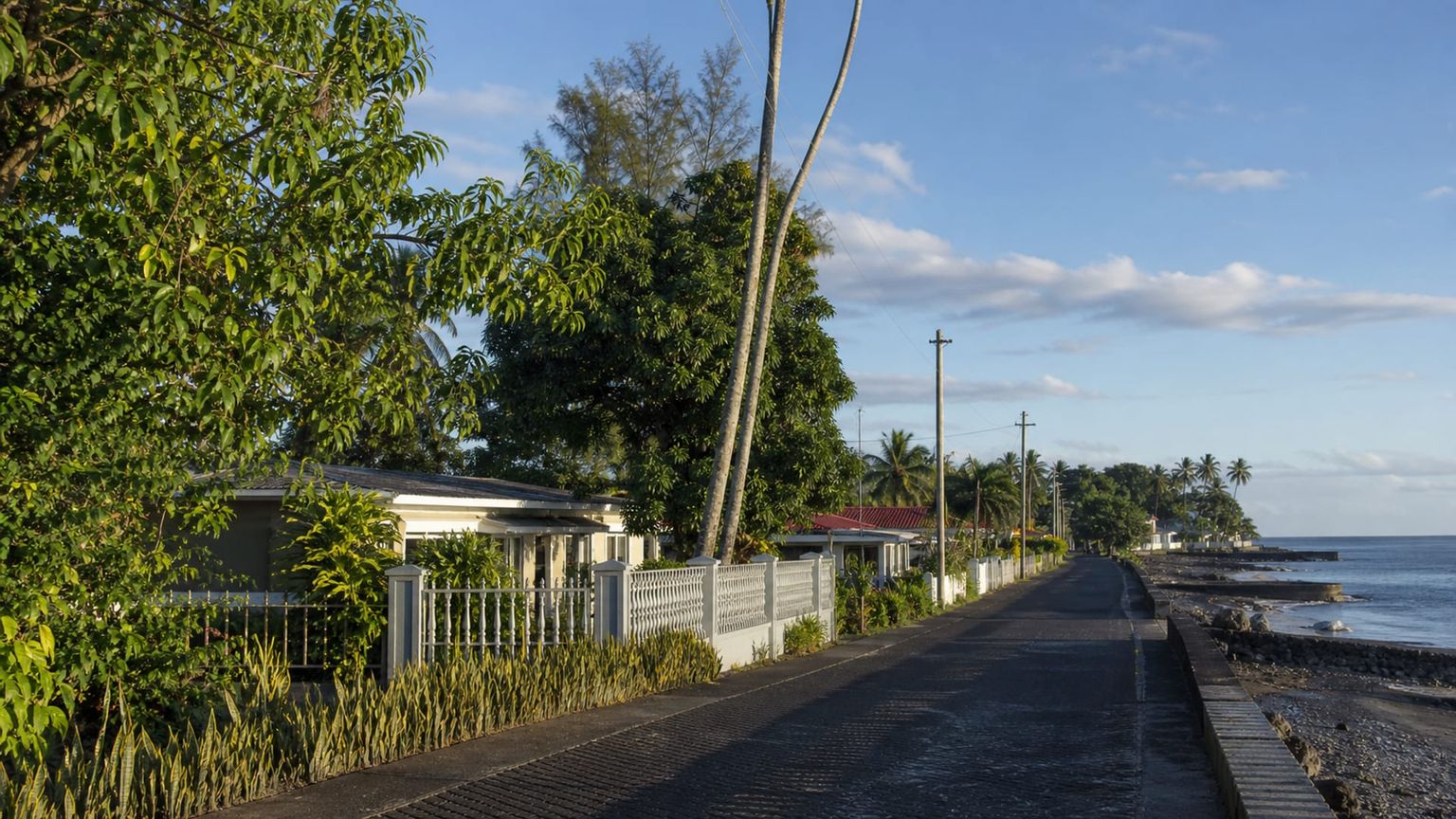
Vaiala sits just east of the center along the coast, with a more residential feel and quick access back into town. It matters because you can stay close to Apia while getting a little more space and a stronger sea-facing setting.
Best for: Couples, longer stays, and travelers who want a quieter coastal base near the center
What to expect: Low-key residential streets, occasional local traffic, and fewer people on the sidewalks than in the center.
Hotel prices: Usually about $80 to $160 per night for well-rated stays
Distance to major sights: 10 to 20 minutes by taxi to the Flea Market and central Apia
Quietness: Calmer in both the day and evening, with only light neighborhood activity after dark.
Main trade-off: You will rely more on taxis or a rental car, since walkable dining and shopping thin out away from the main strip.
Good to know: Sunrise walks are easier here than in the core, but late-night dining choices are limited.
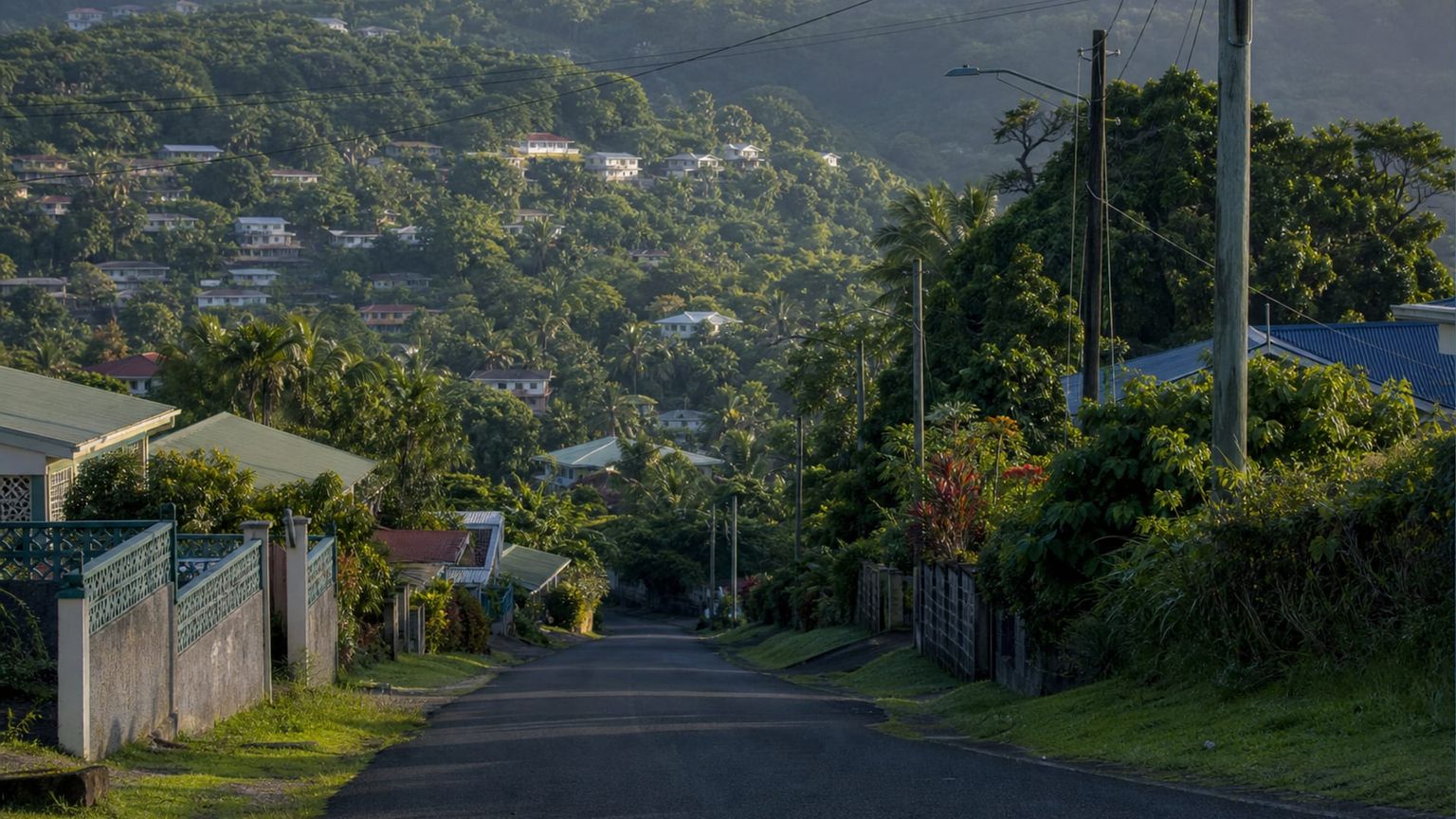
Magiagi is an inland residential area north of central Apia, with local homes, churches, and a quieter road network. It can suit travelers who want to sleep away from the busiest waterfront blocks while staying within a short taxi ride of town.
Best for: Travelers with a car, return visitors, and guests who prefer a local residential setting
What to expect: Light neighborhood traffic, limited street life, and a more domestic atmosphere than in the center.
Hotel prices: Usually about $70 to $140 per night for well-rated stays
Distance to major sights: 15 to 25 minutes by taxi to the Flea Market and Apia waterfront
Quietness: Generally quiet through the day, and even quieter at night except for local traffic and occasional gatherings.
Main trade-off: The main compromise is convenience, since you will be farther from waterfront dining, shops, and easy evening walks.
Good to know: Check transport plans before booking, because rides back after dinner can take longer than they do from central hotels.
Travelers usually avoid staying in Mulifanua, because it sits near the airport and ferry terminal, far from Apia’s main sights and dinner spots. Parts of Savai’i are also less convenient for an Apia base, and inner residential areas such as Vaitele can mean more car time to reach the waterfront, markets, and government district, with fewer visitor-oriented amenities.
Hotel deals
How to get around Apia efficiently
Apia has no metro or suburban rail, so short taxi hops, cash fares on the colorfully painted buses, and walks in the center do most of the work.

Metro
for longer distances
Apia has no metro or suburban rail, so local trips rely on buses, taxis, and walking for short central hops. That means there is no fare to quote for rail, and visitors should plan road transport instead.

Bus and tram
for convenience
Rural-style colorfully painted buses link Apia with neighborhoods and outlying villages, with fares typically about $0.90 to $2 ($2 to $5) paid in cash on board. Services usually run from roughly 6:00 am to 6:00 pm, and many routes cluster near the main bus terminal in town rather than following a fixed clockface timetable.

Taxi
for convenience or late hours
Licensed taxis use set or negotiated fares rather than meters on most trips, and short rides in central Apia often cost about $5 to $10 ($13 to $27), with airport runs to the city usually about $20 to $30 ($54 to $81). You can hail taxis on the street or arrange one through a hotel, and cash in tala is the norm, though some drivers accept U.S. dollars.
*Prices are based on rates updated as of June 2026 and may change at the time of travel.
Use buses for cheap daytime links, taxis for airport runs and dinner returns, and walking when your plans stay inside Apia central or along the waterfront.
Iconic landmarks
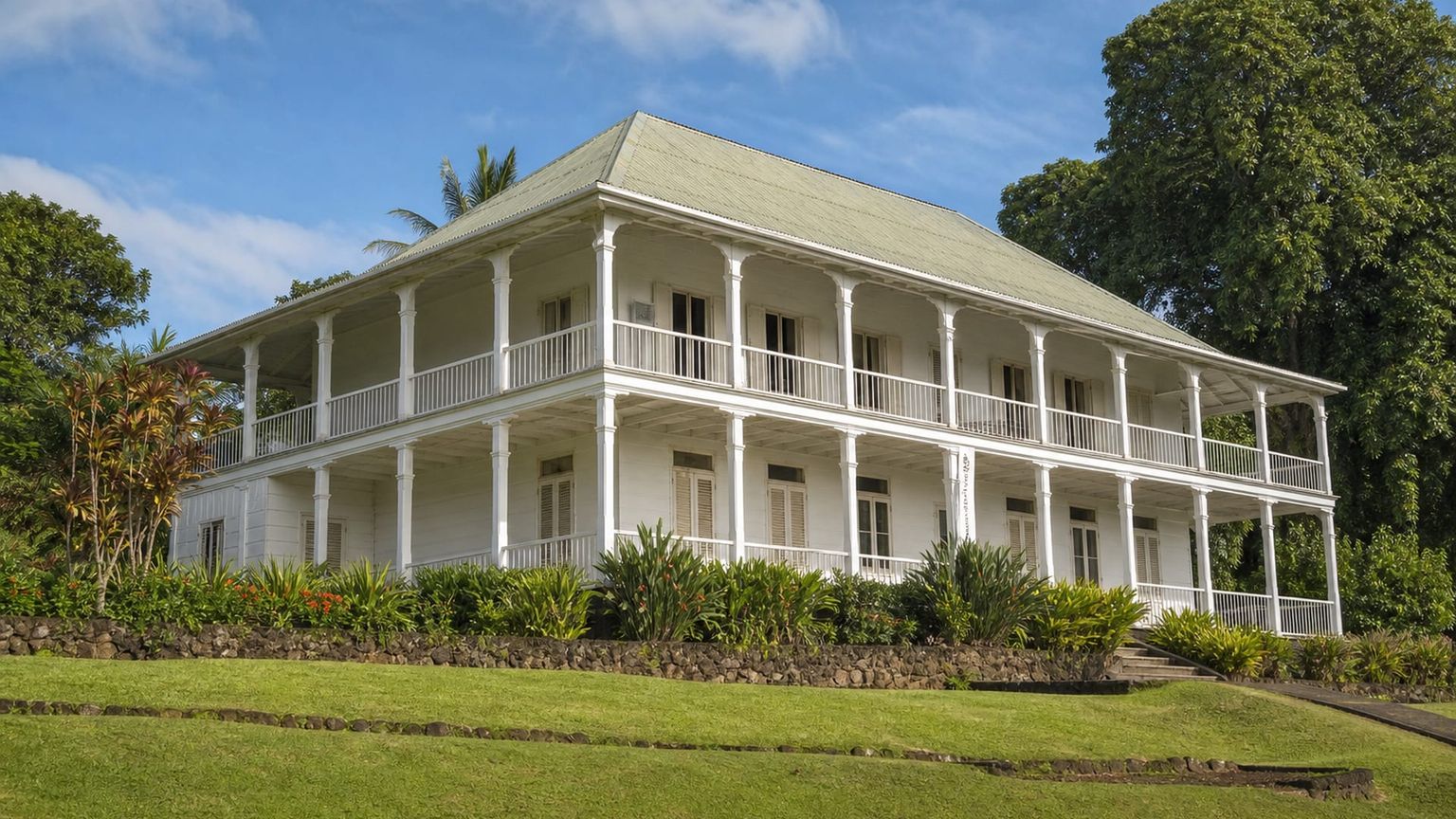
Robert Louis Stevenson Museum
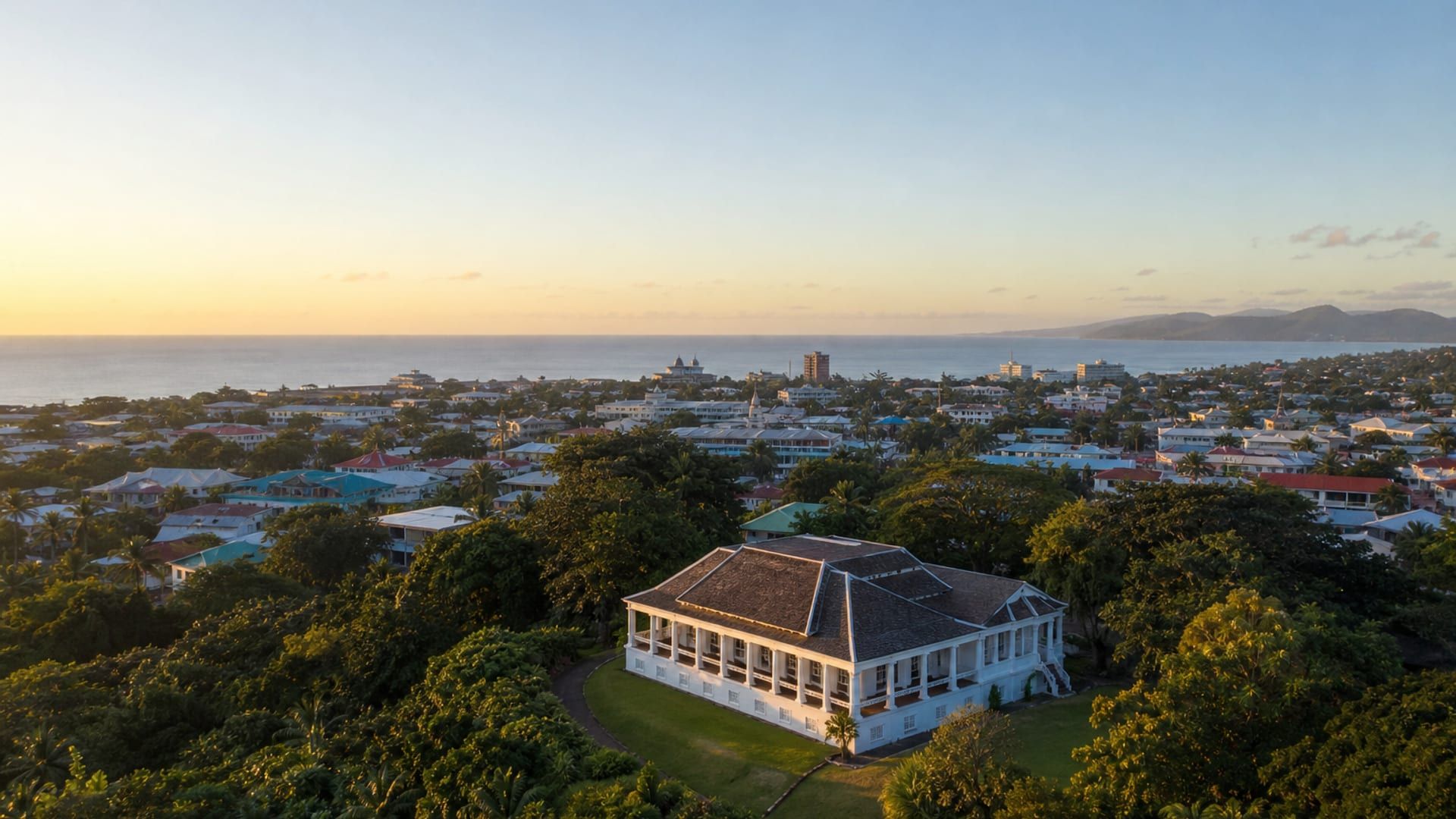
Stevenson’s restored hillside home and grave sit above Apia, with period rooms, verandas, and wide harbor views. The museum traces his final years in Samoa and the local legacy he left behind.
Time needed: About 1 to 2 hours
Entry: Admission costs about $8 ($20 WST) for adults, with lower rates for children and concessions; guided visits are often included in the ticket price. Visit the official site for details.
Tip: Go early in the day, when the hill road is cooler and the view is clearest.
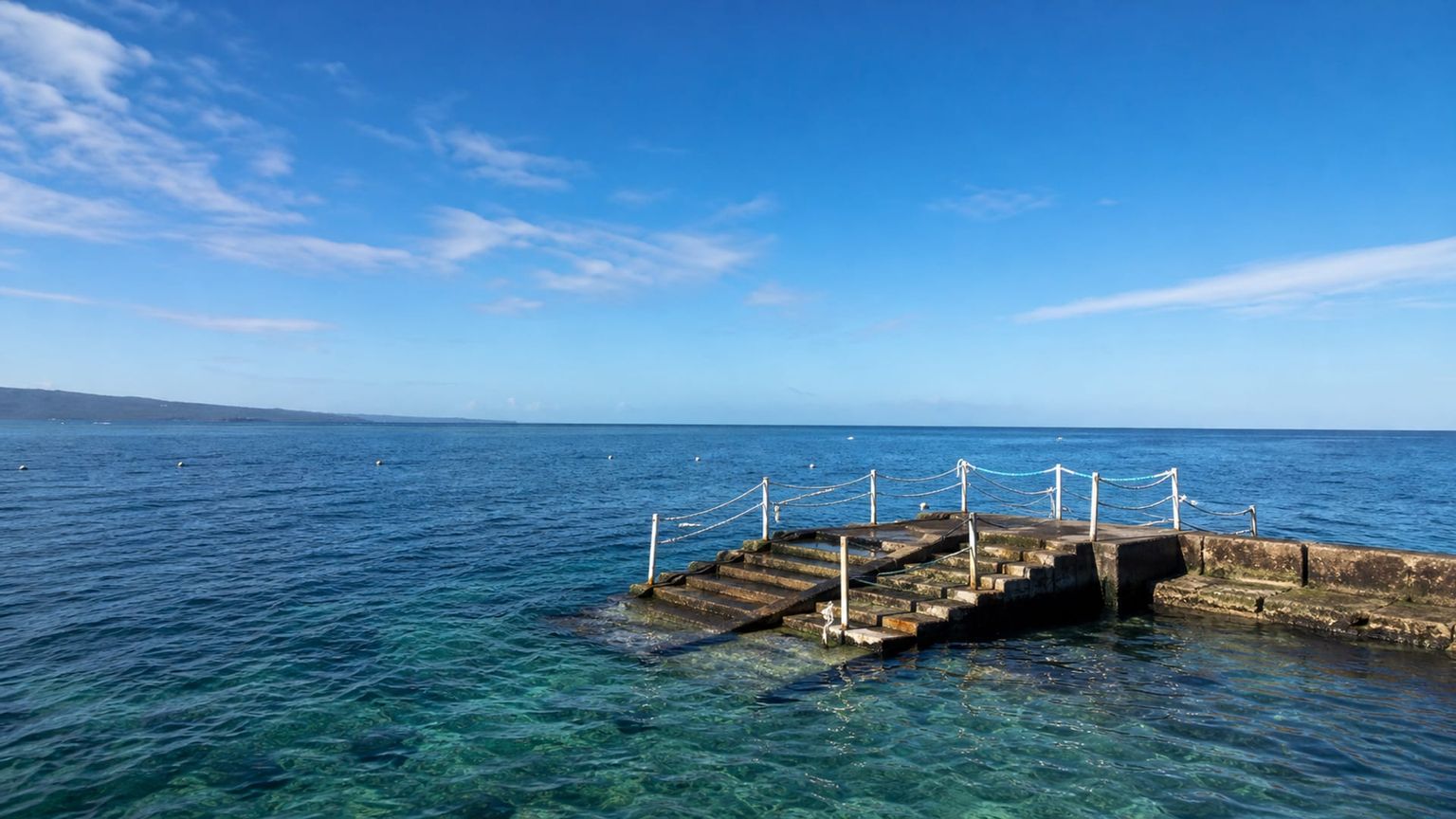
Palolo Deep Marine Reserve
This city-edge marine reserve has a long coral trench, calm water, and easy access from Apia. Snorkelers come for clear visibility, reef fish, and a protected shoreline just minutes from downtown.
Time needed: About 2 to 3 hours
Entry: Entry is about $5 ($12 WST) per person, with snorkel gear rental available separately on site and no timed admission required for walk-in visitors.
Tip: Plan a morning visit, when the water is usually calmer and the light reaches the trench.
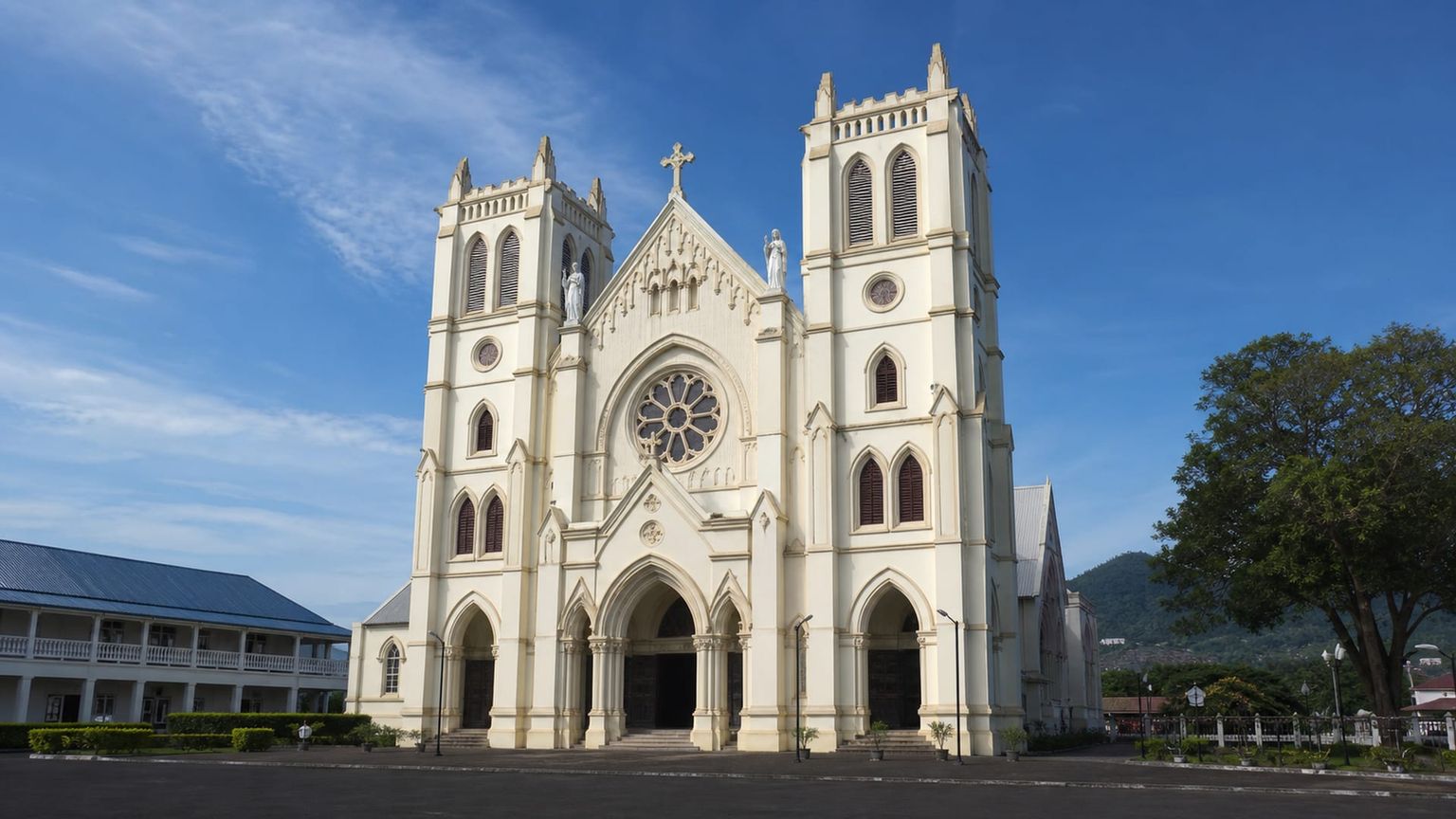
Immaculate Conception of Mary Cathedral
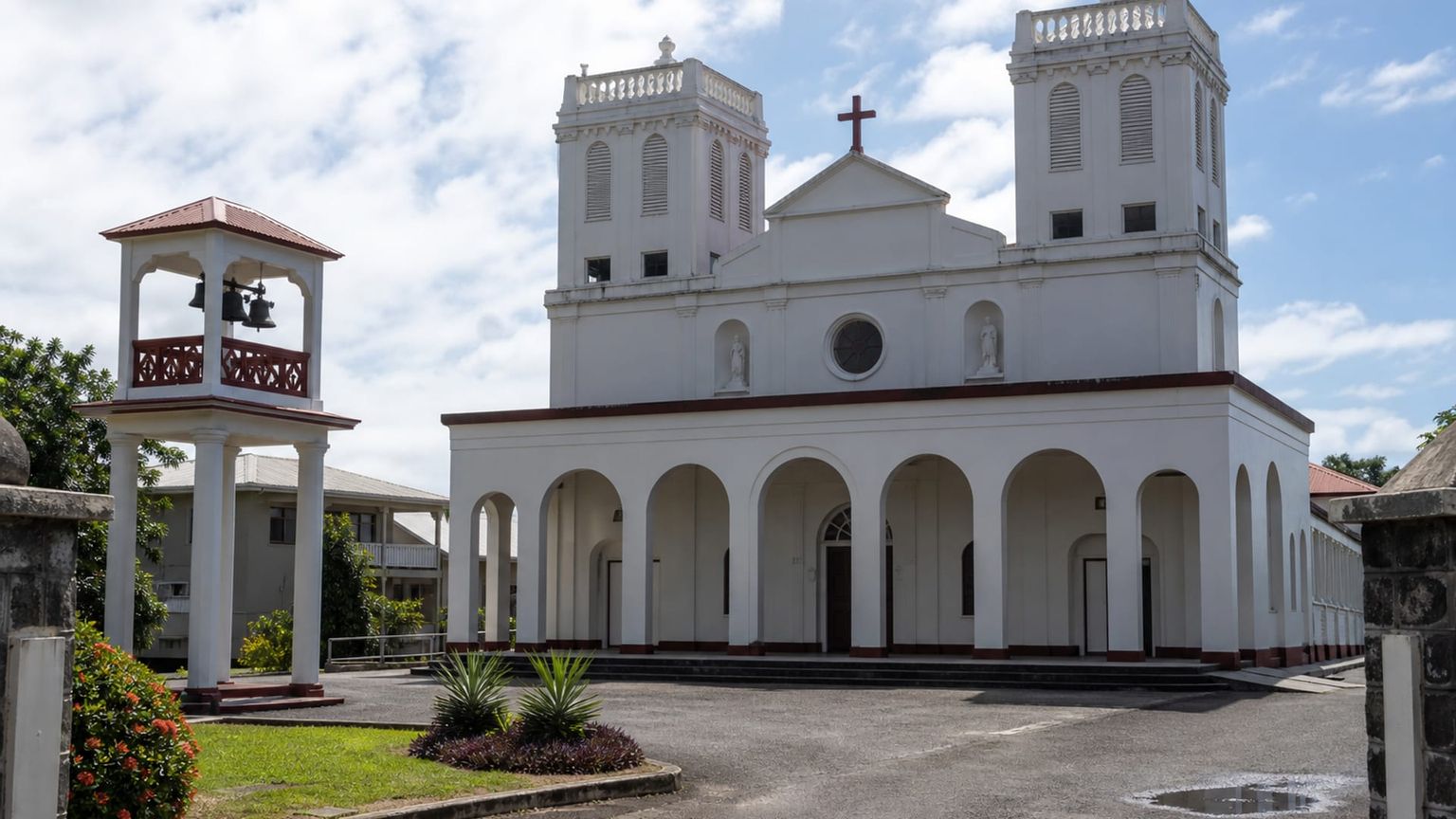
Apia’s Catholic cathedral anchors the waterfront with twin towers, stained glass, and a high timber roof. It is one of the city’s main landmarks, and its interior is easy to visit between downtown stops.
Time needed: About 30 to 45 minutes
Entry: Admission is free, and visitors may enter during posted open hours; donations are welcome, and there is no timed ticketing for general visits.
Tip: Visit outside mass times so you can see the nave, windows, and altar more fully.
Overlooked sites worth visiting

Papaseea Sliding Rocks
Natural rock chutes and pools cut into the lava hillside above Apia. After rain, water runs over the smooth stone and locals use the site for swimming and cliffside photos.
Time needed: About 1 to 2 hours
Entry: Free to access; there is no formal admission charge, though visitors may encounter small local fees for parking, guiding, or access to the pool area depending on the day and the village arrangement.
Tip: Go after rain for stronger water flow, and wear reef shoes.

Robert Louis Stevenson Museum
The former home of Robert Louis Stevenson sits on the slopes above Apia and holds period rooms, manuscripts, and island views. A short uphill walk leads to the restored house and garden paths.
Time needed: About 1 hour
Entry: Adult admission is about $8 to $10, with reduced rates for children and students when available; fees support the house museum, grounds, and guided visits, which usually run at set times during the day.
Tip: Arrive early for cooler weather and quieter garden paths.
Traditional food
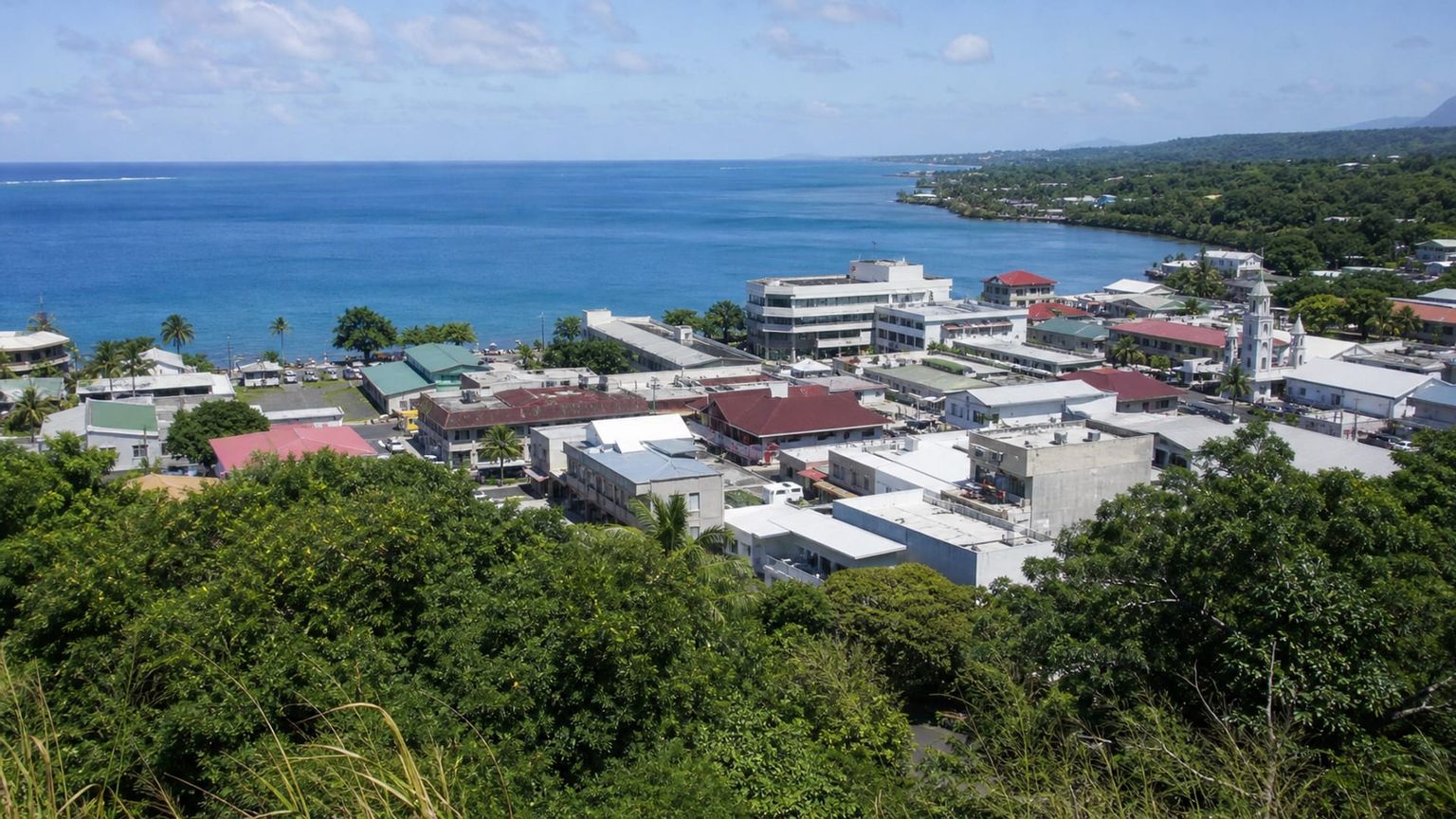
Apia’s table leans on coconut, taro, and fresh fish, with Oka, palusami, oka i’a, and fa’alifu taro shaping many meals. Lunch counters, hotel dining rooms, and family-run spots all reflect that island-first approach.
Oka
Marinated raw fish set with coconut cream, lime, onion, and chili, often served as a bright first course. At Paddles Restaurant, it fits the room’s waterfront setting and works well as a classic Apia introduction.
Palusami
Taro leaves baked with coconut cream until they turn rich and silky, usually served alongside fish or meat. At Kokobanana Bar & Grill, it appears in a menu that suits a relaxed meal near the center.
Oka i'a
A fish version of oka that highlights fresh local catch and a clean coconut dressing. Scalini’s Restaurant in Apia is a useful place to order it when you want a more composed dinner setting.
Fa'alifu taro
Taro cooked until soft, then finished with coconut sauce for a simple, filling side. At Taumeasina Island Resort Restaurant, it pairs naturally with grilled seafood and a sea-facing meal.
Best time to visit Apia
Apia runs warm year-round, but the wet season brings heavier showers, greener hills, and livelier water at places like Papaseea.
Best for: Warm beach time and snorkeling
What you get: About 77 to 88°F (25 to 31°C), with humid days and larger crowds around the holidays
Trade-offs: Afternoon rain can interrupt outdoor plans
Best for: Balanced sightseeing and easier pacing
What you get: About 75 to 87°F (24 to 31°C), with fewer visitors than the peak holiday period
Trade-offs: Showers still arrive often enough to alter timing
Best for: Museum visits and comfortable walking
What you get: About 73 to 84°F (23 to 29°C), with lighter humidity and moderate visitor numbers
Trade-offs: Some travelers prefer warmer water for swimming
Best for: Long daylight and flexible day trips
What you get: About 75 to 88°F (24 to 31°C), with shoulder-season crowds and rising humidity
Trade-offs: Weather becomes more changeable as the wet season builds
A realistic 5-day plan in Apia
A good Apia plan works best when the city center anchors the week and the outings stay short and intentional. The five-day outline below keeps transfers manageable while giving space for the museum, the cathedral, the coast, and a slower final day.
Land at Apia (APW), then take a taxi into Apia central or Vaiala, which usually takes about 30 to 45 minutes and costs roughly $30 to $45 ($80 to $120 WST). Check in near the waterfront so you can settle quickly, have a light dinner in Apia central, and walk a few minutes for water, cash, and an early night after the flight.
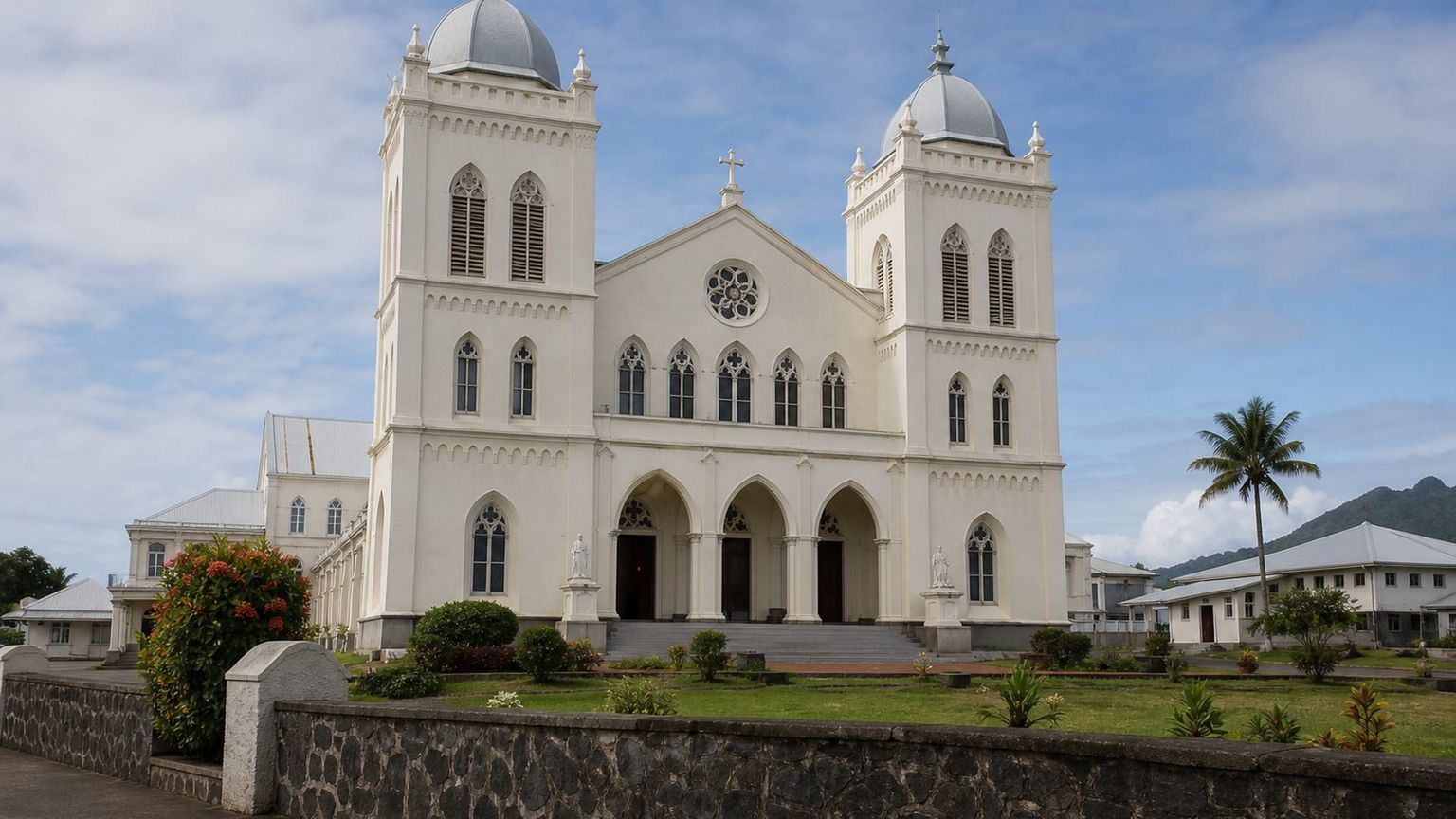
Start early at the Robert Louis Stevenson Museum, about 10 to 15 minutes by taxi from Apia central, while the hillside air is cooler and the harbor view is clearest. Spend about 1 to 2 hours in the restored house and grounds, then ride 15 to 20 minutes back toward town for the Immaculate Conception of Mary Cathedral, where the twin towers and timber interior reward a 30 to 45 minute visit. Finish with an easy waterfront lunch in Apia central, only a short walk away, and keep the afternoon free for a harbor stroll or a quiet return to your hotel.
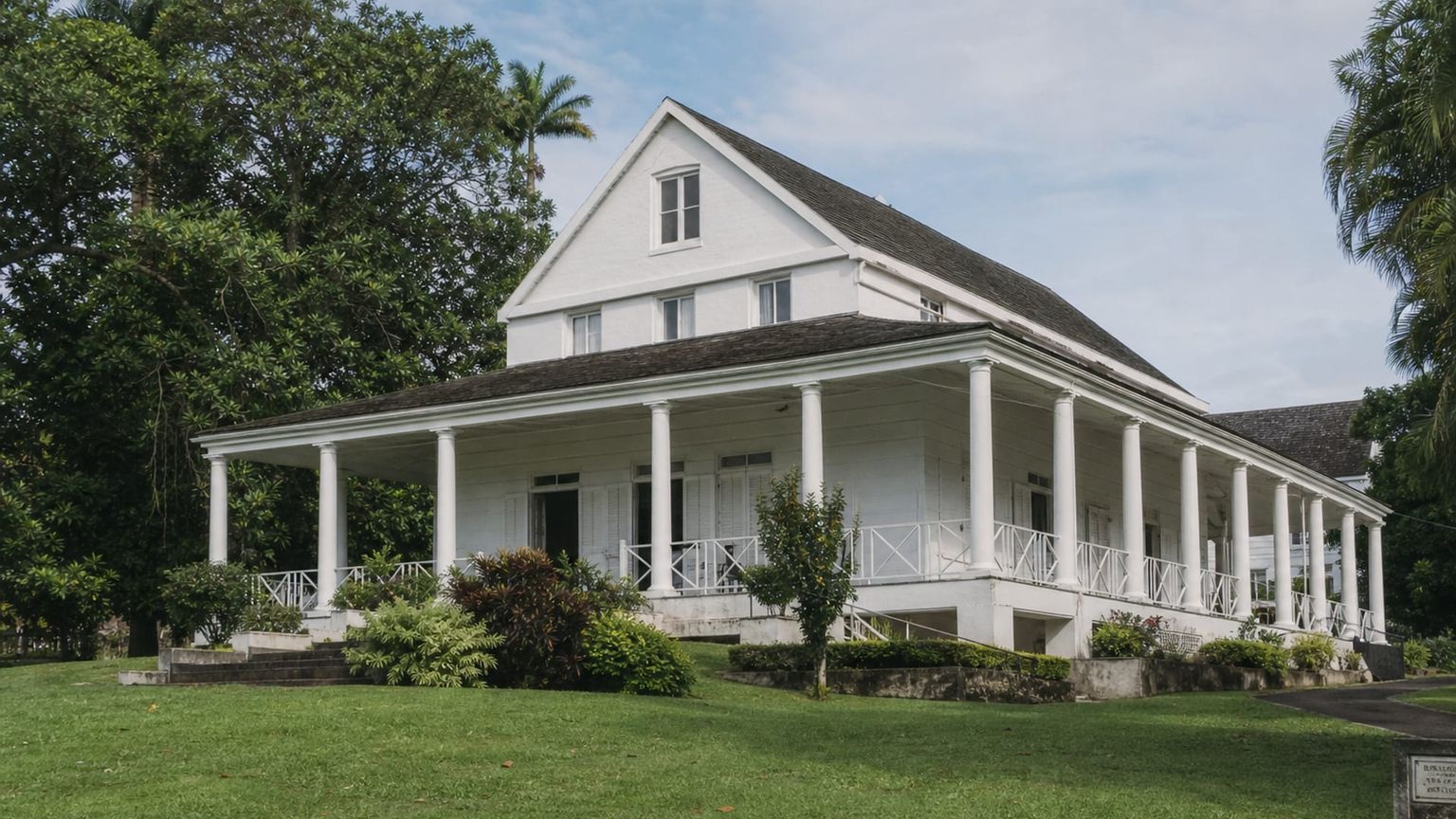
Head out midmorning for Palolo Deep Marine Reserve, roughly 10 minutes by taxi from central Apia, and plan on 2 to 3 hours for snorkeling and a shore break. After that, continue inland to Papaseea Sliding Rocks, about 20 to 30 minutes away by car, where rain-fed water makes the lava chutes more active and the pools feel livelier. Give yourself 1 to 2 hours there, then return to Apia central for a relaxed dinner and an early evening near the waterfront.
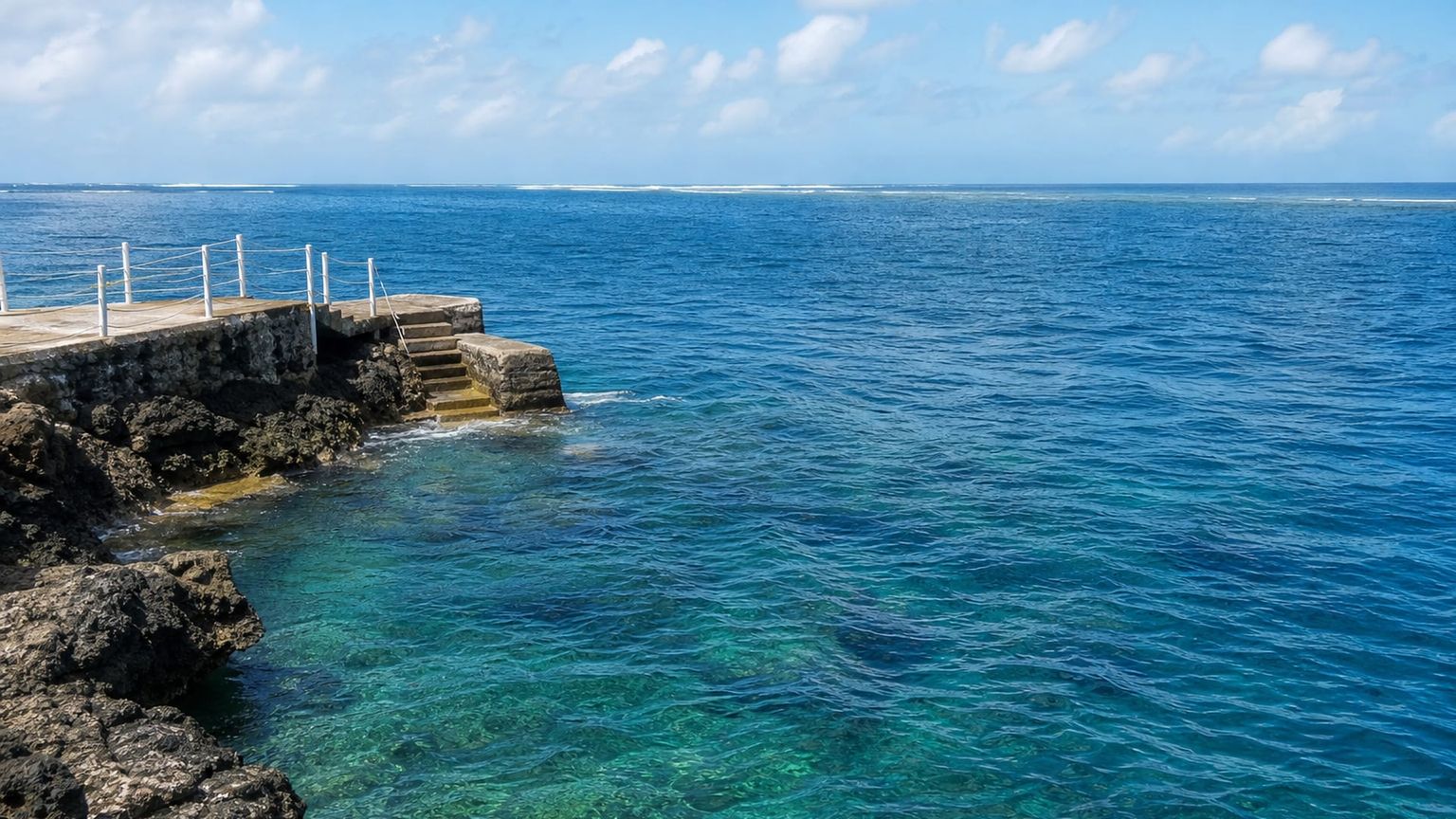
Begin with a second, slower look at the Robert Louis Stevenson Museum if you missed anything earlier, or return for the gardens and views before the day gets hot. From Apia central, the ride takes about 10 to 15 minutes, and the visit again fits into about 1 hour. Afterward, spend the rest of the day in the center, moving between the Flea Market area, the waterfront, and nearby cafes on foot, with most stops separated by only 5 to 10 minutes walking.
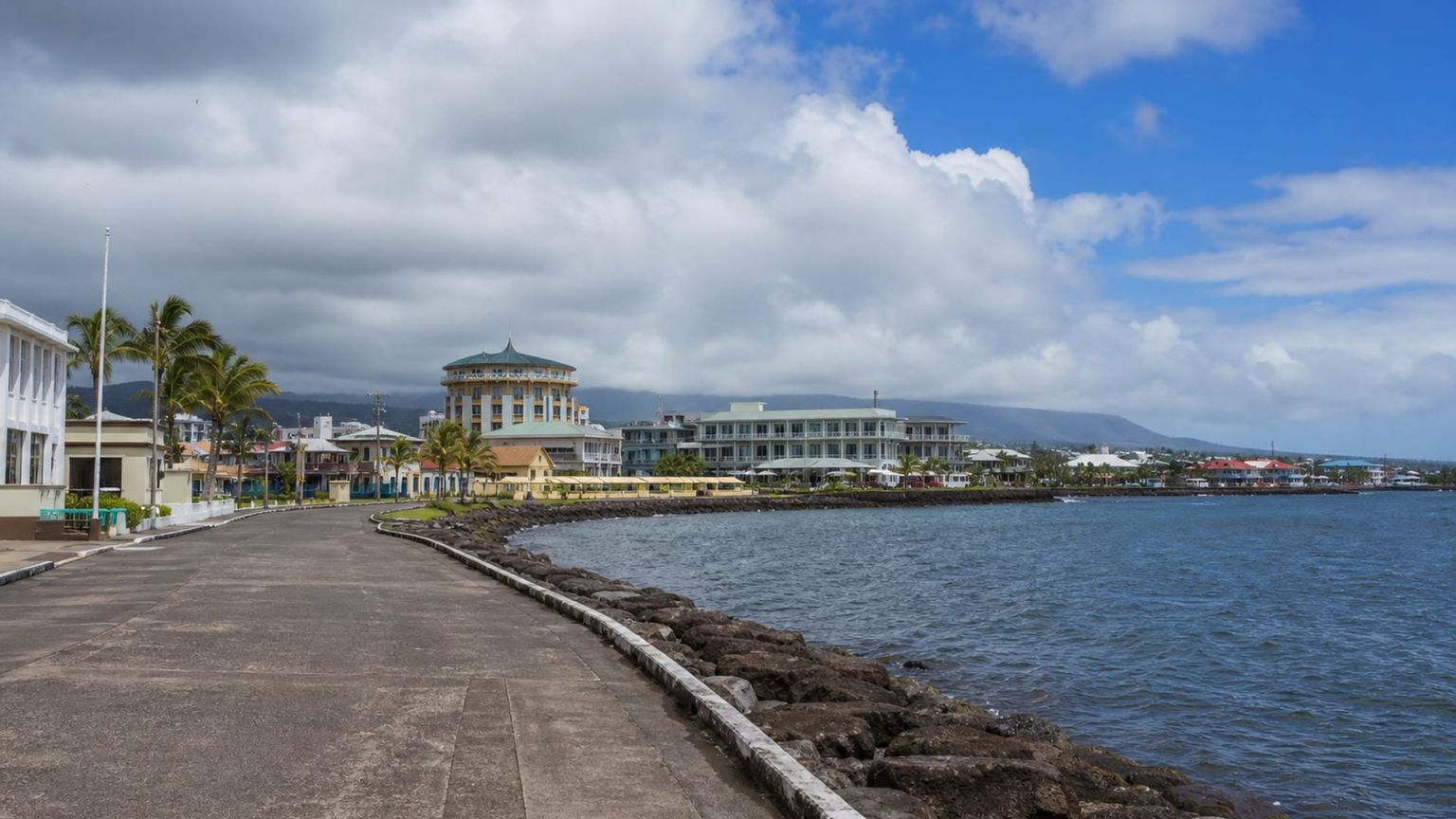
For a final morning, pair a low-key museum stop with time in Apia central, then linger over coffee in Vaiala if you want a calmer sea-facing setting before departure. The cathedral, market, and waterfront sit close enough for short taxi hops or walks of about 5 to 15 minutes, so you can fit in one last browse for crafts and snacks without rushing. If your flight is later in the day, end with a light meal near the harbor and head to the airport from the center with time to spare for check-in.
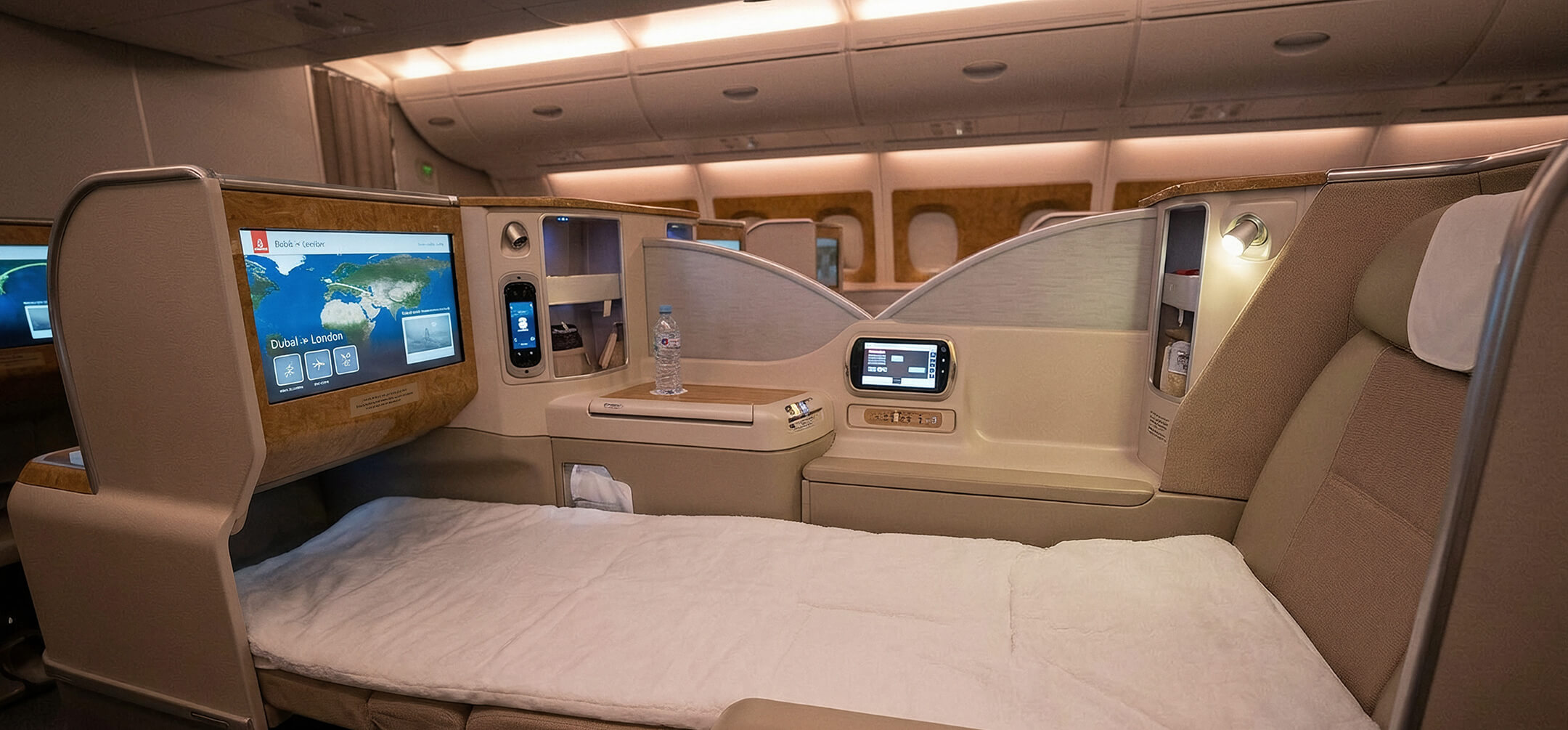
Business-class flights from the US to Apia
For long-haul arrivals, the most useful comparisons are usually the East Coast and West Coast options, because both rely on multi-stop itineraries into Apia. The examples below show how the route shape changes with the origin.
From New York, carriers such as Air New Zealand, Fiji Airways, Hawaiian Airlines, Qantas, and United Airlines usually price itineraries from about $4,200 to $7,800 round trip. If you do not mind a layover, common routings via HNL, NAN, AKL, SYD, or LAX take about 18 to 28 hours and often trim the fare.
Los Angeles fares from Air New Zealand, Fiji Airways, Hawaiian Airlines, Qantas, and United Airlines usually sit about $3,600 to $6,500 round trip, with nonstop prices generally below New York levels. A direct trip takes about 11 to 12 hours; if you accept a connection, HNL, NAN, AKL, and SYD are common hubs, and the total journey usually stretches to about 16 to 26 hours.
Apia feels different when you slow down
A deliberate Apia trip usually keeps you close to Apia central or Vaiala, uses taxis for the airport and the hill road, and leaves room for one museum morning, one reef day, and one slow walk by the harbor. That balance gives the city enough space to register without forcing long cross-town moves. If you want help shaping those days into a booking plan, AranGrant experts can match your stay to the waterfront, the cathedral, and the coast