

Chapters:

Need help with your trip?
Our support team is available 24/7. Request a callback or call us directly at (833) 619-0908
Antigua changes character as you move across the island. St. John’s brings markets, shops, harbor activity, and museums, while English Harbour preserves the naval history of Nelson’s Dockyard beneath the viewpoints of Shirley Heights. Along the northwest coast, Dickenson Bay, Runaway Bay, and Deep Bay shift the focus toward swimming, resorts, and long afternoons beside the Caribbean Sea.
This guide features practical information about the city’s main areas where you can stay, its transportation system, main sights, local dishes, and more.
Useful things to know

Main language(s): English

Currency: Eastern Caribbean dollar (XCD, EC$), although many establishments accept US dollars as well.

Cash and cards: Cards are common at hotels, resorts, restaurants, and larger shops. Keep some Eastern Caribbean dollars or US dollars for taxis, markets, and smaller businesses.

Tipping: Restaurants commonly expect 10%–15% when service is not included. Check the bill before adding an extra gratuity.

Traditional food: Fungee and pepperpot, ducana, saltfish with johnny cakes, and conch are among the traditional foods associated with Antigua.

Water and coffee costs: Water usually costs EC$3 to EC$5 (US$1–US$2), while a bar espresso costs EC$7 to EC$10 (US$2.60–US$3.70).

Taxis and ride apps: Uber and Lyft do not operate as standard ride-hailing networks. Use licensed taxis, hotel cars, or prebooked private transport.

Plug and voltage: 240V, 50Hz; some hotels also provide 110V outlets. Check your accommodation before using electrical appliances.

Dining and shop opening hours: Restaurant hours vary, with most service concentrated around lunch and dinner. Sunday hours can be shorter outside resorts.

Emergency number: Call 911 or 999 for police, fire rescue, or medical emergencies.
Where to stay in Antigua Island
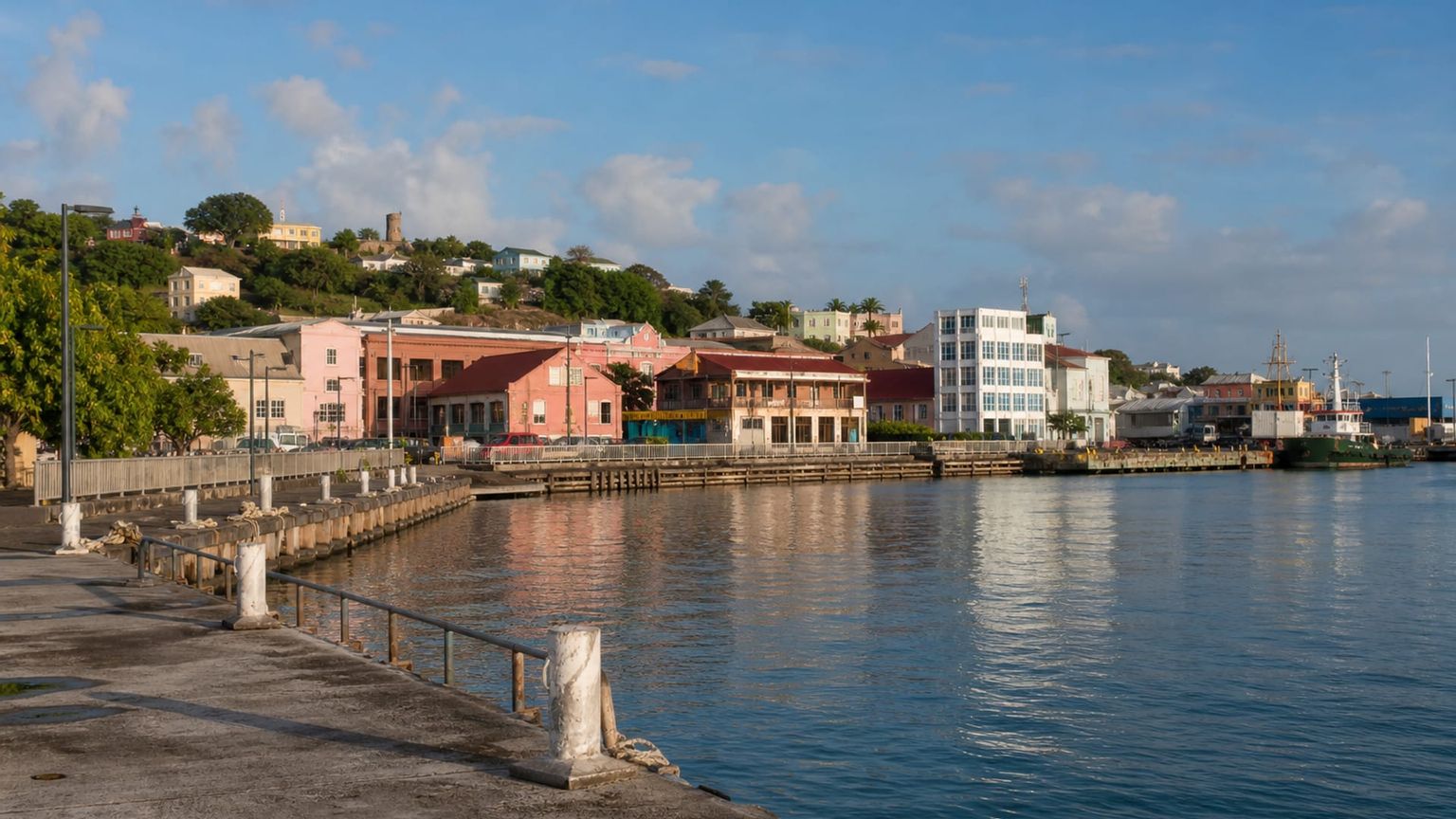
This area keeps Heritage Quay, Redcliffe Quay, the cruise port, downtown shops, restaurants, and the Museum of Antigua and Barbuda close together. It suits travelers who want easy access to the capital and prefer exploring its central streets without arranging a taxi for every short outing.
Best for: Shopping, downtown sightseeing, restaurants, and easy access to central St. John’s
What to expect: Port activity, shopping streets, cruise passengers, restaurants, and heavy daytime traffic
Hotel prices: Nightly rates at well-reviewed properties typically range from EC$430 to EC$870 (US$160–US$320).
Distance to major sights: Heritage Quay, Redcliffe Quay, and the city museum are within central St. John’s.
Quietness: Daytime is busiest near the port, while streets generally become calmer after shops close.
Main trade-off: English Harbour and the island’s resort beaches require road transportation.
Good to know: Check whether your room faces the port if you prefer quieter mornings.
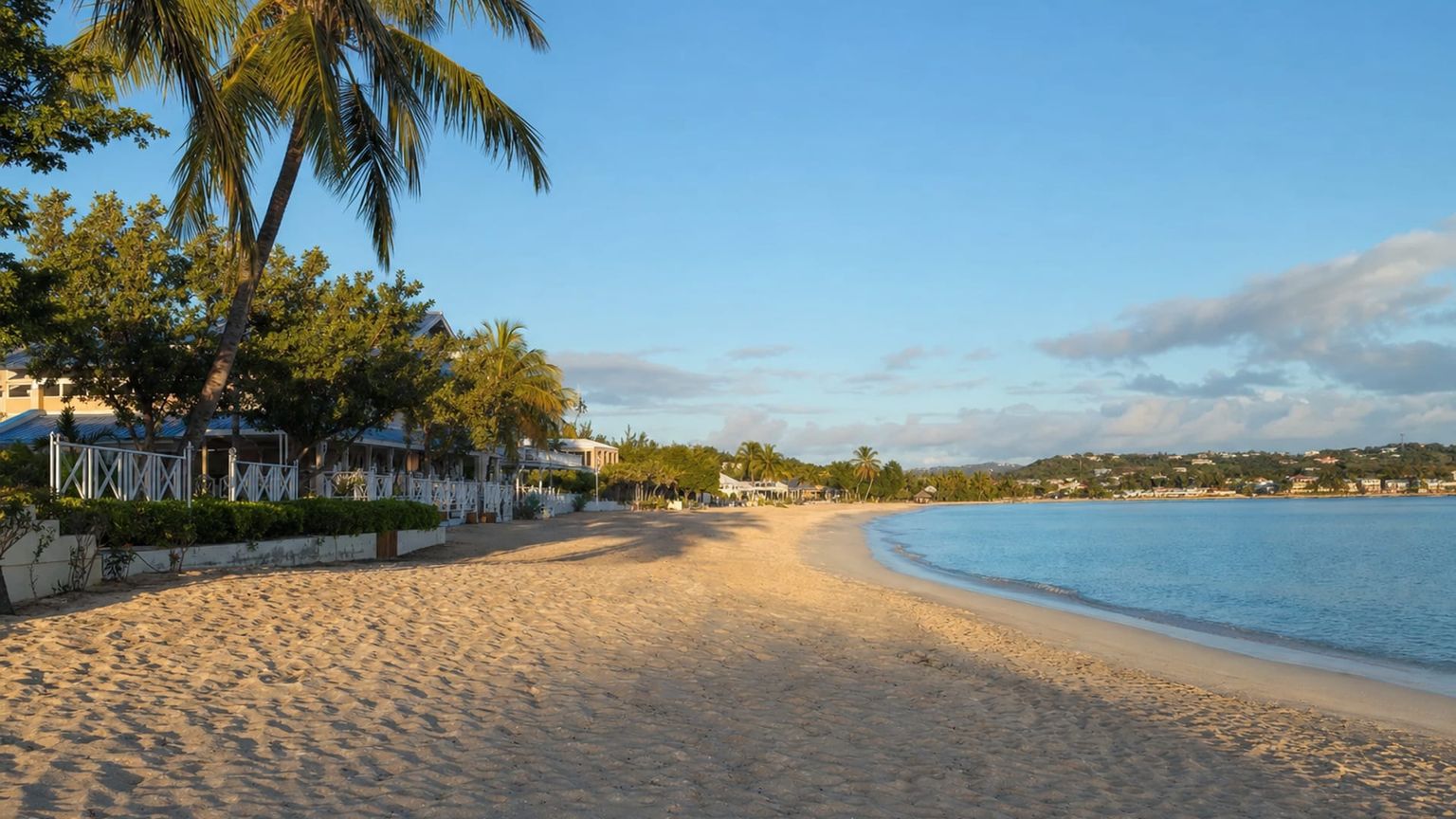
Dickenson Bay is one of Antigua’s best-known beach areas, with a long stretch of sand backed by resorts, restaurants, bars, and water-sports operators. The area is especially convenient for travelers who want the beach to shape most of the stay while keeping St. John’s within a short taxi ride.
Best for: Beach days, swimming, resort stays, water sports, and easy access to the north coast
What to expect: Resorts, beachgoers, restaurants, water activities, and a lively shoreline during the day
Hotel prices: Rooms in established properties generally cost EC$600–EC$1,350 (US$220–US$500) per night.
Distance to major sights: St. John’s is relatively close by taxi; English Harbour requires a longer drive.
Quietness: Beach activity is strongest by day, while evenings depend on the individual resort.
Main trade-off: Sightseeing elsewhere on Antigua usually requires taxis, transfers, or a rental car.
Good to know: Check the property’s exact position because not every Dickenson Bay address is directly beachfront.
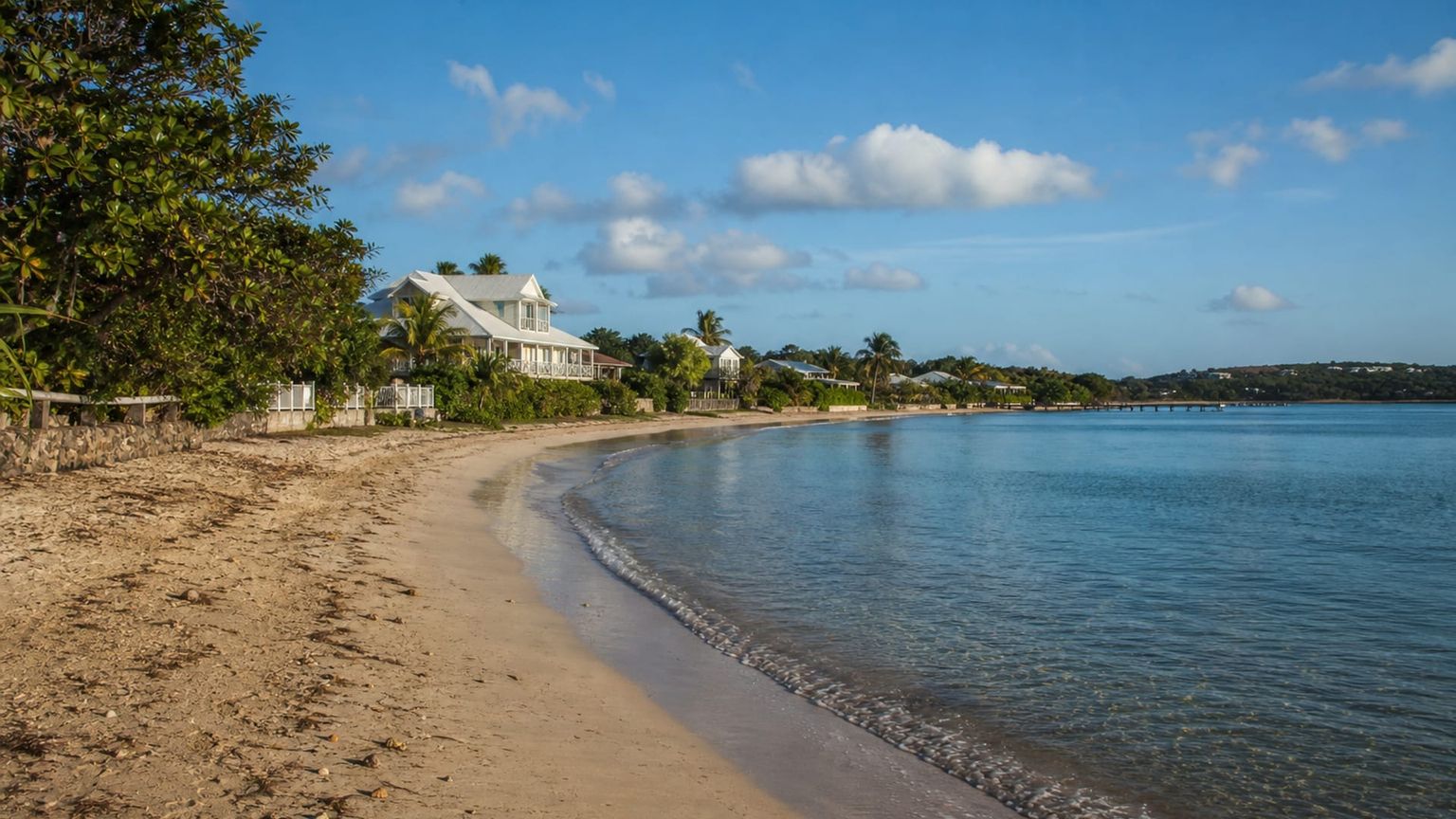
Runaway Bay lies between St. John’s and Dickenson Bay, giving travelers beach access without moving as far north as some of Antigua’s larger resort areas. Hotels and apartments line the area, while road connections keep the capital, Fort James, and nearby beaches within comparatively easy reach.
Best for: Beach access, quieter stays, and travelers who plan regular trips into St. John’s
What to expect: Hotels, apartments, beach access, residential surroundings, and lighter activity than downtown
Hotel prices: Expect to pay EC$500–EC$1,000 (US$180–US$380) per night at many well-reviewed properties.
Distance to major sights: St. John’s, Fort James, and Dickenson Bay are all nearby by road.
Quietness: The area is generally quieter than central St. John’s, especially away from larger hotels.
Main trade-off: Restaurants and nightlife are less concentrated than in the capital or major resort zones.
Good to know: Confirm whether your accommodation has direct beach access or requires a short walk.
Choose St. John’s for city access, Dickenson Bay for a resort-focused beach stay, or Runaway Bay for a quieter shoreline with shorter road connections to the capital.
Hotel deals
Getting around Antigua Island
Visitors can rely on minibuses, taxis, rental cars, and private transport for journeys between the airport, beaches, St. John’s, and English Harbour.

Rental car
for independent beach and sightseeing days
A rental car gives you more flexibility when visiting several beaches, English Harbour, forts, and inland attractions. Antigua drives on the left. Confirm temporary driving-permit requirements with the rental company before collecting the vehicle.

Public minibus
for inexpensive daytime journeys
Public minibuses connect St. John’s with towns and villages across Antigua. Fares range from EC$2.25 to EC$5.00 (US$0.80–US$1.80). Departures may not follow a strict timetable, making them less suitable for airport trips or timed reservations.

Taxi
for airport trips and direct island journeys
Licensed taxis operate outside the airport and can also be arranged through hotels. Fares are fixed by route instead of metered, and you can expect to pay EC$70 (US$25) for a trip to the center. Many journeys take 15–30 minutes, while longer cross-island trips can get 45 minutes.
*Prices are based on rates updated as of October 2026 and may change at the time of travel.
Use taxis for airport trips and evenings, minibuses for flexible daytime travel, and a rental car when you plan to visit several parts of Antigua independently.
Iconic places in Antigua Island
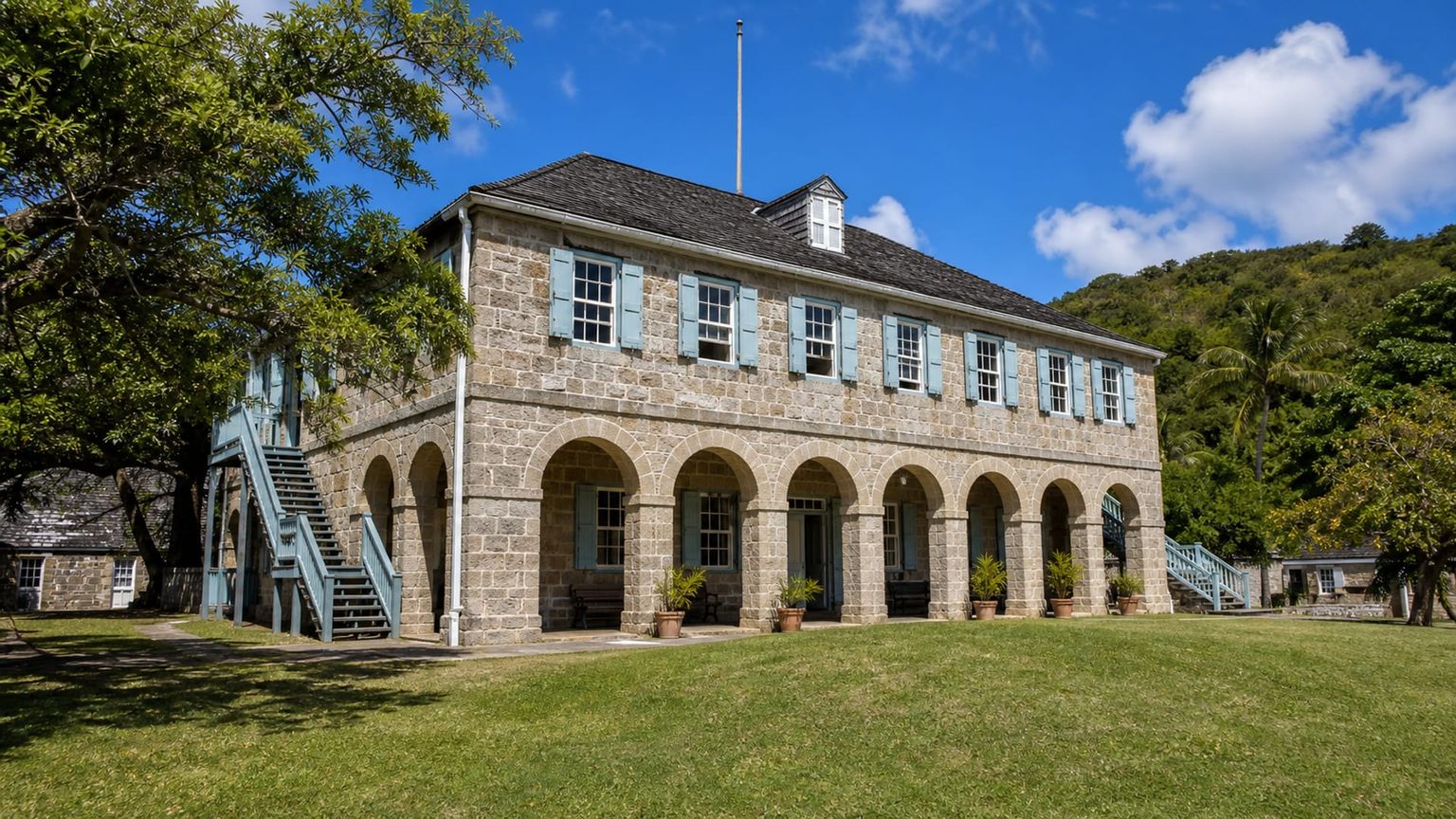
Nelson's Dockyard National Park
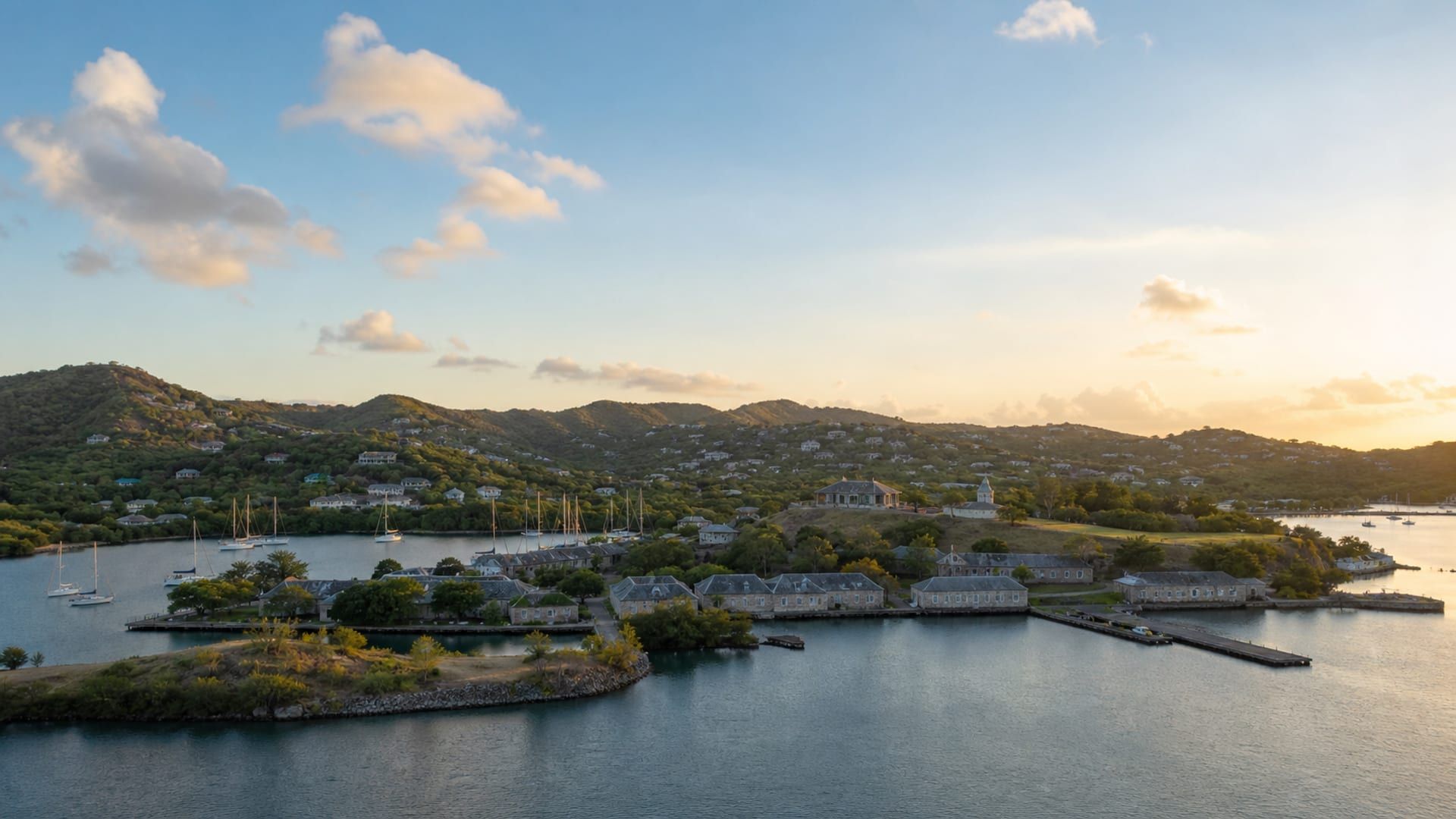
Nelson’s Dockyard preserves a restored Georgian naval dockyard in English Harbour and forms part of Antigua’s UNESCO-listed naval heritage. Stone warehouses, historic quays, museums, restaurants, and a working marina bring the harbor’s military and maritime past into a remarkably intact setting.
Time needed: 2 to 3 hours
Entry: Adult tickets cost EC$65 (US$25). Visit the official site for details.
Tip: See the museum and dockyard buildings first, then continue to the wider National Park.
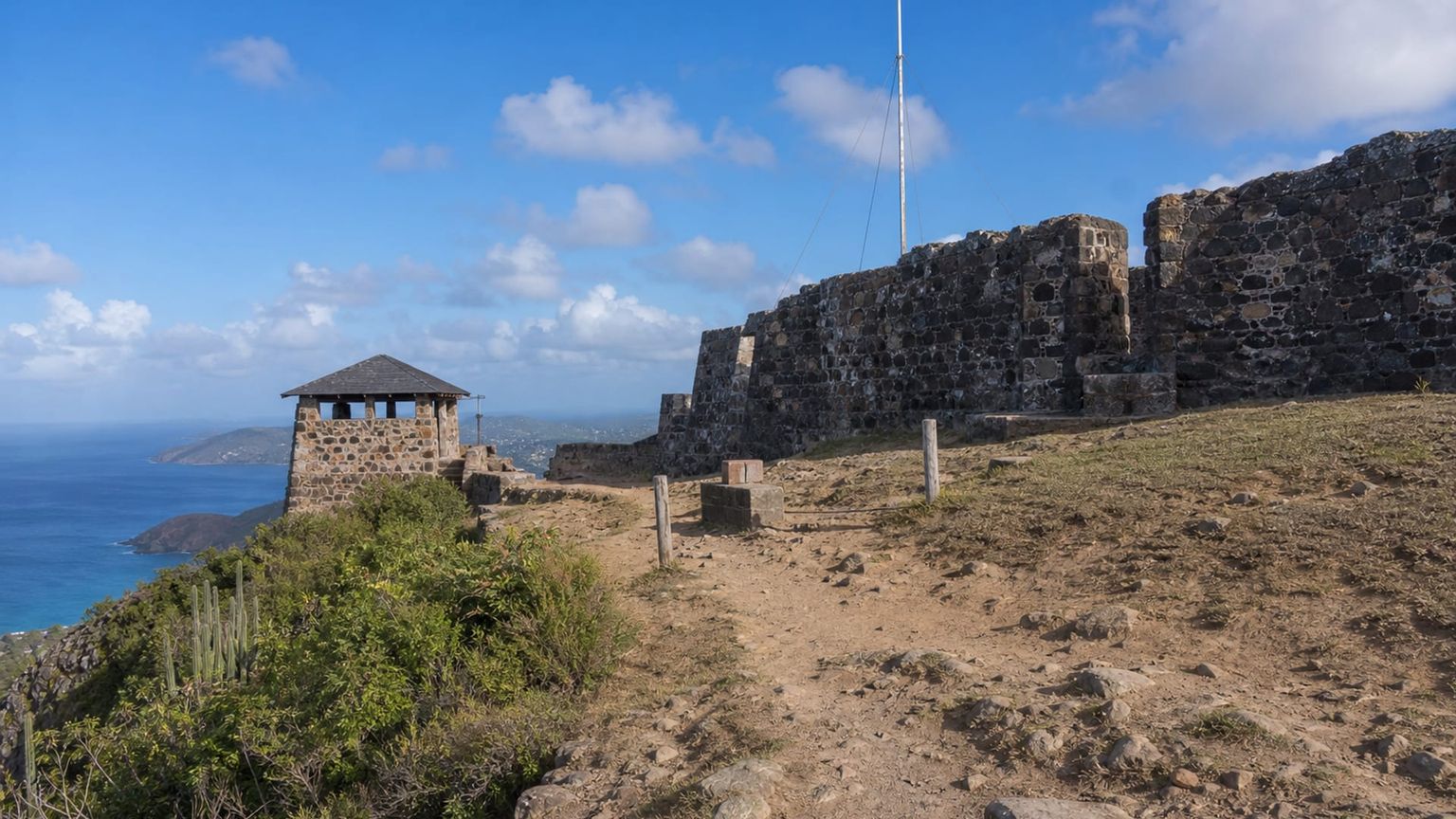
Shirley Heights Lookout
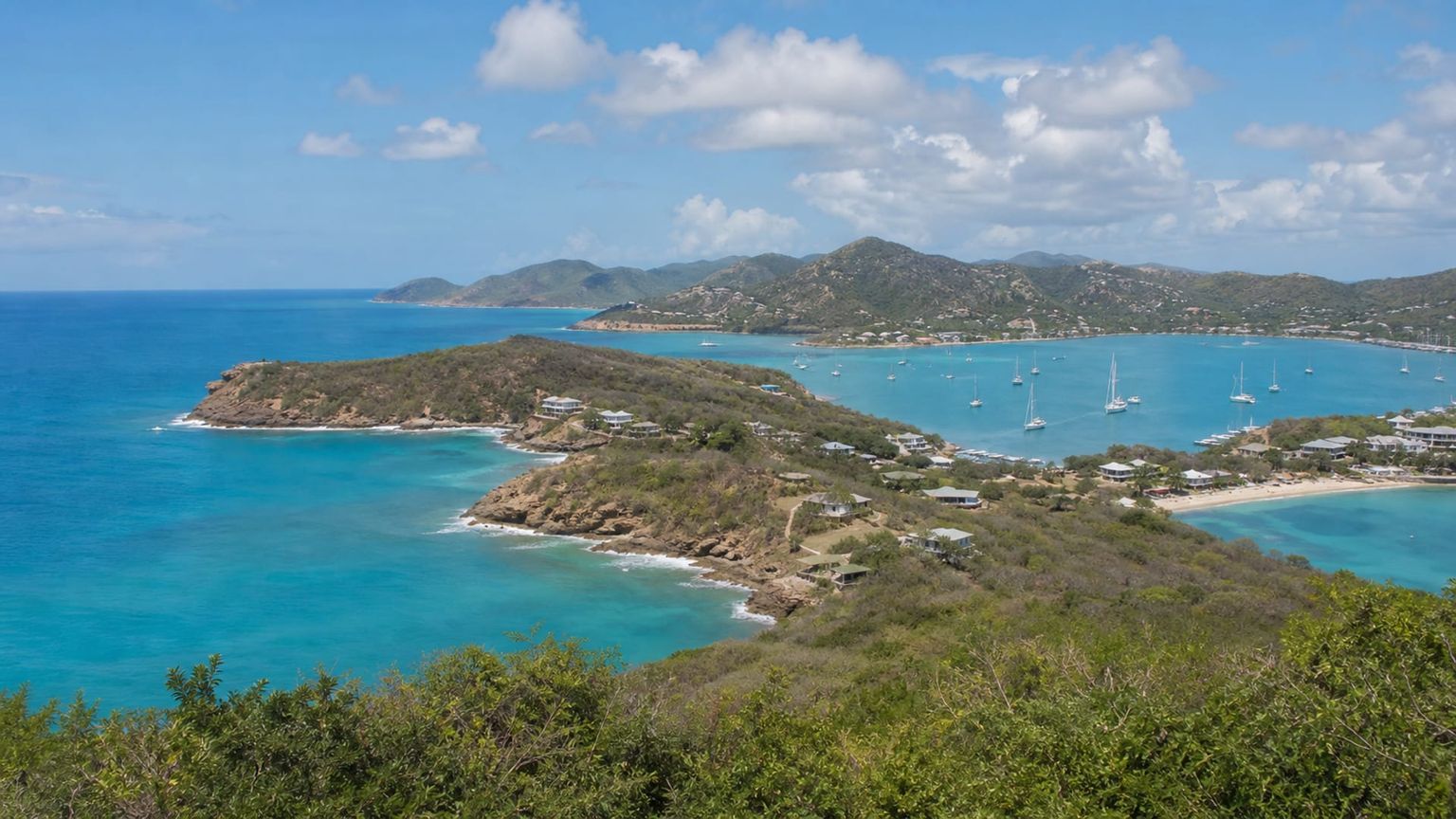
Shirley Heights rises above English Harbour and Falmouth Harbour from a former military position, with broad views across Antigua’s southern coastline. Sunday evenings bring live music, barbecue, and larger crowds, while daytime visits focus more on the historic ruins and scenery.
Time needed: 1 to 2 hours
Entry: Daytime access is included with the Nelson’s Dockyard National Park ticket; events may cost extra. Visit the official site for details.
Tip: On Sunday, arrive before the main sunset crowd, so you have time to find a good seat.
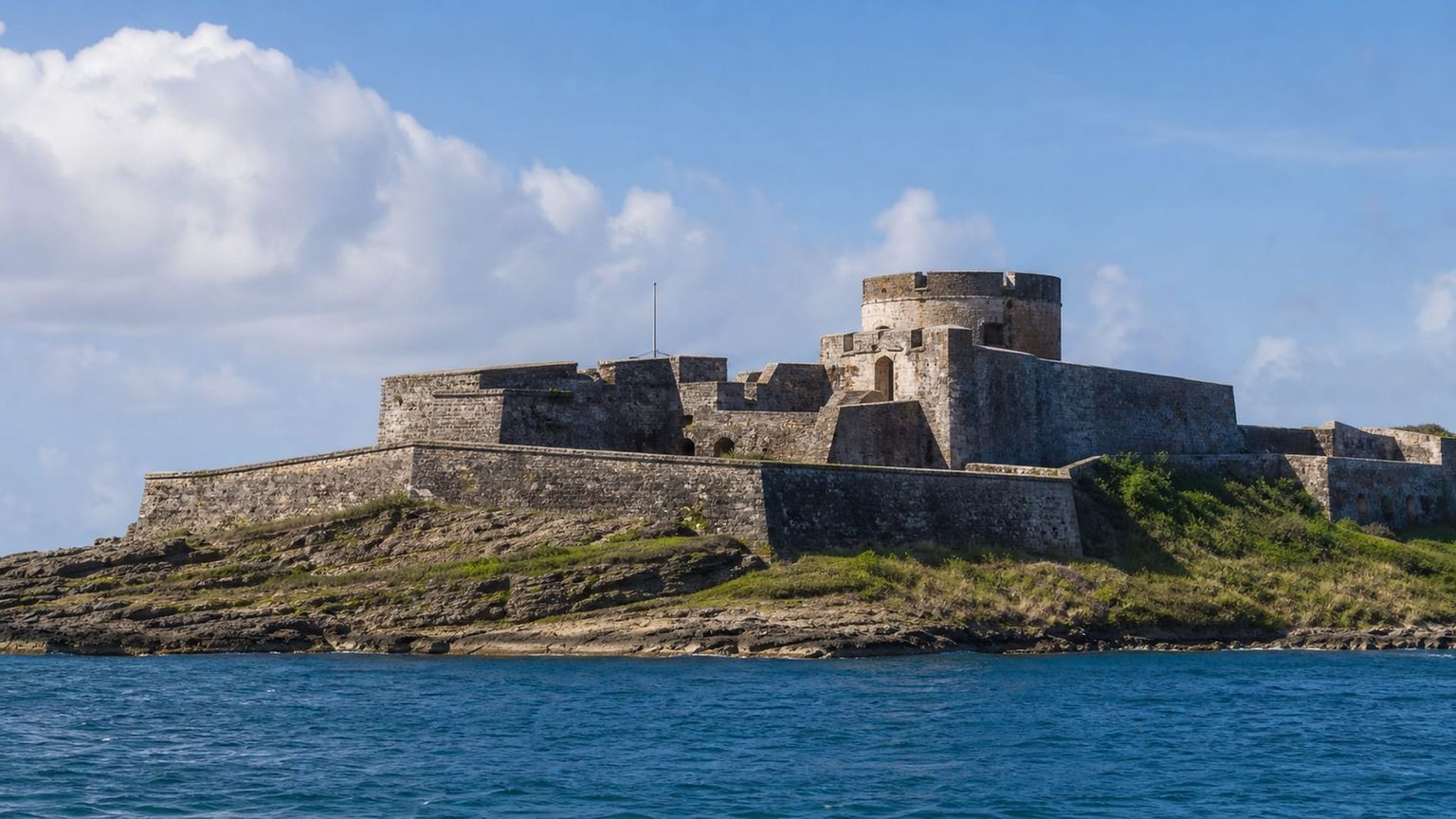
Fort James
Fort James overlooks the entrance to St. John’s Harbour from a coastal position north of the capital. Surviving stonework and cannons recall the fortifications once used to defend the harbor, while nearby Fort Bay makes it easy to combine history with time beside the water.
Time needed: About 1 hour
Entry: Free
Tip: Go in the late afternoon for cooler temperatures.
Overlooked places in Antigua Island

Fort Barrington
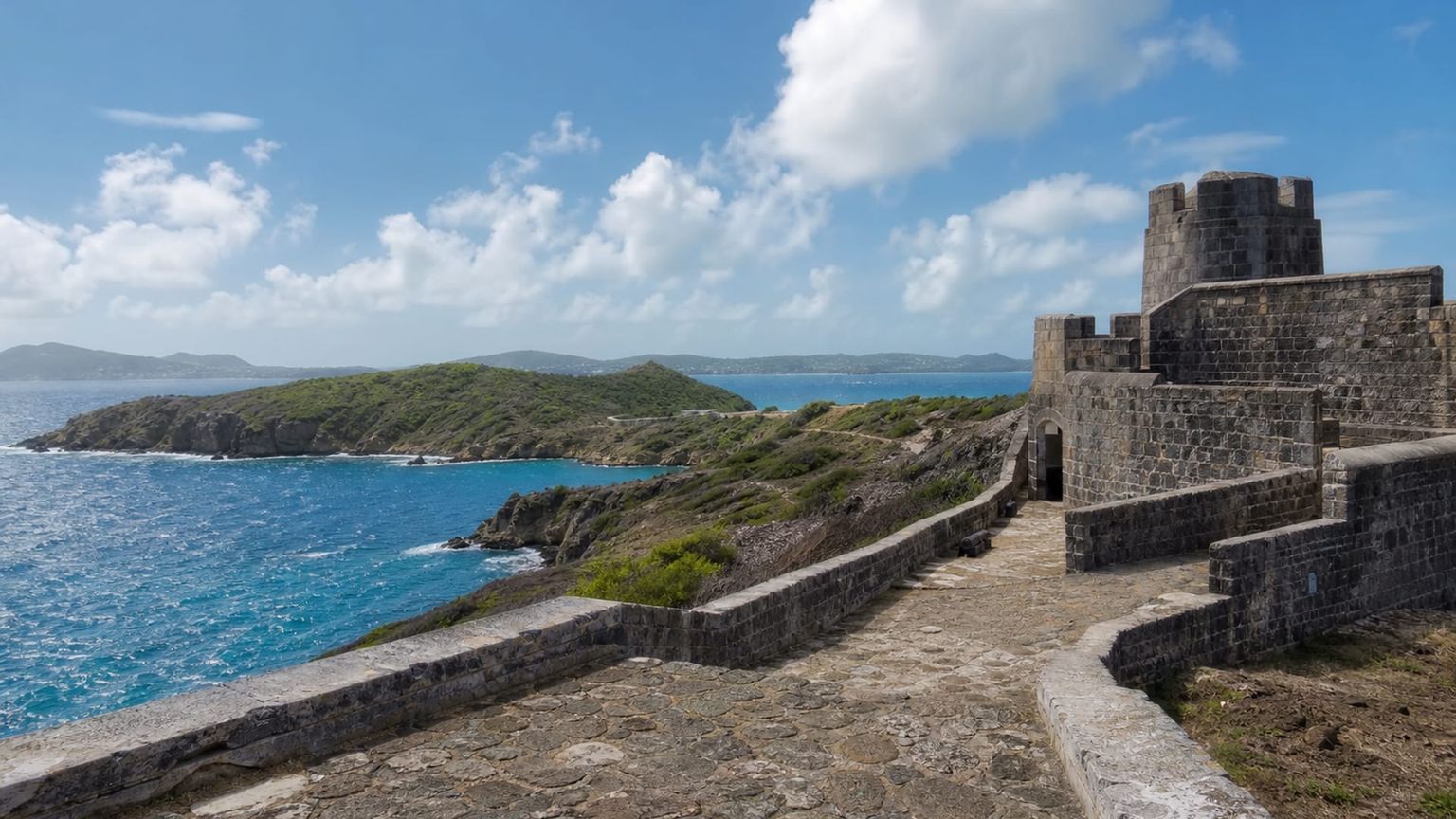
Fort Barrington occupies a hill above Deep Bay, with ruined stone fortifications and views across the bay, coastline, and entrance to St. John’s Harbour. Reaching the site requires an uphill walk.
Time needed: 1 to 1.5 hours
Entry: Free
Tip: Combine the hike with Deep Bay and wear shoes with enough grip for the uneven uphill path.

Museum of Antigua and Barbuda
The Museum of Antigua and Barbuda occupies the former courthouse in central St. John’s. Exhibits trace Indigenous history, colonial rule, slavery and emancipation, and later social development.
Time needed: About 1 hour
Entry: Admission costs EC$8 (US$3).
Tip: Visit while exploring St. John’s, then continue to Redcliffe Quay and Heritage Quay.
What to eat in Antigua Island
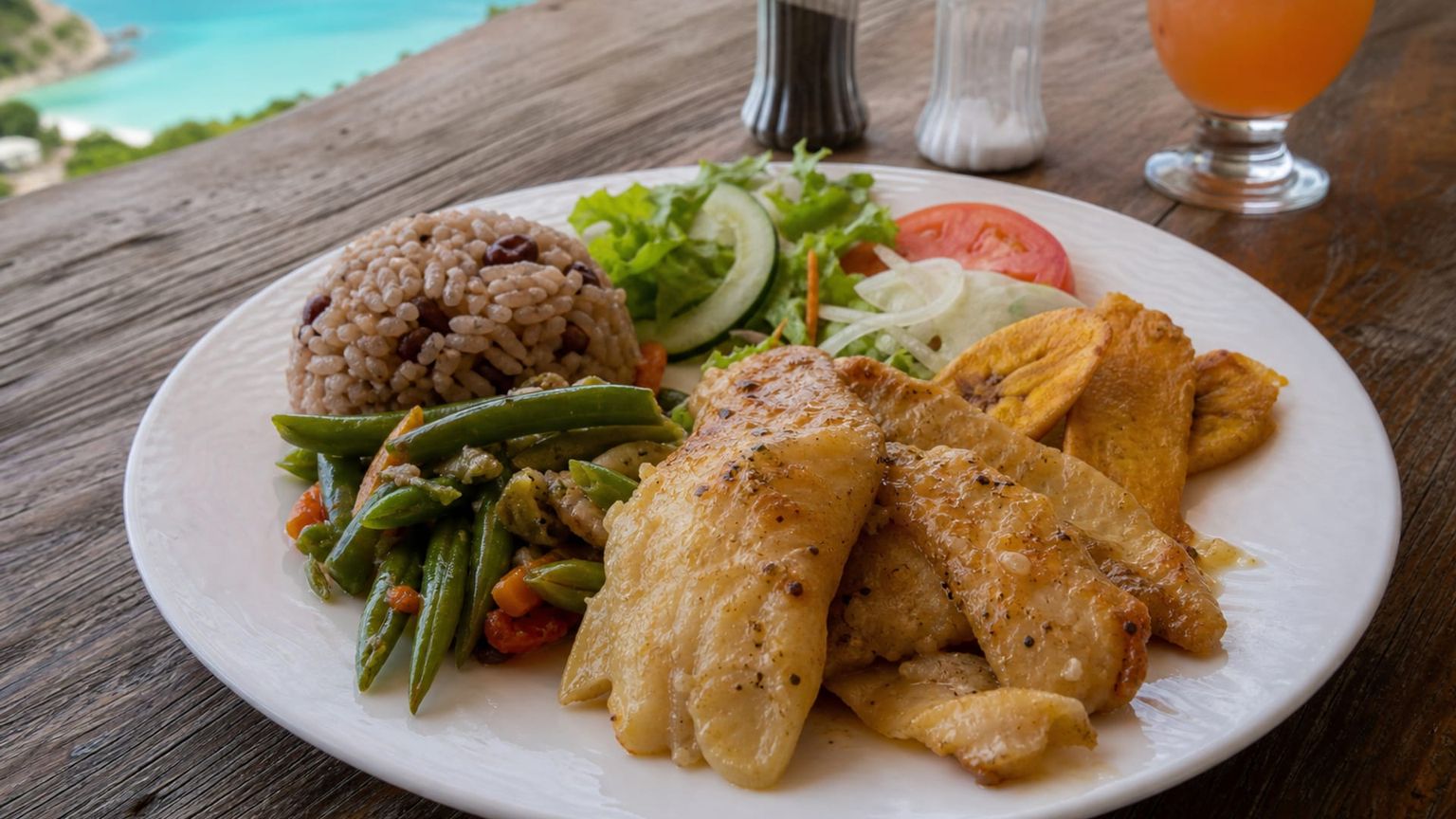
Antiguan cooking mainly uses cornmeal, cassava, sweet potato, saltfish, seafood, and vegetables.
Fungee and pepperpot
Fungee is made from cornmeal and okra and is commonly served with pepperpot, a rich stew prepared with vegetables, seasonings, and sometimes meat. You can enjoy this dish at restaurants serving local cuisine.
Ducana
Ducana combines grated sweet potato, coconut, sugar, and spices into a dense parcel that is wrapped and boiled. Its slightly sweet flavor is commonly paired with saltfish. Caribbean Taste serves ducana.
Saltfish and johnny cakes
Saltfish appears frequently at breakfast and in casual local meals, often served with vegetables or fried johnny cakes. Salt Plage offers this dish.
Conch fritters
Conch appears in fritters, soups, stews, and other seafood preparations across Antigua. You can order conch at Papa Zouk.
Best time to visit
Antigua stays warm throughout the year, while rainfall, humidity, hotel demand, and hurricane-season conditions create clearer differences between travel periods.
Best for: Beaches, harbor sightseeing, swimming, and travelers seeking the driest conditions
What you get: Temperatures generally range from 76°F to 84°F (24°C–29°C), with warm days and relatively dry weather.
Trade-offs: Resort prices and visitor numbers are among their highest during the peak winter season.
Best for: Beach days, swimming, harbor visits, and sightseeing before summer humidity increases
What you get: Warm weather continues, with temperatures commonly reaching the mid-80s°F and rainfall increasing toward May.
Trade-offs: Humidity and rainfall become more noticeable later in the season.
Best for: Travelers who prefer fewer peak-season visitors and do not mind hotter weather
What you get: Hotter, more humid conditions arrive with a greater chance of rain than in winter and early spring.
Trade-offs: Hurricane season begins June 1, increasing the possibility of weather disruption.
Best for: Lower visitor numbers and travelers comfortable adapting plans to changing forecasts
What you get: Warm temperatures and high humidity continue, with fewer peak-season crowds at resorts and beaches.
Trade-offs: September and October fall within the most active part of Atlantic hurricane season.
A 5-day plan in Antigua Island
With this 5-day itinerary, you can explore Antigua Island at a relaxed pace. You will have enough time to visit St. John’s, the northwest beaches, learn more about the naval history of English Harbour, and enjoy one quieter final morning.
Land at V. C. Bird International Airport (ANU), then take a licensed taxi or prearranged transfer to your hotel in St. John’s, Dickenson Bay, Runaway Bay, or another resort area. Once you check in, keep the first afternoon close to your accommodation. Spend time on the nearest beach or take a short walk before dinner nearby. If you arrive late, skip sightseeing entirely and save the island’s historic sites for the following days.
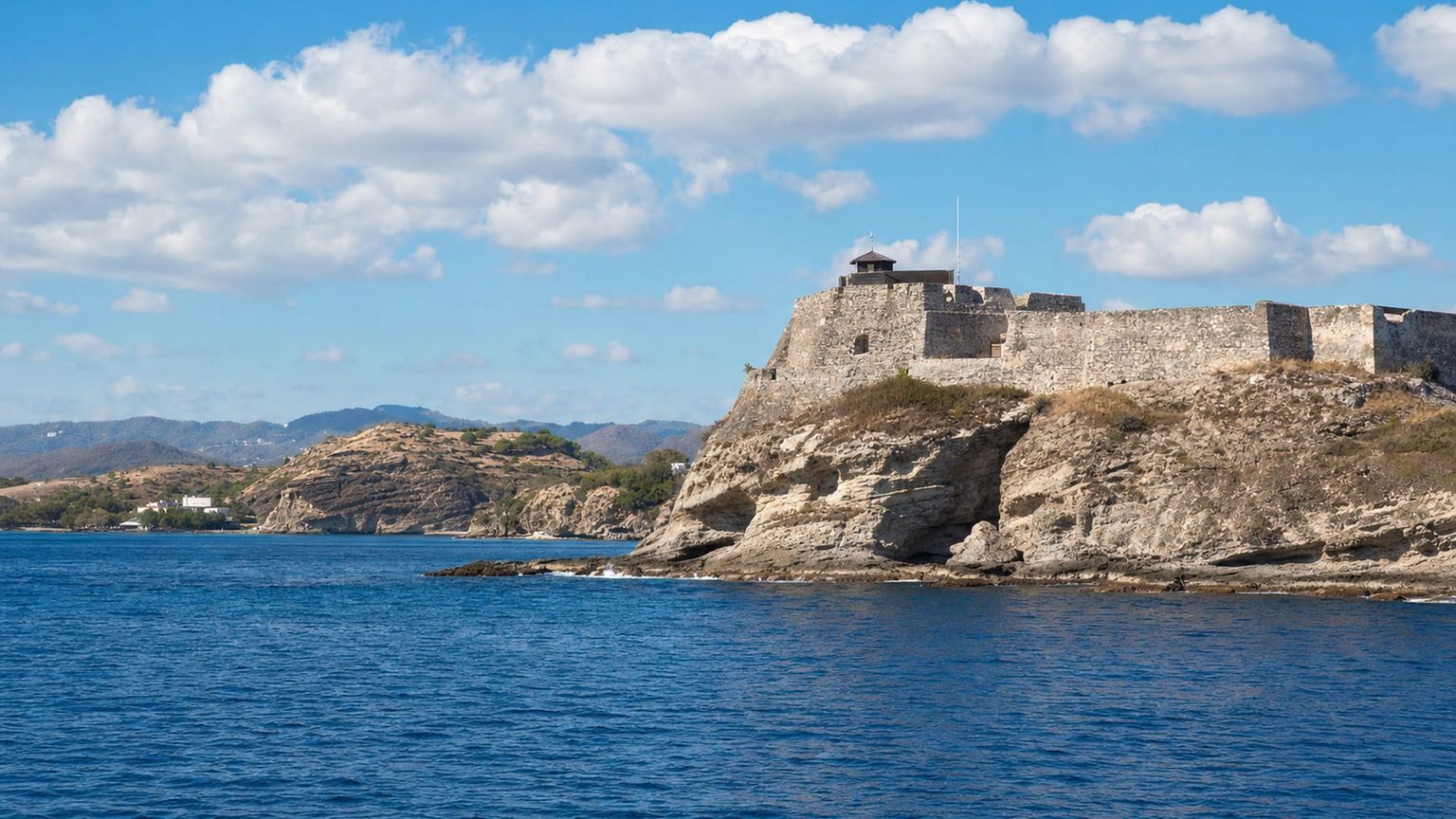
Start in central St. John’s at the Museum of Antigua and Barbuda and spend about an hour learning about the island’s history before walking through Heritage Quay and Redcliffe Quay. Stop for lunch downtown, then take a short taxi ride to Fort James. Explore the surviving cannons and harbor views before continuing to nearby Fort Bay if you want time by the water. Return to St. John’s or your hotel for dinner instead of adding another part of the island.
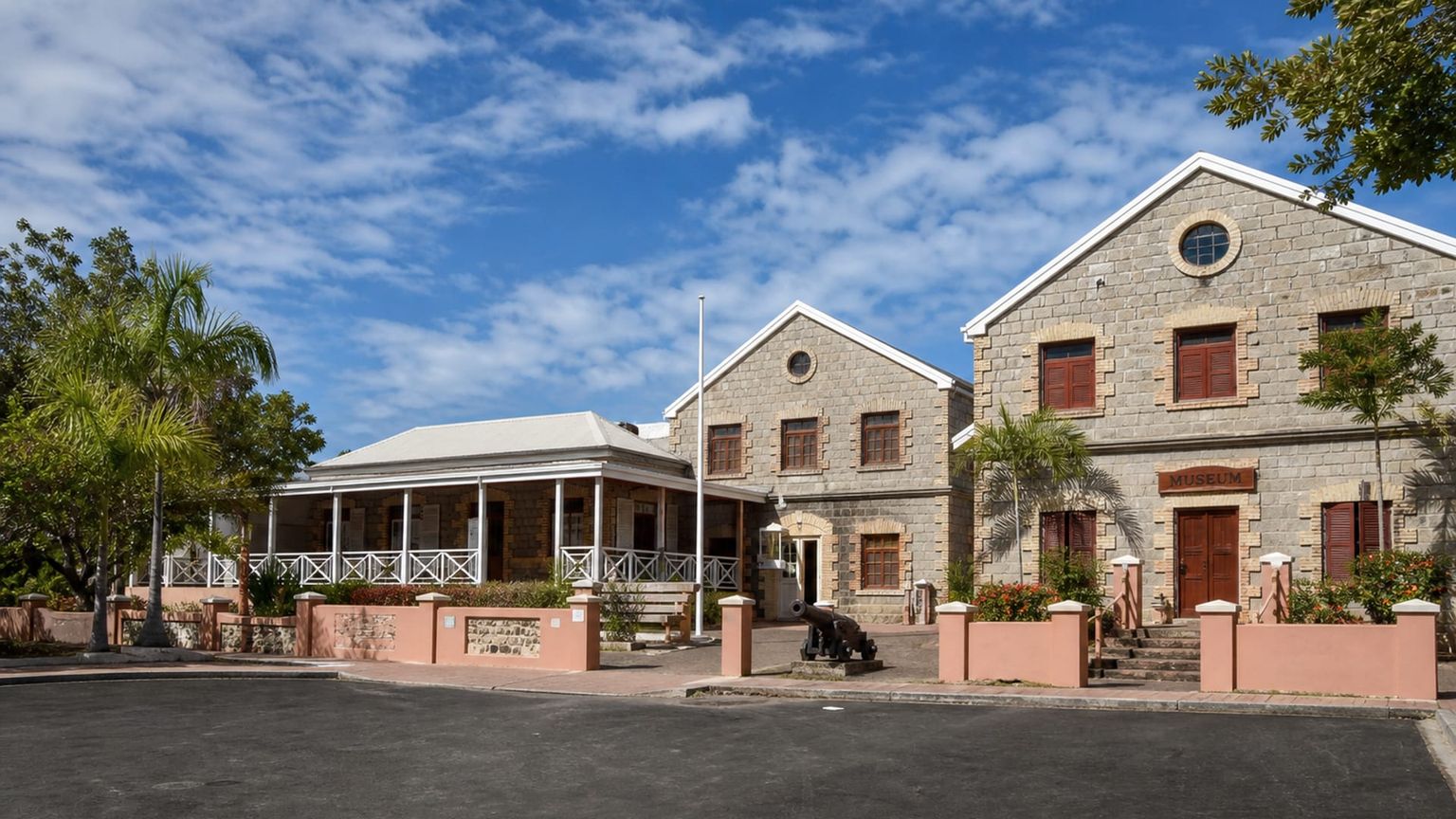
Travel to English Harbour in the morning and begin at Nelson’s Dockyard, giving the historic buildings, museum spaces, quays, and marina 2–3 hours. Have lunch in or near the harbor before continuing to Shirley Heights later in the day. If your visit falls on Sunday, stay for the evening music, barbecue, and sunset views. On other days, use the extra time to see more of the National Park before heading back to your hotel after dinner.
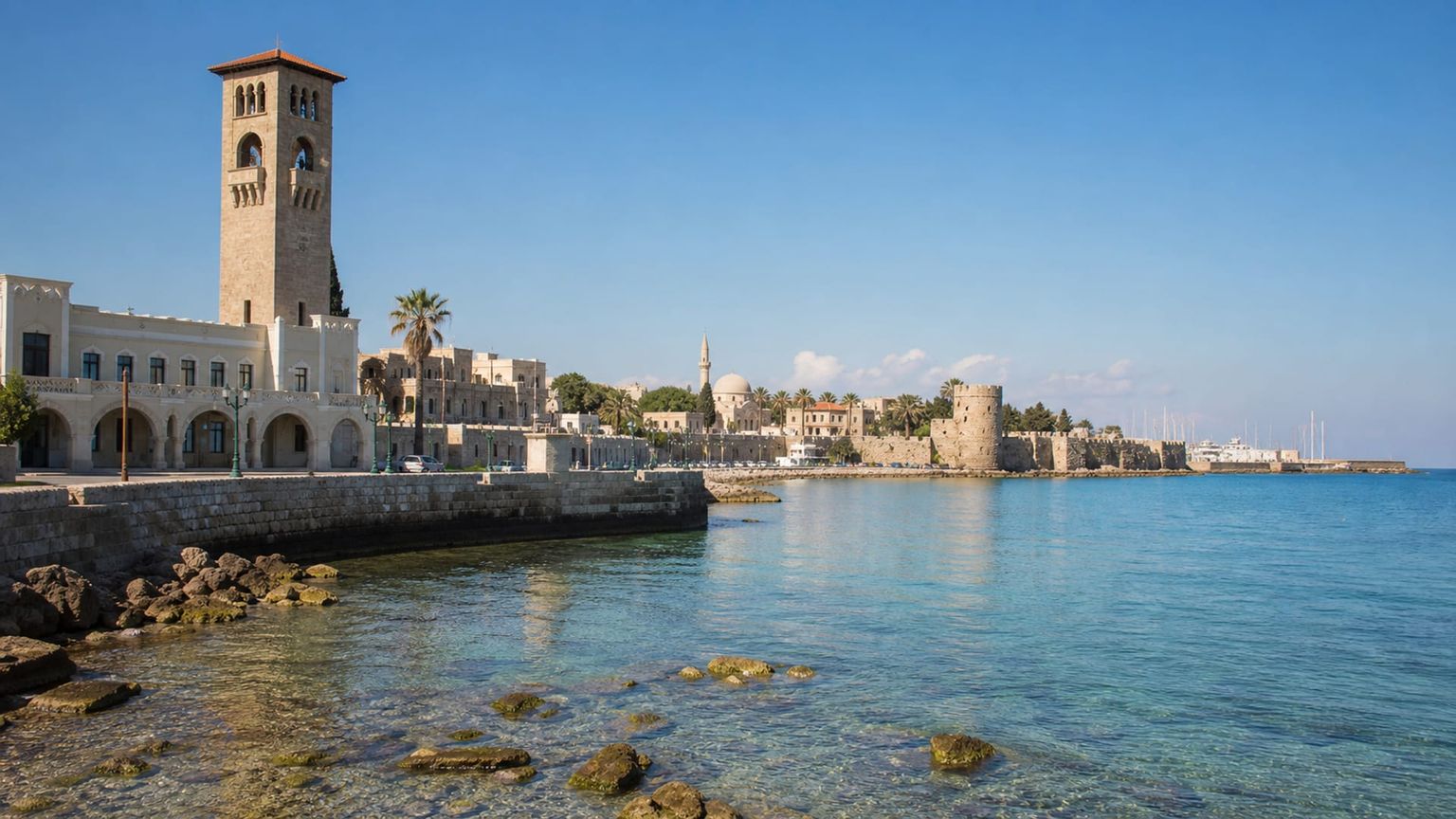
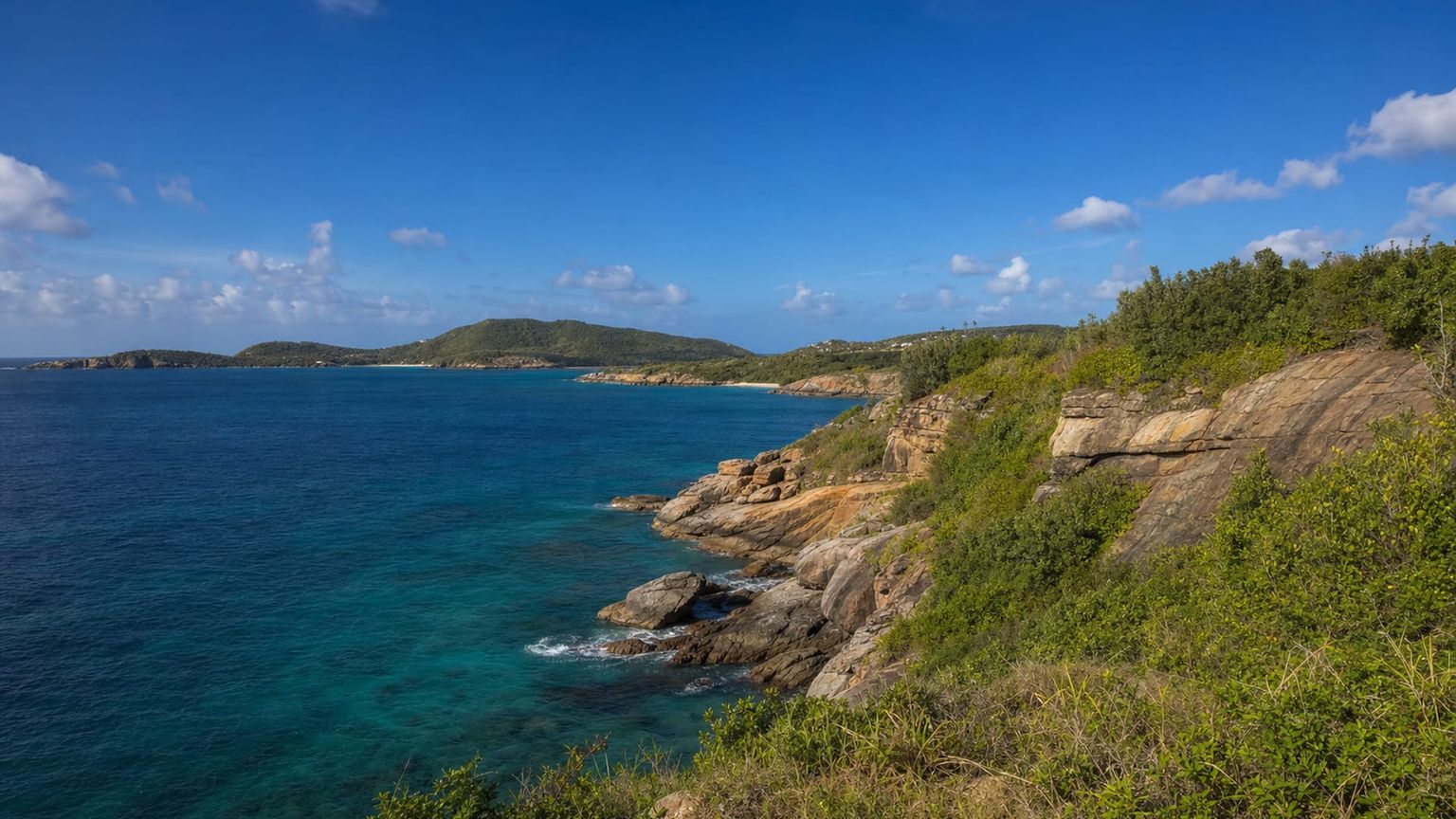
Spend the morning at Dickenson Bay or Runaway Bay, leaving several hours for swimming, lunch, and beach activities instead of treating the coast as a quick stop between historic sights. Later, continue toward Deep Bay if you want a quieter shoreline. Travelers comfortable with a short uphill hike can add Fort Barrington for views across the bay and harbor entrance. Finish the afternoon there, then return to your hotel for dinner without adding another cross-island outing.
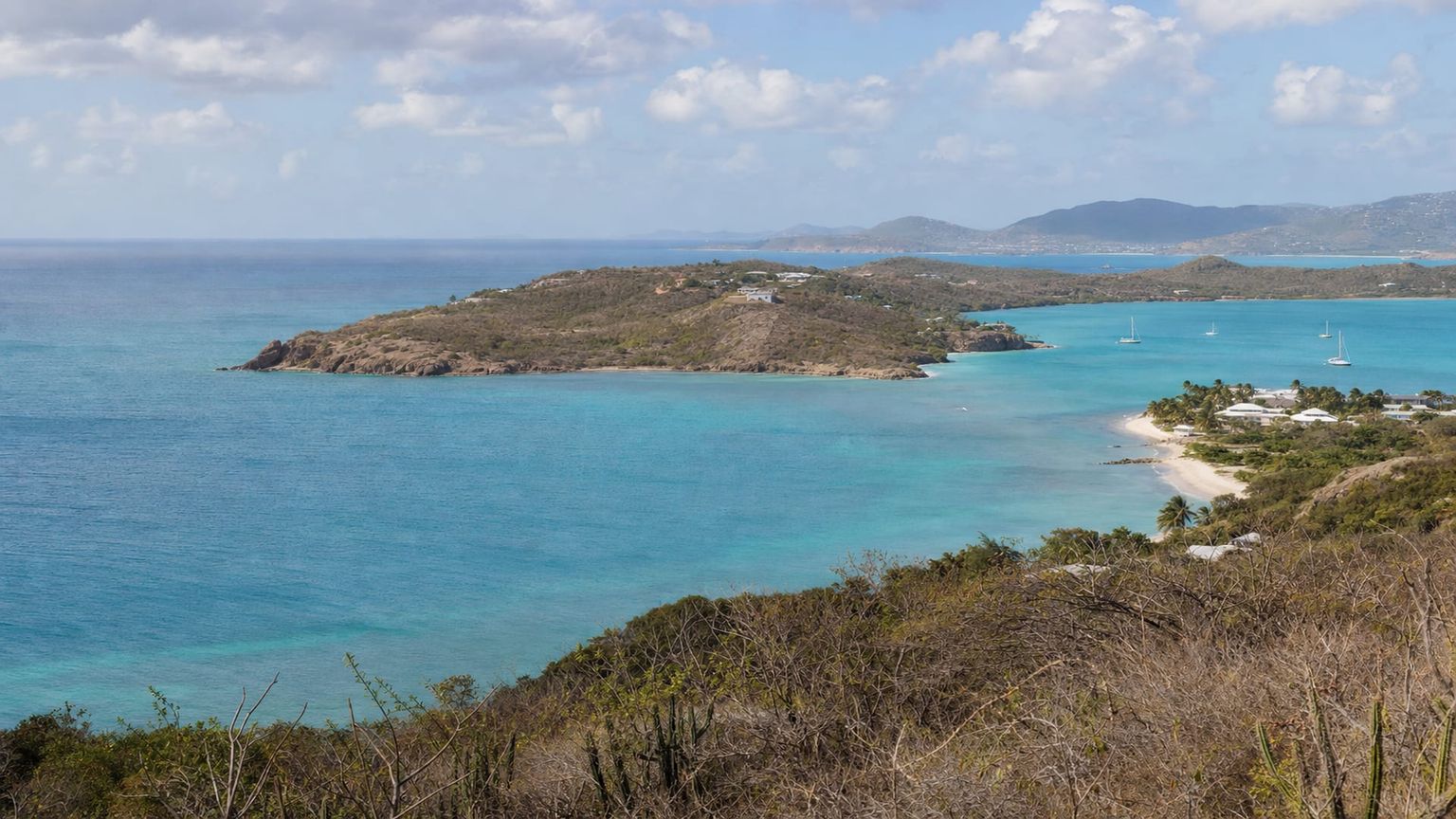
If your flight leaves later in the day, spend the final morning near Jolly Harbour or Jolly Beach. Walk around the marina, stop for breakfast or lunch, browse the nearby shops, or spend a final hour on the sand. Keep the schedule flexible so you can return for your luggage without watching the clock throughout the morning. From your hotel, take a licensed taxi or prearranged transfer to V. C. Bird International Airport with enough time for traffic, check-in, and security.
Business-class flights from the US to Antigua Island
New York (JFK) has nonstop service to Antigua, while business-class trips from Los Angeles (LAX) require at least one layover.
New York (JFK) to Antigua (ANU)
American Airlines and JetBlue operate nonstop flights from New York (JFK) to Antigua (ANU). Nonstop flights take 4–5 hours and typically cost US$1,300–US$2,100. American Airlines, as well as Caribbean Airlines, also offer connecting flights on the same route. These itineraries have 1–3 layovers in cities like Miami (MIA), Boston (BOS), and Raleigh (RDU), and can take anywhere from 8 to 32 hours. Round-trip business-class tickets for these flights usually cost US$1,300–US$2,300.
Los Angeles (LAX) to Antigua (ANU)
American Airlines operates most of the flights on the Los Angeles–Antigua route. They have a duration of 11 to 28 hours, and 1 to 3 layovers in hubs like Chicago (ORD), Miami (MIA), and Dallas (DFW). You can expect to pay between US$2,000 and US$4,600 for round-trip business-class tickets.
Experience Antigua from St. John’s to English Harbour
Antigua reveals a different character along each part of its coast. St. John’s brings harbor activity, markets, and island history; English Harbour is defined by Georgian dockyard buildings and naval heritage, while Dickenson Bay, Runaway Bay, Deep Bay, and Jolly Beach open onto long stretches of Caribbean water. Hilltop forts and viewpoints add another layer above the shoreline.
Travelers planning to visit Antigua can contact our AranGrant experts for help with booking flights and hotels.