

Chapters:

Need help with your trip?
Our support team is available 24/7. Request a callback or call us directly at (833) 619-0908
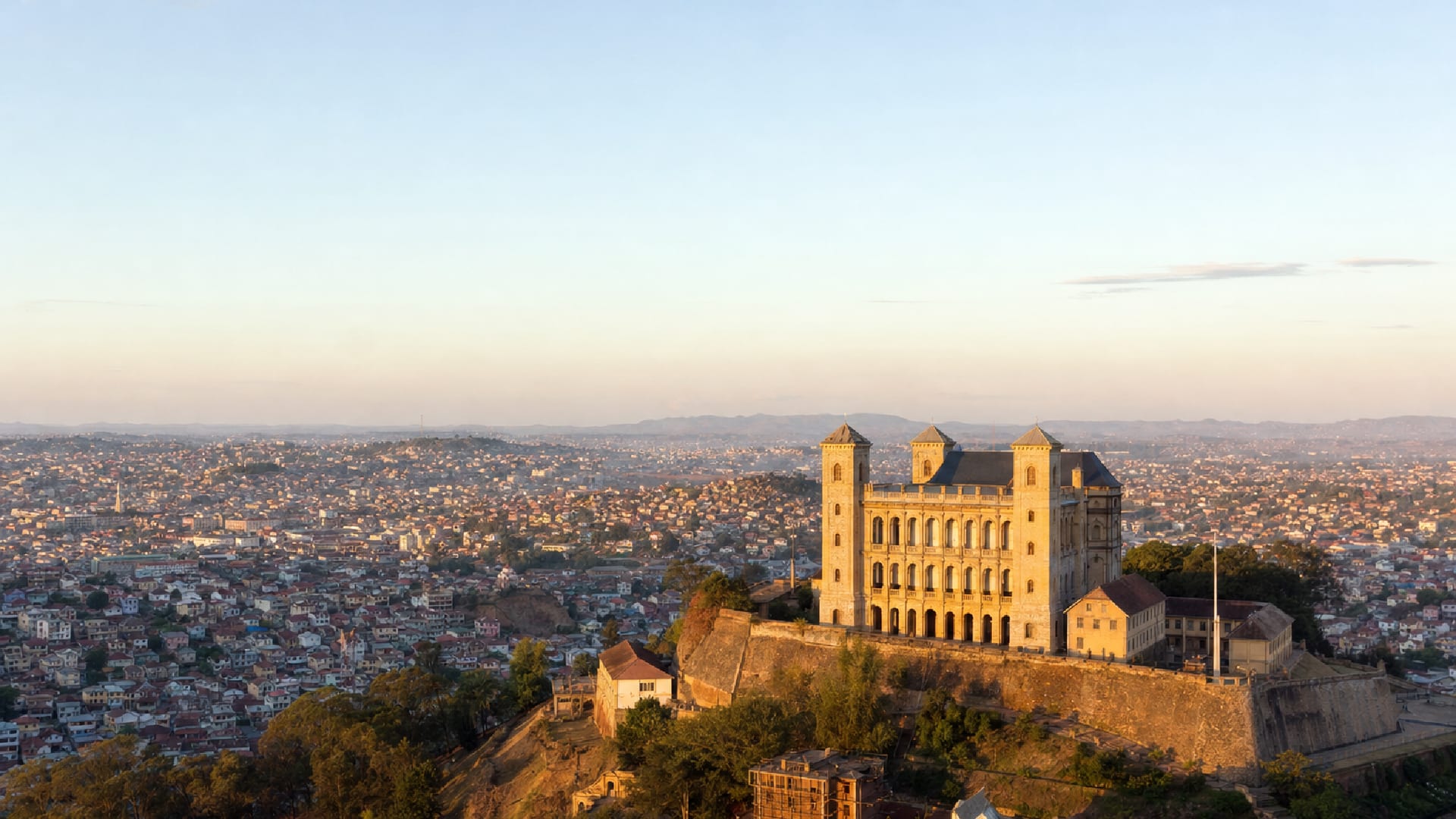
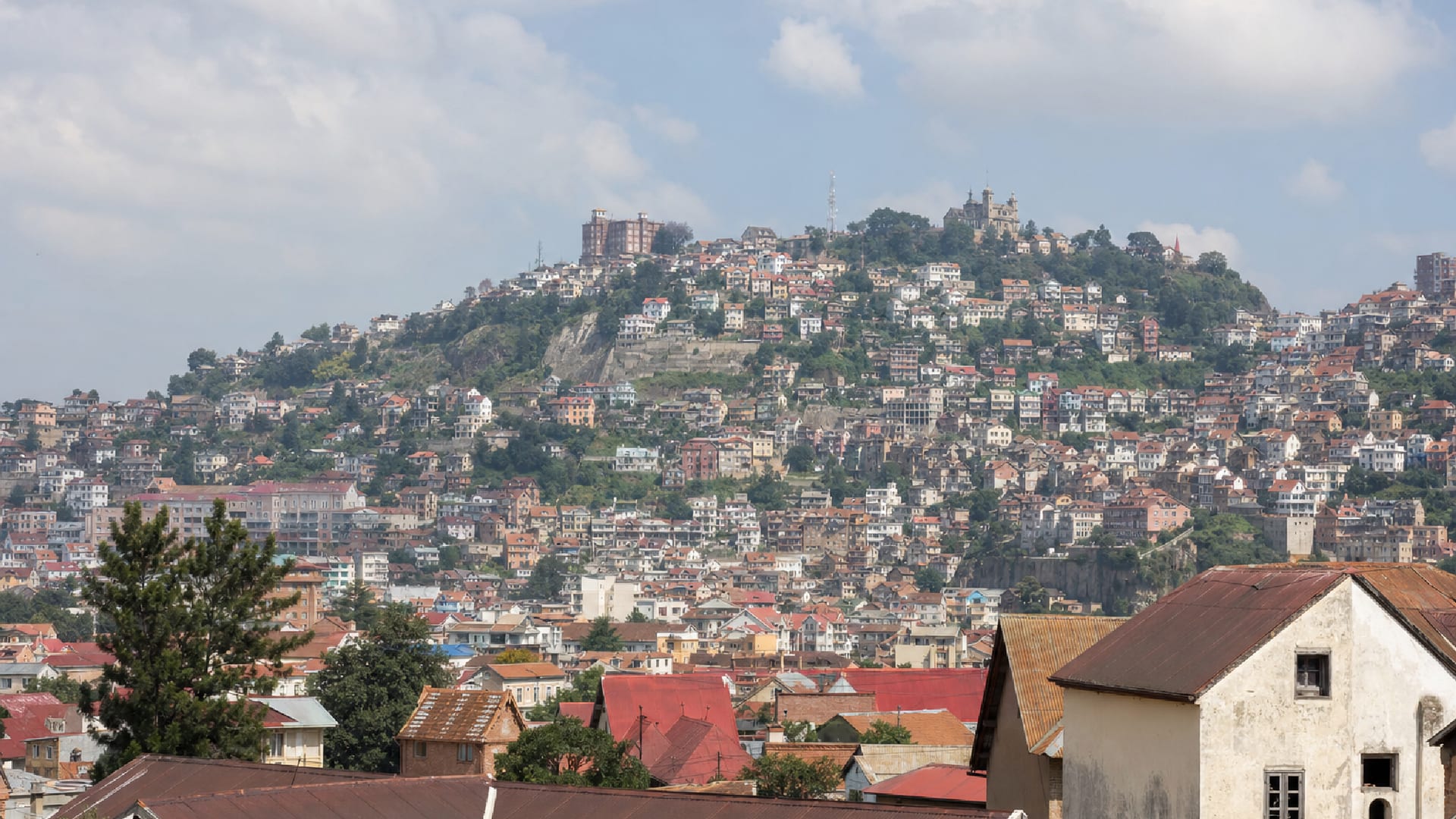
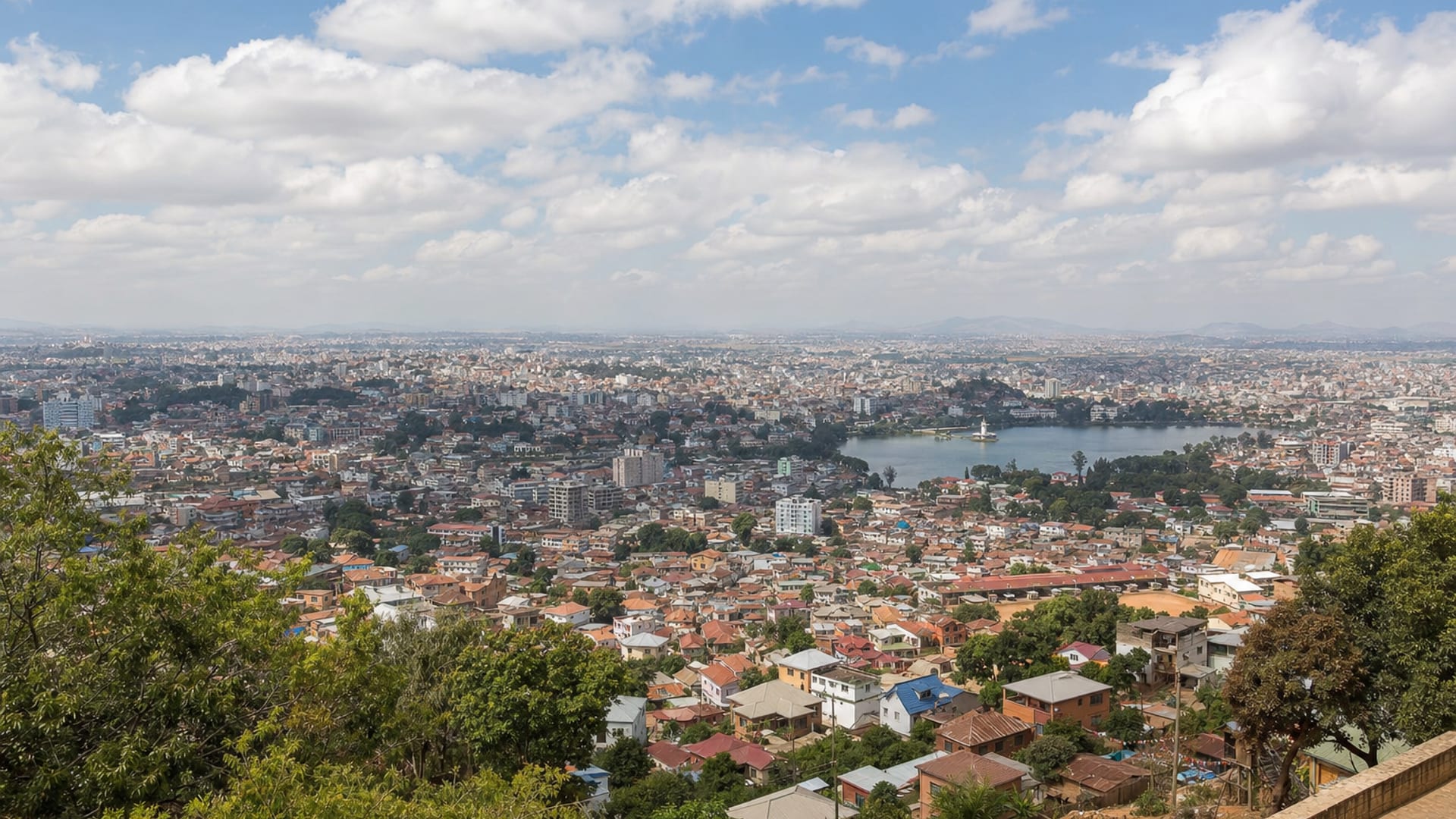
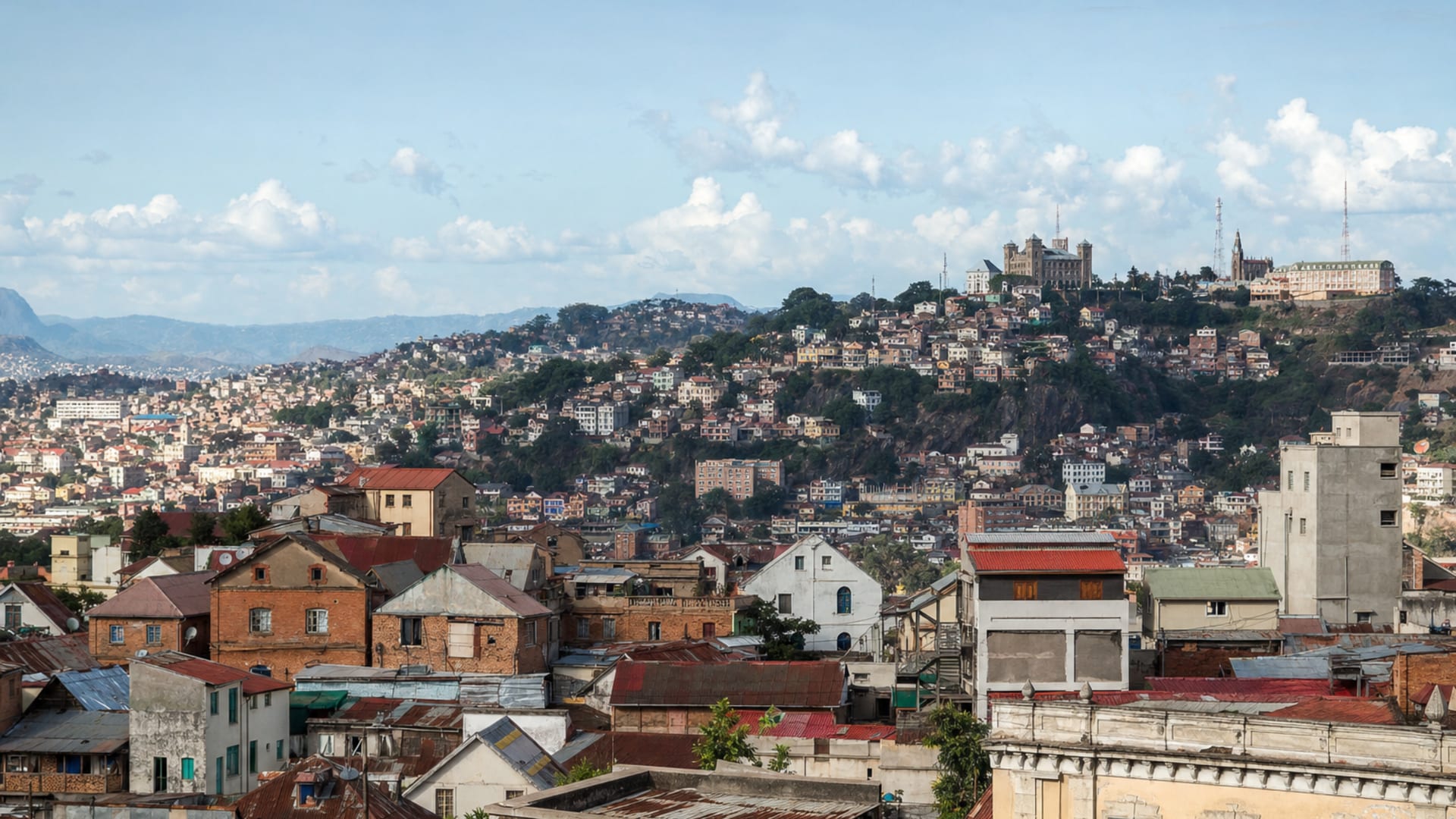
Antananarivo rises across a series of steep hills, so the city changes quickly from one district to the next. The Upper Town has older houses, churches, and views over the capital, while Analakely is busier with markets, shops, and activity around Avenue de l’Indépendance. Lake Anosy adds a quieter landmark near the center, and the Rova of Antananarivo sits above much of the city from its hilltop position. Distances can look short on a map but take longer in practice because of the slopes and the way the city spreads across them.
With a few well-planned days, you can see the historic core, central neighborhoods, local markets, and major viewpoints without rushing between stops.
Useful things to know

Main language(s): Malagasy and French
Manao ahoana (mah-NOW ah-HOO-ah-nah) – Hello
Azafady (ah-zah-FAH-dee) – Please / excuse me
Misaotra (mee-SOW-trah) – Thank you
Miteny anglisy ve ianao? (mee-TEH-nee ahn-GLEE-see veh ee-AH-now) – Do you speak English?
Ohatrinona? (oo-ah-tree-NOO-nah) – How much?

Currency: Malagasy ariary (MGA, Ar)

Cash and cards: Madagascar is largely cash-based. Cards are accepted mainly at larger hotels and higher-end restaurants; ATMs are available in Antananarivo.

Tipping: Tipping is optional and left to your discretion. Rounding up taxi fares or restaurant bills is a simple way to tip.

Traditional food: Romazava, ravitoto, akoho sy voanio, and koba are among Madagascar’s best-known traditional dishes.

Water and coffee costs: At central hotels, bottled water costs roughly Ar 6,000–Ar 12,000 ($1.40–$2.80); espresso is Ar 8,000–Ar 10,000 ($1.85–$2.30).

Taxis and ride apps: Cream-colored taxis are common in Antananarivo. Misy offers app-based rides with upfront fares; Uber and Bolt do not operate in Madagascar.

Plug and voltage: Type C and E plugs, 220V, 50Hz

Dining and shop opening hours: Hours vary. Many restaurants close between lunch and dinner, while smaller shops and boutiques may close on Sundays.

Emergency number: Call 119 for police, 118 for fire, and 124 for an ambulance.
Where to stay in Antananarivo
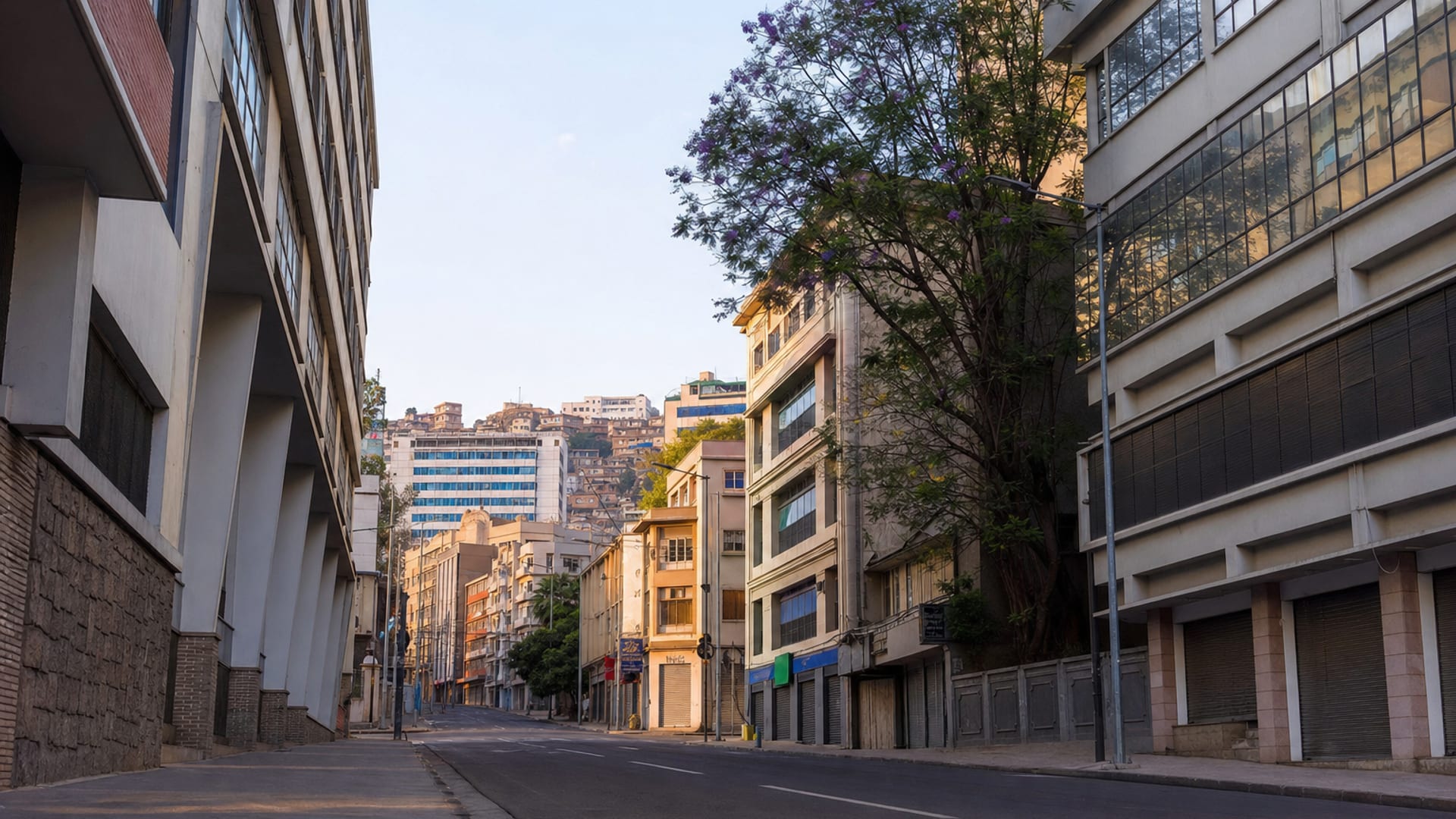
Analakely is Antananarivo’s commercial center, around Avenue de l’Indépendance and the railway station. Markets, banks, shops, hotels, and taxis fill the surrounding streets, and the area is busy throughout the day. The Upper Town is directly uphill, so several major sights are close.
Best for: Short stays, shopping, and visitors who want central access to transit
What to expect: Busy streets, frequent foot traffic, and a constant stream of minibuses, taxis, and shoppers.
Hotel prices: Usually about $35 to $110 per night for well-rated stays
Distance to major sights: 10 minutes on foot to Independence Avenue, about 15 minutes by taxi to Rova of Antananarivo
Quietness: Lively by day, and still active into the evening, with traffic and street noise near the main roads.
Main trade-off: The most central blocks bring more noise and congestion, and room quality can vary widely by building.
Good to know: Choose a room away from Avenue de l’Indépendance if you prefer a quieter stay.
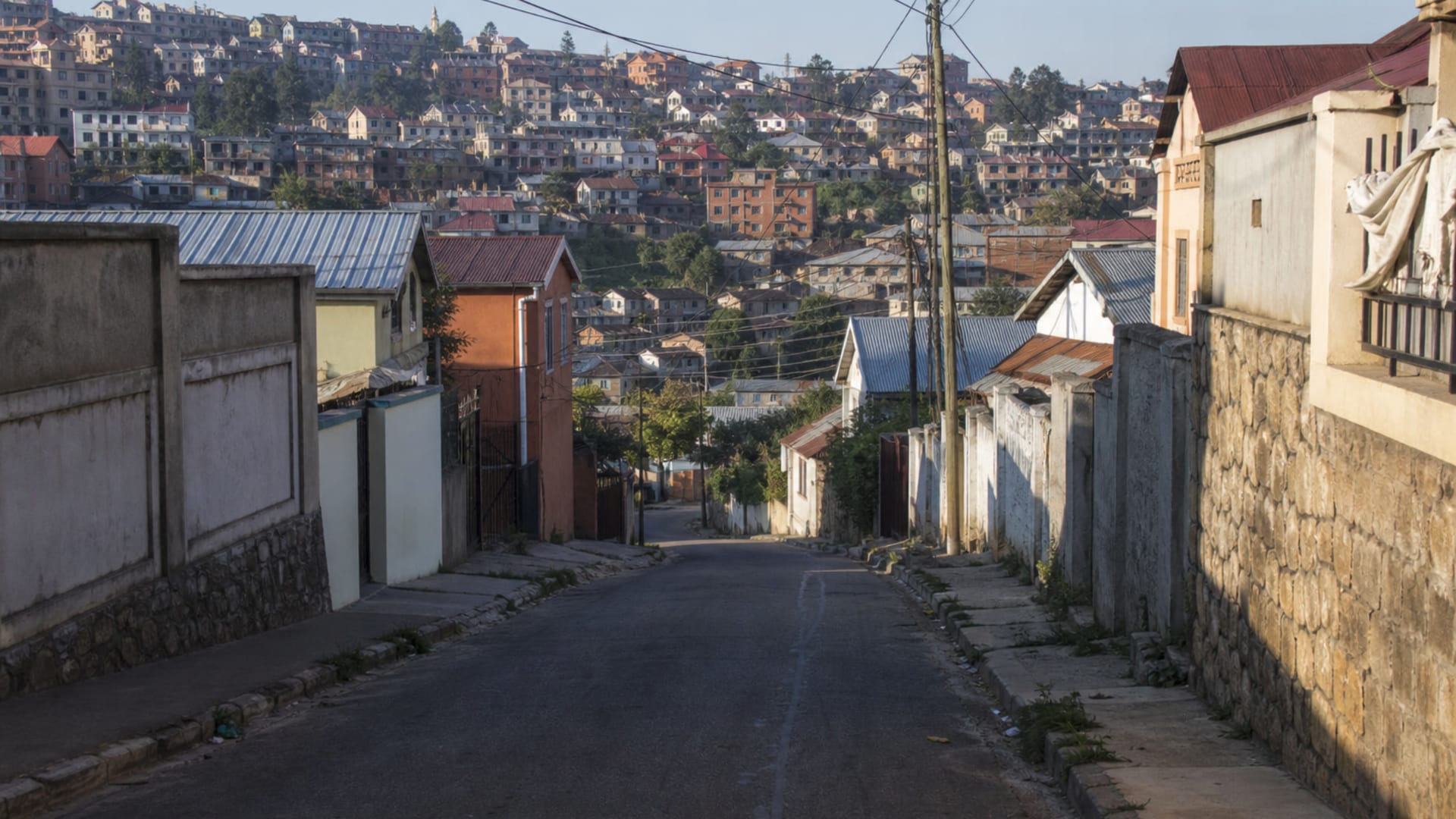
Isoraka is a hillside neighborhood southwest of the center, close to Lake Anosy. It has older houses, small hotels, restaurants, bars, and narrow streets, with more activity in the evening. Analakely and the Upper Town are both a short taxi ride away, while the area itself feels more residential.
Best for: Dining, nightlife, and travelers who want a central base with more evening options
What to expect: Steep streets, small venues, and a steady flow of diners and taxi traffic after dark.
Hotel prices: Usually about $45 to $130 per night for well-rated stays
Distance to major sights: 5 to 10 minutes by taxi to Analakely, about 20 minutes by taxi to Rova of Antananarivo
Quietness: Quieter in the morning, then livelier at night around restaurants and bars.
Main trade-off: The hillside location means more walking on inclines, and some streets feel less convenient for luggage.
Good to know: Check whether your hotel has direct vehicle access, since some entrances are on steep streets.
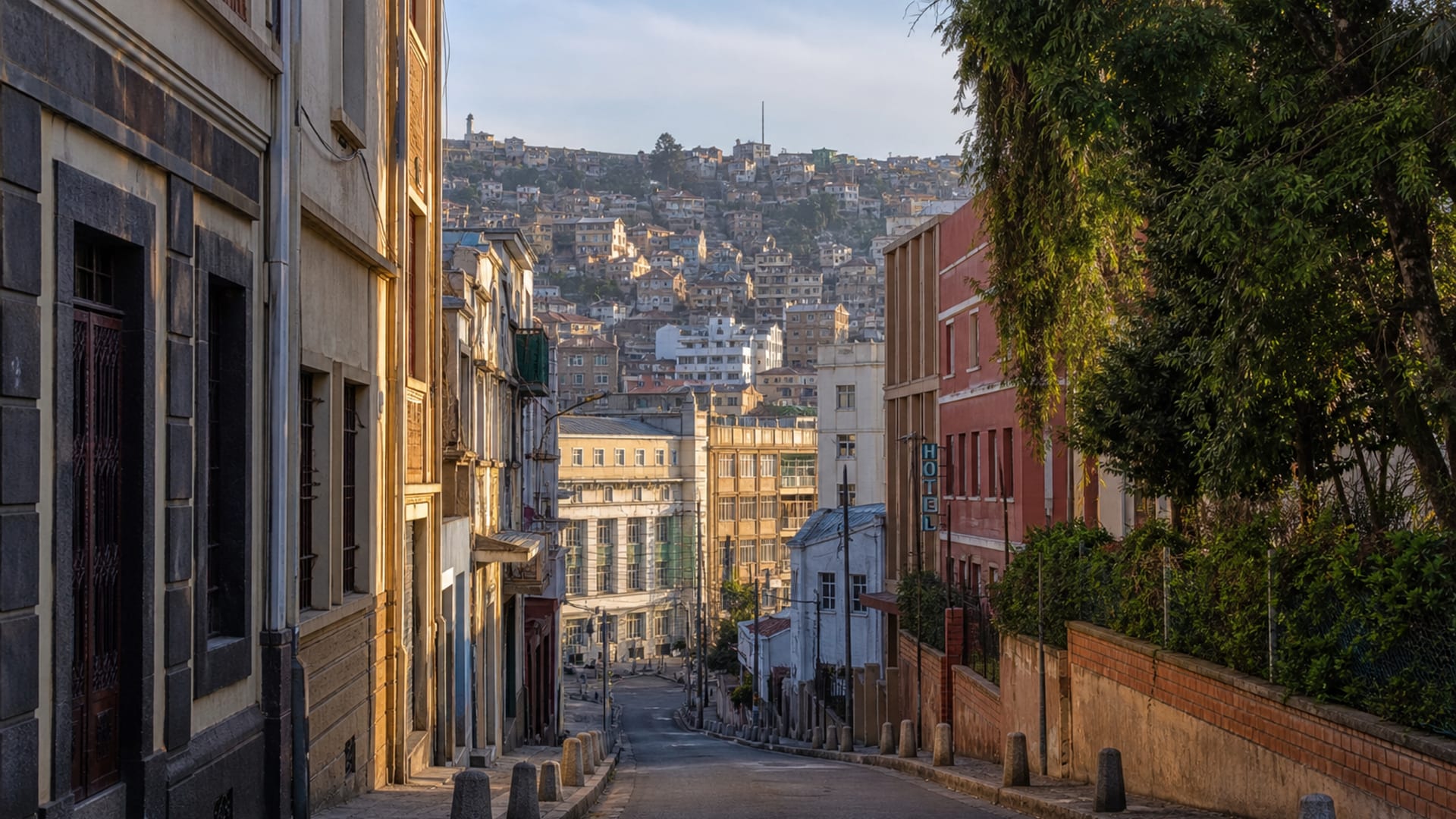
Antaninarenina is an upper-central district above Analakely, with government buildings, banks, hotels, offices, and formal gardens. The streets are generally quieter than those around the market district below, while the Upper Town, central shops, and several major sights are easy to reach.
Best for: Business trips, central sightseeing, and travelers who prefer an upscale inner-city base
What to expect: Orderly streets, office traffic in the day, and fewer late-night crowds than in the market district.
Hotel prices: Usually about $60 to $160 per night for well-rated stays
Distance to major sights: 10 minutes on foot to Independence Avenue, about 15 minutes by taxi to Rova of Antananarivo
Quietness: Fairly calm by day, and noticeably quieter after office hours than the busier commercial quarters.
Main trade-off: You pay more for the location, and dining choices are slimmer than in the livelier hill districts.
Good to know: Check elevator and vehicle access if stairs or steep approaches would be inconvenient.
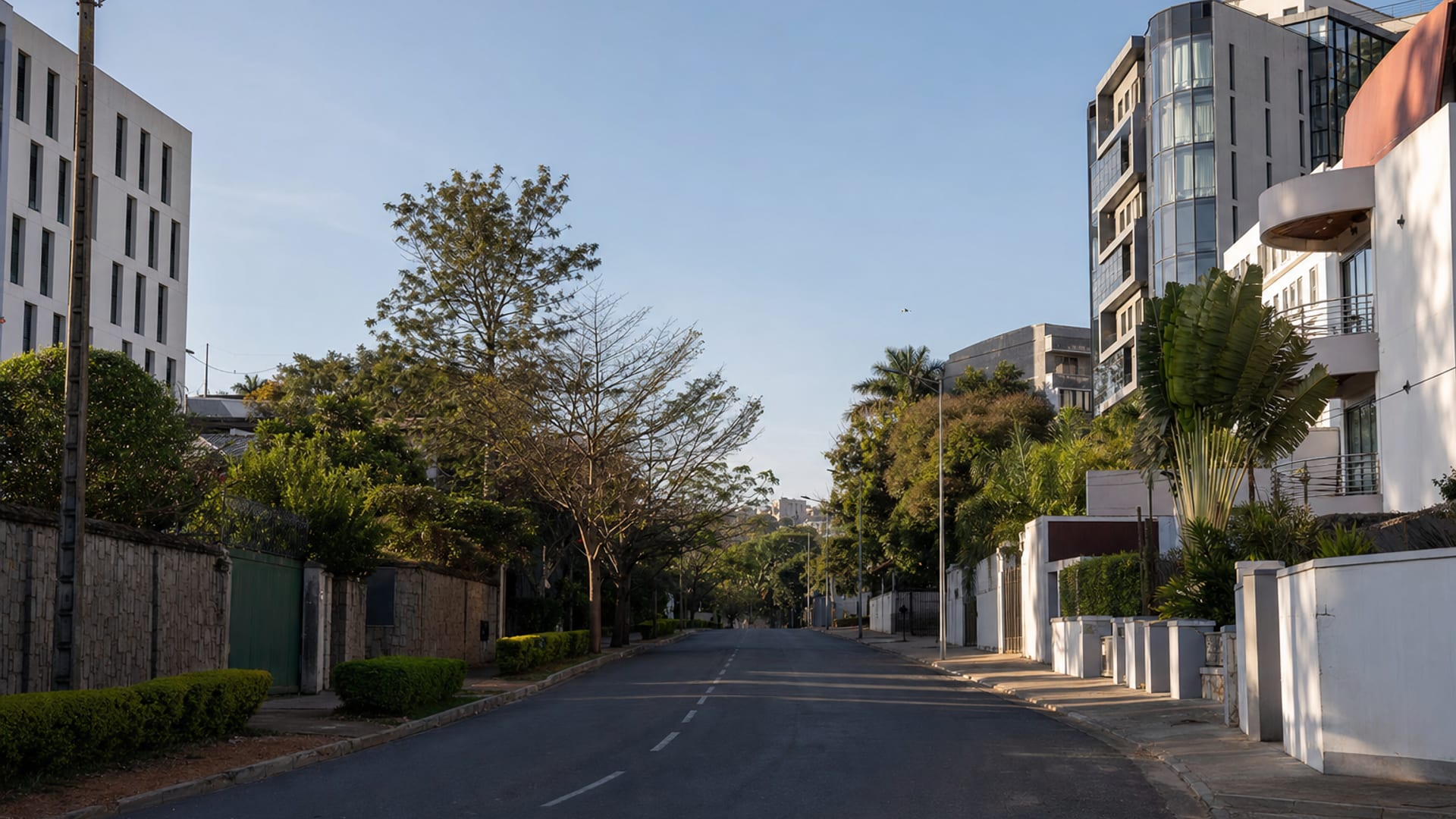
Ivandry is north of central Antananarivo and has a more modern residential and business setting. The district has embassies, supermarkets, offices, restaurants, gated compounds, and newer hotels. It is farther from the historic center but has easier access to the airport and main northern roads.
Best for: Longer stays, business travel, and visitors with a car or driver
What to expect: Wide roads, office parks, gated compounds, and lighter street life than in the center.
Hotel prices: Usually about $70 to $180 per night for well-rated stays
Distance to major sights: 20 to 30 minutes by taxi to Analakely, about 25 minutes by taxi to Rova of Antananarivo
Quietness: Quieter at night than central districts, with the loudest activity tied to weekday traffic.
Main trade-off: It sits farther from the old town, so you will spend more time in taxis for sightseeing.
Good to know: Ivandry is more useful if airport access and parking are priorities during your stay.
Before booking, check whether the hotel has backup power and water storage. Madagascar experiences frequent outages and water shortages, so these can affect air-conditioning, elevators, showers, and Wi-Fi.
Hotel deals
How to get around Antananarivo efficiently
Travelers can navigate Antananarivo’s steep streets by bus, urban trains, and taxis.

Urban train
for the Soarano–Ambohimanambola corridor
The urban train links Soarano station with Ambohimanambola, stopping at six intermediate stations. A one-way ticket costs Ar 3,000 ($0.70), and the 3.72-mile (16-km) trip takes about 45 minutes. Service is limited, so check the SETU schedule before relying on it for a specific trip.

Taxi-be minibus
for inexpensive local trips
Taxi-be minibuses cover most parts of Antananarivo and are the cheapest way to move around the city. Fares are Ar 600–Ar 800 ($0.15–$0.20). Use the TaxiBe or Misy apps to check line numbers and stops, then pay the conductor in cash after boarding.

Taxi or Misy
for convenience or late hours
You can hail a taxi on the street or book one using the Misy app. Traditional taxi fares are agreed before departure; Misy shows the price in advance. Fares start at Ar 15,000 ($3.50). A ride from Analakely, the city center, to Ivato International Airport (TNR) costs about Ar 39,500 ($9.20).
*Prices are based on rates updated as of June 2026 and may change at the time of travel.
Use the urban train when its route matches your plans, taxi-be for inexpensive local trips, and taxis or Misy when you want a direct ride across the city.
Iconic landmarks
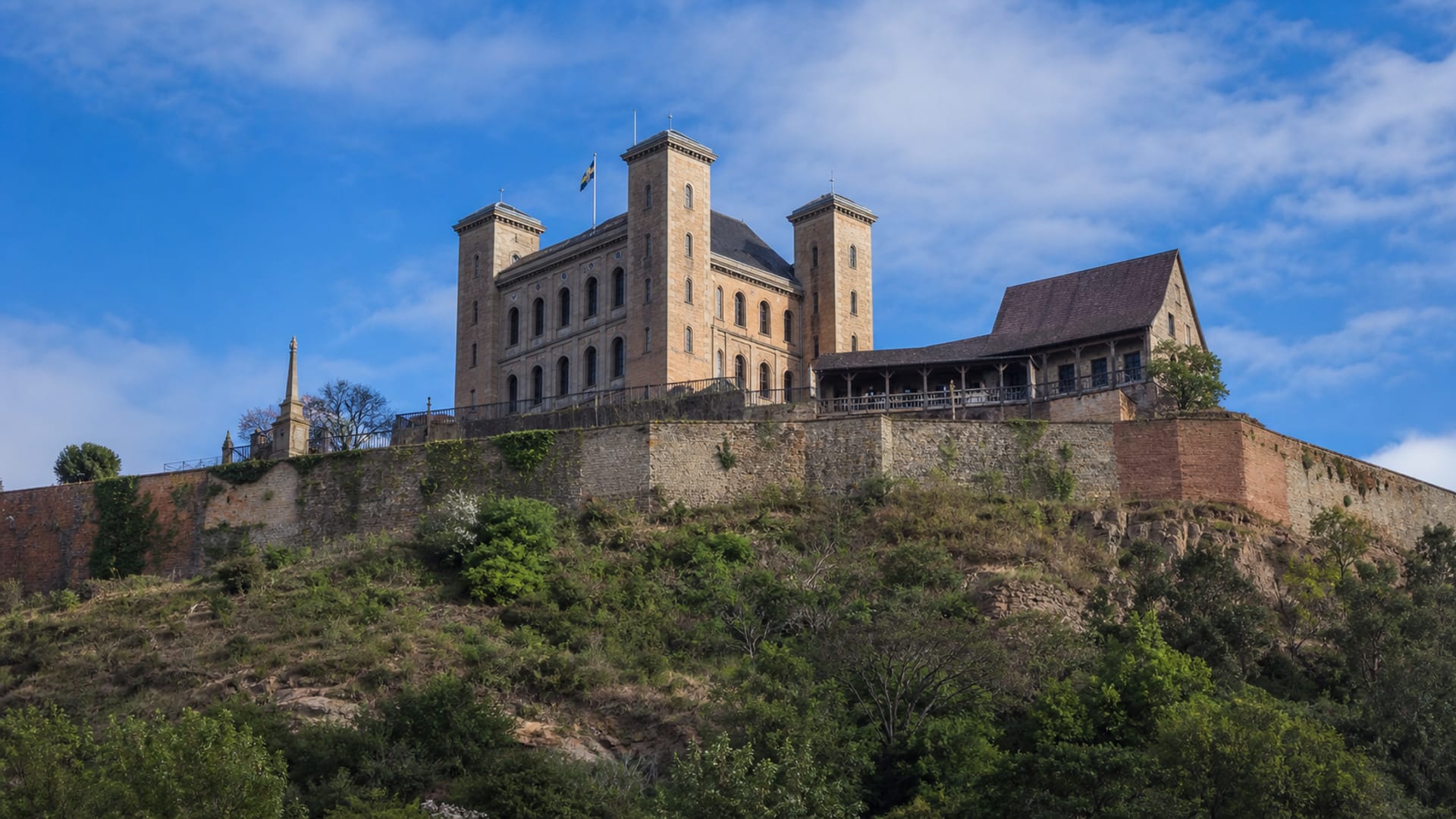
Rova of Antananarivo
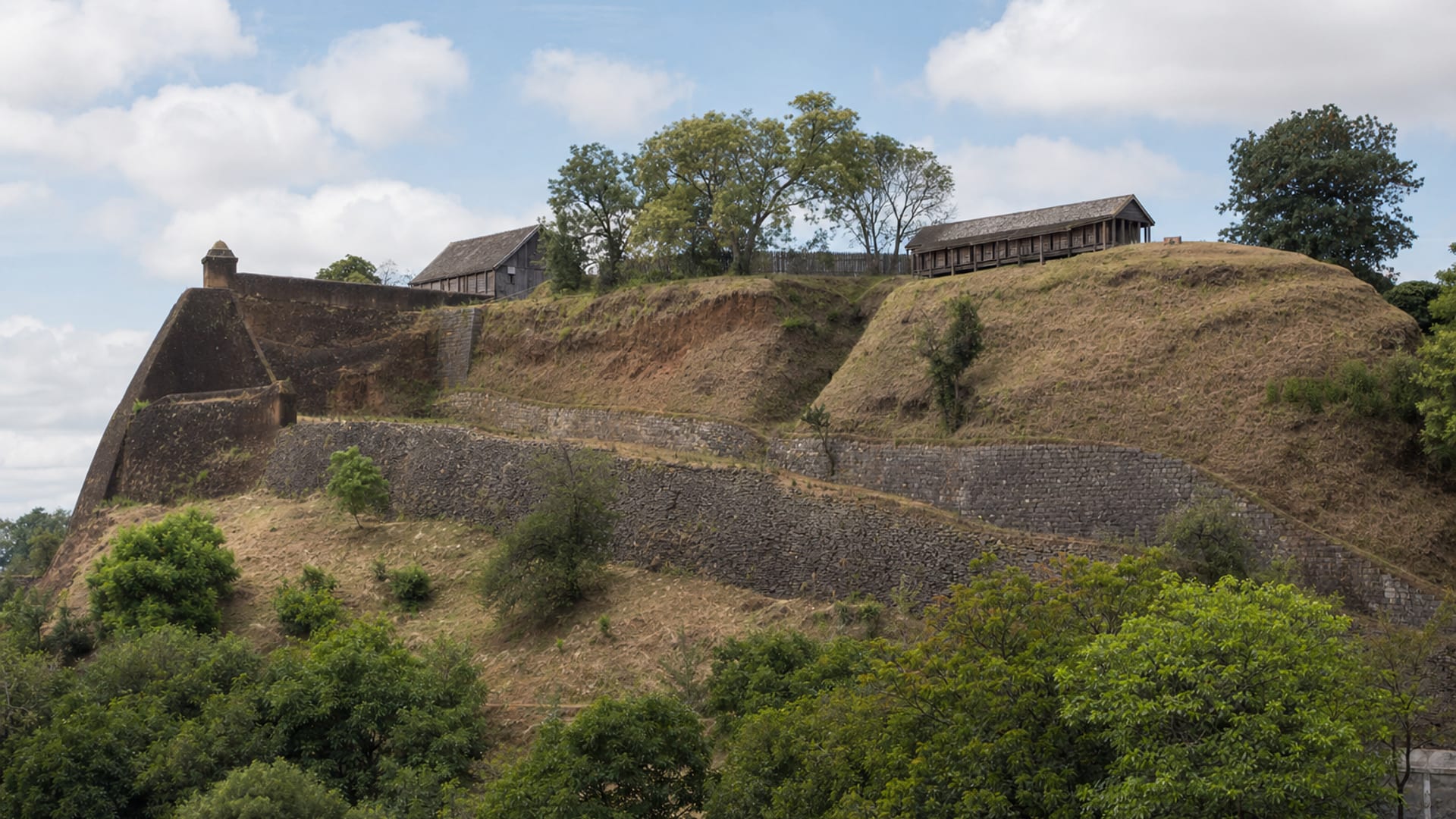
The Rova of Antananarivo is the former royal enclosure atop Analamanga Hill. It contains Manjakamiadana, royal tombs, a chapel, and other structures connected to the Merina monarchy. The restored complex also gives you wide views across the capital.
Time needed: 90–120 minutes
Entry: A full visit costs Ar 40,000 ($9.30); exterior only Ar 20,000 ($4.70).
Tip: Do not point directly at the royal tombs; this is considered disrespectful.
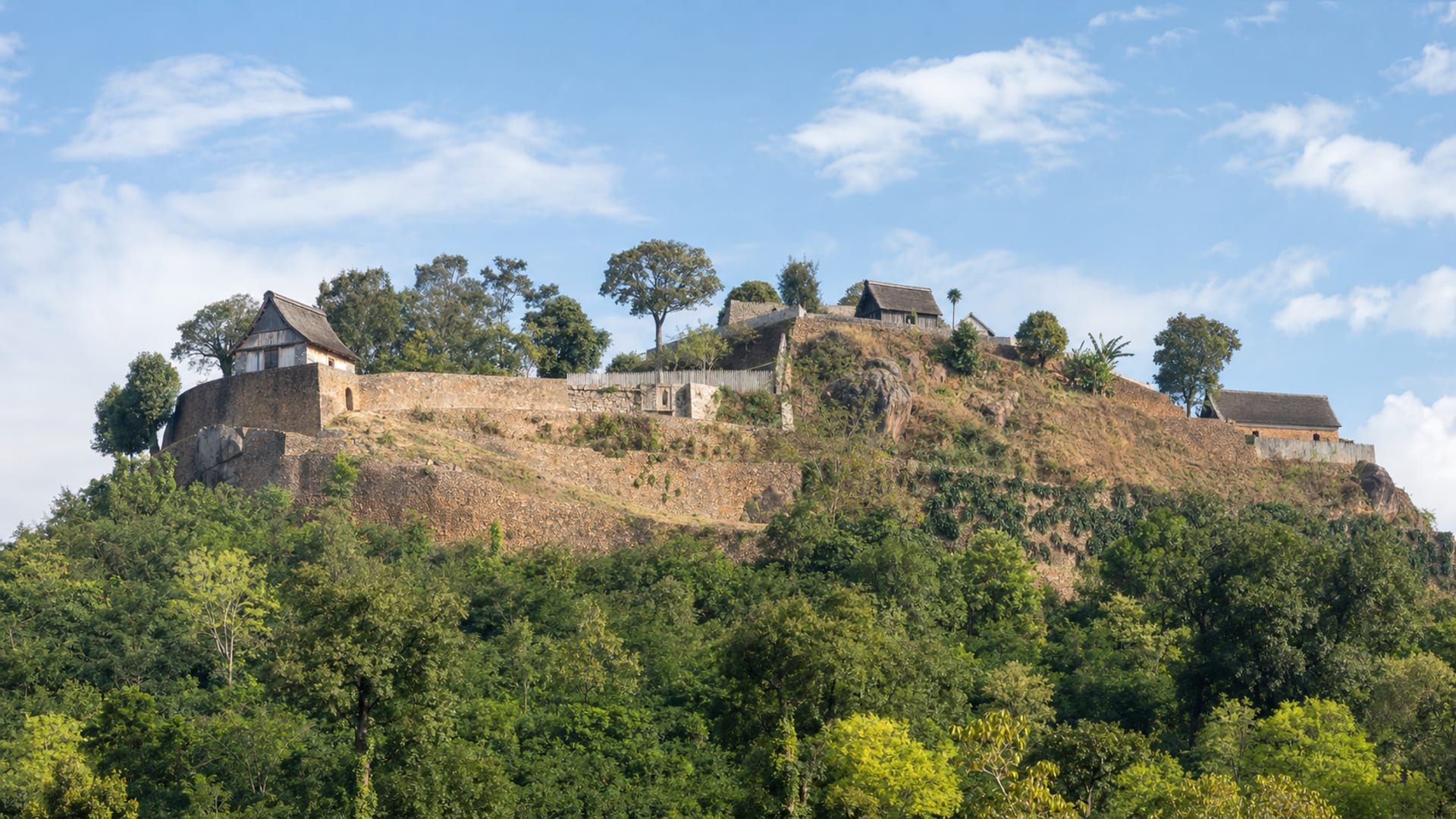
Ambohimanga Royal Hill
About 15 miles (24 km) northeast of Antananarivo, Ambohimanga preserves royal palaces, tombs, sacred pools, defensive gates, and forest within a fortified settlement. UNESCO added the site to its World Heritage List in 2001 for its importance to Malagasy royal history and cultural identity.
Time needed: 2–3 hours
Entry: Foreign visitors pay Ar 20,000 ($4.70). Visit the official site for details.
Tip: Allow extra travel time from central Antananarivo; the site is outside the city.
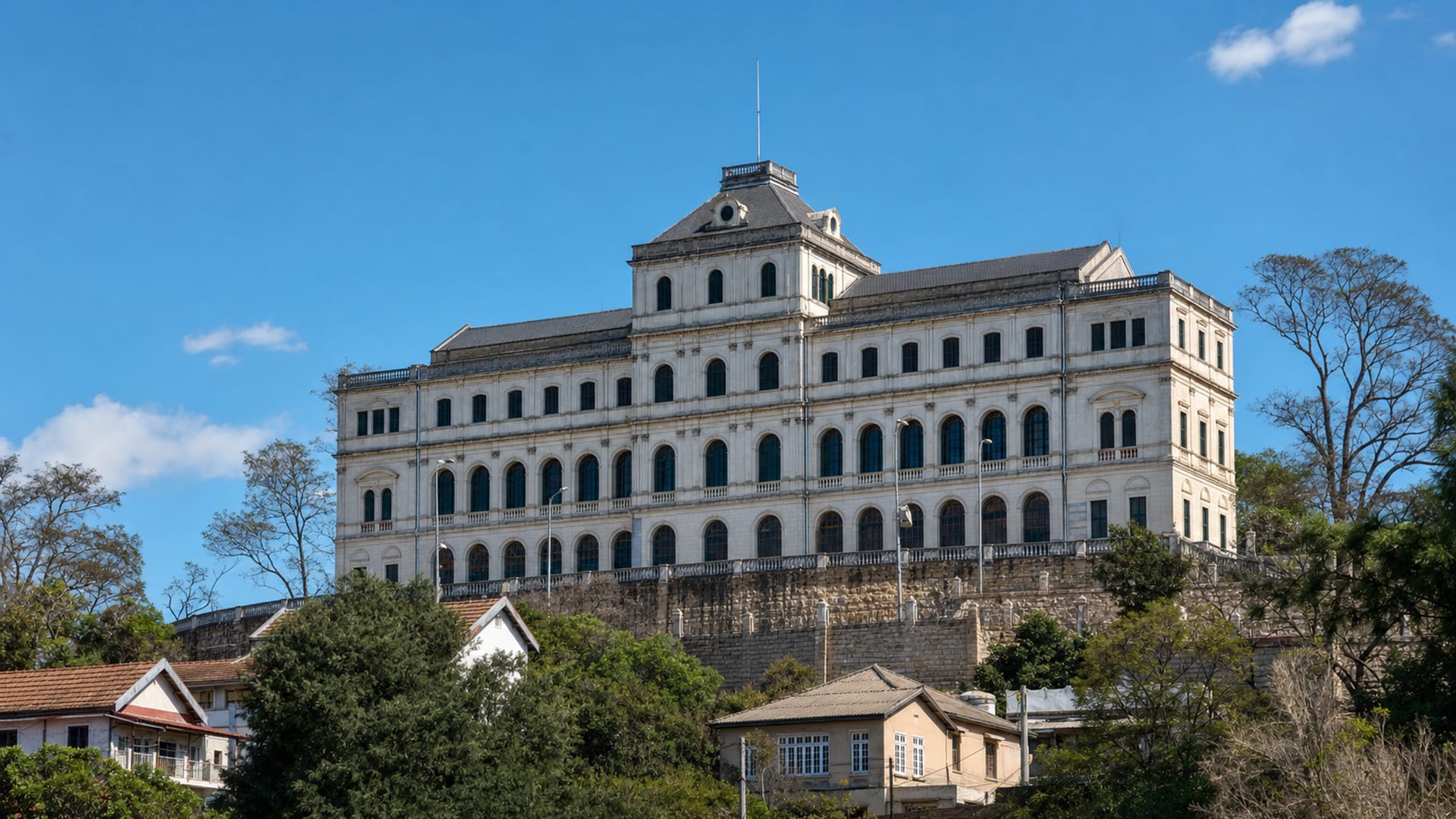
Andafiavaratra Palace
Andafiavaratra Palace stands in the Upper Town near the Rova. Built in 1872 for Prime Minister Rainilaiarivony, the four-towered palace later became a museum and has housed royal objects rescued from the 1995 Rova fire. Its location makes it easy to visit alongside the royal complex.
Time needed: 60–90 minutes
Entry: Current visitor fees are not reliably published; confirm before visiting.
Tip: Check current public access before going, since parts of the palace may be restricted.
Overlooked sites worth visiting

Museum of Photography of Madagascar
The museum in Anjohy uses historic photographs and short films to show Madagascar from the late 19th century onward. Its garden also hosts contemporary exhibitions.
Time needed: 60–90 minutes
Entry: Non-residents pay Ar 20,000 ($4.70). Find information on the official website.
Tip: Allow time for the short projection rooms; they add context to the photographs.

Tsarasaotra Park
Tsarasaotra is a protected wetland in northern Antananarivo, with a lake, wooded edges, and nesting areas for herons, ducks, and other waterbirds.
Time needed: 90 minutes for an in-depth visit
Entry: Admission fees start at Ar 15,000 ($3.40); the park is open daily.
Tip: Bring binoculars and visit early, when bird activity is easier to observe
Traditional food
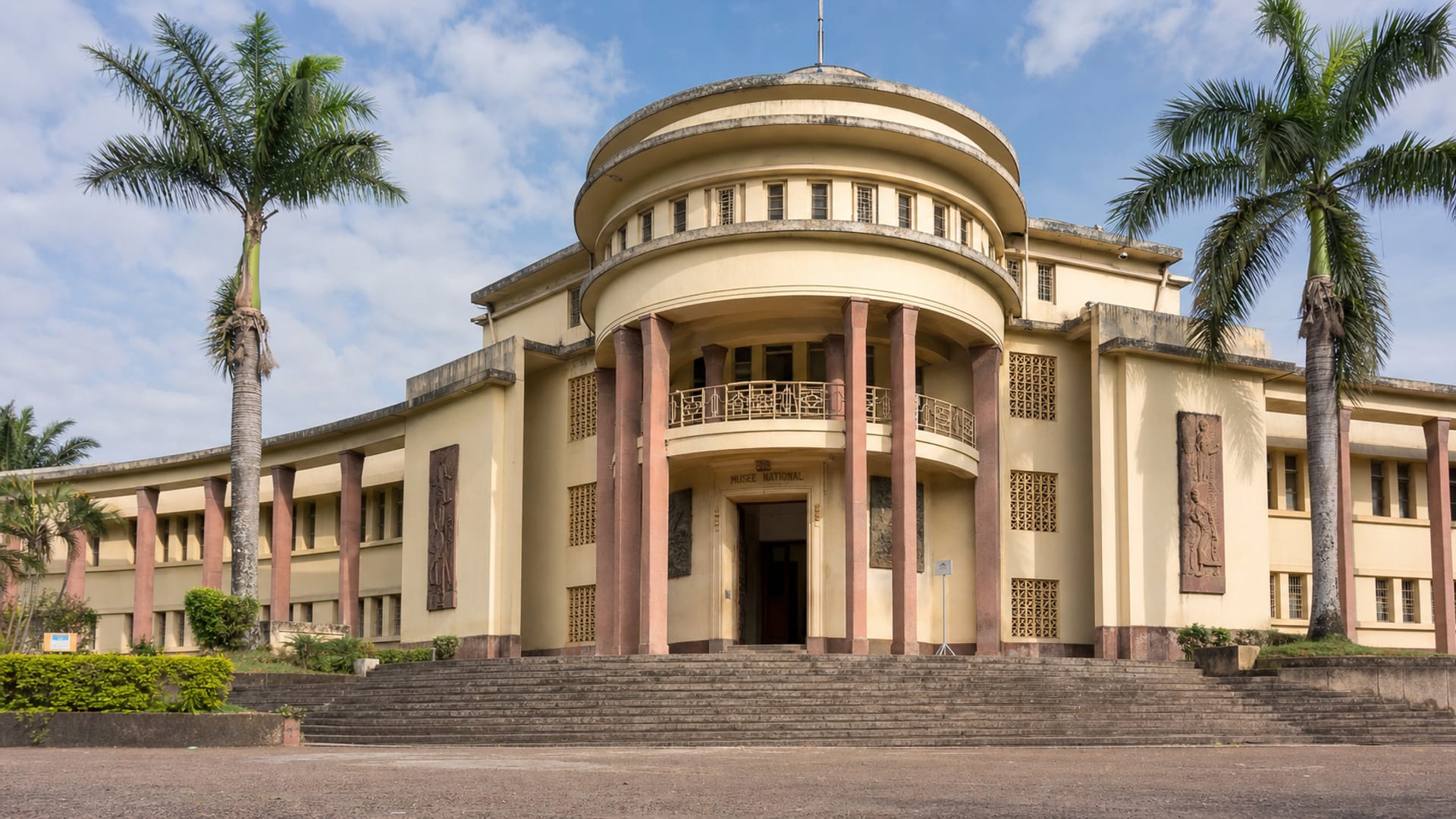
Antananarivo’s food is built around rice, zebu, pork, cassava leaves, greens, and coconut. Romazava, ravitoto, akoho sy voanio, and koba are four dishes worth trying.
Romazava
Romazava is a light broth made with beef or zebu and several leafy greens, including brèdes mafana, which gives the dish a slightly peppery, herbal taste. It is usually served with rice. La Varangue lists Royal Romazava on its menu.
Ravitoto
Ravitoto is made from cassava leaves pounded into a thick paste and slowly cooked with pork or beef until rich and earthy. It is usually served with rice and a fresh vegetable relish. Villa Mahefa serves henakisoa sy ravitoto with pork.
Akoho sy voanio
Akoho sy voanio combines chicken with coconut milk, ginger, garlic, and tomato, producing a creamy, gently spiced sauce usually served with rice. Hôtel Niaouly offers a coconut-chicken variation prepared with curry and cashews.
Koba
Koba is a dense, mildly sweet cake made from rice flour, ground peanuts, banana, and sugar, then wrapped in banana leaves and cooked slowly. The result is soft, sticky, and nutty. Local markets in Antananarivo commonly sell it in thick slices.
Best time to visit Antananarivo
Antananarivo is easiest to explore from April to October, when the Highlands are drier; November to March brings warmer, wetter weather.
Best for: Lush scenery, warm weather, indoor stops, and flexible city sightseeing
What you get: Average highs stay near 80°F (27°C), while December to February brings the year’s heaviest rain, greener hillsides, and wetter streets.
Trade-offs: Frequent downpours can slow road travel and interrupt outdoor plans.
Best for: City walks, royal sites, day trips, and improving weather after the rains
What you get: March is still wet, but April and May become much drier as average highs ease from 79°F (26°C) to 74°F (23°C) by late fall.
Trade-offs: March can still bring heavy showers before the dry season settles in.
Best for: Dry weather, hilltop views, long sightseeing days, and outdoor excursions
What you get: June through August is the driest stretch, with highs near 70°F (21°C), cool mornings, clearer skies, and very little rainfall.
Trade-offs: Early mornings and evenings can feel cold, especially in the Upper Town.
Best for: Dry streets, warmer afternoons, clear views, and longer days for sightseeing
What you get: September and October are mostly dry as highs rise toward 79°F (26°C); November is warmer and brings a clear increase in rainfall.
Trade-offs: Rain becomes more frequent in November, so outdoor plans need more flexibility.
A realistic 5-day plan in Antananarivo
Five days in Antananarivo offer time for the royal sites, museums, central streets, and one longer excursion without squeezing them into the same afternoon. The plan starts gently, gives Ambohimanga its own day, and leaves the final morning lighter.
After landing at Ivato International Airport (TNR), take a taxi or Misy to your hotel in Isoraka, Antaninarenina, or another central district. After you check in, keep the first evening simple with dinner nearby and a short walk around the neighborhood if you still have energy. This gives you time to settle in before the steeper streets and longer visits begin. Save the Upper Town and the trip outside the city for the following days, and leave sightseeing for the morning.
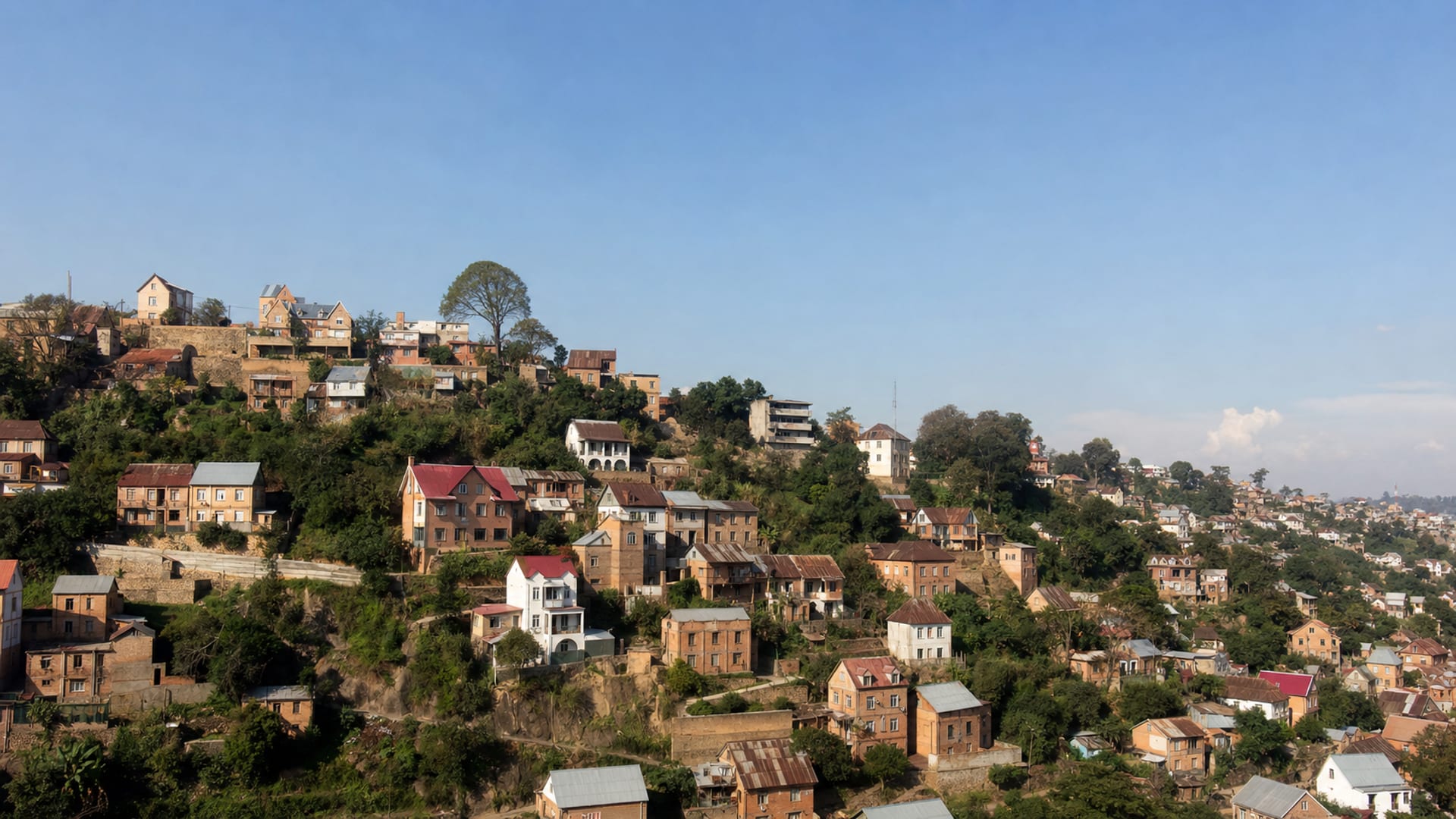
Spend the second day in the Upper Town, beginning with the Rova of Antananarivo on Analamanga Hill. Allow 90–120 minutes for the royal enclosure, palace, tombs, chapel, and views across the capital. After lunch, continue to the Museum of Photography in Anjohy, where historic images and short movies cover Madagascar from the late 19th century onward. The Rova closes on Tuesdays and the museum on Mondays, so swap this day if needed. Finish with dinner in Isoraka or Antaninarenina.
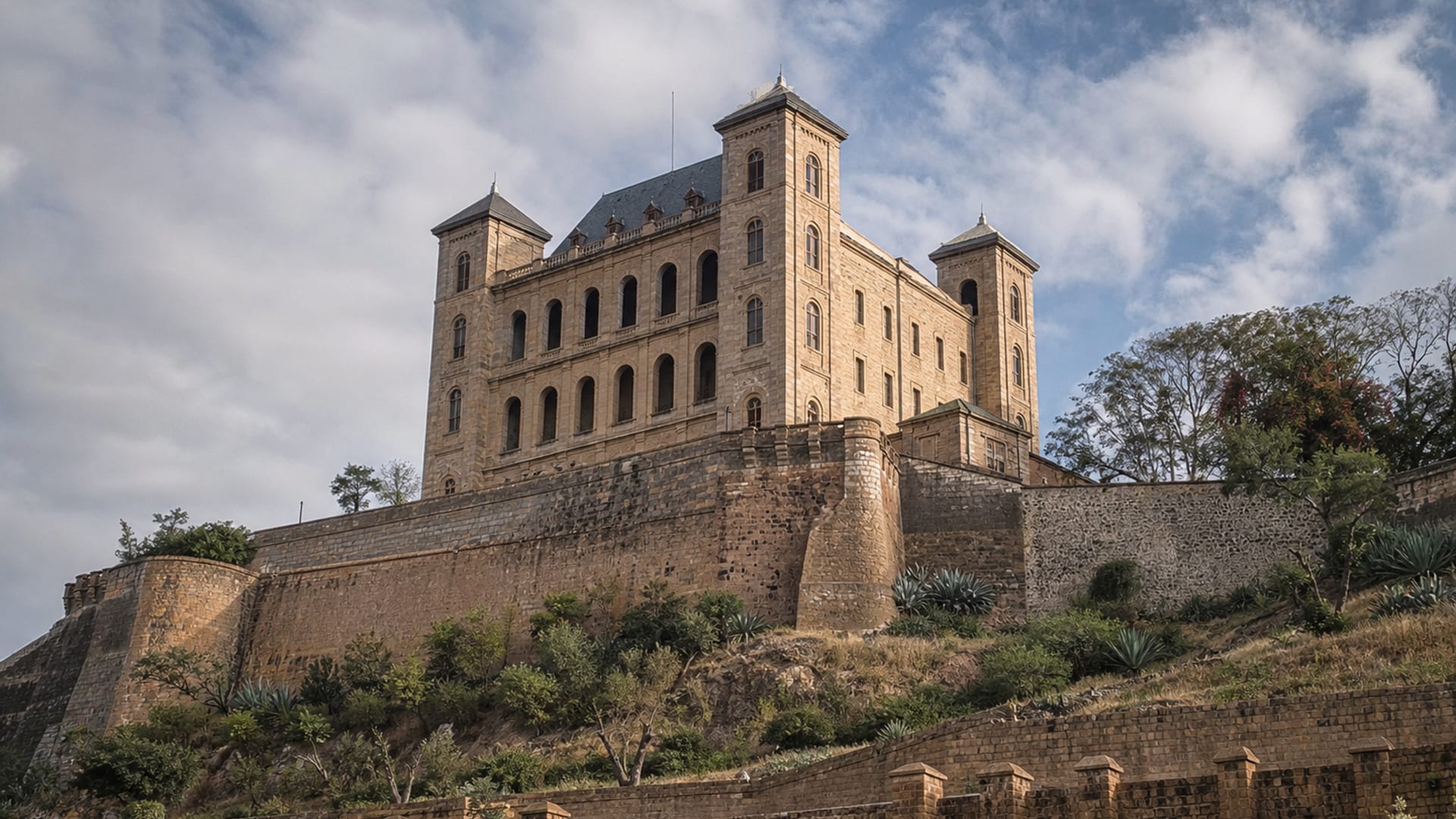
Set aside the third day for Ambohimanga Royal Hill, about an hour from central Antananarivo. The fortified settlement includes royal palaces, sacred pools, tombs, defensive gates, and wooded grounds, so allow two to three hours once you arrive. Return to the city in the afternoon and stop in Ivandry for a late lunch or coffee. After a longer day outside the center, keep the evening free for dinner near your hotel instead of adding another major stop.
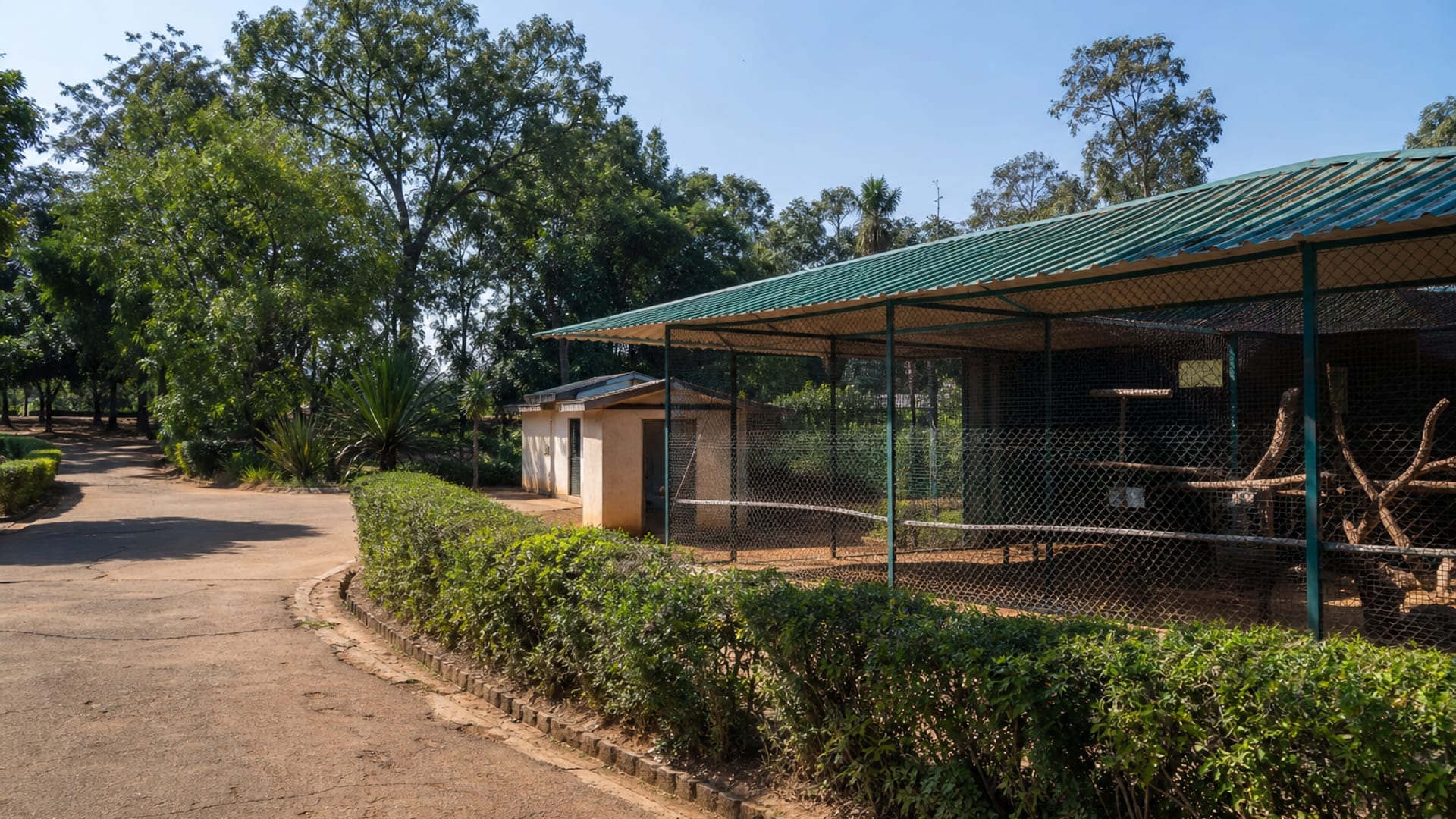
Keep the fourth day in central Antananarivo. Begin around Avenue de l’Indépendance and Soarano station, then continue through Analakely while the markets and shops are active. From there, make your way toward Lake Anosy for a slower walk and lunch nearby. Spend the afternoon in Antaninarenina, where hotels, banks, gardens, and government buildings give the upper center a different look from the commercial streets below. Finish with coffee before returning to your hotel.
Use the final morning for Tsarasaotra Park if your flight leaves later in the day. The protected wetland lies within the capital and has a lake, wooded edges, and breeding areas for herons, ducks, and other waterbirds. The park is open daily from 9 am to 5 pm, and an hour or so is enough for a quiet visit before you return to the hotel for your bags. If time allows, have an early lunch nearby, then head to Ivato International Airport (TNR) with enough time for a relaxed departure.
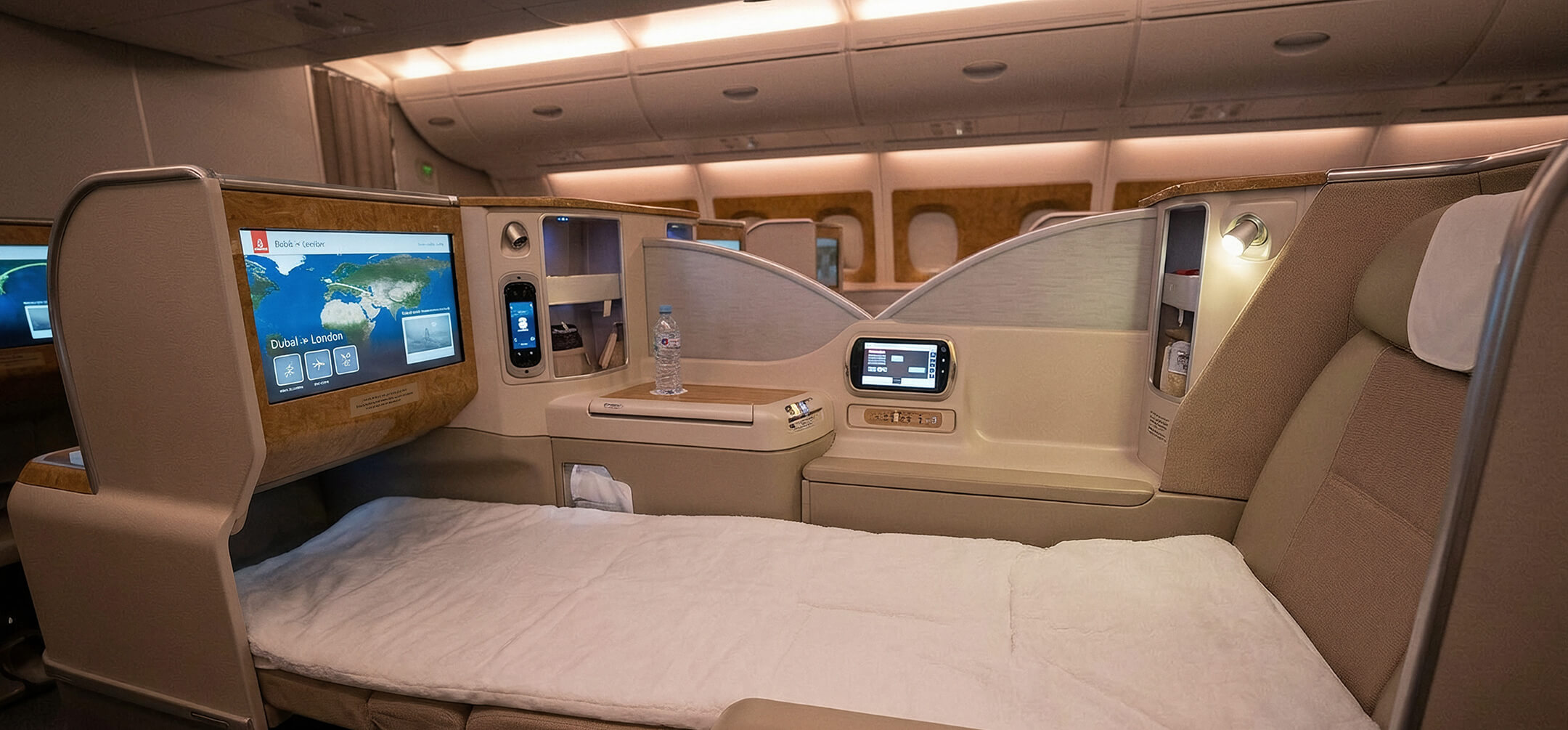
Business-class flights from the US to Antananarivo
From major US hubs, business-class trips to Antananarivo usually involve one layover in Paris or Nairobi, with useful options from both coasts.
New York (JFK) to Antananarivo (TNR)
From JFK, Kenya Airways flies to Antananarivo with a stop in Nairobi (NBO), while Air France connects through Paris Charles de Gaulle (CDG). Journeys on this route take at least 18 hours. Both airlines offer business class on the long-haul portion of the trip. Round-trip fares generally range from $5,500 to $7,500, depending on the airline, travel dates, and how far in advance you book.
Los Angeles (LAX) to Antananarivo (TNR)
From LAX, Air France offers one-stop business-class flights to Antananarivo through Paris Charles de Gaulle (CDG). The shortest flights on this route take roughly 22 hours, while longer layovers can extend the journey well beyond a full day. Other itineraries, with two stops through Europe or Africa, are also available, but they take longer. Round-trip business-class tickets typically range from $5,200 to $7,500, depending on travel dates and how early you book.
Antananarivo makes more sense when you plan by area
Antananarivo is easier to enjoy when you separate the Upper Town, central districts, royal sites, and longer excursions instead of crossing the city several times a day. A clear structure leaves more room for markets, museums, meals, and slower stops without turning each outing into a transfer. Once your dates are set, AranGrant can help you compare business-class flights to Antananarivo and hotels that fit your budget and preferred part of the city.