

Chapters:

Need help with your trip?
Our support team is available 24/7. Request a callback or call us directly at (833) 619-0908
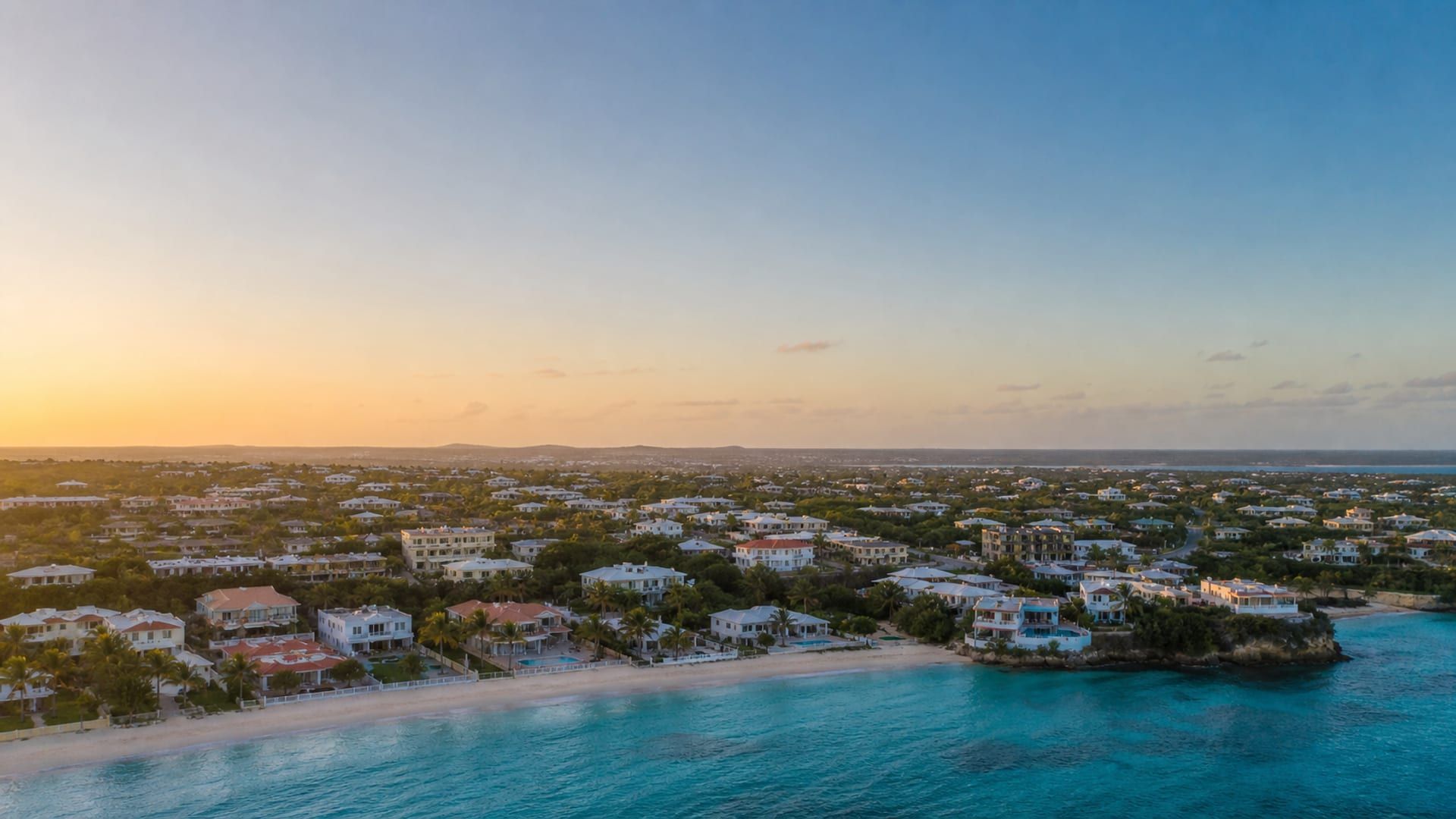
Anguilla trips often begin with a beach resort, a late dinner, and little else planned beyond the shoreline. Travelers still miss how much the island rewards a few inland stops, and how much time a cross-island taxi can add when a day is built too loosely.
That habit makes simple things take longer than they should. Shoal Bay East, The Valley, Crocus Bay, and West End sit close enough for a compact stay, but not close enough to improvise without a car or taxi, and some dining hours narrow the window further.
This guide gives the island a clearer order: where to stay, what to eat, when to go, and how to link beaches with history without wasting daylight.
Useful things to know

Main language(s): English

Currency: The local currency is the East Caribbean dollar (XCD, $).

Cash and cards: Cards and contactless are widely accepted; carry about $20 to $40 in cash for taxis, tips, and small purchases.

Tipping: Tip 10-15% in restaurants if service is not included; round up small taxi fares.

Traditional food: Goat water, conch fritters, crayfish, johnny cakes

Water and coffee costs: Water about EC$3 ($1.10), bar espresso about EC$6 ($2.20).

Taxis and ride apps: Uber and Lyft do not operate here; use local taxis.

Plug and voltage: Type A/B socket, 110V

Dining and shop opening hours: Breakfast is about 07:00-10:00, lunch 12:00-14:30, and dinner 18:00-21:30. Some smaller places close midafternoon or on Sundays.

Emergency number: 911 for police, fire, and ambulance.
Where to stay in Anguilla
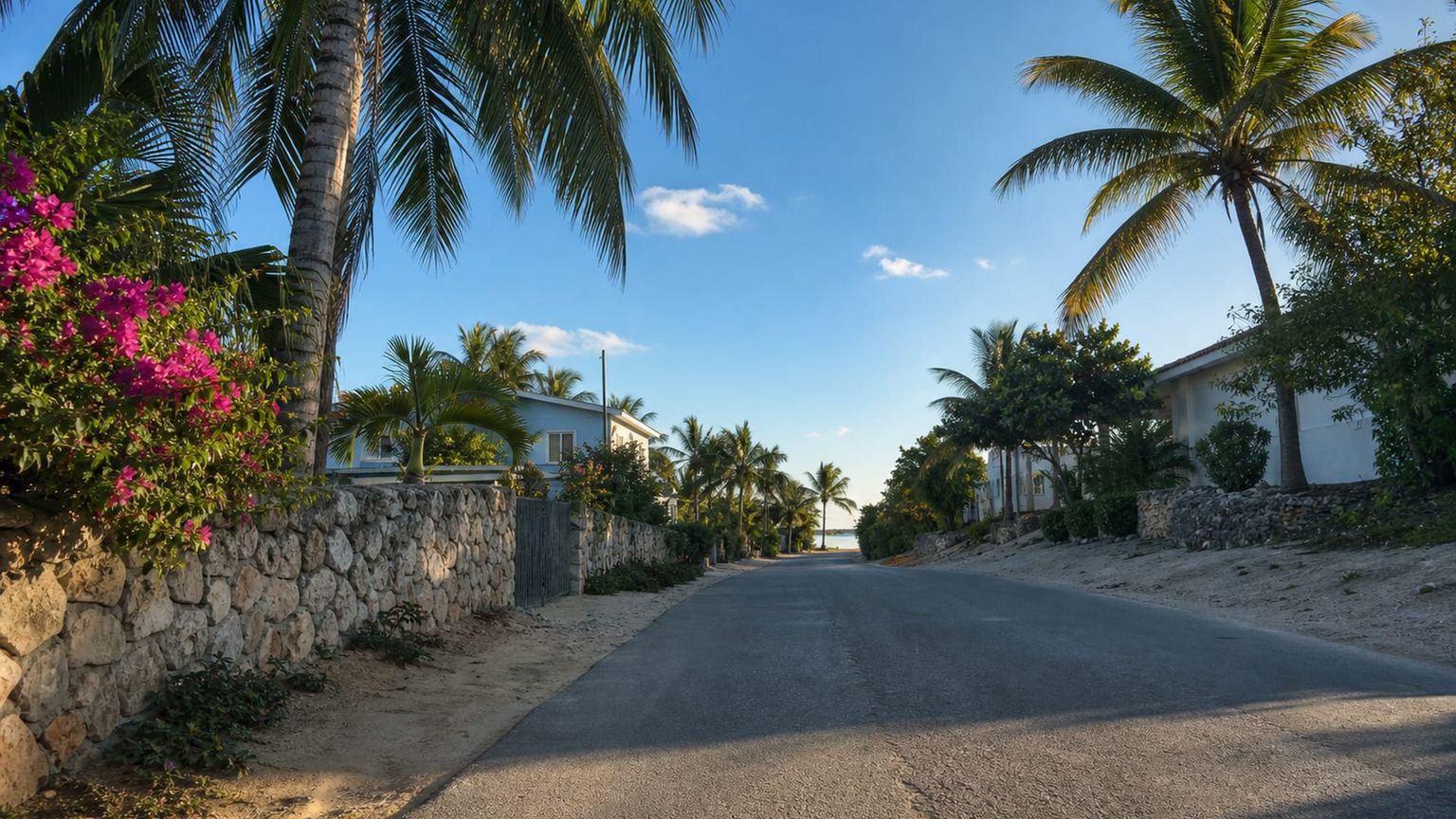
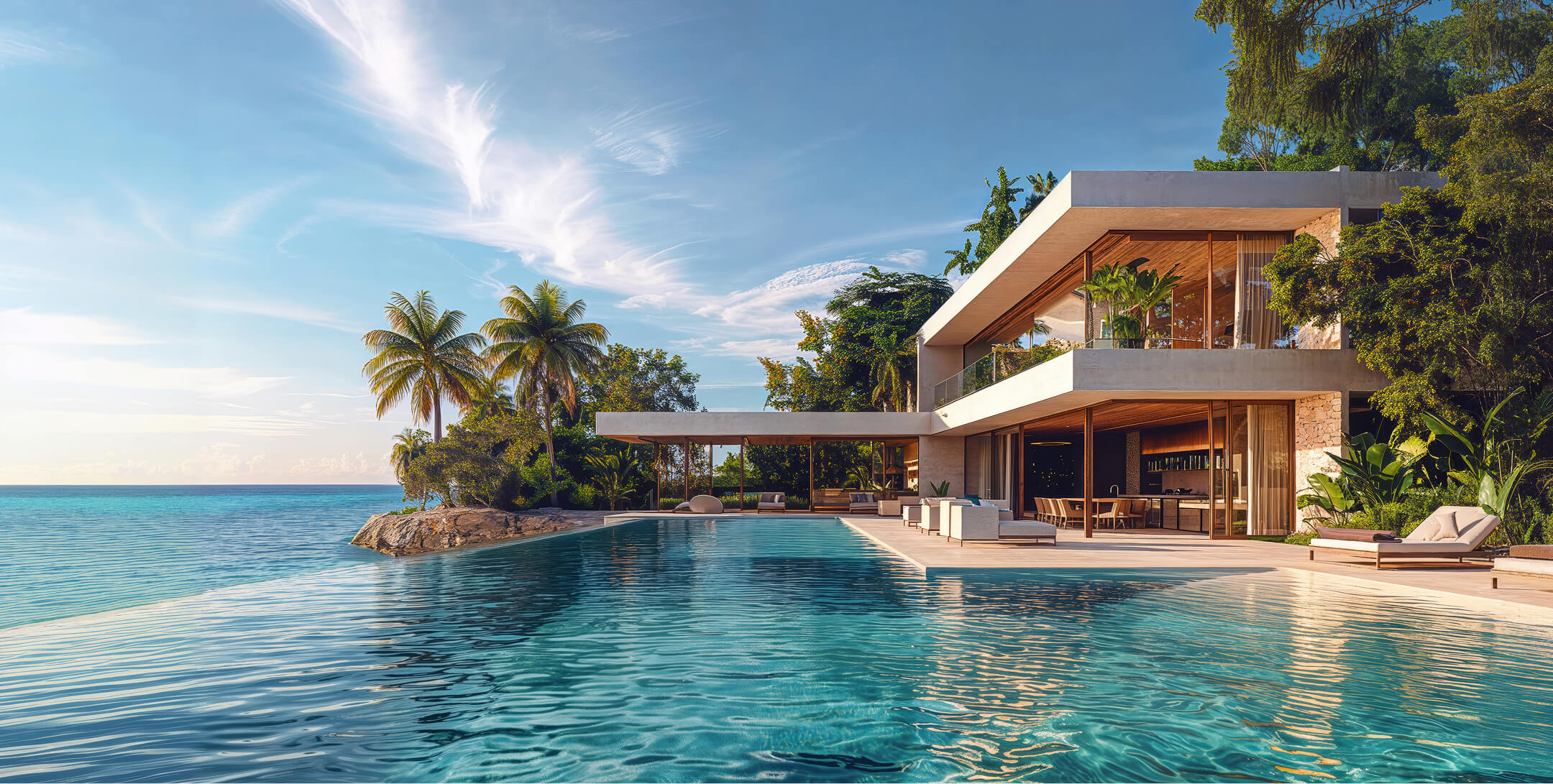
West End gathers several of Anguilla’s best-known beach resorts and villa pockets on the island’s western side. It matters for trips built around long beach days, restaurant access, and easy hops to Meads Bay and nearby coves.
Best for: Beach holidays, resort stays, and easy access to west coast dining
What to expect: You will see resort traffic, beach clubs, and a steady flow of travelers by day, with a quieter pace after dinner except near the larger hotels.
Hotel prices: Usually about $500 to $1,200 per night for well-rated stays
Distance to major sights: About 5 to 10 minutes by car to Meads Bay
Quietness: Busy by day, calmer in the evening, with the loudest activity near the larger resorts.
Main trade-off: Rates run high, and you will usually need a car or taxi for most meals outside your hotel.
Good to know: Book early if you want a room close to the sand, since the best-located properties sell out first in peak season.
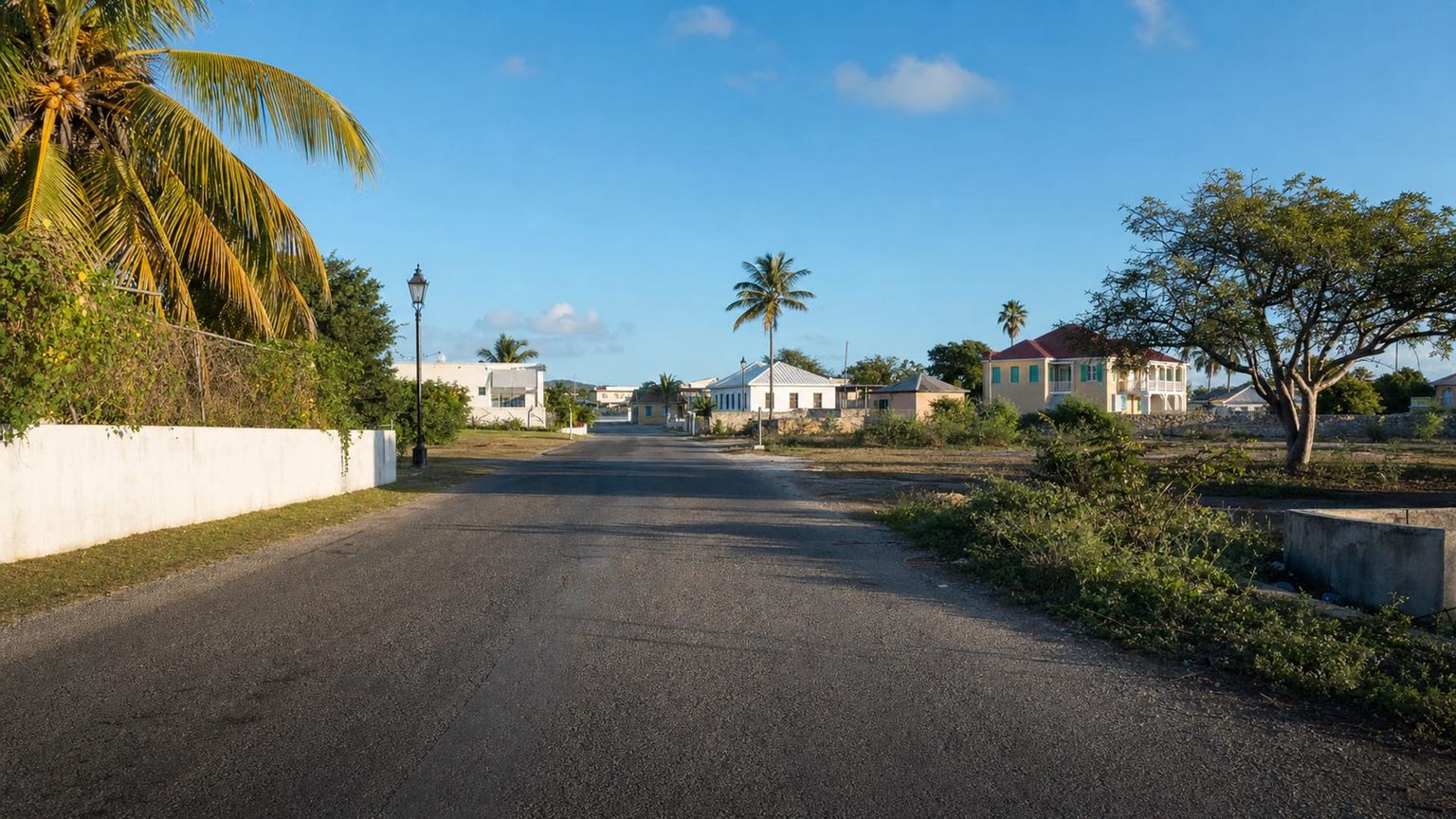
The Valley is Anguilla’s inland capital and administrative center, with government offices, local shops, and the island’s main everyday services. It matters if you want a central base for practical errands, local dining, and easy access to roads across the island.
Best for: Travelers who want local dining, errands, and a central road position
What to expect: You will find modest traffic, daytime foot movement, and a local rather than resort-led atmosphere, especially near shops and offices.
Hotel prices: Usually about $200 to $450 per night for well-rated stays
Distance to major sights: About 10 to 15 minutes by car to Crocus Bay
Quietness: Lively during business hours, much quieter at night.
Main trade-off: You give up beachfront scenery and may need transport for most swimming and sunset plans.
Good to know: Choose this area if you want lower room rates and do not mind relying on taxis or a rental car for the coast.
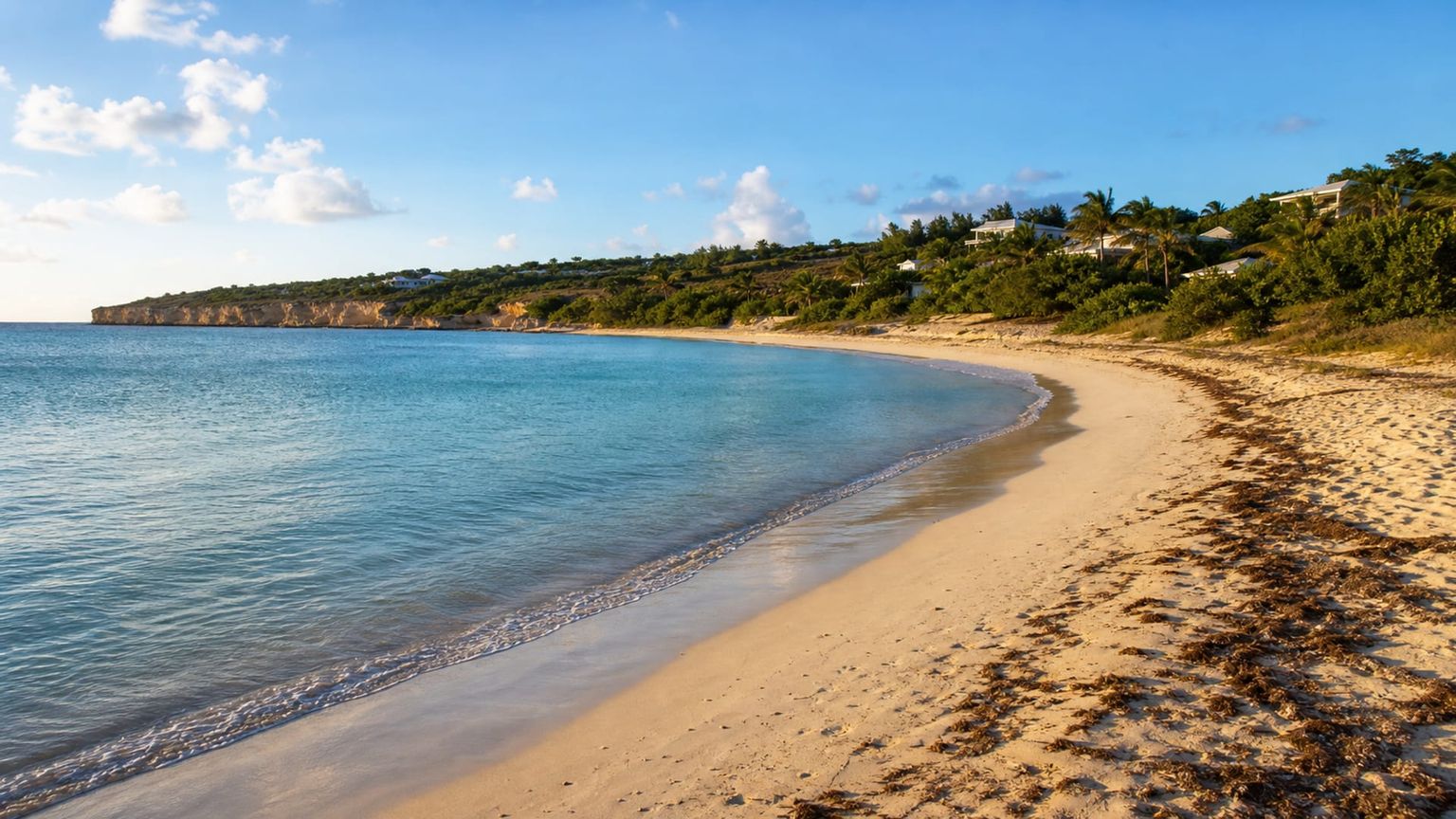
Crocus Bay sits on the north coast beside a sheltered beach and ferry access to nearby Scrub Island. It matters for travelers who want a scenic shoreline base with a shorter hop to Sandy Ground and The Valley than the west coast resorts.
Best for: Beach access, relaxed stays, and travelers who want a quieter shoreline
What to expect: Expect a small beach scene with guests from nearby villas and a modest trickle of diners at the bay’s restaurants and boat access points.
Hotel prices: Usually about $250 to $600 per night for well-rated stays
Distance to major sights: About 10 minutes by car to The Valley, about 15 minutes by car to Sandy Ground
Quietness: Quiet most of the day, with a modest evening scene around the bay restaurants.
Main trade-off: Dining and nightlife choices are limited, so you will often head elsewhere for variety.
Good to know: If you want calm water and a shorter drive to the island’s center, this area works better than the busier west coast.
Travelers usually avoid staying in Island Harbour and Sandy Ground if they want to be near the main resort areas, because both sit away from many of Anguilla’s best-known beaches and need a car or taxi for most evening plans. The Valley can also be less convenient for a hotel base, since it has limited visitor amenities after dark and is better for errands than for easy beach access.
Hotel deals
How to get around Anguilla efficiently
Anguilla has no metro or rail network, so airport transfers and beach-to-beach trips depend on taxis, minibuses, and the road distances between the coast and The Valley.

Metro
for longer distances
Anguilla has no metro or suburban rail, so visitors depend on roads, buses, and taxis for every airport transfer and island trip.

Bus and tram
for convenience
Public buses are limited on Anguilla, and they follow informal island routes rather than a fixed tram or city network. Expect minibuses that link The Valley, Sandy Ground, West End, and several beaches, with fares of about $2 to $4 ($5 to $10 EC) per ride and trips from the airport area to central stops taking roughly 10 to 20 minutes, depending on traffic and where you board.

Taxi
for convenience or late hours
Licensed taxis at Anguilla, including the airport, use set fares rather than meters, with posted rates that vary by destination. From Anguilla (AXA), expect roughly $25 to $35 to The Valley, about $30 to $45 to West End or Sandy Ground, and higher fares for longer cross-island trips; drivers usually accept cash in USD, though some also take cards if arranged in advance.
*Prices are based on rates updated as of June 2026 and may change at the time of travel.
Use taxis for airport and cross-island moves, minibuses for low-cost hops on main routes, and a rental car when you want to link beaches, inland sites, and dinner without watching the clock.
Iconic landmarks
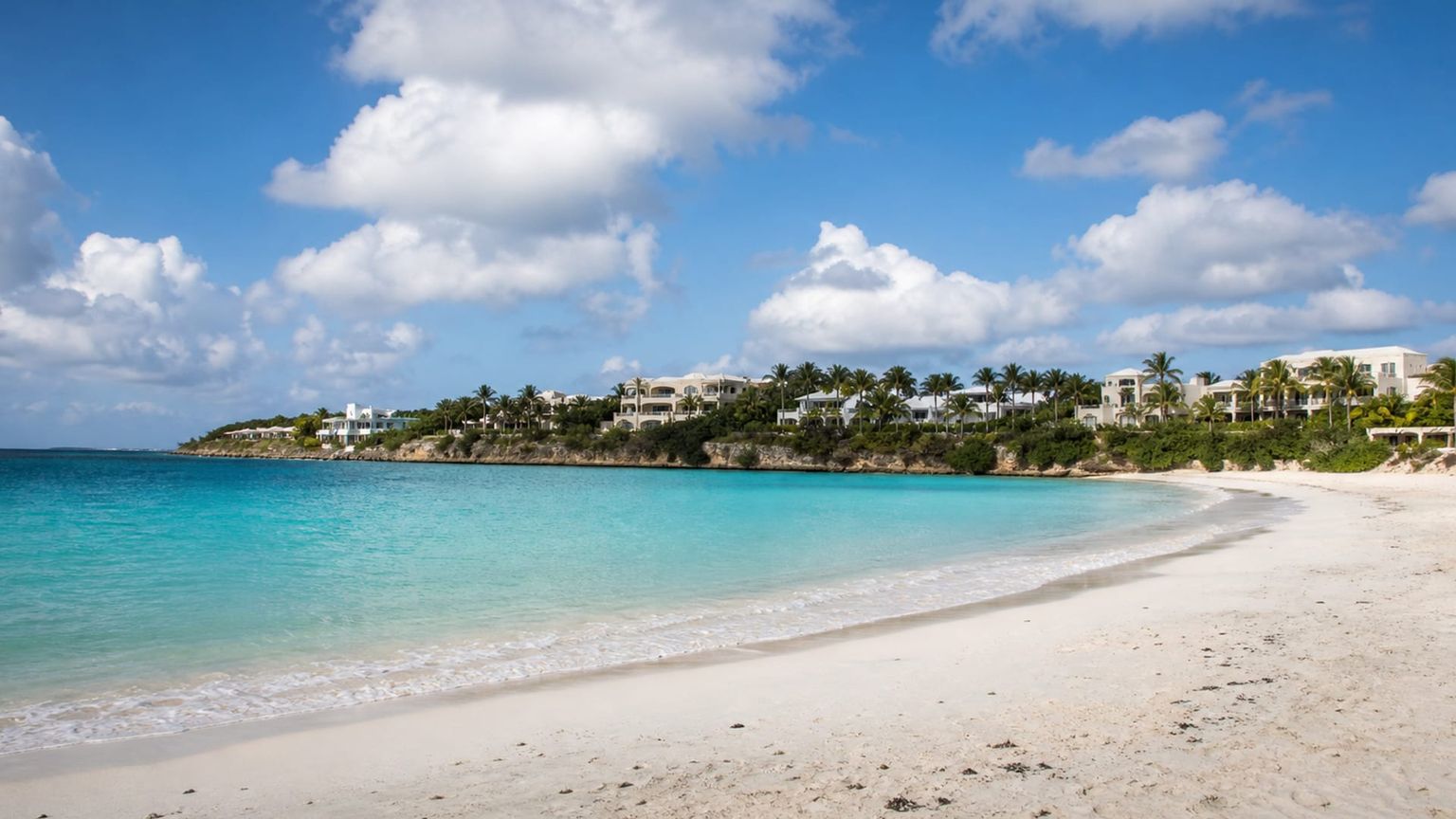
Shoal Bay East
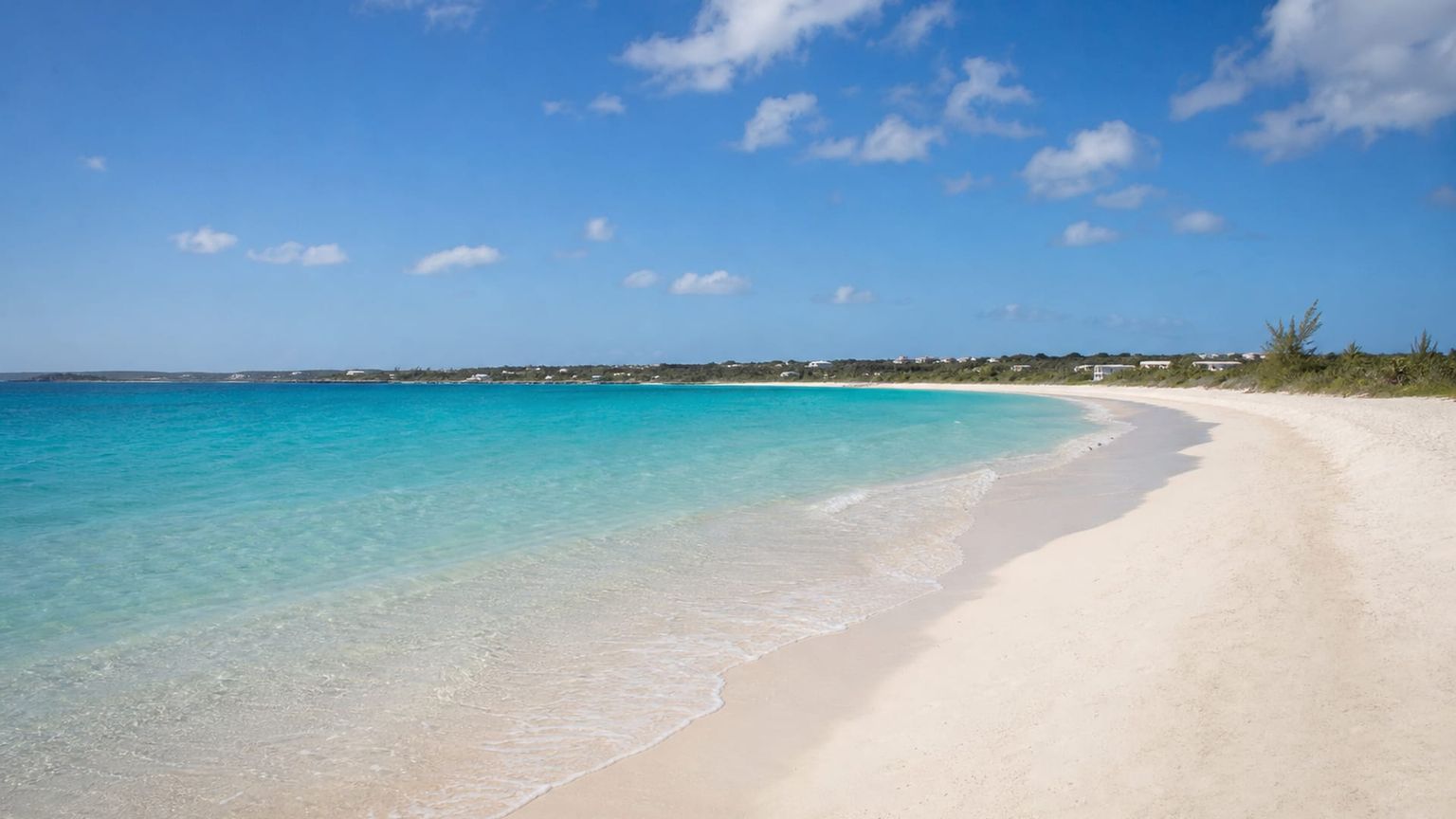
This long east-coast beach draws visitors for its pale sand, clear water, and offshore reef that keeps the shallows calm on many days. It suits swimming, snorkeling near the point, and a slow beach walk at sunrise.
Time needed: About 2 to 4 hours
Entry: Free to access; beach chairs, umbrellas, and water sports rentals cost extra on site
Tip: Arrive early for calmer water, lighter crowds, and easier parking near the beach road.
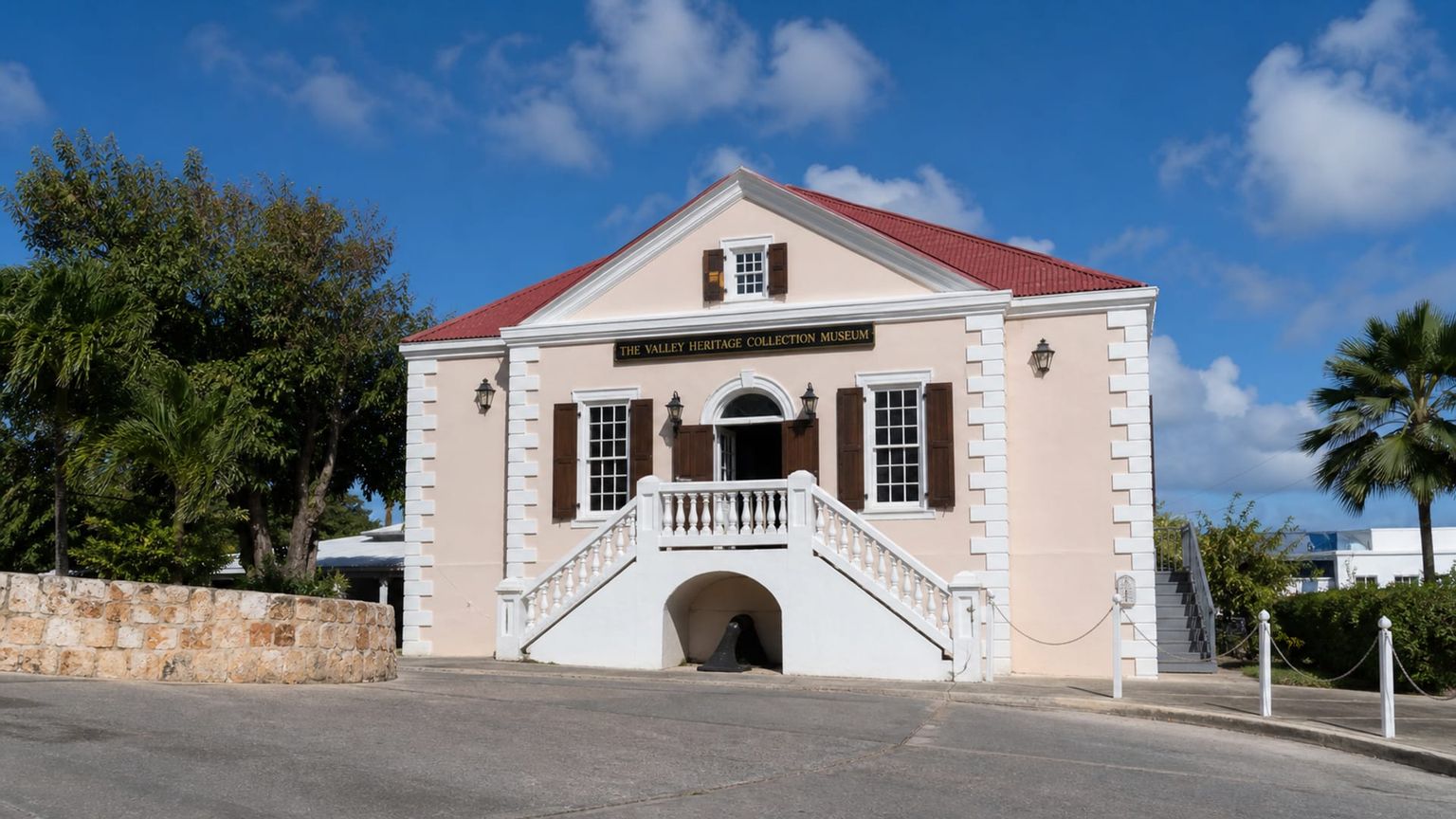
The Valley, Heritage Collection Museum
Set in Anguilla’s capital, this small museum presents pottery, tools, photographs, and other objects that trace island life from the Amerindian era onward. Its displays give a clear local context before visiting historic sites nearby.
Time needed: About 45 minutes to 1 hour
Entry: Admission costs about $5 ($5); children and group rates may vary on arrival Visit the official site for details.
Tip: Visit in the morning, when the galleries are quieter and the heat outside is lower.
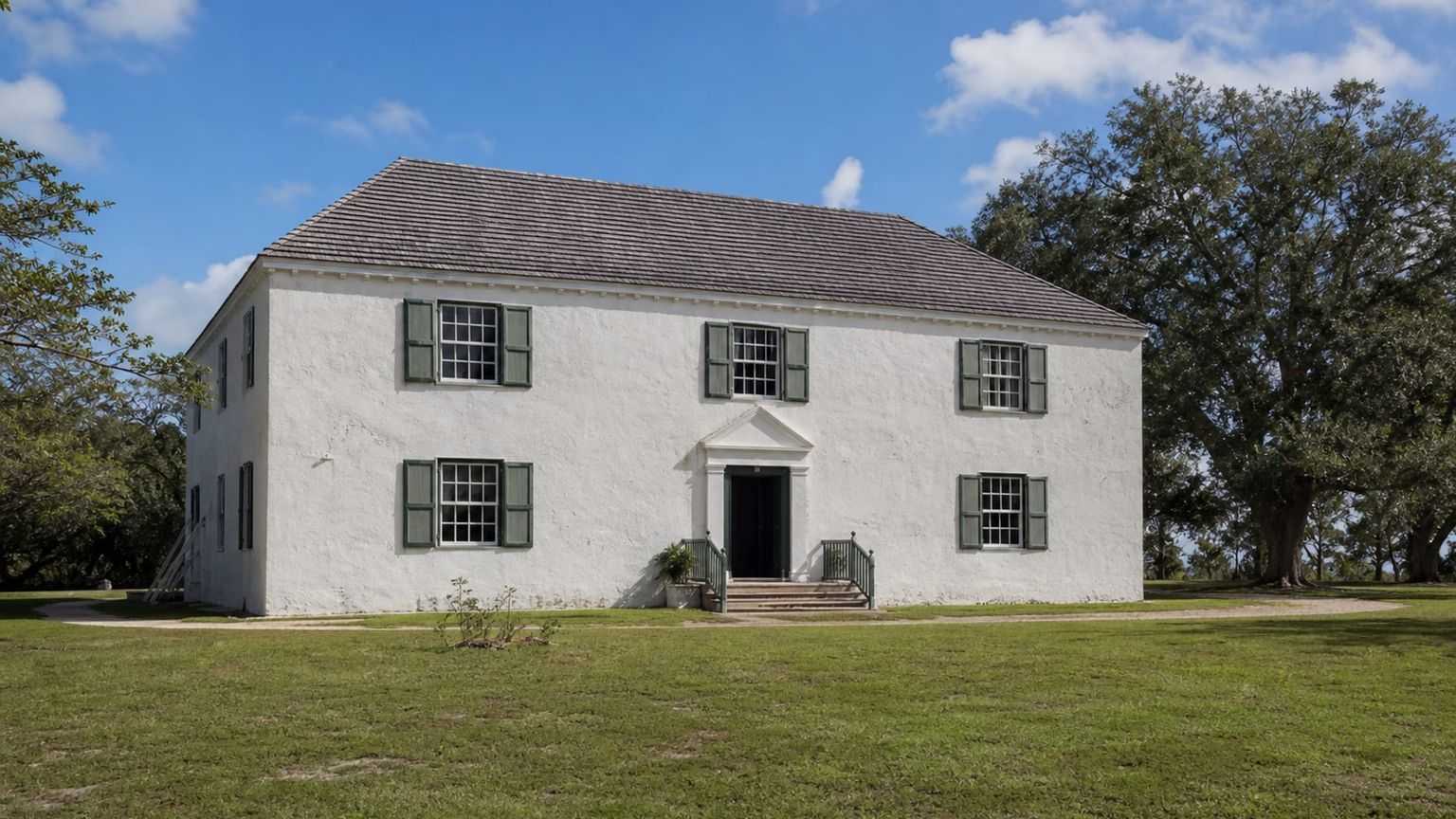
Wallblake House
Built in the 1780s, Wallblake House is Anguilla’s oldest surviving plantation house and one of the island’s key historic landmarks. The restored complex includes the main house, chapel, and burial ground, all set near The Valley.
Time needed: About 1 to 2 hours
Entry: Guided visits cost about $10 ($10) for adults, with children admitted at a reduced rate
Tip: Go in the morning for cooler conditions, then pair the visit with nearby stops in The Valley.
Overlooked sites worth visiting

Wallblake House
Anguilla’s oldest surviving plantation house dates to the 1780s and now serves as a small museum. Its stone walls, old kitchen yard, and garden setting make a compact stop with real island history.
Time needed: About 1 hour
Entry: Admission is typically about $5 ($14) for adults and $2 ($5) for children, with occasional special open days or private-event closures. Verify current hours before heading over, since access can change with the museum schedule.
Tip: Visit in the morning for cooler temperatures and better photos.

Katouche Valley Nature Trail
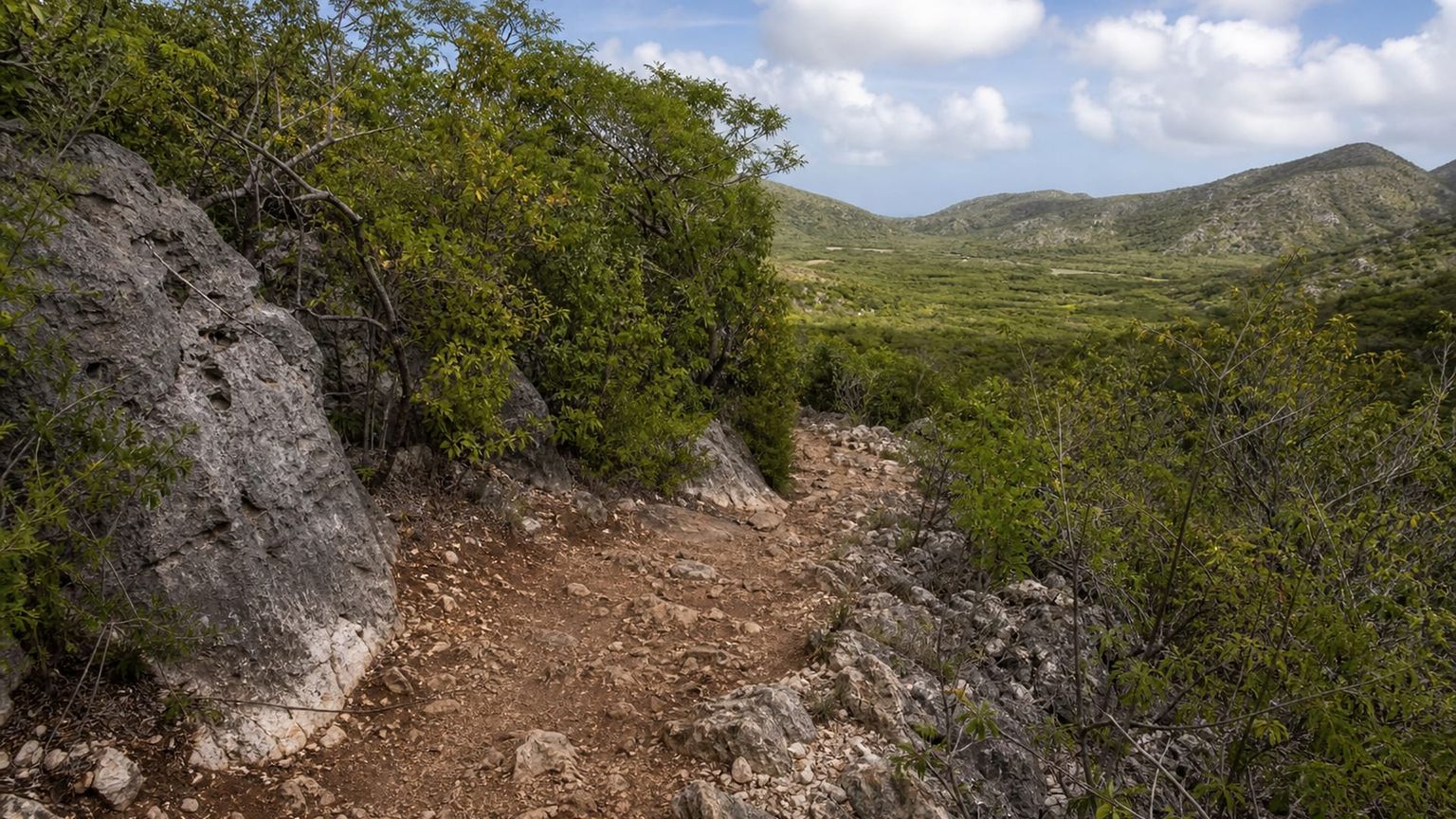
This inland trail cuts through one of Anguilla’s greenest valleys, with limestone hills, dry forest, and bird habitat. The walk stays quiet and shaded in parts, with a slower pace than the island’s beach stops.
Time needed: About 1.5 to 2 hours
Entry: Free to access on public land. No ticket desk or timed entry applies, but conditions can vary after rain, and the trail can be uneven, so plan for sturdy shoes and check local guidance if you want to extend the walk.
Tip: Go after dry weather, since limestone sections can be slippery.
Traditional food
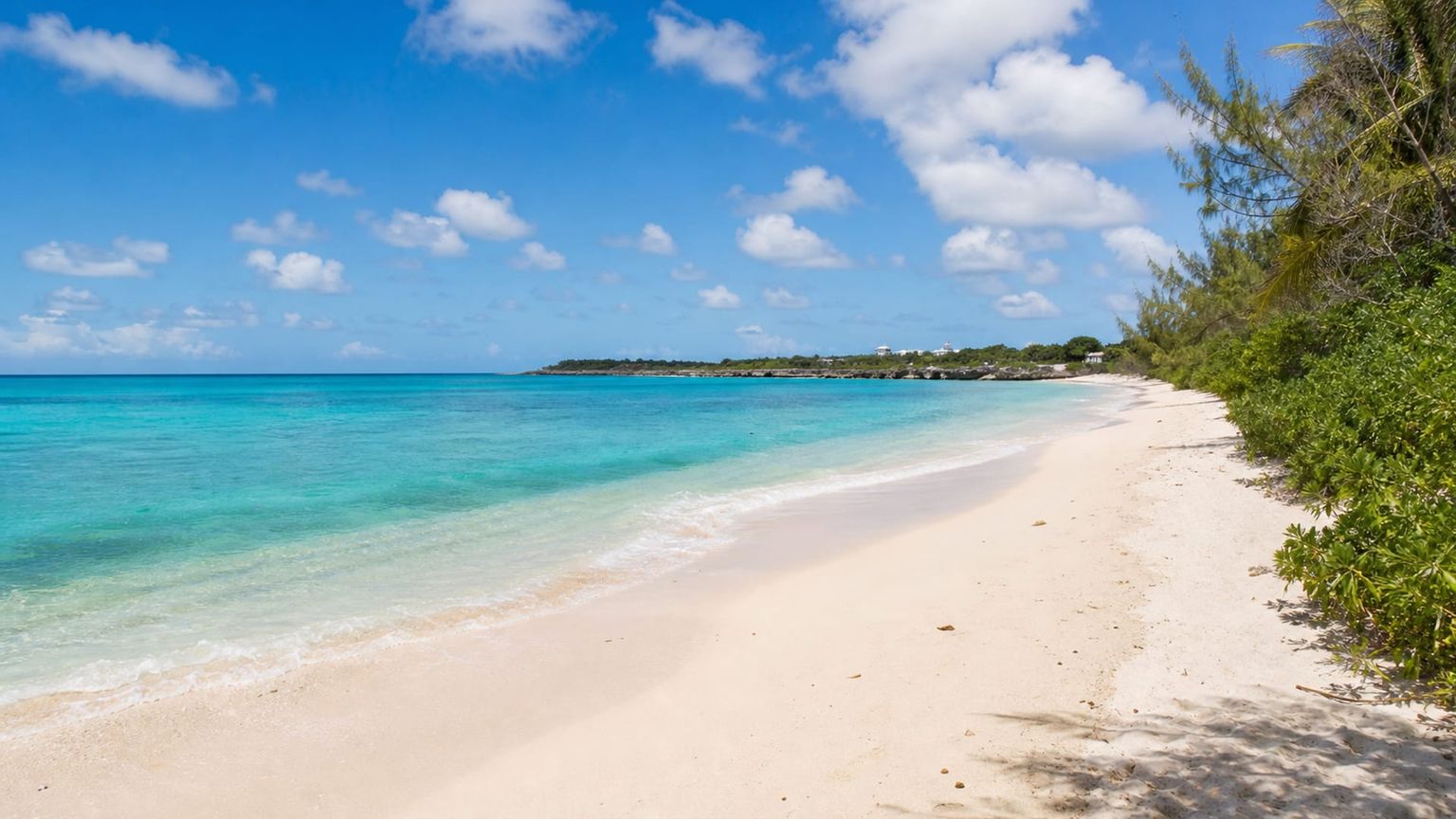
Anguilla’s table leans on seafood, goat water, and fried dough, with conch fritters, crayfish, and johnny cakes anchoring beach lunches and relaxed dinners. Meals are often unhurried, but hours can narrow outside the main resort strips.
Goat water
This peppery stew is one of Anguilla’s most traditional dishes, built for a long simmer and often served with bread or johnny cakes. Blanchards Restaurant in Meads Bay is a strong place to order it when you want a refined island dinner.
Conch fritters
Crisp fritters with a tender center suit a seaside lunch and pair well with cold drinks after a swim. At Blanchards Beach Shack, the dish fits the setting and the menu leans into local coastal flavors.
Crayfish
Local crayfish appears grilled or sauced, usually with rice, salad, or festival-style sides. Sharky’s Restaurant in Sandy Ground is a classic stop for a casual, seafood-forward meal close to the water.
Johnny cakes
These golden rounds work as breakfast, a snack, or a side with stews and fried fish. Smokey’s at the Cove serves them in a setting that matches Anguilla’s beach-first dining style.
Best time to visit Anguilla
Anguilla stays warm all year, but wind, rain, and hotel demand shift enough by season that beach days, prices, and booking pressure do not look the same month to month.
Best for: Best for dry weather, strong beach conditions, and peak resort energy
What you get: About 75 to 84°F (24 to 29°C), with the most visitors and the steadiest demand for rooms
Trade-offs: Rates rise and the best-located stays book early
Best for: Best for warm swimming weather and slightly easier booking
What you get: About 77 to 87°F (25 to 31°C), with moderate crowds and good beach conditions
Trade-offs: Late spring can feel hotter, and some places trim hours before summer
Best for: Best for quieter beaches and lower room competition
What you get: About 79 to 88°F (26 to 31°C), with lighter crowds and a slower pace at many hotels
Trade-offs: Humidity rises, and afternoon rain becomes more common
Best for: Best for travelers who can plan flexibly and watch weather forecasts
What you get: About 78 to 87°F (26 to 31°C), with the lightest crowds outside holiday periods
Trade-offs: This is the most storm-sensitive part of the year
A realistic 5-day plan in Anguilla
A five-day stay in Anguilla works best when the coast and the interior share the schedule. The plan below starts with West End, moves to Shoal Bay East and The Valley, then uses Crocus Bay and Meads Bay to keep the trip varied without long, repeated transfers.
Land at Anguilla (AXA) and plan on a taxi from the airport to West End, which usually takes about 10 to 15 minutes and costs roughly $25 to $35, depending on your hotel and bags. Settle into a place near Meads Bay or one of the west coast resorts, then keep dinner close by at a beachside restaurant so the first night stays simple, with plenty of water and an early finish after the flight.
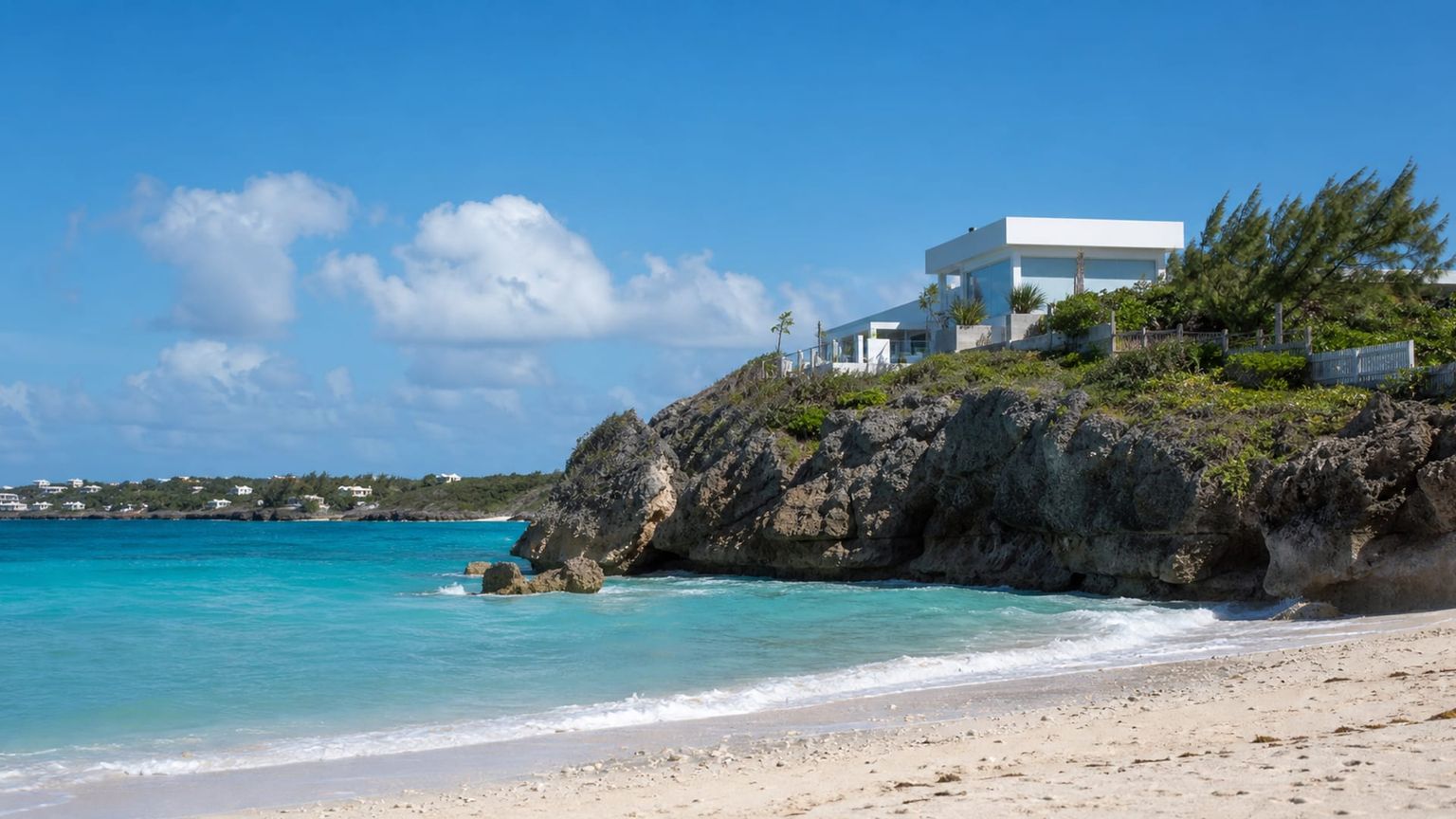
Start with Shoal Bay East, leaving West End after breakfast for a drive of about 25 to 35 minutes, then stay about 2 to 4 hours for swimming, a beach walk, and time near the reef-protected shallows. After lunch, head inland to The Valley, Heritage Collection Museum, about 20 to 25 minutes away by car, and allow 45 minutes to 1 hour for the exhibits before ending the afternoon with a short stop at Wallblake House, roughly 5 minutes from the museum, where the restored chapel and grounds give the day a clear historic frame.
Begin in The Valley with Wallblake House, then move to Katouche Valley Nature Trail, about 15 minutes by car, for a 1.5 to 2 hour walk through limestone hills and dry forest. From there, return toward the coast for an easy late lunch in Crocus Bay, about 15 minutes away, and spend the rest of the afternoon on the sheltered beach or near the bay restaurants, which keeps the day varied without long transfers.
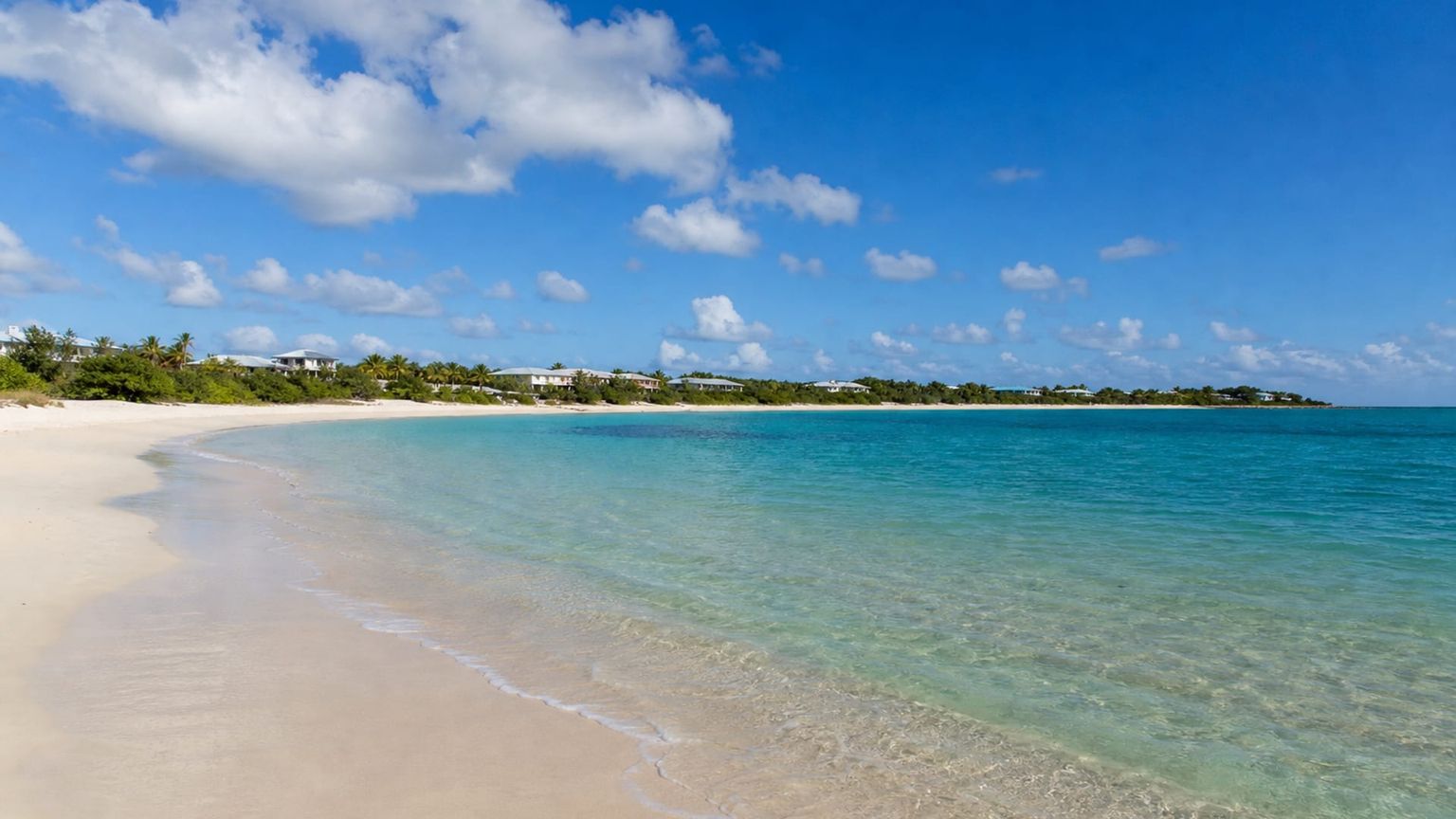
An east-to-west beach day works well here, starting again at Shoal Bay East in the morning, then driving about 30 to 35 minutes to Crocus Bay for a quieter second swim and lunch. After that, continue roughly 15 to 20 minutes to West End for sunset along Meads Bay, where you can pair the beach with an unhurried dinner and the clearest water-view finish of the trip.
For the last morning, stay centered in The Valley so you can pair a final museum stop or a short look at Wallblake House with errands in the island’s main town before checkout. If time allows, walk through the shops in The Valley and then have coffee in Crocus Bay before heading back to Anguilla (AXA) for departure, which usually means a taxi ride of about 10 to 20 minutes from the inland center or about 15 to 25 minutes from the north coast.
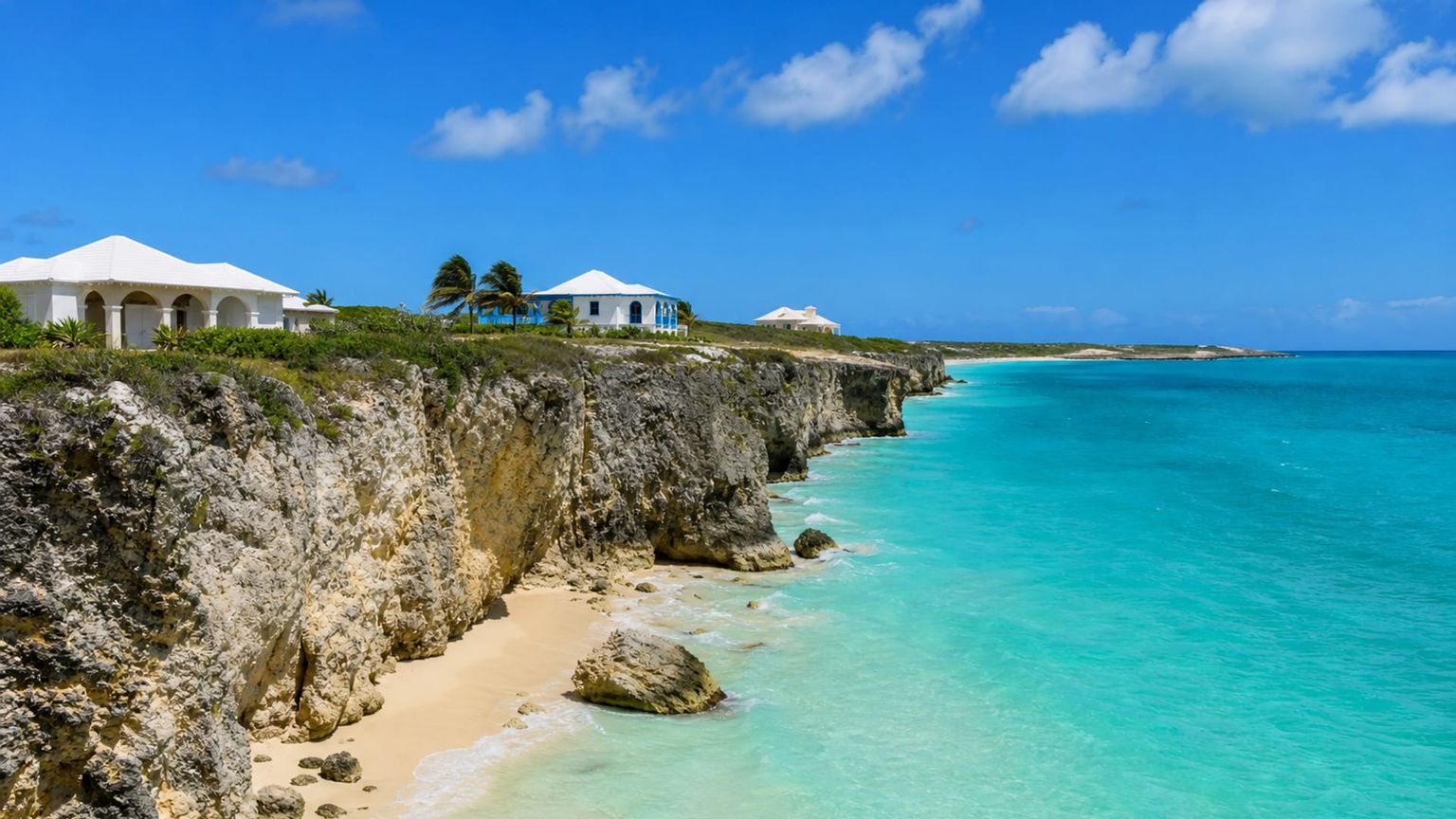
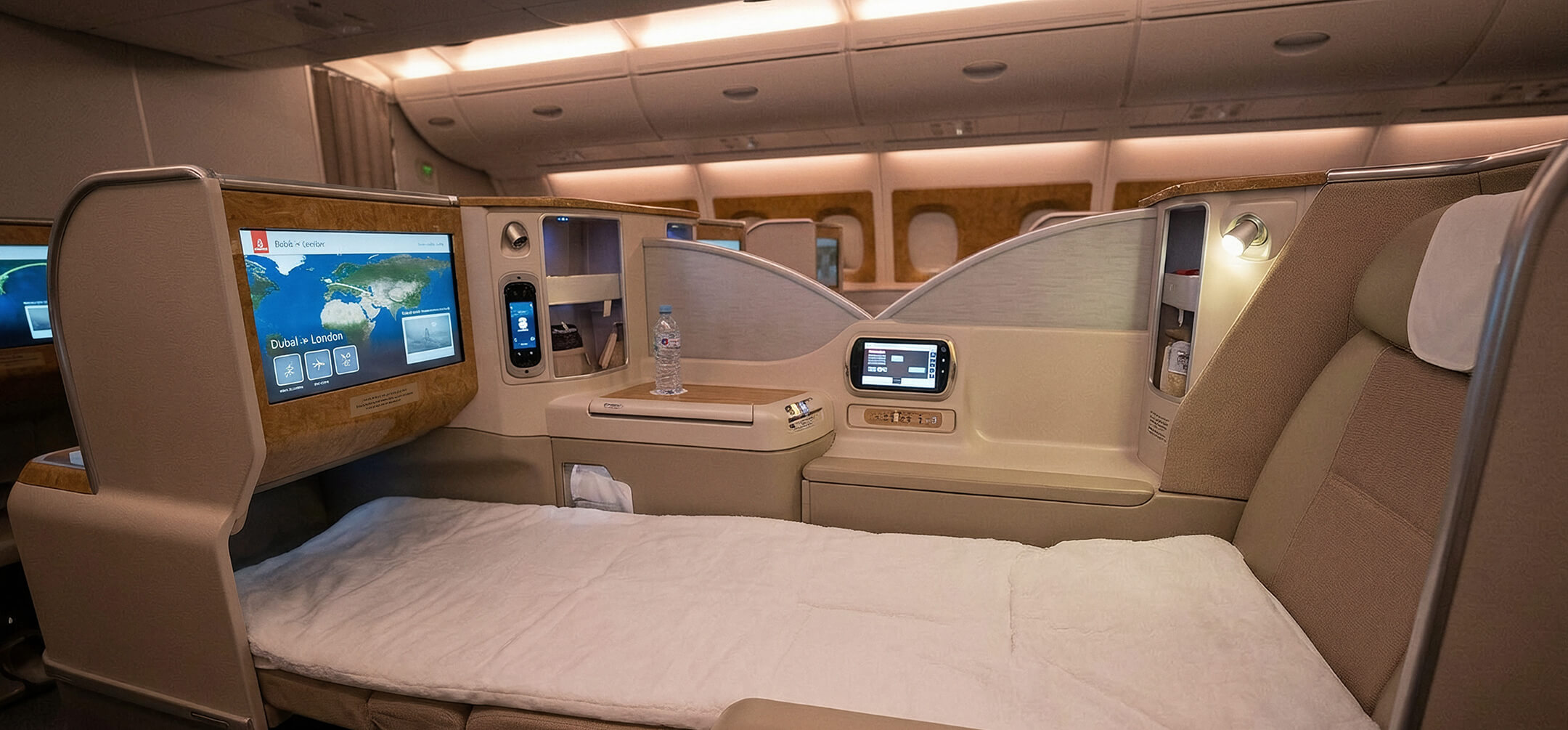
Business-class flights from the US to Anguilla
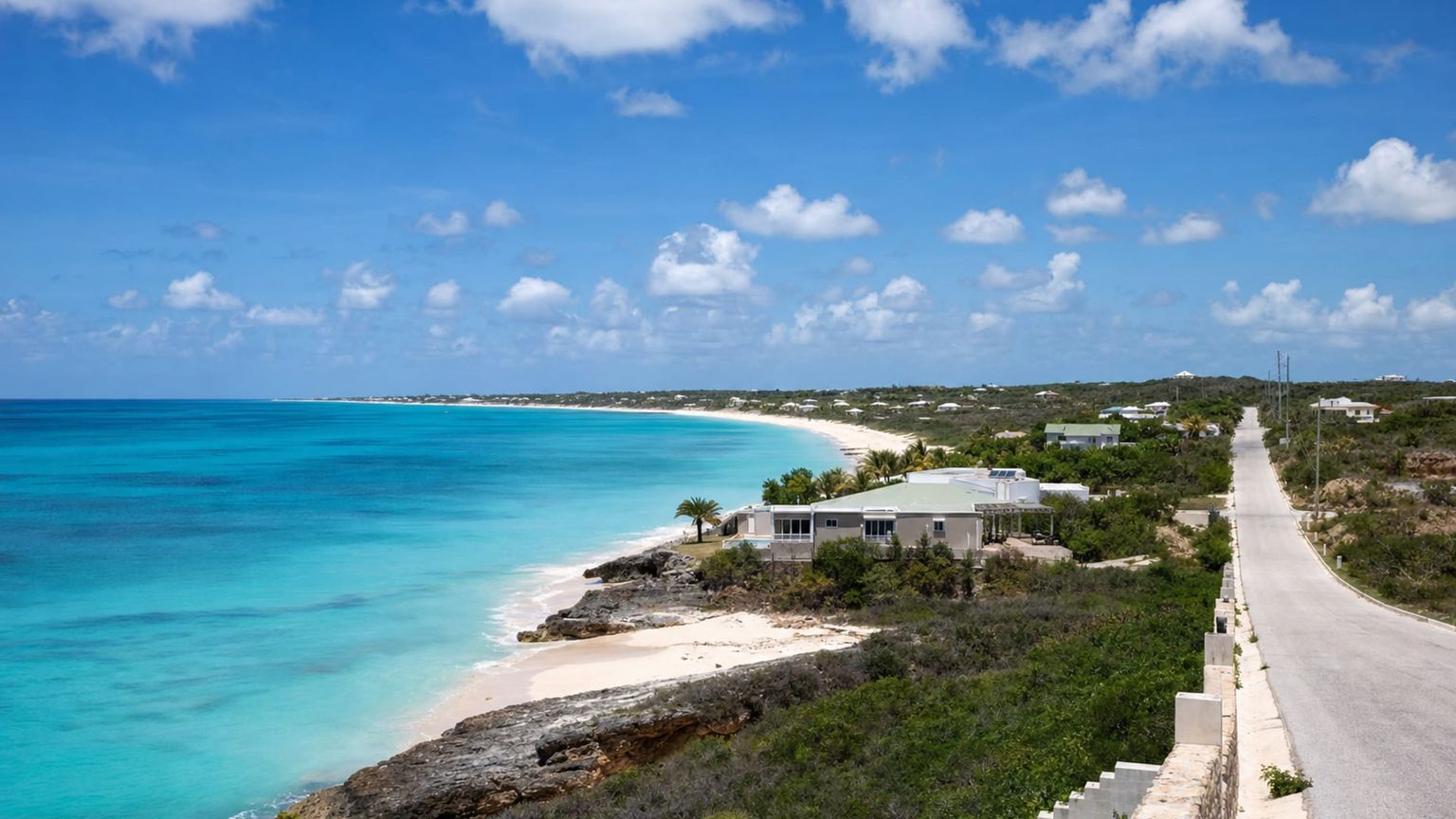
Reaching Anguilla usually means a connection, and the best options from New York and Los Angeles differ more in timing than in airlines. The examples below show the main routes travelers use to keep the trip efficient.
From New York (JFK), American Airlines, Delta Air Lines, JetBlue, LIAT, and Caribbean Airlines cover the route, and nonstop flights often keep total travel time near 4 to 5 hours. If you do not mind a connection, common routings through San Juan (SJU), Miami (MIA), or Charlotte (CLT) often cut fares to about $500 to $750.
From Los Angeles (LAX), round-trip fares usually begin near $1,400, with American Airlines, Delta Air Lines, United Airlines, Air Canada, and British Airways most often routing through Miami (MIA), Charlotte (CLT), or Atlanta (ATL). The trip usually runs about 8 to 13 hours with a stop, so timing and connection length matter more here than nonstop access.
Anguilla feels different when you slow down
A thoughtful Anguilla trip gives each part of the island a job: West End for a beach base, Shoal Bay East for the long waterline, The Valley for history and errands, and Crocus Bay for a quieter coastal pause. Taxis make the links work, but only when the day is planned with the road network in mind. If you want that kind of trip mapped cleanly, ask the AranGrant experts to shape it around your dates and preferred beach area