

Chapters:

Need help with your trip?
Our support team is available 24/7. Request a callback or call us directly at (833) 619-0908
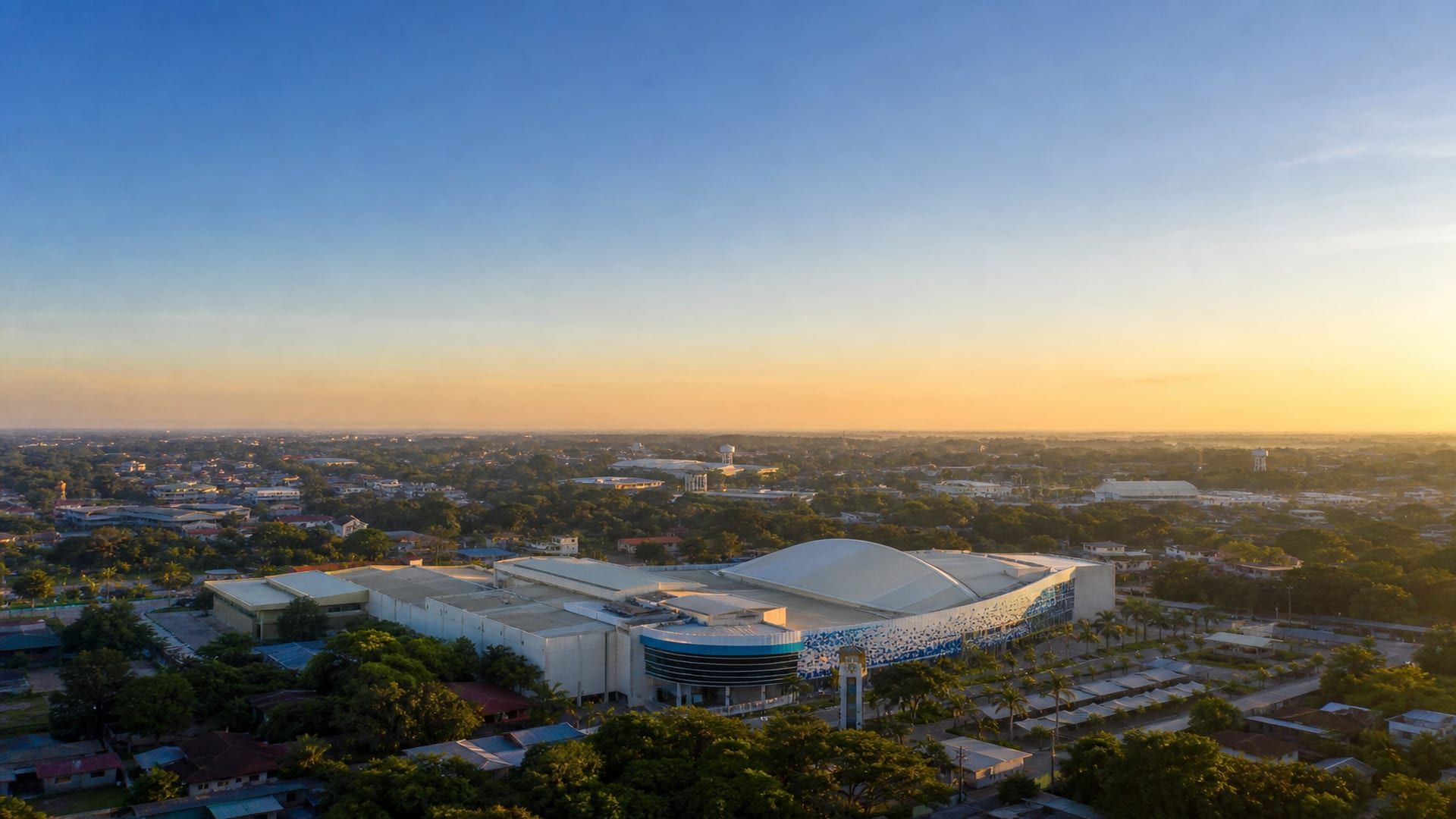
Angeles City trips often begin and end with Balibago, Fields Avenue, and a quick run to Clark International Airport, while heritage streets and day-trip stops get less attention. Travelers who only map the nightlife corridor usually miss how much the city changes once you move into old Angeles or out toward Clark.
That narrow approach can add extra rides, longer waits, and more backtracking, especially when you split time between the city core, Clark Freeport Zone, and the foothills west of town. Distances are short on paper, but traffic, heat, and uneven street layouts change the pace.
This guide organizes the trip by neighborhood, timing, and transit, so each day has a clear purpose. You will see where to stay, what to eat, which sights work together, and how to pair airport access with a practical route through the city.
Useful things to know

Main language(s): Filipino, English
Kumusta (koo-MUS-tah) – Hello
Pakiusap (pah-kee-OOS-ap) – Please
Salamat (sah-lah-MAHT) – Thank you
Marunong ka bang mag-Ingles? (mah-roo-NONG kah bahng mag-in-GLES) – Do you speak English?
Magkano ito? (mag-KAH-no ee-TOH) – How much does it cost?

Currency: The local currency is the Philippine peso (PHP, ₱).

Cash and cards: Cards and contactless work in many hotels, malls, and restaurants; carry about ₱1,000 to ₱2,000 ($18 to $36) in cash.

Tipping: Round up small bills; 5-10% is common in restaurants when service is good.

Traditional food: Sisig, Bringhe, Tocino, Bistek Kapampangan

Water and coffee costs: Water about ₱30 ($0.50), bar espresso about ₱120 ($2).

Taxis and ride apps: Grab operates here; confirm the plate and driver before you board.

Plug and voltage: Type A/B socket, 220V

Dining and shop opening hours: Breakfast is about 06:00-09:00, lunch 11:00-14:00, and dinner 18:00-21:00. Some mall food courts stay open later, while smaller eateries may close early.

Emergency number: 911 for police, fire, and medical emergencies.
Where to stay in Angeles City
Balibago is Angeles City’s main entertainment and hotel district, centered on Fields Avenue and the surrounding blocks. It matters because it puts restaurants, bars, shops, and late-night options within a short walk or tricycle ride of many stays.
Best for: Nightlife, dining, and travelers who want the densest concentration of hotels and late-opening venues
What to expect: Expect heavy foot traffic on the main streets, plenty of taxis and tricycles, and the most active evening scene in the city.
Hotel prices: Usually about $35 to $120 per night for well-rated stays
Distance to major sights: 10 to 20 minutes by tricycle to Clark Veterans Cemetery; about 15 to 25 minutes by car to Clark International Airport (CRK)
Quietness: Busy through the day, then louder and brighter in the evening and late at night
Main trade-off: The central location comes with more noise, more traffic, and higher room rates than quieter parts of Angeles City.
Good to know: If you plan to be out after dark, choose a room on a side street or higher floor, since the main drag stays active well into the night.
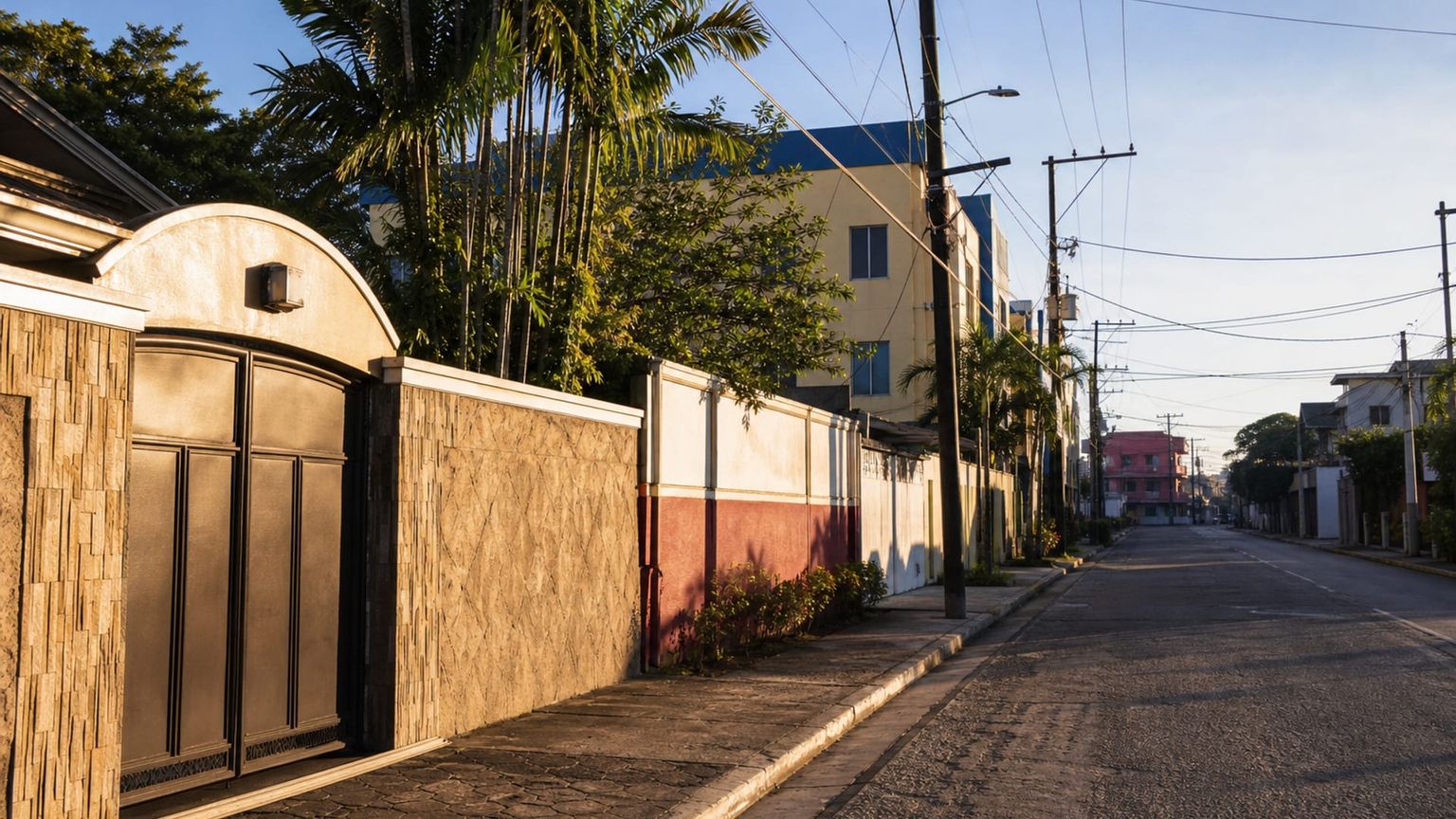
Malabanias sits just north of Balibago and mixes residential streets with guesthouses, small hotels, and local eateries. It matters for travelers who want a base close to the action without staying directly on the busiest stretch of Fields Avenue.
Best for: Midrange stays, longer visits, and travelers who want quick access to Balibago without staying on the main nightlife strip
What to expect: Expect a mostly local neighborhood with smaller roads, neighborhood shops, and a lighter evening crowd than Balibago.
Hotel prices: Usually about $25 to $85 per night for well-rated stays
Distance to major sights: 15 to 25 minutes by tricycle to SM City Clark; about 20 to 30 minutes by car to Clark International Airport (CRK)
Quietness: Moderately active in the day, noticeably calmer at night than the entertainment district
Main trade-off: You give up some walkability to the main nightlife blocks, so most evenings start with a short ride.
Good to know: Check the exact block before booking, because rates and noise can change a lot between streets that are only a few minutes apart.
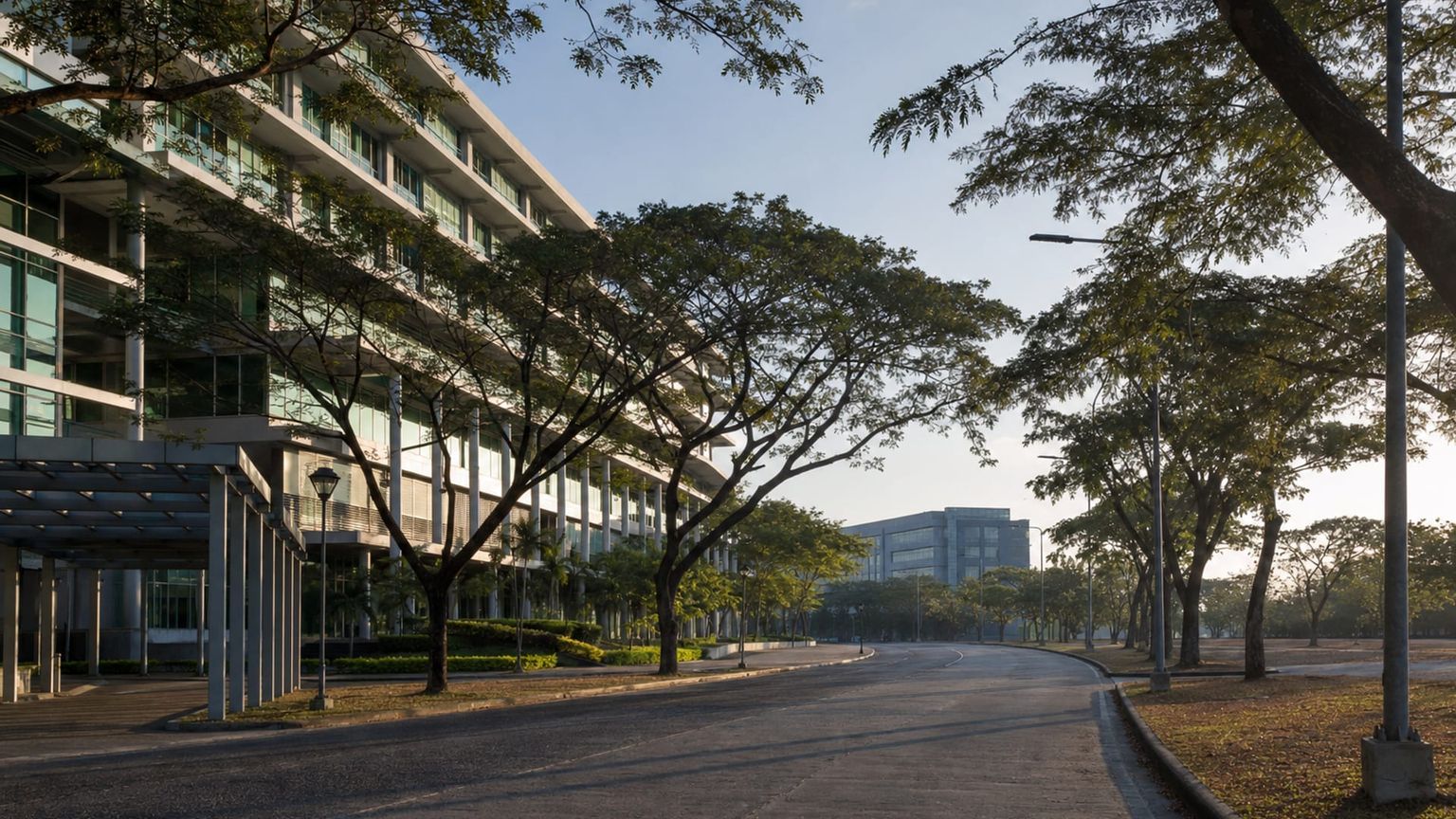
Clark Freeport Zone lies north of central Angeles City and functions as the area’s airport, business, and resort corridor. It matters if you want newer hotels, easier airport access, and wider roads instead of dense urban streets.
Best for: Airport access, business trips, resort-style stays, and travelers who prefer newer properties
What to expect: Expect wide roads, planned developments, shopping areas, and far less street activity than in central Angeles City.
Hotel prices: Usually about $40 to $150 per night for well-rated stays
Distance to major sights: 10 to 20 minutes by car to Clark International Airport (CRK); about 20 to 30 minutes by car to Balibago
Quietness: Quiet during the day outside commercial zones, and generally calm at night
Main trade-off: You will usually depend on cars or hotel transport more often, since the area is less walkable than the city center.
Good to know: If you have an early flight, this is the easiest place to sleep, but verify shuttle times because not every property offers one.
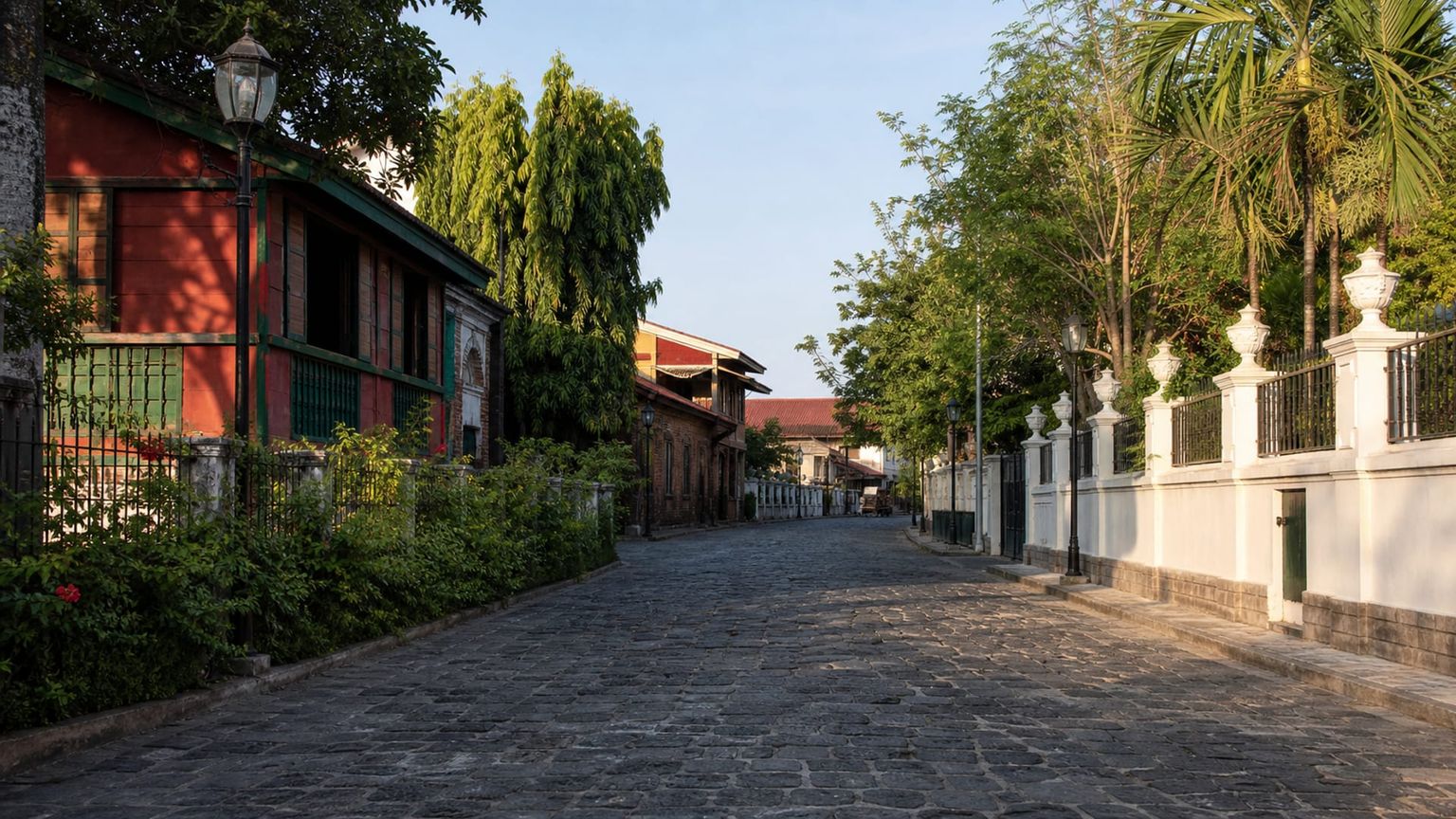
Pampang is a residential and commercial district west of the main tourist strip, known for local markets and everyday neighborhood life. It matters for visitors who want a lower-key base with food access and a more local pace.
Best for: Local food, budget stays, and travelers who prefer a less tourist-heavy setting
What to expect: Expect market activity, small shops, jeepneys, and a normal neighborhood feel rather than a tourist corridor.
Hotel prices: Usually about $20 to $60 per night for well-rated stays
Distance to major sights: 20 to 35 minutes by tricycle to Balibago; about 15 to 25 minutes by car to Clark Veterans Cemetery
Quietness: Active in the daytime, with quieter evenings once local businesses close
Main trade-off: You save on room rates, but you will spend more time and money reaching the main entertainment blocks.
Good to know: Choose this area if you want lower hotel prices and do not mind using tricycles or cars for most evening plans.
Travelers usually avoid staying deep in the Balibago nightlife strip, since the area puts you close to bars but not to the main Clark attractions, and late-evening movement can be more awkward if you want quieter streets. They also often skip Mabalacat barangays far from Clark Freeport, where visitor amenities are thinner and trips into Angeles proper take longer, plus remote parts of Sapangbato and the edge of Pampang, which sit farther from dining, shopping, and the city’s main hotel cluster.
Hotel deals
How to get around Angeles City efficiently
Angeles City depends on taxis, tricycles, jeepneys, buses, and ride apps, while Clark International Airport sits close enough that most transfers stay short.

Metro
for longer distances
No metro serves Angeles City or Clark, so the closest fixed-route option is the PNR Clark commuter rail concept rather than an operating subway network. For now, plan on road transport for trips within Angeles, with Clark International Airport in about 15 to 30 minutes by car depending on traffic and pickup point.

Bus and tram
for convenience
Jeepneys and buses do most of the work here, with SM City Clark, Fields Avenue, the Clark perimeter, and Dau Interchange all used as common transfer points. Fares usually start at about $0.20 to $0.80 (roughly PHP 12 to PHP 45), and provincial buses to Manila, Pampanga towns, and northern Luzon often run on frequent departures, though you may need to wait about 10 to 30 minutes for a fuller load.

Taxi
for convenience or late hours
Licensed taxis use metered fares, and short city rides typically cost about $2 to $5 (roughly PHP 100 to PHP 280), while Clark International Airport trips often land near $4 to $10 (roughly PHP 220 to PHP 550) depending on traffic and distance. Use the official taxi queue at the airport or ask your hotel to call one; most drivers take cash, and some accept local e-wallets or cards if you confirm before starting the ride.
*Prices are based on rates updated as of June 2026 and may change at the time of travel.
Use taxis or Grab for airport runs and longer cross-town hops, tricycles for short neighborhood links, and jeepneys or buses when you want the cheapest way to cross the city corridor.
Iconic landmarks
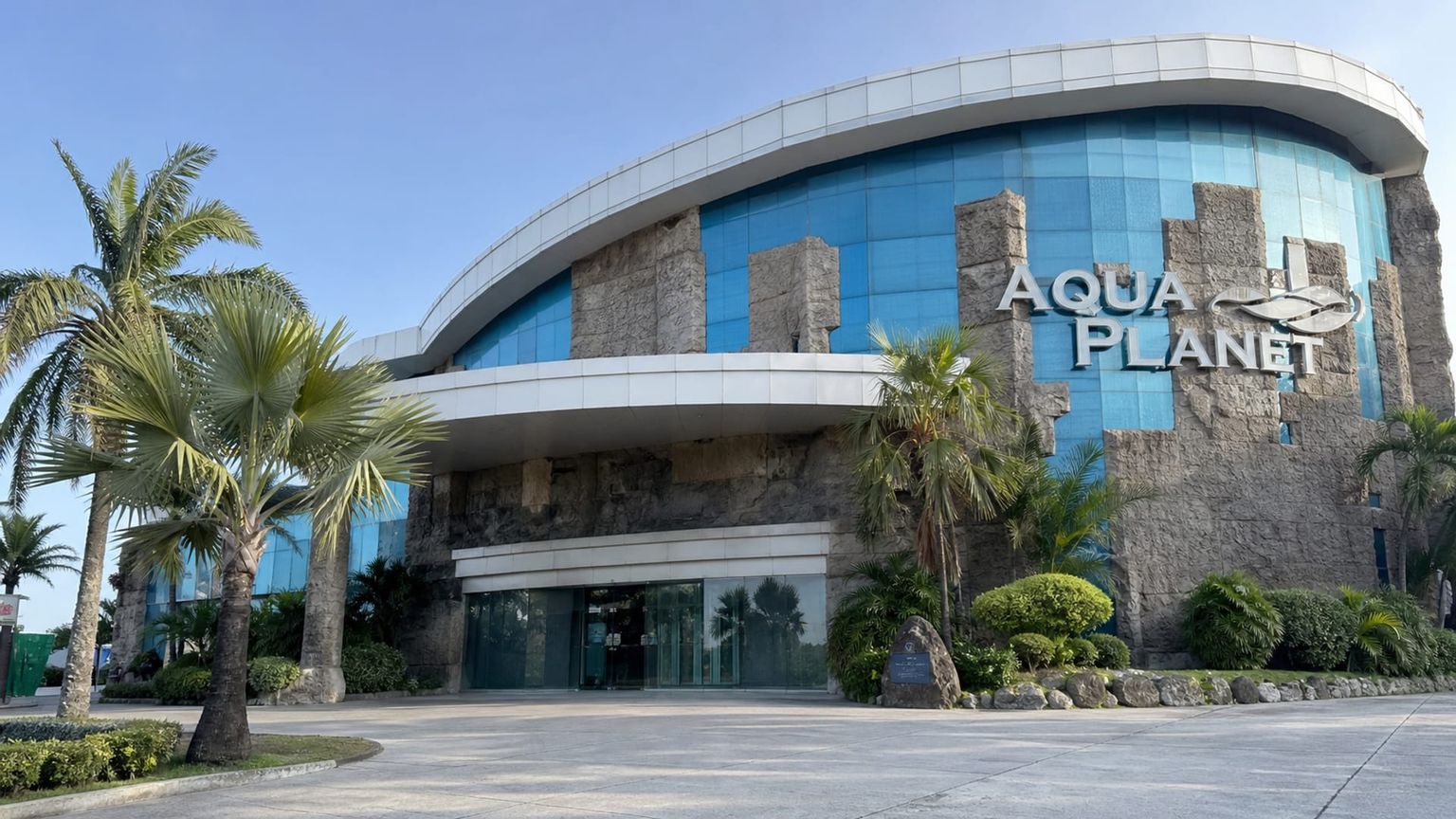
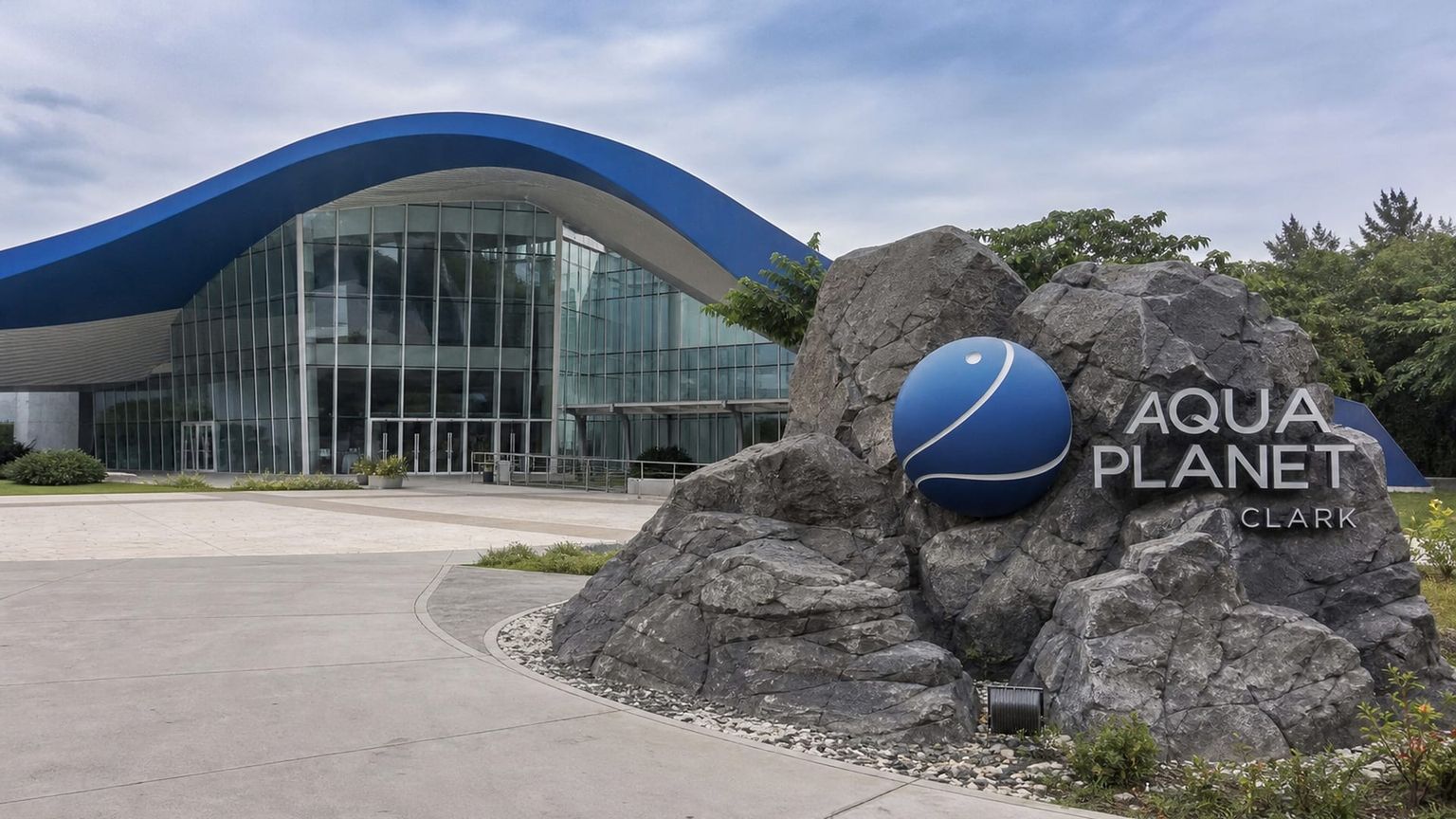
Aqua Planet
Angeles City’s largest water park packs slides, wave pools, and a lazy river into Clark Freeport Zone, about 10 km from the center. It draws families on hot weekends and gives a full-day break from the city streets.
Time needed: About 5 to 7 hours
Entry: Day passes typically cost about $22 to $28 (₱1,250 to ₱1,600) for adults, with child and senior discounts. Visit the official site for details.
Tip: Arrive at opening time to use the main slides before afternoon queues build up.
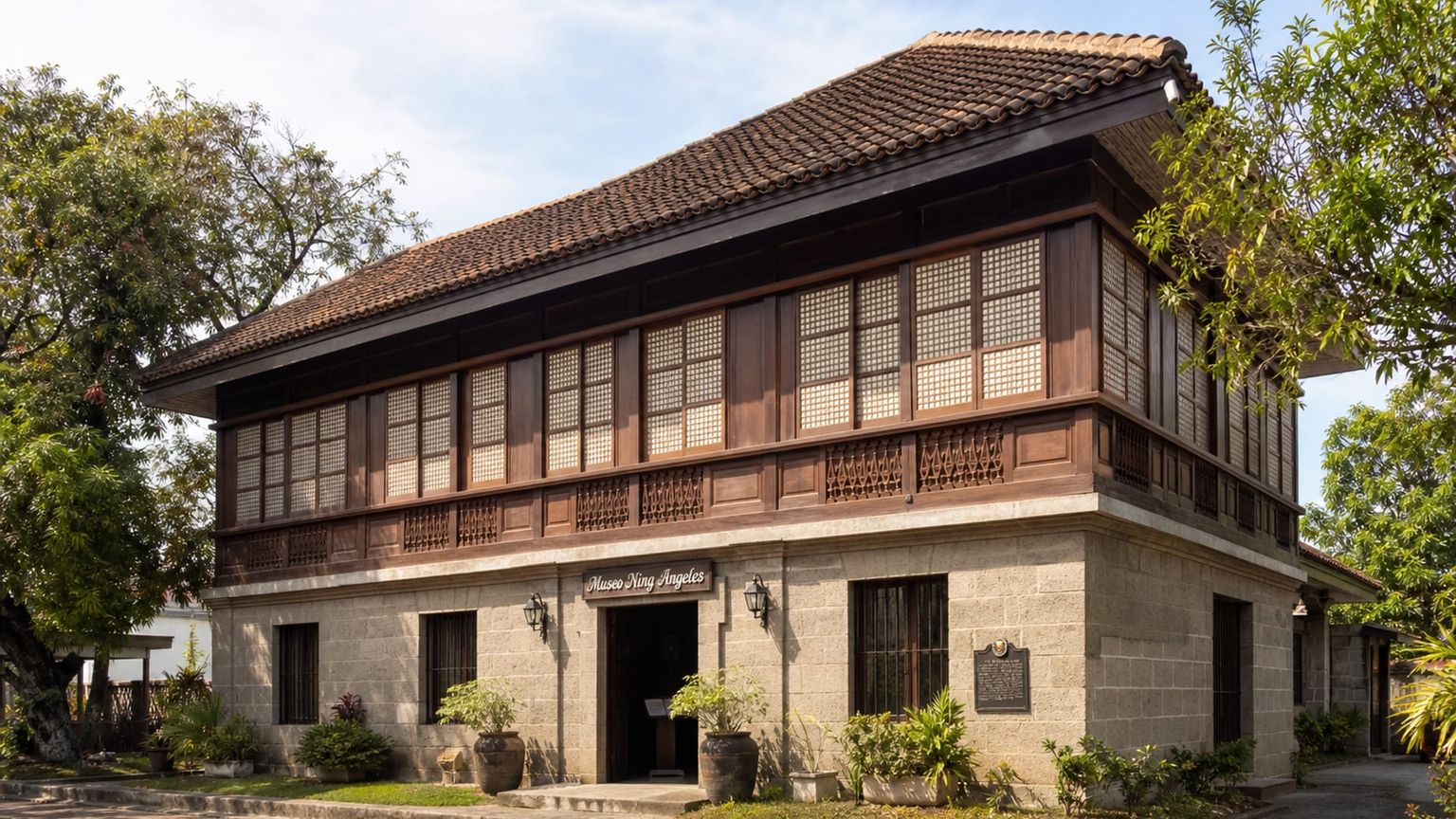
Museo Ning Angeles
This city museum occupies a restored 1920s town hall on Sto. Rosario Street, in the core of old Angeles. Inside, galleries trace Kapampangan life, local history, and the city’s wartime and postwar changes.
Time needed: About 1 to 2 hours
Entry: Admission is usually free, with donations accepted at the entrance. Visit the official site for details.
Tip: Visit in late morning, then continue on foot to nearby heritage houses and the old church complex.
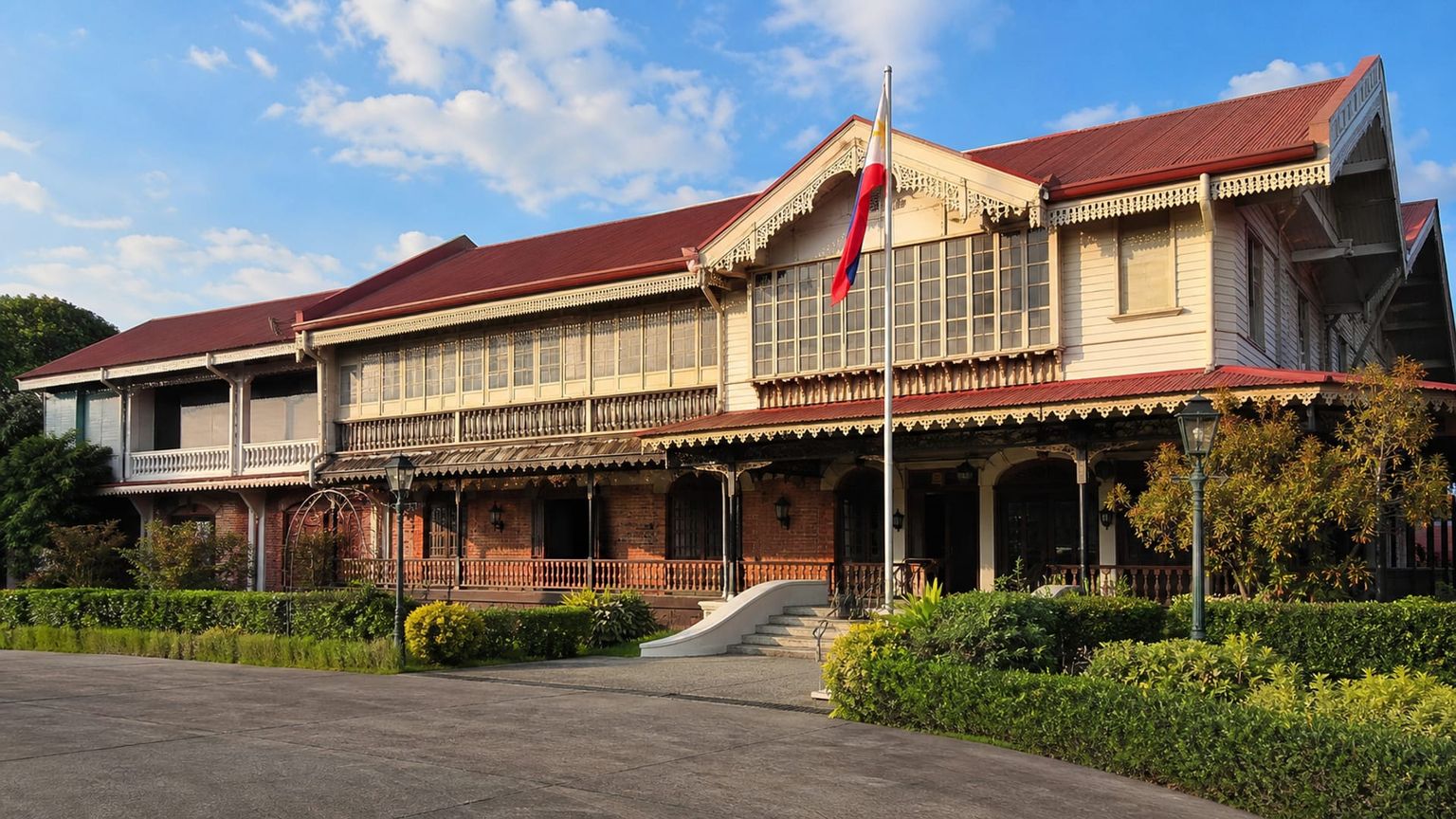
Nayong Pilipino Clark
Nayong Pilipino Clark sits inside Clark Freeport Zone, about 15 km from downtown Angeles, and presents Filipino regional architecture, cultural displays, and landscaped grounds. It suits visitors who want a quieter half-day stop.
Time needed: About 2 to 3 hours
Entry: General admission usually costs about $5 to $7 (₱300 to ₱400) for adults, with lower rates for children. Visit the official site for details.
Tip: Go in the morning, when the outdoor paths are cooler and the grounds are easier to explore.
Overlooked sites worth visiting

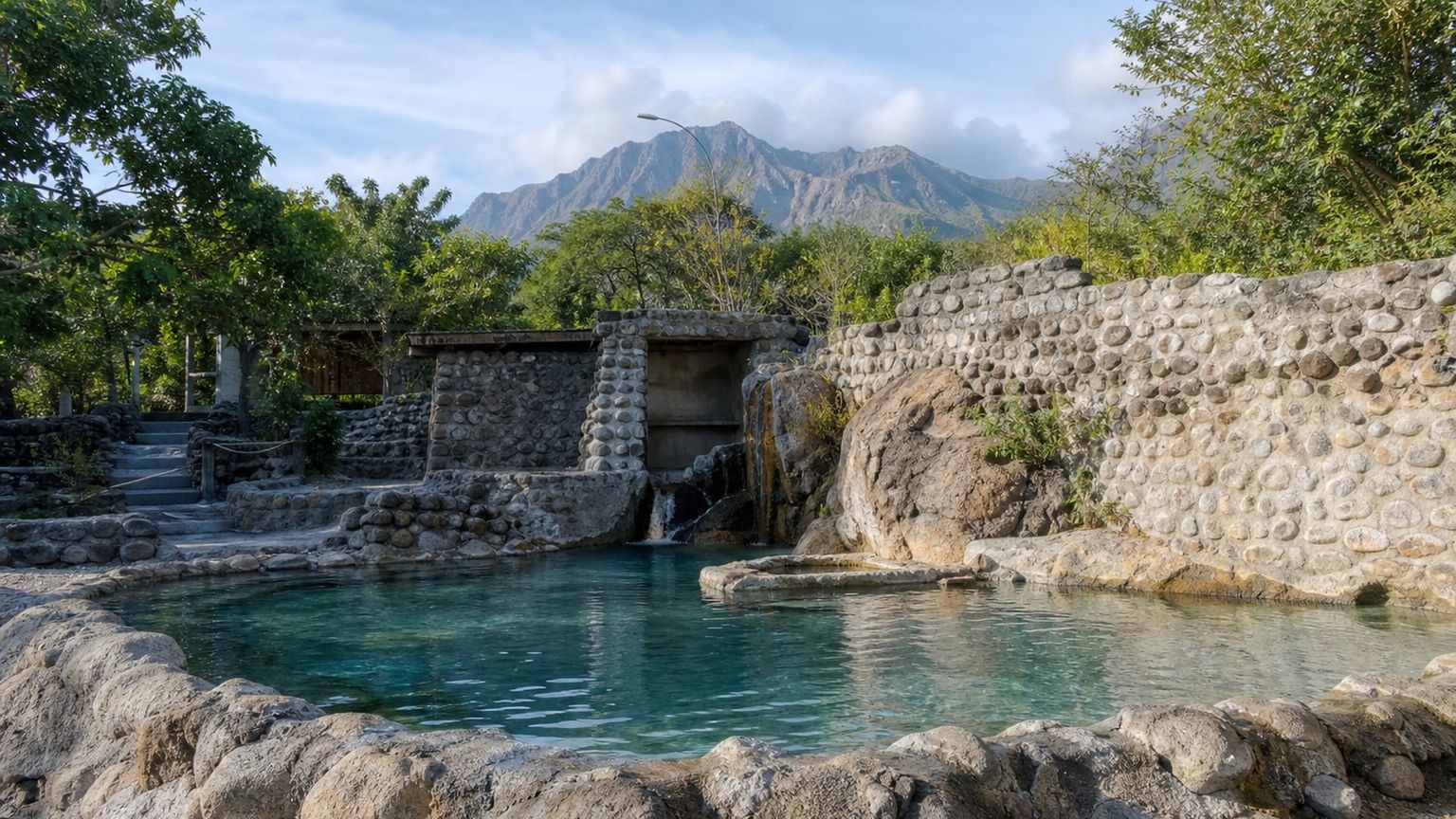
Puning Hot Spring
This open-air spring complex on the foothills of Mount Pinatubo sets up a slower visit than the city core, with pools, a spa zone, and volcanic scenery. The drive adds about 30 km each way.
Time needed: About 2 to 4 hours
Entry: Day passes usually cost about $16 to $20 (₱900 to ₱1,100), with rates that can vary by day and package. Check the operator’s current schedule before you go, since access to some pool areas and spa features can change with maintenance or group bookings. Visit the official site for details.
Tip: Go early for cooler air and lighter pool use.

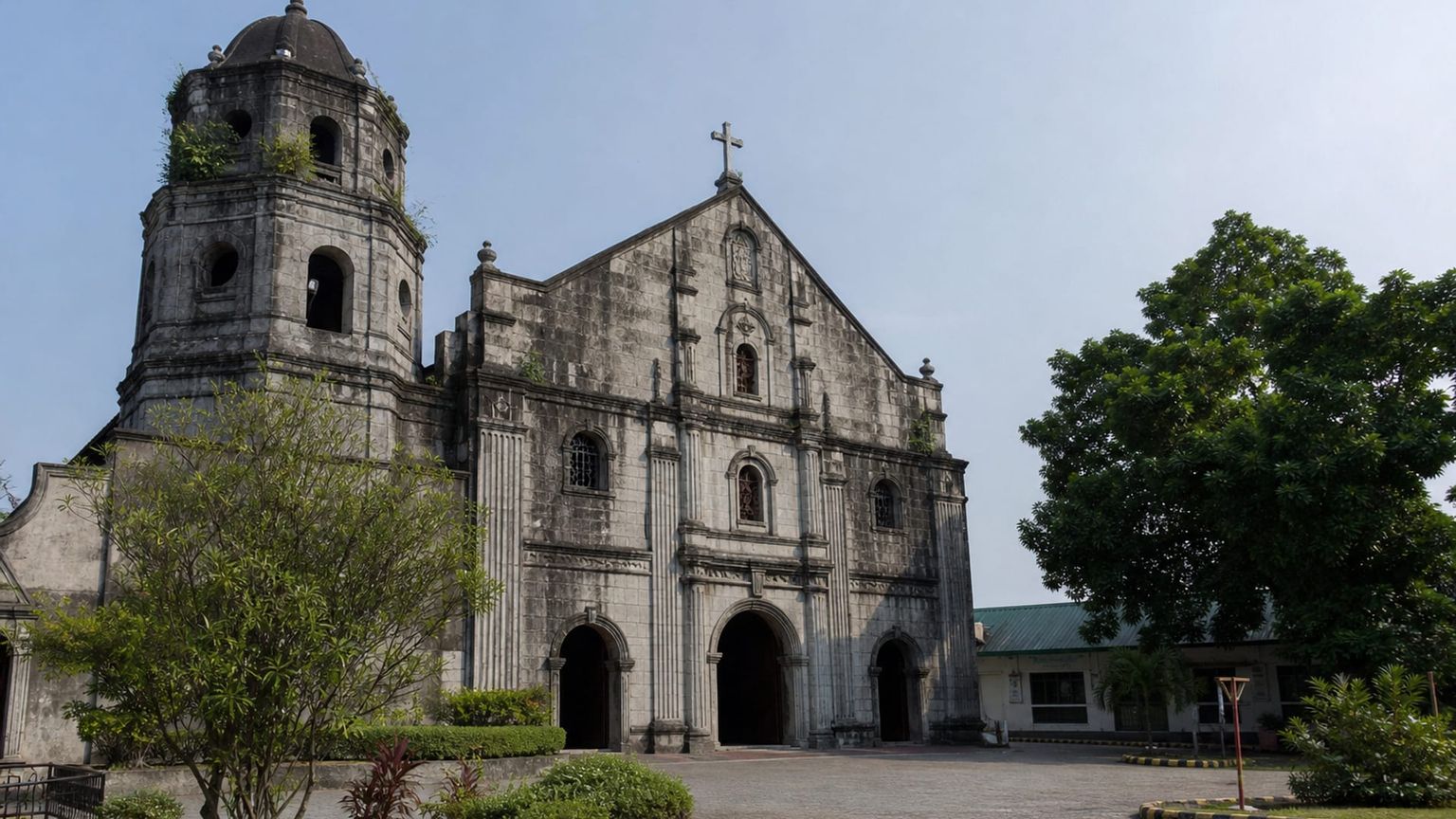
Holy Rosary Parish Church
This compact Spanish-era church in Balibago gives a close look at Angeles City history, with a carved facade, stained glass, and a calm interior only minutes from the main streets. It works well as a short cultural stop.
Time needed: About 30 to 45 minutes
Entry: Free to access; donations are welcome, and there is no standard admission fee. If you want to join a mass or enter during special church events, timing can shift, so check local schedules before visiting.
Tip: Visit outside mass hours for easier interior access.
Traditional food
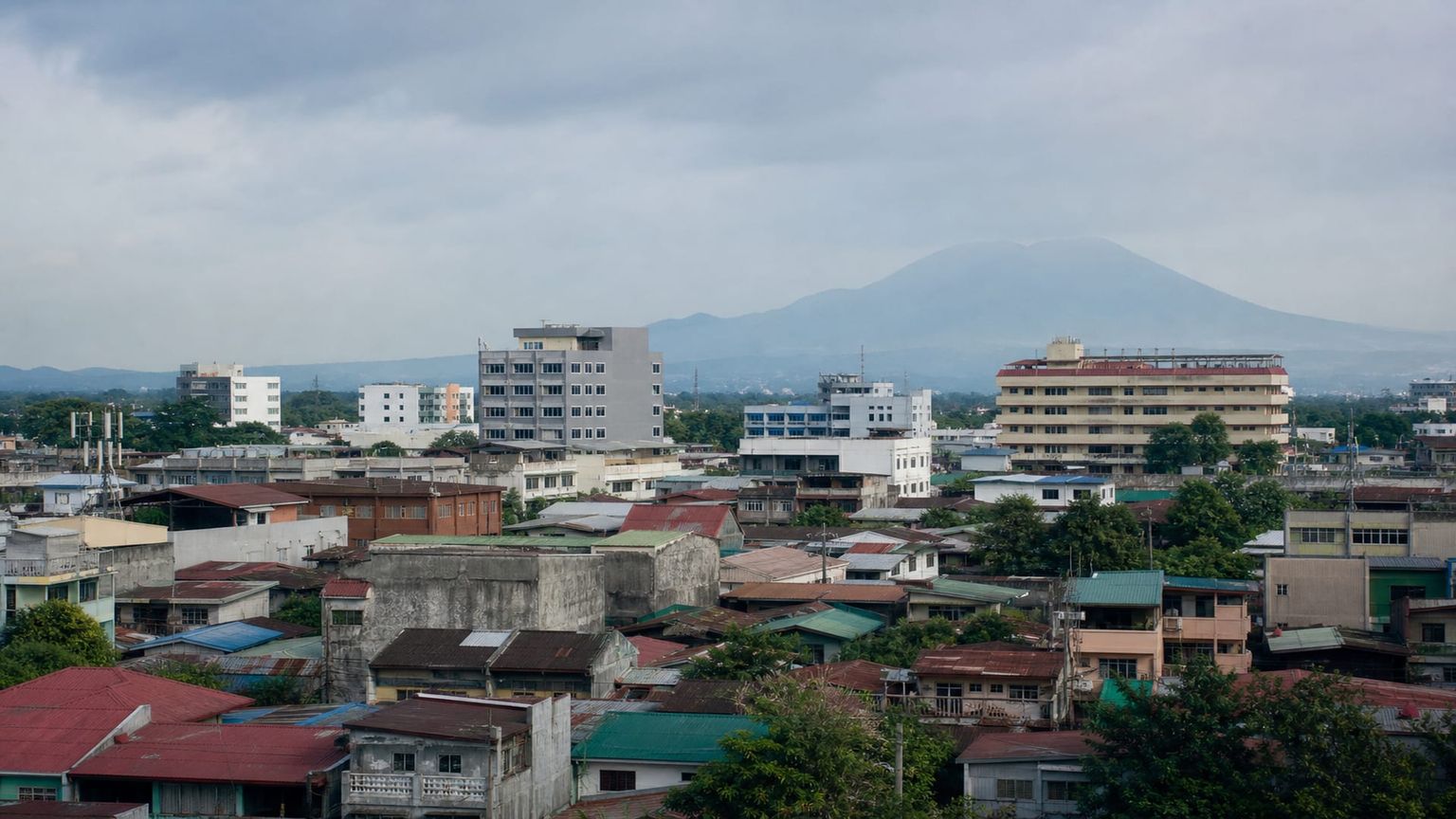
Kapampangan cooking centers on pork, rice, garlic, and bold seasoning, so sisig, bringhe, tocino, and bistek Kapampangan give the city its signature mix of smoky, savory, and festive flavors at casual counters and family dining rooms.
Sisig
This chopped pork dish usually arrives sizzling, sharp with citrus and onion, and it is the city’s best-known specialty. Aling Lucing’s Sisig in Angeles City is the canonical stop for a classic version.
Bringhe
Bringhe is a Kapampangan rice dish cooked with coconut milk and turmeric, often topped with chicken and vegetables. Bale Dutung in Angeles City serves one of the city’s best-known versions.
Tocino
Sweet cured pork tocino is a common breakfast plate, usually served with garlic rice and egg. Matam-ih Authentic Kapampangan Cuisine in Angeles City is a strong canonical choice for a local breakfast spread.
Bistek Kapampangan
This regional beef dish leans savory, with soy, onions, and a richer local seasoning profile than the standard version. Mila’s Tokwa’t Baboy and Restaurant in Angeles City is a well-known place to order it.
Best time to visit Angeles City
Angeles City stays warm year-round, but the most comfortable months for walking heritage streets and planning water-park or hot-spring days come during the drier season.
Best for: Best for cooler mornings, heritage walks, and easier outdoor sightseeing
What you get: About 68 to 87°F (20 to 31°C), with lighter rain and stronger visitor flow during holidays
Trade-offs: Hotel rates and restaurant crowds often rise in peak travel weeks
Best for: Best for pool days, short museum visits, and early starts before the heat builds
What you get: About 73 to 95°F (23 to 35°C), with hot afternoons and moderate crowds outside holiday periods
Trade-offs: Midday sightseeing can feel tiring without a break indoors
Best for: Best for travelers who do not mind afternoon rain and want a quieter pace at major sights
What you get: About 73 to 90°F (23 to 32°C), with more humidity, heavier showers, and lighter crowds on some weekdays
Trade-offs: Stormy stretches can interrupt open-air plans
Best for: Best for balanced weather, flexible day trips, and mixed city and resort time
What you get: About 70 to 90°F (21 to 32°C), with improving conditions and steady but manageable crowd levels
Trade-offs: Rain can still affect road time in early autumn
A realistic 5-day plan in Angeles City
This five-day plan follows the city’s actual shape, starting with arrival in Balibago, then moving into old Angeles, Clark, and the foothills before a last morning close to the airport. Each day builds on the last so you are not crossing town more than needed.
Land at Clark International Airport (CRK), then take a taxi or hotel transfer to Balibago or nearby Malabanias, which usually takes about 15 to 25 minutes and costs roughly $6 to $12. If you arrive late, staying near Fields Avenue keeps dinner simple, since you can walk to a nearby café or restaurant without crossing much of the city. After check-in, drink plenty of water, eat something light, and keep the evening short so you are ready for the next day.
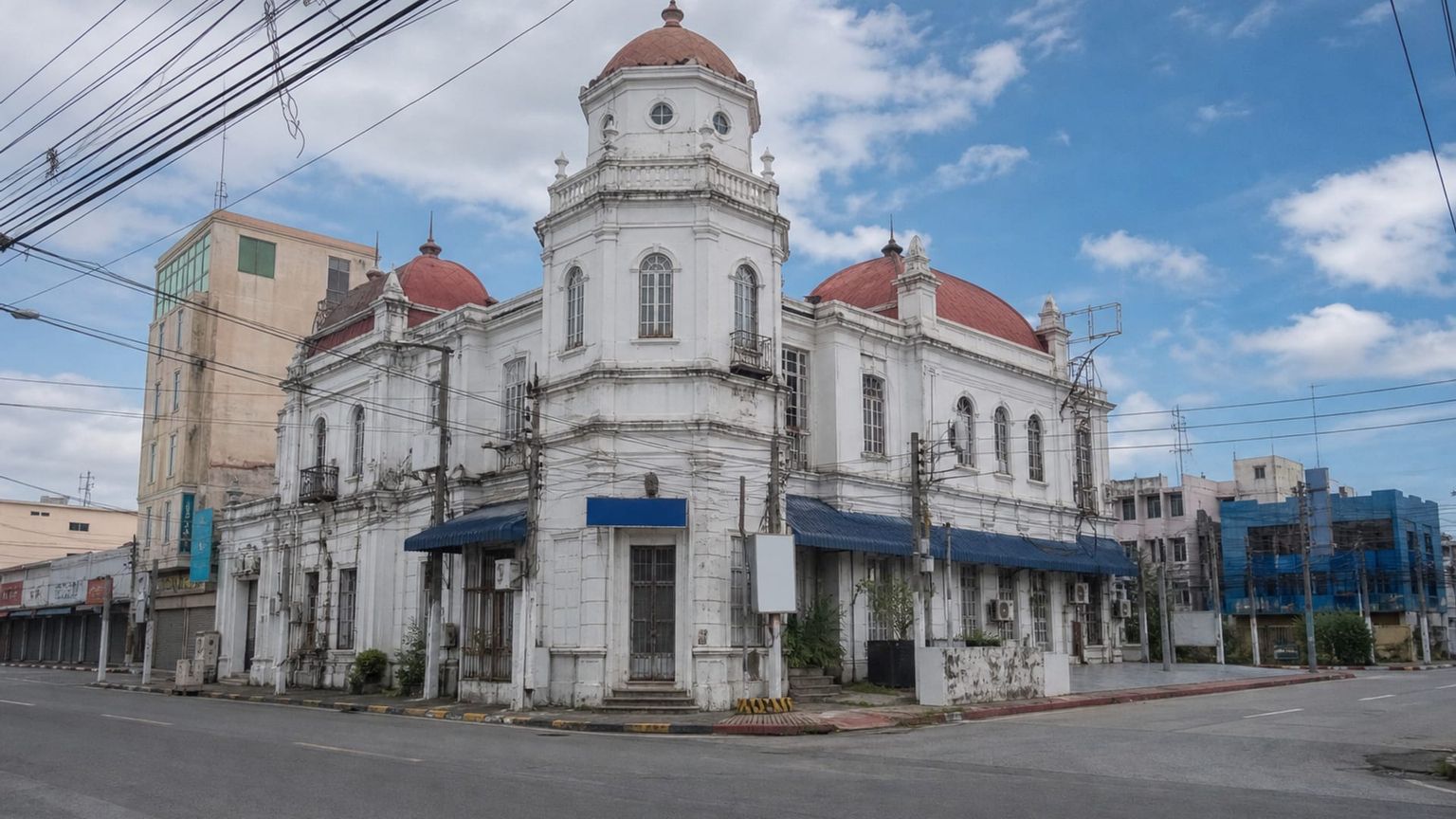
Start in old Angeles with Museo Ning Angeles on Sto. Rosario Street, then walk about 5 minutes to Holy Rosary Parish Church for a quiet look at one of the city’s best-known heritage landmarks. From the church, continue on foot through the surrounding historic block and spend about 1 to 2 hours at the museum before a relaxed lunch nearby. In the afternoon, head back toward Balibago, about 10 to 15 minutes by tricycle, for an easy dinner and a first evening on Fields Avenue.
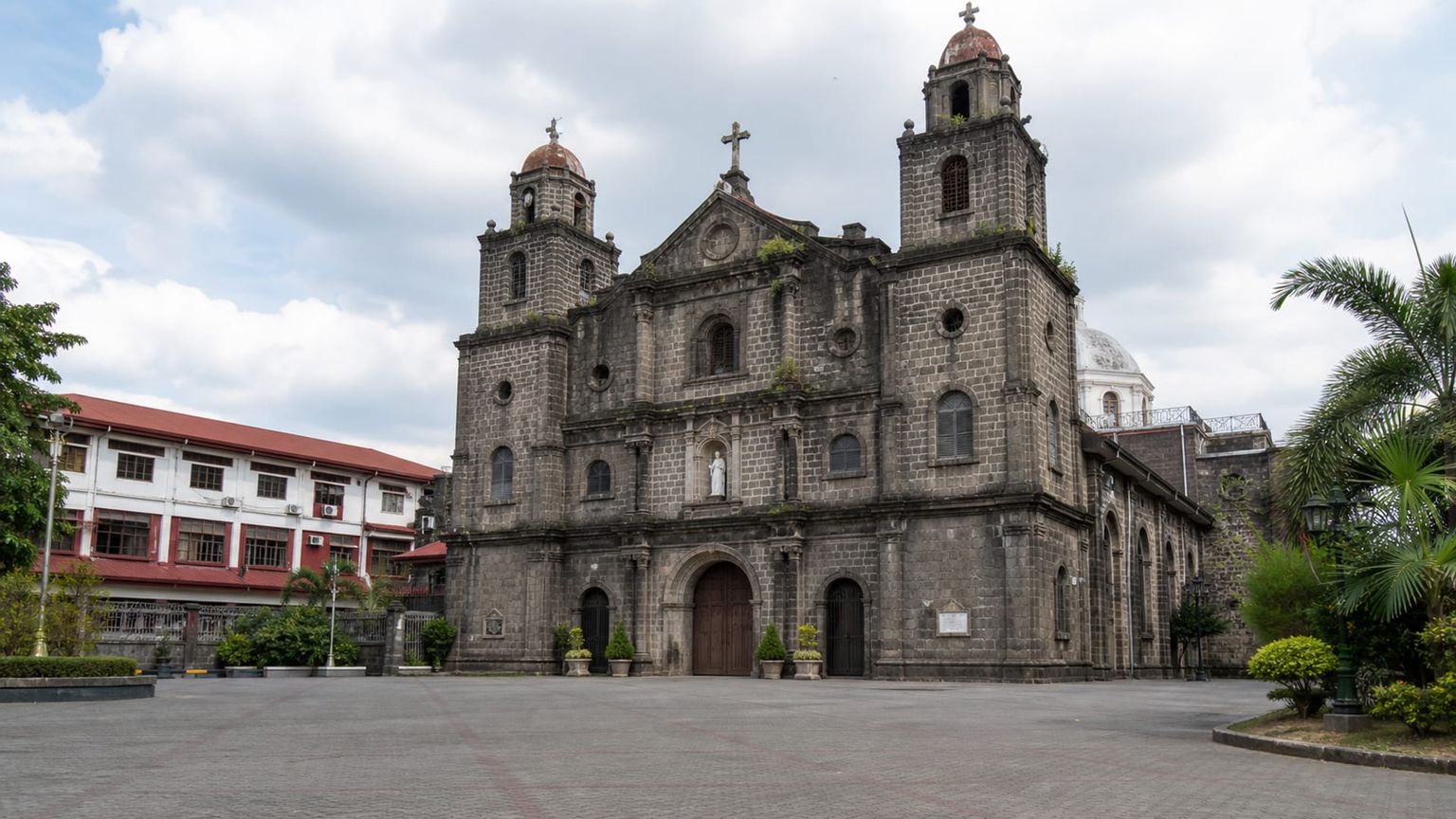
Begin early at Nayong Pilipino Clark, where the landscaped grounds and regional pavilions are easiest to enjoy before the heat builds. From Balibago or Malabanias, the ride usually takes about 20 to 30 minutes by car, and from Nayong Pilipino it is about 15 to 20 minutes by car to Aqua Planet. Plan roughly 2 to 3 hours at Nayong Pilipino and 5 to 7 hours at Aqua Planet, then end with a late meal back in Clark Freeport Zone or Balibago, depending on where you are staying.
For a slower change of pace, head west in the morning to Puning Hot Spring, about 30 km from the city and roughly an hour each way by road depending on traffic and the operator’s transport setup. Spend 2 to 4 hours moving between the pools, spa areas, and volcanic scenery, then return to Angeles for an early dinner in Malabanias or Balibago. If you prefer to stay in town instead, pair a longer lunch with a second pass through the heritage center and an unhurried café stop before evening.
Start the last morning with one more heritage stop at Museo Ning Angeles if you want a final look at local history, then head to Balibago for shopping, errands, or a walk through the busiest central blocks. From there, a café in Malabanias works well for a late breakfast or quiet coffee before you leave for Clark International Airport (CRK), usually about 15 to 30 minutes away depending on where you are staying. If your flight is later in the day, choose lunch near Fields Avenue and keep your bags close so you can depart without rushing.
Business-class flights from the US to Angeles City
Long-haul trips to Clark usually connect through major Asian hubs, so the best option often comes down to where you begin and how much transit time you can tolerate. The route examples below show what that looks like from New York and Los Angeles.
From New York, airlines including ANA, EVA Air, Japan Airlines, Korean Air, Cathay Pacific, and Philippine Airlines serve the route with connections through HND, NRT, ICN, HKG, TPE, or MNL. The trip usually takes about 19 to 26 hours with layovers, and round-trip fares usually start at $3,800 and can reach $6,500.
Los Angeles offers a shorter path, with Philippine Airlines, EVA Air, Korean Air, Asiana Airlines, Cathay Pacific, and China Airlines all appearing on typical itineraries. Expect about 16 to 22 hours total, usually via TPE, HKG, ICN, NRT, or MNL, and round-trip tickets often run from $3,200 to $5,800.
Angeles City feels different when you slow down
A careful Angeles City stay usually means splitting time between Balibago, old Angeles, and Clark Freeport Zone instead of staying in one block all week. Tricycles and taxis handle the short jumps, while a heritage morning at Museo Ning Angeles or Holy Rosary Parish Church balances well with a pool day at Aqua Planet or a slower excursion to Puning Hot Spring. If you want to shape the route around Fields Avenue, Clark transfers, or a cooler season, AranGrant experts can help you plan it







