

Chapters:

Need help with your trip?
Our support team is available 24/7. Request a callback or call us directly at (833) 619-0908
Anchorage trips often start with a museum stop, a shoreline walk, and a quick look at aviation, yet many visitors still miss how spread out those pieces are. They pack too much into one day and underestimate how much time downtown, Midtown, and the airport side can take to connect.
That matters here because short hops on foot work well only in a few pockets, and the best sights sit on different edges of the city. If you move without a plan, you lose time to traffic, parking, and backtracking.
This guide keeps the pace clear from the start, with neighborhood choices, transit notes, food picks, and a five-day plan that groups each outing by location.
Useful things to know

Main language(s): English

Currency: The local currency is the US dollar (USD, $).

Cash and cards: Cards and contactless are widely accepted; carry about $20 to $40 in cash for tips or small purchases.

Tipping: Tip 15-20% in restaurants, and round up for taxis and small purchases.

Traditional food: King crab, salmon chowder, cedar-plank salmon, halibut tacos

Water and coffee costs: Water about $2 to $4, bar espresso about $4 to $6.

Taxis and ride apps: Uber and Lyft operate here; expect limited coverage outside central Anchorage.

Plug and voltage: Type A/B socket, 120V

Dining and shop opening hours: Breakfast 07:00-09:00, lunch 11:30-14:00, dinner 17:00-21:00. Many places close early outside the city center, especially on Sundays.

Emergency number: 911 for police, fire, and medical emergencies.
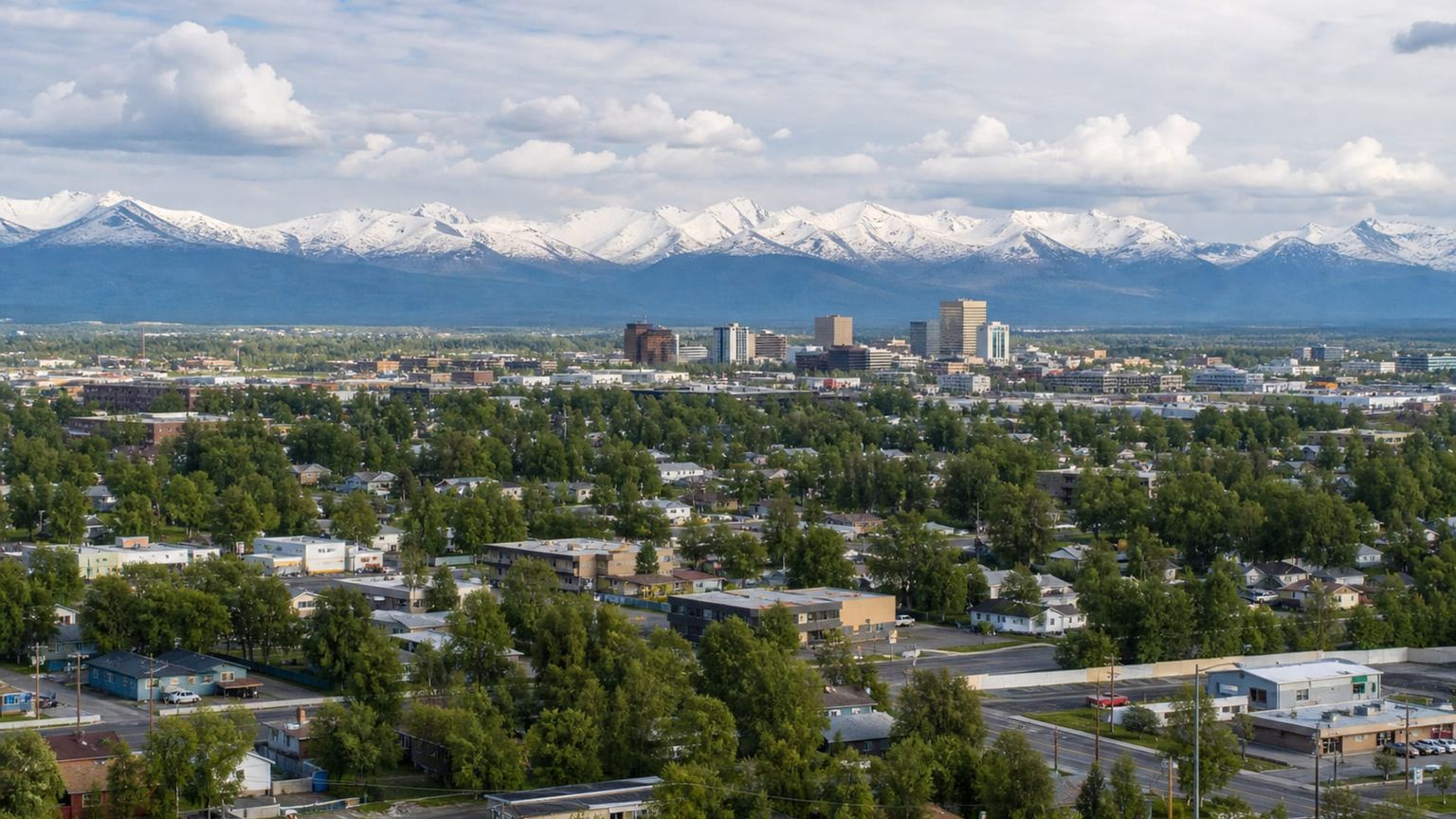
Where to stay in Anchorage
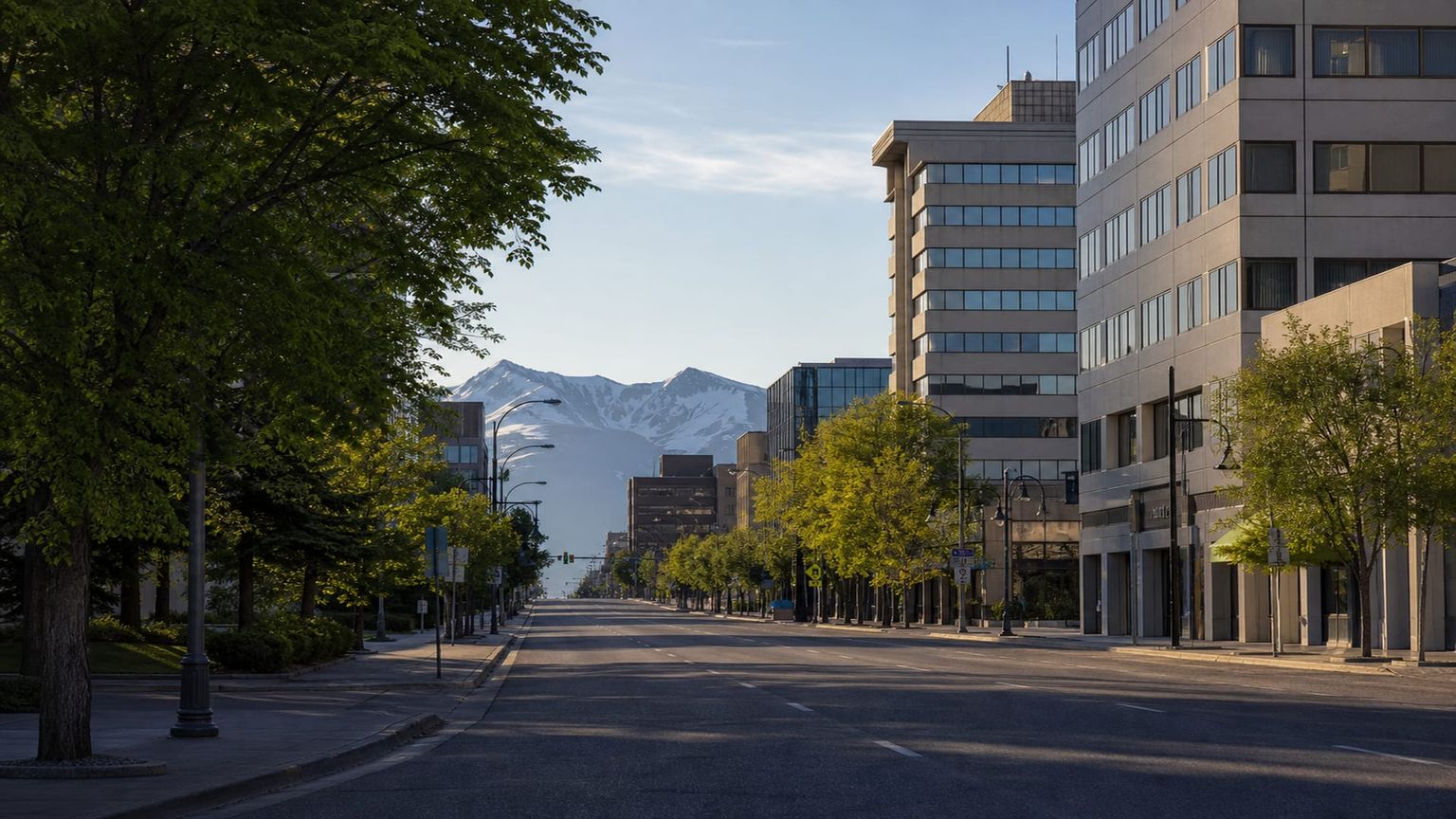
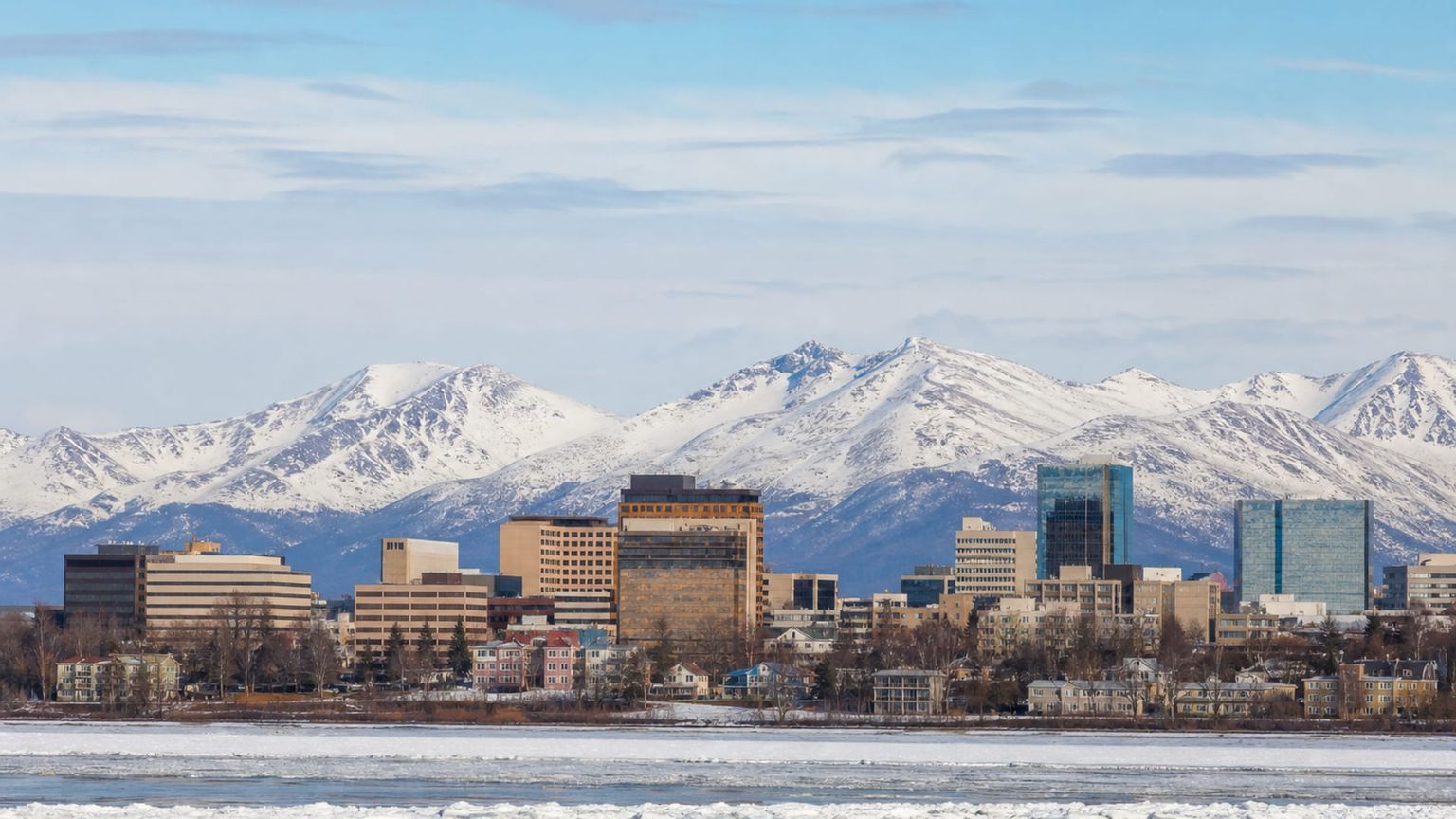
Anchorage’s central business district puts you closest to the city’s main museums, restaurants, and visitor services. It suits travelers who want the easiest access to day tours, the Anchorage Museum, and the trail system along Ship Creek and Cook Inlet.
Best for: First-time visits, car-free stays, and travelers who want quick access to museums, dining, and tour departures
What to expect: Busy sidewalks by day, with office workers, hotel guests, and diners; evenings thin out away from restaurant blocks.
Hotel prices: Usually about $160 to $320 per night for well-rated stays
Distance to major sights: 10 to 15 minutes on foot to the Anchorage Museum, about 5 minutes by car to Ship Creek, and roughly 15 minutes on foot to the Tony Knowles Coastal Trail start.
Quietness: Daytime is active and practical for walking; evenings are quieter on side streets, though hotel and restaurant blocks keep some activity.
Main trade-off: You will pay more for central positioning, and some blocks feel less lively after dinner.
Good to know: A rental car is useful if you plan to reach trailheads, Eagle River, or the airport on your own schedule.
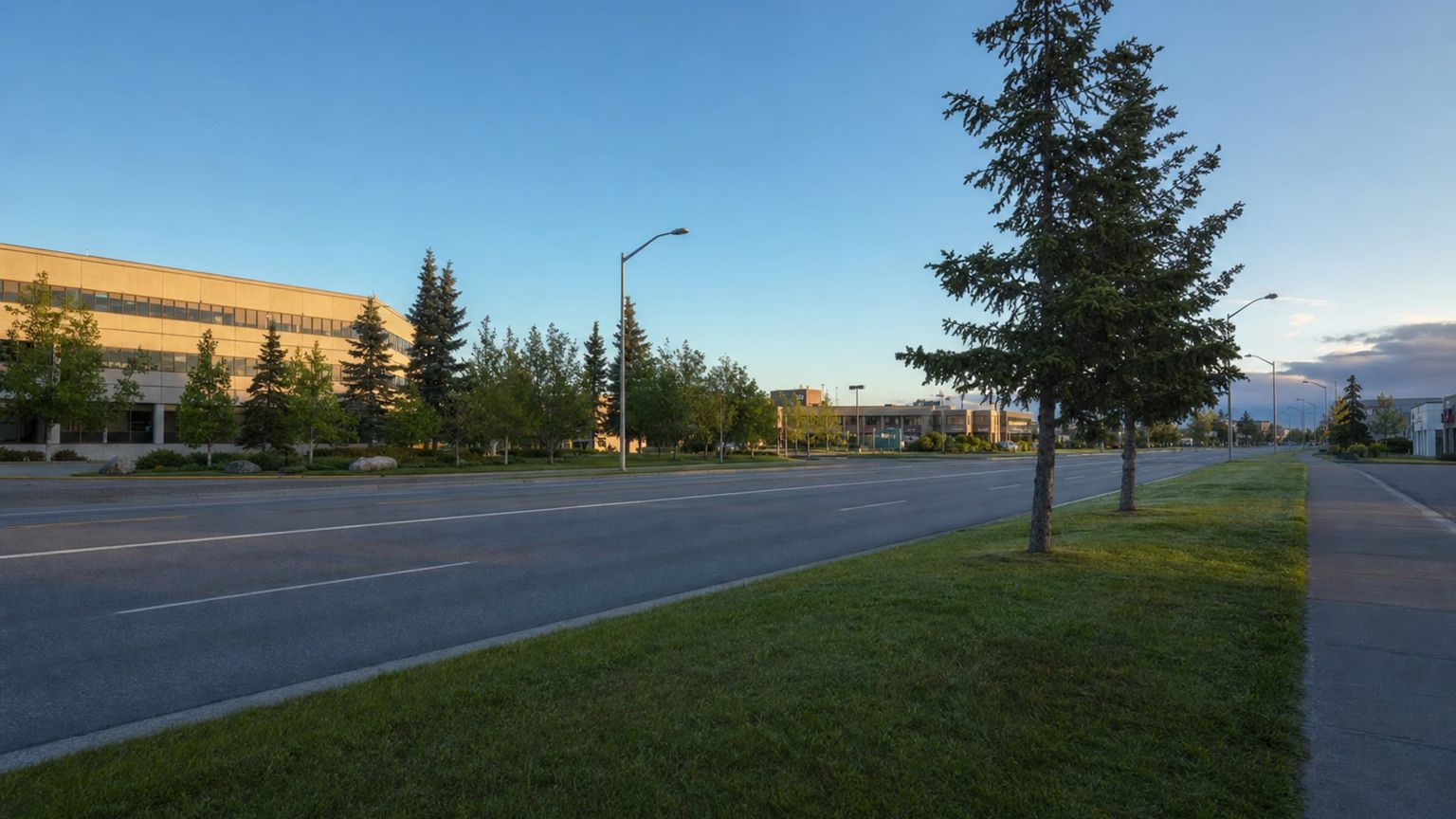
Midtown sits between downtown and the airport, with the city’s largest cluster of chain hotels, malls, and casual restaurants. It works well for travelers who want lower rates, easy driving access, and a base near shopping and medical facilities.
Best for: Drivers, longer stays, shopping access, and travelers who want lower nightly rates than downtown
What to expect: Wide roads, big parking lots, and steady traffic near retail strips; foot traffic stays modest outside shopping centers.
Hotel prices: Usually about $130 to $260 per night for well-rated stays
Distance to major sights: About 10 to 15 minutes by car to downtown, roughly 15 minutes by car to the Anchorage Museum, and about 15 to 20 minutes by car to the airport.
Quietness: Daytime brings traffic and retail activity; evenings are quieter once stores close, apart from main roads and hotel clusters.
Main trade-off: You will rely on taxis or a car more often, since most sights are not within an easy walk.
Good to know: Parking is usually easier here than downtown, which helps if you plan to come and go several times a day.
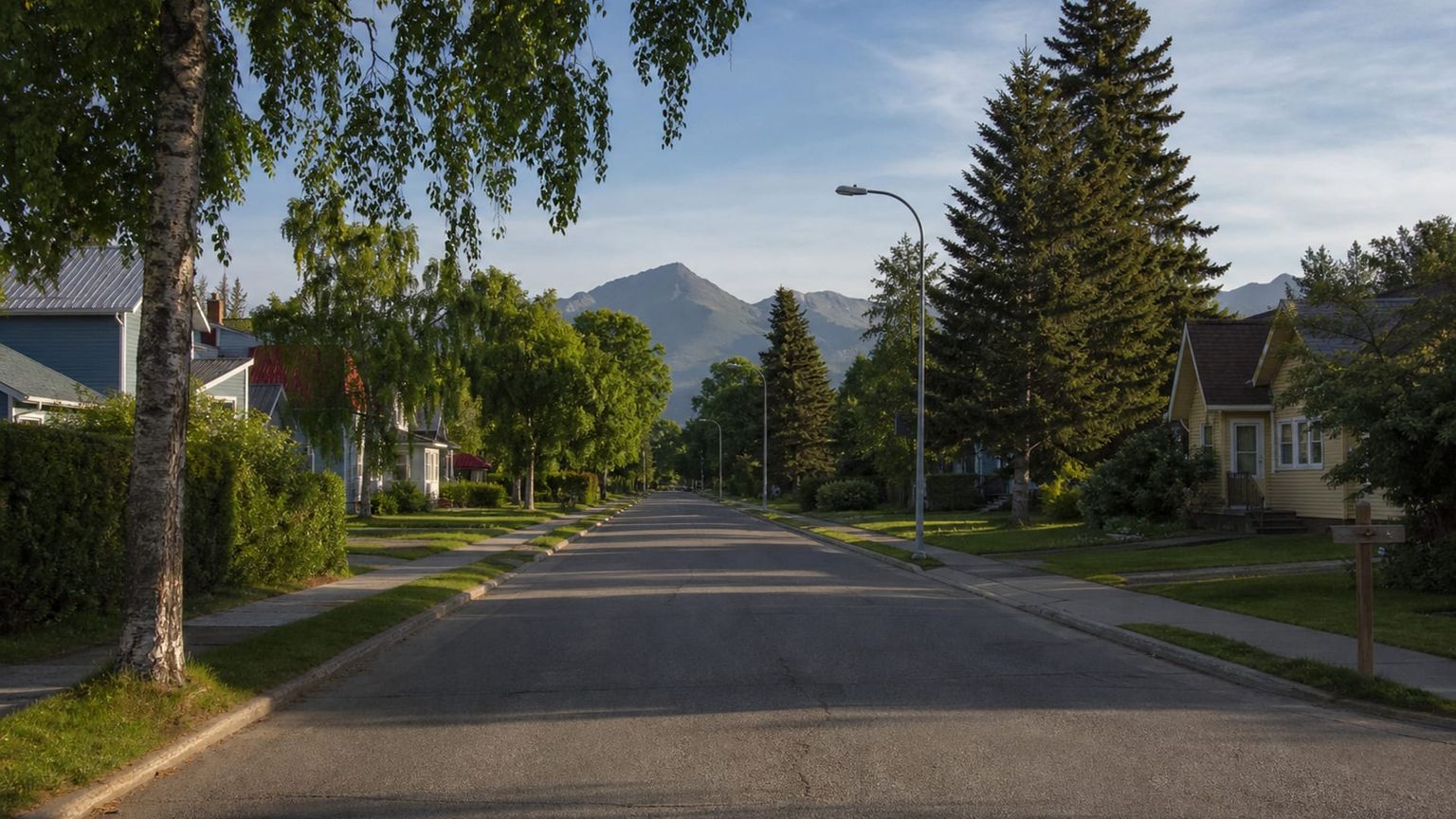
South Addition is a residential neighborhood just south of downtown, known for older homes, local streets, and access to the waterfront side of the city. It matters for visitors who want a quieter stay while staying close to downtown dining and the coastal trail.
Best for: Quiet evenings, longer stays, and travelers who want a residential base close to downtown
What to expect: Mostly neighborhood streets, walkers, and local traffic; it feels lived-in rather than tourist-heavy.
Hotel prices: Usually about $170 to $330 per night for well-rated stays
Distance to major sights: About 10 to 20 minutes on foot to downtown restaurants, roughly 10 minutes by car to the Anchorage Museum, and about 15 minutes on foot to the Tony Knowles Coastal Trail.
Quietness: Days are calm with local traffic; evenings are generally quieter than downtown, especially on interior streets.
Main trade-off: You may have fewer hotel options, and some errands still require walking uphill or a short ride.
Good to know: Check the exact street address, since the neighborhood is walkable but some blocks sit farther from transit and dining than the map suggests.
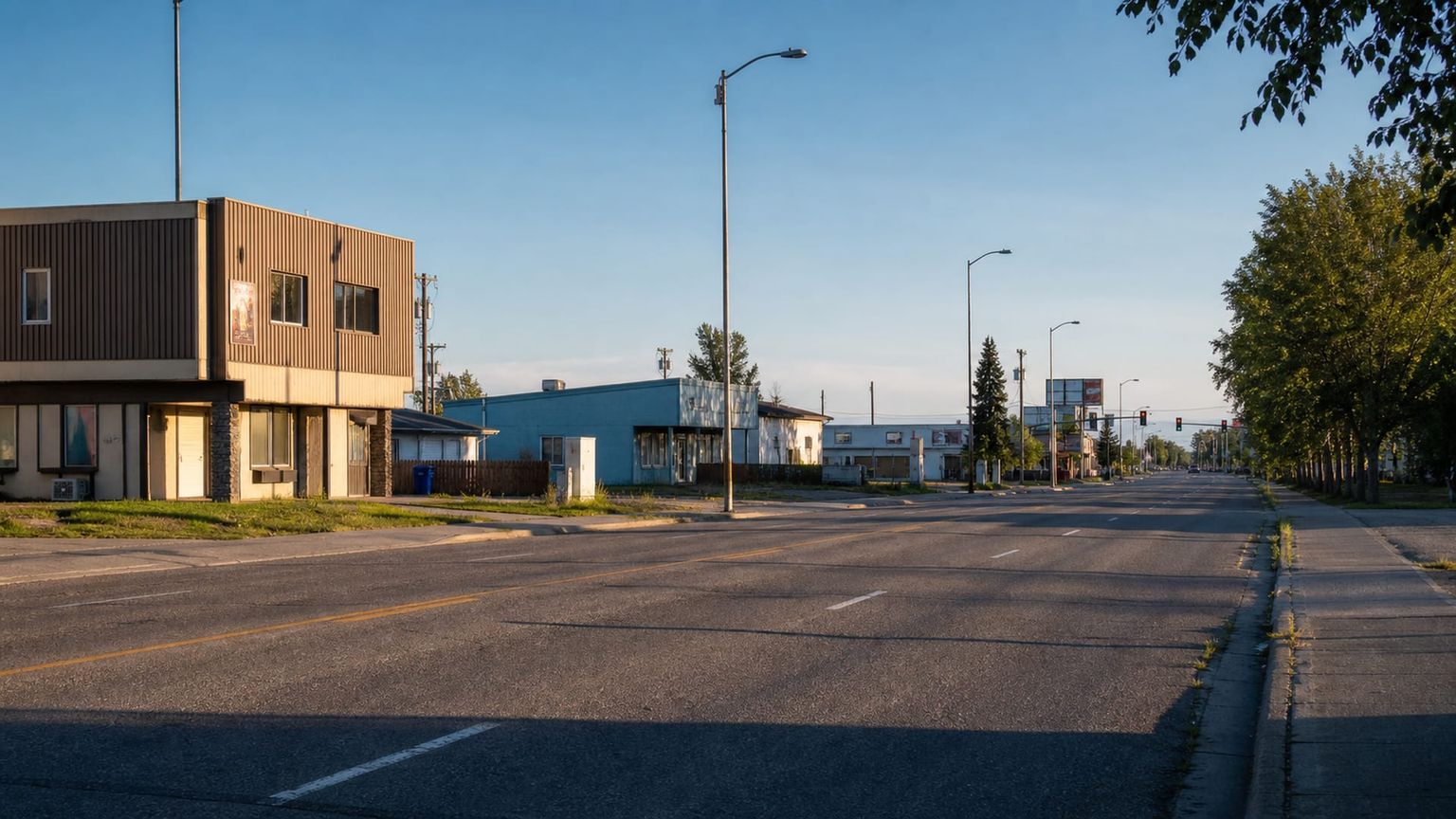
Spenard is a west-side neighborhood near Anchorage (ANC), with casual dining, older motels, and a mix of local businesses. It suits travelers who prioritize airport access and do not mind a less tourist-oriented setting.
Best for: Airport stays, budget-conscious trips, and travelers with early flights or late arrivals
What to expect: Busy arterial roads, motel strips, and local bars; it feels more utilitarian than scenic, with traffic concentrated along main corridors.
Hotel prices: Usually about $110 to $220 per night for well-rated stays
Distance to major sights: About 5 to 10 minutes by car to Anchorage (ANC), roughly 15 to 20 minutes by car to downtown, and about 10 minutes by car to the Tony Knowles Coastal Trail.
Quietness: Daytime is active along the main roads; evenings vary by block, with some streets quiet and others busier near bars and restaurants.
Main trade-off: It is not the best choice if you want to walk to major sights, and some blocks have a rougher roadside feel.
Good to know: If you need a very early departure, this area cuts airport transfers to a minimum, but you should still confirm late-night check-in before booking.
Travelers usually avoid staying far south in South Addition near the Spenard and Minnesota Drive edges, because you are farther from downtown Anchorage, the Anchorage Museum, and coastal trail access, and evening travel usually requires a car. Parts of Muldoon and Mountain View are also less convenient for visitors, since they sit east of the main visitor core, have fewer hotel clusters, and put you farther from downtown dining and tour departures. The far west side near the Anchorage International Airport perimeter and industrial stretches of Spenard can also be less convenient for a sightseeing stay, because many blocks cater more to airport access and car travel than to walking between attractions.
Hotel deals
How to get around Anchorage efficiently
Anchorage has no metro, so most visitors move by People Mover buses, taxis, rideshare, or short walks between downtown blocks.

Metro
for longer distances
Anchorage has no metro or subway. The closest thing to fixed-route rail is the Alaska Railroad, but it does not function as urban transit for short city hops; most visitors rely on buses, taxis, rental cars, or walking for the central area.

Bus and tram
for convenience
People Mover runs the main bus network in Anchorage, with the strongest coverage in the downtown, Midtown, and airport corridors. A single ride costs $2 ($2) and a day pass costs $5 ($5), with transfers and pass validity set by the system, so check current timing rules before you board. Expect many routes to run about every 30 to 60 minutes rather than at high frequency, and allow roughly 20 to 40 minutes for common cross-town trips.

Taxi
for convenience or late hours
Anchorage taxis are metered, not set-fare, with airport trips typically costing about $18 to $25 from Anchorage (ANC) to downtown before tip. Fares usually start with a base charge, then add a per-mile rate and waiting time, and most licensed cabs accept credit cards as well as cash. You can queue at the taxi stand at Anchorage (ANC) or call a local company for pickups in the city.
*Prices are based on rates updated as of June 2026 and may change at the time of travel.
Use walking for downtown clusters, People Mover for cheap cross-town links, and taxis or rideshare when you need faster airport or Midtown connections.
Iconic landmarks
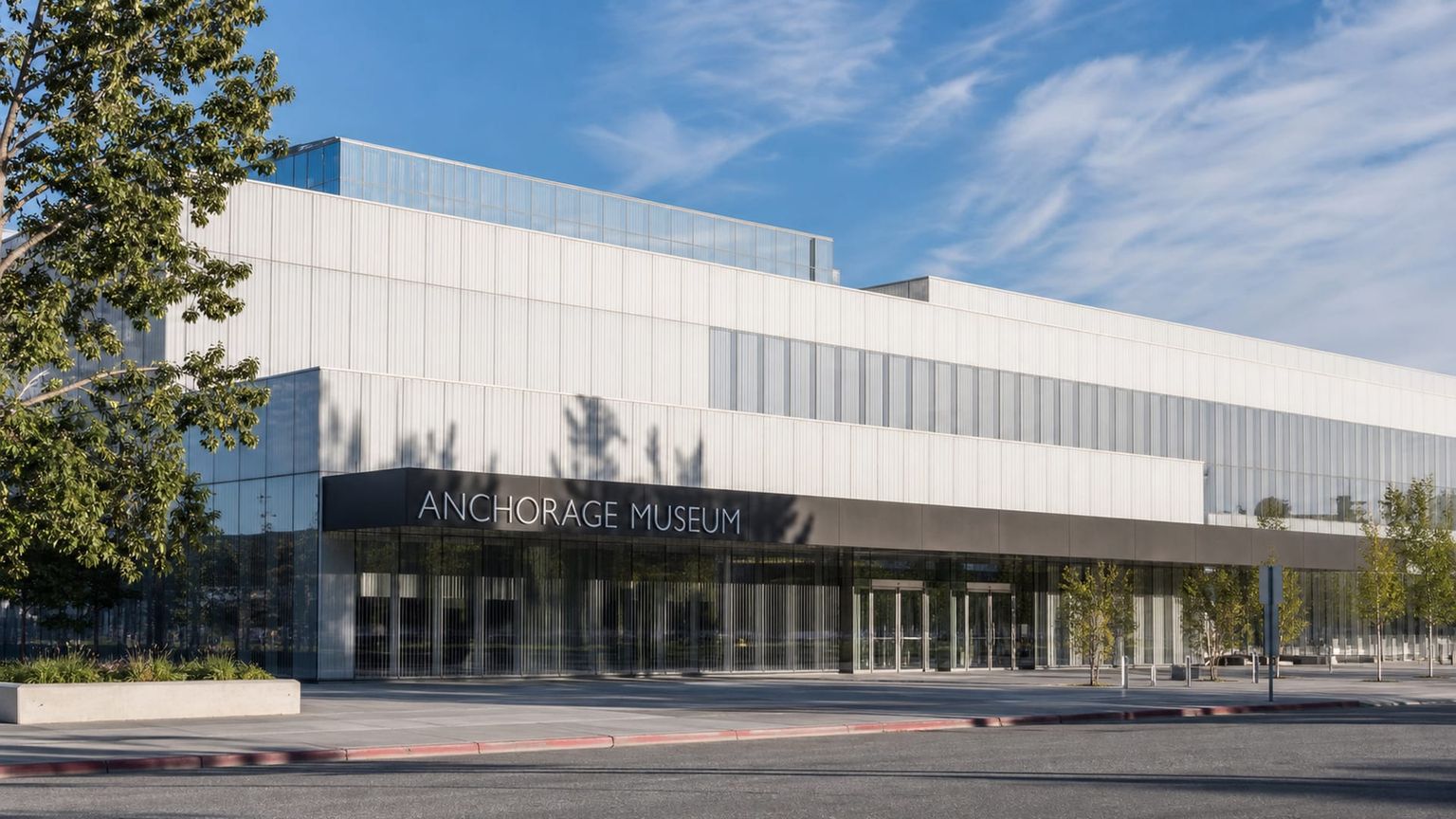
Anchorage Museum
Alaska’s largest museum pairs art, science, and history in one downtown building. Its Alaska exhibition traces Indigenous life, frontier trade, and oil development, while the planetarium and hands-on galleries add depth for a longer visit.
Time needed: About 2 to 3 hours
Entry: Standard admission costs $25 to $29 ($25 to $29). Planetarium shows cost extra. Visit the official site for details.
Tip: Go early on a weekday if you want quieter galleries and more time in the exhibits.
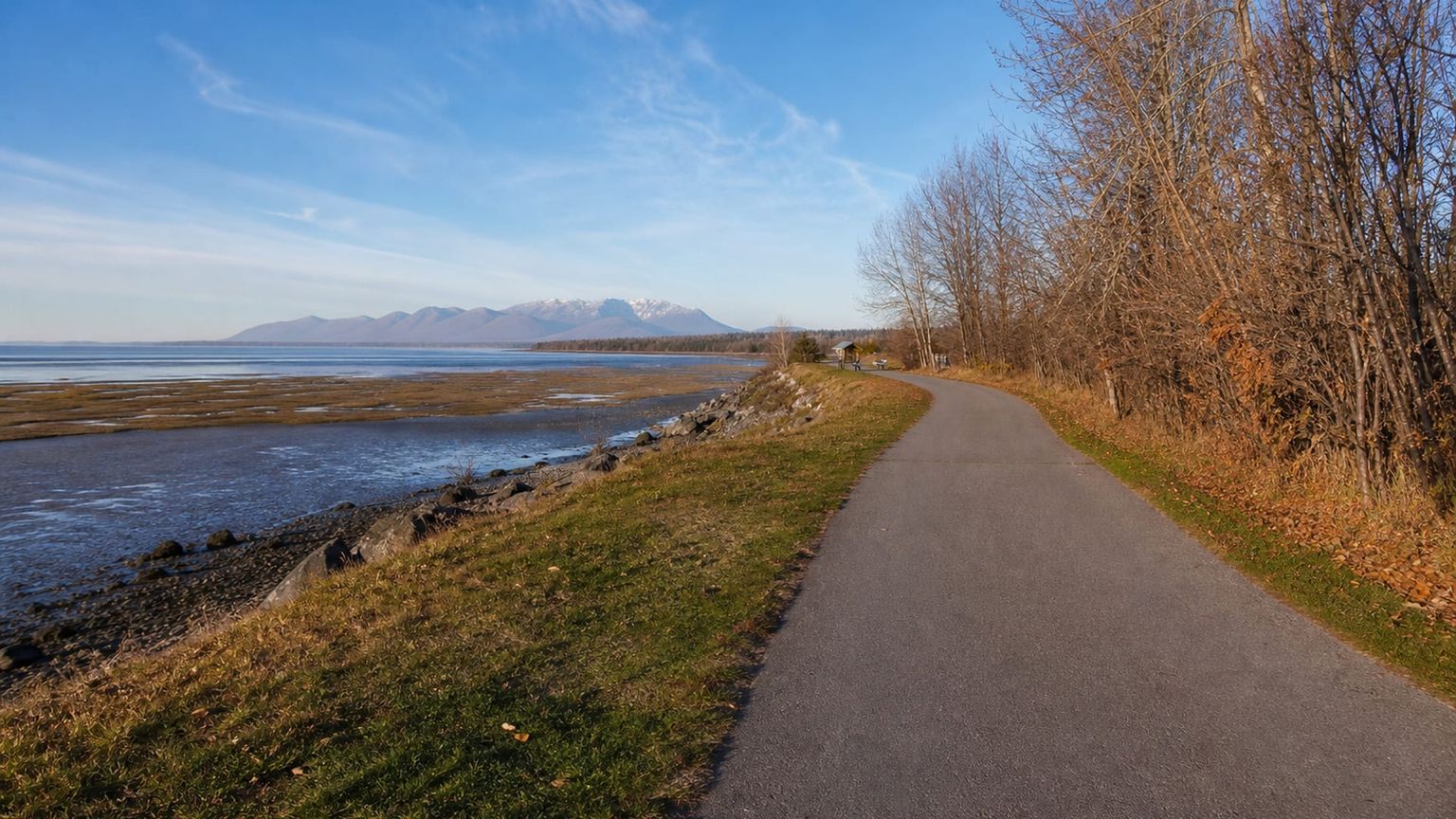
Tony Knowles Coastal Trail
This 11-mile paved trail starts near downtown and follows Cook Inlet past forest, bluffs, and tidal flats. Cyclists, runners, and walkers use it for city views, birdwatching, and clear weather-day looks at Denali.
Time needed: About 1 to 3 hours
Entry: Free to access; bike rentals and guided tours cost extra.
Tip: Start near downtown at midday for the brightest inlet views and easiest trail navigation.
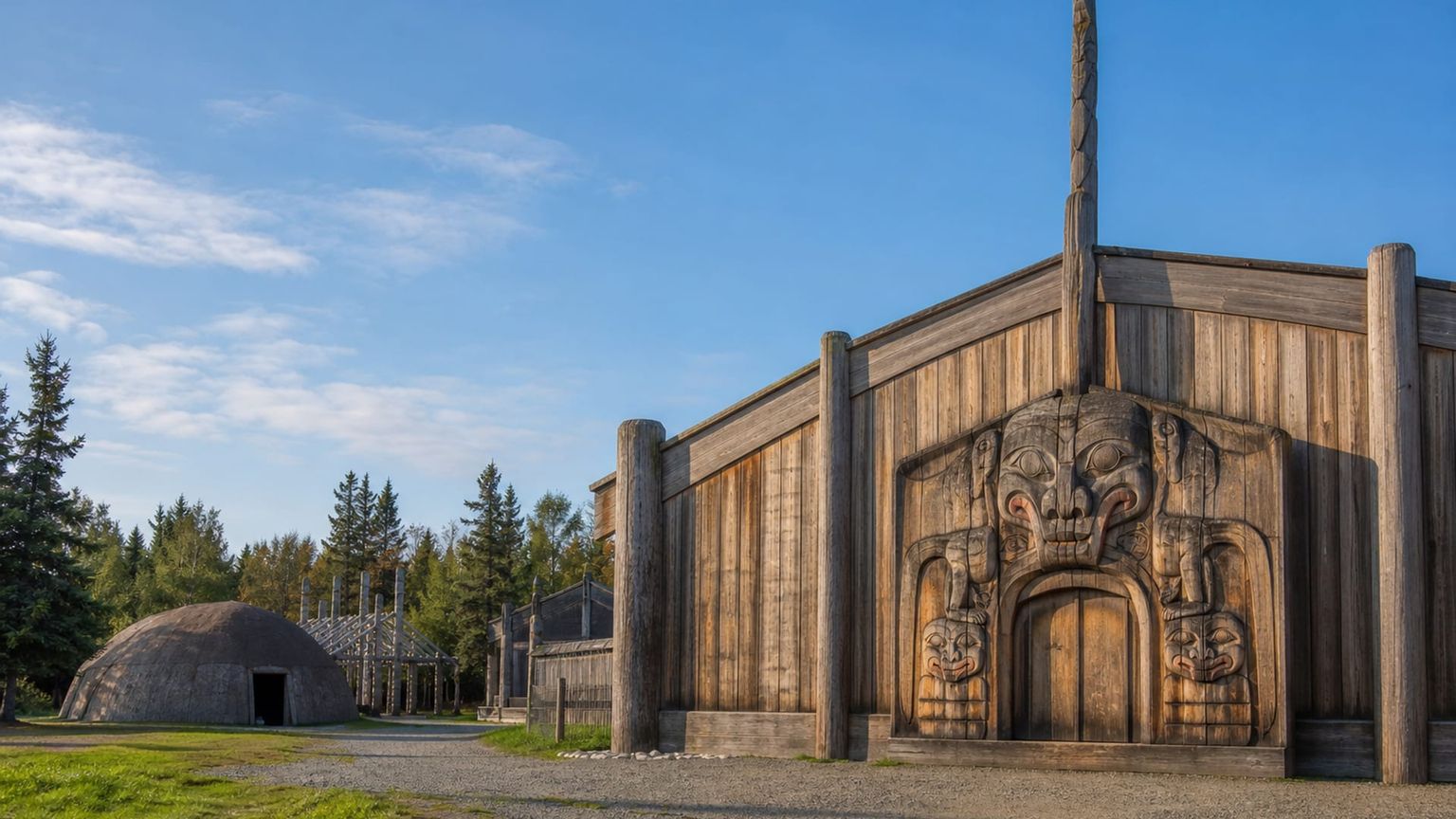
Alaska Native Heritage Center
This cultural center presents the traditions of Alaska’s Native peoples through village houses, dance demonstrations, and storytelling. Indoor exhibits explain languages, games, and subsistence life, while the outdoor grounds show six regional house styles.
Time needed: About 2 to 3 hours
Entry: Standard admission costs $20 to $25 ($20 to $25). Children and seniors pay less. Visit the official site for details.
Tip: Plan a visit when dance performances are scheduled, since they add context to the exhibits.
Overlooked sites worth visiting

Tony Knowles Coastal Trail
This paved path traces the shoreline from downtown toward Kincaid, with Turnagain Arm views, birding pullouts, and long sightlines across the water. Cyclists, runners, and walkers share the route.
Time needed: About 1 to 3 hours
Entry: Free to access
Tip: Go near sunset for the best light over the inlet.

Alaska Aviation Museum
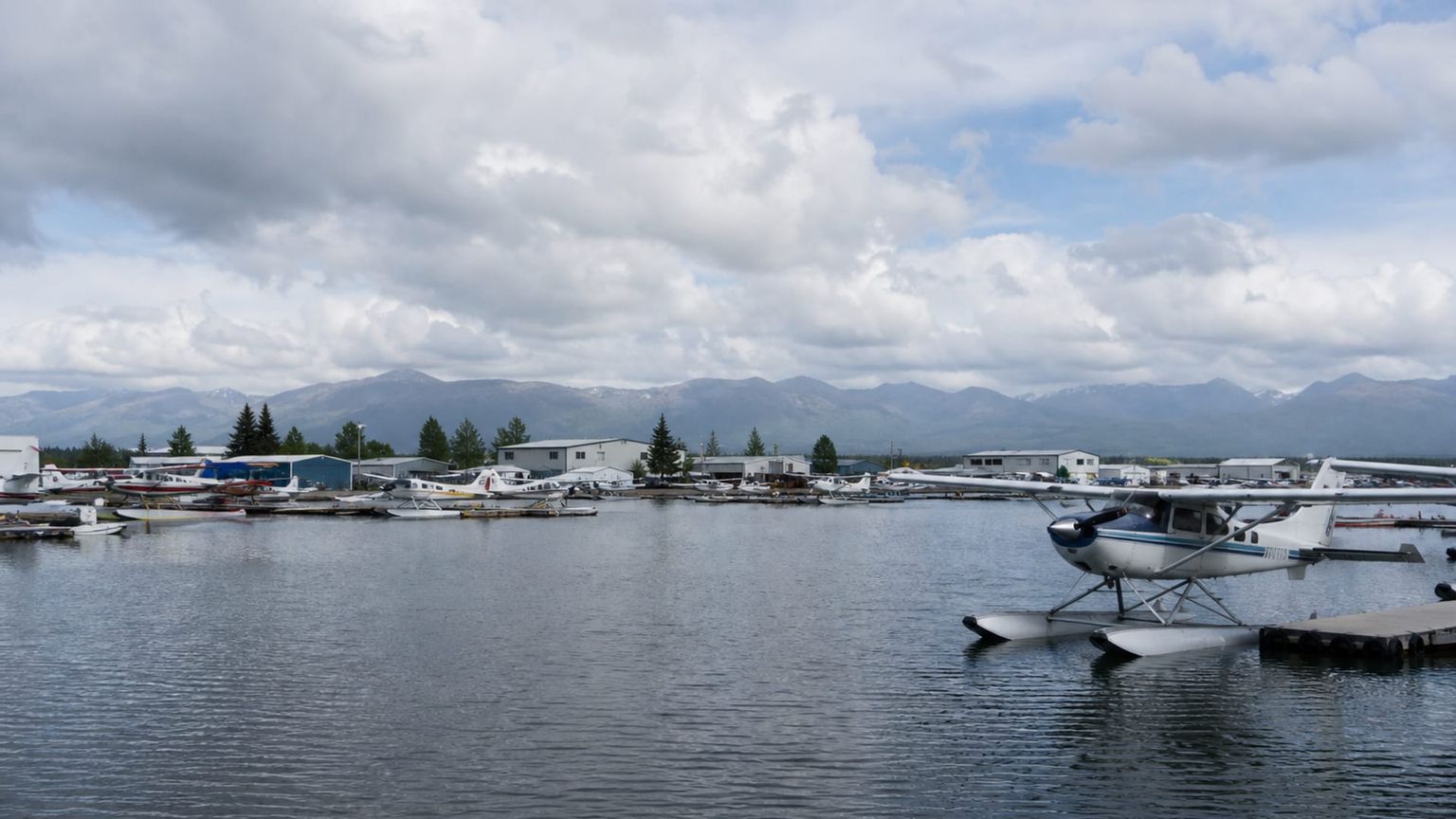
A compact museum on Lake Hood displays bush planes, vintage aircraft, and local aviation history in a set of hangars. The exhibits explain how flying connects remote Alaska communities.
Time needed: About 1 to 2 hours
Entry: Admission is $15 ($15) for adults, $12 ($12) for seniors and military, and $8 ($8) for children ages 6 to 12; children under 6 enter free. Special tours and events may cost extra. Visit the official site for details.
Tip: Pair it with a stop at nearby Lake Hood for floatplane views.
Traditional food
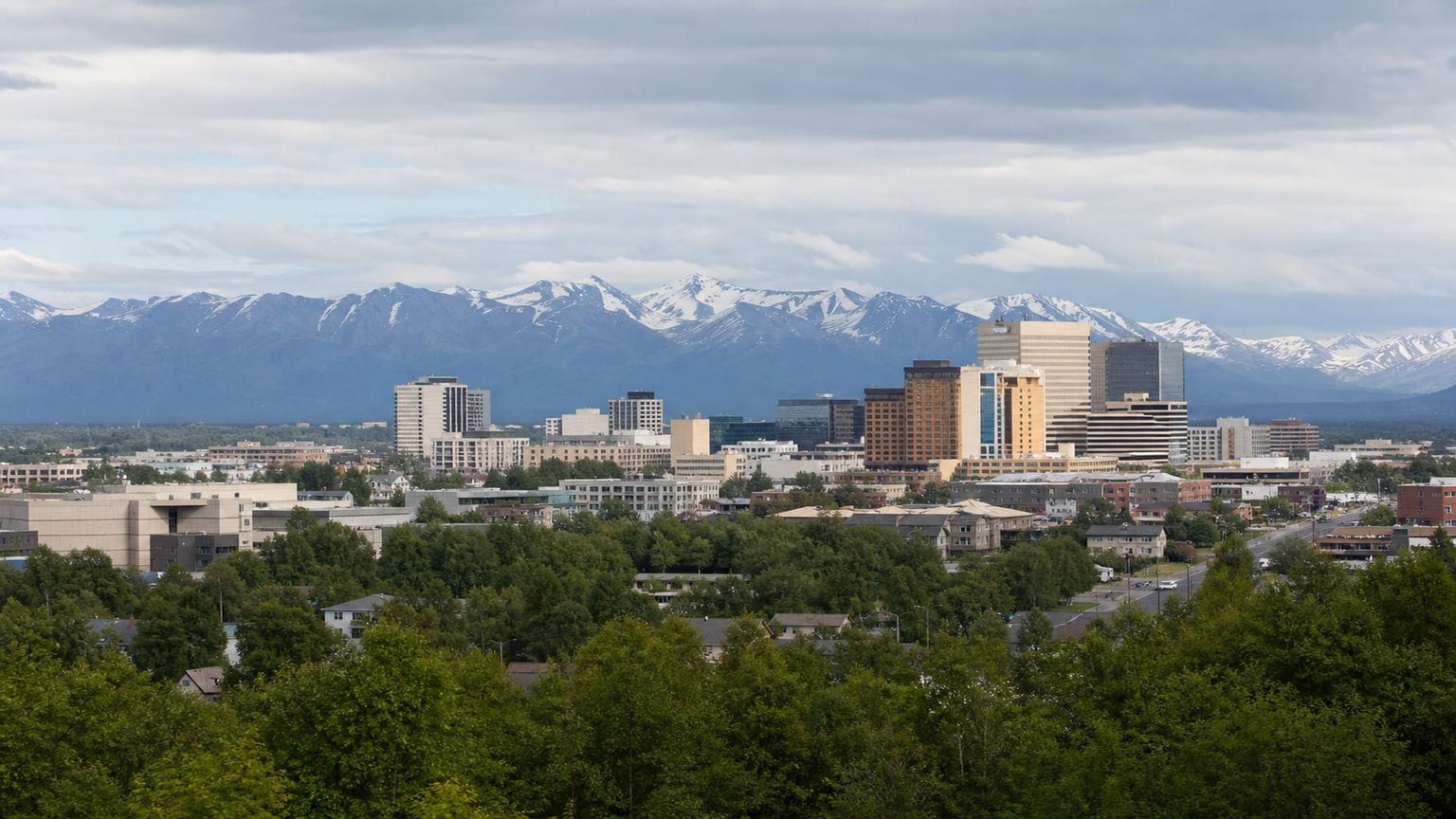
Anchorage food leans on salmon, king crab, halibut, and chowder, with cedar smoke, fresh fish, and early dinners shaping the table. Cafés and seafood spots keep the focus on Alaska ingredients rather than long menus.
King crab
Sweet, briny crab legs are a classic Anchorage order, especially when served simply with butter and lemon. Orso, downtown, is a well-known place to try it in a polished dining room.
Salmon chowder
This creamy soup brings together salmon, potatoes, and herbs in a format that fits Anchorage’s cooler evenings. Simon and Seafort’s Saloon and Grill is a long-running downtown choice for it.
Cedar-plank salmon
Cooking salmon over cedar adds a light smoky edge that suits Alaska fish well. Glacier Brewhouse serves a popular version in the city center.
Halibut tacos
Flaky halibut works well in tacos with bright salsa and slaw, a lighter option between museum visits and trail time. Alaska Taco on Spenard Road is a common stop for this dish.
Best time to visit Anchorage
Anchorage changes shape by season, with long summer daylight for trails, shoulder-season calm for museums, and winter bringing colder, shorter days that reward tighter planning.
Best for: Museum time, early trail walks, and clearer rates before peak summer
What you get: Temperatures usually range from about 25°F to 55°F (-4°C to 13°C), with lighter crowds than summer and some muddy trail sections.
Trade-offs: Weather can swing quickly, and shoreline conditions still feel cold.
Best for: Long daylight hours, coastal trail time, and the easiest weather for outdoor sightseeing
What you get: Temperatures usually range from about 50°F to 70°F (10°C to 21°C), with the busiest hotel demand and the most visitors on popular trails.
Trade-offs: Peak prices and fuller attraction schedules are common.
Best for: Quieter museum visits and crisp walks before deep winter sets in
What you get: Temperatures usually range from about 20°F to 50°F (-7°C to 10°C), with lighter crowds after Labor Day and shorter daylight.
Trade-offs: Rain, wind, and early darkness can cut outdoor time.
Best for: Aurora chances, aviation sights, and a slower city pace
What you get: Temperatures usually range from about 5°F to 30°F (-15°C to -1°C), with the fewest tourists and the shortest days of the year.
Trade-offs: Cold conditions and limited daylight shorten outdoor plans.
A realistic 5-day plan in Anchorage
A five-day Anchorage stay works best when each day follows the map rather than the mood. The plan below groups downtown, the waterfront trail, cultural stops, and airport-area sights so you can see more without crossing the city repeatedly.
Fly into Anchorage (ANC), then take a taxi, rideshare, or hotel shuttle into downtown in about 10 to 20 minutes for roughly $20 to $35. If you want the shortest next-day start, book a stay in Downtown Anchorage or South Addition, drop your bags, and keep dinner close to the hotel, with an easy first meal on Fourth Avenue or another downtown block. Drink water after the flight, then settle into an early night, since you will likely want a full day for museums and the coastal trail.
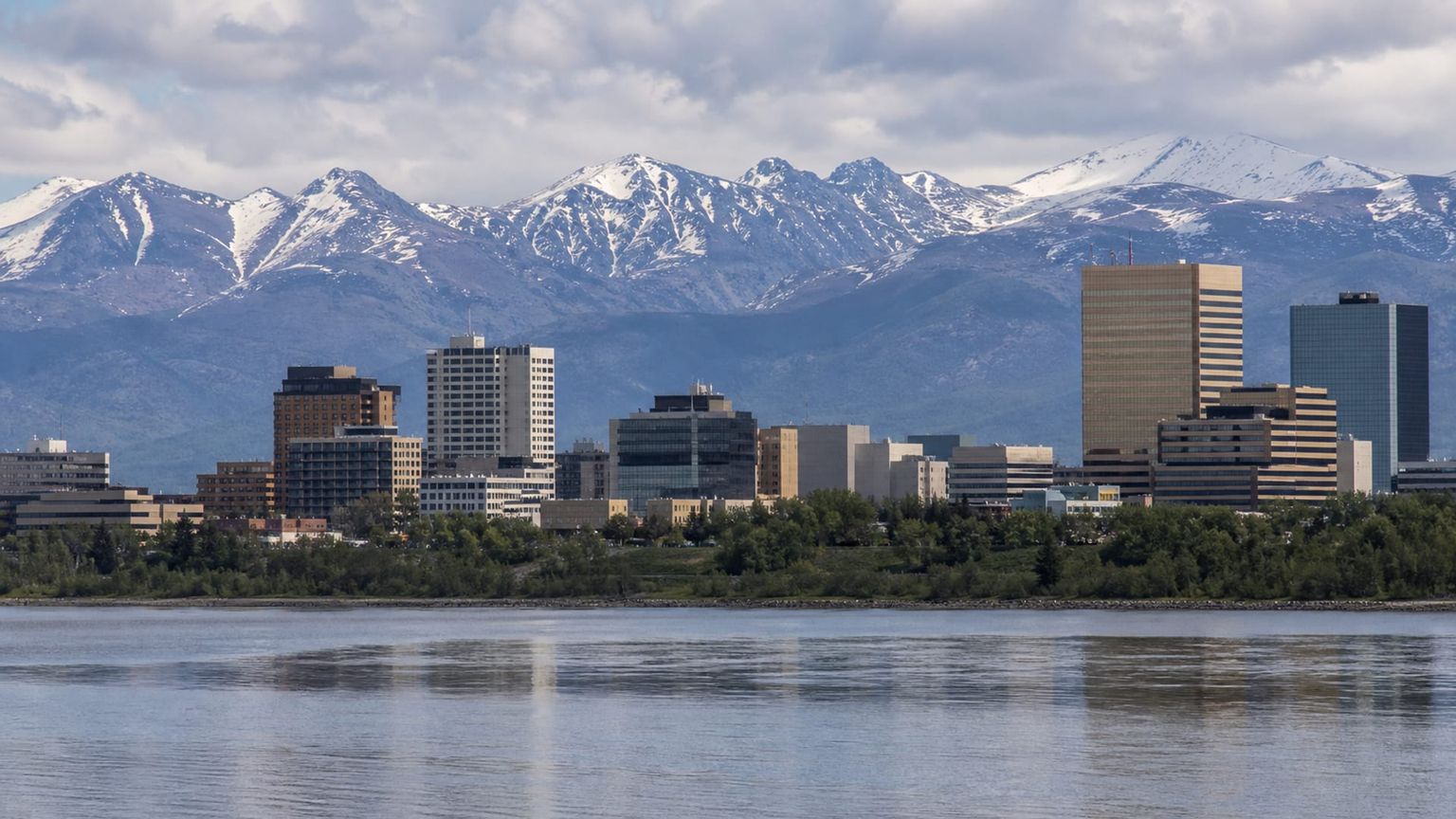
Start at the Anchorage Museum, where standard admission costs $25 to $29 ($25 to $29), and plan about 2 to 3 hours for the galleries and planetarium. From there, walk about 10 to 15 minutes to the downtown trail access and continue onto the Tony Knowles Coastal Trail for a 1 to 3 hour outing along Cook Inlet. If you are staying in Downtown Anchorage, both stops work well without a car; from South Addition, the museum is about 10 minutes away by car and the trail access is about 15 minutes on foot. Finish with dinner back downtown, where you can stay close to your hotel after the longest walk of the trip.
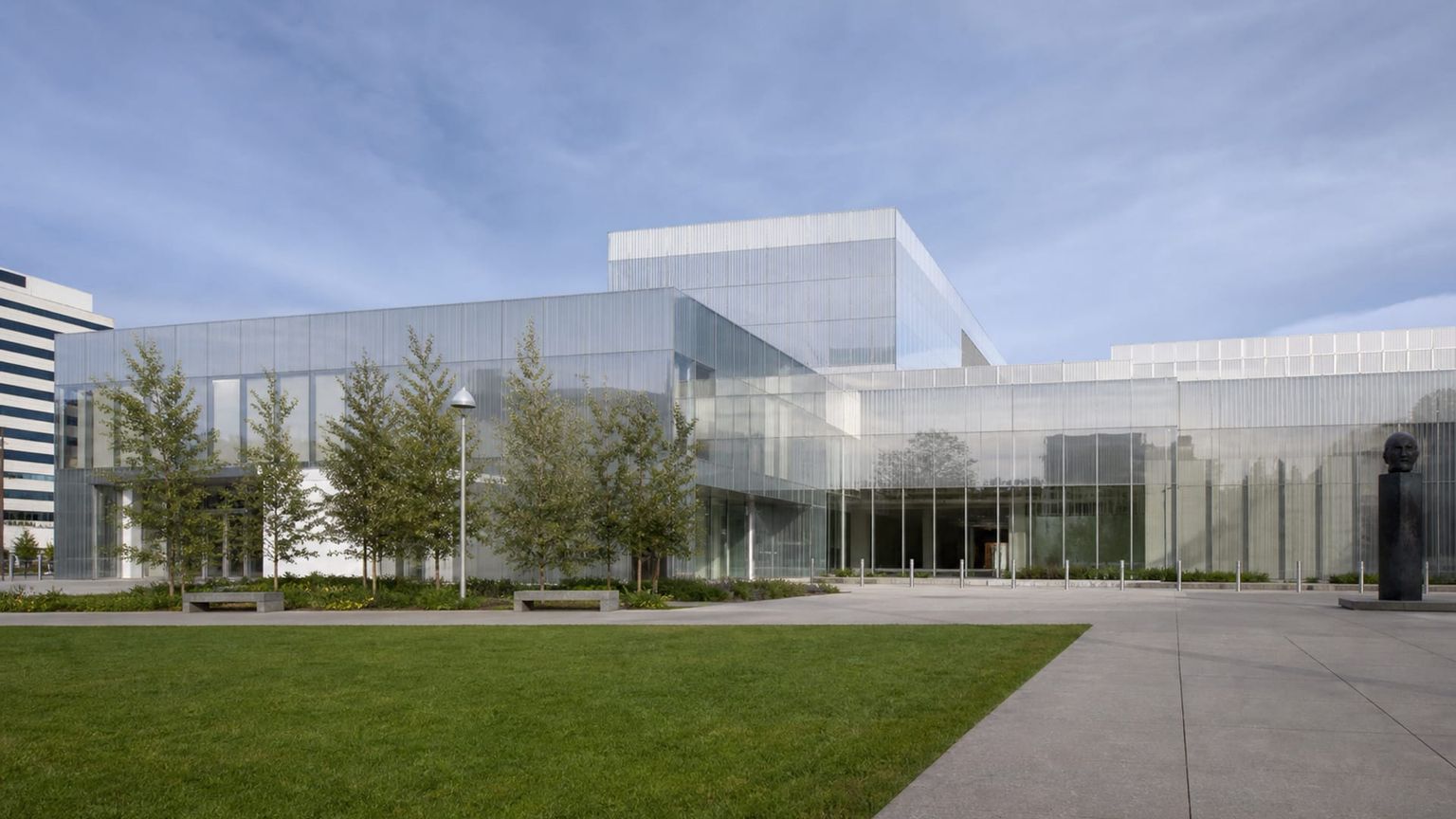
The Alaska Native Heritage Center makes the best centerpiece for the morning, about 2 to 3 hours with exhibits, village houses, and dance demonstrations, and admission costs $20 to $25 ($20 to $25). Reach it by car or rideshare from Downtown Anchorage in roughly 15 to 20 minutes, then return toward the city and stop for a late lunch in Midtown Anchorage, about 15 minutes away by car. In the afternoon, head to the Tony Knowles Coastal Trail for a second look at the shoreline, this time near sunset if the weather stays clear, then end the day with a casual dinner in Midtown, where parking is easier than downtown.
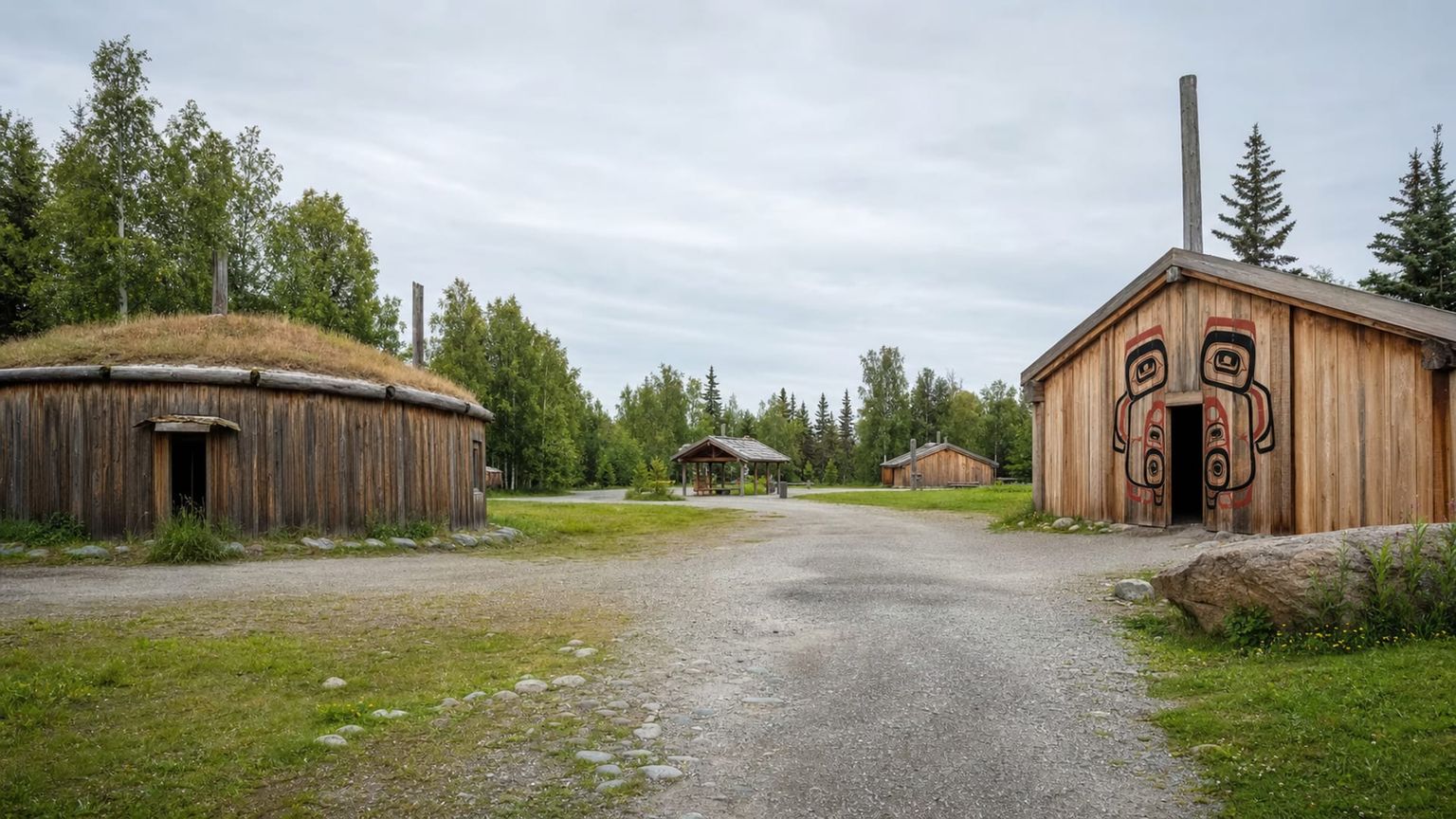
Begin near Lake Hood at the Alaska Aviation Museum, where admission is $15 ($15) for adults and the visit usually takes 1 to 2 hours. Pair it with floatplane viewing at Lake Hood, since the museum sits right by the airfield, then drive about 10 minutes to Spenard for lunch or coffee before looping back toward downtown. If you are based in Midtown or Spenard, this route keeps driving time short, and it gives you a different side of Anchorage, with bush planes, hangars, and the working aviation landscape that shapes the city.
For a final day, keep the schedule loose in Downtown Anchorage, with one last museum stop if you missed anything at the Anchorage Museum, then a slow walk through the shops and galleries near the city center. If you prefer a quieter final stop, head to a café in South Addition for an early lunch, then return to Midtown Anchorage for any last-minute shopping before your flight. That route keeps you close to the airport and leaves time for a last look at the city without crossing town more than once.
Business-class flights from the US to Anchorage
Anchorage has enough long-haul air traffic that route structure matters as much as fare. From New York and Los Angeles, the best fares often pair different airlines, durations, and connection points.
Air Canada, Alaska Airlines, Delta Air Lines, United Airlines, and WestJet all appear on New York-area itineraries to Anchorage. Nonstops take about 6 to 7 hours, while one-stop trips often connect through SEA, DEN, ORD, or YVR and take about 8 to 13 hours; round-trip fares usually start from $1,400, with nonstop seats often rising to about $2,800.
From Los Angeles, Alaska Airlines, Delta Air Lines, Hawaiian Airlines, and United Airlines serve Anchorage on nonstop or connecting itineraries. Nonstop flights take about 5 to 6 hours, while connections through SEA, SFO, or DEN usually run about 7 to 11 hours; round-trip business fares start from $1,100 for nonstop itineraries, with higher fares on peak dates.
Anchorage feels different when you slow down
A deliberate Anchorage trip keeps its focus tight: downtown for the museum and dinner, South Addition for quieter walks, Midtown for easier parking, and the Tony Knowles Coastal Trail for the city’s best open views. Add Lake Hood if aviation belongs on your list, then build the rest of the day around transit time instead of wishful packing. If you want a route shaped for the season and your neighborhood base, the AranGrant experts can help you plan it