

Chapters:

Need help with your trip?
Our support team is available 24/7. Request a callback or call us directly at (833) 619-0908
Amritsar trips often start with the same landmarks, then leave little room for the streets between them. Travelers see the Golden Temple, eat a few famous dishes, and miss how much timing changes the day, from dawn queues to market closures.
That pattern can feel rushed because the old city rewards short walks, but traffic, lane access, and shrine hours can break a loose plan fast. Staying too far out also adds repetitive car time between the temple, museums, and bazaars.
This guide sets a tighter sequence, with mornings, transfers, and meals arranged in the order that Amritsar actually moves. It keeps the city’s busiest corners and quieter stops in balance, so each day has a clear purpose.
Useful things to know

Main language(s): Punjabi
Sat sri akal (sut sri ah-kahl) – Hello/good morning
Kirpa karke (kir-pah kar-ke) – Please
Dhanvaad (dhun-vaad) – Thank you
Ki tusi angrezi bolde ho? (kee too-see an-greh-zee bol-de ho) – Do you speak English?
Eh kinne da hai? (eh kin-ne da hai) – How much does it cost?

Currency: The local currency is the Indian rupee (INR, ₹).

Cash and cards: Cards work at larger hotels and shops, but carry about ₹1,000 to ₹2,000 ($12 to $24) in cash for taxis and small purchases.

Tipping: Round up small bills, and leave about 5% to 10% at nicer restaurants if service is good.

Traditional food: Amritsari kulcha, sarson ka saag, makki di roti, chole bhature

Water and coffee costs: Water about ₹20 to ₹30 ($0.25 to $0.35), bar espresso about ₹150 to ₹250 ($2 to $3).

Taxis and ride apps: Uber and Ola operate here; check pickup points near the terminal.

Plug and voltage: Type D/M socket, 230V

Dining and shop opening hours: Breakfast runs roughly 8:00-10:00, lunch 13:00-15:00, and dinner 20:00-23:00. Many market stalls and shops close on Tuesday.

Emergency number: Dial 112 for police, fire, and medical emergencies.
Where to stay in Amritsar
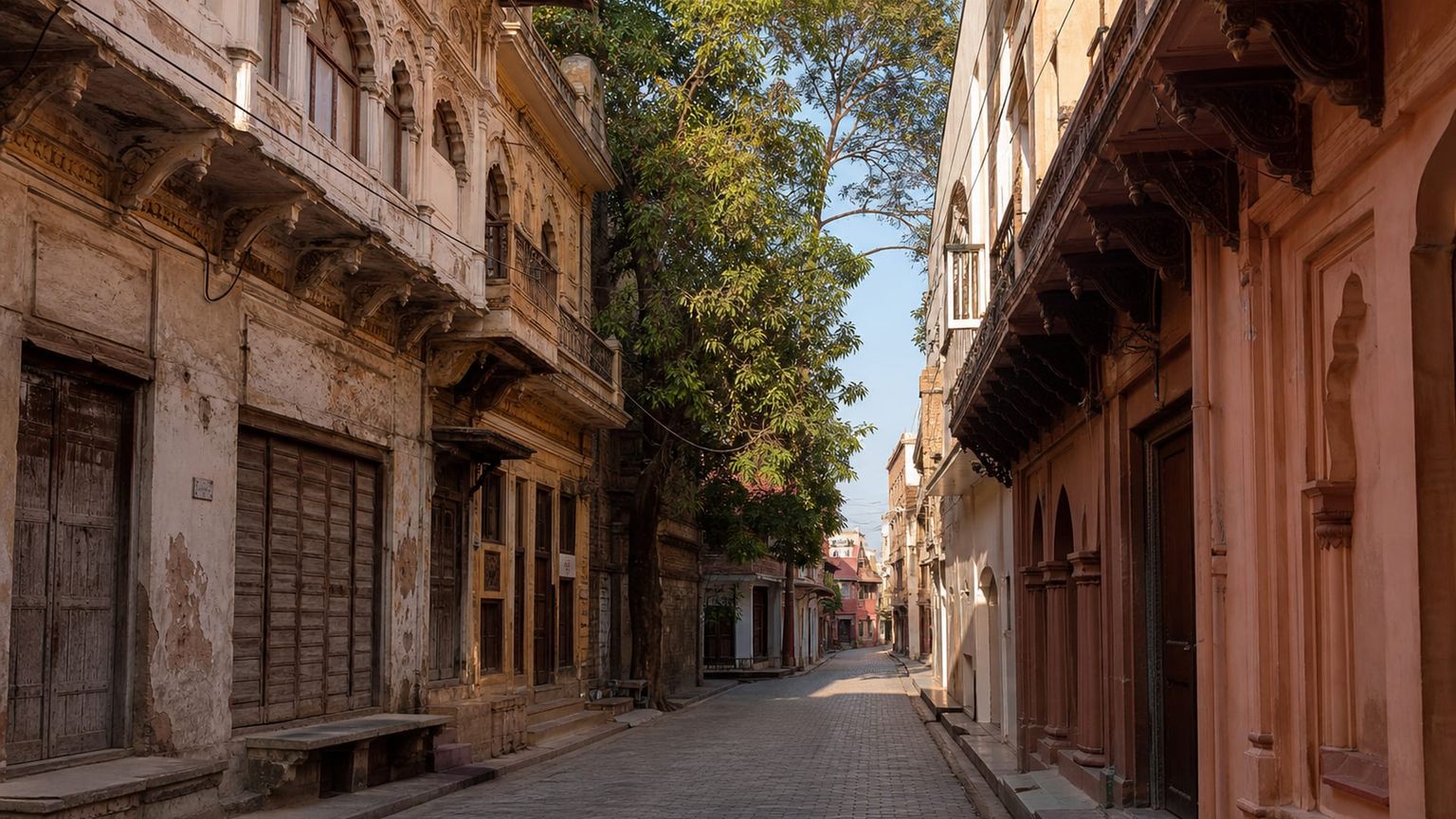
This is Amritsar’s historic core, built around the Temple complex, narrow bazaar lanes, and dense guesthouse stock. It matters because you can walk to the city’s main landmark, though traffic, footfall, and temple activity stay high most of the day.
Best for: Temple visits, early morning walks, and travelers who want to stay closest to the Golden Temple
What to expect: Expect busy lanes, pilgrims at all hours, market noise, and a steady flow of rickshaws and visitors.
Hotel prices: Usually about ₹2,500 to ₹6,000 ($30 to $72) per night for well-rated stays
Distance to major sights: 5 to 10 minutes on foot to the Golden Temple
Quietness: Very active by day and still busy late into the evening, especially near temple approach roads.
Main trade-off: You pay more for proximity, and larger modern hotels are limited compared with farther-out districts.
Good to know: Temple access is immediate, but cars cannot always reach every lane, so expect a short final walk with luggage.
Hall Bazaar is the city’s main commercial spine, lined with shops, street food, and older hotels between the railway side of town and the temple area. It matters if you want central transport links and quick access to shopping, eating, and the old city.
Best for: Shopping, budget to midrange stays, and travelers who want central access without staying inside the temple lanes
What to expect: Expect crowded sidewalks, honking traffic, frequent rickshaws, and constant retail activity from morning until night.
Hotel prices: Usually about ₹2,000 to ₹5,000 ($24 to $60) per night for well-rated stays
Distance to major sights: 10 to 15 minutes by auto-rickshaw to the Golden Temple
Quietness: Noisy and active through the day; evenings stay busy because shops, food stalls, and traffic continue late.
Main trade-off: Rooms are often older and streets can be congested, so expect less calm than in residential districts.
Good to know: If you are arriving by train, this area cuts down transfer time, but you should check parking and drop-off access before booking.
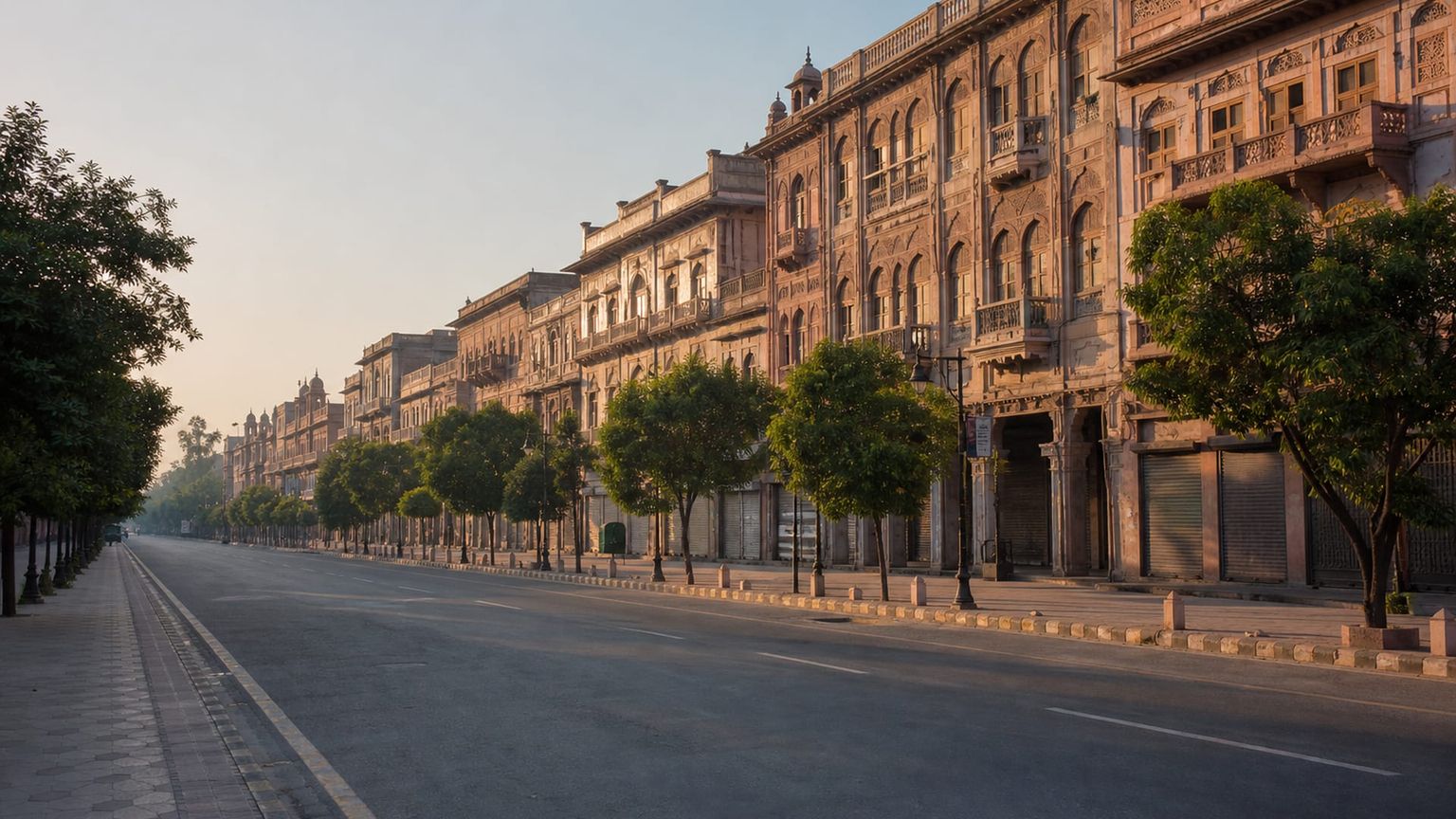
Ranjit Avenue is a newer residential and commercial district with wider roads, hotels, restaurants, and shopping centers. It matters for travelers who want more space, modern midrange hotels, and easier car access than the old city offers.
Best for: Midrange to upscale stays, business trips, and travelers who prefer wider roads and modern hotels
What to expect: Expect cleaner sidewalks, more cars than pedestrians, and a restaurant-centered evening scene rather than market bustle.
Hotel prices: Usually about ₹3,500 to ₹8,000 ($42 to $96) per night for well-rated stays
Distance to major sights: 20 to 30 minutes by auto-rickshaw to the Golden Temple
Quietness: Quieter than the old city during the day, with a moderate evening scene near restaurants and malls.
Main trade-off: You will spend more time reaching the Golden Temple and the main bazaars than if you stay downtown.
Good to know: It suits guests who plan to use taxis or hired cars, since many sights are not within easy walking distance.
Travelers usually avoid staying in Ranjit Avenue, Aerocity, and parts of the airport corridor near Amritsar (ATQ), since they sit away from the Golden Temple, Jallianwala Bagh, and the old city core, with fewer walkable visitor amenities after dark. Some outlying stretches near Verka and on the G.T. Road edge are also less convenient, because evening travel into the main sightseeing area takes longer and hotel clusters can be isolated from restaurants and shops.
Hotel deals
How to get around Amritsar efficiently
Amritsar has no metro, so getting between the Old City, Hall Bazaar, and Ranjit Avenue depends on buses, auto-rickshaws, taxis, and app cars.

Metro
for longer distances
Amritsar has no metro system, so there is no underground or suburban rail option to use from Amritsar (ATQ). For airport and city trips, switch to road transport instead; the drive to the Golden Temple area takes about 25 to 40 minutes, depending on traffic.

Bus and tram
for convenience
Punjab Roadways and local city buses cover the main corridors, including routes toward the Golden Temple, Amritsar Junction, Hall Bazaar, and parts of the airport road. Fares are usually about $0.20 to $1 ($0.20 to $1) for short city hops, paid on board, and most buses run without fixed tickets or timed validity. Service is basic and can be crowded, so allow extra time if you are traveling with luggage or during peak hours.

Taxi
for convenience or late hours
Licensed taxis and app-based cars use a mix of metered and fixed-fare pricing, with airport rides often quoted in advance rather than by meter. A trip from Amritsar (ATQ) to central Amritsar typically costs about $6 to $15 (₹500 to ₹1,250), while longer rides can rise to about $20 to $30 (₹1,700 to ₹2,500) depending on vehicle type and time of day. You can book through hotel desks, airport counters, or ride apps; cash is common, and some drivers accept UPI or cards.
*Prices are based on rates updated as of June 2026 and may change at the time of travel.
Walking works best inside the old lanes, buses suit short cross-town hops, and taxis or app cars make the longer moves to Ranjit Avenue, Gobindgarh Fort, or the airport easier.
Iconic landmarks
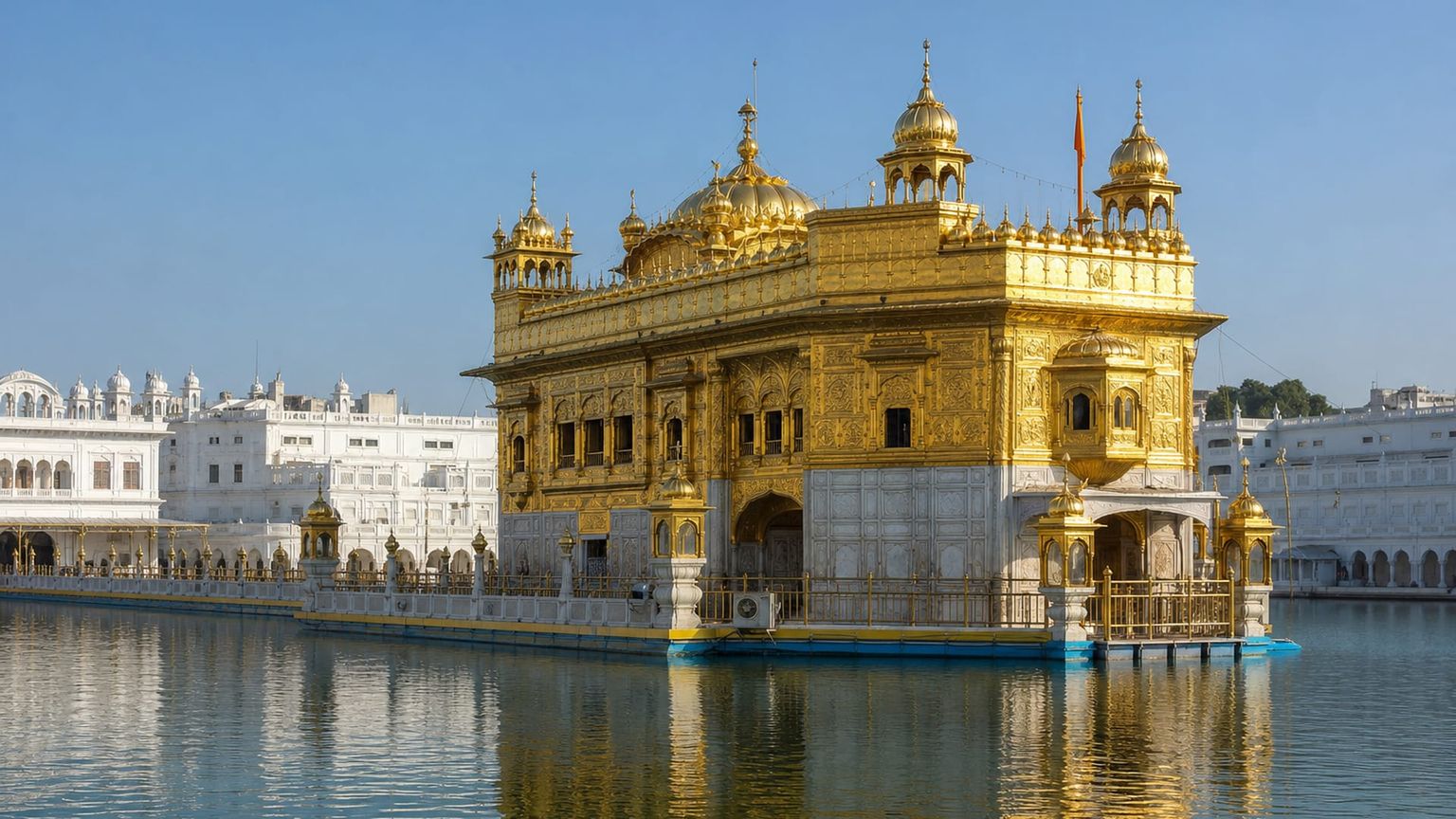
Golden Temple
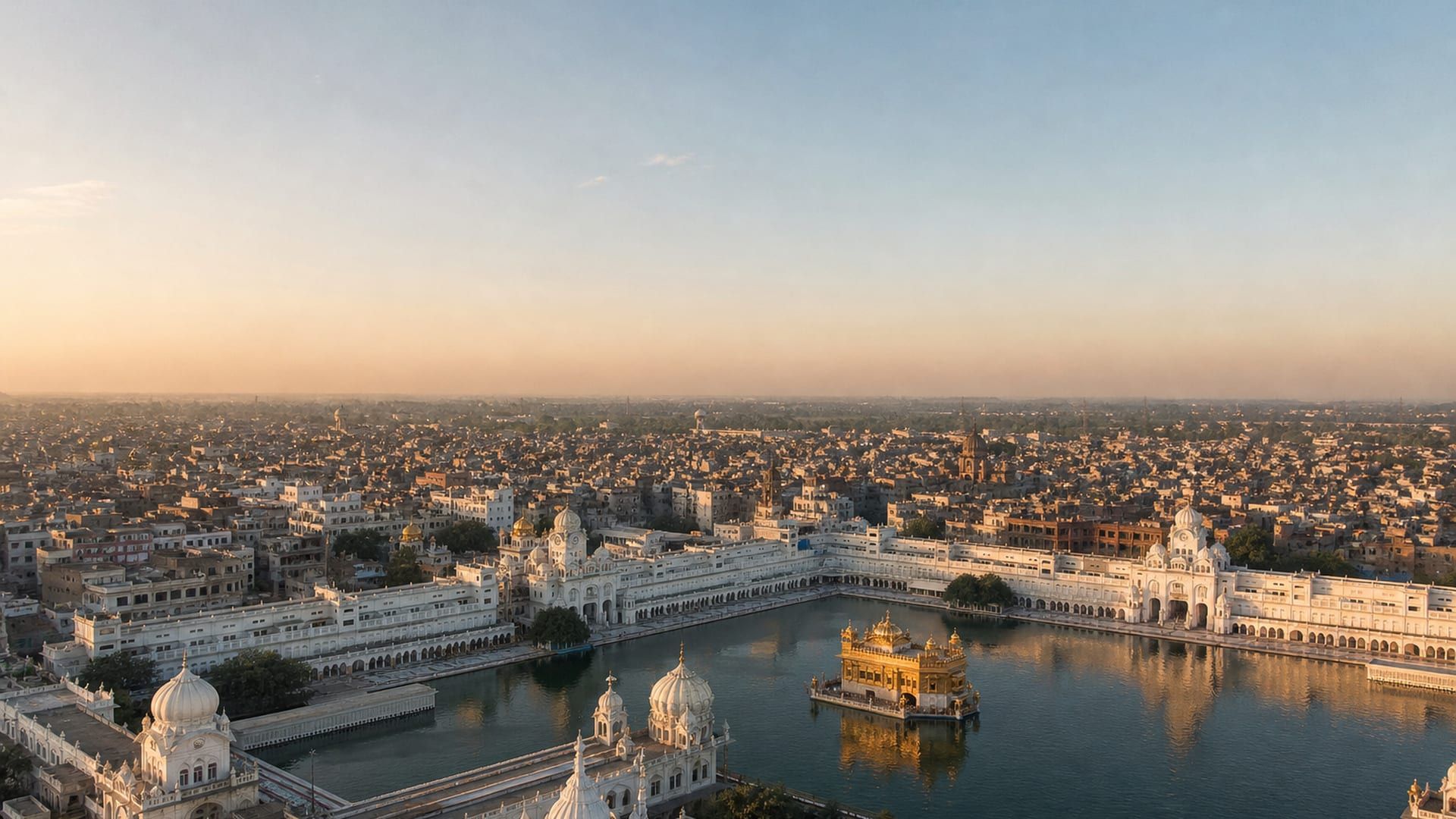
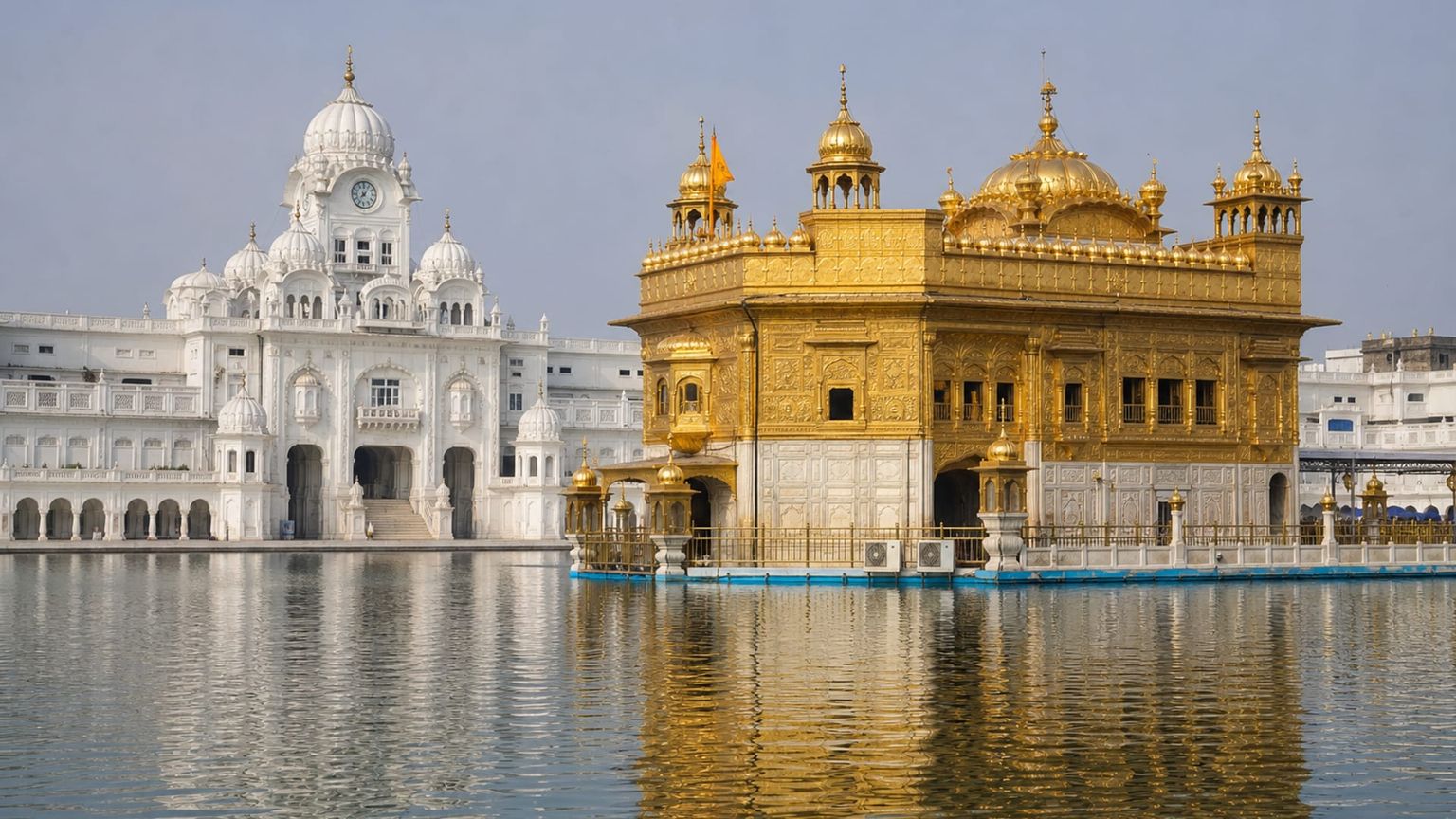
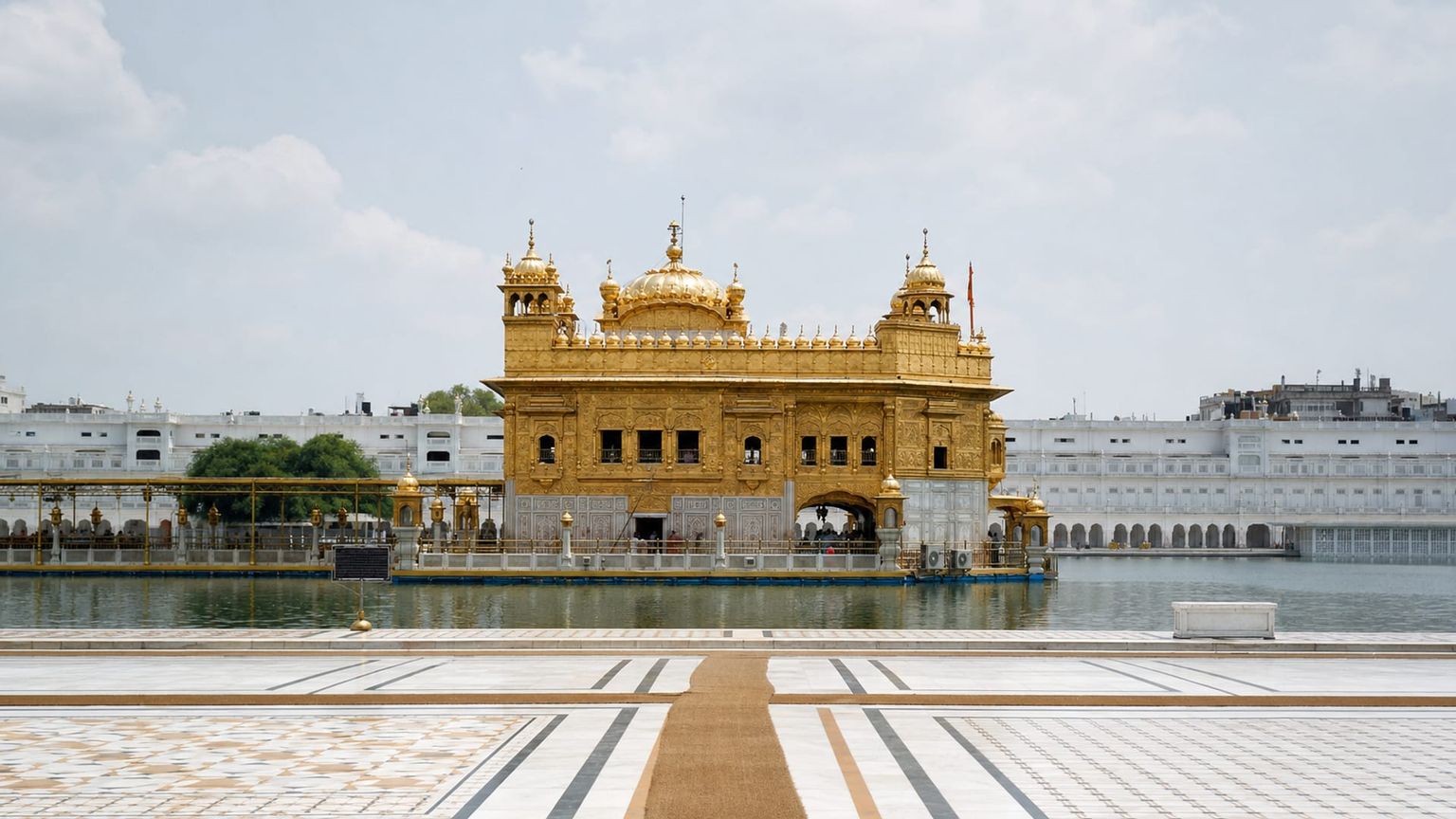
The gilded Harmandir Sahib sits in a sacred pool, with marble walkways, the Akal Takht, and nonstop langar in the community kitchen. Visit for dawn reflections, evening light, and the steady flow of Sikh worshippers.
Time needed: About 2 to 3 hours
Entry: Free to access; shoes and head coverings are required, and donations are welcome at the temple complex and langar areas. Visit the official site for details.
Tip: Arrive early for quieter access, then circle the pool before the midday crowds build.
Jallianwala Bagh
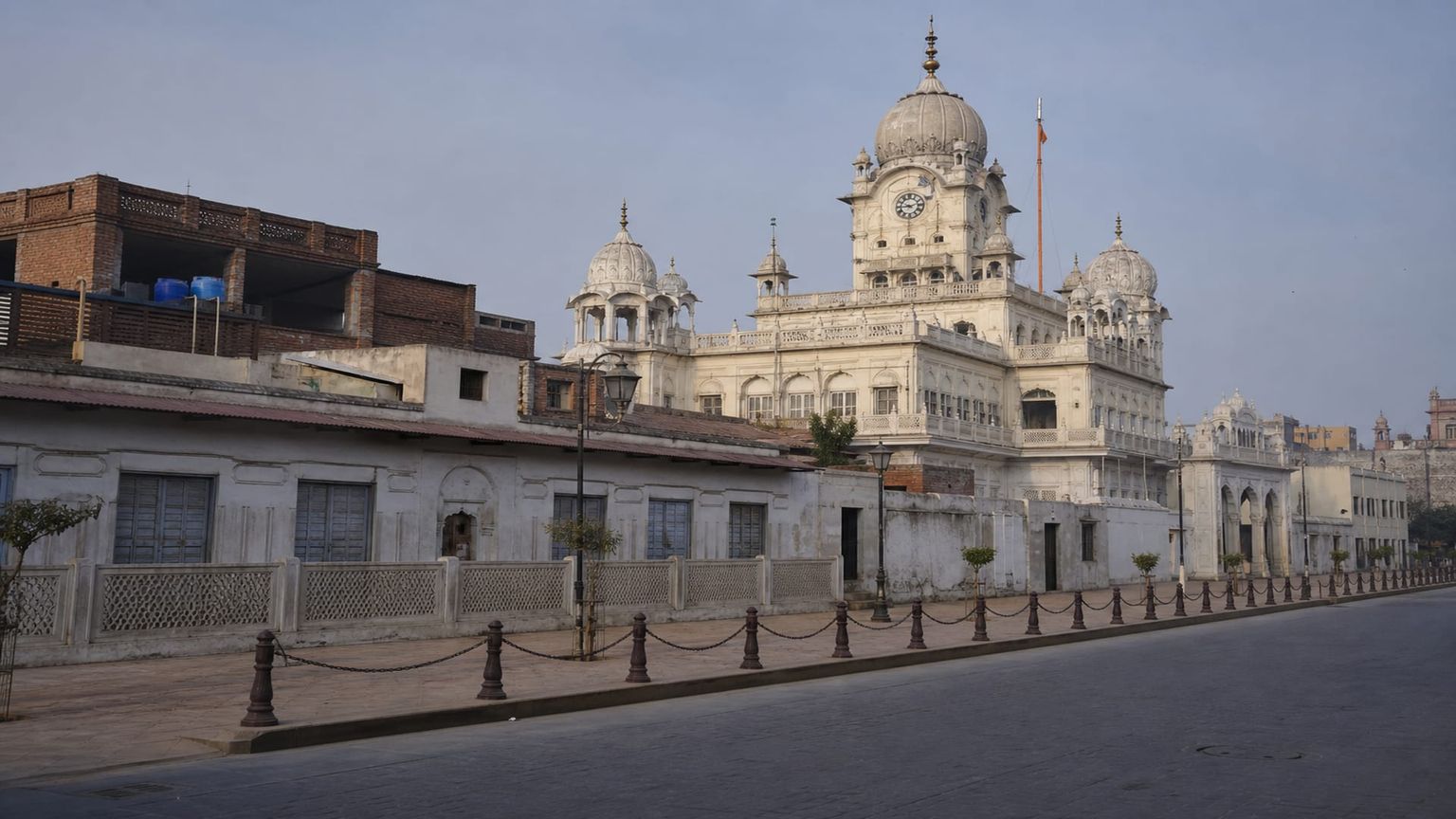
This enclosed memorial park marks the 1919 massacre site with preserved bullet marks, the Martyrs’ Well, and a museum recounting the attack. It sits a short walk from the Golden Temple and adds essential historical context to Amritsar.
Time needed: About 1 to 2 hours
Entry: Free to access; the memorial grounds are open daily, while the museum may close earlier than the park.
Tip: Visit in the morning or late afternoon, when the narrow lanes near the gate are less crowded.
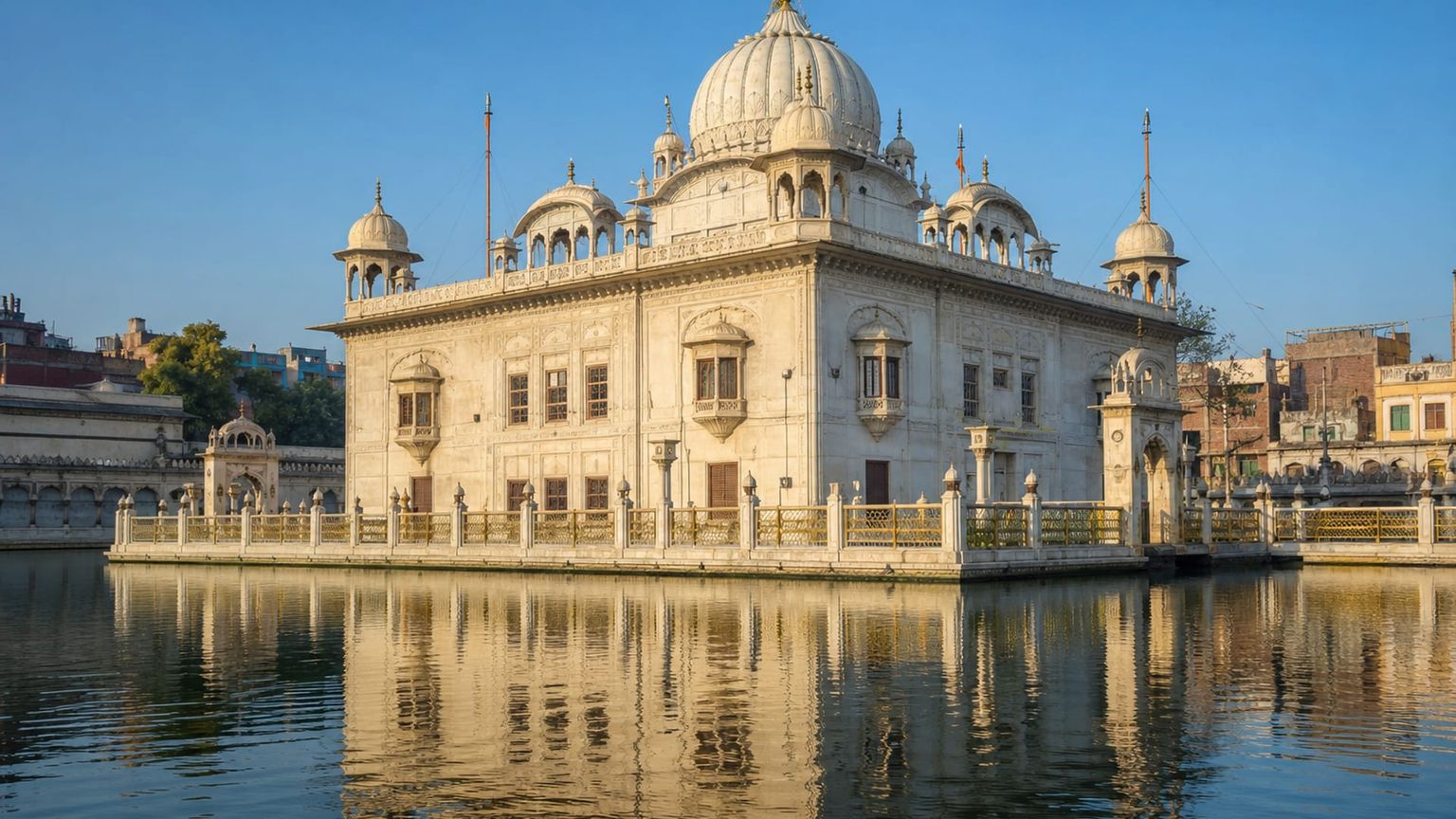
Durgiana Temple
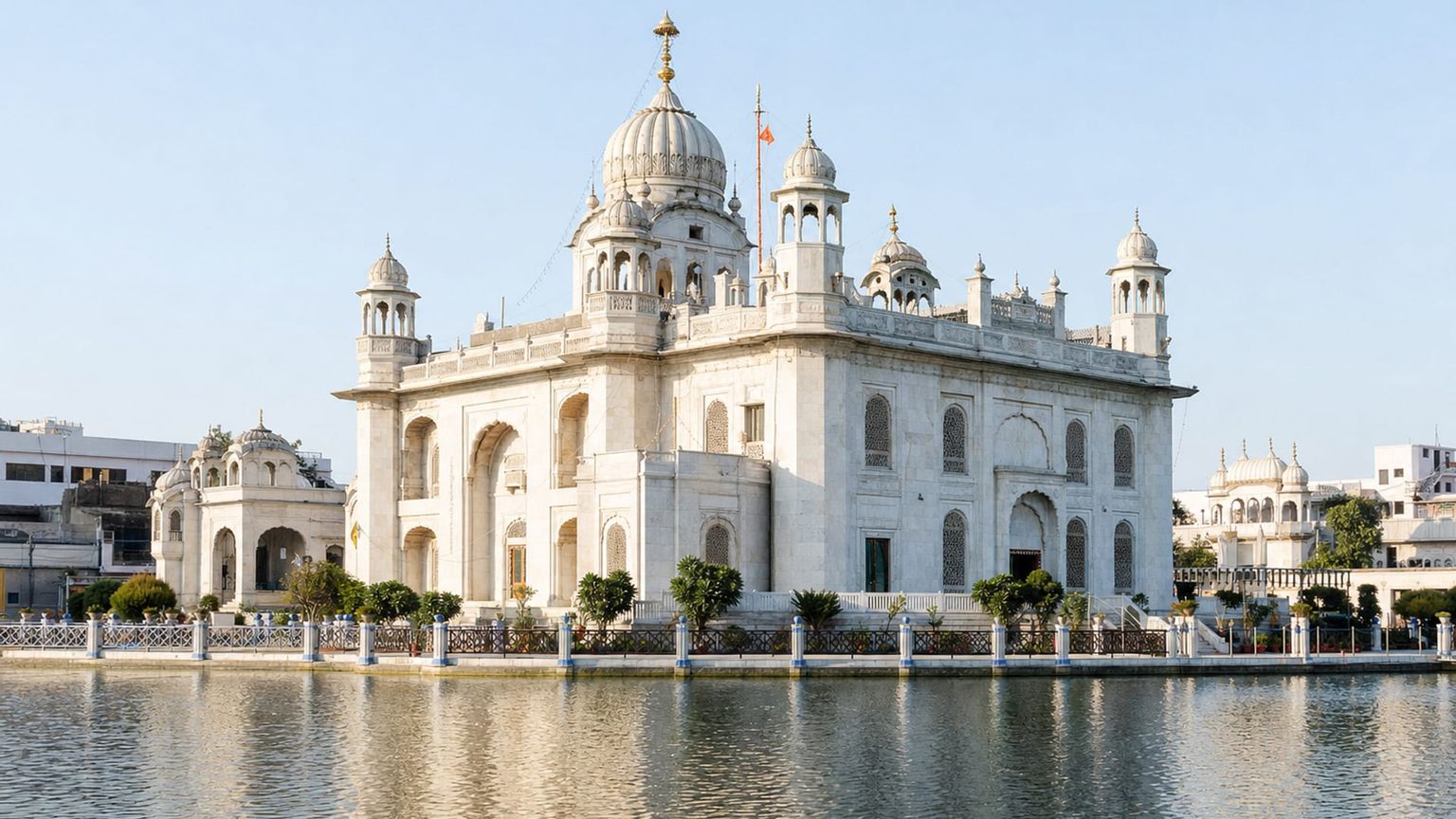
Built in the style of the Golden Temple, this Hindu shrine sits in a tank with silver doors, carved marble, and smaller sanctums for Lakshmi and Vishnu. Its setting and mirrored water make it one of the city’s clearest architectural counterpoints.
Time needed: About 1 to 2 hours
Entry: Free to access; photography rules may change inside the complex, and small donations are customary at the shrine.
Tip: Go after sunrise for softer light on the tank and fewer worshippers crossing the courtyard.
Overlooked sites worth visiting

Gobindgarh Fort
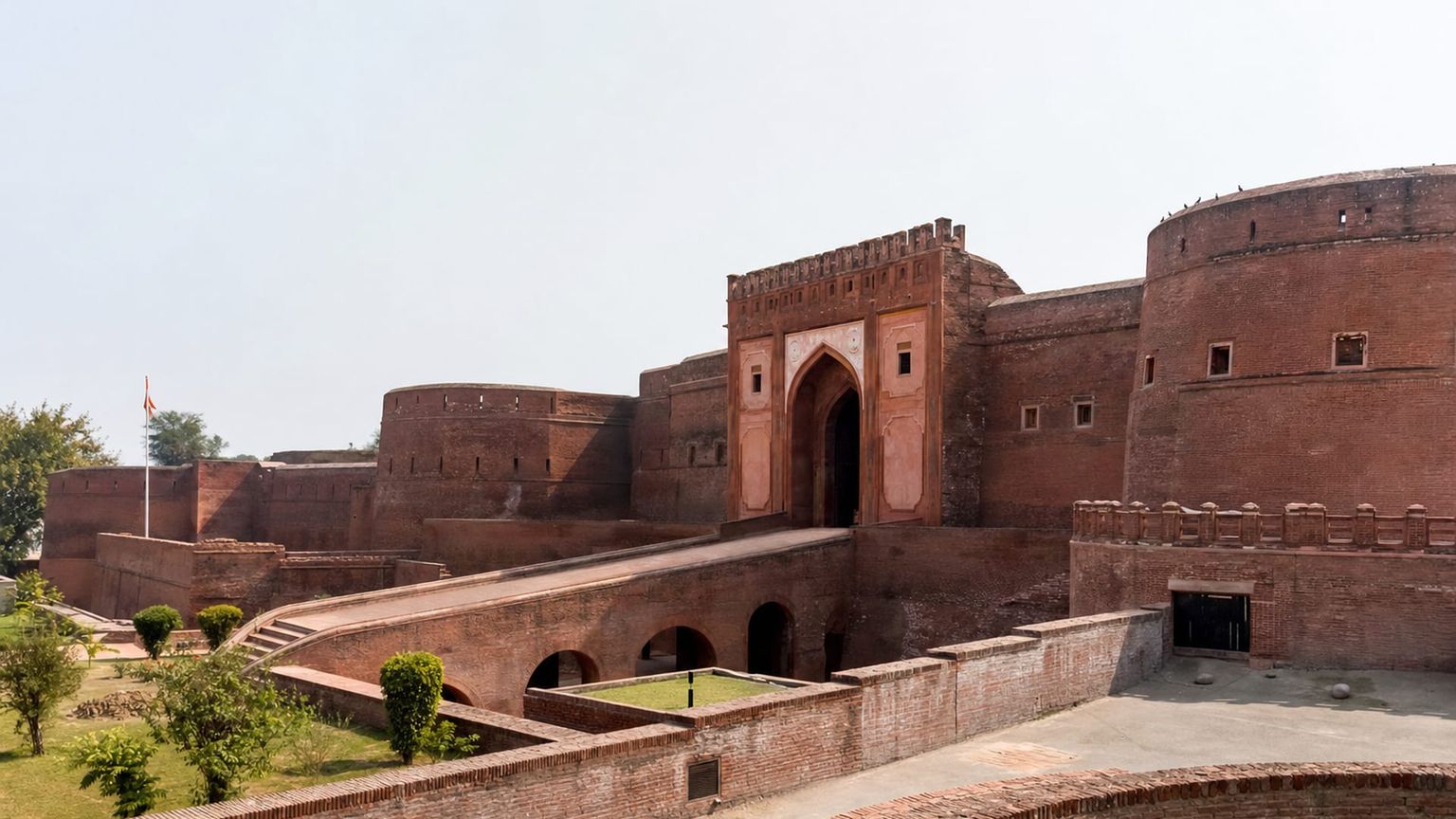
This 18th-century fort now mixes ramparts, museum rooms, and evening performances inside a compact citadel. Its brick walls and courtyards give you a quieter historical stop than the Golden Temple area.
Time needed: About 1.5 to 2.5 hours
Entry: Tickets usually cost $5 to $12 (about ₹415 to ₹1,000), depending on the show or bundle you choose. Some daytime visits use a lower entry tier, while evening programs with sound, light, or live acts cost more. Visit the official site for details.
Tip: Go before sunset if you want photos without the evening crowds.

Ram Bagh Garden and Maharaja Ranjit Singh Museum
Ram Bagh’s tree-lined paths, old perimeter walls, and the museum inside Maharaja Ranjit Singh’s former summer palace make a compact stop with shade, history, and little walking between sights.
Time needed: About 1 to 1.5 hours
Entry: Garden entry is usually free. The Maharaja Ranjit Singh Museum typically charges about $0.60 to $1.20 (roughly ₹50 to ₹100) for Indian visitors and about $2 to $4 (roughly ₹150 to ₹300) for foreign visitors, with occasional camera fees.
Tip: Visit in the morning for cooler paths and softer light.
Traditional food
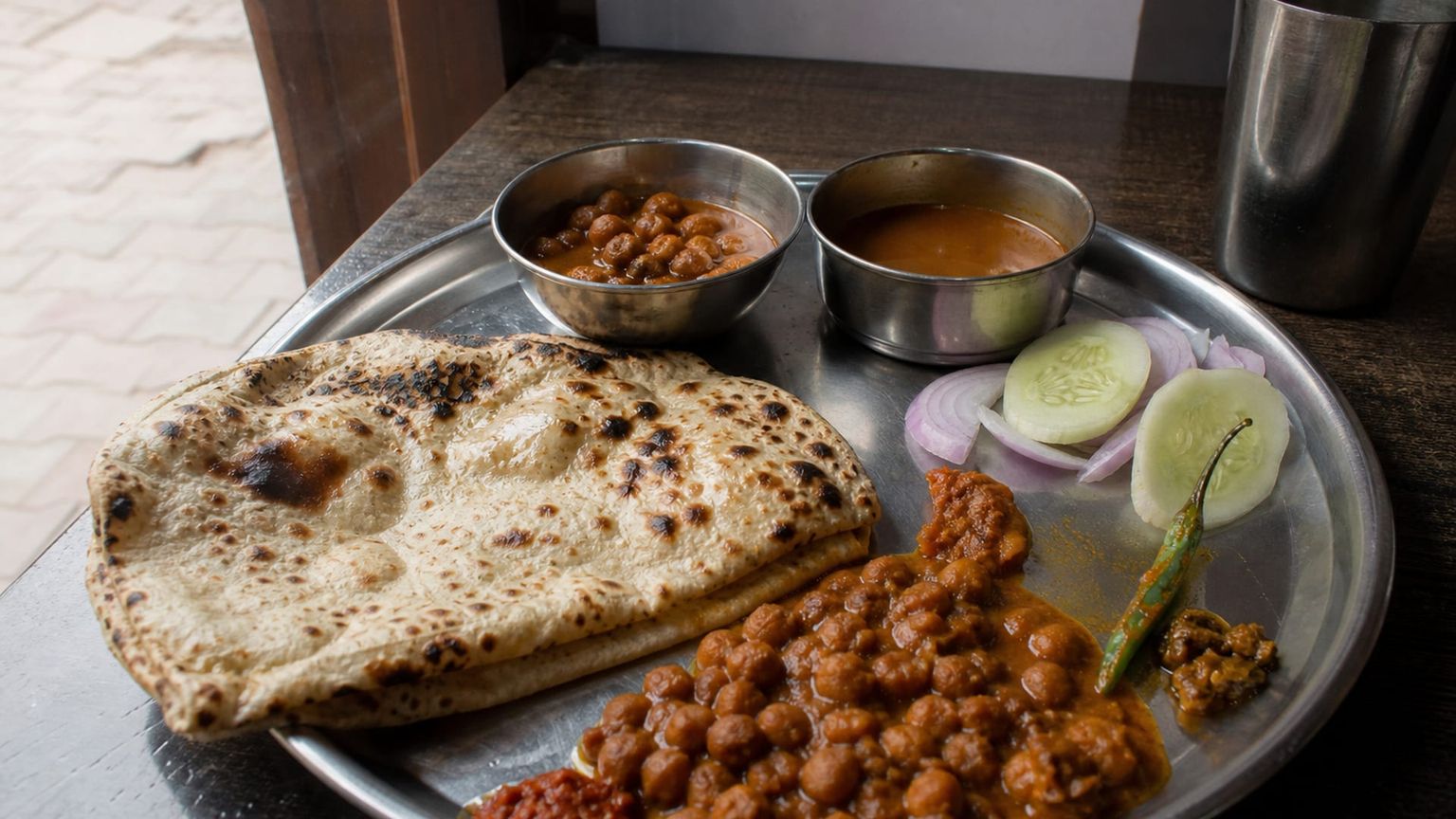
Amritsar’s food leans on wheat, ghee, mustard greens, and bold spice, with kulchas, saag, and lentils served in busy dhabas and temple-side kitchens from breakfast through late dinner.
Amritsari kulcha
Stuffed, crisp-edged flatbread is a city staple, best when it arrives hot with butter and chole. Kesar da Dhaba in the old city is the classic stop for it.
Sarson ka saag
This mustard greens dish brings deep flavor and usually comes with makki di roti and a spoon of butter. Bharawan Da Dhaba serves one of the city’s best-known versions.
Makki di roti
Cornmeal flatbread tastes best with saag, ghee, and pickle on the side. At Bharawan Da Dhaba, it forms the most traditional winter meal in Amritsar.
Chole bhature
Spiced chickpeas with fried bread make a heavier meal that works well for brunch or lunch. Kanha Sweets is a dependable city stop for a version many locals know.
Best time to visit Amritsar
Amritsar works in every season, but heat, monsoon showers, and winter fog change how long you want to stay outside, especially in the temple lanes and open courtyards.
Best for: Best for long walks in the Old City and morning temple visits
What you get: About 68 to 100°F (20 to 38°C), with rising heat and moderate crowds before summer peaks
Trade-offs: Afternoons can turn hot fast, so shade matters
Best for: Best for travelers who do not mind early starts and indoor breaks
What you get: About 77 to 104°F (25 to 40°C), with lighter daytime foot traffic but more heat and humidity
Trade-offs: Midday sightseeing can feel demanding
Best for: Best for balanced sightseeing, market browsing, and fort visits
What you get: About 60 to 90°F (16 to 32°C), with comfortable days and stronger visitor numbers around holidays
Trade-offs: Popular dates can make the Golden Temple area busier
Best for: Best for cool mornings, food outings, and unhurried museum stops
What you get: About 39 to 72°F (4 to 22°C), with lighter crowds on some weekdays and fog some mornings
Trade-offs: Early starts can be slow if visibility drops
A realistic 5-day plan in Amritsar
Five days gives Amritsar enough space to move from the temple core to the bazaar streets, then out to the fort and garden districts without stacking too much into one afternoon. The order below keeps transfers short and the busiest sites in the best light.
Land at Amritsar (ATQ), then take an auto-rickshaw or prebooked taxi to the Old City near the Golden Temple, roughly 20 to 30 minutes and about $6 to $10. If you prefer a quieter first night, Ranjit Avenue works well, with a longer ride of about 30 to 40 minutes and a fare closer to $8 to $14. Check in, drink water, and keep dinner simple near your hotel, or head to a nearby dhaba in Hall Bazaar for a light meal before an early night.
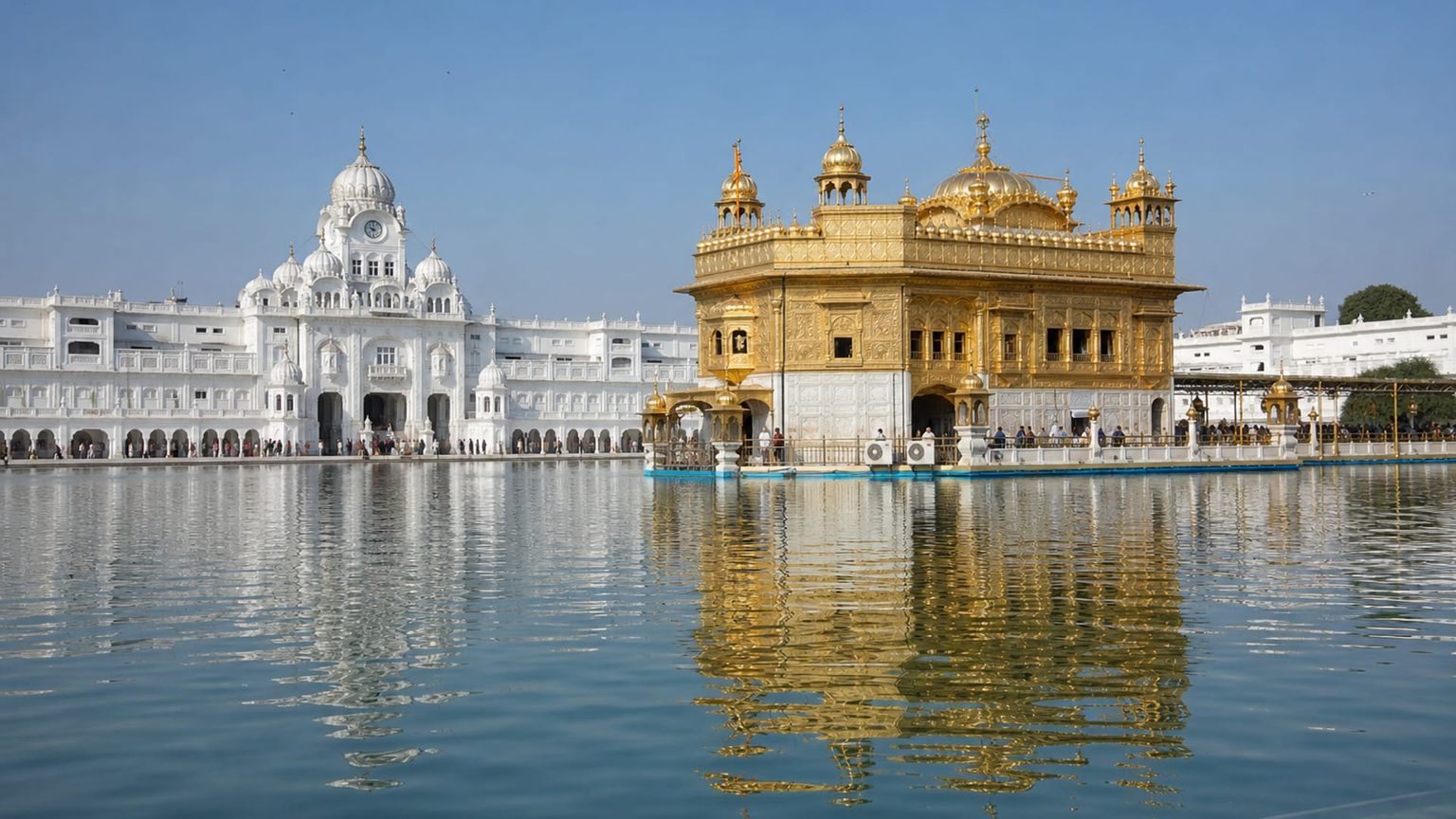
Start at the Golden Temple just after sunrise, which puts you about 2 to 3 hours into the complex before the crowds thicken. From there, walk about 5 minutes to Jallianwala Bagh for 1 to 2 hours of history, then continue on foot through the old lanes for snacks or a tea stop near the temple approach roads. Return to your hotel by late afternoon, or stay out after dark if you want a second look at the temple lit over the pool.
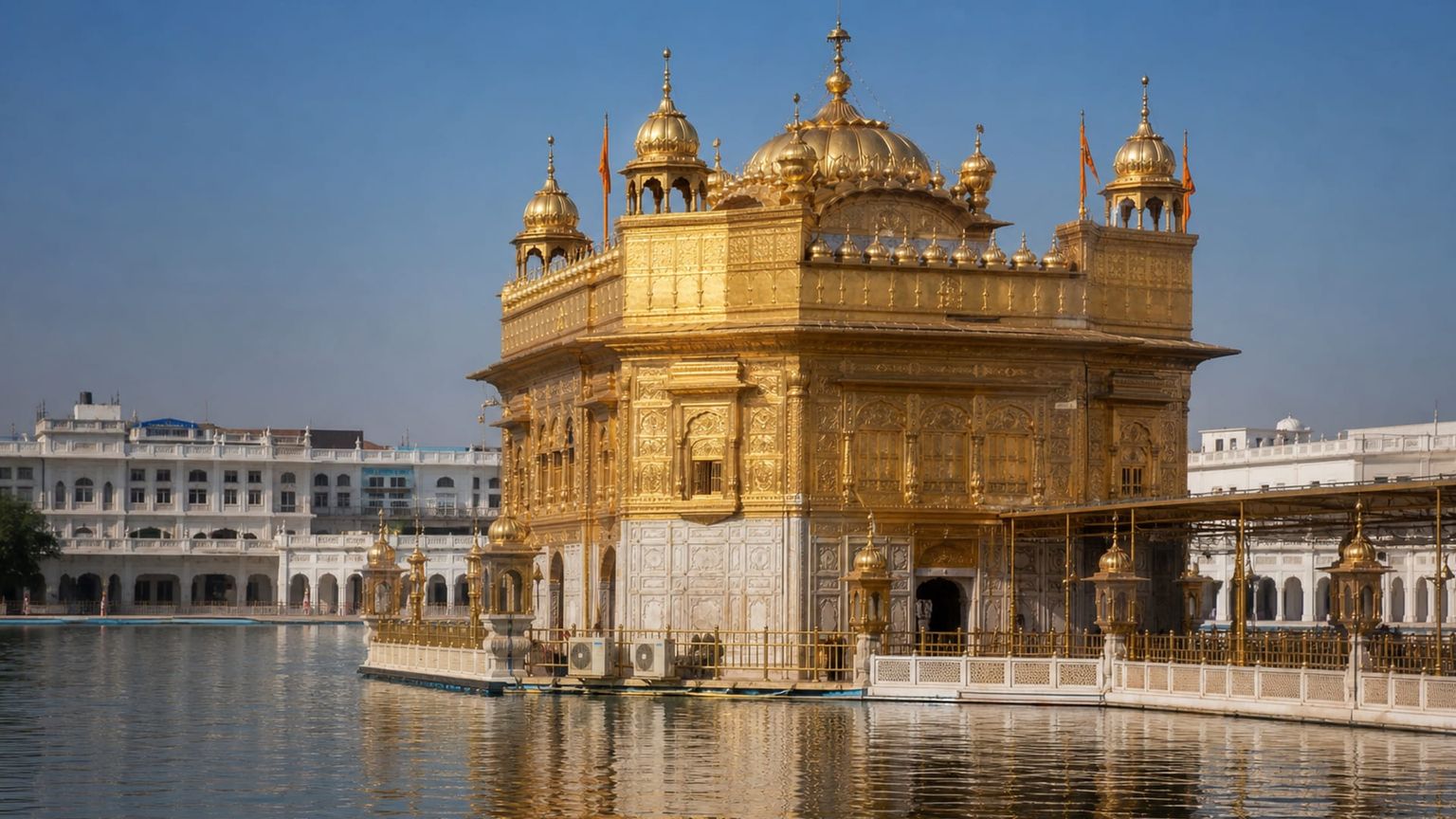
Begin with Durgiana Temple, about 10 to 15 minutes by auto-rickshaw from the Old City, and allow 1 to 2 hours for the shrine and tank. Next, ride about 10 minutes to Ram Bagh Garden and the Maharaja Ranjit Singh Museum, where tree shade and the museum together make a quieter midmorning stop, about 1 to 1.5 hours. Finish with a short taxi hop back toward Hall Bazaar or Ranjit Avenue for an early dinner, since both districts have plenty of casual restaurants.
Gobindgarh Fort sets the pace for this day, especially if you arrive before sunset for the clearest light on the brick walls. From Ranjit Avenue, expect about a 20-minute ride by taxi or app cab, then spend roughly 1.5 to 2.5 hours moving through the courtyards, exhibits, and evening program if you book one. Afterward, continue about 10 to 15 minutes to Hall Bazaar for shopping and a late snack, or return to the Old City if you want a final walk near the temple approach roads.
A final morning in Amritsar works best for an easy museum stop, so return to Ram Bagh Garden and the Maharaja Ranjit Singh Museum if you missed it earlier, or repeat a short visit for the palace setting and shaded paths. Then spend the rest of the day in Hall Bazaar, where you can browse textiles, sweets, and small souvenirs without leaving the center of town; if you are staying in Ranjit Avenue, finish with coffee or tea at a neighborhood café before heading to Amritsar (ATQ). Build in enough time for luggage pickup and the airport ride, since traffic can slow down near the station side of the city.
Business-class flights from the US to Amritsar
Business-class flights to Amritsar usually connect through the Gulf or Istanbul, so the best option often depends on where you start and how much connection time you want. From New York and Los Angeles, the route choices are similar, but the total journey time differs.
From New York (JFK), Air India, Emirates, Etihad Airways, Qatar Airways, and Turkish Airlines all serve Amritsar (ATQ) on one-stop itineraries. The trip usually takes 16 to 22 hours, and round-trip fares from New York (JFK) to Amritsar (ATQ) in business class usually start at $3,800 and can reach $7,500.
Los Angeles travelers usually choose Emirates, Qatar Airways, Etihad Airways, Turkish Airlines, or Singapore Airlines for Amritsar (ATQ). One-stop connections often run through DOH, DXB, AUH, IST, or SIN, with total travel times of about 18 to 24 hours, and round-trip business-class tickets from Los Angeles (LAX) to Amritsar (ATQ) often run $3,600 to $7,200.
Amritsar feels different when you slow down
A deliberate Amritsar trip follows the city’s own sequence: dawn at the Golden Temple, a walk to Jallianwala Bagh, a midday pause in Hall Bazaar, and an evening ride to Gobindgarh Fort or back to the pool when the light changes. Use auto-rickshaws for short hops, taxis for Ranjit Avenue or the airport, and let the old city set the pace. If you want the same trip shaped with the AranGrant experts, start with the neighborhood that fits your arrival







