

Chapters:

Need help with your trip?
Our support team is available 24/7. Request a callback or call us directly at (833) 619-0908
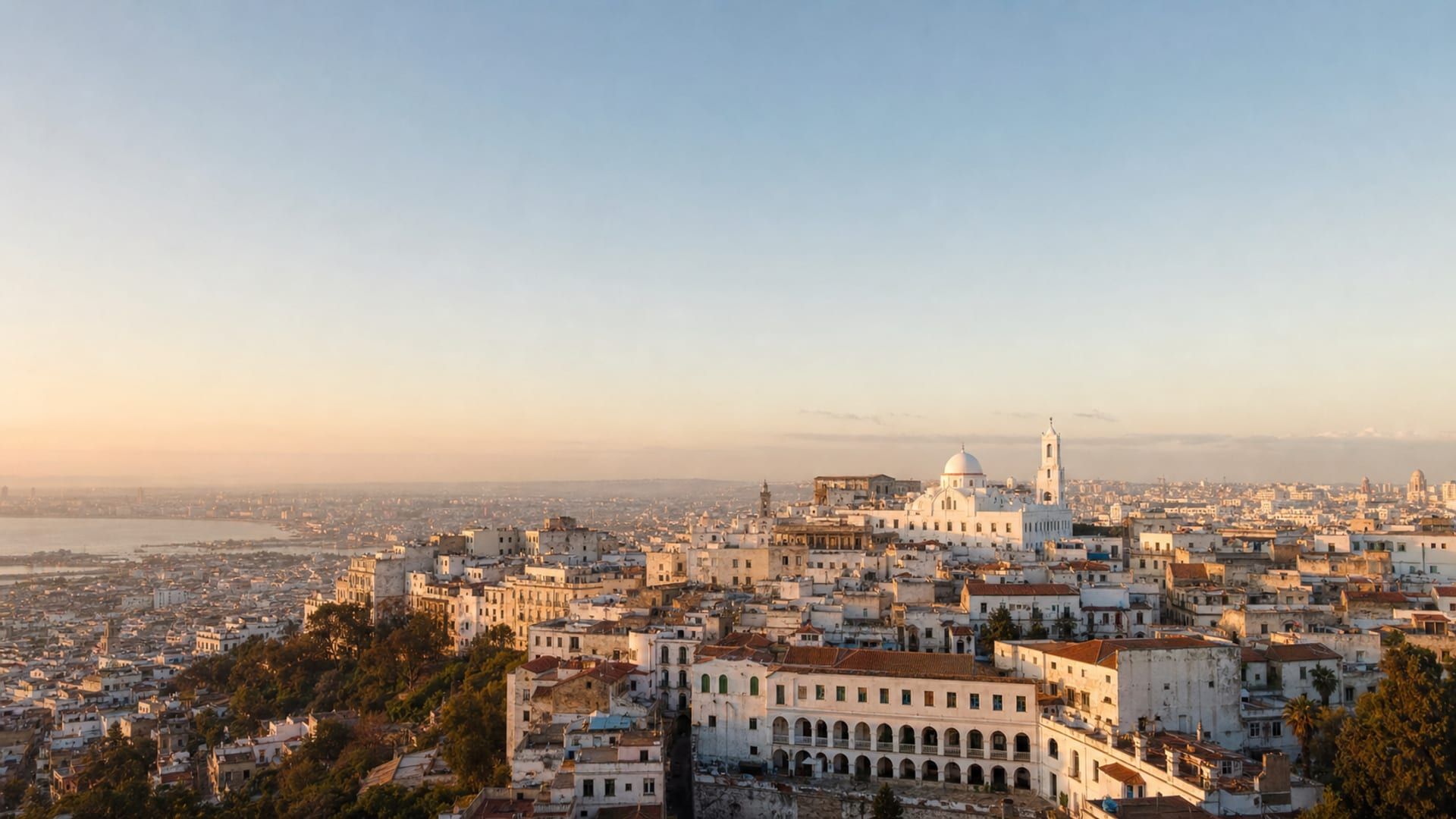
Algiers rewards trips that start on the seafront, pass through the center, and leave the hill districts for later, yet many visitors still try to do everything in one sweep. The result is long taxi rides, steep climbs, and too little time in the Casbah and the old civic core.
That approach misses how spread out the city is, and how quickly traffic changes a short transfer into a slow one. It also ignores the difference between the waterfront edge, the metro corridor, and the hillside sites above the bay.
This guide sets a clearer order, with neighborhoods, transit, meals, and day trips arranged so each part of Algiers gets the time it needs.
Useful things to know

Main language(s): Arabic
Marhaban (mar-hah-bahn) – Hello
Min fadlak (min fad-lak) – Please
Shukran (shook-ran) – Thank you
Hal tatakallam al-ingliziya? (hal ta-ta-kal-lam al-in-gli-zi-ya) – Do you speak English?
Kam al-thaman? (kam al-tha-man) – How much does it cost?

Currency: The local currency is the Algerian dinar (DZD, د.ج).

Cash and cards: Cards and contactless work in many hotels and larger shops, but carry about DZD 5,000 to 10,000 ($37 to $74) in cash.

Tipping: Round up small bills; add about 5% to 10% in restaurants if you want to reward good service.

Traditional food: Couscous, Chorba, Mechoui, Rechta

Water and coffee costs: Water about DZD 50 to 100 ($0.40 to $0.75), bar espresso about DZD 150 to 250 ($1.10 to $1.85).

Taxis and ride apps: Yassir and Heetch operate here; availability can vary outside central Algiers.

Plug and voltage: Type C/F socket, 230V

Dining and shop opening hours: Breakfast is about 7:00-9:00 am, lunch 12:00-2:00 pm, and dinner 7:30-10:00 pm. Many places close after lunch on Friday, then reopen for the evening.

Emergency number: Police 17, civil protection 14, ambulance 021 72 55 55.
Where to stay in Algiers
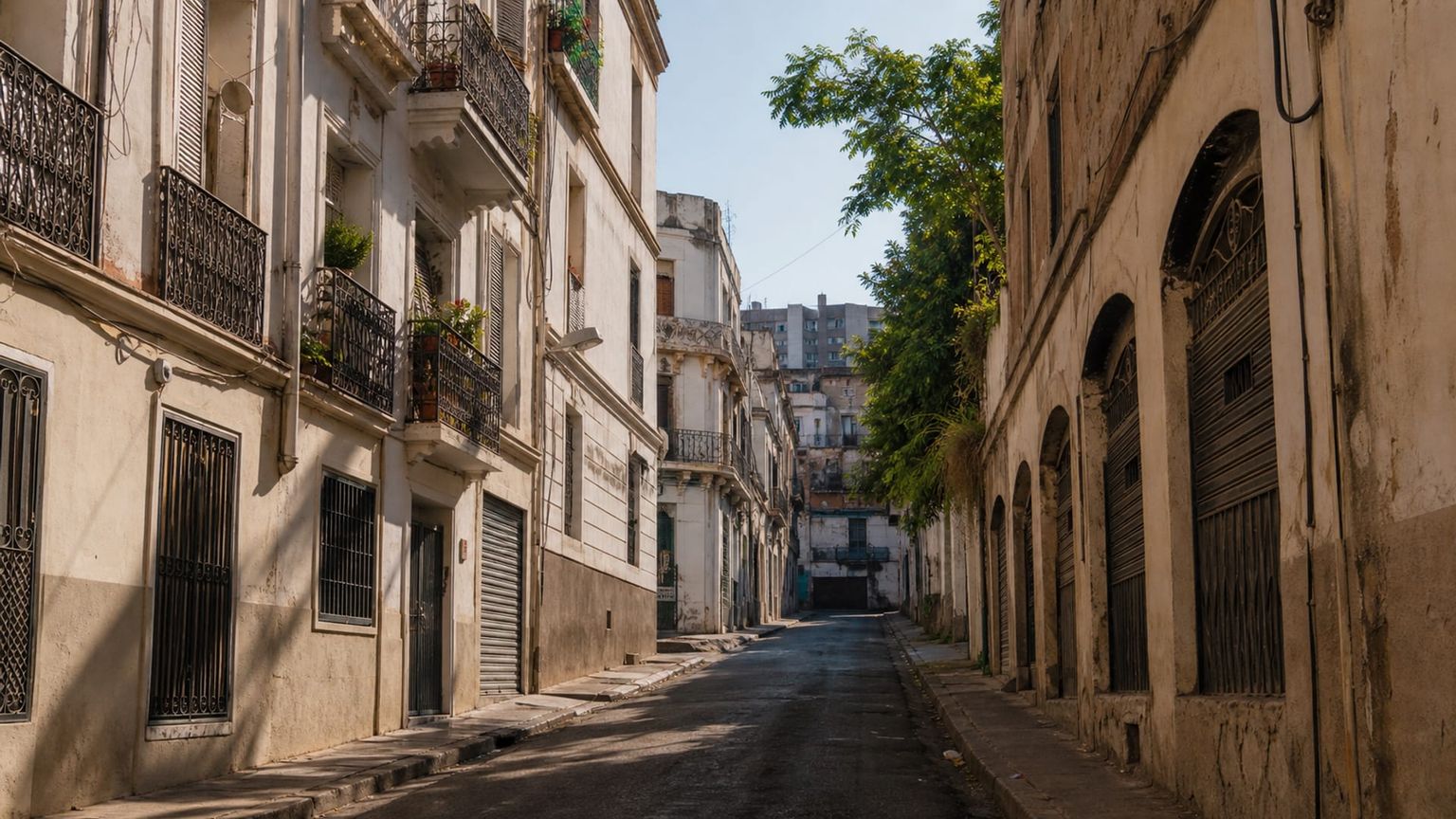
Bab El Oued puts you on Algiers’ working waterfront edge, with dense streets, markets, and easy access to the Casbah and the port side of town. It suits travelers who want a local base with fast links to central sights and a strong sense of daily city life.
Best for: Market browsing, local food, and travelers who want quick access to the Casbah
What to expect: Expect crowded sidewalks, loud traffic, and a constant flow of shoppers and commuters, especially during the day.
Hotel prices: Usually about 5,500 DZD to 13,000 DZD (~$41 to ~$97) per night for well-rated stays
Distance to major sights: About 10 to 20 minutes by taxi to the Casbah; roughly 15 minutes to the waterfront promenade
Quietness: Daytime is lively and busy; evenings settle somewhat, but main roads stay active late.
Main trade-off: Stays can be cheaper than in the seafront districts, but the area has less polish and more traffic noise.
Good to know: Choose a hotel on a side street if you want to sleep better, since main avenues can stay noisy after dark.
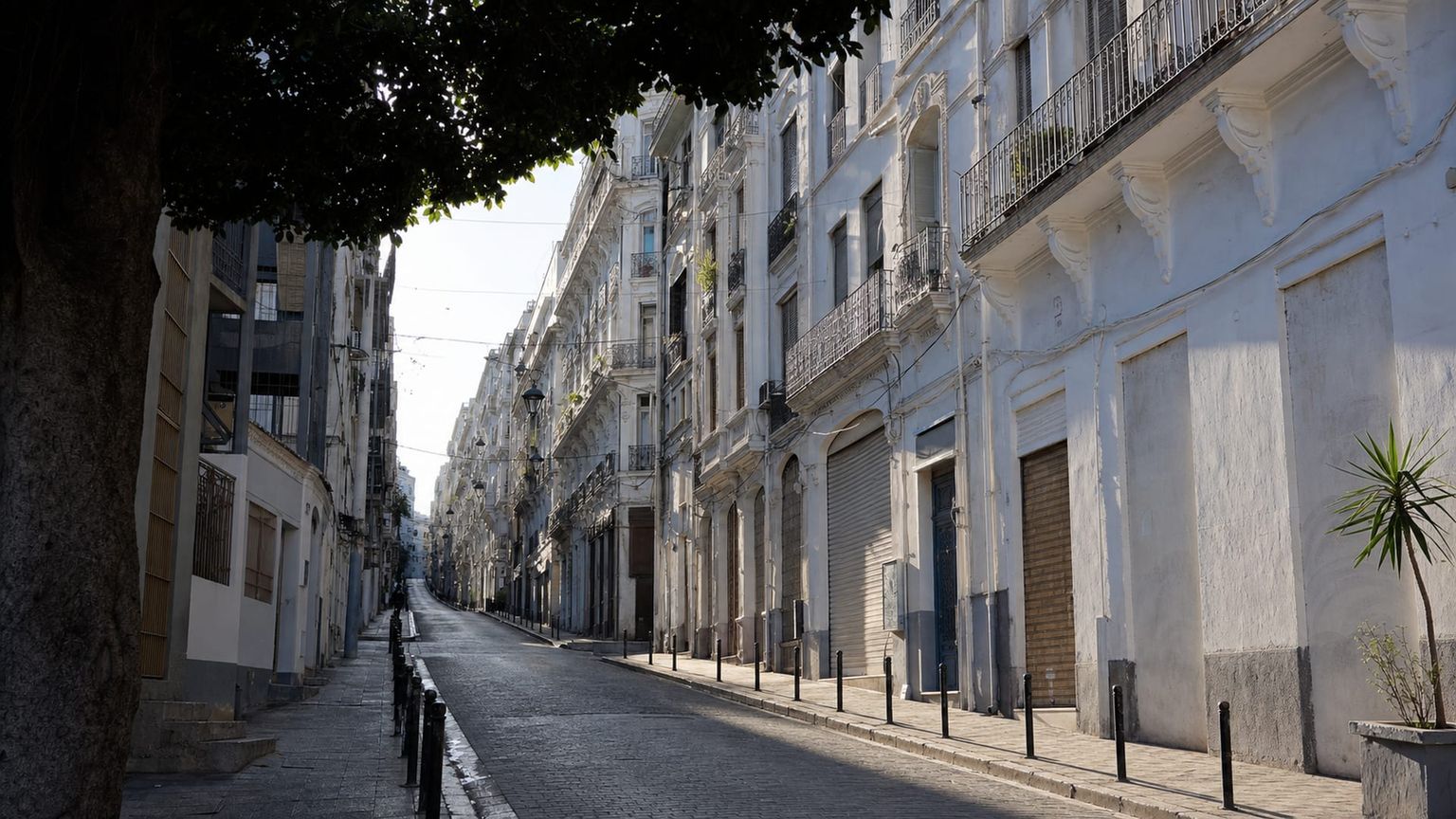
Sidi M’Hamed sits in central Algiers, close to government offices, major boulevards, and metro connections. It works well as a base for moving across the city, with easier access to museums, the business district, and several dining streets.
Best for: Central sightseeing, business trips, and travelers who want metro access
What to expect: Expect steady traffic, office workers, and a mix of cafes, shops, and apartment blocks along the main roads.
Hotel prices: Usually about 7,000 DZD to 16,000 DZD (~$52 to ~$119) per night for well-rated stays
Distance to major sights: About 10 minutes by taxi to the Martyrs’ Memorial; about 15 minutes to the Casbah
Quietness: Busy by day and quieter at night on residential streets, though boulevards remain active.
Main trade-off: You pay more for the central address, and the best-located hotels can book early on weekdays.
Good to know: Pick a place near a metro stop if you plan to cross town often, because taxi times rise quickly in rush hour.
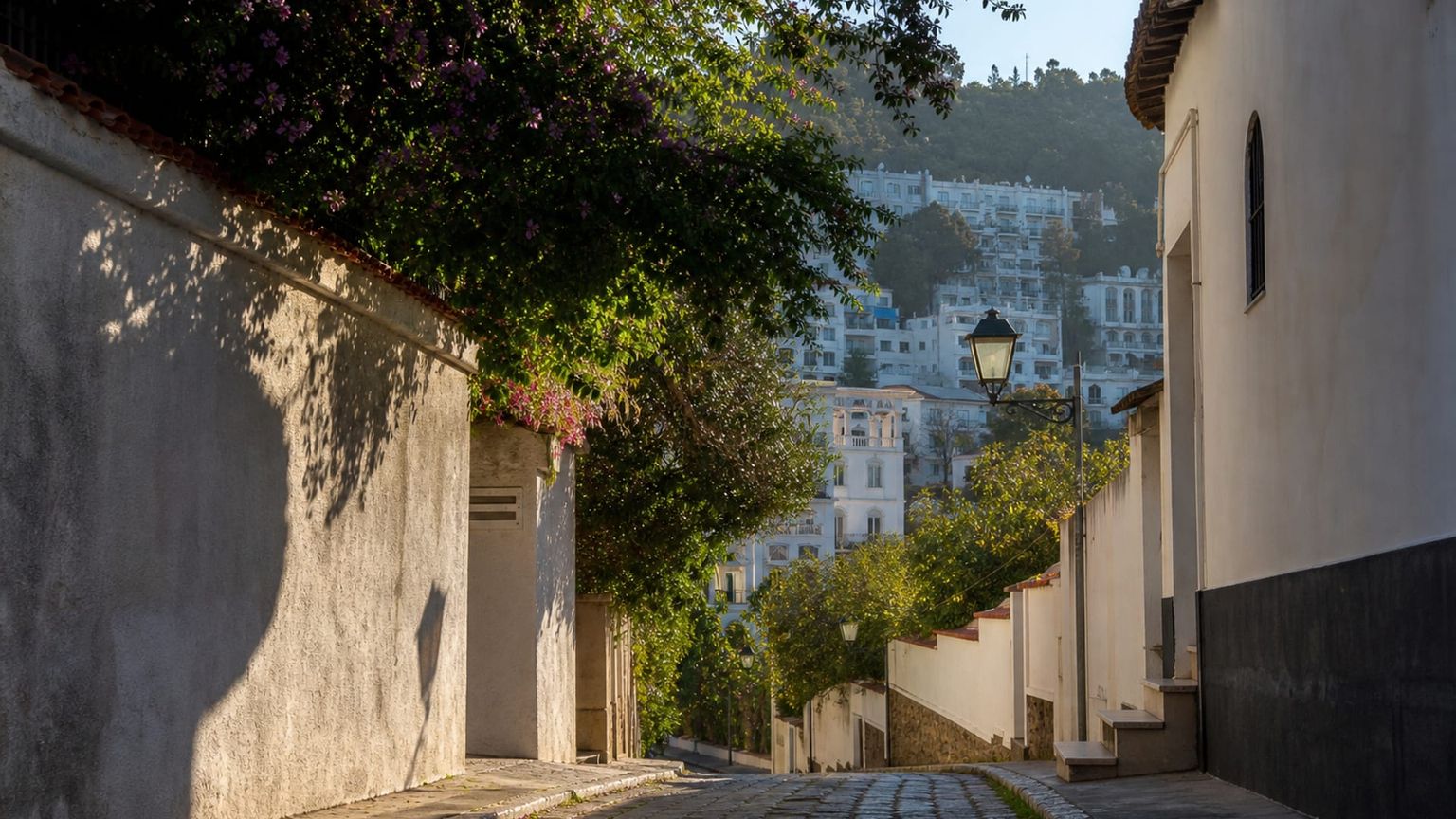
Hydra is one of Algiers’ more upscale residential quarters, with embassy streets, cafes, and newer apartment buildings. It appeals to visitors who want a calmer, more residential setting while staying within reach of the city center and southern business areas.
Best for: Business travelers, longer stays, and visitors who prefer a calmer residential base
What to expect: Expect tree-lined streets, cafes, and a more residential pace than in the older central districts.
Hotel prices: Usually about 8,500 DZD to 20,000 DZD (~$63 to ~$149) per night for well-rated stays
Distance to major sights: About 15 to 25 minutes by taxi to the Casbah; roughly 20 minutes to the Martyrs’ Memorial
Quietness: Quieter than central Algiers in the evening, with most activity concentrated on cafe streets.
Main trade-off: Accommodation tends to cost more, and you will rely on taxis more than in the metro-linked center.
Good to know: If you want dinner out without a long ride back, check the hotel’s exact street, since some blocks sit far from the main cafe strip.
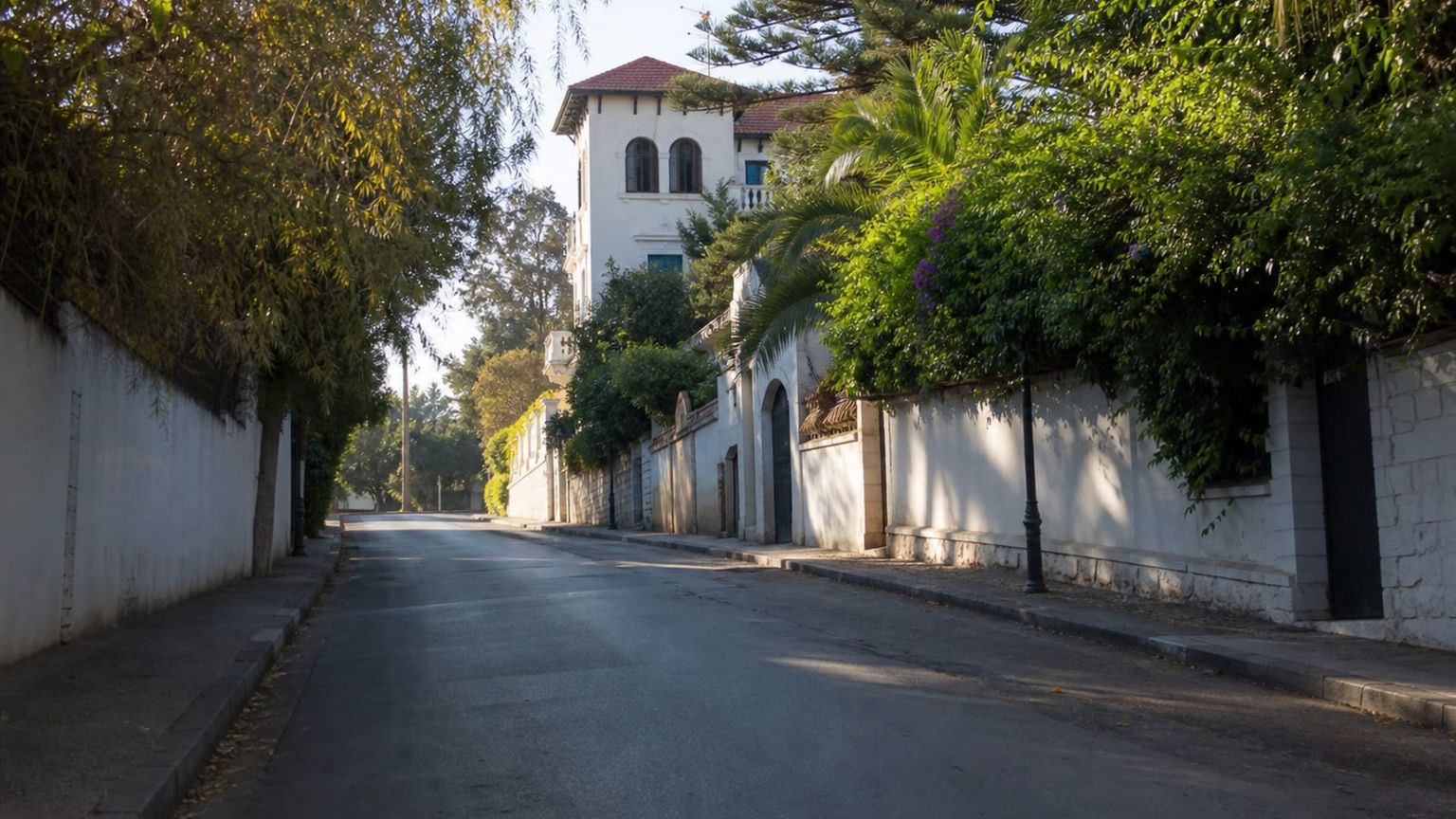
El Biar rises above central Algiers on the hills, with villas, diplomatic buildings, and open views toward the bay. It suits visitors who want a residential feel, some distance from downtown noise, and relatively quick taxi access to the center.
Best for: Quiet residential stays, longer trips, and travelers who do not mind using taxis
What to expect: Expect hilly streets, scattered cafes, and a quieter residential scene with fewer late-night options.
Hotel prices: Usually about 7,500 DZD to 18,000 DZD (~$56 to ~$134) per night for well-rated stays
Distance to major sights: About 15 minutes by taxi to the Martyrs’ Memorial; roughly 20 minutes to the Casbah
Quietness: Calm in the evening compared with the center, though uphill roads can carry traffic during the day.
Main trade-off: The hills make walking less convenient, and you will spend more time and money on taxis.
Good to know: Check whether your hotel sits on a steep street, because luggage and ride pickups can be harder on the slopes.
Travelers usually avoid staying in Kouba, El Harrach, and Bab Ezzouar if they want easy sightseeing, because they sit well east of the main seafront and Casbah area, with longer taxi rides and fewer visitor-oriented hotels and restaurants. Hydra can also be less convenient for a first visit, since it is inland from the core sights and depends more on car or taxi travel for evening outings.
Hotel deals
How to get around Algiers efficiently
Algiers moves best by combining the metro on the central corridor, buses and trams for wider coverage, and taxis for the hillier sights and airport transfer.

Metro
for longer distances
Algiers has one metro line, Line 1, linking El Harrach Center with Tafourah, Grande Poste, with an extension toward Aïn Naâdja; trains usually run every few minutes, and a single ticket costs about $0.30 to $0.40 (roughly 40 to 50 DZD) with validity for one trip. It is the fastest option across the central corridor, while farther districts still need a bus or taxi connection.

Bus and tram
for convenience
Tram and bus fill the gaps the metro leaves, with the tram useful for parts of the east side and the bus network covering most neighborhoods, including links toward the airport area and coastal suburbs. Fares are low, usually about $0.15 to $0.30 (roughly 20 to 40 DZD) for a ride; buy a ticket before boarding when possible, keep exact change ready, and expect more frequent use of bus lines than trams for cross-city trips.

Taxi
for convenience or late hours
Licensed taxis use set fares for short urban rides in practice, although longer trips often depend on negotiation before departure; from Algiers Houari Boumediene Airport (ALG) to the city center, expect roughly $10 to $20, with late-night rides sometimes higher. Street taxis are easy to find on main roads, and hotel or airport ranks are the best places to start; most drivers prefer cash in dinars, and some will accept euros or dollars after agreeing on the fare first.
*Prices are based on rates updated as of June 2026 and may change at the time of travel.
Use the metro for the core, buses and trams when you need coverage beyond it, and taxis whenever the Casbah, the hills, or a tight schedule make door-to-door travel the better choice.
Iconic landmarks
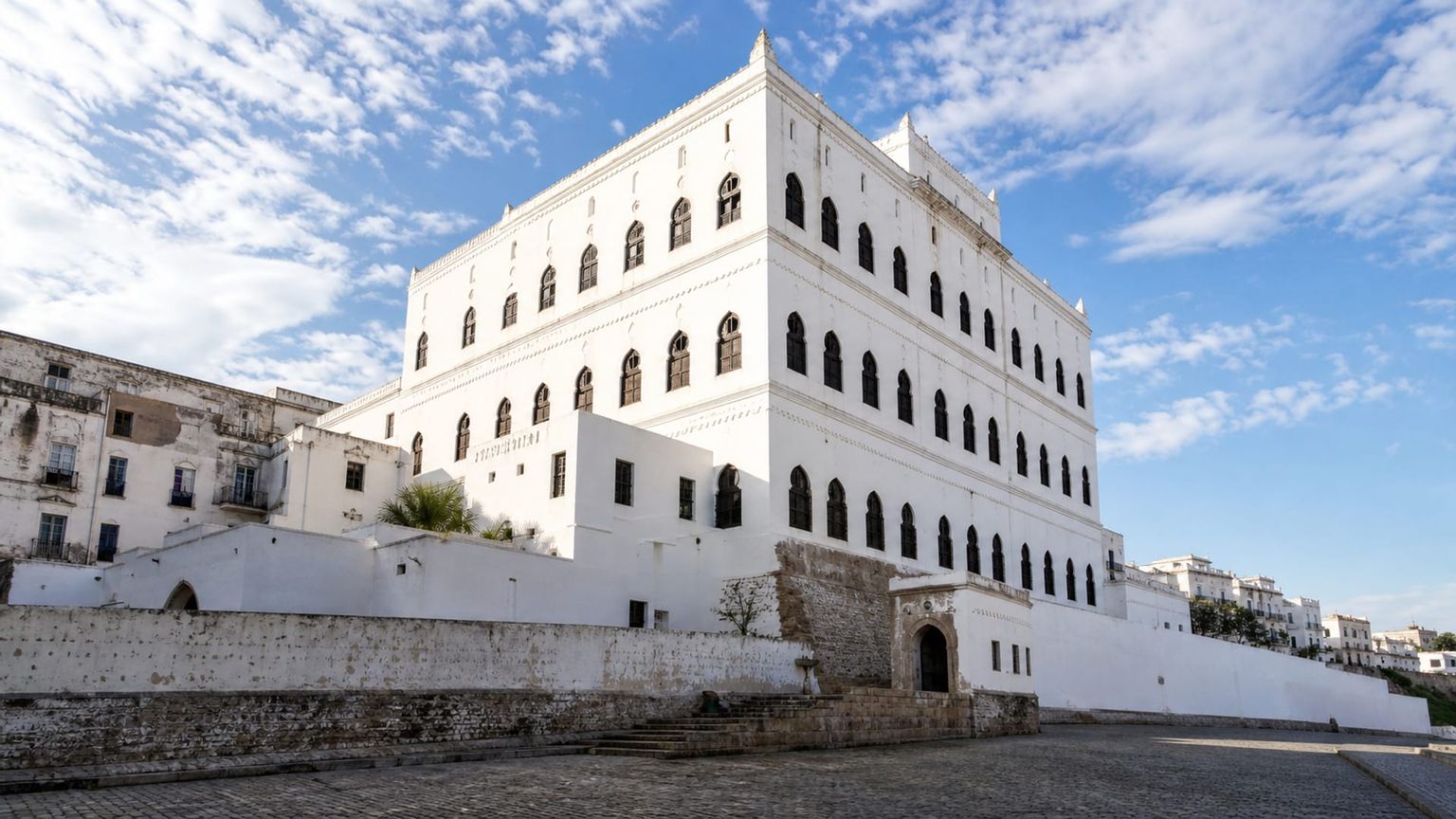
Kasbah of Algiers
The Kasbah of Algiers is the old hillside medina, a UNESCO World Heritage site of Ottoman-era houses, narrow lanes, and restored palaces. Its layered streets explain the city’s history better than any single museum.
Time needed: About 3 to 4 hours
Entry: Free to access; some restored houses, museums, and guided interiors charge separate admission, typically about $2 to $6 (about 270 to 810 DZD).
Tip: Go early, before midday heat, and wear shoes with good grip on the steep lanes.
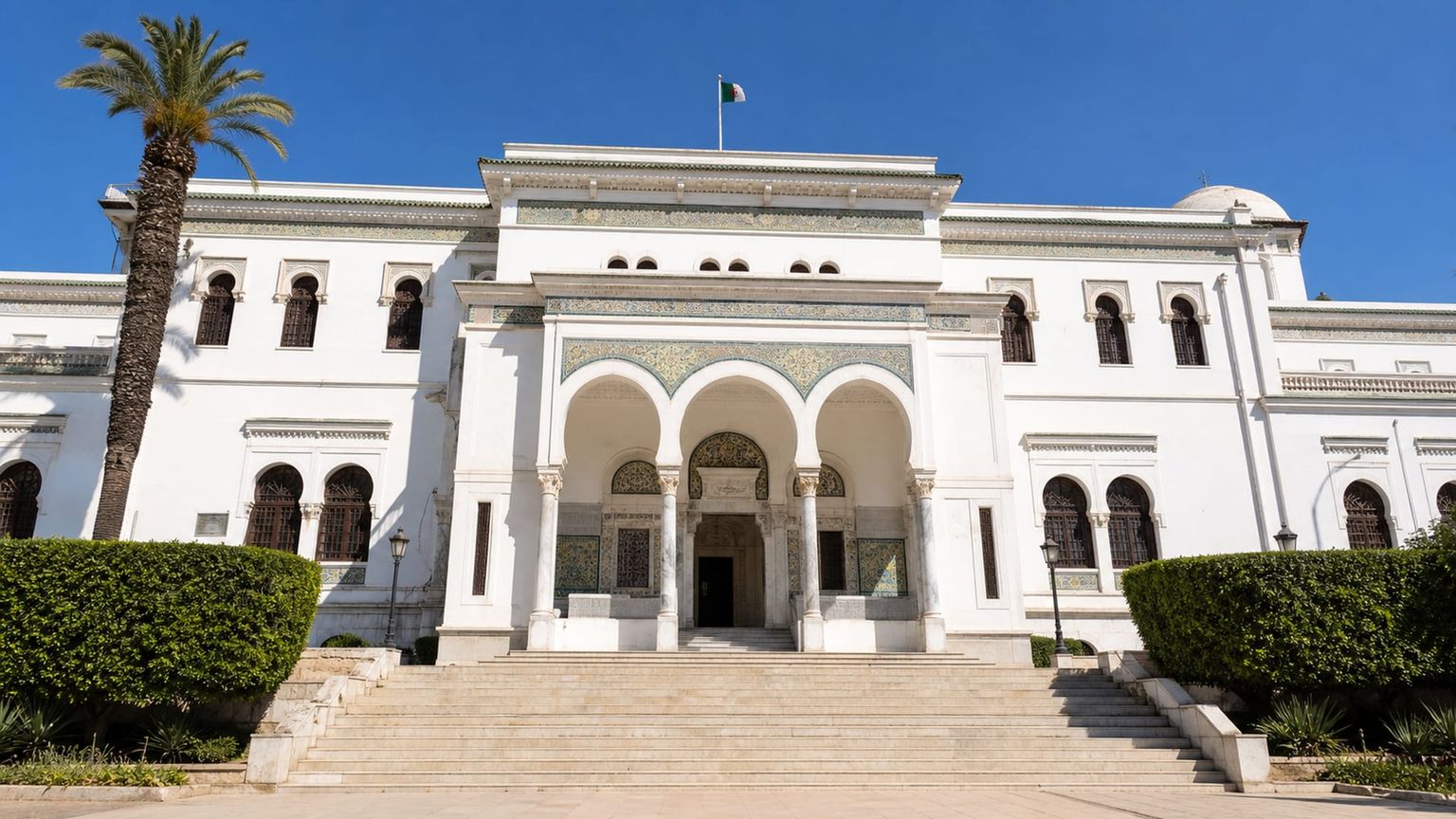
Bardo National Museum of Prehistory and Ethnography
Housed in an 18th-century palace, the Bardo Museum pairs archaeological finds with ethnographic collections from across Algeria. The display includes prehistoric tools, jewelry, and traditional interiors in a setting that is worth the visit alone.
Time needed: About 2 to 3 hours
Entry: Tickets usually cost about $2 to $4 (about 270 to 540 DZD), with occasional separate fees for temporary exhibitions or photography permits. Visit the official site for details.
Tip: Visit in the morning, when galleries are quieter and the courtyard light is best.
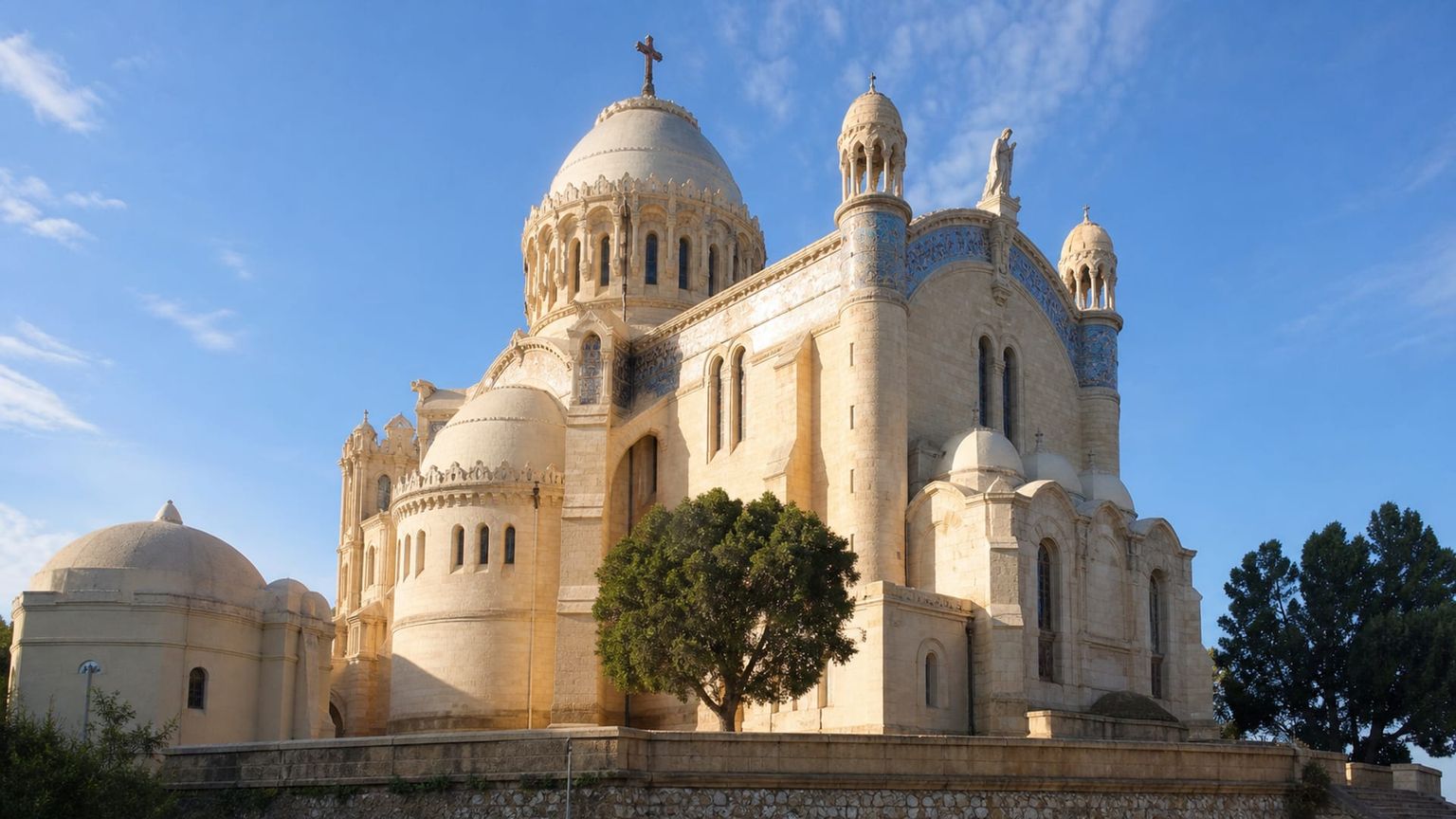
Notre-Dame d'Afrique
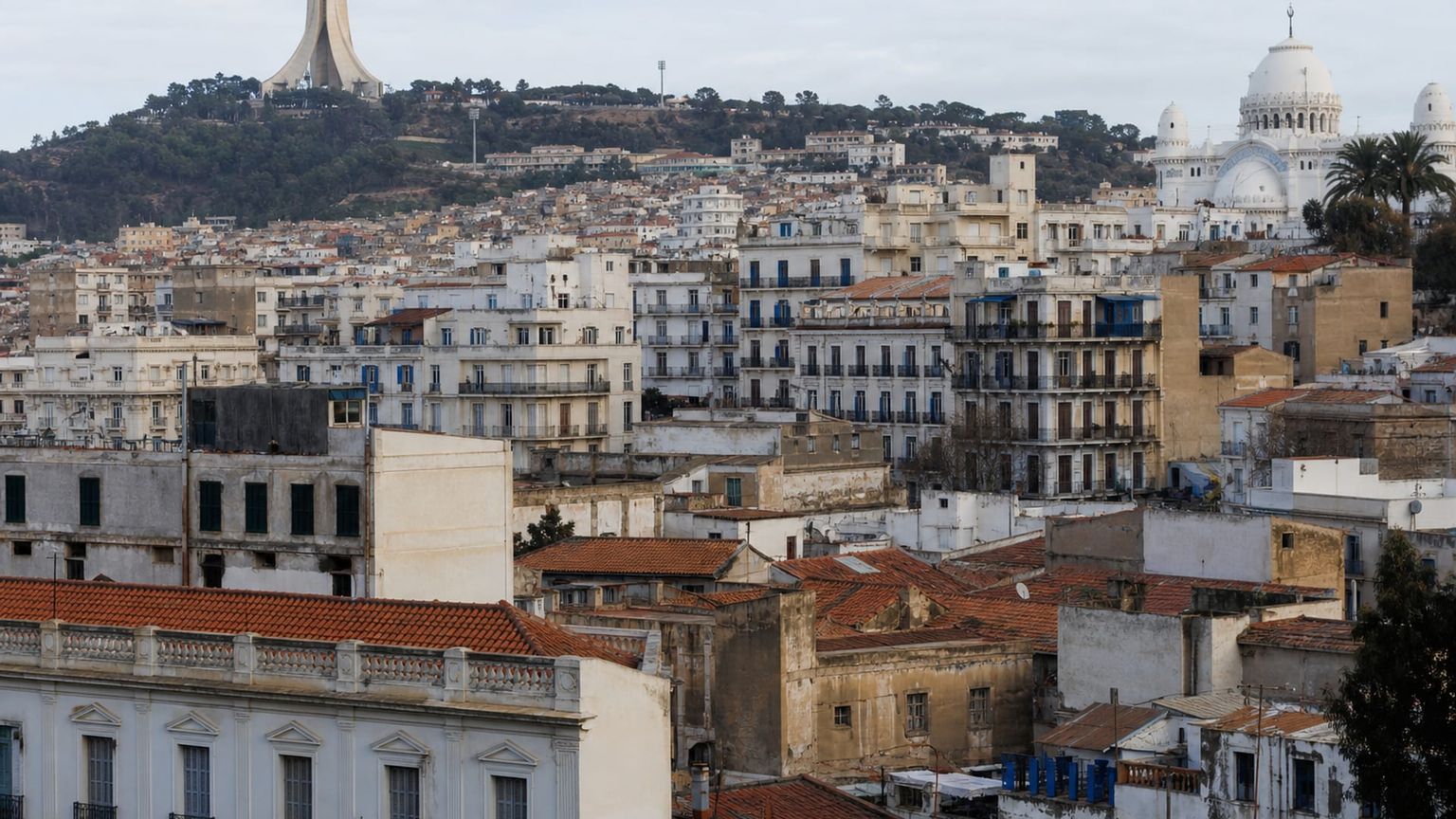
Notre-Dame d’Afrique crowns the cliffs above the bay with a striped basilica, mosaics, and sweeping views toward the harbor. The church’s inscriptions and votive chapel make it one of Algiers’ most distinctive landmarks.
Time needed: About 1 to 2 hours
Entry: Free to access; donations are welcome, and guided visits or special events may have separate charges.
Tip: Come near sunset for the bay view, then allow extra time for the climb back down.
Overlooked sites worth visiting

Bardo National Museum
Algiers’ main museum is often skipped, yet its Roman mosaics, Ottoman artifacts, and Roman inscriptions give a sharp view of Algeria’s layered history in compact galleries.
Time needed: About 1 to 2 hours
Entry: Admission is typically about $4 to $6 (about 550 to 850 DZD) for adults, with lower prices for students and children; museum hours can change on public holidays, so check the current schedule before you go.
Tip: Go early to avoid school-group visits.

Riad El Feth
This hillside complex above the bay combines a modern cultural center, covered arcades, and wide terraces with city views, so you can pair a quiet stop with a short walk.
Time needed: About 1 to 2 hours
Entry: Access to the complex is generally free, but individual galleries, cinemas, or special exhibitions may charge about $1 to $5 (about 140 to 700 DZD); opening times vary by venue and event schedule.
Tip: Visit late afternoon for softer light over the bay.
Traditional food
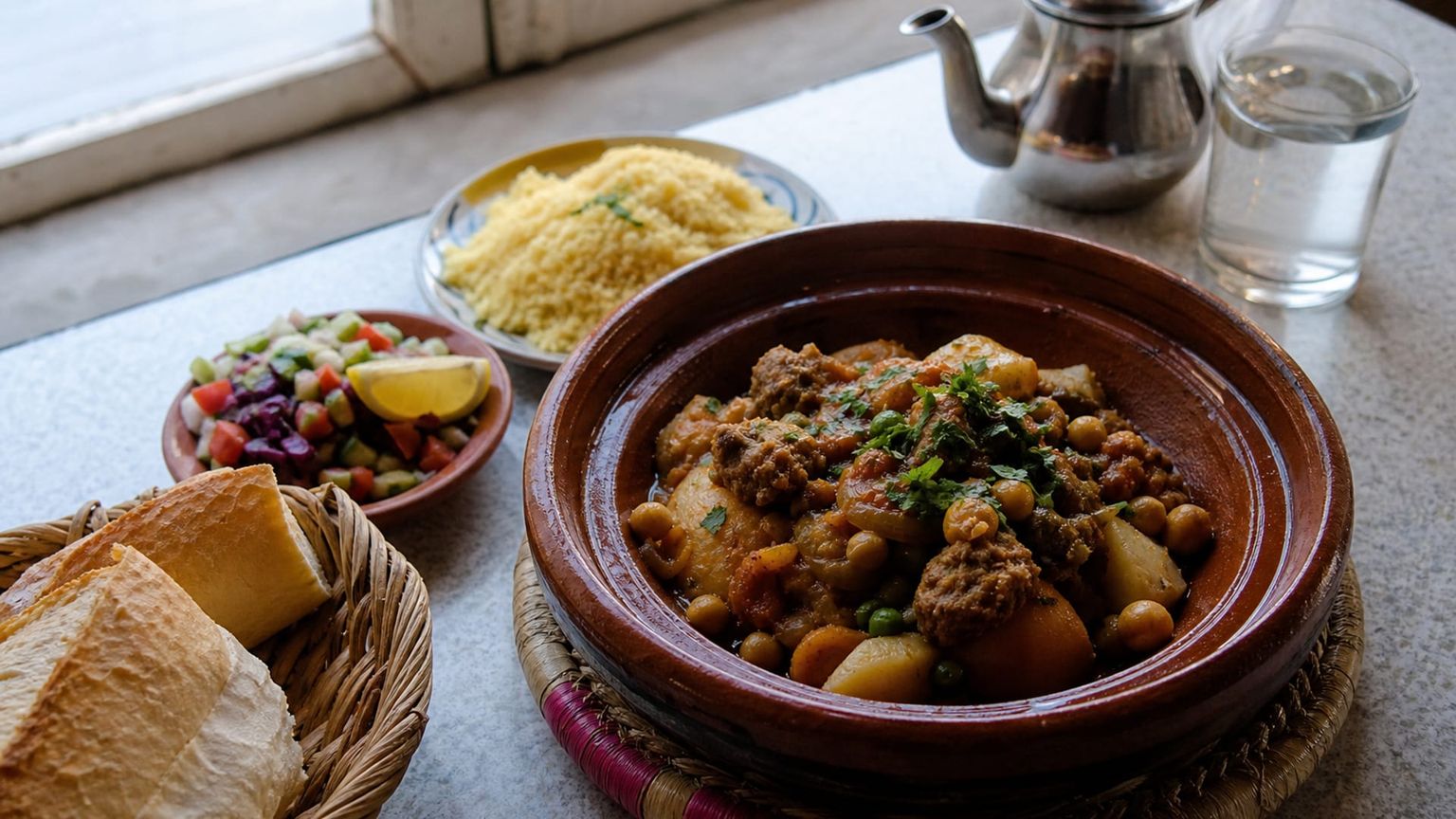
Algiers cuisine leans on couscous, slow-cooked stews, herbs, chickpeas, and warm bread, with chorba at many tables and grilled meats on evening menus. Lunch often runs long, then dinner starts later and settles into cafe-filled streets.
Couscous
Fluffy semolina with vegetables and meat sits at the center of many Algerian tables, often dressed with a rich broth. El Mordjene in Algiers is a strong canonical stop for a well-made version.
Chorba
This spiced soup usually opens the meal with tomatoes, herbs, and meat, and it appears often in homes and restaurants alike. Le Bardo in Algiers serves a well-regarded version in a setting that fits the dish.
Mechoui
Slow-roasted lamb brings a deeper, smokier side of local cooking, with tender meat that works well for a shared meal. Restaurant El Ruisseau in Algiers is a dependable place to look for it.
Rechta
Thin noodles with chicken, chickpeas, and a light broth make rechta one of the city’s most distinctive comfort dishes. El Bahdja in Algiers is a canonical place to order it.
Best time to visit Algiers
Algiers has mild, wet winters and warmer, brighter summers, so the best season depends on whether you want clearer walking weather or quieter streets.
Best for: Best for the Kasbah, cliff viewpoints, and long walking days
What you get: About 55°F to 74°F (13°C to 23°C), with moderate crowds and comfortable temperatures for hill visits
Trade-offs: April showers can interrupt an outdoor day
Best for: Best for bay views and late dinners near the waterfront
What you get: About 68°F to 87°F (20°C to 31°C), with busier evenings and more heat on exposed streets
Trade-offs: Midday sightseeing can feel tiring in the sun
Best for: Best for balanced sightseeing and easier movement between districts
What you get: About 59°F to 79°F (15°C to 26°C), with lighter crowds after summer and steady weather
Trade-offs: Rain becomes more likely by late November
Best for: Best for museum days and quieter city walks
What you get: About 46°F to 63°F (8°C to 17°C), with fewer visitors and cool, sometimes wet conditions
Trade-offs: Shorter daylight makes it harder to fit in several hill stops
A realistic 5-day plan in Algiers
A five-day stay in Algiers works best when the old city, the museums, and the hill viewpoints each get their own day. That leaves enough time for taxi transfers, neighborhood meals, and a slower last day before departure.
Land at Algiers (ALG), then take a taxi into the city center in about 30 to 40 minutes for roughly $8 to $15. Base yourself in Sidi M’Hamed if you want the easiest reach to the metro and central boulevards, or choose Bab El Oued if you prefer a livelier waterfront edge near the Casbah. After you check in, keep the first evening simple: drink water, walk a nearby block or two to reset after the flight, and have an early dinner on a main street in Sidi M’Hamed or Bab El Oued, where cafes and casual restaurants make an easy first stop.
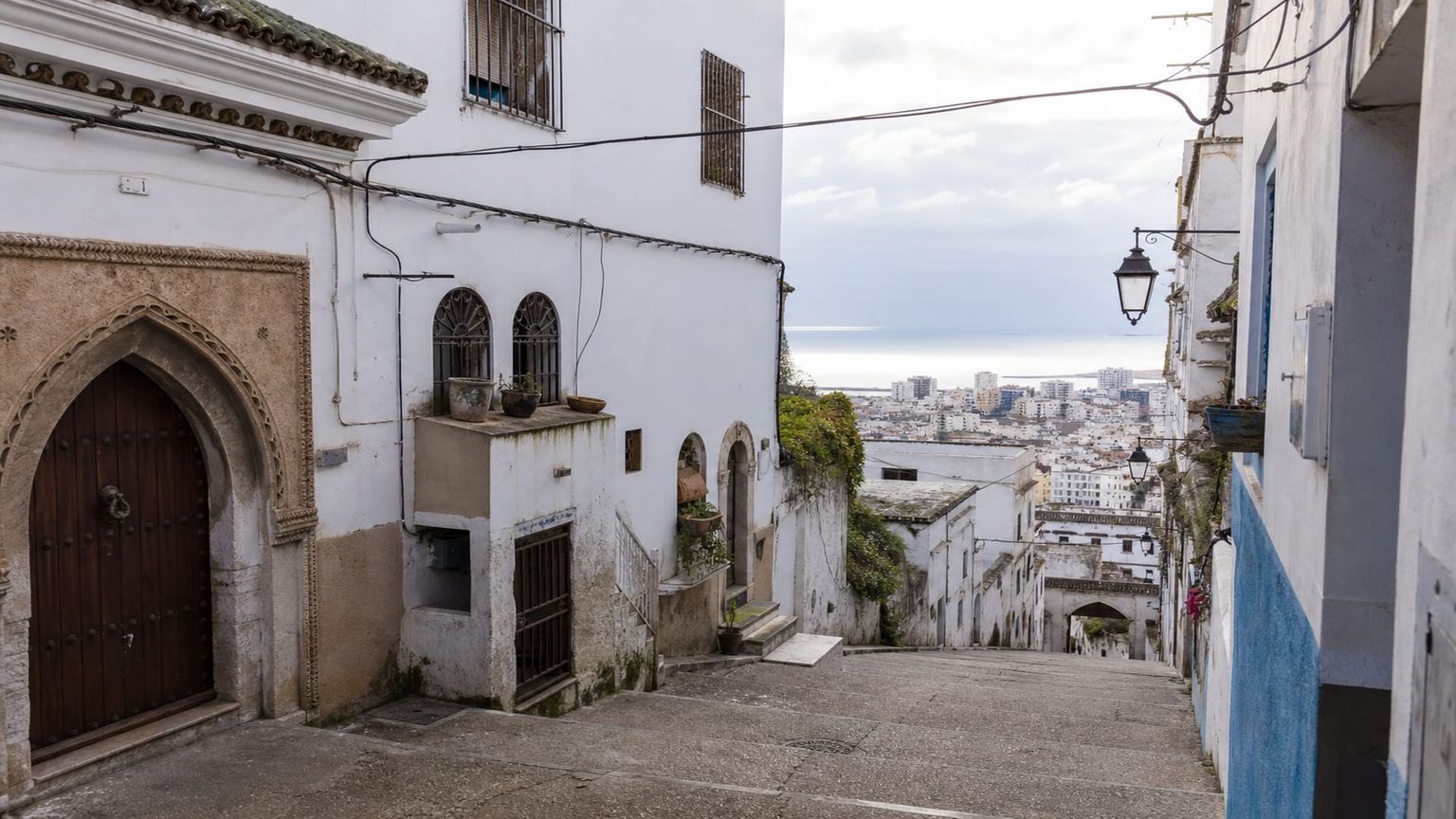
Start with the Kasbah of Algiers, and reach it early so you can spend about 3 to 4 hours on the steep lanes before the midday heat builds. From Sidi M’Hamed, a taxi gets you there in about 15 minutes; if you are staying in Bab El Oued, it is roughly 10 to 20 minutes depending on traffic. After lunch, continue by taxi to the Bardo National Museum of Prehistory and Ethnography, about 15 to 20 minutes from the Kasbah, for another 2 to 3 hours among palace rooms, prehistoric tools, and ethnographic displays.
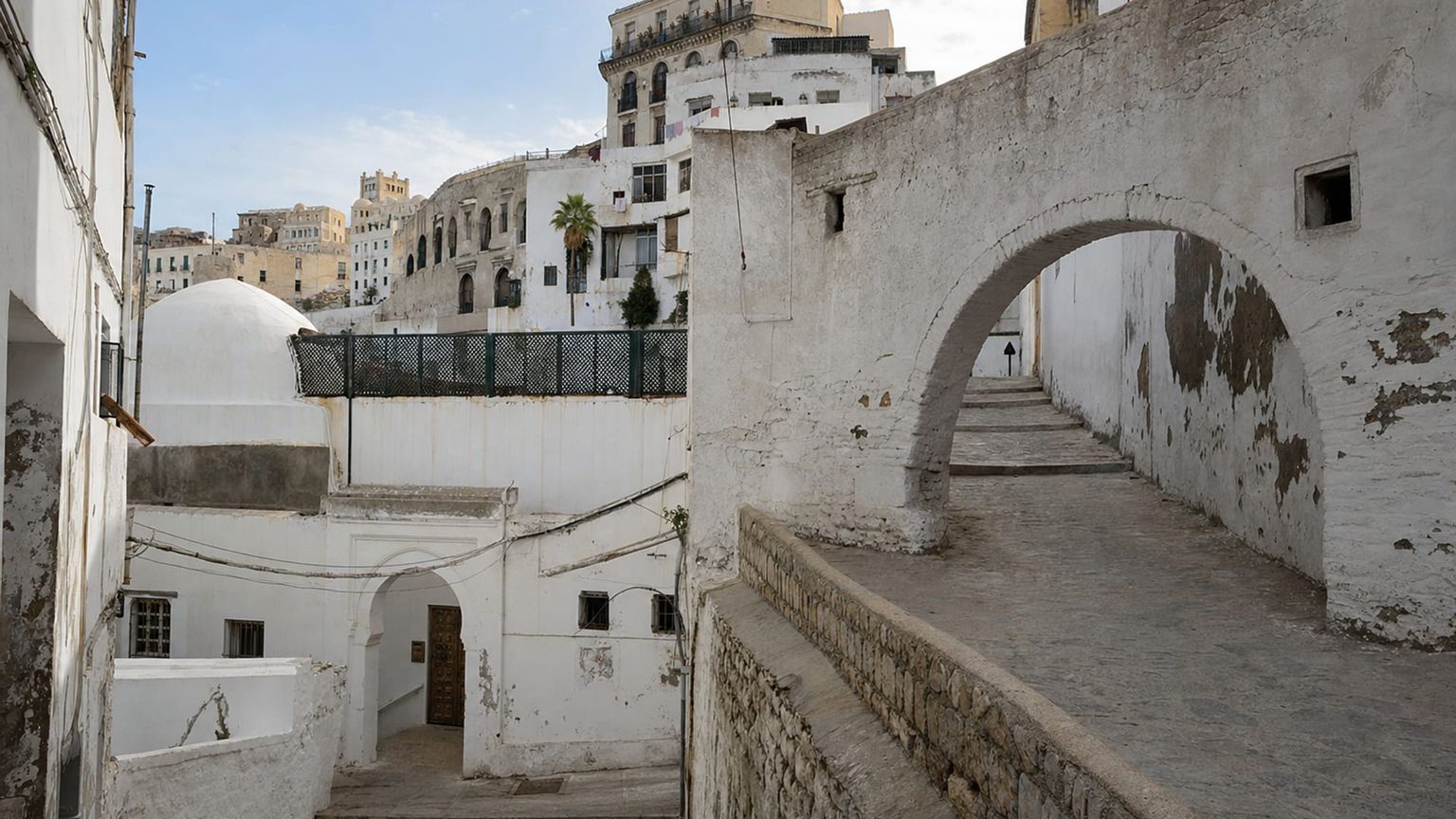
Begin at the Bardo National Museum, where the galleries are quieter in the morning, then allow about 1 to 2 hours for the mosaics, inscriptions, and Ottoman-era objects. From there, ride about 10 to 15 minutes uphill to Riad El Feth for the terraces and city views over the bay, then linger for a late lunch or coffee on the complex’s upper level. Finish the afternoon at Notre-Dame d’Afrique, about 20 minutes away by taxi, and arrive near sunset for the strongest light on the basilica and harbor.
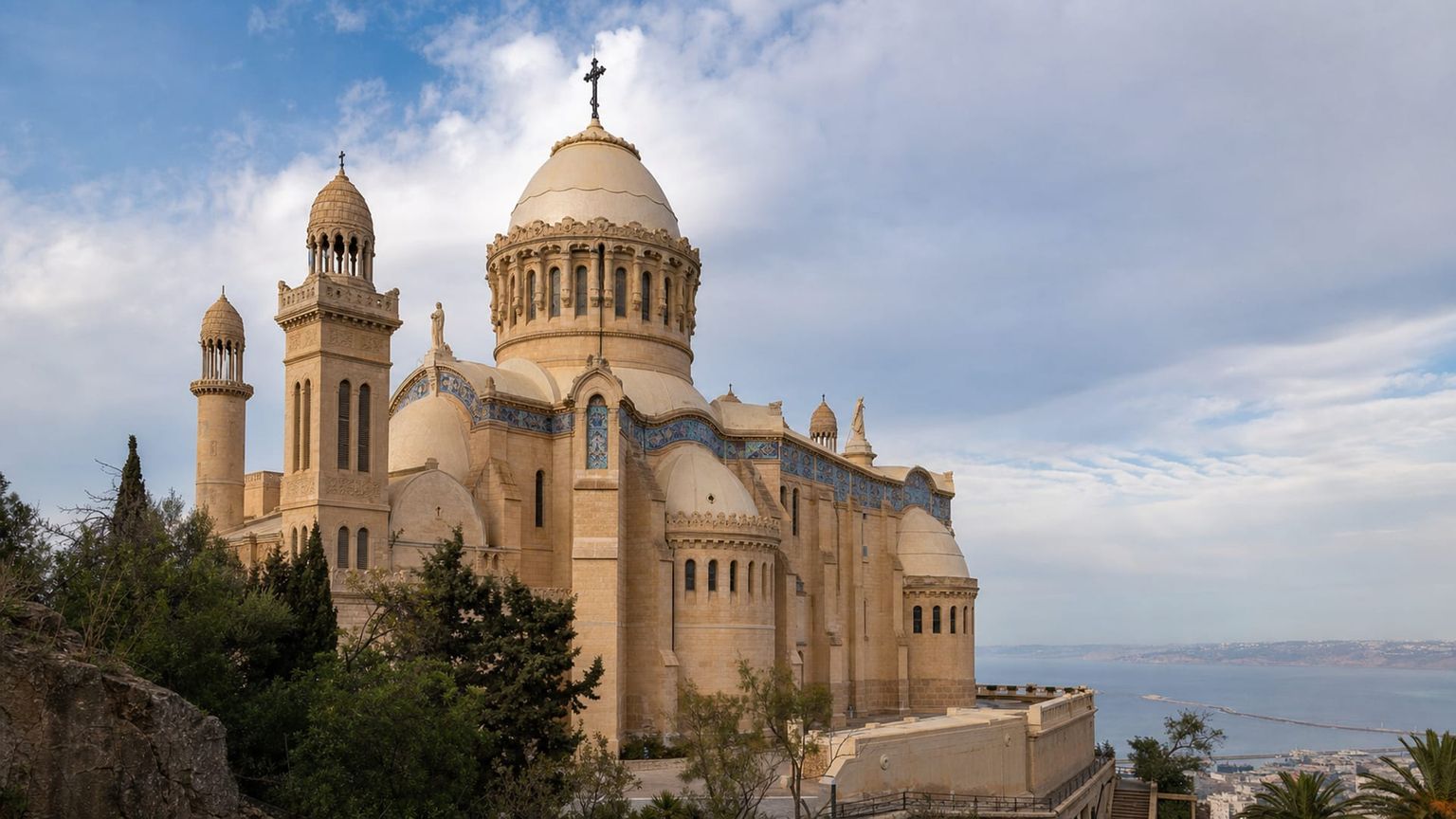
Notre-Dame d’Afrique pairs naturally with a longer hill-and-bay day, so start there if you want to revisit the cliffs in calmer morning light, then move on to the waterfront side of town for a slower afternoon. From the basilica, return by taxi to Bab El Oued in about 20 to 25 minutes, where you can spend time in the market streets and along the working waterfront before heading back toward the center. If you still have energy, stop for an early dinner in Hydra, about 20 minutes by taxi from Bab El Oued, where the cafe streets give you an easy place to sit before the evening ends.
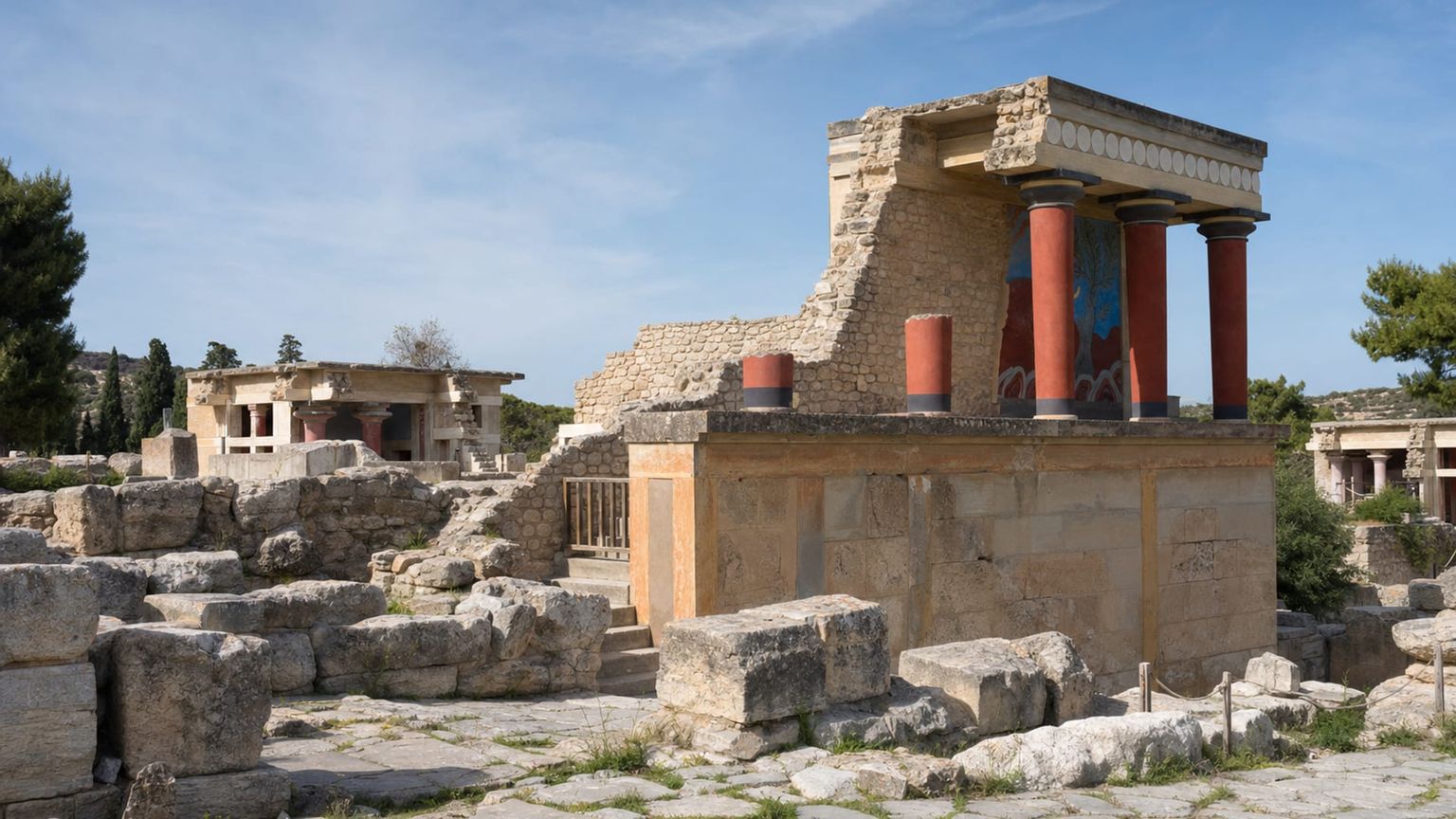
For the last day, pair one more short museum stop with a low-effort neighborhood circuit: go back to the Bardo National Museum if you want a final dose of Algiers history, or return to Riad El Feth for a second look at the terraces and bay outlook. After that, head to Hydra for shopping on the cafe streets and a final coffee, then finish with a relaxed walk through Sidi M’Hamed’s central boulevards if your flight leaves later in the day. Taxis across these districts usually take about 10 to 20 minutes, so you can fit in a late lunch or one last pastry stop without a long cross-town trip.
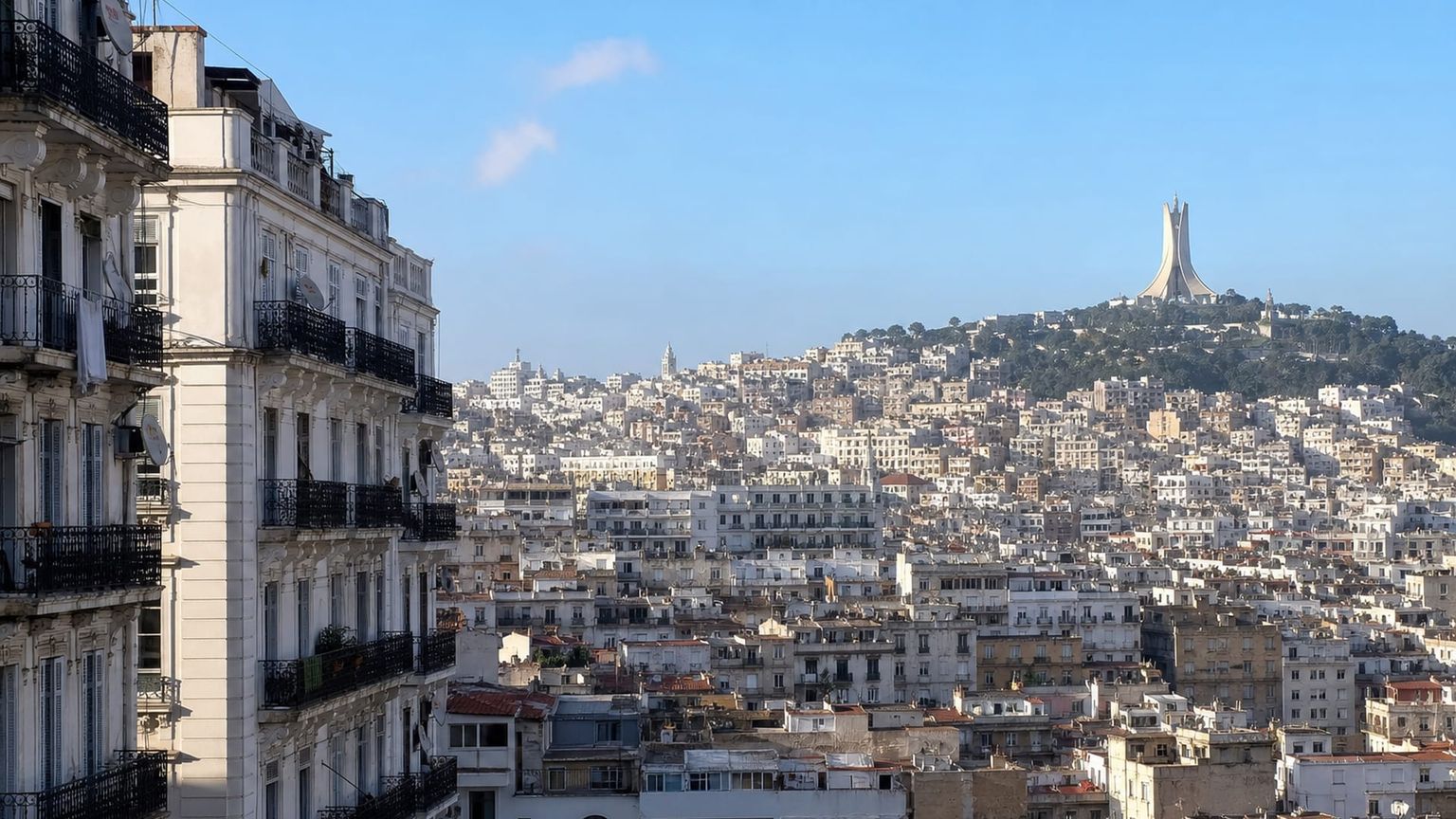
Business-class flights from the US to Algiers
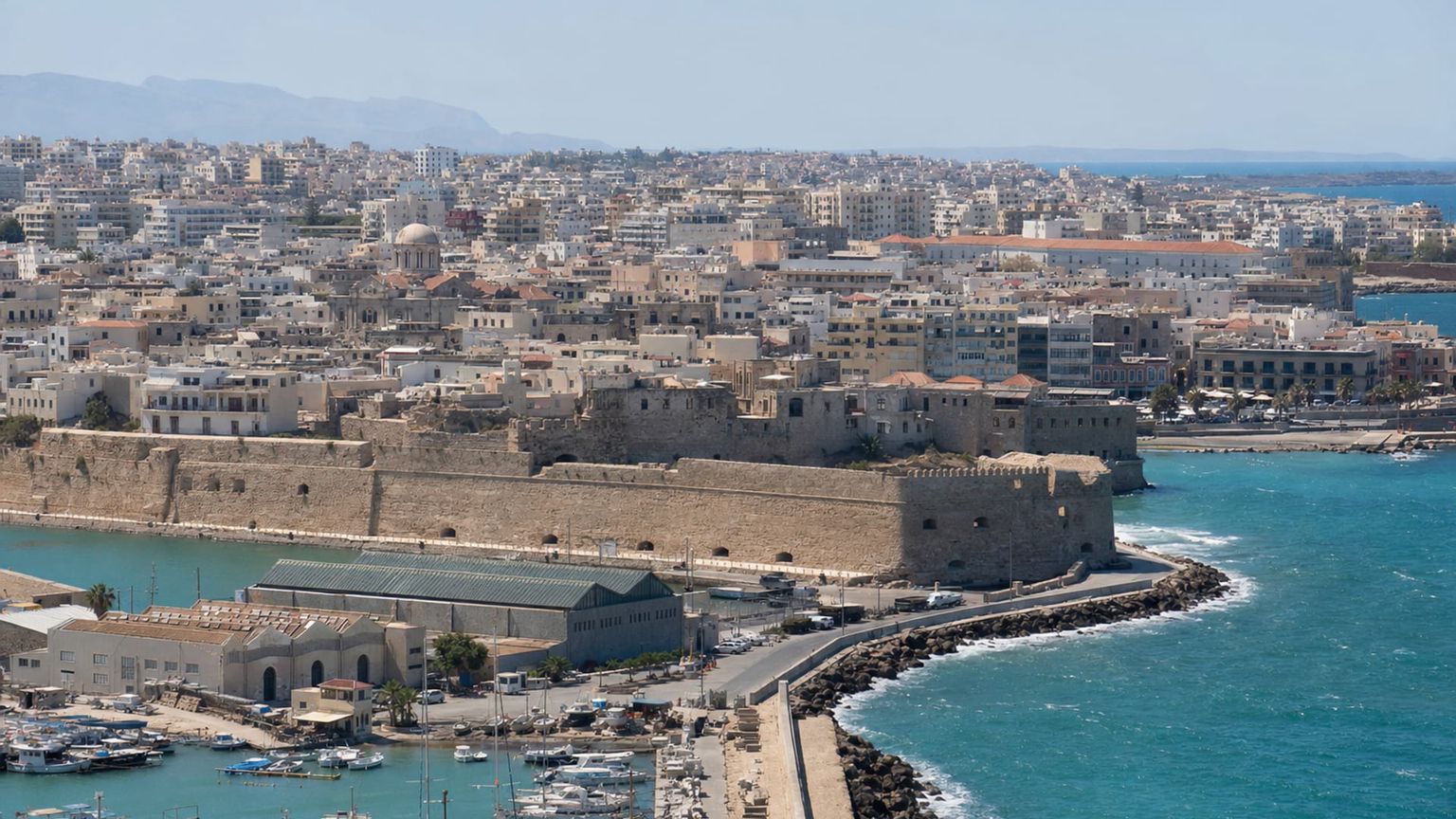
Flights to Algiers often connect through a major European hub, so itinerary choice depends as much on layover length as on fare. From both coasts of the United States, the route usually favors one-stop options.
Air France, Lufthansa, Turkish Airlines, ITA Airways, Iberia, and British Airways all appear on routes from New York, with total travel time typically about 10 to 15 hours when a connection is involved. Common layover points include CDG, FRA, IST, FCO, MAD, and LHR. From $3,200 to $5,800 round-trip.
From Los Angeles, Air France, Lufthansa, Turkish Airlines, British Airways, Iberia, and ITA Airways are common choices, and the trip usually takes about 13 to 18 hours with a connection. CDG, FRA, IST, FCO, MAD, and LHR are the usual transfer points, and round-trip fares usually start at $3,400 and climb to about $6,200.
Algiers feels different when you slow down
A deliberate Algiers trip gives each layer its own place, the Casbah on one day, the Bardo and Riad El Feth on another, then Notre-Dame d’Afrique or Bab El Oued when the light is better and the streets are calmer. The metro, taxis, and a patient lunch break can turn a crowded map into a day that actually fits. If you want to refine the route, the AranGrant experts can help you match your stay in Sidi M’Hamed, Bab El Oued, or Hydra to the city you want to see







