

Chapters:

Need help with your trip?
Our support team is available 24/7. Request a callback or call us directly at (833) 619-0908
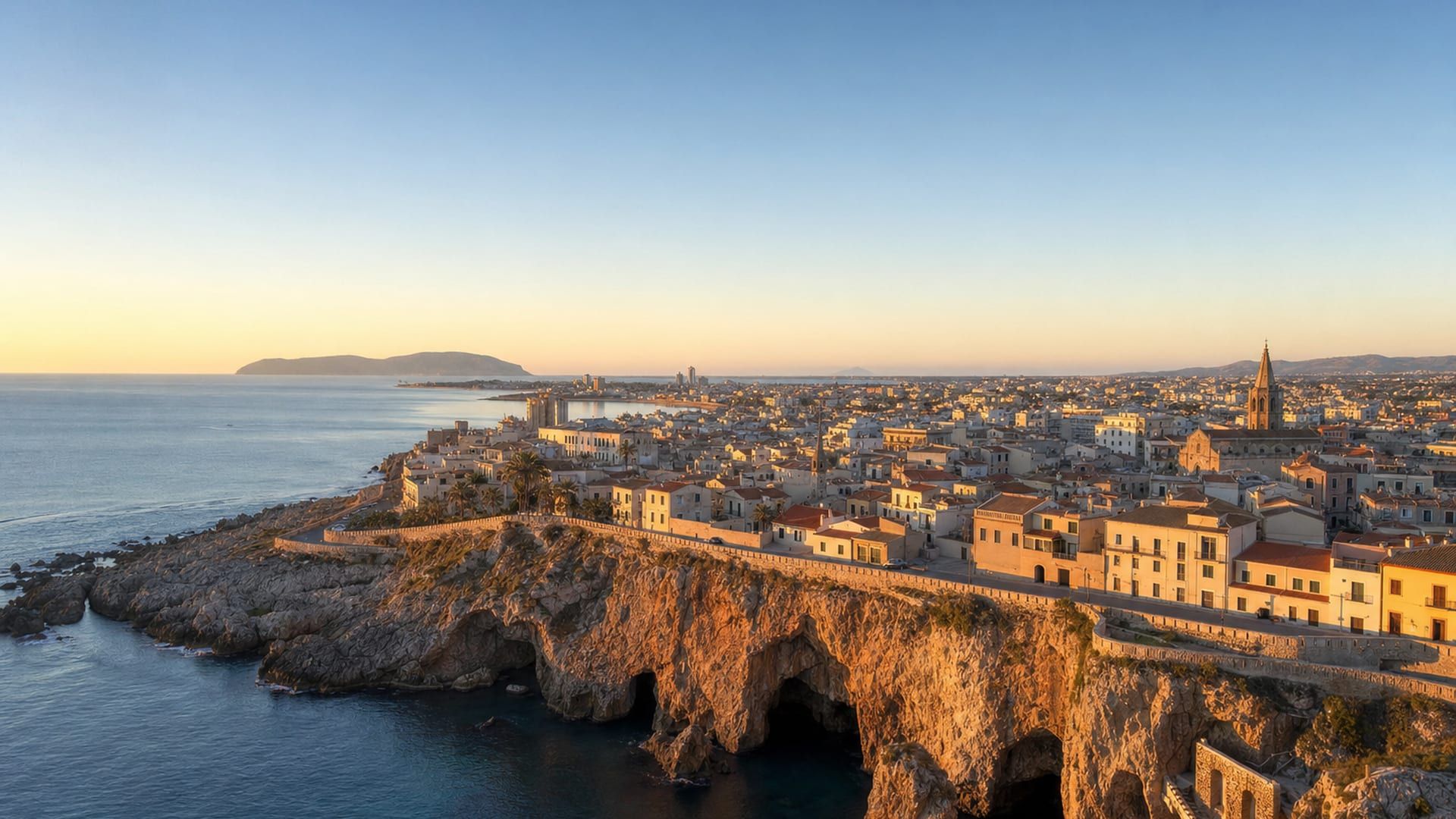
Alghero trips often start with the old town, a seaside lunch, and one cave visit, but travelers sometimes miss how much time the peninsula itself can take to cross on foot.
That matters because the best sights sit in different pockets, the bastions, the cathedral, the harbor, Lido, and Capo Caccia, and quick guesses on distance often lead to rushed meals or late arrivals.
This guide sets a clearer order: where to stay, how to move, what to eat, when each season works best, and how to shape five days without compressing the city into a single harbor stop.
Useful things to know

Main language(s): Italian
Ciao (chow) – Hello
Per favore (pehr fah-VOH-reh) – Please
Grazie (GRAHT-tsee-eh) – Thank you
Parla inglese? (PAHR-lah een-GLAY-zeh) – Do you speak English?
Quanto costa? (KWAN-toh KOH-stah) – How much does it cost?

Currency: The local currency is the euro (EUR, €).

Cash and cards: Cards and contactless are widely accepted; carry about €20 to €40 ($22 to $44) in cash for small purchases or transit.

Tipping: Round up, and leave 5-10% for good restaurant service.

Traditional food: Catalan-style lobster, Bottarga, Culurgiones, Seadas

Water and coffee costs: Water ~€2 ($2), bar espresso ~€1.50 to €2 ($2 to $2).

Taxis and ride apps: Free Now and Uber operate, but availability can be limited; taxis are common.

Plug and voltage: Type C/F socket, 230V

Dining and shop opening hours: Breakfast is about 7:00-10:00, lunch 12:30-14:30, and dinner 19:30-22:30. Many kitchens close between lunch and dinner, and later meals run longer in summer.

Emergency number: Call 112 for police, fire, or medical emergencies.
Where to stay in Alghero
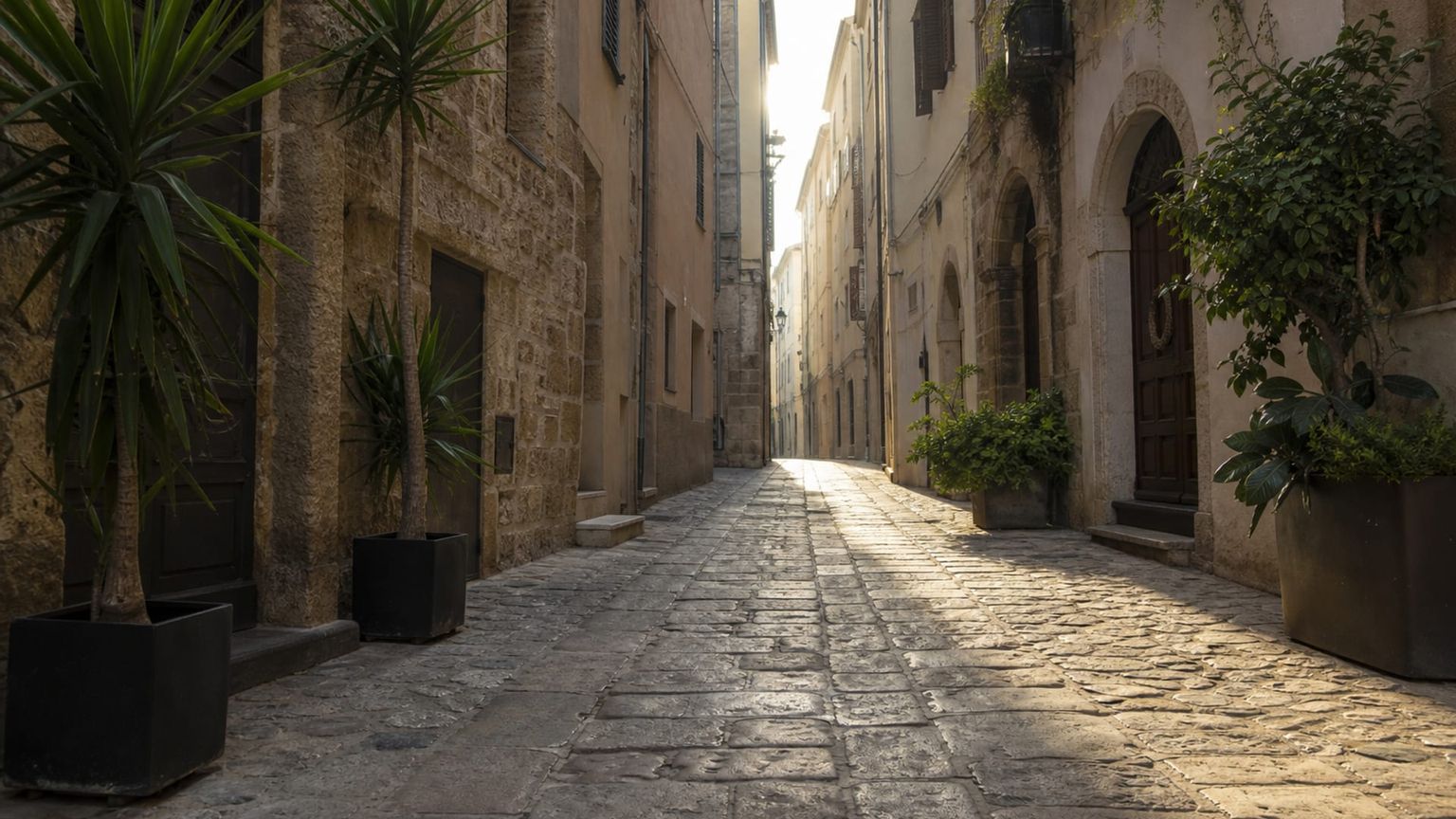
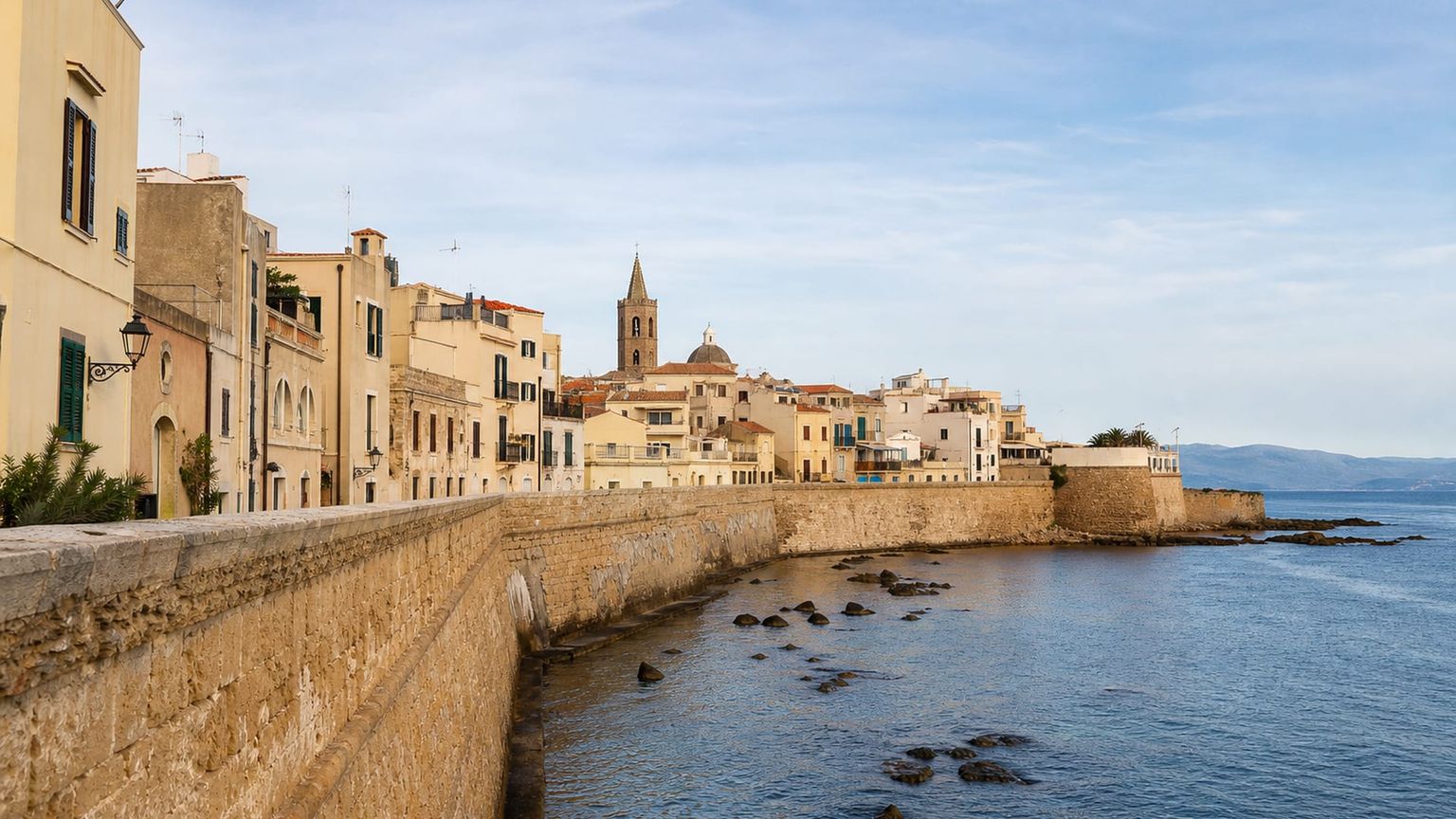
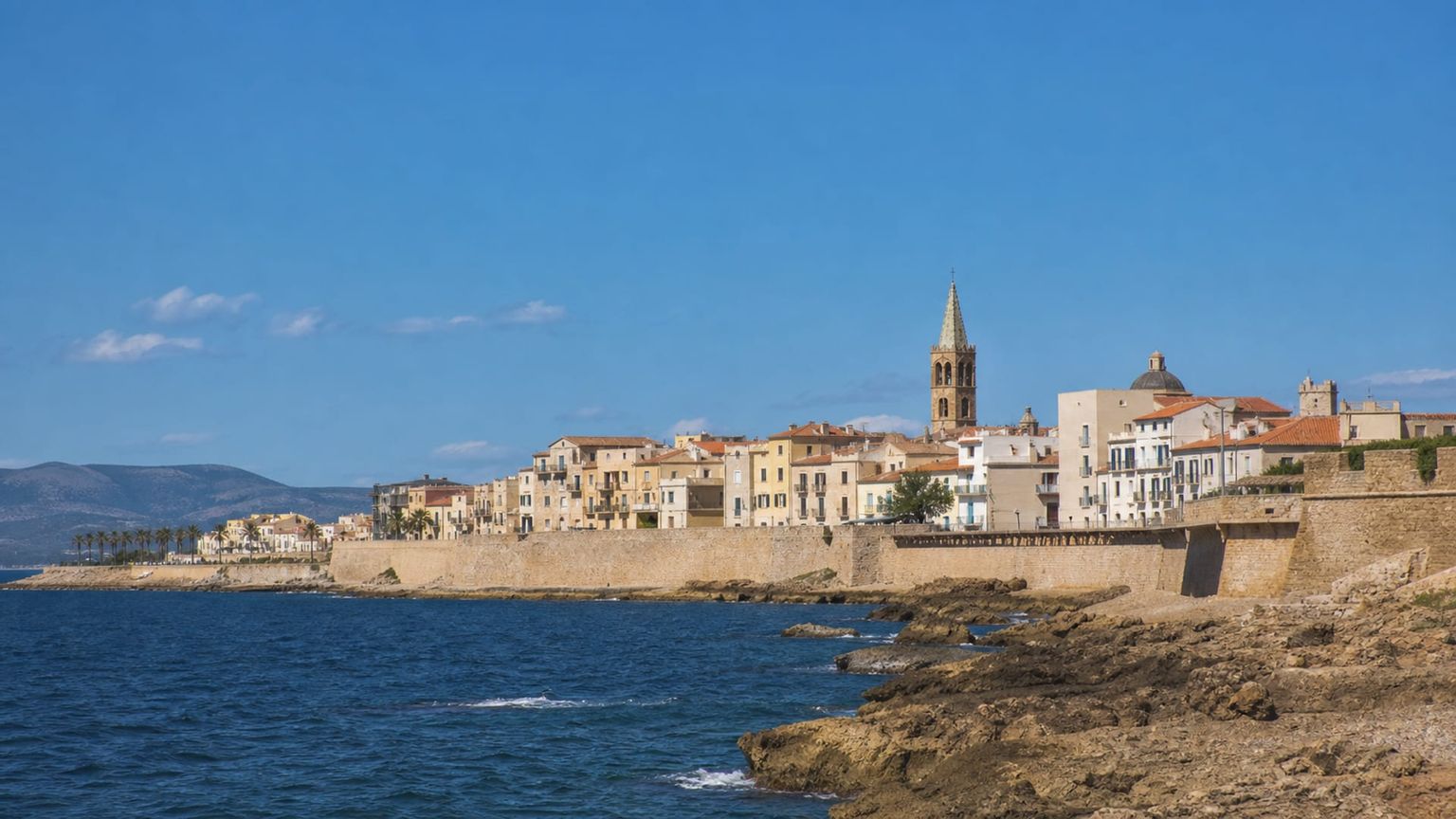
Alghero’s old town fills a walled peninsula of lanes, churches, and sea views. Stay here for immediate access to the waterfront, the cathedral, and evening passeggiata along the bastions.
Best for: First-time visits, car-free stays, and travelers who want to be close to the main sights
What to expect: Narrow streets, steady pedestrian traffic, and lively evenings near the waterfront and restaurant strips.
Hotel prices: Usually about €140 to €260 (~$153 to ~$284) per night for well-rated stays
Distance to major sights: 0 to 10 minutes on foot to the Cathedral of St Mary and the Bastioni
Quietness: Busy by day and into the evening, then quieter after late dining hours.
Main trade-off: Rooms inside the walls can cost more, and taxis or parking can be awkward if you arrive by car.
Good to know: Book early if you need a room with elevator access, because many historic buildings have stairs and compact layouts.
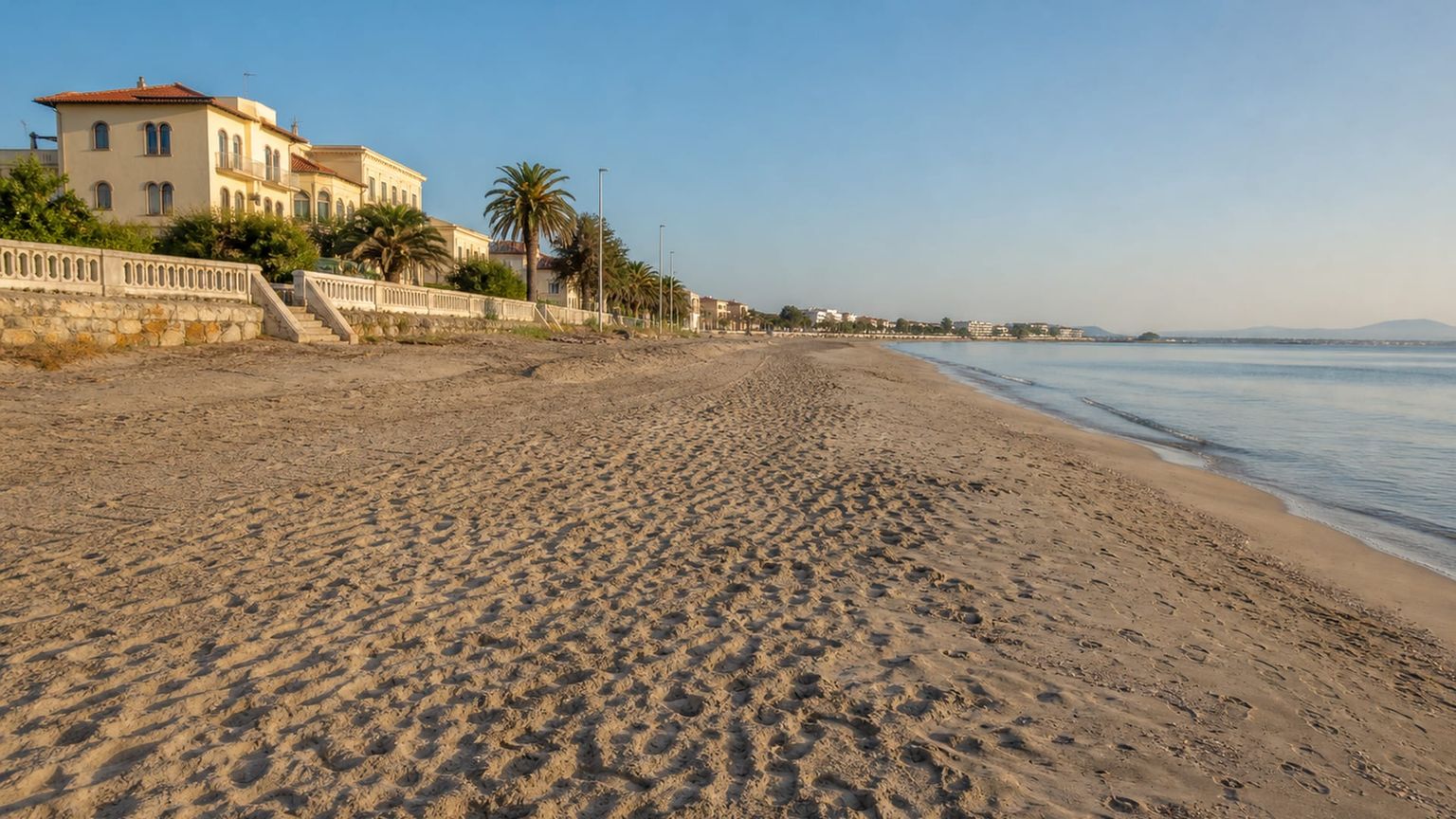
Lido stretches east of the center along Alghero’s main beach. It matters for travelers who want easy beach time, larger hotels, and a simpler arrival by car than the old town.
Best for: Beach stays, family trips, and travelers who want easier parking and larger hotels
What to expect: A mix of hotels, summer beach traffic, and a more spread-out feel than the old town.
Hotel prices: Usually about €110 to €220 (~$120 to ~$240) per night for well-rated stays
Distance to major sights: 10 to 20 minutes on foot to the Bastioni and the old town center
Quietness: Calmer in the morning and outside peak season, livelier on summer evenings near the beach.
Main trade-off: You gain space and beach access, but you will walk or ride in for the strongest old-town atmosphere.
Good to know: Some properties sit on busy roads, so check whether your room faces the sea or the street before booking.
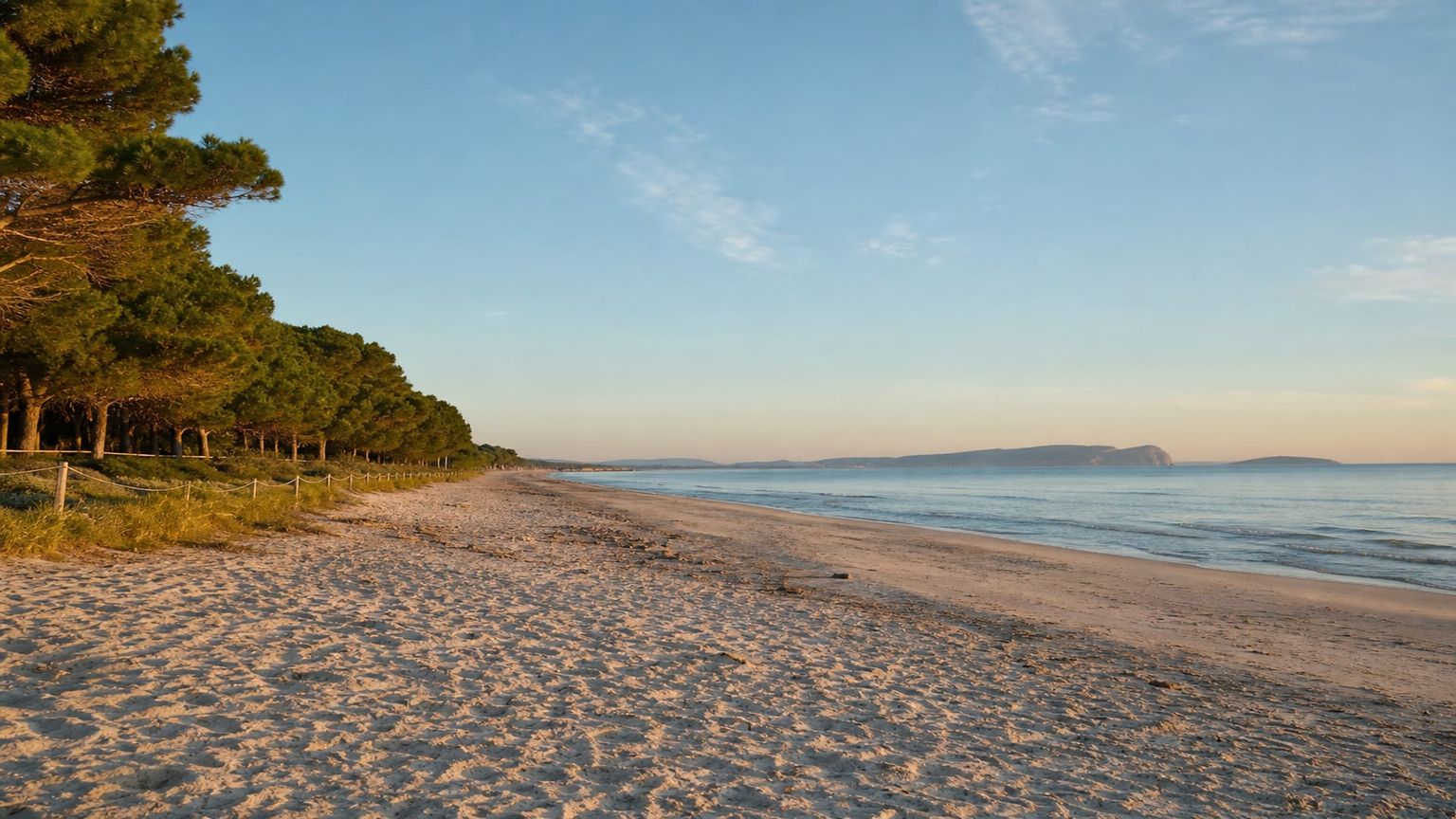
Maria Pia sits north of the center beside the pinewoods and the long sandy beach. It works well for visitors who want a more resort-like setting while still staying within easy reach of town.
Best for: Beach holidays, longer stays, and travelers who prefer a greener setting
What to expect: Low-rise hotels, pine trees, and a quieter street pattern than the central waterfront.
Hotel prices: Usually about €100 to €210 (~$109 to ~$229) per night for well-rated stays
Distance to major sights: 15 to 25 minutes by bus or taxi to the Cathedral of St Mary and the old town
Quietness: Quietest in the morning and outside summer peaks, with more activity near the beach in the afternoon.
Main trade-off: It is farther from the historic center, so you will depend more on transit or a car for dinners and sightseeing.
Good to know: If you plan late dinners in town, confirm the last bus or expect to use taxis after dark.
Travelers usually avoid staying in Fertilia, as it sits several kilometers from Alghero’s historic center and has limited evening dining and shopping. Parts of the industrial zone near Porto Torres road are less convenient for visitors, since they are far from the old town and set up for car travel rather than walking to sights.
Hotel deals
How to get around Alghero efficiently
Alghero has no metro, so walking, ARST buses, and taxis do most of the work, with the airport bus covering the main transfer into town.

Metro
for longer distances
Alghero has no metro, so local trips depend on buses, taxis, and walking in the historic center; for airport transfers, the main public option is the ARST bus between Alghero Airport (AHO) and the city, which usually takes about 20 to 30 minutes.

Bus and tram
for convenience
ARST buses link Alghero Airport (AHO), the center, Maria Pia, and nearby beaches, with most city rides taking about 10 to 25 minutes; a single ticket costs about $1.50 to $2 ($1.50 to €2) and is usually valid for 90 minutes, while some tickets can be bought on board or at tabacchi, so check the exact validation rules before boarding.

Taxi
for convenience or late hours
Licensed taxis wait at Alghero Airport (AHO) and stand ranks in the center, and street hailing is uncommon outside busy spots; fares are metered rather than flat in most cases, with airport trips to the city center typically about $20 to $30 ($20 to €30) and longer rides to beaches or nearby towns often about $25 to $50 ($25 to €50), and most taxis accept cash, with card payment available more often than not but still worth confirming first.
*Prices are based on rates updated as of June 2026 and may change at the time of travel.
Walk in Centro Storico, use the bus for the airport and beach corridor, and take taxis when you are heading out late or staying farther north in Maria Pia.
Iconic landmarks
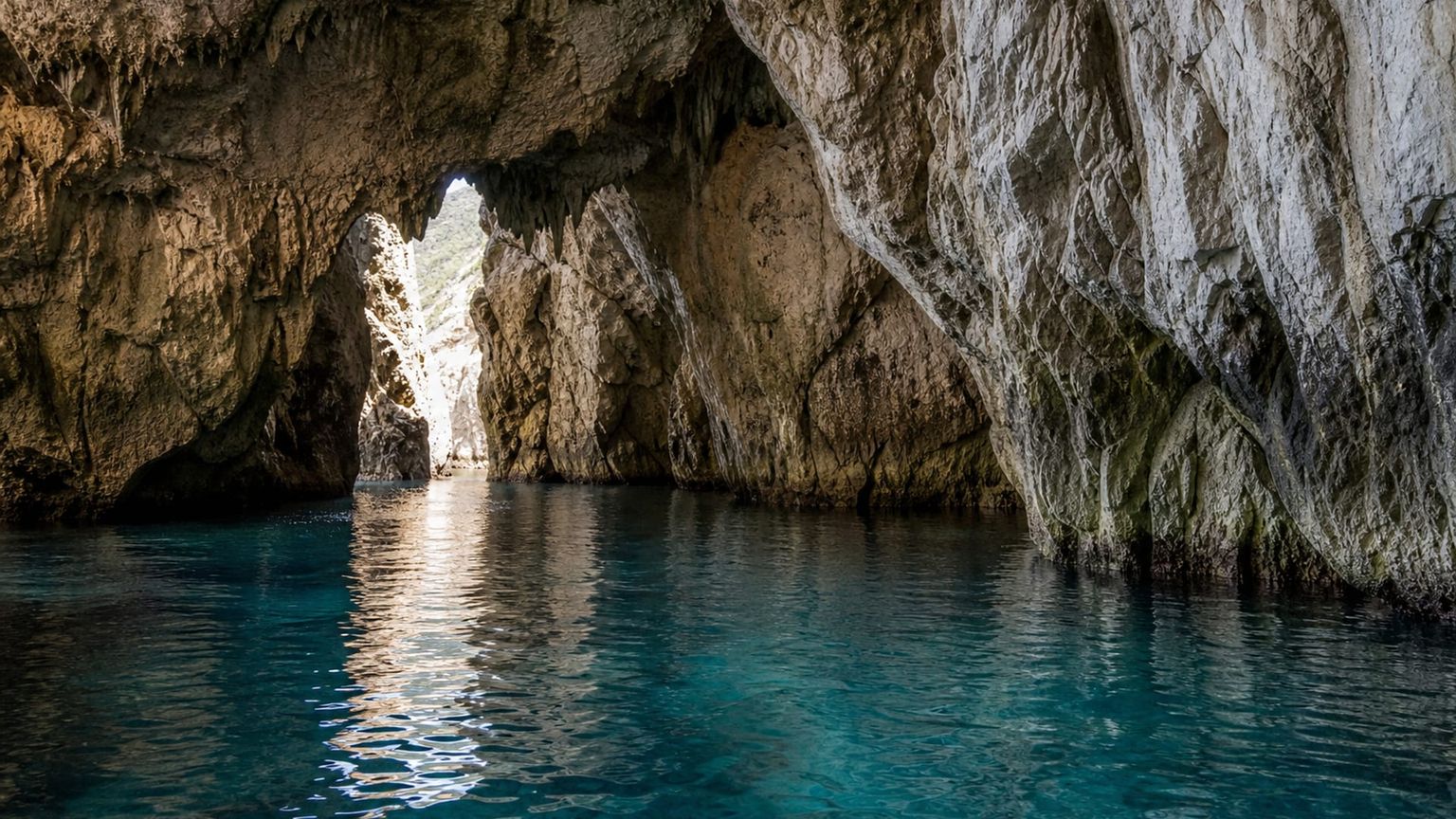
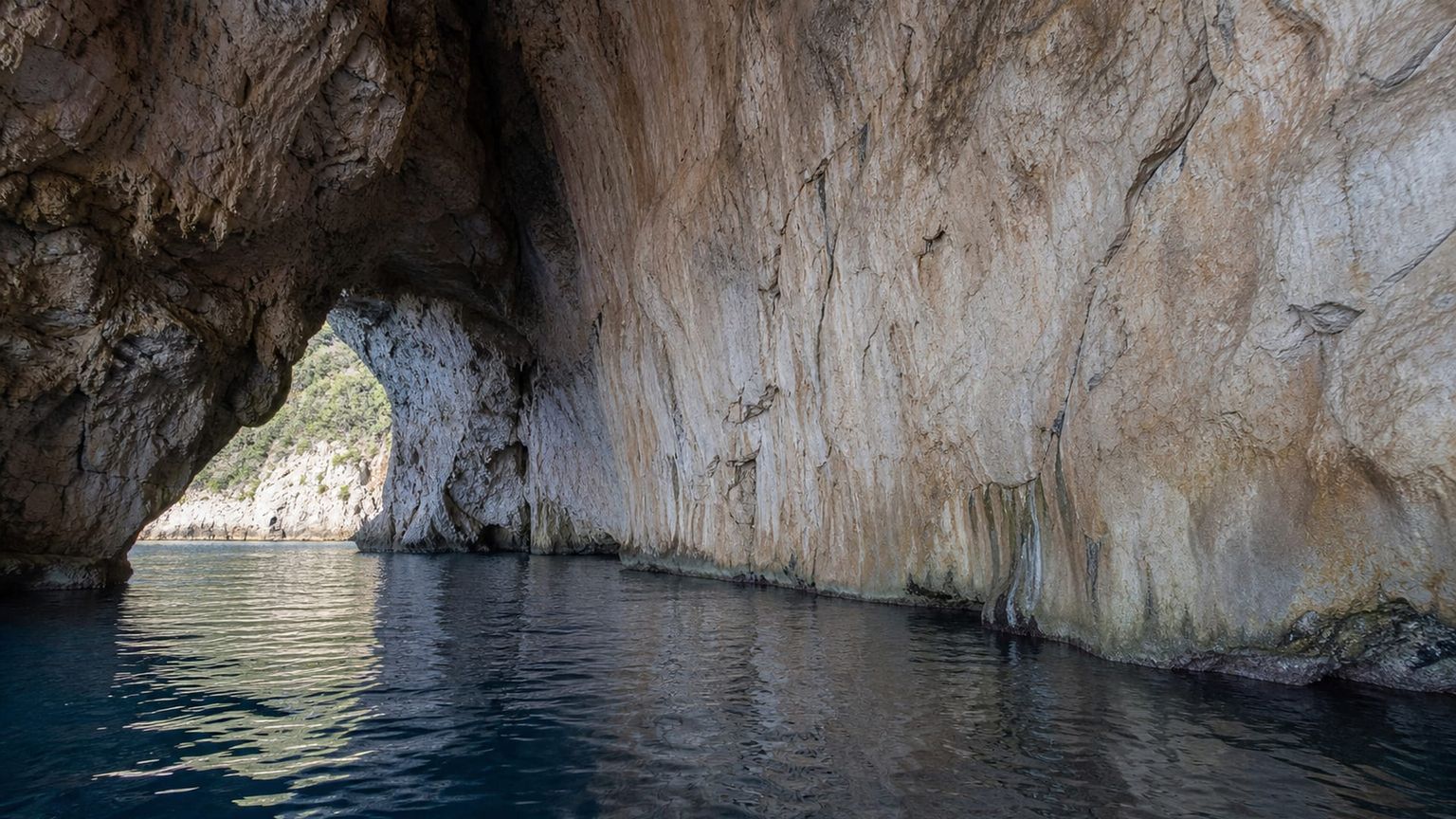
Neptune's Grotto
Neptune’s Grotto is a large coastal cave at Capo Caccia, about 30 km from Alghero. Visitors reach the chambers by boat or the Escala del Cabirol stairway, then see stalactites, a saltwater lake, and vast rock rooms.
Time needed: About 1 to 2 hours
Entry: Admission usually costs about $18 to $20 (€16 to €18), with separate fees for boat transfers or stairway access when offered. Visit the official site for details.
Tip: Bring good shoes, because the stairway is steep and can be slippery after rain.
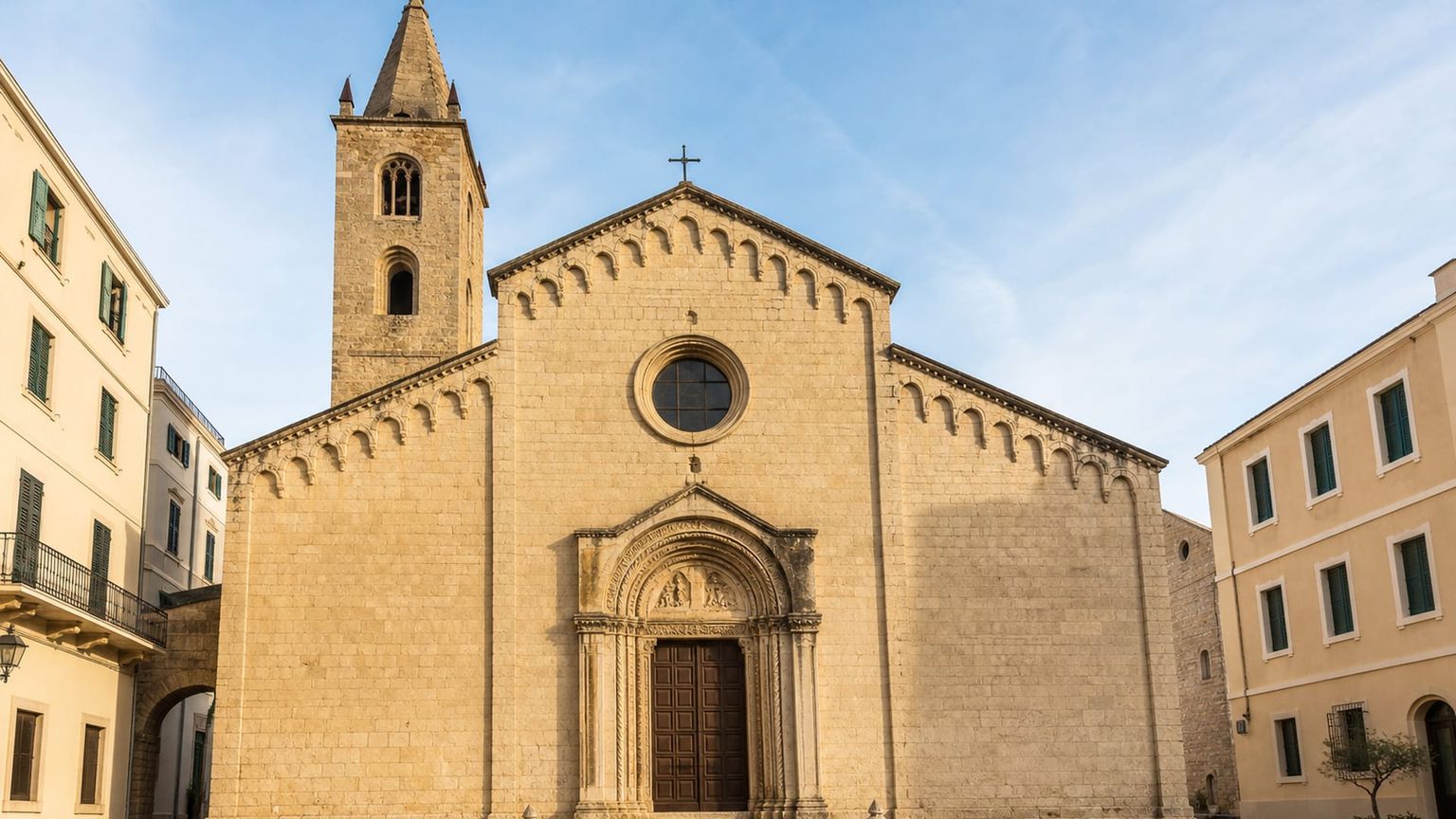
Alghero Cathedral
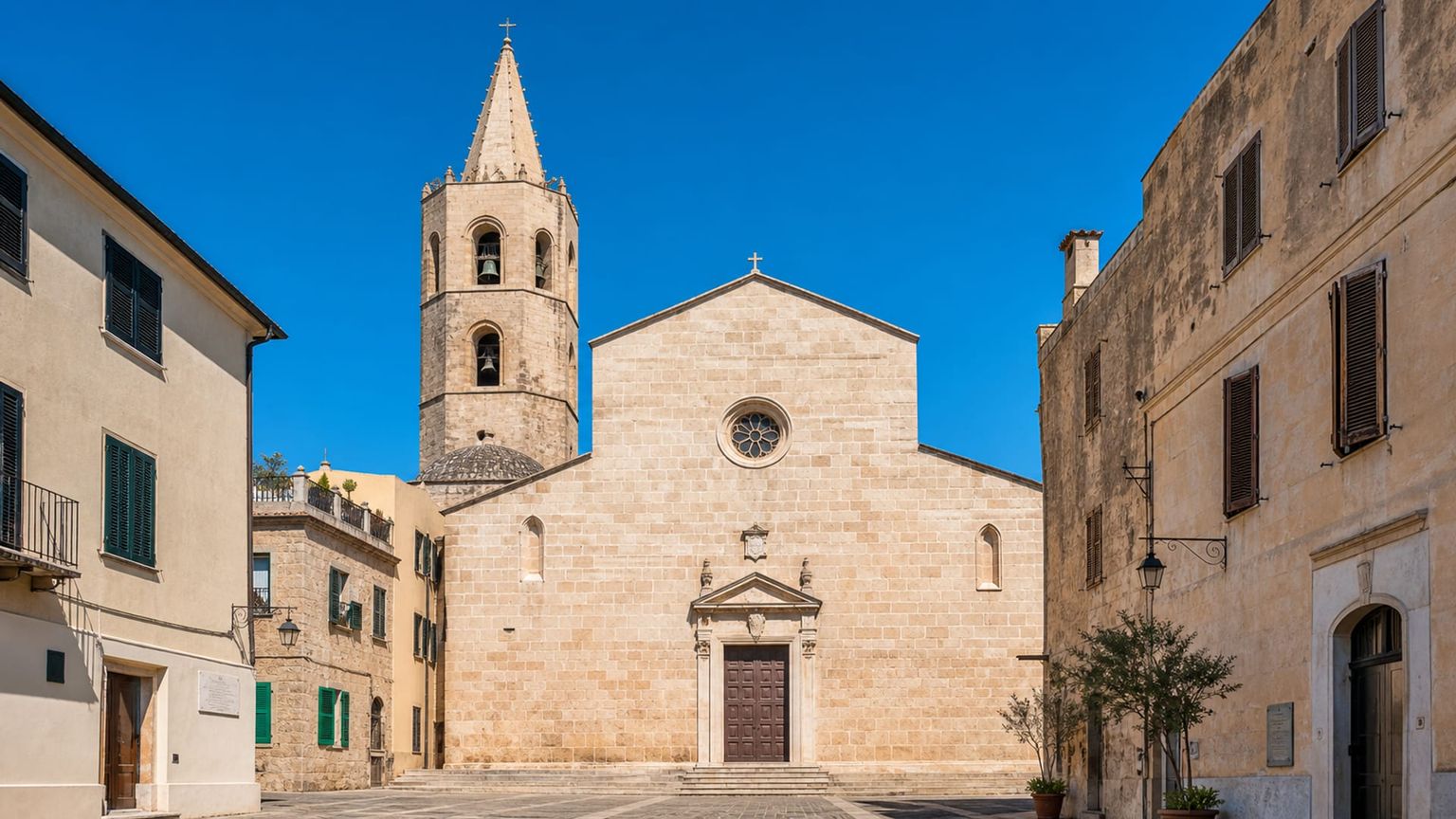
The Cathedral of St Mary anchors the old center with a Gothic core, a later bell tower, and a neoclassical facade. Inside, side chapels and the nave show the city’s long blend of Catalan and Sardinian influence.
Time needed: About 45 minutes
Entry: Free to enter; donations are welcome for upkeep, while guided visits or special events may charge separately on site.
Tip: Visit in the morning for calmer streets and better light on the facade.
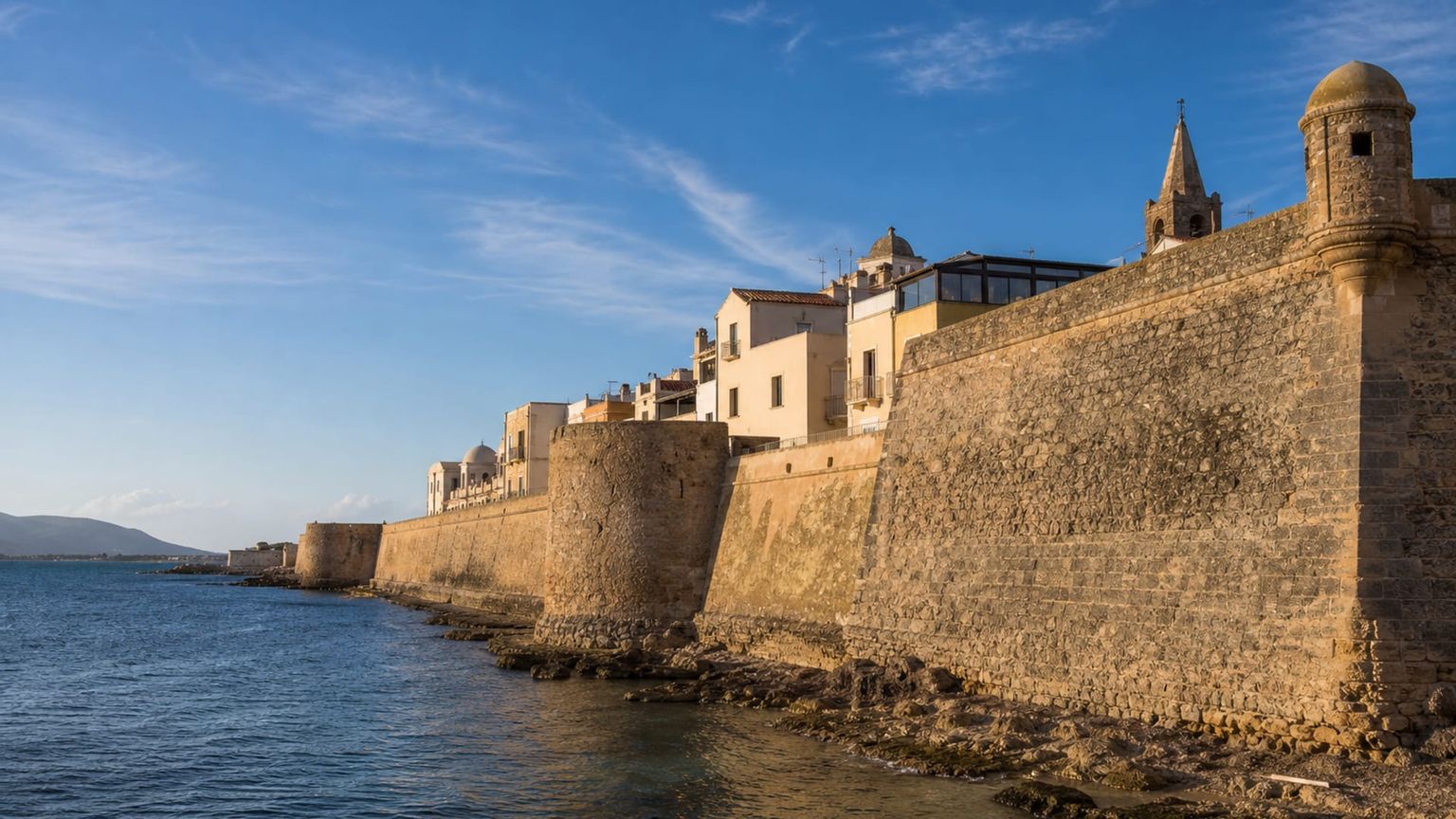
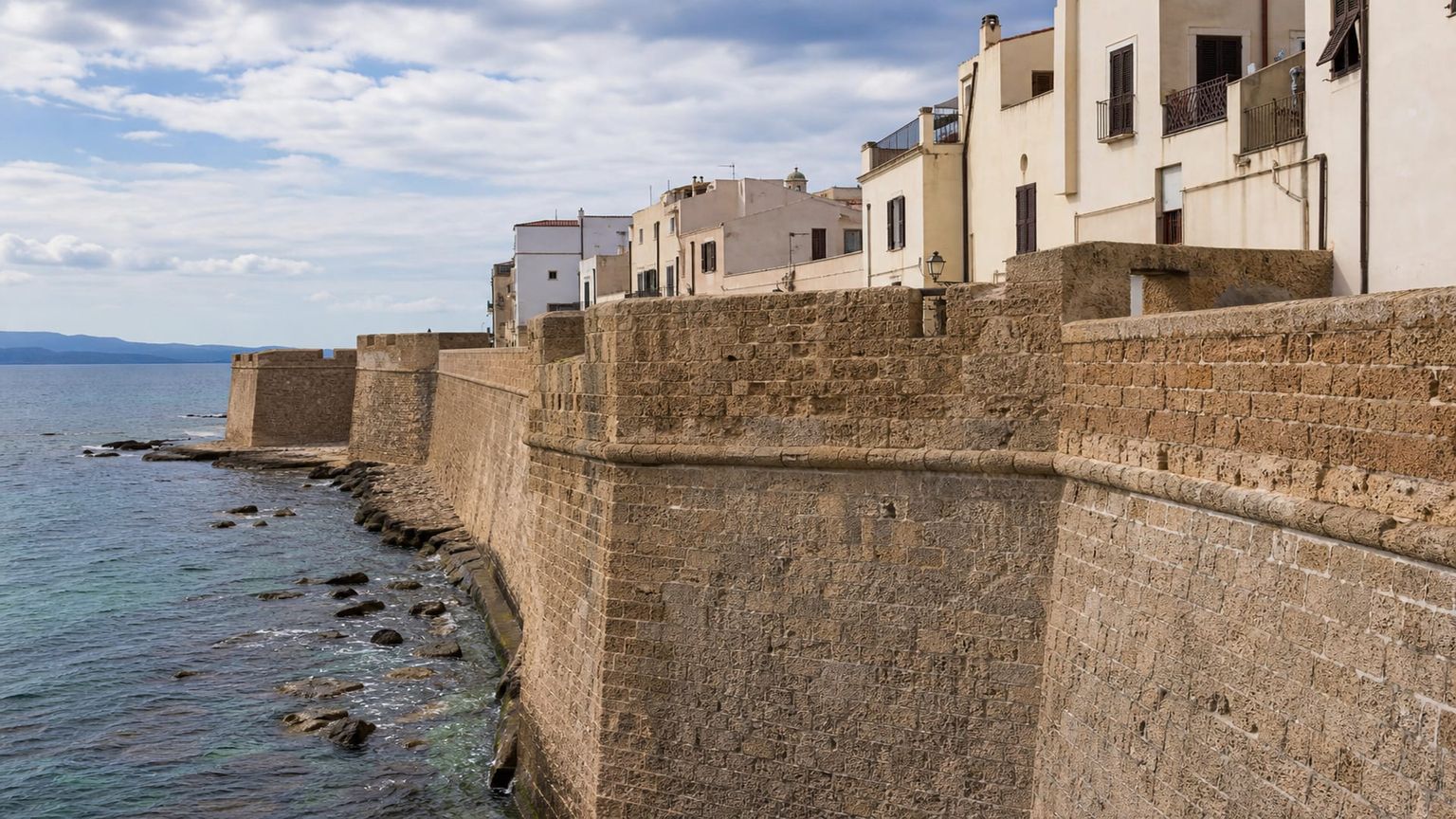
Alghero Walls and bastions
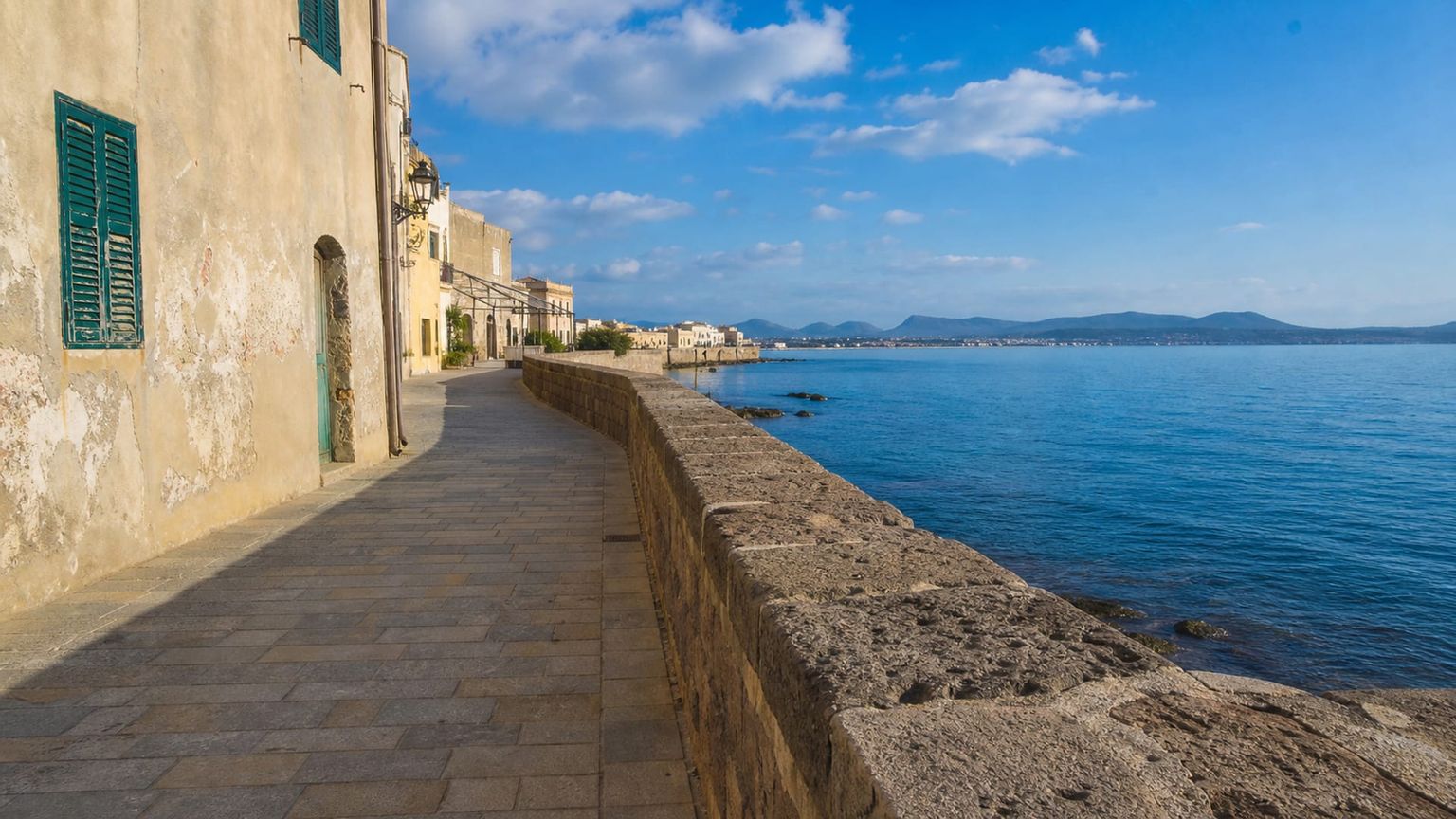
The sea walls ring Alghero’s historic center, with bastions and tower views over the harbor and west coast. The walk links several lookout points, including towers tied to the city’s Spanish-era defenses.
Time needed: About 1 to 2 hours
Entry: Free to access; no timed ticket is required, and tower interiors or events may have separate local fees.
Tip: Go near sunset, when the bastions face warm light and the sea is easiest to see.
Overlooked sites worth visiting

Neptune's Grotto
A sea cave reached by boat or by the Escala del Cabirol, a stairway cut into the cliff. Inside, saltwater pools and stalactites line a chamber below Capo Caccia.
Time needed: About 1 to 2 hours
Entry: Boat tours and stair access are both paid. Expect roughly $15 to $25 ($14 to €23) for the cave visit, with boat departures adding a separate fare that varies by operator and season.
Tip: Visit in the morning for calmer seas and fewer queues.

Museo del Corallo
This small coral museum sits in a 19th-century villa inside Alghero’s old center. It traces local coral harvesting, carving, and trade with displays of tools, jewelry, and natural specimens.
Time needed: About 45 minutes to 1 hour
Entry: Admission is usually about $4 to $6 ($4 to €5). Tickets are sold on site, and some temporary exhibits or guided visits may carry a small extra charge depending on the program and season. Visit the official site for details.
Tip: Pair it with a walk through the nearby historic lanes.
Traditional food
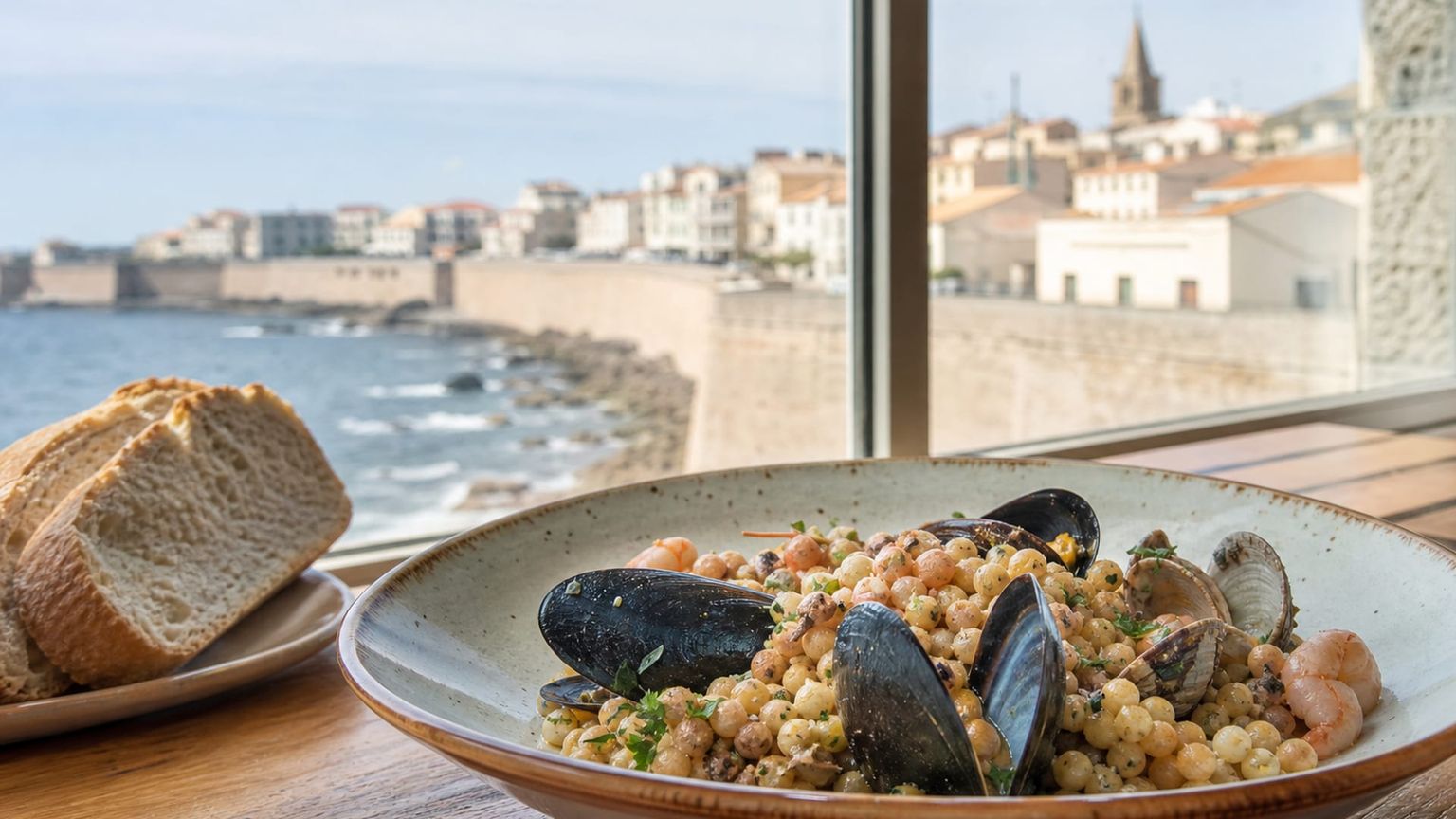
Alghero’s kitchen leans on seafood, coral coast produce, Sardinian pasta, and Catalan traces, with bottarga, lobster, culurgiones, and seadas shaping meals that move from simple bars to long dinners.
Catalan-style lobster
This Alghero specialty usually arrives with tomato, onion, and a light vinaigrette, a dish that reflects the city’s Catalan past. Al Tuguri in Centro Storico is a strong local choice when you want it prepared with care.
Bottarga
In Alghero, bottarga often seasons spaghetti or appears in thin slices with oil and bread, bringing a briny finish to a simple plate. Trattoria Maristella serves a good version in the old town.
Culurgiones
These filled Sardinian pasta parcels usually come with tomato sauce, cheese, and herbs, making them a clear lunch or early dinner choice. Trattoria Lo Romaní is a dependable place to order them in central Alghero.
Seadas
Seadas finish a meal with fried pastry, cheese, and honey, a sweet-salty pairing that belongs on an Alghero dessert list. Ristorante Mabrouk is a well-known stop for a classic version near the historic center.
Best time to visit Alghero
Alghero shifts by season, with spring and autumn offering easier sightseeing, summer bringing beach demand and late evenings, and winter staying quieter but more limited after dark.
Best for: Old-town walks, cave visits, and first beach days
What you get: About 60°F to 75°F (16°C to 24°C), with moderate crowds and lighter pressure on restaurants before summer
Trade-offs: Sea temperatures still feel cool for long swims
Best for: Beach time, long evenings, and boat trips to Capo Caccia
What you get: About 76°F to 90°F (24°C to 32°C), with the busiest streets, fuller beaches, and more evening activity
Trade-offs: Heat and demand can make midafternoon sightseeing tiring
Best for: Balanced sightseeing, food trips, and slower coastal days
What you get: About 60°F to 79°F (16°C to 26°C), with thinner crowds and warm water early in the season
Trade-offs: Later autumn brings shorter days and less beach weather
Best for: Quiet museum stops and low-key city walks
What you get: About 45°F to 60°F (7°C to 16°C), with the lightest crowds and fewer outdoor plans
Trade-offs: Some seasonal restaurants and beach-focused activities slow down
A realistic 5-day plan in Alghero
The five-day plan follows the city’s natural split between the old center, the waterfront, and Capo Caccia. It gives the cathedral, walls, museum, and cave enough space to breathe, while leaving room for beach time and an unhurried departure.
Land at Alghero (AHO) and take a taxi into Centro Storico in roughly 20 to 25 minutes for about €25 to €35 ($27 to $38), or budget a little more at night. If you are staying in Lido or Maria Pia, the ride usually takes about 10 to 20 minutes and costs slightly less. Check in near the cathedral or the waterfront, then keep dinner simple with seafood or a bowl of fregola in the old town, and drink plenty of water after the flight.
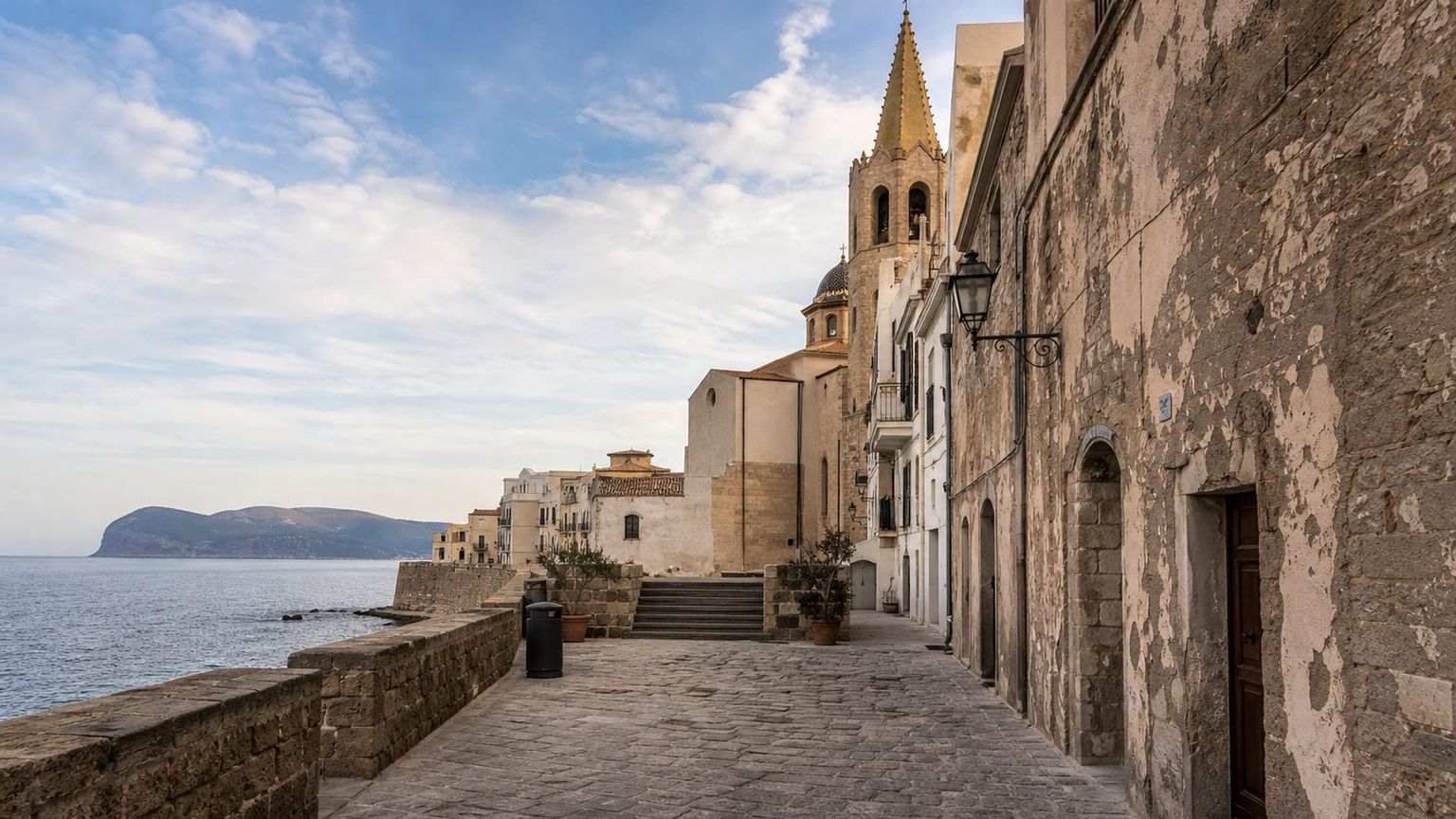
Begin at Alghero Cathedral, which opens the old center with its cathedral square and layered facade, then walk about 5 minutes to Museo del Corallo for an hour among coral jewelry and trade displays. From there, continue about 10 minutes through the lanes to the Alghero Walls and bastions, where you can follow the sea-edge walk for 1 to 2 hours and finish near sunset with harbor views. Dinner works best back inside Centro Storico, where the evening pedestrian flow makes it easy to choose a table without a long transfer.
A morning trip to Neptune’s Grotto sets the pace for the day, with the cave about 30 km from town and the visit taking roughly 1 to 2 hours. Join a boat transfer from the harbor or tackle the Escala del Cabirol if you want the cliff stairway, then plan about 30 to 40 minutes each way for the return from Capo Caccia. Back in Alghero, a low-key late lunch in Lido or the old town gives you time to rest before an early evening walk along the waterfront.
Start with a slow breakfast in Maria Pia or Lido, then head into the center for a second pass through the bastions and the nearby lanes, which are about 10 to 20 minutes apart on foot depending on where you start. After that, spend unhurried time in Centro Storico, where the cathedral, small shops, and waterfront streets sit close enough for easy cross-town wandering without a car. If you want a beach break, return to Lido for an afternoon stretch by the sand, then come back into the walls for dinner.
Before you head to Alghero (AHO), fit in one last museum stop at Museo del Corallo if you missed it earlier, since it takes only about 45 minutes to 1 hour and sits close to the old lanes. Then wander the Centro Storico shops for coral jewelry, ceramics, and local food items, or settle at a café near the Bastioni for a final coffee with the sea beside you. If your flight leaves in the evening, stay near the waterfront rather than crossing town again, so the transfer to the airport stays easy and unhurried.
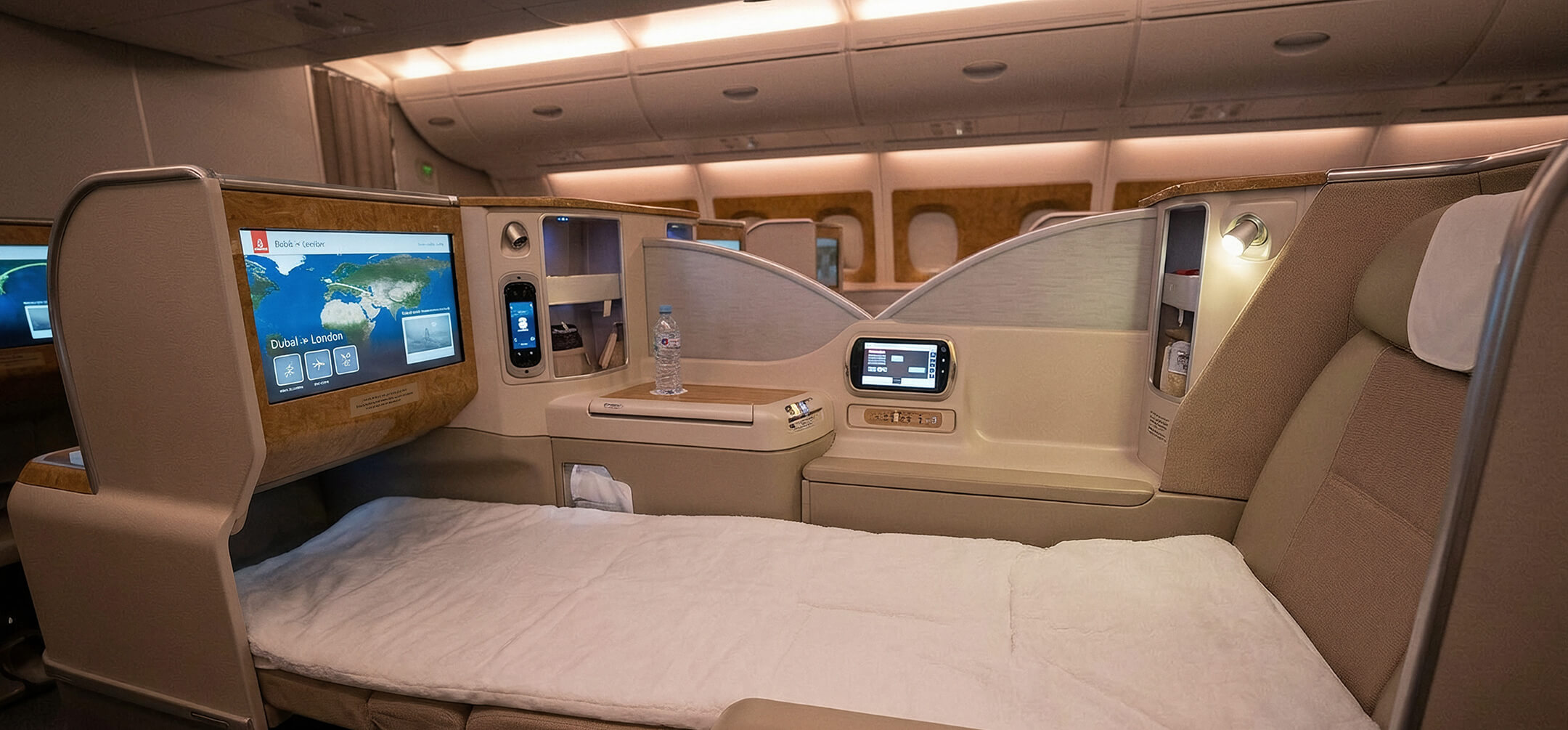
Business-class flights from the US to Alghero
Reaching Alghero usually means one-stop itineraries, and the layover city often shapes both price and total travel time. From New York and Los Angeles, the easiest options tend to route through major European hubs.
From New York, ITA Airways, Lufthansa, Air France, Iberia, and British Airways are among the carriers that usually connect you to Alghero. Round-trip fares from New York usually start at $2,200 and can reach $4,500.
Los Angeles itineraries with ITA Airways, Lufthansa, Air France, Iberia, British Airways, or Turkish Airlines commonly connect through Rome, Milan, Frankfurt, Munich, Paris, or Madrid, and if you do not mind a layover, common routings via Rome, Milan, or Frankfurt often bring fares down to about $2,700, while nonstop-style premium itineraries with tighter connections can run $4,800 or more.
Alghero feels different when you slow down
A deliberate Alghero trip gives each area a clear role, Centro Storico for the cathedral and bastions, Lido or Maria Pia for beach time, and Capo Caccia for the cave day. Use short transfers instead of trying to cross town too often, and let meals fit the dining window rather than forcing late starts. If you want help matching neighborhoods, flights, and timing, the AranGrant experts can shape the trip around your arrival and departure plans