


Business-class passengers are used to expecting good service from the crew. What is harder to anticipate is how differently the airlines meet that expectation, and how special the differences turn out to be.
Some cabin crews do things in ways that are specific to them and no other airline. Small enough to miss if you are not paying attention, yet memorable enough that you find yourself mentioning them when someone asks how the flight was.
In this list, we cover four airlines whose crews give you something to talk about after landing.
Read in this post:
All Nippon Airways (ANA): the art of paying attention
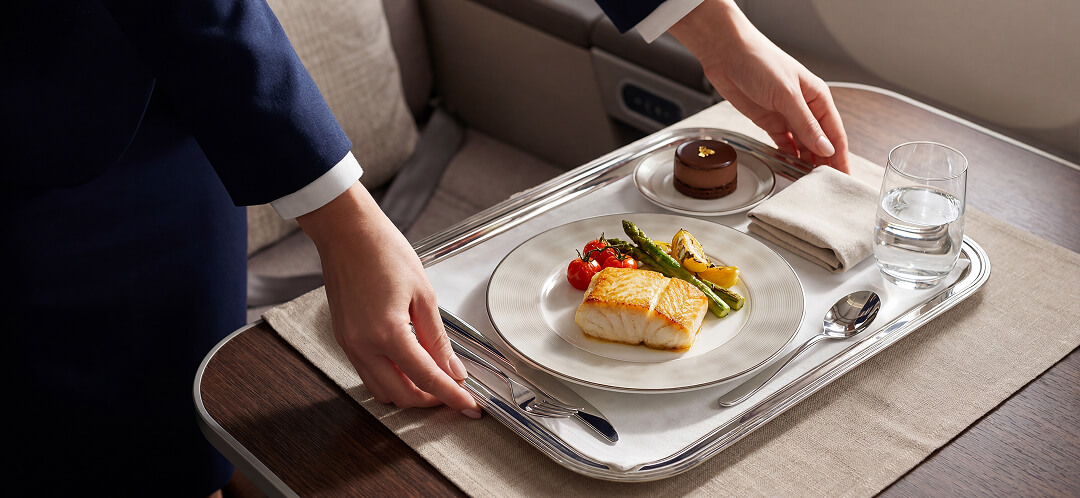
ANA crew watch the cabin. Not in a way that intrudes. It is a quieter kind of attention, the sort you register only after it has already done its job. You look up from the menu, and someone is already walking over. You try reaching for the overhead bin and a crew member gets there first. By the time you think to press the call button, the issue or question you have is already being solved.
This is omotenashi, a Japanese approach to hospitality built around anticipating what a guest needs before they say it. ANA took omotenashi seriously enough to create an annual internal competition around it, called the Omotenashi Professional Masters. Crew were nominated for acts of service that went beyond what their role required. Winners included a crew member who handed an elderly couple a magnifying glass when they struggled to read a customs form, and another who spent time talking with a passenger who mentioned they loved planes. ANA was the only airline in the world that ran a competition like this.
Such an approach to service results in a cabin that feels quieter compared with many other airlines, which suits anyone who appreciates rest and uninterrupted sleep. One thing worth knowing, though: if you prefer crew who check in often and chat, ANA can feel too restrained. The attention is genuine; it just does not usually come with small talk.
Turkish Airlines: your own restaurant at 35,000 feet
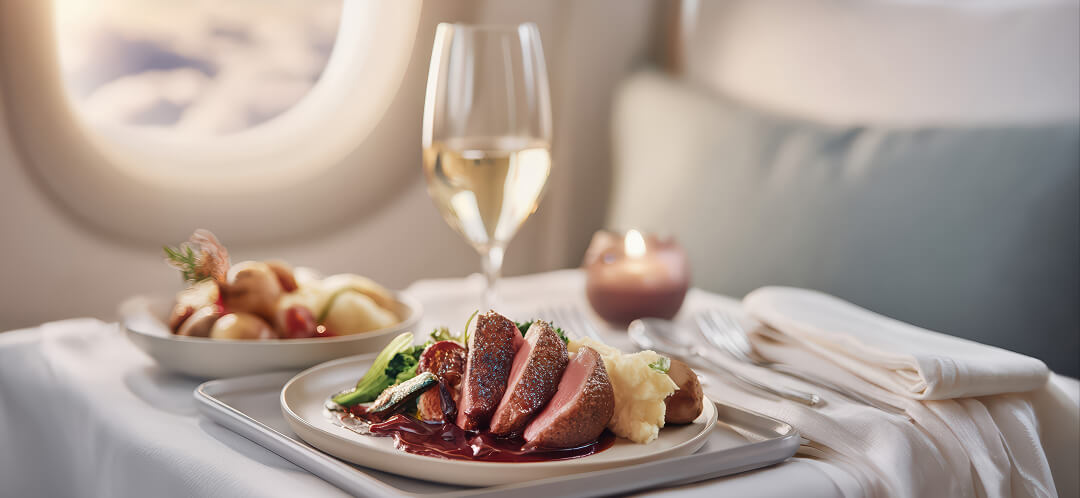
Before the doors close on a long-haul Turkish Airlines flight, a man in a tall white hat and a pressed white apron will come to your seat, introduce himself, and ask what you would like to eat. This is not a flight attendant running through options from a trolley, but an actual chef, specifically assigned to the business-class cabin for this flight, taking your dinner order the way someone does in a restaurant.
Turkish Airlines’ Flying Chef program places one or two dedicated chefs on every business-class flight over eight hours. Although the food is mostly prepared on the ground and finished in the ovens on board, the service still feels special and exciting. The chef checks in on you and explains what he has brought and how it was prepared. On some flights, depending on the menu, the chef will serve you tableside instead of plating the dinner in the galley.
This program adds a sense of ease to the dining, representing an unhurried generosity that is very Turkish, and the kind of hospitality where you are treated as a valuable guest, not just a customer. If you have spent time in Turkey, you will recognize it immediately. If you have not, it is the kind of thing that takes you slightly off guard in the best way. And for passengers who value good food in their flight experience, the Flying Chefs program makes a strong case for choosing Turkish Airlines for your next flight.
Emirates: there is an actual bar up there
Somewhere over the Atlantic or the Gulf, on an Emirates Airbus A380 flight, you can get up, walk to the back of the upper deck, and find a bar. An actual staffed bar, with a specialist behind it who is there specifically to make drinks and talk to people.
The bar opens after reaching cruising altitude and stays open for most of the flight. The crew staffing it are trained as mixologists, and the atmosphere is nothing like the cabin you just walked out of. Nobody is managing a service sequence back there. Passengers enjoy their cocktails, and chat with each other or with the crew. It has the loose, unhurried energy of a good late-night bar, which is a strange and genuinely enjoyable thing to encounter at 35,000 feet.
The crew there tend to lean into it. Some flights even have a Polaroid camera behind the bar, which the staff uses to take pictures of or with passengers, which is exactly the kind of detail you do not expect and do not forget.
Since, for now, it is strictly an Airbus A380 experience, passengers who enjoy social interactions and are looking to experience the bar in the skies should check the aircraft before booking their tickets.
KLM Royal Dutch Airlines: the oldest farewell in aviation
KLM has been flying since 1919, which makes it the oldest airline in the world still operating under its original name. It has also been handing out the same gift to its business-class passengers since 1952, which, for an industry that reinvents itself constantly, is a remarkable thing.
Near the end of an intercontinental flight, a crew member brings out a tray of small ceramic houses. Each one is a miniature of a real Dutch building, hand-painted in the blue and white style of Delftware, the painted pottery that has been made in the Netherlands since the 17th century and is one of the country’s most recognizable exports. Each house is filled with Dutch gin, and it is yours to keep after you choose one.
The origin of the tradition is as interesting as the tradition itself. Early aviation regulations prohibited airlines from giving passengers gifts above a certain value. KLM’s solution was to fill the houses with gin, making them technically a complimentary drink served in a souvenir container rather than a gift. This loophole became a legend.
Every year on October 7, KLM’s birthday, a new house joins the collection. There are now 106 of them, each one numbered, each depicting a different piece of Dutch architectural history. Some passengers have been collecting them for decades, and there are people who choose KLM specifically because of them.
For aviation enthusiasts and passengers interested in collectibles, such a tradition turns an ordinary flight into a memorable experience worth chasing.
Honorable mentions
Every airline is trying to put some of its identity into the cabin and express itself through the cabin crew. Here are a few details from airlines that did not make the main list but are worth knowing about.
- Thai Airways: When crew board and greet business-class passengers, they perform the wai, a traditional Thai gesture of respect where the palms are pressed together in front of the chest with a slight bow. It happens again each time the crew attend to your seat. What is less expected: near the end of the flight, during descent, every crew member in the business-class cabin comes to each passenger individually to thank them personally for flying. Each person, in each seat.
- Qantas: Some of the Qantas flight attendants wear a small pin in the shape of a bunch of grapes. It identifies crew who have trained as onboard sommeliers. You can ask them a specific question about what goes well with the meal you are having or what they would personally recommend. A proper wine discussion at 35,000 feet is a unique touch that makes you feel like you are attending an exquisite event.
- EVA Air: The Taiwanese carrier operates a small number of Hello Kitty-themed flights on selected routes, with every part of the aircraft and service dressed in the Sanrio theme, which is the company behind Hello Kitty. On board, crew change into pink Hello Kitty aprons for the meal service, and every item they bring out, from the cutlery to the napkins, carries the theme.