

Chapters:

Need help with your trip?
Our support team is available 24/7. Request a callback or call us directly at (833) 619-0908
Aguascalientes trips often begin and end in the historic center, with travelers splitting time between Plaza de la Patria, a cathedral stop, and one or two museums. What gets missed is how compact the core looks on a map but still benefits from planning, especially once dinner hours and short taxi rides enter the picture.
Without that plan, the day can thin out fast, since some streets reward walking while other sights sit a short ride away. Lunch breaks also matter, because many kitchens close between midday and evening seatings, which can leave an afternoon awkward if you do not pace it.
This guide organizes the city by area, meal timing, and simple transfer choices, then builds the days in a way that keeps the center in focus without repeating the same loop.
Useful things to know

Main language(s): Spanish
Hola (OH-lah) – Hello
Por favor (por fah-VOR) – Please
Gracias (GRAH-see-ahs) – Thank you
¿Habla inglés? (AH-blah een-GLAYS) – Do you speak English?
¿Cuánto cuesta? (KWAHN-toh KWES-tah) – How much does it cost?

Currency: The local currency is the Mexican peso (MXN, $).

Cash and cards: Cards and contactless are widely accepted; keep about MXN 300 to 500 ($17 to $29) in cash for small purchases.

Tipping: Round up small bills; 10% is common in restaurants if service is good.

Traditional food: birria, enchiladas mineras, gorditas de horno, tamales de ceniza

Water and coffee costs: Water about MXN 15 to 30 ($1 to $2), bar espresso about MXN 35 to 50 ($2 to $3).

Taxis and ride apps: Uber and DiDi operate here; confirm pickup points at the airport.

Plug and voltage: Type A/B socket, 127V

Dining and shop opening hours: Breakfast runs about 07:00-10:00, lunch about 14:00-16:00, and dinner about 20:00-22:30. Many kitchens close between lunch and dinner.

Emergency number: 911 for police, fire, and medical emergencies.
Where to stay in Aguascalientes
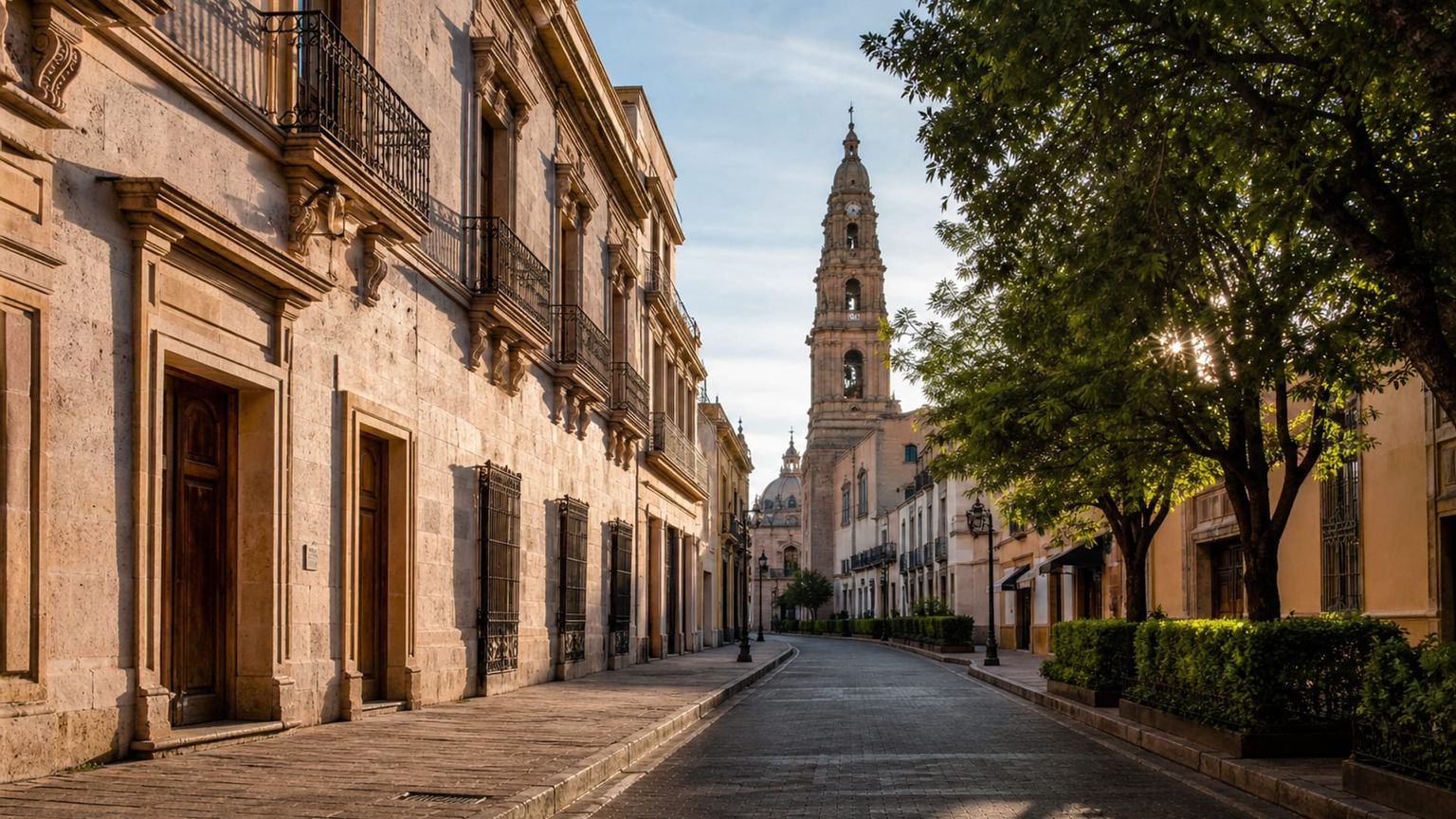
The historic center puts you beside the cathedral, plazas, museums, and the city’s main dining streets. It suits visitors who want to walk between the main sights and use taxis or short rides for farther outings.
Best for: First-time visits, sightseeing, and car-free stays
What to expect: Busy sidewalks by day, lively restaurant streets in the evening, and the most constant pedestrian activity in the city.
Hotel prices: Usually about $55 to $140 per night for well-rated stays
Distance to major sights: About 5 to 10 minutes on foot to Plaza de la Patria and the cathedral
Quietness: Daytime is active and crowded, while evenings stay lively near the main squares and quieter on side streets.
Main trade-off: You pay more for the central address, and street noise can carry late into the night near the busiest blocks.
Good to know: Choose a room on a side street or upper floor if you are sensitive to late-night traffic and restaurant noise.
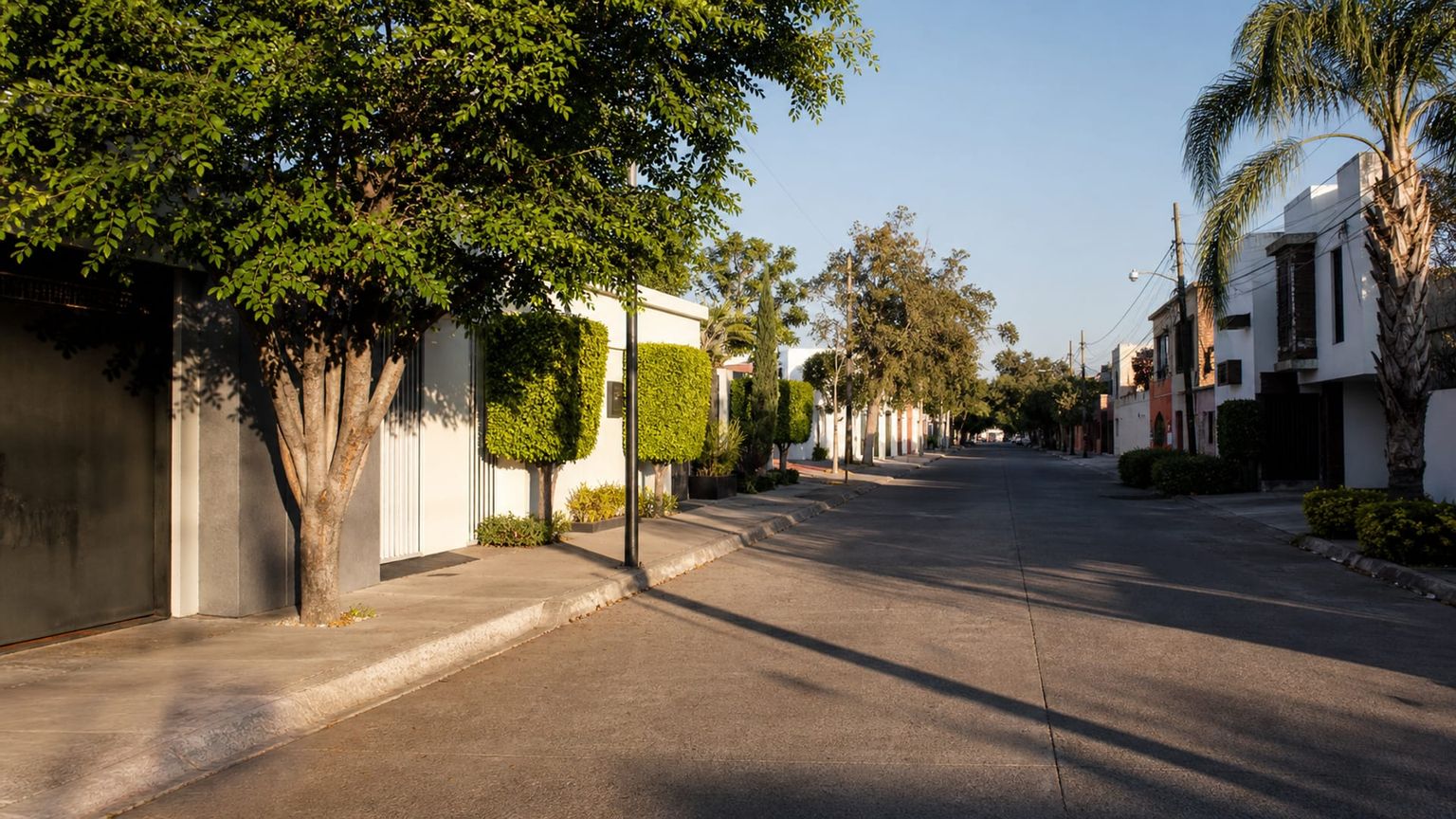
West of the historic core, this central area gives you access to the old town without staying on the busiest plaza blocks. It works well if you want quick rides into Centro and a slightly less exposed street pattern at night.
Best for: Visitors who want central access with a quieter base
What to expect: Moderate daytime traffic, local shops, and fewer late-night crowds than the main square area.
Hotel prices: Usually about $45 to $110 per night for well-rated stays
Distance to major sights: About 10 to 15 minutes by transit or a short taxi ride to Plaza de la Patria
Quietness: Daytime streets stay active with local errands, while evenings are generally calmer than the historic center.
Main trade-off: You trade a little walkability to the top landmarks for lower noise and a better chance of finding larger rooms.
Good to know: Check how far your lodging sits from the main avenues, because a few blocks can change both noise and walking time.
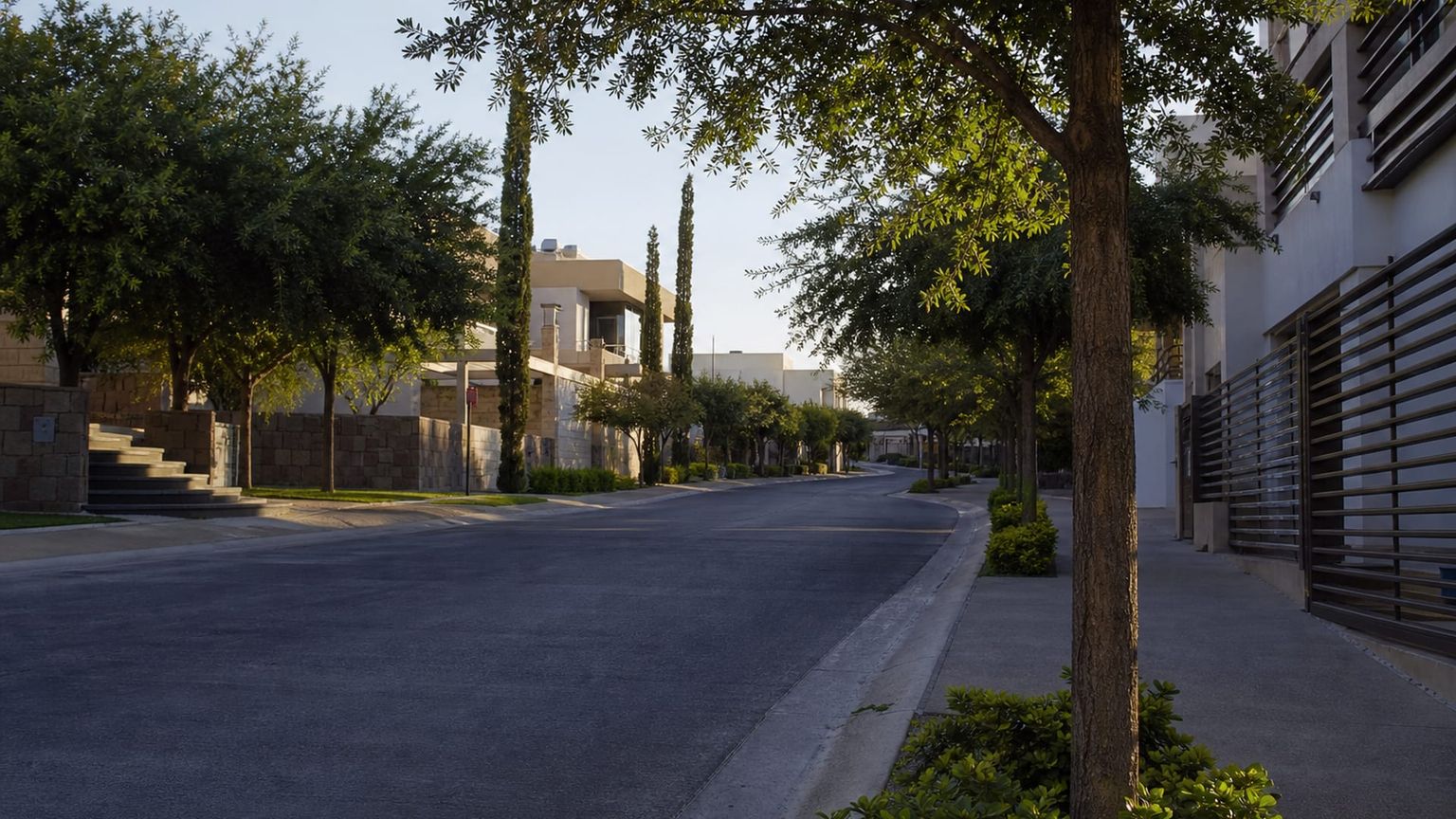
Trojes de Alonso is a residential northern area with newer hotels, shopping, and easier parking than the core. It suits travelers who plan to move by car or rideshare and want a base that is not tied to the historic streets.
Best for: Business trips, longer stays, and travelers with a car
What to expect: Wide streets, malls, and office traffic by day, with much less foot traffic after dark than central areas.
Hotel prices: Usually about $50 to $130 per night for well-rated stays
Distance to major sights: About 20 to 30 minutes by car to Plaza de la Patria
Quietness: Daytime is active around shops and offices, while evenings are noticeably quieter than Centro.
Main trade-off: You give up easy walking access to the oldest sights, so most dinners and sightseeing will require transport.
Good to know: If you will attend events downtown, confirm late-night ride availability before you book, since the area sits outside the core.
Travelers usually avoid staying far north in Zacatenco and Los Bosques, because they sit well away from the historic center and many of the main museums and plazas. The far south edges of Ojocaliente and parts of the Airport corridor are also less convenient, with fewer visitor amenities and longer evening trips back from dinner and nightlife in the center.
Hotel deals
How to get around Aguascalientes efficiently
Aguascalientes has no metro or suburban rail, so most visitors move between the center and outlying sights by bus, taxi, rideshare, or walking.

Metro
for longer distances
Aguascalientes has no metro or suburban rail, so visitors rely on buses, taxis, or walking for most trips.

Bus and tram
for convenience
City buses cover the center, the Universidad Autónoma de Aguascalientes area, and neighborhoods beyond downtown; fares are about $0.55 to $0.80 (about MXN 10 to MXN 15), usually paid in cash on board, with most rides taking roughly 15 to 35 minutes across the built-up area.

Taxi
for convenience or late hours
Licensed taxis use metered or agreed fares depending on the stand or trip, and airport trips typically cost about $8 to $15 (about MXN 140 to MXN 260) to the central area; you can find them at taxi stands, request one by phone or app, and many drivers still prefer cash, though some now accept cards or transfers.
*Prices are based on rates updated as of June 2026 and may change at the time of travel.
Walking works best in Centro Histórico, buses cover longer city stretches at low cost, and taxis or rideshares make the cleanest choice for airport runs and late returns from Tres Centurias or Trojes de Alonso.
Iconic landmarks
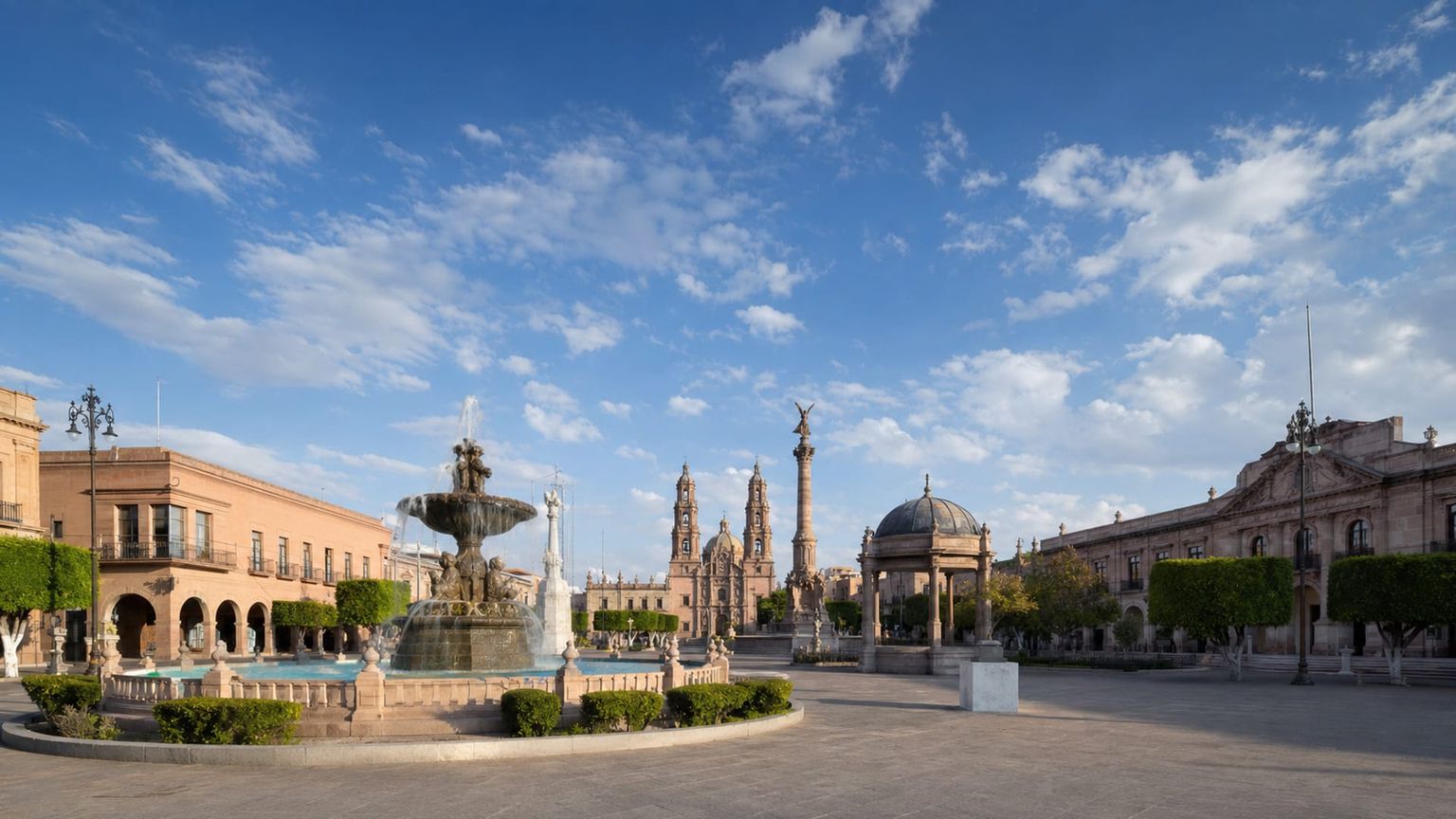
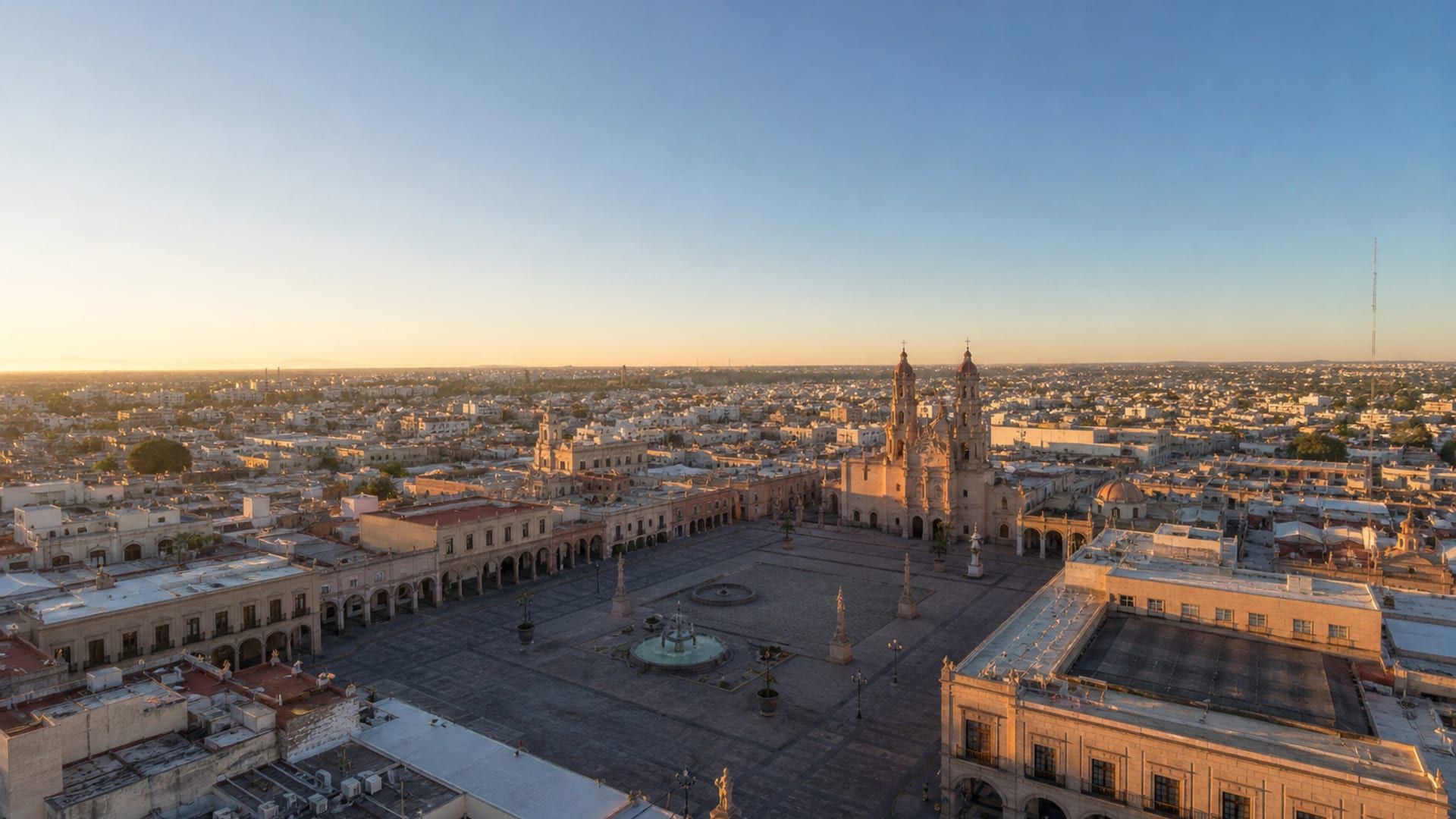
Plaza de la Patria
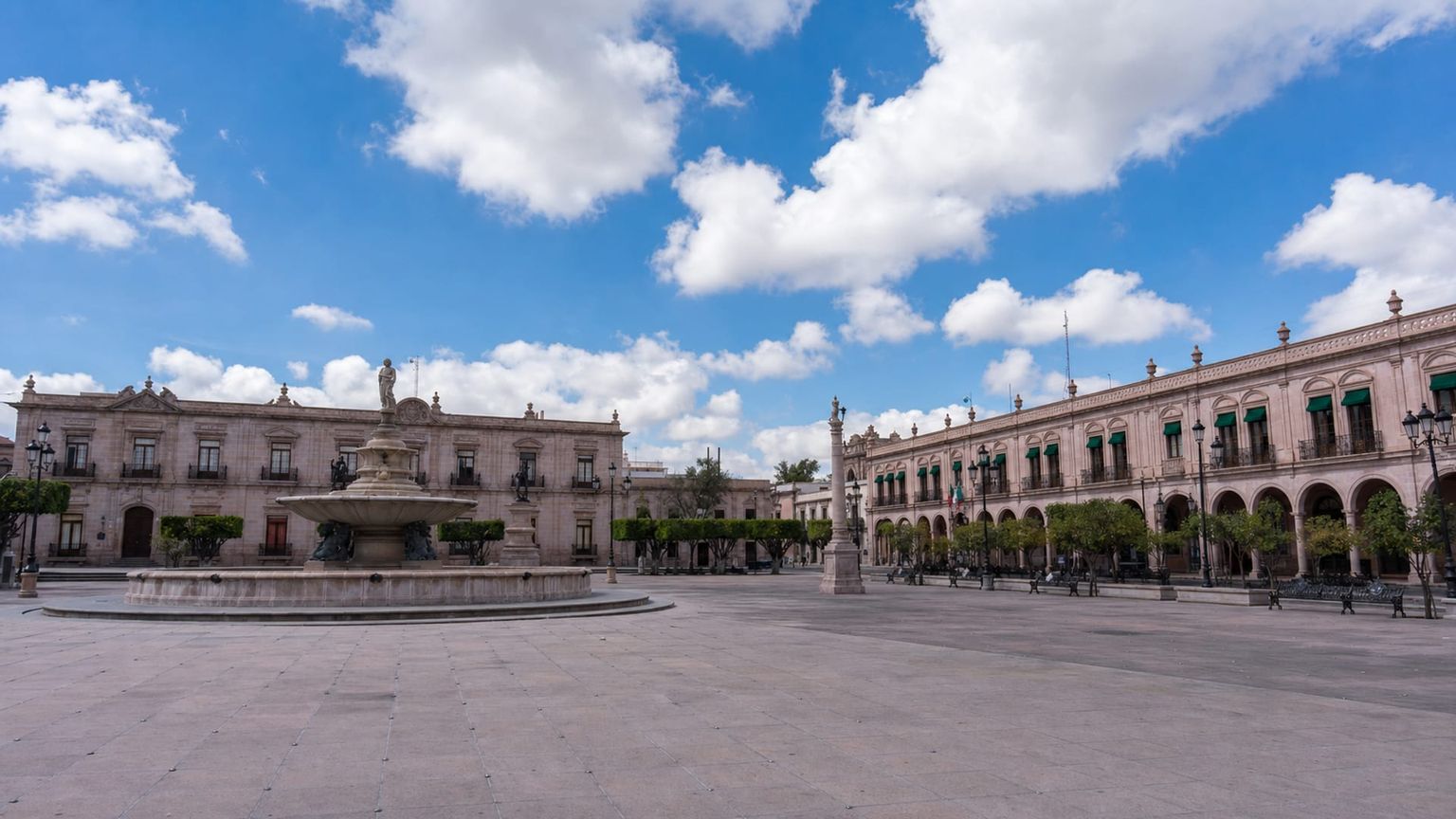
Aguascalientes’ main square anchors the historic center with the 1771 Exedra, arcaded government buildings, and direct access to the cathedral. It is the natural starting point for a walk through the city’s civic and religious core.
Time needed: About 45 minutes to 1 hour
Entry: Free to access, with no timed entry and no ticket required for the square or the surrounding arcades and monument area during open public hours.
Tip: Visit after sunset for cooler air and illuminated facades, then continue on foot to nearby streets.
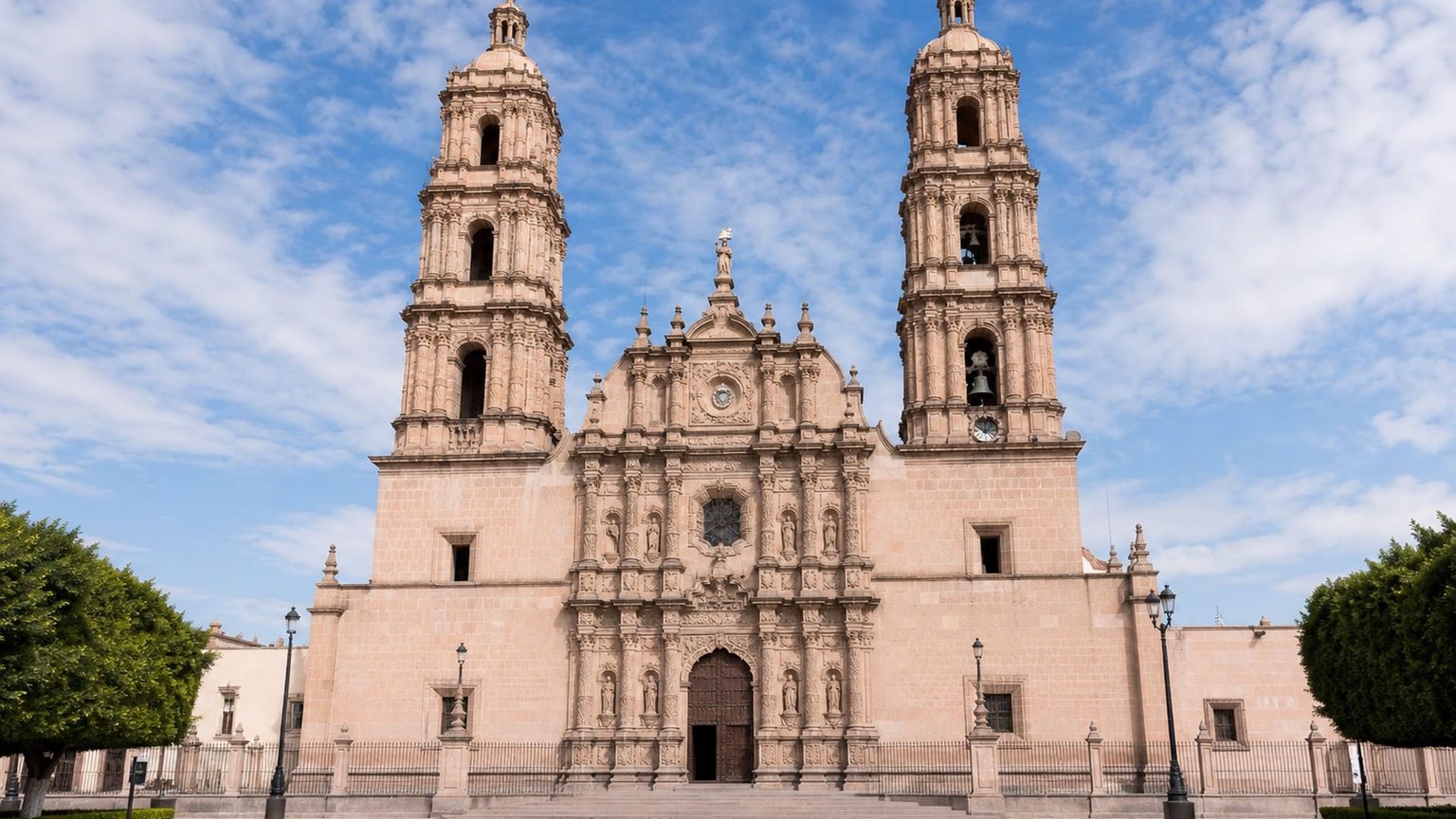
Basilica Cathedral of Our Lady of the Assumption
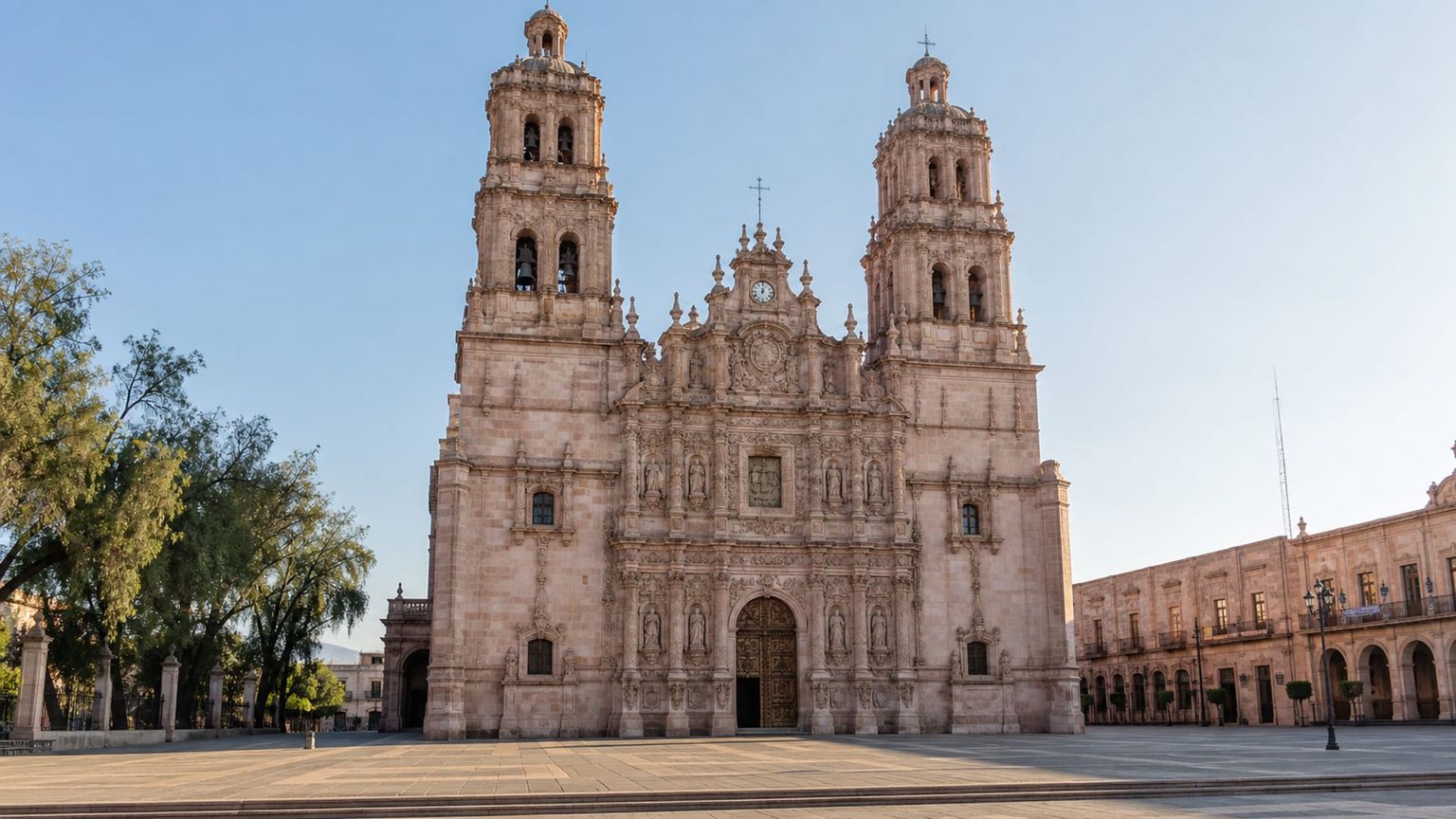
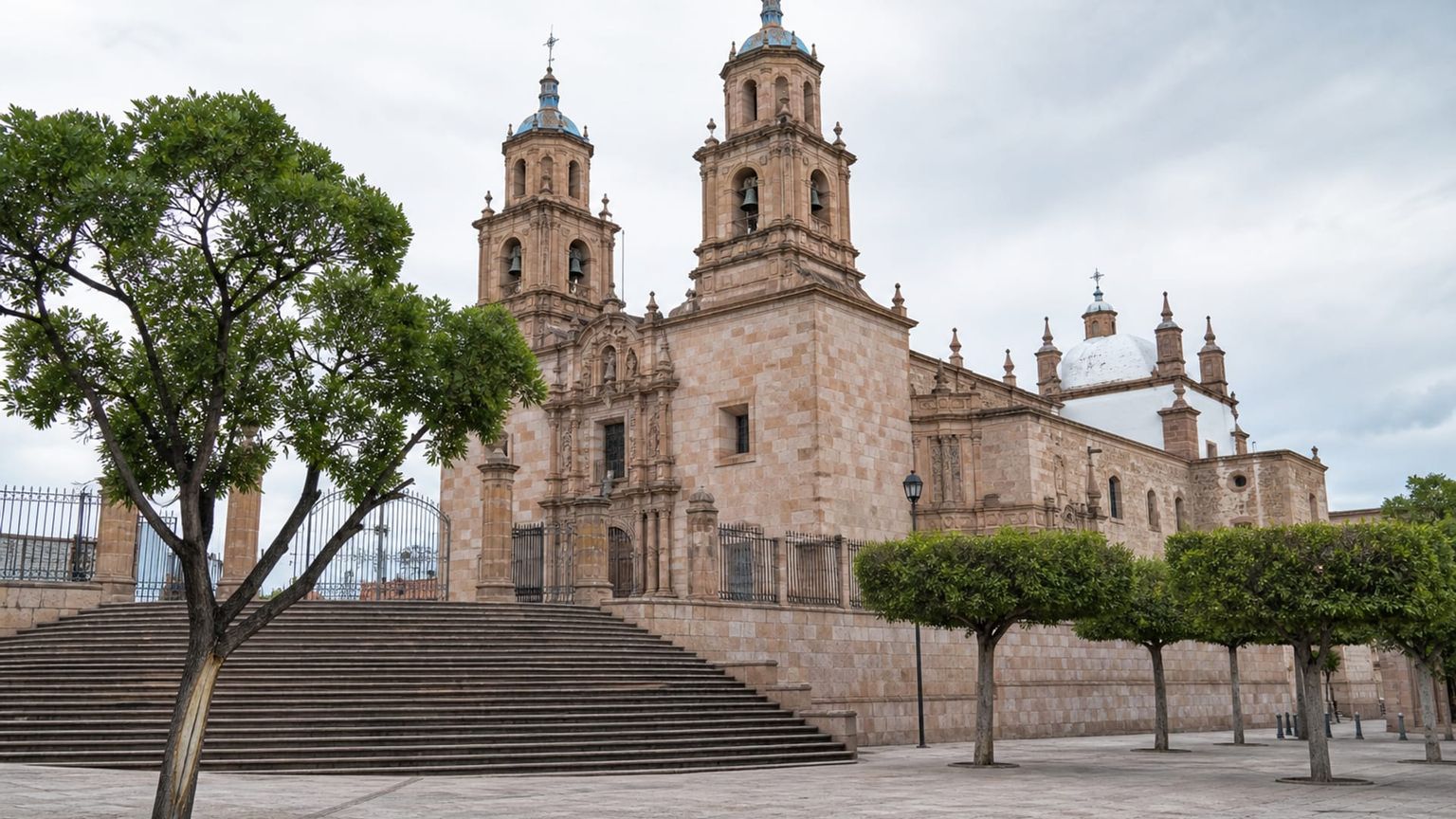
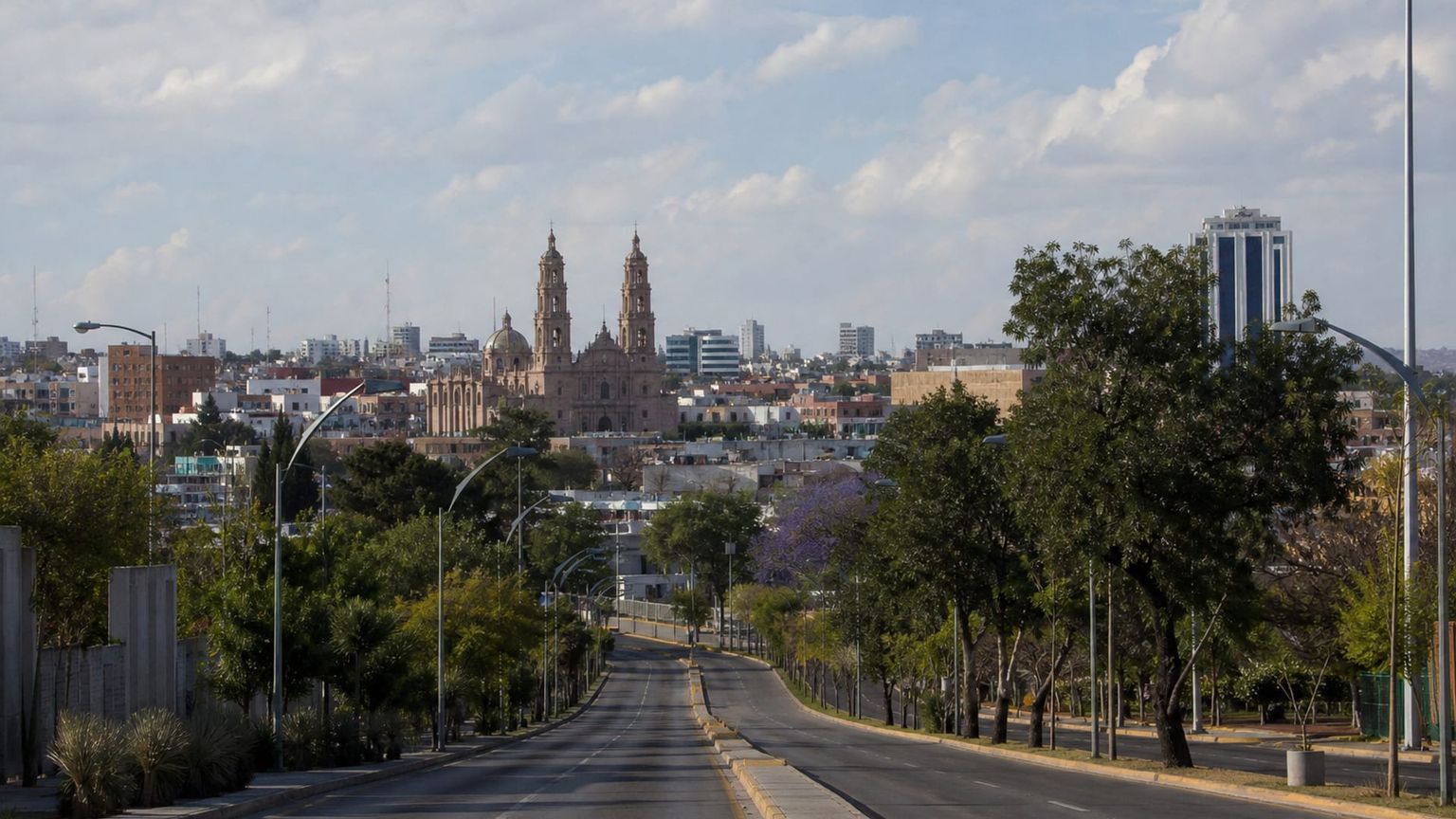
This 18th-century cathedral stands beside Plaza de la Patria and is one of Aguascalientes’ most important Baroque landmarks. Its twin bell towers, stone facade, and quiet interior make it a key stop in the historic center.
Time needed: About 30 to 45 minutes
Entry: Free to enter during regular church hours, with no ticketed admission and no timed entry for worship or sightseeing visits.
Tip: Go in the late morning, then step outside for the best view of the twin towers in daylight.
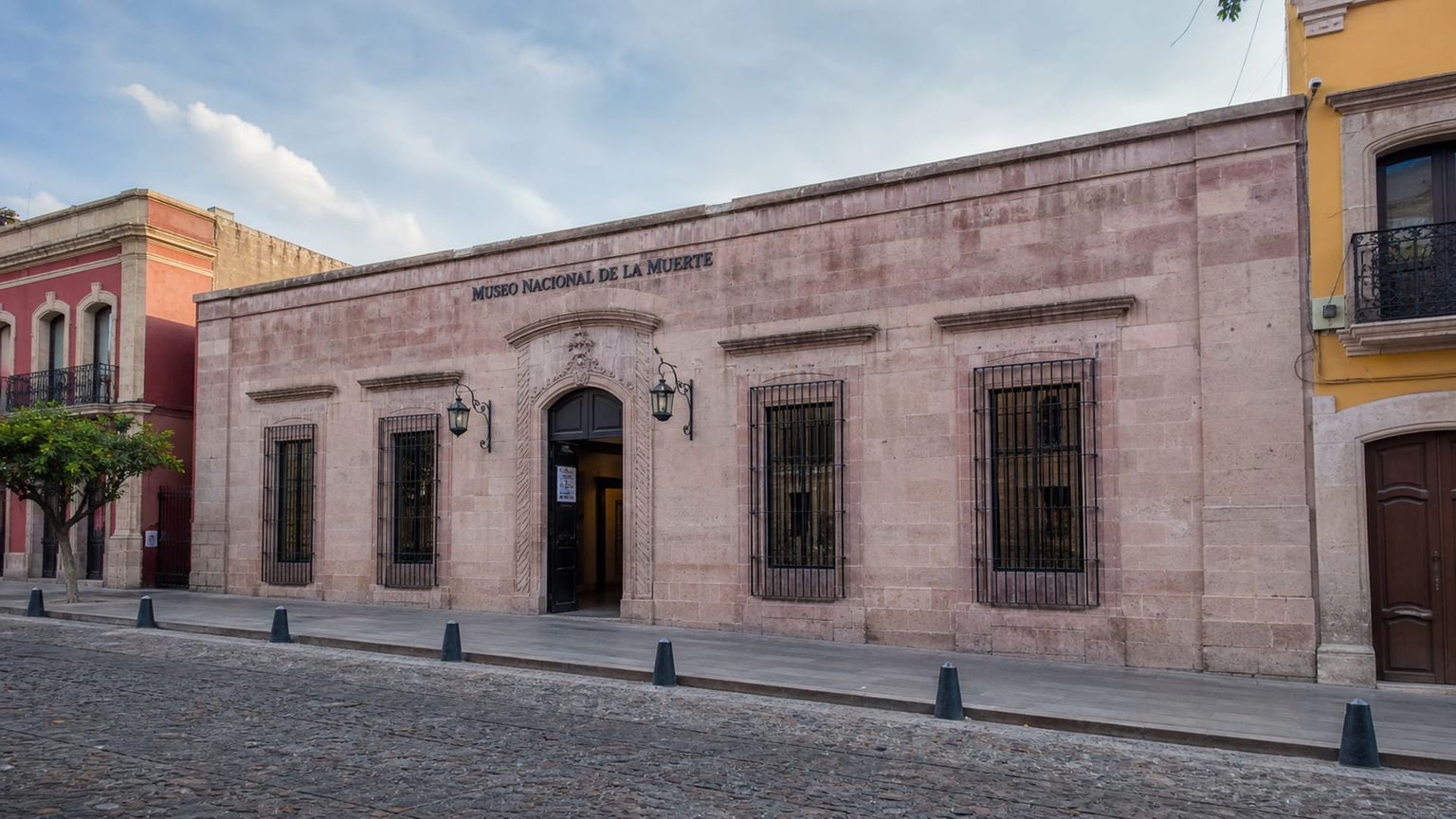
Museo Nacional de la Muerte
Inside the Universidad de Aguascalientes, this museum traces Mexican ideas about death through calaveras, altars, prints, and contemporary art. It is one of the city’s most distinctive collections and gives strong context for local Day of the Dead traditions.
Time needed: About 1 to 1.5 hours
Entry: Admission is free for general visits, with no timed entry required on standard opening days and no separate charge for permanent galleries. Visit the official site for details.
Tip: Plan a daytime visit, then pair it with a walk through the university campus nearby.
Overlooked sites worth visiting

José Guadalupe Posada Museum
This small downtown museum focuses on engraver José Guadalupe Posada, whose calaveras shaped Mexican print culture. Original prints, sketches, and rotating exhibits fit into a compact visit near Plaza de la Patria.
Time needed: About 1 hour
Entry: Admission is usually free or donation-based; special exhibits may charge about $1 to $3 ($20 to $50 MXN). Hours and fees can change for temporary shows, so check the museum before you go.
Tip: Go midmorning for quieter galleries and better light on the prints.

Tres Centurias Complex
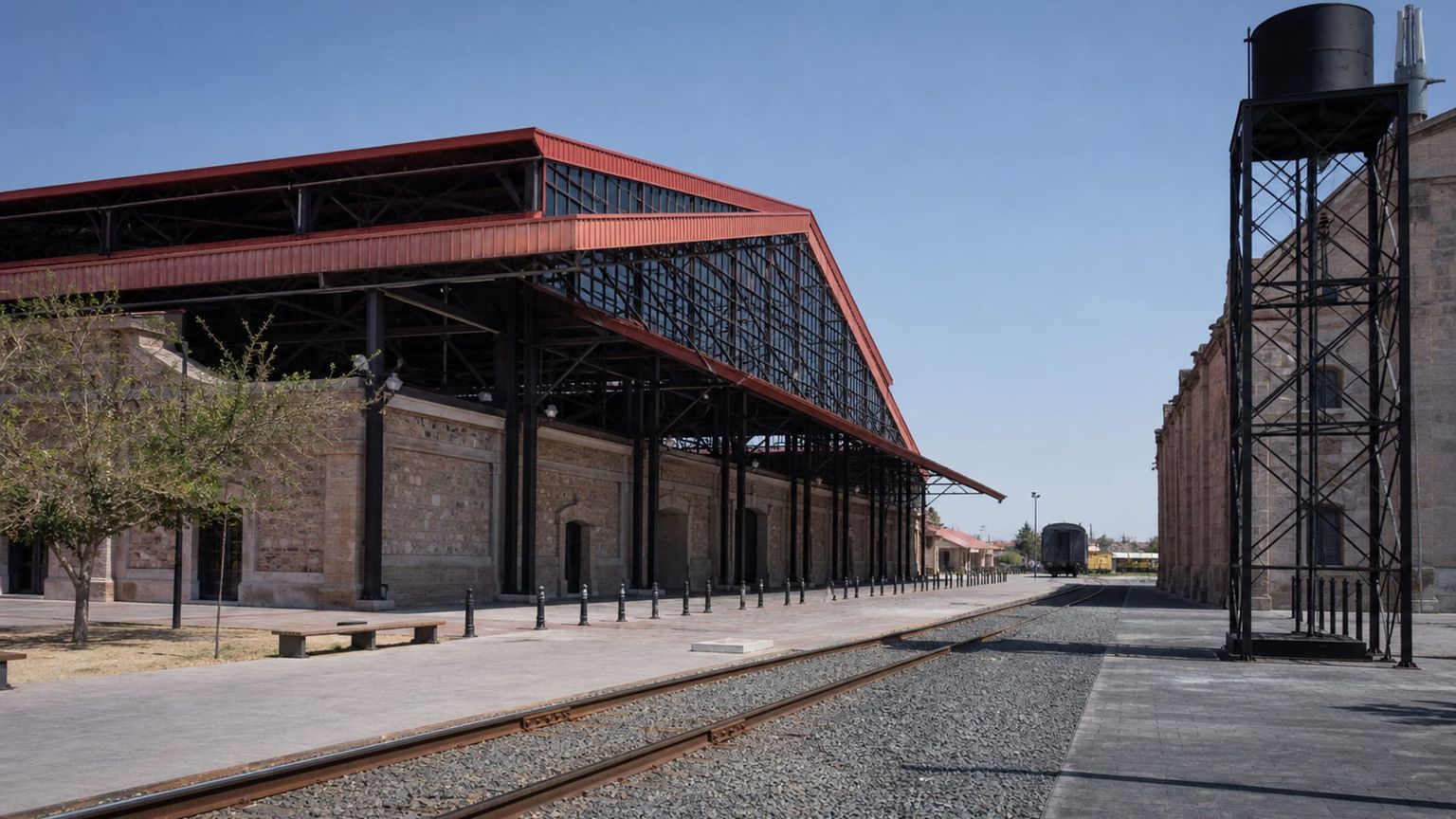
This former rail hub pairs restored station buildings with open plazas, gardens, and old locomotives. It gives a clear look at Aguascalientes rail history without leaving the central city.
Time needed: About 1 to 2 hours
Entry: Entry to the grounds is free. Some exhibition rooms, events, or guided activities may charge about $2 to $5 ($40 to $90 MXN), depending on the program and schedule.
Tip: Visit near sunset for cooler walking and easier photos outdoors.
Traditional food
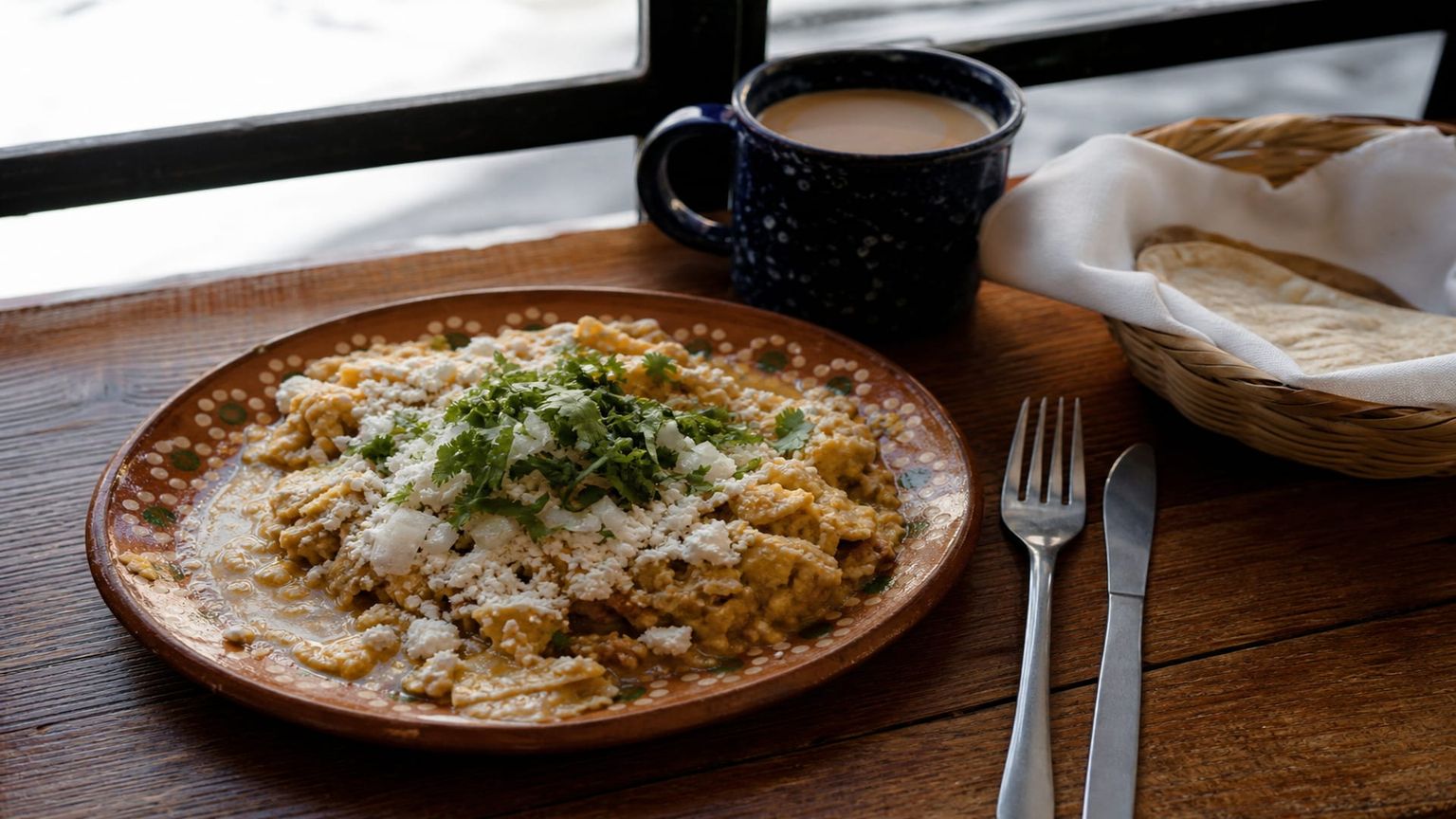
Aguascalientes cooking leans on birria, enchiladas mineras, gorditas de horno, and tamales de ceniza, with corn masa, chile, and slow-cooked meats shaping the city’s most typical plates. Lunch matters, but dinner streets near the center do most of the talking.
Birria
Slow-cooked goat or beef in a chile broth, usually served with tortillas, onion, and lime. At La Saturnina, it fits the city’s traditional cooking style and works well for a full midday meal.
Enchiladas mineras
Corn tortillas filled and topped in a style tied to central Mexico’s mining towns, often with potatoes, carrots, lettuce, and cheese. Restaurante El Campeón serves a classic version in a central setting.
Gorditas de horno
Baked masa cakes with a firmer texture than griddle gorditas, often eaten with savory fillings or alongside stews. At Gorditas Doña Mary, they make a clear local breakfast or snack stop.
Tamales de ceniza
Tamales made with ash-treated corn masa, which gives the dough a distinct color and flavor before it meets its filling. El Nahual is a solid place to look for regional plates in a casual dining room.
Best time to visit Aguascalientes
Aguascalientes stays comfortable for much of the year, though spring and autumn usually give the best mix of clear days, lighter crowds, and easier walking in the historic center.
Best for: Best for warm, bright days and long walks in Centro Histórico
What you get: Expect about 54-86°F (12-30°C), with moderate visitor numbers and busy plazas on weekends
Trade-offs: Afternoon heat can build quickly by late April and May
Best for: Best for greener streets and indoor museum time
What you get: Expect about 57-82°F (14-28°C), with lighter daytime crowds but more rain in the afternoon
Trade-offs: Brief showers can interrupt outdoor plans and make late walks less appealing
Best for: Best for steady weather and comfortable city sightseeing
What you get: Expect about 52-82°F (11-28°C), with moderate crowds and good conditions for walking
Trade-offs: Holiday periods can briefly raise hotel demand and foot traffic
Best for: Best for cooler museum days and comfortable evenings
What you get: Expect about 45-75°F (7-24°C), with lighter crowds on weekdays and clear air for photos
Trade-offs: Early mornings can feel chilly, especially before the sun reaches open plazas
A realistic 5-day plan in Aguascalientes
Five days suit Aguascalientes well, because the center, the museum circuit, and Tres Centurias can each take a focused half day without forcing long cross-town detours. The plan below keeps the historic core as the anchor and uses short transfers only when they save time.
Arrive at Aguascalientes (AGU) and take a taxi or rideshare to Centro Histórico, which usually takes about 20 to 30 minutes and costs roughly $10 to $18. Check in near Plaza de la Patria or on a quieter side street west of the square, then drink water, rest, and head out for an easy first dinner on the dining streets off the main plaza. If your flight lands early enough, a short walk to the illuminated arcade area gives you a low-effort first look at the center before you turn in.
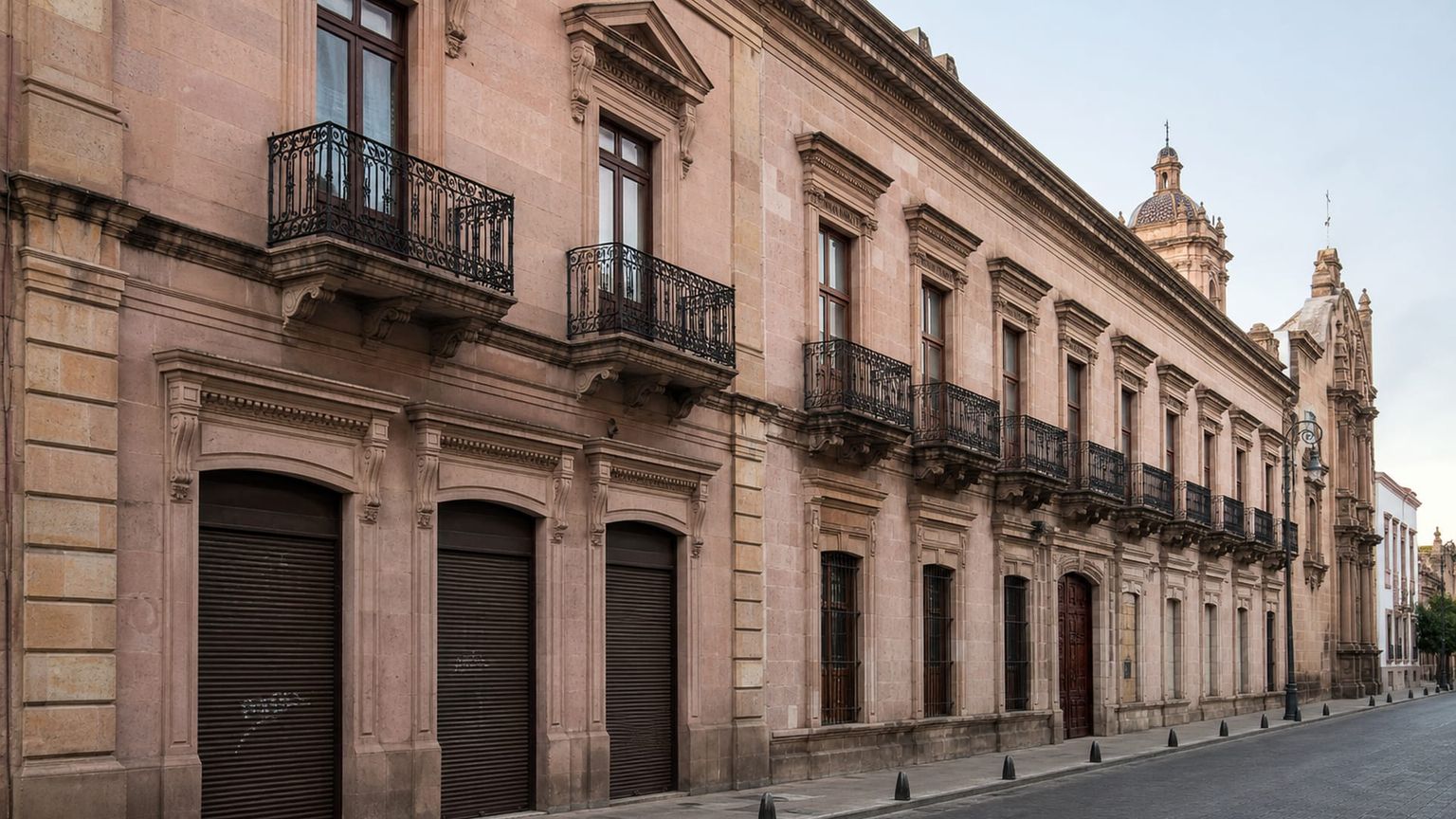
Begin at Plaza de la Patria, about 45 minutes to 1 hour, then step next door into the Basilica Cathedral of Our Lady of the Assumption for 30 to 45 minutes. From the cathedral, walk about 5 minutes to the José Guadalupe Posada Museum for about 1 hour, then continue roughly 10 minutes on foot to a café or lunch spot in Centro Histórico. Finish the afternoon with an easy return walk through the square, where the civic buildings and arcade-lined edges make the best late-day photos.
Start the morning at the Museo Nacional de la Muerte, where you can spend about 1 to 1.5 hours, then walk or take a short taxi about 10 to 15 minutes back toward the center for lunch. Afterward, head to the Tres Centurias Complex, about 10 minutes by taxi from Centro Histórico or about 20 minutes by transit, and stay 1 to 2 hours among the restored rail buildings, gardens, and locomotives. End with a relaxed evening back in the historic core, where dinner is close to your hotel and no long transfer is needed.
A later start works well for a second look at the center, so begin with coffee near Plaza de la Patria, then revisit the Basilica Cathedral of Our Lady of the Assumption or the José Guadalupe Posada Museum, depending on which you want to see in softer morning light. From there, walk about 10 minutes to nearby streets in Zona Centro Poniente for lunch, then return to the plaza area on foot in roughly 10 to 15 minutes. If you want one more stop, take a short taxi back to Tres Centurias at sunset, when the open plazas and old station buildings photograph well.
For a final half-day, check out and head to one last museum visit, then leave the afternoon open for shopping or a café stop in Zona Centro Poniente, where the streets are calmer than the main square but still close to the old town. If you have time before your ride to Aguascalientes (AGU), sit for a late coffee near Centro Histórico and pick up any last prints or small souvenirs near the core. Plan your airport transfer for about 20 to 30 minutes back to the terminal, with roughly $10 to $18 for a taxi or rideshare.
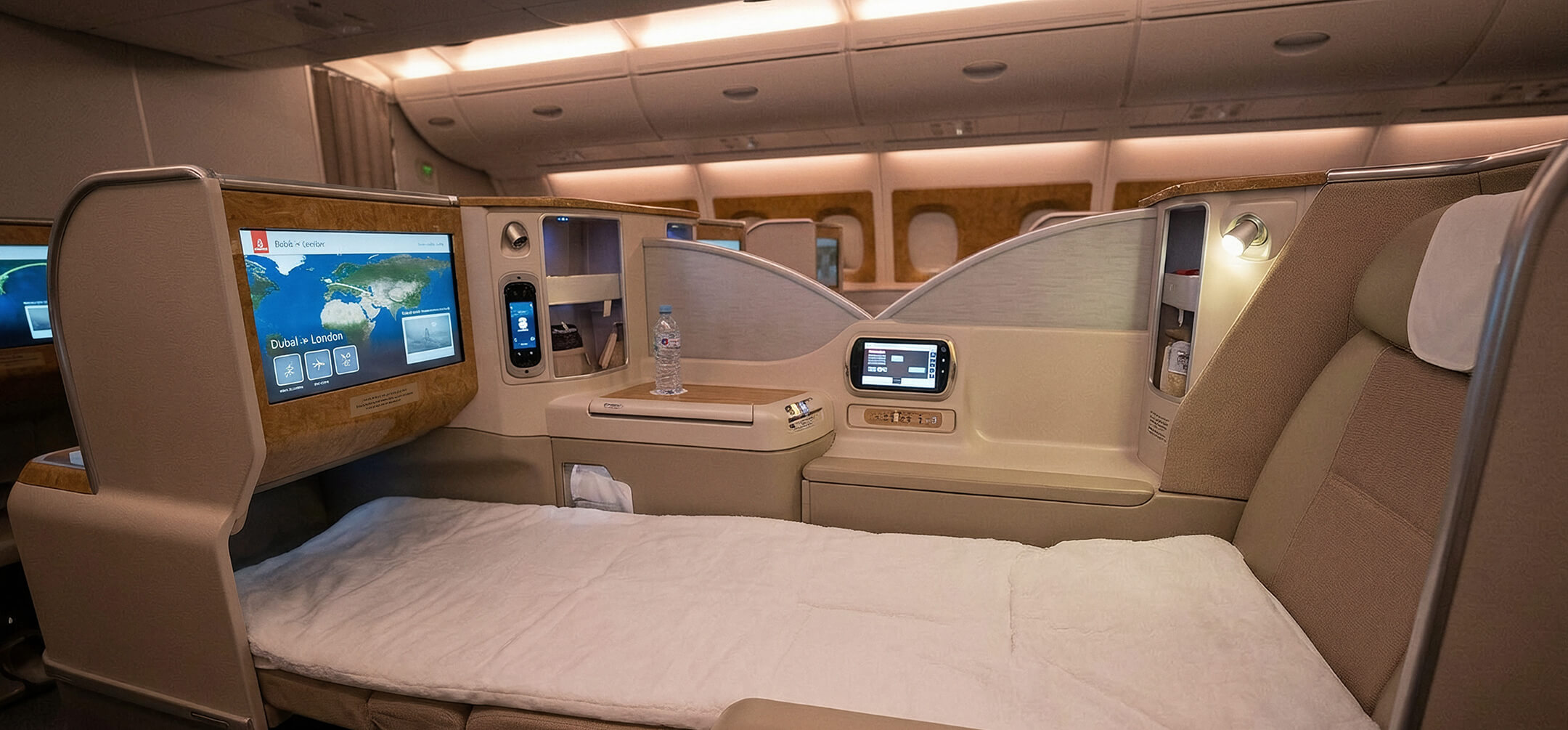
Business-class flights from the US to Aguascalientes
Business-class trips to Aguascalientes usually route through one hub, and the best option depends on whether you leave from the East Coast or the West Coast. The nonstop clock is shorter from Los Angeles, while New York itineraries tend to lean on a connecting stop.
From New York, American Airlines, Delta Air Lines, Aeromexico, United Airlines, and Air Canada commonly appear on itineraries that take about 4 to 4.5 hours nonstop when a direct option is available. If you do connect, common hubs include Mexico City (MEX), Toronto (YYZ), Houston (IAH), and Atlanta (ATL), and fares usually start at $1,200 and can reach $2,400 round-trip. If you do not mind the stop, that routing often cuts the fare.
Los Angeles travelers usually see Aeromexico, American Airlines, Alaska Airlines, United Airlines, Volaris, and Delta Air Lines on itineraries that take about 3 to 3.5 hours nonstop. With a layover, the most common hubs are Mexico City (MEX), Dallas-Fort Worth (DFW), Houston (HOU), and Phoenix (PHX), and business fares generally run $900 to $1,900 round-trip, with occasional sales below that level.
Aguascalientes feels different when you slow down
A deliberate Aguascalientes trip stays centered on Centro Histórico, then adds one or two clear extensions, usually the José Guadalupe Posada Museum, Tres Centurias, or a quiet lunch street in Zona Centro Poniente. Taxis and short bus rides do the connecting, while Plaza de la Patria and the cathedral keep the route grounded. If you want help shaping the days, the AranGrant experts can turn this city into a trip that fits your timing and flight plans