

Chapters:

Need help with your trip?
Our support team is available 24/7. Request a callback or call us directly at (833) 619-0908
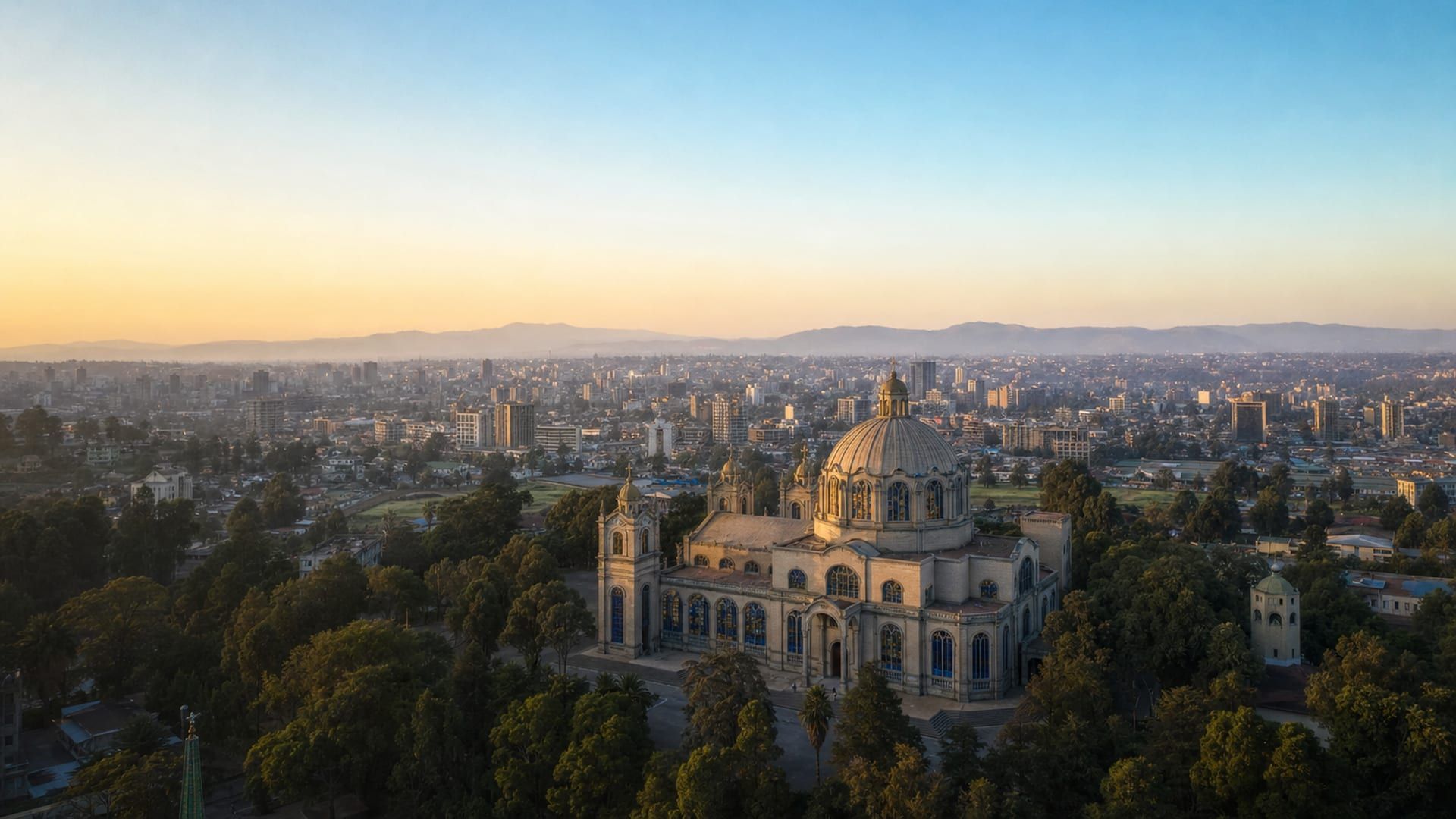
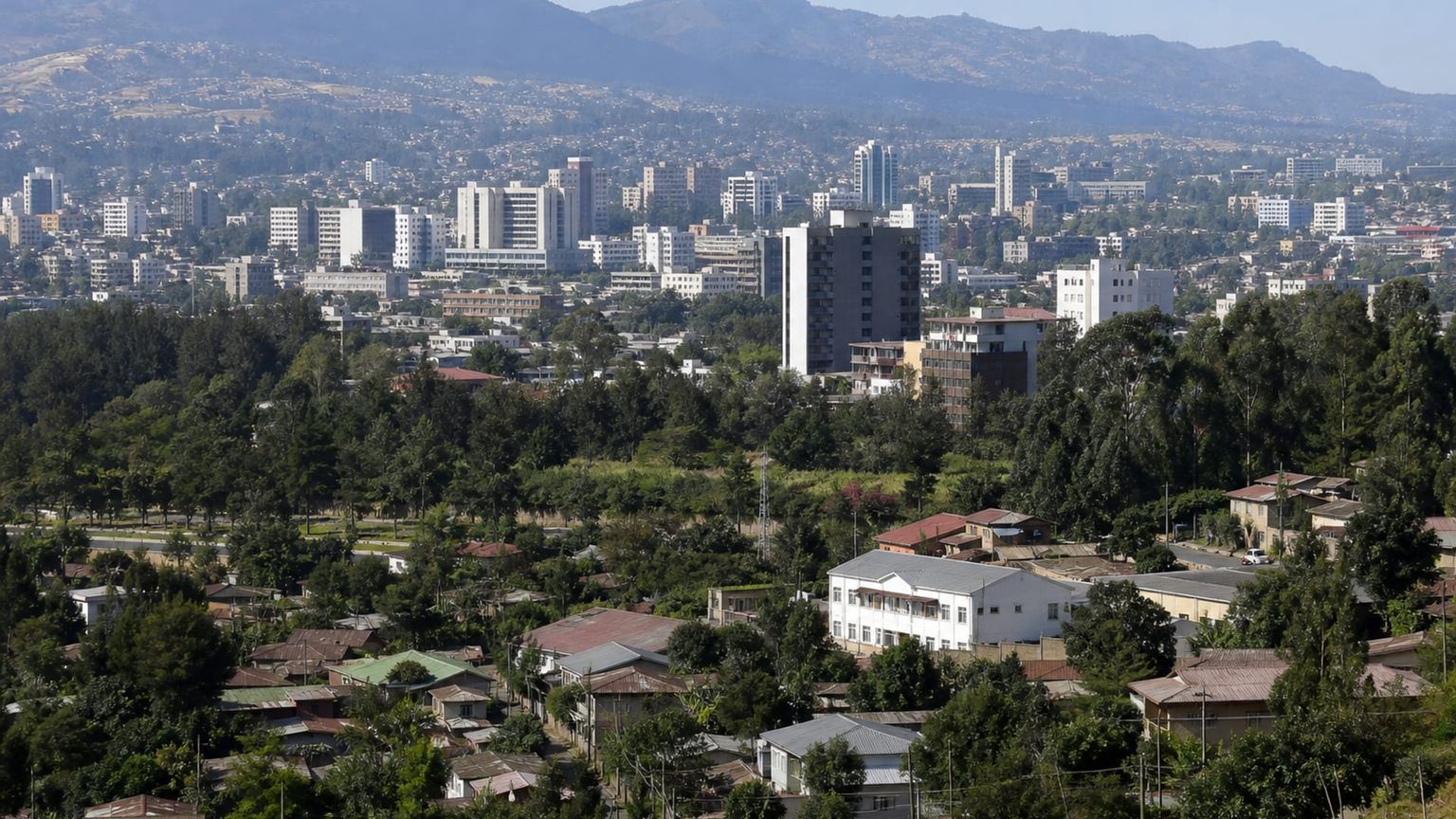
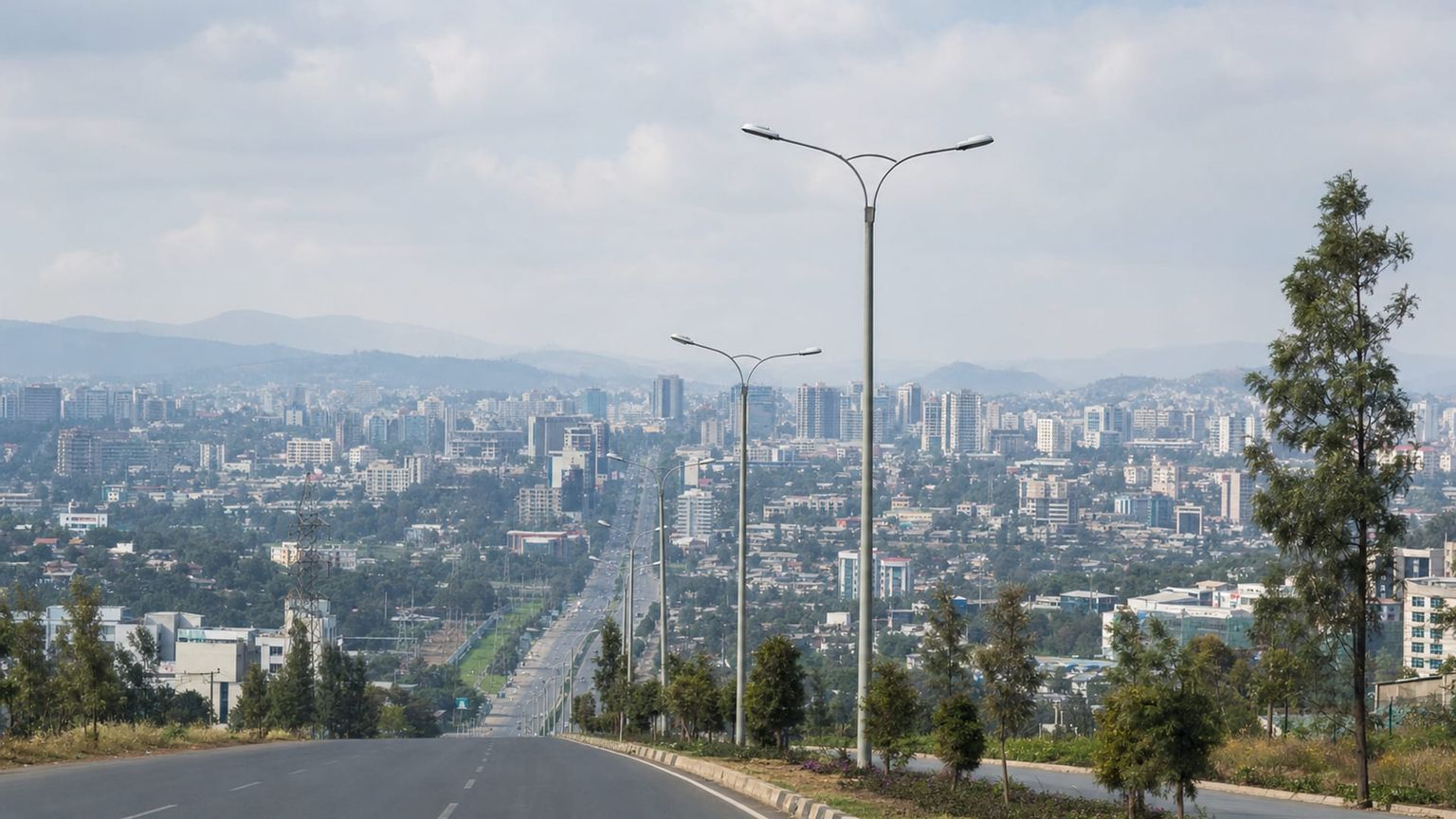
Addis Ababa brings together imperial history, Ethiopian Orthodox landmarks, national museums, busy commercial districts, and the high ridges of Mount Entoto. A visit can move from Bole’s hotels and restaurants to Piassa’s older streets, then up into cooler hills with wide views over the capital.
The city is large, traffic can slow travel, and many sights are spread across separate districts, so a clear daily plan makes each outing easier. This guide covers where to stay, how to get around, what to see, which local dishes to try, the best seasons to visit, and how to organize five days without unnecessary cross-city trips.
Useful things to know

Main language(s): Amharic
Selam (seh-lahm) – Hello
Ebakih/Ebakish (eh-bah-kih / eh-bah-kish) – Please (male/female)
Amesegenallo (ah-meh-seh-geh-nah-loh) – Thank you
Englizegna tichilaleh? (eng-glee-zeh-nyah tee-chee-lah-leh) – Do you speak English?
Sint new? (sin-tnehw) – How much does it cost?

Currency: Ethiopian birr (ETB, birr)

Cash and cards: Most hotels and larger businesses accept cards. Keep ETB 2,000 to ETB 5,000 ($12 to $30) in cash for smaller purchases.

Tipping: Round up small bills; tip about 5% to 10% in nicer restaurants if service is good.

Traditional food: Injera, doro wat, kitfo, and tibs are among the best-known Ethiopian dishes.

Water and coffee costs: Bottled water costs between ETB 60 and ETB 150 ($0.40 to $0.95), and a bar espresso is ETB 80 to ETB 200 ($0.50 to $1.25).

Taxis and ride apps: Ride operates in the city. Confirm the pickup point and driver details before the trip begins.

Plug and voltage: Types C, E, F, and L sockets, 220V

Dining and shop opening hours: Breakfast is usually served from 7:00 am to 9:00 am, lunch from 12:00 pm to 2:00 pm, and dinner from 7:00 pm to 9:00 pm. Many cafes and restaurants serve food throughout the day and into the late evening.

Emergency number: 911 for police, 907 for ambulance, 939 for fire rescue
Where to stay in Addis Ababa
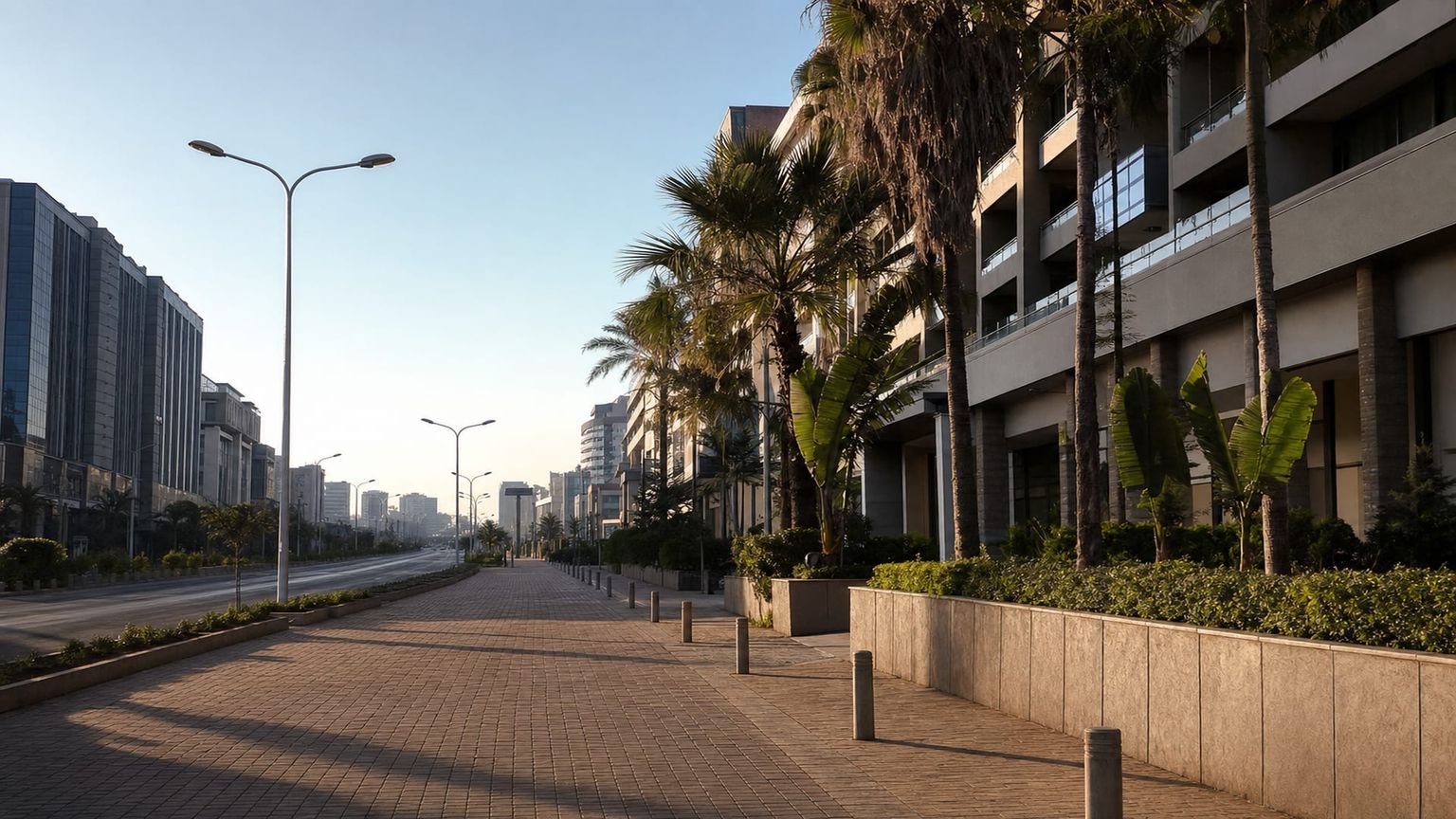
Bole is Addis Ababa’s main hotel and dining district, with many accommodations and restaurants along Bole Road and near Addis Ababa Bole International Airport. The area suits travelers who want a short airport transfer, a broad choice of dining, and modern midrange or upscale hotels.
Best for: Airport stopovers, business trips, and travelers who want a wide choice of restaurants and hotels
What to expect: Busy roads, frequent taxis, shopping centers, and a mix of office blocks and restaurants, with the most activity on Bole Road.
Hotel prices: Rooms at established hotels typically cost ETB 11,300 to ETB 30,000 ($70 to $185) per night.
Distance to major sights: About 15 to 25 minutes by taxi to Meskel Square, roughly 10 to 15 minutes to Addis Ababa Bole International Airport
Quietness: Busy in the daytime and early evening, with more traffic noise than in residential districts after dark
Main trade-off: You pay more here than in outer neighborhoods, and the main roads can be loud during rush hour.
Good to know: Bole is convenient for late arrivals and early departures as it shortens airport transfers and has dependable taxi services and late dining options.
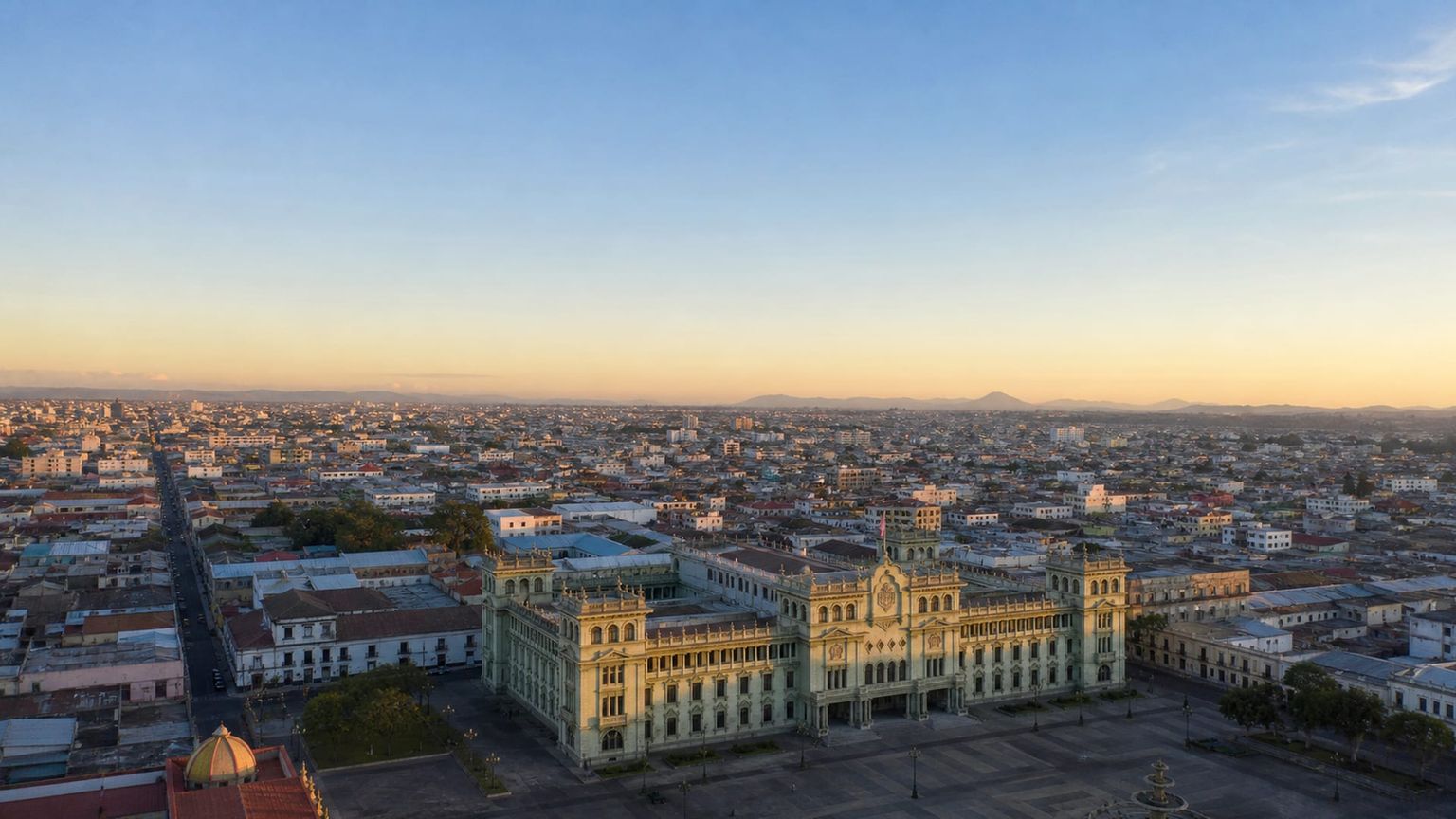
Kazanchis is east of the city center, with embassies, conference hotels, and offices along its main roads. The area suits travelers who want central access without staying in Addis Ababa’s busiest shopping districts.
Best for: Business trips, conference stays, and visitors who want central access with a quieter area than the main shopping strips
What to expect: Wide avenues, hotel towers, weekday office traffic, and a more subdued pace on side streets than in Bole or Piassa
Hotel prices: Well-rated stays cost about ETB 9,500 to ETB 25,000 ($60 to $150) per night.
Distance to major sights: About 10 to 20 minutes by taxi to the National Museum of Ethiopia, roughly 10 minutes to Meskel Square
Quietness: The area is quieter at night. Conference attendees and commuters bring heavier traffic during the day.
Main trade-off: You will still need taxis for most sightseeing, and the neighborhood has fewer walkable dinner choices than Bole.
Good to know: Hotels on main roads can be noisier in the late afternoon as office traffic increases.
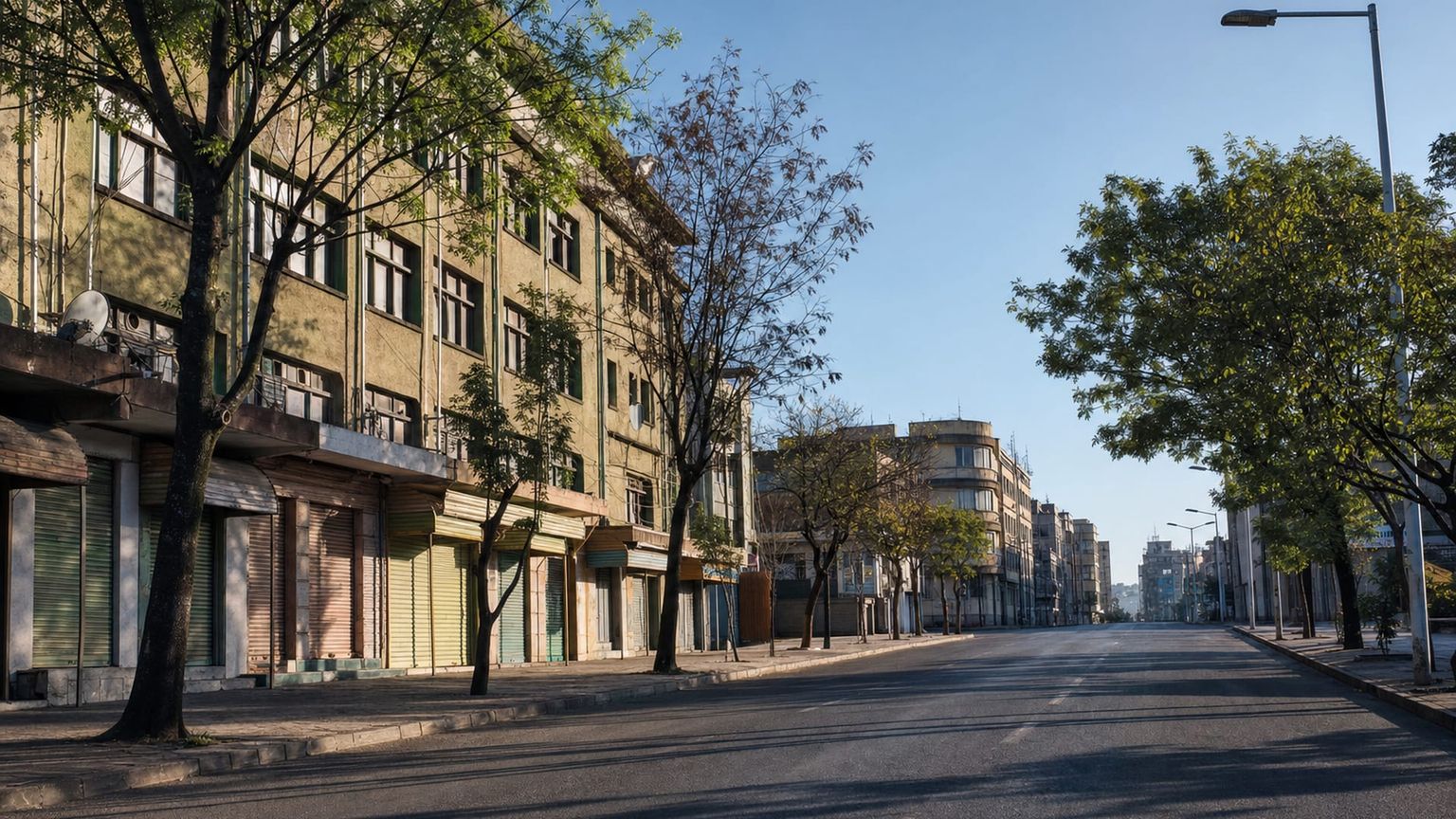
Piassa is one of Addis Ababa’s oldest central districts, with historic buildings, long-established hotels, shops, and cafes along a dense network of streets. The area gives travelers a closer look at the city’s older architecture and keeps many central sights within a short taxi ride.
Best for: Sightseeing, architecture, and travelers who want to stay near the city’s older central neighborhoods
What to expect: Crowded sidewalks, constant minibus and taxi traffic, and a mix of small shops, cafes, and local movement through the day
Hotel prices: Well-rated stays cost ETB 6,500 to ETB 17,800 ($40 to $110) per night.
Distance to major sights: About 10 to 15 minutes by taxi to the National Museum of Ethiopia, roughly 15 to 25 minutes to Meskel Square
Quietness: Lively from morning through evening, then quieter late at night once shops close and traffic eases
Main trade-off: Piassa has heavier traffic and less consistent street maintenance than newer districts. Some hotels are on narrow streets with limited parking.
Good to know: If you want to walk between meals, cafes, and some heritage streets, choose a hotel a few blocks off the main arterial roads.
The industrial sections of Bole Lemi and the Addis Ababa Industrial Zone are far from the main sights and have few hotels, restaurants, or services for visitors. Akaki, Kaliti, and the southern outskirts are also less convenient, with longer taxi rides to central districts, fewer dining options, and limited taxi availability in the evening.
Hotel deals
How to get around Addis Ababa efficiently
Visitors in Addis Ababa travel between central districts by taxi and take buses, minibuses, and the light rail for longer routes across the city.

Light rail
for longer distances
The light rail connects parts of central Addis Ababa with outer districts, but trains can be crowded and journeys slow. Trips usually take 20 to 60 minutes, depending on the route and distance. Fares cost ETB 2 to ETB 6 ($0.01 to $0.04), and passengers buy tickets at station booths before boarding.

Bus and minibus
for convenience
Addis Ababa has an extensive bus and minibus network, though routes can be difficult to follow. Services link the center with major districts and markets. Fares are from ETB 2 to ETB 50 ($0.02 to $0.30), paid in cash. Minibuses depart when full. Always confirm the destination before boarding.

Taxi
for convenience or late hours
Licensed taxis in Addis Ababa usually negotiate fares, while ride apps often show the price before booking. Short central trips cost ETB 330 to ETB 830 ($2 to $5), cross-city rides ETB 830 to ETB 1,500 ($5 to $9), and airport transfers ETB 500 to ETB 1,670 ($3 to $10). Most drivers accept cash.
*Prices are based on rates updated as of June 2026 and may change at the time of travel.
Taxis are the fastest choice for direct trips, the light rail covers certain cross-city routes but takes longer, and buses keep costs low but sacrifice speed.
Iconic landmarks
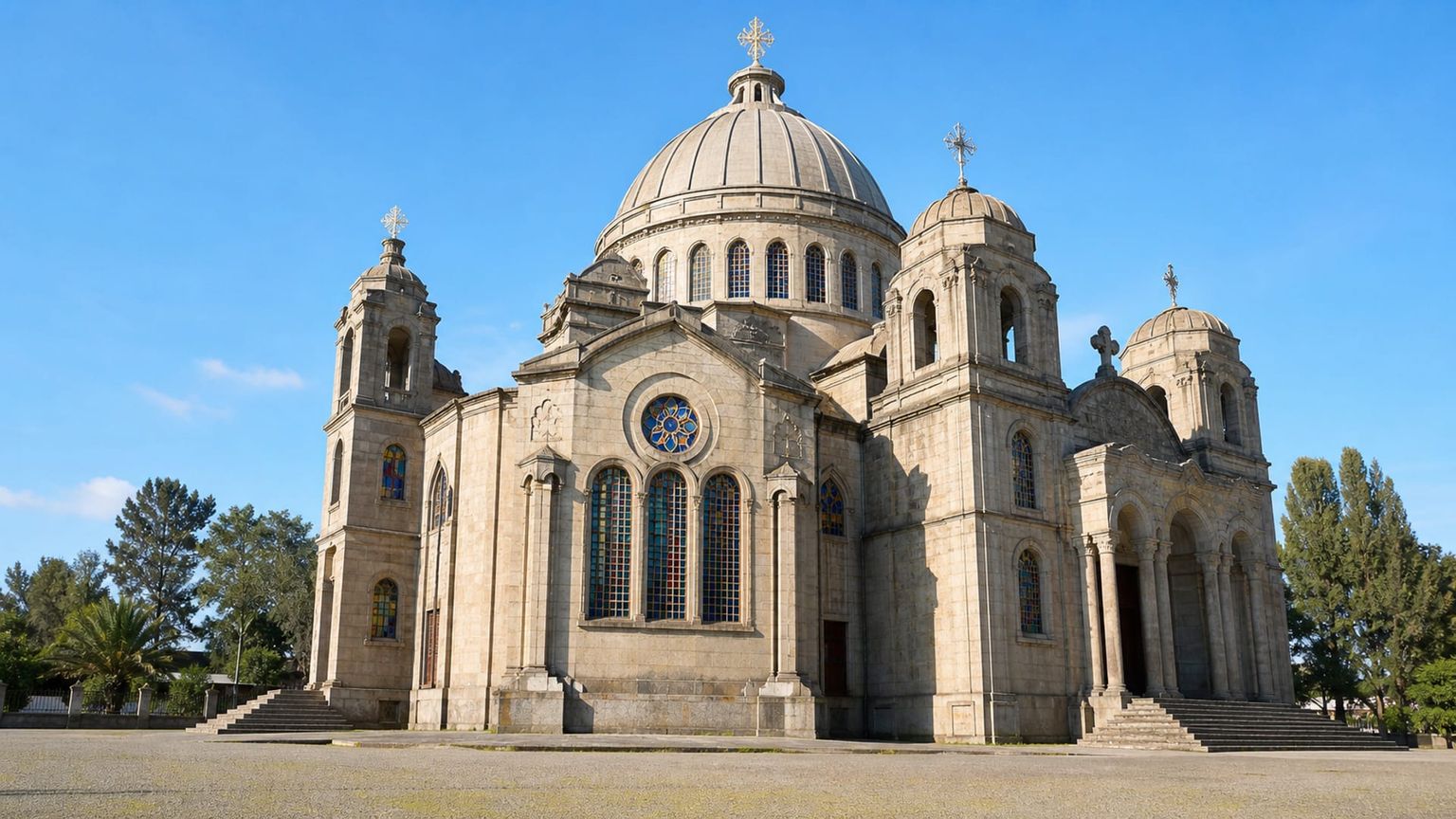
Holy Trinity Cathedral
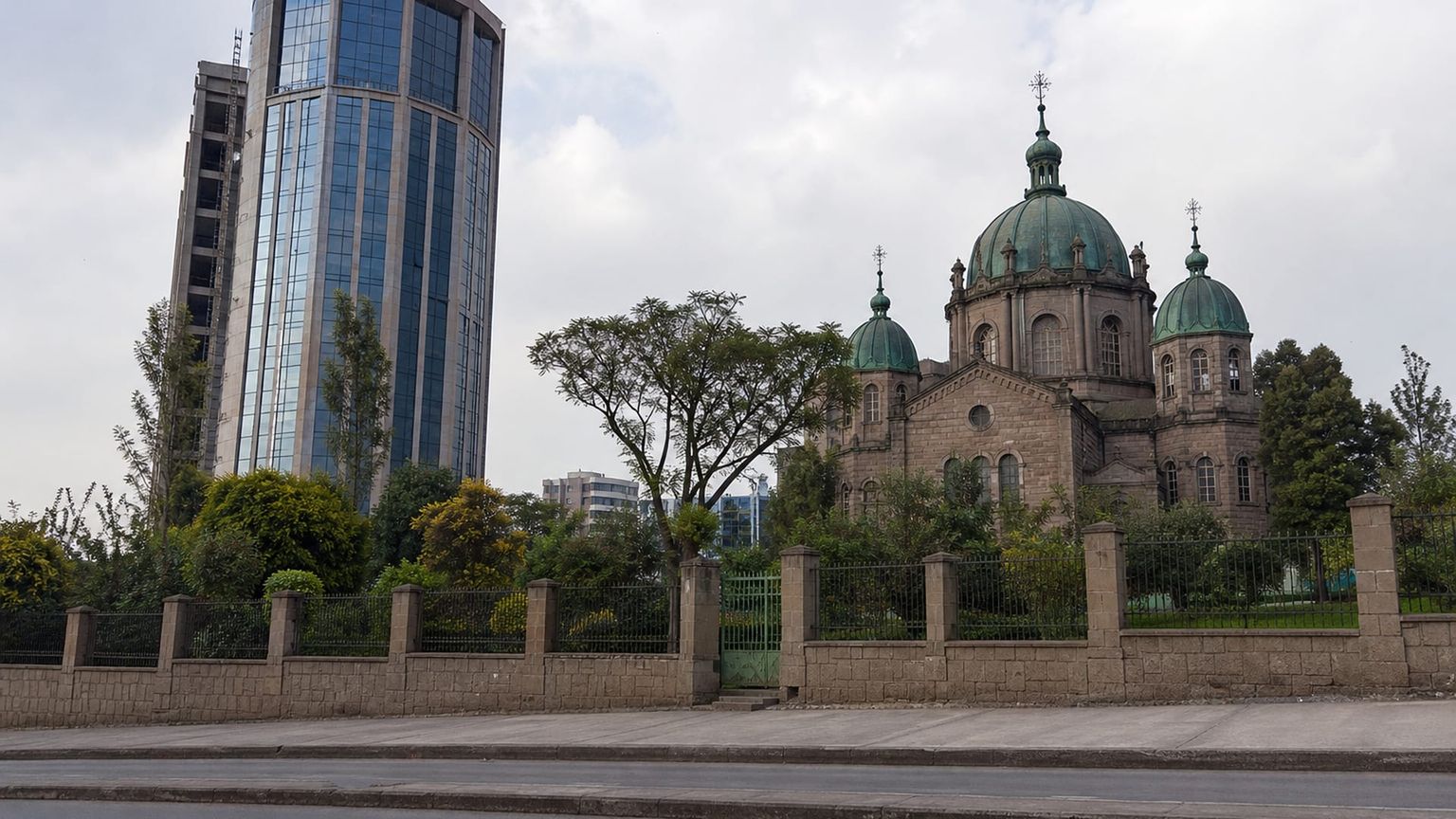
Addis Ababa’s principal Ethiopian Orthodox cathedral contains the tombs of Emperor Haile Selassie and Empress Menen. Visitors can see carved woodwork, stained glass, and a small museum dedicated to the church’s history.
Time needed: About 1 to 2 hours
Entry: The cathedral is free; the museum costs ETB 150 to ETB 400 ($1 to $2.50). Some visitors report overcharging, so confirm the price at the gate before paying.
Tip: Go in the morning for calmer crowds and better light through the stained glass.
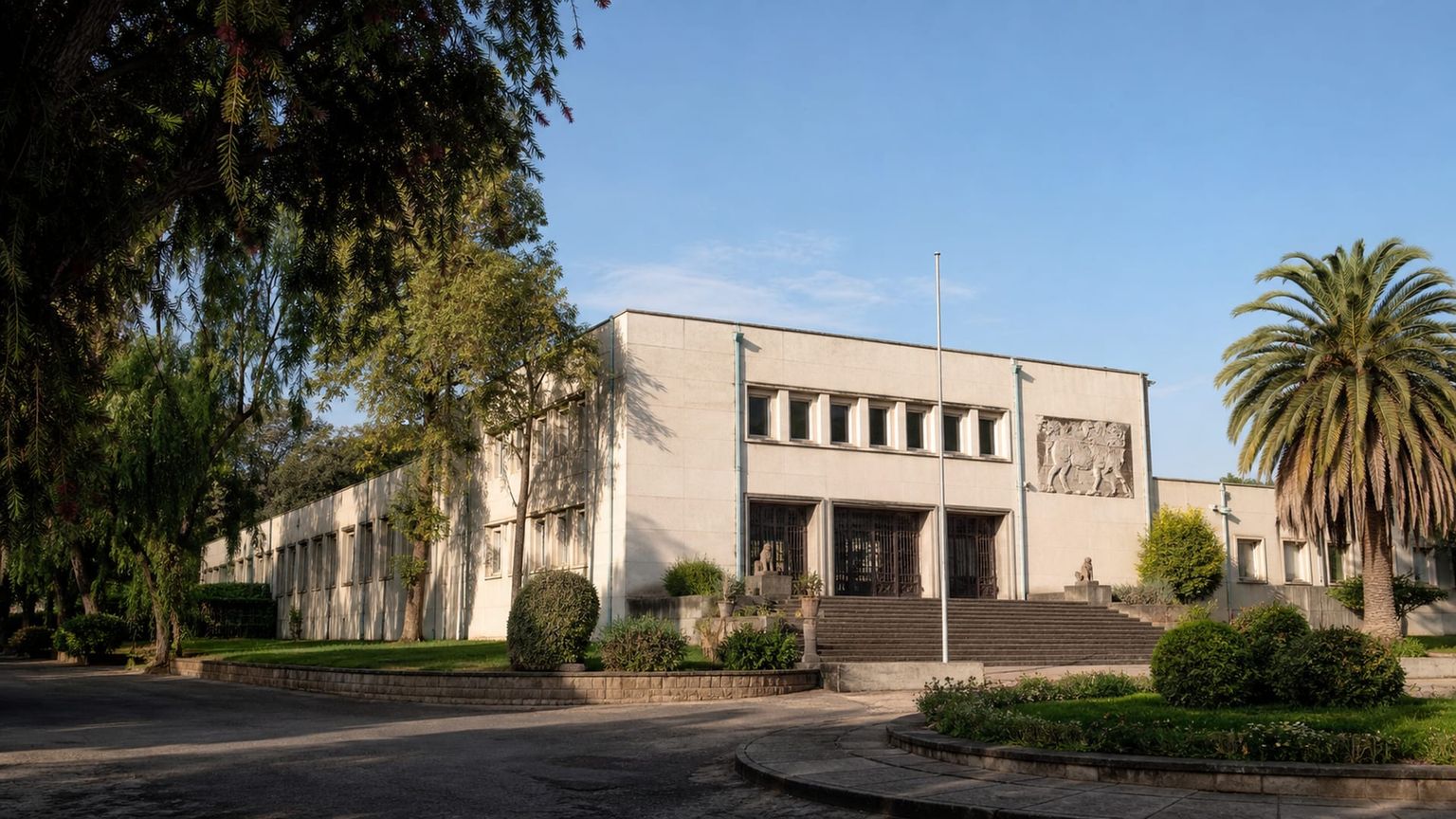
National Museum of Ethiopia
The National Museum of Ethiopia covers the country’s prehistory, royal history, and art. Its collection includes a cast of the Lucy skeleton; the original fossil remains in secure storage. The museum is on King George VI Street and is a key stop for understanding Ethiopia’s past.
Time needed: About 2 to 3 hours
Entry: Tickets cost between ETB 100 and ETB 200 ($0.65 to $1.25) for foreign visitors, with some rooms or the guide service charging extra. Visit the official site for details.
Tip: Visit earlier in the day, since gallery labels are easier to read before the rooms fill.
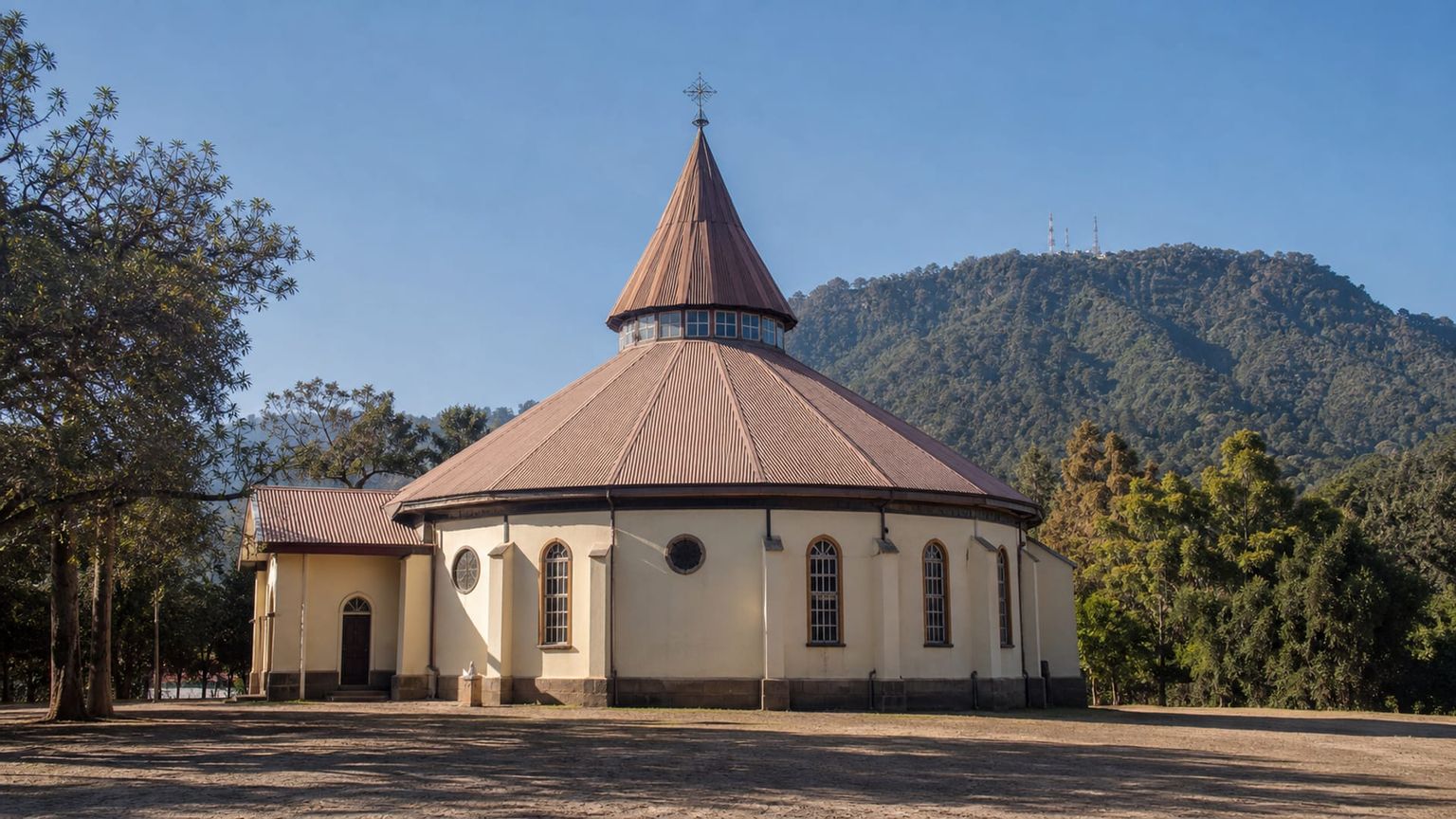
Entoto Maryam Church and Mount Entoto
Entoto Maryam Church is on a wooded ridge above Addis Ababa, near Emperor Menelik II’s former palace and several viewpoints over the city. The high-altitude setting includes eucalyptus-covered hills, church history, and broad city panoramas.
Time needed: About 2 to 3 hours
Entry: The church museum and palace grounds usually cost ETB 200 ($1.25). Some tours charge a separate park entrance fee of about ETB 1,500 ($9), so confirm what the price covers before paying.
Tip: Bring a light jacket, since the ridge is cooler and windier than the city below.
Overlooked sites worth visiting

Entoto Park
A highland park on Mount Entoto with walking paths, picnic lawns, and mountain views over Addis Ababa. The air is cooler here than in the city below, so an unhurried visit feels comfortable.
Time needed: About 2 to 3 hours
Entry: Entry is free with ID. Zip lines, horseback riding, bike rentals, attractions, and parking cost extra.
Tip: Go early for clearer views and lighter traffic at the gate.

St. George's Cathedral
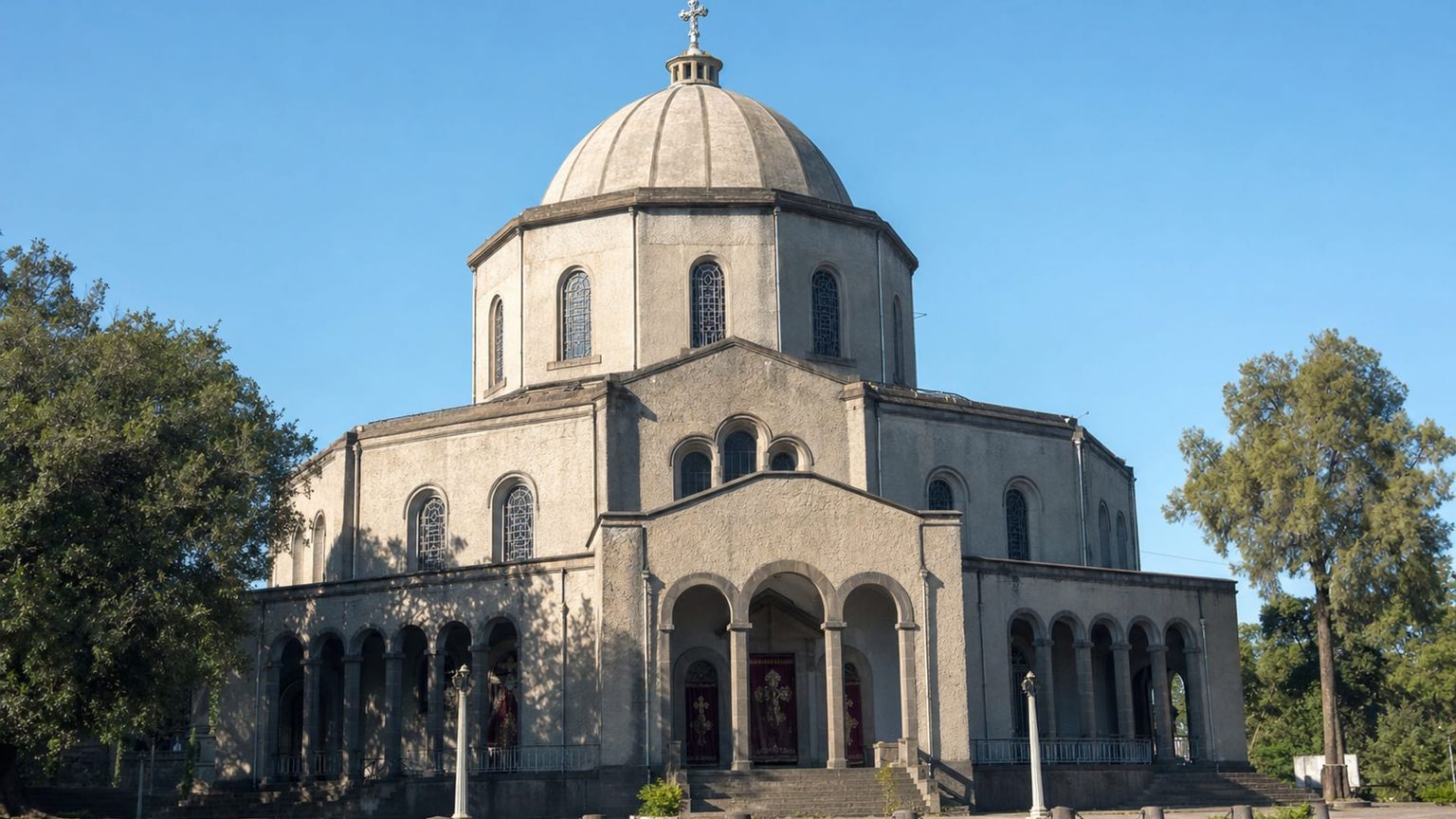
This early 20th-century church in central Addis Ababa has octagonal walls, stained glass, and a small museum with imperial artifacts. Its compact setting rewards a brief cultural stop.
Time needed: About 1 hour
Entry: Entry is ETB 100 to ETB 250 ($0.65 to $1.55). Photography may cost extra. Bring cash, as cards may not be accepted.
Tip: Visit late morning to avoid church crowds and harsh midday light.
Traditional food
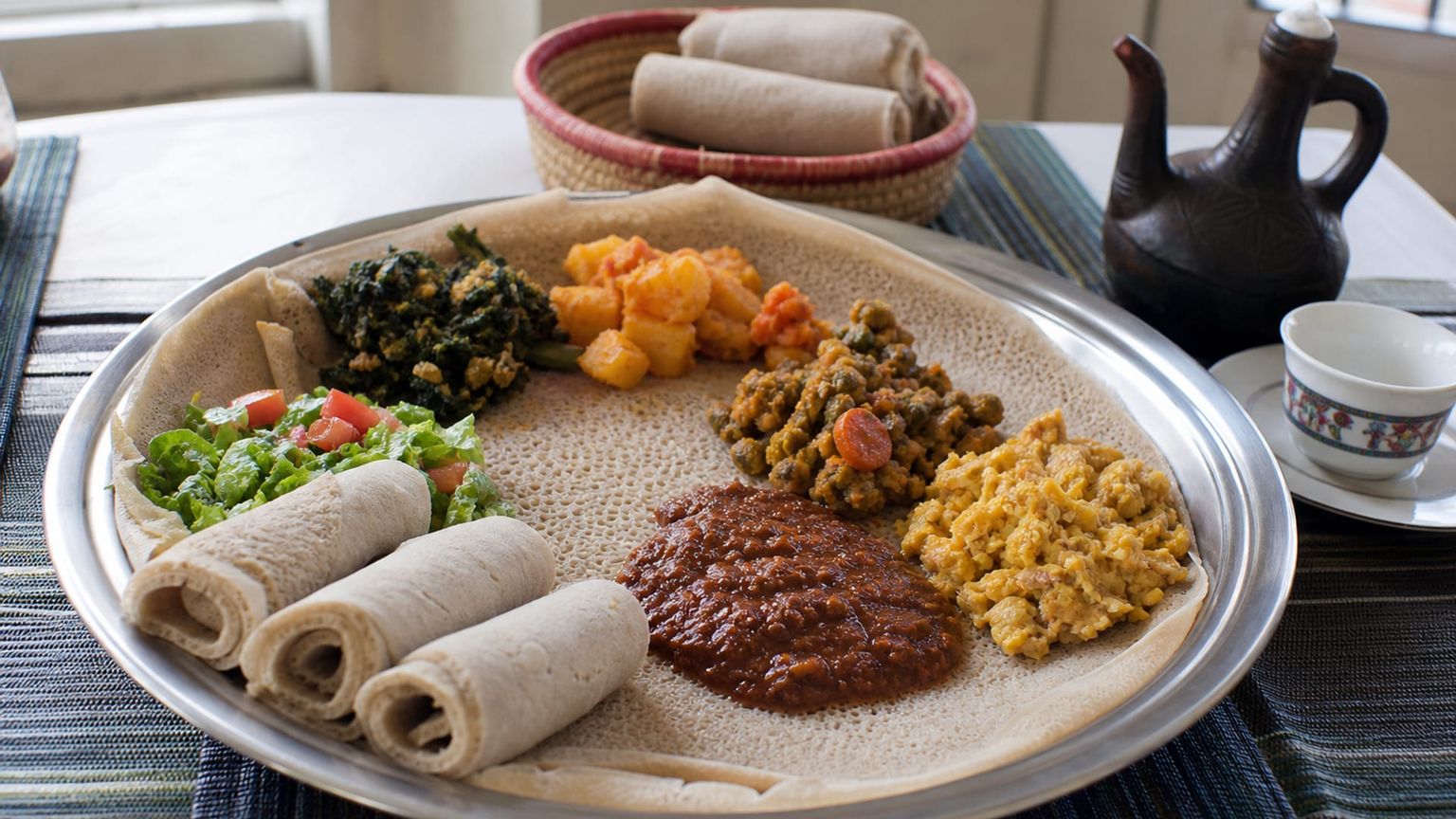
Addis Ababa’s food features injera, berbere heat, slow-cooked stews, and grilled meat. Coffee is part of daily life from breakfast through late afternoon.
Injera with doro wat
Fermented teff flatbread carries a rich chicken stew with spice and hard-boiled egg. Yod Abyssinia serves it as part of a traditional Ethiopian dining experience with live music.
Kitfo
Minced beef is seasoned with mitmita and niter kibbeh, then served warm with bread or injera. 2000 Habesha is a strong Addis Ababa pick for a version that stays close to the city’s food traditions.
Tibs
Sautéed beef or lamb comes with onions, peppers, and spiced butter for a meal that is hearty but still bright with spice. Kategna is a long-running Addis Ababa name for tibs and other classic plates.
Shiro
Shiro is a thick chickpea stew seasoned with spices and commonly served as a meat-free dish. Gize Bar and Restaurant serves it with other Ethiopian specialties in central Addis Ababa.
Best time to visit Addis Ababa
Addis Ababa’s cooler dry months make hill visits and city walking easier, while the rains can soften some outings but rarely shut the city down.
Best for: Green hills, lighter mornings, and good conditions for museum days
What you get: About 74°F to 79°F (23°C to 26°C) during the day, with moderate crowds before the main rains
Trade-offs: Afternoon rain starts later in the season.
Best for: Lower temperatures and lush views on the Entoto ridge
What you get: About 60°F to 71°F (16°C to 22°C) during the day, with fewer visitors on some weekdays
Trade-offs: Rain can slow taxi trips and limit time outdoors.
Best for: Clearer skies after the rains and comfortable sightseeing hours
What you get: About 64°F to 72°F (18°C to 22°C) during the day, with moderate crowds and good visibility
Trade-offs: Midday sun can be intense on exposed streets and hills.
Best for: Dry weather, steady sightseeing, and the easiest airport timing
What you get: About 70°F to 78°F (21°C to 26°C) during the day, with the highest visitor volume of the year
Trade-offs: Popular attractions and top hotels fill up sooner.
A realistic 5-day plan in Addis Ababa
The five-day plan starts in Bole, continues through the city center and Entoto, then covers the older downtown districts before a final morning near the airport.
Land at Addis Ababa Bole International Airport (ADD), then take a taxi or arrange a hotel pickup to Bole. The trip usually takes 10 to 15 minutes and costs ETB 500 to ETB 1,000 ($3 to $6), depending on traffic and the agreed fare. For a late arrival, a hotel near Bole Road gives you easy access to restaurants, bottled water, and a short transfer after the flight.
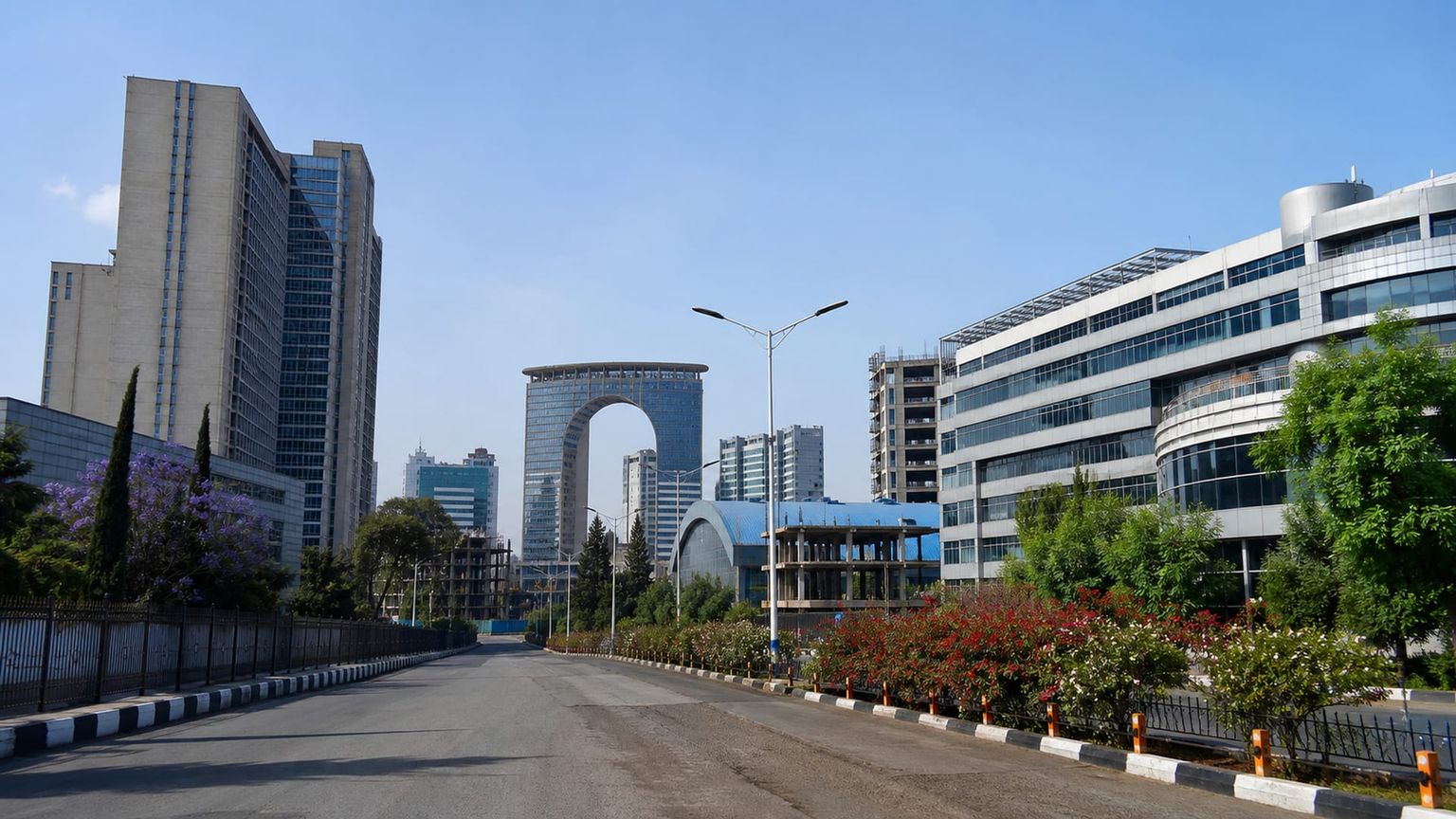
Start at the National Museum of Ethiopia, then walk about 15 to 20 minutes to Holy Trinity Cathedral for the imperial tombs and stained glass. Plan about 2 to 3 hours at the museum and 1 to 2 hours at the cathedral, with an early start making both sites calmer. Stay in Piassa or Kazanchis if you want shorter taxi rides to these central stops, then finish with dinner back in Piassa, where cafes and older streets give you an easy evening without a long return trip.
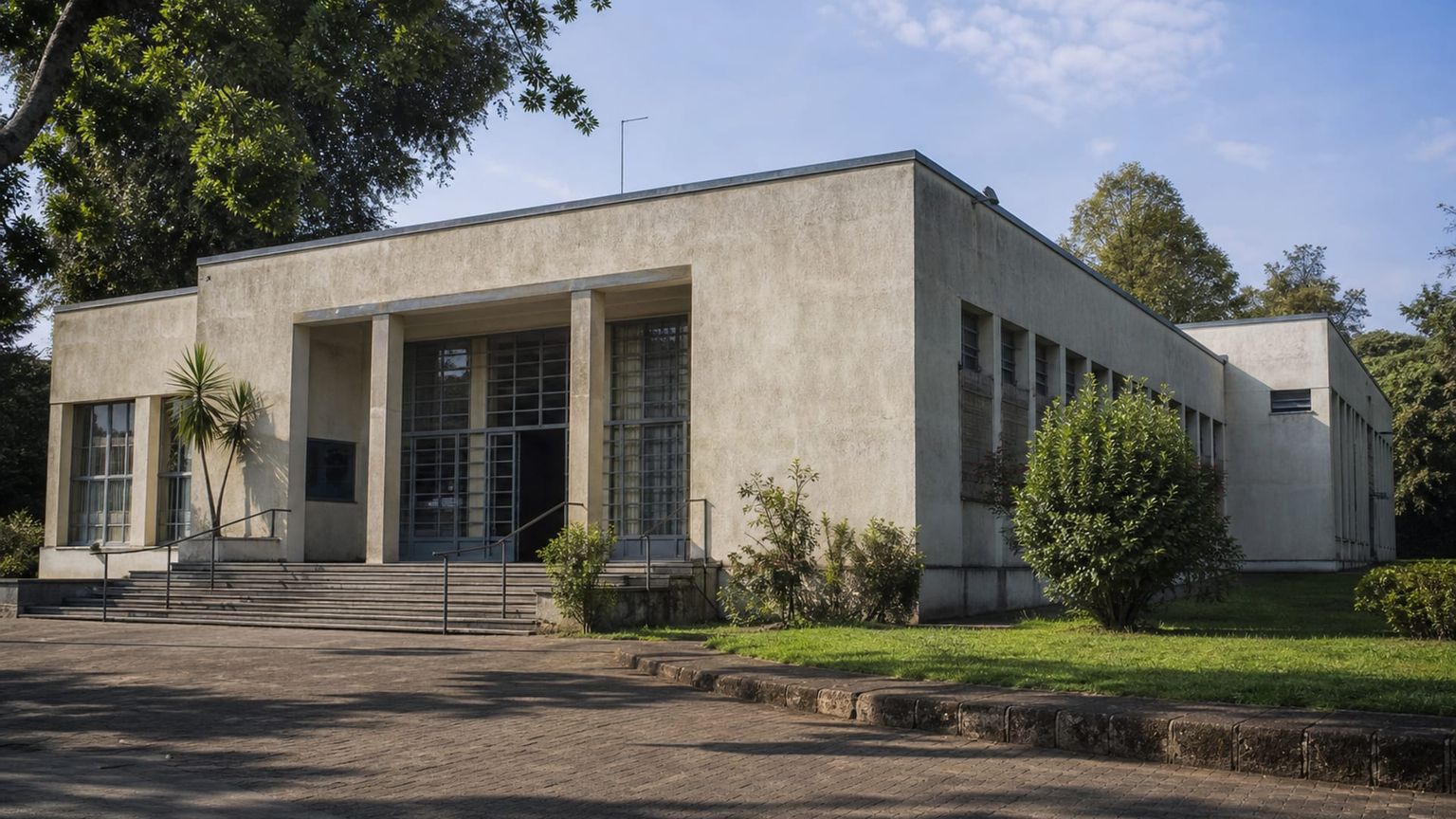
Begin on Mount Entoto, where Entoto Maryam Church and the nearby viewpoints require 2 to 3 hours. An early start avoids heavier traffic and gives you clearer views over Addis Ababa. Continue to Entoto Park for another 2 to 3 hours of walking paths, picnic lawns, and cooler mountain air. A taxi between the church area and the park takes 10 to 20 minutes, depending on the entrance. From there, return to Bole or Kazanchis for dinner.
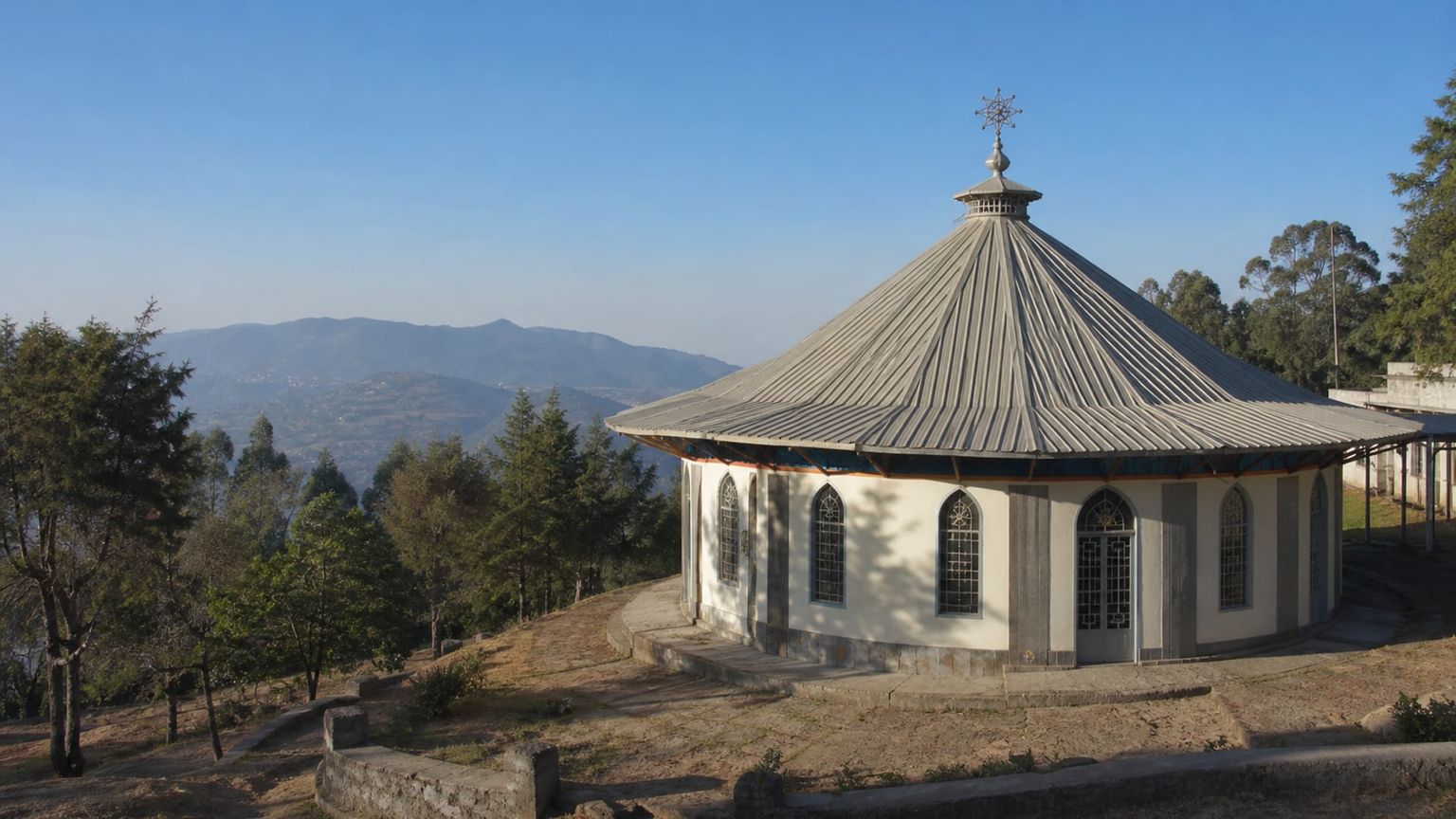
St. George’s Cathedral gives this day a compact city-center start, with about 1 hour for the church and small museum before you head onward. After that, spend the afternoon in Piassa, where old streets, cafes, and small shops are close enough for short taxi hops and occasional walking between stops, especially if you stay nearby. Expect about 10 to 15 minutes on foot from central Piassa to the cathedral area, then circle back to the neighborhood for a late lunch or coffee without crossing the city again.
For a final morning, pair one last museum stop with a relaxed shopping run in Bole, then have a coffee in Kazanchis before heading to the airport. Bole Road has the broadest choice of malls, shops, and easy lunch spots, while Kazanchis gives you a quieter cafe stop near the center if you want a short taxi ride before departure. From either district, Addis Ababa Bole International Airport (ADD) is usually about 15 to 20 minutes away by taxi.
Business-class flights from the US to Addis Ababa
Most business-class flights from the US to Addis Ababa include one stop. New York (JFK) and Los Angeles (LAX) offer different airlines, travel times, and fare ranges.
New York (JFK) to Addis Ababa (ADD)
Ethiopian Airlines, Qatar Airways, Turkish Airlines, Emirates, and Air France cover this route with one connection via Doha (DOH), Istanbul (IST), Dubai (DXB), or Paris (CDG), with total travel time of about 15 to 21 hours. Round-trip business-class fares typically cost $2,500 to $7,500, depending on carrier and season.
Los Angeles (LAX) to Addis Ababa (ADD)
Ethiopian Airlines, Qatar Airways, Turkish Airlines, Emirates, and Lufthansa serve this route through Doha (DOH), Istanbul (IST), Dubai (DXB), Frankfurt (FRA), or Washington Dulles (IAD). Total travel time is about 17 to 24 hours. Round-trip business-class fares typically start at about $2,800 and can reach $8,500, with pricing often higher in December.
A better way to experience Addis Ababa
A well-planned trip groups sights by district, starts early for the National Museum of Ethiopia or Mount Entoto, and uses taxis for longer trips between Bole, Piassa, Kazanchis, and the cathedral area. This keeps daily travel manageable and leaves time for coffee, a relaxed lunch, and a final morning near Bole Road. Once the itinerary is in place, AranGrant experts can help you find business-class flights that match your preferred dates and arrival time.







