

Chapters:

Need help with your trip?
Our support team is available 24/7. Request a callback or call us directly at (833) 619-0908
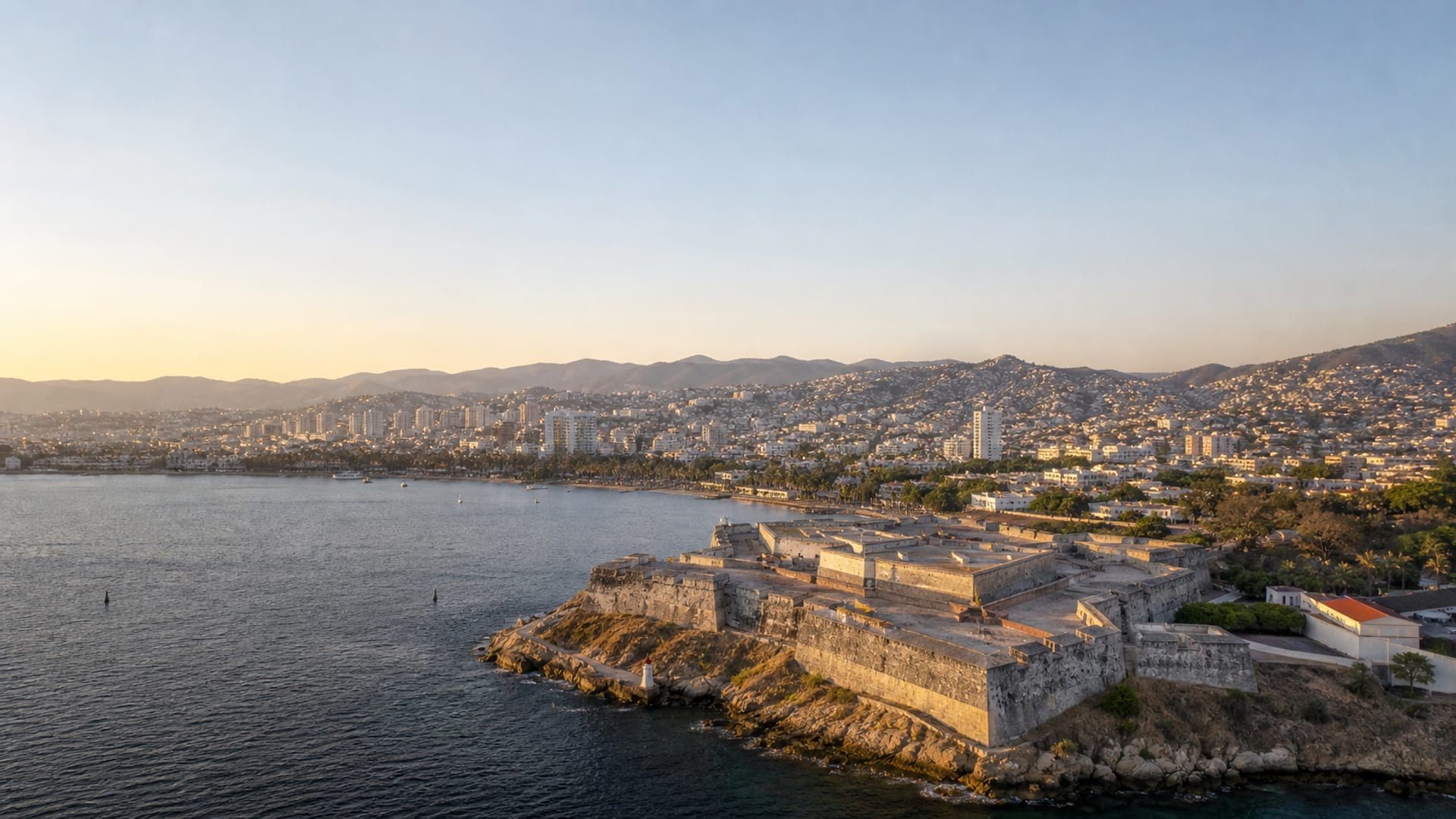
Acapulco rewards travelers who slow the trip down, then many still pack the days with beach time and one cliff-diving stop. What they often miss is how much the city opens up when you separate the bayfront from the hills and the older coves.
That matters because traffic along the Costera can stretch simple rides, and some sights sit farther apart than they first appear. A rushed plan can spend too much time crossing the city and too little time in the places that define it.
This guide lays out the trip in a clearer order, with neighborhoods, meals, and flight options arranged so each day has a specific focus.
Useful things to know

Main language(s): Spanish
Hola (OH-lah) – Hello/good morning
Por favor (por fah-VOR) – Please
Gracias (GRAH-syahs) – Thank you
¿Habla inglés? (AH-blah een-GLAYS) – Do you speak English?
¿Cuánto cuesta? (KWAHN-toh KWEHS-tah) – How much does it cost?

Currency: The local currency is the Mexican peso (MXN, $).

Cash and cards: Cards and contactless are accepted at many hotels and larger spots, but carry about MXN 400 to 800 ($23 to $46) in cash.

Tipping: Round up small bills; leave 10% in restaurants if service is good.

Traditional food: Pozole verde, pescado a la talla, ceviche acapulqueño, tacos al pastor

Water and coffee costs: Water about MXN 15 to 30 ($1 to $2), bar espresso about MXN 30 to 60 ($2 to $3).

Taxis and ride apps: Uber and DiDi operate here; confirm your pickup point in busy areas.

Plug and voltage: Type A/B socket, 127V

Dining and shop opening hours: Breakfast is about 07:00-10:00, lunch 14:00-16:00, and dinner 20:00-23:00. Many kitchens close in the afternoon between lunch and dinner.

Emergency number: 911 for police, fire, and medical emergencies.
Where to stay in Acapulco
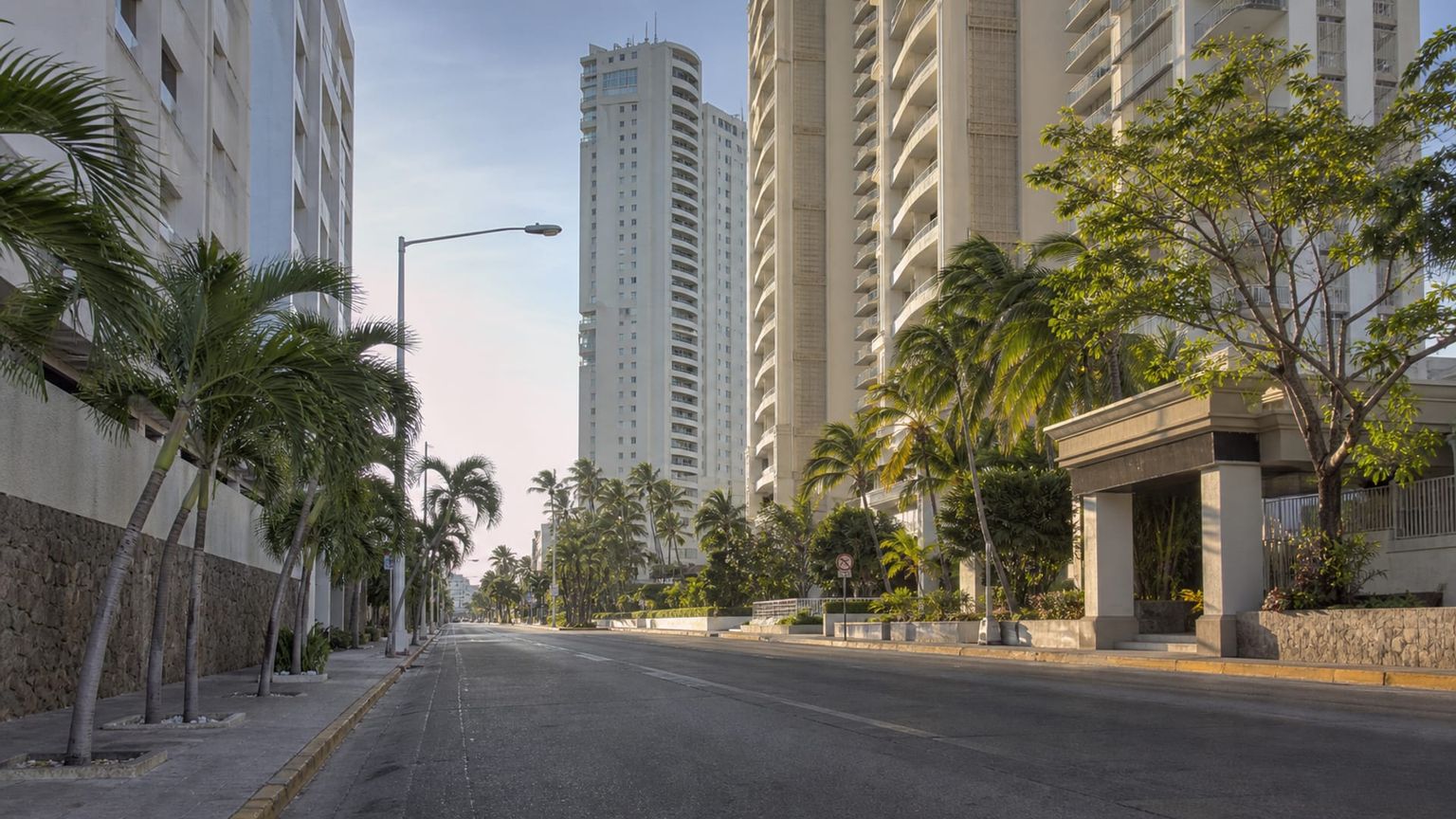
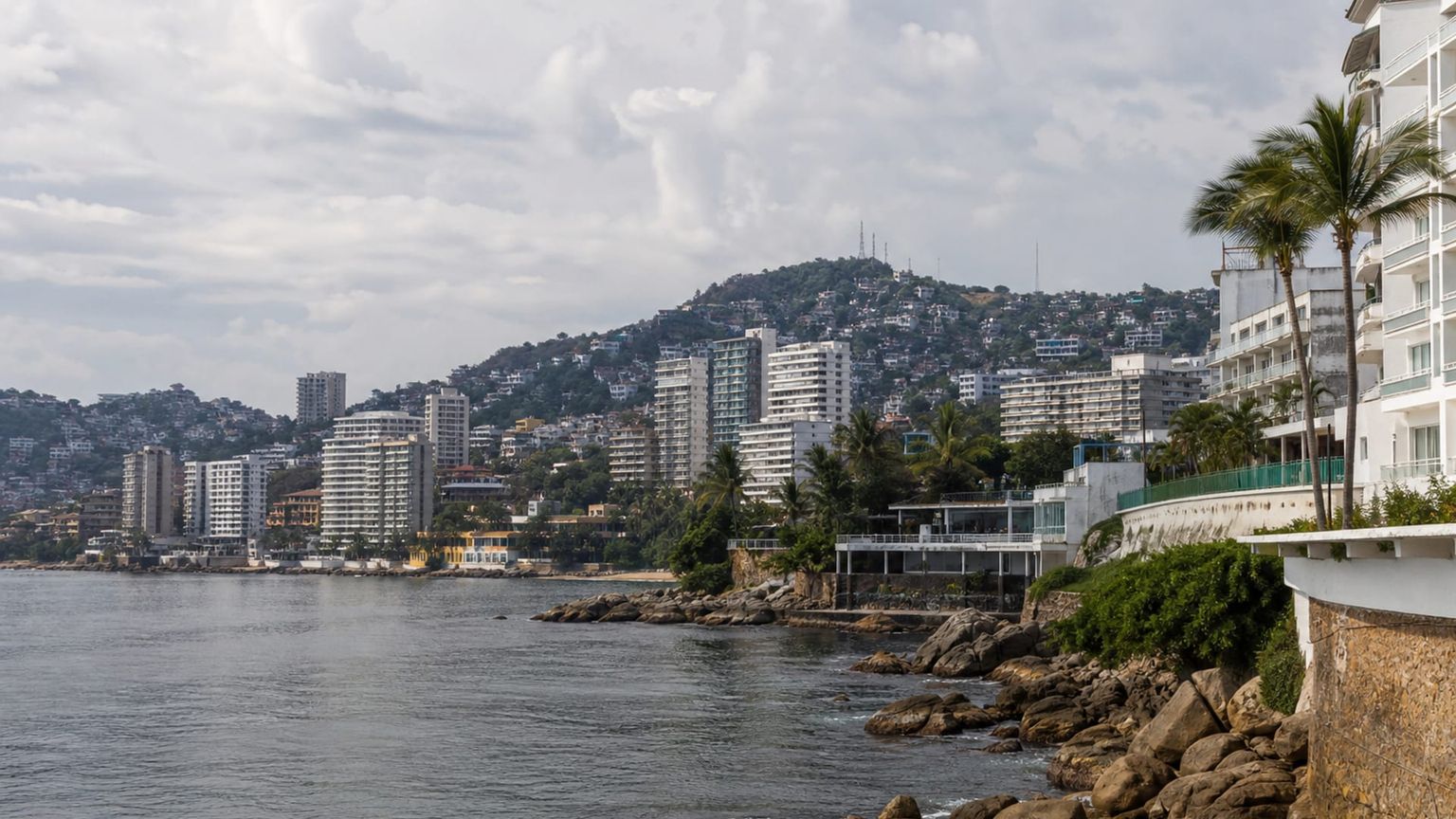
Acapulco’s main hotel strip lines the bay with high-rise resorts, beach clubs, and many of the city’s best-known restaurants. It suits travelers who want easy beach time and a dense cluster of dining, nightlife, and tour pick-ups.
Best for: Beach days, nightlife, and travelers who want a hotel-heavy base
What to expect: Busy sidewalks, frequent traffic, and a constant flow of visitors near the beach and main avenues.
Hotel prices: Usually about $90 to $220 per night for well-rated stays
Distance to major sights: About 15 to 25 minutes by car to La Quebrada and the Historic Fort of San Diego
Quietness: Lively in the day and often noisy into the evening along the main avenues and beach clubs.
Main trade-off: You pay more for sea views and central convenience, and the busiest blocks can feel crowded at peak season.
Good to know: Choose a room away from the main avenue if you want better sleep, since late music and traffic are common near the beach.
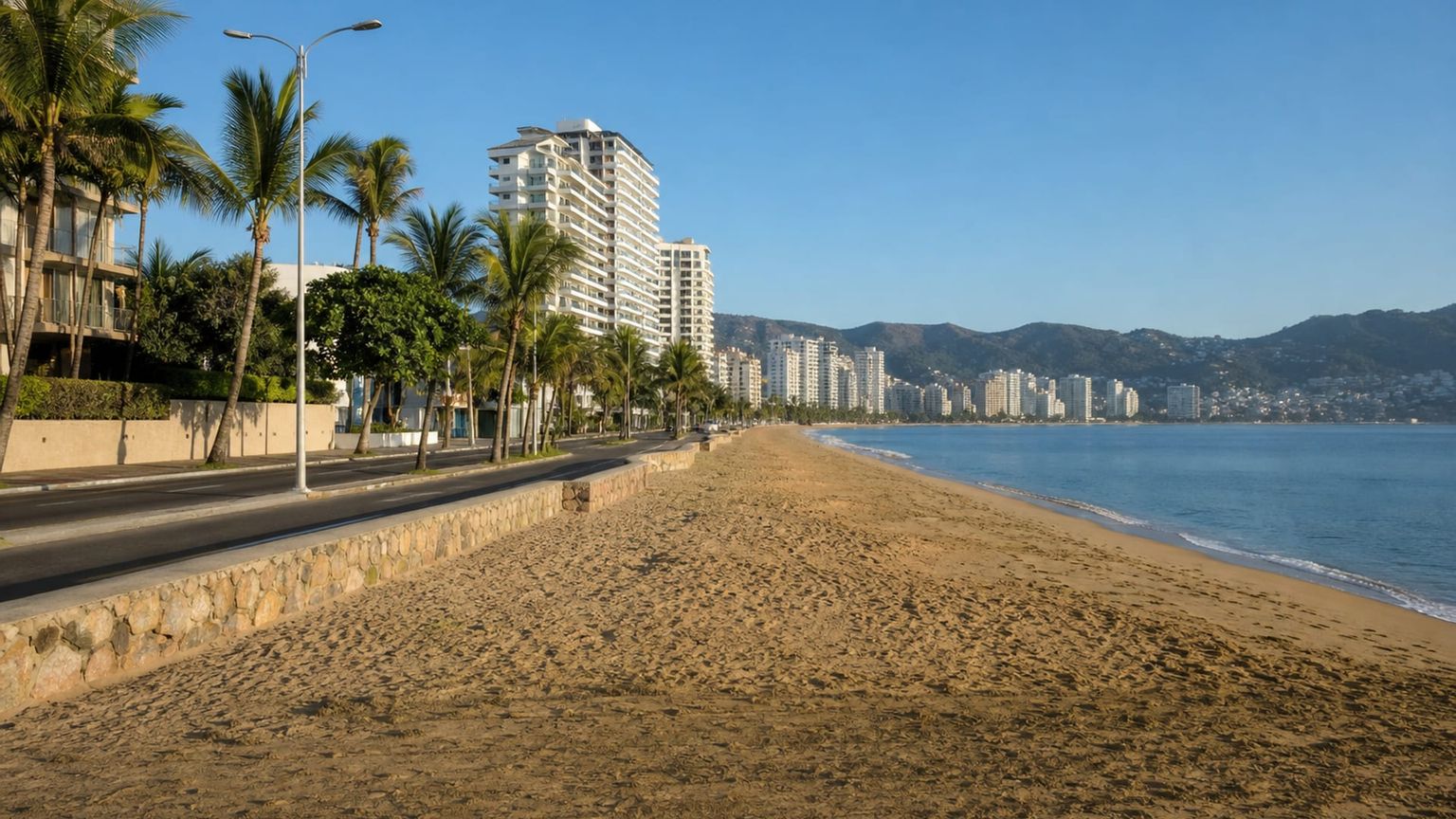
Las Playas sits just west of the core bayfront and gives you close access to cliff divers, older hotels, and a more local residential grid. It matters if you want to stay near La Quebrada and still reach the historic center quickly.
Best for: La Quebrada visits, a quieter beach base, and travelers who do not need to stay in the busiest hotel strip
What to expect: Residential streets, smaller hotels, and steady daytime movement near the cliff-diving area.
Hotel prices: Usually about $55 to $140 per night for well-rated stays
Distance to major sights: About 5 to 15 minutes on foot to La Quebrada, roughly 20 minutes by car to the Historic Fort of San Diego
Quietness: Calmer by day than Zona Dorada, then quieter at night once the visitor flow thins out.
Main trade-off: You get more direct access to the cliff area, but restaurant choice is narrower and some streets are steeper.
Good to know: If you plan early mornings or late returns, check street access carefully, because some blocks sit on hills and taxis are easier than walking.
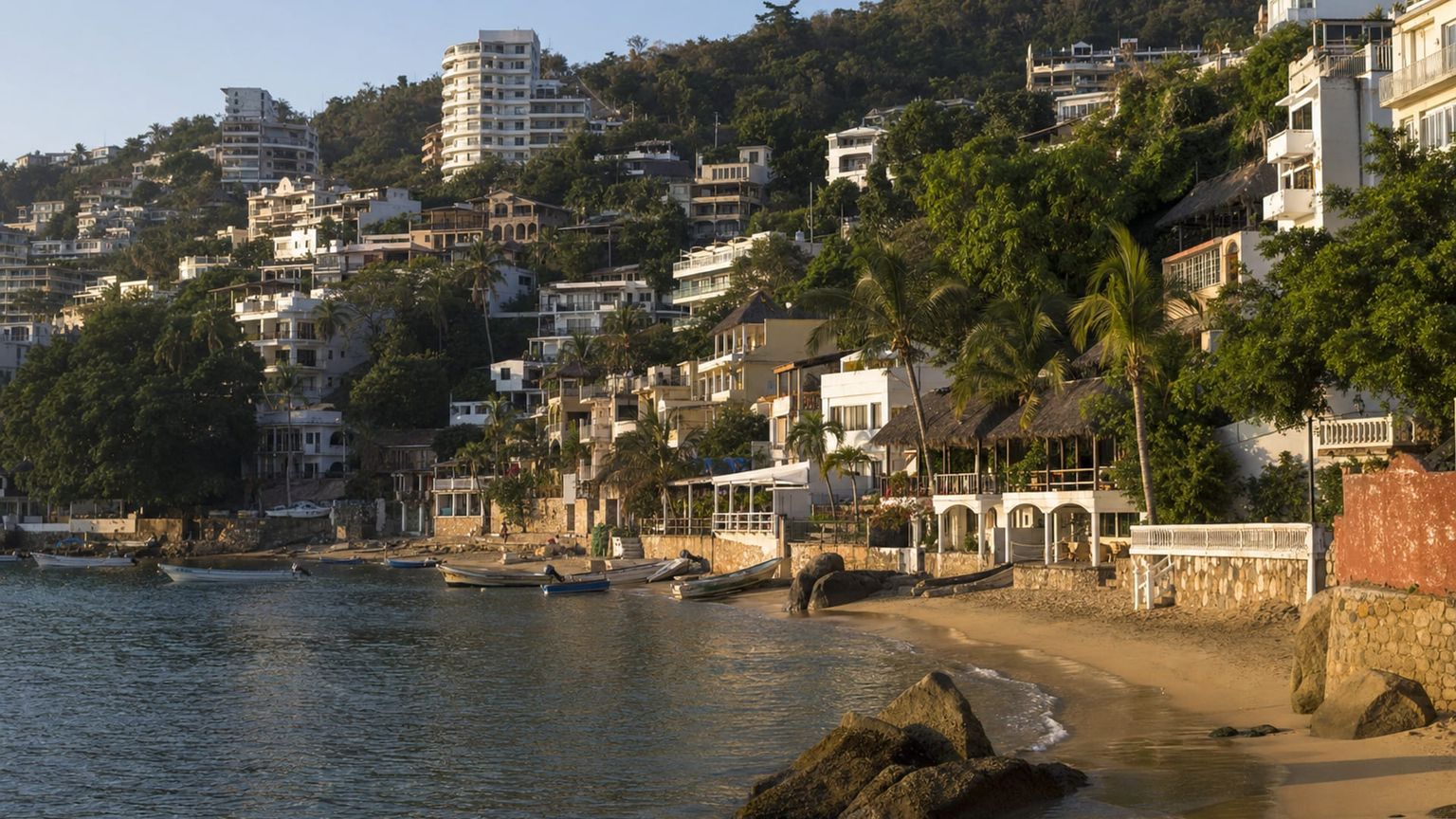
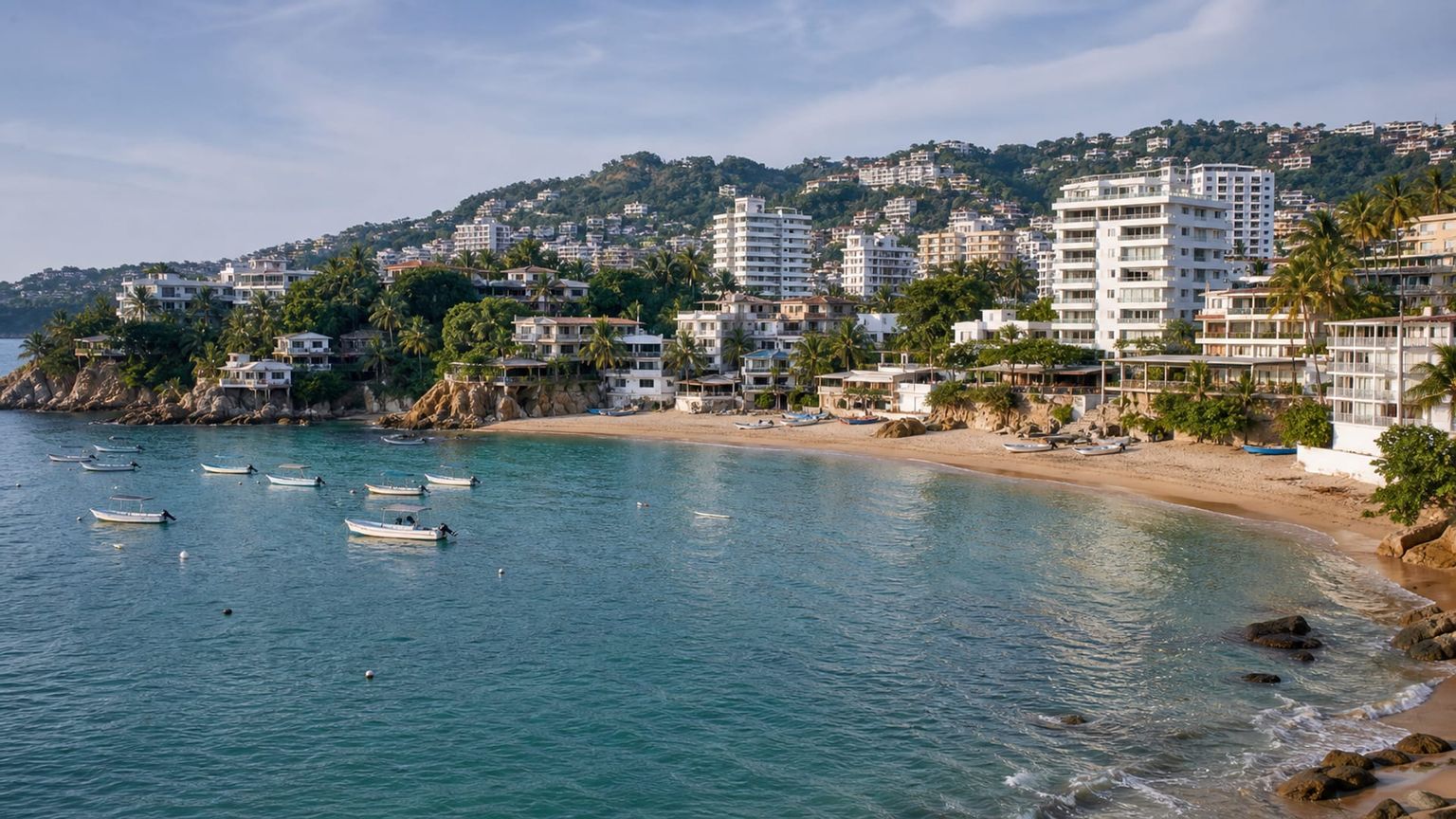
Caleta and Caletilla sit on a sheltered crescent of water west of the bay and are known for family beaches and boat departures. They matter for travelers who want calmer swimming and simple access to island trips and the old fort area.
Best for: Families, beach time, and travelers planning boat trips or visits to the historic center
What to expect: Beachfront activity in the daytime, vendors on the sand, and a more relaxed pace after sunset.
Hotel prices: Usually about $45 to $120 per night for well-rated stays
Distance to major sights: About 10 minutes on foot to Isla de La Roqueta boat departures, roughly 15 minutes by car to the Historic Fort of San Diego
Quietness: Lively on the beach during the day and noticeably quieter in the evening.
Main trade-off: The area is smaller and less varied at night, so you may need to head elsewhere for a wider restaurant scene.
Good to know: Boat schedules and beach conditions matter here, so check both before booking if you want to split your time between the sand and excursions.
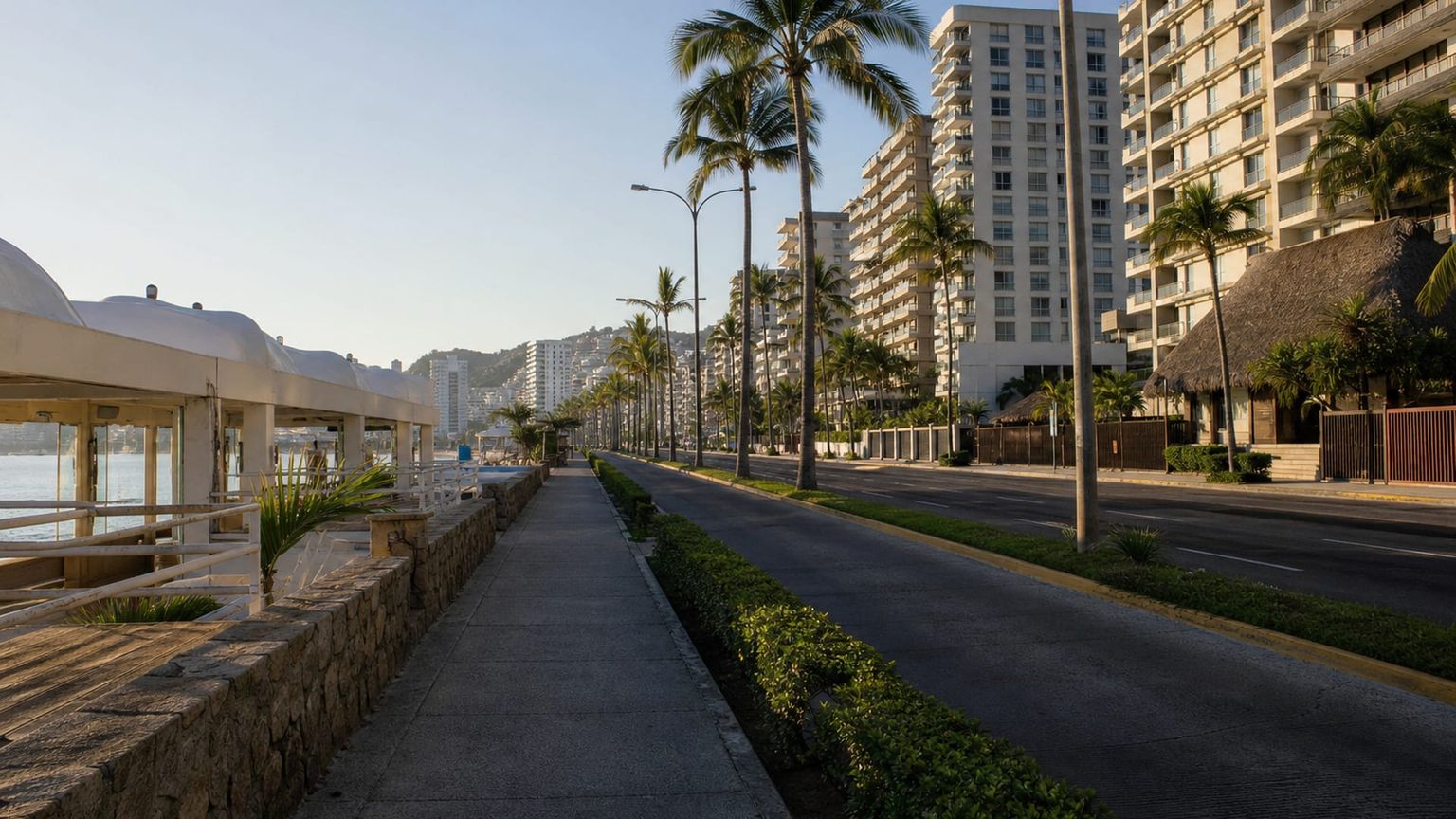
Costera Miguel Alemán is the city’s main waterfront artery, lined with hotels, restaurants, and easy taxi access along the bay. It works well if you want the broadest choice of places to stay without leaving the main tourist corridor.
Best for: Visitors who want wide hotel choice, waterfront access, and simple access to the main bayfront sights
What to expect: Heavy traffic, active sidewalks, and a long stretch of hotels and restaurants that stay busy most of the day.
Hotel prices: Usually about $80 to $200 per night for well-rated stays
Distance to major sights: About 10 to 20 minutes by car to La Quebrada and the Historic Fort of San Diego
Quietness: Very active by day and noisy in parts of the evening because of traffic, bars, and late diners.
Main trade-off: The location is central, but crossing the avenue on foot can be inconvenient and the loudest blocks sit close to nightlife.
Good to know: If you want a bayfront stay but dislike elevator waits and crowded lobbies, book well ahead in high season because the best-located rooms sell fast.
Travelers usually avoid staying in Llano Largo, the city sits well inland from Acapulco Bay and most beach, dining, and nightlife areas. Pie de la Cuesta is also less convenient for a first stay, it is north of the main resort strip with limited visitor amenities and a longer trip to the bay. El Coloso and Renacimiento are farther from the main hotel zone and historic center, so evening transit takes longer and nearby lodging options are thinner.
Hotel deals
How to get around Acapulco efficiently
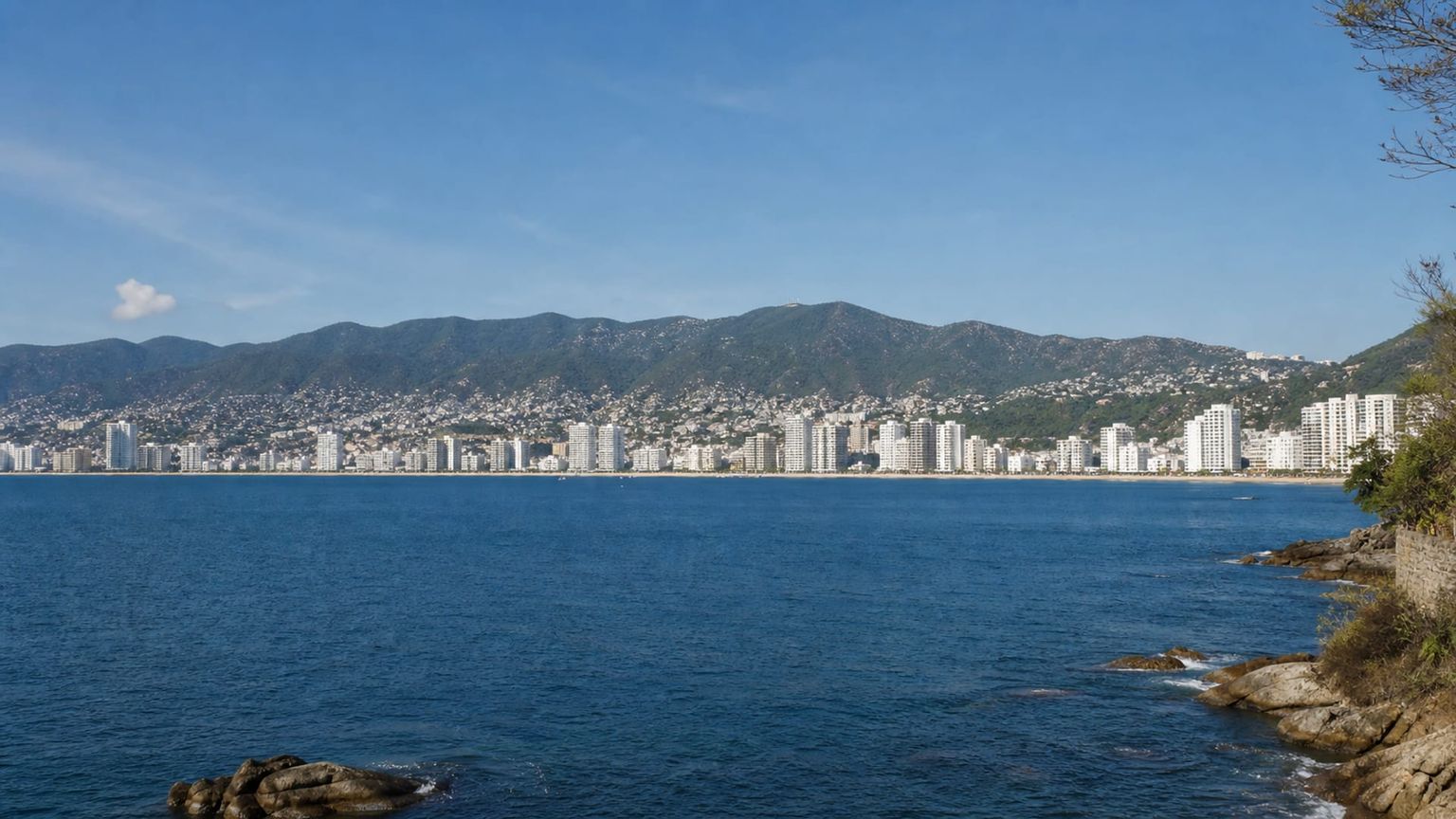
Acapulco relies on buses, colectivos, taxis, and ride apps rather than rail, so most days work best when you pair walking with short road transfers between the bay, the hills, and the older coves.

Metro
for longer distances
Acapulco has no metro system. The closest equivalent is the city’s bus and shared-van network, which links the airport area, Costera Miguel Alemán, the hotel zone, and central neighborhoods; most trips from the airport to the bay take roughly 40 to 60 minutes, depending on traffic.

Bus and tram
for convenience
Buses and colectivos do the heavy lifting in Acapulco, with frequent minibuses along Costera Miguel Alemán and routes toward downtown, Zona Diamante, and nearby beaches. Fares are usually about $0.50 to $1.00, paid in cash when you board, and rides are best for short hops because stops are informal and travel time can stretch in peak traffic.

Taxi
for convenience or late hours
Licensed taxis in Acapulco usually run on set fares rather than meters, so agree on the price before you leave. Airport taxis to the hotel zone or bay commonly cost about $20 to $35, while shorter city rides often fall near $4 to $12; most drivers take cash, and some hotel or airport stands can arrange fixed-price transfers.
*Prices are based on rates updated as of June 2026 and may change at the time of travel.
Use buses and colectivos for short, low-cost hops, taxis for cross-city rides and hills, and ride apps when you want a clearer pickup point in busier parts of town.
Iconic landmarks
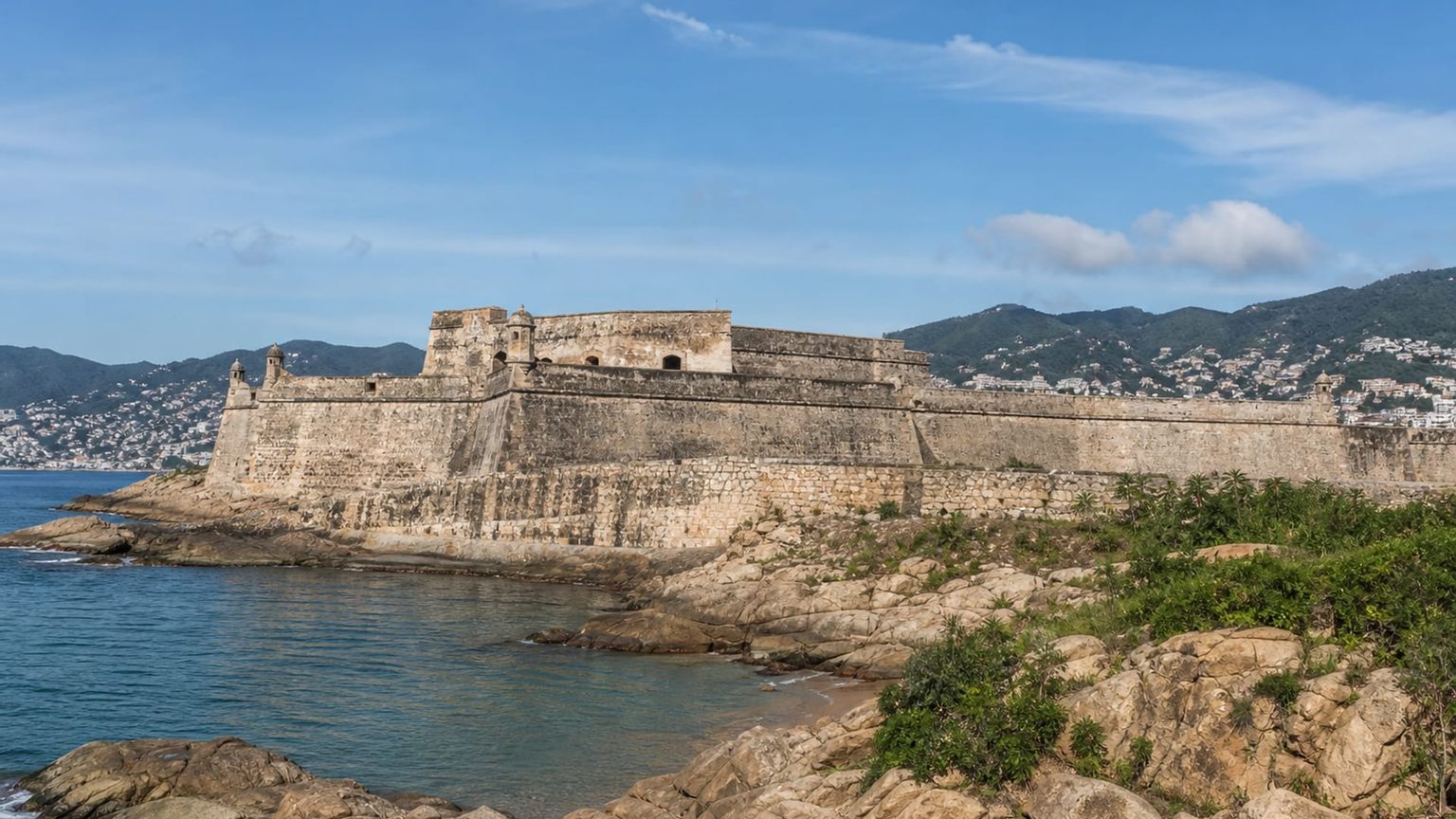
Fort San Diego
This 17th-century star fort guards Acapulco Bay and now houses the Acapulco Historical Museum. Its pentagonal layout, cannons, and coastal views explain how the port defended itself against pirates and foreign fleets.
Time needed: About 1 to 2 hours
Entry: Adult admission is about $4 ($70 MXN), with reduced rates for students, teachers, and children on select days. Visit the official site for details.
Tip: Go late afternoon for softer light over the bay and cooler rampart walks.
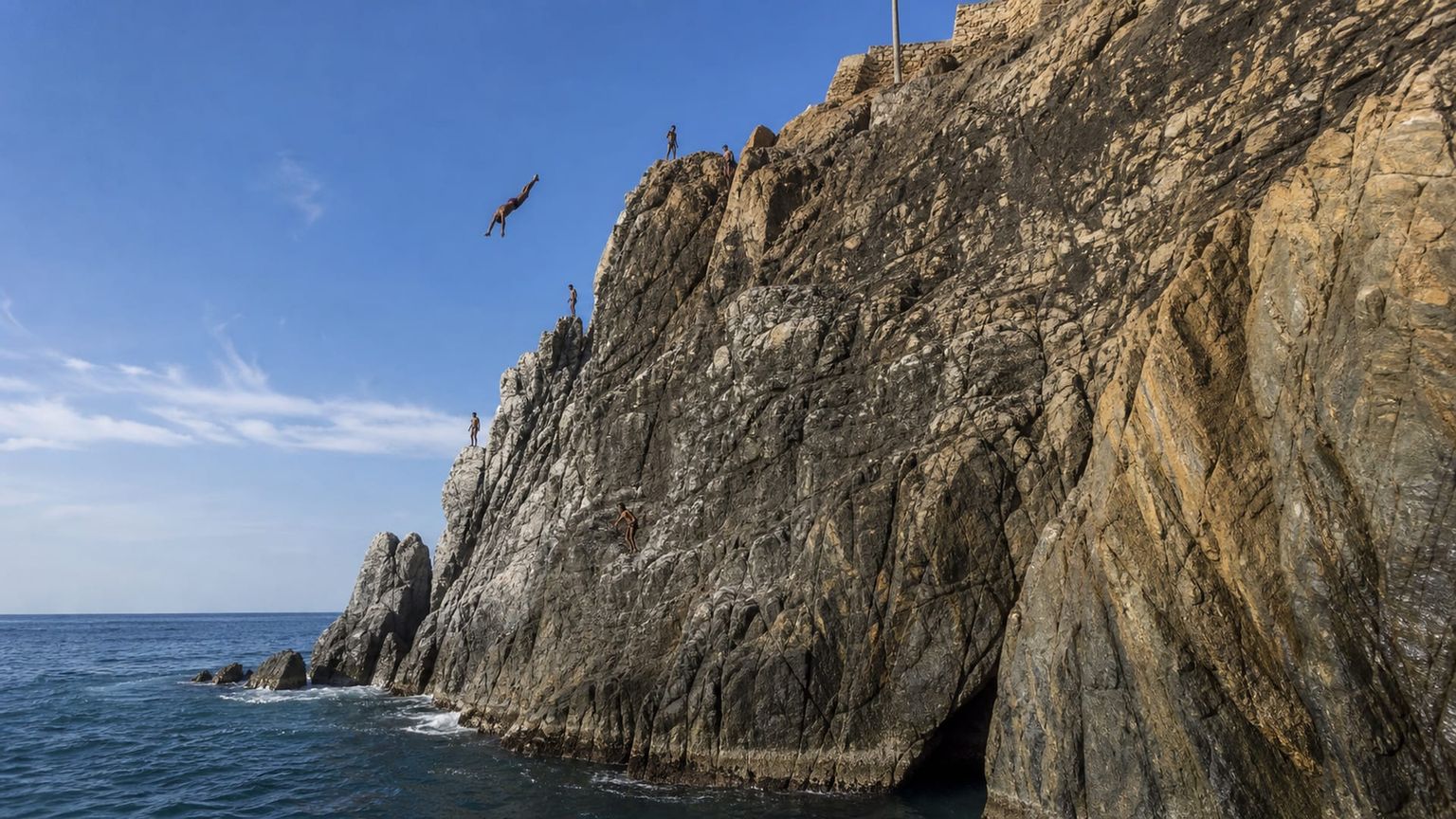
La Quebrada Cliff Divers
At La Quebrada, local divers plunge from narrow rock ledges into the Pacific in timed shows tied to the tide. The lookout above the cove gives clear sightlines to one of Acapulco’s best-known performances.
Time needed: About 45 minutes to 1 hour
Entry: Viewing from the public lookout is free; terrace seats and restaurant tables cost about $7 to $25 ($120 to $430 MXN) depending on the show.
Tip: Arrive before sunset, when the show is easiest to watch and photographs work best.
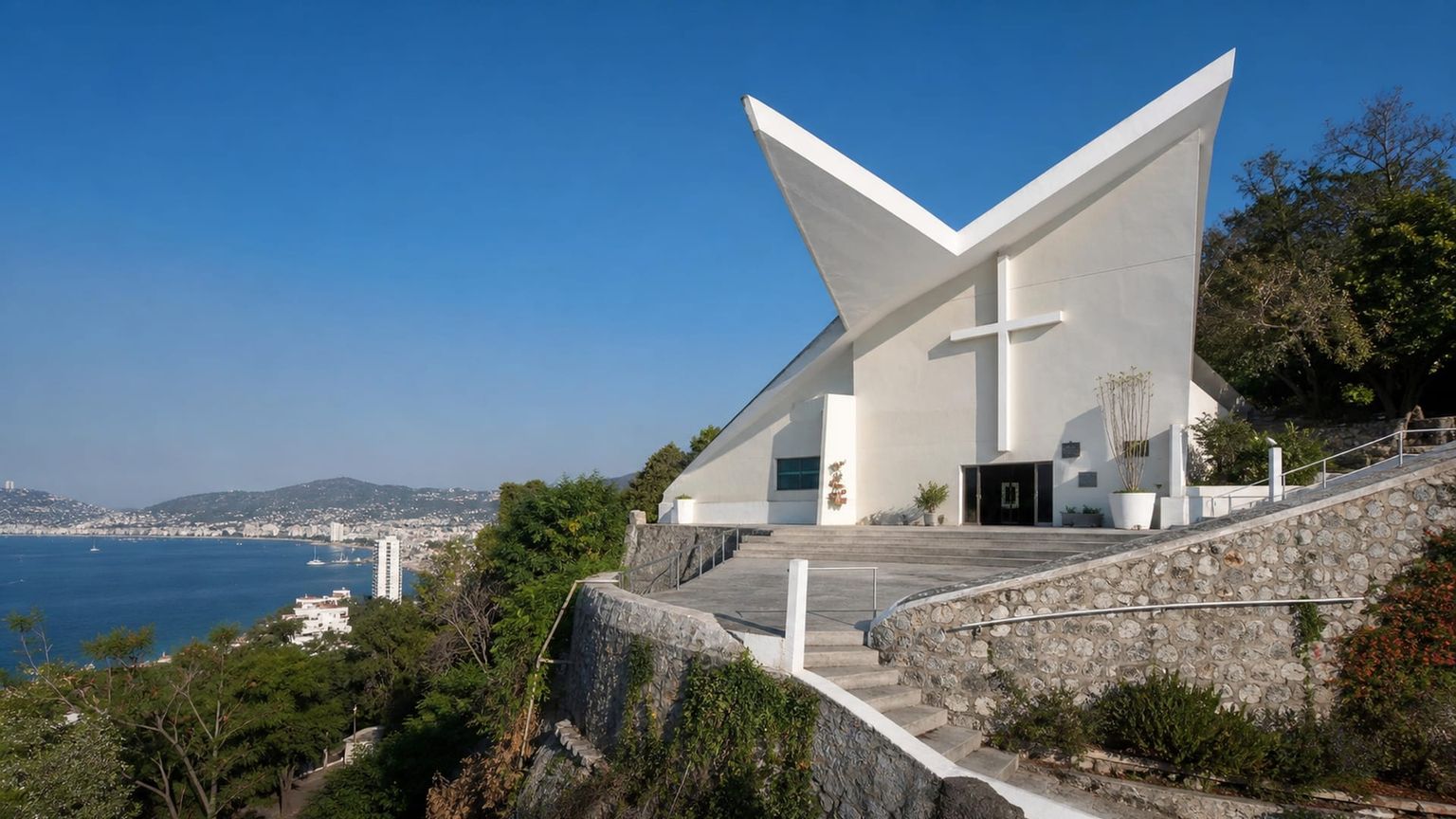
Chapel of Peace
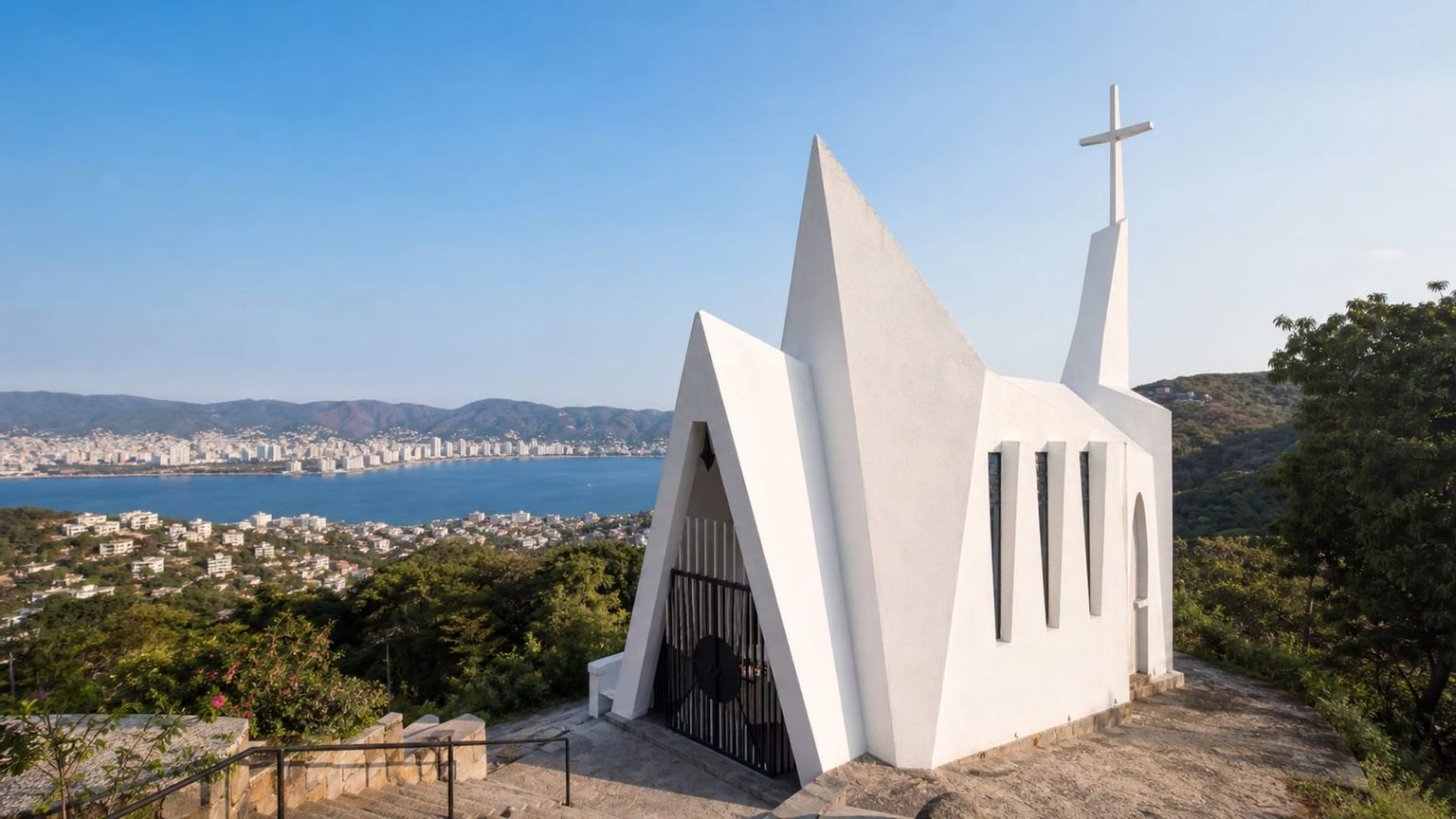
Set high above the bay, the Chapel of Peace is a modern hilltop landmark with a tall white cross and landscaped grounds. The site also includes a bronze sculpture of the hands of peace and broad views across Acapulco.
Time needed: About 45 minutes to 1 hour
Entry: Grounds access is free; guided interior visits are limited and may require a small donation on select days. Visit the official site for details.
Tip: Visit in the morning for clearer bay views and cooler air on the hill.
Overlooked sites worth visiting

La Quebrada Cliff Divers
Cliff divers leap from a 120-foot ledge into a narrow cove below, timed to the waves. Viewing platforms and the small museum nearby make this Acapulco stop compact but memorable.
Time needed: About 45 minutes to 1 hour
Entry: Viewing from public areas is free; museum access and seated show tickets vary by schedule, with premium seats often costing about $8 to $25 ($140 to $440 MXN) depending on the dive time and vantage point.
Tip: Arrive before sunset for the best light on the cove.

Museo Histórico de Acapulco, Fuerte de San Diego
This star-shaped fort holds a concise museum on Acapulco’s port history, trade, and coastal defense. Its courtyards, cannons, and harbor views make an easy stop between downtown sights.
Time needed: About 1 to 2 hours
Entry: Admission is usually about $3 to $5 ($50 to $90 MXN) for adults, with lower rates for students and seniors. Tickets are sold at the entrance, and hours can change on holidays, so check the museum schedule before you go.
Tip: Go late morning to pair the exhibits with clear harbor views.
Traditional food
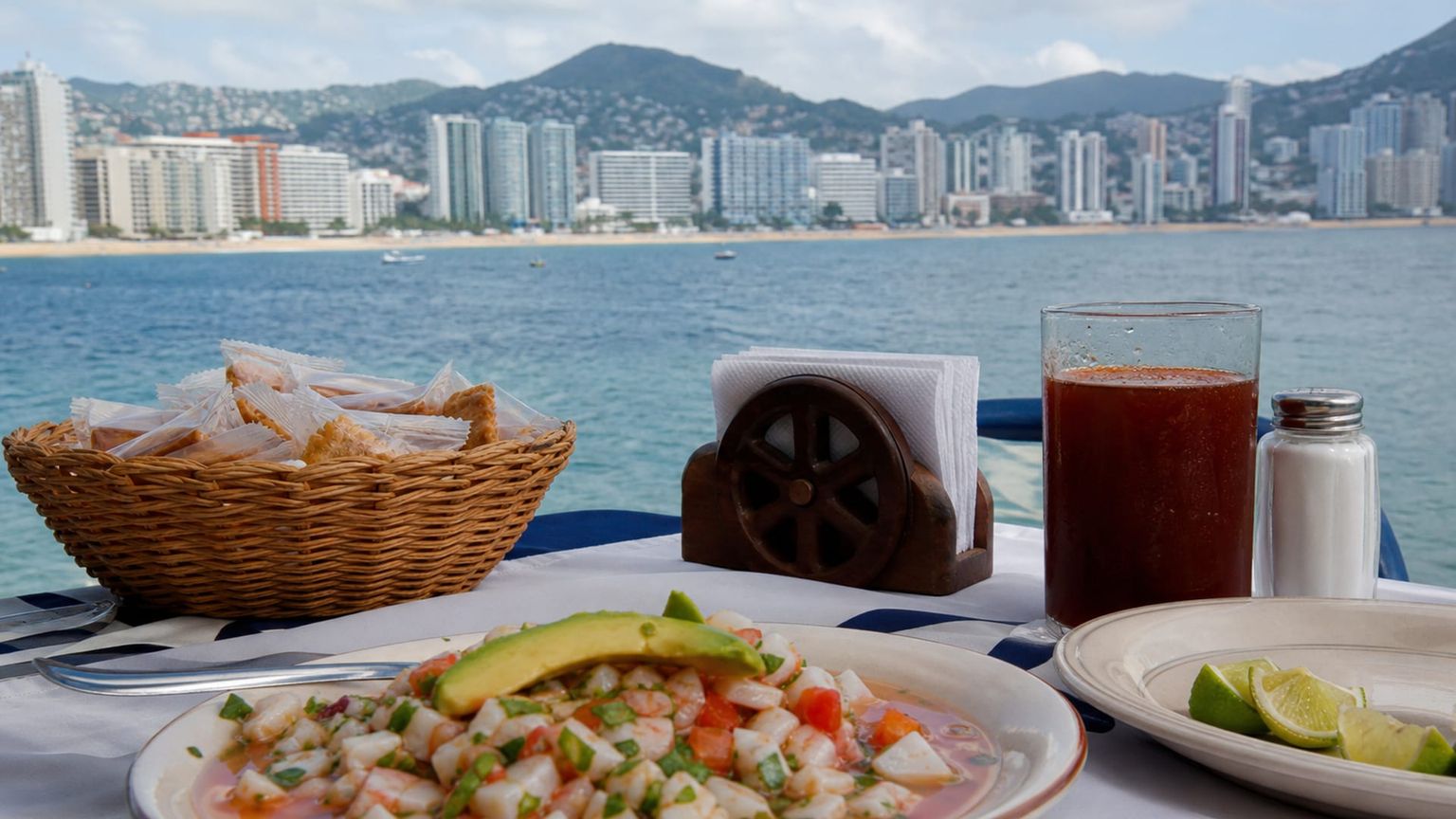
Acapulco’s table leans on seafood, green chiles, maize, and lime, with pozole verde, pescado a la talla, ceviche acapulqueño, and tacos al pastor appearing often in casual beachfront rooms and long-running neighborhood kitchens.
Pozole verde
This Guerrero classic uses green chiles, herbs, and hominy, with a bright broth that suits Acapulco’s lunch pace. El Jaguar offers a solid local version in the city and keeps the dish anchored in a familiar neighborhood setting.
Pescado a la talla
Split and grilled fish, often brushed with chile marinade, defines a good Acapulco seafood meal. It suits open-air dining best, and Los Buzos serves a well-known version in a waterfront setting.
Ceviche acapulqueño
This local ceviche usually comes bright, cold, and lime-forward, with seafood cut for hot-weather lunches. Zibu Acapulco gives the dish a polished coastal setting with broad bay views.
Tacos al pastor
Marinated pork, pineapple, and a quick late-night stop make tacos al pastor one of the city’s easiest after-dark meals. Si Señor Acapulco is a dependable place to order them without leaving the main tourist corridor.
Best time to visit Acapulco
Acapulco changes more by humidity, rain, and holiday crowds than by temperature, so the best months balance beach weather with easier movement along the bay.
Best for: Dry days, clear bay views, and the most comfortable sightseeing
What you get: About 76 to 86°F (24 to 30°C), with some of the largest crowds during holiday weeks
Trade-offs: Hotels and waterfront spots fill fastest, especially near Christmas and New Year
Best for: Beach time before the rainy season and strong visibility for cliff views
What you get: About 79 to 90°F (26 to 32°C), with moderate crowds outside Easter break
Trade-offs: Heat rises by late spring, especially on hilltop outings
Best for: Lower-season rates and a quieter hotel strip between rain bursts
What you get: About 77 to 88°F (25 to 31°C), with lighter weekday crowds and frequent afternoon rain
Trade-offs: Humidity and showers can interrupt beach plans and slow road traffic
Best for: Calmer streets after peak storm season and easier restaurant access
What you get: About 76 to 86°F (24 to 30°C), with lighter crowds in most weeks
Trade-offs: Storm risk lingers early in the season, and some operators trim schedules
A realistic 5-day plan in Acapulco
The five-day plan gives Acapulco a logical order: land near the bay, work through the historic core and cliff area, then save beach time and a final errand run for the end.
Land at Acapulco (ACA) and take a taxi or prearranged transfer to Costera Miguel Alemán or Zona Dorada, which usually takes about 25 to 35 minutes and costs roughly $18 to $28 ($300 to $480 MXN), depending on traffic and your hotel’s position. Check in, drink water, and keep the evening close to your base, with an easy dinner on the bayfront or a short walk to a nearby seafood restaurant, then turn in early so you are ready for the next morning.
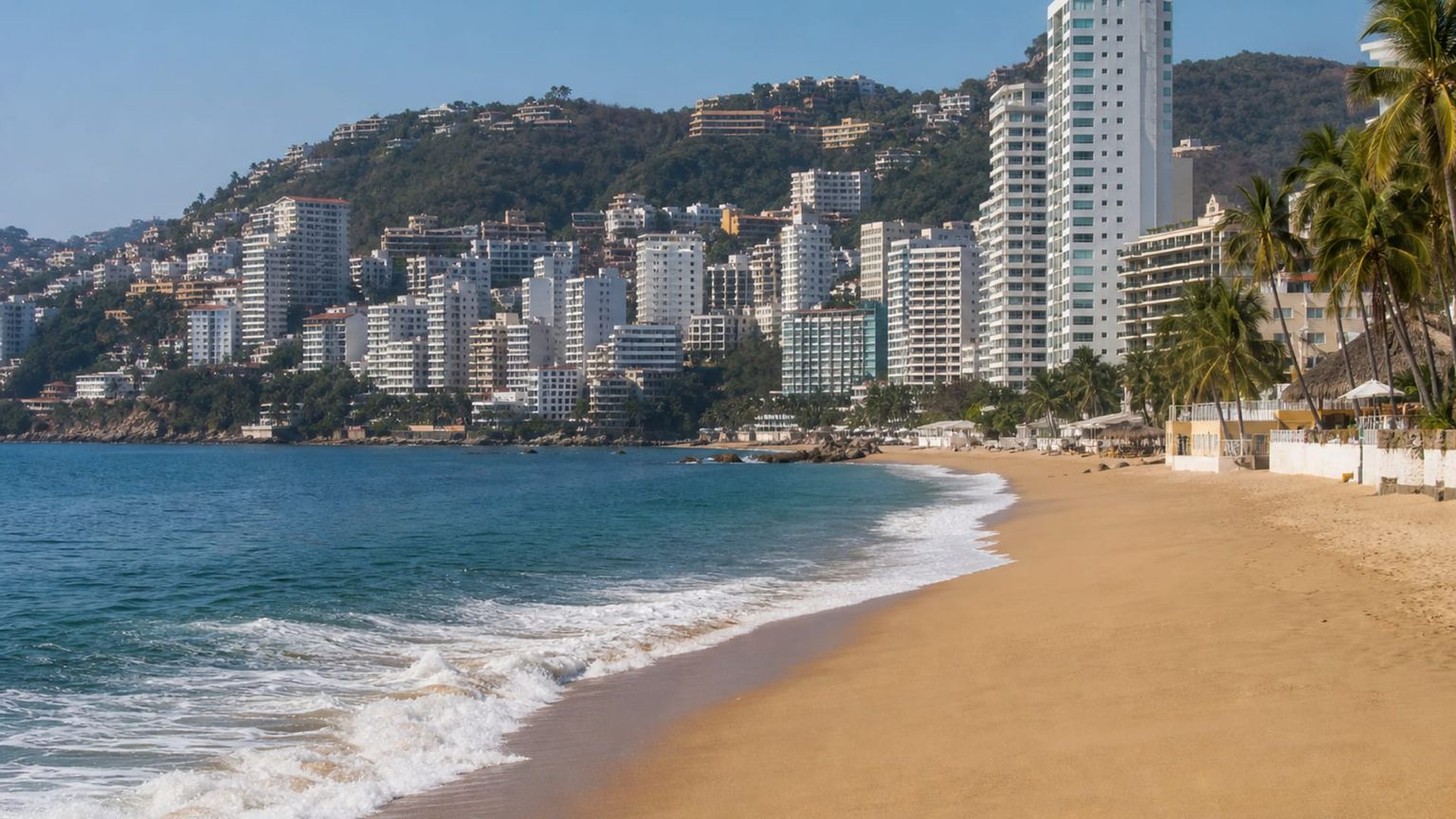
Begin at the Museo Histórico de Acapulco, Fuerte de San Diego, then walk about 10 to 15 minutes or take a short taxi ride to the fort’s courtyards and cannons if you want to avoid the heat. Stay for the harbor views and the compact exhibits, then continue about 15 to 20 minutes by car to La Quebrada for the cliff divers before sunset. Finish with dinner in Las Playas, where you can stay close to the cove after the show and avoid a late cross-city trip.
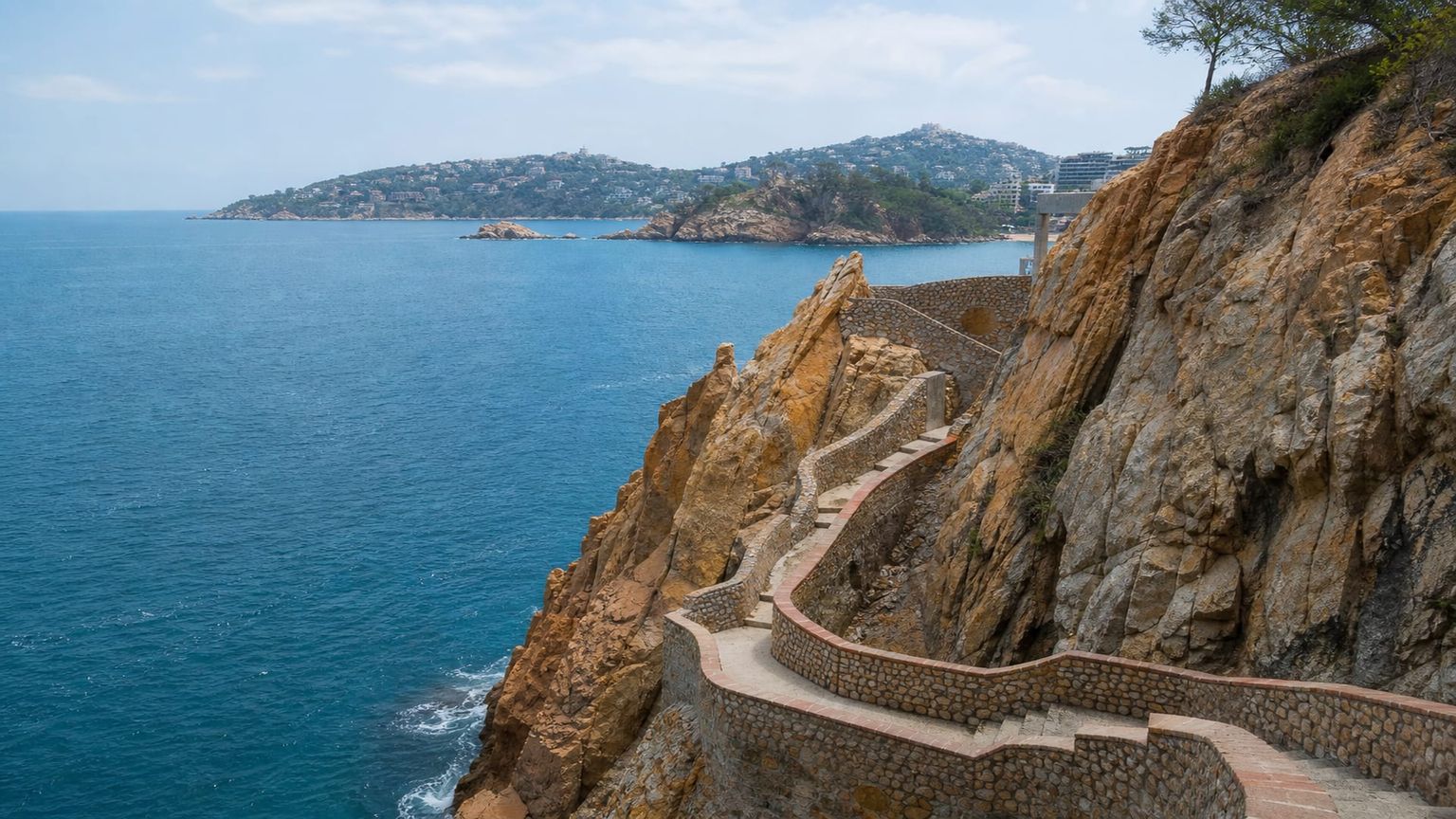
Start in the morning at the Chapel of Peace, a hilltop stop that works best before the air warms up, and plan on a taxi ride of about 20 to 30 minutes from Costera Miguel Alemán or Zona Dorada. After the grounds and sculpture garden, head downhill to La Quebrada Cliff Divers, about 20 minutes by car, for a second look from the lookout or a seated viewing if you want a different angle. End the day with an unhurried meal back in Las Playas, where the route between the cove and your hotel stays short.
Spend the morning at Caleta and Caletilla, where the beach and boat departures make an easy pairing, and expect about a 10-minute walk between the two coves. If the water looks calm, book an island boat outing from Isla de La Roqueta departures, then return for lunch on the beach and a quieter afternoon on the sand. By evening, move about 15 minutes by car to Costera Miguel Alemán or Zona Dorada for a wider restaurant choice and a livelier waterfront meal.
Start with one last stop at the Museo Histórico de Acapulco, Fuerte de San Diego if you want a final museum visit, then spend the rest of the morning in Zona Dorada or along Costera Miguel Alemán for souvenirs, beachwear, and a final look at the bay. If you prefer a slower pace, settle into a café in Las Playas, order breakfast or coffee, and let the day stay close to your hotel before heading to Acapulco (ACA) for your flight.
Business-class flights from the US to Acapulco
From both New York and Los Angeles, Acapulco usually comes together through a small set of hubs, with trip length shaped by whether you find a nonstop or a one-stop option. The business-class examples below show the main routing patterns and fare bands.
From New York, American Airlines, Delta Air Lines, Aeromexico, United Airlines, and Volaris offer the clearest set of options. Nonstop flying takes about 5 to 6 hours, while one-stop trips often connect through MEX, IAH, DFW, MIA, or ATL and usually stretch to about 8 to 13 hours. Round-trip fares in business class usually start at $1,100 and can reach $2,400.
Los Angeles travelers usually see American Airlines, Alaska Airlines, Delta Air Lines, United Airlines, and Aeromexico on the board. A nonstop flight takes about 5 hours, while one-stop itineraries through MEX, IAH, DFW, SFO, or LAX commonly run about 7 to 11 hours. Round-trip fares in business class usually run from $950 to $2,000.
Acapulco feels different when you slow down
A careful Acapulco plan puts the city in layers, with the Costera for easy arrivals, Las Playas for La Quebrada, and Caleta and Caletilla for a slower beach morning before departure. Taxis make the hill sections manageable, while buses and colectivos handle short hops along the waterfront. If you want help matching the right neighborhood to your pace, the AranGrant experts can help you shape the stay around the bay, not just the beach







