

Chapters:

Need help with your trip?
Our support team is available 24/7. Request a callback or call us directly at (833) 619-0908
Abuja trips often start with a hotel in the wrong part of town, then lose time to cross-city car rides and late dinner searches. Travelers see the landmarks, but miss how spread out the central districts are.
That pattern makes simple errands take longer, especially when office traffic builds on the main roads and evening plans sit far from the hotel. A good map matters here because short distances on paper can still mean long rides.
This guide keeps the city in a clearer order. It pairs the right neighborhood base with the right sights, then sets out food, seasons, and flights in a way that matches how Abuja actually works.
Useful things to know

Main language(s): English

Currency: The local currency is the Nigerian naira (NGN, ₦).

Cash and cards: Cards and contactless are accepted at many hotels and larger venues, but carry about ₦20,000 to ₦40,000 ($13 to $27) in cash.

Tipping: Tip about 10%; round up small fares and add 10% in restaurants if service is good.

Traditional food: Suya, jollof rice, miyan kuka, moi moi

Water and coffee costs: Water about ₦1,000 ($1), bar espresso about ₦3,000 ($2).

Taxis and ride apps: Bolt and inDriver operate here; confirm the fare before boarding.

Plug and voltage: Type D/G socket, 230V

Dining and shop opening hours: Breakfast is roughly 07:00-09:30, lunch 12:00-15:00, and dinner 19:00-22:00. Many restaurants close after 22:00, and Sunday lunches can run later.

Emergency number: 112 for police, fire, and medical emergencies.
Where to stay in Abuja
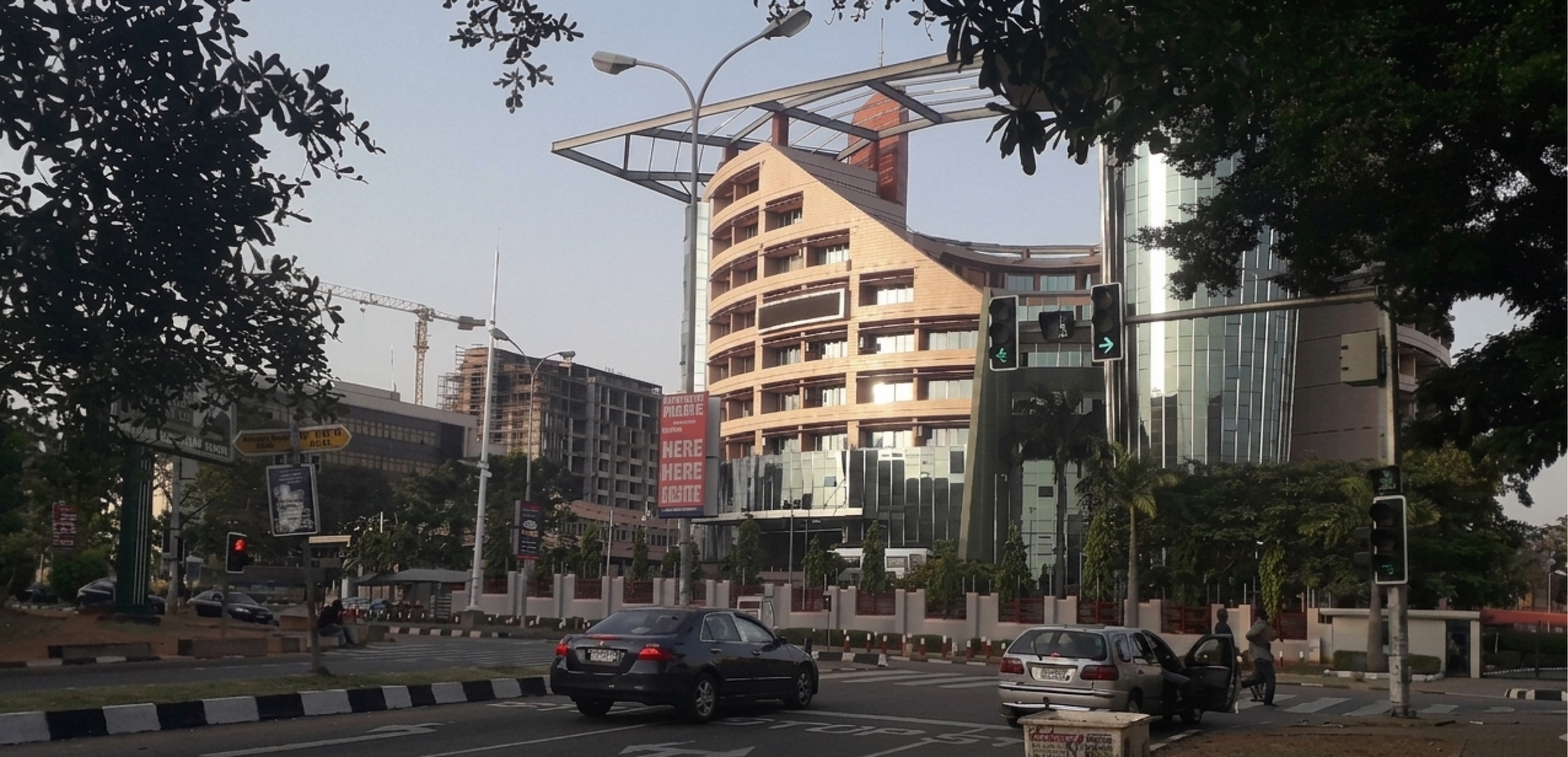
Maitama is Abuja’s most established diplomatic and government district, with embassies, ministries, and some of the city’s top hotels. It places you close to major offices, high-end dining, and central roads for cross-town movement.
Best for: Embassy access, upscale hotels, and travelers with meetings in central Abuja
What to expect: Wide roads, guarded compounds, and a steady flow of official traffic during the day; evenings are calmer and limited to hotel and restaurant guests.
Hotel prices: Usually about ₦180,000 to ₦350,000 (~$115 to ~$225) per night for well-rated stays
Distance to major sights: About 10 to 20 minutes by car to the Nigerian National Mosque and Millennium Park
Quietness: Busy and formal in the daytime, quieter after office hours with less street activity
Main trade-off: Rates run high, and the area can feel spread out if you plan to rely on short walks.
Good to know: Taxi fares can add up if your plans center on nightlife, since late-evening venues are scattered across the city.
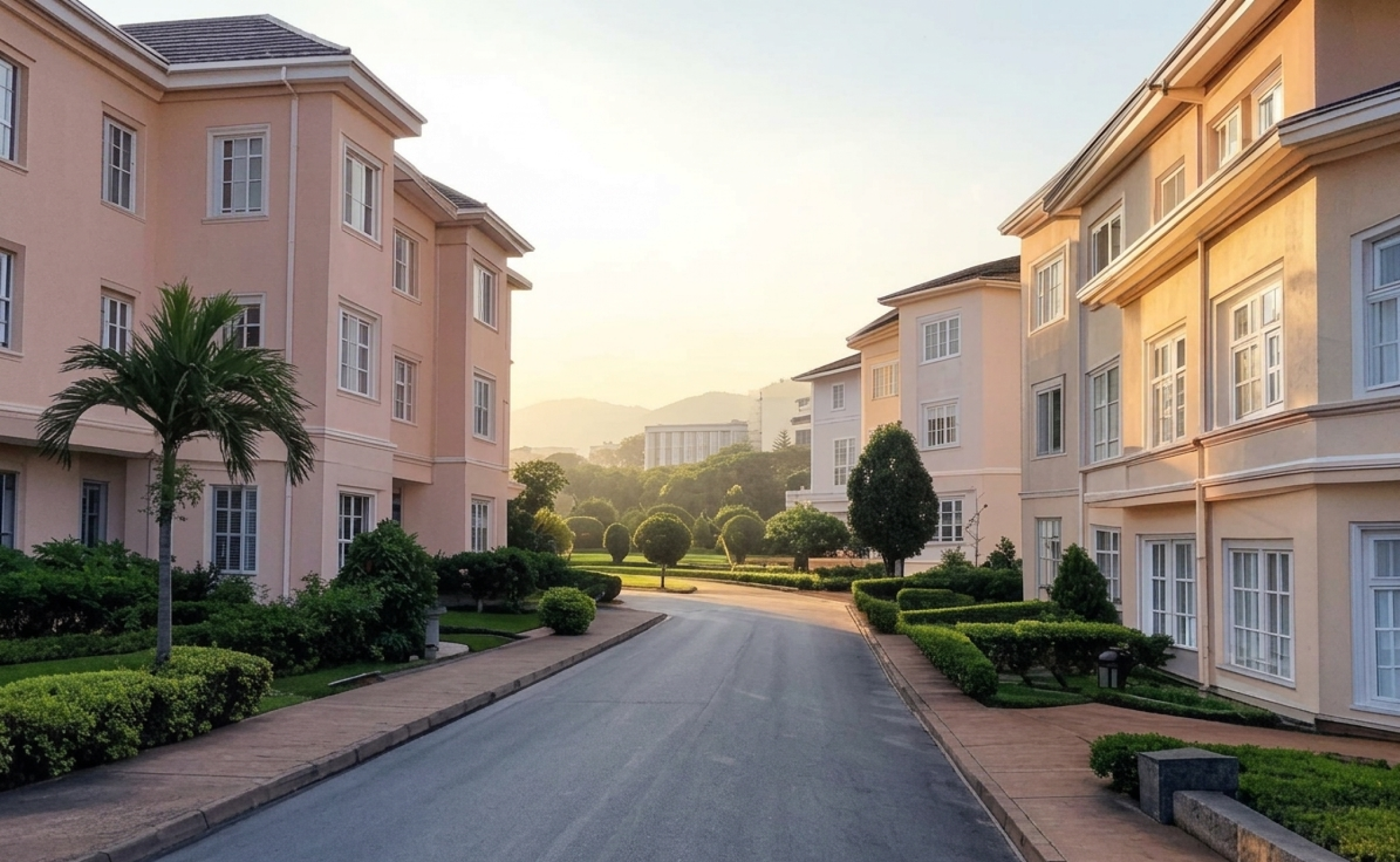
Asokoro is a high-security residential and diplomatic neighborhood east of the center, known for large compounds, government residences, and a small cluster of upscale hotels. It suits travelers who want a secure, low-key base near key institutions.
Best for: High-security stays, government-adjacent business trips, and travelers who prefer a quieter residential base
What to expect: Tree-lined streets, embassy walls, and light local foot traffic, with more movement around restaurants and hotels than on the main roads.
Hotel prices: Usually about ₦160,000 to ₦320,000 (~$100 to ~$205) per night for well-rated stays
Distance to major sights: About 15 to 25 minutes by car to Aso Rock and 20 to 30 minutes to the Nigerian National Mosque
Quietness: Calm most of the day, then very quiet in the evening except near a few hotels and dining spots
Main trade-off: You will have fewer walkable restaurant choices, so most dinners and errands need a car.
Good to know: If you depend on public transport, this is not the easiest base, because taxis and ride-hailing are the practical way to move around.
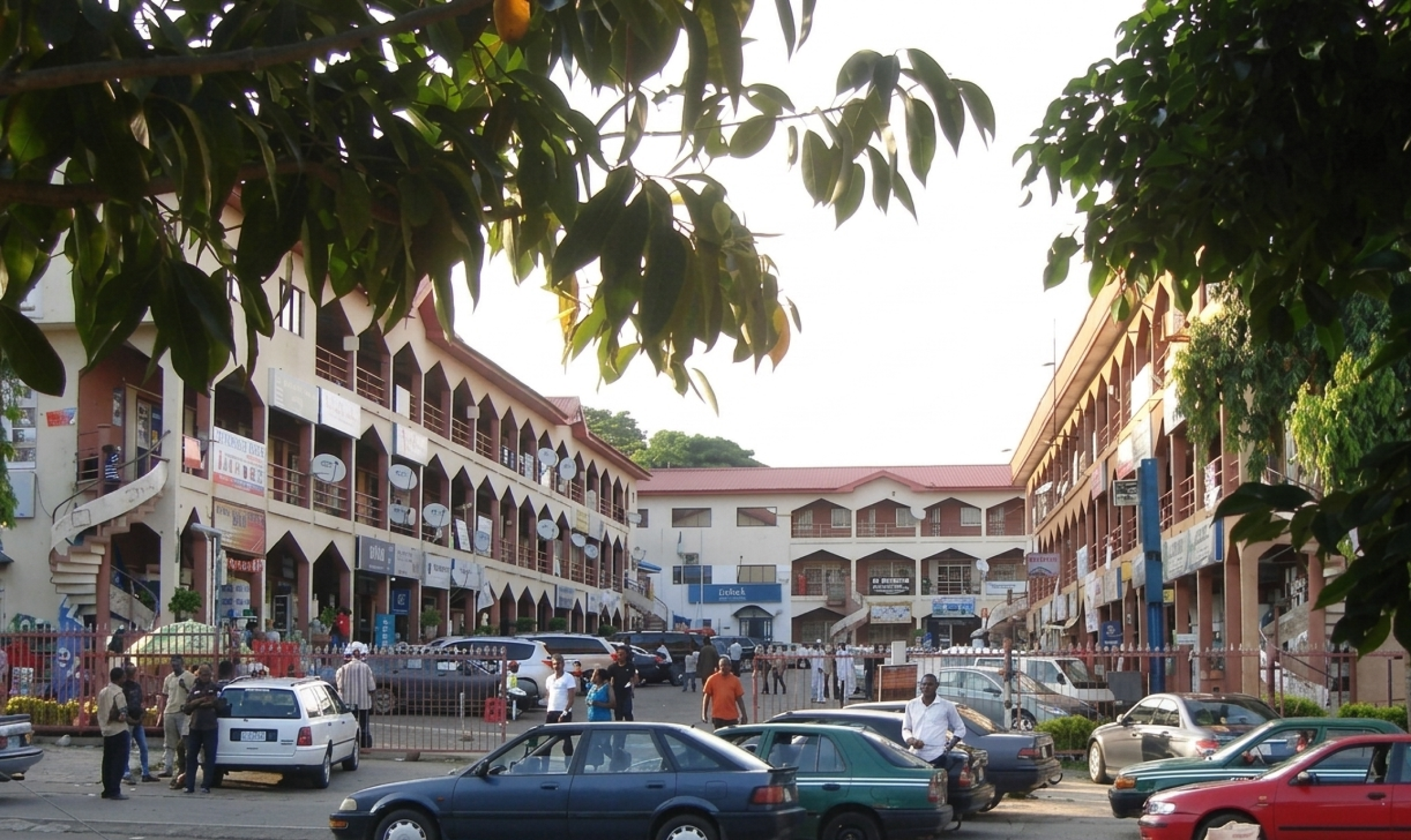
Wuse 2 is one of Abuja’s busiest mixed-use districts, with restaurants, bars, offices, and midrange hotels packed along major streets. It matters for travelers who want quick access to dining and a more active part of the city after work hours.
Best for: Dining, nightlife, shopping, and travelers who want a central base with lots of nearby options
What to expect: Dense traffic, busy sidewalks near the main corridors, and a larger evening crowd than in the government’s residential districts.
Hotel prices: Usually about ₦90,000 to ₦220,000 (~$58 to ~$140) per night for well-rated stays
Distance to major sights: About 10 to 20 minutes by car to Millennium Park and 15 to 25 minutes to the Nigerian National Mosque
Quietness: Lively from morning through late evening, with more noise from traffic and venues than in Maitama or Asokoro
Main trade-off: Rooms near the main roads can be noisy, and peak-hour traffic can slow even short rides.
Good to know: Choose a room off the main artery if you sleep lightly, because street-facing hotels can pick up late music and traffic noise.
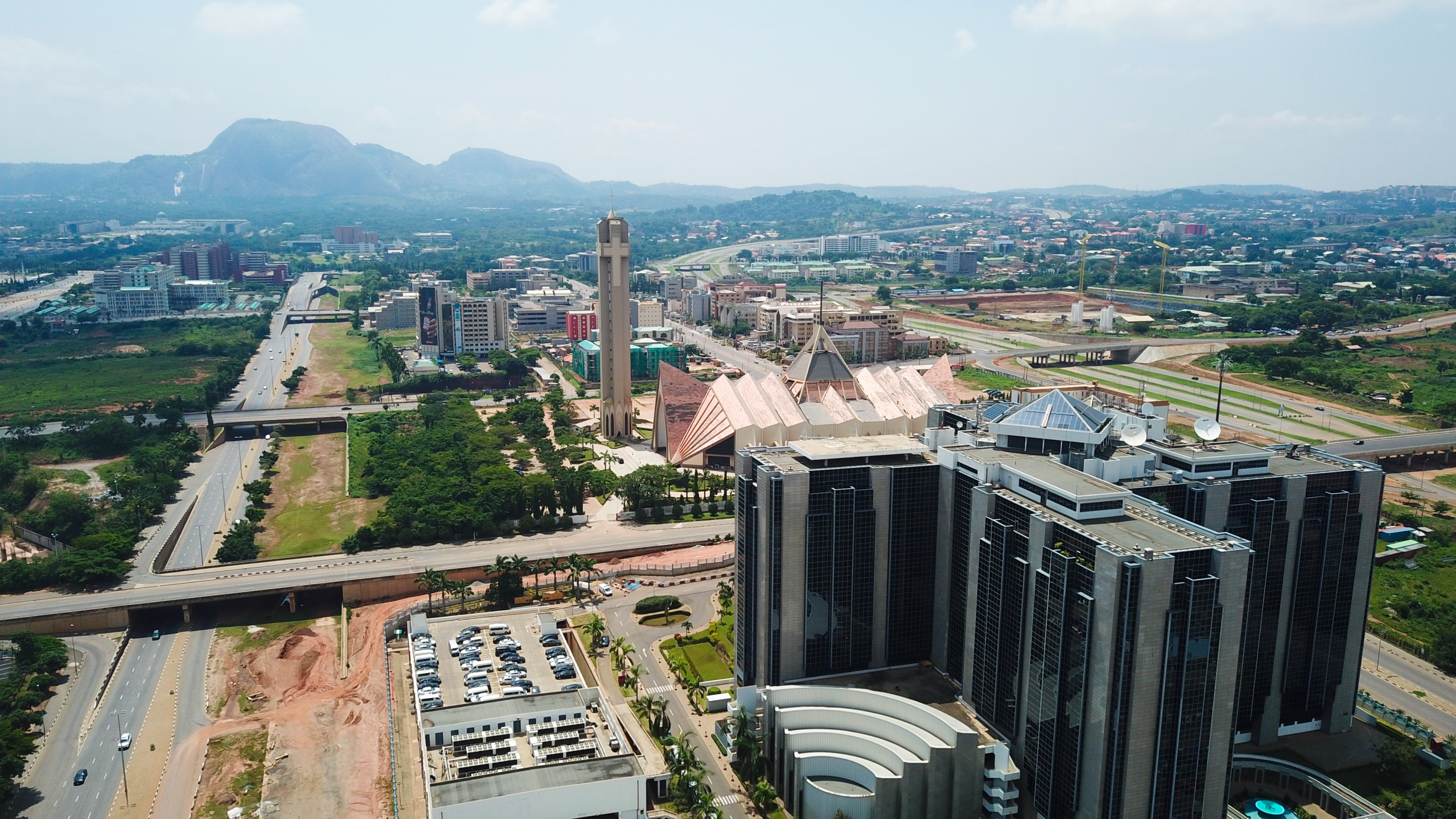
The Central Business District sits near Abuja’s main government axis, with offices, major hotels, and easy links to monuments and ministries. It is a useful base when you want to cut down on cross-city trips for appointments or sightseeing.
Best for: Business trips, central positioning, and travelers who want short rides to major landmarks
What to expect: Office traffic by day, hotel guests and drivers after hours, and fewer casual neighborhood stops than in the denser entertainment districts.
Hotel prices: Usually about ₦120,000 to ₦280,000 (~$77 to ~$180) per night for well-rated stays
Distance to major sights: About 5 to 15 minutes by car to Millennium Park and 10 to 20 minutes to the Nigerian National Mosque
Quietness: Active on weekdays, then noticeably quieter at night once offices close and hotel activity becomes the main source of movement
Main trade-off: Dining and evening options are thinner than in Wuse 2, so you may need to travel for more variety.
Good to know: On weekends, some office-facing streets feel sparse, so check whether your hotel has on-site dining before you book.
Travelers usually avoid staying in Dei-Dei, Mararaba, Karu, and Lugbe if they want easy access to Abuja’s main sights, because these areas sit far from the central districts and can mean long evening trips back to the hotel. Apo Resettlement is also less convenient for visitors who want more tourist-oriented amenities, since many trips to major attractions and dining clusters still require crossing busy roads and covering a fair distance.
Hotel deals
How to get around Abuja efficiently
Abuja has no metro, so taxis, ride-hailing cars, and buses do most of the work between its spread-out districts.

Abuja Light Rail
for airport trips
Abuja has no metro system, so the closest public-transit option is the city’s bus network, which covers major corridors but not with rail-level frequency. Expect point-to-point trips on surface roads rather than timed subway transfers, and plan extra time for traffic if you are crossing town.

Public buses and shared minibuses
for convenience
A branded BRT-style network is limited, and most buses are minibuses or shared vans that connect central districts, markets, and outlying neighborhoods. Fares are usually paid in cash to the conductor, often about $0.25 to $1.25 (₦400 to ₦2,000) depending on distance, with peak-hour travel taking much longer on the main roads.

Taxis and ride-hailing
for convenience or late hours
Licensed taxis usually use negotiated fares rather than meters, with airport and cross-town trips commonly costing about $6 to $25 (₦9,000 to ₦40,000) depending on distance, traffic, and time of day. Ask for the fare before you board, use airport-arranged taxis or ride-hailing apps when possible, and expect cash to be the most common payment method, though some drivers accept cards or transfers.
*Prices are based on rates updated as of June 2026 and may change at the time of travel.
Use ride-hailing or taxis for cross-town hops, buses for low-cost point-to-point travel on main corridors, and walking only for short stretches inside the districts themselves.
Iconic landmarks
Jabi Lake Mall
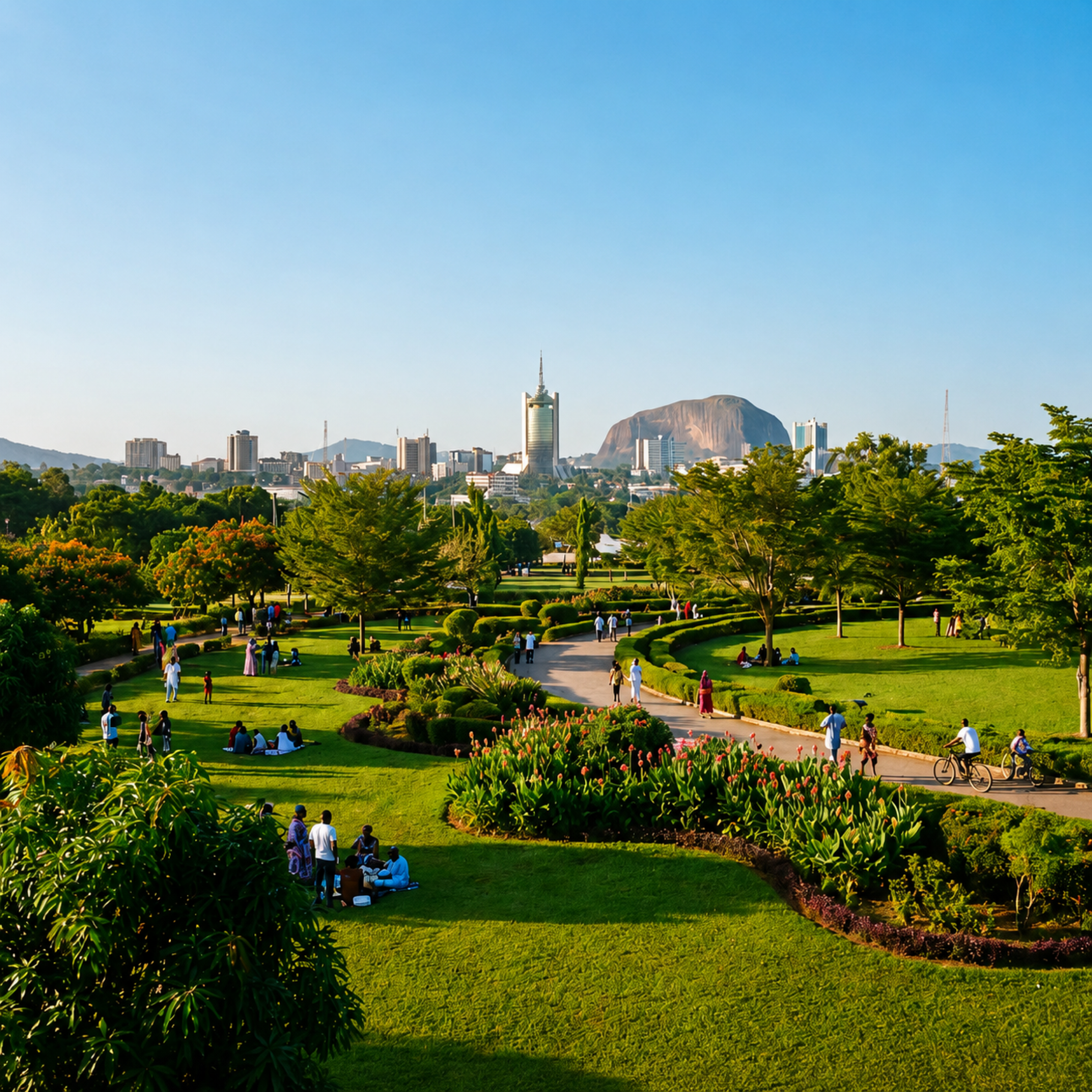
Abuja’s largest retail complex pairs shops, cinemas, and a lakeside promenade on the Jabi waterfront. Come for an easy urban stop, then walk the shore at sunset for wide views across the water.
Time needed: About 2 to 3 hours
Entry: Free to enter; shops, cinema tickets, and dining are priced separately, with parking fees sometimes charged by operators on busy days. Visit the official site for details.
Tip: Arrive late afternoon, then stay for sunset light and cooler temperatures by the lake.
National Mosque, Abuja
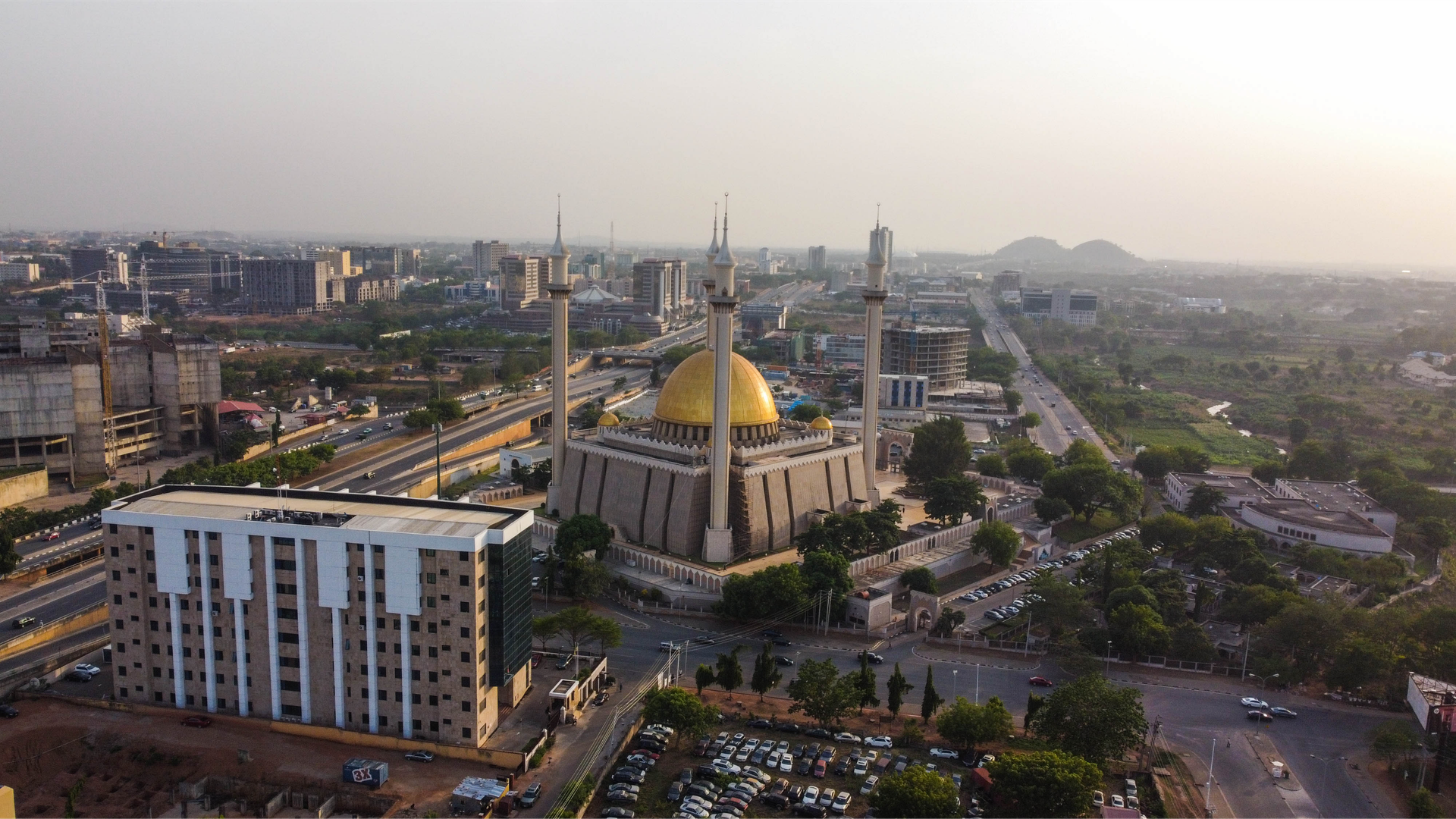
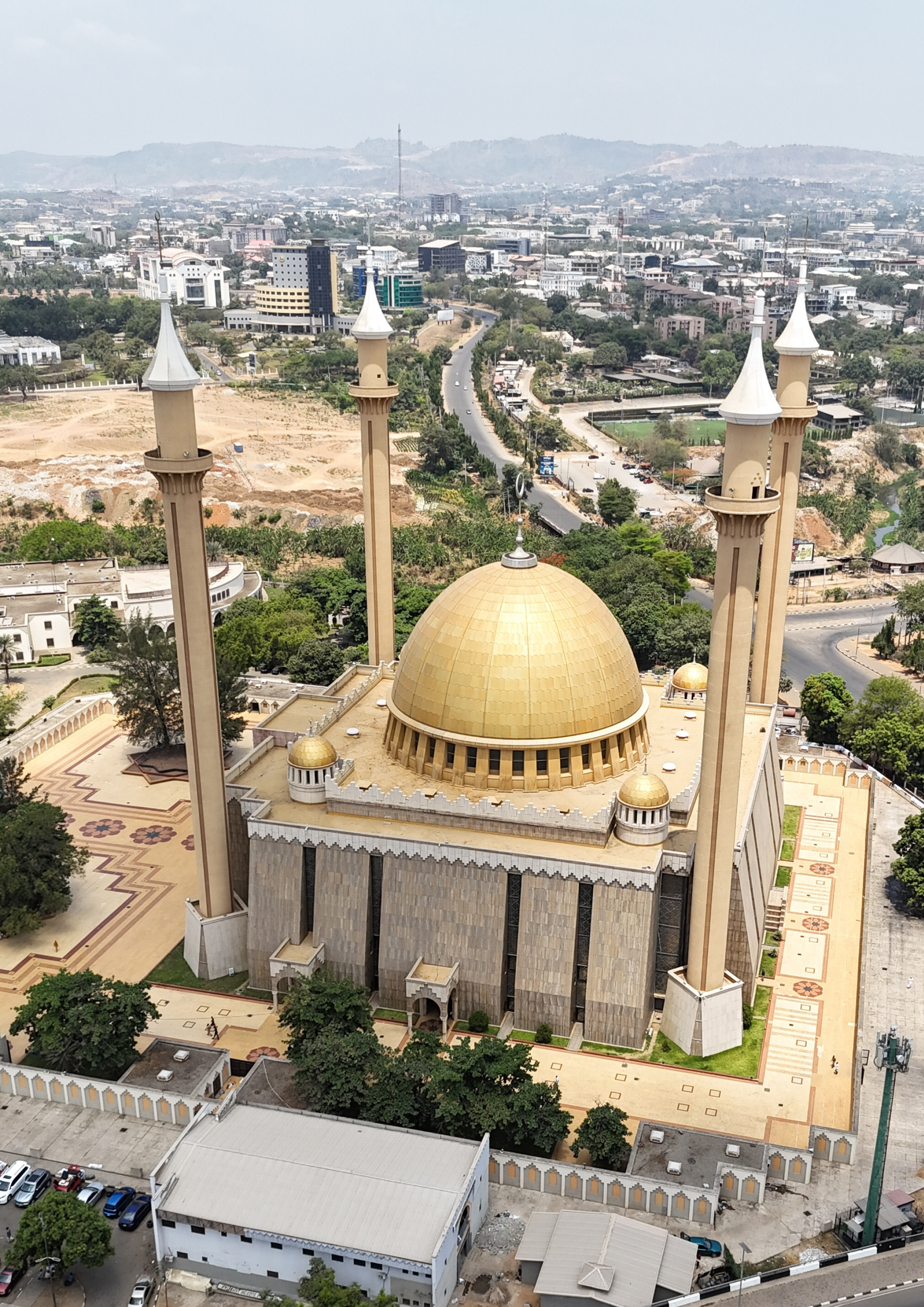
Nigeria’s National Mosque is one of Abuja’s defining landmarks, with a gold dome, four minarets, and a large prayer hall. Non-Muslim visitors can enter outside prayer times when dress and security checks are observed.
Time needed: About 45 to 60 minutes
Entry: Free to enter for visitors outside prayer times; modest dress is required, and security screening may limit access during religious services.
Tip: Visit outside prayer times, and allow extra minutes for security screening at the gate.
Aso Rock
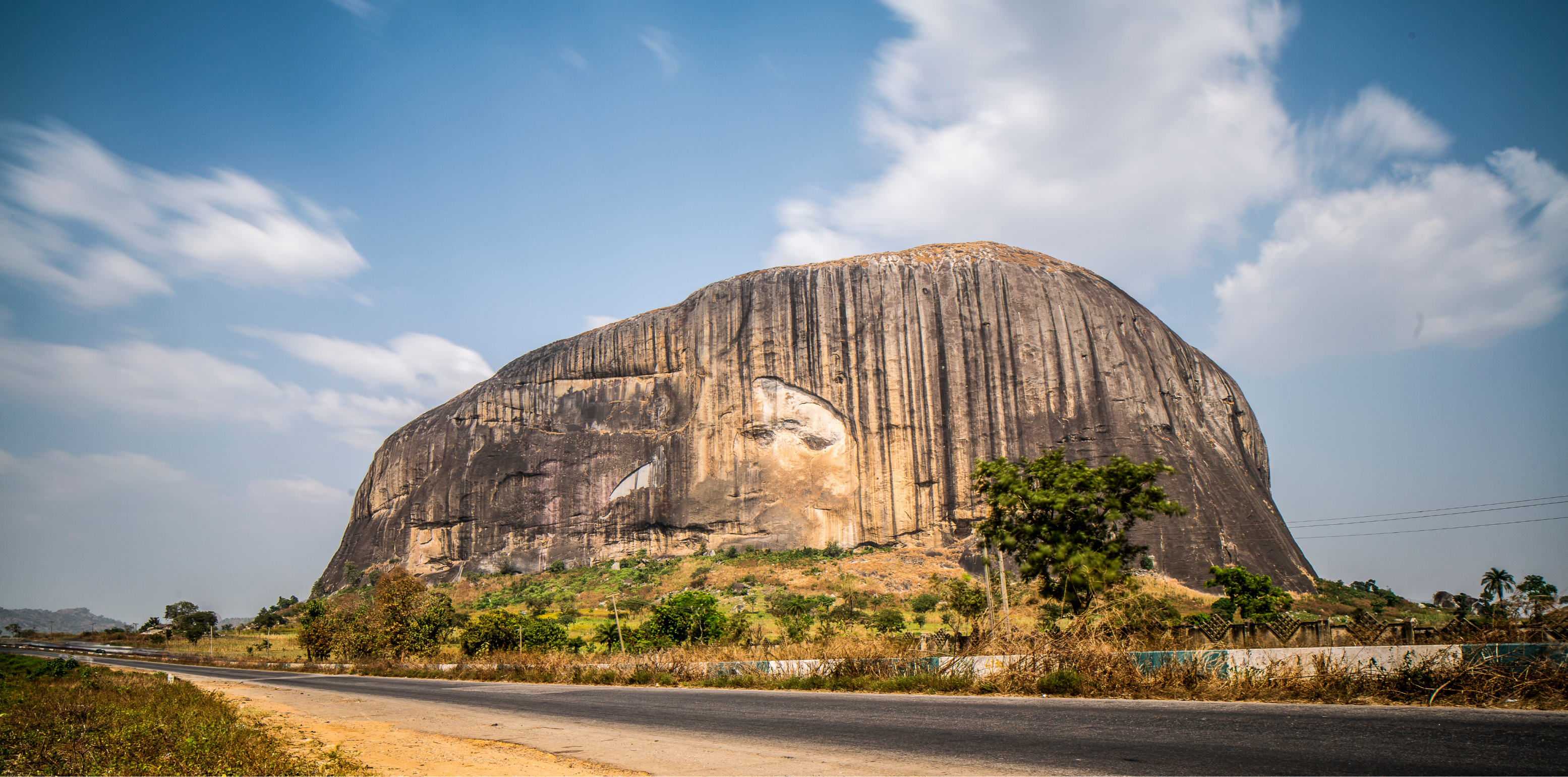
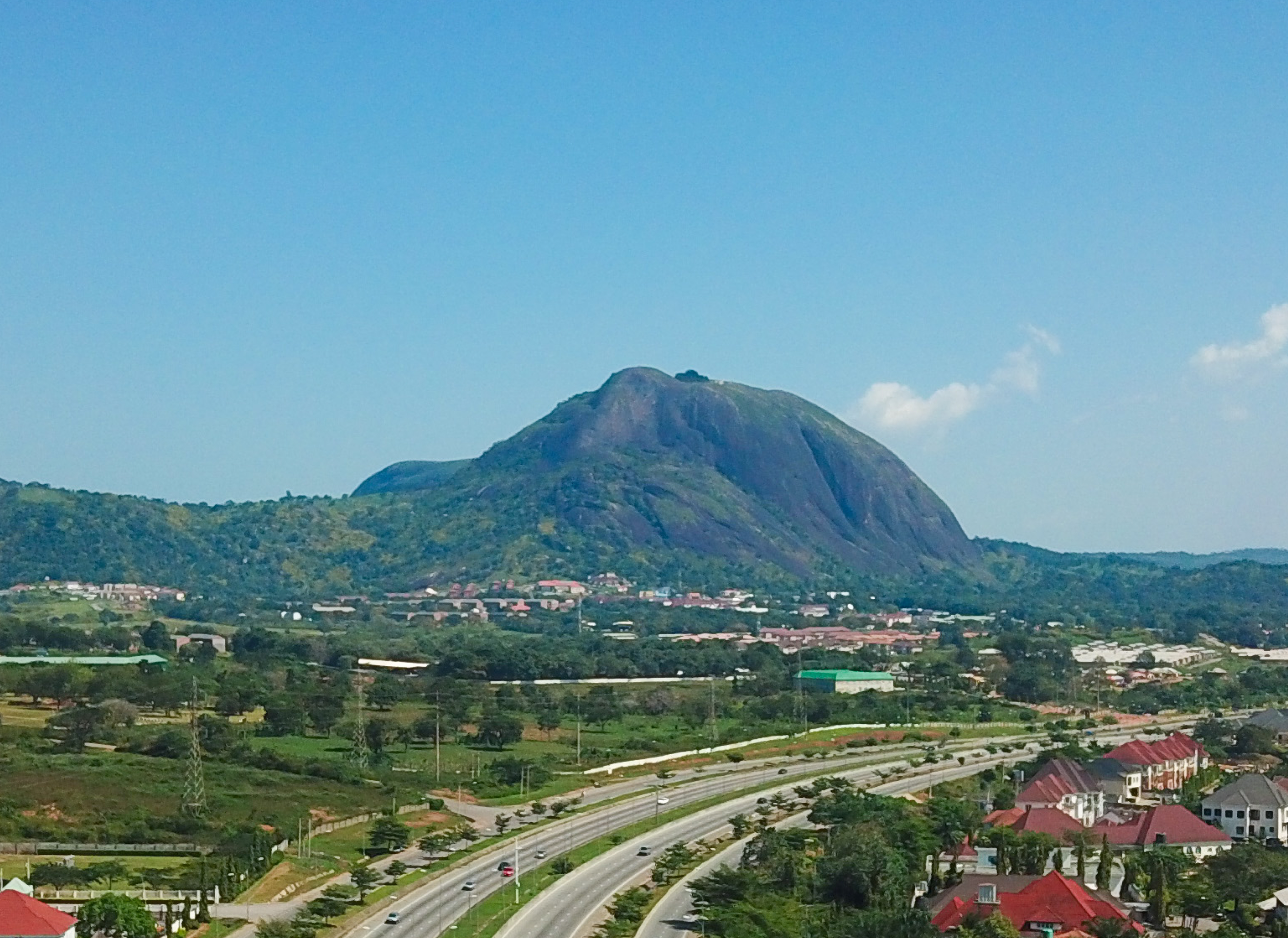
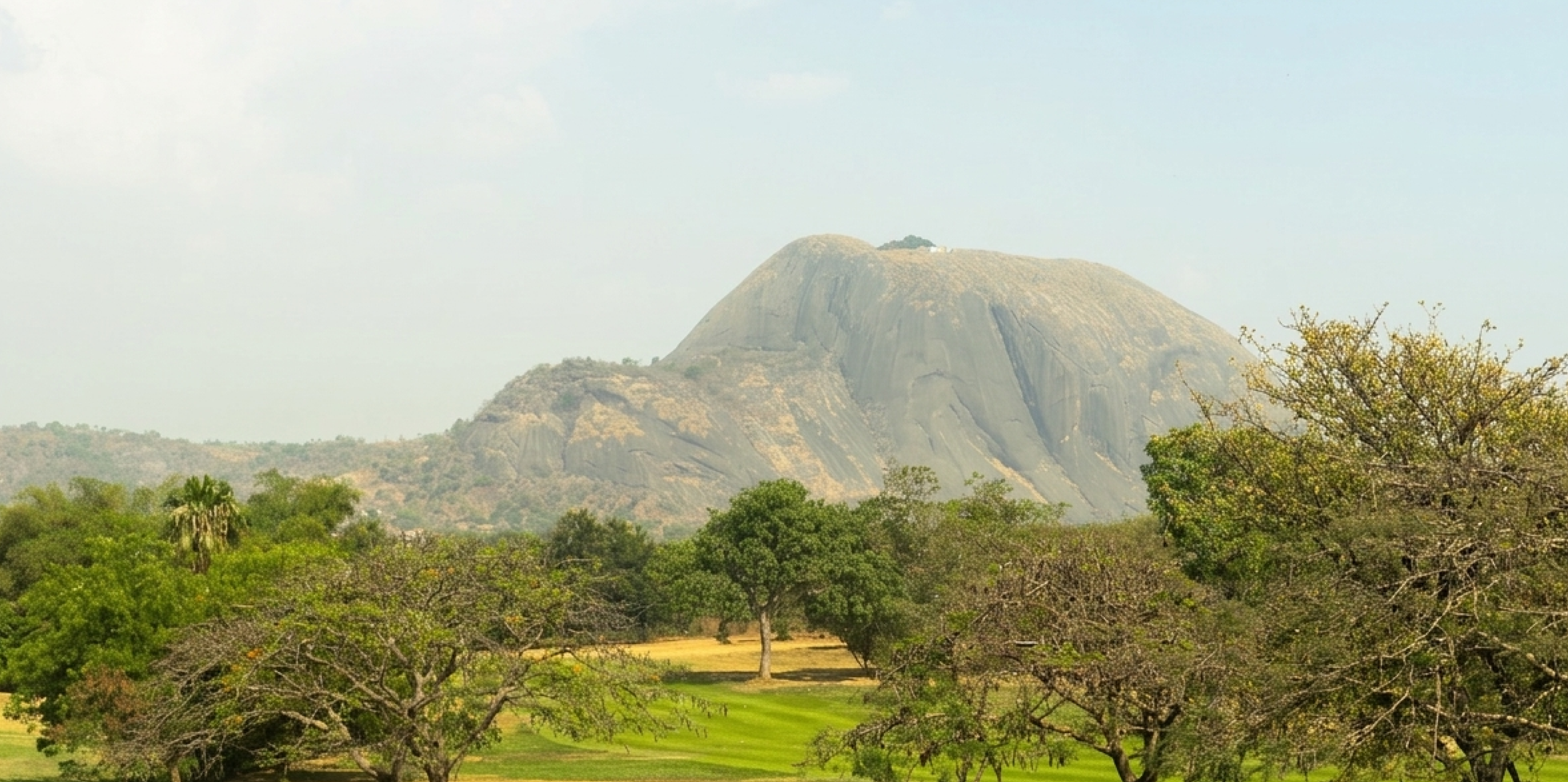
Aso Rock rises on Abuja’s eastern edge and dominates the city’s skyline. The outcrop sits near the Presidential Complex and offers one of the clearest natural landmarks in the capital, best seen from signed viewpoints and major approach roads.
Time needed: About 30 to 45 minutes
Entry: Free to view from public roads and nearby lookout points; no formal visitor fee applies, and access to the rock itself is restricted.
Tip: Go in the late afternoon for clearer views and softer light on the granite face.
Overlooked sites worth visiting

Jabi Lake Mall boardwalk
Lakeside paths and seating make this a quieter stop than Abuja’s main sights, with open water views, bridge lines, and easy access to the mall edge. Come for an unhurried walk at sunset.
Time needed: About 1 hour
Entry: Free to access; restaurants, cafes, and boat operators nearby charge separately, with boat rides often priced about $8 to $15 ($8 to ₦22,500).
Tip: Go near sunset for softer light on the lake.
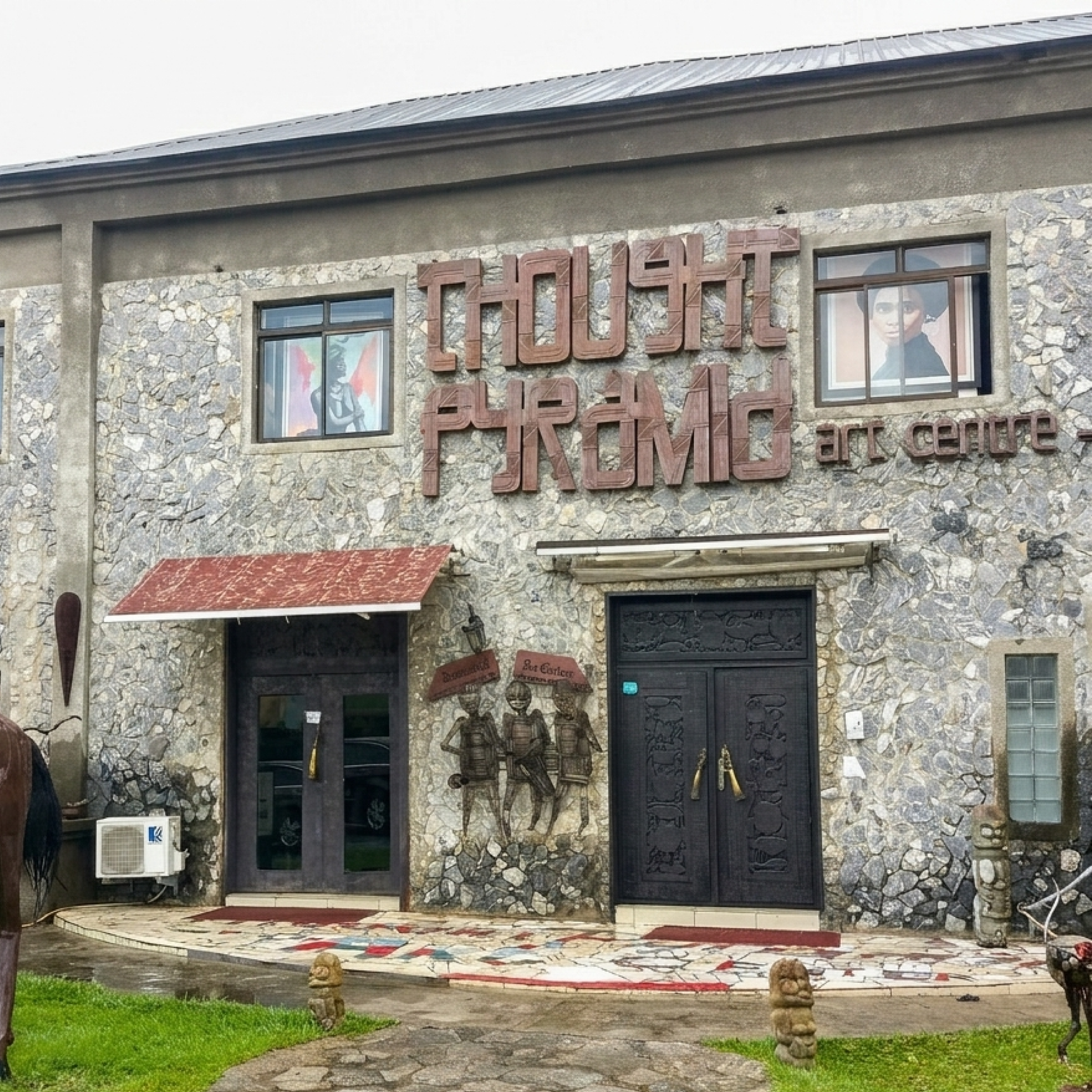
Thought Pyramid Art Centre, Abuja
This compact gallery shows Nigerian painting, sculpture, and rotating exhibitions in a calm indoor setting. It rewards a short stop, with the works changing often and the space easy to cover in one visit.
Time needed: About 1 hour
Entry: Admission typically costs about $3 to $5 ($4,500 to ₦7,500), with some exhibitions or event nights priced separately; confirm current rates at the desk before entering. Visit the official site for details.
Tip: Check the current exhibition before you go.
Traditional food
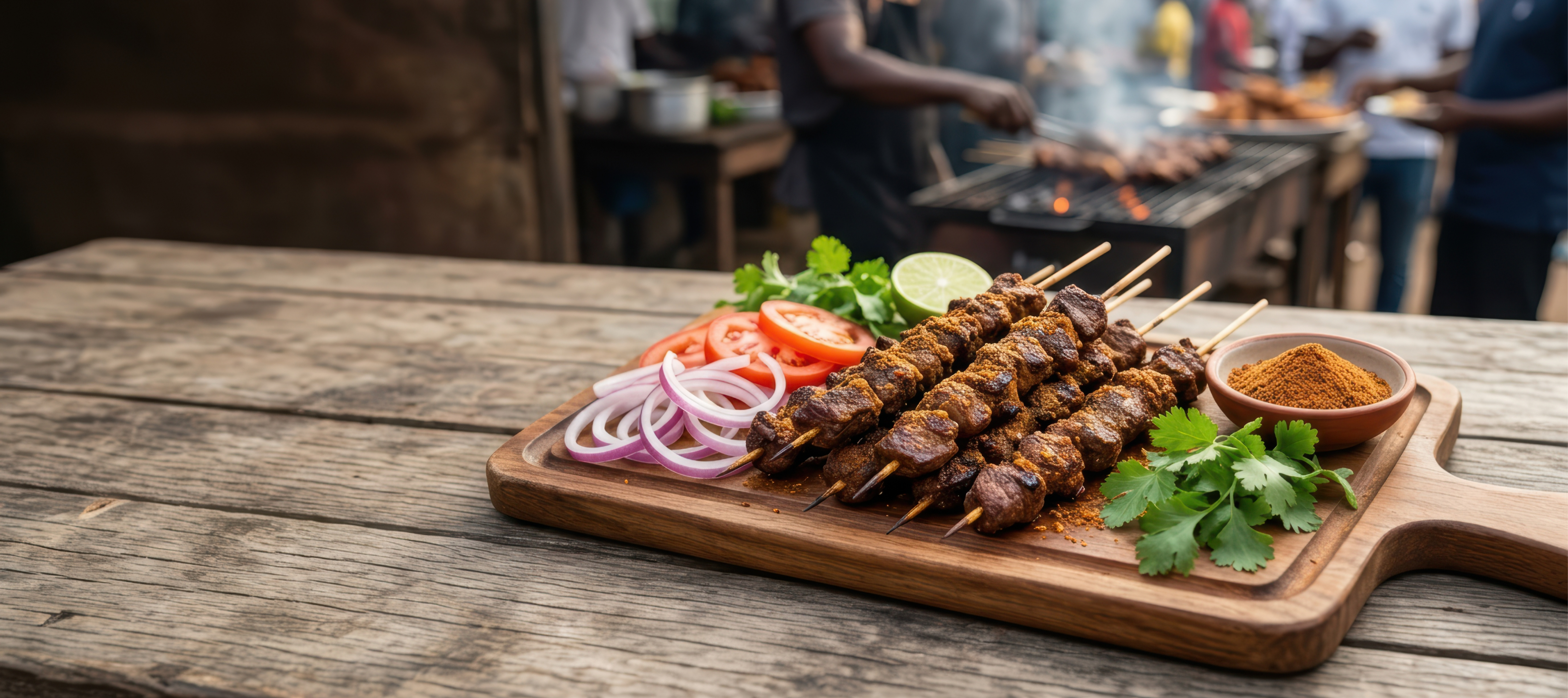
Abuja’s cooking leans on pepper, grilled meat, thick soups, rice dishes, and bean-based breakfasts. Suya, jollof rice, miyan kuka, and moi moi show up across hotel dining rooms, grills, and roadside spots.
Suya
Thin spiced beef or chicken, grilled over open heat and served with onions and fresh pepper. Terra Kulture Restaurant in Abuja is a strong place to try it alongside a broader Nigerian menu.
Jollof rice
Tomato-rich rice with steady heat and a deep savory base, usually paired with chicken, fish, or plantain. Nkoyo Restaurant in Abuja serves a well-known version in a polished dining room.
Miyan kuka
A northern soup built on baobab leaf powder, meat, and a light but earthy broth. Wasabi Abuja is a good Abuja stop for it when you want regional dishes in a central setting.
Moi moi
Steamed bean pudding with pepper, onion, and a soft, savory texture, often eaten with rice or as a side. BluCabana Restaurant and Cafe in Abuja includes it on menus that cover Nigerian breakfast and lunch plates.
Best time to visit Abuja
Abuja stays warm through the year, but the drier months bring clearer skies and easier sightseeing, while the rainy season can slow road trips and shorten outdoor afternoons.
Best for: Clear skies, lower humidity, and the easiest conditions for outdoor sightseeing
What you get: About 68°F to 93°F (20°C to 34°C), with dry weather and the heaviest visitor flow around holidays
Trade-offs: Prices can rise, and popular hotels book early
Best for: Warm days for city touring before the rains deepen
What you get: About 72°F to 97°F (22°C to 36°C), with lighter crowds in April and more heat by late May
Trade-offs: Dust and rising temperatures can make midday outings tiring
Best for: Museum stops, malls, and slower-paced indoor plans during the wet season
What you get: About 70°F to 88°F (21°C to 31°C), with frequent rain and fewer sightseeing crowds
Trade-offs: Downpours can delay cross-town drives
Best for: The return of drier air and better conditions for long afternoons outside
What you get: About 69°F to 92°F (21°C to 33°C), with gradually clearer weather and moderate crowds
Trade-offs: Late-season heat can still be strong in November
A realistic 5-day plan in Abuja
Five days in Abuja work best when you separate government-axis landmarks, lakeside time, and dining districts instead of trying to cluster everything into one loop. The plan below follows that logic and keeps the rides shorter.
Land at Abuja (ABV), then take a taxi or ride-hailing car into Maitama or the Central Business District, roughly 30 to 45 minutes depending on traffic and your hotel location, for about $10 to $20. If your flight arrives late, a room near the National Mosque or Millennium Park cuts down on the drive, and you can settle in with water, a short walk, and a light dinner at your hotel or in nearby Wuse 2 if you still have energy.
Start with the National Mosque, Abuja, where a visit outside prayer times takes about 45 to 60 minutes, then ride about 15 minutes to the Central Business District for a view of Aso Rock from the main government axis. From there, continue roughly 20 minutes to Jabi Lake Mall, spend about 2 to 3 hours on lunch, shopping, and the lakeside promenade, and finish on the Jabi Lake Mall boardwalk for sunset light over the water.
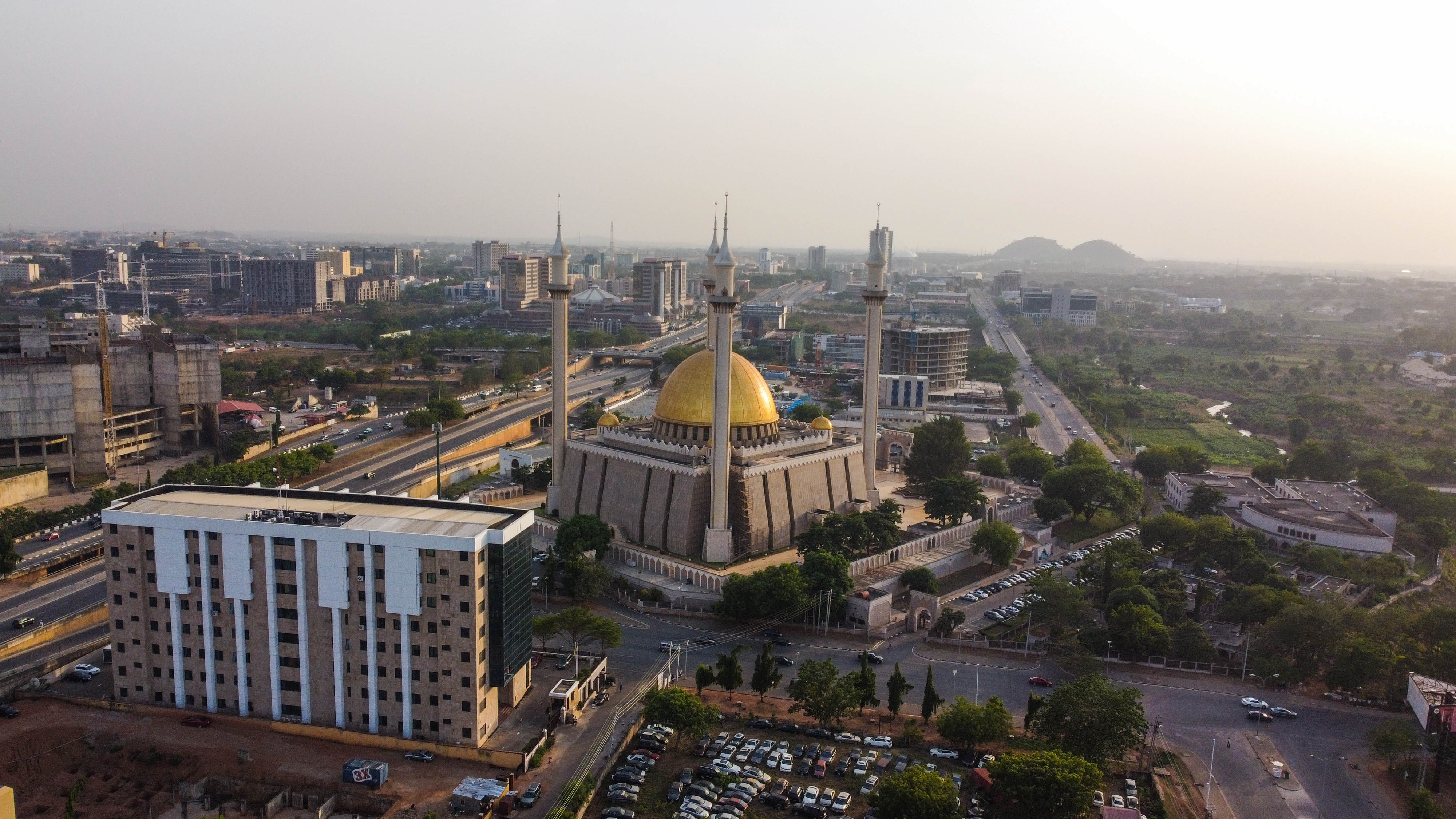
Begin in Asokoro with a late-morning view of Aso Rock from public roads and lookout points, then continue about 15 to 20 minutes by car to Maitama for lunch and an easy afternoon among embassies, ministries, and broad avenues. Later, ride about 10 minutes into Wuse 2 for dinner, where restaurant choices are denser and the evening crowd is livelier than in the government districts.
A short morning at Thought Pyramid Art Centre, Abuja, works well before the city gets busy, and the gallery visit takes about 1 hour. Afterward, head roughly 15 minutes to Jabi Lake Mall boardwalk for a longer lakeside walk, then return about 15 to 20 minutes later to Wuse 2 for a relaxed dinner and a final look at the district’s bars, cafes, and shopping streets.
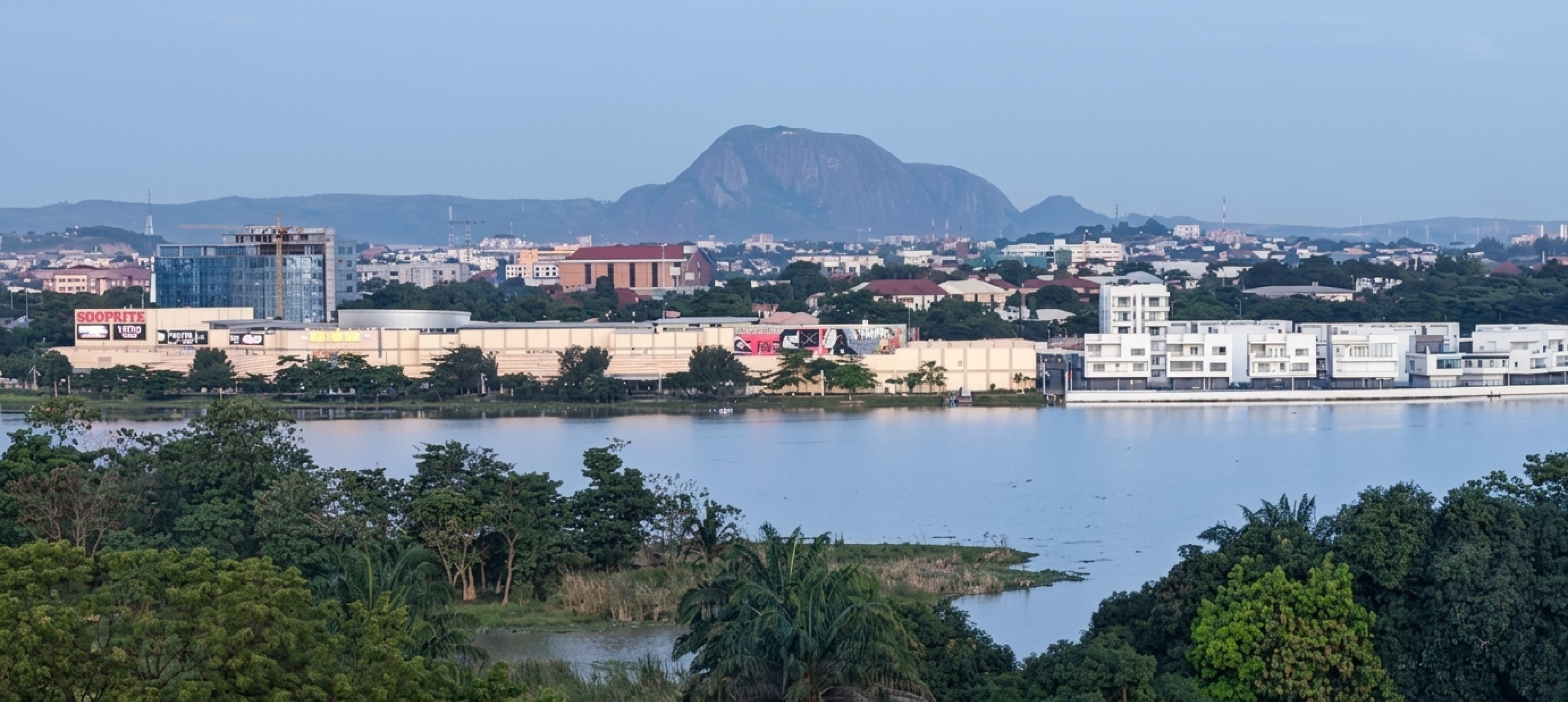
As departure day closes in, a final stop at Jabi Lake Mall gives you one last easy shopping run, about 2 to 3 hours if you want a late brunch or souvenirs before heading out. If you have spare time before your airport transfer, a café stop in Wuse 2 fits well, since taxis and ride-hailing cars are easy to find there, and the drive back to Abuja (ABV) usually takes about 30 to 45 minutes from the central districts.
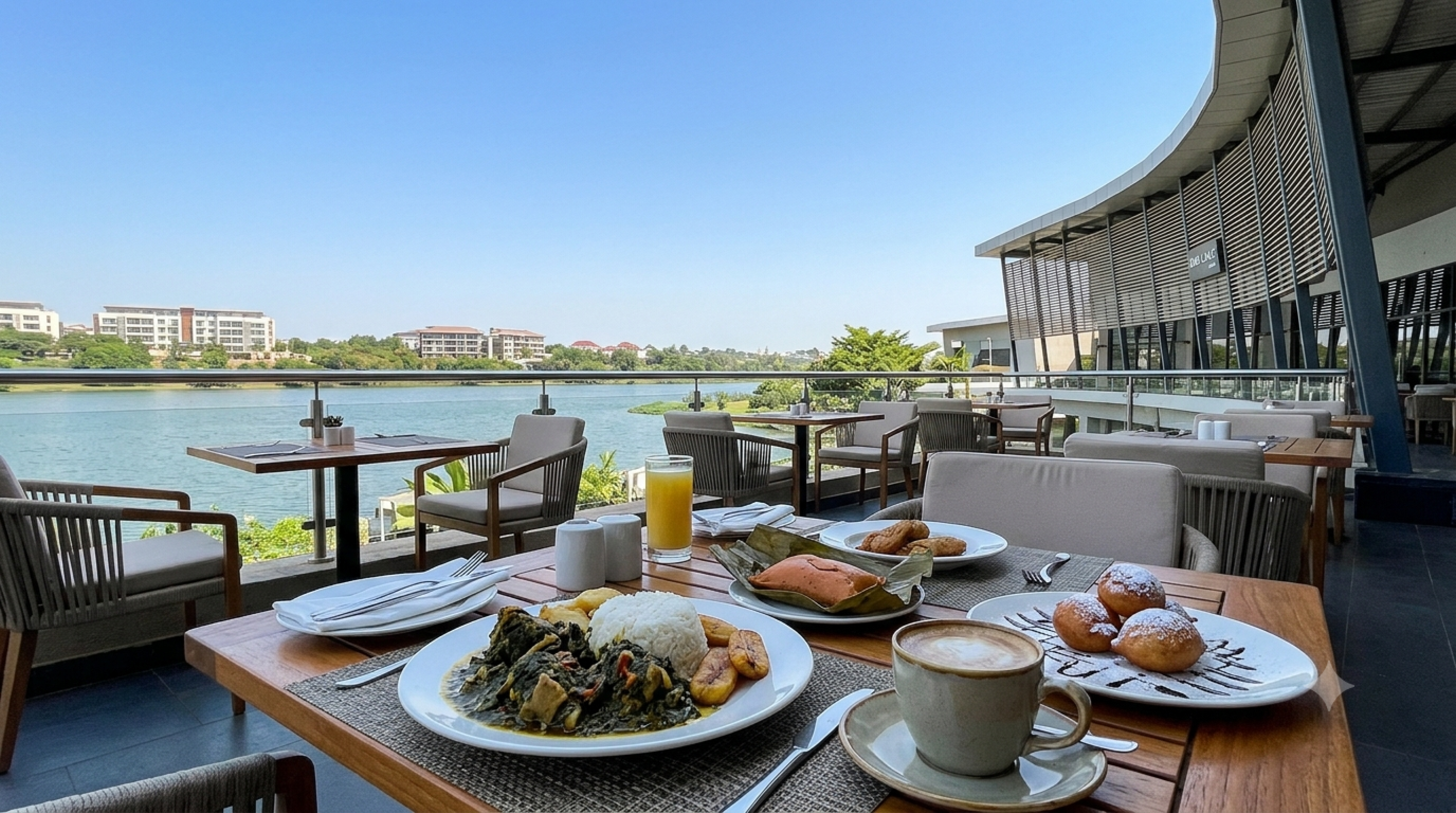
Business-class flights from the US to Abuja
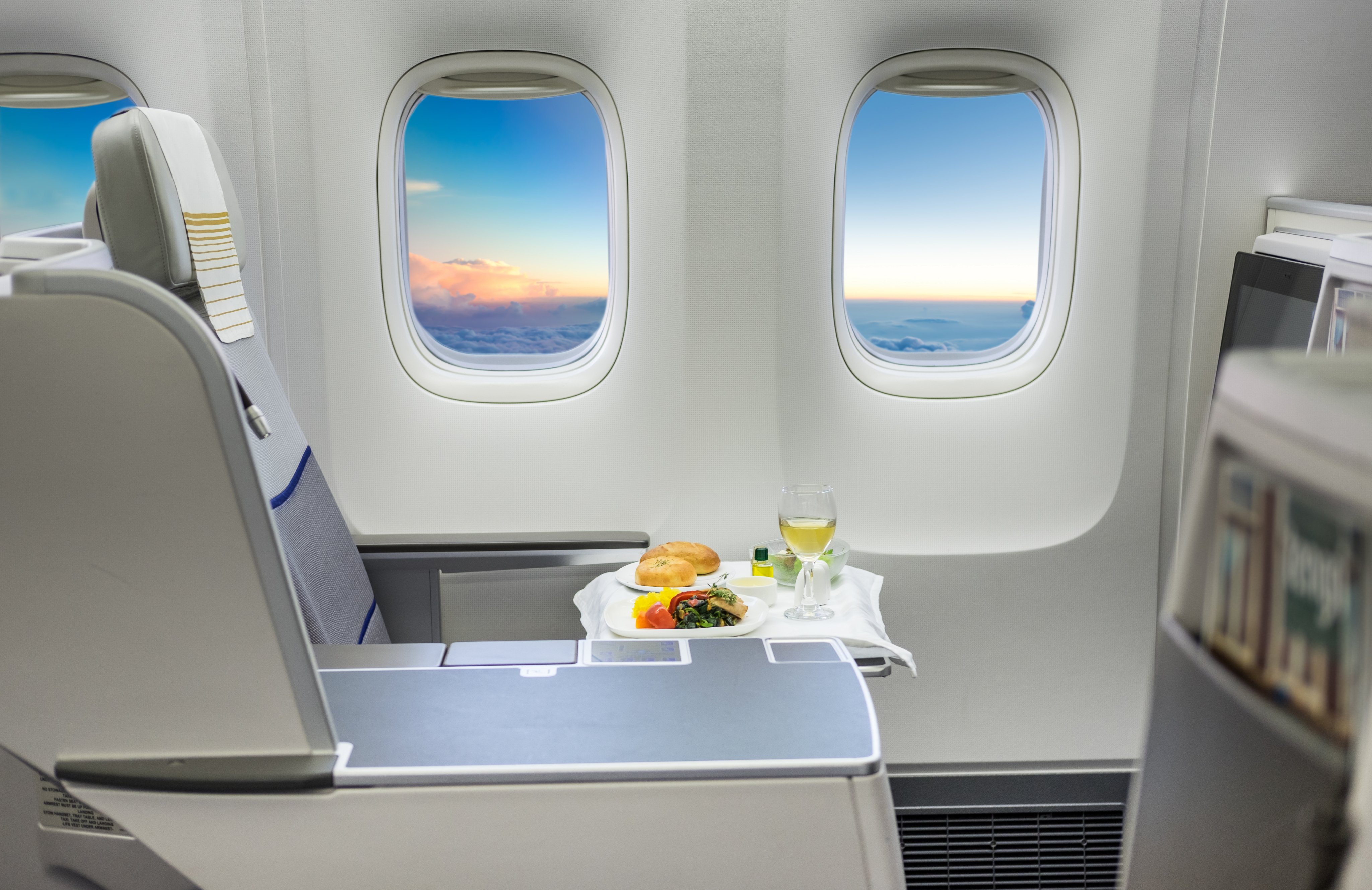
Flights to Abuja usually route through one of a few major European or African hubs, so the best option often depends on whether you value total travel time or a lower fare. The examples below show what that looks like from New York and Los Angeles.
From New York, airlines such as Air France, British Airways, Ethiopian Airlines, Lufthansa, Turkish Airlines, and United Airlines all appear on itineraries to Abuja, with total round-trip fares usually starting near $3,500 and reaching $7,500. Expect a total travel time of about 13 to 18 hours with a connection through ADD, CDG, FRA, IST, or LHR.
Los Angeles itineraries usually run through Air France, British Airways, Ethiopian Airlines, Lufthansa, or Turkish Airlines, and round-trip fares tend to fall about $3,800 to $8,200. The trip typically takes 17 to 24 hours overall, with a connection through CDG, FRA, IST, LHR, or ADD.
Abuja feels different when you slow down
A careful Abuja trip usually means sleeping in Maitama, Asokoro, Wuse 2, or the Central Business District, then using taxis or ride-hailing to link the National Mosque, Aso Rock viewpoints, Jabi Lake Mall, and Thought Pyramid Art Centre without wasting time on long cross-town loops. That mix gives the city shape in a way a rushed stay cannot. If you want AranGrant experts to help you plan it around Jabi sunsets or a quieter base near the government axis, start there