

Chapters:

Need help with your trip?
Our support team is available 24/7. Request a callback or call us directly at (833) 619-0908
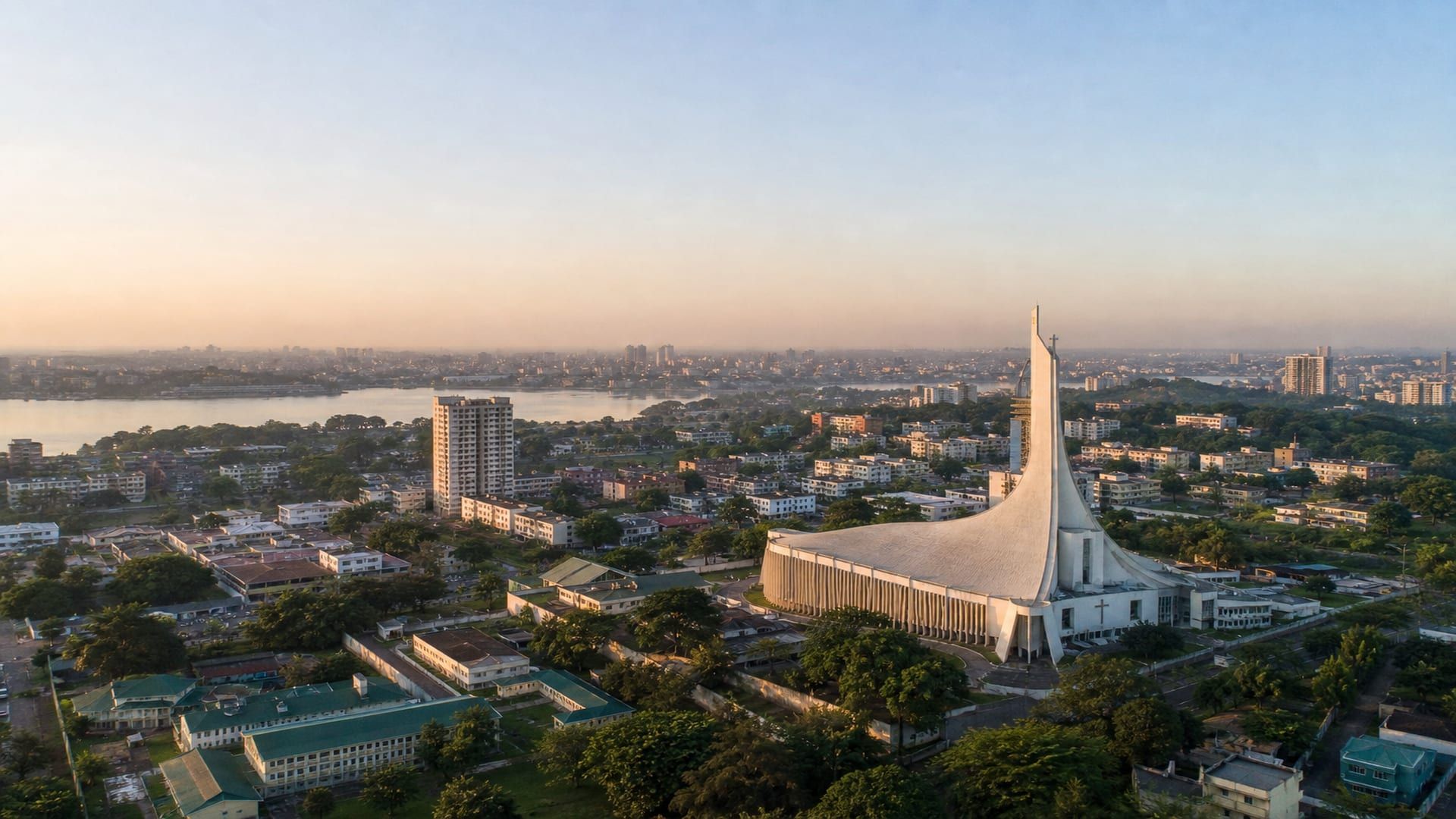
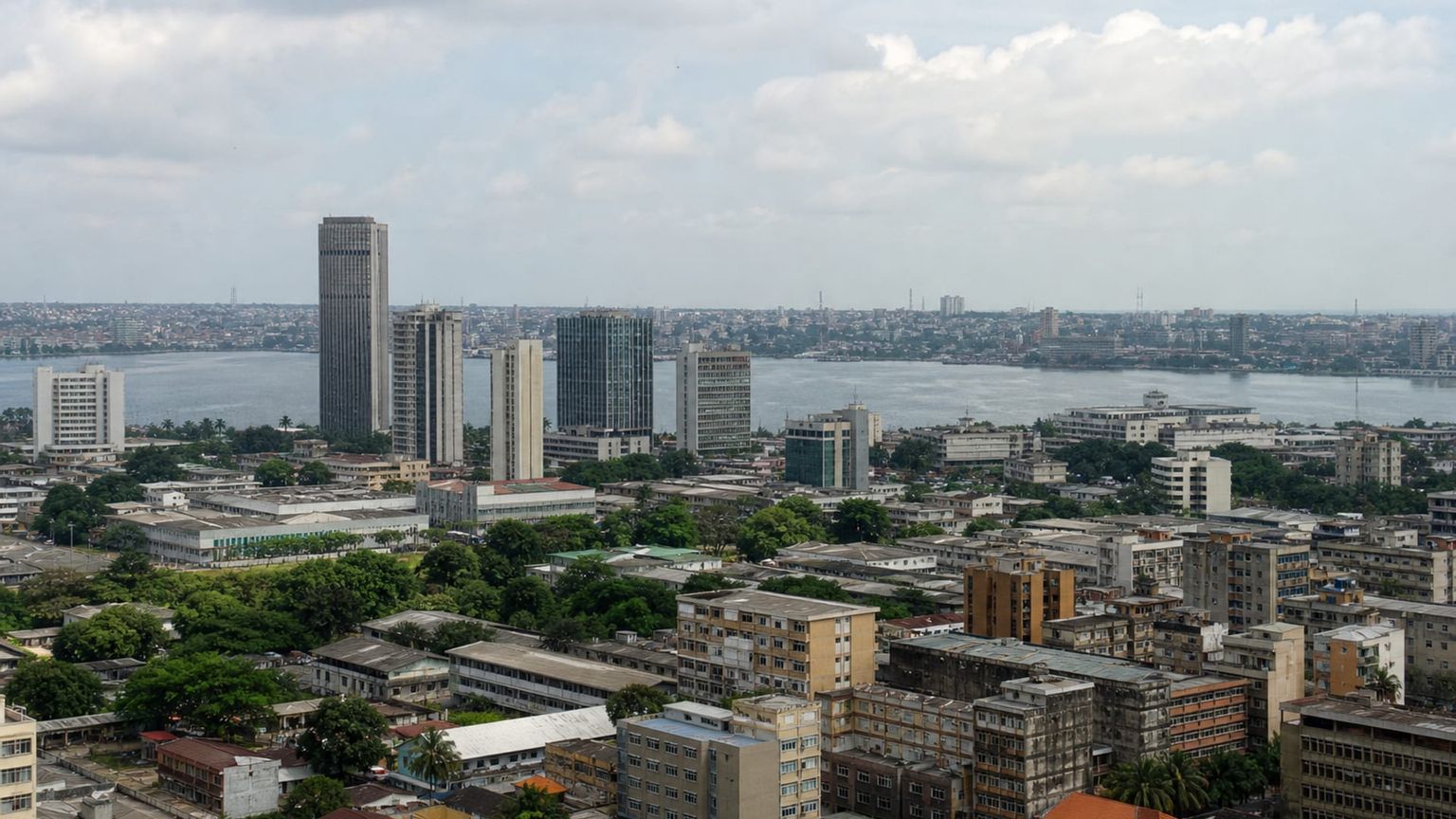
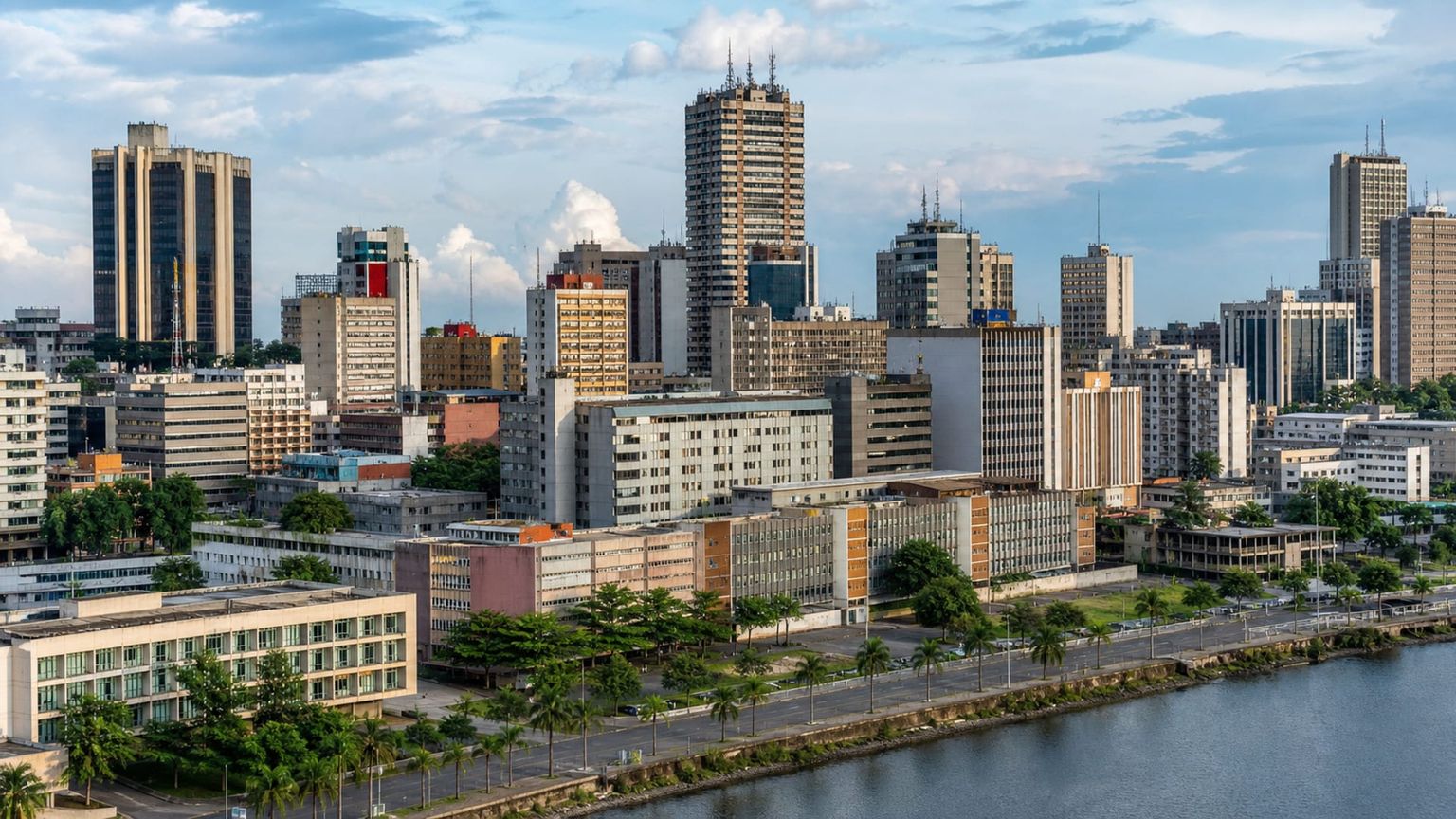
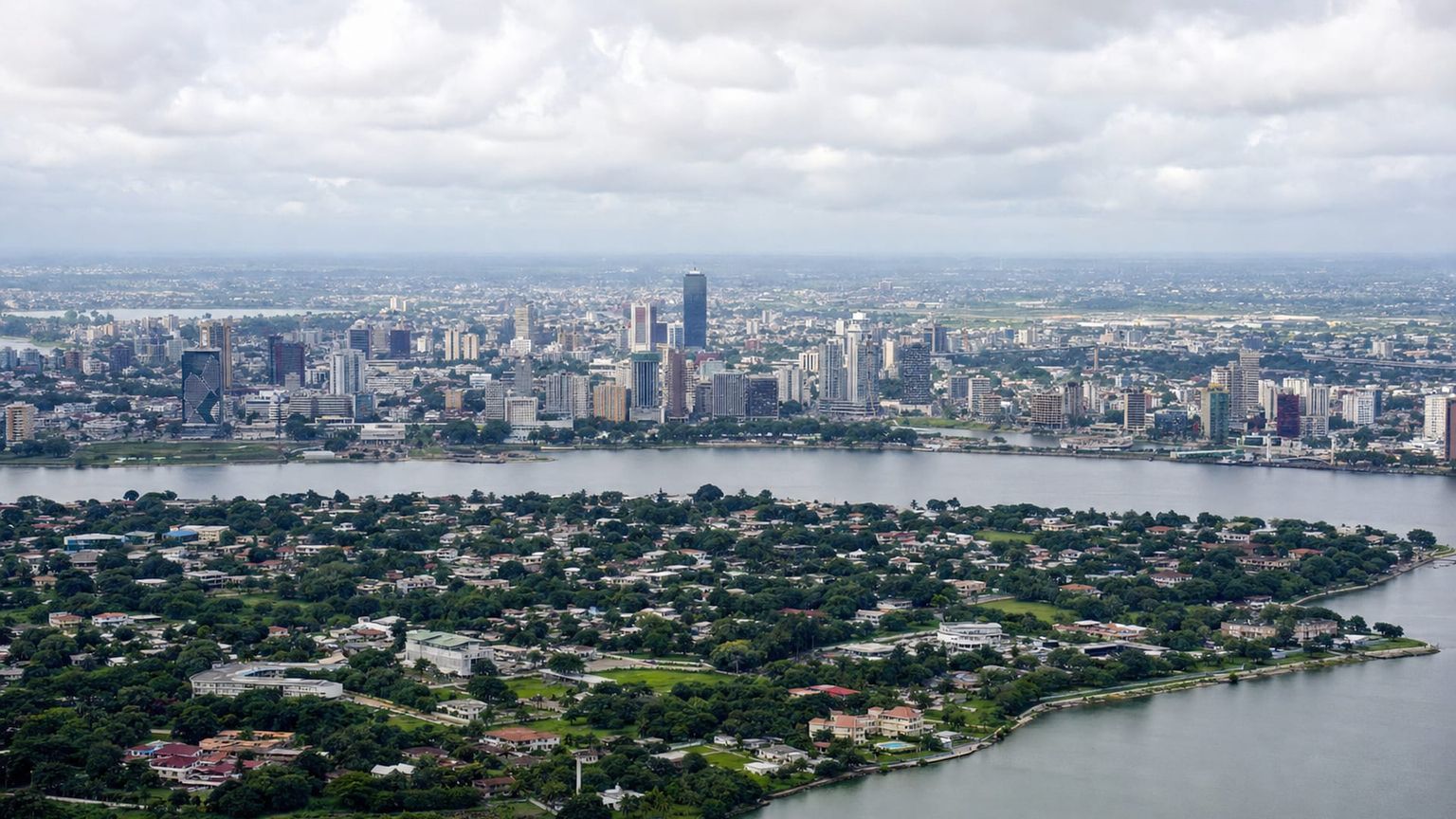
Abidjan stretches along the Ébrié Lagoon, with glass towers in Plateau, leafy residential districts in Cocody, busy restaurant streets in Deux-Plateaux, and neighborhoods where markets, maquis, and everyday traffic set the pace.
The city’s character comes through in its contrasts. St. Paul’s Cathedral and the Grande Mosquée rise above the business district, Banco National Park brings tropical forest into the urban landscape, and places such as CAVA and MuCAT add local craft and contemporary art. Food is just as important, from attiéké and garba to kédjénou and alloco.
With five days, there is time to see the main sights, explore different districts, and leave room for long meals, traffic, and slower evenings without trying to cover the whole city at once.
Useful things to know

Main language(s): French
Bonjour (bohn-zhoor) – Hello / good morning
S’il vous plaît (seel voo pleh) – Please
Merci (mehr-see) – Thank you
Parlez-vous anglais ? (par-lay voo ahn-gleh) – Do you speak English?
C’est combien ? (seh kohm-byen) – How much is it?

Currency: West African CFA franc (XOF, CFA)

Cash and cards: Cards are accepted at many hotels, restaurants, and malls, but keep some cash for markets, small shops, street taxis, and other places that may not take cards.

Tipping: Tipping is not required, but rounding up or leaving about 5%–10% for good service at sit-down restaurants is appreciated. Check first whether service is already included.

Traditional food: Attiéké, kédjénou, alloco, and garba are among the Ivorian dishes most commonly associated with Abidjan and local everyday cooking.

Water and coffee costs: Bottled water at cafés and restaurants is often about CFA 1,000 ($1.70), while an espresso usually costs CFA 1,500 to CFA 2,500 ($2.60 to $4.30).

Taxis and ride apps: Yango operates in Abidjan and shows the fare in the app. Street taxis are also common, and it is best to agree on the price before starting the ride.

Plug and voltage: Type C and E sockets, 230V, 50Hz. US travelers need a plug adapter and should check that their devices support 230V or 100–240V.

Dining and shop opening hours: Restaurant hours vary, with some closing between lunch and dinner. Larger malls and supermarkets usually keep longer hours than small independent shops.

Emergency number: Call 100 for police, 180 for fire rescue, and 185 for SAMU medical emergencies.
Where to stay in Abidjan
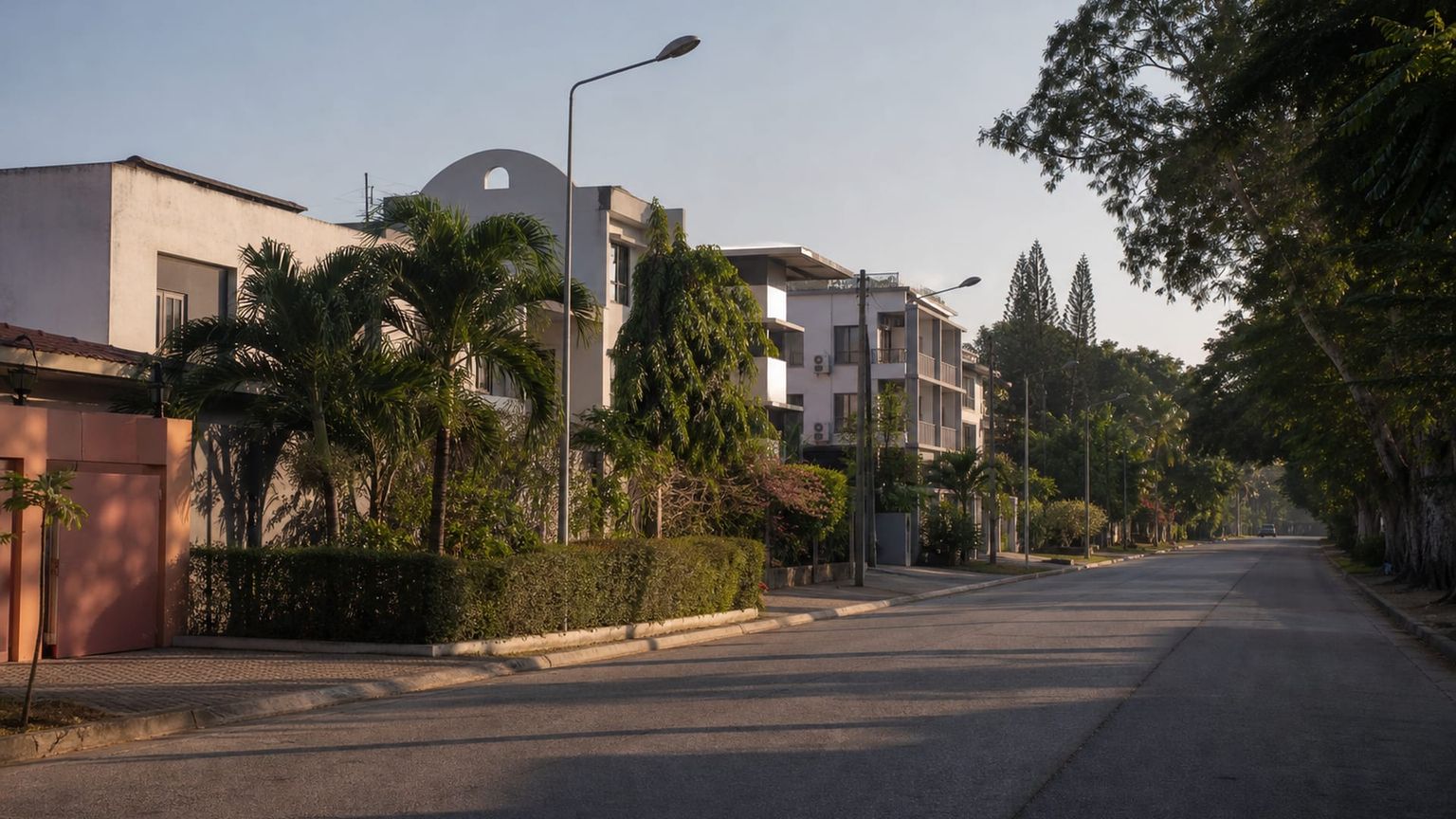
Cocody is one of Abidjan’s most affluent areas, home to embassies, villas, hotels, offices, restaurants, and several distinct neighborhoods. Deux-Plateaux and Riviera have active dining and shopping areas, while other parts of the commune are more residential and spread out.
Best for: Embassy-area stays, higher-end hotels, and visitors who prefer a residential base
What to expect: Broad roads, guarded compounds, and steady car traffic define the area, with busier evenings near hotel and restaurant clusters.
Hotel prices: Usually about $120 to $250 per night for well-rated stays
Distance to major sights: About 15 to 25 minutes by car to Plateau and the Presidential Palace area
Quietness: Quieter by day than central Abidjan, then livelier in hotel and dining pockets after dark.
Main trade-off: You will rely on taxis for most outings, and dinner choices are more spread out than in the central business districts.
Good to know: Taxis and Yango make direct trips easier, but leave extra time during rush hour because relatively short journeys can take much longer.
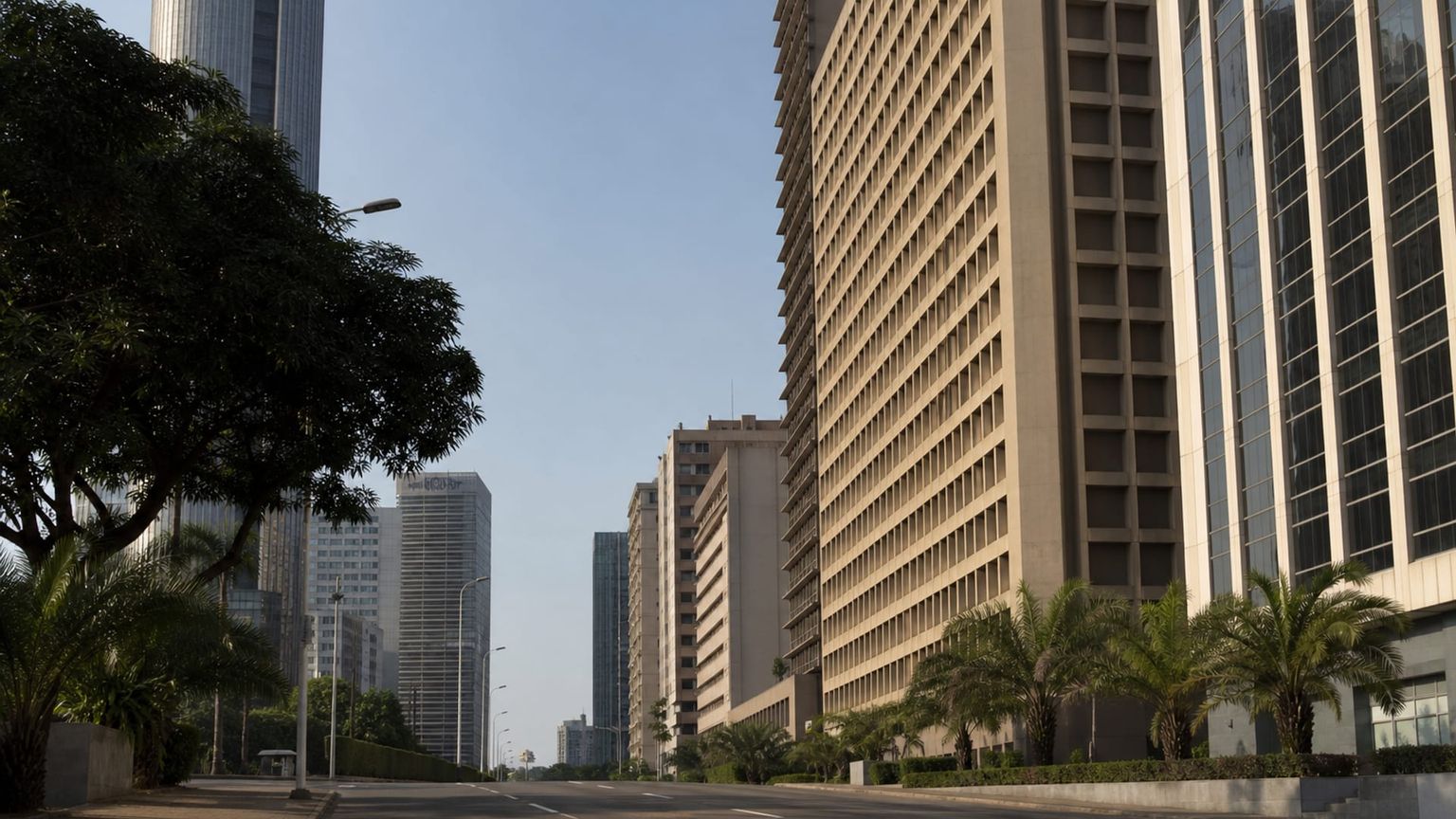
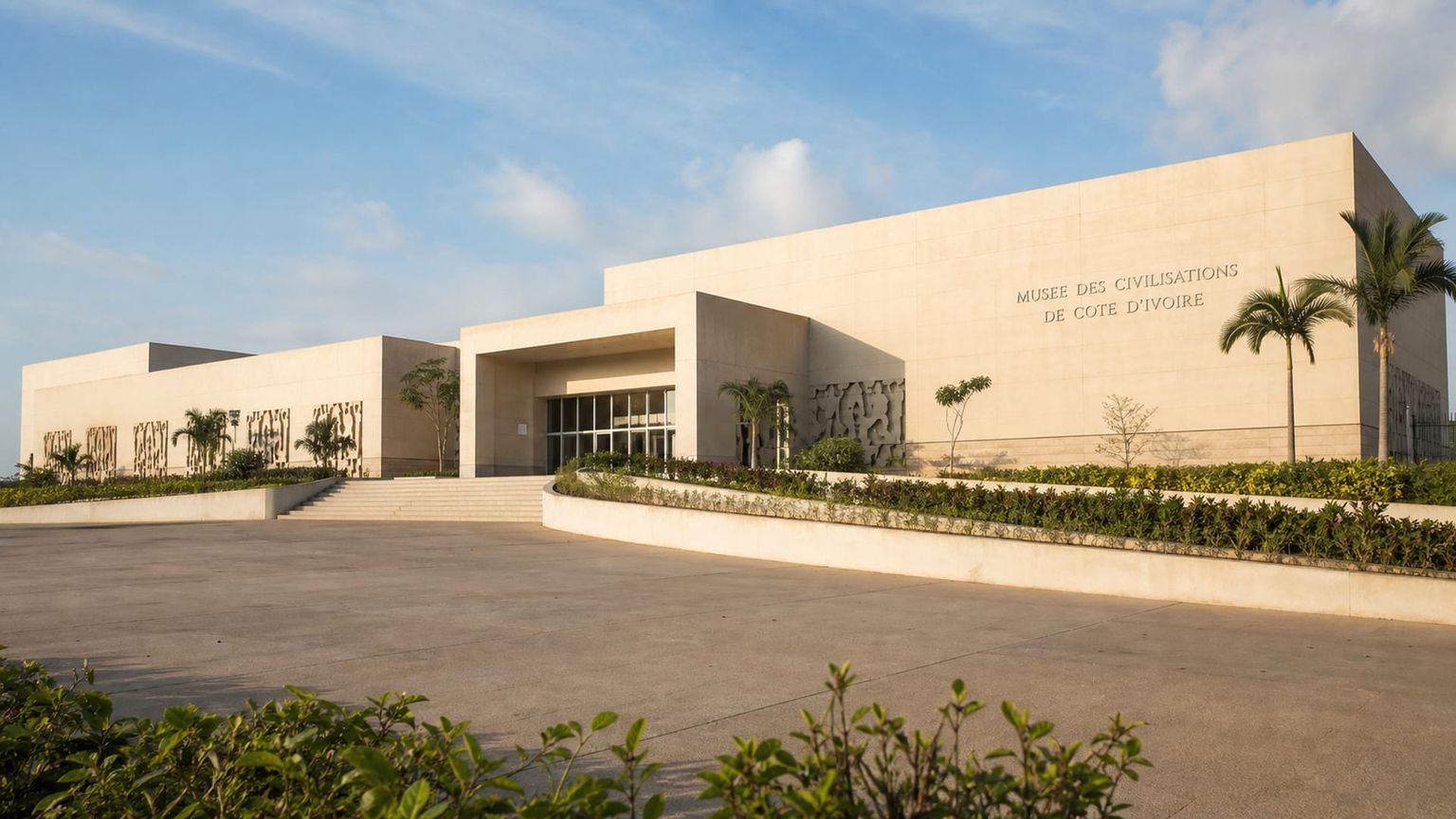
Plateau is Abidjan’s main business and government district, filled with ministries, banks, company offices, hotels, St. Paul’s Cathedral, and the Musée des Civilisations. Its concentration of offices and landmarks makes it especially useful for business trips and short city visits.
Best for: Business trips, short stays, and travelers who want central access to offices and landmarks
What to expect: Weekday foot traffic is heavy around offices, while evenings thin out quickly outside hotel and restaurant streets.
Hotel prices: Usually about $100 to $220 per night for well-rated stays
Distance to major sights: On foot or about 5 to 15 minutes by car to the St. Paul Cathedral and the Banco Bridge edge of the lagoon
Quietness: Busy in the day, then notably calmer at night once offices close.
Main trade-off: Hotels here can cost more than in nearby residential districts, and the area feels quieter after office hours than many visitors expect.
Good to know: Staying near your main meetings or planned stops can save time, as rush-hour traffic can delay even short journeys through central Abidjan.
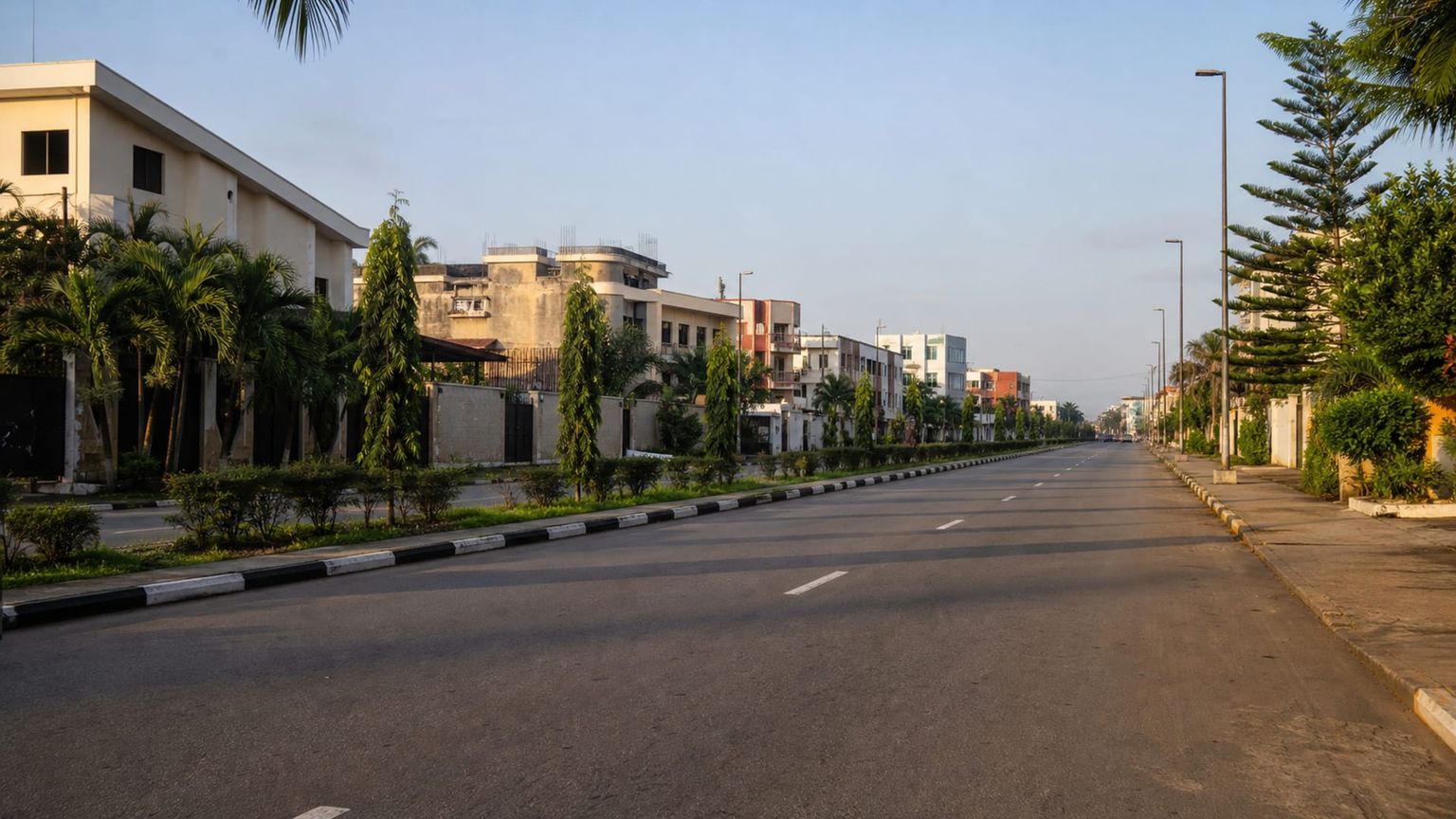
Deux-Plateaux is a residential and commercial neighborhood within Cocody, with apartments, villas, hotels, offices, shops, and a busy restaurant scene. Rue des Jardins and Les Vallons draw much of the dining activity, while nearby side streets are more residential.
Best for: Dining, nightlife, and travelers who want many hotel and apartment choices
What to expect: Busy main roads, active restaurant strips, and a steady stream of cars make it one of the city’s livelier areas after work.
Hotel prices: Usually about $80 to $180 per night for well-rated stays
Distance to major sights: About 20 to 30 minutes by car to Plateau and the waterfront in central Abidjan
Quietness: Lively through the evening on main streets, then calmer on residential side roads.
Main trade-off: Traffic can be slow at peak times, and the liveliest streets bring more noise than Cocody’s quieter residential pockets.
Good to know: The neighborhood is considered one of the safer areas in Abidjan, particularly within the Vallon section, which is popular with expatriates and business travelers.
Travelers usually avoid Yopougon for short visits because it is far west of the main visitor areas. Bingerville and outer Cocody mean longer trips to central sights, while Zone 4 suits travelers focused on restaurants, nightlife, or airport access.
Hotel deals
How to get around Abidjan efficiently
In Abidjan, most visitors rely on Yango rides, street taxis, and SOTRA buses or lagoon boats to get around the city.

Yango
for direct trips and late hours
Use Yango for direct trips, airport transfers, and late-night rides when you want the fare shown before departure. The app works across Abidjan, lets you request a car to your location, and supports cashless payment. Traffic can still add time, especially during weekday rush hours.

Street taxis
for short direct rides
Street taxis are useful for short, direct trips and in places where you can easily find one. Orange taxis operate across Abidjan, but drivers don’t always use the meter, so agree on the fare before you leave. Carry cash in CFA francs, especially for independent taxi rides.

SOTRA buses and lagoon boats
for low-cost travel
SOTRA is the main low-cost option for daytime travel. MonBus services cover major districts, with fares of CFA 200 ($0.35), while MonBato boats cross the Ébrié Lagoon for CFA 150 to CFA 200 ($0.25 to $0.35). Both are useful for longer trips across the city; buses are still affected by heavy traffic.
*Prices are based on rates updated as of September 2026 and may change at the time of travel.
Use Yango or taxis for direct and late trips, and SOTRA buses or lagoon boats for lower-cost daytime travel when their routes fit your plans across the city.
Iconic landmarks
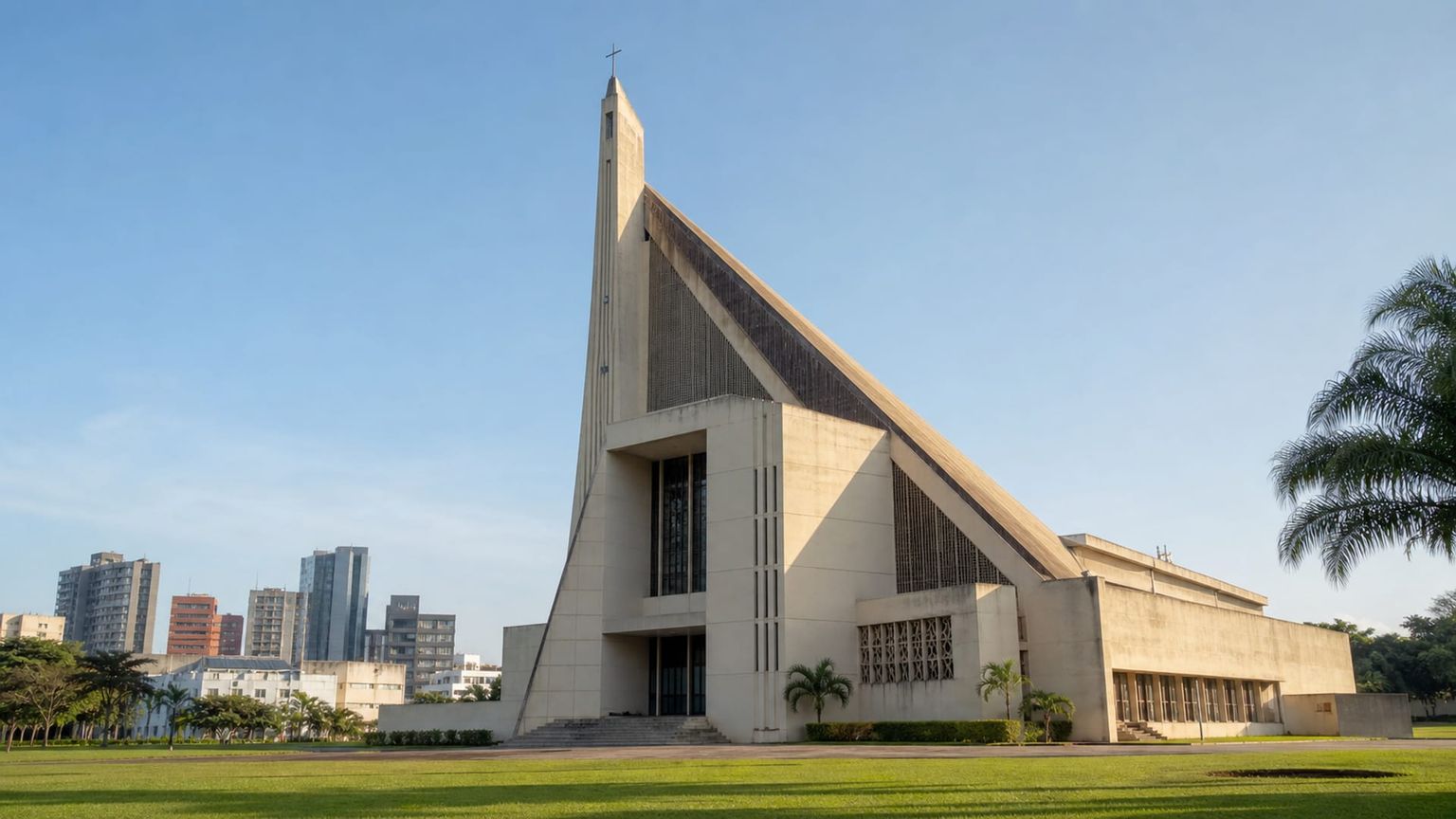
St. Paul's Cathedral, Abidjan
St. Paul’s Cathedral is one of Abidjan’s defining modern landmarks, rising above Plateau with a dramatic triangular form and monumental cross. Designed by Italian architect Aldo Spirito and inaugurated in 1985, it is known for its stained glass, ceramic panels, and views over the Ébrié Lagoon.
Time needed: About 45 minutes to 1 hour
Entry: Entrance is free; donations are welcome, and guided visits may have a separate fee for groups or special access to the tower.
Tip: Visit outside Mass times so you can see the interior without interrupting services.
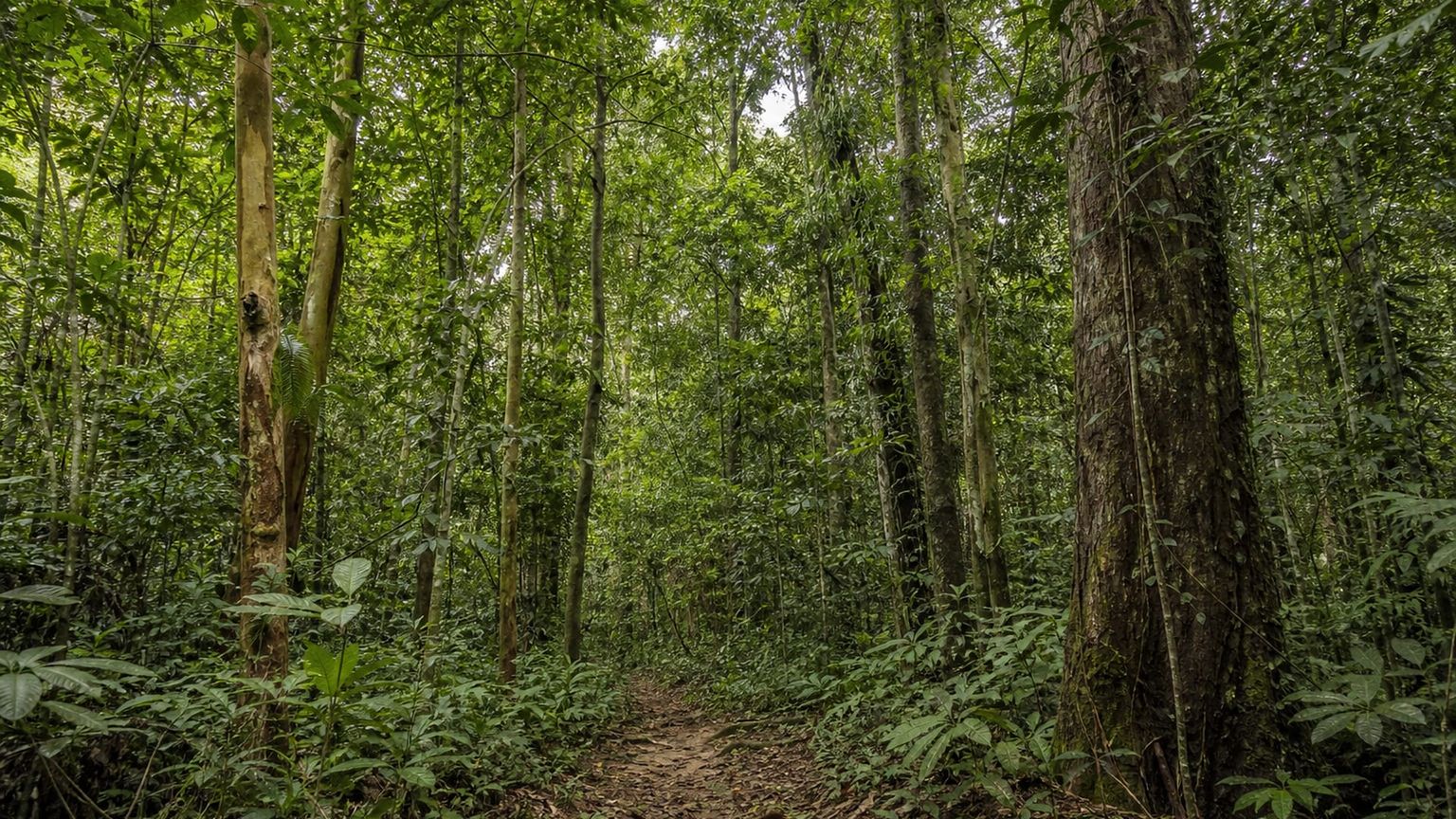
Banco National Park
Banco National Park protects a large tropical forest on the northern side of Abidjan, with walking routes through dense vegetation and towering trees. It is one of the few places in the city where you can spend several hours in the forest without making a long trip beyond the urban area.
Time needed: About 2 to 3 hours
Entry: Entry usually costs about $2 to $5 (1,000 to 3,000 CFA francs), depending on access point, guide use, and current park rules. Visit the official site for details.
Tip: Go early, take water, and wear shoes suited to damp or uneven forest paths.
Grande Mosquée Salam du Plateau
The Grande Mosquée Salam du Plateau is one of Abidjan’s major Islamic landmarks, with a 213-foot (65-meter) minaret, a large prayer hall, and an esplanade in the business district. Its long construction history and prominent position have made it a recognizable part of the Plateau skyline.
Time needed: About 1 to 2 hours
Entry: Admission is usually about $1 to $4 (500 to 2,500 CFA francs), with possible extra charges for temporary exhibitions or photography.
Tip: Dress modestly and avoid arriving during Friday prayers or other busy worship periods.
Overlooked sites worth visiting

Musée des Cultures Contemporaines Adama Toungara (MuCAT)
MuCAT in Abobo focuses on contemporary Ivorian and African art, with changing exhibitions across two galleries. A library, café, and shop make it easy to spend time beyond the main displays.
Time needed: About 2 to 3 hours
Entry: Entry is typically free for walkers, though local guides, parking, and any ranger-led visits may cost extra. Allow some CFA francs in cash for transport, and check current access rules before you go, because trail openings and guided options can change.
Tip: Check the current exhibition before making the trip, since the program changes regularly.

Centre Artisanal de la Ville d’Abidjan (CAVA)
CAVA is Abidjan’s main artisan center, with batik, Korhogo cloth, carvings, jewelry, paintings, masks, and other crafts. Some artisans work on site, adding context to the pieces sold here.
Time needed: About 1 to 2 hours
Entry: Admission is usually about $2 to $5 (about CFA 1,200 to CFA 3,000), depending on exhibitions and any special access. Bring cash in local currency, since card payment is not always available at the entrance or for small add-ons.
Tip: Take time to browse several stalls before buying, since styles and prices vary.
Traditional food
Abidjan’s everyday food reflects Ivorian cooking through attiéké, fried plantain, grilled fish, chicken, and richly seasoned sauces, with street food and restaurant versions found across the city.
Attiéké with grilled fish
Attiéké is steamed fermented cassava semolina, often served with grilled fish, onions, vegetables, and chili. Chez Miss Zahoui in Riviera Palmeraie lists attiéké with grilled fish among its specialties.
Kedjenou
Kédjénou is chicken or guinea fowl cooked slowly in a tightly covered pot with vegetables, onions, and seasonings until the meat becomes tender and the flavors concentrate. Le Pavillon offers kédjénou de poulet.
Aloco
Alloco is ripe plantain cut into pieces and fried until soft inside and caramelized at the edges, often served with chili sauce, egg, fish, or chicken. Dabali Xpress lists alloco with egg and chicken on its menu.
Garba
Garba combines attiéké with fried tuna, chopped onion, fresh chili, and oil, creating a filling everyday meal closely associated with Abidjan. Dabali Xpress serves garba at several locations across the city, making it easy to try.
Best time to visit Abidjan
Abidjan is warm and humid throughout the year, but rainfall changes sharply, with the driest weather from December through February.
Best for: Dry weather, parks, city walks, and sightseeing with fewer rain interruptions
What you get: December through February are among the driest months, with daytime highs near 89°F (32°C), warm nights, and relatively little rain.
Trade-offs: Occasional Harmattan haze can reduce visibility, though it is less consistent here than farther inland.
Best for: Sightseeing in March and April before the main rainy season begins in May
What you get: Highs stay near 89°F (32°C), with moderate rain in March and April before wetter weather becomes much more frequent during May.
Trade-offs: May brings the first stretch of heavy seasonal rain, which can disrupt outdoor plans and slow road travel.
Best for: August city days, cooler temperatures, and outdoor plans between heavier rains
What you get: June is the wettest month, July remains rainy, and August turns much drier and cooler, with highs easing to about 84°F (29°C).
Trade-offs: June and July can bring frequent rain, while August is much easier for walking and other outdoor plans.
Best for: September trips, with lighter rain before wetter weather returns in October
What you get: September is relatively dry, while October and November bring more showers, with average highs rising from about 82°F to 87°F (28°C to 31°C).
Trade-offs: Heavier rain in October and November can slow traffic and make outdoor sightseeing less predictable.
A realistic 5-day plan in Abidjan
Five days in Abidjan gives you time to see the city’s main landmarks, spend a morning in the forest, explore contemporary art, and eat well without rushing across town. Keeping each day focused on one area makes the traffic much easier to manage.
Arrive at Félix-Houphouët-Boigny International Airport (ABJ) and take a taxi or Yango to Cocody or Plateau. Depending on traffic and your hotel, the drive usually takes 20 to 40 minutes. After check-in, spend the evening close to where you are staying. Have dinner at the hotel or nearby, take a short walk if the area suits it, and leave the first full day for Plateau, when you can start early and see the city without squeezing too much into arrival day.
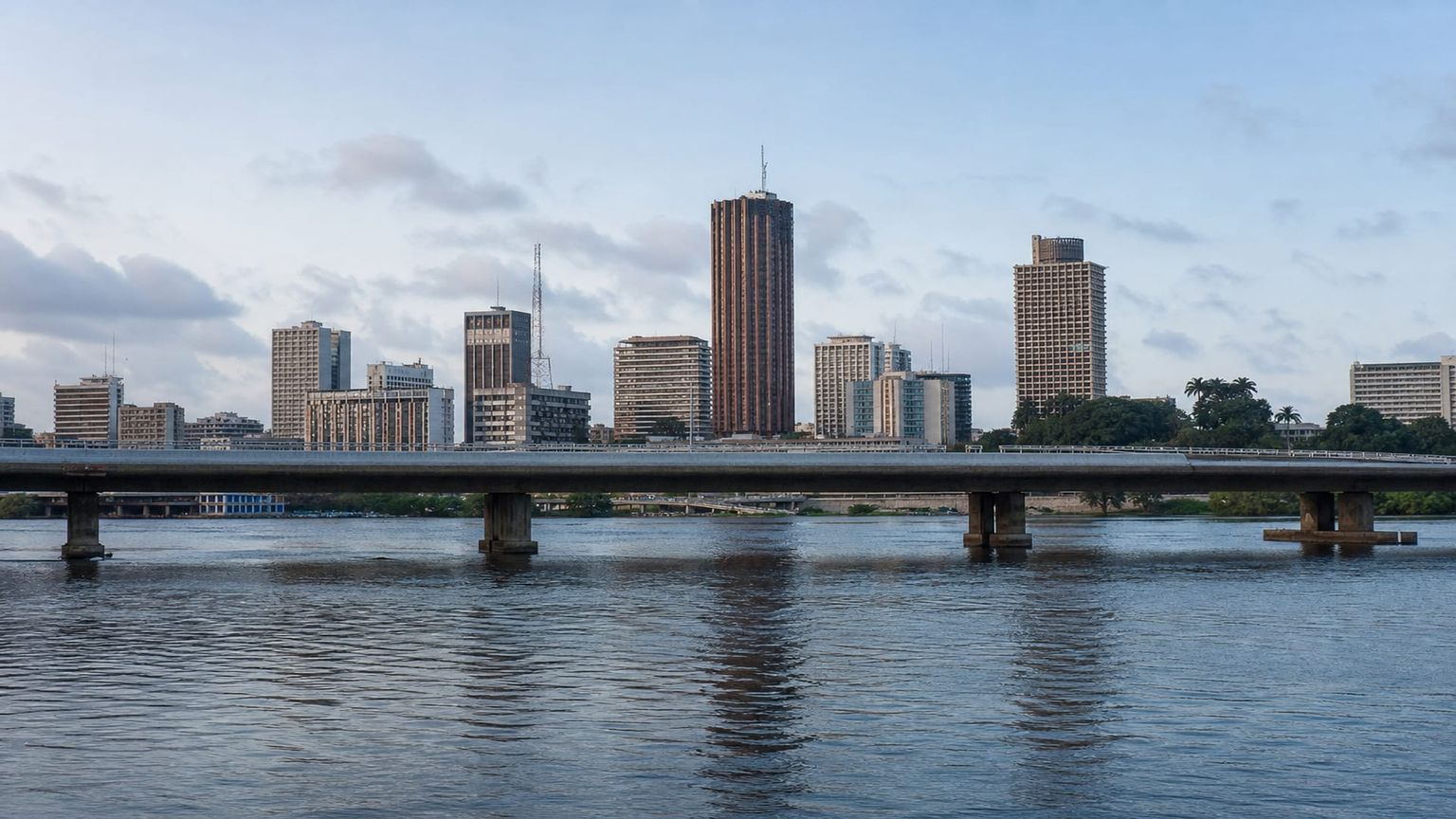
Start in Plateau at St. Paul’s Cathedral, where the stained glass, bold concrete design, and views toward the Ébrié Lagoon make a memorable first stop. From there, continue to the Grande Mosquée Salam du Plateau, then pause for lunch nearby. Spend the afternoon walking through Plateau’s business district, passing government buildings, banks, and modern towers, and finish with coffee before heading back for dinner. It is also a pleasant area for a short walk before you leave.
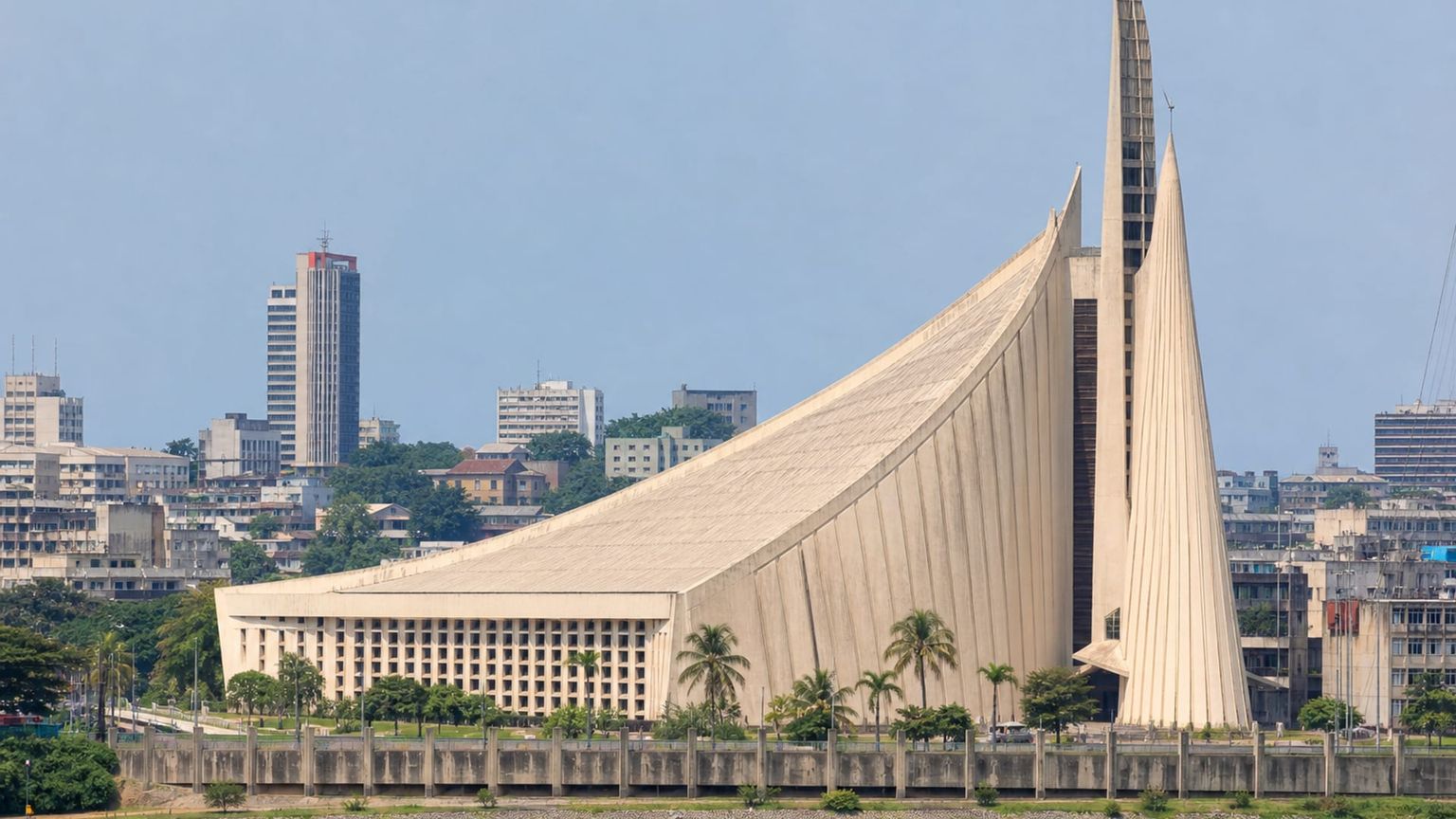
Go to Banco National Park early, before the day gets hotter, and give yourself two to three hours for the forest trails, tall trees, and birdlife. After lunch, continue north to MuCAT in Abobo for a completely different side of Abidjan, with contemporary Ivorian and African art in changing exhibitions. Take your time there, then have an early dinner nearby or head back toward Cocody without crossing the city again. That keeps the day varied without feeling packed.
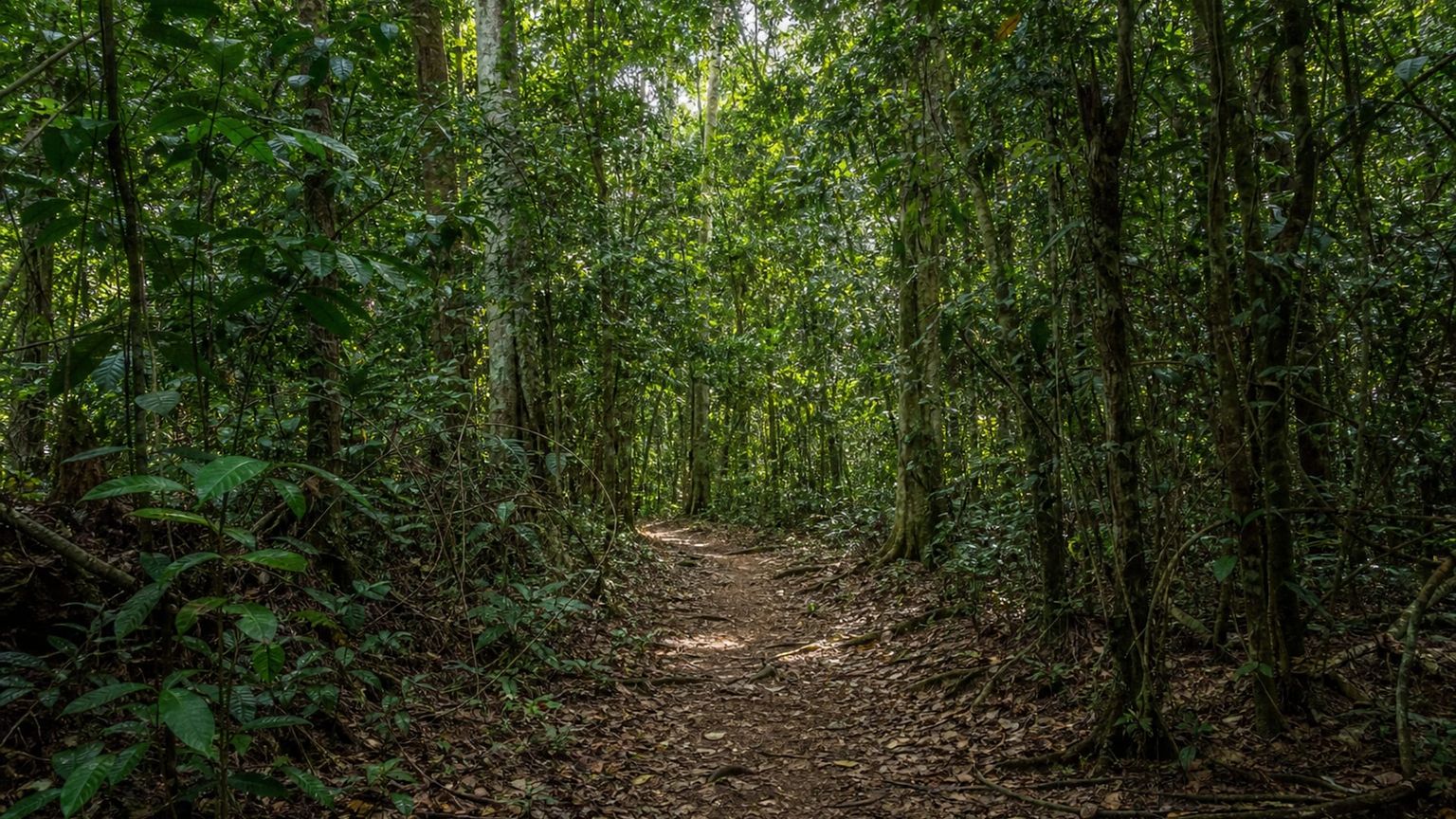
Spend the morning at CAVA, browsing batik, Korhogo cloth, carvings, jewelry, masks, and other work by local artisans. From there, continue into Marcory and Zone 4 for lunch, then spend the afternoon between cafés, shops, and the neighborhood streets. Stay for dinner if you find a place you like. After three days of major sights, this gives you time to enjoy Abidjan at a slower pace before heading back to your hotel. It also keeps the evening flexible.
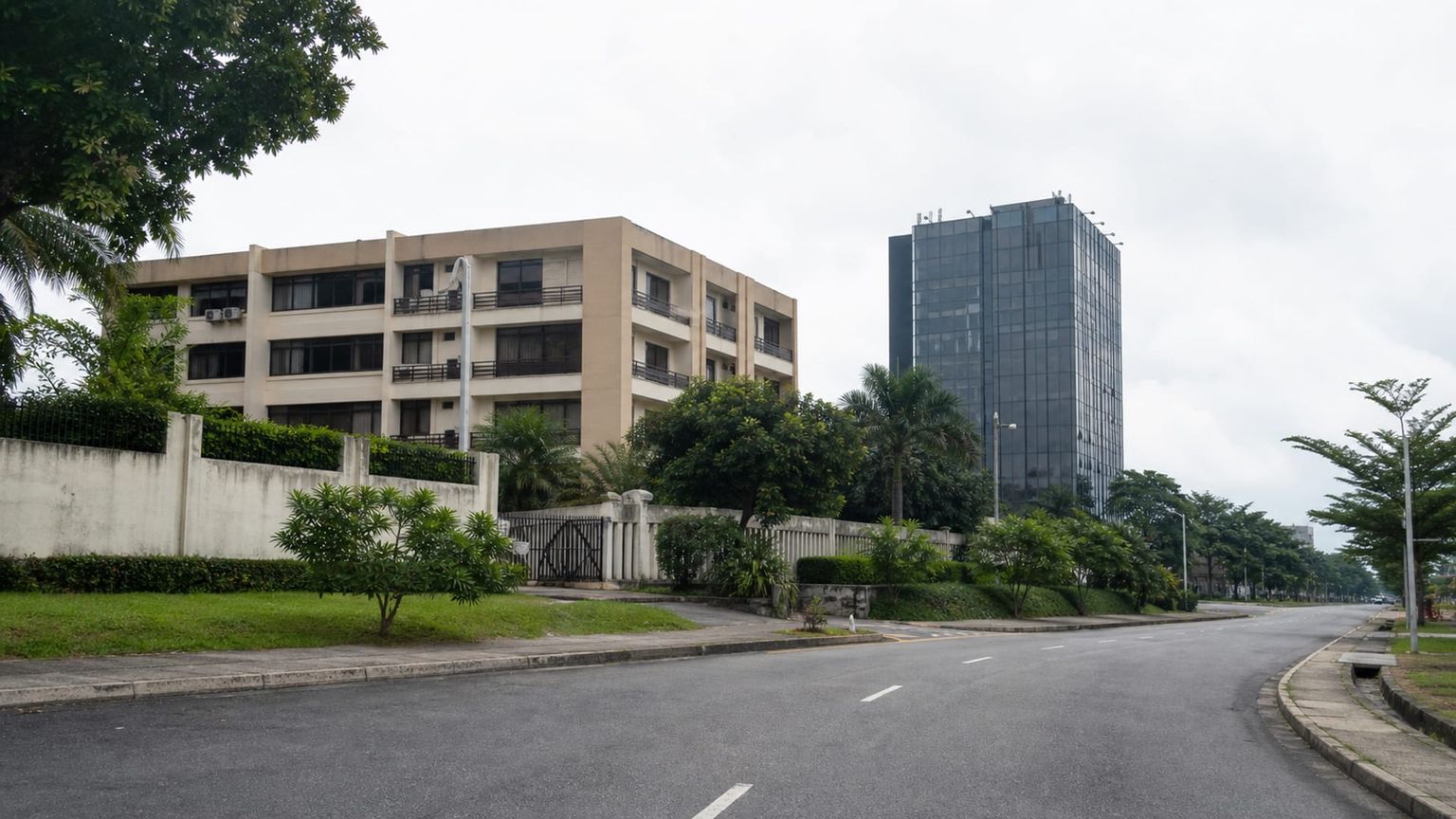
Keep the final morning simple and close to your hotel. Have breakfast nearby, pick up anything you still want from a local shop or market, and leave enough time to pack without rushing. When you are ready to leave, take a taxi or Yango to Félix-Houphouët-Boigny International Airport (ABJ). The drive can take roughly 20 to 40 minutes depending on traffic, so build in extra time and avoid planning one last cross-city stop before your flight.
Business-class flights from the US to Abidjan
Abidjan is served from both US coasts, with a nonstop option available from New York and one-stop routes from several cities through European and African hubs.
New York (JFK) to Abidjan (ABJ)
From New York (JFK), travelers can take a direct flight to Abidjan (ABJ) with Ethiopian Airlines, which takes roughly 9.5 hours. One-stop business-class flights to Abidjan (ABJ) are available with Air France via Paris (CDG), Delta Air Lines in collaboration with Air France via Paris (CDG), and Royal Air Maroc via Casablanca (CMN). Flights usually last 16 to 22 hours, and round-trip fares range from $3,900 to $9,000, depending on the airline, dates, and demand.
Los Angeles (LAX) to Abidjan (ABJ)
From Los Angeles (LAX), business-class trips to Abidjan (ABJ) require at least one layover. Air France offers flights on this route with a layover in Paris (CDG), while Royal Air Maroc offers flights through Casablanca (CMN). The journey is longer than from New York, with flights from 18 to 30 hours. Round-trip fares are typically about $5,000 to $7,500, with the final price varying by travel date and itinerary.
Planning your time in Abidjan
Abidjan is easier to take in when you give each part of the city its own time instead of crossing back and forth all day. Keep nearby sights, meals, and neighborhoods together, and leave some space for traffic, coffee, or a slower evening. A little structure helps the trip feel relaxed without missing the main experiences. Once your dates are set, AranGrant travel experts can help you compare business-class flights and hotels for Abidjan before you travel.