

Chapters:

Need help with your trip?
Our support team is available 24/7. Request a callback or call us directly at (833) 619-0908
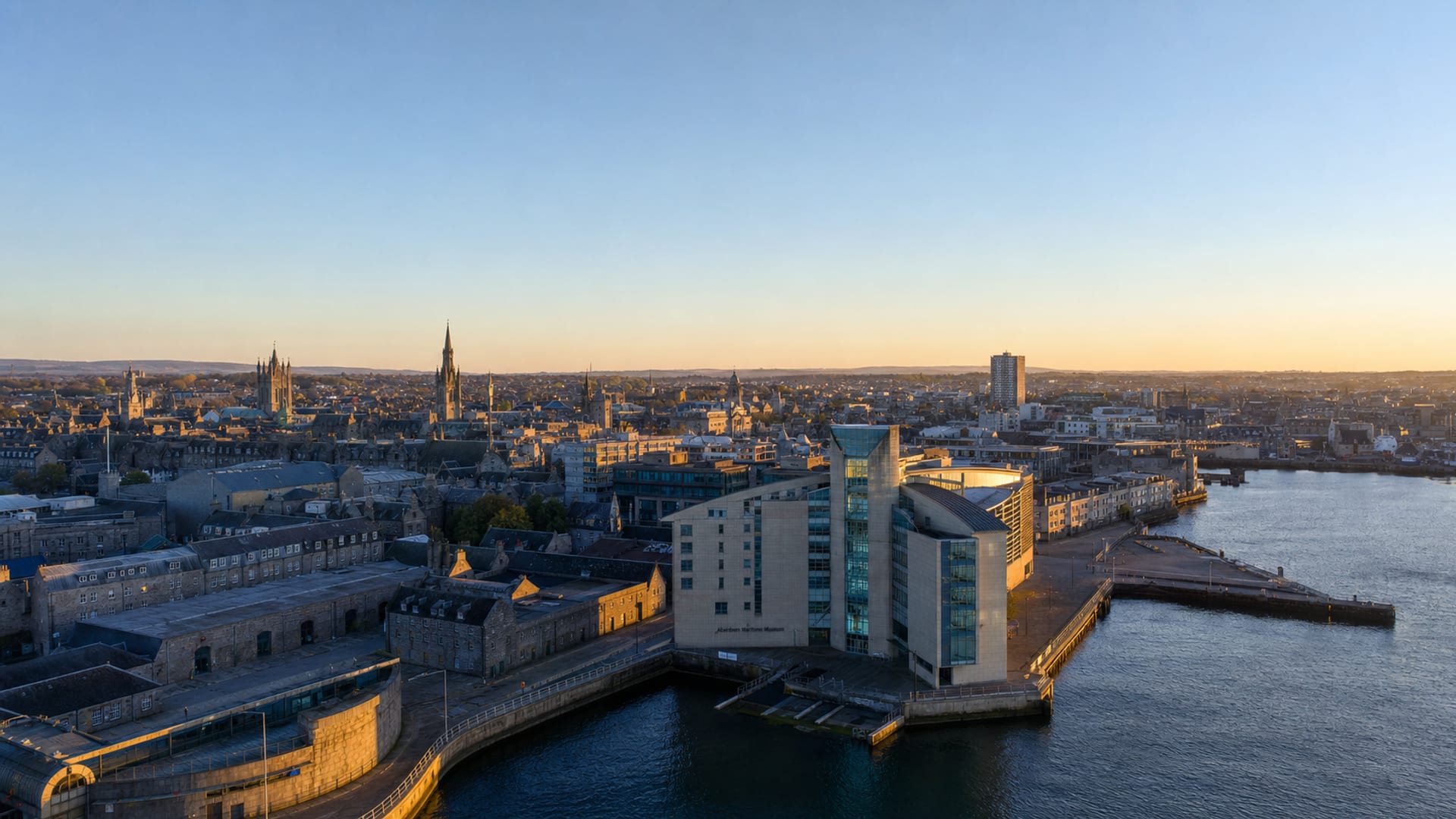
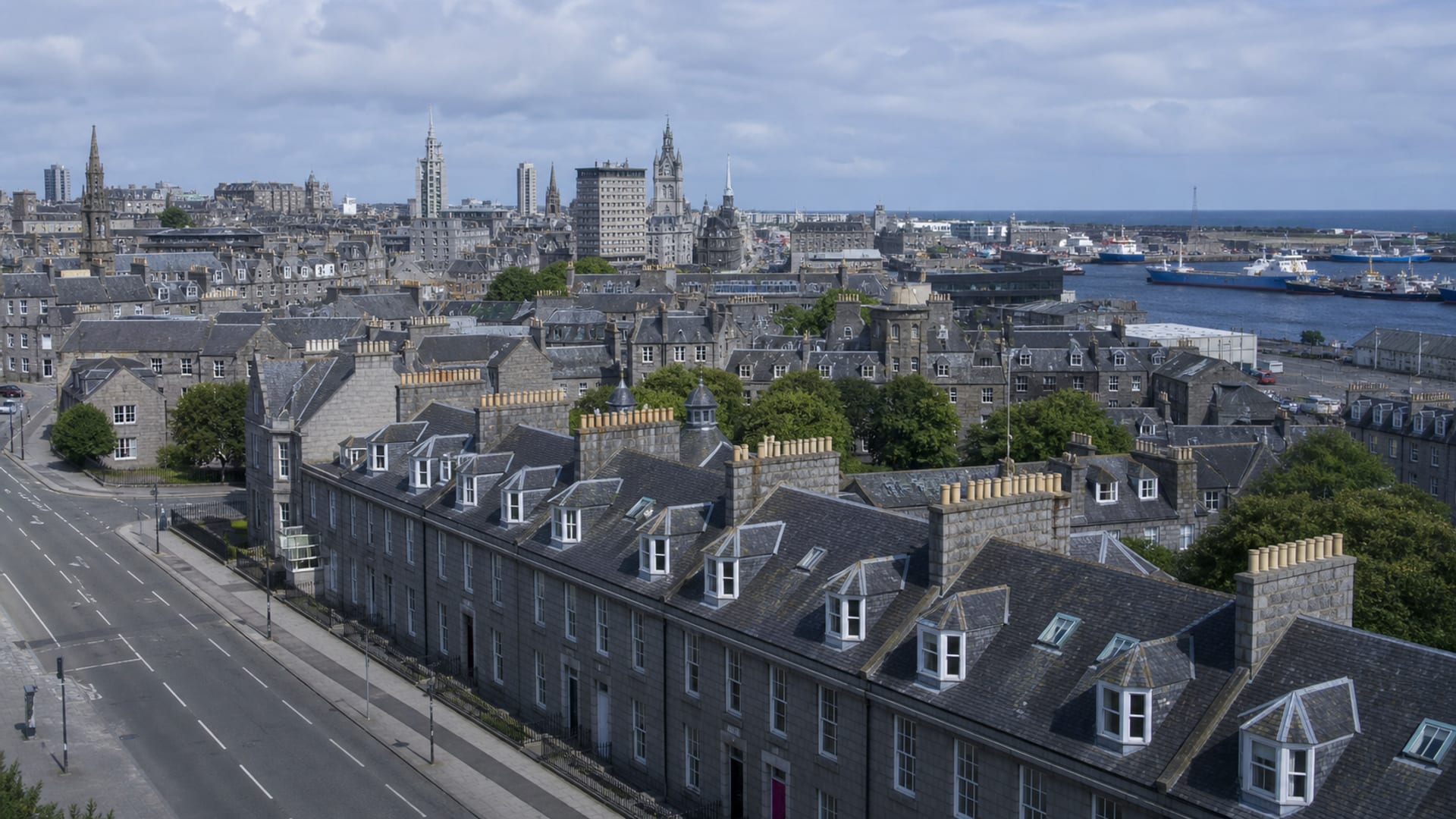
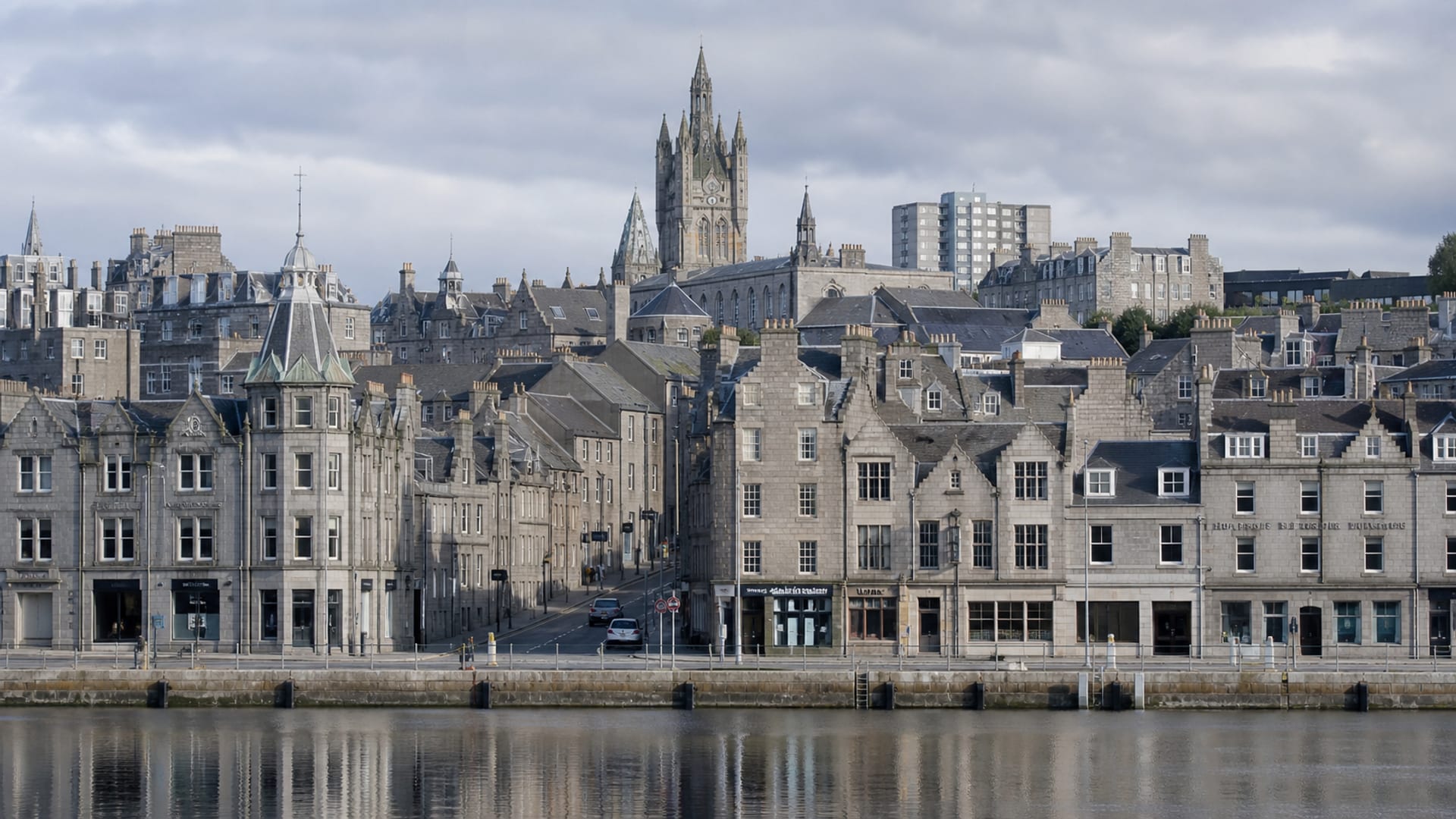
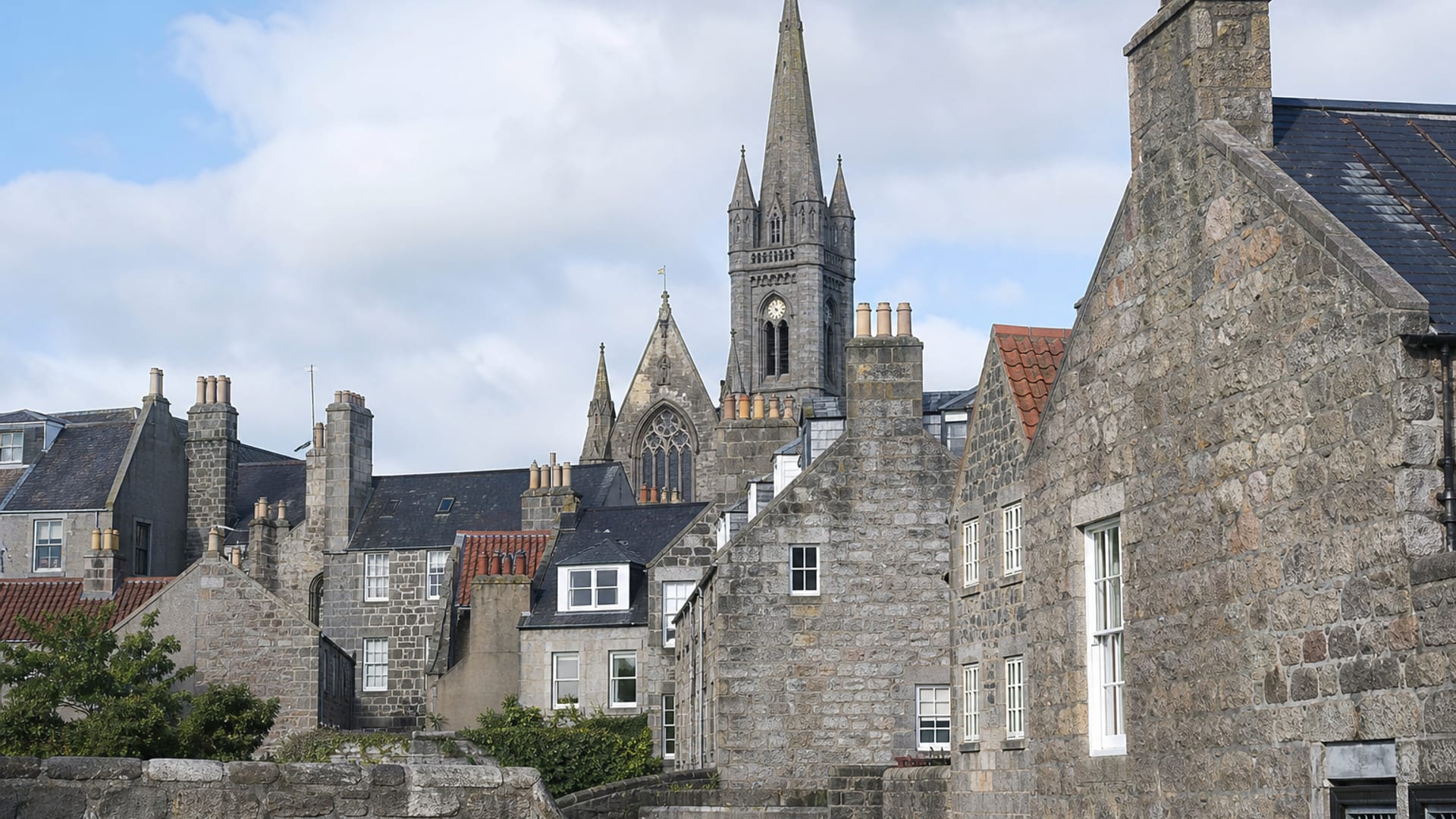
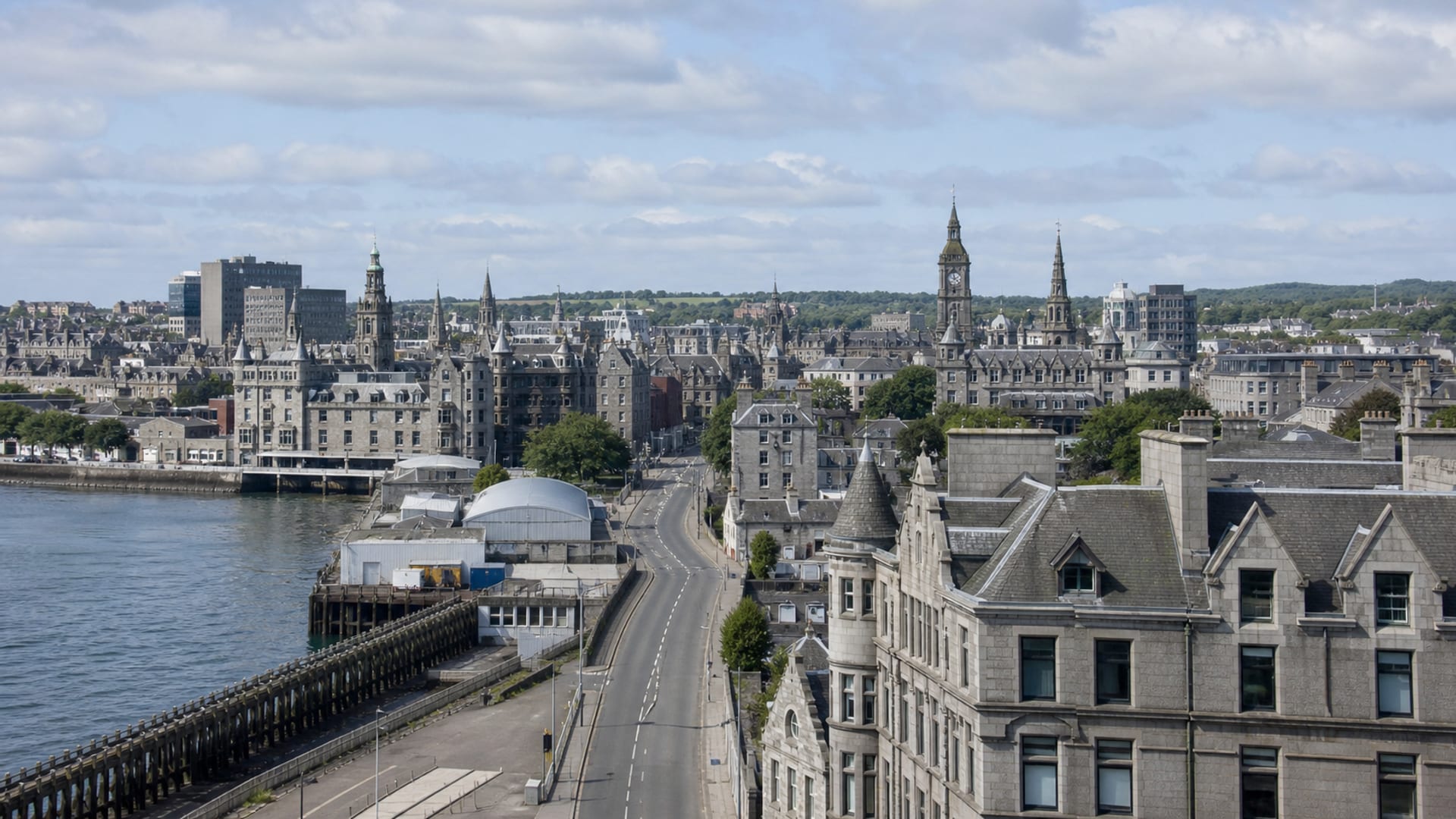
Aberdeen is known for its granite architecture, working harbor, long North Sea waterfront, and historic university quarter. Union Street and Shiprow contain many of the central sights, Old Aberdeen brings medieval and university history farther north, while the beach and Footdee show how closely the city remains connected to the coast.
The city is compact enough for an efficient five-day stay, but the main sights are spread between the center, Old Aberdeen, the waterfront, and the coast. This article explains where to stay, how to move between those areas, what to eat, when to visit, and how to reach the city in business class from the US.
Useful things to know

Main language(s): English

Currency: Pound sterling (GBP, £)

Cash and cards: Hotels, restaurants, shops, attractions, buses, and most taxis accept cards. Carry £20–£40 ($25–$51) for smaller purchases or businesses that prefer cash.

Tipping: Check restaurant bills for a service charge first. When it is not included, a tip of roughly 10% is common.

Traditional food: Aberdeen Angus beef, butteries or rowies, stovies, and cullen skink

Water and coffee costs: Bottled water generally costs £1–£2 ($1.40–$2.70). An espresso in a central café commonly costs £2.50–£3.50 ($3.40–$4.80).

Taxis and ride apps: Aberdeen has licensed local taxis and Uber. Airport taxis accept both cards and cash.

Plug and voltage: Type G socket, 230V, 50Hz

Dining and shop opening hours: Cafés usually open at 7:00 am or 8:00 am, while restaurants serve lunch at noon and dinner from the early evening. Sunday hours are often shorter.

Emergency number: Dial 999 or 112 for police, fire, or ambulance services.
Where to stay in Aberdeen
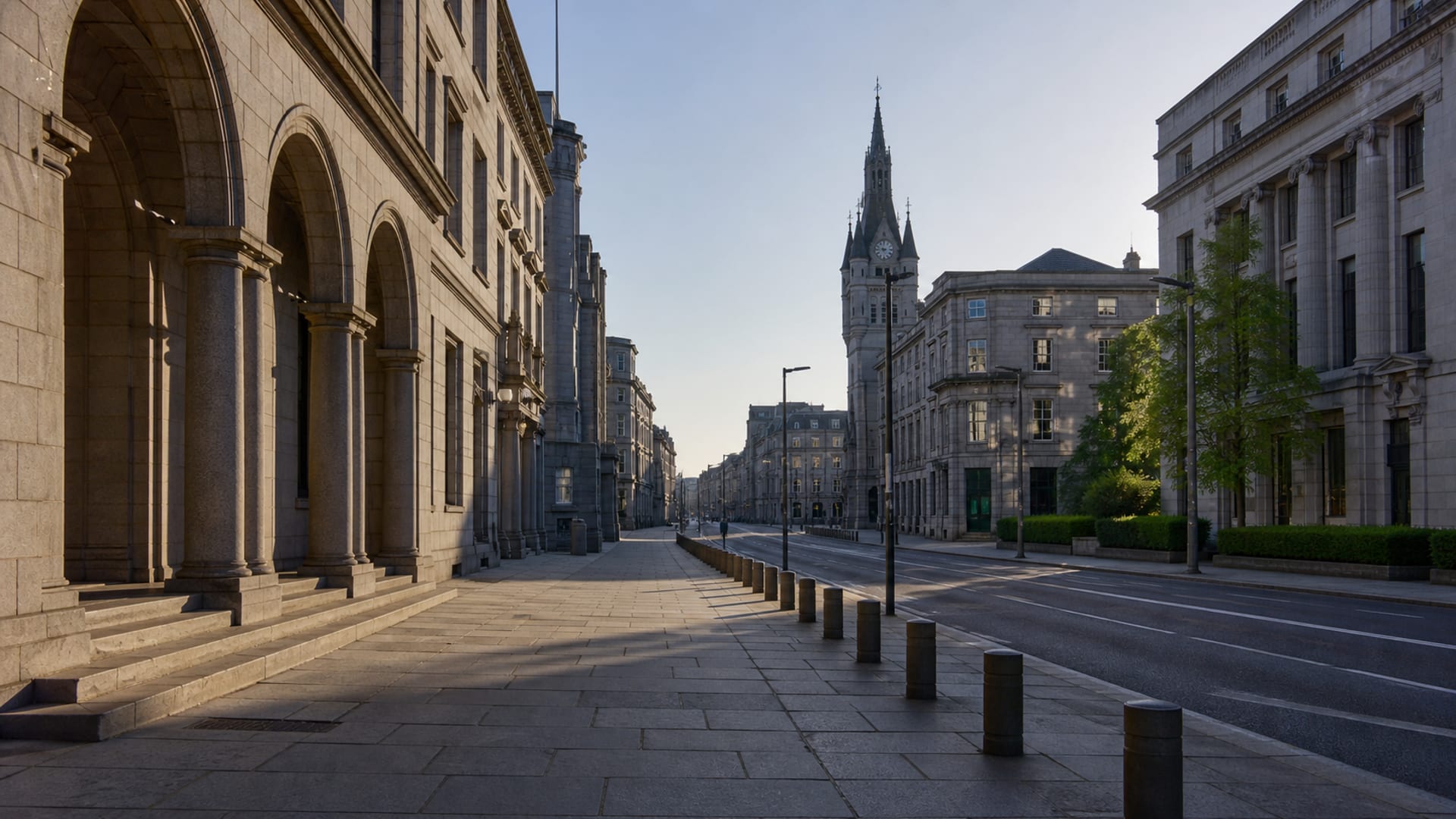
Aberdeen City Center is the most convenient area for first-time visitors, with Union Street, Shiprow, restaurants, the railway station, and museums close together. Accommodation ranges from smaller central hotels to larger properties, and many of the main sights are easy to reach on foot.
Best for: First visits, restaurants, shopping, museums, and rail connections
What to expect: Granite shopping streets, offices, pubs, restaurants, buses, and regular daytime foot traffic
Hotel prices: Nightly rates at well-reviewed properties typically range from £90 to £170 ($123–$232).
Distance to major sights: Aberdeen Maritime Museum is within the center, while Aberdeen Beach generally takes 10 to 15 minutes to reach by bus or taxi.
Quietness: Side streets generally receive less evening activity than Union Street and the busiest nightlife areas.
Main trade-off: Central rooms can cost more, and some locations are exposed to late-night pub noise.
Good to know: Staying near Union Square keeps the railway station and major bus connections within a short walk.
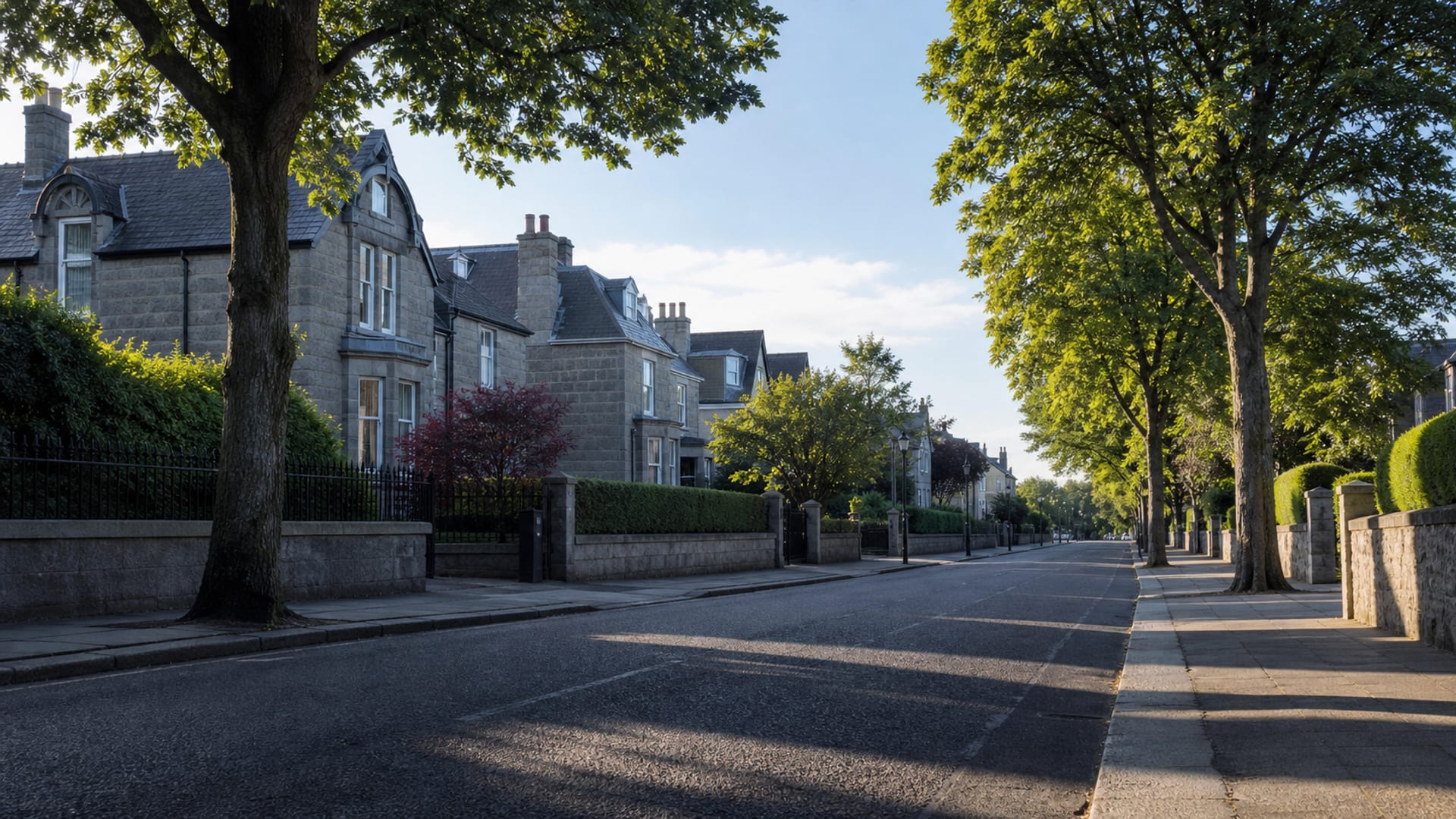
This area stretches west of the center and is known for granite townhouses, residential streets, cafés, and several established hotels. It has less late-night activity than the central shopping district while keeping Union Street close enough for sightseeing, dinner, and public transport.
Best for: Couples, longer stays, restaurants, and quieter evenings
What to expect: Granite houses, residential streets, independent cafés, hotels, and less tourist traffic than the center
Hotel prices: Rooms in well-reviewed properties generally cost £95–£190 ($130–$260) per night.
Distance to major sights: Union Street is generally a 10-20 minute walk away, depending on your hotel location.
Quietness: Residential streets usually have less evening noise than the main roads closer to the center.
Main trade-off: Reaching Shiprow, the harbor, and Old Aberdeen requires longer walks or public transport.
Good to know: Check parking arrangements before booking if you plan to drive, since some streets have restricted or limited spaces.
Ferryhill is a residential district just south of the center, with Victorian houses, local streets, small businesses, and easy access to Aberdeen railway station. It suits travelers who want to stay outside the busiest blocks while keeping Union Street and the transport hub within a manageable walk.
Best for: Rail travelers, longer stays, and evenings away from the busiest streets
What to expect: Residential roads, traditional houses, small local businesses, and limited nightlife
Hotel prices: Expect to pay £80–£160 ($109–$218) per night at many well-reviewed properties.
Distance to major sights: Aberdeen railway station generally takes 10 to 15 minutes to reach on foot, with Union Street slightly farther north.
Quietness: Most residential streets have relatively little late-night foot traffic.
Main trade-off: Restaurant and nightlife choices are more limited than in the City Center.
Good to know: The area is particularly convenient if you plan to take trains to Stonehaven.
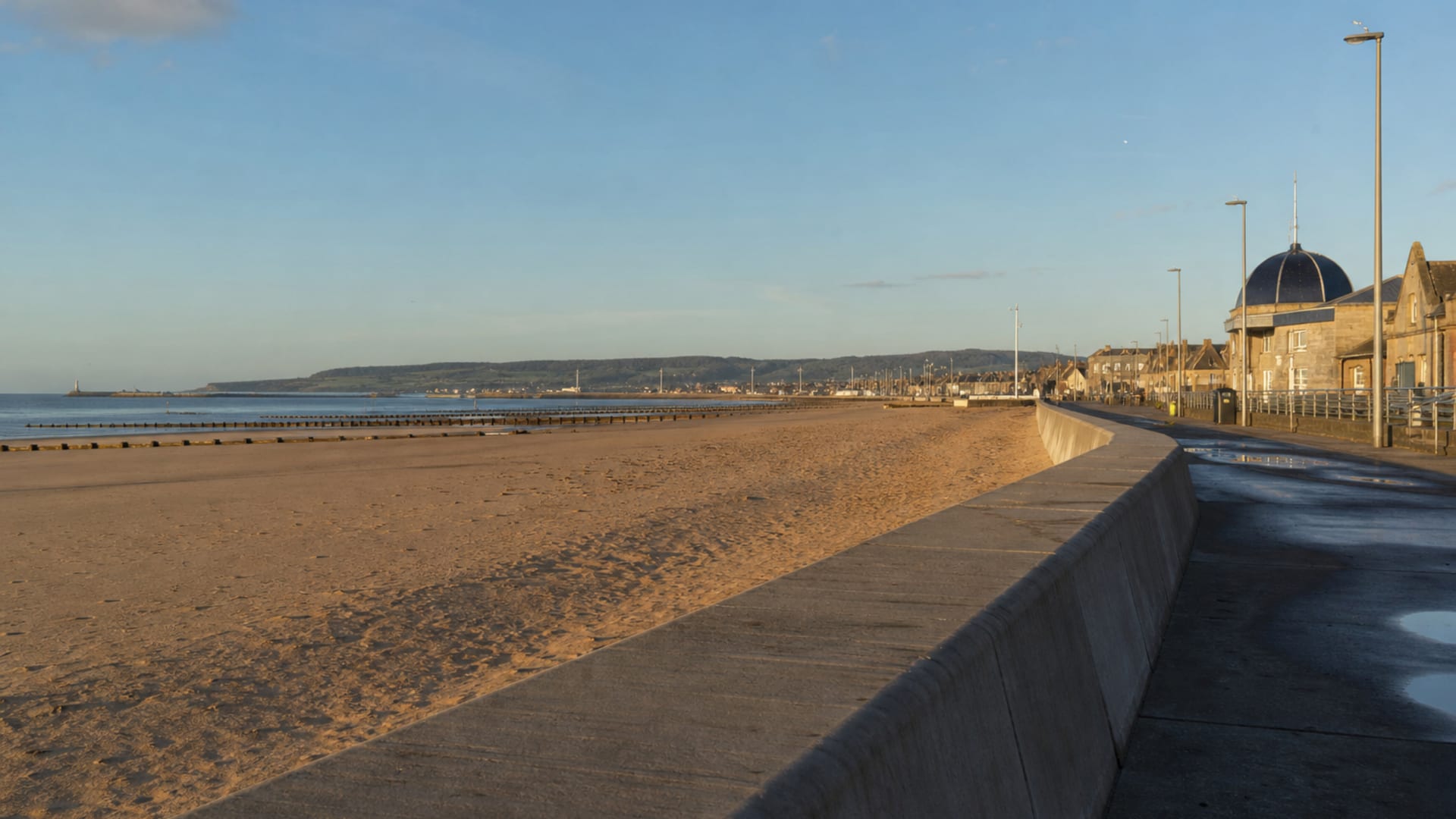
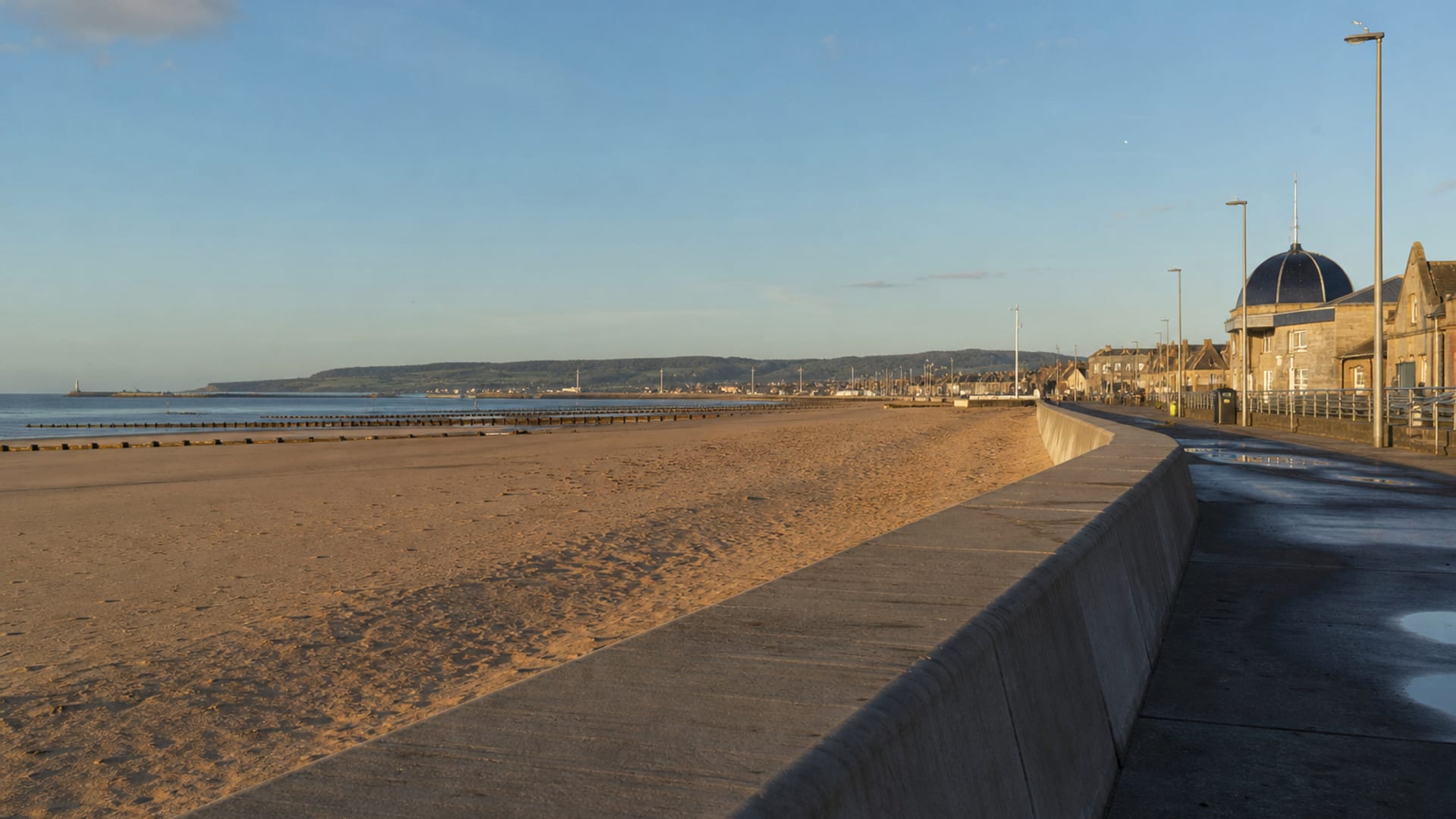
Aberdeen Beach follows the North Sea waterfront northeast of the center and includes the promenade, leisure facilities, cafés, open spaces, and access toward Footdee. The area is a good choice for travelers who want regular seafront walks while remaining a short bus or taxi ride from Union Street.
Best for: Seafront walks, families, Footdee, and travelers who prefer coastal surroundings
What to expect: A long promenade, beach activity, leisure venues, open views, and fewer central-city businesses
Hotel prices: Hotels in the area commonly charge £80–£165 ($109–$225) per night.
Distance to major sights: Union Street takes 10 to 15 minutes to reach by bus or taxi.
Quietness: Activity decreases considerably after the main seafront venues close for the evening.
Main trade-off: You will rely more on buses or taxis for central restaurants, museums, and the railway station.
Good to know: Footdee lies at the southern end of the beachfront and can be combined with a seafront walk.
Tullos, Cove Bay, Altens, Middlefield, and other outer residential or industrial districts add extra travel time for a sightseeing-focused stay. The City Center, West End, Ferryhill, and Aberdeen Beach provide easier access to the main attractions.
Hotel deals
Getting around Aberdeen
Buses, taxis, and trains cover the journeys most visitors need between Aberdeen Airport, the center, Old Aberdeen, the beach, and destinations outside the city.

Metro
for longer distances
Aberdeen railway station provides regular services to Stonehaven, Inverurie, Dundee, Edinburgh, Glasgow, and other Scottish destinations. Stonehaven is the most useful rail stop if you plan to visit Dunnottar Castle. A weekly train pass with unlimited travel costs approximately £40 ($55).

Bus and tram
for convenience
First Aberdeen runs much of the city network, while Stagecoach operates the 727 Bus directly between Aberdeen International Airport (ABZ) and Union Square. Bus tickets range from £2.25 ($3.10) to £5.80 ($7.90). Pay on board, use contactless Tap On Tap Off, or buy tickets through the First Bus app.

Taxi
for convenience or late hours
Licensed taxis provide trips between Aberdeen Airport, the City Center, West End, Old Aberdeen, and the beachfront. The official airport taxi rank is outside the terminal. A journey from the airport to the City Center takes 25 minutes in light traffic and costs £20–£25 ($27–$34).
*Prices are based on rates updated as of August 2026 and may change at the time of travel.
Use city buses for Old Aberdeen and the beach, taxis for direct airport or cross-city journeys, and the train to Stonehaven and Dunnottar Castle.
Iconic places in Aberdeen
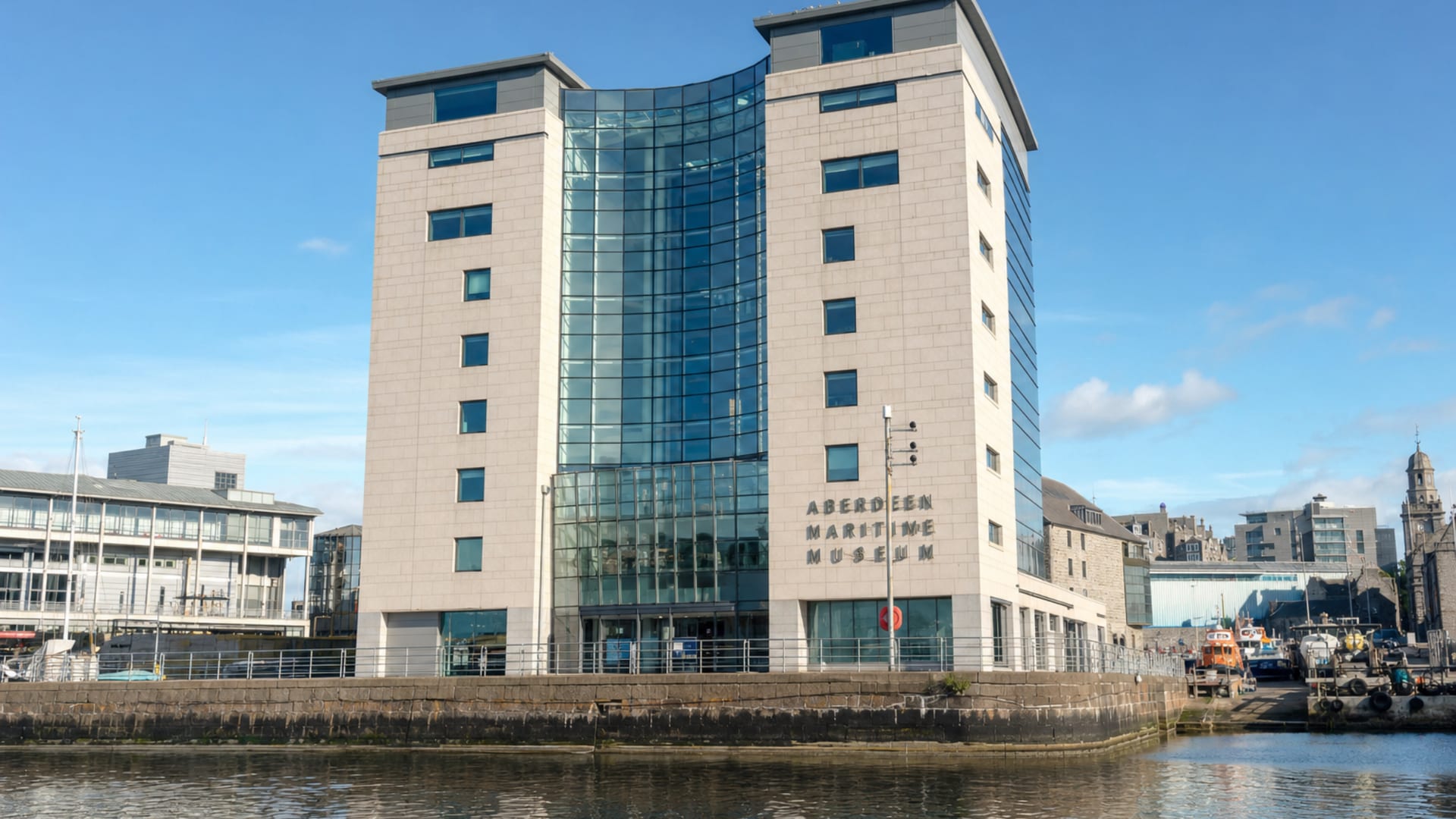
Aberdeen Maritime Museum
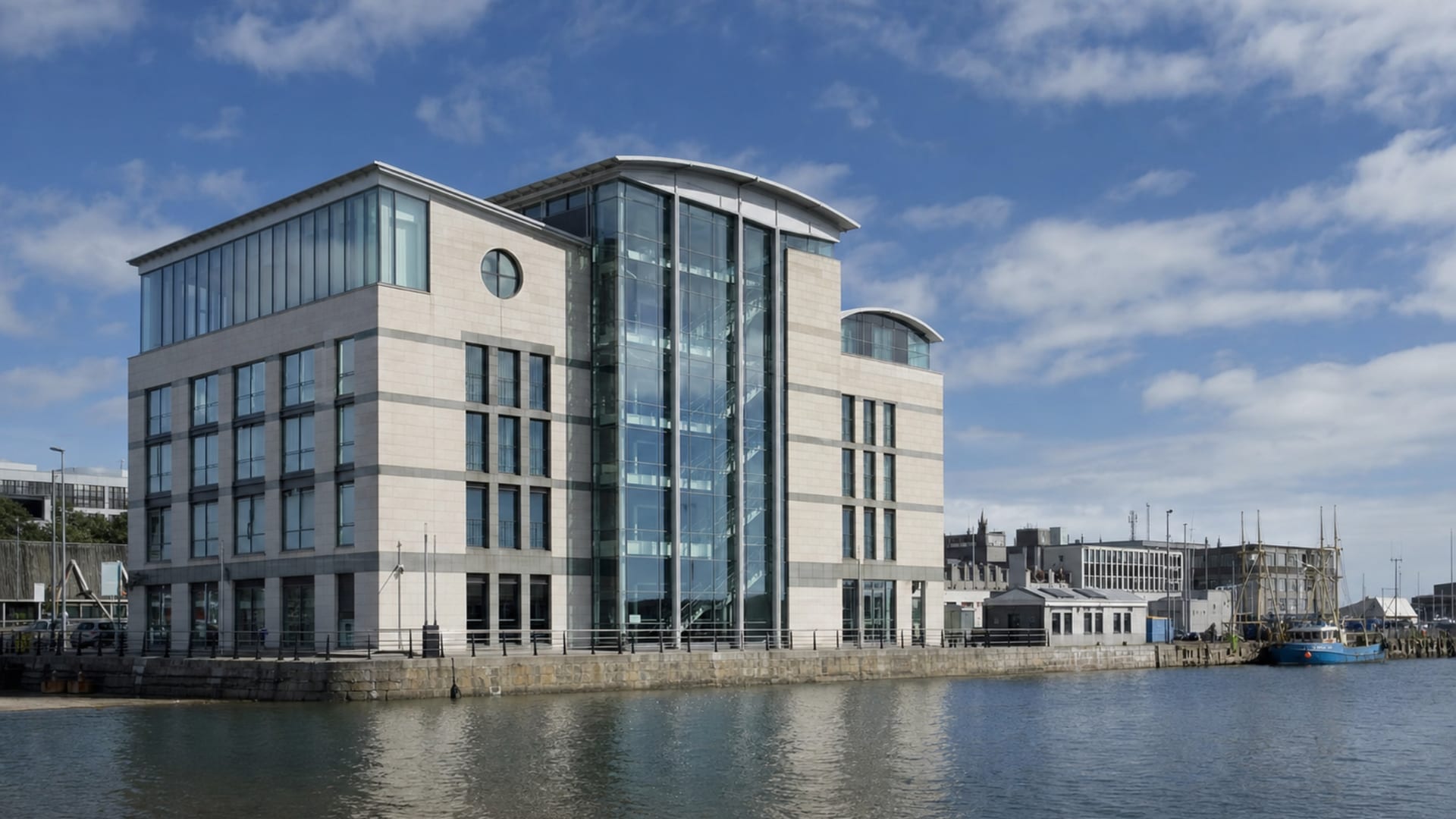
Aberdeen Maritime Museum traces the city’s relationship with the North Sea through shipbuilding, fishing, port history, offshore energy, paintings, models, and maritime objects. Its Shiprow location also overlooks the working harbor, connecting the exhibits directly with the modern port outside.
Time needed: 1 to 2 hours
Entry: Free, but donations are welcome Visit the official site for details.
Tip: Visit before lunch, then continue through Shiprow and the nearby central streets.
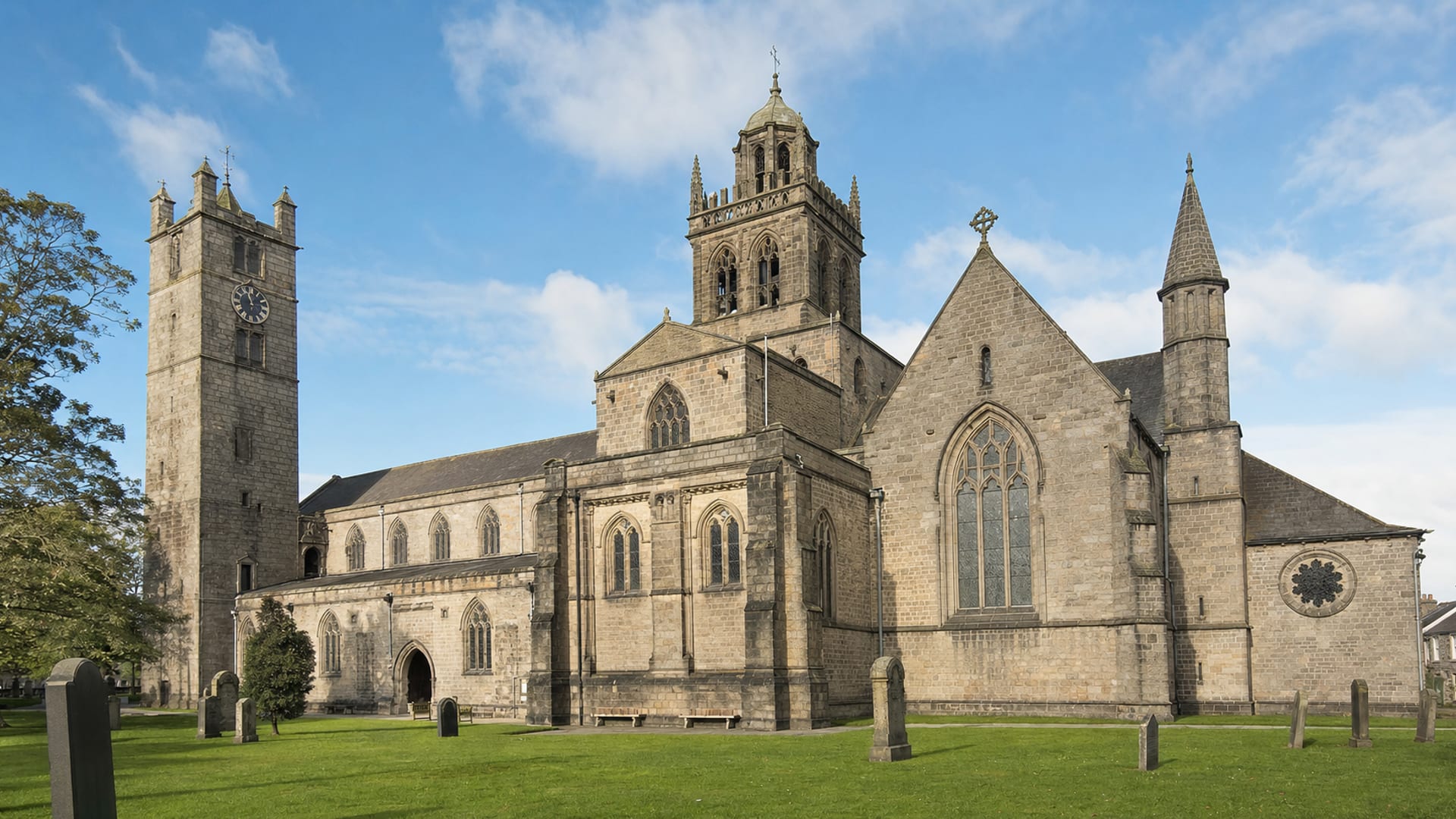
St. Machar's Cathedral
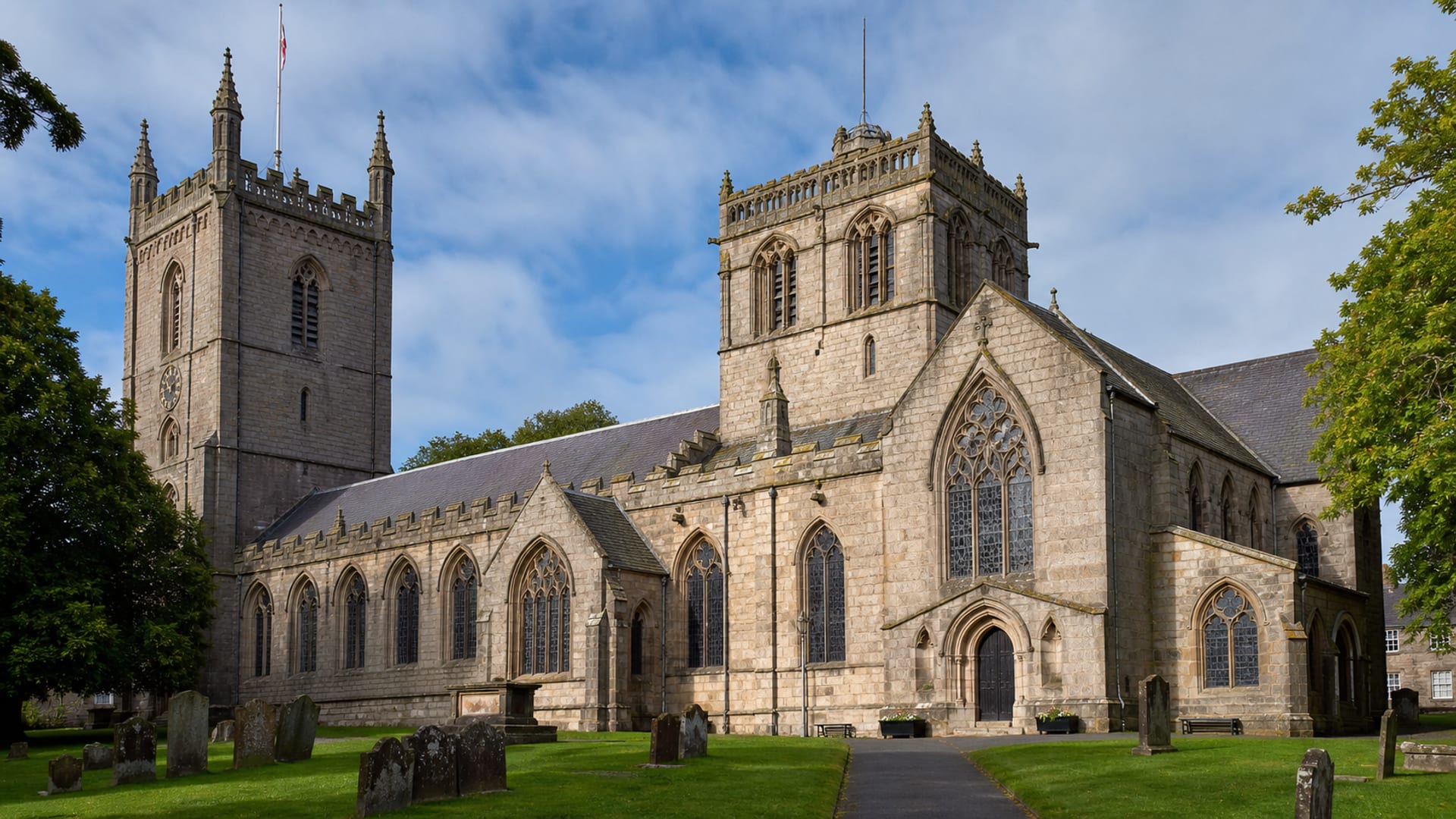
St. Machar’s Cathedral has medieval origins and is known for its twin-towered west front, heraldic stonework, and richly decorated 16th-century timber ceiling. The surrounding Chanonry and nearby university streets make the church a great starting point for exploring Old Aberdeen.
Time needed: 45 minutes to 1 hour
Entry: Free; donations are welcome. Seasonal opening hours apply. Visit the official site for details.
Tip: Continue through Old Aberdeen after the cathedral instead of returning to the center.
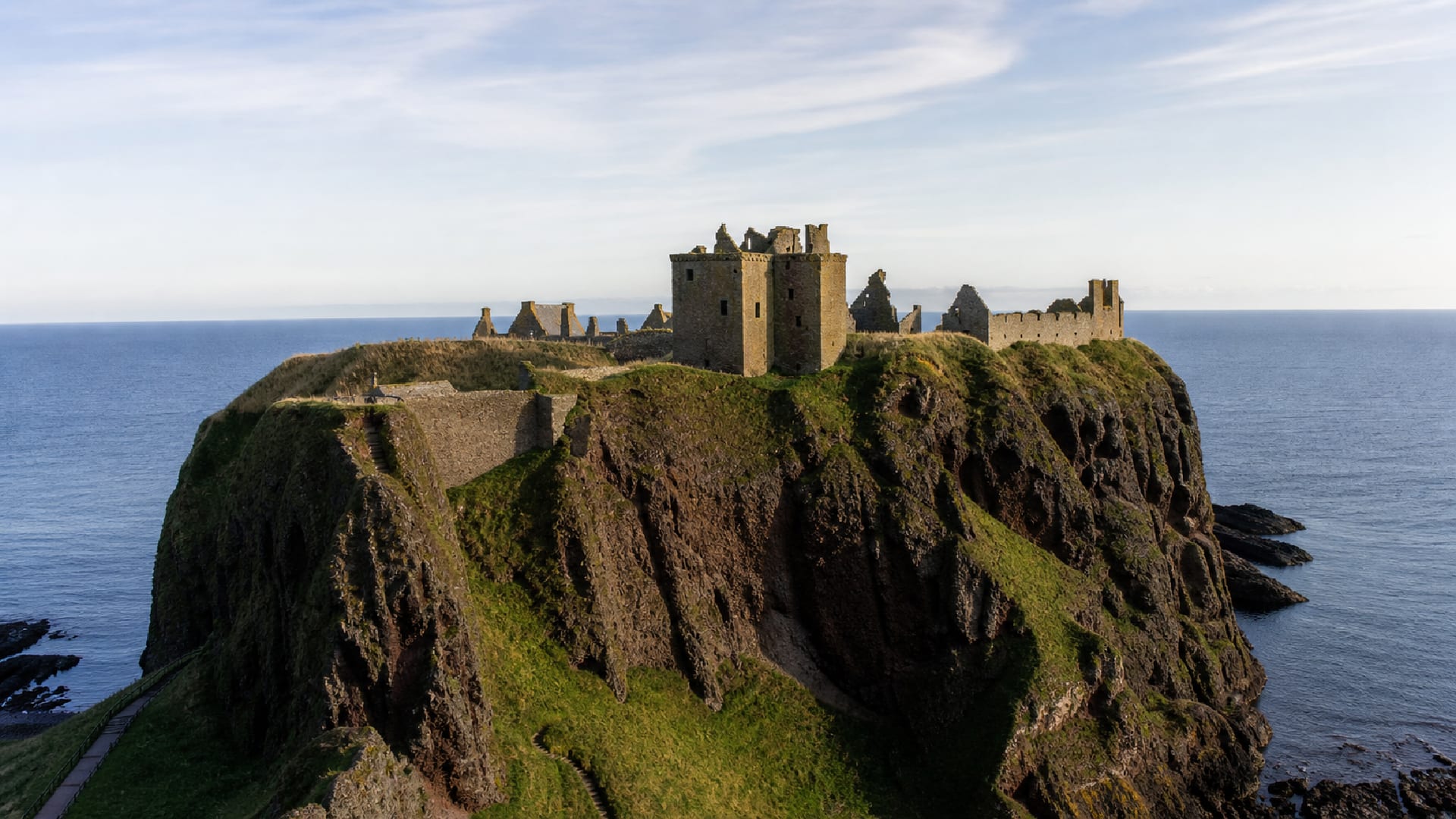
Dunnottar Castle
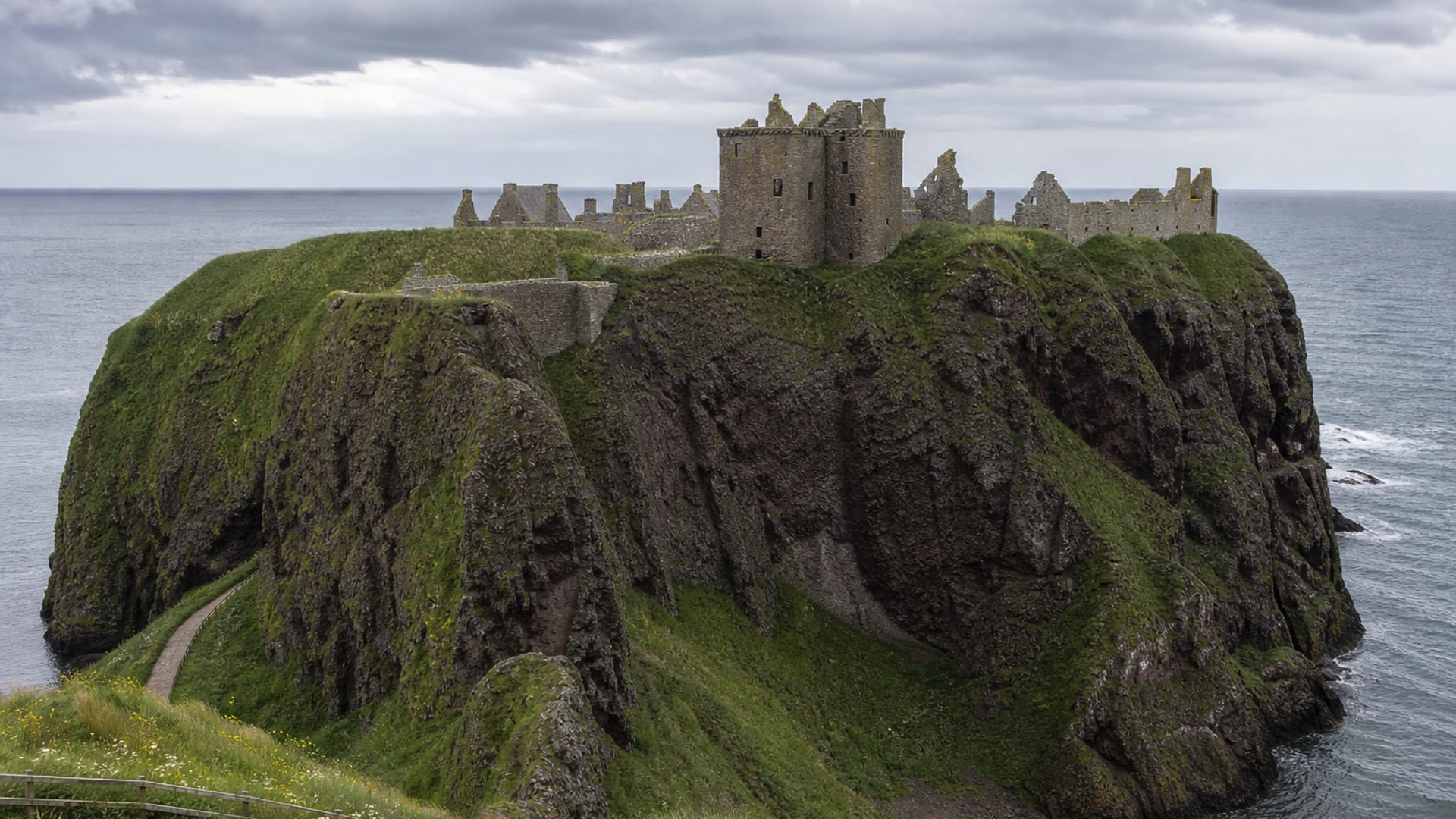
The castle occupies a rocky headland above the North Sea, with surviving towers, defensive walls, courtyards, and ruins reached by a steep approach from the mainland. The fortress played a role in several periods of Scottish history and later protected the Honours of Scotland from Cromwell’s army.
Time needed: 2 to 3 hours
Entry: Adult tickets cost £13.50 ($18.40). Check the official website for more details.
Tip: Check wind conditions before leaving Aberdeen and wear shoes with good grip.
Overlooked places in Aberdeen

Provost Skene’s House
Dating to 1545, Provost Skene’s House is one of Aberdeen’s oldest surviving buildings. Its historic rooms now feature themed displays about figures connected with the city and northeast Scotland.
Time needed: 45 minutes to 1 hour
Entry: Free; open April–October, Thursday–Monday. Check the official website for more details.
Tip: Add it after the Maritime Museum since both are in the central district.

Footdee
Known locally as Fittie, the city was laid out for Aberdeen’s fishing community in 1808. Its cottage squares and position beside the harbor preserve a distinctive part of the city’s maritime history.
Time needed: 45 minutes to 1 hour
Entry: Free Visit the official site for details.
Tip: Combine it with Aberdeen Beach, and respect residents’ privacy.
What to eat in Aberdeen
Aberdeen’s traditional cuisine uses local beef, North Sea fish, and potatoes.
Aberdeen Angus beef
Aberdeen Angus is known for well-marbled beef, used for steaks, roasts, and burgers. 210 Bistro serves prime matured Aberdeen Angus sirloin and sources much of its meat and other produce from local suppliers.
Aberdeen butteries
Also called rowies, butteries are dense, flaky rolls traditionally made with a high amount of fat and salt. They developed as practical food for northeast fishermen because they kept well at sea. Look for them in local bakeries.
Stovies
Stovies combine potatoes and onions with meat or leftovers, creating a filling dish closely associated with traditional Scottish home cooking. Molly’s Bistro in central Aberdeen serves traditional stovies with pickled beetroot and oatcakes.
Cullen skink
Cullen skink is a creamy soup made with smoked haddock, potatoes, and onions or leeks. 210 Bistro serves its own version with smoked haddock broth, potatoes, baby leeks, cod, and scallops.
Best time to visit Aberdeen
Aberdeen has a cool maritime climate, with long summer daylight and shorter, wetter sightseeing days through late fall and winter.
Best for: Old Aberdeen, parks, museums, and coastal outings before summer
What you get: Temperatures rise from approximately 43°F to 55°F (6°C–13°C), with noticeably longer days by May.
Trade-offs: Wind and rain showers can interrupt longer waterfront or castle visits.
Best for: Dunnottar Castle, Aberdeen Beach, Footdee, and long sightseeing days
What you get: Daytime temperatures generally range from 54°F to 65°F (12°C–18°C), with the longest daylight of the year.
Trade-offs: Popular hotels and regional attractions receive more visitors during summer weekends.
Best for: Museums, Old Aberdeen, restaurants, and cooler city walks
What you get: Temperatures gradually fall from approximately 56°F to 45°F (13°C–7°C), while daylight decreases through November.
Trade-offs: Wind, rain, and shorter days make coastal outings less predictable later in the season.
Best for: Museums, restaurants, historic interiors, and shorter city breaks
What you get: Daytime temperatures commonly range from 36°F to 45°F (2°C–7°C), with the lowest visitor numbers of the year.
Trade-offs: Early sunsets and coastal weather leave less time for Dunnottar and the beachfront.
A 5-day plan in Aberdeen
Five days allow you to explore Aberdeen’s center, harbor, Old Aberdeen, beachfront, and Dunnottar Castle while keeping the longest coastal journey on its own day.
Land at Aberdeen International Airport (ABZ), then take the 727 bus or a taxi to the City Center. The bus ride generally takes 30 to 40 minutes and costs £5.50 ($7.50), while a taxi reaches central Aberdeen in approximately 25 minutes in light traffic and costs £20–£25 ($28–$34). After check-in, stay near Union Street or your hotel for dinner and leave the museums, Old Aberdeen, and the coast for the following days.
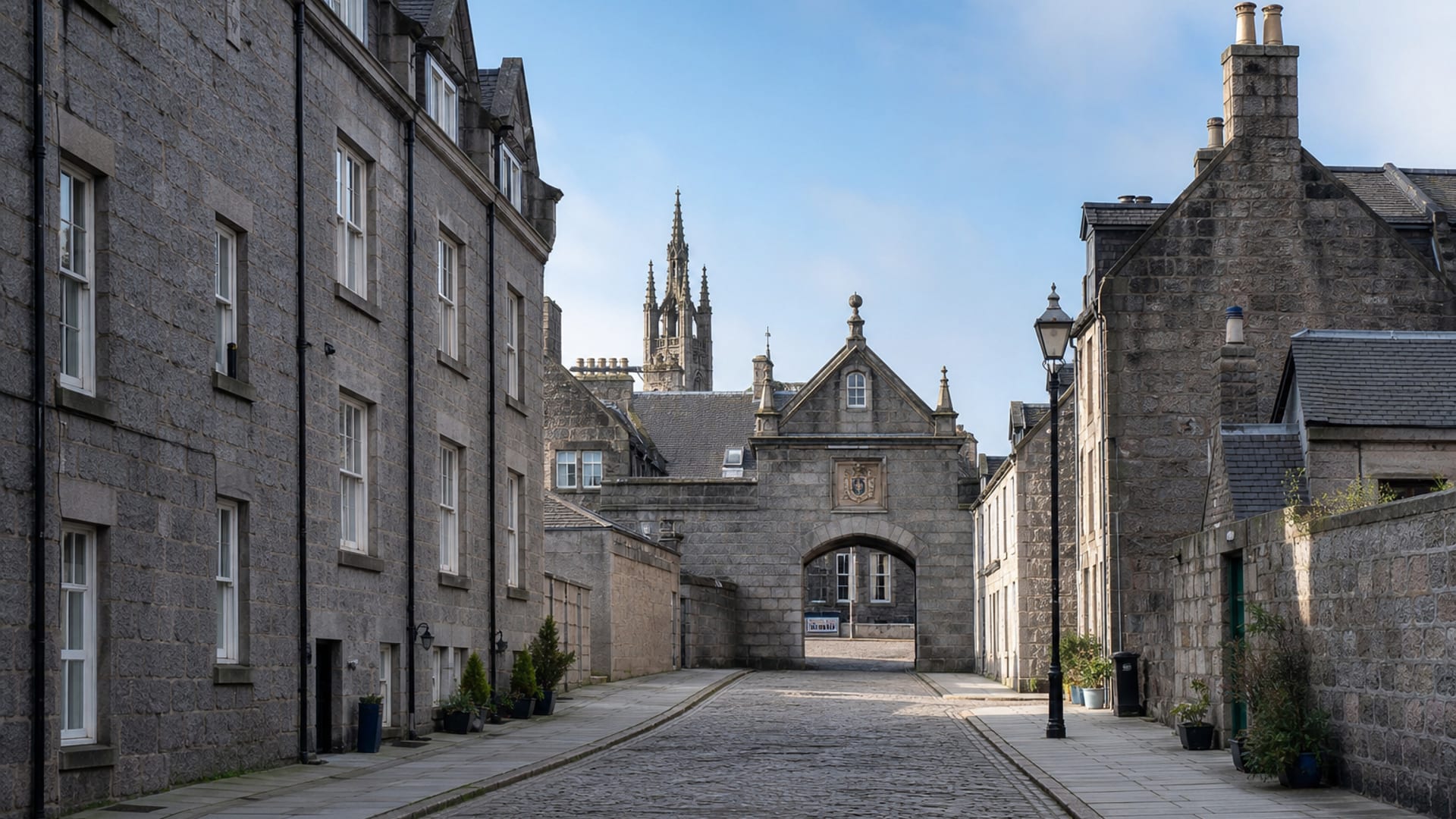
Begin at Aberdeen Maritime Museum and allow 1 to 2 hours for the galleries and harbor displays. Walk a few minutes to Provost Skene’s House if you visit between April and October, then continue through the central streets for lunch. Spend the afternoon around Union Street and the surrounding granite architecture. Keeping these stops together means you can cover the historic center without taking another bus or taxi during the day.
Start in Old Aberdeen with St. Machar’s Cathedral. You can reach it by bus in 15 to 20 minutes from the City Center or on foot if you want to start your day with a long walk in the city. Spend about an hour on the church, churchyard, and surrounding lanes, then walk 10 minutes to the nearby historic streets for a coffee break. After lunch, head back toward the center and spend the late afternoon in the West End, where granite townhouses and cafes give you a quieter place for a slow dinner.
Take a train from Aberdeen to Stonehaven, then continue toward Dunnottar Castle by taxi, local bus, or the coastal route. Allow 2 to 3 hours at the castle itself, with additional time for the steep approach and viewpoints. Adult admission costs £13.50 ($18.40). Check the weather before leaving, since high winds can force the site to close at short notice. Return to Aberdeen during the afternoon and keep dinner close to your hotel after the longer outing.
Keep your last morning close to the City Center for shopping around Union Street, coffee, or a return to Shiprow if there is something you missed earlier. Leave your luggage at the hotel instead of heading back toward Old Aberdeen or Dunnottar. The 727 bus to Aberdeen Airport costs £5.50 ($7.50), while a taxi generally takes 25 minutes and costs £20–£25 ($27–$34) in light traffic. Leave additional time, approximately 2 more hours, for traffic, check-in, and security.
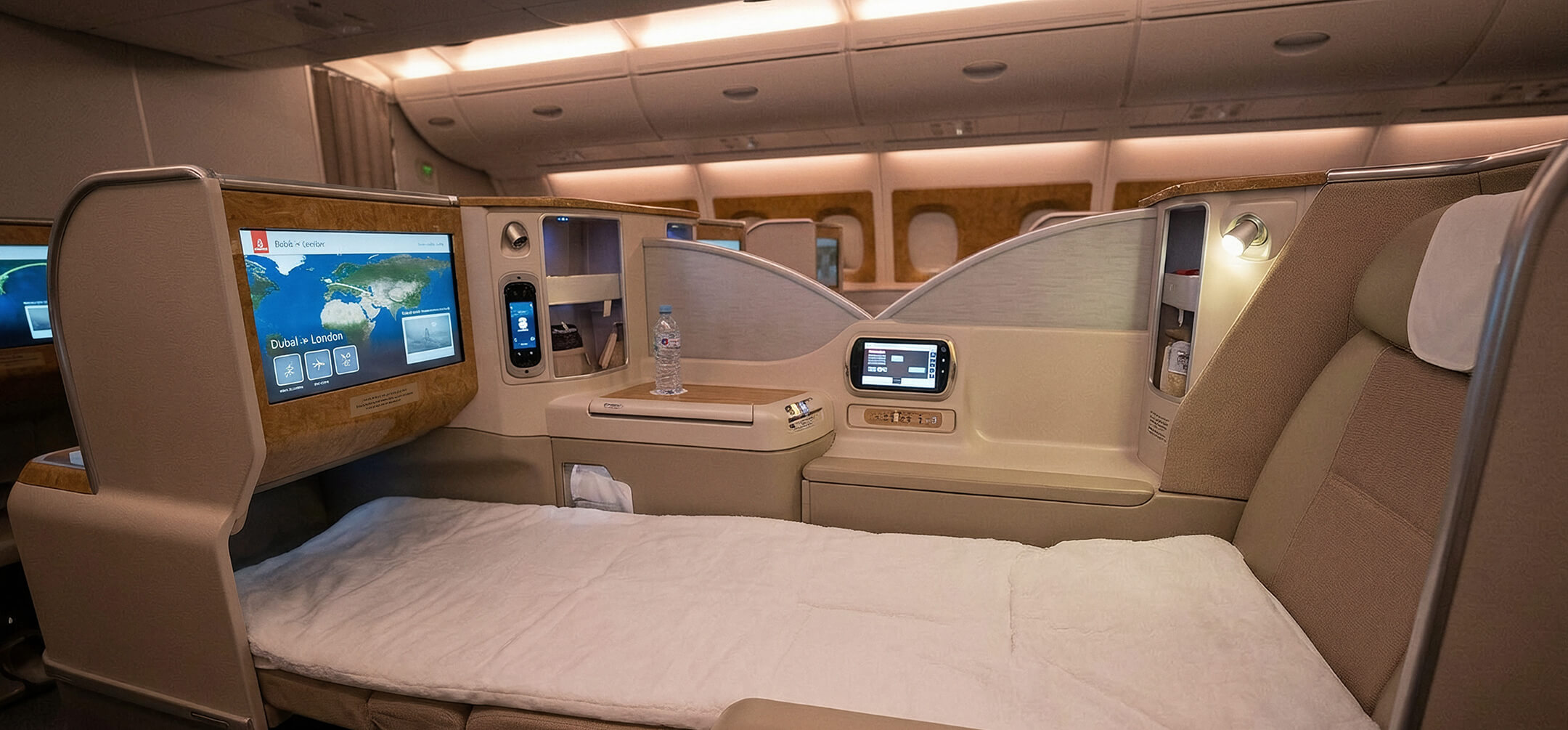
Business-class flights from the US to Aberdeen
There are no nonstop flights from New York (JFK) or Los Angeles (LAX) to Aberdeen (ABZ). Both routes require at least one layover, usually through a major European hub.
New York (JFK) to Aberdeen (ABZ)
British Airways, KLM, Scandinavian Airlines, and Aer Lingus offer connecting flights from John F. Kennedy International Airport (JFK) to Aberdeen International Airport (ABZ). These flights usually have stops in cities like London (LHR), Amsterdam (AMS), Copenhagen (CPH), or Dublin (DUB). They take 10 to 14 hours. Round-trip business-class tickets from the airlines commonly cost $5,900–$10,400. You can get tickets for $4,300 by buying them 3 months before departure.
Los Angeles (LAX) to Aberdeen (ABZ)
Travelers departing from Los Angeles International Airport (LAX) can fly to Aberdeen with British Airways, KLM, Delta Air Lines, Scandinavian Airlines, and Aer Lingus. Common hubs include London Heathrow (LHR), Dublin (DUB), Salt Lake City (SLC), Amsterdam (AMS), and Copenhagen (CPH). The flights take approximately 14 to 20 hours and cost $5,800–$10,700.
Aberdeen beyond Union Street
Aberdeen combines granite architecture, maritime history, university streets, North Sea scenery, and traditional Scottish food. Union Street and Shiprow anchor the city center, while Old Aberdeen adds medieval landmarks, and Footdee and the beach highlight its coastal character. Dunnottar Castle offers a dramatic day trip beyond the city. If you are planning a visit, our AranGrant experts can help you compare business-class flights and hotels that suit your dates and budget.