

Chapters:

Need help with your trip?
Our support team is available 24/7. Request a callback or call us directly at (833) 619-0908
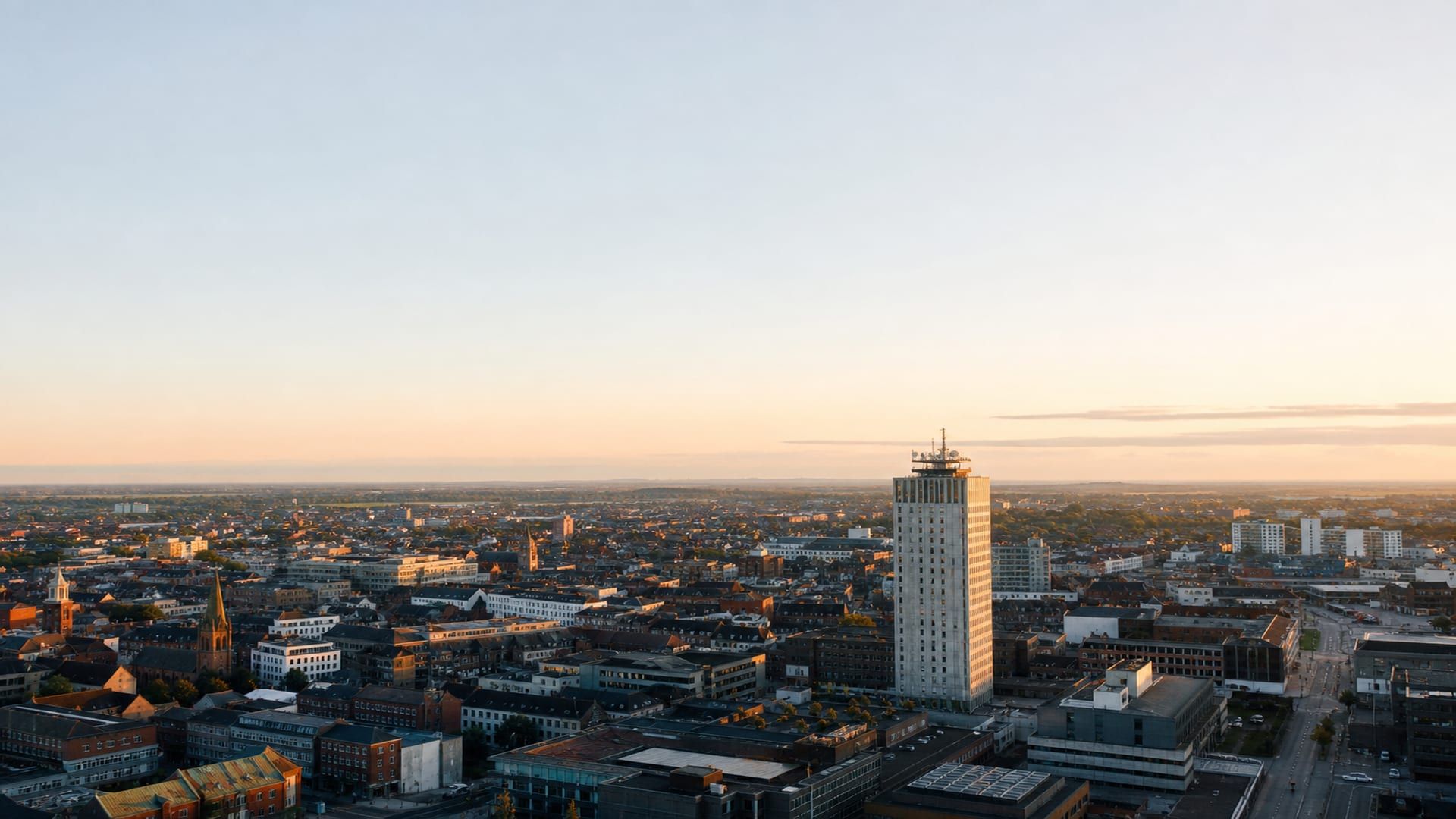
Aalborg trips often start with the center, the harbor, and one or two headline museums, then stop before the city’s quieter layers come into view. Travelers usually miss how much the river crossing, the hilltop remains at Lindholm Høje, and the monastery courtyard shape the visit.
That approach leaves too much movement to chance. Short distances still add up when you bounce between the waterfront, the old quarter, and the north side of the Limfjord, and peak dinner hours can compress an already brief evening.
This guide organizes Aalborg by neighborhood and time of day, so the center, harbor, and outer sights each have a clear place in the plan.
Useful things to know

Main language(s): Danish
Hej (hyeh) – Hello
Tak (tahk) – Please
Tak (tahk) – Thank you
Taler du engelsk? (TAH-ler doo ENG-elsk) – Do you speak English?
Hvad koster det? (veth KOS-ter deh) – How much does it cost?

Currency: The local currency is the Danish krone (DKK, kr).

Cash and cards: Cards and contactless are widely accepted; carry about 200 DKK ($29) in cash for small places.

Tipping: Round up in taxis and cafés; add about 5-10% for good restaurant service.

Traditional food: stegt flæsk med persillesovs, frikadeller, smørrebrød, karrysild

Water and coffee costs: Water about 15 DKK ($2), bar espresso about 30 DKK ($4).

Taxis and ride apps: Uber is limited; local taxis use apps like Taxa 4×35 and Dantaxi.

Plug and voltage: Type K socket, 230V

Dining and shop opening hours: Breakfast is about 07:00-09:00, lunch 11:30-13:30, and dinner 17:30-20:00. Many kitchens close between lunch and dinner, especially outside the center.

Emergency number: Call 112 for police, fire, or ambulance.
Where to stay in Aalborg
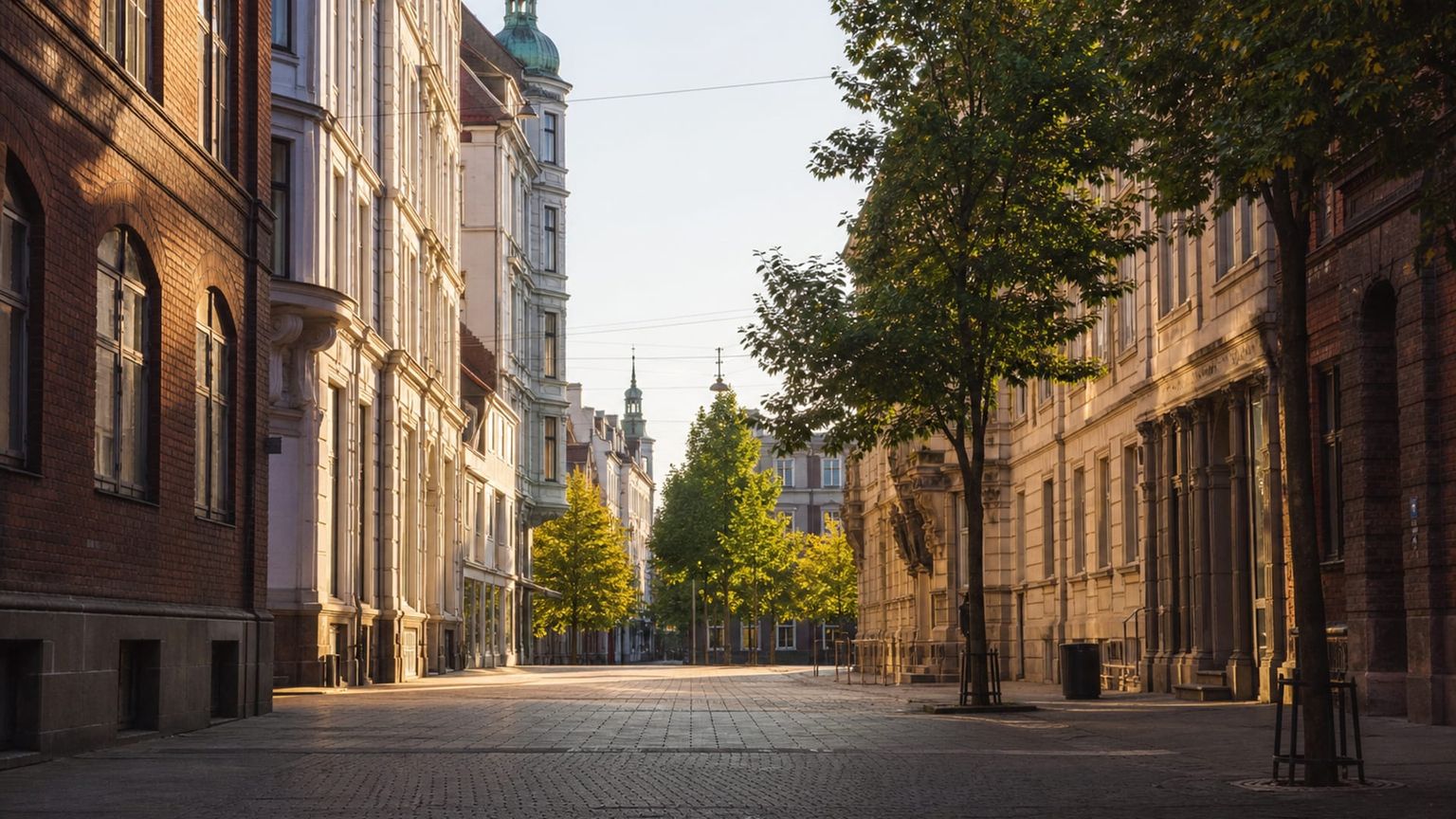
The city center puts you closest to Aalborg’s shops, restaurants, harbor promenade, and main transit links. It suits visitors who want easy access to museums, evening dining, and walkable sightseeing without relying on taxis.
Best for: First-time visits, dining, shopping, and walkable access to museums
What to expect: Busy sidewalks by day, with the most restaurant and bar activity after dark near the pedestrian streets and harbor.
Hotel prices: Usually about 900 kr to 1,700 kr (~$130 to ~$245) per night for well-rated stays
Distance to major sights: 0 to 10 minutes on foot to Budolfi Church and 10 to 15 minutes on foot to the waterfront
Quietness: Lively in the afternoon and evening, then quieter late at night once the bars close
Main trade-off: Central hotels cost more, and rooms facing the main streets can pick up traffic and weekend noise.
Good to know: If you want to do most things on foot, this is the easiest place to base yourself, but book early for summer weekends and major events.
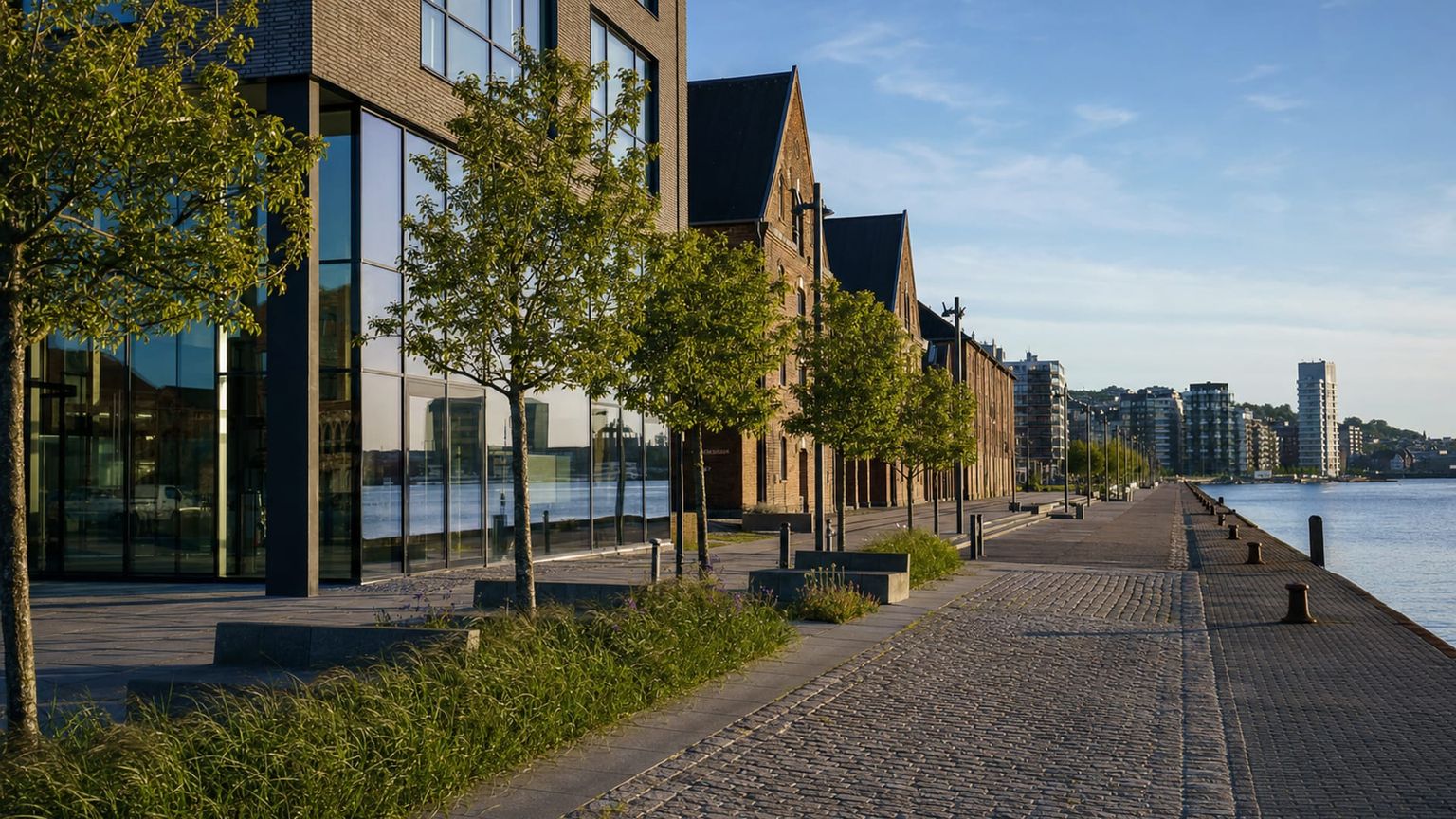
Aalborg’s harborfront stretches along the Limfjord with modern apartments, restaurants, and public spaces close to the water. It matters if you want evening views, easy walks, and quick access to the city center without staying in the busiest retail streets.
Best for: Waterfront walks, modern hotels, and travelers who want views with central access
What to expect: Open, contemporary streets with steady foot traffic on warm evenings and a calmer feel away from the main shopping blocks.
Hotel prices: Usually about 1,000 kr to 1,900 kr (~$145 to ~$275) per night for well-rated stays
Distance to major sights: 5 to 15 minutes on foot to the center and about 10 minutes on foot to the Utzon Center
Quietness: Quieter by day than the shopping core, then busier near restaurants and event venues in the evening
Main trade-off: You may pay more for water views, and some buildings sit near active nightlife or festival traffic.
Good to know: Choose a higher floor if you are sensitive to nighttime noise, because the harbor can be lively on summer weekends and during events.
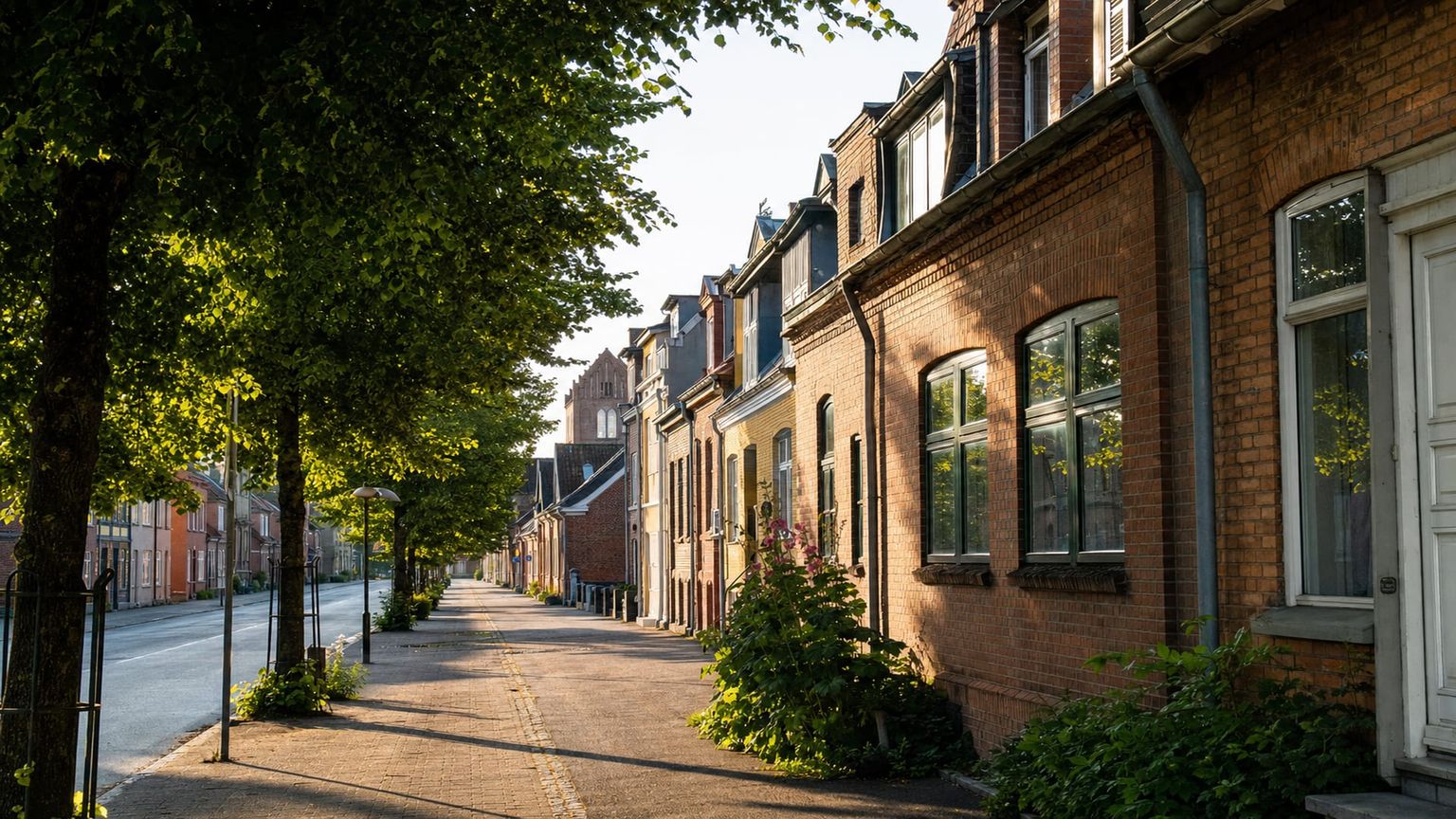
Vestbyen sits just west of the center and mixes residential streets, local shops, and access to the main rail corridor. It works well for travelers who want lower prices while staying close enough to walk or take a short bus ride into the core.
Best for: Budget-conscious stays, longer trips, and visitors who do not need to be in the busiest center
What to expect: Mostly local housing and neighborhood shops, with fewer tourists and a calmer street scene than downtown.
Hotel prices: Usually about 750 kr to 1,300 kr (~$110 to ~$190) per night for well-rated stays
Distance to major sights: 10 to 20 minutes on foot to Aalborg Station and about 15 to 25 minutes on foot to the cathedral area
Quietness: Quieter in the evening than the center, with only modest neighborhood activity after shops close
Main trade-off: You will give up some doorstep dining and late-night energy, and you may need buses after long days out.
Good to know: Check the exact street location before booking, because some parts sit close to busier roads and rail lines.
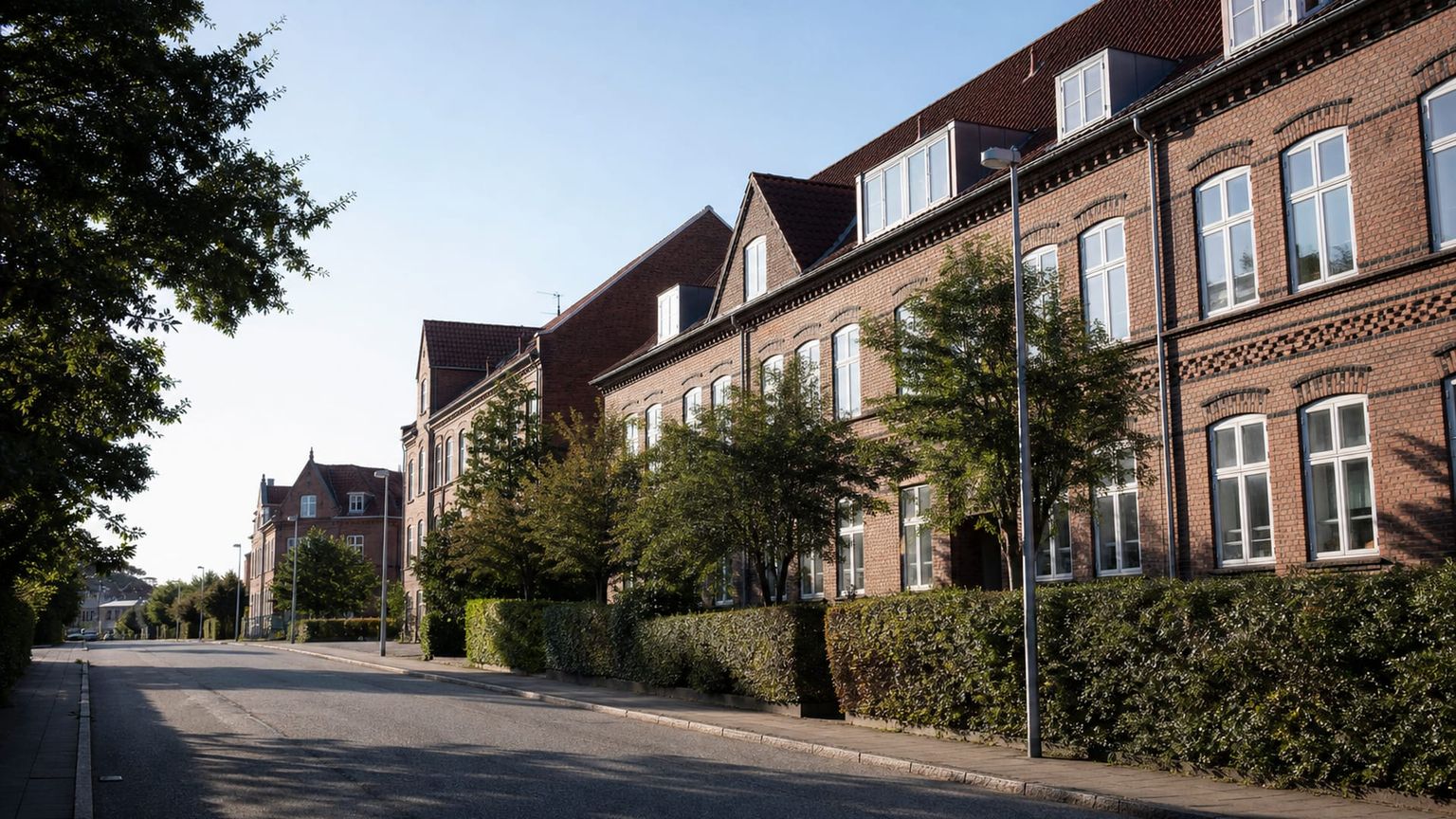
Aalborg Øst is a large eastern district with newer housing, student areas, and good road access toward the university and the motorways. It suits visitors with business at the university hospital, a car, or a need for lower room rates than the center.
Best for: Business trips, university visits, drivers, and travelers who prioritize lower nightly rates
What to expect: A mostly residential district with local traffic, fewer restaurants, and a quieter street scene than central Aalborg.
Hotel prices: Usually about 650 kr to 1,100 kr (~$95 to ~$160) per night for well-rated stays
Distance to major sights: About 20 to 30 minutes by bus to the center and roughly 15 minutes by car to Aalborg University Hospital
Quietness: Quiet in the evening, with daytime activity around schools, workplaces, and main roads
Main trade-off: You will spend more time getting into the center, and dining choices nearby are more limited at night.
Good to know: If you plan late evenings in the center, check the last bus times before you commit to this side of town.
Travelers usually avoid Vejgaard, Skalborg, and Hasseris if they want to stay close to Aalborg’s main sights, since these areas sit outside the compact center and often mean bus or taxi rides for evening plans. Nørresundby can also be less convenient for a short visit, because the river crossing adds time to getting back from restaurants, bars, and the waterfront in the city center.
Hotel deals
How to get around Aalborg efficiently
Aalborg has no metro, so most visitors rely on buses, regional rail, walking, and taxis to link the center with the harbor, Lindholm, and the airport area.

Metro
for longer distances
Aalborg has no metro, so the closest equivalent is the city bus network and regional rail from Aalborg Station. If you are staying in the center, most trips stay under about 15 minutes by bus, and trains reach nearby Nørresundby, Lindholm, and the airport area on regional connections rather than an urban subway grid.

Bus and tram
for convenience
Bus lines 1, 2, 11, and 12 cover most of central Aalborg, the waterfront, the university area, and the ferry-linked neighborhoods; there is no tram system. A single ticket is about $3 to $5 (20 to 35 DKK) and stays valid for about 60 to 90 minutes depending on the fare type, with mobile tickets and Rejsekort both widely used. Night buses run on limited routes on weekends, and most city-center rides take about 10 to 25 minutes.

Taxi
for convenience or late hours
Licensed taxis in Aalborg use metered fares, with a typical daytime city-center ride costing about $12 to $25 (85 to 175 DKK), while a trip between the airport and central Aalborg usually lands at about $30 to $40 (210 to 280 DKK). You can find taxis at ranks, book by phone or app, and pay by card or cash; late-night and luggage-heavy trips cost more, and any airport flat rate depends on the operator rather than a citywide rule.
*Prices are based on rates updated as of June 2026 and may change at the time of travel.
Walk for the compact center, use buses for most cross-town trips, and choose taxis when you are connecting late at night, carrying luggage, or crossing to the airport.
Iconic landmarks
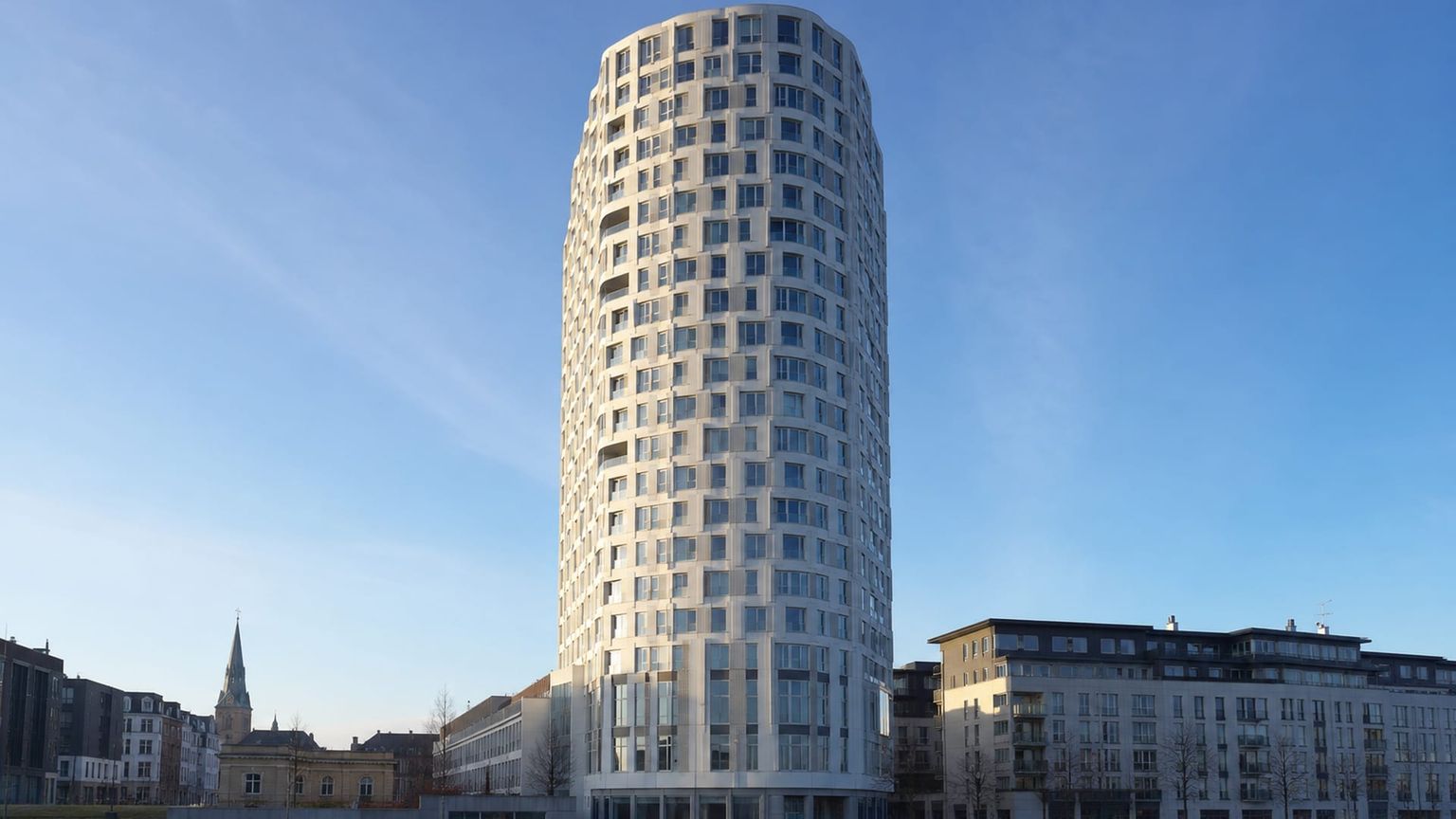
Aalborg Tower
This 105-meter hilltop tower gives wide views across Aalborg, Limfjord, and the surrounding countryside. The 1933 structure also houses a small café, so the visit pairs a lookout stop with an easy break.
Time needed: About 45 minutes to 1 hour
Entry: Adults pay about $9 ($60 DKK); children pay about $5 ($35 DKK), with discounts for seniors and groups. Visit the official site for details.
Tip: Visit late afternoon for clearer views and fewer queues at the elevator.
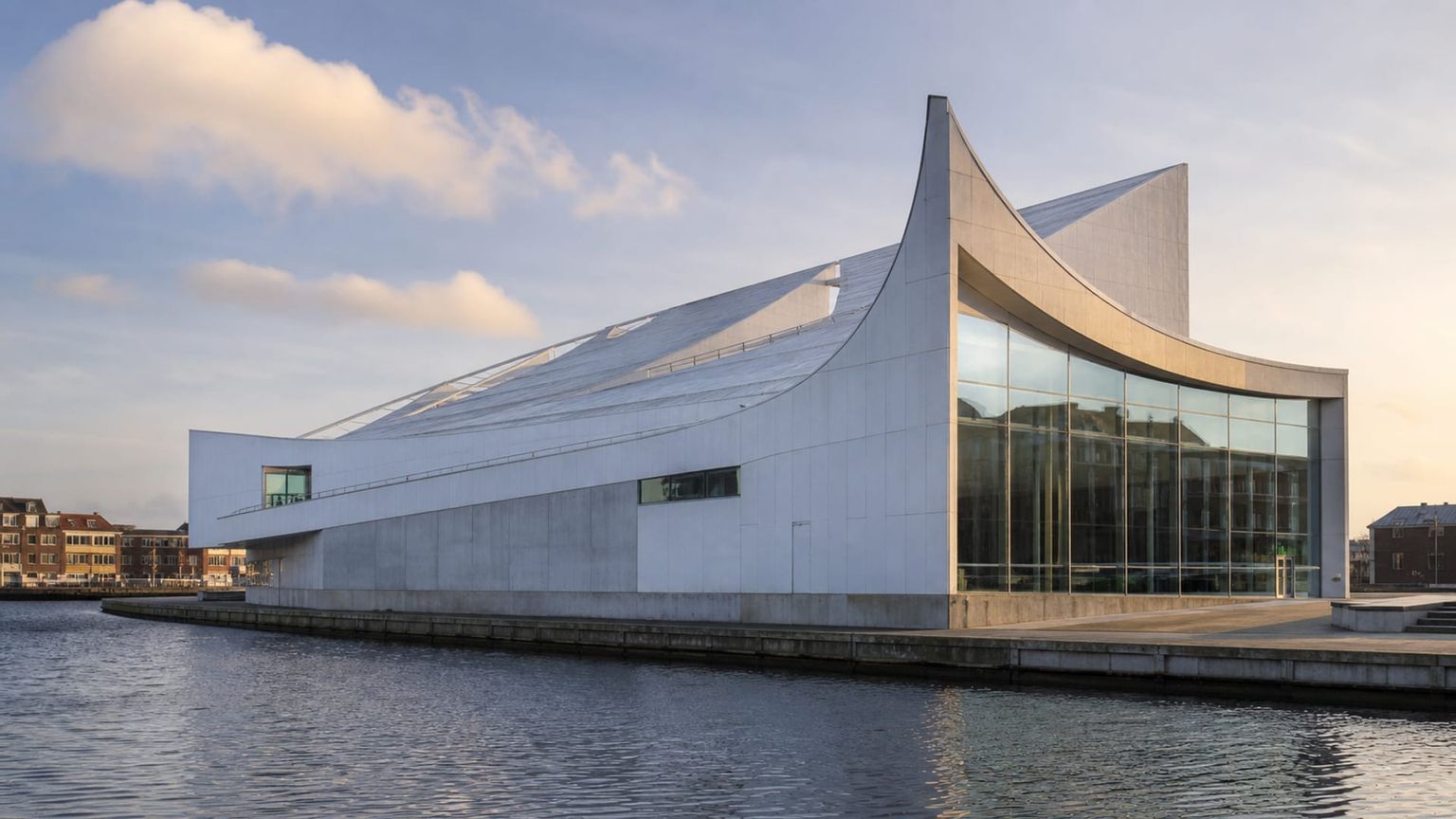
Utzon Center
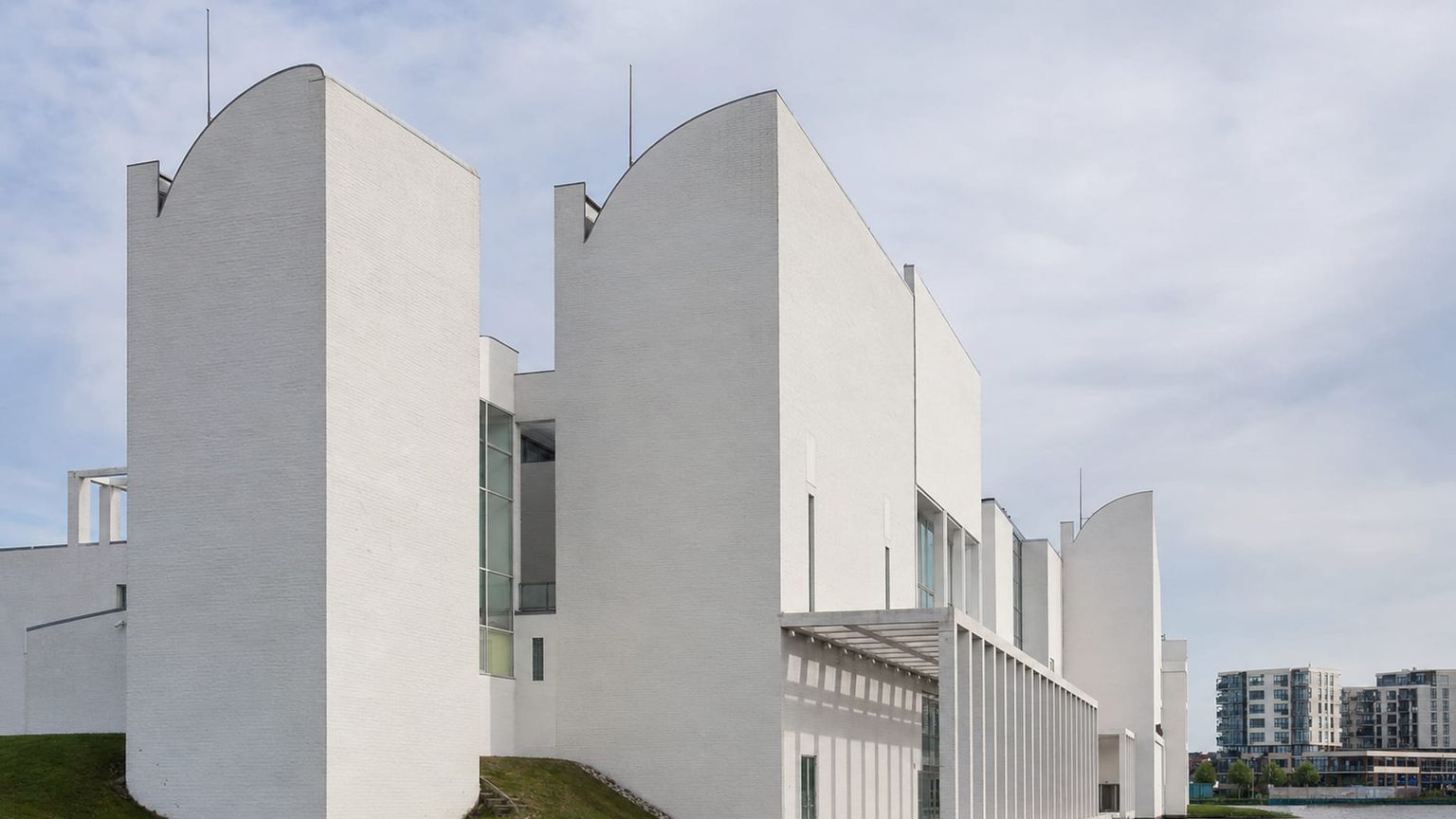
Designed by Jørn Utzon, this waterfront museum sits beside the Limfjord and explores architecture, design, and the Danish master’s own work. The angular buildings and harbor setting make it one of Aalborg’s signature stops.
Time needed: About 1.5 to 2 hours
Entry: Adults pay about $19 ($130 DKK); students and seniors pay about $15 ($105 DKK), and children under 18 enter free on selected days. Visit the official site for details.
Tip: Go on a weekday morning if you want quieter galleries and better light on the harbor.
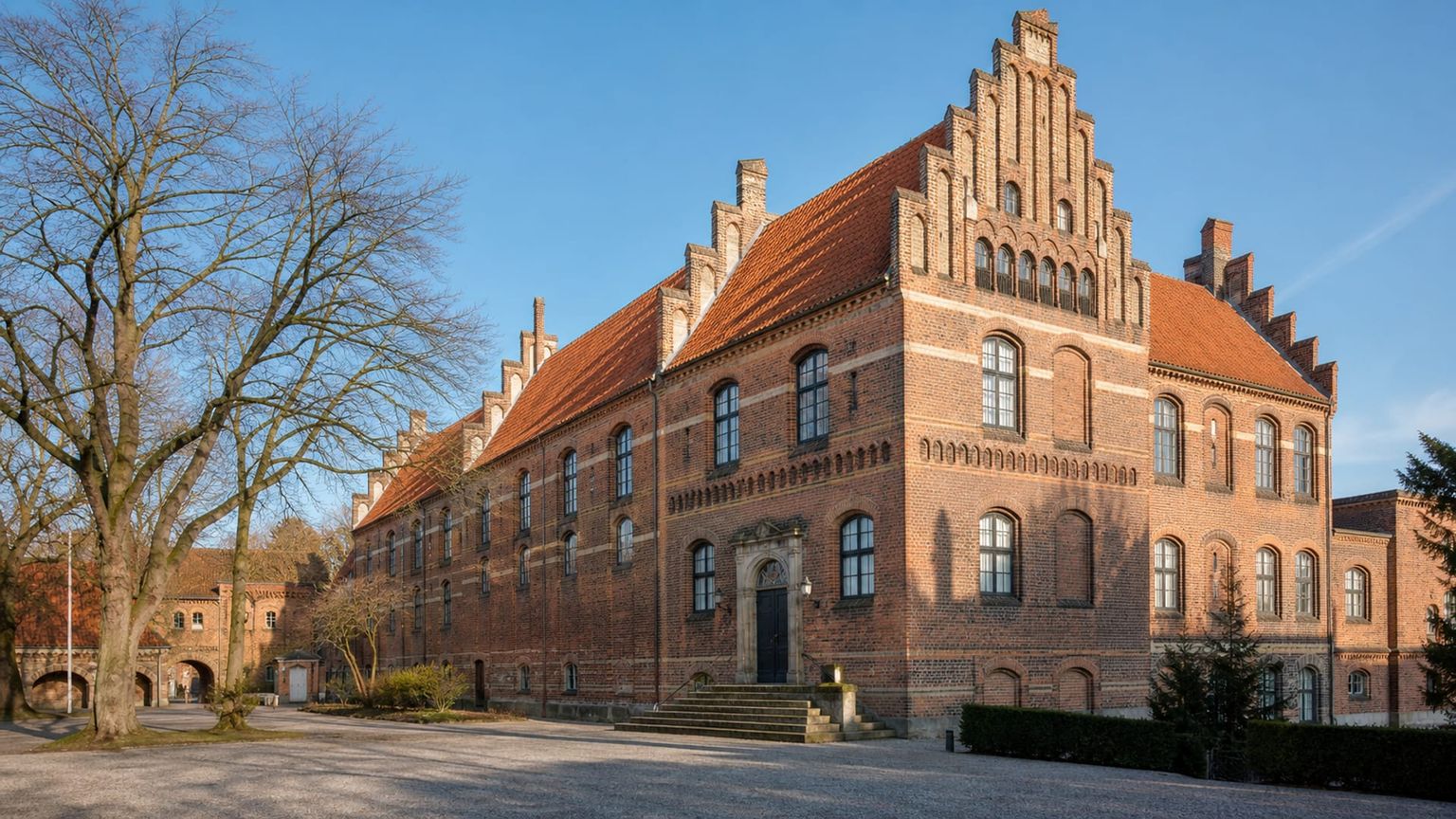
Aalborg Historical Museum
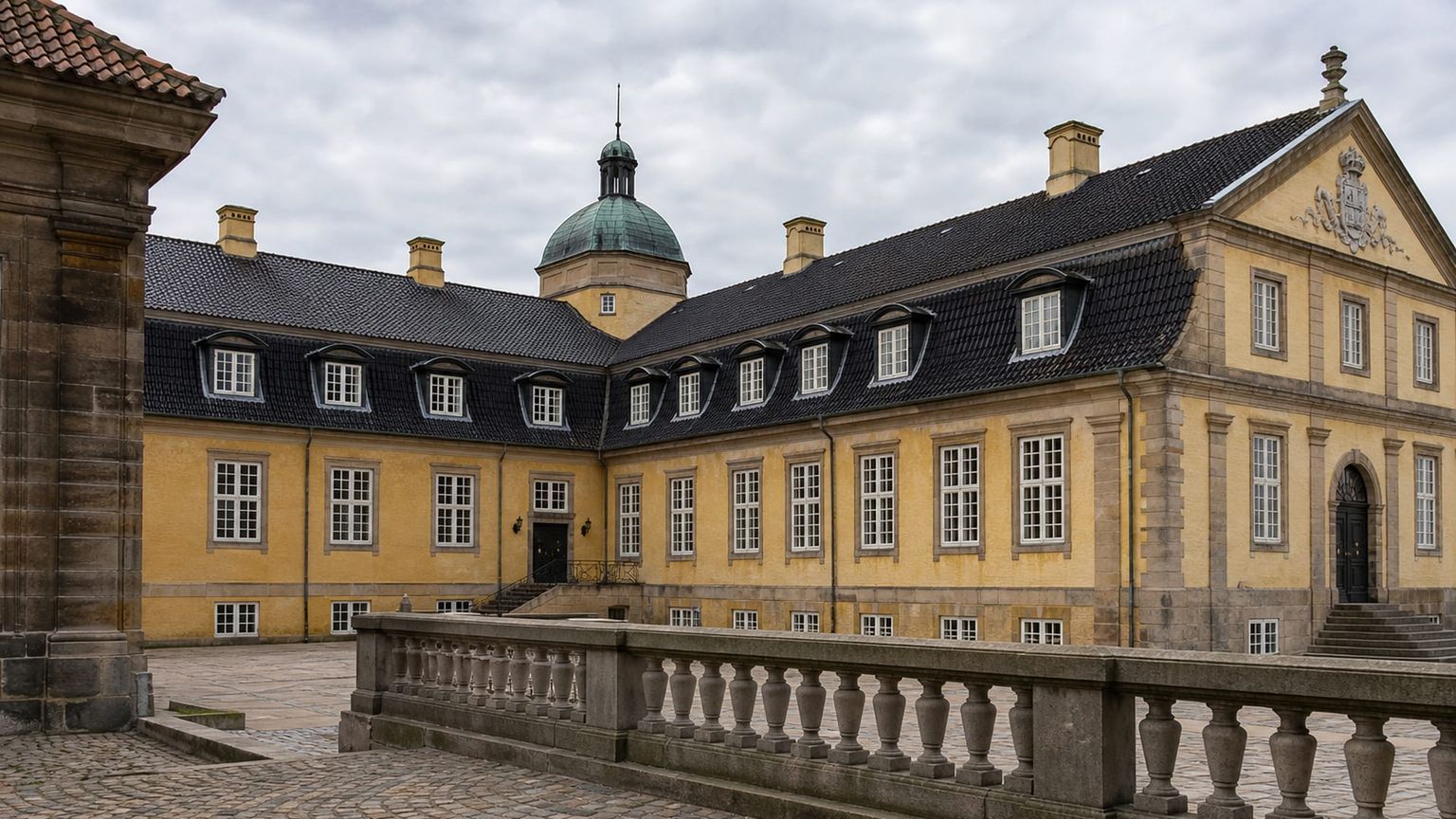
Set in a former merchant house, this museum traces Aalborg from medieval trade through wartime occupation and postwar growth. Its compact scale and original interiors give a clear look at the city’s development.
Time needed: About 1 to 1.5 hours
Entry: Adults pay about $12 ($80 DKK); children and students pay about $8 ($55 DKK), and family tickets are also available. Visit the official site for details.
Tip: Start early, then continue into the old quarter while the streets are still quiet.
Overlooked sites worth visiting

Lindholm Høje Museum and burial ground
Hilltop Viking and Iron Age graves spread above the Limfjord, with stone settings, a museum, and views over Aalborg’s north side. The site pairs outdoor ruins with compact exhibits.
Time needed: About 1 to 2 hours
Entry: Admission costs about $18 ($125 DKK) for adults, with discounts for children and some concession tickets. Check the museum’s current rates if you plan to combine the indoor galleries with the burial ground. Visit the official site for details.
Tip: Visit in late afternoon for softer light on the grave mounds.

Aalborg Monastery
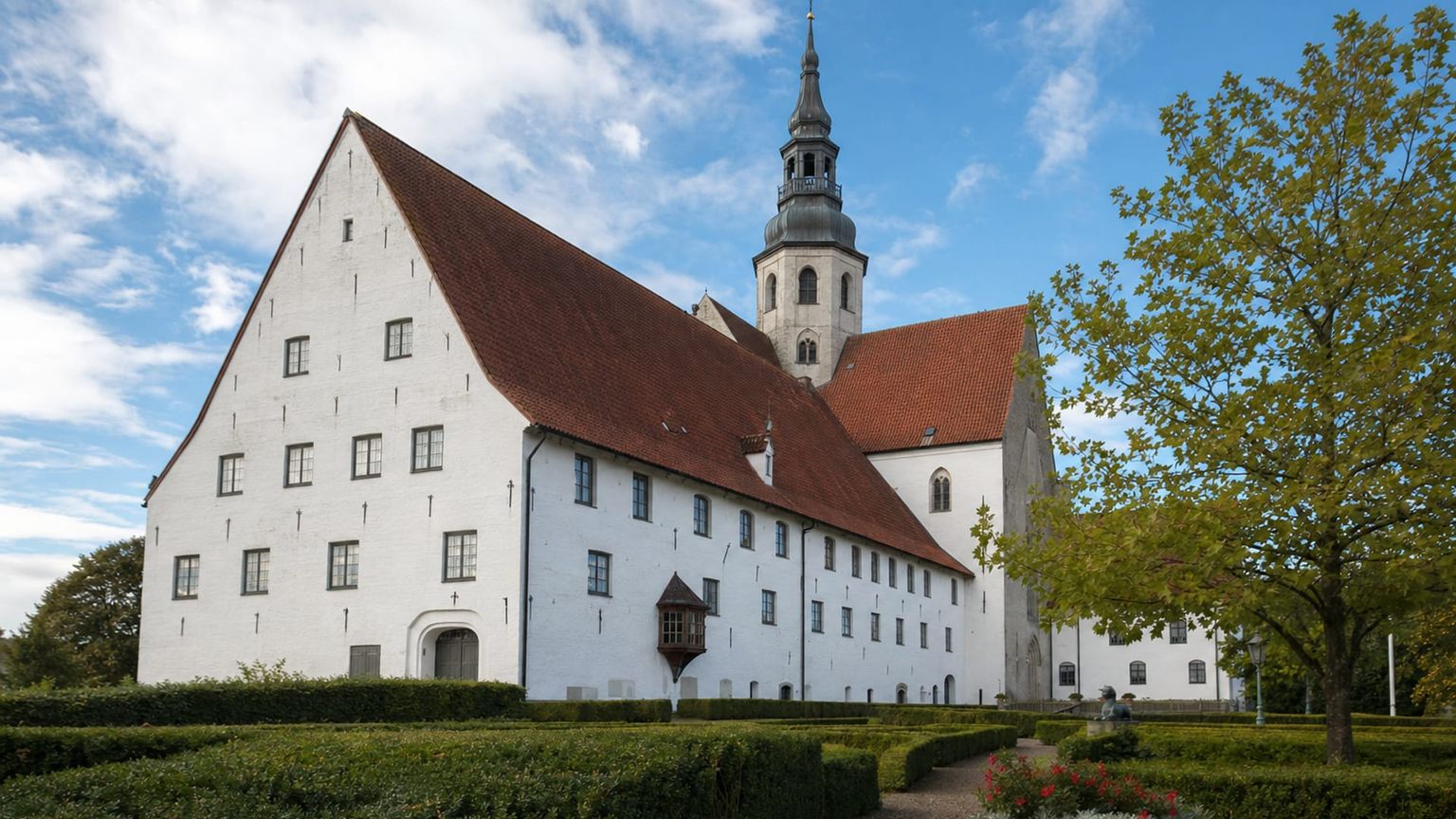
A small medieval monastery complex in the center, with cloistered courtyards, a half-timbered wing, and exhibits on local history. It suits a short stop between canal walks and museum visits.
Time needed: About 45 minutes to 1 hour
Entry: Admission is free to the courtyard areas, while special exhibitions or guided visits may carry a fee set by the venue. If you only want the historic buildings and courtyard, no ticket is needed. Visit the official site for details.
Tip: Go on a weekday morning for the quietest courtyard visit.
Traditional food
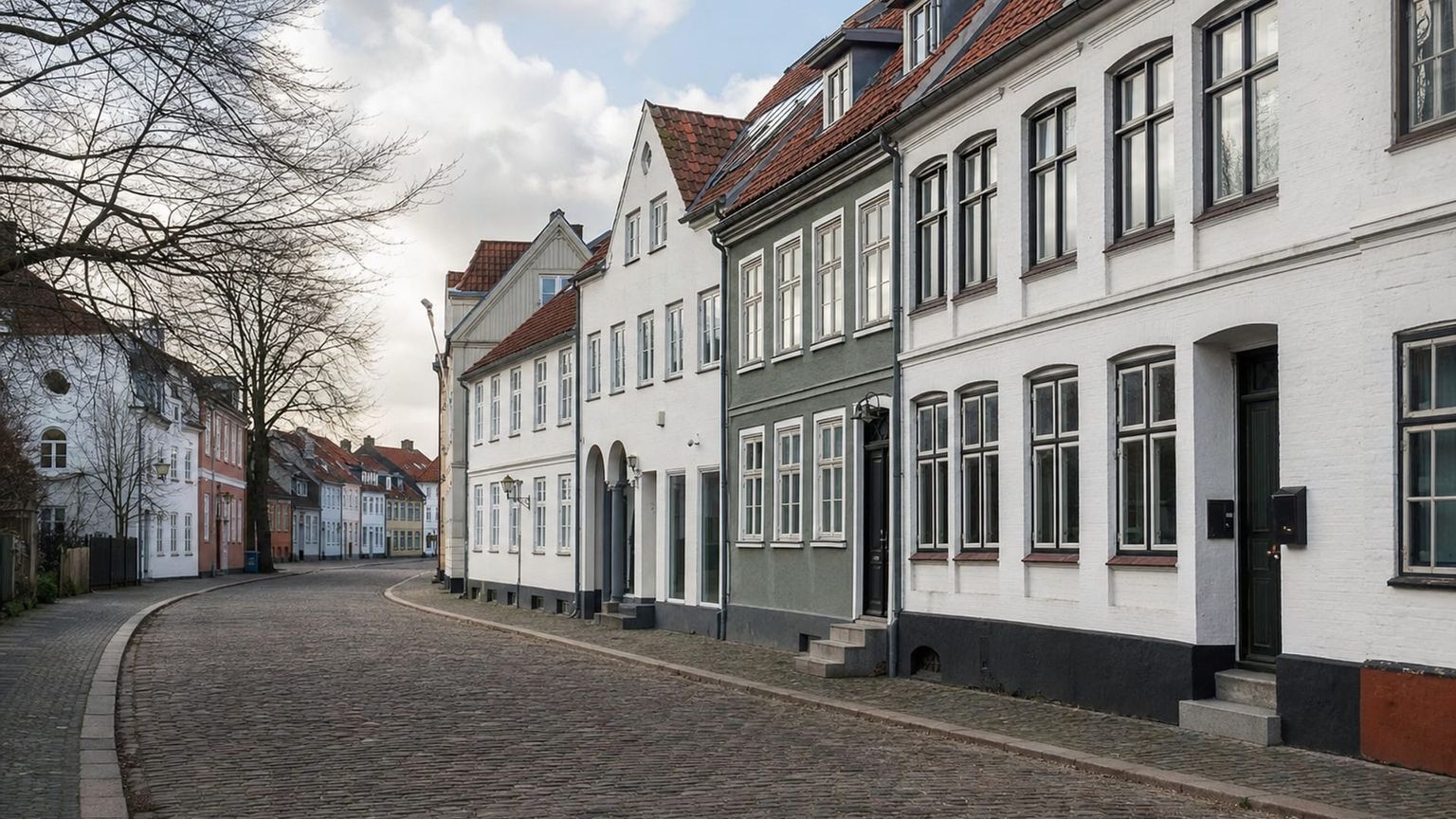
Aalborg’s food leans on pork, herring, rye, and buttered open sandwiches, with hearty Danish plates that fit the city’s early meal times. Dinner usually starts early, so the best tables are often claimed before the evening rush.
Stegt flæsk med persillesovs
Crisp pork belly with parsley sauce is a classic Danish comfort plate, best ordered where the kitchen treats it as a house staple. Toldboden in Aalborg serves a strong version in a waterfront setting close to the center.
Frikadeller
Danish meatballs usually arrive with potatoes, gravy, and pickled sides, and they suit a lunch stop or an early dinner. Ikan in Aalborg is a useful address for a modern take on the dish.
Smørrebrød
Open sandwiches cover the range from herring to roast meats, and they work well when you want a lighter meal before another museum stop. Mortens Kro in central Aalborg is a canonical choice for a refined version.
Karrysild
Curried herring brings the sharper, sweeter side of Danish smørrebrød culture and belongs on a good lunch table. Restaurant Applaus in Aalborg serves a thoughtful version with clean, modern presentation.
Best time to visit Aalborg
Aalborg shifts with the seasons, but the center, waterfront, and museum stops stay manageable year-round if you match your pace to the weather and daylight.
Best for: Museum days, harbor walks, and fewer crowds
What you get: About 39 to 58°F (4 to 14°C), with lighter crowds than summer and changeable weather that can bring wind or showers
Trade-offs: You may need a coat, and some days still feel cold near the fjord
Best for: Waterfront time, longer evenings, and outdoor dining
What you get: About 55 to 70°F (13 to 21°C), with the busiest visitor periods, especially on warm weekends and during events
Trade-offs: Hotel rates rise, and the harborfront can be lively late into the evening
Best for: Good-value trips and calm city-center days
What you get: About 43 to 61°F (6 to 16°C), with moderate crowds and shorter daylight hours by late season
Trade-offs: Rain and wind become more common, especially along the water
Best for: Quiet museums, café stops, and lower rates
What you get: About 25 to 39°F (-4 to 4°C), with the lightest crowds and the shortest days of the year
Trade-offs: Cold, dark afternoons limit long outdoor plans
A realistic 5-day plan in Aalborg
The five-day plan follows a simple pattern, arrival in the center, museum days on foot, then a wider sweep to the waterfront, the hilltop view, and a final practical morning before departure.
Land at Aalborg Airport (AAL) and take a taxi or bus into Aalborg Centrum, which is about 10 to 15 minutes away. Expect roughly $25 to $35 for a taxi, or a few dollars for the bus, then settle into a room a few blocks from the main nightlife streets so you can stay close to the riverfront without sleeping above the busiest bars. Keep dinner simple at a café or bistro in the center, and drink plenty of water after the flight before an early night.
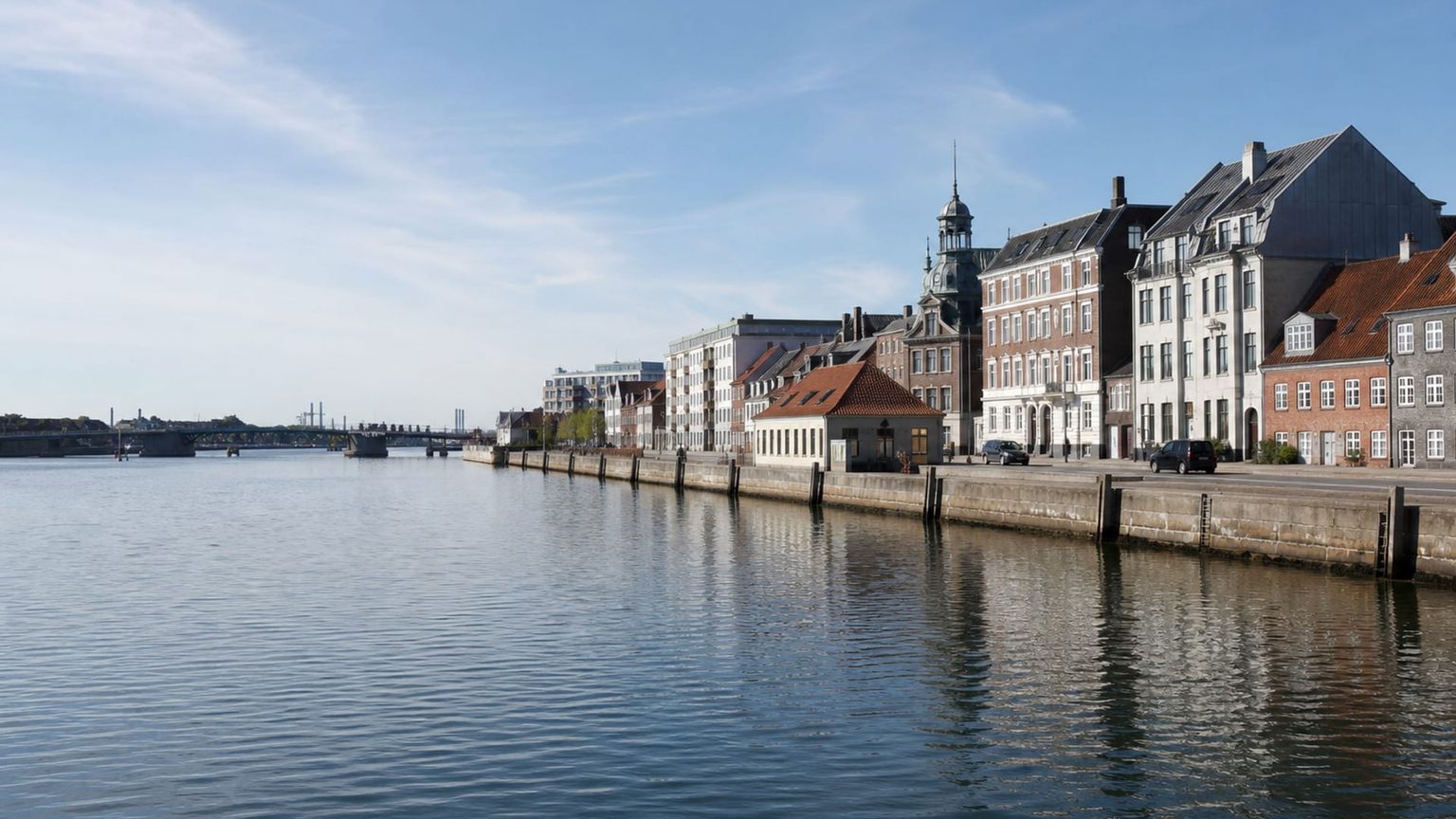
Start at the Aalborg Historical Museum, which opens the city’s past in a former merchant house and takes about 1 to 1.5 hours. From there, walk about 5 minutes to Aalborg Monastery for the courtyard and historic buildings, then continue roughly 10 minutes on foot into Aalborg Centrum for lunch. In the afternoon, take a bus or taxi north to Lindholm Høje Museum and burial ground, about 15 minutes from the center, and allow 1 to 2 hours for the graves, museum, and harbor views. End back in Aalborg Centrum for dinner near the waterfront.
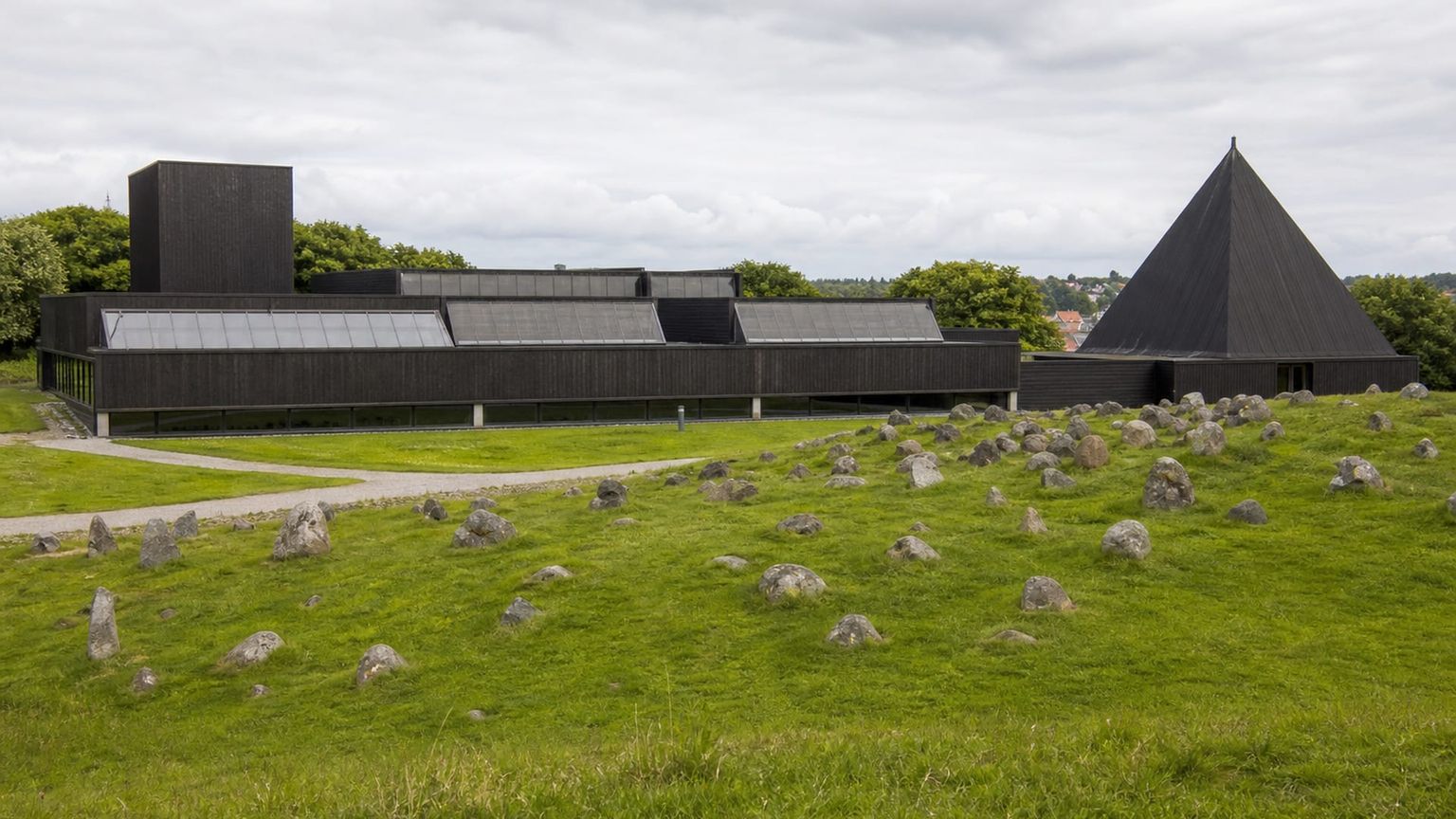
Begin on the waterfront at the Utzon Center, where architecture and harbor views fill about 1.5 to 2 hours. Walk roughly 10 minutes along the Limfjord to a lunch spot near the harbor, then head about 15 minutes by bus or taxi to Aalborg Tower for the late-afternoon panorama over the city and countryside. Plan about 45 minutes to 1 hour at the tower, and finish the evening with a relaxed meal in Aalborg Centrum.
Head to Aalborg Monastery first, when the courtyard is quiet and the light works well on the old walls. After about 45 minutes to 1 hour, walk 10 to 15 minutes into the center for a café break, then continue to the Utzon Center by bus or taxi for a second look at the waterfront from a different angle. If you want another historic stop afterward, return to Aalborg Historical Museum, which is about 10 minutes on foot from the central streets, and round out the day with dinner in Aalborg Centrum.
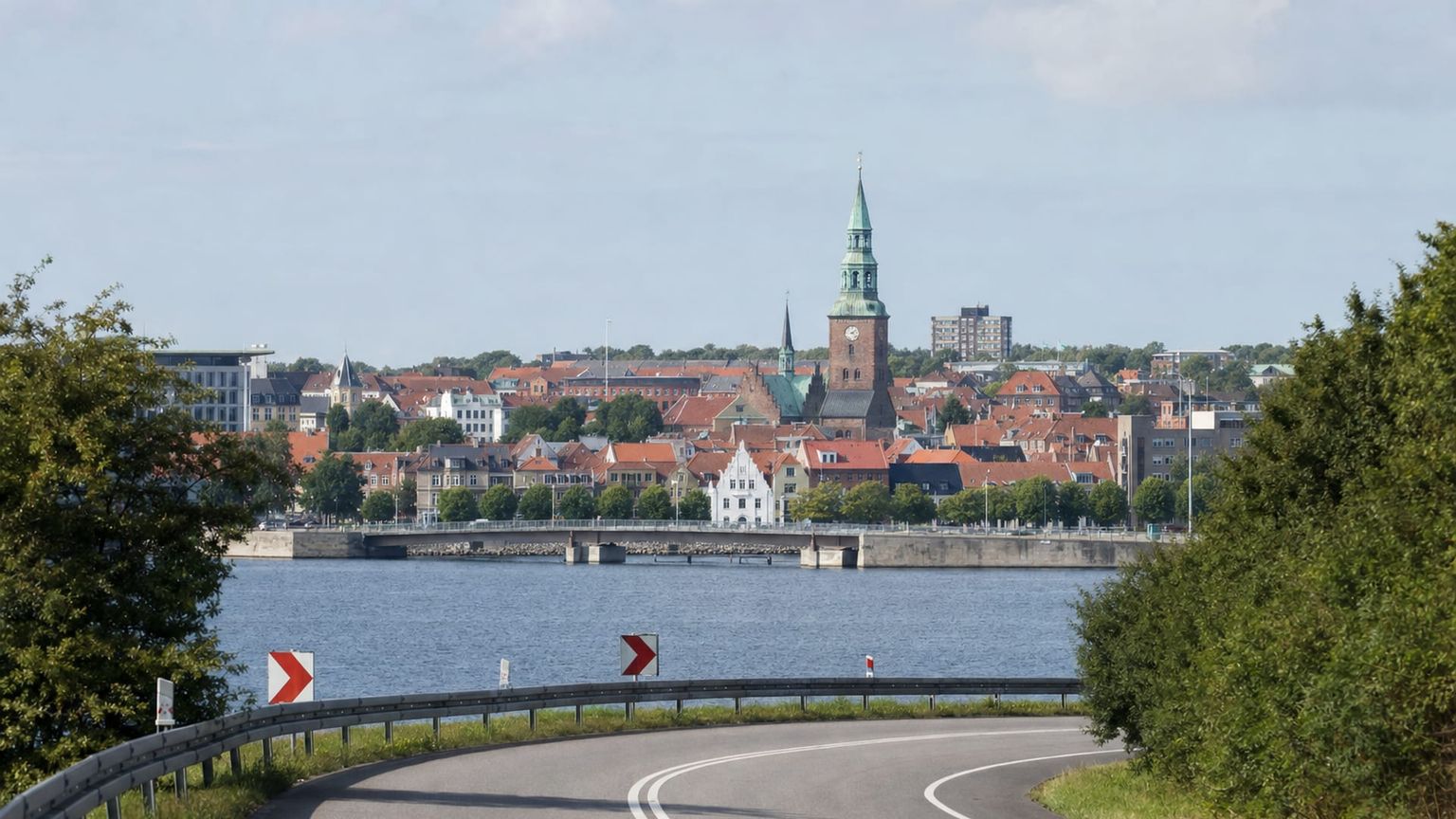
A final museum stop at Aalborg Tower works well before departure, since the visit takes only about 45 minutes to 1 hour and fits easily before a train, bus, or airport transfer. Afterward, spend the rest of the afternoon shopping in Aalborg Centrum, where the main streets cluster close to the waterfront, then finish with coffee or a light pastry in a café in the same district. If your flight leaves later in the day, the airport is close enough that you can leave the center without a rushed last meal.
Business-class flights from the US to Aalborg
Reaching Aalborg from the United States usually means a one-stop itinerary, and the airport connections run through a small set of European hubs. The examples below show how the East Coast and West Coast options compare on timing and price.
From New York, Delta Air Lines, KLM, Lufthansa, Scandinavian Airlines, Icelandair, and Air France all appear on the route list, with itineraries that usually take about 7 to 8 hours when they connect. Common hubs include Amsterdam, Paris, Copenhagen, Frankfurt, and Keflavík, and round-trip fares from New York to Aalborg usually start at about $2,500 and can reach $4,800.
Los Angeles itineraries usually route through Amsterdam, Paris, Frankfurt, Keflavík, or Copenhagen, so the trip typically runs about 13 to 18 hours end to end. KLM, Lufthansa, Scandinavian Airlines, Air France, and Icelandair all appear on the route list, and round-trip fares from Los Angeles to Aalborg usually run from $3,000 to $6,000.
Aalborg feels different when you slow down
A deliberate Aalborg trip gives each part of the city its own hour, the museum streets in the center, the harborfront near the Utzon Center, and the hilltop view at Aalborg Tower before an easy exit through Aalborg Airport or the station. Bus rides stay short, but they matter when you want to connect the waterfront with Lindholm Høje or the monastery courtyard. If you want help shaping those pieces into one route, AranGrant experts can build it around your dates and pace







