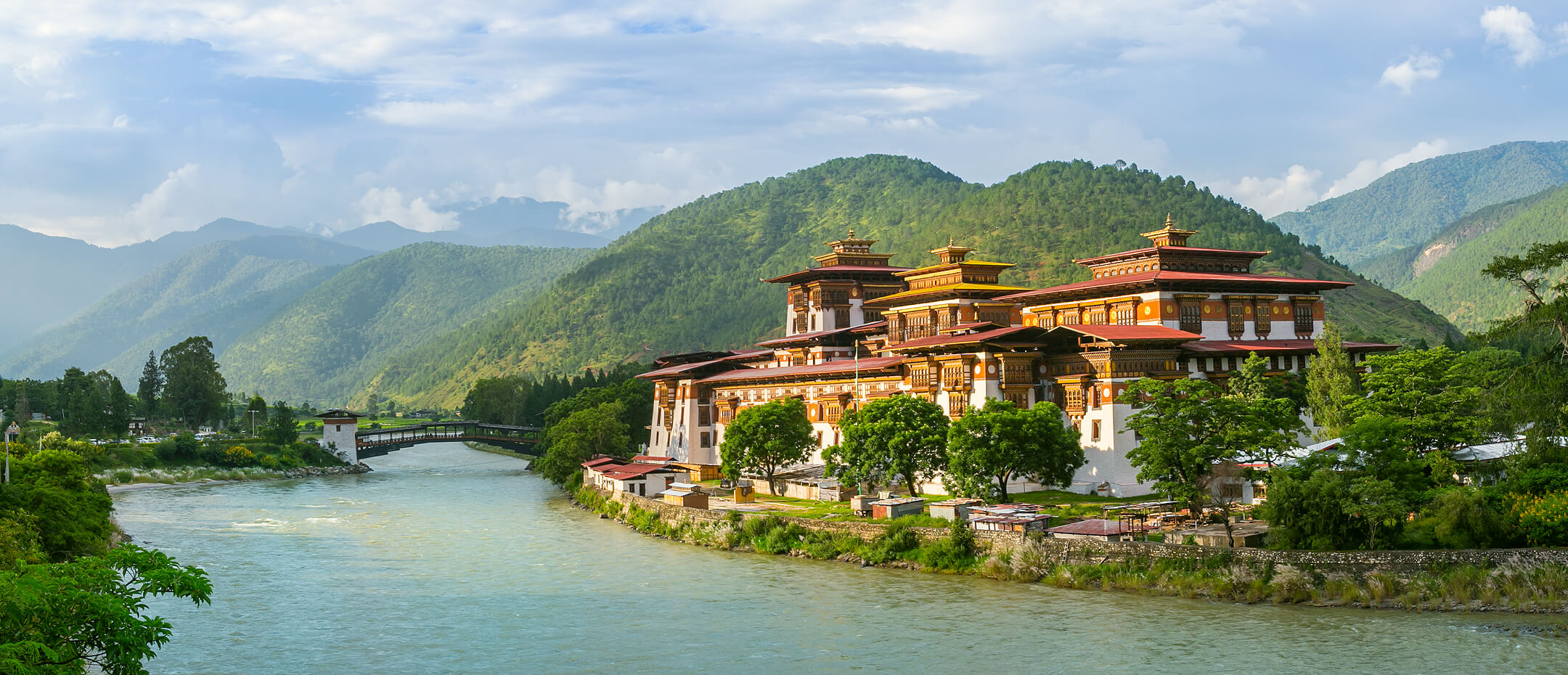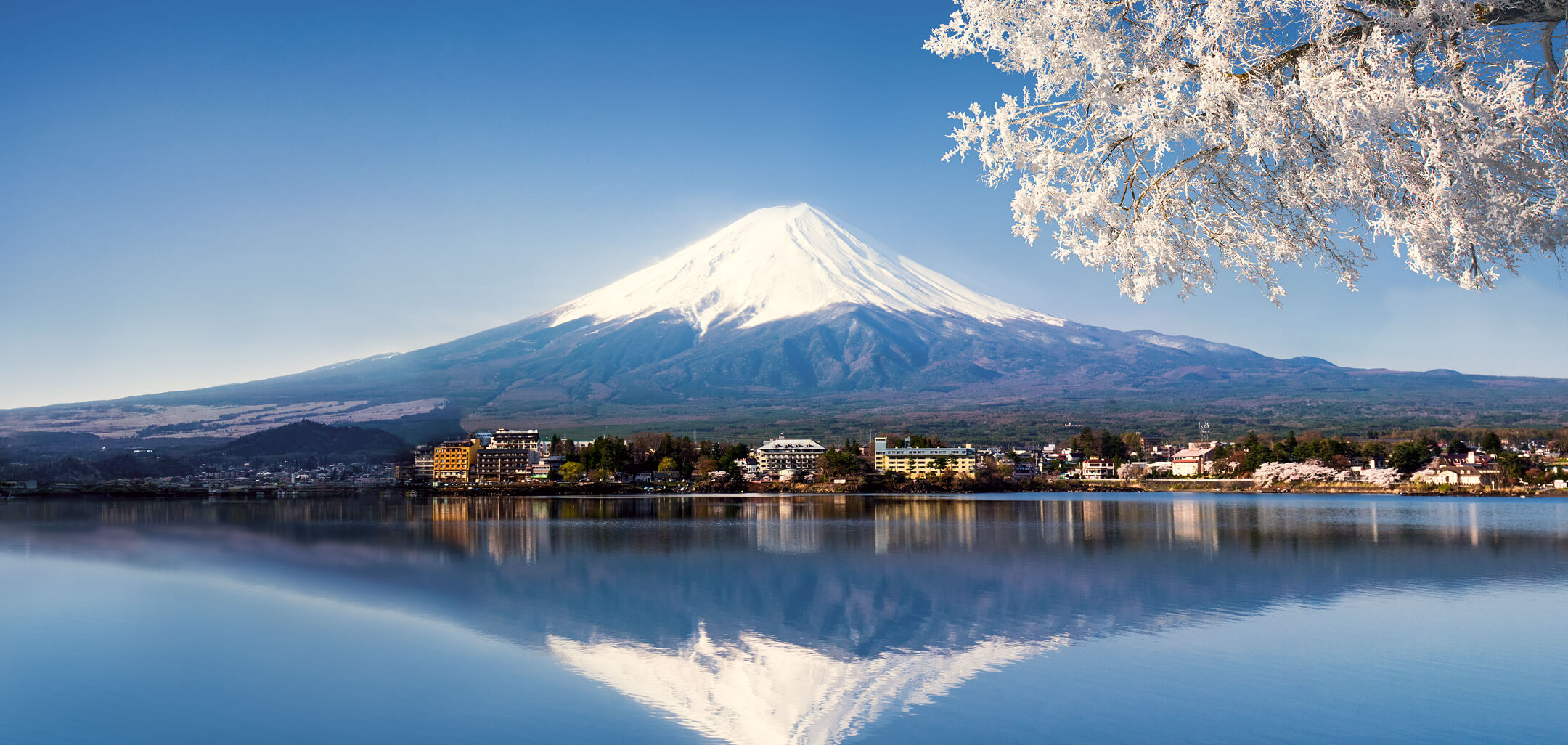


Winter in Japan runs from December through February, but the season looks very different depending on where you go. Tokyo and Kyoto spend much of winter under clear, cold skies, while Hokkaido, the mountains, and the Sea of Japan coast receive some of the country’s heaviest snowfall.
For travelers, that means choosing between city sightseeing and snow-covered landscapes, with different packing needs, transportation arrangements, and reservations for each.
This guide covers Japan’s winter weather, seasonal events and attractions, skiing, onsen bathing, and practical advice on planning for your trip.
Read in this post:
When winter in Japan starts and how cold each region gets
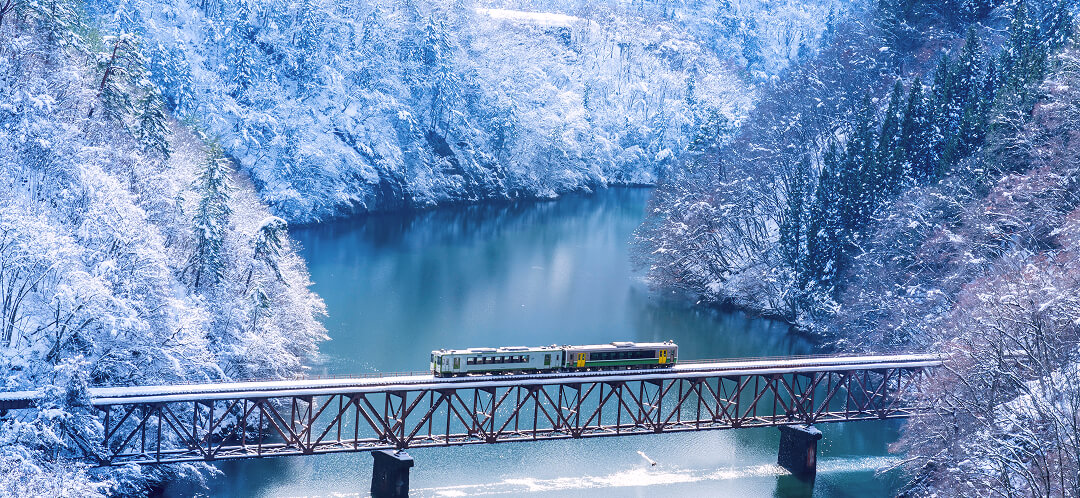
According to the Japan Meteorological Agency (JMA), winter in Japan runs from December through February. January is the coldest month in Tokyo, Kyoto, and Sapporo, but temperatures differ considerably between these cities. Tokyo averages 42°F (5.4°C) in January, while Sapporo, on Japan’s northern island of Hokkaido, averages 26°F (−3.2°C).
The JMA calculates its climate averages from 30 years of observations and updates them once a decade, so its 1991–2020 figures are the most recent official averages. They show how winter temperatures differ across Tokyo, Kyoto, and Sapporo:
| City | December | January | February |
|---|---|---|---|
| Tokyo | 46°F (7.7°C) | 42°F (5.4°C) | 43°F (6.1°C) |
| Kyoto | 45°F (7.2°C) | 41°F (4.8°C) | 42°F (5.4°C) |
| Sapporo | 30°F (−0.9°C) | 26°F (−3.2°C) | 27°F (−2.7°C) |
Tokyo receives approximately 193 hours of sunshine in January, compared with 124 hours in Kyoto and 90 hours in Sapporo. This means Tokyo generally offers more opportunities for outdoor sightseeing under clear skies, while Sapporo requires greater preparation for snowy weather.
Okinawa offers a warmer alternative to Japan’s colder winter destinations. In Naha, Okinawa’s capital, February averages 64°F (17.5°C). Cherry blossoms begin appearing across Okinawa in mid-January, with the flowering season continuing into mid-February, nearly two months before the familiar late-March blooms in Tokyo and Kyoto.
Does it snow in Japan? Where, when, and how much
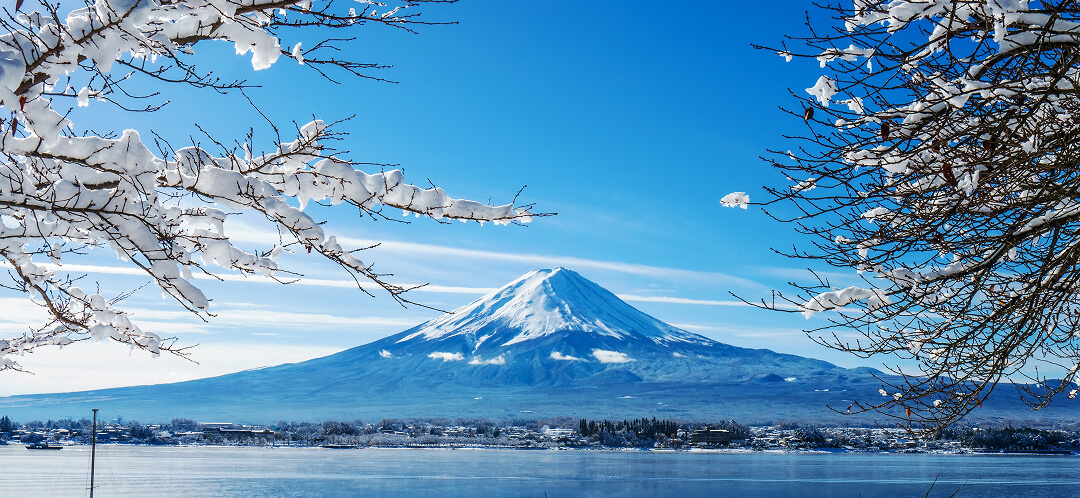
Japan receives heavy snowfall in Hokkaido, the mountains, and along the Sea of Japan coast, while many Pacific-side cities see very little snow. Sapporo averages 189 inches (479 cm) of snow a year.
In Sapporo, January brings approximately 54 inches (137 cm) of fresh snowfall. Snow cover reaches its greatest depth in February, when the deepest part averages 37 inches (95 cm). Sapporo’s snow season continues into March, which still brings an average of 29 inches (74 cm) of snowfall.
Aomori, near the northern end of Honshu, receives even more snow than Sapporo, averaging 223 inches (567 cm) a year. These totals measure snow falling throughout the year, not the amount lying on the ground at one time.
Northern cities such as Sapporo and Aomori can maintain snow cover for months.
The two sides of Japan get such different amounts of snow because of winter winds and the mountain ranges running through the country’s interior. During winter, cold air travels from the Asian continent across the Sea of Japan. The sea is warmer than the air passing over it, so the air picks up heat and moisture, forming snow clouds. When it reaches Japan’s mountains, the air rises, cools, and releases that moisture as snow along the Sea of Japan side. By the time it crosses the mountains and reaches the Pacific side, it has lost much of its moisture, which is why cities such as Tokyo see mostly dry, sunny winter days.
Does it snow in Tokyo?
Yes, it snows in Tokyo, but only a few days a year, mostly in January and February, and the snow rarely settles for long. The city averages 2.8 days with snowfall in January and 3.5 days in February, with approximately 1.6 inches (4 cm) of snow falling during each month. December averages virtually no snowfall. These figures include light flurries, so a day with recorded snowfall does not necessarily mean snow-covered streets.
Does it snow in Kyoto?
Yes, Kyoto gets light snow in winter, mostly in January and February, and slightly more of it than Tokyo. Average monthly snowfall is approximately 2 inches (5 cm) in January and 2.8 inches (7 cm) in February, although accumulated snow often disappears quickly.
When snow does settle, it can briefly cover temple roofs and gardens before warmer daytime temperatures melt it.
Japan in January: New Year closures, winter sales and dry, cold weather
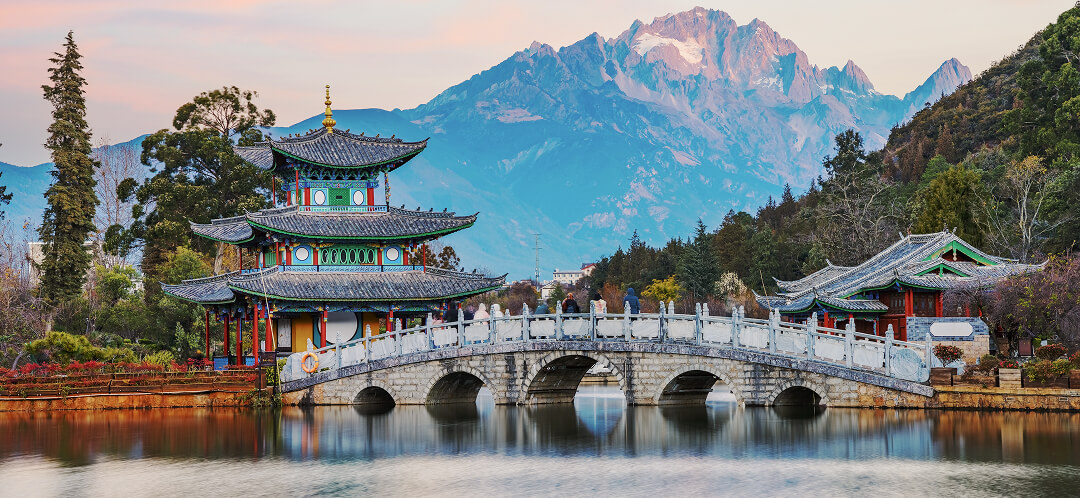
In Japan, January opens with Shogatsu, the New Year holiday, when museums and smaller restaurants close for the first few days and trains, flights, and hotels fill up with domestic travelers. Once the holiday ends, businesses return to their regular hours, and Tokyo settles into mostly dry, cold weather, with daytime highs averaging 50°F (9.8°C).
Major department stores and shopping centers often reopen on January 1 or 2, and hotels and public transportation keep running throughout the holiday. If you’re visiting during these dates, check attraction hours, confirm restaurant reservations, and book intercity travel in advance.
New Year traditions and January celebrations
One of the most recognizable customs is hatsumode, the first visit to a shrine or temple in the new year. Crowds gather to pray for good fortune, purchase charms, and take part in seasonal celebrations. Meiji Jingu in Tokyo is one of Japan’s busiest shrines during the New Year, and Sumiyoshi Taisha in Osaka welcomes more than 2 million visitors during the first three days of January.
Department stores and retailers begin New Year sales in the first days of January. Major shopping districts such as Ginza and Shibuya attract visitors looking for seasonal promotions. Many shops also sell fukubukuro, or lucky bags, containing assortments of merchandise at prices below their combined retail value. Traditionally, customers don’t know exactly which products are inside until they open the bag.
Another January occasion is Coming of Age Day, held on the second Monday of the month. In 2027, it falls on January 11. Cities and towns hold ceremonies for residents turning 20, and many participants wear formal clothing, including traditional kimono. Japan lowered the legal age of adulthood to 18 in 2022, but these ceremonies continue to celebrate the traditional 20-year milestone.
What the weather is like in Japan in January
The 1991–2020 JMA averages show how daytime highs and nighttime lows differ across three major cities:
- Tokyo: Average daytime highs reach 50°F (9.8°C), with nighttime lows averaging 34°F (1.2°C).
- Kyoto: Average daytime highs reach 48°F (9.1°C), with nighttime lows of 35°F (1.5°C).
- Sapporo: Average daytime highs are 31°F (−0.5°C), with nighttime lows of 20°F (−6.4°C).
Japan in February: the Sapporo Snow Festival and the first plum blossoms
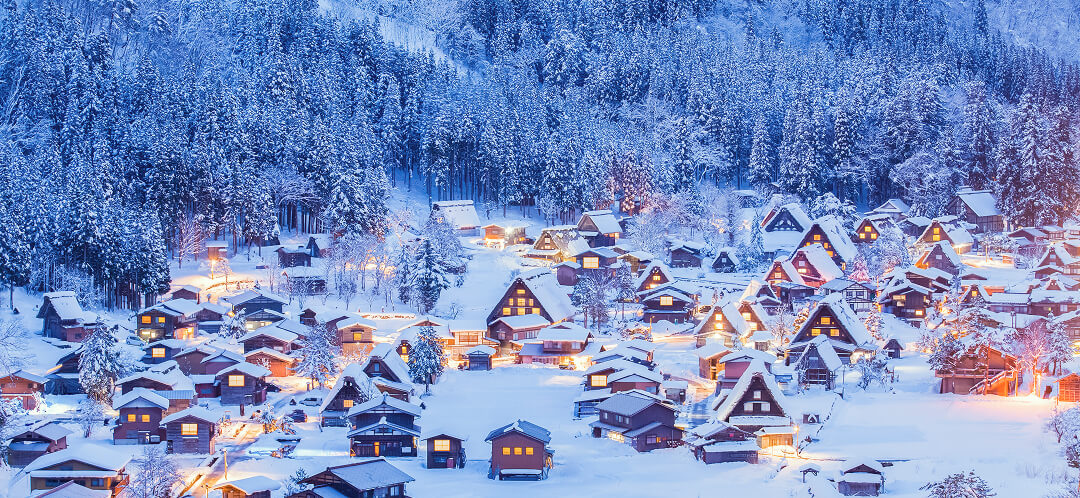
Japan in February brings some of the year’s coldest weather, major snow festivals in the north, and the first plum blossoms farther south.
Snow festivals in Japan in February
The Sapporo Snow Festival, or Sapporo Yuki Matsuri, attracted more than 2.5 million visitors in 2026. In 2027, it takes place from February 4 to 11, drawing visitors to Hokkaido for its elaborate snow and ice sculptures. Its three venues offer different attractions:
- Odori Park: The festival’s main location features enormous snow sculptures alongside smaller displays and winter attractions. Organizers plan five large snow sculptures for 2027.
- Susukino: Sapporo’s entertainment district hosts ice sculptures, many illuminated after dark.
- Tsudome: The festival’s family-oriented site has featured snow slides, snow rafting, and indoor activities in previous years. The official festival website will publish more detailed information about the 2027 attractions closer to the event.
Stay in central Sapporo near Odori Park for easy access to the main snow sculptures and Susukino, which you can reach on foot or by subway. Hotels in this area experience strong demand during the festival, so reserve your accommodation early.
In Akita Prefecture, the Yokote Kamakura Festival celebrates a local winter tradition with snow huts called kamakura. Local children sit inside and invite passersby in for amazake, a sweet fermented rice drink, and grilled mochi rice cakes. The 2027 festival runs February 12–13.
In Aomori Prefecture, the Hirosaki Castle Snow Lantern Festival fills the park around Hirosaki Castle with snow lanterns made by local residents and around 300 small snow huts lit by candles after dark. The main area also has large snow sculptures modeled on historic buildings, along with snow slides. The 2027 festival runs February 10–14.
Where to see plum blossoms in February
February brings plum blossoms, known as ume, weeks before Japan’s cherry blossom season. Plum trees produce white, pink, and deep rose-colored flowers, bringing the first spring colors to gardens and temple grounds.
Kairakuen in Ibaraki Prefecture, one of Japan’s three great gardens, has approximately 3,000 plum trees of about 100 varieties. Other notable locations include Koishikawa Korakuen in Tokyo, Kitano Tenmangu in Kyoto, and Dazaifu Tenmangu in Fukuoka. Since plum trees bloom at different times across these gardens and temples, check their seasonal updates before planning your visit.
What the weather is like in Japan in February
February is slightly milder than January in all three cities, according to the published JMA averages for 1991–2020:
- Tokyo: Average daytime highs reach 52°F (10.9°C), with nighttime lows of 36°F (2.1°C).
- Kyoto: Average daytime highs reach 50°F (10.0°C), with nighttime lows of 35°F (1.6°C).
- Sapporo: Average daytime highs reach 33°F (0.4°C), with nighttime lows of 21°F (−6.2°C).
Skiing in Japan: when the season runs, where to go, and what a lift pass costs
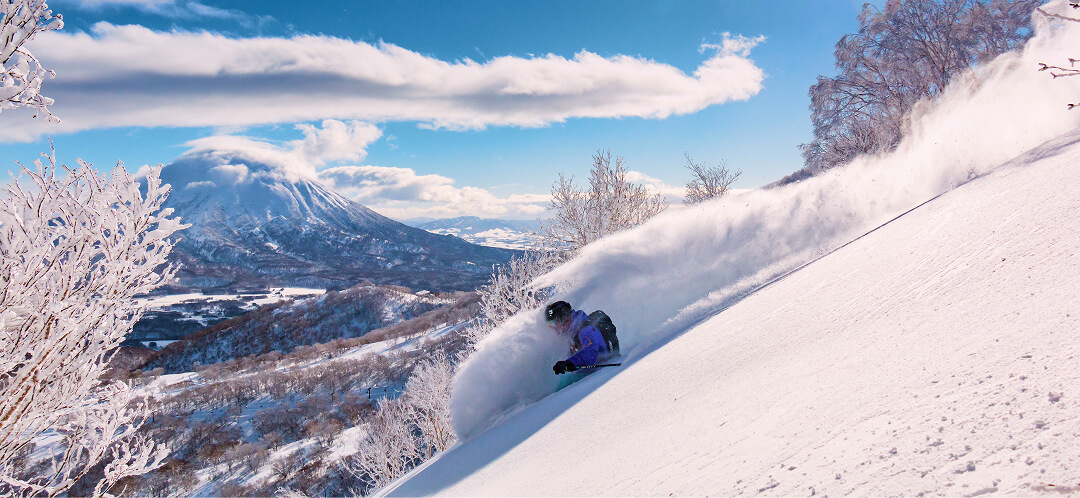
Japan’s ski season runs from December through April, with January and February bringing the most consistent snowfall. For the 2026–2027 season, Niseko in Hokkaido is scheduled to open on November 28, 2026, with two of its four ski areas remaining open until May 5, 2027.
Niseko: Hokkaido powder on an established international resort
Niseko United consists of four ski areas on Mount Niseko Annupuri: Niseko Annupuri, Niseko Village, Grand Hirafu, and Hanazono. The four areas connect near the upper mountain and share one all-mountain lift pass. Niseko’s large international following makes it one of the easiest Japanese ski resorts to plan without speaking Japanese: you can buy lift passes, book ski lessons, and rent equipment in English.
Niseko is known for its light powder snow. Its international popularity also means accommodation near the main lifts and in Hirafu is in strong demand during peak winter weeks.
The four Niseko ski areas have different closing dates for the 2026–2027 season:
| Ski area | Planned closing date |
|---|---|
| Niseko Village | April 4, 2027 |
| Hanazono | April 11, 2027 |
| Annupuri | May 5, 2027 |
| Grand Hirafu | May 5, 2027 |
Opening dates and lift operations may change depending on the snow and weather.
For the 2026–2027 season, an adult one-day Niseko United All Mountain Pass costs:
- Early season (November 28–December 11, 2026): ¥8,800 ($56)
- Regular season (December 12–23, 2026, and March 1–22, 2027): ¥12,600 ($80)
- Peak season (December 24, 2026–February 28, 2027): ¥13,500 ($85)
The pass covers all four Niseko United ski areas while they are operating.
Travelers arriving through Tokyo can fly to New Chitose Airport (CTS) near Sapporo in roughly 90 minutes, then continue to Niseko by direct bus, which takes 3–3.5 hours, depending on the stop. Buses serve different parts of Niseko, including Hirafu and Niseko Village, so confirm the stop closest to your accommodation. Road conditions can lengthen the journey during heavy snowfall.
United Airlines also plans to introduce nonstop flights from San Francisco (SFO) to Sapporo‘s New Chitose Airport (CTS) on December 11, 2026. The airline has announced three weekly flights through March, using a Boeing 787-9 with United Polaris business class. This gives premium-cabin travelers a direct route from the US mainland to Hokkaido without connecting through Tokyo.
Hakuba: Japanese Alps skiing closer to Tokyo
Hakuba Valley in Nagano Prefecture brings together 10 ski areas with varied terrain, including mountains used during the 1998 Winter Olympics. The ski areas stretch along the Northern Japanese Alps, with Hakuba Happo-one offering Olympic-level slopes and Tsugaike Kogen providing gentler terrain for beginners.
Most Hakuba resorts don’t connect directly by lifts, so you’ll need the valley shuttle or other transportation to ski on a different mountain. Check the shuttle stops when choosing your hotel, especially if you plan to visit several resorts.
For the 2026–2027 season, an adult one-day Hakuba Valley All-Mountain Pass costs ¥11,100 ($70) and provides lift access across all 10 participating resorts. It also includes the Hakuba Valley shuttle bus on days when you ski, although night services cost extra.
From Tokyo Station, take the Hokuriku Shinkansen to Nagano, then an express bus to Hakuba Happo Bus Terminal. With good connections, the journey takes about 2 hours 40 minutes. If you’re flying into Narita or Haneda and want to go straight to your hotel without changing trains, book a private transfer from the airport, which takes about 4–5 hours depending on traffic and road conditions.
Zao Onsen: skiing, hot springs and an unusual winter landscape
Zao Onsen in Yamagata Prefecture offers skiing alongside traditional hot springs and the Zao snow monsters, trees that develop thick coverings of ice and snow during winter.
The ski area has slopes for beginners and experienced skiers across Mount Zao, while the village’s traditional hot springs provide a place to relax after a day outdoors. The Zao Ropeway also carries visitors toward the upper mountain, where the snow monsters form during winter.
Zao packs a full winter trip into a single village: you can spend the morning on the slopes, ride the ropeway up to the snow monsters in the afternoon, and end the day in one of the village’s sulfur hot springs.
Tip: Plan your ski week for mid to late January. The Christmas and New Year crowds ease by then, and January brings some of the best snow conditions to Japan’s major ski resorts.
Onsen in winter: how a Japanese bathhouse works and where to soak in the snow
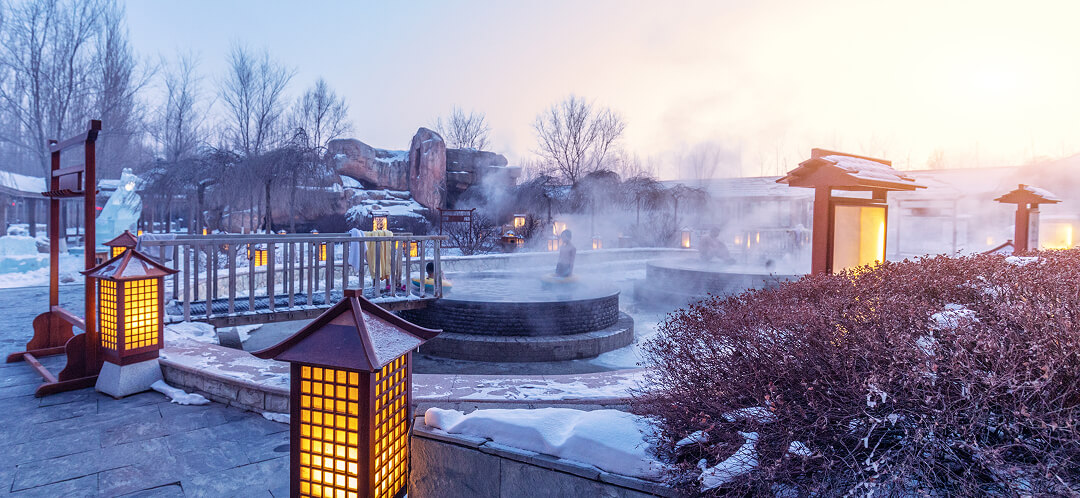
A Japanese onsen bathhouse follows a specific bathing routine: you undress completely in the changing room, wash at a seated shower station, and pour warm water over your body before entering the hot spring bath. In winter, many onsen towns also have outdoor baths where you can soak while snow covers the surrounding landscape.
For your first visit, follow these steps from Japan’s official onsen guide:
- Remove your shoes where indicated. Many traditional facilities have a separate area for outdoor footwear before you reach the changing rooms.
- Undress completely. Communal onsen bathing is generally nude, with separate bathing areas for men and women.
- Wash before entering the bath. Sit at one of the washing stations, use the provided shower and washing products, then rinse completely.
- Adjust to the water temperature. Many baths provide a basin for kakeyu, the custom of pouring warm bathwater over your body before entering.
- Keep towels and hair out of the water. Place the small towel on the bath’s edge or fold it on your head. Keep long hair tied up.
- Keep your voice low. Avoid swimming, splashing, and loud conversations.
- Leave your phone and camera outside the bathing area. Photography is not allowed inside.
Many ryokan and larger onsen provide shampoo, soap, and towels, while smaller public bathhouses may charge for towels or require you to bring your own. Confirm which amenities the bathhouse provides before visiting.
Tattoo policies also vary by facility. Some traditional onsen still refuse entry to guests with tattoos, although others now accept them. If you prefer privacy or want to avoid communal bathing, you can reserve a private bath (kashikiri-buro) for yourself or your group.
You can also book a ryokan room with its own open-air bath (rotenburo). Not every open-air bath is private, so check the room description and the property’s tattoo policy before making a reservation.
Where to experience outdoor onsen bathing in winter
Ginzan Onsen, Yamagata
Ginzan Onsen grew around a former silver mine, and wooden inns from the late Taisho and early Showa periods line both banks of the Ginzan River. In winter, snow covers their roofs and the narrow pedestrian streets, while gas lamps illuminate the riverside after dark.
Ginzan’s official website lists 13 places to stay, so book early if you want to spend a winter night in the town. The central streets are pedestrian-only, and from December 19, 2026, to March 7, 2027, day visitors must switch to a shuttle bus at Taisho Roman-kan, a visitor facility outside the town. Buy a round-trip shuttle ticket on the official Ginzan Onsen website by 5 pm Japan time the day before your visit. Advance tickets cost ¥300 less than same-day fares, and same-day tickets are sold at Taisho Roman-kan only if seats remain. If you’re staying overnight, follow the transportation instructions from your inn.
Kusatsu Onsen, Gunma
Kusatsu is approximately 4 hours away from Tokyo by direct highway bus from Shinjuku. You can also travel by train to Naganohara-Kusatsuguchi Station and continue by local bus. Its central attraction is the Yubatake, where hot spring water flows through wooden channels before reaching the town’s bathing facilities.
You don’t need to stay overnight to use the public baths. Otakinoyu, for example, has indoor pools, an outdoor bath, and several baths with different water temperatures. Adult tickets cost ¥1,200 ($8), and the facility is open from 9 am to 9 pm, with final entry at 8 pm.
Kurokawa Onsen, Kumamoto
Kurokawa Onsen, in the mountains of Kyushu, brings together traditional inns and outdoor hot spring baths among wooded hills and along streams. With a nyuto tegata bathing pass, you can visit three of the town’s 28 participating outdoor baths for ¥1,500 ($9.50). You can buy the pass at participating inns or at Kaze no Ya, the ryokan association’s information center, and it remains valid for six months from purchase.
For travelers without a rental car, direct buses connect Kurokawa Onsen with Kumamoto Station and Hakata Station in Fukuoka. Both journeys take approximately three hours.
Since reaching Kurokawa takes several hours from either city, an overnight stay gives you more time to visit the baths. Many ryokan also serve seasonal Japanese meals, and some offer rooms with private baths.
The snow monkeys of Jigokudani
Jigokudani Monkey Park in Nagano offers a different hot spring experience: watching wild Japanese macaques gather near a natural hot spring in a mountain valley approximately 2,800 feet (850 m) above sea level.
Visitors watch the monkeys from designated observation areas without entering the water themselves. Winter provides the park’s most recognizable scenery, with steam rising from the pool and snow covering the surrounding slopes.
From Nagano Station, take the Shiga Kogen express bus to the Snow Monkey Park stop, a journey of approximately 1 hour. From there, follow the 1.2-mile (2 km) forest trail to the park, which takes another 35 minutes. The trail includes uneven ground and can become icy in winter, so wear boots with good traction.
The park is open from 9 am to 4 pm between November and March. From December through April, visitors with tickets purchased online receive priority entry, so book ahead during busy winter dates. Check the official Jigokudani Yaen-koen website for current admission arrangements and access conditions.
The monkeys roam freely, and sightings in the hot spring are never guaranteed.
You might also like to read: Why a traditional ryokan belongs on your Japan itinerary
Zao snow monsters: what they are and when to see them in Yamagata
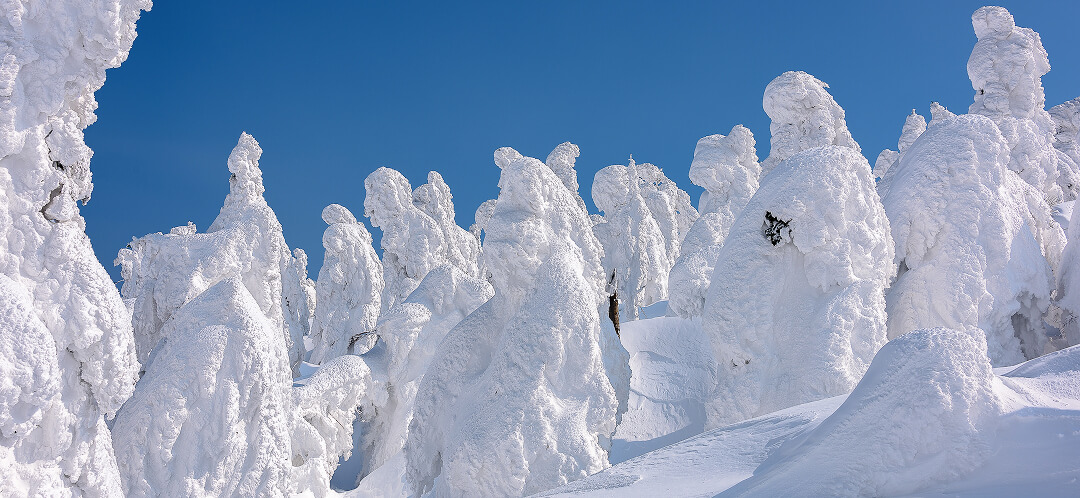
The Zao snow monsters are trees covered in thick formations of rime ice and snow on Mount Zao in Yamagata Prefecture. Strong winter winds carry supercooled water droplets onto the trees, where they freeze and gradually build irregular shapes. By midwinter, entire sections of the mountainside resemble groups of enormous white figures.
Locally, the formations are called juhyo. You can see them from late December into early March, with February generally having the largest ice formations.
Seeing the Zao snow monsters by day
The Zao Ropeway carries visitors from Zao Onsen toward the upper mountain viewing area, making it possible to see the snow monsters without skiing. From the upper station, visitors can observe the ice-covered trees across the slopes, although visibility changes considerably with cloud cover and wind. The ropeway’s lower line operates from 8:30 am to 5 pm, while the upper line runs from 8:45 am to 4:45 pm. The last ride up to Jizo Sancho Station leaves at 4 pm.
The journey from Zao Sanroku Station to Jizo Sancho Station involves two connecting ropeway lines, with a change at Juhyo Kogen Station. An adult round-trip ticket to the summit costs ¥4,400 ($28).
Evening illuminations and Night Cruiser tours
On selected winter evenings, the Zao Ropeway illuminates the snow-covered trees from 5 pm to 9 pm. For a closer view, the Night Cruiser tour takes visitors through the illuminated landscape in a heated snowcat. The complete excursion lasts about 75 minutes. The vehicle travels from Juhyo Kogen Station toward the upper mountain before returning to the same station.
Night Cruiser tours require reservations, which open online seven days before each tour date. Check the Zao Ropeway’s official winter information for the 2026–2027 illumination dates and tour schedule before planning an evening visit.
How to get to Zao Onsen
From Yamagata Station, take the Yamagata Kotsu bus bound for Zao Onsen. The journey takes approximately 40–50 minutes. The Zao Ropeway-mae bus stop serves the lower ropeway station, while Zao Onsen Bus Terminal is another arrival point for services that end in the village. Check the bus timetable for the stop closest to the ropeway before departure.
Yamagata Kotsu has sold combined tickets covering the round-trip bus journey and Zao Ropeway access in previous winter seasons, but it has not announced a winter version for 2026–2027. Check the bus operator’s website for updates before buying separate tickets.
Strong winds and poor visibility can interrupt ropeway operations and cancel evening tours. If the snow monsters are a priority for your visit, spending a night in Zao Onsen gives you more flexibility than planning a tightly scheduled day trip. Staying in the village also gives you access to its ski slopes and hot springs without arranging a separate mountain excursion.
Japan in winter offers two very different trips, so plan around where you want to spend most of your time. For city sightseeing in Tokyo and Kyoto, go in the second half of January, after the New Year closures end and attractions return to their usual hours. For deep snow, skiing, and the Sapporo Snow Festival, head north in late January or February. To do both, start in the cities and travel north as Hokkaido’s snow reaches its deepest. AranGrant can help you find business-class flights from the US to Japan that fit your dates and itinerary.