
Italy’s coastline is not defined by a single type of beach experience. Where you go determines how easy the trip feels, how much time you spend moving, and how relaxed your days actually are. That is why the best beach destinations in Italy depend on more than scenery.
A stay in Positano, a villa in Sardinia, and a masseria in Puglia can all deliver a high-end trip. However, each one requires a different level of planning and offers a different type of daily rhythm. Some destinations keep everything close and predictable. Others give you more space but require more movement.
If you are still comparing destinations, you can also check our overview on Luxury Beach Destinations: Summer 2026 for a broader perspective.
Read in this post:
Top beach destinations in Italy
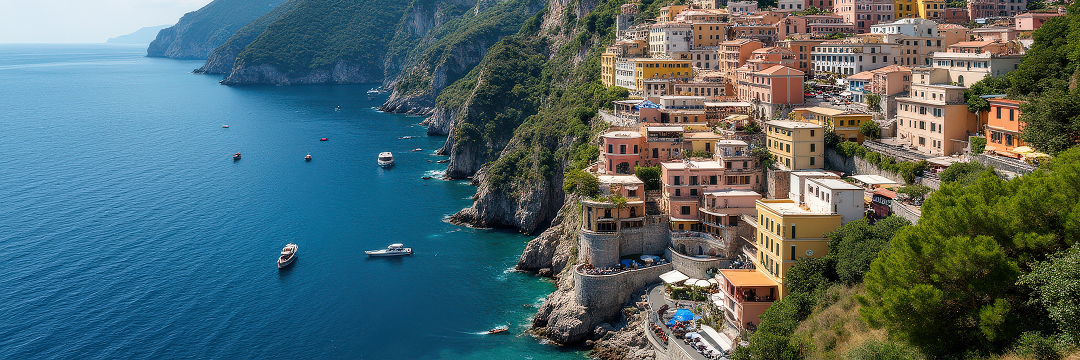
Italy’s beach destinations fall into a few distinct categories, each offering a different way to structure your stay.
Amalfi Coast
The Amalfi Coast combines cliffside beaches with a small number of iconic towns, mainly Positano, Amalfi, and Ravello. These towns sit along steep cliffs, and limited access between them keeps most of your time focused within one area rather than moving between locations.
Beaches are small, often set between cliffs, and typically operated by private beach clubs with reserved loungers and full service. Space is limited, but the setup remains structured and easy to navigate once arrangements are in place.
Established hotels, well-known viewpoints, and consistent service across restaurants and beach clubs define the experience, with most of the day unfolding within the same setting.
Sardinia (Costa Smeralda)
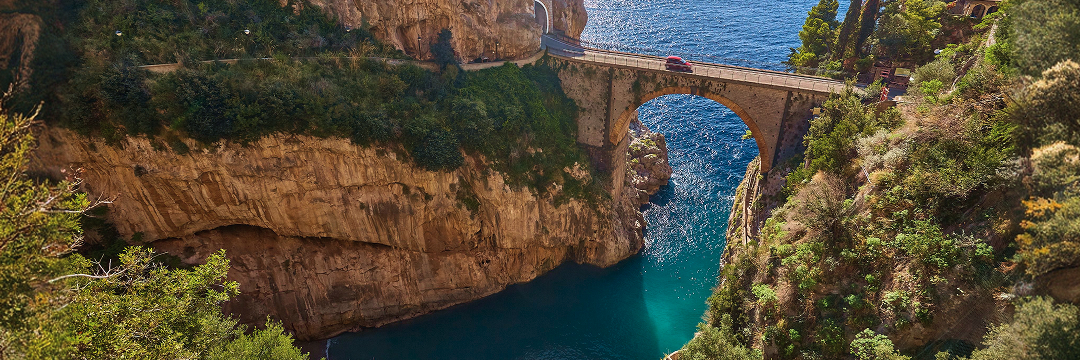
Sardinia, especially Costa Smeralda, is known for clear, Caribbean-like water and a coastline shaped by yacht activity around Porto Cervo.
Beaches such as Capriccioli, Spiaggia del Principe, and Liscia Ruja are larger and more spread out than those on the Amalfi Coast, with clear water and soft sand that support longer, uninterrupted stays. The coastline is more open and less concentrated, allowing you to stay in one place for several hours without needing advance reservations or adjusting your timing.
Around Porto Cervo, villas, resorts, and marinas shape the area. Yachts are a constant presence, and access to beach clubs, private boats, and waterfront restaurants forms part of how people spend their time.
Sicily
Sicily offers a more varied structure, where the beach forms only part of the day.
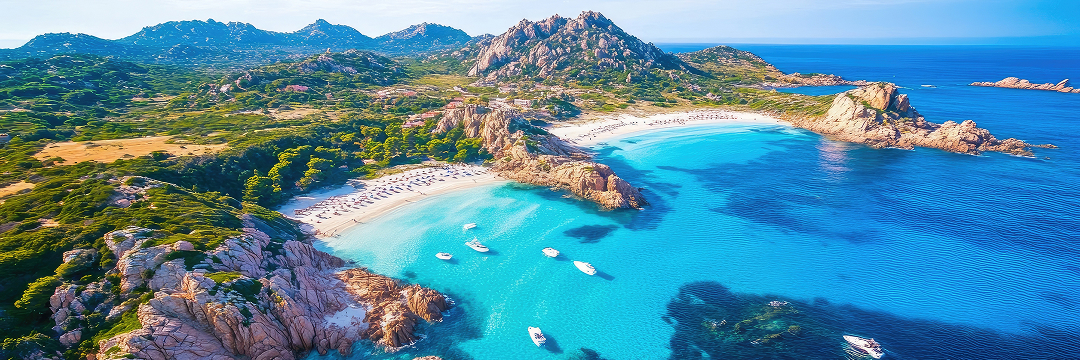
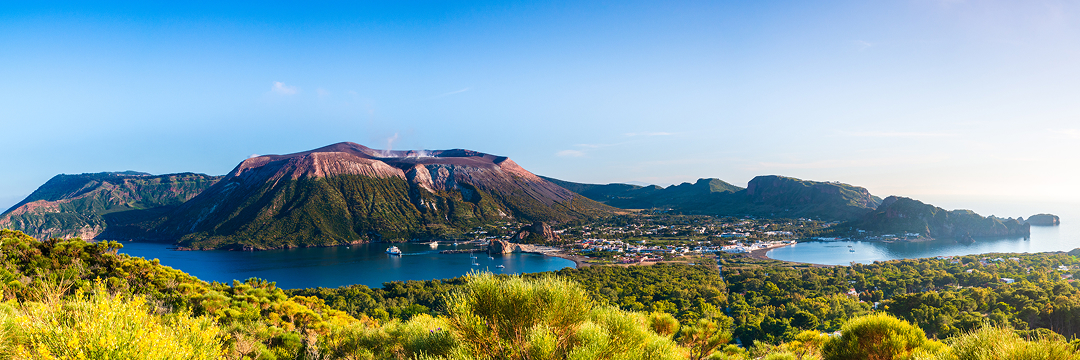
Sicily combines coastal scenery with volcanic landscapes, with Mount Etna shaping much of the setting around Taormina.
Steep cliffs frame the coastline, often with direct views of the volcano. The day typically moves between the beach, the town, and other activities such as restaurants or historical sites. This creates a more varied rhythm compared to destinations where you remain in one place.
Hotels and beach clubs control most beach access, while high-end resorts and private villas occupy elevated positions above the coastline, offering open views and greater privacy.
Next in the series: Top 10 Luxury Events Around the Globe – Summer 2026
Puglia
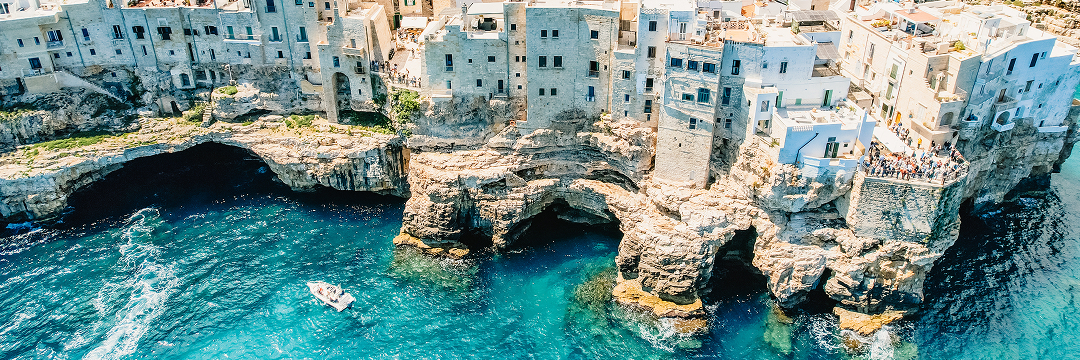
Puglia offers a quieter, more understated form of luxury, with a focus on local architecture and less exposure to large resort developments.
Along the Adriatic coast, beaches stretch across a flatter landscape, with a mix of rocky coves and clear-water swimming spots rather than a single defined shoreline. Locations such as Polignano a Mare, Monopoli, and Ostuni sit along the same coastline, but the experience does not center around one main base.
Much of the region’s appeal comes from masserias, restored farm estates that now operate as boutique hotels, often set inland among olive groves. These properties focus on space, privacy, and local design rather than large-scale resort infrastructure.
The overall atmosphere remains quieter, with fewer crowds and a stronger connection to local food and surroundings.
Italian Riviera (Liguria)
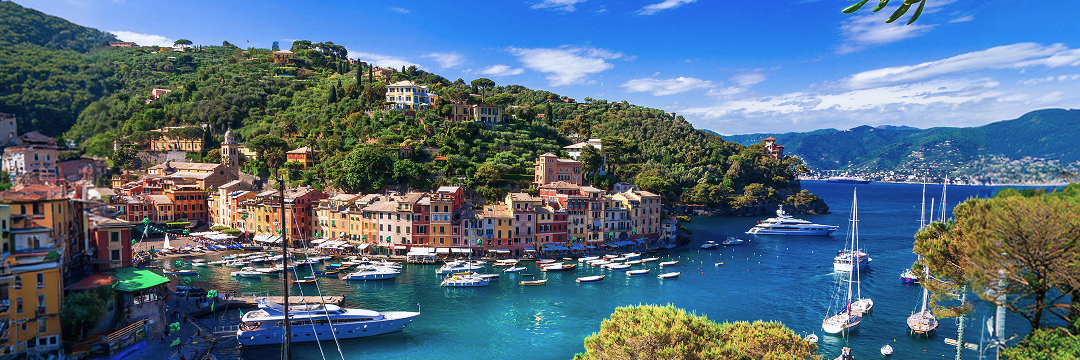
Liguria, including Portofino and Cinque Terre, centers on movement between towns rather than extended time at the beach.
In Portofino, the focus remains on the harbor, hotels, and restaurants, while in Cinque Terre, trains connect the villages within minutes. The experience revolves around moving between these locations rather than staying in a single place.
As a result, you move between multiple stops throughout the day, with shorter stays in each place rather than extended time in one setting.
Next in the series: Italy Slow Travel: A Luxurious Escape at Your Own Pace
What makes a beach destination in Italy “luxury”
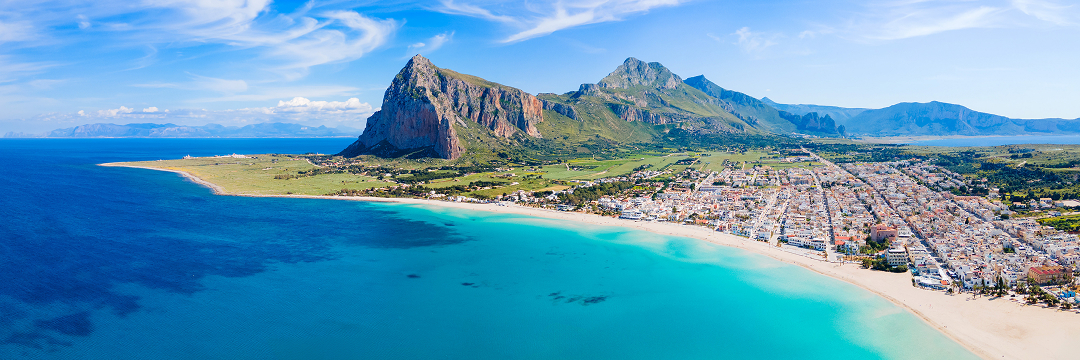
In Italy, a beach destination feels luxurious when the experience is clear and predictable from the start, with access, comfort, and service already in place.
What defines that experience changes from one destination to another, which is why the right choice depends on how you want to spend your time.
Best destinations for couples and romantic stays
For couples and romantic stays, choose the Amalfi Coast or Portofino because everything stays within a walkable setting, and the day unfolds without interruptions.
In Positano, the beach, restaurants, and hotels sit within the same vertical area, so you move between them on foot without planning transport. In Portofino, the harbor, hotels, and dining options remain concentrated around a small, contained area, which keeps the day structured and easy to manage.
This setup keeps the experience continuous, with minimal transitions between locations and more time spent together in the same setting.
Best destinations for quiet and more private beaches
For quieter beaches with more privacy, Sardinia stands out for its space and lower density, even during peak season.
Along the Costa Smeralda, beaches such as Capriccioli and Spiaggia del Principe stretch wider than those on more compact coastlines, with more distance between groups and fewer shared entry points. This reduces the need to plan your timing around availability or secure reservations in advance.
In contrast, smaller destinations like the Amalfi Coast concentrate visitors into a limited number of beach areas, where space becomes part of the planning process. In Sardinia, the experience remains more open, with greater control over where and how you spend the day.
Best destinations for a first beach trip in Italy
For a first beach trip in Italy, the Amalfi Coast and Liguria offer the clearest and easiest ways to structure your time, but in different ways.
On the Amalfi Coast, towns like Positano keep the entire day within one place. The beach, restaurants, and hotels stay connected within a single area, which removes the need to plan routes or coordinate transport. The structure becomes clear after the first day and remains consistent throughout the stay.
Liguria, especially Cinque Terre, introduces more movement, but keeps it simple. Frequent trains connect the villages within minutes, so moving between towns does not require advance planning or complex logistics.
Both options reduce the need to figure things out as you go, either by keeping everything in one place or by making movement predictable and easy to manage.
Best destinations for luxury without crowds
For luxury without crowds, Puglia offers a lower-density coastal experience built around private, small-scale stays.
The region does not center around a few dominant resort towns, which keeps both beaches and the surrounding areas less busy, even during peak season.
Much of the stay revolves around masserias and boutique properties set outside main towns. These properties provide more space, quieter surroundings, and a stronger sense of separation from busier coastal areas.
Here, privacy, space, and local architecture shape the experience more than large resorts or crowded beach areas.
Next in the series: The 5 Best Hidden Gems in Italy
How to choose the right beach destination in Italy
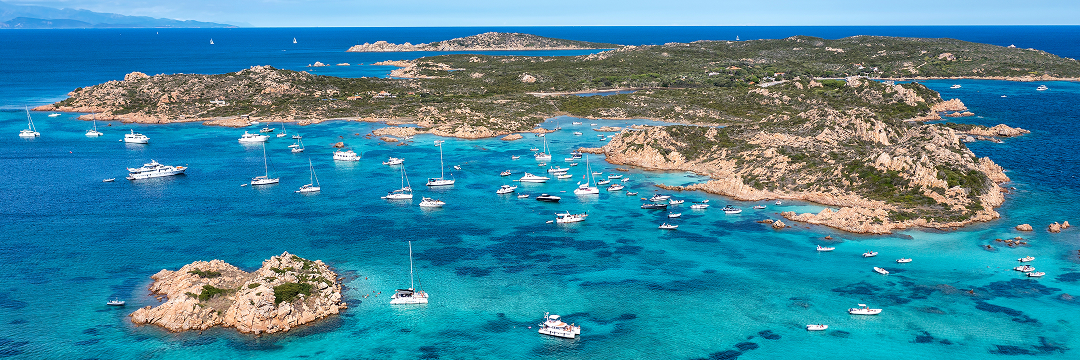
The right choice comes down to which destination matches the way you want to spend your time once you arrive, not just the location itself.
West coast vs east coast
On the west coast, destinations such as the Amalfi Coast and Portofino center around a single main town, with beaches, hotels, and restaurants situated within the same area. Beach access often connects directly to the town, and most of the day stays within that immediate setting.
This structure suits travelers who prefer to keep everything within reach and spend most of their time in one place.
On the east coast, especially in Puglia, the coastline spreads across multiple towns and beach areas rather than one central point. The beaches are spread along the coast, so each day can take place in a different area, often with short drives between them.
This approach fits better if you prefer moving between different beaches and towns, with more variation from one day to the next.
Islands vs mainland
On islands, the experience changes depending on where you go. In Sardinia, the coastline spreads out, and the beach often becomes the main part of the day. Beaches such as Capriccioli or Spiaggia del Principe offer enough space to stay in one place for several hours, without needing to move once you arrive.
This structure suits travelers who want long, uninterrupted time at the beach, with the day centered around a single location.
In Sicily, the experience shifts. Around Taormina, beaches sit below the town, while restaurants, hotels, and landmarks like Mount Etna shape the rest of the day. The beach remains important, but it does not define the entire schedule.
This suits travelers who want to combine beach time with towns, dining, and local exploration within the same day.
On the mainland, including the Amalfi Coast and Liguria, the experience becomes more concentrated around a single town. Beaches, hotels, and restaurants stay within the same area, and the day moves between them rather than across longer distances.
This setup fits better if you prefer to stay in one place and keep your day structured within a single setting.
Accessibility and airports
Where you plan to stay determines which airport makes the most sense, helping you avoid long transfers and settle in sooner.
For the Amalfi Coast, you may land at Naples Capodichino Airport (NAP) and continue to Positano or Amalfi with a single transfer. For Sicily, Catania Fontanarossa Airport (CTA) serves Taormina and the east coast; most flights from the US to this destination include a layover.
For Sardinia, the closest airport depends on your final destination:
- Olbia Costa Smeralda Airport (OLB) for Costa Smeralda, Porto Cervo
- Cagliari Elmas Airport (CAG) for the southern coast, Villasimius
- Alghero Airport (AHO) for the northwest coast, Alghero
Access to Puglia runs through Bari (BRI) or Brindisi (BDS), typically via Rome (FCO) or another major hub. For the Italian Riviera, Genoa (GOA) or Milan serve as entry points, followed by a train or car transfer to Portofino or Cinque Terre.
Next in the series: From Sky to Sea: The Ultimate Couple’s Luxury Journey
Best time to visit Italy’s beach destinations
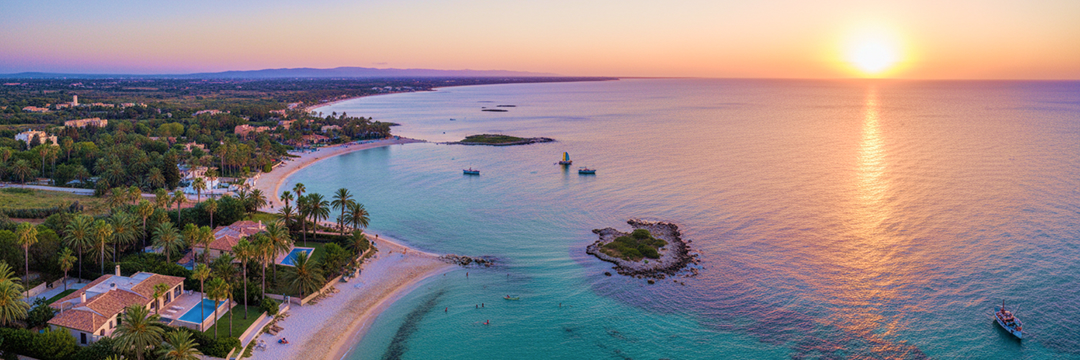
In Italy, the season shapes how the coast feels, from crowd levels to how much planning your trip requires.
From June through August, the coast is at its busiest. The sea is warm, beach clubs are fully open, and towns stay active throughout the day. This period suits travelers who prefer long beach days and a full summer atmosphere.
At the same time, summer requires more planning. On the Amalfi Coast and in Portofino, beach clubs and restaurants often need to be booked in advance, and popular areas fill up early. In Sardinia and Puglia, it still feels busy, but the wider beaches make it easier to find space and keep your day more flexible.
Peak summer is best for:
- warm water
- a lively atmosphere
- full beach access
May and September offer a different pace. These months suit travelers who prefer a calmer trip.
In May, the weather is pleasant, but the sea can still feel cool, particularly in northern areas and along the Amalfi Coast. September is usually the better option for beach time, as the water remains warm while crowds decrease.
This difference is most noticeable in compact destinations. The Amalfi Coast feels less crowded in September, and getting around becomes easier. In Sardinia and Puglia, the difference is smaller, but the overall pace still feels more relaxed.
Shoulder season is best for:
- more availability for bookings
- fewer crowds
- more flexibility in your day
Next in the series: Off Season Travel: Best Destinations
How to get to Italy’s beach destinations
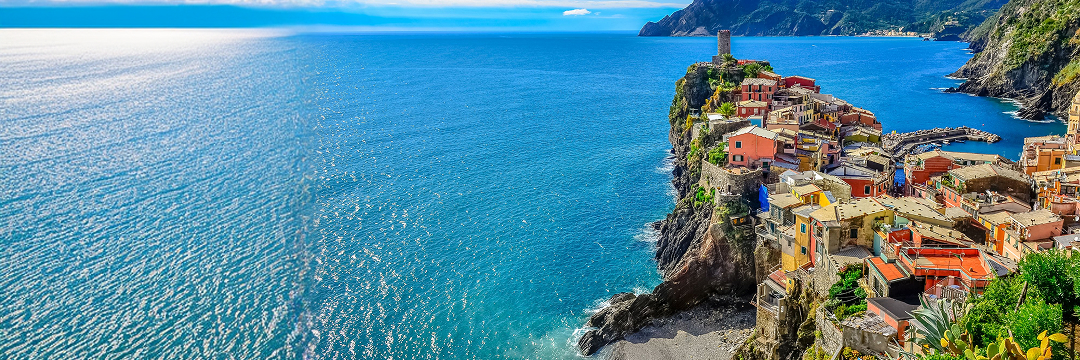
Reaching Italy’s beach destinations from the US involves different flight routes depending on where you are going, with total travel time and connections varying by region.
Some routes are more direct. For example, from John F. Kennedy International Airport (JFK), you can take a 9-hour nonstop flight with Delta or Air France to Naples International Airport (NAP). This is one of the simplest options, as you can land and continue to the Amalfi Coast the same day without adding another flight.
Other routes require a layover, which extends the total travel time.
For the Italian Riviera, a route from Miami International Airport (MIA) via Rome (FCO) to Genoa (GOA) with ITA Airways takes about 13 hours total, followed by a short transfer to places like Portofino.
For Sicily, a route such as Atlanta (ATL) via New York (JFK) to Catania (CTA) typically takes 15–16 hours, depending on the layover length. This is a common way to reach Taormina and the east coast.
For Sardinia, flights usually involve a European layover. For example, Washington (IAD) via Munich (MUC) with Lufthansa to reach Olbia Costa Smeralda Airport (OLB) is a common route to Costa Smeralda and nearby resort areas.
The difference between routes comes down to total travel time and the number of connections. Nonstop flights provide a more direct arrival, while itineraries with layovers extend the overall journey and increase travel fatigue.
The impact of longer routes becomes more noticeable on arrival, especially on itineraries with layovers. Business class allows for proper rest during the flight, so you arrive in a condition that lets you continue your day without interruption. On nonstop routes, it supports a more immediate transition into the trip. On longer itineraries, particularly those extending beyond 13 to 16 hours, it reduces the disruption that extended travel would otherwise create at the start of your stay.
The cost of reaching Italy’s beach destinations in business class varies by route and season.
- Flights from John F. Kennedy International Airport (JFK) to Naples (NAP) with Delta or Air France typically range from $2,700 to $4,700 in June through August, and $2,700 to $4,300 in May and September.
- For the Italian Riviera, a route from Miami (MIA) to Genoa (GOA) via Rome (FCO) with ITA Airways falls between $4,500 and $14,200 in summer, with lower ranges of $4,800 to $7,600 during shoulder season.
- From Atlanta (ATL) to Catania (CTA) via New York (JFK) with Delta, fares usually range from $4,700 to $16,600 in summer, and $7,400 to $17,600 in shoulder season, depending on connections.
- Routes from Washington Dulles (IAD) to Olbia (OLB) via Munich (MUC) with Lufthansa typically fall between $5,700 and $8,000 in summer, and $5,800 to $10,600 in May and September.
When comparing flights, look beyond the price and check the total travel time and number of layovers.
A route that saves even a few hours, or removes one connection, can make a noticeable difference in how rested you feel when you arrive and how much of your first day you can actually use.
Next in the series: First Class Flights to Paris: What It Costs and How to Book
Sample luxury beach itinerary
These sample itineraries outline how a trip can unfold in each destination, with a steady and balanced pace.
7-day Amalfi Coast
Day 1: Arrival and settling in
Arrive in Naples and continue to Positano, Amalfi, or Ravello. Keep the rest of the day light after the transfer.
Day 2: Beach and town
Spend the day between the beach and the town, both within walking distance.
Day 3: Coast by boat
Take a boat out along the coast, with access to areas not reachable by road.
Day 4: Capri
Plan a day trip to Capri, focusing on one part of the island rather than trying to cover everything.
Day 5: Change of pace
Shift away from the coast for the day, often toward Ravello or another quieter setting.
Day 6: Flexible day
Leave the day open, either returning to a place you enjoyed earlier or staying close to the hotel.
Day 7: Departure
Return to Naples for your flight.
The overall pace stays steady, with each day built around one main activity in the same area.
Next in the series: Best premium economy airlines in 2026
10-day Sardinia + Rome combo
This itinerary combines a short stay in Rome with a longer stretch on the coast.
Day 1: Arrival in Rome
Arrive and stay overnight.
Day 2: Rome
Spend the day in one or two areas of the city at a relaxed pace.
Day 3: Flight to Sardinia (Olbia)
Fly to Olbia and continue to Costa Smeralda.
Day 4–7: Beach days
Spend each day at a different beach, such as Capriccioli or Spiaggia del Principe, with time to stay for several hours.
Day 8: Boat day or La Maddalena
Plan a day on the water, with access to quieter beaches and more open coastline.
Day 9: Return to Rome
Fly back to Rome, often with an overnight stay.
Day 10: Departure
Return flight.
The trip separates clearly into city time and beach time, without adding extra movement between locations.