

Chapters:

Need help with your trip?
Our support team is available 24/7. Request a callback or call us directly at (833) 619-0908
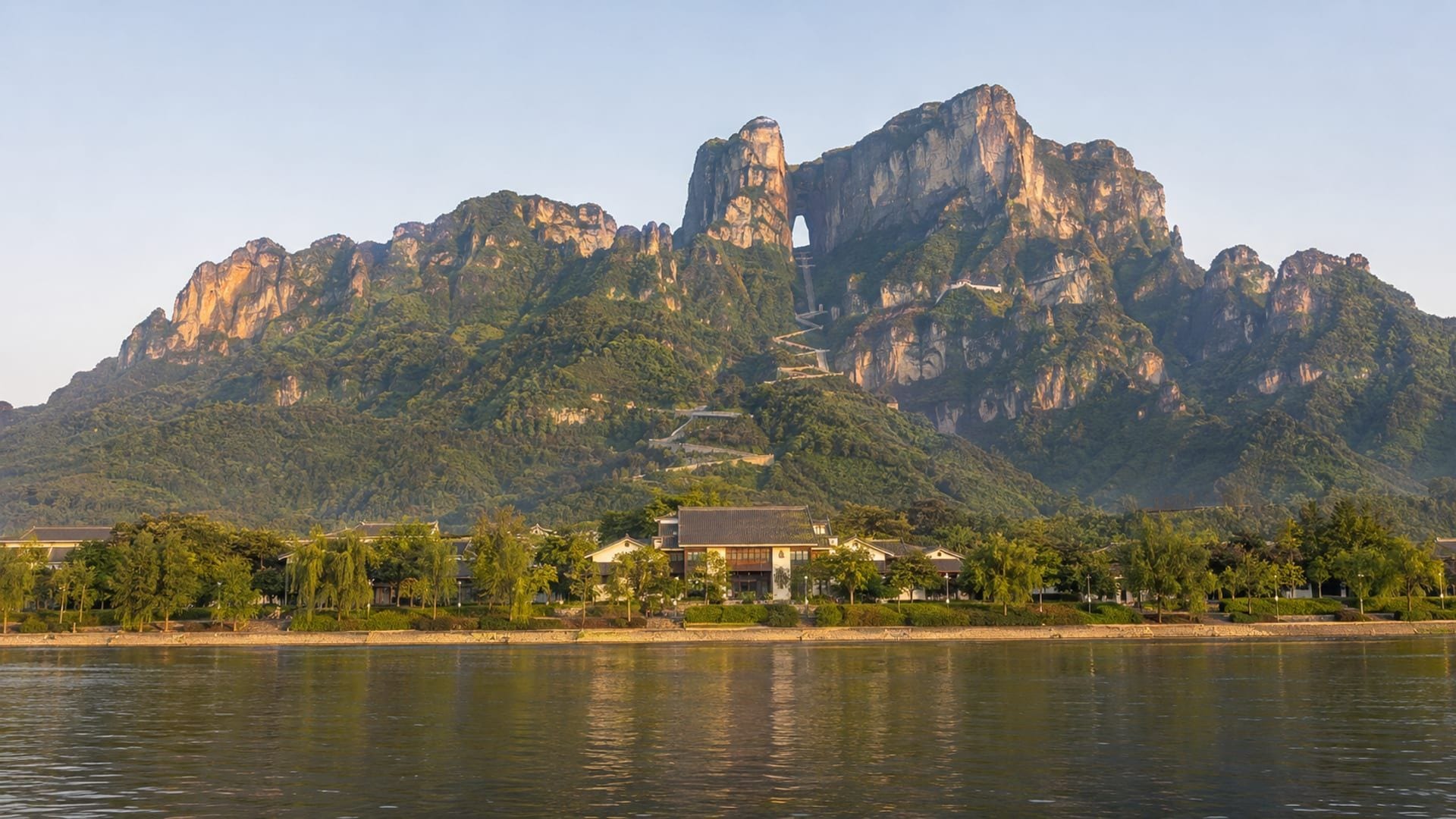
Zhangjiajie’s sandstone pillars rise above forested valleys, while Tianmen Mountain brings a different rock formation, a vast natural arch, into view above downtown. The contrast between these heights and the urban streets below shapes a trip through this part of Hunan.
At Zhangjiajie National Forest Park, follow Yuanjiajie’s overlooks before descending toward Golden Whip Stream. Tianmen Mountain offers another perspective through its cableway and cliffside paths, with much of a day devoted to the ascent, walking, and return.
Five days allow separate excursions into these landscapes, with arrival and departure in Guanliping. Downtown and Wulingyuan are distinct destinations: the bus journey between them takes about 60 minutes, so mountain days need time for road travel.
Useful things to know

Main language(s): Mandarin Chinese
你好 (nee how) – Hello
请 (ching) – Please
谢谢 (shyeh-shyeh) – Thank you
你会说英语吗? (nee hway shwaw ying-yoo mah) – Do you speak English?
多少钱? (dwaw shaow chyen) – How much does it cost?

Currency: Chinese yuan (CNY, ¥)

Cash and cards: Foreign cards and contactless have limited acceptance; carry ¥200 to ¥400 ($28 to $56) in cash.

Tipping: Skip tipping; restaurants and taxis in Zhangjiajie do not generally expect it.

Traditional food: Sanxiaguo, sour fish, blood tofu, and smoked pork are among the classic dishes of Zhangjiajie.

Water and coffee costs: Bottled water ¥2 to ¥5 ($0.30 to $0.70); espresso ¥20 to ¥35 ($3 to $5).

Taxis and ride apps: Licensed, metered taxis wait at the airport and train stations; short rides cost ¥10 to ¥20 ($1.40 to $2.80); DiDi.

Plug and voltage: Type A/C/I socket, 220V

Dining and shop opening hours: Breakfast is usually 7 am to 9 am, lunch 11:30 am to 1:30 pm, and dinner 6 pm to 8 pm. Shops typically open 9 am to 9 pm.

Emergency number: Police 110, ambulance 120, fire 119.
Where to stay in Zhangjiajie
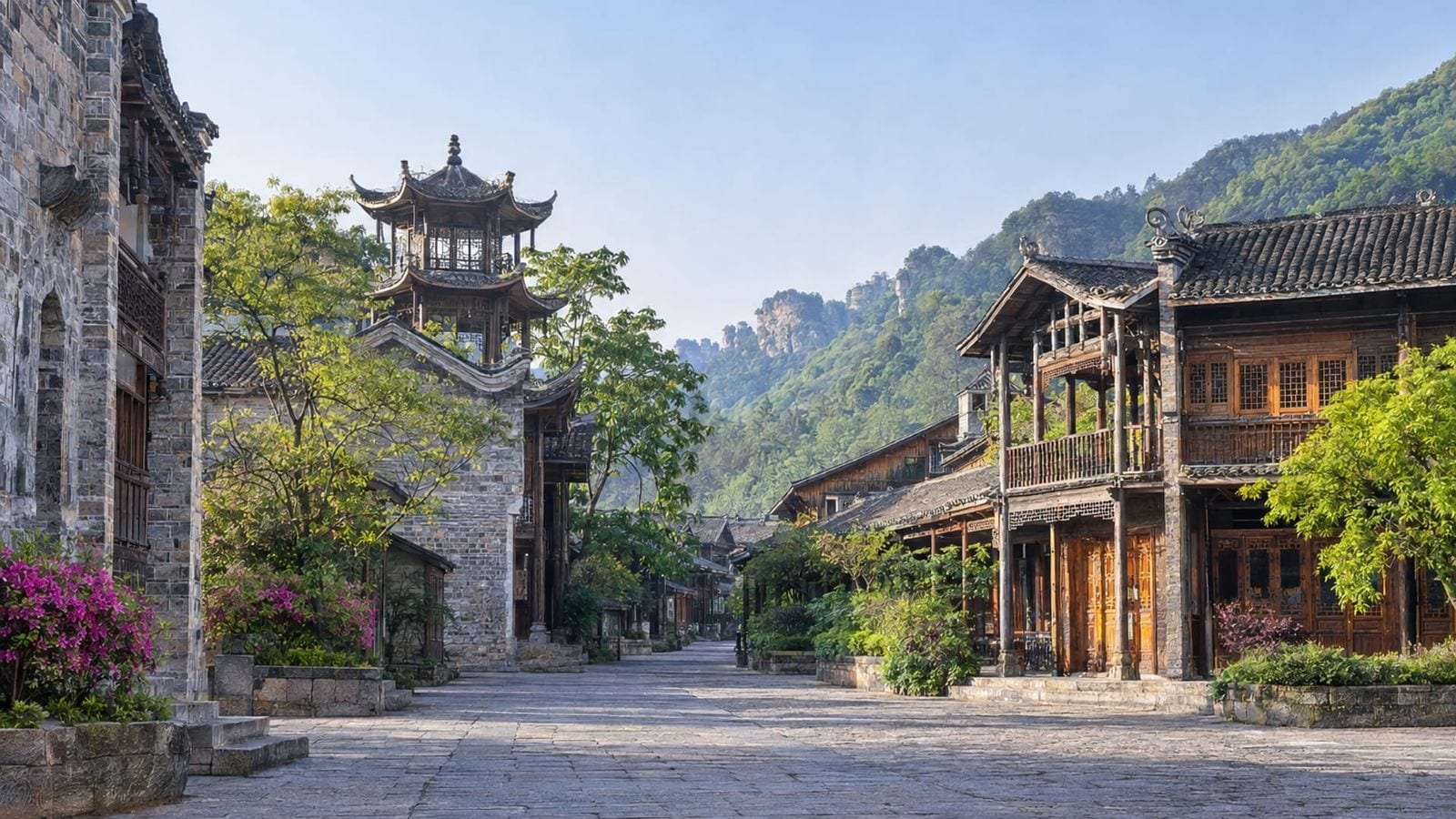
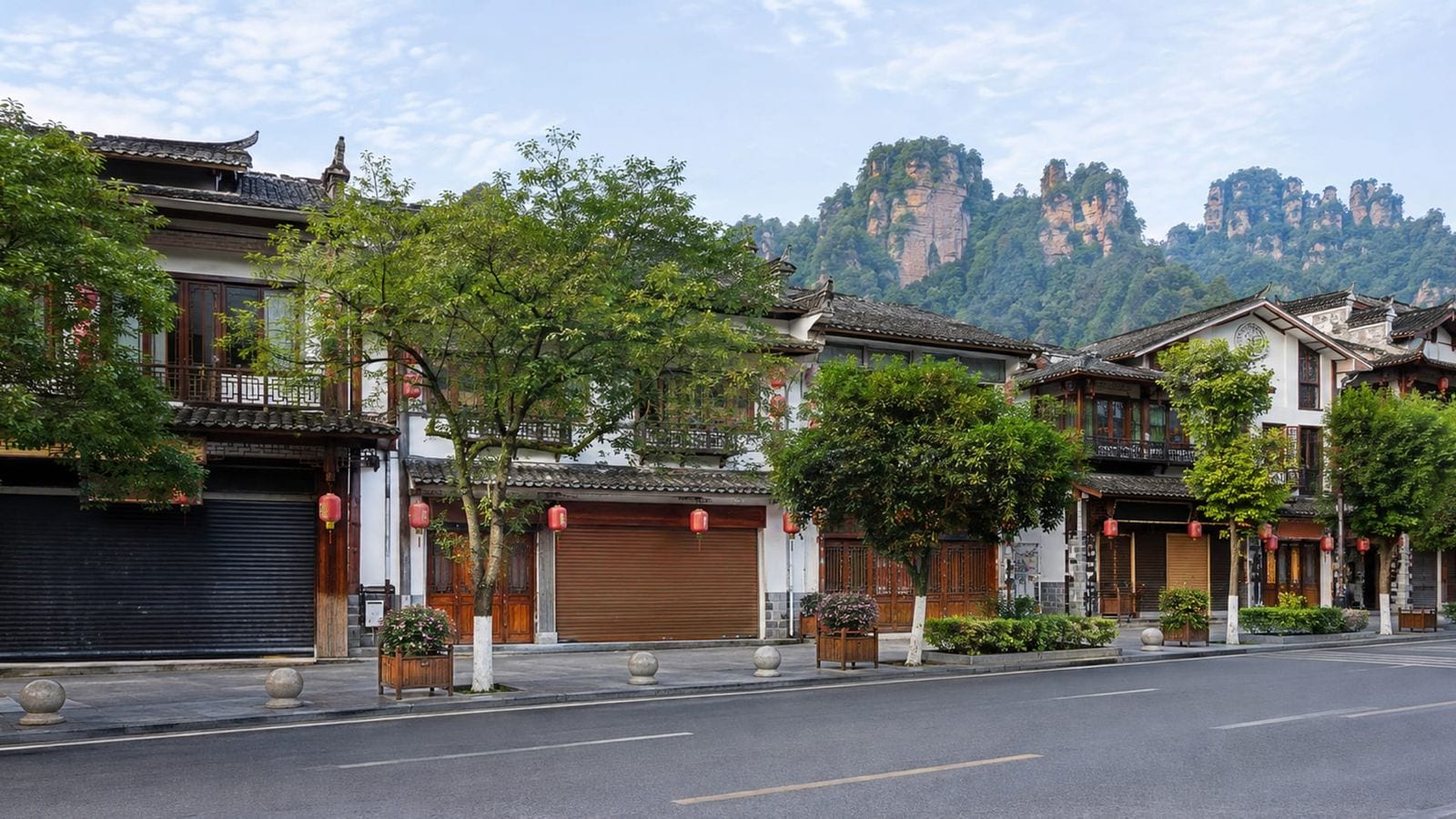
Guanliping is a subdistrict south of the river, with Zhangjiajie Railway Station and the lower station of the Tianmen Mountain Cableway close together. Stay here for an early mountain departure and a wide choice of hotels, with restaurants catering to travelers near the railway station.
Best for: Tianmen Mountain excursions and arrivals at Zhangjiajie Railway Station
What to expect: Tour groups, station traffic, and luggage-carrying travelers fill the main roads.
Hotel prices: Well-rated hotels cost ¥250 to ¥600 ($35 to $85) a night.
Distance to major sights: From hotels near Zhangjiajie Railway Station, allow 10 to 20 minutes on foot to the Tianmen Mountain Cableway.
Quietness: Station roads stay busy by day; rooms facing away from traffic are quieter in the evening.
Main trade-off: Station traffic and tour groups can make the immediate surroundings noisy.
Good to know: Choose Zhangjiajie Railway Station in hotel searches carefully: Zhangjiajie West Railway Station is a separate arrival point.
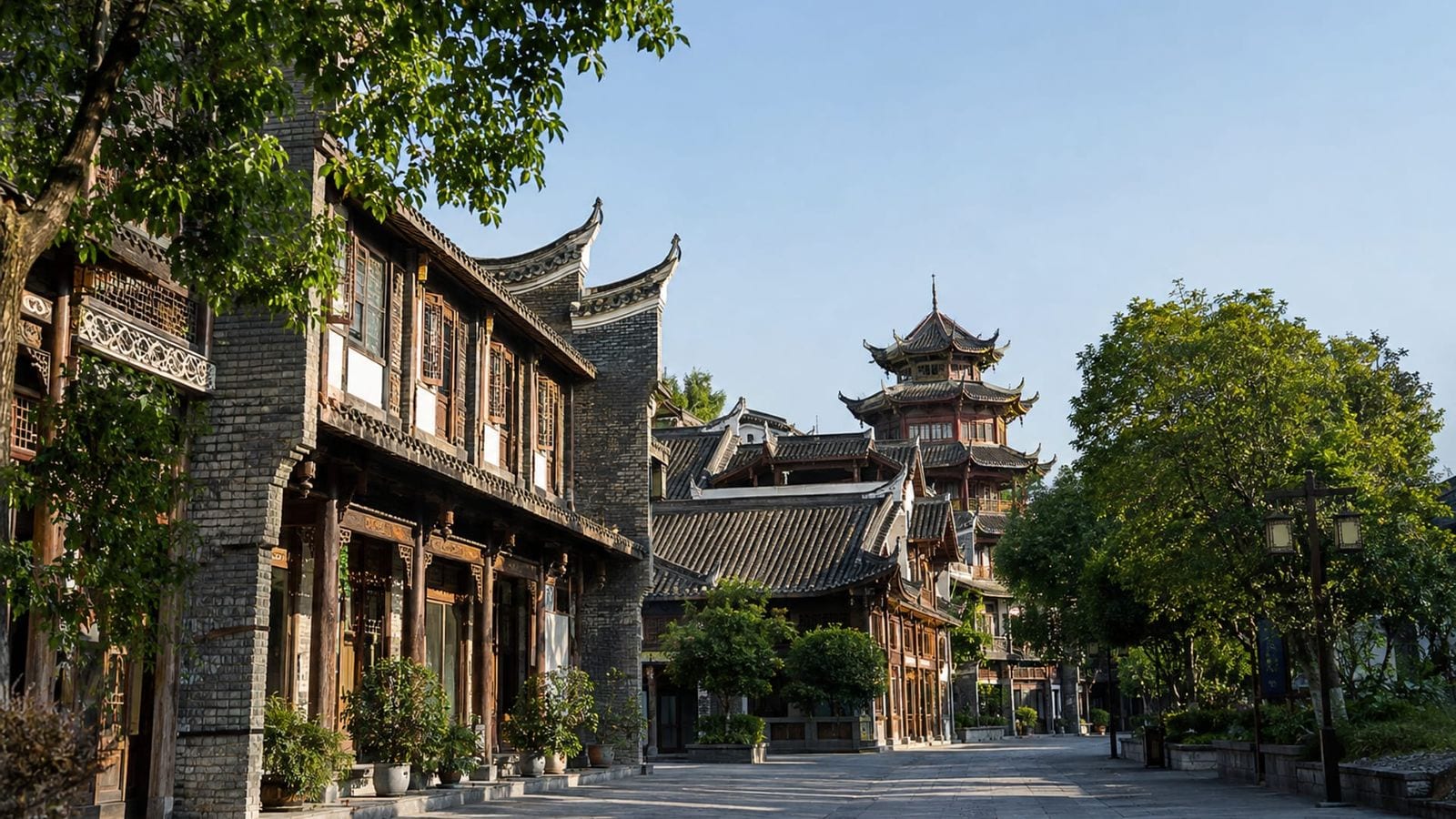
Yongding is the central subdistrict on the north side of the river, where established shopping streets and everyday restaurants surround the older urban core. Choose it for evenings spent eating and walking downtown, with a broad selection of hotels and Puguang Temple within the area.
Best for: Downtown dining, shopping, and walks through the older urban center
What to expect: Shopping traffic and busy restaurant streets give the central blocks an active evening atmosphere.
Hotel prices: Budget ¥200 to ¥500 ($28 to $70) nightly for a well-rated hotel.
Distance to major sights: Central hotels are typically 10 to 20 minutes on foot from Puguang Temple.
Quietness: Shopping streets draw daytime traffic; restaurant blocks stay lively after dark.
Main trade-off: Reaching the Tianmen Mountain Cableway requires crossing the river, adding travel time on busy mornings.
Good to know: Use the hotel’s map pin: booking sites also use Yongding for the much larger district beyond this central subdistrict.
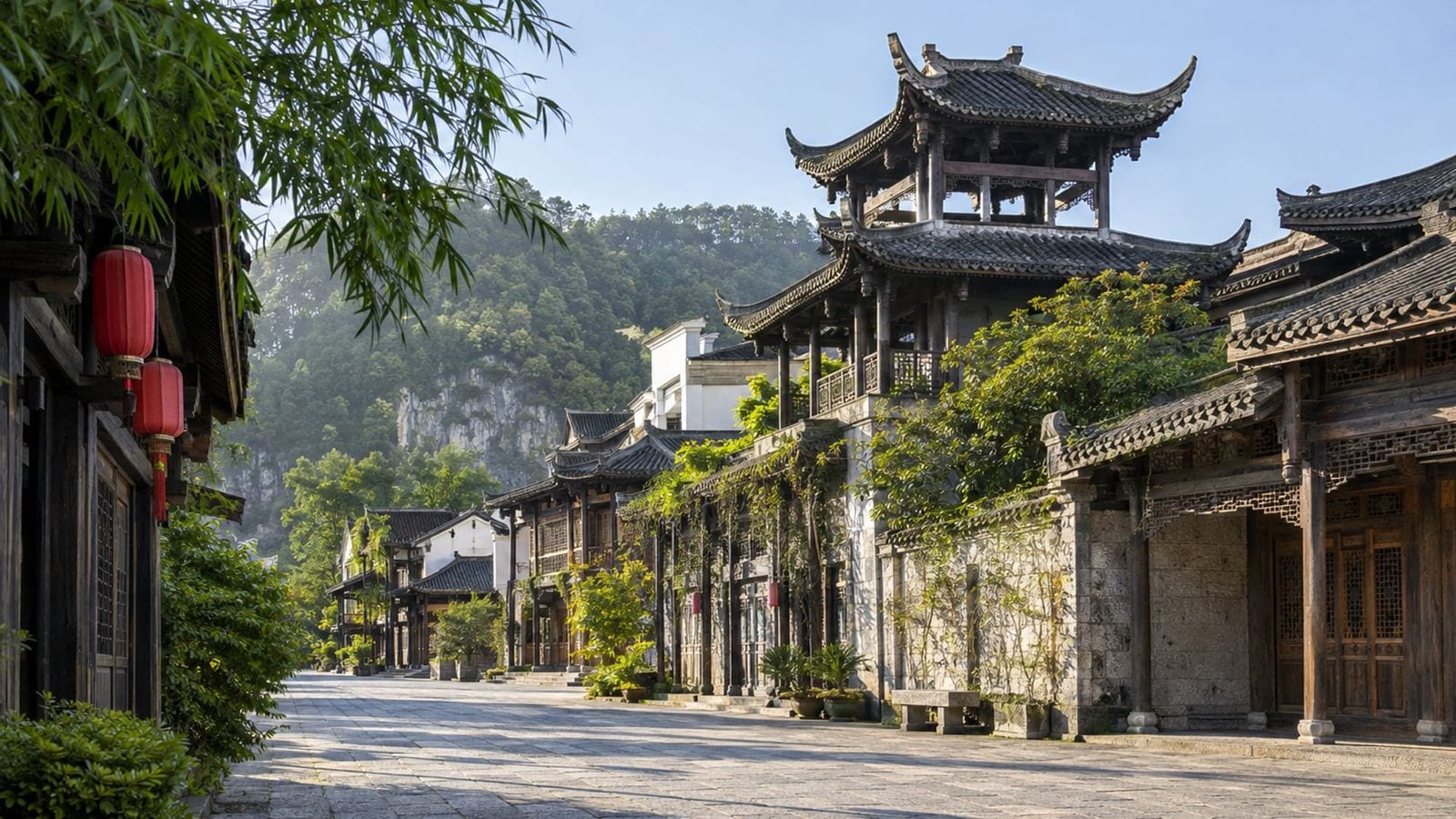
Chongwen occupies the eastern side of the urban center, with residential blocks, local restaurants, and hotels spread along busy city roads. A stay here suits travelers who prefer everyday neighborhood dining and taxi trips to major sights, while keeping downtown within a short drive.
Best for: Neighborhood dining and stays away from the railway station crowds
What to expect: Residential streets meet busy roads, with local shopping and restaurants shaping daily activity.
Hotel prices: A well-rated hotel generally costs ¥180 to ¥450 ($25 to $63) per night.
Distance to major sights: Allow 10 to 20 minutes by taxi to Puguang Temple, depending on your hotel’s location and traffic.
Quietness: Main roads carry daytime traffic; residential side streets become quieter in the evening.
Main trade-off: Hotels are more dispersed, and sightseeing usually involves a taxi journey.
Good to know: Compare the hotel’s precise address before booking, since properties farther east add time to downtown journeys.
Xixiping is less convenient for Tianmen Mountain’s downtown cableway; outlying Yanghuping and Houping have fewer visitor amenities and add road travel to Zhangjiajie National Forest Park.
Hotel deals
How to get around Zhangjiajie efficiently
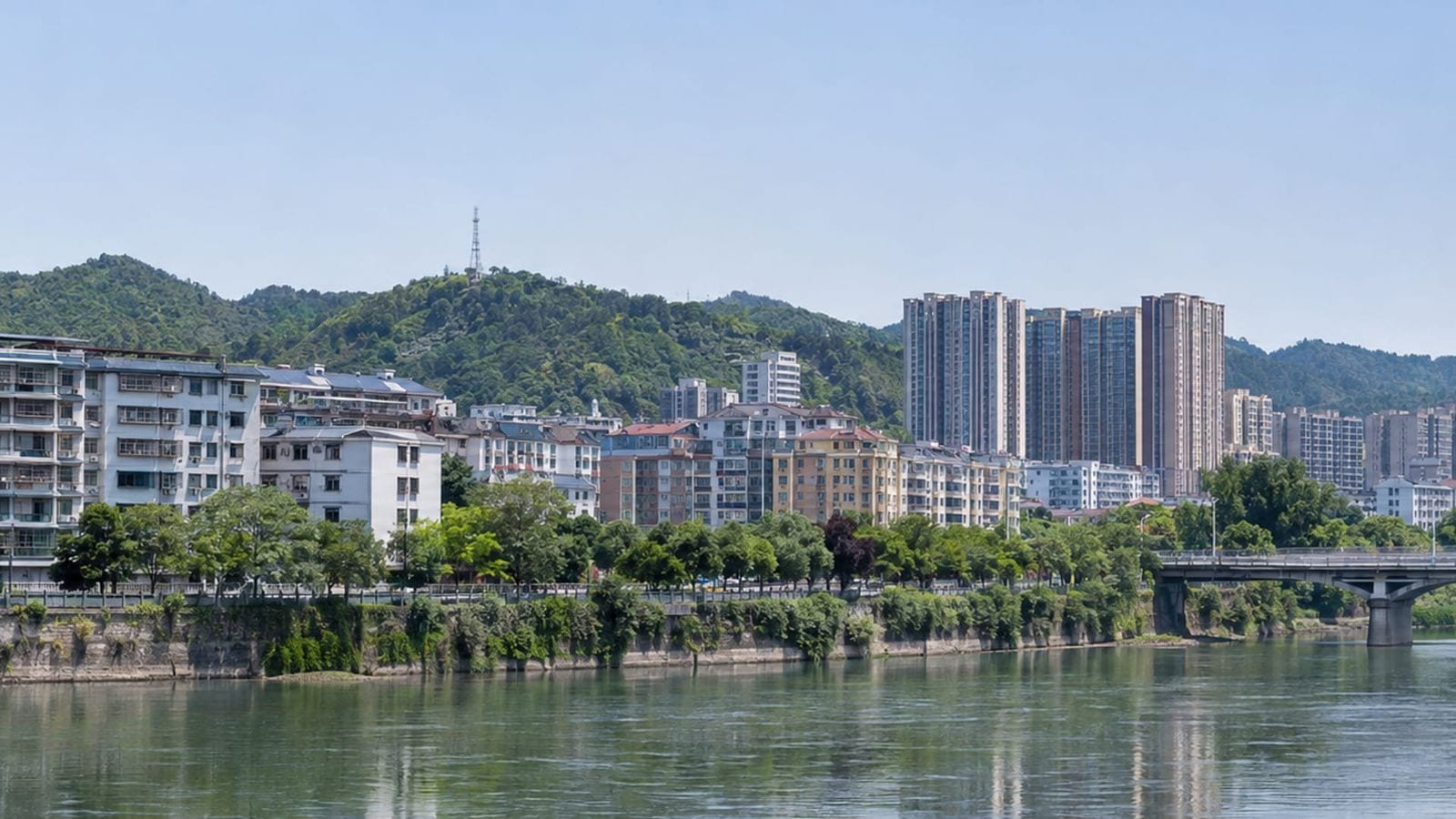
Buses connect downtown Zhangjiajie with Wulingyuan, taxis cover airport transfers, and walking paths follow the Lishui River.

Taxi
for convenience or late hours
From Zhangjiajie Hehua International Airport (DYG), taxis reach downtown in about 15 to 20 minutes for ¥30 to ¥50 ($4 to $7). Licensed city taxis use meters with a starting fare plus distance charges; choose them for luggage or late arrivals.

Bus and tram
for convenience
For Wulingyuan, buses leave Zhangjiajie’s central bus station beside Zhangjiajie Railway Station; allow about 60 minutes and ¥12 to ¥20 ($2 to $3) each way. This route suits daytime trips between downtown and the scenic area’s gateway town.

Walking
for short central distances
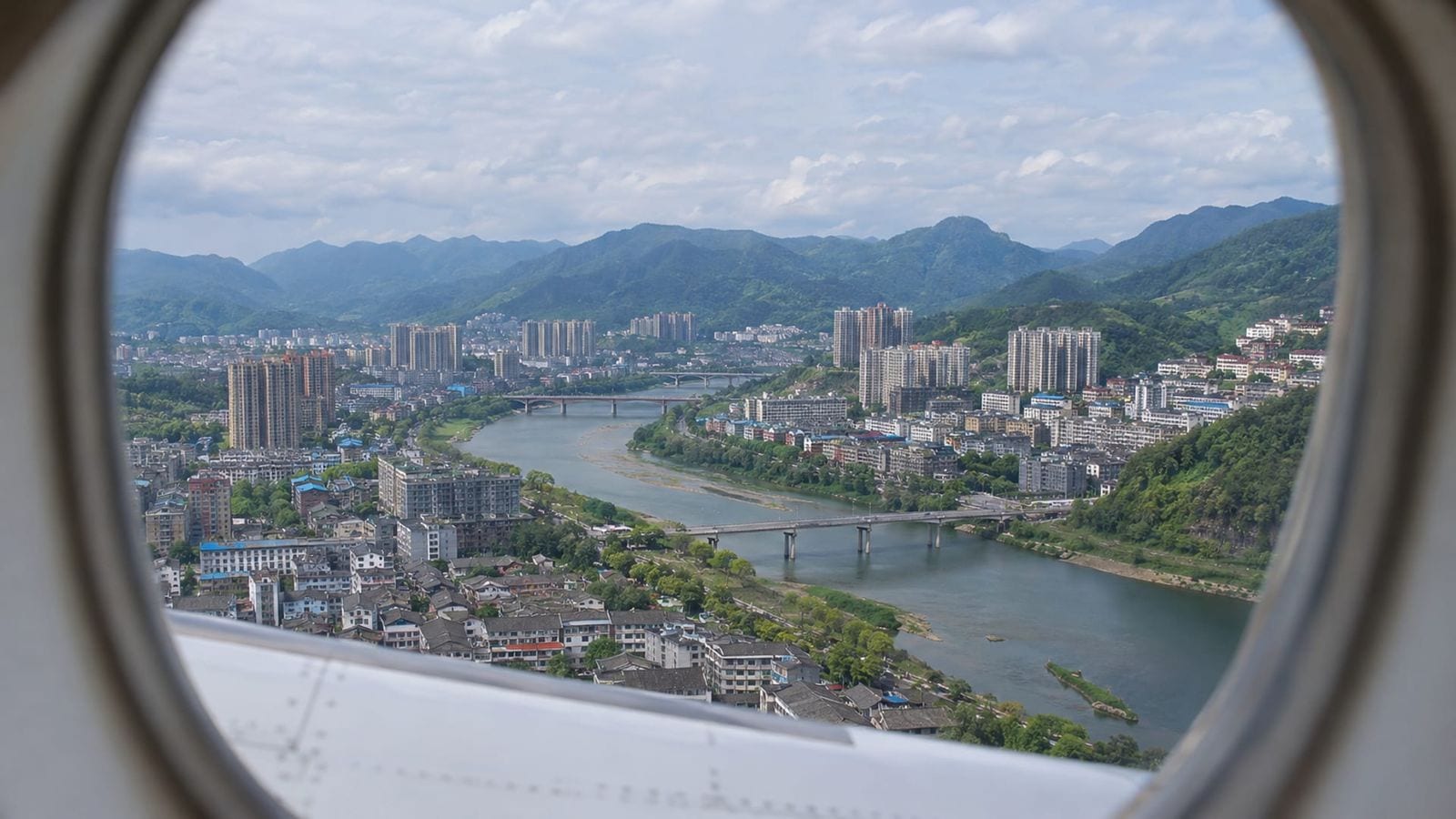
Along the Lishui River in downtown Zhangjiajie, riverside paths offer free walks between central streets and river views. Allow 20 to 30 minutes for a short outing; walking suits downtown exploration, while Wulingyuan requires a separate road journey.
*Prices are based on rates updated as of November 2026 and may change at the time of travel.
Choose taxis for airport luggage, buses for daytime journeys to Wulingyuan, and walking for downtown streets and short outings beside the Lishui River.
Iconic landmarks
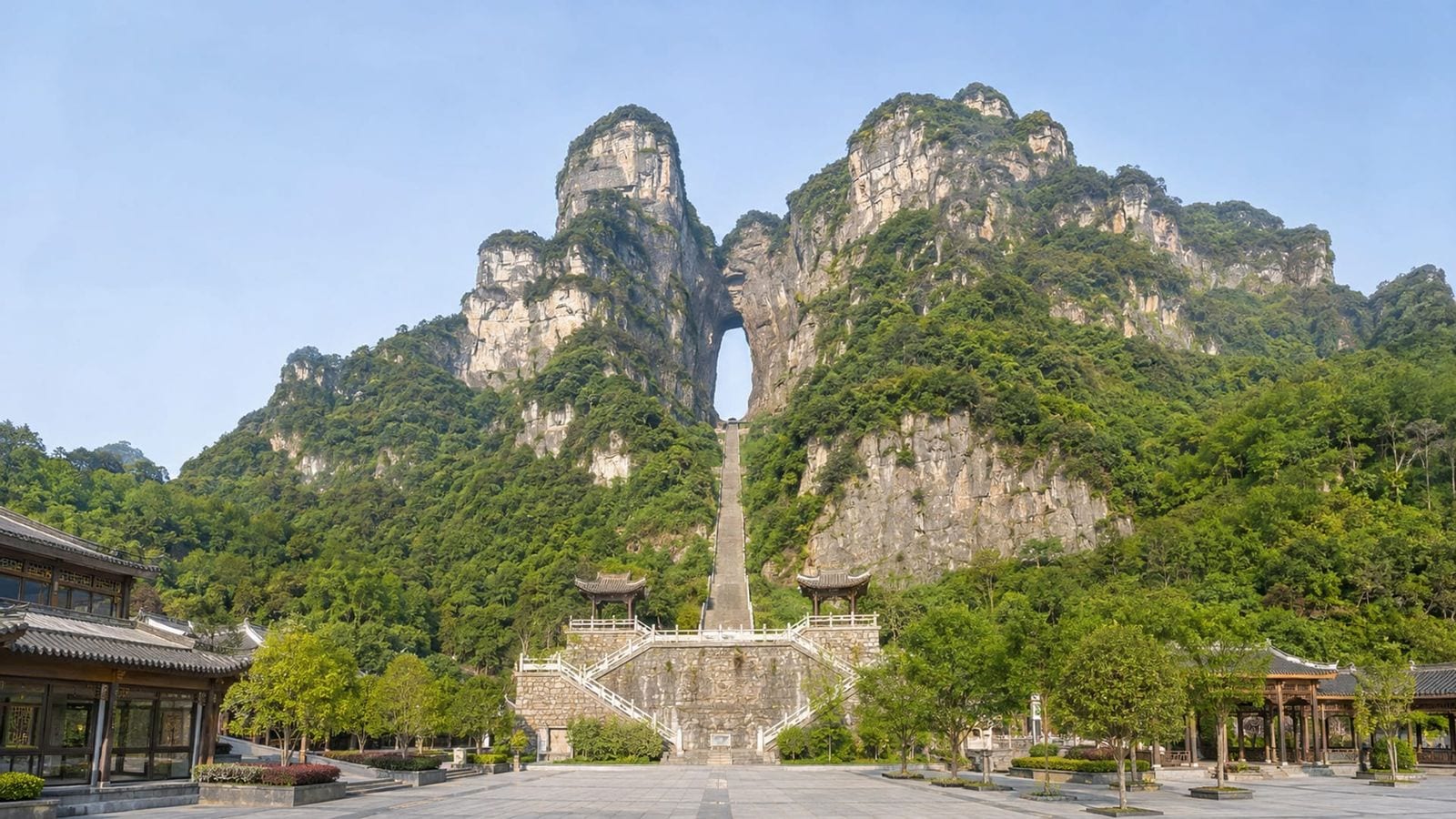
Tianmen Mountain
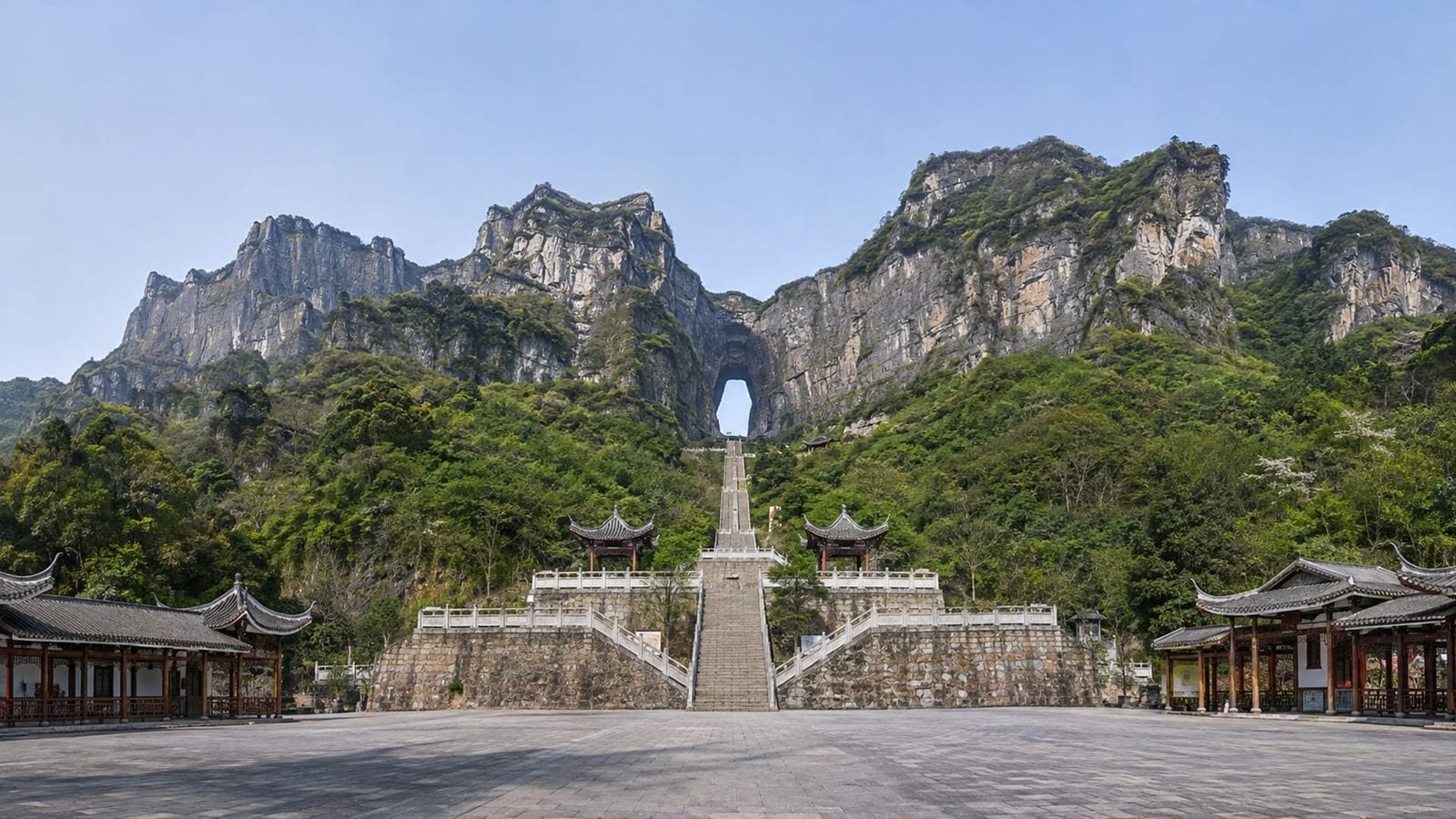
A vast natural arch pierces Tianmen Mountain above downtown Zhangjiajie, where cliffside paths and glass walkways trace the limestone heights. Cable cars connect the mountain with lower elevations, making the ascent part of the experience.
Time needed: About 5 to 6 hours
Entry: Expensive: ticket packages vary by ascent and descent route
Tip: Choose your ticket route carefully: ascent and descent arrangements differ.
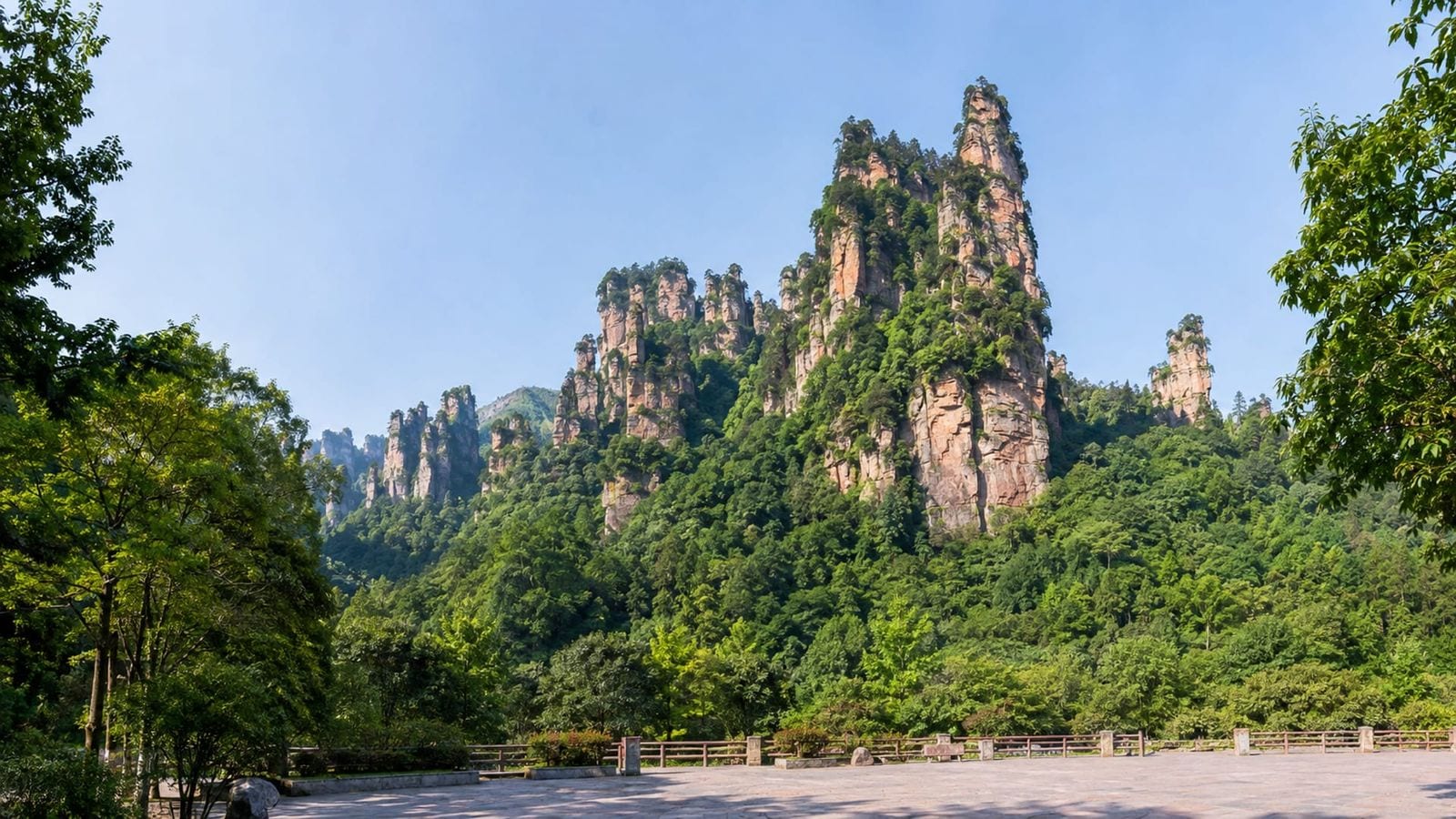
Zhangjiajie National Forest Park
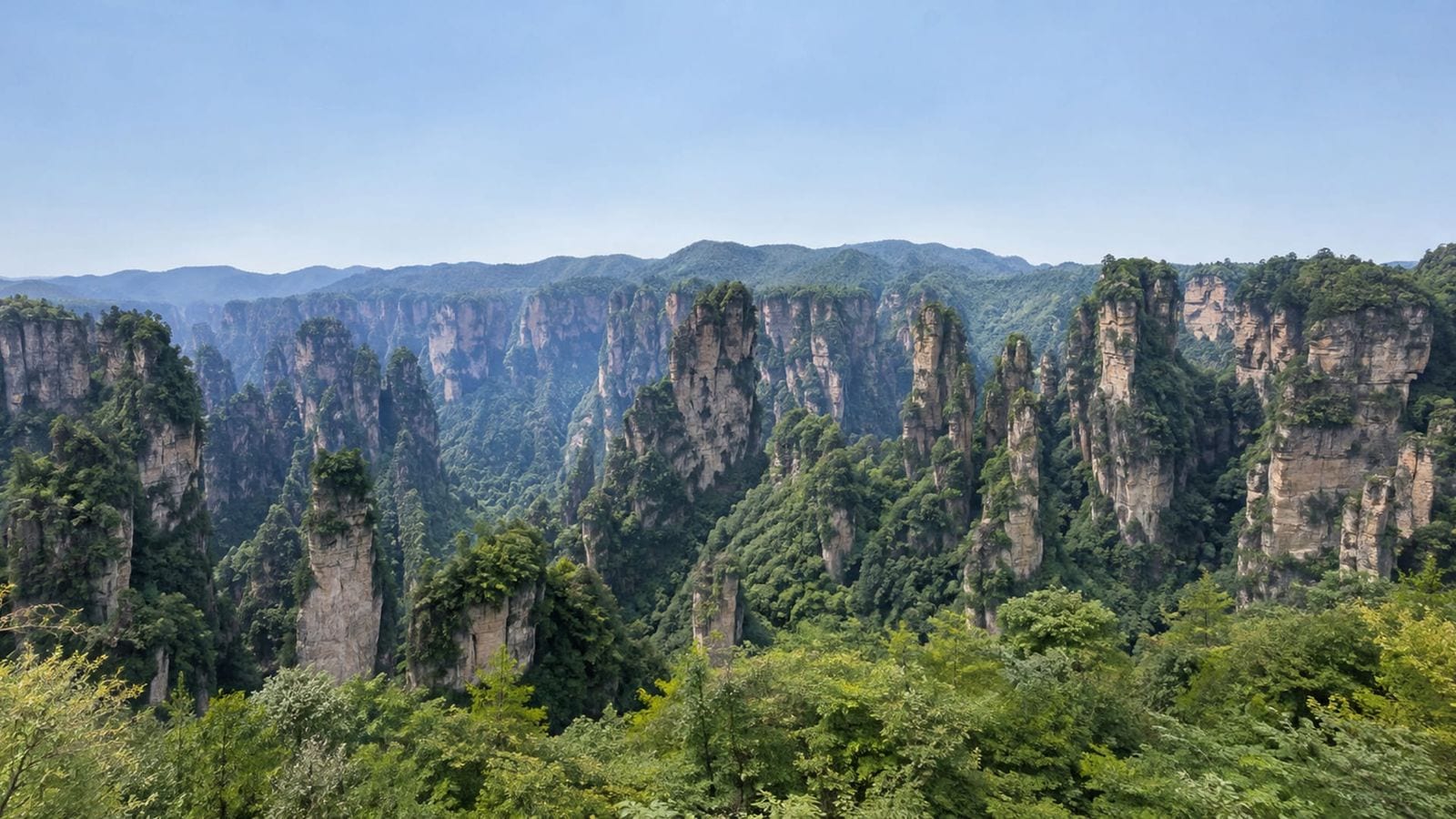
Sandstone pillars rise through forest and cloud in Zhangjiajie National Forest Park, the landscape behind the city’s worldwide fame. Yuanjiajie offers celebrated pillar views, while Golden Whip Stream follows a shaded valley beneath the cliffs.
Time needed: About 1 to 2 days
Entry: Expensive: admission includes park shuttle buses; major lifts and cable cars cost extra
Tip: Use park shuttles between trail areas; the entrance gates are far apart.
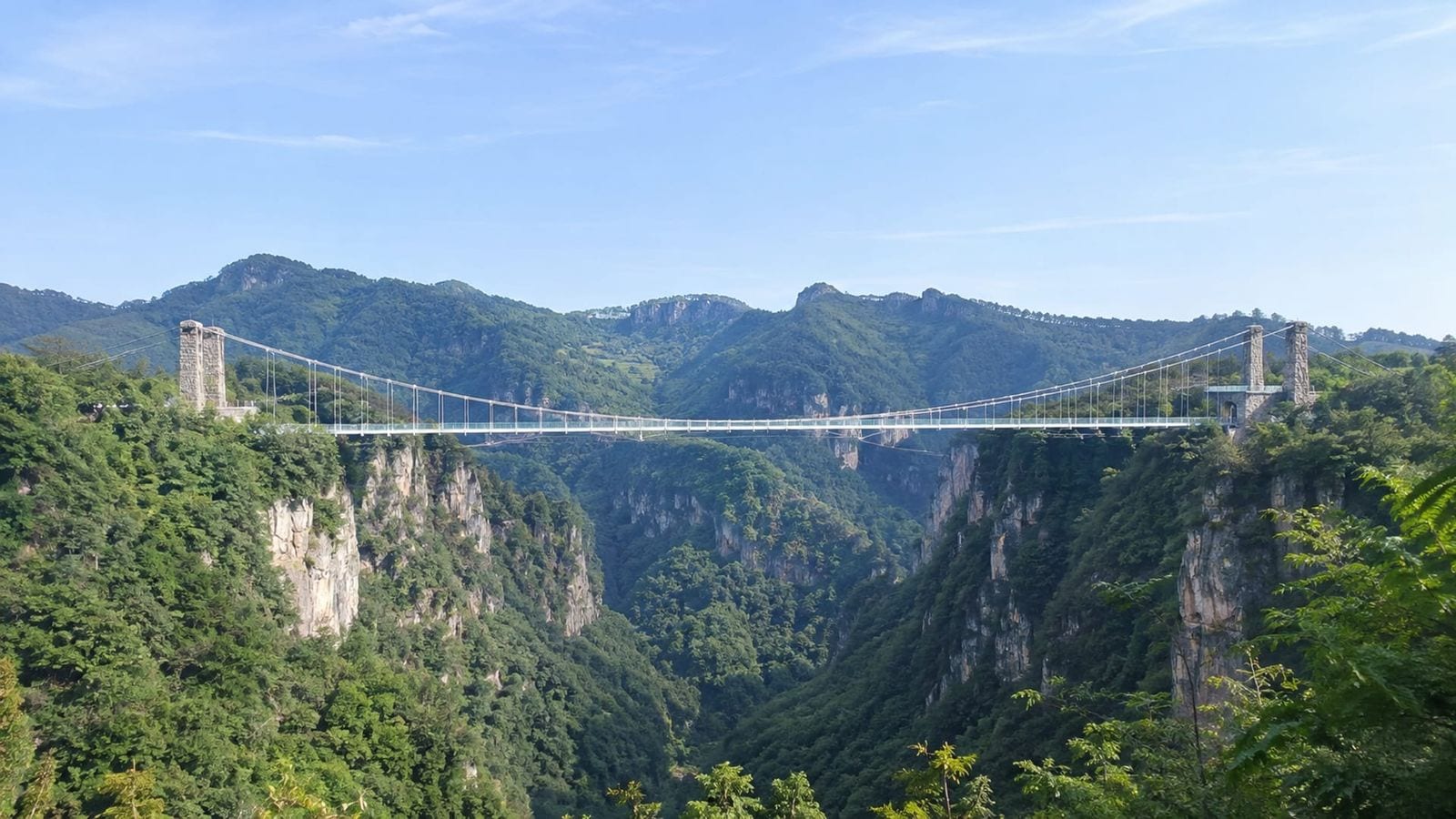
Zhangjiajie Grand Canyon Glass Bridge
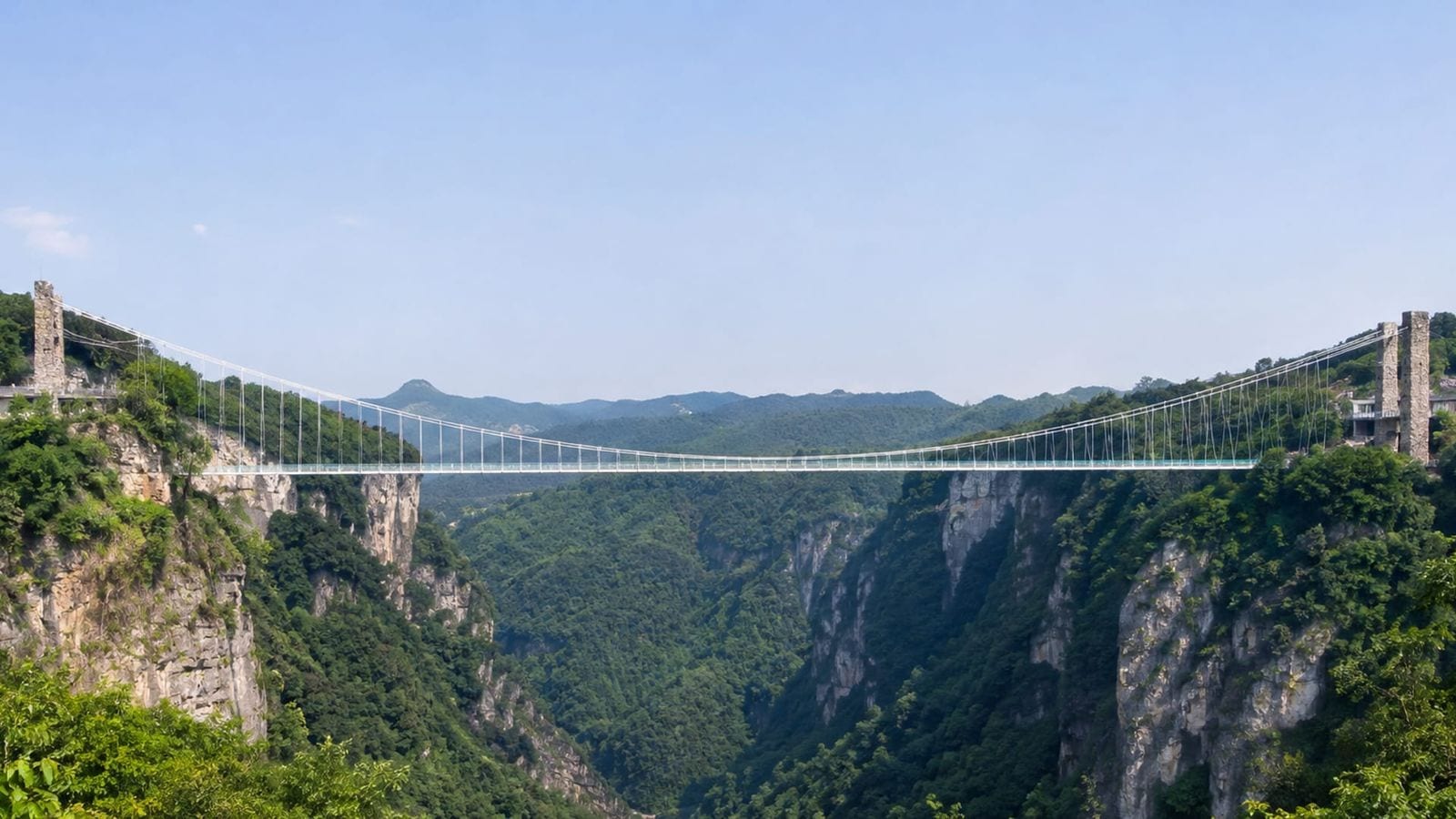
Stretching between steep canyon walls, Zhangjiajie Grand Canyon Glass Bridge puts a transparent walkway beneath your feet. The crossing offers views into the wooded gorge, with canyon trails available through ticket packages that include them.
Time needed: About 2 to 4 hours
Entry: Expensive: bridge and canyon access depend on the ticket package
Tip: Select a bridge-and-canyon ticket if you want to continue into the gorge.
Overlooked sites worth visiting

Ziwu Park
Ziwu Park offers wooded paths on a hillside within the urban area, a quiet counterpoint to the city’s major mountain excursions. Come for a short walk among trees without leaving town.
Time needed: About 1 hour
Entry: Free to access
Tip: Explore Ziwu Park’s hillside paths during daylight.

Puguang Temple
Puguang Temple brings Buddhist architecture into the city, with traditional halls and courtyards that reward a slower look. Its compact grounds offer a cultural stop between mountain trips.
Time needed: About 45 minutes to 1 hour
Entry: Low-cost
Tip: Visit in daylight to examine the temple’s exterior architectural details.
Traditional food
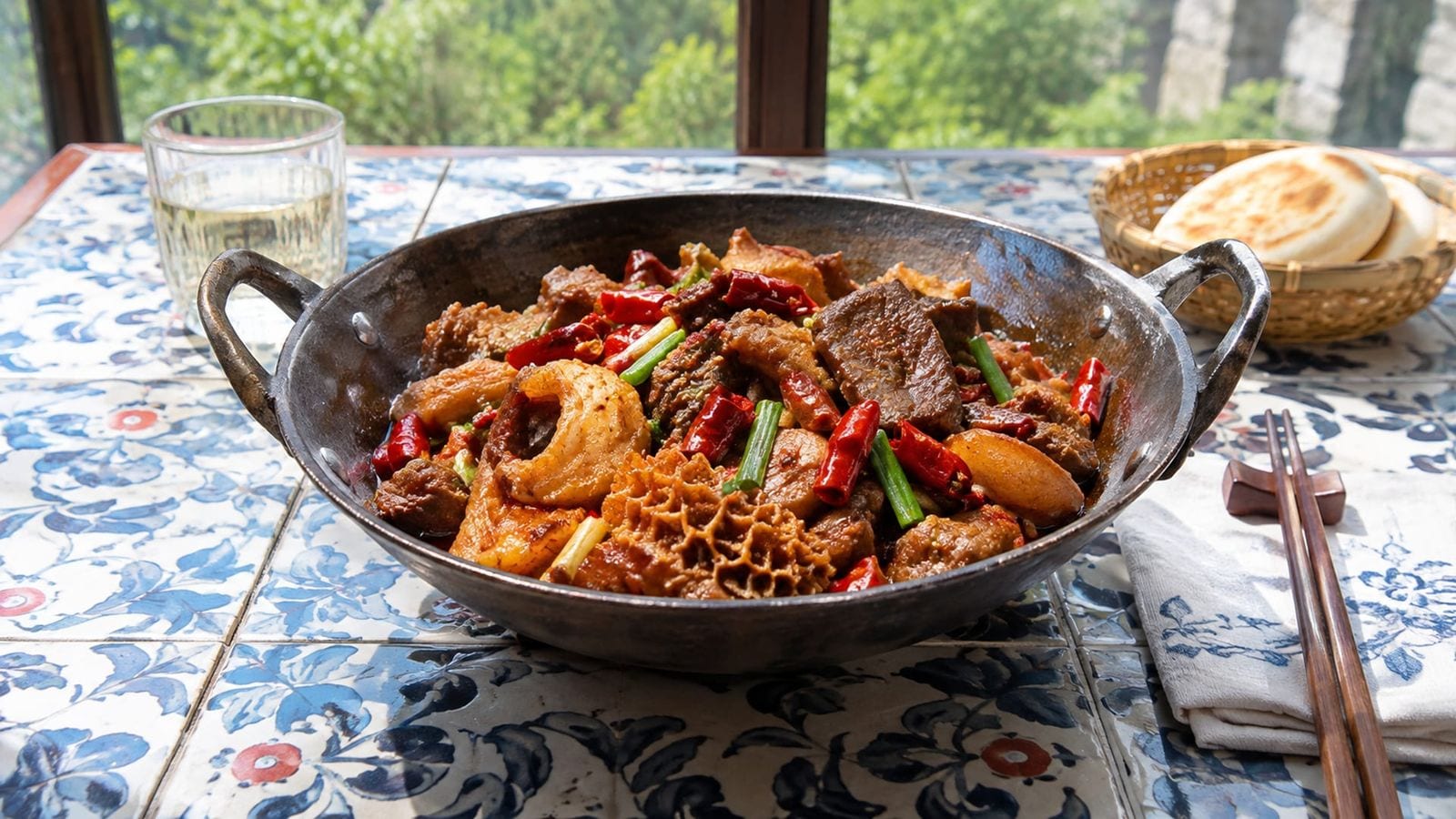
Zhangjiajie’s cooking brings together chilies, sour broths, smoked pork, and hearty shared pots. Sanxiaguo and blood tofu reflect a mountain food culture with strong flavors and preserved ingredients.
Sanxiaguo
Sanxiaguo combines a selection of meats and offal in a chili-seasoned pot, with ingredients varying by order. Try it at Fu Zhengyi Sanxiaguo, where the shared pot makes this Zhangjiajie specialty the focus of a meal.
Sour fish
Fish cooked with sour preserved vegetables produces a tart broth, often sharpened with chilies. Order sour fish at Tang Shifu Tujia Restaurant, pairing the broth and tender fish with plain rice to balance the seasoning.
Blood tofu
Blood tofu blends tofu with animal blood and pork, then undergoes smoking or drying before cooking. Hu Shifu Sanxiaguo offers a place to try this dense, savory specialty alongside the shared dishes of a Zhangjiajie meal.
Smoked pork
Cured pork develops a pronounced smoky flavor before cooks slice and stir-fry it with vegetables or chilies. Try smoked pork at Shijian Restaurant, where rice provides a mild accompaniment to the salty meat and its rich fat.
Best time to visit Zhangjiajie
Zhangjiajie’s seasons change mountain visibility, trail temperatures, and queues, with summer rain and winter ice affecting excursions.
Best for: Fresh foliage and mild walking days along Golden Whip Stream’s forest paths
What you get: Temperatures span 46°F to 81°F (8°C to 27°C), with fresh greenery across the valleys; crowds increase during the early May holiday period.
Trade-offs: Rain and low cloud can obscure Yuanjiajie’s pillars and Tianmen Mountain’s arch.
Best for: Long daylight hours for full mountain excursions and shaded valley walks
What you get: Expect 68°F to 91°F (20°C to 33°C), humid afternoons, and frequent rain; school vacations bring heavier crowds to major mountain attractions.
Trade-offs: Heat makes exposed paths tiring, while thunderstorms can interrupt mountain transport.
Best for: Cooler hikes and pillar views outside the crowded early October holiday
What you get: Days range from 46°F to 84°F (8°C to 29°C), cooling through November; early October brings heavy crowds before quieter late-fall weekdays.
Trade-offs: The early October national holiday brings long queues for lifts, shuttles, and cable cars.
Best for: Quieter overlooks and occasional snow on Zhangjiajie’s forested summits
What you get: Typical temperatures reach 32°F to 54°F (0°C to 12°C), with fewer tour groups outside the Lunar New Year holiday and cold mountain mornings.
Trade-offs: Ice can restrict cliffside paths, and mountain transport may pause during severe weather.
A realistic 5-day plan in Zhangjiajie
This five-day sequence pairs Guanliping arrival and departure days with three excursions: Tianmen Mountain, the forest park’s sandstone pillars, and the glass bridge above the canyon.
From Zhangjiajie Hehua International Airport (DYG), take a taxi to your Guanliping hotel, allowing 15 to 25 minutes and ¥30 to ¥50 ($4 to $7). Choose accommodation near Zhangjiajie Railway Station for tomorrow’s mountain departure. For a light dinner, try rice noodles at a neighborhood restaurant in Guanliping, then return to your hotel.
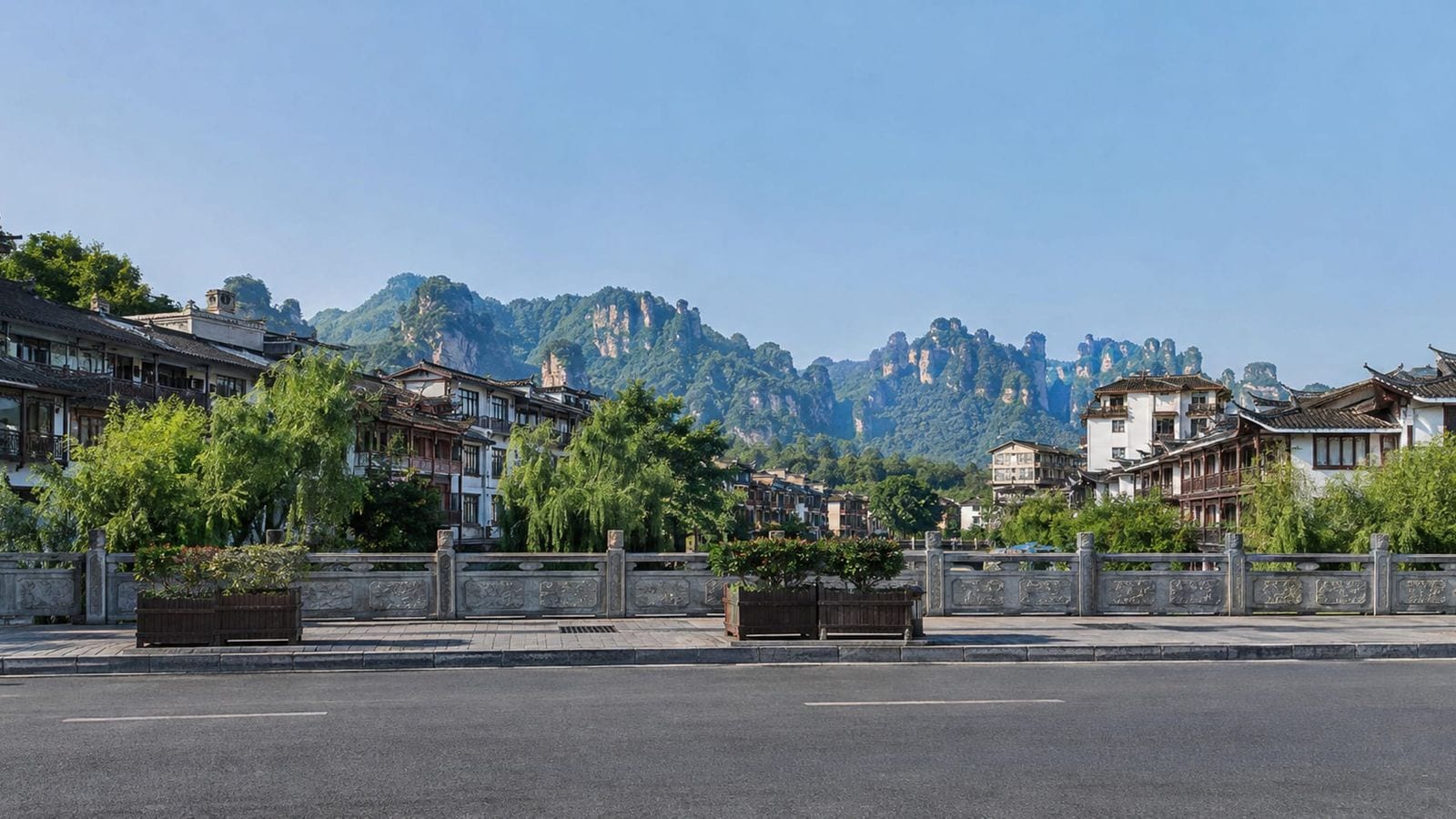
Begin with 45 minutes at Puguang Temple in Yongding, then take a 15 to 25-minute taxi ride to the Tianmen Mountain Cableway. Devote 5 to 6 hours to Tianmen Mountain’s cliffside paths and natural arch. Choose the ticket’s ascent and descent arrangements before paying; the route determines where your mountain journey ends.
Sandstone pillars fill the morning at Yuanjiajie in Zhangjiajie National Forest Park. Allow 60 to 90 minutes for the lift, shuttle connections, and queues before continuing to Golden Whip Stream for a shaded afternoon walk. Reserve a full day for these two sections; park shuttles are included in admission, while major lifts cost extra.
A morning crossing of Zhangjiajie Grand Canyon Glass Bridge leads into an afternoon along the gorge trails with a bridge-and-canyon ticket. Allow 3 to 4 hours for the combined excursion, then 75 to 100 minutes by car toward downtown. Finish with an hour on Ziwu Park’s wooded hillside paths before daylight fades.
Breakfast and a short shopping walk in Guanliping keep departure morning close to your hotel and luggage. Choose shops near Zhangjiajie Railway Station, then collect your bags before taking a taxi to Zhangjiajie Hehua International Airport (DYG). Allow 15 to 25 minutes for the drive and budget ¥30 to ¥50 ($4 to $7).
Business-class flights from the US to Zhangjiajie
Flights to Zhangjiajie (DYG) from New York and Los Angeles connect through Beijing (PEK), with total journey times ranging from 19 to 30 hours.
From New York, the one-stop option with Air China reaches Zhangjiajie (DYG) through Beijing (PEK). Round-trip fares range from $4,500 to $8,500, with a total journey time of 20 to 30 hours, including the connection.
Traveling from Los Angeles to Zhangjiajie (DYG) involves a connection in Beijing (PEK), with round-trip fares of $4,000 to $8,000. Air China offers this route, and the journey takes 19 to 28 hours including the layover.
Zhangjiajie feels different when you slow down
A Zhangjiajie trip gives each mountain landscape its own day: Tianmen Mountain’s arch, Yuanjiajie’s pillars, and the gorge beneath Zhangjiajie Grand Canyon Glass Bridge. Guanliping keeps arrival and departure close to the railway station, while buses to Wulingyuan connect downtown with the forest park gateway. Leave an evening for smoked pork and a walk beside the Lishui River. Ask AranGrant experts to align your flights with five days between Guanliping and the mountains







