
In a more typical year, travelers can compare routes, watch fares for a while, and expect the same broad set of flights to remain available for some time. In 2026, that pattern has become less reliable. A flight that appears convenient today may operate with a different aircraft, a longer connection, or a higher fare a few days later.
These changes don’t come from one issue. Several pressures are affecting how airlines plan their networks, manage capacity, and price tickets. In this article, we will take a look at the main causes that make flying in 2026 feel unpredictable.
Read in this post:
Airspace disruptions are reshaping airline schedules
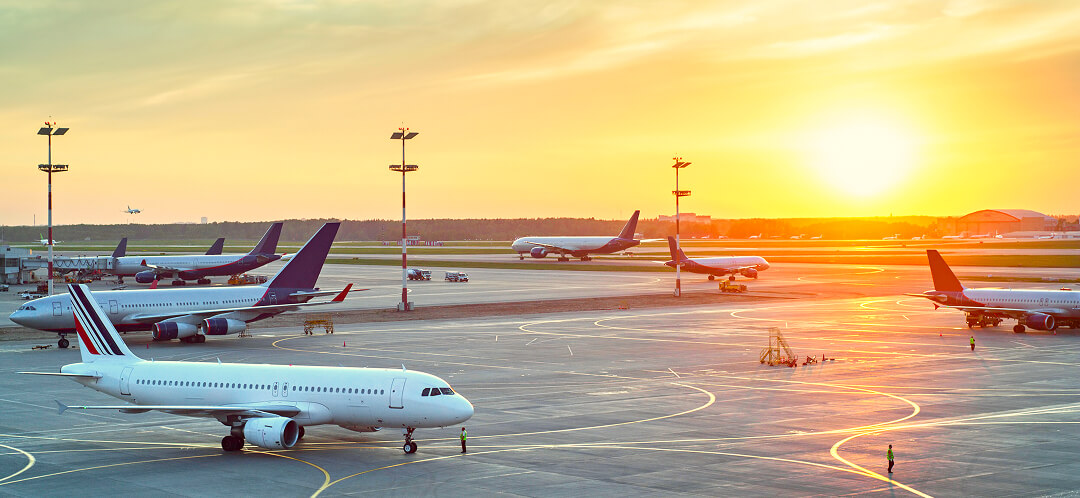
The most immediate changes come from the Middle East conflict, which continues to affect airspace access and routing across multiple regions. Airlines that rely on flights through the Middle East have had to adjust schedules quickly, rebuilding their networks step by step.
- Qatar Airways offers a clear example of how these disruptions play out. After airspace closures began in late February, the airline had to rebuild its schedule, and by mid-May 2026, it plans to serve more than 120 destinations. This represents only 80% of its pre-disruption network, and even at that level, flights continue to operate through restricted corridors where schedules remain subject to operational and regulatory changes.
Because Doha functions as one of the main global connection points, these adjustments extend well beyond the region itself. Routes linking Europe, Asia, Africa, Australia, and the Americas depend on these connections, which means that the instability in this part of the world affects airlines and itineraries across multiple continents.
- Finnair, for example, has redesigned its routes to Asia to avoid the Middle East airspace altogether. Because of this, the airlines’ flights to Thailand and Singapore are now two to four hours longer than before February 2026.
- British Airways plans to resume flights to Middle East destinations starting in July, but will still reduce the number of daily flights to Dubai, Doha, Riyadh, and Tel Aviv to one during the summer. Besides, it will permanently discontinue flights to Jeddah.
Aside from canceling flights to the Middle East, some airlines are increasing the number of flights on high-demand routes between Europe, Asia, and Australia.
- Cathay Pacific, for instance, canceled all flights to Dubai and Riyadh until June 30 and instead announced extra flights from Hong Kong to London, Paris, and Zurich.
- Qantas took a similar approach, adding two weekly flights from Perth to Paris and three weekly flights to Singapore.
The result is not simply longer flight times for routes through the Middle East. It is a network with fewer options, where routes that once offered multiple daily departures now depend on a smaller number of flights and longer layovers. This makes schedules harder to rely on and increases the likelihood of certain itineraries changing within a short period of time.
Jet fuel prices drive fares up
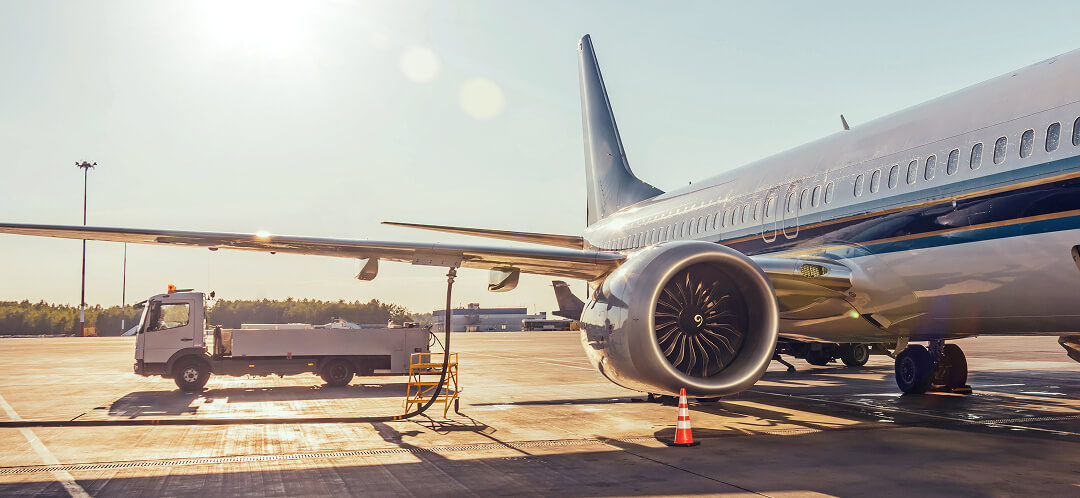
Another effect of the Middle East conflict is the increase in aircraft fuel prices. In only two months, from late February until late April, jet fuel prices have increased by 89%. This has a direct impact on the airlines’ budgets. Delta Air Lines, estimates that the high fuel prices will lead to an additional $2 billion in operating costs in the second quarter of 2026.
Airlines are trying to adjust to these higher costs in different ways.
- Several are increasing ticket prices directly to offset fuel costs. United Airlines has already introduced multiple fare increases in the first quarter of 2026, and indicated prices could rise by up to 20% as fuel expenses climb.
- Some airlines are increasing baggage fees. Delta Air Lines, for example, has increased checked baggage fees, adding $10 on the first and second bags and $50 on the third, as part of its effort to manage higher operating costs.
- Other airlines increased their fuel surcharges to reflect growing operational costs. Cathay Pacific has doubled these surcharges in 2026. For instance, on round-trip flights between Hong Kong and Europe or the US, the increase amounts to HKD 595 ($76), bringing the total surcharges to HKD 1,164 ($150).
- Some airlines are also cutting the number of flights they operate, especially on domestic and low-profit routes. Scandinavian Airlines (SAS) canceled over 1,000 flights in April alone due to increased fuel prices, while Cathay Pacific plans to reduce its flights in May–June by 2%.
These adjustments take different forms, but they lead in the same direction. Whether through higher base fares, added fees, or reduced availability, the overall cost of travel increases on all routes.
Airlines have less spare capacity than usual
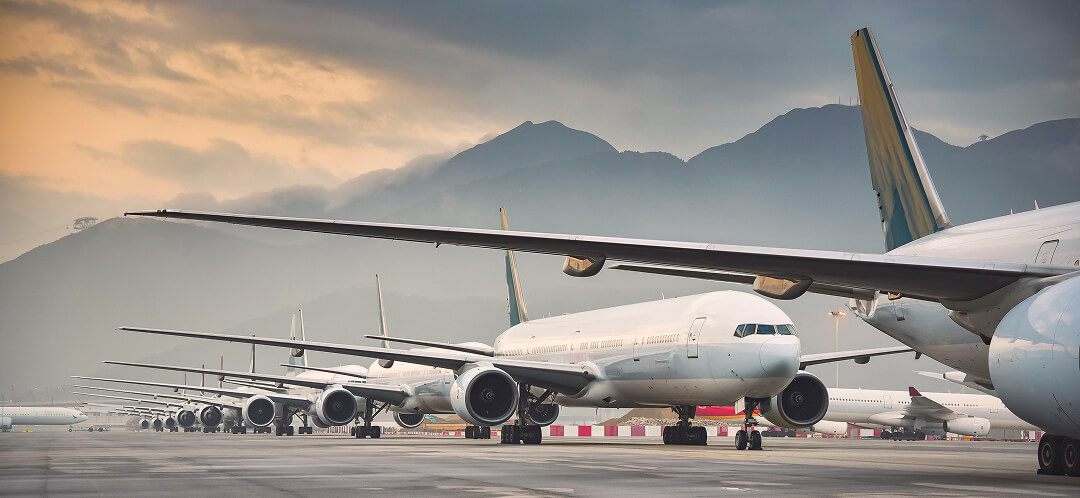
In a stable market, airlines can respond to strong demand by adding aircraft or increasing flight frequency on their busiest routes. In 2026, that flexibility is much more limited.
Demand remains strong, with IATA expecting nearly 5.2 billion passengers to fly this year, while global load factors are approaching 84%. In other words, aircraft are already expected to operate close to full capacity. At the same time, airlines are not receiving new aircraft quickly enough to expand their fleets.
- The global aircraft backlog now exceeds 17,000 orders, which represents several years of production at current rates. Both Airbus and Boeing continue to deliver fewer aircraft than planned, with delays pushing deliveries further into 2027 and beyond.
Boeing’s slowdown in early 2026 shows how these constraints play out in practice. In March, the company delivered 46 aircraft, down from 51 in February, after wiring issues affected multiple 737 MAX jets. That reduction may seem small, but for airlines waiting for deliveries to expand capacity, even short delays can affect scheduling decisions.
Because of this, many airlines are keeping older aircraft in service longer than planned, which increases maintenance requirements and reduces the number of hours each aircraft can operate. As a result, even when demand grows, airlines cannot add flights to match it. This pushes prices higher and shortens the time flights remain available before selling out.
What this means for flying in 2026
Flying in 2026 is not defined by a single disruption, but by how quickly conditions change across the market. For business-class travel, this shows up in several ways:
- Flight availability is less stable. Routes that once offered multiple daily departures now depend on a smaller number of flights. As a result, finding a convenient flight might feel more complicated than before. Also, you will have fewer alternatives if your flight is canceled.
- Prices increase faster than before. As airlines adjust to higher costs and limited capacity, prices do not remain stable for long. A fare that looks reasonable today may become more expensive in just a few days.
- Availability varies on different routes. Some routes continue to expand, especially those with high demand and low security risks, while others are reduced or restructured. This creates uneven conditions across the network. On some routes, you may still find multiple convenient flights, while on others, you may have to accept longer flight times and layovers or higher prices.
How to navigate booking in 2026
The current market does not require a completely different approach, but it does change how you should think about timing and awareness.
- Do not delay booking once you find a suitable option. In a more stable market, waiting could sometimes lead to finding better fares. The unpredictability of 2026 works in the opposite direction: prices tend to increase more quickly than in previous years. A fare that looks reasonable today is unlikely to remain available for long, and delaying a decision may reduce your options rather than improve them.
- Stay informed as conditions continue to change. Schedules, routes, and airline strategies may be volatile in 2026, and changes can affect flights even after you book. Airlines may adjust departure times, reroute flights, or change aircraft with limited notice. Check your booking regularly and follow airline updates so you can respond early, secure a better alternative, or adjust your plans before fewer options remain.