

Chapters:

Need help with your trip?
Our support team is available 24/7. Request a callback or call us directly at (833) 619-0908
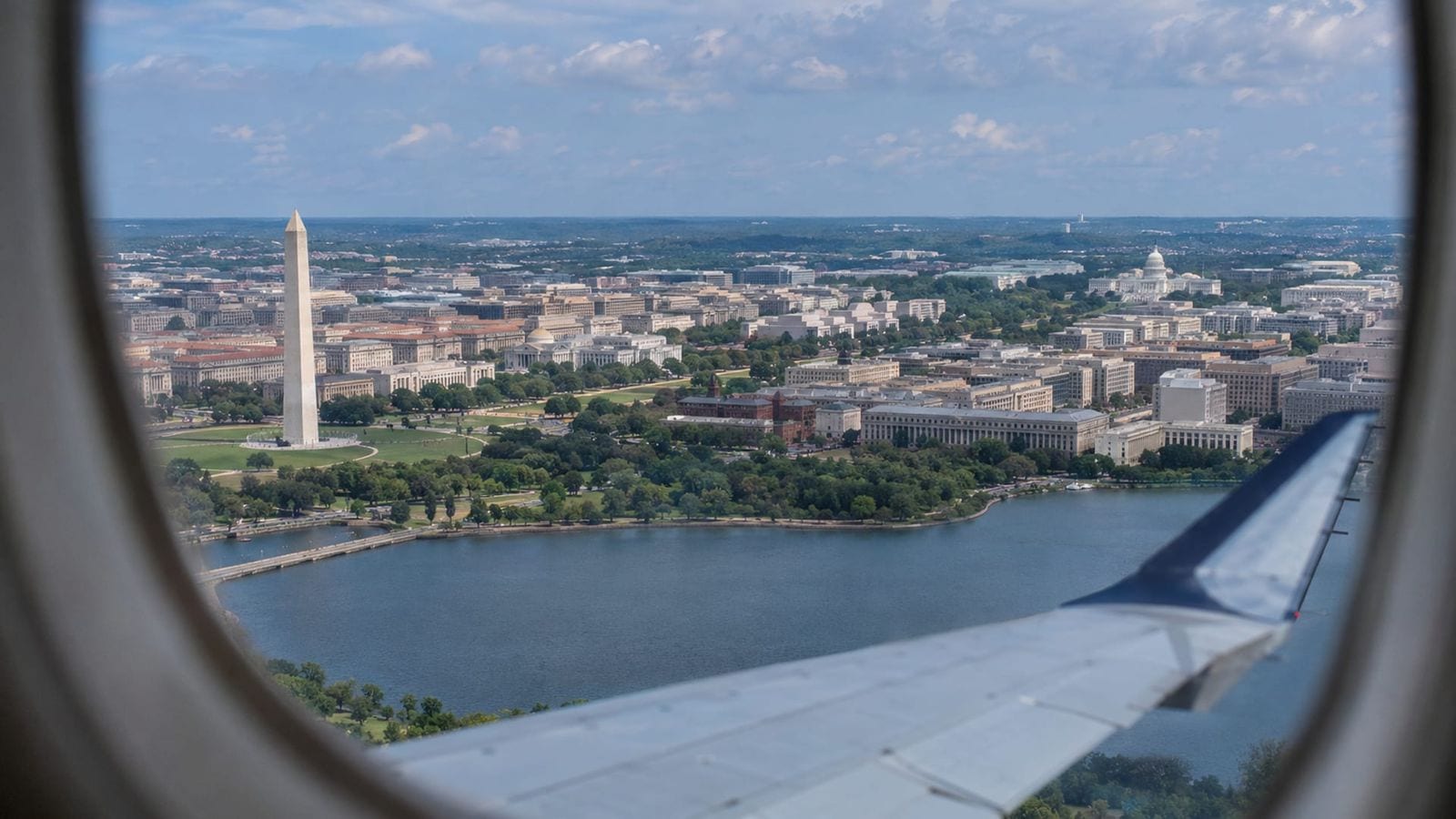
Washington turns national history into a landscape of marble, water, and engraved words. Along the National Mall, memorials give presidents and wars a physical presence, with long views linking individual monuments across lawns and reflecting water.
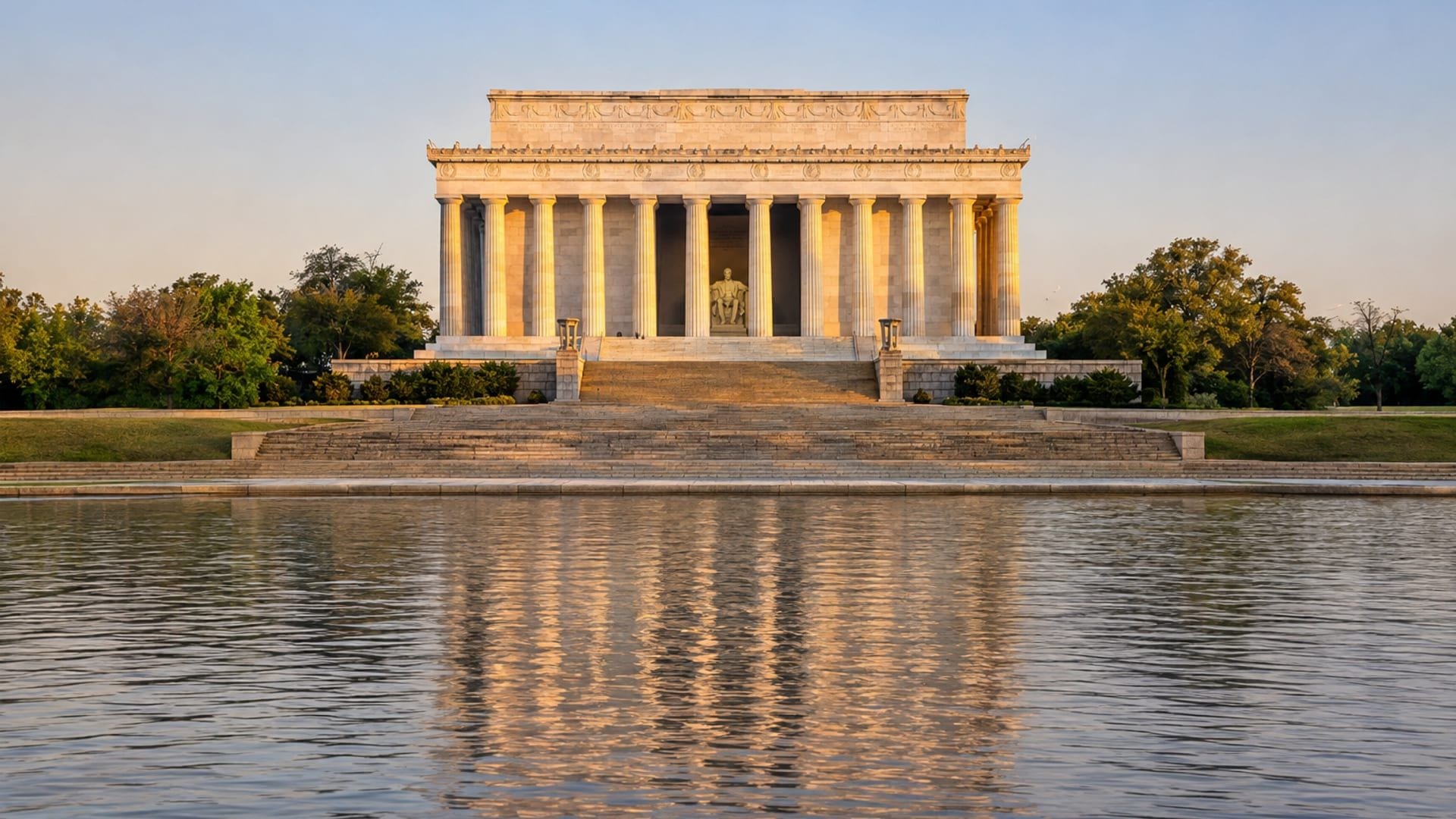
At the Lincoln Memorial, read two speeches carved into the walls. Follow the names at the Vietnam Veterans Memorial, then cross to the Thomas Jefferson Memorial beside the Tidal Basin, where columns frame views across the water.
Five days allow separate walks through these outdoor spaces and time beyond the monumental center. Dupont Circle adds neighborhood restaurants and a Metro connection; reserve another morning for the ponds and marsh boardwalk at Kenilworth Aquatic Gardens.
Useful things to know

Main language(s): English

Currency: US dollar (USD, $)

Cash and cards: Cards and contactless payments are widely accepted; carry about $20 to $40 in cash.

Tipping: Tip 18% to 20% at table-service restaurants; check whether the bill already includes a gratuity.

Traditional food: Half-smokes, chicken wings with mumbo sauce, jumbo slice pizza, and Senate bean soup are among the classic dishes of Washington.

Water and coffee costs: Bottled water $2 to $4; espresso $3 to $5.

Taxis and ride apps: Hail licensed taxis on the street or find them at hotel taxi stands; metered short rides typically cost $10 to $20; Uber and Lyft also operate.

Plug and voltage: Type A/B socket, 120V

Dining and shop opening hours: Breakfast: 7 am to 10 am; lunch: 11:30 am to 2 pm; dinner: 6 pm to 9 pm. Shops typically open at 10 am and close at 6 pm to 9 pm, with shorter Sunday hours.

Emergency number: 911 for police, ambulance, and fire.
Where to stay in Washington
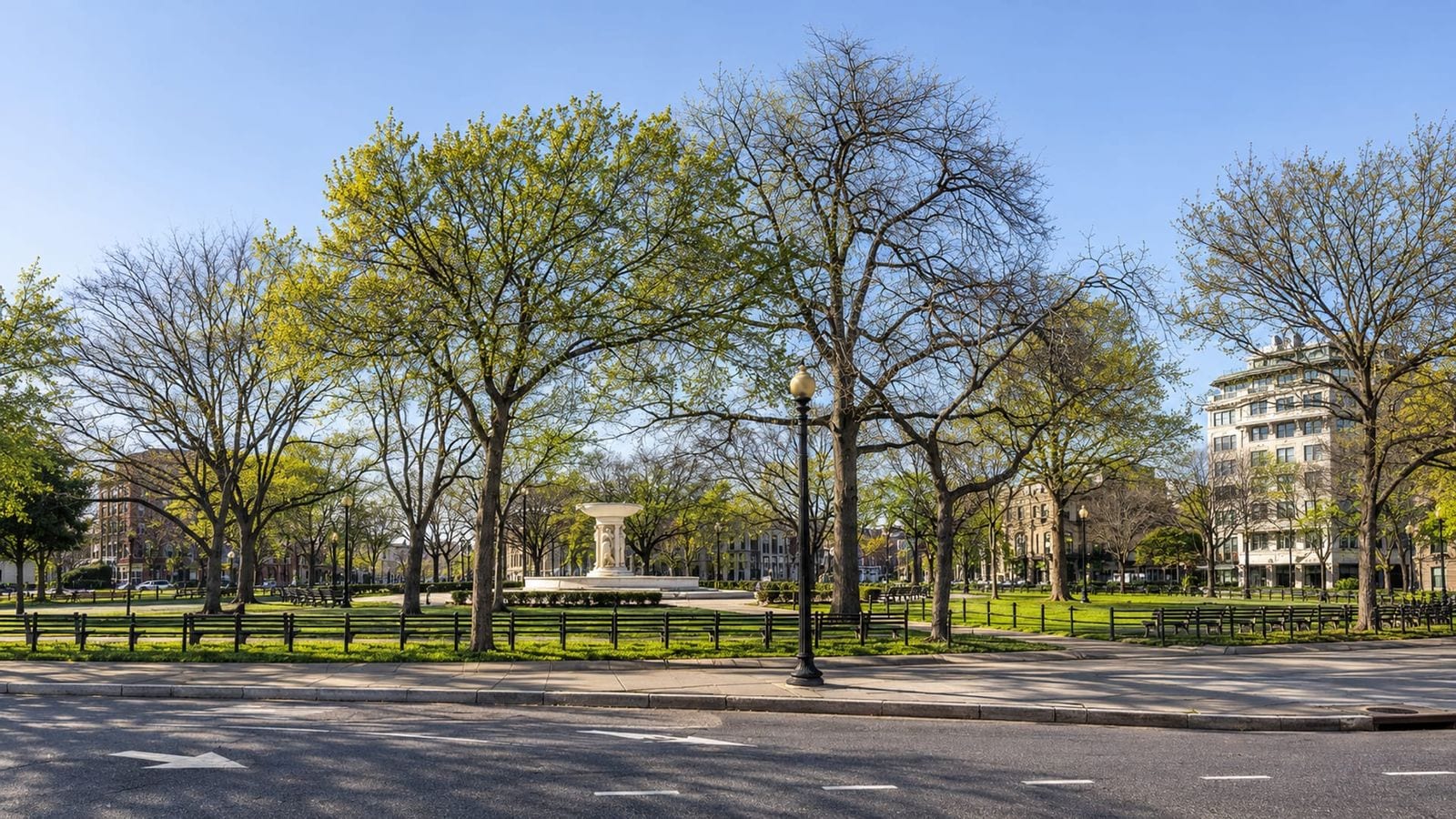
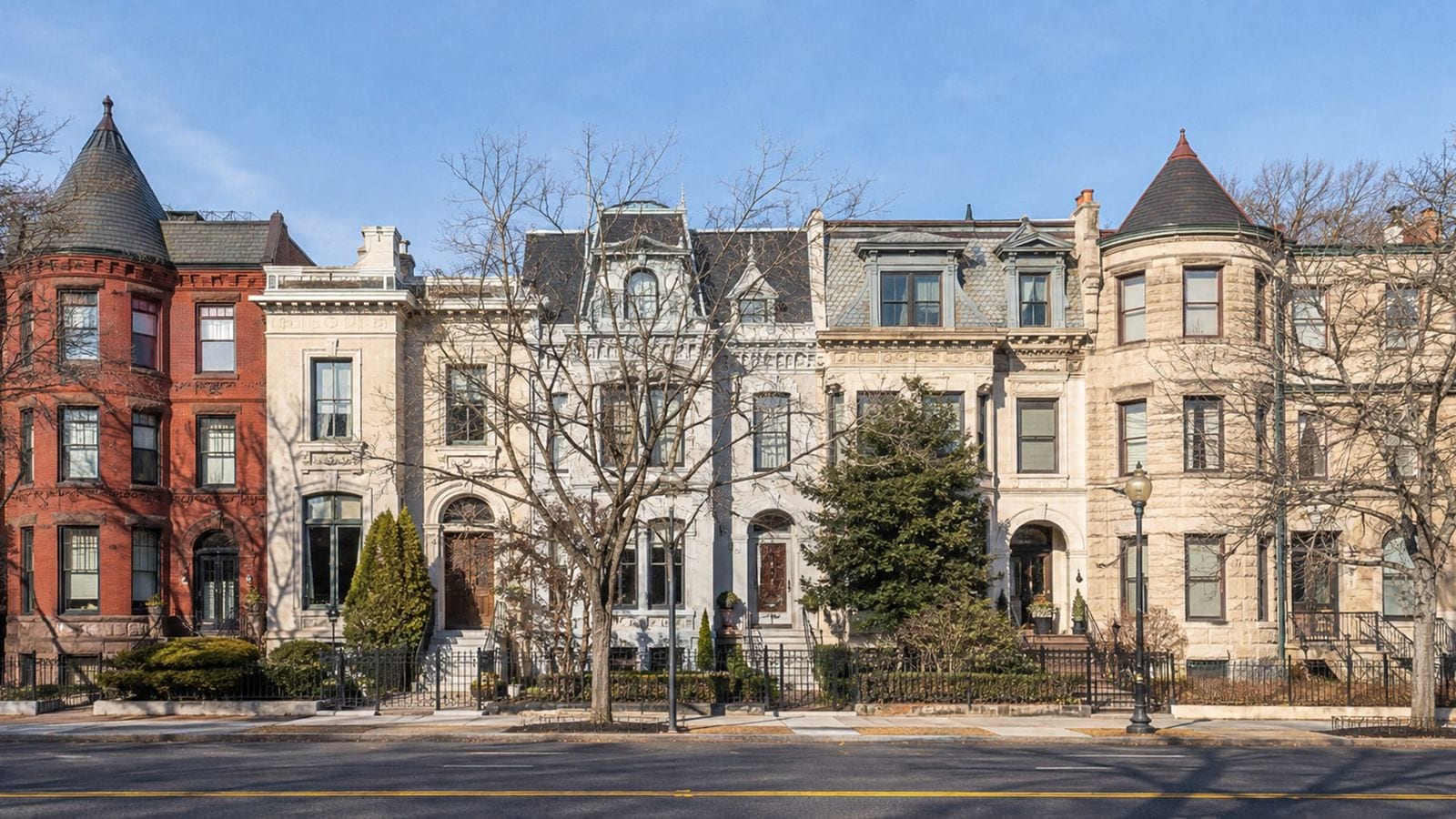
Dupont Circle is a central neighborhood of rowhouses, embassies, restaurants, and hotels clustered near a busy Metro station. Stay here for easy trips to the National Mall, a broad choice of places to eat, and residential side streets that offer a quieter setting than the main roads.
Best for: Restaurant outings, neighborhood walks, and sightseeing by Metro
What to expect: Restaurants and commuter traffic keep the main streets active into the evening.
Hotel prices: Expect $180 to $380 a night for a well-rated hotel.
Distance to major sights: Allow 20 to 30 minutes by Metro and on foot to the Washington Monument.
Quietness: Daytime traffic gives way to evening restaurant crowds; residential side streets are quieter.
Main trade-off: Hotels near nightlife can have street noise, and the major monuments require a trip.
Good to know: Dupont Circle Metro has a long entrance escalator; travelers needing elevators should check station elevator status.
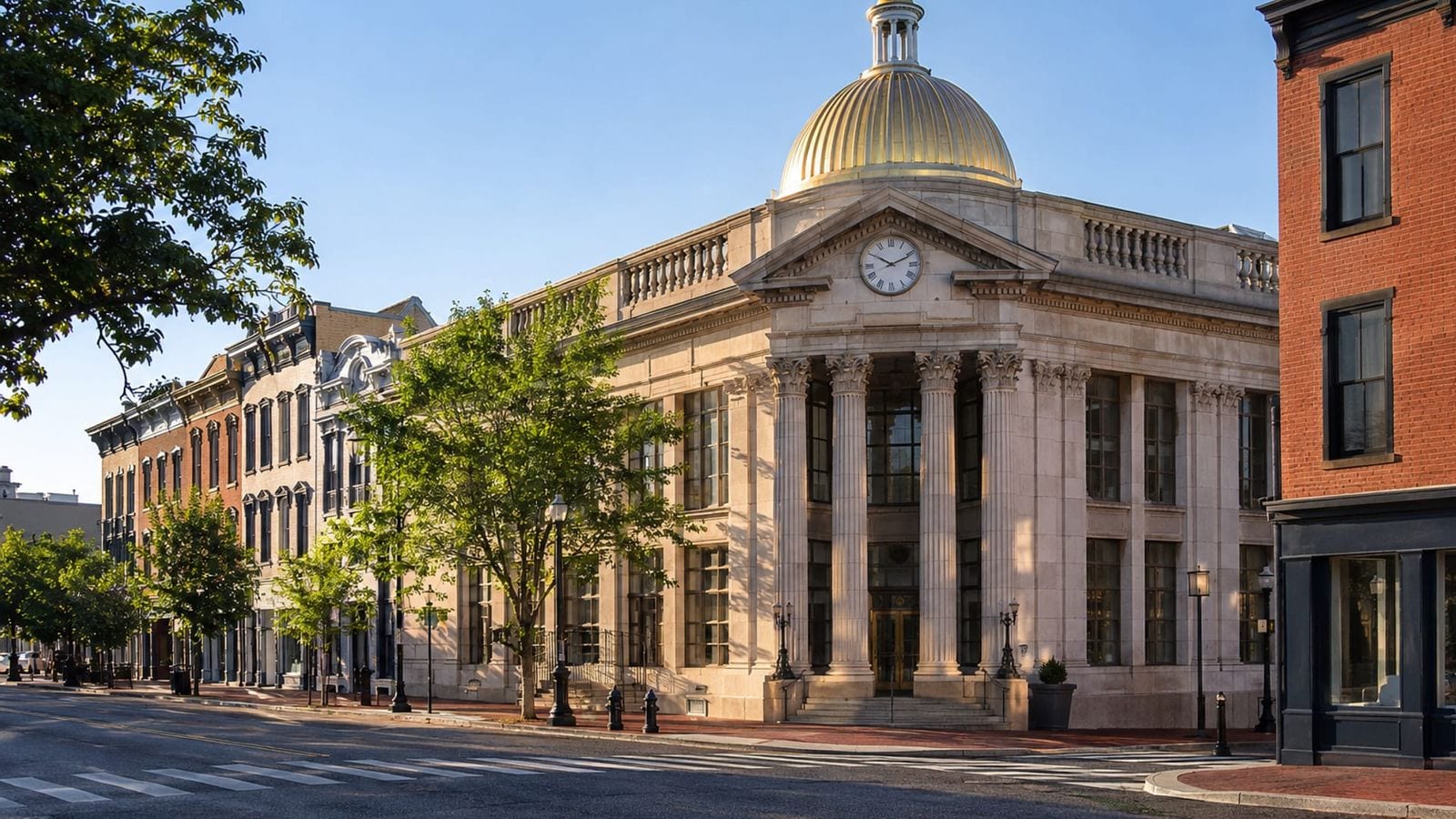
Georgetown is a historic neighborhood with brick rowhouses, waterfront paths, busy shopping streets, and hotels ranging from small inns to luxury properties. Choose it for walks beside the Potomac River, independent shops, and dinner nearby, with buses and taxis connecting you to the monuments.
Best for: Waterfront walks, shopping, and historic architecture
What to expect: Shopping streets draw substantial weekend crowds, while uphill residential blocks feel calmer.
Hotel prices: Well-rated hotels typically charge $250 to $550 a night.
Distance to major sights: From central Georgetown, allow 15 to 25 minutes by taxi to the Washington Monument, depending on traffic.
Quietness: Afternoons bring shoppers and traffic; evenings stay lively near restaurants and the waterfront.
Main trade-off: There is no Metro station within Georgetown, and waterfront hotels often command high prices.
Good to know: Choose a hotel near the waterfront if steep walks are a concern; residential streets rise northward from the river.
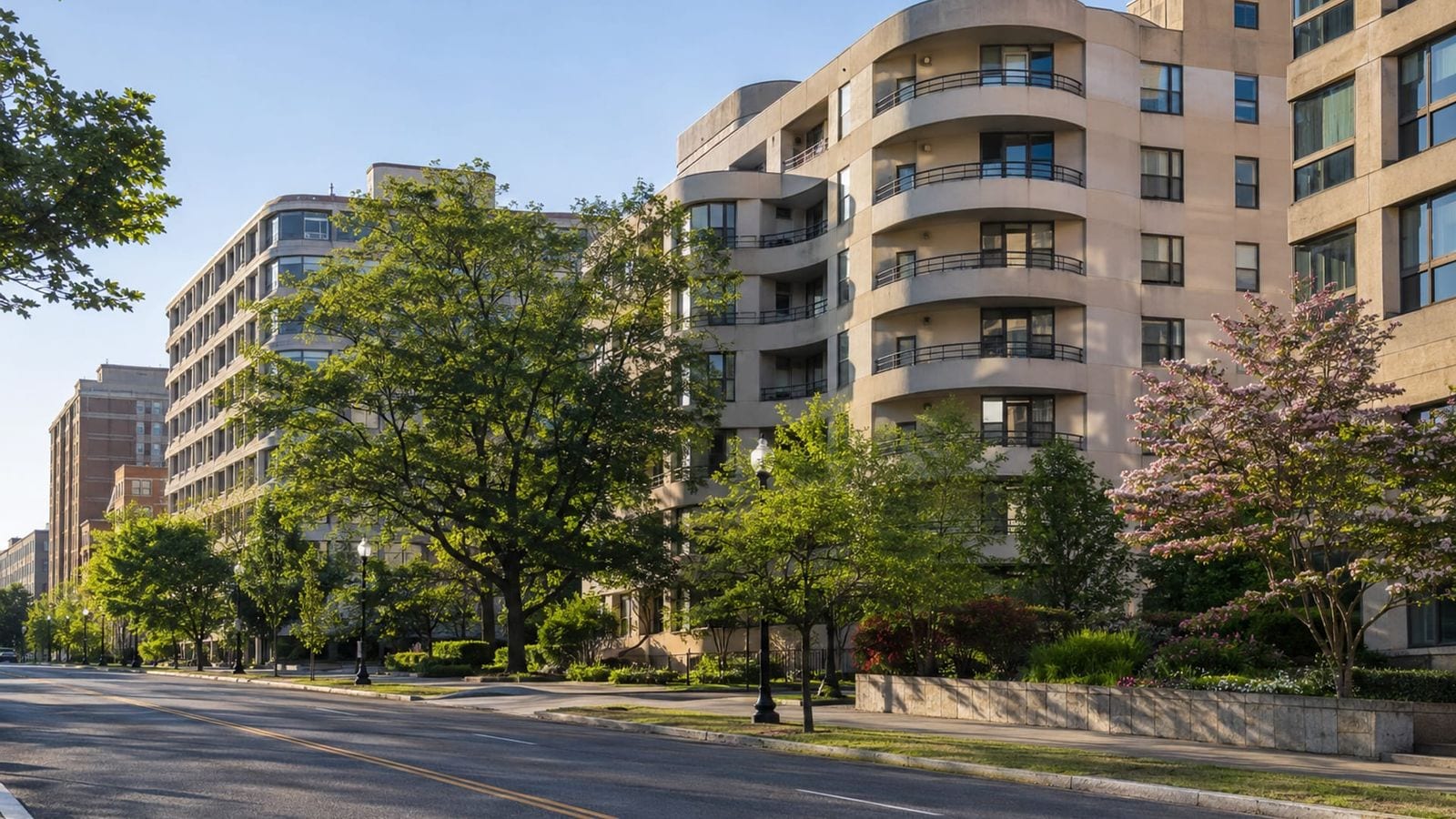
Foggy Bottom combines a university neighborhood with federal offices, apartment buildings, and several established hotels near the National Mall. Its location suits travelers who want to walk to the Lincoln Memorial and use the Metro for trips across town, with fewer late dining choices.
Best for: Monument walks, university visits, and Metro access
What to expect: Students and office workers fill the streets during the day, with lighter crowds after dinner.
Hotel prices: Budget $170 to $350 per night for a well-rated hotel.
Distance to major sights: The Lincoln Memorial is a 20- to 30-minute walk from hotels near Foggy Bottom-GWU Metro.
Quietness: Weekdays bring campus activity and commuters; evenings generally become quieter away from hospital entrances.
Main trade-off: Restaurant choices thin late at night, and hospital traffic can affect nearby rooms.
Good to know: For fewer ambulance disturbances, request a room facing away from George Washington University Hospital.
Less convenient for sightseeing: Deanwood and Congress Heights are far from the National Mall; Fort Totten has fewer restaurants and visitor amenities than downtown.
Hotel deals
How to get around Washington efficiently
Washington’s six Metrorail lines connect downtown with the suburbs, while walking, Metrobus, taxis, Uber, and Lyft cover shorter trips.

Metro
for longer distances
Six color-coded Metrorail lines connect downtown Washington with nearby suburbs. Use a SmarTrip card or mobile wallet; distance-based fares are roughly $2 to $7. Metro Center to Smithsonian takes about 5 minutes, making trains convenient for museum trips.
Walking
for short central distances
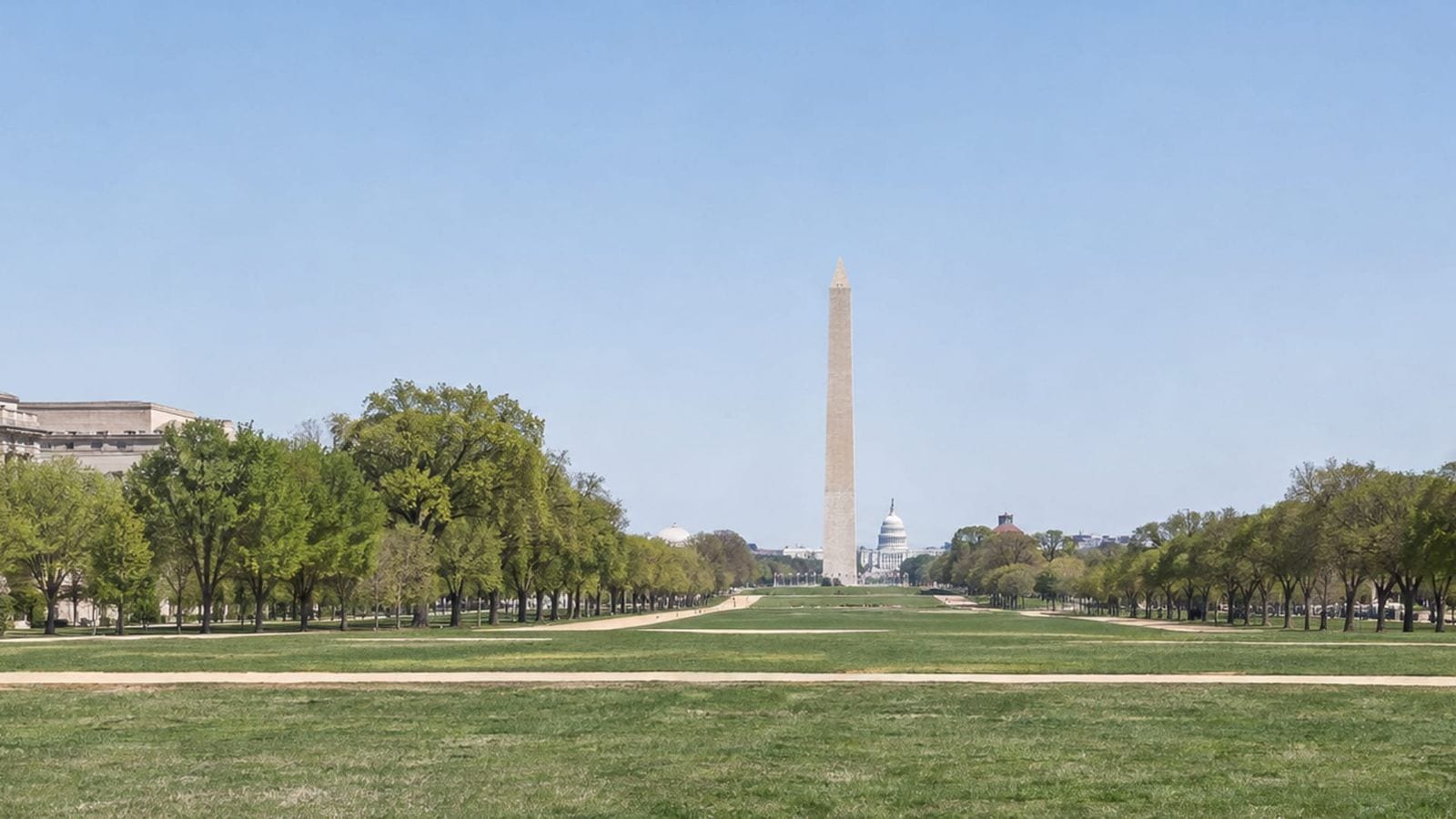
From the Lincoln Memorial, the walk along the National Mall to the Washington Monument takes about 20 minutes. Walking is free and suits nearby memorials and museums; allow another 20 minutes to reach the Smithsonian museums farther east.
Rideshare
for door-to-door trips
For trips between Georgetown and Capitol Hill, Uber and Lyft offer app-booked rides with upfront quotes. Expect roughly $15 to $35 and 20 to 40 minutes, depending on traffic and demand. These rides suit evenings out and destinations beyond Metro stations.
*Prices are based on rates updated as of November 2026 and may change at the time of travel.
Use Metro for downtown trips, walk between National Mall memorials, take Metrobus for local links, and choose taxis or app rides for Georgetown evenings.
Iconic landmarks
Lincoln Memorial
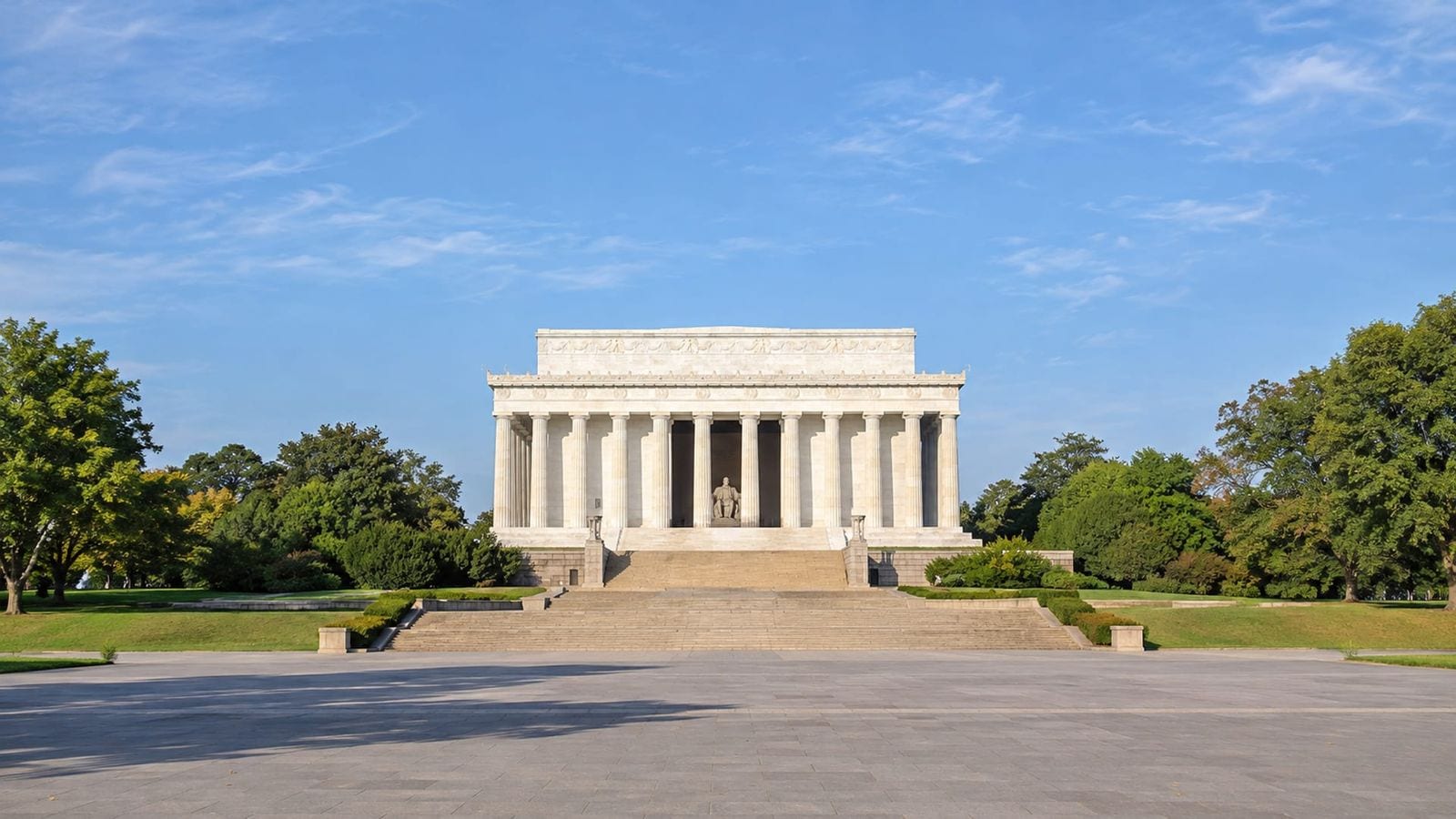
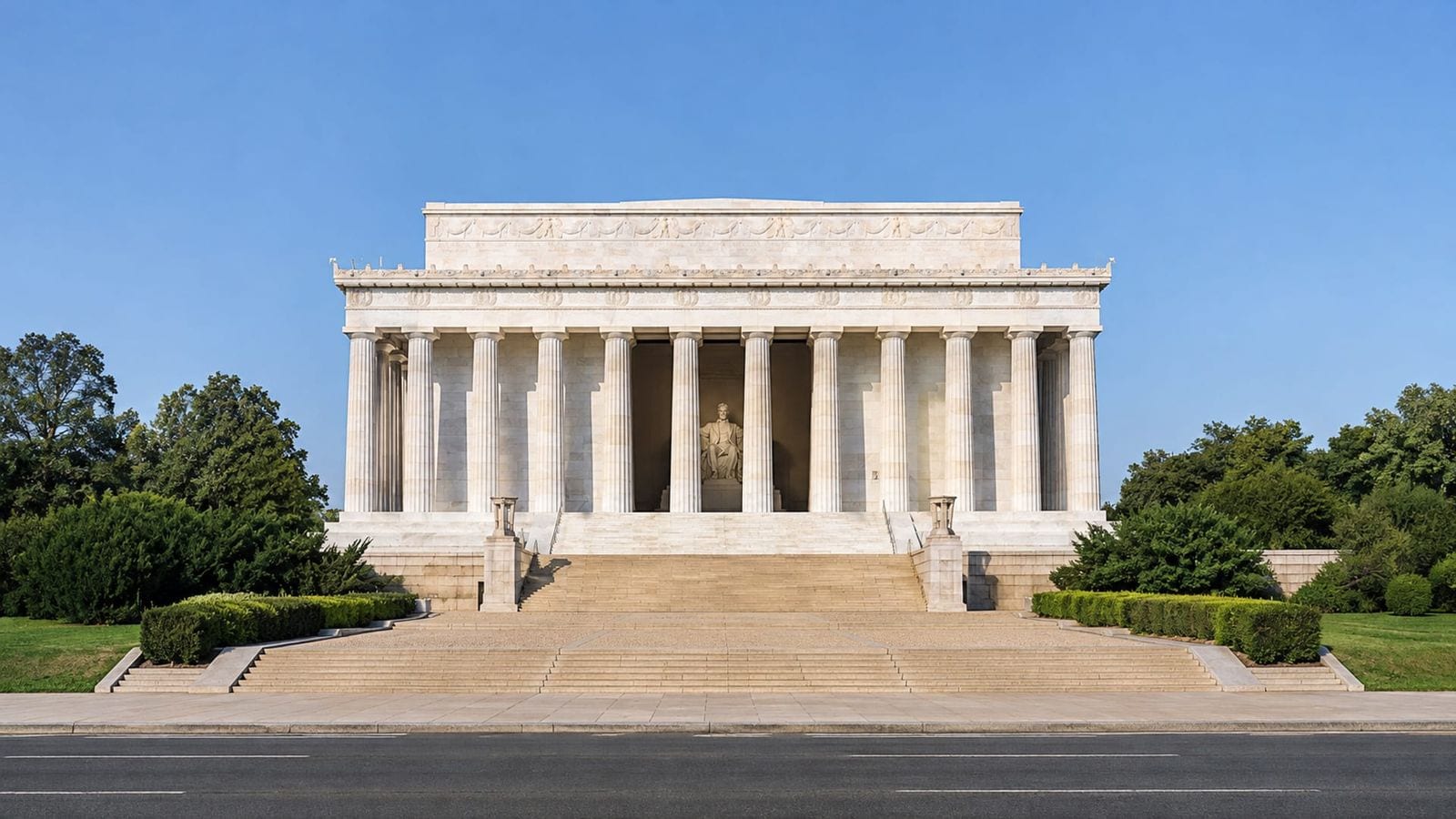
A seated Abraham Lincoln faces the Reflecting Pool from a marble chamber framed by 36 columns, representing the states at his death. Inscriptions of the Gettysburg Address and his Second Inaugural Address connect the monument to his presidency.
Time needed: About 30 to 60 minutes
Entry: Free to access Visit the official site for details.
Tip: Arrive after sunset to see the illuminated statue with fewer daytime crowds.
Thomas Jefferson Memorial
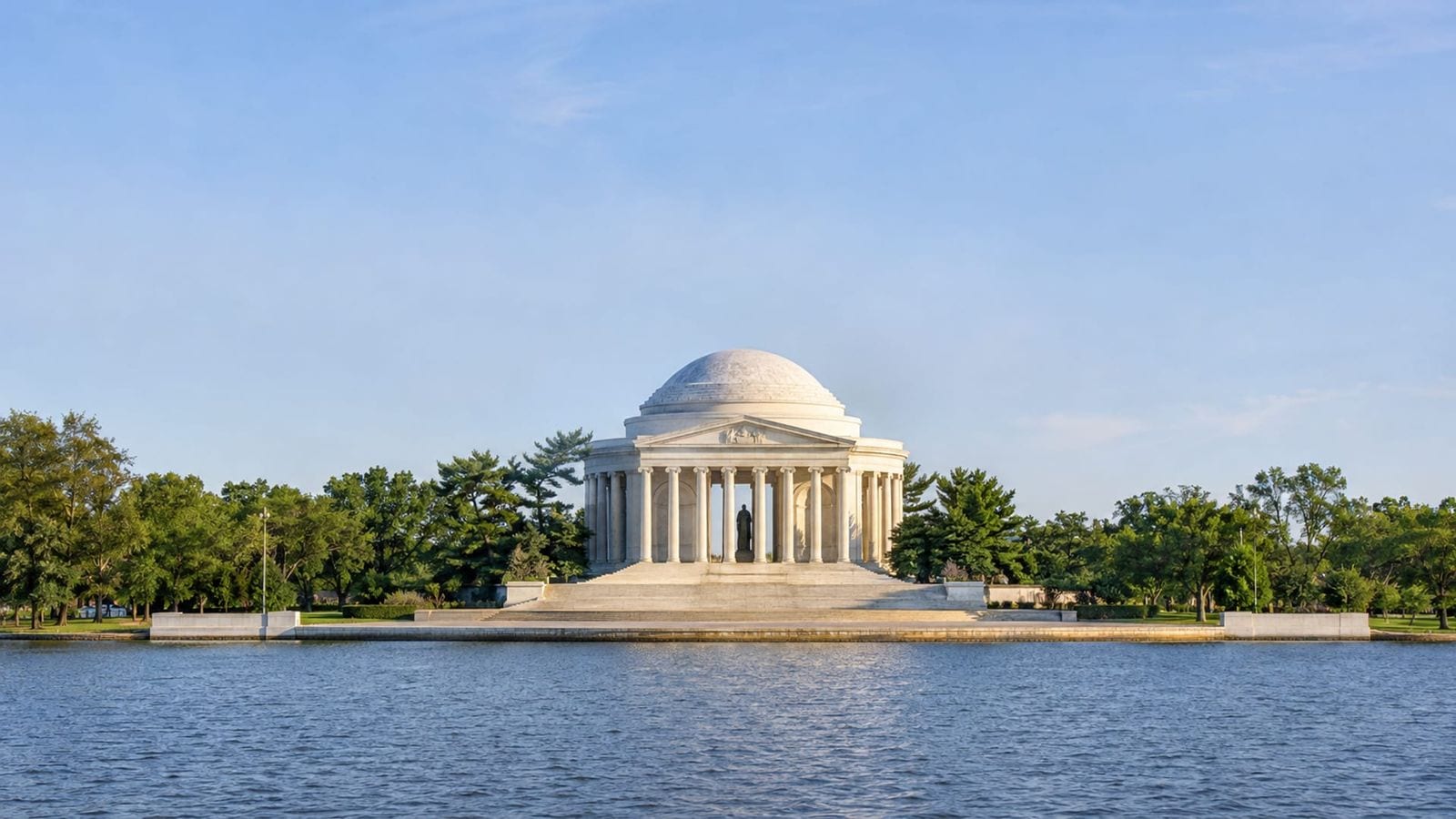
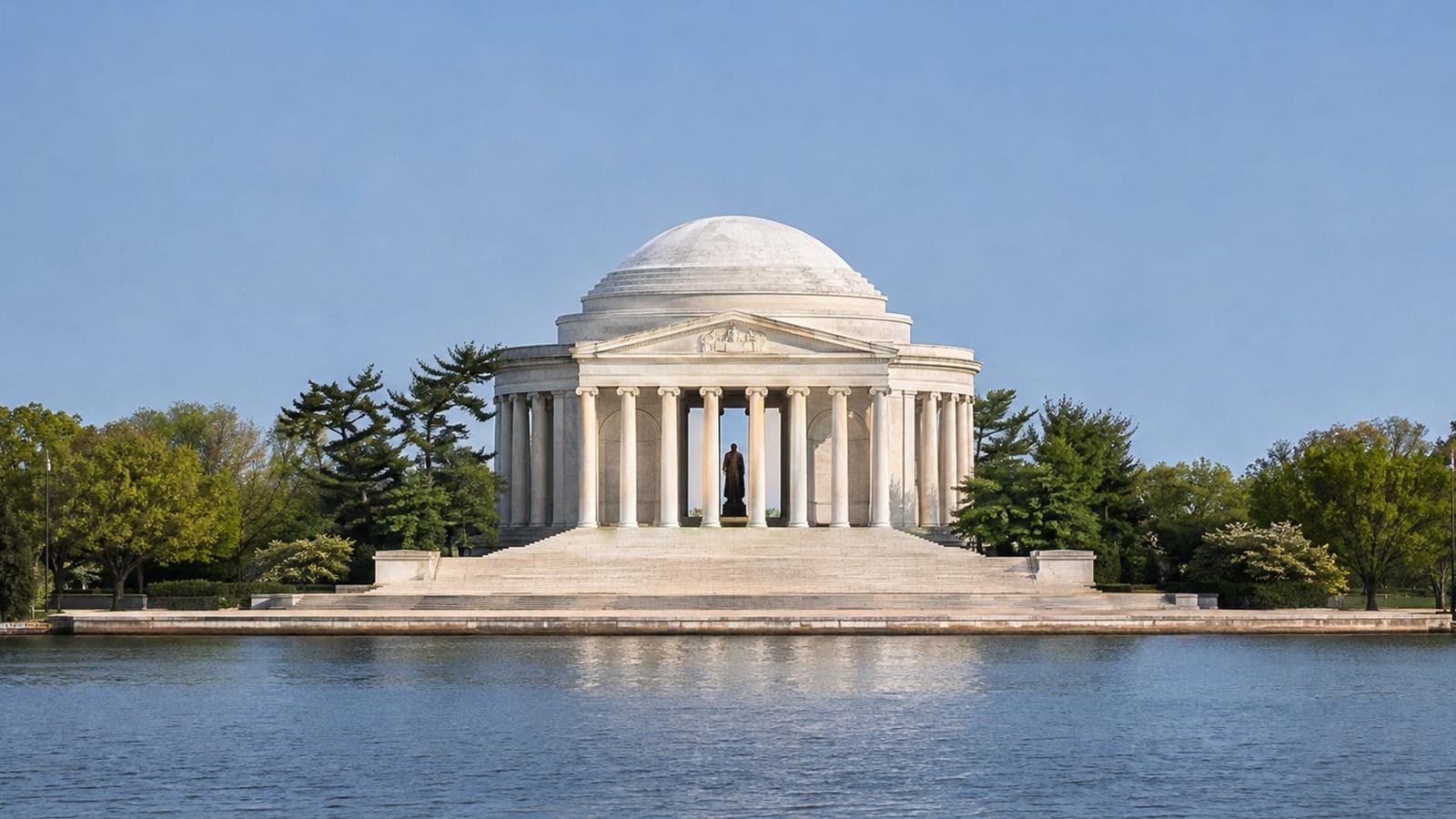
Overlooking the Tidal Basin, this circular memorial pairs a columned portico with a domed chamber containing a bronze Thomas Jefferson. Quotations carved into the interior walls address independence, religious freedom, and democratic government.
Time needed: About 30 to 60 minutes
Entry: Free to access Visit the official site for details.
Tip: Walk from the Tidal Basin in the morning for light across the memorial steps.
Vietnam Veterans Memorial
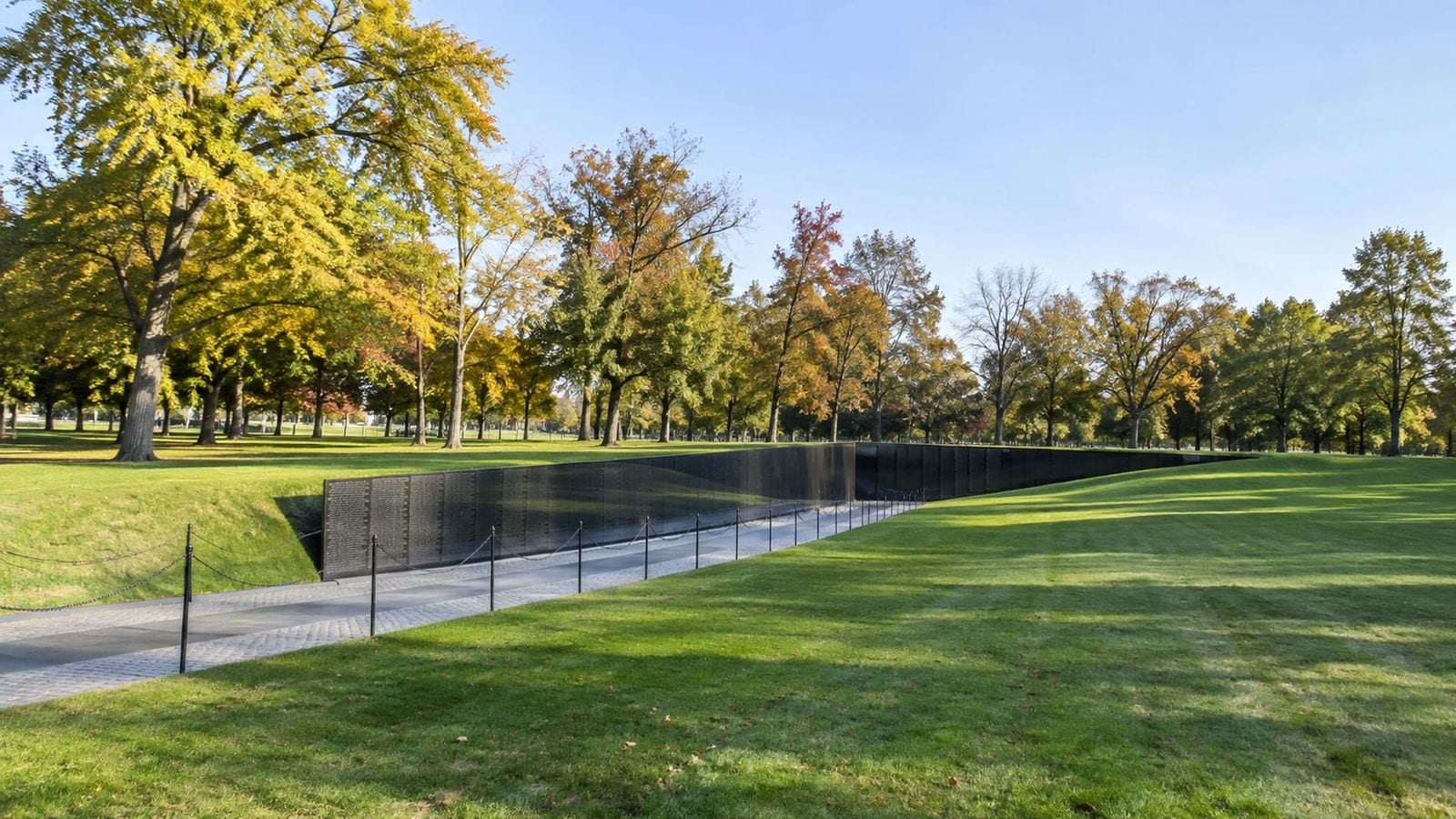
Two walls of black granite descend into the landscape, bearing the names of American military personnel who died or went missing during the Vietnam War. Their reflective surfaces place visitors alongside the names, arranged by date of casualty.
Time needed: About 30 to 60 minutes
Entry: Free to access Visit the official site for details.
Tip: Use the name directories near the wall’s entrances to locate a specific panel.
Overlooked sites worth visiting

Kenilworth Aquatic Gardens
At Kenilworth Aquatic Gardens, paths wind between ponds planted with lotus and water lilies. A boardwalk extends into tidal marsh, where herons and red-winged blackbirds feed and nest.
Time needed: About 1 to 2 hours
Entry: Free to access
Tip: Come in the morning in July for lotus blooms before the afternoon heat.

National Bonsai & Penjing Museum
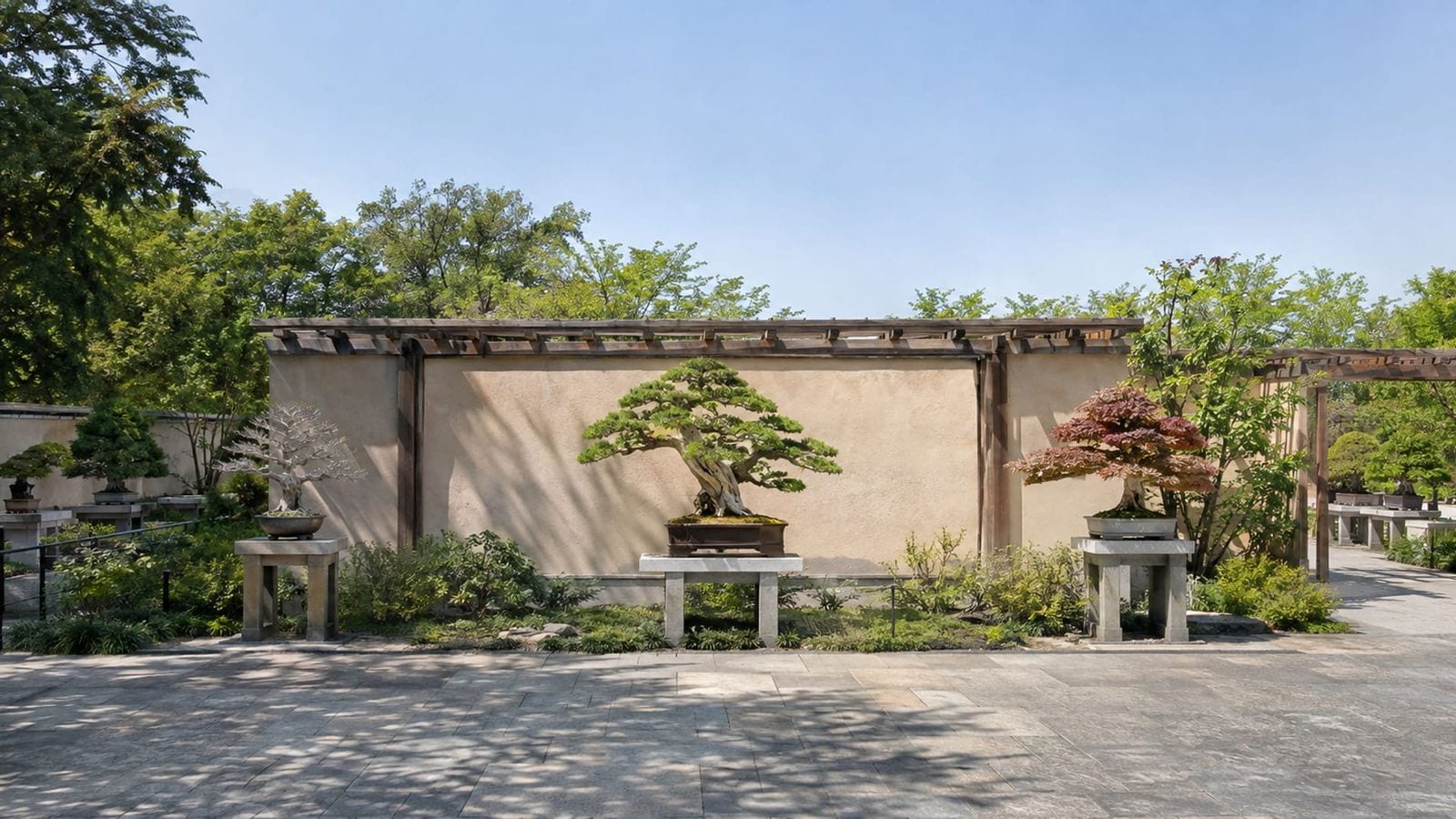
The National Bonsai & Penjing Museum displays miniature trees shaped by generations of growers. Its Japanese collection includes a pine that survived the 1945 atomic bombing of Hiroshima.
Time needed: About 45 minutes to 1 hour
Entry: Free to access
Tip: Arrive after 10 am, when the museum opens within the National Arboretum.
Traditional food

Washington’s local classics span smoky sausages, wings with sweet-tangy mumbo sauce, oversized pizza slices, and Senate bean soup, connecting neighborhood counters with the city’s political dining traditions.
Half-smoke
A half-smoke combines beef and pork in a coarsely ground smoked sausage, usually served in a bun with chili, mustard, and onions. Try the signature version at Ben’s Chili Bowl, a longtime Washington counter on U Street.
Chicken wings with mumbo sauce
Fried chicken wings meet mumbo sauce, a sweet, tangy condiment with a tomato flavor and a little heat. Henry’s Soul Cafe serves this Washington favorite alongside Southern dishes, making it a place to try the combination.
Jumbo slice pizza
Jumbo slice pizza stretches a thin crust into an oversized wedge topped with tomato sauce and melted cheese. Order a slice at Pizza Mart in Adams Morgan, where this late-night Washington staple has a long neighborhood history.
Senate bean soup
Navy beans and smoked ham give Senate bean soup its thick texture and savory flavor, with onions rounding out the broth. Try it at The Monocle, a Capitol Hill restaurant whose menu reflects its ties to congressional dining.
Best time to visit Washington
Cherry blossoms draw spring crowds to the Tidal Basin; summer brings humid garden walks, fall adds foliage, and winter favors indoor stops.
Best for: Cherry blossoms beside the Tidal Basin and long walks between memorials
What you get: Temperatures span 38°F to 76°F (3°C to 24°C); cherry blossom season draws dense crowds to the Tidal Basin and nearby National Mall paths.
Trade-offs: Peak bloom dates shift each year, and blossom weekends bring crowded paths and higher hotel rates.
Best for: Lotus blooms at Kenilworth Aquatic Gardens and evening monument walks
What you get: Expect 64°F to 89°F (18°C to 32°C), humid afternoons, and family crowds at the National Mall; July brings lotus blooms to garden ponds.
Trade-offs: Heat and thunderstorms can interrupt exposed National Mall walks; start garden outings in the morning.
Best for: Colorful trees at the National Arboretum and cooler National Mall walks
What you get: Weather ranges from 40°F to 80°F (4°C to 27°C), cooling through the season; summer vacation crowds ease, though weekends stay popular.
Trade-offs: November brings shorter daylight hours and colder evenings beside the Tidal Basin.
Best for: Museum afternoons and quieter walks past the National Mall’s memorials
What you get: Days bring 27°F to 48°F (-3°C to 9°C), with occasional snow or ice; outdoor memorials draw fewer visitors outside holidays and events.
Trade-offs: Wind makes waterfront walks colder, and ice can affect paths beside the Tidal Basin.
A realistic 5-day plan in Washington
The five days move from Dupont Circle to the western National Mall and Tidal Basin, then out to gardens and miniature trees before a final neighborhood shopping walk.
From Ronald Reagan Washington National Airport (DCA), take Metro’s Yellow Line to Gallery Place, then the Red Line to Dupont Circle. Allow 35 to 50 minutes and $3 to $7 per person. Stay in Dupont Circle; after checking in, walk to Agora for a light dinner of hummus, salad, and other small plates.
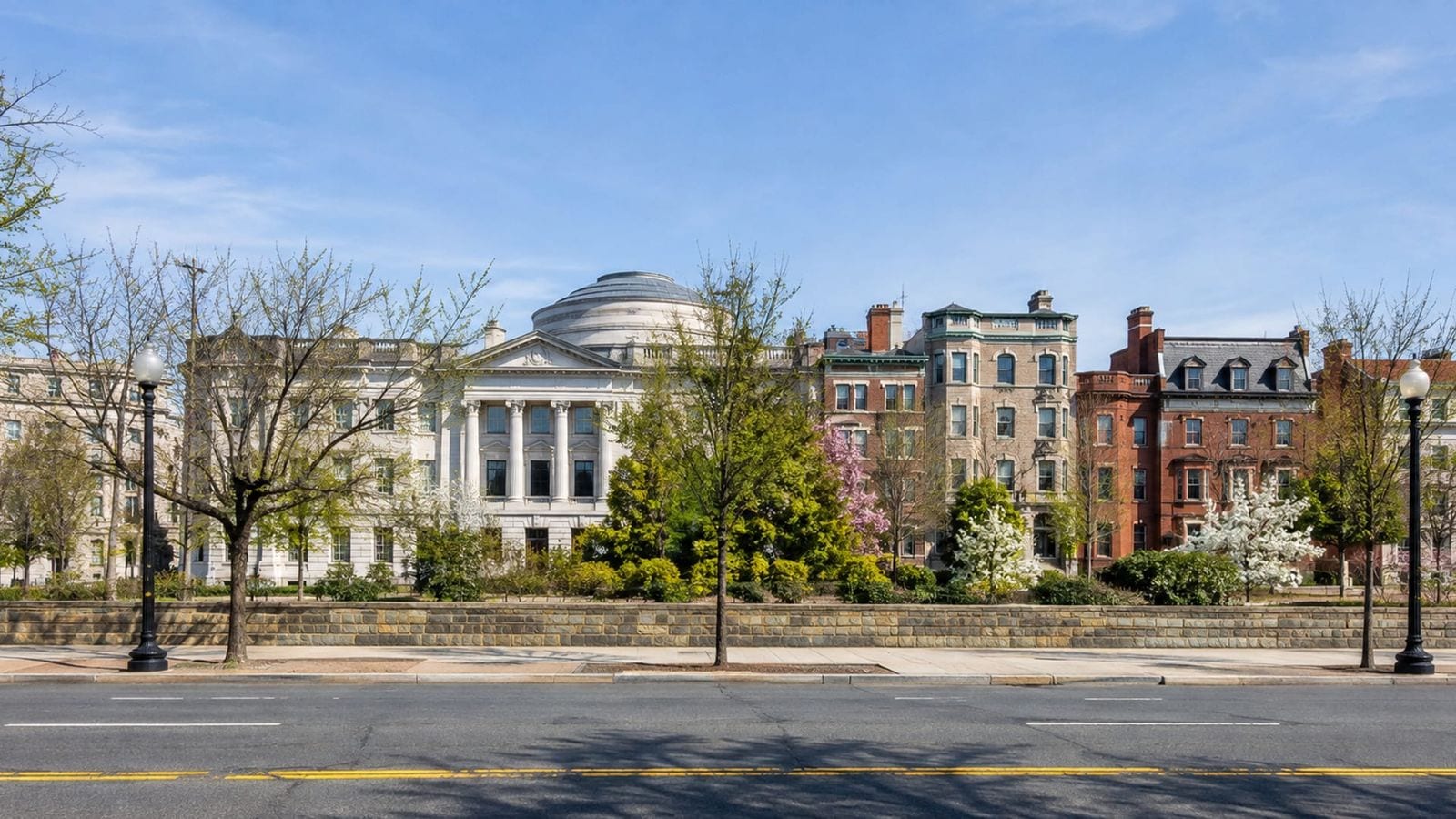
Two neighboring memorials anchor a day on the western National Mall. Begin at the Vietnam Veterans Memorial, allowing an hour to follow the names and find individual panels using the directories. Walk 10 minutes to the Lincoln Memorial for its carved speeches and Reflecting Pool views, then explore the surrounding paths through late afternoon.
Morning light reaches the steps of the Thomas Jefferson Memorial across the Tidal Basin. Spend an hour reading its inscriptions, then follow the waterfront paths toward the Washington Monument, a 25- to 35-minute walk. Explore the monument grounds and pause for a picnic nearby; both outdoor stops are free to access.
Beyond the downtown monuments, Kenilworth Aquatic Gardens offers pond paths and a marsh boardwalk for a two-hour morning walk. Take a taxi or Uber to the National Bonsai & Penjing Museum, allowing 15 to 25 minutes. Its collections open daily from 10 am to 4 pm; spend an hour with the trees, then explore the surrounding National Arboretum.
Before departure, browse the shops along Connecticut Avenue in Dupont Circle, keeping purchases close to your hotel for luggage collection. For the airport, take the Red Line to Gallery Place and change to the Yellow Line toward Huntington. Allow 35 to 50 minutes for the Metro journey, plus your airline’s recommended airport arrival time.
Business-class flights from the US to Washington
Compare flights to Washington from New York and Los Angeles, with nonstop options and connections through major hubs.
From New York, round-trip fares to Washington range from $400 to $1,000. Nonstop flights take 1 to 1.5 hours, with United Airlines among the options. A connection through Chicago (ORD) brings the total journey to 4 to 7 hours.
For Los Angeles departures to Washington, budget $1,000 to $2,400 round trip. United Airlines offers nonstop flights taking 4.5 to 5 hours; journeys with one stop through Denver (DEN) or Chicago (ORD) take 6 to 9 hours.
Washington feels different when you slow down
A Washington trip can connect the carved speeches at the Lincoln Memorial with dinner in Dupont Circle and a morning among the ponds at Kenilworth Aquatic Gardens. Give the National Mall two separate days, using Metro for neighborhood journeys and walking between nearby memorials. The change from monumental lawns to residential streets adds another view of the capital. Ask AranGrant experts to shape your Washington flights around spring blossoms or fall walks beside the Tidal Basin







