

Chapters:

Need help with your trip?
Our support team is available 24/7. Request a callback or call us directly at (833) 619-0908
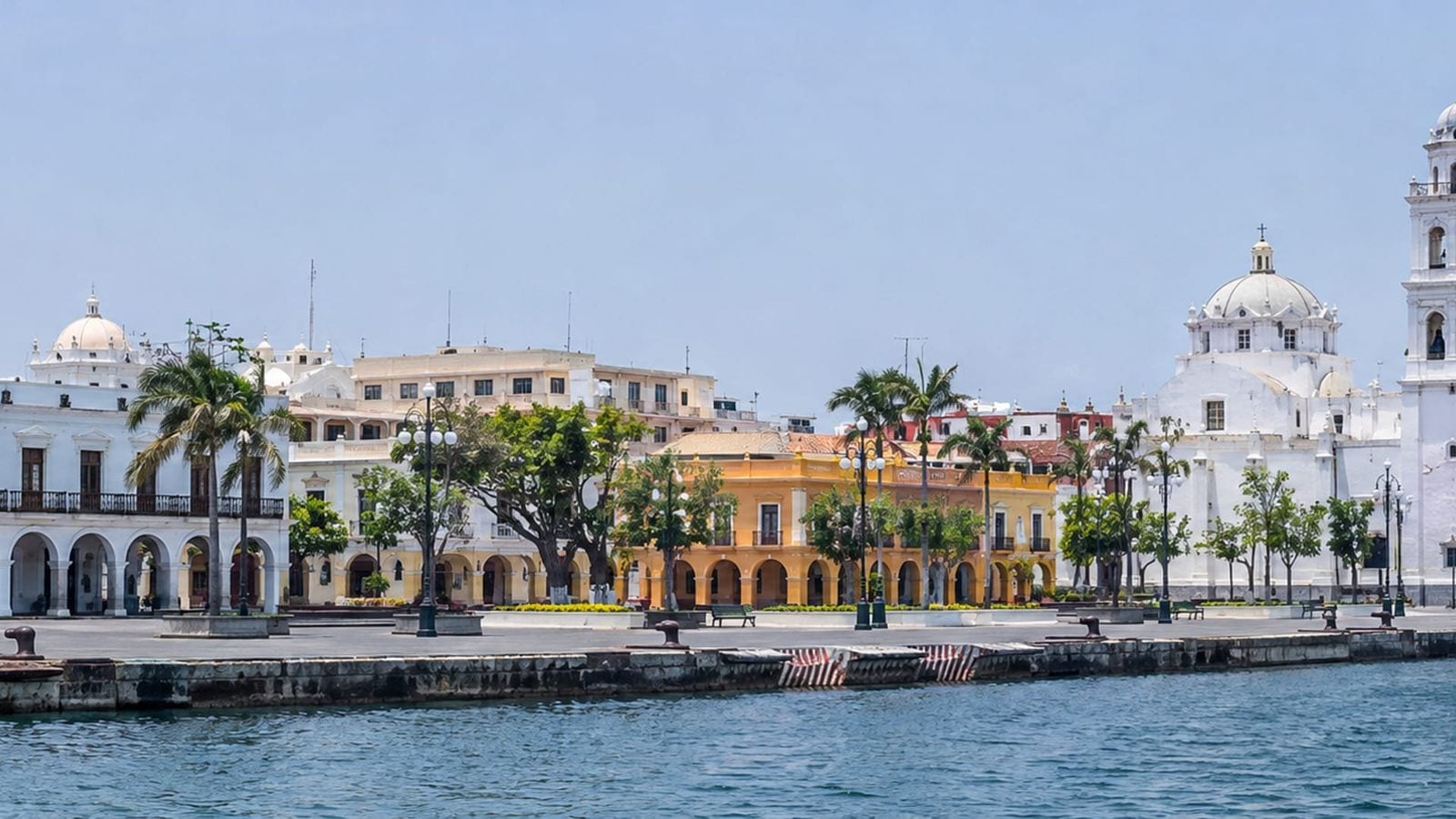
Veracruz faces the Gulf of Mexico through a working harbor, where cargo ships pass close to the historic center. Maritime trade shaped its defenses and its cooking: fish with tomato, olives, and capers shares the table with rice enriched by seafood.
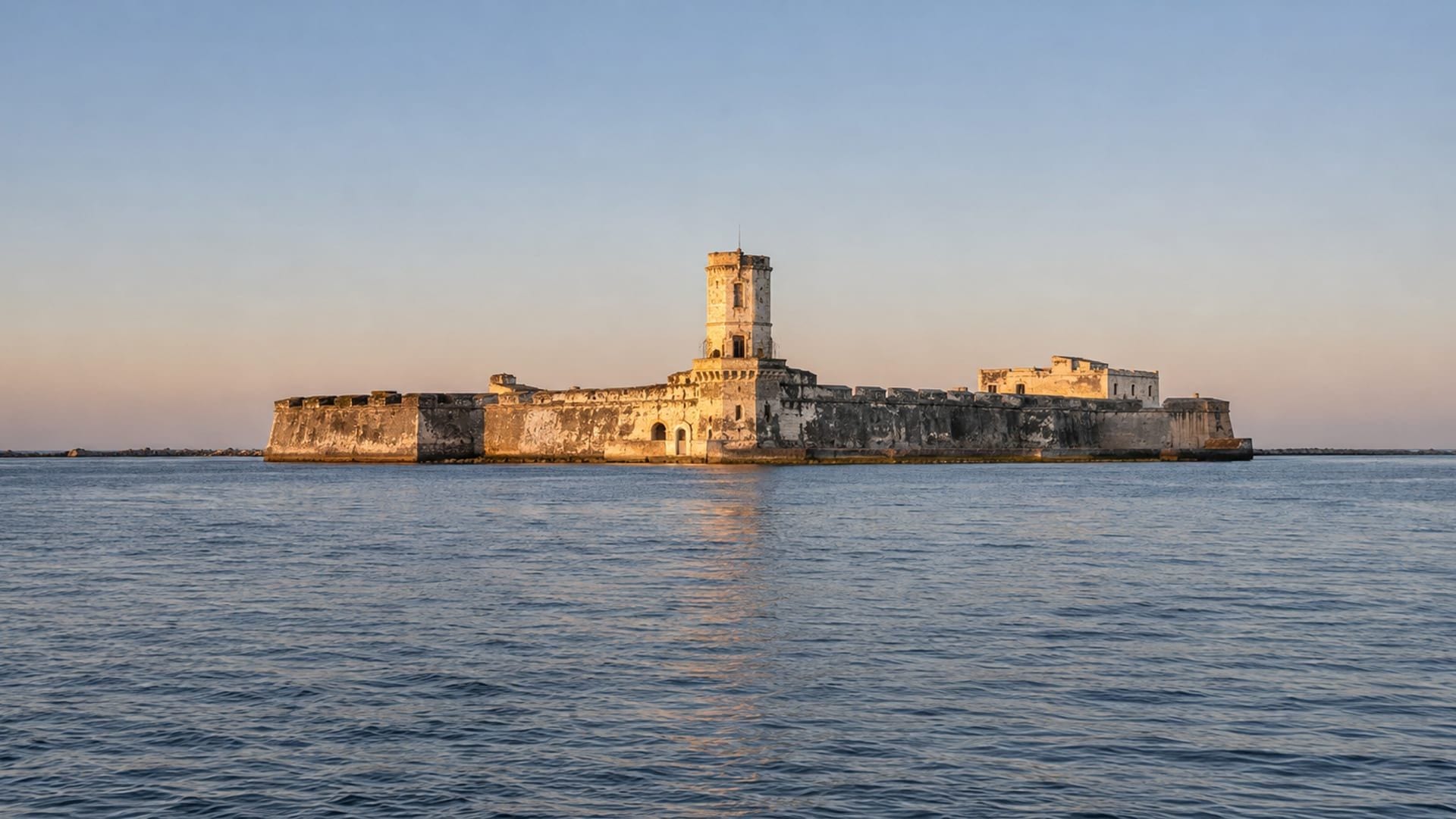
At San Juan de Ulúa, stone walls reveal how the port guarded a gateway to Mexico. Follow that history back to Veracruz Cathedral, then walk along Malecón de Veracruz as ships move through the harbor and the afternoon heat begins to ease.
Give the waterfront five days, dividing historic sights in Centro from neighborhood meals in Reforma and beach time farther south in Boca del Río. Taxis connect these stretches of the metropolitan coast; early walks and sunset outings make the heat easier to manage.
Useful things to know

Main language(s): Spanish
Buenos días (BWEH-nohs DEE-ahs) – Good morning
Por favor (por fah-VOR) – Please
Gracias (GRAH-syahs) – Thank you
¿Habla inglés? (AH-blah een-GLEHS) – Do you speak English?
¿Cuánto cuesta? (KWAHN-toh KWEHS-tah) – How much does it cost?

Currency: Mexican peso (MXN, MX$)

Cash and cards: Cards are widely accepted at hotels and larger restaurants; carry roughly MXN 500 to MXN 1,000 ($25 to $50) for smaller purchases.

Tipping: Tip 10% to 15% in restaurants when service is good; check whether the bill already includes a tip.

Traditional food: Veracruz-style red snapper, arroz a la tumbada, picadas, and gorditas negras are among the classic dishes of Veracruz.

Water and coffee costs: Bottled water MXN 15 to MXN 30 ($1 to $2); espresso MXN 35 to MXN 60 ($2 to $3).

Taxis and ride apps: Ask your hotel to call a licensed taxi and confirm the fare before departure; Uber also operates in Veracruz.

Plug and voltage: Type A/B socket, 127V

Dining and shop opening hours: Breakfast is usually 7 am to 10 am, lunch 2 pm to 4 pm, and dinner 8 pm to 10 pm. Shops generally open 9 am to 8 pm; smaller stores may close Sunday.

Emergency number: 911 for police, ambulance, and fire.
Where to stay in Veracruz
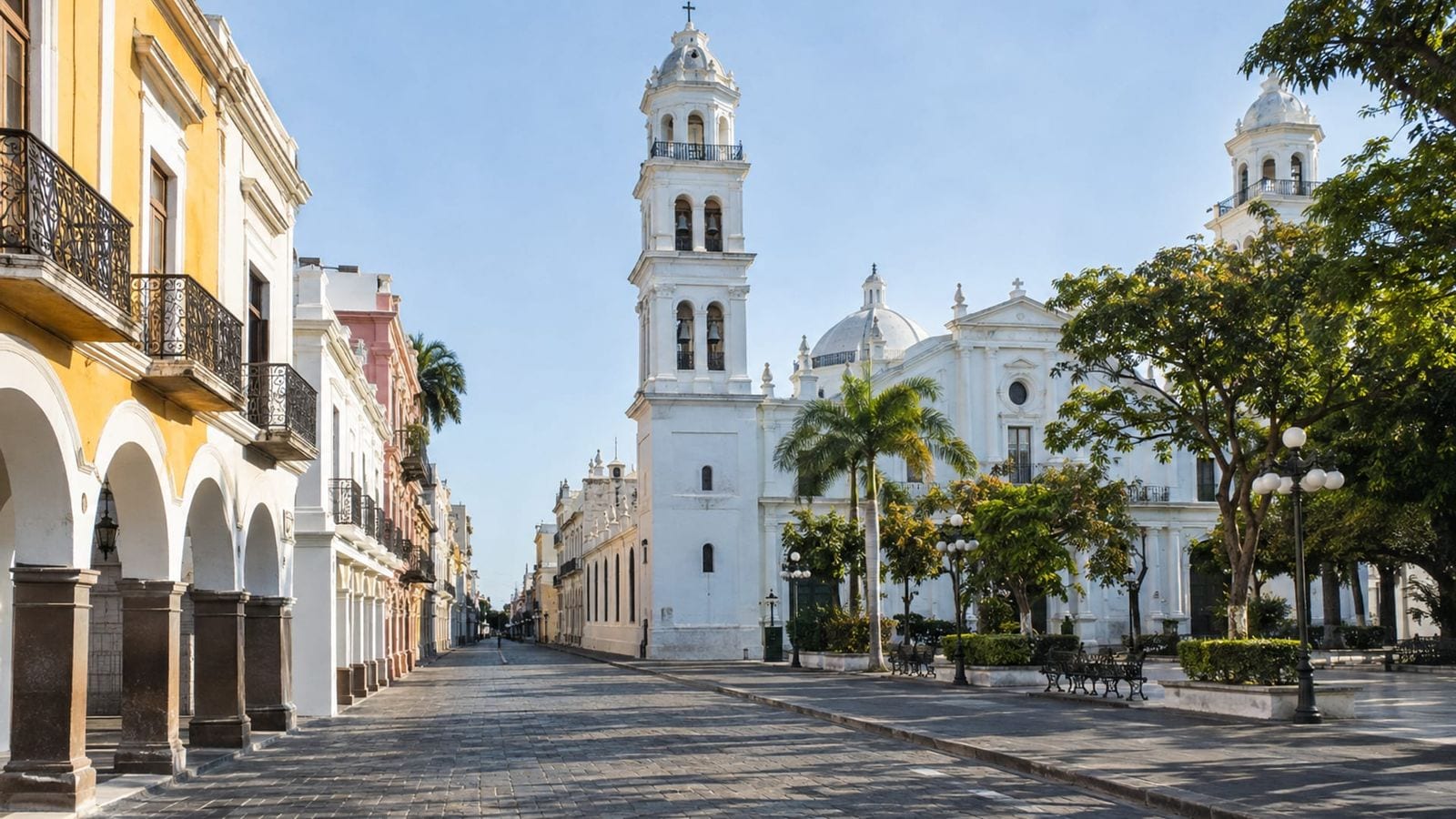
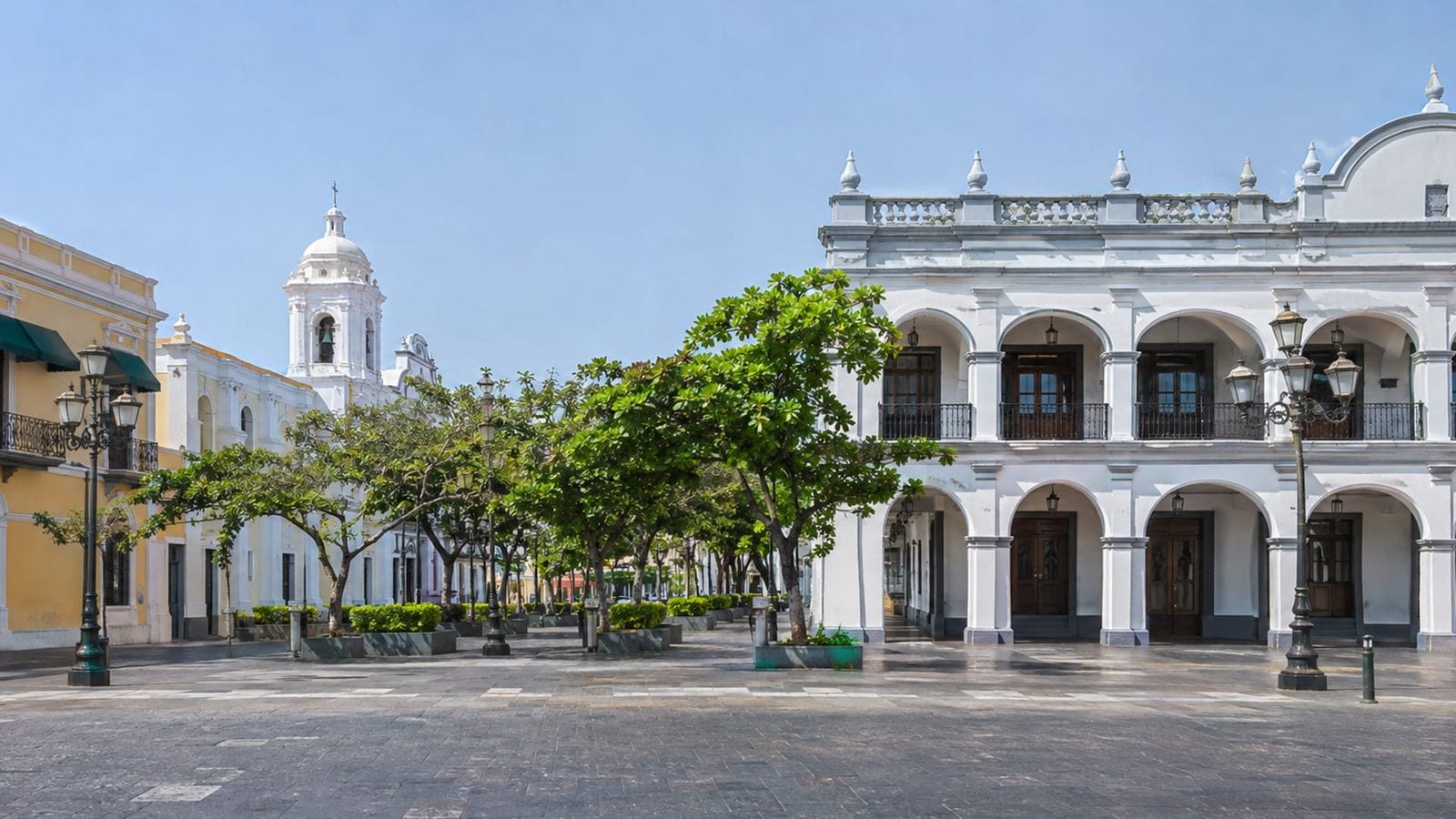
Centro is Veracruz’s historic downtown, with traditional hotels, waterfront promenades, and cafes near the port. Stay here to walk between the Zócalo and the Malecón, with older architecture and evening street life close by, accepting traffic and music outside some hotel windows at night.
Best for: Historic sightseeing, waterfront walks, and evenings near the Zócalo
What to expect: Cafes, traffic, and evening music bring activity to the central streets.
Hotel prices: Well-rated hotels cost MXN 900 to MXN 1,800 ($45 to $90) a night.
Distance to major sights: Most central hotels are 5 to 15 minutes on foot from the Zócalo and Malecón.
Quietness: Traffic fills daytime streets; music can continue into the evening near the Zócalo.
Main trade-off: Older rooms and street noise can outweigh the convenience of walking to historic landmarks.
Good to know: Request an interior room if your hotel faces the Zócalo, where evening music can carry upstairs.
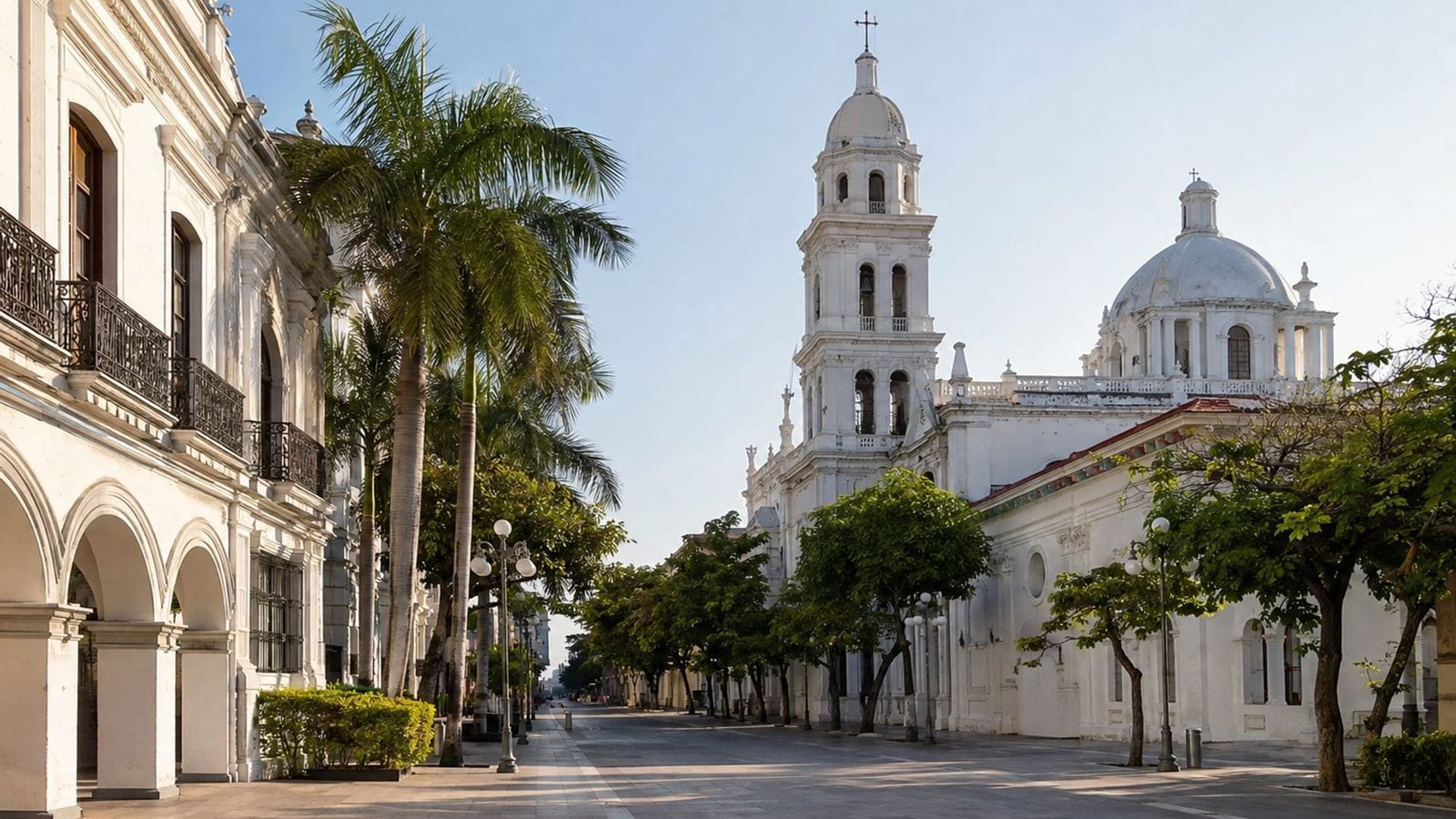
Reforma is an established residential neighborhood south of downtown, with restaurants, local shops, and hotels among its homes. Choose it for neighborhood dining and access to the seafront, while allowing for taxi trips to the historic center and checking each hotel’s distance from the water.
Best for: Neighborhood dining, longer stays, and access to the seafront
What to expect: Residential blocks alternate with restaurants and busier commercial streets.
Hotel prices: A well-rated hotel typically charges MXN 1,000 to MXN 2,000 ($50 to $100) per night.
Distance to major sights: Allow 10 to 20 minutes by taxi to the Zócalo, depending on traffic.
Quietness: Shops bring daytime activity; residential side streets generally become quieter in the evening.
Main trade-off: Historic attractions require transport, and some hotels are several blocks inland.
Good to know: Compare the hotel’s map location carefully: Reforma includes inland blocks as well as streets closer to the seafront.
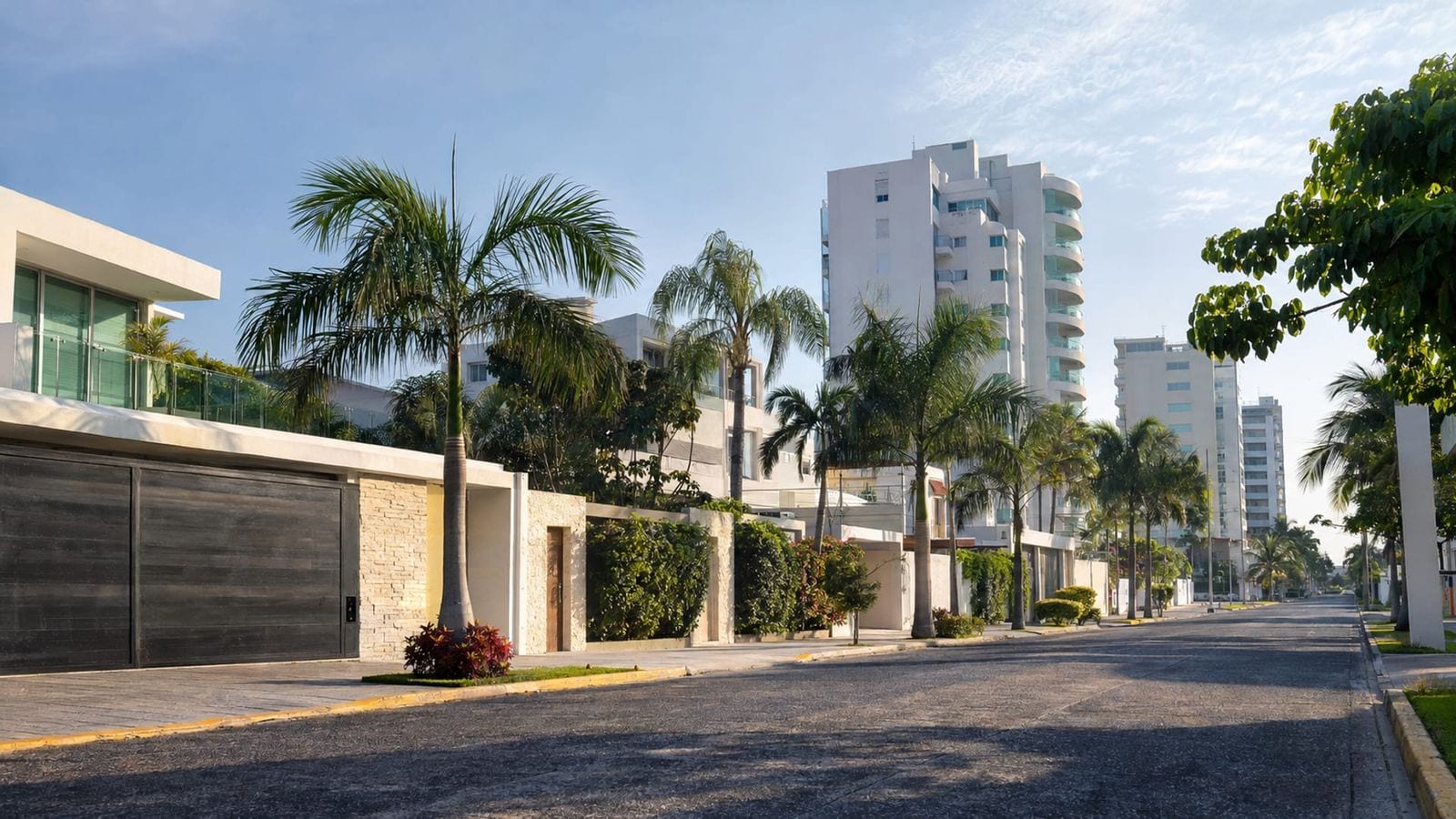
Costa de Oro is a coastal residential neighborhood in neighboring Boca del Río, within the Veracruz metropolitan area. Its hotels and restaurants suit travelers seeking modern rooms and seaside dining, with taxi trips needed for the historic center and broad roads shaping most local journeys.
Best for: Seaside dining, modern hotels, and exploring coastal Boca del Río
What to expect: Restaurants and hotels line busy roads between residential streets and the coast.
Hotel prices: Budget MXN 1,400 to MXN 2,800 ($70 to $140) nightly for a well-rated hotel.
Distance to major sights: The Zócalo is approximately 20 to 30 minutes away by taxi.
Quietness: Main roads carry daytime traffic; restaurant activity continues into the evening.
Main trade-off: Trips to downtown add transport costs, and broad roads can make walking less appealing.
Good to know: Choose a hotel with direct beach access if swimming is a priority; a coastal address does not guarantee it.
Valente Díaz and Las Amapolas are less convenient for their distance from the historic center; Reserva Tarimoya also requires longer trips to the waterfront.
Hotel deals
How to get around Veracruz efficiently
Coastal buses connect Veracruz with Boca del Río, while taxis link hotels and harbor sights, and walking connects the central waterfront.

Taxi
for convenience or late hours
From Veracruz airport (VER), authorized taxis charge fixed fares by destination zone; budget MXN 350 to MXN 600 ($18 to $30) and 25 to 40 minutes to the center. City taxis use agreed fares, typically MXN 70 to MXN 150 ($4 to $8) for short trips. Confirm before boarding.

Walking
for short central distances
The Zócalo and Malecón are roughly a 10-minute walk apart, making walking a free option for exploring the historic center and waterfront. Allow 20 to 30 minutes for a waterfront stroll; choose short walks early in the morning to avoid Veracruz’s midday heat.

Bus and tram
for convenience
Buses along Boulevard Manuel Ávila Camacho connect Veracruz with Boca del Río. Board a bus displaying your destination and pay cash; budget MXN 12 to MXN 20 ($0.60 to $1) per boarding. Allow 30 to 60 minutes for coastal trips, depending on traffic and destination.
*Prices are based on rates updated as of November 2026 and may change at the time of travel.
Walk between central sights early in the day, take coastal buses toward Boca del Río, and choose taxis for San Juan de Ulúa or airport transfers.
Iconic landmarks
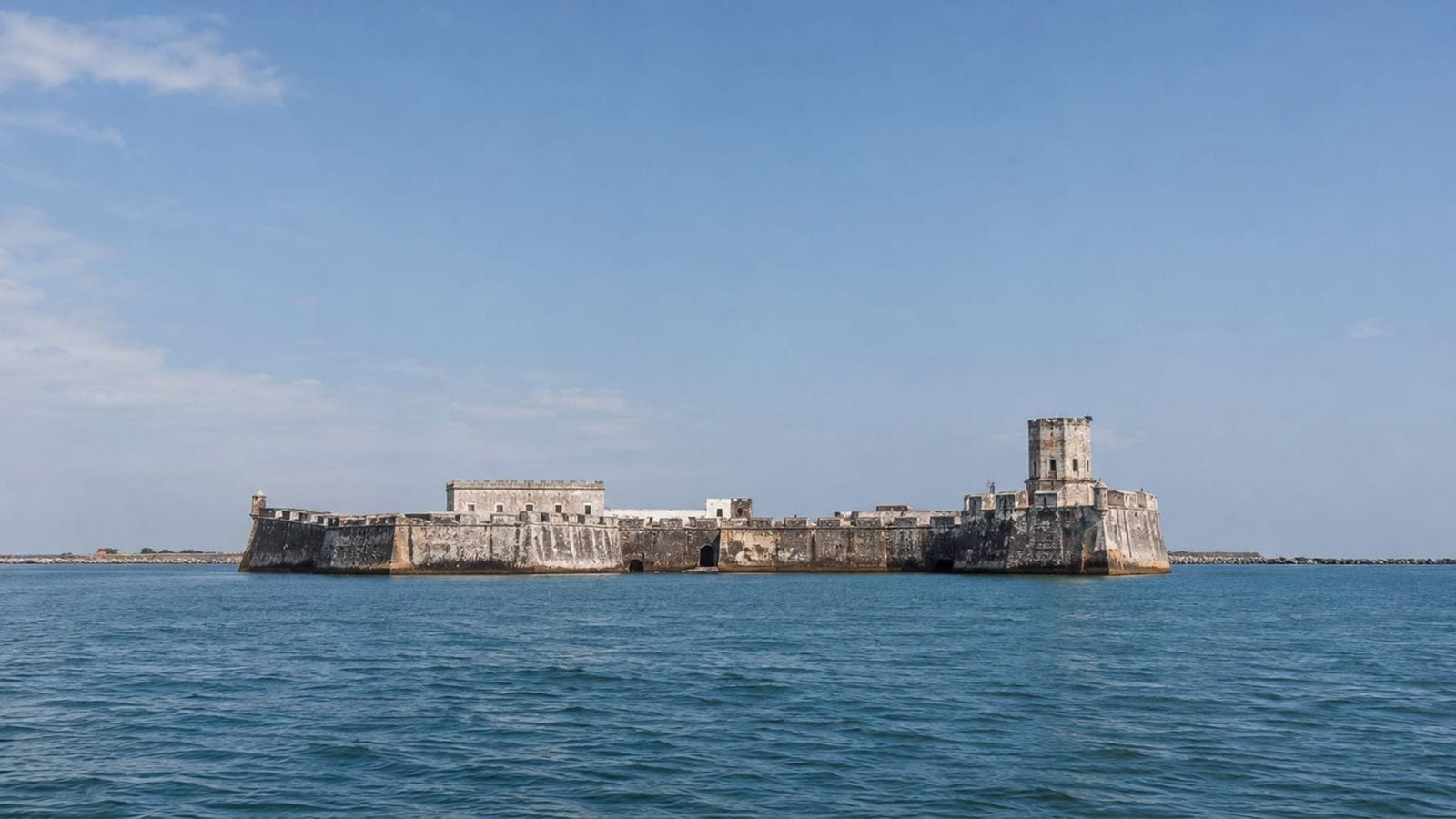
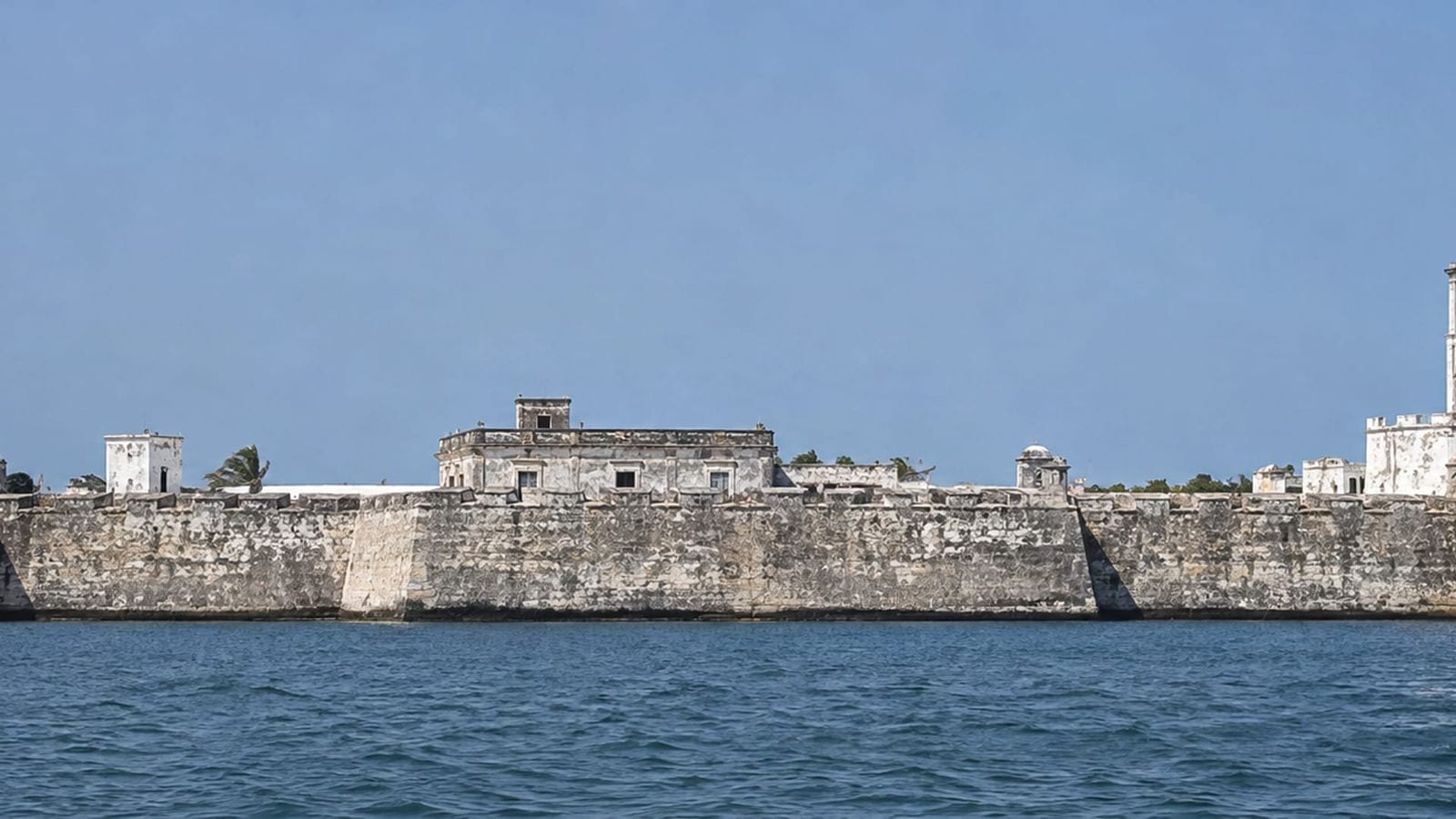
San Juan de Ulúa
Across the harbor from downtown Veracruz, San Juan de Ulúa traces the port’s history through stone fortifications, courtyards, and former prison cells. Its sea-facing defenses protected a gateway to Mexico under Spanish colonial rule.
Time needed: About 1 to 2 hours
Entry: Low-cost: admission to the fortress
Tip: Take a taxi to the fortress entrance; the harbor separates it from downtown.
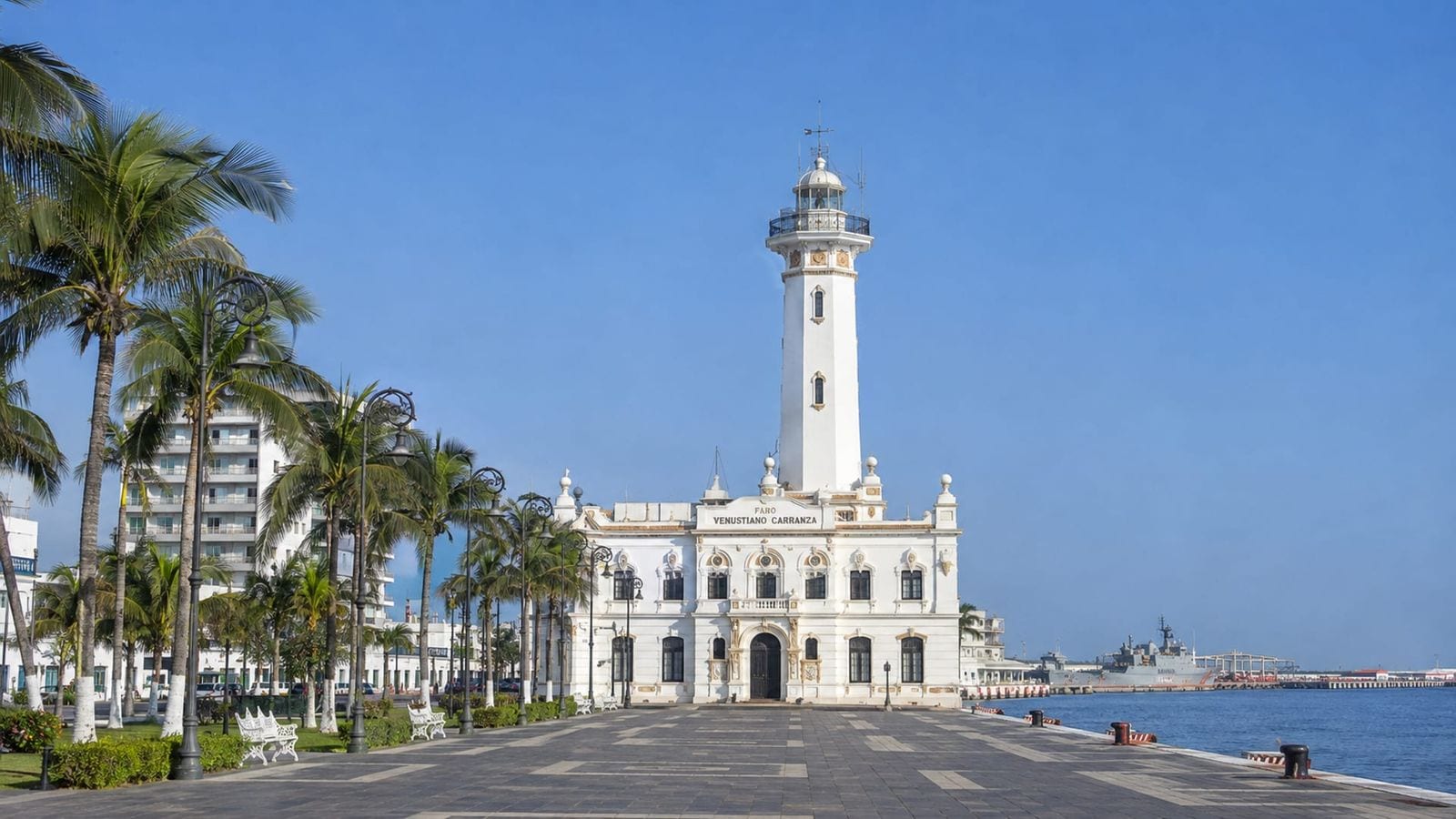
Malecón de Veracruz
Working ships and waterfront monuments share the view along Malecón de Veracruz, the city’s signature harbor promenade. Walk beside the port to see how maritime trade shapes downtown, with cargo vessels passing close to the historic center.
Time needed: About 1 to 2 hours
Entry: Free: access to the promenade
Tip: Come near sunset for cooler walking conditions and views across the harbor.
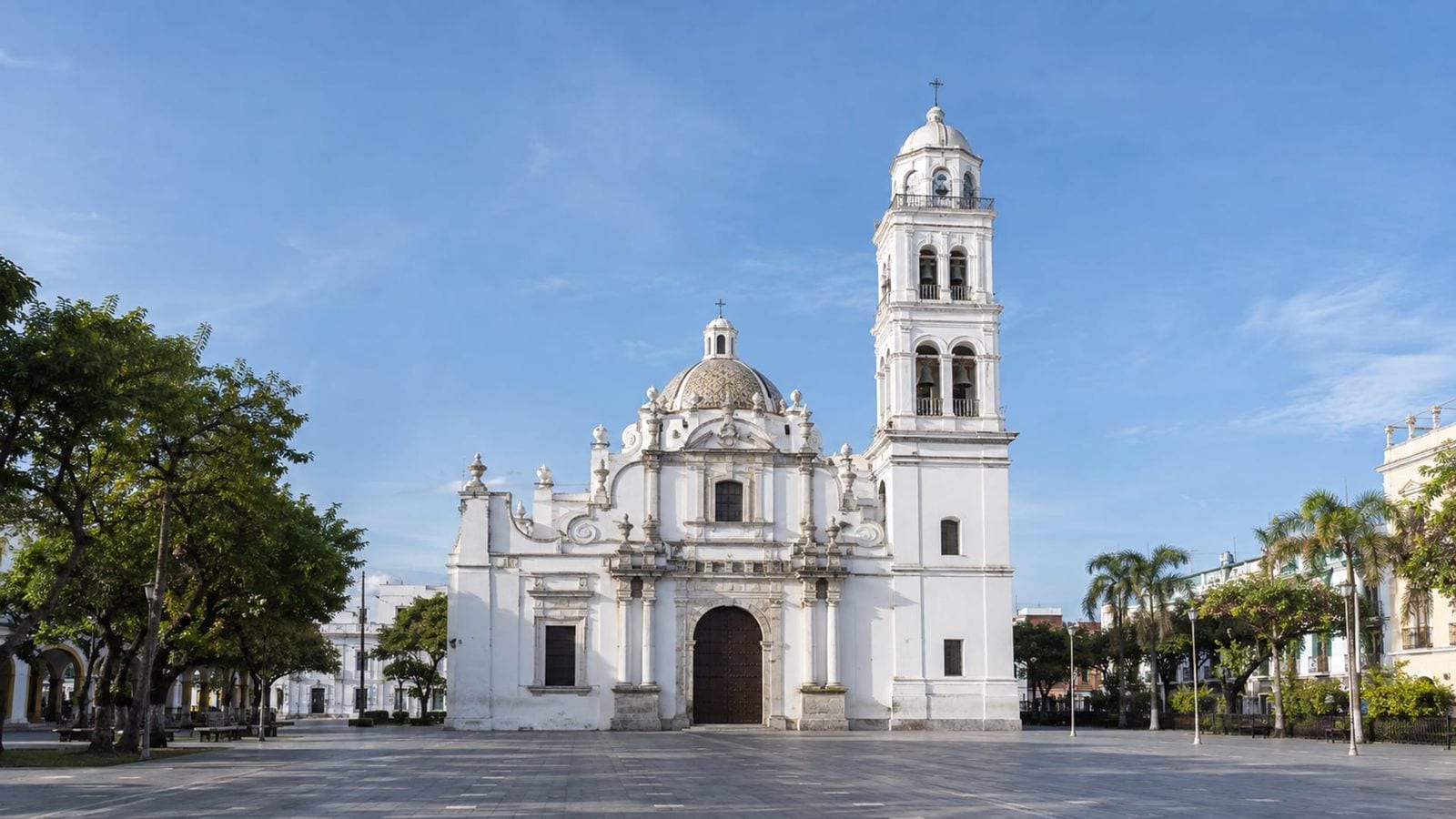
Veracruz Cathedral
With a white facade and a domed bell tower, Veracruz Cathedral anchors the historic center beside the Zócalo. Dedicated to Our Lady of the Assumption, the church connects the port’s colonial religious history with an active place of worship.
Time needed: About 30 to 45 minutes
Entry: Free: access to the cathedral
Tip: Combine the cathedral with the adjacent Zócalo; pause sightseeing during Mass.
Overlooked sites worth visiting

Parque Zaragoza
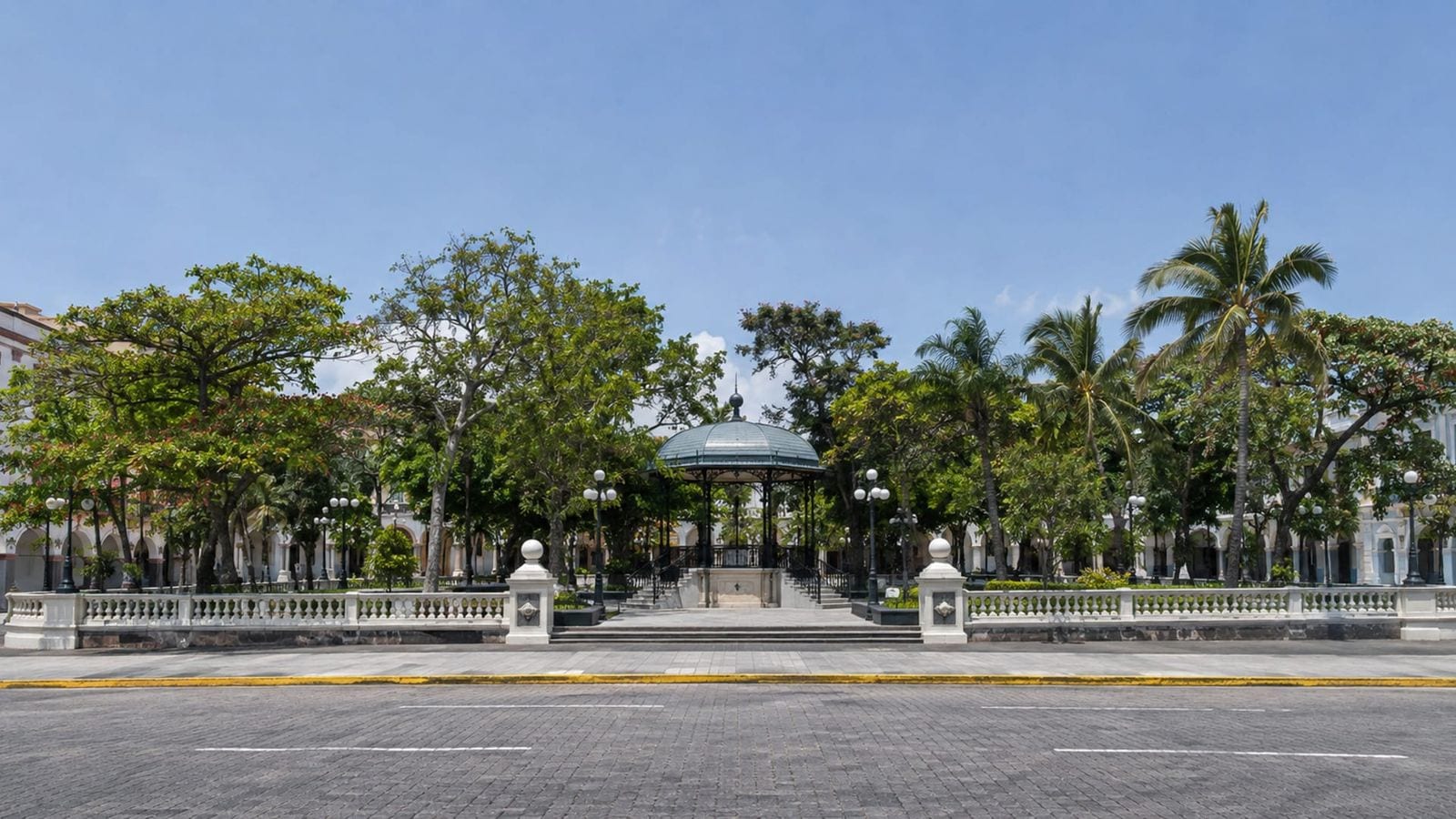
Residential streets surround this shaded Veracruz park, where paths pass benches and planted beds. Its neighborhood setting offers a quieter outdoor stop away from the waterfront crowds.
Time needed: About 30 to 45 minutes
Entry: Free to access
Tip: Choose the shaded interior paths for a midday walk.

Casa Museo Salvador Díaz Mirón
Casa Museo Salvador Díaz Mirón explores the life of the Veracruz poet in his former home. Period furnishings and objects give this compact museum a domestic scale beyond its literary focus.
Time needed: About 30 to 45 minutes
Entry: Free
Tip: Look for the poet’s study to connect the literary displays with his home life.
Traditional food
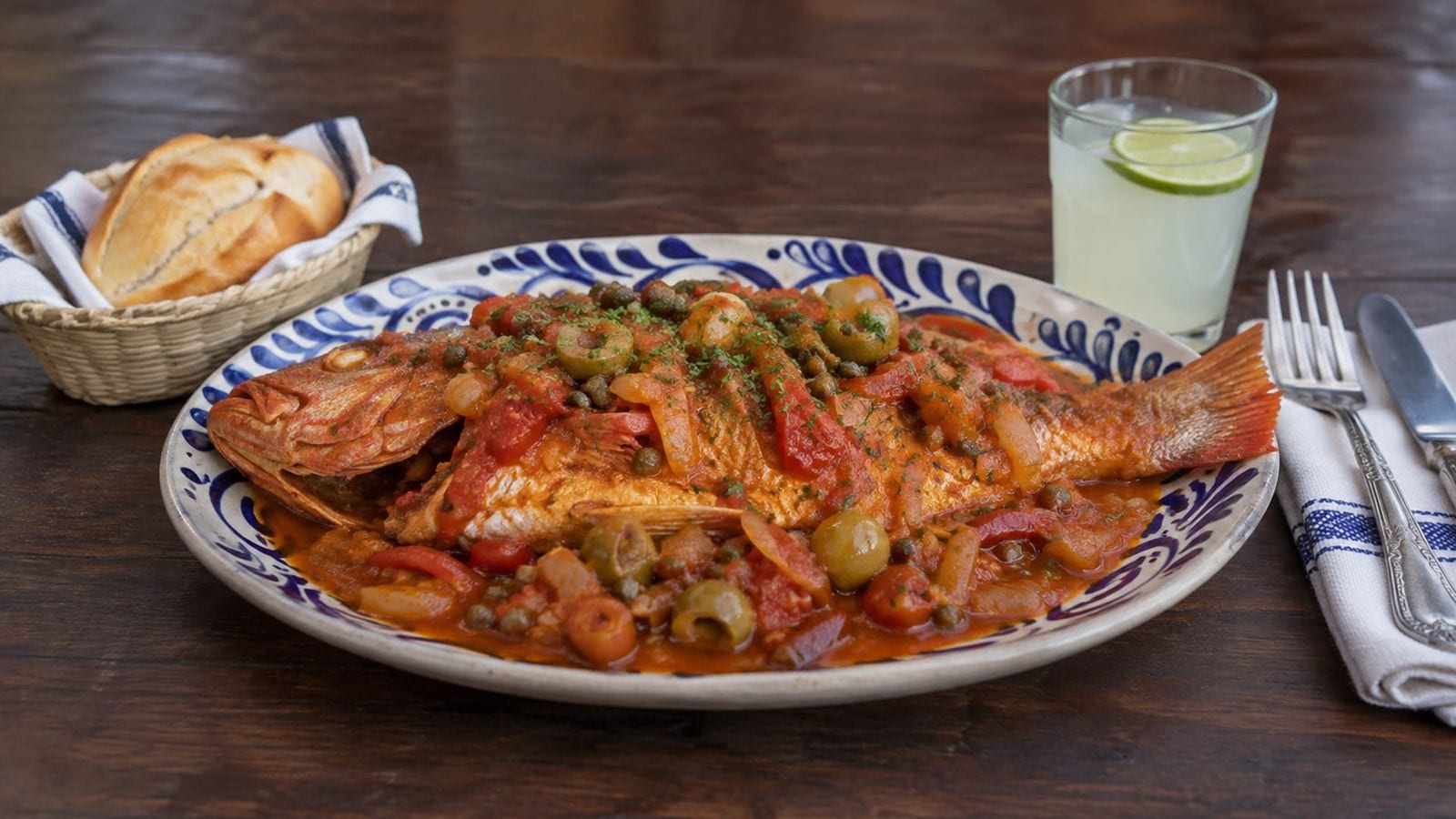
Veracruz cooking brings Gulf seafood together with tomato, olives, and capers, while corn anchors breakfast. Seafood rice and thick corn cakes offer two distinct introductions to the port’s table.
Veracruz-style red snapper
Red snapper meets a tomato sauce sharpened with olives and capers, a combination closely associated with Veracruz cooking. Try it at Villa Rica, where fish and shellfish anchor a menu devoted to the Gulf coast.
Arroz a la tumbada
A generous seafood broth gives this rice dish its soupy texture, with fish and shellfish contributing flavor as the grains cook. Order it at El Bayo in Boca del Río for a classic expression of coastal Veracruz cooking.
Picadas
Small, thick corn tortillas have pinched edges that hold salsa, crumbled cheese, and chopped onion. Try picadas at Gran Café de la Parroquia, pairing this traditional Veracruz breakfast with the cafe’s milk coffee.
Gorditas negras
Black beans mixed into corn dough give these fried cakes their dark color and earthy flavor, with salsa and cheese completing the plate. Sample gorditas negras at Gran Café del Portal during a Veracruz breakfast.
Best time to visit Veracruz
Veracruz shifts from cooler, windy winter days to spring heat and summer rain, with tropical weather also affecting early fall.
Best for: Cooler mornings favor fortress visits and long walks along the waterfront
What you get: Expect 64°F to 79°F (18°C to 26°C), with milder afternoons for sightseeing; holiday periods bring more visitors to the central waterfront.
Trade-offs: Strong northerly winds can interrupt beach plans and make the seafront uncomfortable.
Best for: Earlier spring days suit harbor sightseeing before the strongest May heat
What you get: Temperatures reach 70°F to 90°F (21°C to 32°C), with rising humidity; Easter vacations draw larger crowds to beaches across the metro area.
Trade-offs: Late spring brings intense heat, and Easter travel increases demand for coastal hotels.
Best for: Morning beach outings pair with seafood lunches during the rainy season
What you get: Days bring 75°F to 90°F (24°C to 32°C), high humidity, and frequent rain; school vacations add domestic visitors to beaches and restaurants.
Trade-offs: Heavy rain and tropical storms can disrupt coastal outings, with little relief from humidity.
Best for: November offers cooler walks between Centro and the harbor’s monuments
What you get: Conditions span 70°F to 88°F (21°C to 31°C), with rain easing later in fall; crowds generally thin after summer outside holiday weekends.
Trade-offs: Early fall carries tropical storm risk; northerly winds become a greater concern later.
A realistic 5-day plan in Veracruz
Five days connect Reforma’s restaurants with the harbor, Parque Zaragoza, and the beaches of Boca del Río. The sequence leaves arrival and departure for neighborhood time, with three full days for sightseeing and the coast.
From Veracruz (VER), take an authorized airport taxi to your hotel in Reforma, allowing 20 to 35 minutes and MXN 300 to MXN 500 ($15 to $25). Dinner at Los Farolitos keeps the evening in the neighborhood; order a small selection of tacos before returning to your hotel.
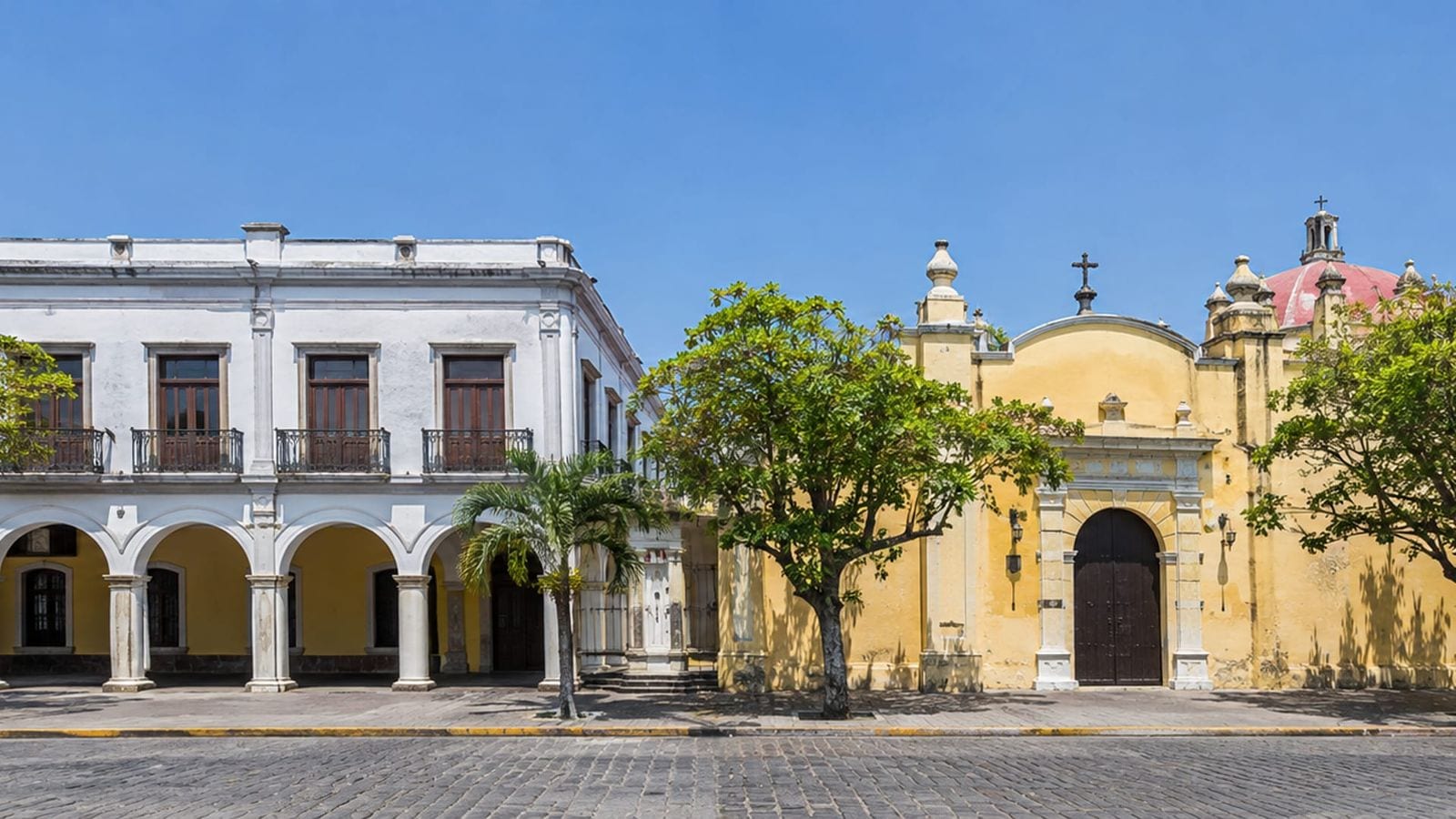
San Juan de Ulúa starts your harbor day: allow 1 to 2 hours, Tuesday to Sunday. Take a taxi for 20 to 30 minutes to Veracruz Cathedral, pausing sightseeing during Mass. A 10-minute walk leads to Malecón de Veracruz for cargo-ship views and a waterfront walk near sunset.
Shaded paths and planted beds introduce Parque Zaragoza, with 45 minutes for a morning walk. Continue toward the coast on foot for 20 to 25 minutes to Playa Villa del Mar. Spend the afternoon along the beach, with lunch at a beachfront restaurant before a taxi back to your hotel.
Along coastal Costa de Oro, devote the morning to the neighborhood’s seafront and restaurants. After lunch, take a taxi south for 10 to 15 minutes to Playa Mocambo for an afternoon beside the Gulf. Return directly to your hotel by taxi after your beach walk.
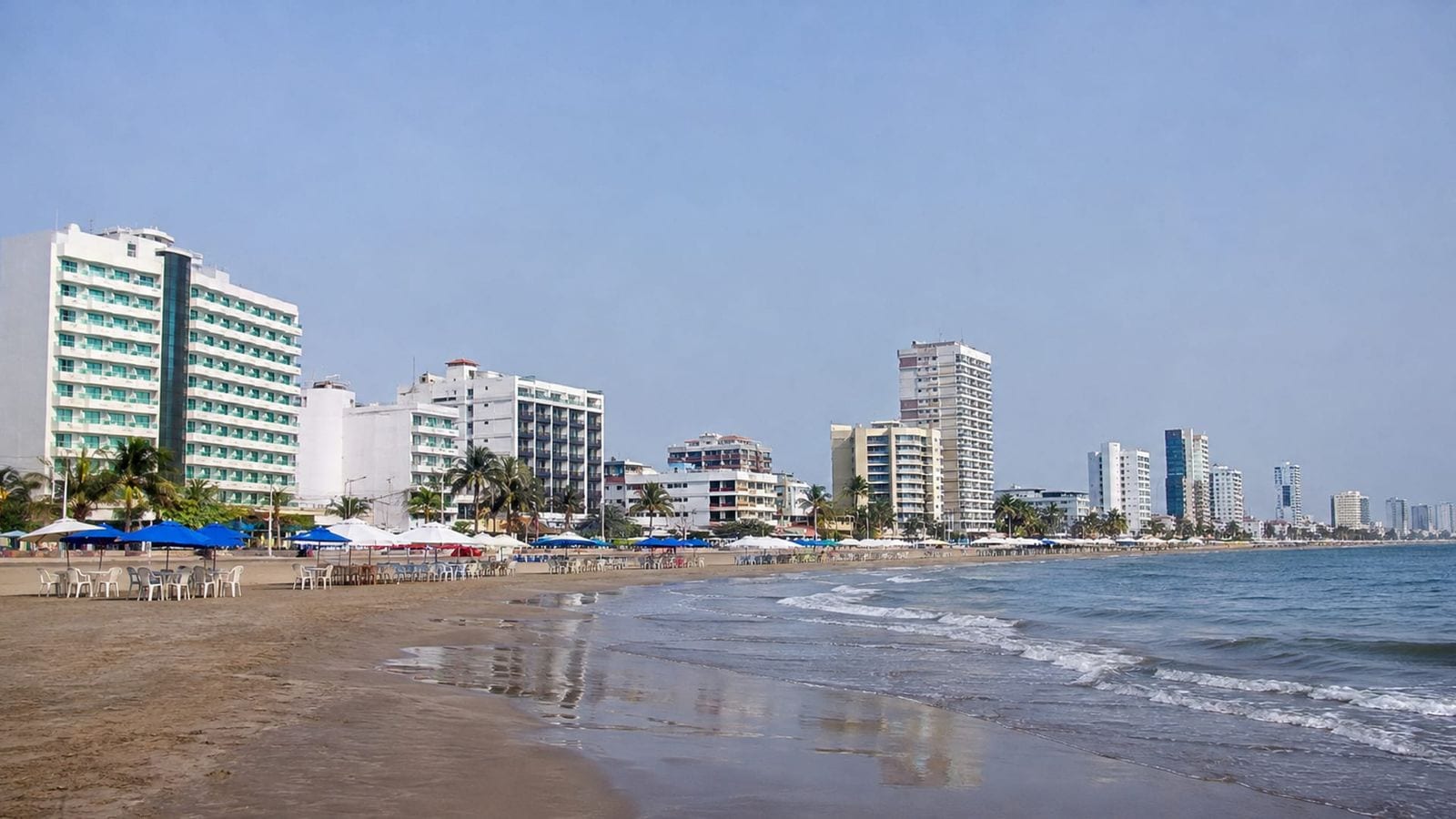
A café breakfast in Reforma leaves time for a final look at the neighborhood’s shops before departure. Collect your bags at the hotel, then allow 20 to 35 minutes by taxi to Veracruz (VER), budgeting MXN 250 to MXN 450 ($13 to $23). Add extra travel time during commuter traffic.
Business-class flights from the US to Veracruz
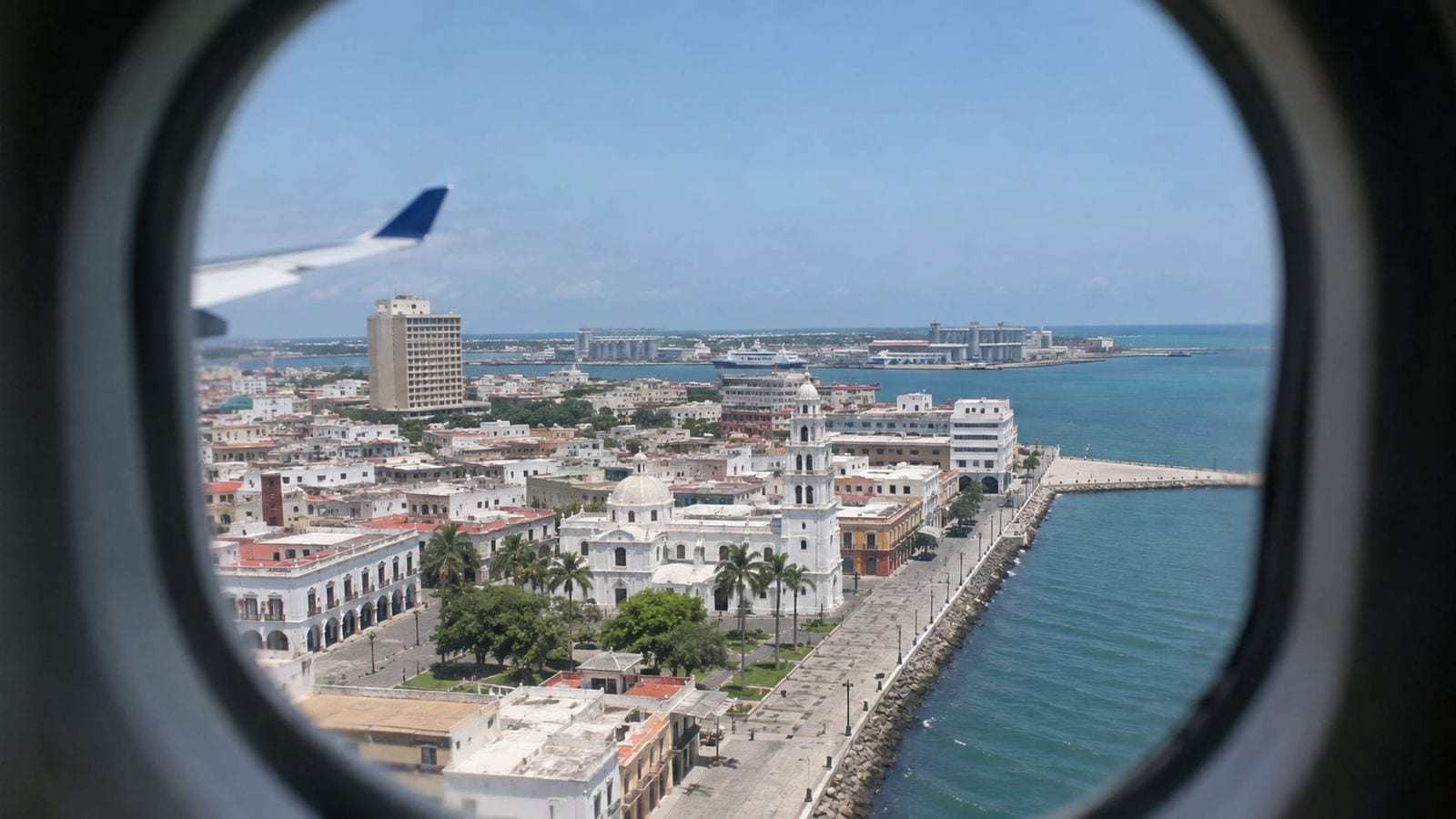
The New York and Los Angeles examples connect to Veracruz (VER) through Mexico City (MEX) or Houston (IAH), with different journey times and fares.
From New York, one-stop journeys to Veracruz (VER) connect through Mexico City (MEX) or Houston (IAH), taking 7 to 11 hours. Round-trip fares range from $1,200 to $2,600, with options from Aeromexico and United Airlines.
Los Angeles travelers reach Veracruz (VER) with a connection in Mexico City (MEX) or Houston (IAH). Allow 7 to 12 hours for the journey; Aeromexico and United Airlines offer options with round-trip fares of $1,100 to $2,500.
Veracruz feels different when you slow down
A Veracruz trip connects the harbor walls of San Juan de Ulúa with seafood lunches and evenings along Malecón de Veracruz. Choose Centro for walks to historic sights, Reforma for neighborhood dining, or Costa de Oro for time beside the Gulf. Use taxis between these areas and leave beach afternoons open to changes in wind and rain. Ask AranGrant experts to shape your flights to Veracruz (VER) around a stay that links the historic waterfront with the coast of Boca del Río







