

Chapters:

Need help with your trip?
Our support team is available 24/7. Request a callback or call us directly at (833) 619-0908
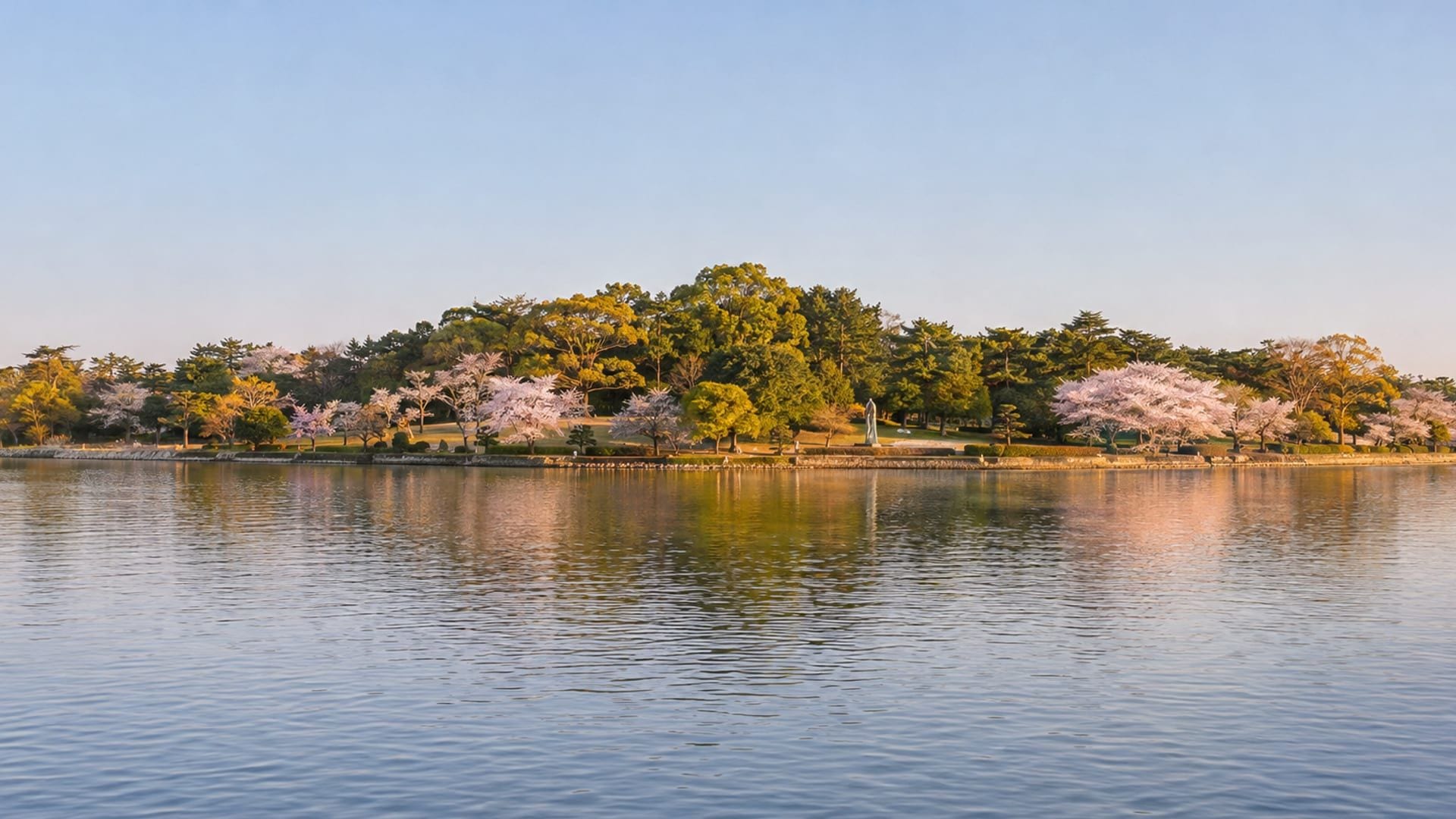
Ube’s outdoor sculptures give the shores of Lake Tokiwa an identity shaped by art as much as planting. The city’s longstanding connection with the UBE Biennale brings sculpture into the landscape, making a walk beside the water a central part of a trip.
At Tokiwa Park, paths connect artworks, seasonal flowers, and lake views. Tokiwa Zoo adds planted primate habitats, while Tokiwa Museum takes the botanical theme indoors through greenhouse collections that draw plants from different parts of the world.
Give this lakeside setting two days within a five-day stay, with downtown evenings in Chuocho. Buses and taxis connect the station area with the park; schedule the zoo and museum together on a day other than Tuesday, their usual closing day.
Useful things to know

Main language(s): Japanese
こんにちは (kon-nee-chee-wah) – Hello
お願いします (oh-neh-gah-ee shee-mahs) – Please
ありがとうございます (ah-ree-gah-toh goh-zah-ee-mahs) – Thank you
英語を話せますか? (eh-ee-goh oh hah-nah-seh-mahs kah) – Do you speak English?
いくらですか? (ee-koo-rah dess kah) – How much does it cost?

Currency: Japanese yen (JPY, ¥)

Cash and cards: Cards are widely accepted at larger businesses; carry about ¥3,000 to ¥5,000 ($20 to $35) for smaller purchases.

Tipping: Do not tip; tipping is not customary in restaurants, hotels, or taxis.

Traditional food: Ube ramen, kawara soba, fugu sashimi, and kamaboko are among the classic dishes of Ube.

Water and coffee costs: Bottled water ¥100 to ¥200 ($1 to $2); espresso ¥300 to ¥500 ($2 to $4).

Taxis and ride apps: Find licensed, metered taxis at the airport taxi stand; check the meter before departure.

Plug and voltage: Type A socket, 100V

Dining and shop opening hours: Typical meals: breakfast 7 am to 9 am, lunch noon to 2 pm, dinner 6 pm to 8 pm. Many shops open 10 am to 7 pm; individual closing days vary.

Emergency number: Police 110, ambulance and fire 119.
Where to stay in Ube
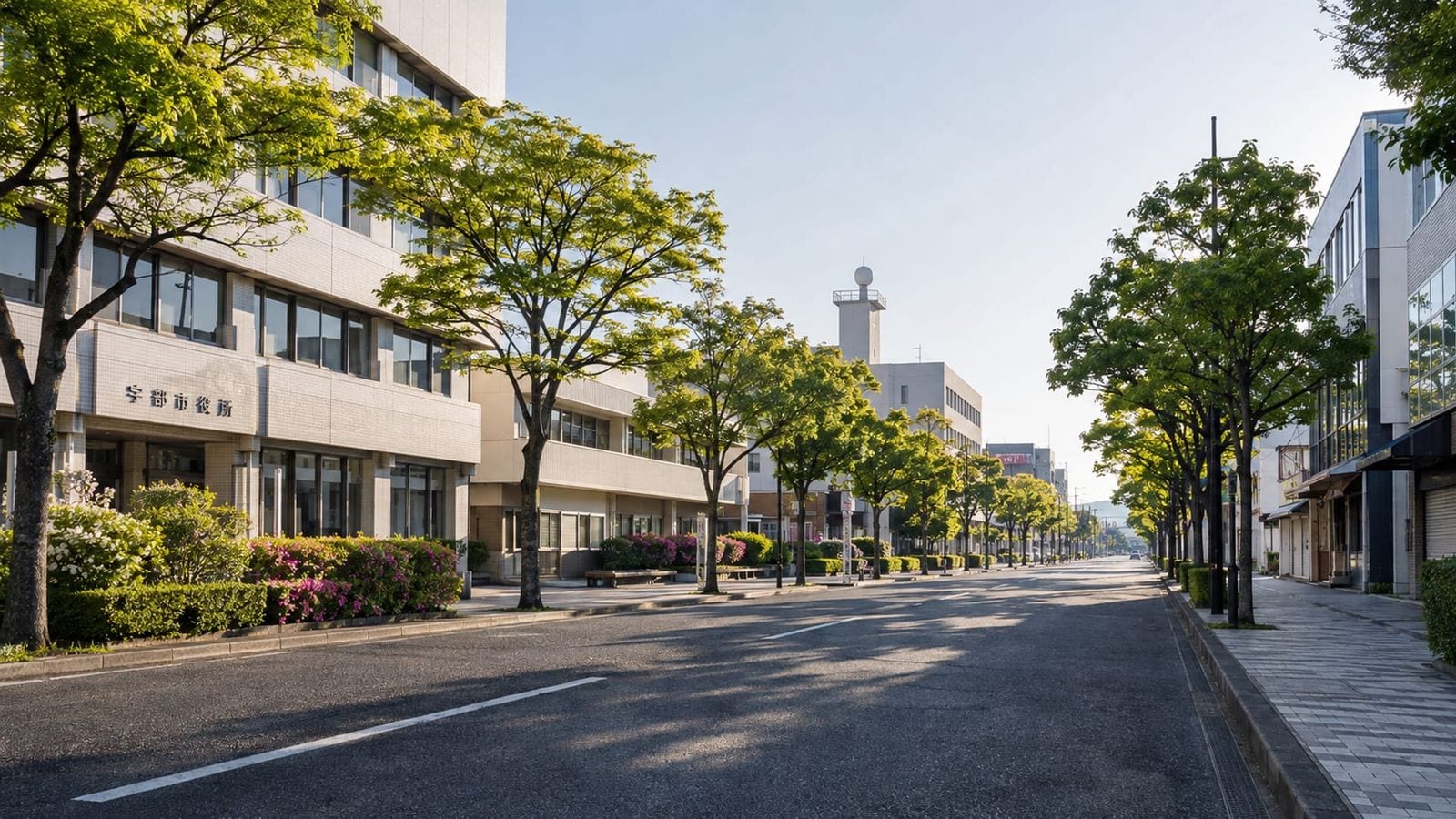
Chuocho is a downtown neighborhood with business hotels, restaurants, and bars within walking distance of Ube-Shinkawa Station. Stay here for evenings close to dinner options and a convenient starting point for train journeys, with more activity outside your hotel than in residential parts of Ube.
Best for: Restaurant choices, evenings out, and access to local trains
What to expect: Restaurants and bars bring more evening foot traffic to the smaller streets.
Hotel prices: Hotel rooms generally cost ¥7,000 to ¥13,000 ($45 to $85) a night.
Distance to major sights: Tokiwa Park is approximately 15 to 20 minutes away by taxi.
Quietness: Daytime traffic gives way to restaurant and bar activity in the evening.
Main trade-off: Rooms near bars can receive street noise after dinner.
Good to know: Choose a room away from the street if you expect to turn in before nearby bars close.
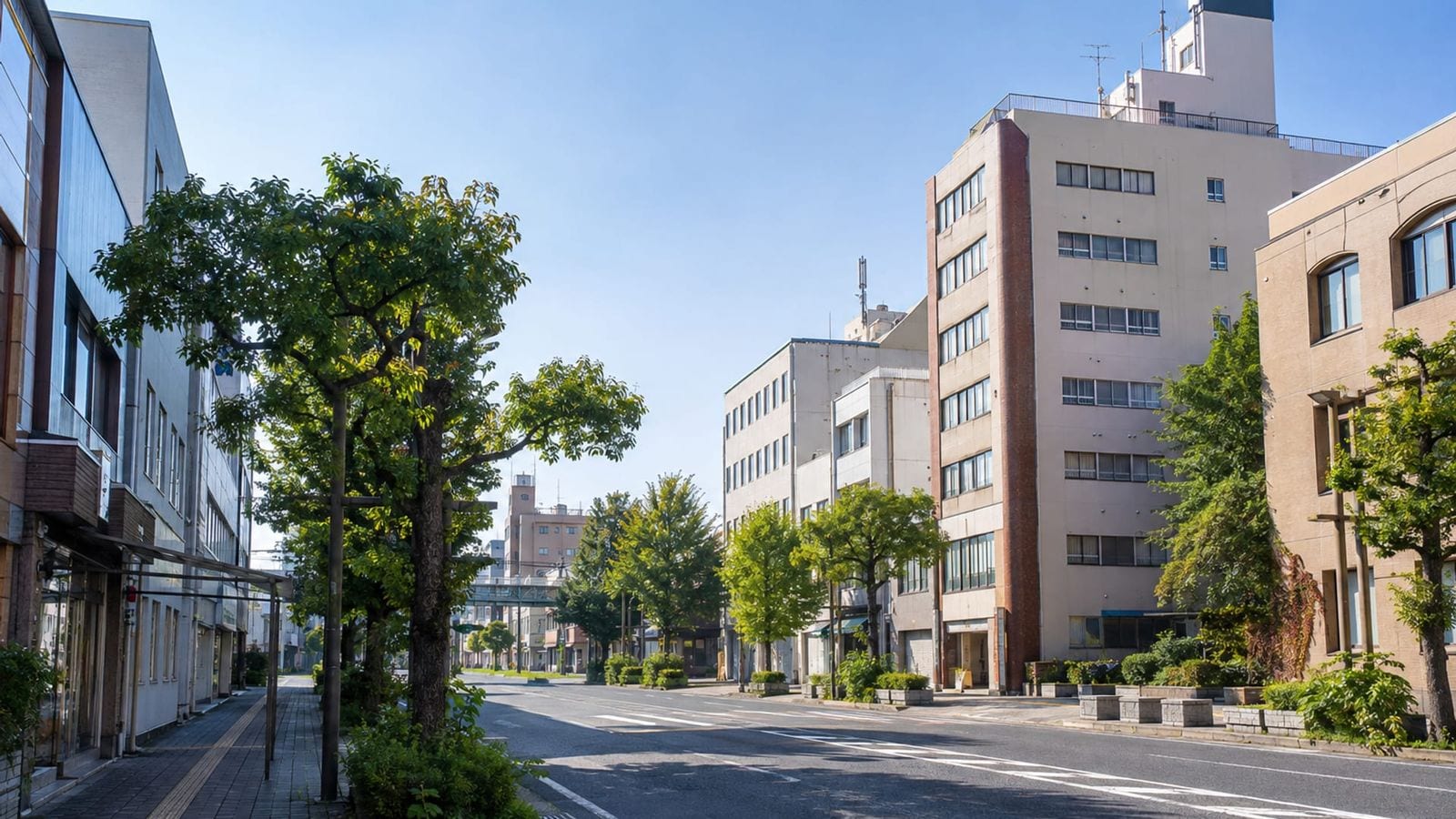
Uemachi lies on the western side of Ube-Shinkawa Station, where smaller hotels offer convenient access to local trains and downtown dining. Visitors can stay within walking distance of the station while choosing streets farther from the main concentration of bars in neighboring Chuocho.
Best for: Rail connections and a quieter location near downtown dining
What to expect: Station traffic mixes with residential streets and smaller hotels.
Hotel prices: Budget ¥6,000 to ¥11,000 ($40 to $75) nightly for a hotel room.
Distance to major sights: Allow approximately 15 to 20 minutes by taxi to Tokiwa Park.
Quietness: Station approaches are busier by day; residential streets become quieter in the evening.
Main trade-off: The immediate restaurant selection is smaller than in Chuocho.
Good to know: Use Ube-Shinkawa Station as your arrival stop; Ube Station is a separate station farther from these hotels.
Funaki, Kibe, and Ono are less convenient for a central Ube stay: these inland areas lie far from Ube-Shinkawa Station, adding travel time for downtown dining and trains.
Hotel deals
How to get around Ube efficiently
The JR Ube Line connects station areas, while buses and taxis link Yamaguchi Ube Airport (UBJ), downtown Ube, and Tokiwa Park.

Taxi
for convenience or late hours
From Yamaguchi Ube Airport, a taxi to Ube-Shinkawa Station takes about 10 to 15 minutes. Metered fares typically total ¥2,000 to ¥3,500 ($13 to $23). Use the airport taxi rank for luggage-heavy arrivals or direct trips beyond bus routes.

Bus and tram
for convenience
Airport buses connect Yamaguchi Ube Airport with Ube-Shinkawa Station in about 15 minutes. Budget ¥300 to ¥500 ($2 to $4) for a single trip. Local buses also reach Tokiwa Park; they suit daytime sightseeing beyond the station area.

Commuter rail
for longer distances
On the JR Ube Line, Ube Station and Ube-Shinkawa Station are about 10 minutes apart. Short local journeys cost roughly ¥200 to ¥400 ($1 to $3). Buy a ticket before boarding; trains suit trips between station areas, with gaps between departures.
*Prices are based on rates updated as of November 2026 and may change at the time of travel.
Walk between Chuocho restaurants, take buses for daytime trips to Tokiwa Park, use trains between station areas, and choose taxis for airport luggage.
Iconic landmarks
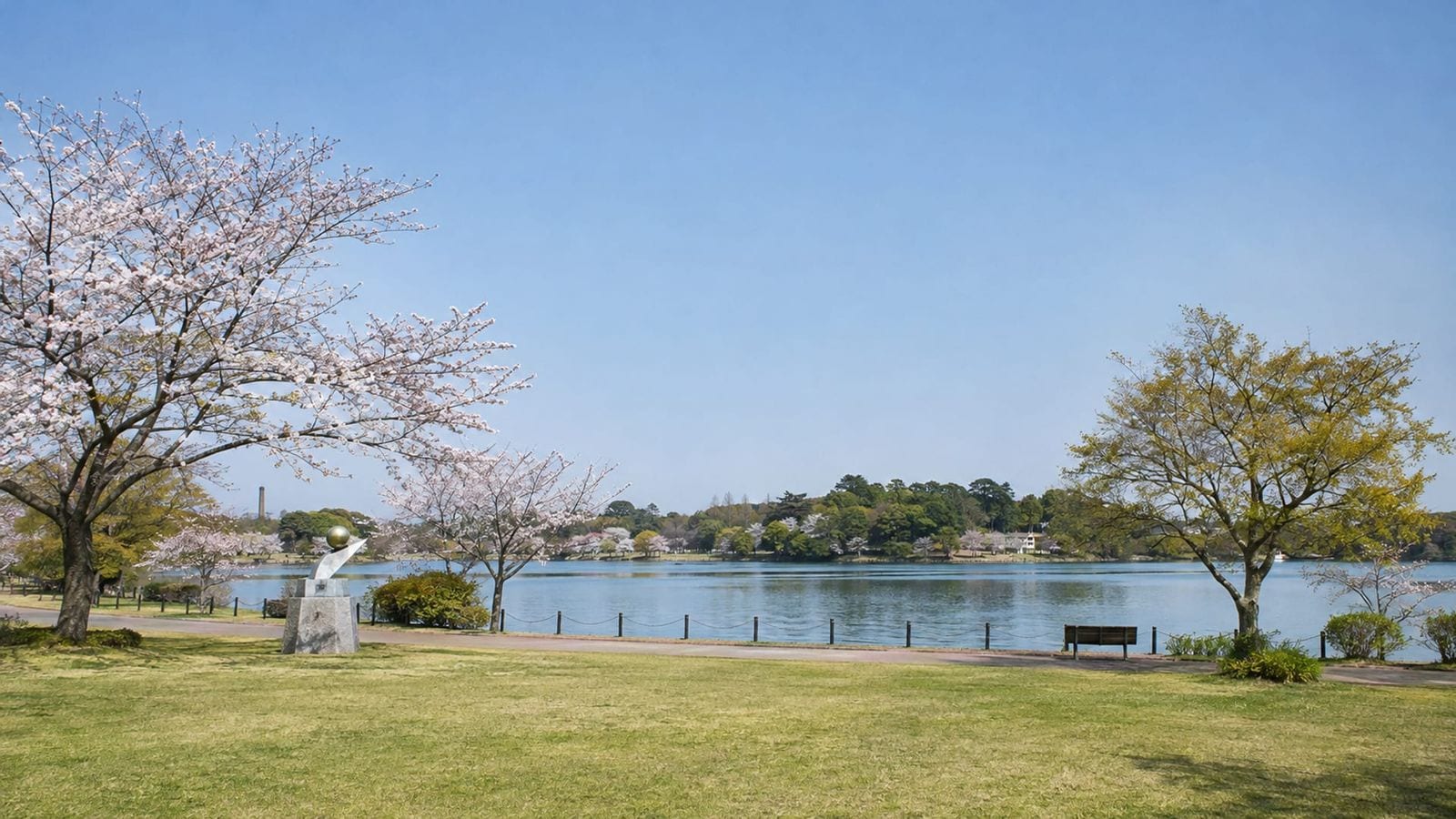
Tokiwa Park
Spread along Lake Tokiwa, Ube’s signature park brings outdoor sculpture, seasonal flowers, and waterfront paths into one landscape. Its longstanding connection with the UBE Biennale makes public art a defining part of a lakeside walk.
Time needed: About 2 to 3 hours
Entry: Free: park grounds
Tip: Allow time for the lakeside sculptures before entering the park’s paid sites.
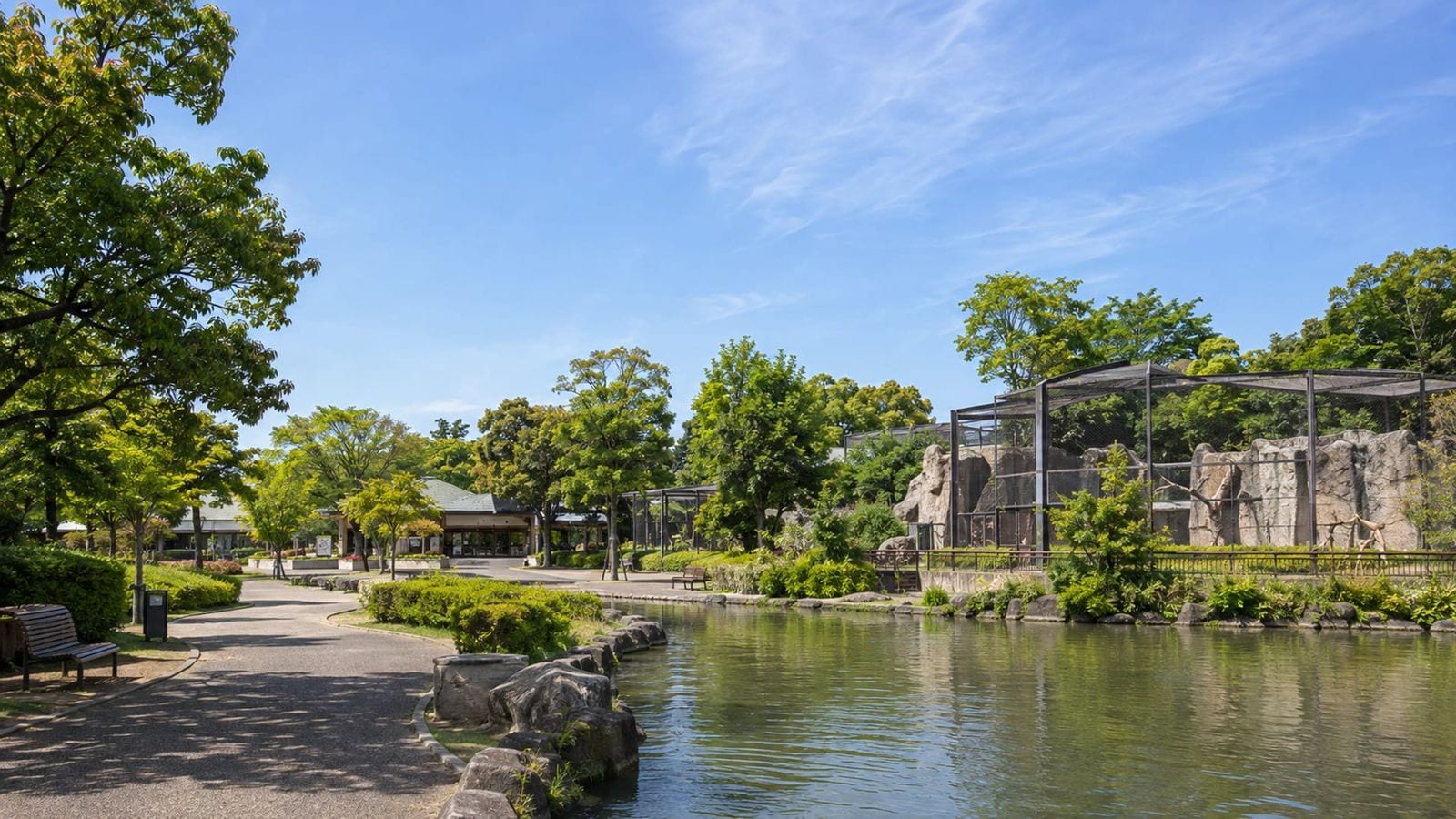
Tokiwa Zoo
Naturalistic habitats distinguish Tokiwa Zoo, a major attraction within Tokiwa Park. Primates are a particular focus, with exhibits that use vegetation, water, and varied terrain to encourage animals to move as they would in the wild.
Time needed: About 1 to 2 hours
Entry: Low-cost: zoo admission
Tip: Pair the zoo with Lake Tokiwa’s sculpture walks for a day within Tokiwa Park.
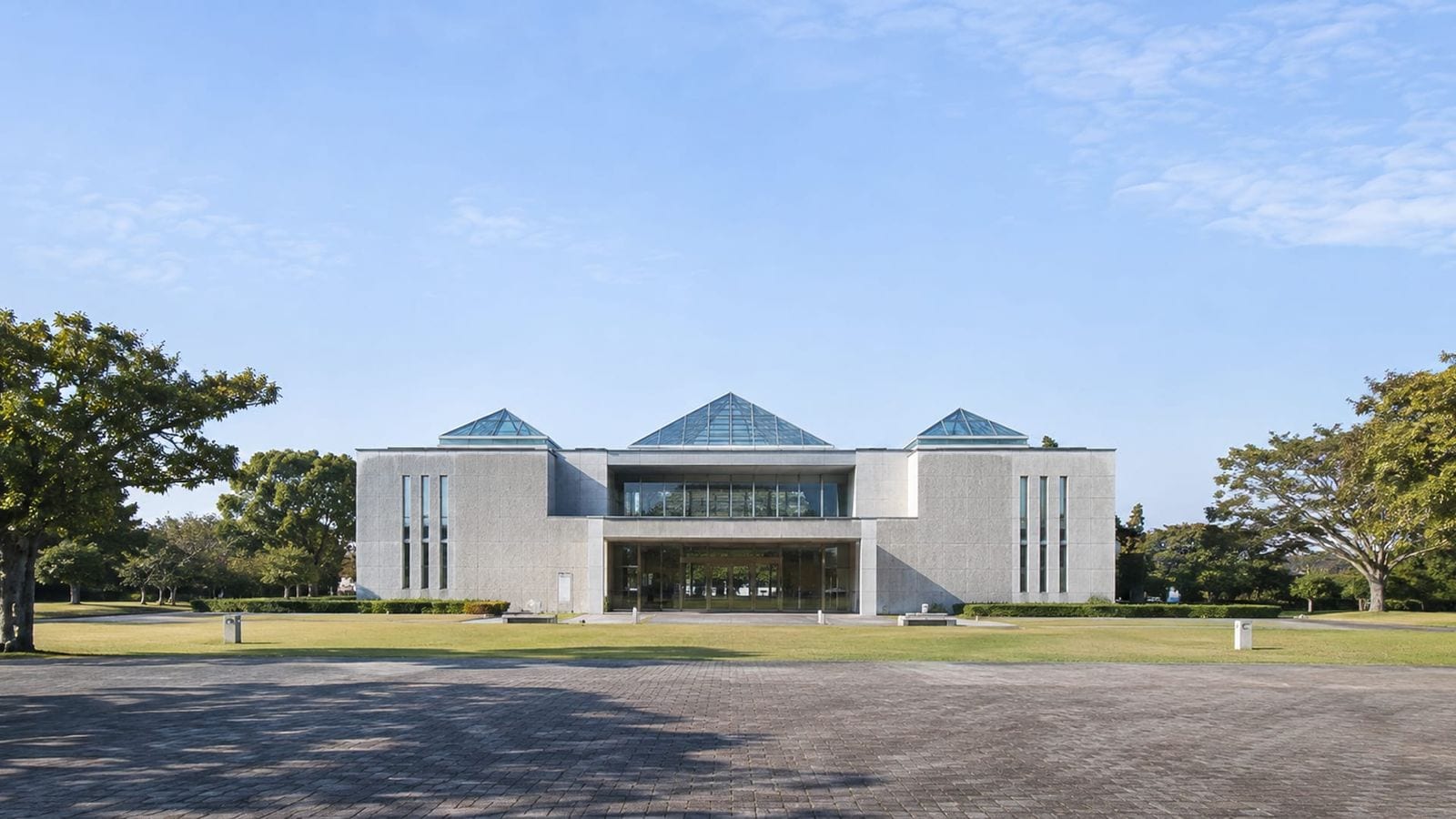
Tokiwa Museum
A botanical journey anchors Tokiwa Museum, whose greenhouse displays plants from different parts of the world. Within Tokiwa Park, this museum adds a plant-focused stop to the outdoor sculptures and lake scenery that characterize Ube.
Time needed: About 1 to 2 hours
Entry: Low-cost: botanical garden admission
Tip: Use the greenhouse as an indoor stop during a rainy visit to Tokiwa Park.
Overlooked sites worth visiting

Kuroishi Park
Kuroishi Park preserves the setting of an ancient settlement in western Ube. Its archaeological grounds offer a quiet outdoor stop for travelers interested in the city’s early history.
Time needed: About 30 to 45 minutes
Entry: Free to access
Tip: Go in daylight to explore the archaeological grounds.

Ube City Library
Ube City Library offers a quieter look at daily life in the city, with reading rooms and shelves of Japanese books. The public building makes a compact cultural stop on a rainy afternoon.
Time needed: About 30 to 45 minutes
Entry: Free to enter
Tip: Combine your library stop with a walk along the nearby Majime River.
Traditional food
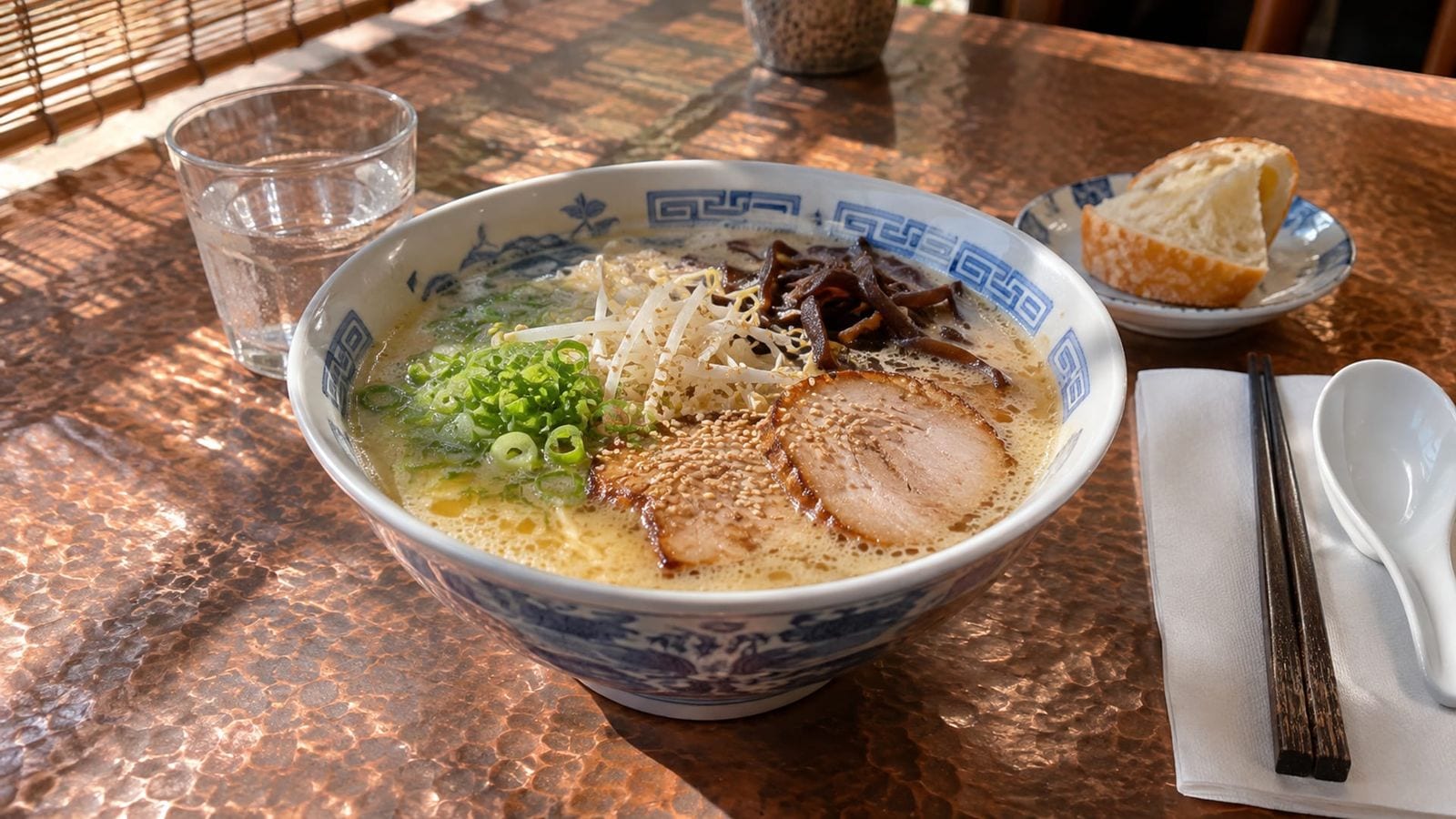
Ube’s food spans pork-broth ramen, green tea noodles cooked on a hot tile, delicate fugu sashimi, and firm kamaboko fish cake, bringing rich broth and seafood to the same local dining scene.
Ube ramen
Pork-bone broth gives Ube ramen its rich flavor, with noodles and toppings completing the bowl. Ikkyu is a local restaurant associated with this style, making ramen a focused introduction to the city’s noodle cooking.
Kawara soba
Green tea noodles cook on a heated roof tile, with beef, egg, and garnishes above a crisping bottom layer. Kawara soba belongs among Ube’s regional dining choices and offers a different texture from a bowl of ramen.
Fugu sashimi
Thin slices of pufferfish give fugu sashimi its delicate appearance and firm texture, usually accompanied by a dipping sauce. In Ube, this seafood dish offers a lighter counterpoint to the richness of pork-broth ramen.
Kamaboko
Fish paste forms the firm, springy cake known as kamaboko, which cooks before slicing. Ube’s food traditions include this prepared seafood alongside fugu sashimi, offering another expression of the city’s fish cooking.
Best time to visit Ube
Spring flowers and autumn temperatures favor Ube’s lakeside walks; summer brings heat and rain, while winter calls for shorter outdoor stops.
Best for: Seasonal flowers and sculpture walks beside Lake Tokiwa in mild daylight
What you get: Expect 41°F to 75°F (5°C to 24°C), with warmer afternoons as spring advances; flowering periods bring more visitors to Tokiwa Park.
Trade-offs: Late April and early May holidays can bring more visitors to Tokiwa Park.
Best for: Green lakeside scenery and greenhouse collections paired with early walks
What you get: Temperatures reach 68°F to 90°F (20°C to 32°C); humid weather shapes outdoor plans, and school holidays bring families to Tokiwa Zoo.
Trade-offs: Rain and humidity can shorten sculpture walks; use Tokiwa Museum for an indoor stop.
Best for: Longer sculpture walks and exploring Kuroishi Park as temperatures fall
What you get: Look for 46°F to 84°F (8°C to 29°C), cooling through the season; pleasant weekends can draw more people to the paths beside Lake Tokiwa.
Trade-offs: September can still feel hot, and storm-related rain may interrupt outdoor plans.
Best for: Greenhouse plants, library reading rooms, and warming bowls of Ube ramen
What you get: Days and nights span 34°F to 54°F (1°C to 12°C); colder weather generally brings fewer walkers to Lake Tokiwa than the flowering season.
Trade-offs: Cold lakeside winds favor shorter walks and more time inside Tokiwa Museum.
A realistic 5-day plan in Ube
Two days at Lake Tokiwa anchor this five-day plan, with Chuocho evenings and a separate look at western Ube’s archaeological grounds. Move the zoo and museum day away from Tuesday.
From Yamaguchi Ube Airport (UBJ), take a taxi to your hotel in Chuocho, allowing 15 to 20 minutes and ¥2,500 to ¥4,000 ($17 to $27). Confirm the fare before departure. Spend the evening in Chuocho, choosing a light dinner at one of the neighborhood’s restaurants within walking distance of your room.
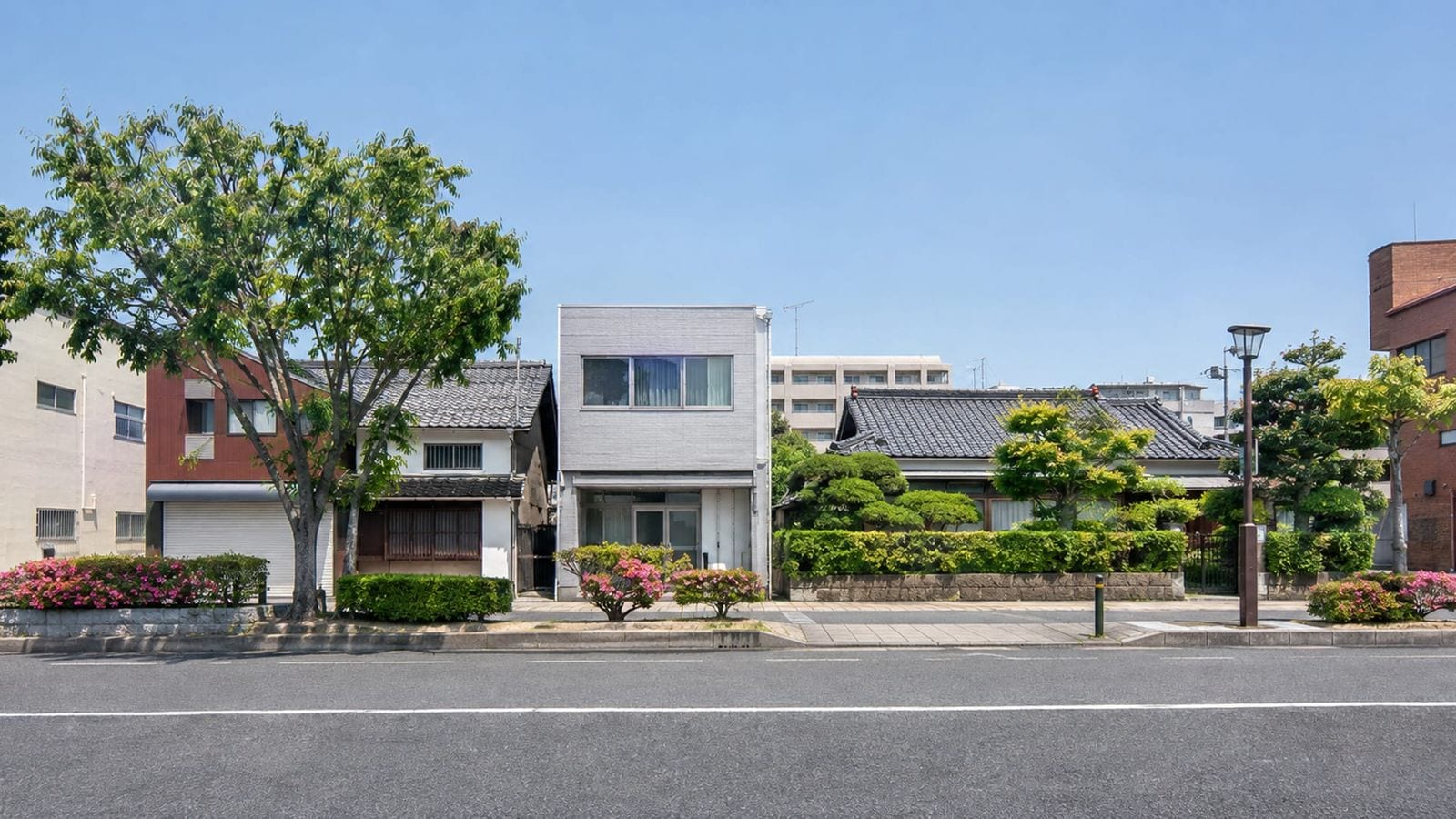
Outdoor sculpture leads your exploration of Tokiwa Park, whose grounds are free to enter. Allow 2 to 3 hours for the artworks and seasonal planting, then continue on foot to the Lake Tokiwa waterfront. Paths connect the sculptures and lakeside viewpoints, with walks of 5 to 15 minutes between stops.
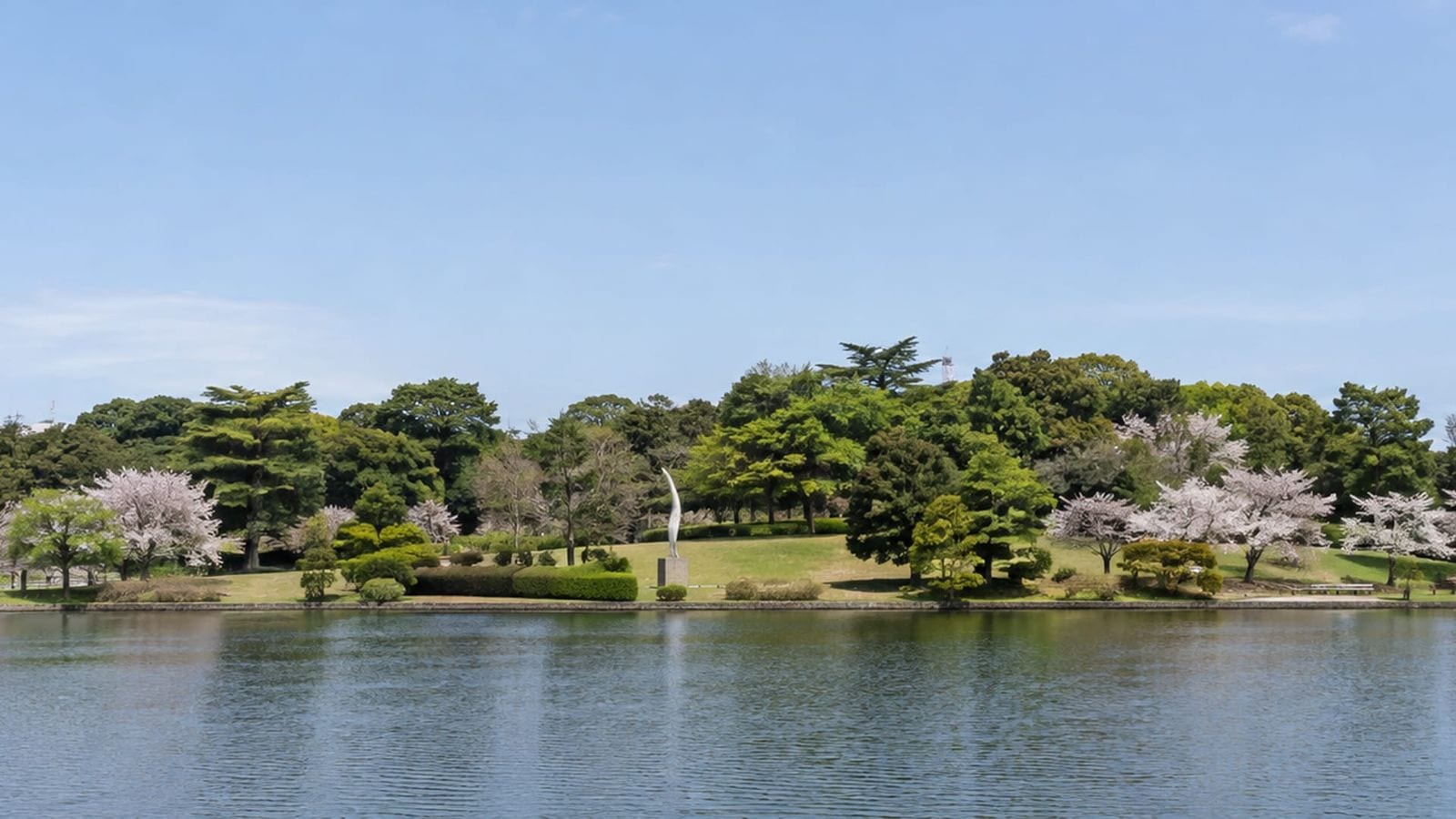
At Tokiwa Zoo, spend 1 to 2 hours exploring the planted primate habitats before walking approximately 10 to 15 minutes to Tokiwa Museum for its greenhouse collections. Allow another 1 to 2 hours there. Both attractions generally close on Tuesdays, with holiday exceptions, so place this pairing on another day.
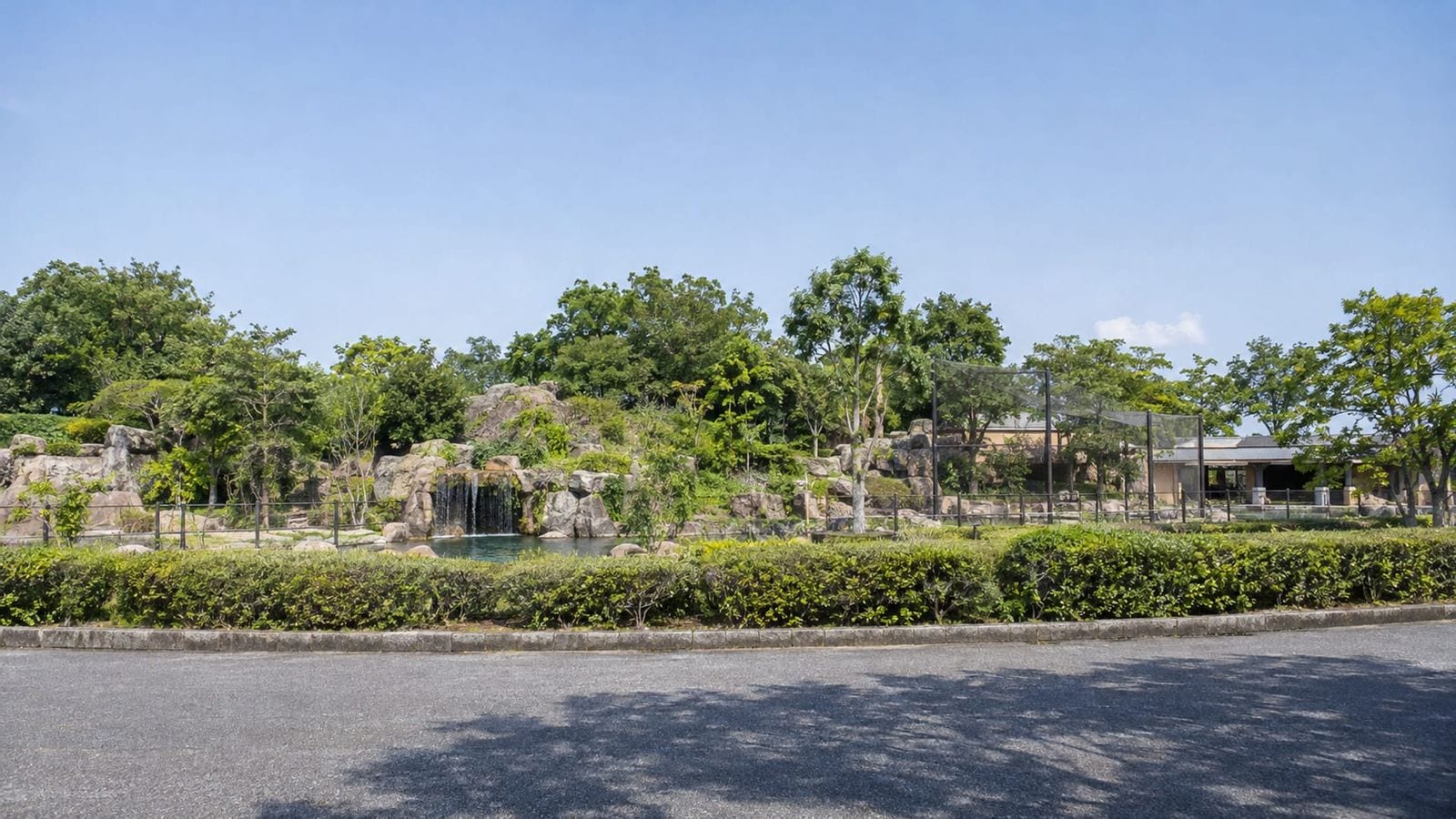
Western Ube’s early history starts the morning at Kuroishi Park: allow 45 minutes for its archaeological grounds. Continue east by taxi to Ube City Library, allowing 20 to 25 minutes, and spend 45 minutes exploring its public reading spaces. Finish with a walk beside the nearby Majime River, a few minutes away on foot.
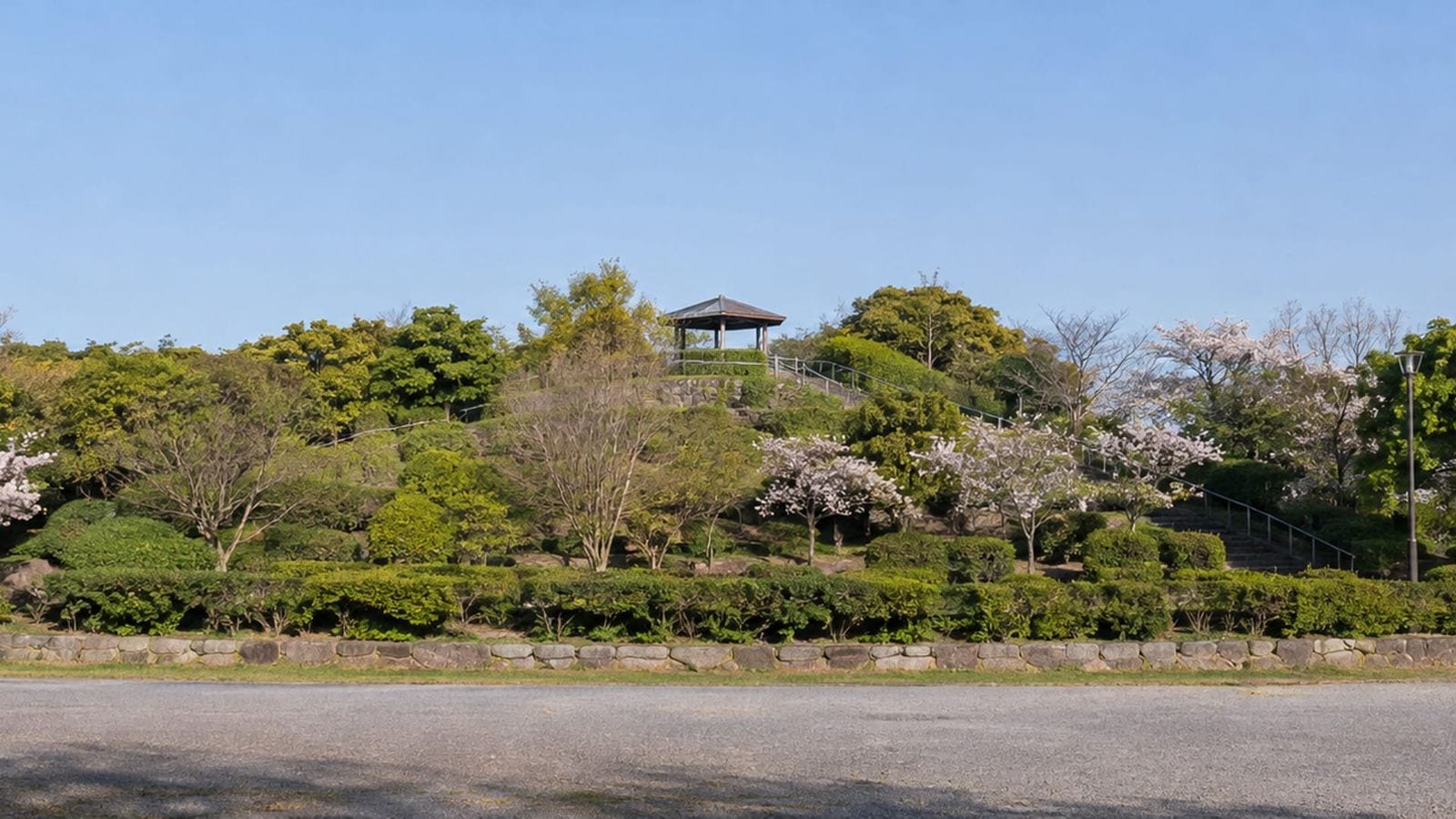
Before your flight, spend the morning over breakfast or coffee in Chuocho, keeping your luggage at the hotel while you explore its restaurant streets. Return on foot to collect your bags, then allow 15 to 20 minutes by taxi to Yamaguchi Ube Airport (UBJ), plus the check-in time required by your airline.
Business-class flights from the US to Ube
The New York and Los Angeles examples connect through Tokyo (HND) before continuing to Yamaguchi Ube Airport (UBJ).
From New York, a one-stop journey through Tokyo (HND) reaches Yamaguchi Ube Airport (UBJ) in 17 to 22 hours. Round-trip fares range from $5,000 to $10,000, with All Nippon Airways and Japan Airlines listed for this route.
Los Angeles travelers connect through Tokyo (HND) on the journey to Yamaguchi Ube Airport (UBJ). Allow 15 to 20 hours overall; All Nippon Airways and Japan Airlines offer the listed options, with round-trip fares of $4,500 to $9,000.
Ube feels different when you slow down
A considered Ube trip gives Lake Tokiwa two separate days: one for outdoor sculpture, another for Tokiwa Zoo and Tokiwa Museum. Chuocho keeps dinner within walking distance, while a taxi links the archaeological grounds at Kuroishi Park with the city center. Leave the final morning for breakfast before returning to Yamaguchi Ube Airport (UBJ). Ask AranGrant experts to shape your flights around spring flowers or autumn walks beside Lake Tokiwa







