

Chapters:

Need help with your trip?
Our support team is available 24/7. Request a callback or call us directly at (833) 619-0908
Tijuana’s food history includes the Caesar salad, created here in 1924, alongside a taco culture built on grilled beef, slow-cooked meat, and seafood. These dishes connect a restaurant table on Avenida Revolución with the city’s many counters and grills.
At Caesar’s, the salad gives lunch a link to that history. Follow Avenida Revolución past its storefronts, then explore Zona Río, where restaurants share the district with Centro Cultural Tijuana. Food provides a thread between downtown and the city’s cultural center.
Give Tijuana five days to connect these meals with its wider geography. Walk between downtown stops, use taxis for Zona Río, and reserve a separate afternoon for Playas de Tijuana, where the Pacific adds a coastal chapter to the trip.
Useful things to know

Main language(s): Spanish
Hola (OH-lah) – Hello
Por favor (por fah-VOR) – Please
Gracias (GRAH-syahs) – Thank you
¿Habla inglés? (AH-blah een-GLEHS) – Do you speak English?
¿Cuánto cuesta? (KWAHN-toh KWEHS-tah) – How much does it cost?

Currency: Mexican peso (MXN, MX$)

Cash and cards: Cards are widely accepted in hotels and restaurants; carry roughly MXN 500 to MXN 1,000 ($25 to $50) in cash.

Tipping: Leave 10% to 15% at restaurants if the bill does not already include a tip.

Traditional food: Caesar salad, carne asada tacos, birria tacos, and fish tacos are among the classic dishes of Tijuana.

Water and coffee costs: Bottled water MXN 15 to MXN 30 ($1 to $2); espresso MXN 40 to MXN 60 ($2 to $3).

Taxis and ride apps: Ask your hotel to arrange a licensed taxi; confirm the fare before departure; Uber also operates.

Plug and voltage: Type A/B socket, 127V

Dining and shop opening hours: Breakfast: 7 am to 10 am; lunch: 1 pm to 3 pm; dinner: 7 pm to 10 pm. Shops typically open 10 am to 8 pm.

Emergency number: 911 for police, ambulance, and fire.
Where to stay in Tijuana
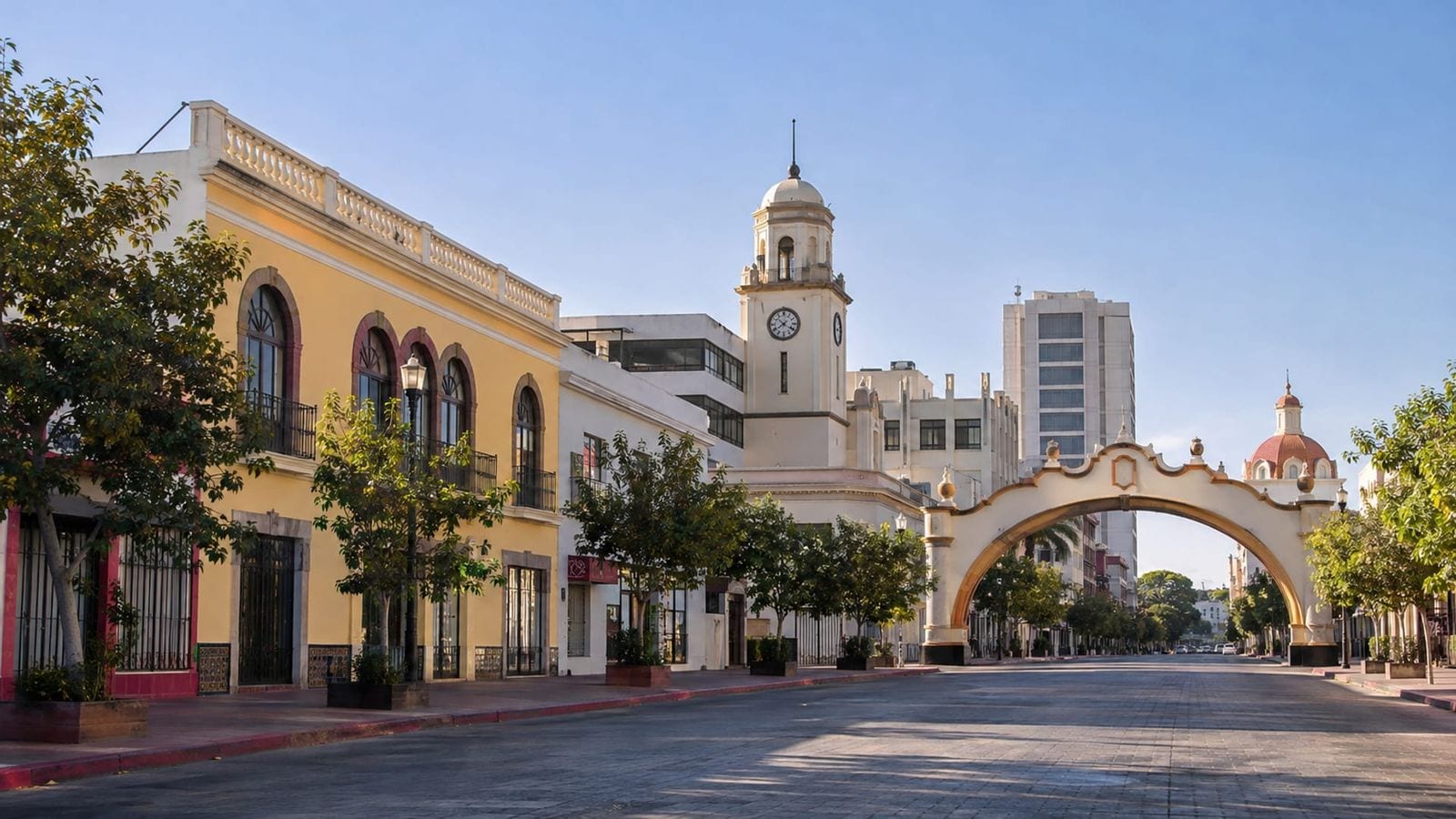
Zona Centro is Tijuana’s downtown district, where hotels place you close to restaurants, bars, and the city’s established nightlife along Avenida Revolución. Stay here for evenings on foot and easy access to central sights, accepting traffic and music that can continue late into the night.
Best for: Nightlife, downtown dining, and sightseeing on foot
What to expect: Busy sidewalks, restaurant traffic, and late-night crowds concentrate near Avenida Revolución.
Hotel prices: Well-rated hotels cost MXN 1,400 to MXN 2,600 ($70 to $130) a night.
Distance to major sights: Avenida Revolución is 5 to 15 minutes on foot from many hotels.
Quietness: Daytime traffic gives way to evening music and bar crowds near the nightlife venues.
Main trade-off: Central convenience comes with nighttime noise, particularly near bars.
Good to know: Request an interior room away from Avenida Revolución if you plan to sleep before midnight.
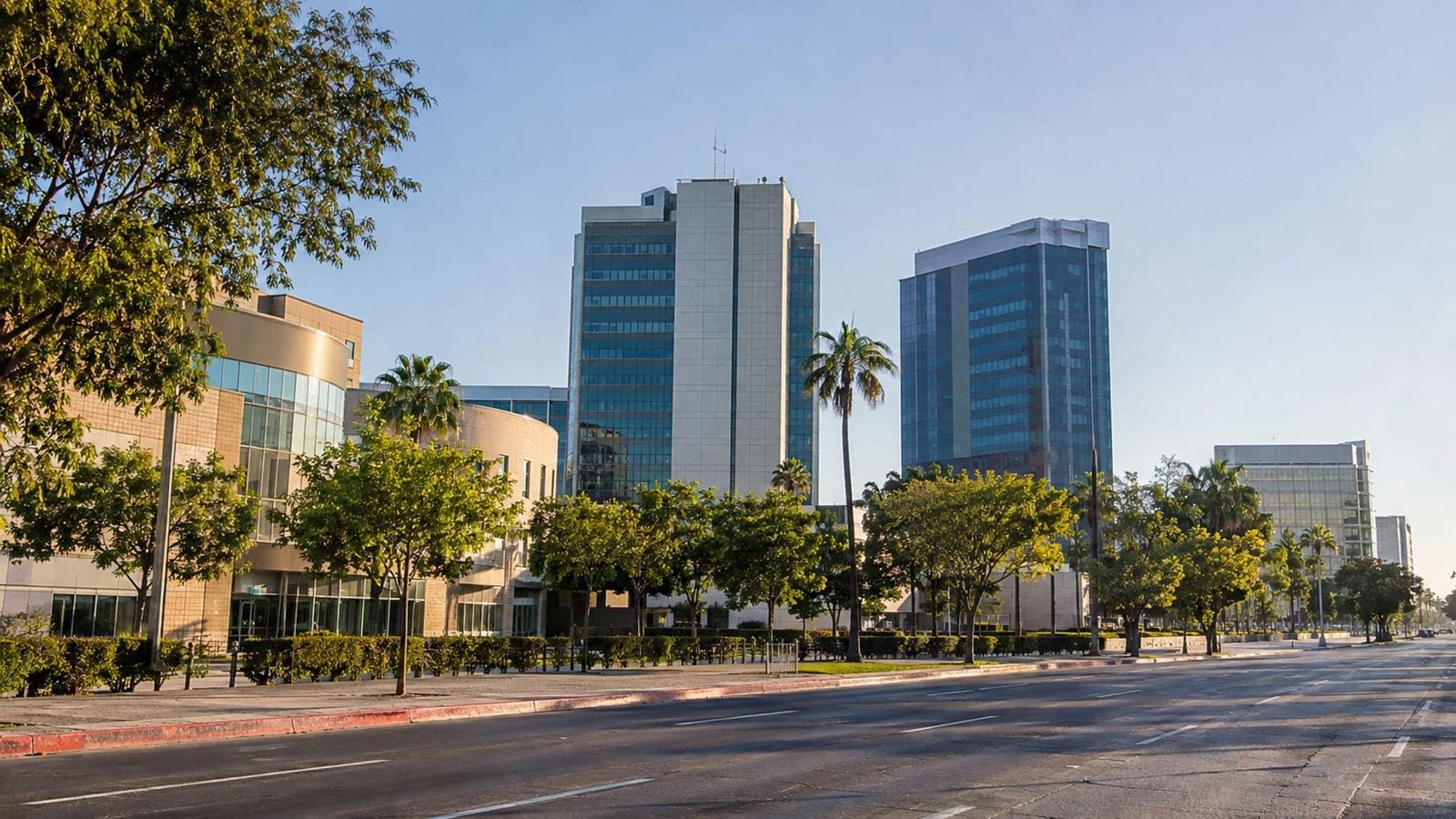
Zona Río is a modern district of broad roads, hotels, restaurants, and shopping centers, with the Centro Cultural Tijuana among its main attractions. Choose it for cultural outings and a wide hotel selection, allowing for longer crossings and taxi journeys between destinations after dinner.
Best for: Cultural attractions, shopping, and a wide choice of hotels
What to expect: Broad avenues carry heavy traffic past shopping centers, restaurants, and large hotels.
Hotel prices: Budget MXN 2,000 to MXN 3,600 ($100 to $180) nightly for a well-rated hotel.
Distance to major sights: Centro Cultural Tijuana is 5 to 25 minutes on foot from hotels, depending on the address.
Quietness: Traffic dominates during the day; evenings are calmer on streets away from major avenues.
Main trade-off: Wide roads and long blocks make some short trips less pleasant on foot.
Good to know: Choose a hotel near Centro Cultural Tijuana if you want to reach its exhibitions without a taxi.
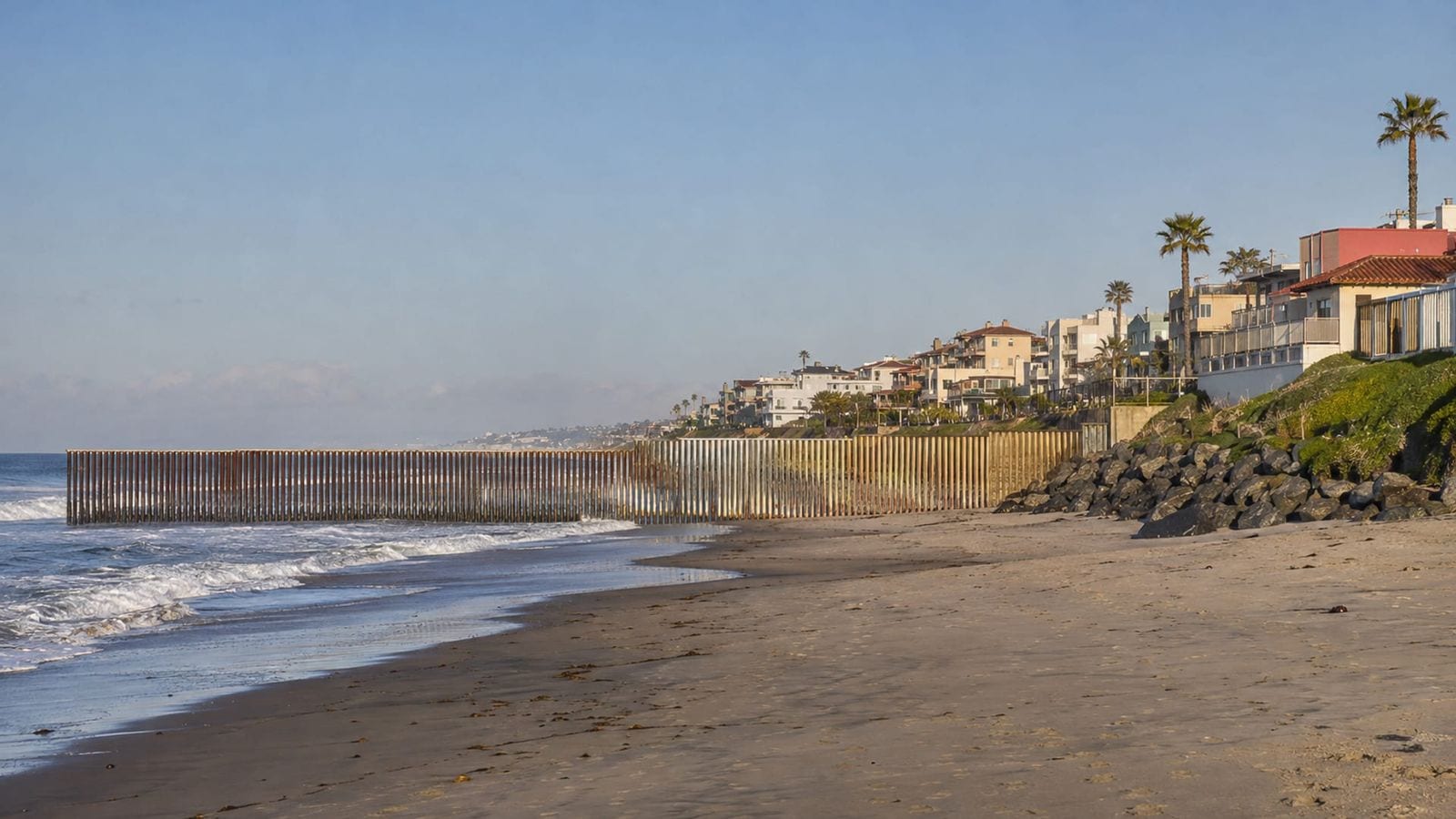
Playas de Tijuana is a coastal residential district with beach walks, oceanfront restaurants, and smaller hotels away from the downtown nightlife. Travelers stay here for time beside the Pacific and neighborhood dining, trading proximity to central museums and bars for a longer ride into town.
Best for: Beach walks, oceanfront meals, and time away from downtown nightlife
What to expect: Residential streets lead toward a beachfront that attracts families and weekend crowds.
Hotel prices: A well-rated hotel typically charges MXN 1,400 to MXN 2,800 ($70 to $140) per night.
Distance to major sights: Centro Cultural Tijuana is a 25 to 45-minute taxi ride away, with longer trips in heavy traffic.
Quietness: The beachfront fills during the day; inland residential streets usually become quieter in the evening.
Main trade-off: Downtown sightseeing requires longer journeys, and weekend beach traffic can add delays.
Good to know: Choose an ocean-facing room for the view; a hotel elsewhere in the district may require a longer walk to the beach.
Less convenient for sightseeing: El Florido and Mariano Matamoros are far from central attractions; Natura lies on the southeastern outskirts, with fewer visitor amenities and long trips downtown.
Hotel deals
How to get around Tijuana efficiently
Walk Avenida Revolución’s central blocks, then use local buses, licensed taxis, or Uber for Tijuana’s more spread-out districts.

Taxi
for convenience or late hours
At Tijuana airport, authorized taxis use prepaid zone fares; allow MXN 400 to MXN 600 ($20 to $30) to Centro, taking 20 to 40 minutes. City taxis commonly use agreed fares: confirm the total before boarding. Choose taxis for luggage or late arrivals.

Rideshare
for door-to-door trips
For trips between Centro and Zona Río, Uber offers app-quoted fares, often MXN 80 to MXN 180 ($4 to $9), with journeys taking 10 to 20 minutes depending on traffic. Enter your destination and confirm the pickup pin; use it for trips beyond the central streets.
Walking
for short central distances
Along Avenida Revolución in Centro, several blocks of restaurants and shops are within a 10- to 20-minute walk. Walking costs nothing and suits short daytime trips within this area; use marked crossings and allow extra time at busy intersections.
*Prices are based on rates updated as of November 2026 and may change at the time of travel.
Choose walking for downtown daylight stops, buses for inexpensive daytime journeys, Uber between districts, and authorized airport taxis for arrivals.
Iconic landmarks
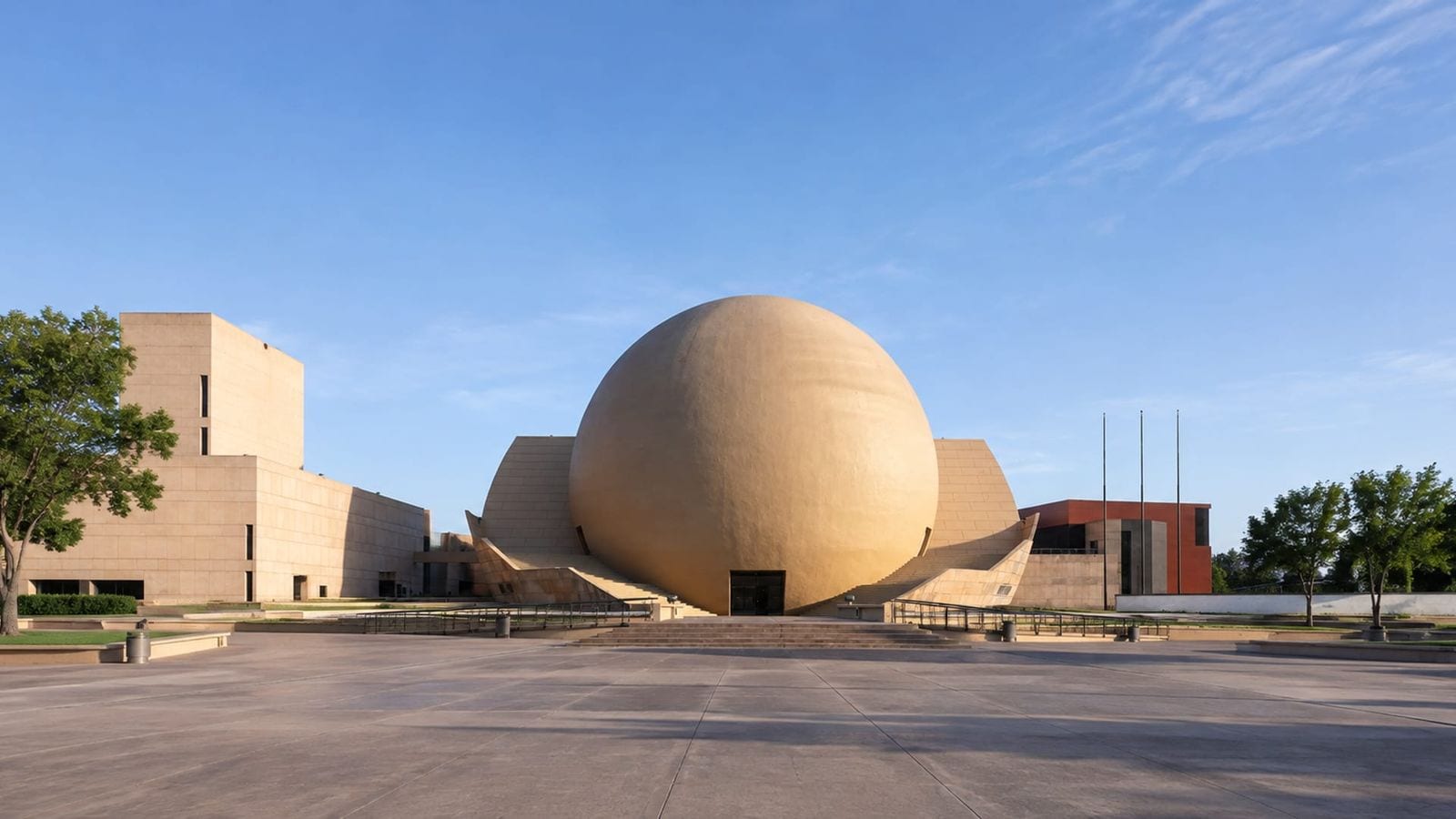
Centro Cultural Tijuana
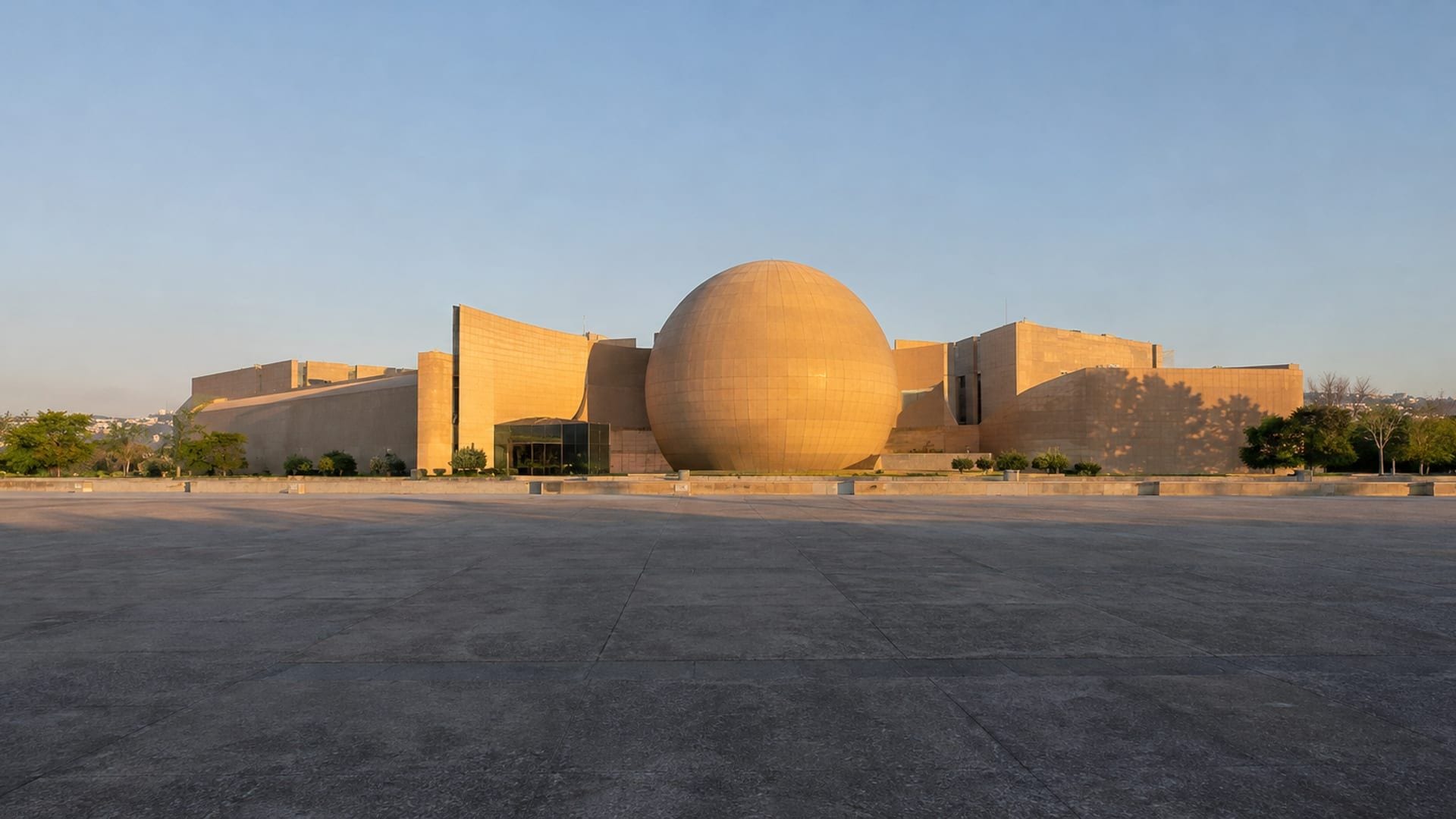
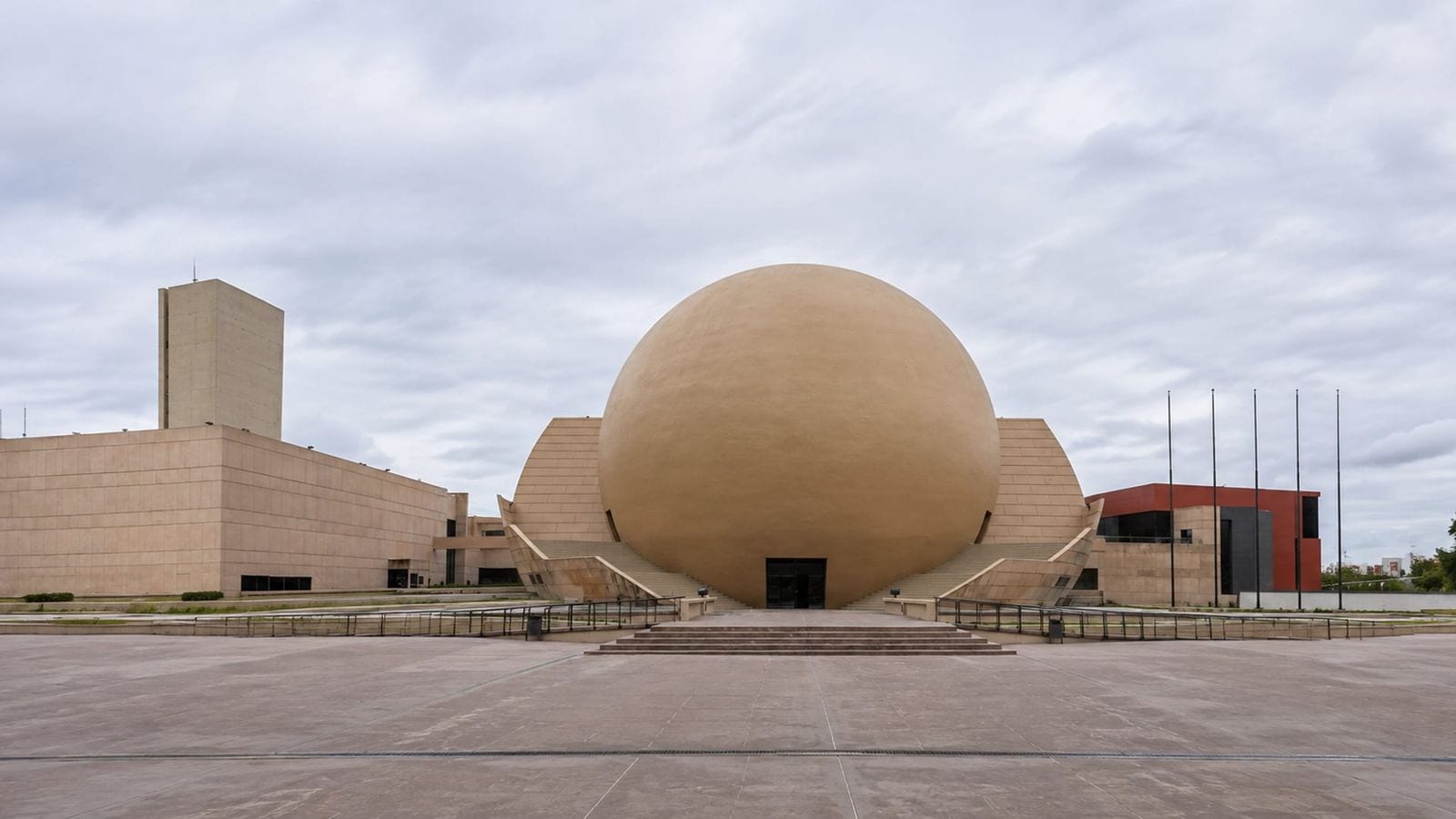
The enormous spherical cinema makes Centro Cultural Tijuana one of the city’s most recognizable landmarks. In Zona Río, the complex brings together the Museo de las Californias, exhibition galleries, performance spaces, and an outdoor esplanade.
Time needed: About 2 to 3 hours
Entry: Free: esplanade access; some exhibitions and screenings require separate tickets
Tip: Start at the spherical cinema, then cross the esplanade to the main museum.
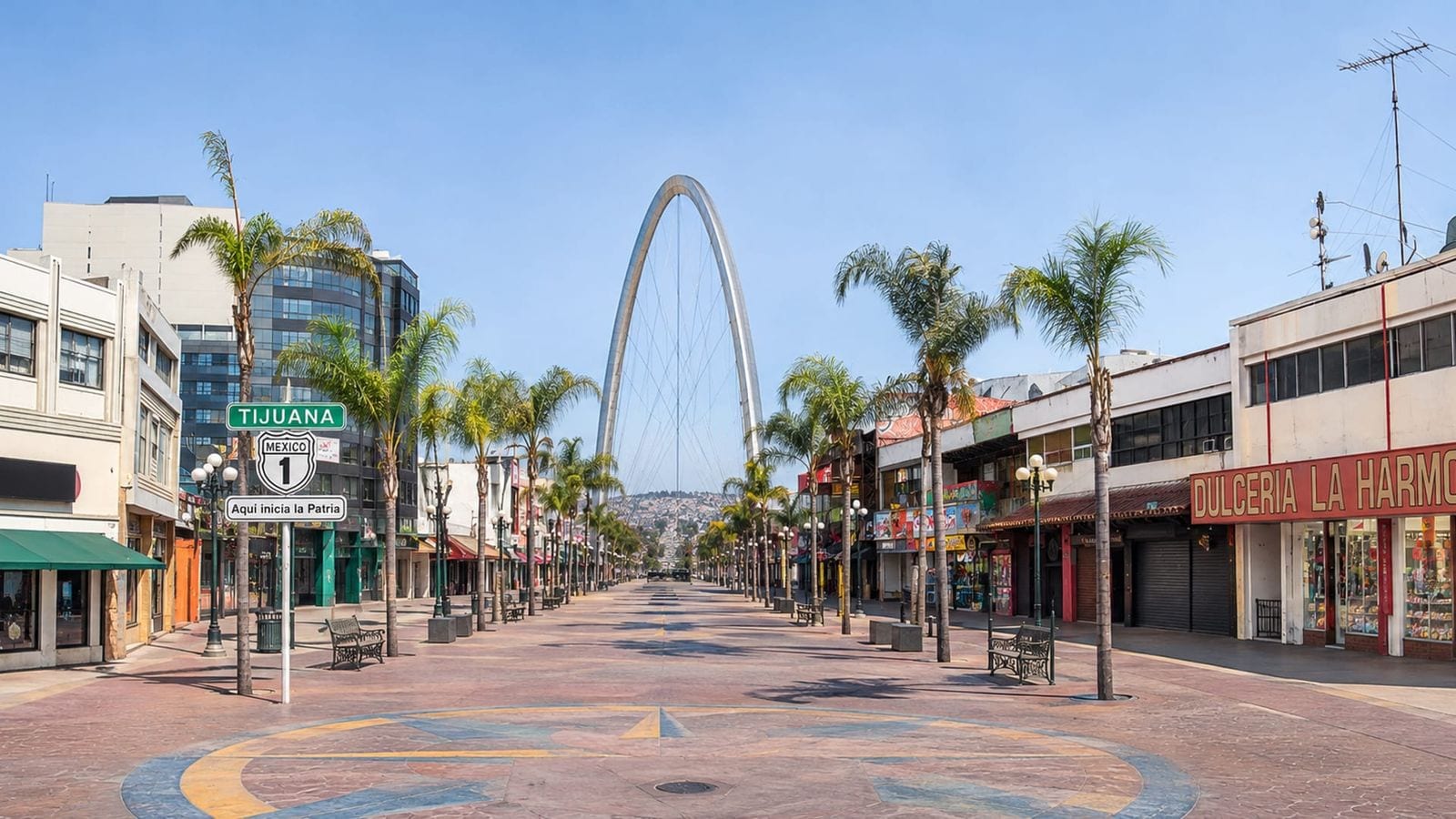
Avenida Revolución
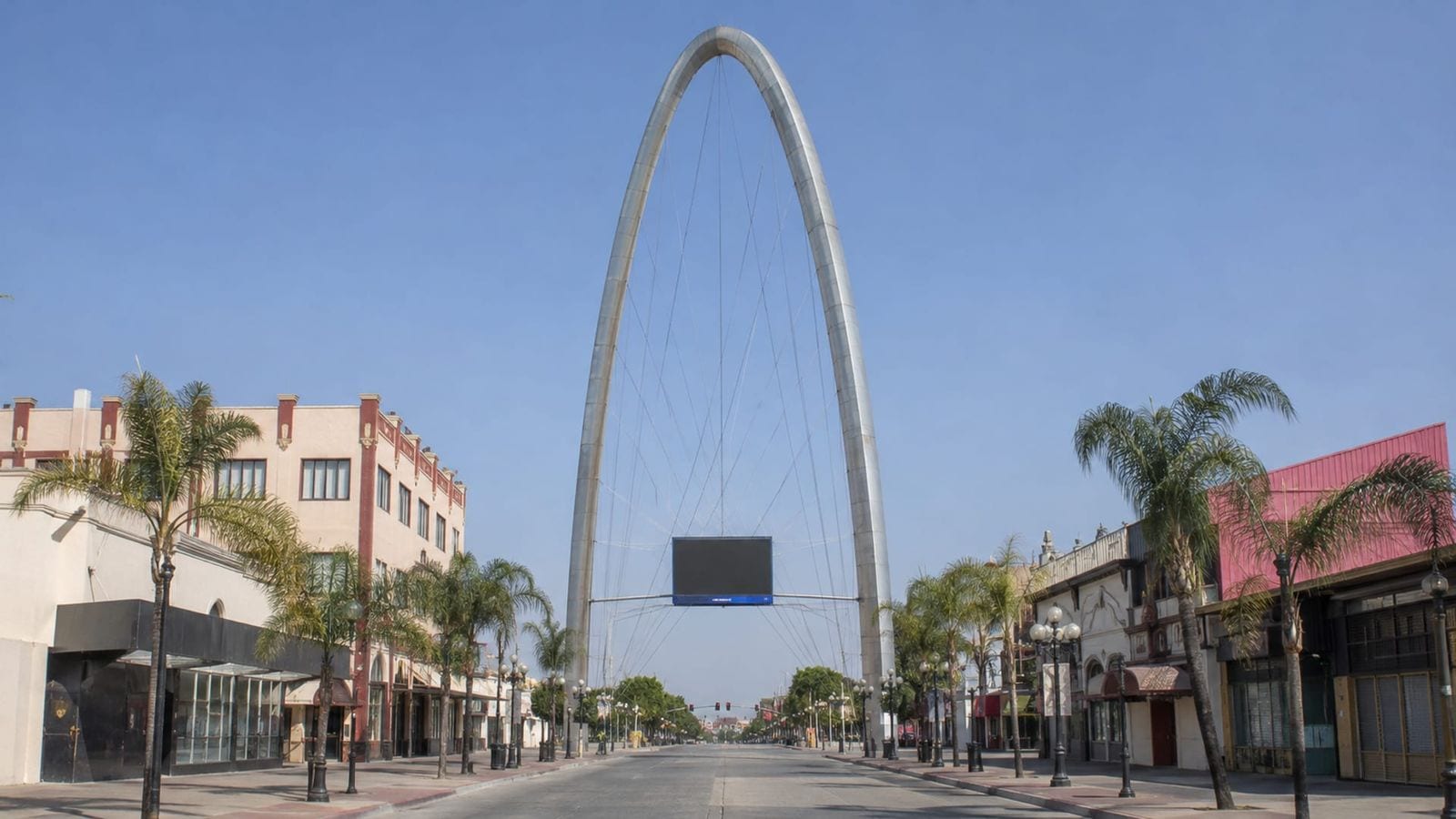
Along Avenida Revolución, Tijuana’s border tourism history unfolds through souvenir shops, restaurants, and bars. The Arco Monumental marks its northern end, while the avenue’s painted storefronts and passages reward a closer look on foot.
Time needed: About 1 to 2 hours
Entry: Free: public street access
Tip: Walk from the Arco Monumental south along Avenida Revolución in daylight.
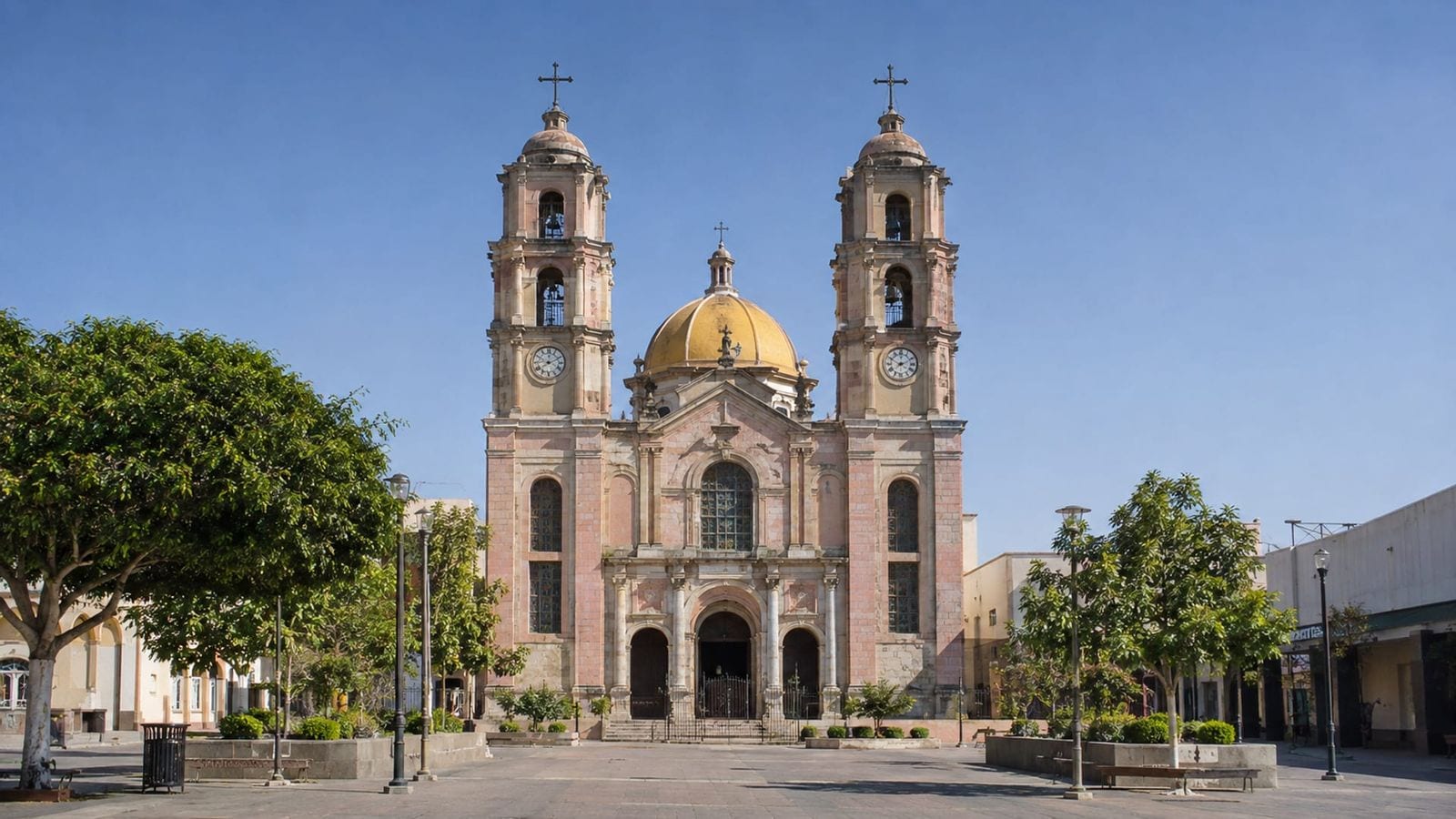
Catedral de Nuestra Señora de Guadalupe
Twin towers distinguish Catedral de Nuestra Señora de Guadalupe in downtown Tijuana. Dedicated to Mexico’s patron saint, this active Catholic cathedral offers a view of the city’s religious life near the shops and streets west of Avenida Revolución.
Time needed: About 20 to 30 minutes
Entry: Free: cathedral access
Tip: Combine the cathedral with the Arco Monumental, a short walk to the east.
Overlooked sites worth visiting

Parque Esperanto
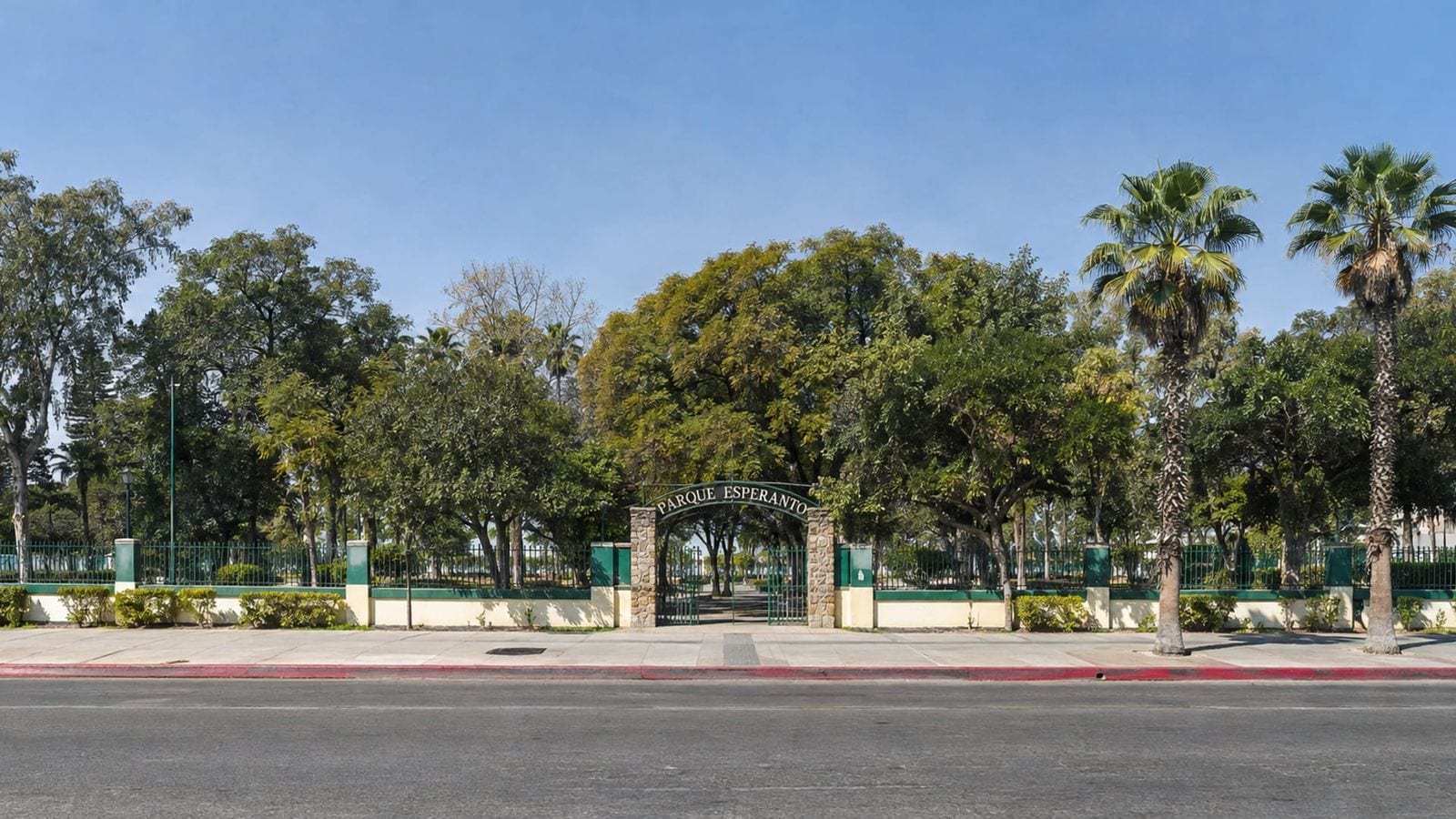
Parque Esperanto overlooks the Abelardo L. Rodríguez reservoir in eastern Tijuana. Walking paths and broad views of the water give this newer public park a different scale from downtown.
Time needed: About 1 to 2 hours
Entry: Free to access
Tip: Go in the morning for cooler walks along the reservoir viewpoints.

Centro Estatal de las Artes Tijuana
Centro Estatal de las Artes Tijuana hosts visual art exhibitions and performances in the city’s eastern districts. Its galleries offer a introduction to Baja California’s contemporary arts.
Time needed: About 45 minutes to 1 hour
Entry: Free: gallery admission; performances may charge separately
Tip: Allow extra travel time from downtown; the center is in eastern Tijuana.
Traditional food
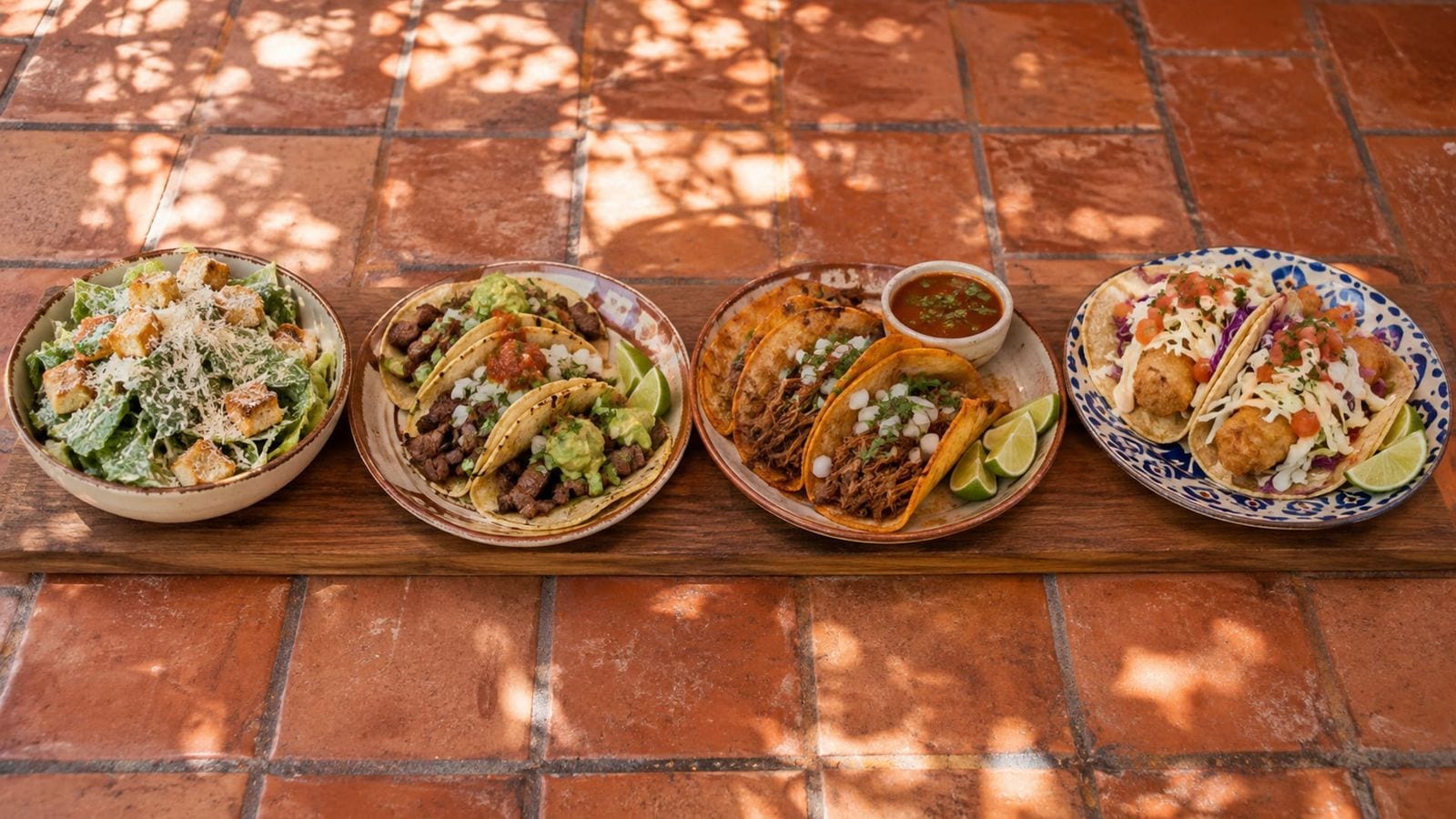
Tijuana pairs charcoal-grilled beef and slow-cooked birria with Pacific fish, salsa, and lime. Caesar salad adds a tableside tradition to a dining culture that spans taco counters and restaurants.
Caesar salad
Romaine lettuce, croutons, Parmesan, and a dressing of egg, oil, garlic, and Worcestershire sauce define this Tijuana creation. Try it at Caesar’s, where tableside preparation connects the meal to its local history.
Carne asada tacos
Charcoal-grilled beef fills corn tortillas with guacamole, onion, cilantro, and salsa. Tacos El Franc prepares this Tijuana favorite, with the grill’s smoky flavor carrying through the fresh toppings in each taco.
Birria tacos
Slow-cooked beef and a chile-rich broth give birria tacos their deep flavor, with onion and cilantro adding freshness. Tacos Fitos serves this specialty in Tijuana, folding the tender meat into broth-moistened tortillas.
Fish tacos
Battered fish, shredded cabbage, creamy dressing, and salsa fill tortillas in this Baja California staple. Try fish tacos at Mariscos El Mazateño in Tijuana, adding lime to balance the crisp coating and rich dressing.
Best time to visit Tijuana
Tijuana has mild, wetter winters and dry summers, with coastal cloud cover sometimes keeping beach afternoons cool.
Best for: Downtown walks and gallery visits before the busiest summer beach weekends
What you get: Temperatures of 52°F to 72°F (11°C to 22°C) accompany greener hills; downtown draws visitors, while beach crowds grow on sunny weekends.
Trade-offs: March can bring rain, and coastal cloud cover may limit sunshine at Playas de Tijuana.
Best for: Pacific beachfront walks and outdoor meals during Tijuana’s dry season
What you get: Expect 59°F to 81°F (15°C to 27°C), generally dry days, and busy beach weekends; Playas de Tijuana attracts families during school breaks.
Trade-offs: Morning marine clouds can linger, and weekend traffic lengthens trips to Playas de Tijuana.
Best for: September beach afternoons followed by cooler autumn walks through Centro
What you get: A range of 52°F to 81°F (11°C to 27°C) spans warm September days and cooler November evenings; beach crowds ease after the summer peak.
Trade-offs: Hot, dry winds can affect autumn days, while November brings a greater chance of rain.
Best for: Museum exhibitions and long restaurant meals between winter rain spells
What you get: Winter brings 46°F to 68°F (8°C to 20°C), the greatest chance of rain, and fewer beach visitors; downtown dining still draws weekend crowds.
Trade-offs: Rain can interrupt outdoor plans at Parque Esperanto, and oceanfront evenings feel cold.
A realistic 5-day plan in Tijuana
Five days connect downtown dining and religious landmarks with Zona Río’s museums, the Pacific beachfront, and eastern Tijuana’s art galleries and reservoir views.
From Tijuana (TIJ), take an authorized airport taxi to your hotel in Zona Centro, allowing 20 to 35 minutes and MXN 350 to MXN 500 ($18 to $25). For a short first evening, have a Caesar salad at Caesar’s, then return to your downtown hotel before the late-night crowds build.
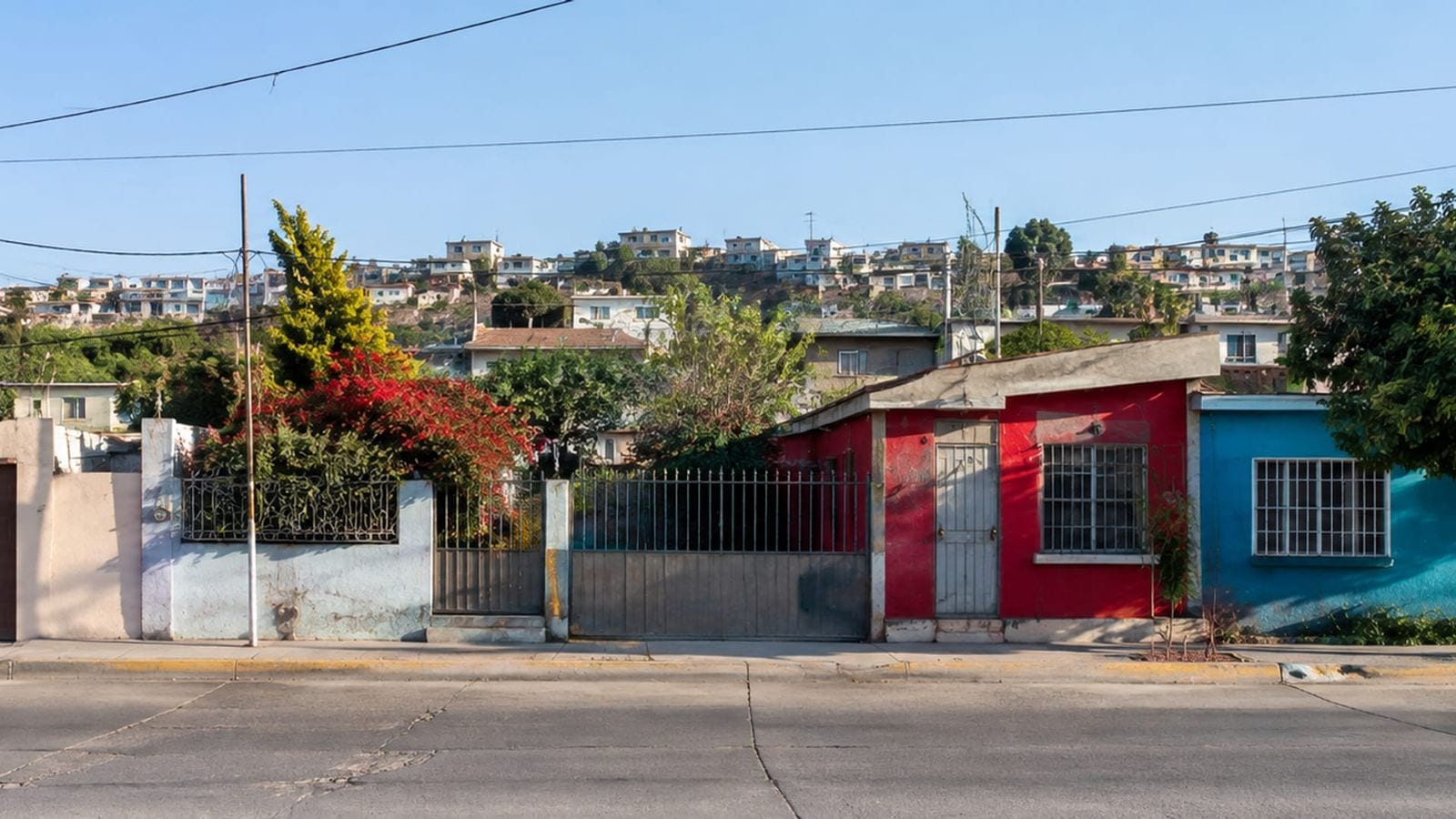
Twin towers mark your morning stop at Catedral de Nuestra Señora de Guadalupe; allow 30 minutes outside worship times. Walk 10 minutes east to the Arco Monumental, then continue south along Avenida Revolución. Spend two hours exploring its storefronts and shopping passages, with lunch along the avenue.
Begin in Zona Río at Centro Cultural Tijuana, allowing three hours for its esplanade and Museo de las Californias, open Tuesday to Sunday, 10 am to 7 pm. Then take a 25 to 45-minute taxi ride west to Playas de Tijuana for a beachfront walk and an early oceanfront dinner.
Eastern Tijuana fills the day with contemporary art and reservoir views. Spend an hour with the exhibitions at Centro Estatal de las Artes Tijuana, then take a taxi south to Parque Esperanto, allowing 25 to 40 minutes in traffic. Devote two hours to the park’s walking paths and viewpoints over the water.
Before your flight, stop in Zona Río for breakfast and final shopping at Plaza Río Tijuana, east of your downtown hotel on the journey toward the airport. Allow 20 to 35 minutes for the onward taxi ride to Tijuana (TIJ), with additional time during commuter traffic.
Business-class flights from the US to Tijuana
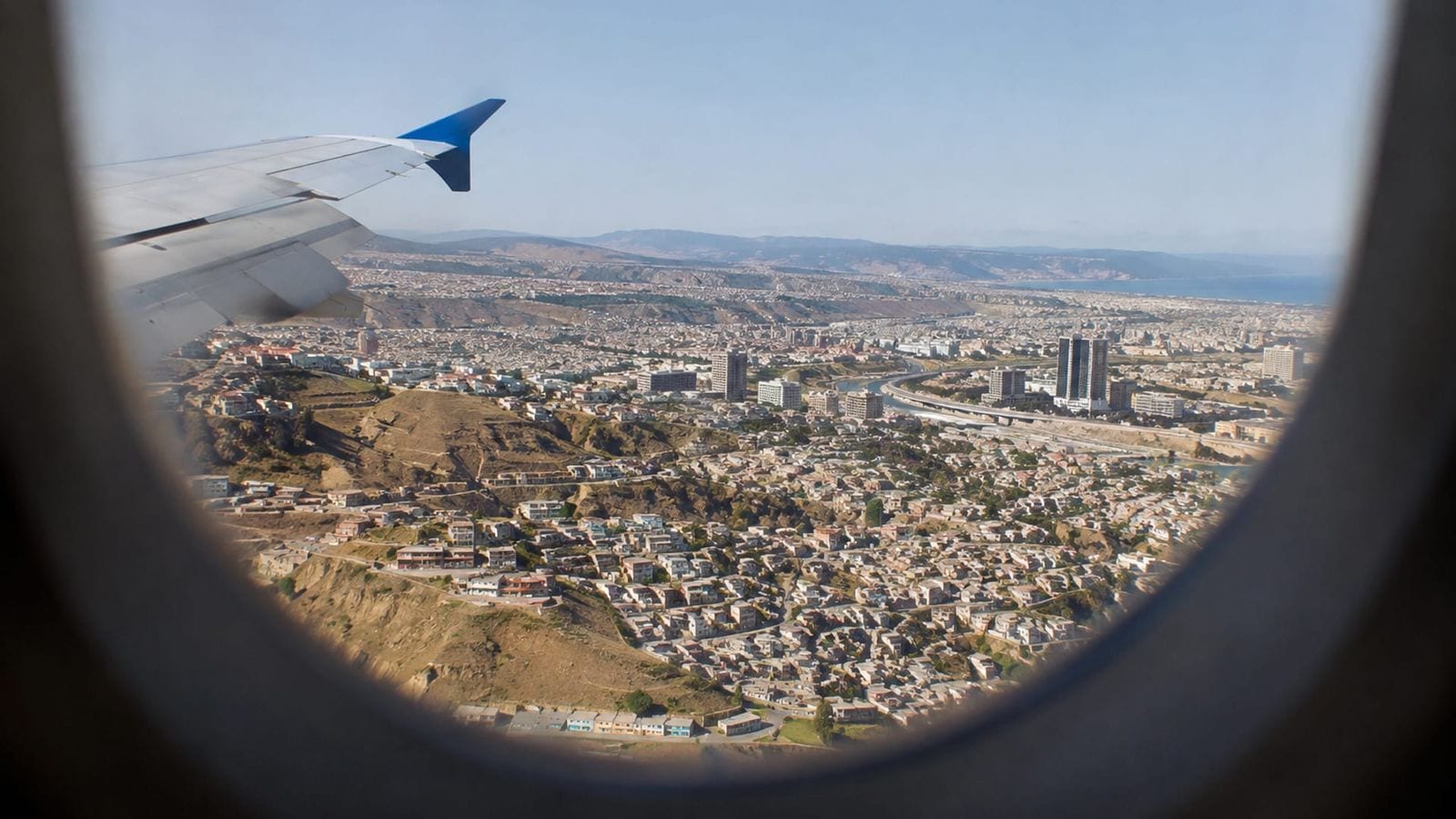
Connections through Mexico City (MEX) link both New York and Los Angeles with Tijuana (TIJ); the examples below compare journey times and fares.
From New York, Aeromexico connects to Tijuana (TIJ) through Mexico City (MEX), with one-stop journeys taking 9 to 14 hours. Round-trip fares range from $1,400 to $2,800, depending on the selected travel dates.
Los Angeles travelers can expect round-trip fares of $1,100 to $2,400 with Aeromexico to Tijuana (TIJ). The connection through Mexico City (MEX) brings the total one-stop journey time to 8 to 12 hours.
Tijuana feels different when you slow down
A Tijuana trip can begin with Caesar salad in Zona Centro, continue through the galleries at Centro Cultural Tijuana, and reach the Pacific at Playas de Tijuana. Walking links downtown sights; taxis connect the coast and Parque Esperanto’s reservoir views. Leave enough time for those longer journeys so a museum visit and an oceanfront meal each have their place. Ask AranGrant experts to shape your flights around five days spanning Zona Río and the Pacific shore







