

Chapters:

Need help with your trip?
Our support team is available 24/7. Request a callback or call us directly at (833) 619-0908
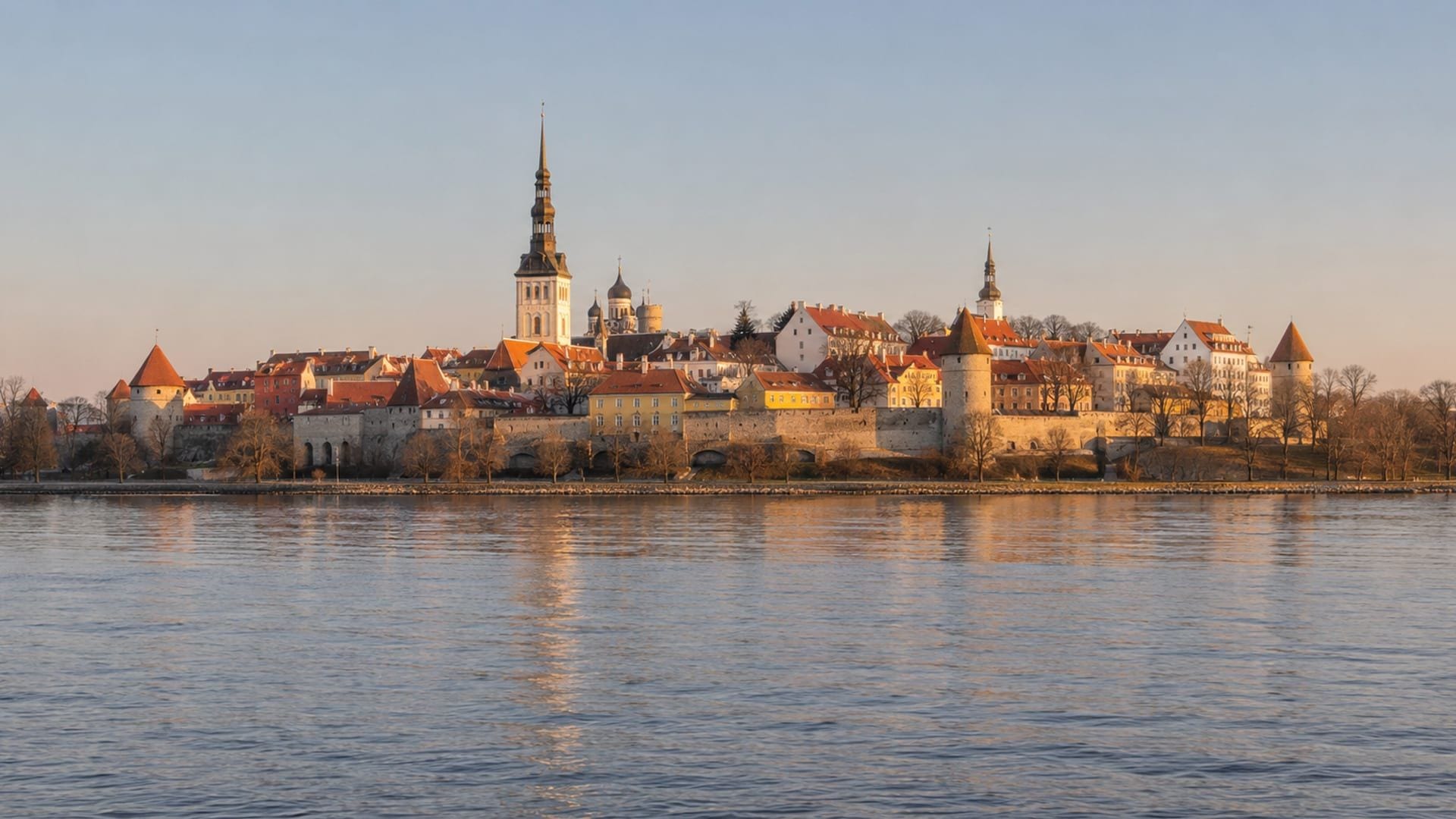
Tallinn brings together several distinct parts of the city within a relatively compact area. Medieval streets, stone towers, and old merchant houses define the Old Town, while Kadriorg adds palace gardens, museums, and quieter residential streets. Farther west, Telliskivi and Kalamaja show another side of Tallinn through converted industrial buildings, wooden houses, cafés, and contemporary galleries. The harbor districts add maritime history and open waterfront space. Most central sights are easy to explore on foot, while trams cover longer distances.
This guide explains where to stay, what to see and eat, how to get around, when to visit, and how to plan five days without filling every hour.
Useful things to know

Main language(s): Estonian
Tere (TEH-reh) – Hello
Palun (PAH-loon) – Please
Aitäh (ahy-TEH) – Thank you
Kas te räägite inglise keelt? (kahs teh RAH-gee-teh EENG-lee-seh kehlt) – Do you speak English?
Kui palju see maksab? (koy PAHL-yoo seh MAHK-sahb) – How much does it cost?

Currency: Euro (EUR, €)

Cash and cards: Cards and contactless are widely accepted, but you should also keep about €20 to €40 ($23 to $46) in cash for small purchases.

Tipping: Round up small bills; tipping is not expected, but 5% to 10% is appreciated for good table service.

Traditional food: Estonian specialties worth trying in Tallinn include verivorst, sült, kiluvõileib, and kama.

Water and coffee costs: Bottled water costs €1.50 to €2 ($1.75 to $2.30), and a bar espresso costs €2.20 to €2.80 ($2.55 to $3.25).

Taxis and ride apps: Bolt and Uber operate here; confirm the pickup point before you request a car.

Plug and voltage: Type C/F socket, 230V

Dining and shop opening hours: Breakfast is from 7:00 am to 10:00 am, lunch from 12:00 pm to 2:00 pm, and dinner from 6:00 pm to 9:00 pm. Many kitchens close earlier on Sunday and outside the center.

Emergency number: 112 for police, fire rescue, and ambulance
Where to stay in Tallinn
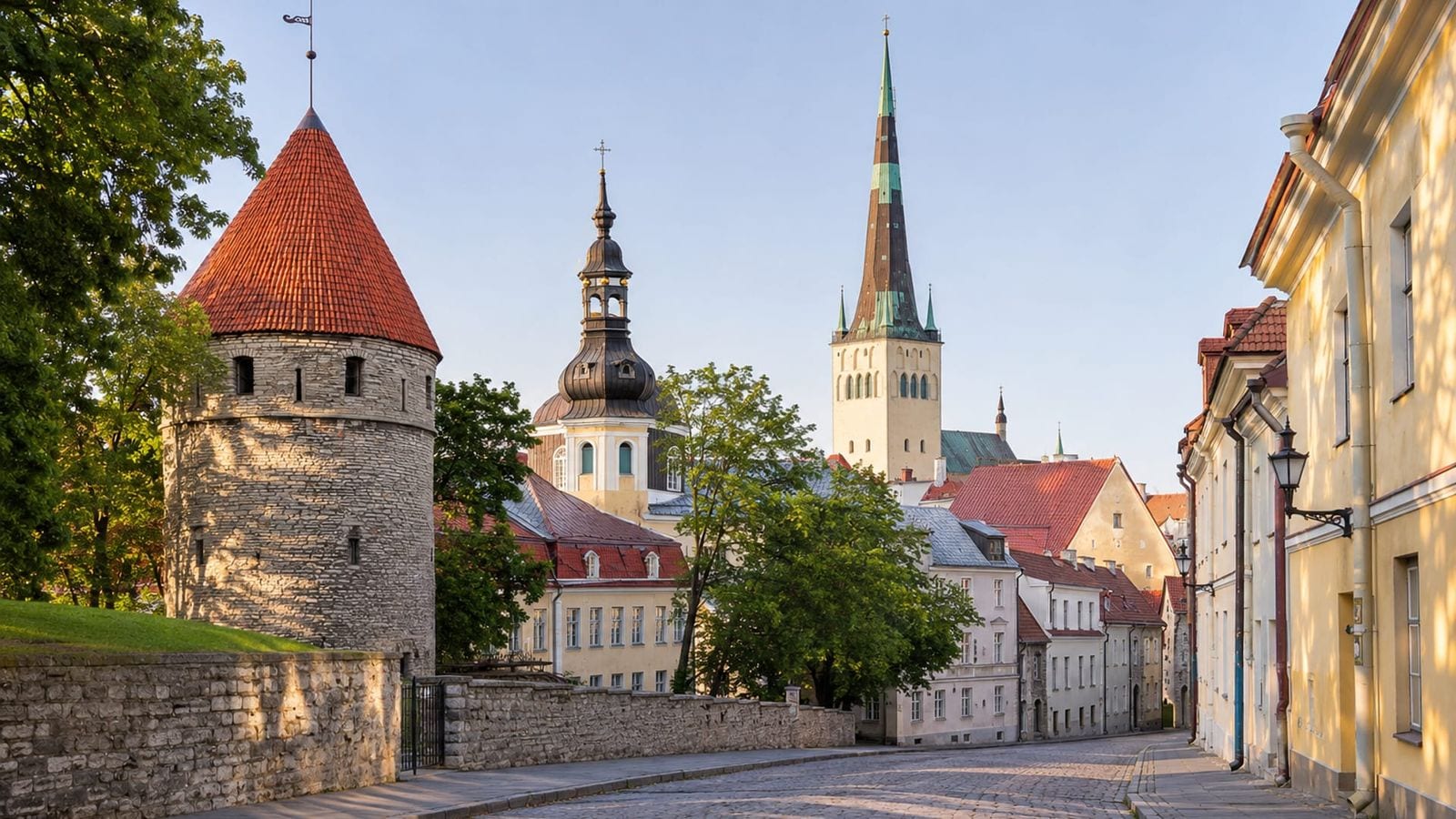
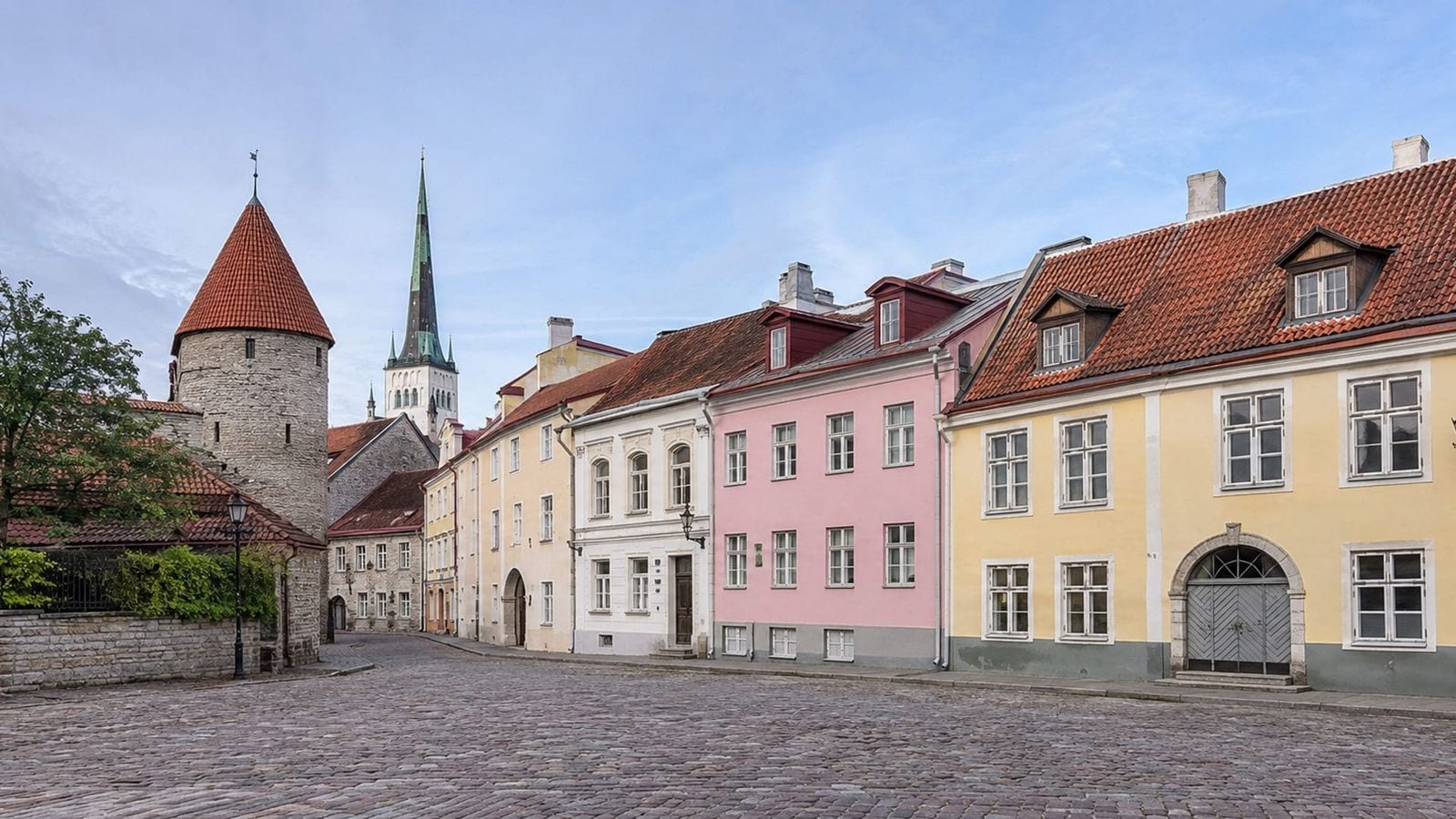
Tallinn’s medieval Old Town lies within the historic city walls, with cobbled streets, guild halls, and the main squares close together. Museums, churches, and most major landmarks are within easy walking distance, making the area convenient for a short stay.
Best for: First-time visits, historic sights, and travelers who want to walk to the main landmarks
What to expect: Tour groups, café tables, and a steady flow of people by day, with quieter lanes after dinner
Hotel prices: Expect €110 to €220 ($125 to $255) per night for a highly rated hotel.
Distance to major sights: 5 to 10 minutes on foot to Town Hall Square; about 10 minutes on foot to Toompea Hill
Quietness: Busy in daylight, then noticeably calmer in the evening once day visitors leave
Main trade-off: The central location comes with higher hotel rates and heavier foot traffic, especially during peak season.
Good to know: Late-night dining and bars are more limited than in newer districts, so you may need to ride or walk farther after dark.
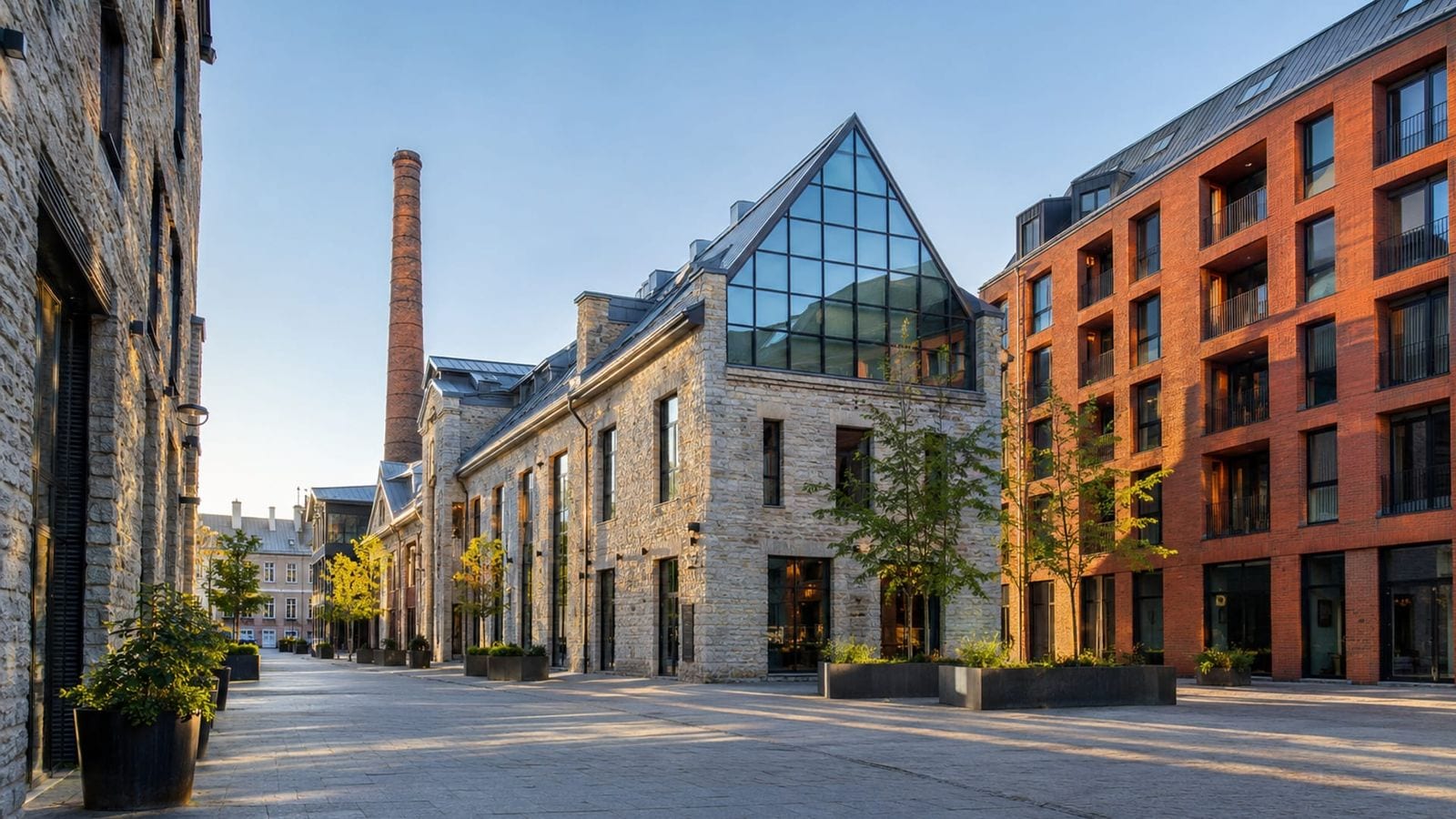
Rotermann is between Tallinn’s Old Town and the harbor, with converted warehouses, shops, restaurants, and modern apartment hotels. Its central location keeps the port, tram stops, and major sights within easy reach.
Best for: Short breaks, shopping, and travelers who want easy tram and ferry access
What to expect: Shoppers, office workers, and hotel guests fill the streets in the day, while evenings are active but not noisy.
Hotel prices: Nightly hotel rates range from €100 to €200 ($115 to $230).
Distance to major sights: 10 minutes on foot to Town Hall Square; about 15 minutes on foot to Tallinn Port
Quietness: Lively during the workday, then calmer at night with some restaurant activity
Main trade-off: Rooms often cost more than they do in outer districts, and some blocks feel busier than nearby residential streets.
Good to know: If you plan an early ferry or cruise transfer, this area reduces morning transit time.
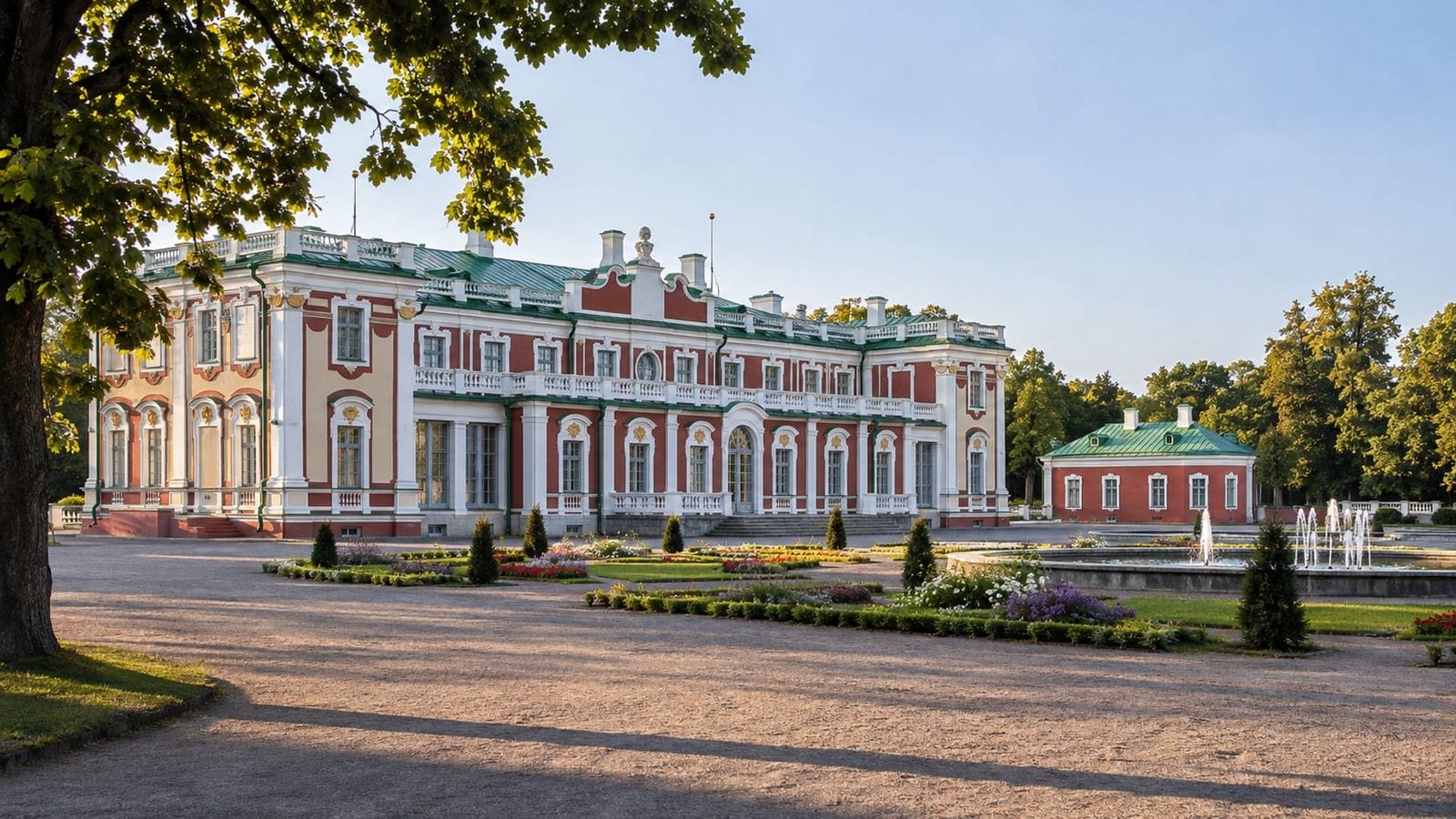
Kadriorg is Tallinn’s park district, with tree-lined streets, Kadriorg Palace, museums, and low-rise residential buildings. The area is greener and quieter than the center, with direct tram access to central Tallinn.
Best for: Families, museum visits, park time, and travelers who prefer a residential setting
What to expect: Leafy streets, local walkers, and light café traffic, with far fewer late-night crowds than in the center
Hotel prices: Expect €90 to €180 ($105 to $205) per night for a highly rated hotel.
Distance to major sights: About 10 minutes by tram to the Old Town; roughly 15 minutes on foot to Kadriorg Palace
Quietness: Evenings are quiet, with light local foot traffic and occasional passing trams.
Main trade-off: You will spend more time reaching the Old Town on foot, so most sightseeing starts with public transport or a taxi.
Good to know: Dining options thin out after dinner, so check opening hours if you want to stay out late.
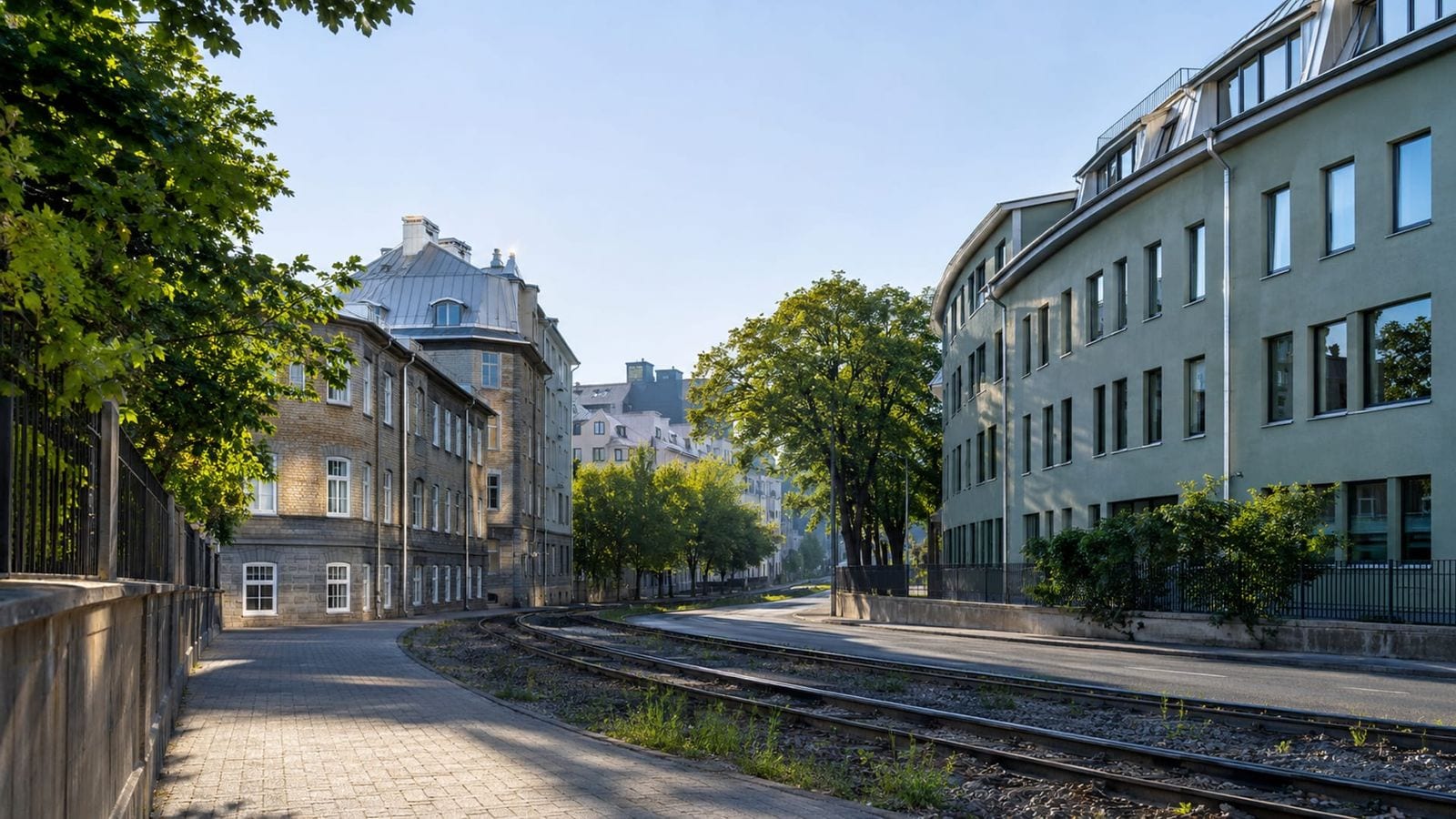
Põhja-Tallinn covers the waterfront and the Telliskivi side of the city, where former industrial areas now hold cafés, studios, and apartments. It gives you easy access to creative venues and the sea.
Best for: Longer stays, creative districts, waterfront walks, and travelers who prefer a less tourist-heavy location
What to expect: Mixed residential and creative streets, with café traffic by day and a quieter, more local evening pace
Hotel prices: Nightly hotel rates range from €80 to €160 ($90 to $185).
Distance to major sights: About 15 minutes by tram to Town Hall Square; roughly 20 minutes on foot to Telliskivi Creative City
Quietness: Busier near cafés and tram stops in the day, then calmer on residential blocks after dark
Main trade-off: Staying here means more tram rides to the Old Town, and some streets have fewer historic buildings than the center.
Good to know: For easier evenings out, choose a hotel near a tram stop, since restaurants and nightlife are more spread out in this area.
Lasnamäe is east of the Old Town and farther from Tallinn’s main sights, with fewer hotels and restaurants aimed at visitors. Kopli and Paljassaare also require longer trips to the center. Ülemiste is close to the airport but has few major sights nearby.
Hotel deals
How to get around Tallinn efficiently
Tallinn relies on trams, buses, trolleybuses, and taxis to connect the airport, the city center, and the harbor.

Bus and trolleybus
for convenience
Buses serve most neighborhoods and the ferry terminal, while trolleybuses operate on certain routes in western Tallinn. Both use the same ticket system as trams, with a single fare of €2 ($2.30). Validate your ticket when you board.

Tram
for longer distances
Trams connect Tallinn Airport (TLL), the city center, and the harbor. Line 4 reaches the airport from central Tallinn in about 20 minutes. A single ticket costs €2 ($2.30), while a 24-hour ticket costs €5.50 ($6.35).

Taxi
for convenience or late hours
Bolt and Uber operate throughout Tallinn, although Bolt generally has more available drivers. Rides from Tallinn Airport (TLL) to the Old Town usually cost €9 to €16 ($10 to $18). Late-night or longer cross-city trips cost €18 to €27 ($20 to $30). Confirm the pickup location in the app beforehand.
*Prices are based on rates updated as of June 2026 and may change at the time of travel.
Use trams for the airport and longer trips, buses or trolleybuses for local routes, and taxis for late nights or extra luggage.
Iconic landmarks
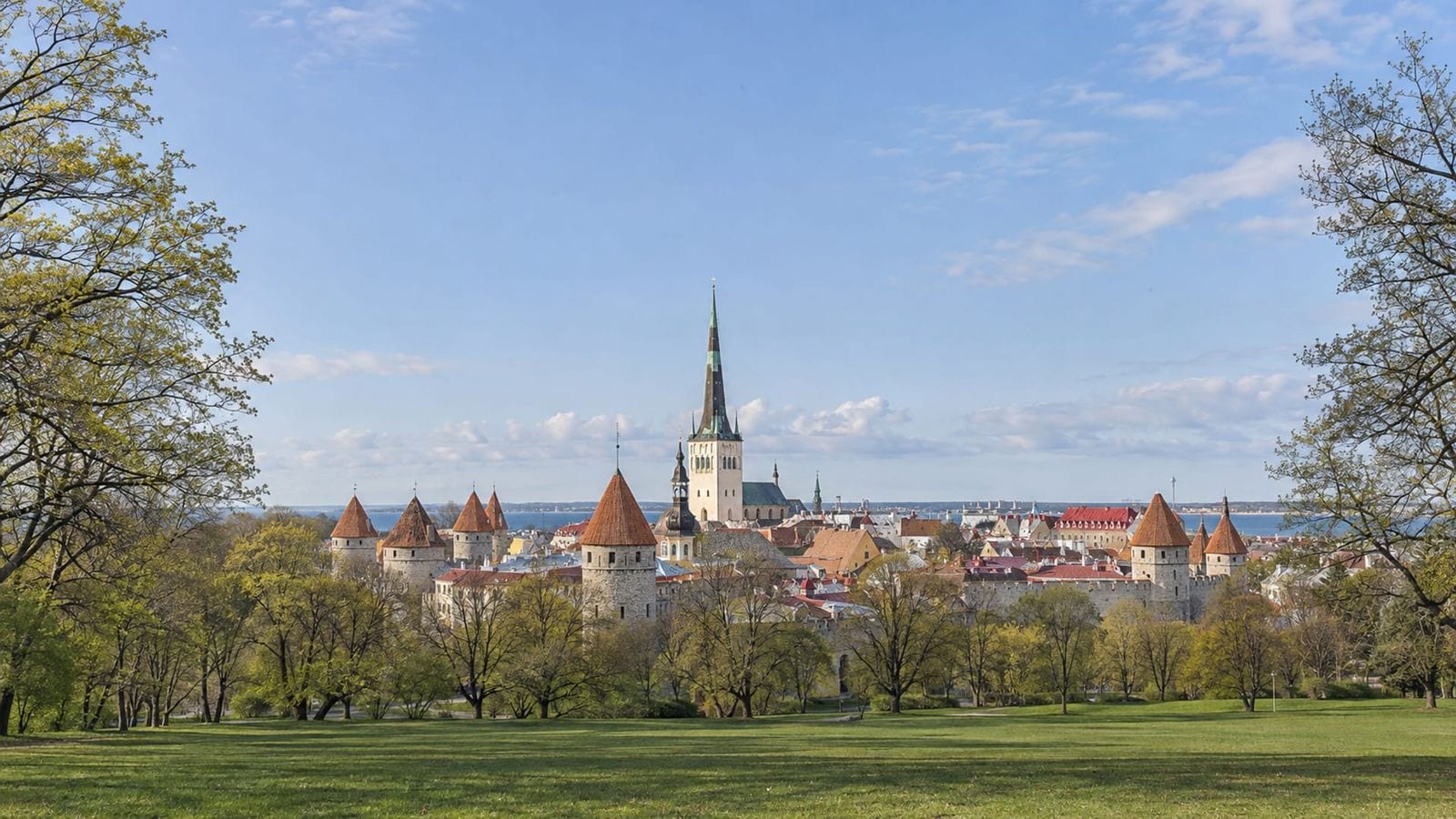
Tallinn Old Town
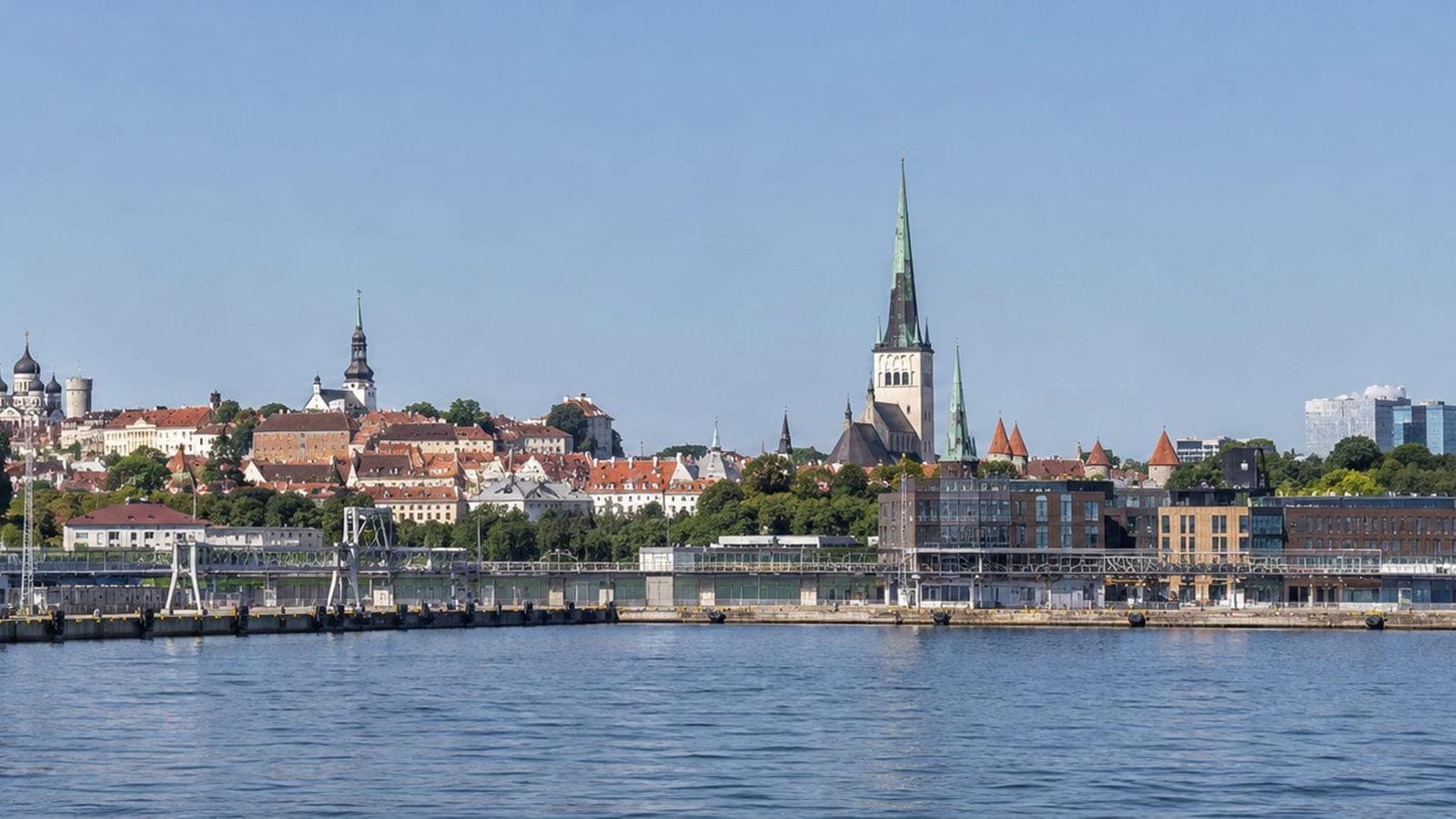
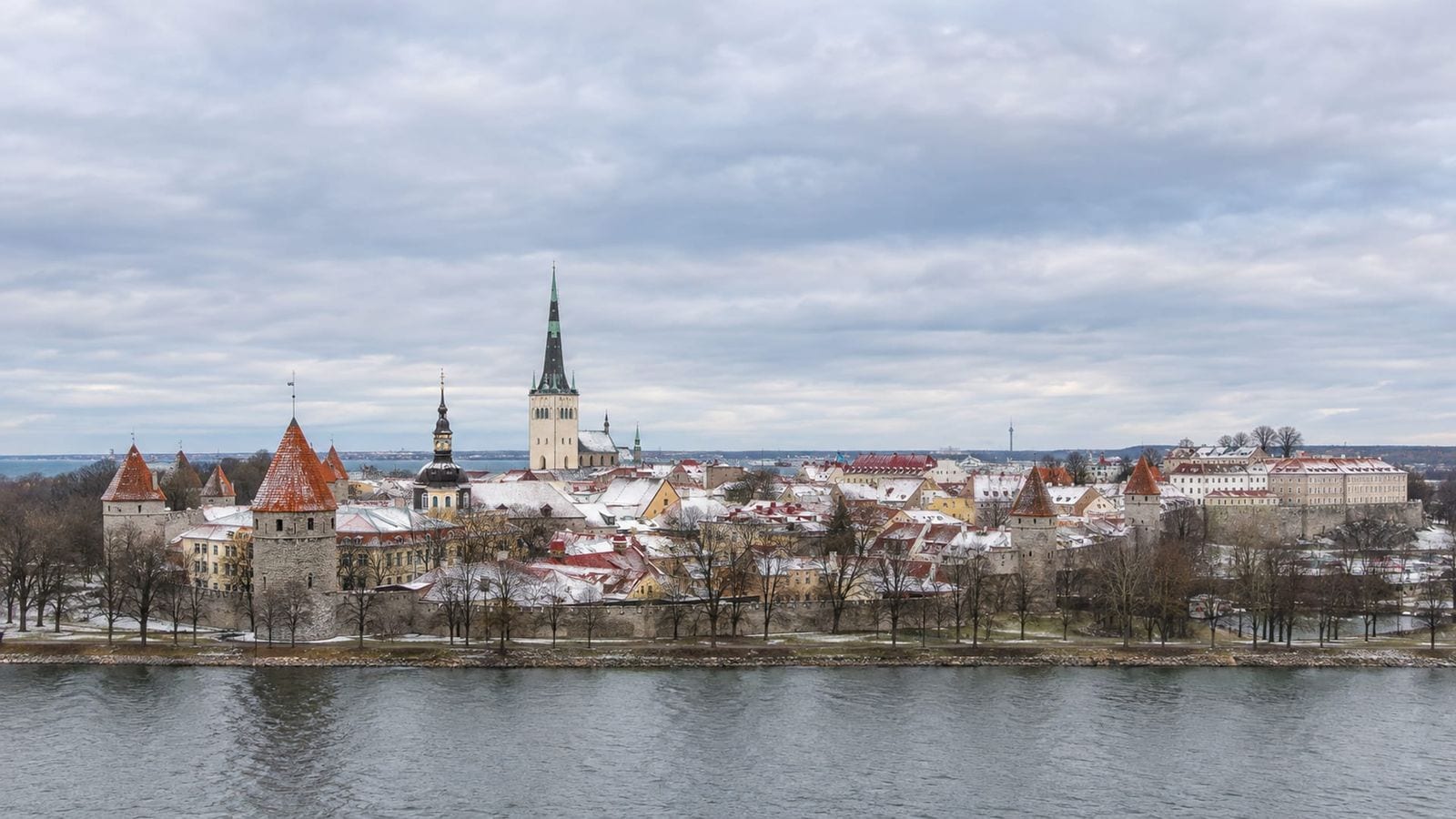
Tallinn’s medieval Old Town centers on Town Hall Square, St. Olaf’s Church, and cobbled streets within the old city walls. The compact district also contains historic towers, guild houses, and several viewpoints overlooking the city.
Time needed: About 2 to 4 hours
Entry: The streets and squares are free to explore. Museum and tower admission fees vary by site, with most paid entries costing €5 to €16 ($6 to $18).
Tip: Go early or late for quieter lanes and better photos from Patkuli and Kohtuotsa.
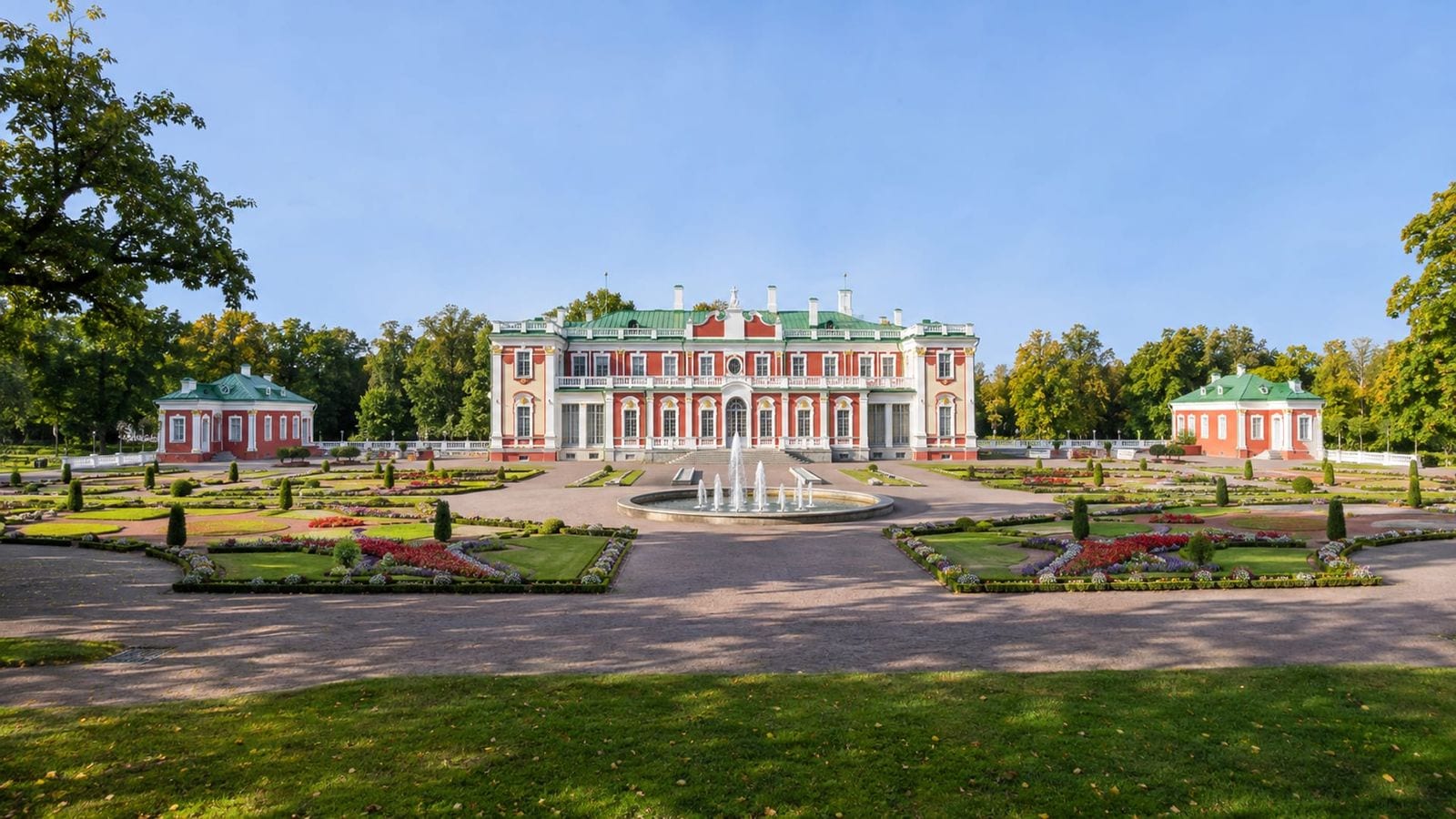
Kadriorg Palace and Park
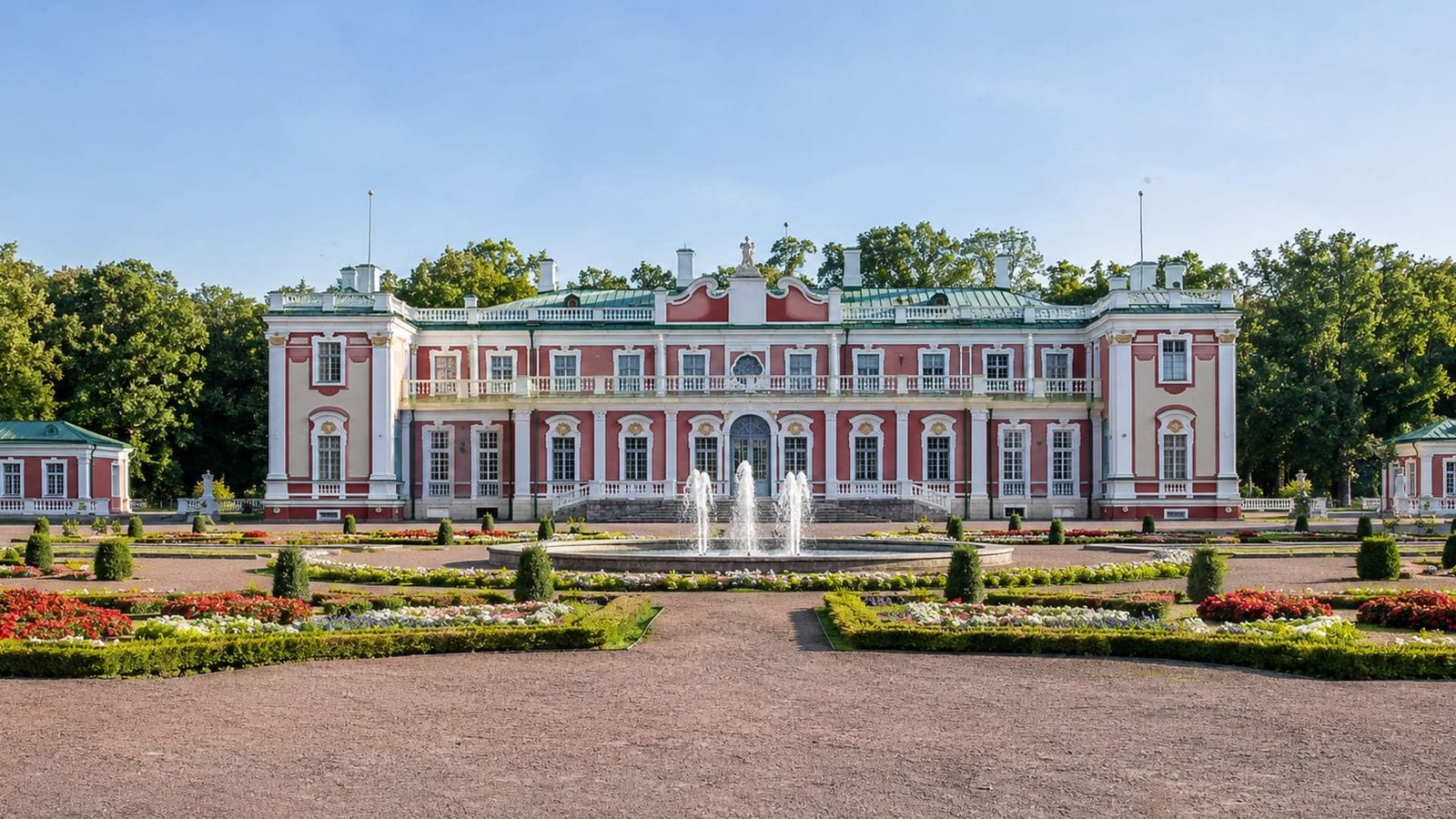
Peter the Great built Kadriorg Palace for his wife, Catherine I, in the early 18th century. It now houses the Kadriorg Art Museum. The surrounding park contains formal gardens, ponds, and broad paths.
Time needed: About 2 to 3 hours
Entry: Museum admission tickets cost €15 ($17) for adults. The park is free and open year-round during daylight hours. Visit the official site for details.
Tip: Visit in the morning for quieter galleries, then walk the park before lunch.
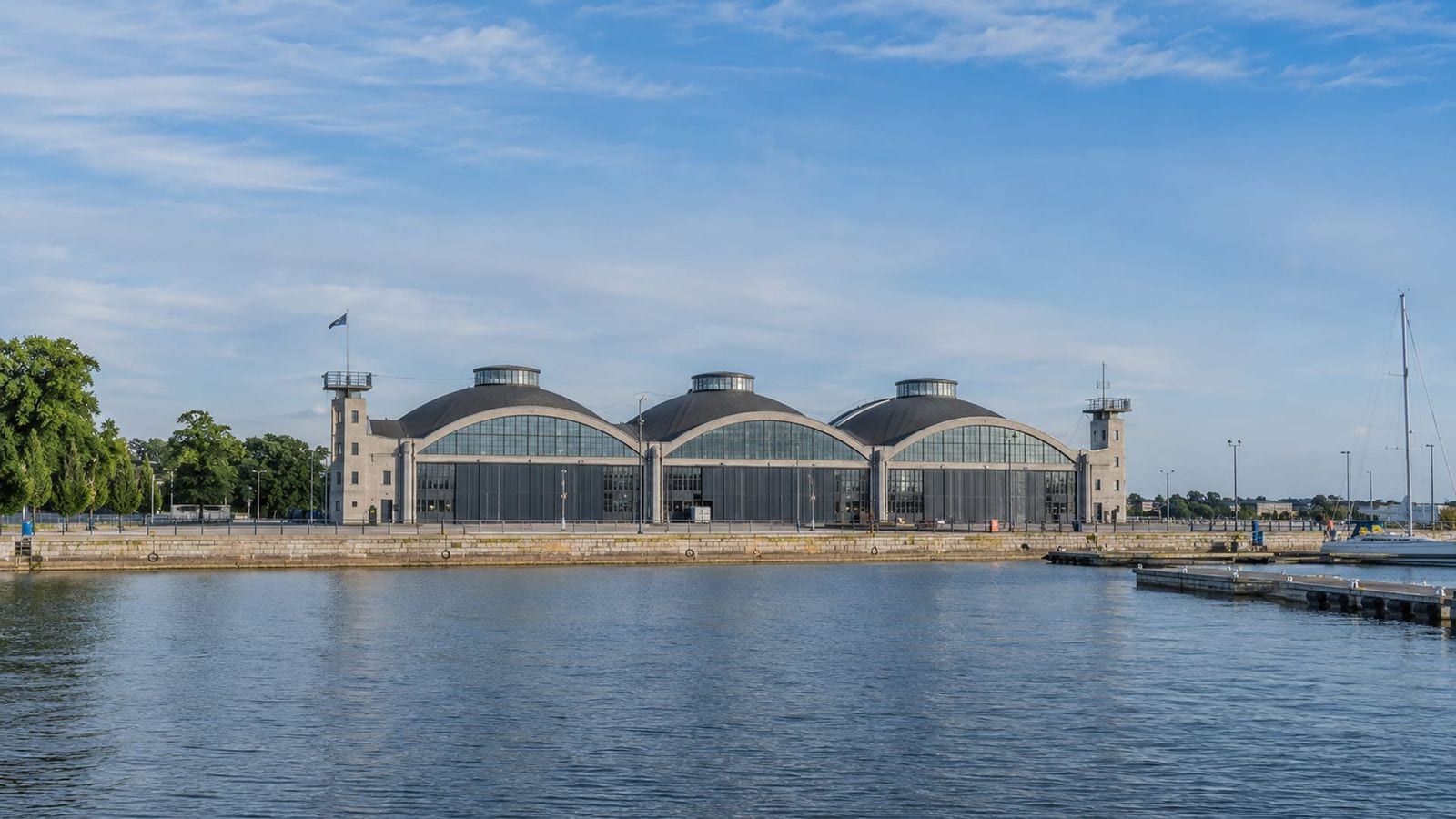
Seaplane Harbour
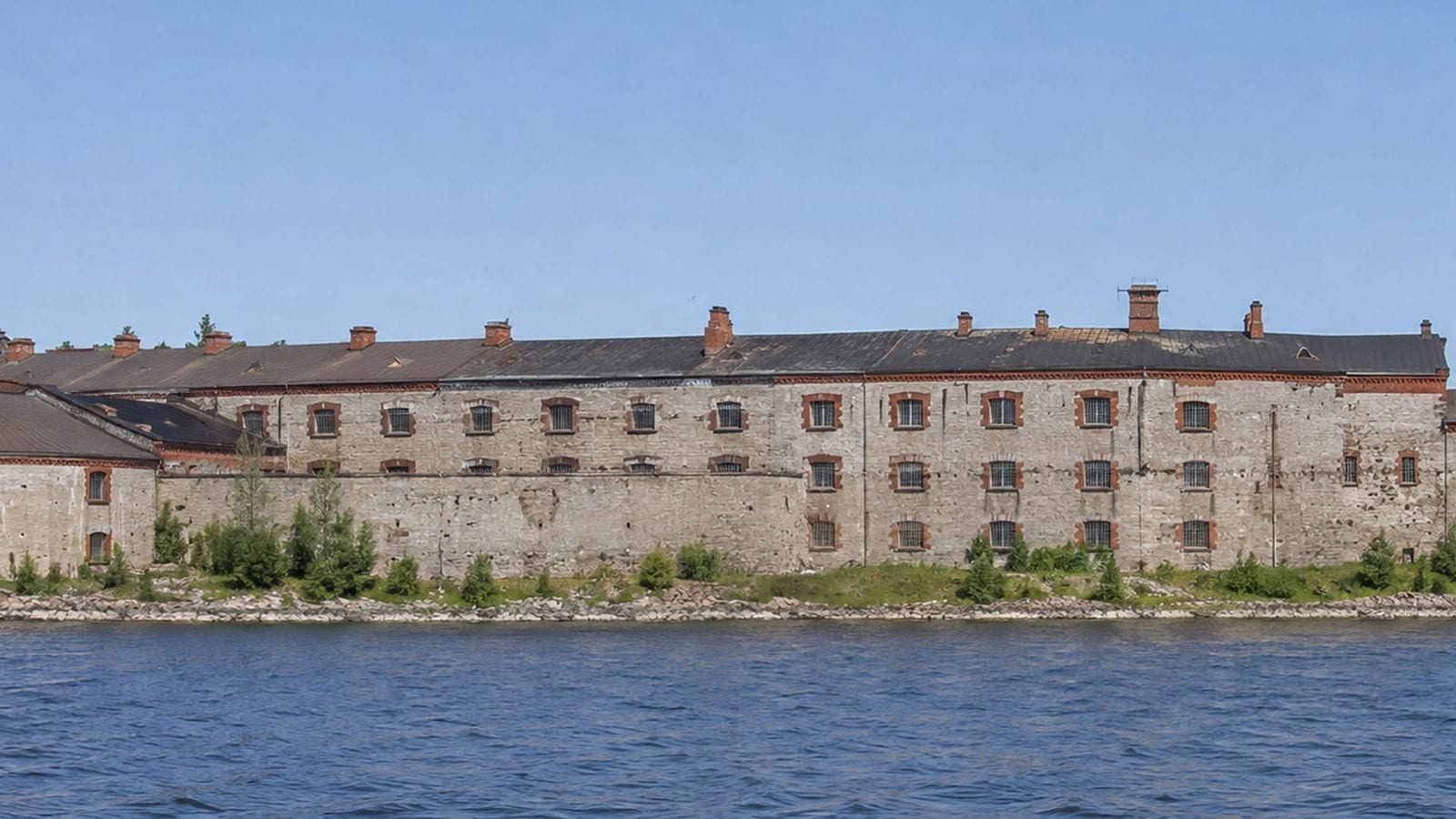
The Seaplane Harbour maritime museum occupies a 1917 seaplane hangar and displays ships, submarines, and other naval exhibits. The main hall includes the Lembit submarine and interactive exhibits for both adults and children.
Time needed: About 2 to 3 hours
Entry: Standard adult tickets cost €22 ($25), with reductions for children and students at the museum ticket desk. Visit the official site for details.
Tip: Arrive at opening time if you want room to explore the submarine and upper decks.
Overlooked sites worth visiting

Fotografiska Tallinn
Fotografiska Tallinn occupies a converted industrial building in Telliskivi Creative City and presents rotating contemporary photography exhibitions. Visitors can pair an exhibition with lunch or dinner at its Michelin-recognized restaurant.
Time needed: About 1.5 to 2 hours
Entry: Standard tickets cost €11 to €17 ($12 to $20), with pricing based on time of day and exhibitions; free for children under 16. Visit the official site for details.
Tip: Go on a weekday evening when the museum stays open until 8 pm (until midnight on Fridays).

Kalev Central Stadium and surrounding athletics grounds
This compact sports complex includes a 1950s stadium bowl and training fields. Visitors can see a different part of Tallinn and learn about the city’s sporting history.
Time needed: About 45 minutes to 1 hour
Entry: Exterior viewing and public areas are free when no events are on. Ticket prices and access vary by event.
Tip: Check the schedule first, because events can limit access.
Traditional food
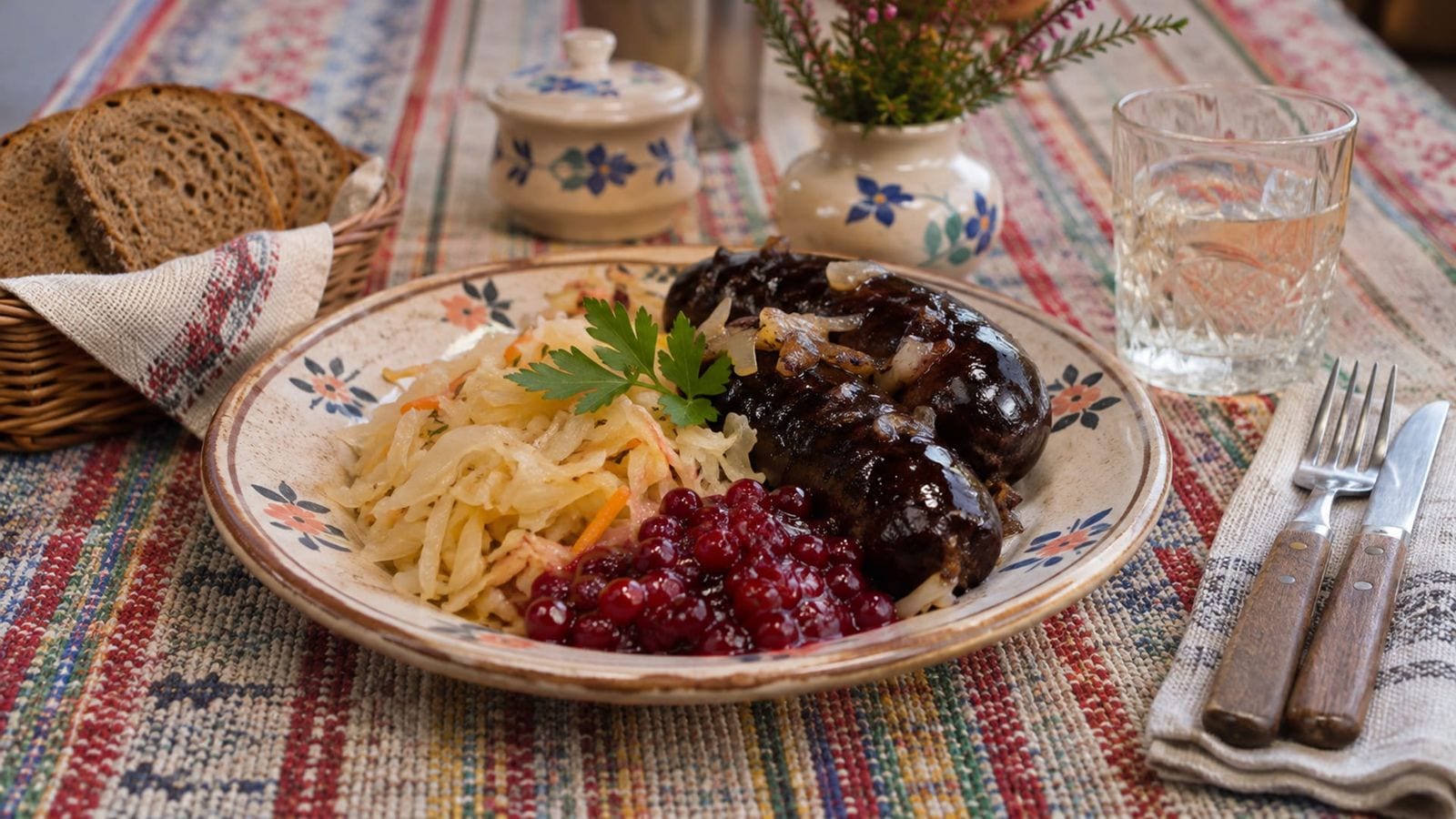
Tallinn’s traditional cooking features rye, fish, pork, potatoes, and preserved foods, with tart and lightly smoked flavors common across both small plates and hearty dishes.
Verivorst
Blood sausage with tart accompaniments fits the winter table and the city’s rustic side. Olde Hansa, a candlelit 15th-century merchant house near Town Hall Square, serves it alongside game dishes and honey beer in ceramic tankards.
Sült
This pork jelly dish is a traditional cold plate, usually served with mustard and rye bread. Olde Hansa maintains a medieval-style setting that matches the dish’s roots.
Kiluvõileib
Kiluvõileib is an open-faced sprat sandwich served on dark rye bread, with a salty flavor and simple toppings. Rataskaevu 16 serves a refined interpretation of Estonian classics in central Tallinn.
Kama
This roasted grain dessert or breakfast bowl tastes mild and nutty, and is often served with kefir or yogurt. Rukis, a café and bakery in the heart of Old Town, is a central stop to try kama-based desserts alongside its fresh-baked pastries.
Best time to visit Tallinn
Seasonal conditions in Tallinn vary widely, so the best time to visit depends on whether you prefer long daylight hours, quieter streets, or mild weather with fewer crowds.
Best for: Old Town walks, museum days, and park walks during mild weather
What you get: About 35°F to 60°F (2°C to 16°C), with lighter crowds before peak summer and some cool, windy days
Trade-offs: Weather can change quickly, so keep an indoor option available for outdoor days.
Best for: Long evenings, waterfront walks, and the fullest cafe and festival calendar
What you get: About 55°F to 72°F (13°C to 22°C), with the heaviest visitor traffic and the liveliest streets
Trade-offs: Central hotels and popular attractions fill quickly during peak periods.
Best for: Museums, food stops, and slower sightseeing with softer light
What you get: About 32°F to 60°F (0°C to 16°C), with thinning crowds and cooler, wetter days later in the season
Trade-offs: Daylight gets noticeably shorter by late fall.
Best for: Festive markets, candlelit dinners, and snow-dusted medieval streets
What you get: About 20°F to 34°F (-7°C to 1°C), with light crowds outside holiday peaks and short daylight hours
Trade-offs: Cold weather and strong winds can make longer outdoor walks less comfortable.
A realistic 5-day plan in Tallinn
Five days gives enough time to explore Tallinn without packing too much into each day. Start with a lighter arrival day and the medieval Old Town, then devote later days to Kadriorg, the harbor, and a final half day near the center.
Fly into Tallinn Airport (TLL), then take tram 2 or 4 to the city center. The ride takes roughly 20 to 30 minutes and costs €2 ($2.30). After checking in, keep the first evening light with dinner near Town Hall Square or in the Rotermann Quarter, followed by a short walk and an early night.
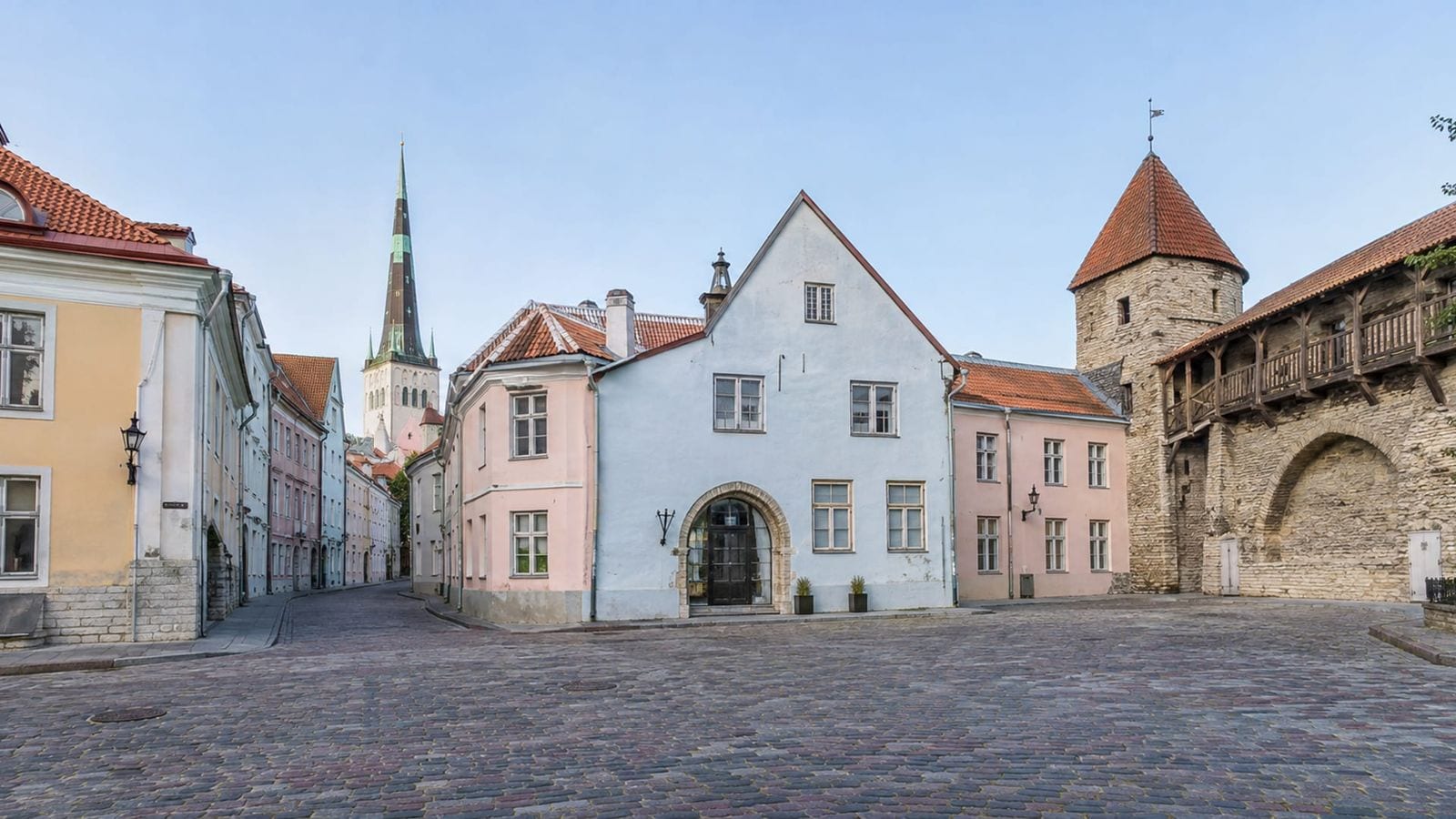
Start in Tallinn Old Town with Town Hall Square, St. Olaf’s Church, and the cobbled streets inside the medieval walls. Arrive early for quieter streets, then spend 2 to 4 hours exploring the lower town before continuing to Toompea Hill for the Patkuli and Kohtuotsa viewpoints. Walk back down for a late lunch near Town Hall Square, then return to the hotel on foot if you stay in the Old Town or the Rotermann Quarter.
Kadriorg suits a quiet museum day. Take a tram from the Old Town for about 10 minutes, or walk for roughly 15 minutes if staying nearby. Spend 2 to 3 hours at Kadriorg Palace and the Kadriorg Art Museum, then walk through the park before lunch. In the afternoon, continue to the Seaplane Harbour, about 10 minutes by taxi or 25 to 30 minutes by tram and bus with a transfer. Allow another 2 to 3 hours for the historic hangar, Lembit submarine, and maritime exhibits.
Start at Telliskivi Creative City, 15 to 20 minutes from Old Town or Rotermann by tram or on foot. Explore the shops and galleries, then spend 1.5 to 2 hours at the rotating photography exhibitions at Fotografiska Tallinn. Continue on foot through Kalamaja, where streets are lined with traditional wooden houses. Allow an hour for the neighborhood, then walk 10 to 15 minutes to the Noblessner waterfront for coffee or time by the marina before returning to Rotermann or Old Town for dinner.
Spend the final morning in the Rotermann Quarter, where former warehouse buildings now contain boutiques, design stores, and cafés. Keep the day close to the center with a short Old Town walk, coffee, or a return to a favorite stop. From Rotermann, tram links provide a simple route to Tallinn Airport (TLL).
Business-class flights from the US to Tallinn
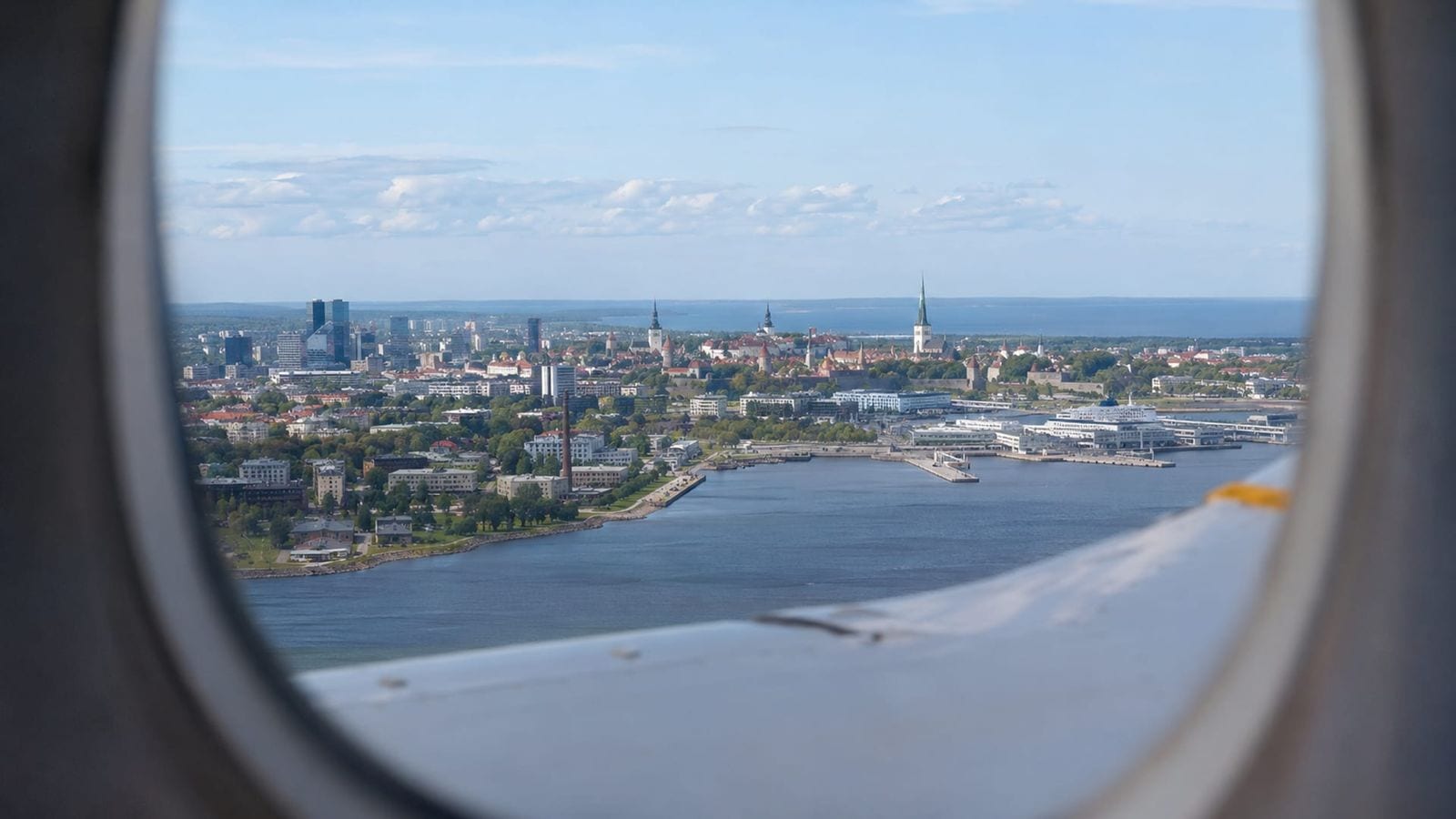
Every US route to Tallinn (TLL) connects through a layover city, which shapes both fare and travel time.
New York (JFK) to Tallinn (TLL)
One-stop business-class itineraries from New York to Tallinn (TLL) are commonly available with Finnair, Scandinavian Airlines, Lufthansa, Turkish Airlines, and LOT Polish Airlines, with layovers in Helsinki (HEL), Frankfurt (FRA), or Istanbul (IST). There are no nonstop flights. Total travel time is typically 10 to 15 hours; round-trip business-class fares range from $2,400 to $5,500 during peak periods.
Los Angeles (LAX) to Tallinn (TLL)
Lufthansa, Finnair, Turkish Airlines, Scandinavian Airlines, and Condor commonly serve this route with a layover, typically via Frankfurt (FRA), Helsinki (HEL), or Istanbul (IST). Total travel time is about 14 to 20 hours, depending on the layover. Round-trip business-class fares start at about $3,000 and can reach $6,500 in peak season.
A better way to experience Tallinn
A well-paced Tallinn trip keeps the medieval Old Town, Kadriorg’s museums and park, and the harbor districts on separate days. Trams cover longer distances, while the center is compact enough to explore on foot. Rotermann is convenient for dinner after sightseeing and for reaching Tallinn Airport (TLL). If you are planning a trip to Tallinn, AranGrant experts can help you find business-class flights that fit your dates and travel plans. With the flights arranged, the rest of the itinerary can follow the slower rhythm that suits Tallinn.