

Chapters:

Need help with your trip?
Our support team is available 24/7. Request a callback or call us directly at (833) 619-0908
Taiyuan’s noodle traditions turn wheat and oats into a daily expression of Shanxi cooking. Knife-cut noodles arrive with thick centers and tapered edges, while oat flour noodles show another side of the province’s grain culture. Breakfast brings tounao, a rich mutton soup.
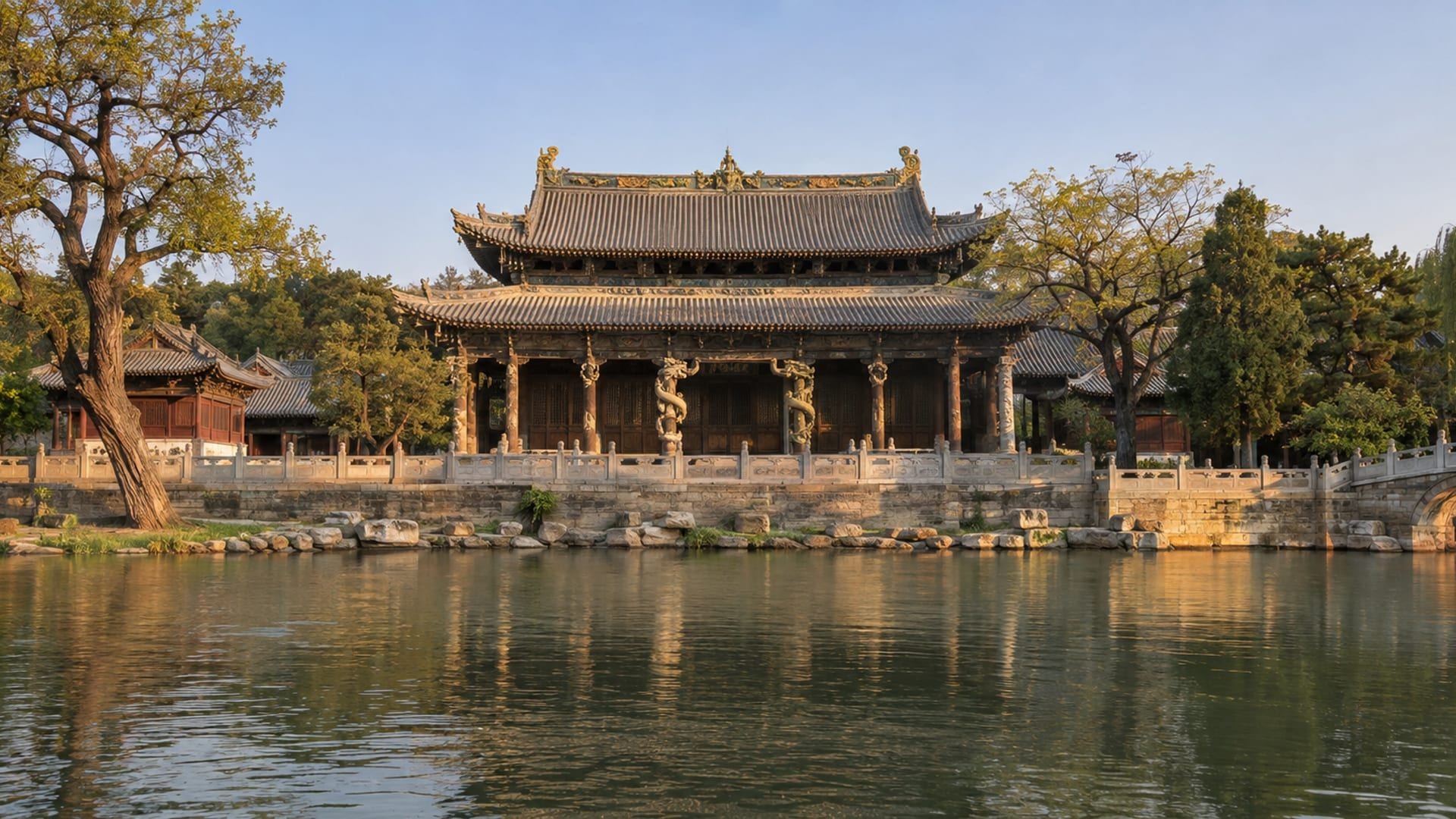
That attention to craft extends beyond the table. At Jinci Temple, carved dragons wrap wooden columns; Shanxi Museum displays ritual bronzes from the ancient Jin State. Twin Pagoda Temple adds brick towers and stone inscriptions to the picture.
Five days allow time for these sights between meals. Yingze District puts hotels near central dining and park walks, while Jinci Temple calls for a separate excursion southwest of the center. Reserve a Tuesday-to-Sunday morning for Shanxi Museum.
Useful things to know

Main language(s): Mandarin Chinese, Jin Chinese
你好 (nee how) – Hello
请 (ching) – Please
谢谢 (shyeh shyeh) – Thank you
你会说英语吗? (nee hway shwoh ying yoo mah) – Do you speak English?
多少钱? (dwaw shaow chyen) – How much does it cost?

Currency: Chinese yuan (CNY, ¥)

Cash and cards: Foreign cards and contactless have limited acceptance; carry about ¥200 to ¥300 ($28 to $42).

Tipping: Skip tipping in restaurants and taxis; tipping is not customary in Taiyuan.

Traditional food: Knife-cut noodles, guoyourou, tounao, and oat flour noodles are among the classic dishes of Taiyuan.

Water and coffee costs: Bottled water ¥2 to ¥5 ($0.30 to $0.70); espresso ¥15 to ¥30 ($2 to $4).

Taxis and ride apps: Licensed taxis use meters and queue at Taiyuan Wusu International Airport (TYN); short rides cost ¥10 to ¥20 ($1.40 to $2.80); DiDi.

Plug and voltage: Type A/C/I socket, 220V

Dining and shop opening hours: Breakfast is 7 am to 9 am, lunch 11:30 am to 1:30 pm, and dinner 6 pm to 8 pm. Shops typically open from 9 am to 9 pm.

Emergency number: Police 110, ambulance 120, fire 119.
Where to stay in Taiyuan
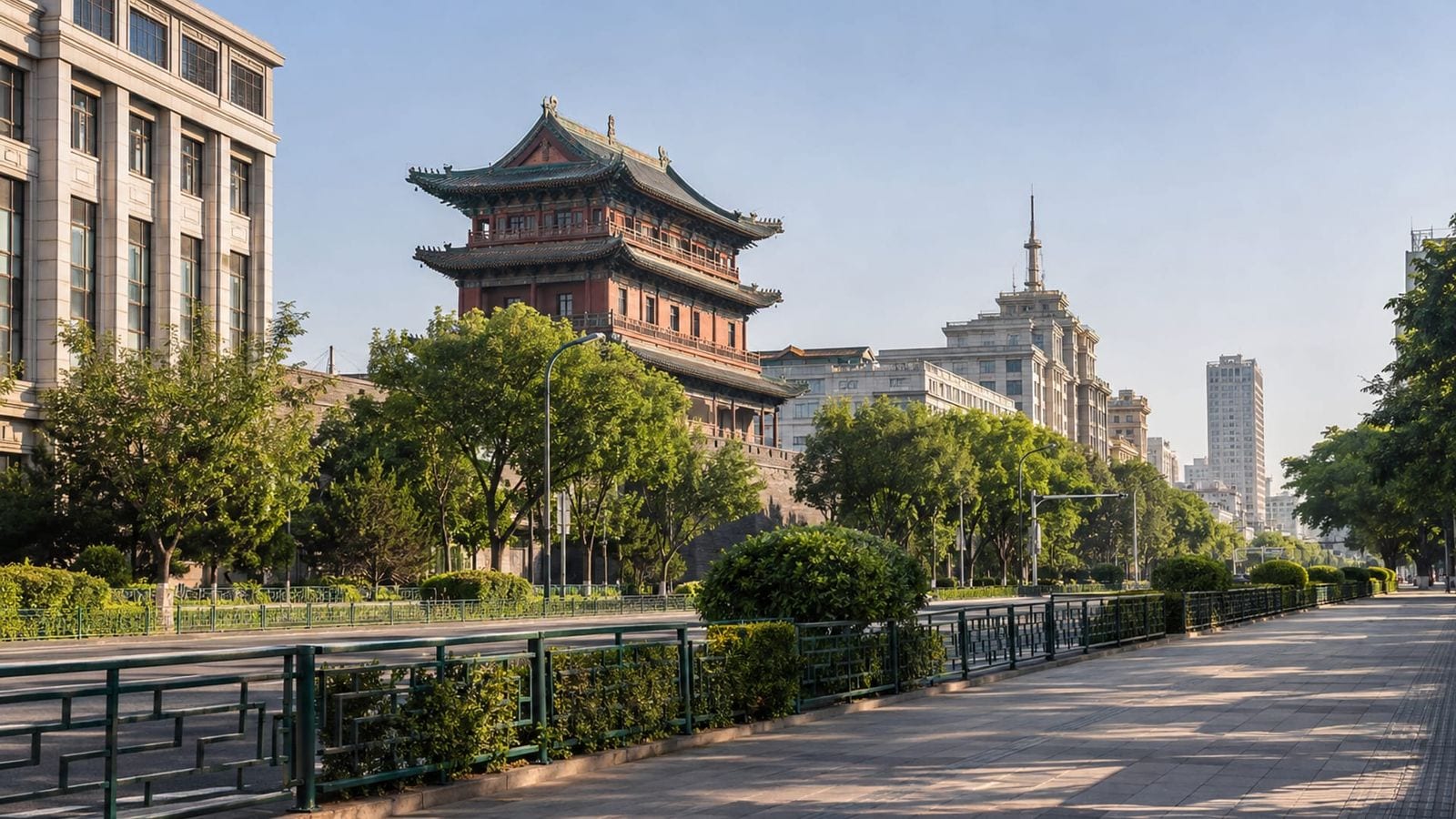
Yingze District covers much of central Taiyuan, with established shopping streets, Yingze Park, and hotels across several price levels. Staying here puts everyday dining and a substantial city park within reach, while taxis connect the district’s different hotel clusters with museums and temples.
Best for: Park walks, central shopping, and access to Taiyuan Railway Station
What to expect: Major roads carry heavy traffic, while shopping streets attract crowds through the evening.
Hotel prices: Well-rated hotels cost ¥250 to ¥600 ($35 to $85) a night.
Distance to major sights: From hotels near Yingze Park, allow 5 to 20 minutes on foot to the park.
Quietness: Shopping and traffic keep daytime busy; rooms facing major roads can stay noisy into the evening.
Main trade-off: Central convenience brings traffic noise, and the district’s size means some hotels are far from the park.
Good to know: Distinguish Taiyuan Railway Station from Taiyuan South Railway Station when choosing a hotel for an early departure.
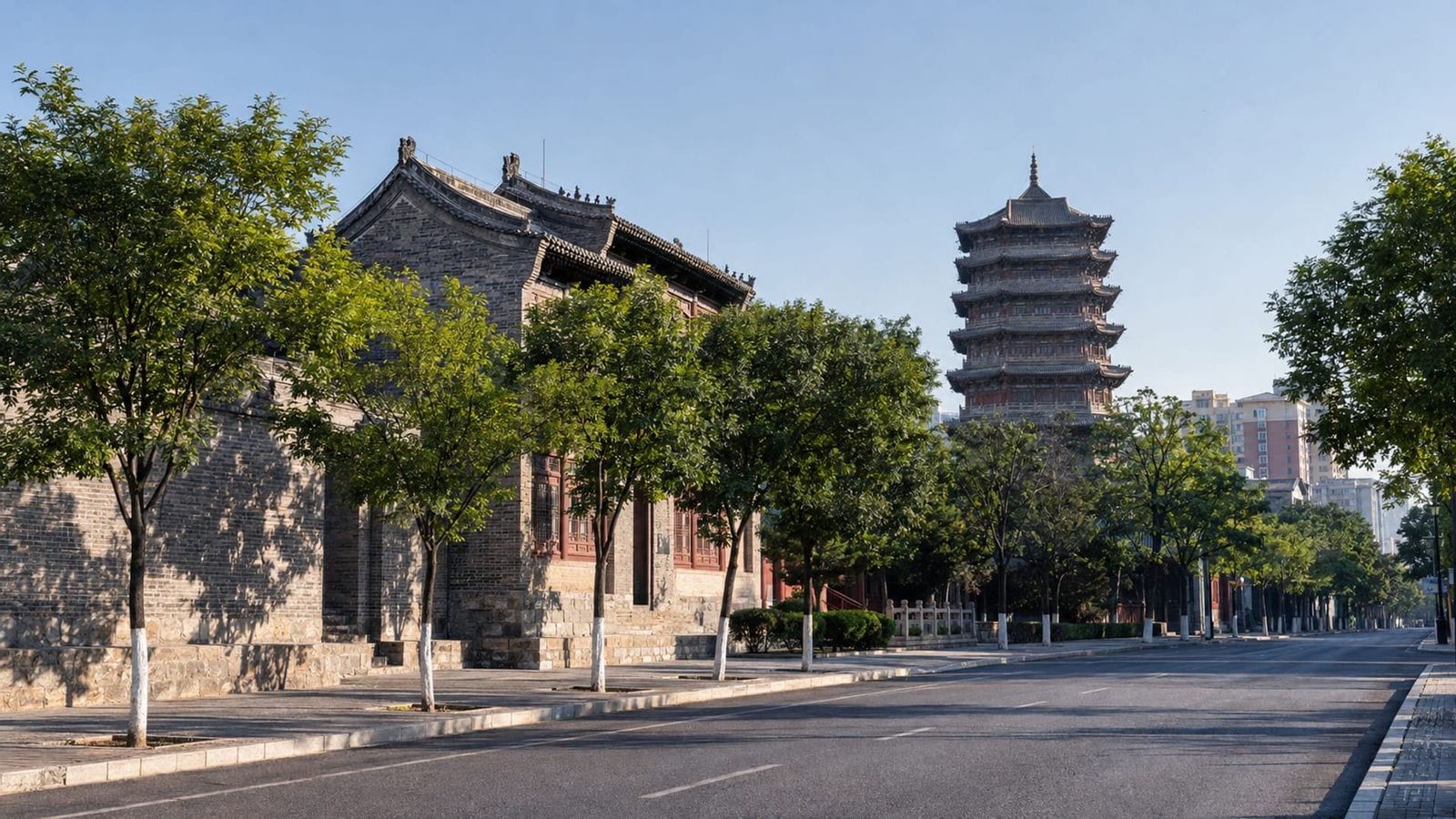
Xinghualing District occupies the northern part of central Taiyuan, combining older residential neighborhoods with shops and a range of hotels. Visitors stay here for access to the city’s historic core and neighborhood dining, accepting longer journeys to the southern railway station and airport.
Best for: Historic sightseeing, neighborhood dining, and exploring northern central Taiyuan
What to expect: Older residential streets mix food shops, local commerce, and busy arterial roads.
Hotel prices: Budget ¥200 to ¥500 ($30 to $70) nightly for a well-rated hotel.
Distance to major sights: Chongshan Temple is a 10 to 25-minute taxi ride from many hotels in the district.
Quietness: Shopping streets are active by day; residential side streets generally become quieter after dinner.
Main trade-off: Trips to Taiyuan South Railway Station take longer than from southern neighborhoods.
Good to know: Compare the hotel’s map location with Chongshan Temple before booking, since northern addresses can add substantial travel time.
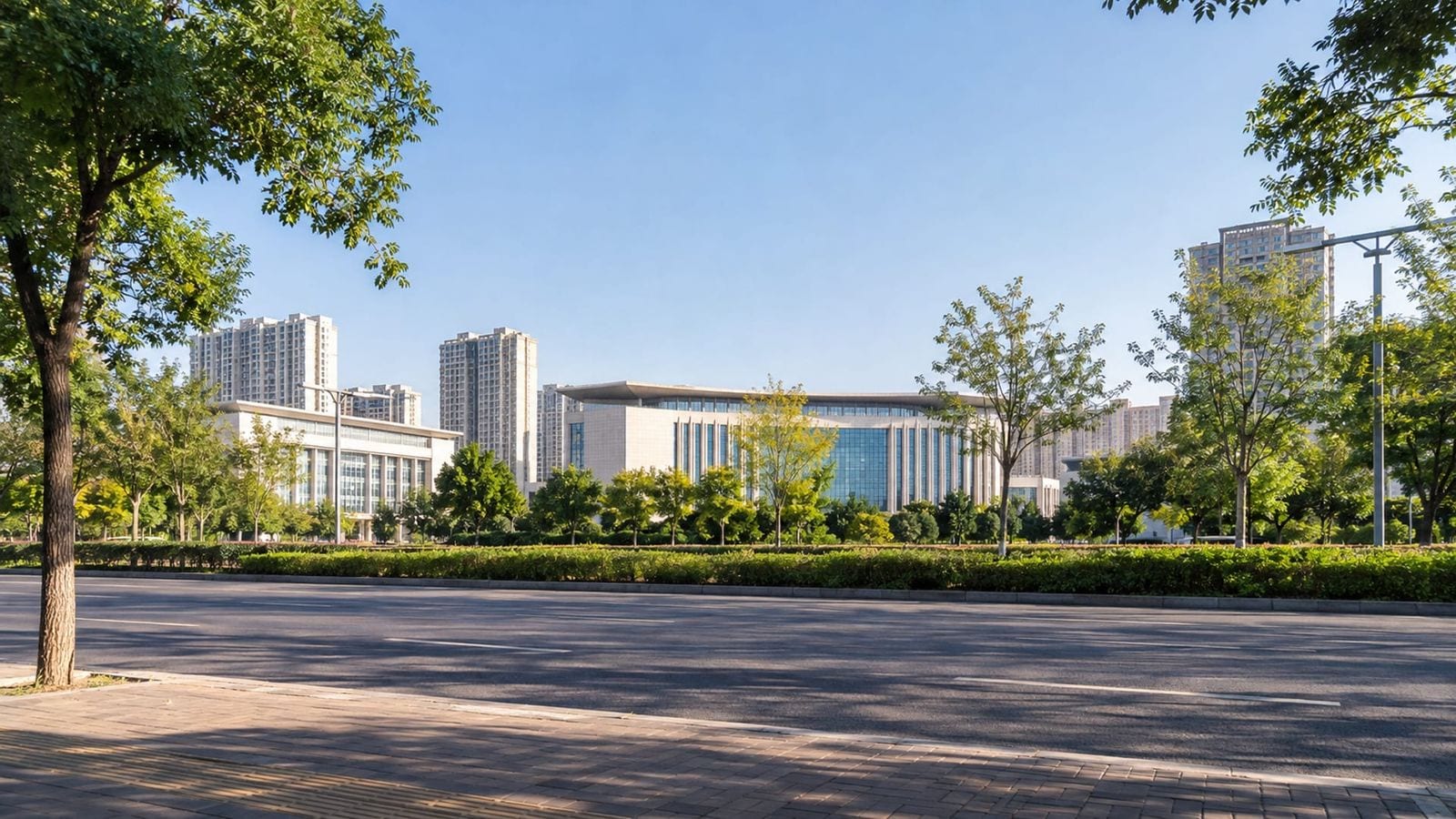
Xiaodian District extends across southern Taiyuan, mixing residential neighborhoods, shopping centers, and a broad selection of hotels. Its northern neighborhoods suit travelers seeking modern accommodation and restaurants, while southern addresses shorten trips to Taiyuan South Railway Station.
Best for: Shopping, restaurant choice, and connections through Taiyuan South Railway Station
What to expect: Wide roads, apartment developments, and shopping centers shape much of the district’s street life.
Hotel prices: A well-rated hotel typically costs ¥250 to ¥700 ($35 to $100) per night.
Distance to major sights: Allow 20 to 40 minutes by taxi from northern Xiaodian hotels to Yingze Park.
Quietness: Main roads stay busy during the day; evenings are quieter inside residential blocks than near shopping centers.
Main trade-off: The district covers a large area, so a southern hotel can mean lengthy trips to older central sights.
Good to know: For a morning train, choose a hotel explicitly near Taiyuan South Railway Station; the district name alone does not indicate proximity.
Huangling, Luocheng, and Yangjiayu are less convenient for central sightseeing: Huangling lies toward the airport, Luocheng is southwest of the center, and Yangjiayu lies on the northeastern outskirts.
Hotel deals
How to get around Taiyuan efficiently
Taiyuan’s Metro Line 2 carries north–south trips through the center, while buses, taxis, and DiDi connect journeys beyond its stops.

Metro
for longer distances
Metro Line 2 links Jiancaoping with Xiqiao through central Taiyuan. Fares run ¥2 to ¥6 ($0.30 to $0.85), depending on distance; allow roughly 50 minutes end to end. Use it for north–south journeys that avoid road traffic.

Bus and tram
for convenience
For Jinci, bus 804 connects central Taiyuan with the temple area; allow 60 to 90 minutes as traffic varies. City bus fares generally run ¥1 to ¥3 ($0.15 to $0.45). Buses suit inexpensive trips beyond metro coverage; carry small change.

Taxi
for convenience or late hours
Taiyuan Wusu International Airport (TYN) to central Taiyuan typically takes 30 to 45 minutes by metered taxi, costing roughly ¥40 to ¥70 ($6 to $10). Use the airport taxi queue; taxis suit luggage-heavy arrivals and trips beyond metro coverage.
*Prices are based on rates updated as of November 2026 and may change at the time of travel.
Use Metro Line 2 for central north–south trips, bus 804 for an inexpensive journey to Jinci Temple, and taxis or DiDi for luggage and museum transfers.
Iconic landmarks
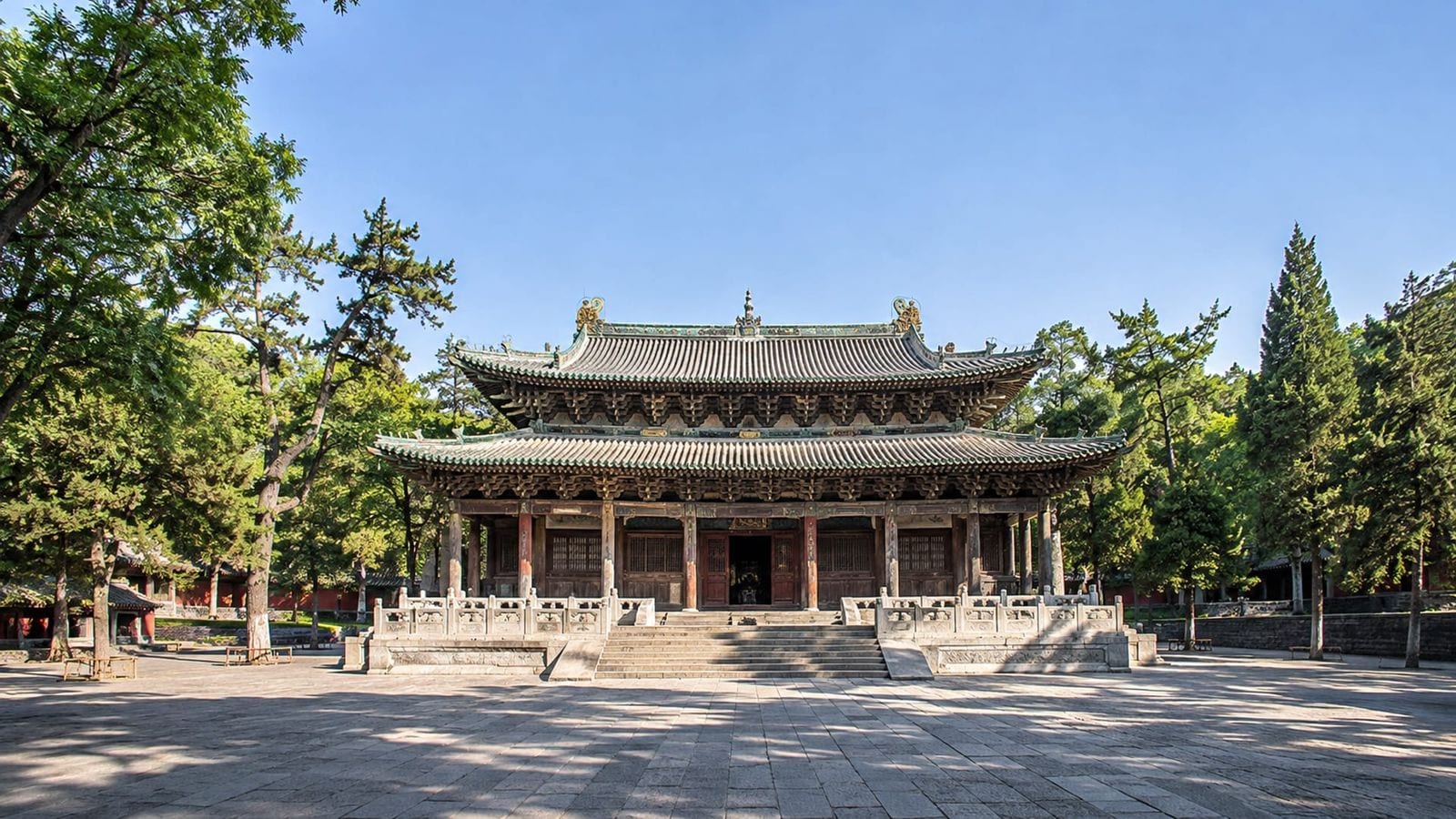
Jinci Temple
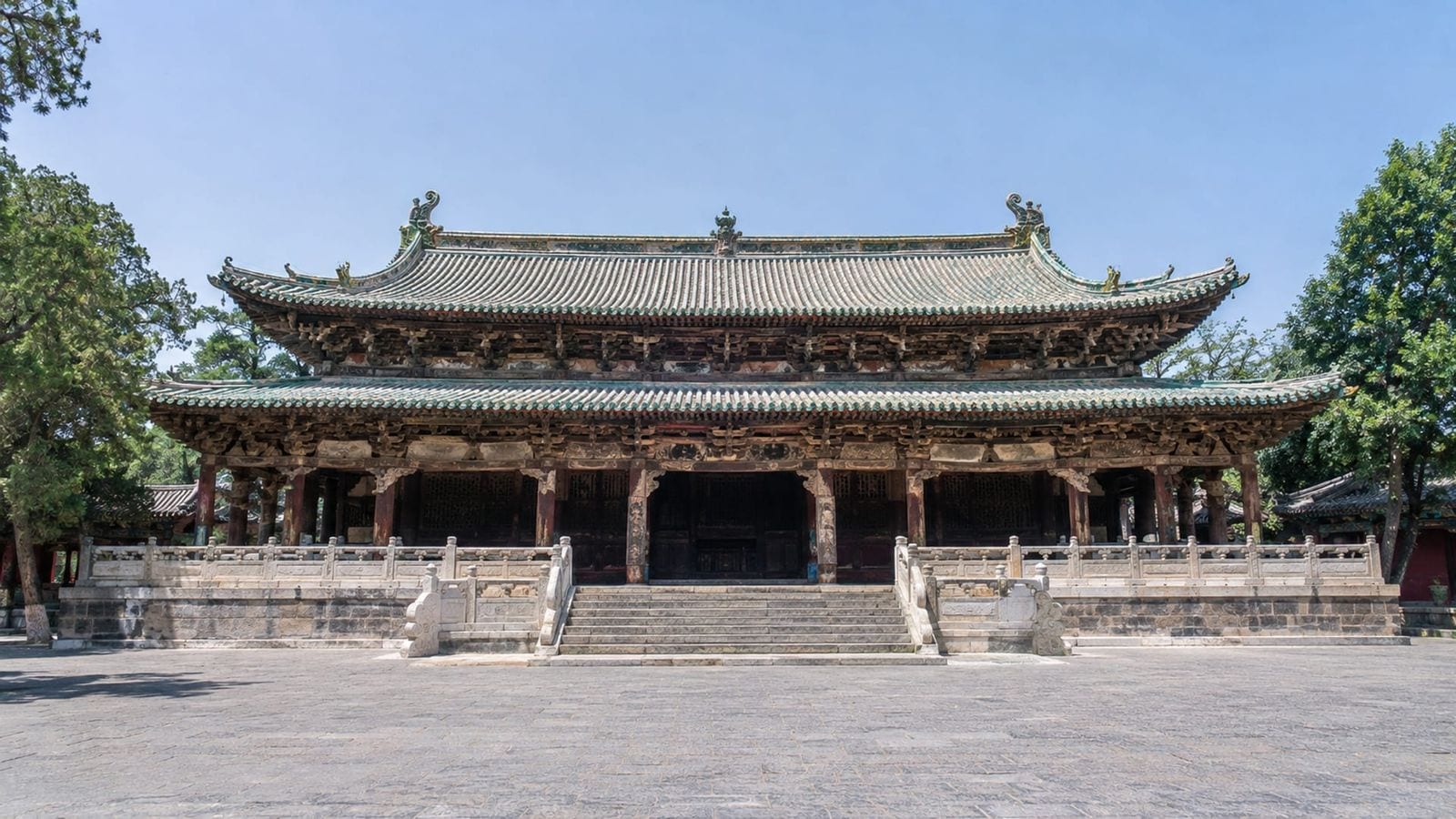
Ancient cypresses, spring water, and timber halls make Jinci Temple one of Taiyuan’s defining sights. The Hall of the Holy Mother preserves painted clay attendants from the Song dynasty, while carved wooden dragons coil around its columns.
Time needed: About 2 to 3 hours
Entry: Moderately priced: admission to the historic temple complex
Tip: Allow extra time for the walk through Jinci Park to the historic temple.
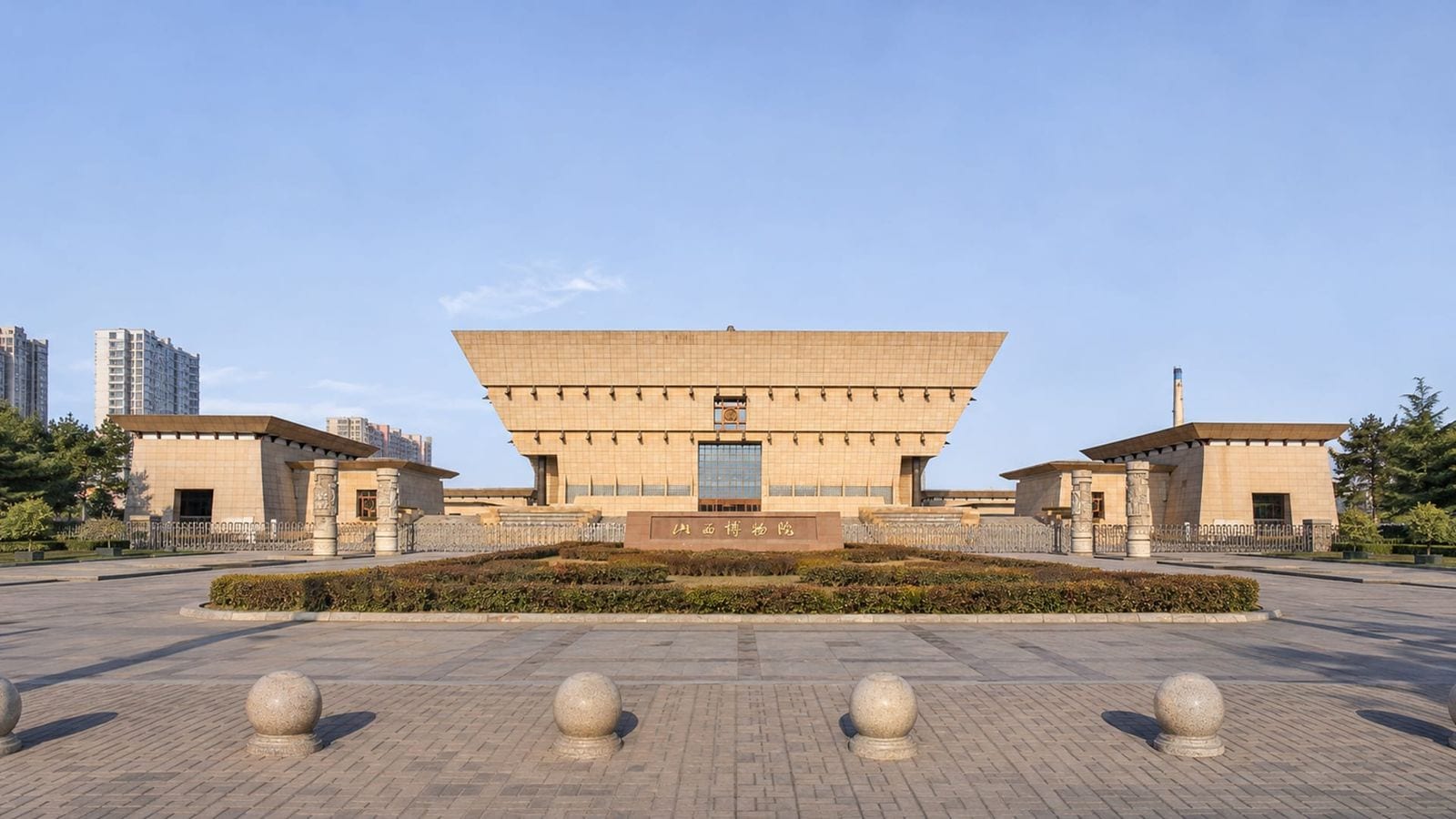
Shanxi Museum
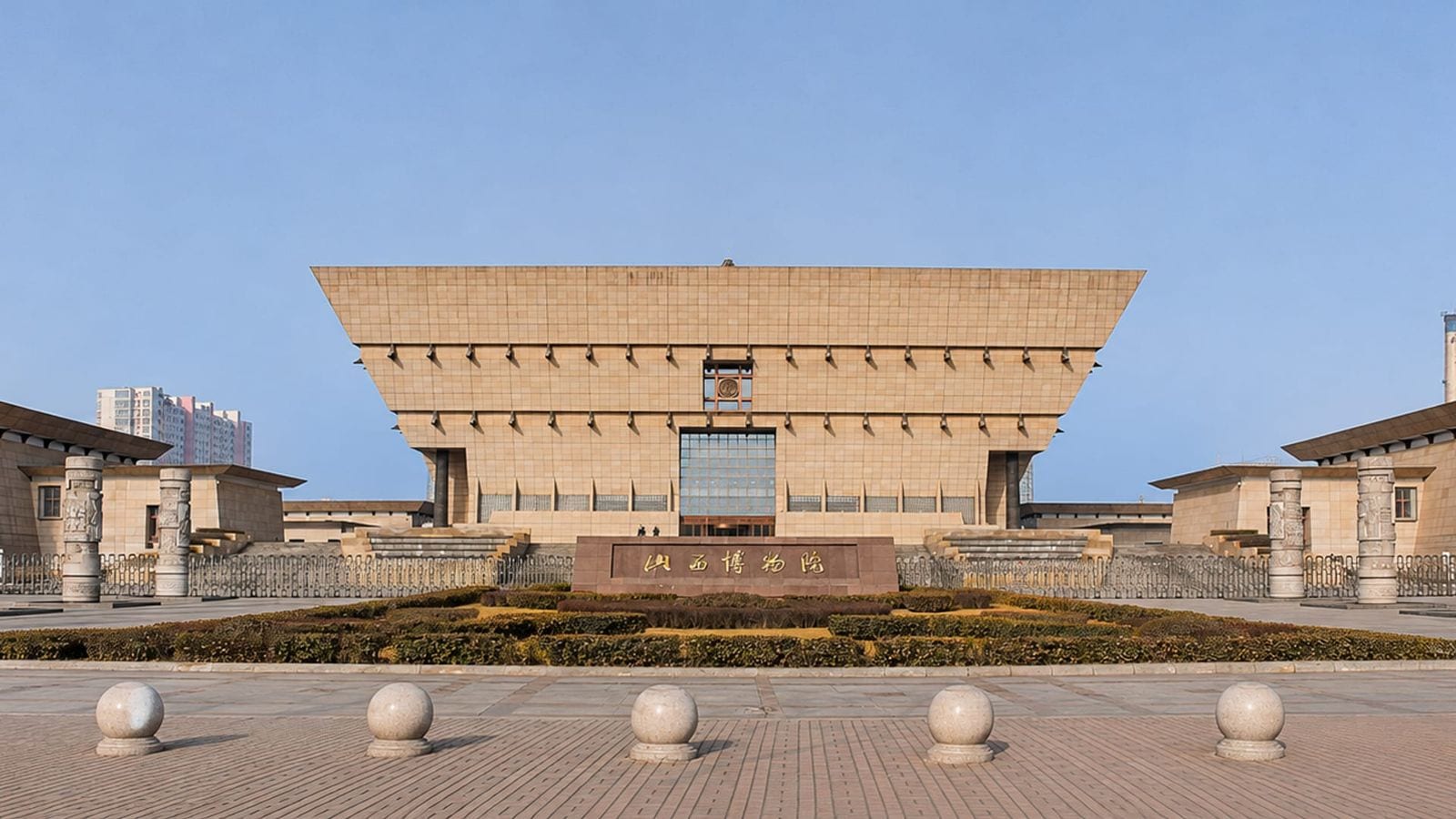
Shanxi Museum traces the province’s history through archaeological discoveries, bronze vessels, Buddhist sculpture, and decorative arts. Its celebrated bird-shaped bronze vessel connects visitors with the ancient Jin State and its ritual culture.
Time needed: About 2 to 3 hours
Entry: Free; closed on Mondays
Tip: Pair the bronze galleries with the Jin State displays to follow their context.
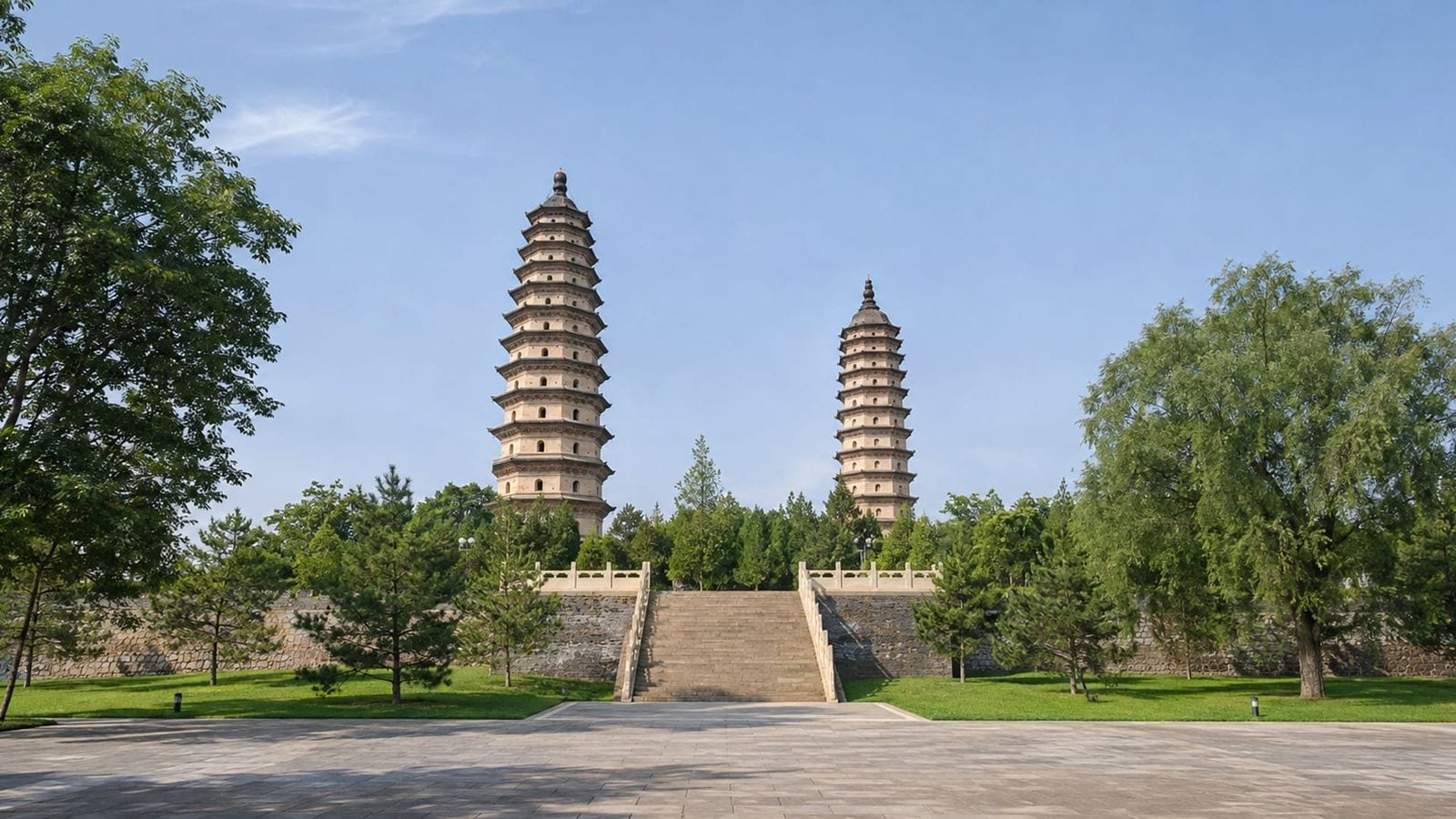
Twin Pagoda Temple
Two thirteen-story brick pagodas give Twin Pagoda Temple its name and form a familiar emblem of Taiyuan. The Ming dynasty complex combines octagonal towers with temple courtyards, historic stone inscriptions, and gardens known for their peonies.
Time needed: About 1 to 2 hours
Entry: Low-cost: admission to the temple complex
Tip: Walk farther into the temple grounds to frame both pagodas in one photograph.
Overlooked sites worth visiting

Xuefu Park
Tree-lined paths and a lake give Xuefu Park a quieter role in southern Taiyuan. Local residents come for walks and exercise, making this a low-key stop between the city’s larger sights.
Time needed: About 45 minutes to 1 hour
Entry: Free to access
Tip: Choose a morning walk to see residents exercising along the park’s paths.

Taiyuan Art Museum
Taiyuan Art Museum presents changing exhibitions in a contemporary building near the Fen River. Its galleries offer a look at painting and visual arts beyond the city’s ancient monuments.
Time needed: About 1 to 2 hours
Entry: Free general admission
Tip: Pair the galleries with a walk along the nearby Fen River.
Traditional food
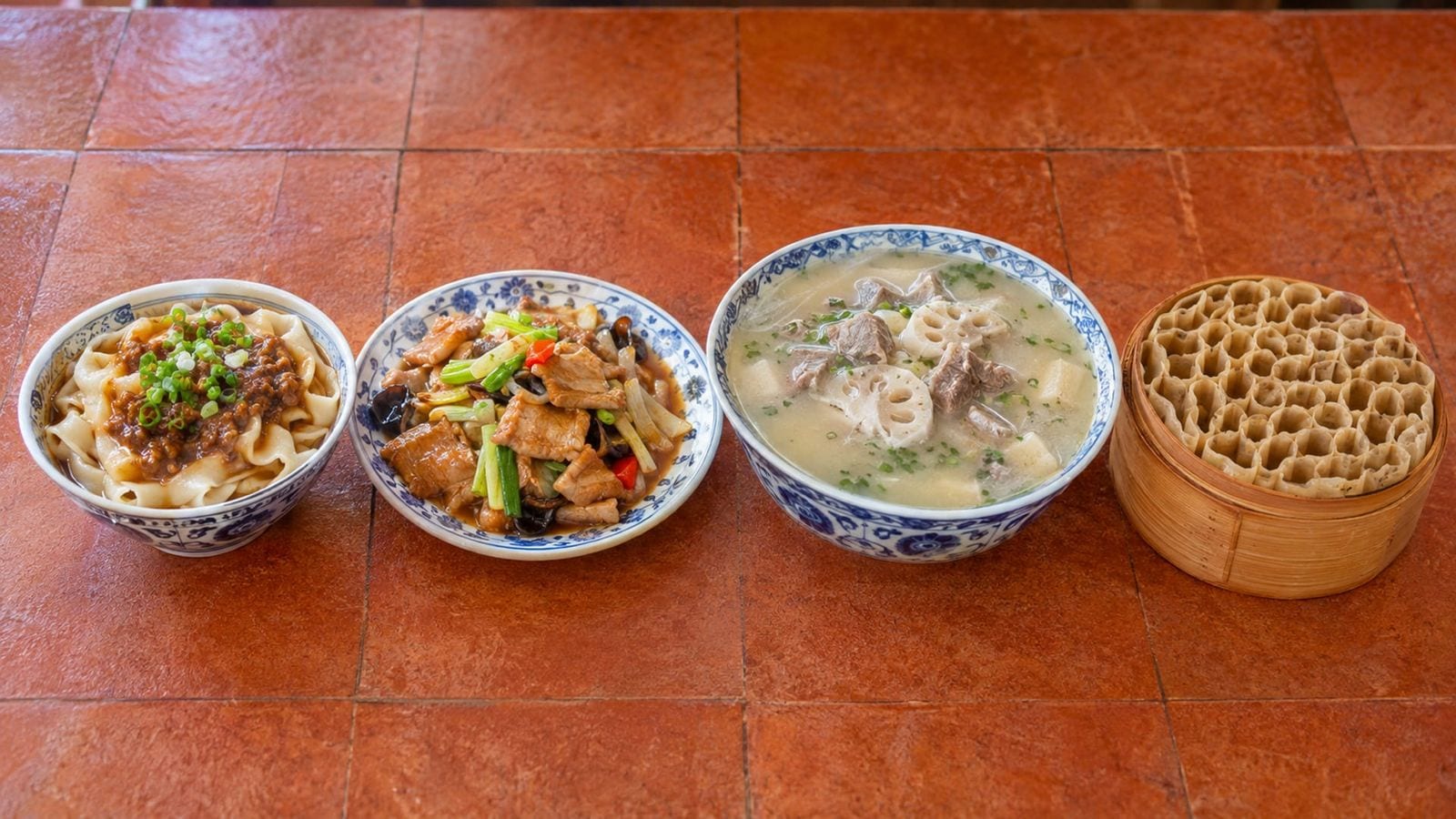
Wheat, oats, and vinegar shape Taiyuan’s cooking, from knife-cut noodles to rolled oat flour noodles. Guoyourou brings pork to the table, while tounao makes a rich mutton breakfast in the city.
Knife-cut noodles
Cooks shave wheat dough into boiling water, producing noodles with thick centers and thin edges that hold savory toppings. Try knife-cut noodles at Shanxi Hotel, where a noodle dinner also fits the arrival-day plan.
Guoyourou
Thin pork slices pass briefly through oil before cooks stir-fry them with vegetables and a touch of vinegar. Bingzhou Hotel serves guoyourou, a Shanxi classic whose tender meat contrasts with crisp vegetables.
Tounao
Mutton, lotus root, and Chinese yam give this thick breakfast soup its substance, with rice wine adding depth. Qingheyuan is Taiyuan’s historic name for tounao; make this a morning meal during your stay in the city.
Oat flour noodles
Oat flour dough forms short rolls that cooks steam upright, creating a honeycomb pattern with a firm, earthy bite. Order oat flour noodles at Shanxi Huiguan, where dipping sauces complement the grain’s flavor.
Best time to visit Taiyuan
Taiyuan has cold, dry winters, warming springs, summer rain, and cooler autumn days for temple grounds and park walks.
Best for: Peonies at Twin Pagoda Temple and longer walks through Taiyuan’s city parks
What you get: Expect 32°F to 79°F (0°C to 26°C) across the season; Twin Pagoda Temple draws flower visitors, with larger crowds during the May holiday.
Trade-offs: Wind and spring dust can interrupt outdoor plans; March mornings still feel cold.
Best for: Shanxi Museum galleries paired with early walks beside Yingze Park’s lake
What you get: Temperatures span 61°F to 86°F (16°C to 30°C); school vacations bring more families to major sights, while rain punctuates the summer.
Trade-offs: July and August bring the most rain, and midday heat makes extended temple walks tiring.
Best for: Exploring Jinci Temple’s timber halls and ancient trees in cooler weather
What you get: Days and nights range from 25°F to 77°F (-4°C to 25°C); crowds swell during the early October holiday, then ease as colder weather arrives.
Trade-offs: November turns cold quickly; the early October national holiday brings busy temple grounds.
Best for: Ancient bronzes at Shanxi Museum followed by a warming breakfast of tounao
What you get: Winter temperatures run 14°F to 41°F (-10°C to 5°C); outdoor sights usually draw fewer visitors, though Lunar New Year changes crowd levels.
Trade-offs: Freezing mornings and short daylight hours limit time in Jinci Temple’s outdoor courtyards.
A realistic 5-day plan in Taiyuan
Two central sightseeing days connect Taiyuan’s pagodas, parks, and museums before a longer excursion to Jinci Temple. Place the museum day between Tuesday and Sunday, then finish with lunch in Xiaodian District before departure.
From Taiyuan Wusu International Airport (TYN), take a taxi to your hotel in Yingze District, allowing 30 to 50 minutes and ¥70 to ¥110 ($10 to $16). Settle in, then have a light noodle dinner at Shanxi Hotel before an early night.
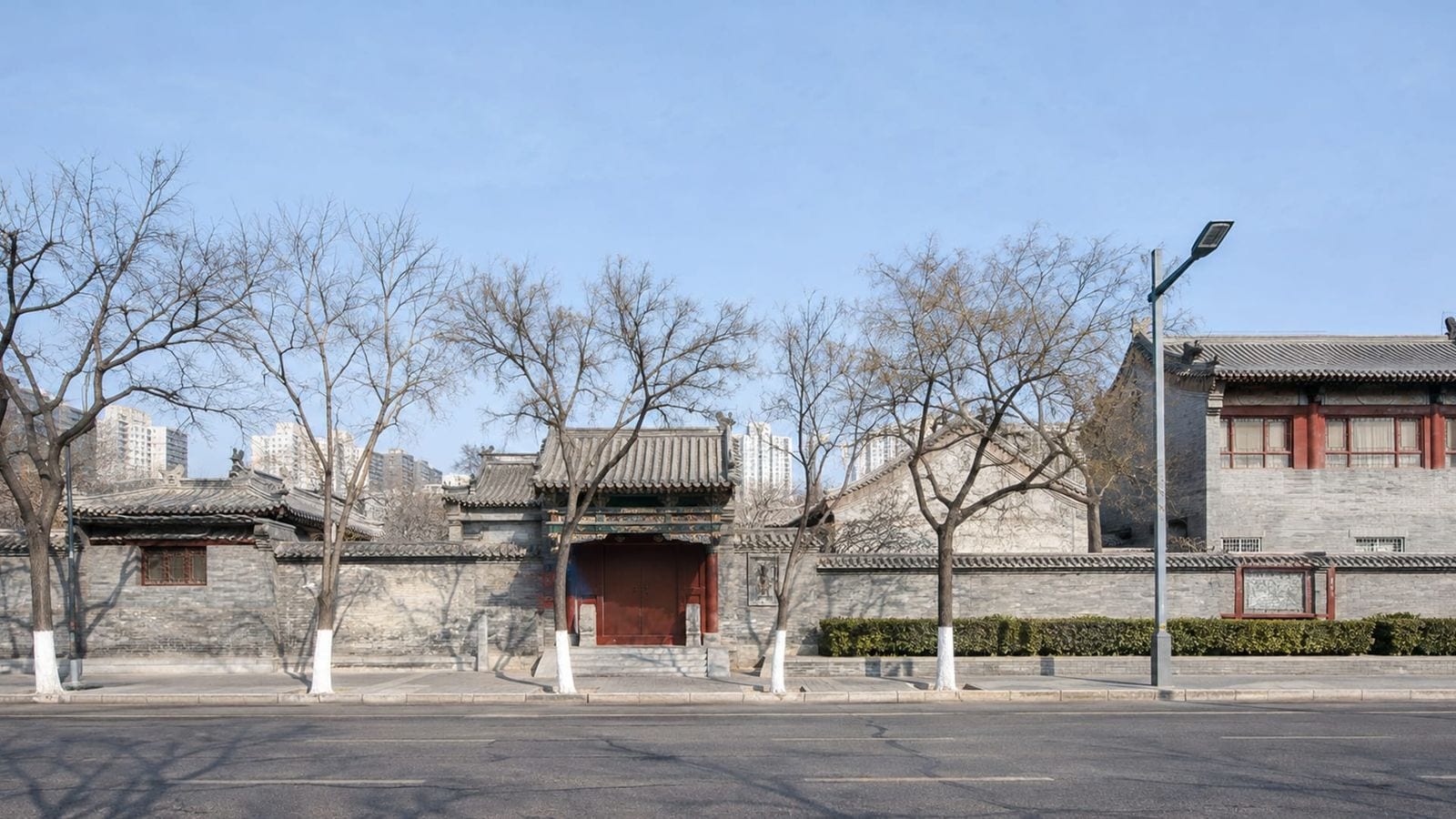
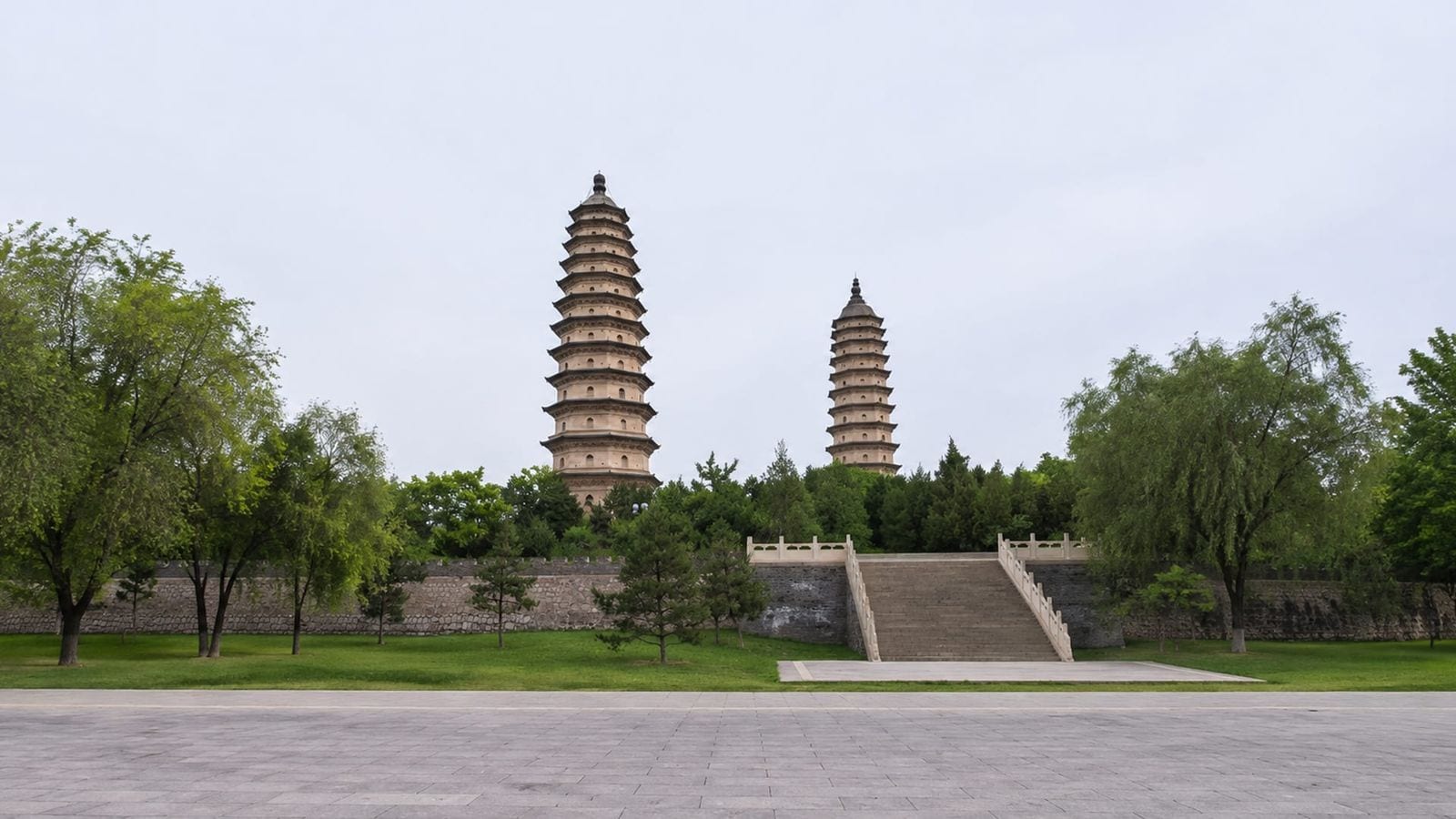
Twin Pagoda Temple introduces Taiyuan through its two brick towers, courtyards, and stone inscriptions; allow 2 hours. A 20 to 30-minute taxi ride brings you to Yingze Park for an afternoon exploring its lakeside paths and gardens.
Ancient bronzes fill the morning at Shanxi Museum, where the Jin State galleries reward 2 to 3 hours. Schedule this day Tuesday to Sunday because the museum closes Mondays. Continue south by taxi for 25 to 40 minutes to Taiyuan Art Museum, allowing 1 to 2 hours for its changing exhibitions.
Beyond central Taiyuan, Jinci Park provides a leisurely approach to Jinci Temple. Allow 45 to 60 minutes for the park, including the 20 to 30-minute approach to the historic complex. Spend another 2 to 3 hours examining the dragon-carved columns, ancient cypresses, and painted clay attendants.
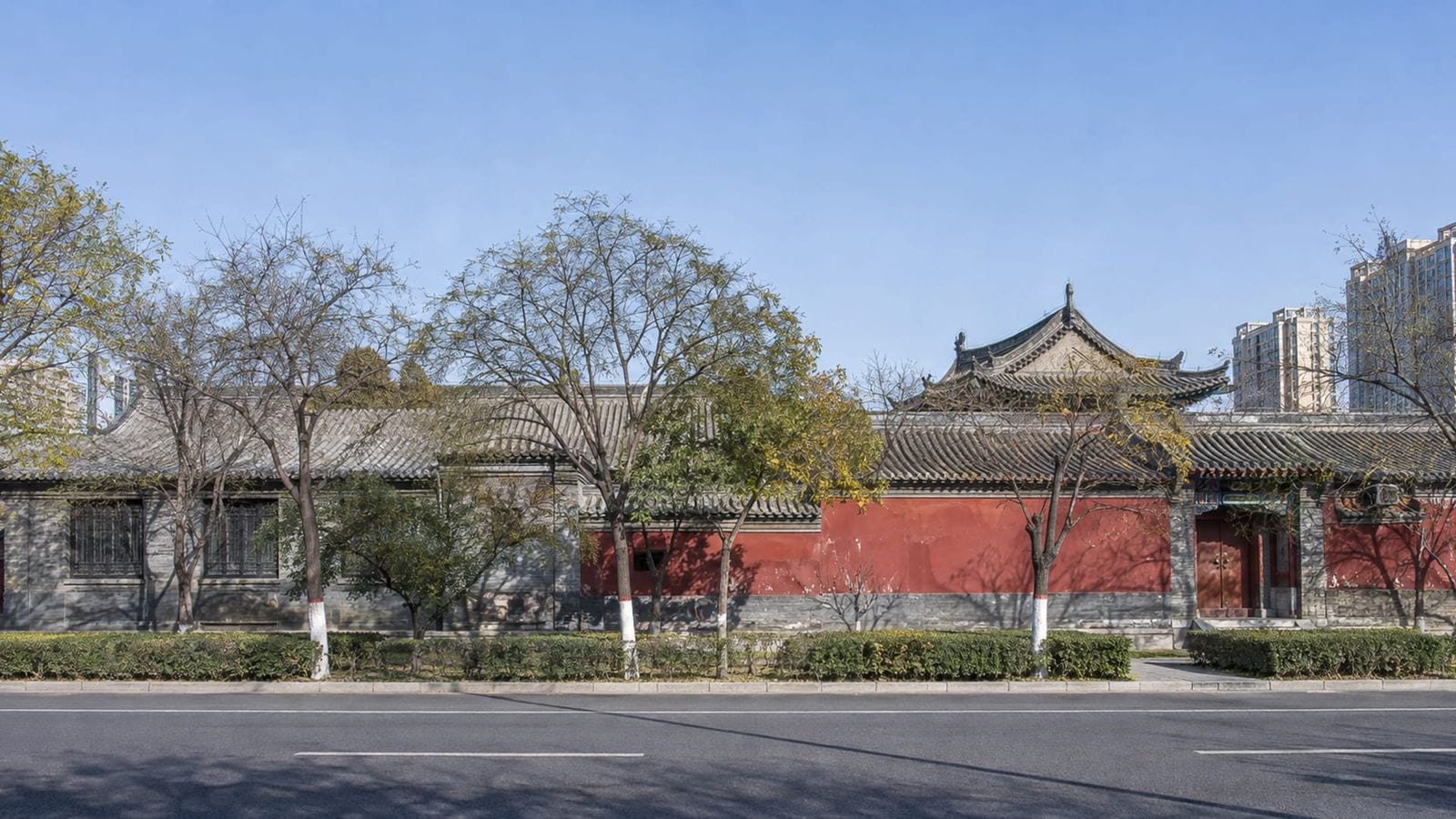
Before your flight, head south through Xiaodian District for a final shopping stop and noodle lunch. Continue directly to Taiyuan Wusu International Airport (TYN); allow 30 to 50 minutes by taxi from northern Xiaodian, with a fare of ¥50 to ¥90 ($7 to $13).
Business-class flights from the US to Taiyuan
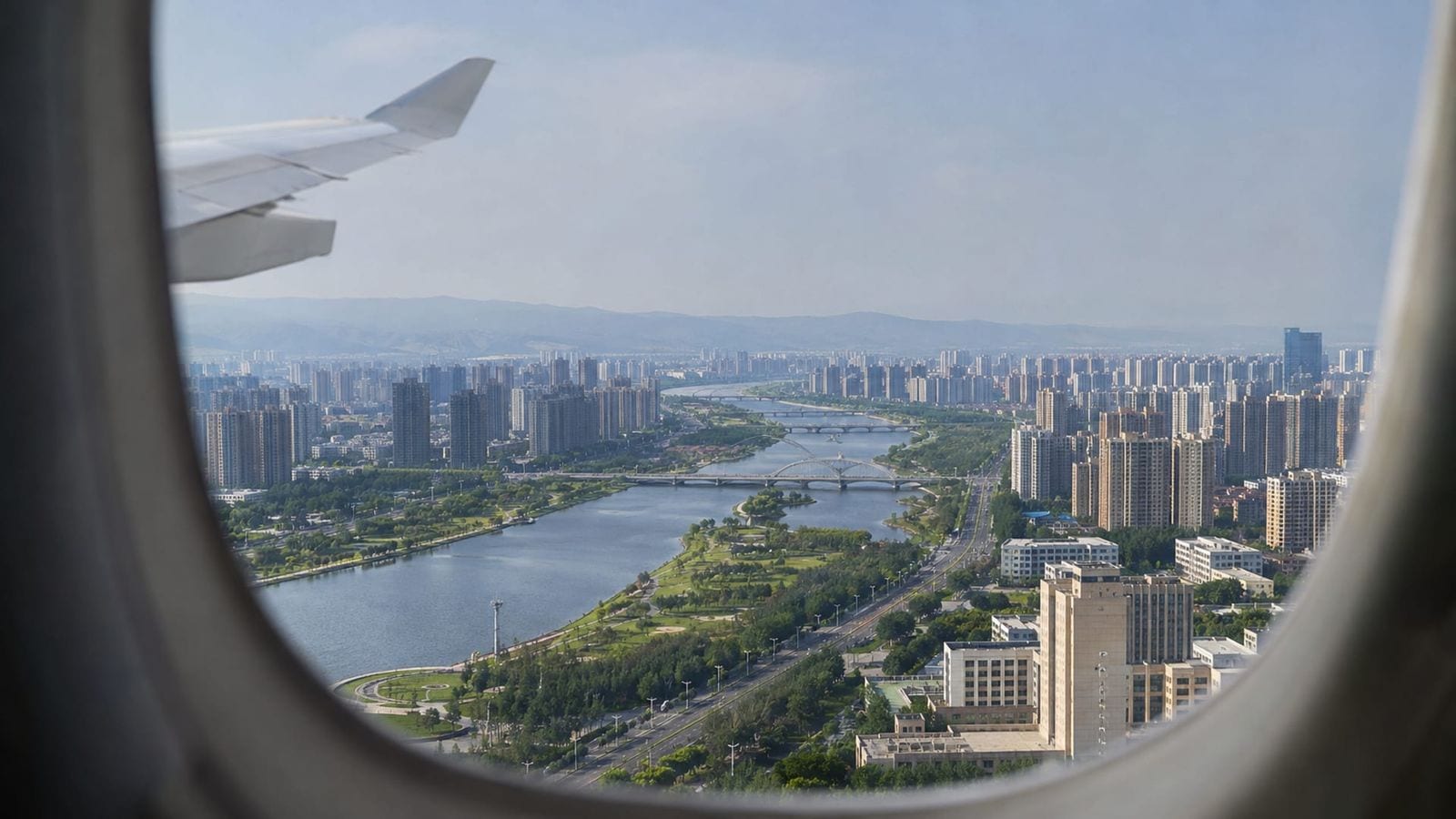
Flights to Taiyuan (TYN) from New York and Los Angeles connect through Beijing (PEK); these two examples pair Air China with round-trip fare ranges.
From New York, Air China offers a one-stop journey to Taiyuan (TYN) through Beijing (PEK), with a total travel time of 19 to 26 hours. Round-trip fares range from $5,000 to $9,000 for this connection through the Chinese capital.
Air China connects Los Angeles with Taiyuan (TYN) via Beijing (PEK) in 18 to 25 hours, including the connection. For this one-stop trip from the West Coast, round-trip fares range from $4,500 to $8,500.
Taiyuan feels different when you slow down
A Taiyuan stay can connect breakfast tounao with ancient bronzes, twin brick pagodas, and the painted attendants at Jinci Temple. Choose Yingze District for central meals and park walks, give the museum galleries a Tuesday-to-Sunday morning, and reserve a separate day for Jinci Temple and its approach through Jinci Park. Ask AranGrant experts to shape your flights around an autumn temple excursion or a spring stay timed for the peonies at Twin Pagoda Temple