

Chapters:

Need help with your trip?
Our support team is available 24/7. Request a callback or call us directly at (833) 619-0908
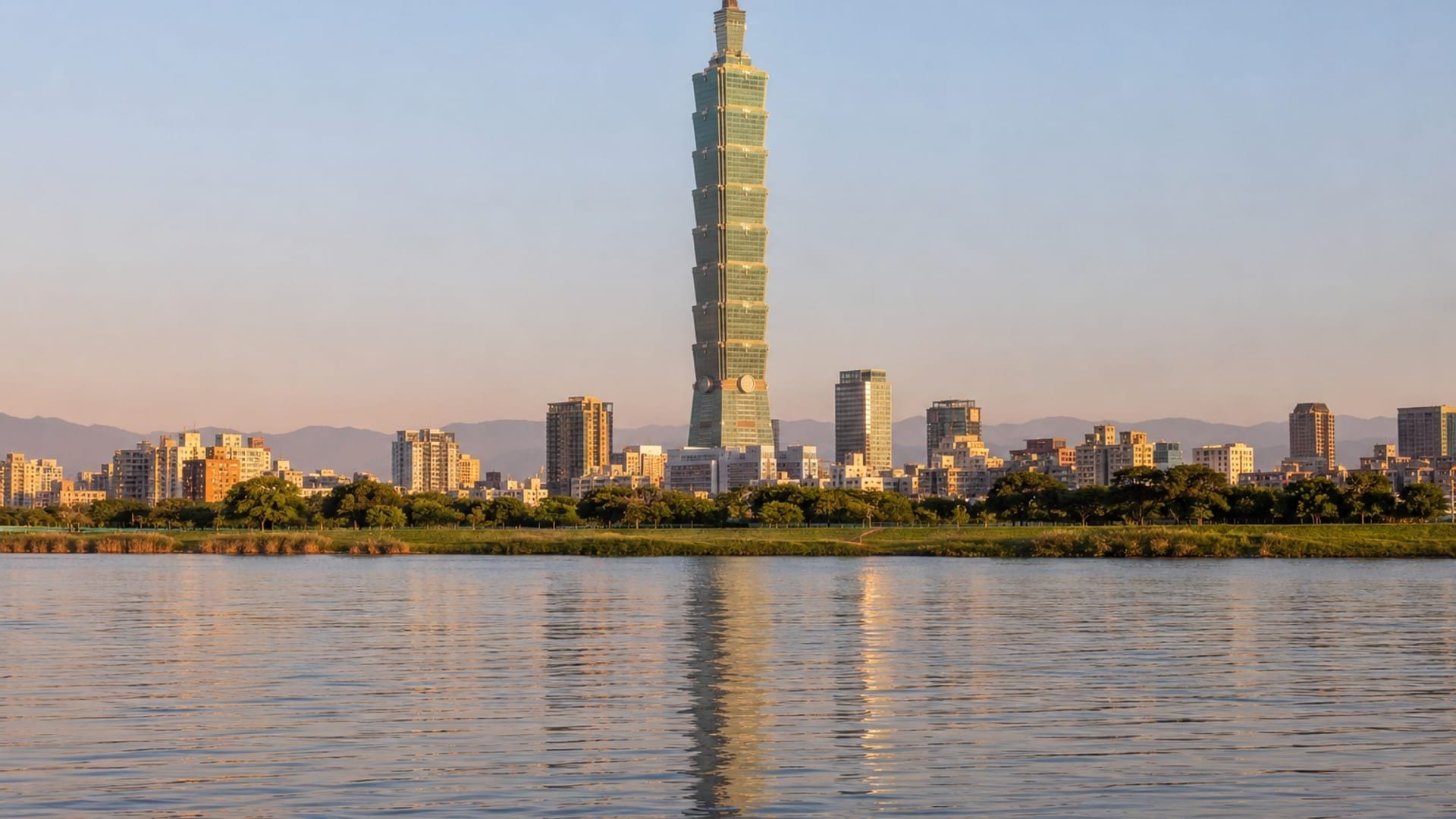
Taipei can seem easy to explore at first. The MRT is simple to use, good food is never far away, and many major sights are close together or easy to reach. Then the day starts to stretch: a temple visit takes longer than expected, lunch turns into a second stop, and a quick ride to Taipei 101 becomes dinner in Xinyi.
That is part of the appeal, but it also makes timing easy to underestimate. Ximending is better in the evening, Dadaocheng needs time for tea, snacks, and small shops, Da’an is good for cafes and slower walks, and the National Palace Museum area deserves more than a quick visit.
A good Taipei plan does not need to be packed. It needs the right order, enough MRT time between districts, and space for the meals, views, and side streets that make the city feel personal.
Useful things to know

Main language(s): Mandarin Chinese
你好 (nǐ hǎo) – Hello/good morning
請 (qǐng) – Please
謝謝 (xiè xiè) – Thank you
你會說英語嗎? (nǐ huì shuō yīng yǔ ma?) – Do you speak English?
多少錢? (duō shǎo qián?) – How much does it cost?

Currency: New Taiwan dollar (TWD, NT$)

Cash and cards: Most establishments accept cards and contactless payments. You might need NT$300 to NT$500 (US$10 to US$16) in cash for small vendors.

Tipping: Tipping is not customary; round up the bill only when it feels appropriate or leave a small amount for excellent service.

Traditional food: Beef noodle soup, xiaolongbao, stinky tofu, scallion pancakes, lu rou fan, and bubble tea are among Taipei’s best-known foods.

Water and coffee costs: Bottled water costs NT$25 to NT$40 (US$1 to US$1.25), while espresso or a basic coffee costs NT$80 to NT$150 (US$2.50 to US$5).

Taxis and ride apps: Uber and Taiwan Taxi operate here; airport pickup rules can vary.

Plug and voltage: Type A/B socket, 110V

Dining and shop opening hours: Most restaurants serve breakfast from 7:00 am to 9:30 am, lunch from 12:00 pm to 2:00 pm, and dinner from 6:00 pm to 9:00 pm. Night markets and street food stalls extend those hours until 11:00 pm.

Emergency number: Call 110 for police and 119 for fire or ambulance.
Where to stay in Taipei
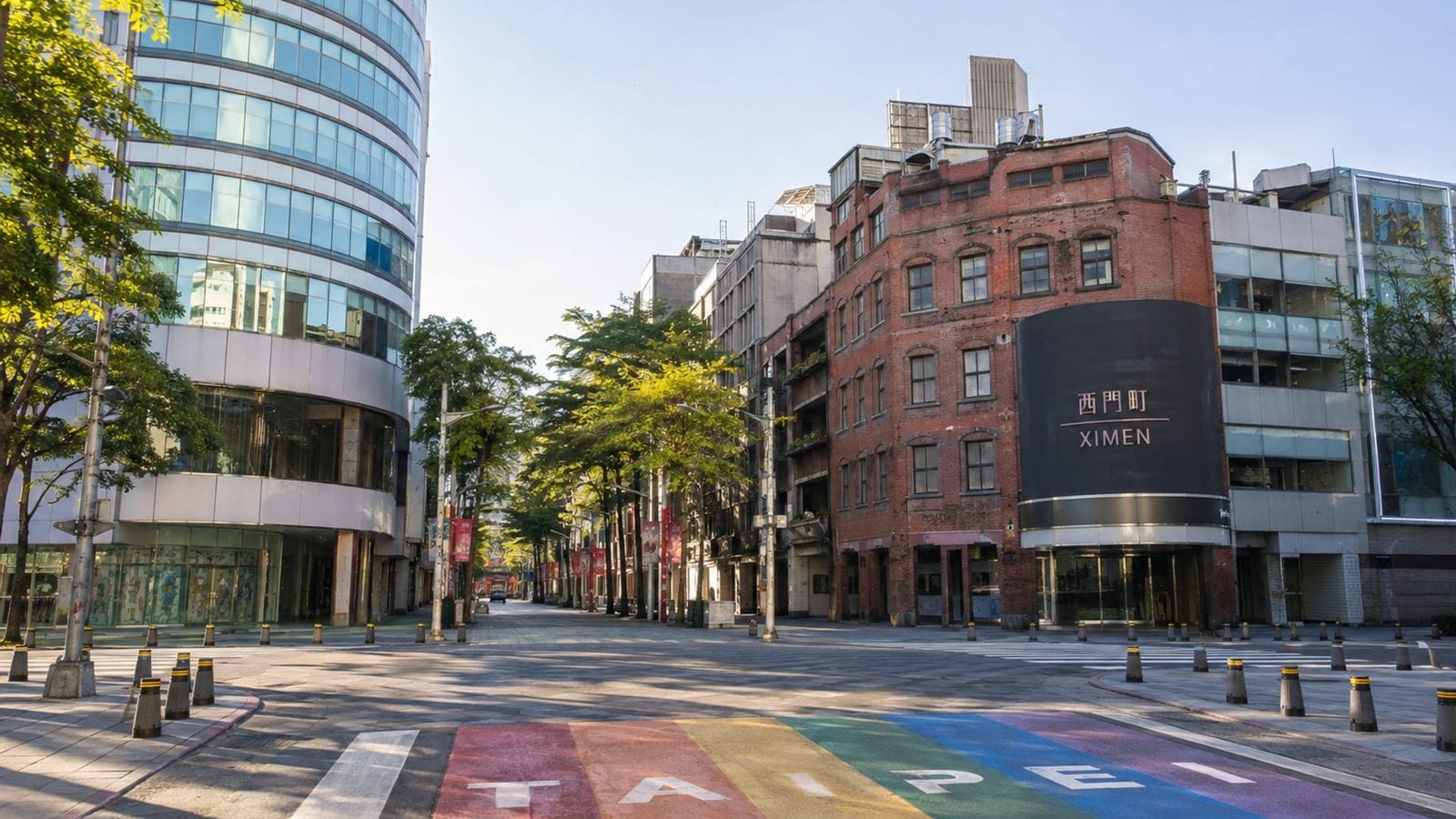
Taipei’s brightest late-night district gathers pedestrian streets, malls, cinemas, snack stalls, and shops around Ximen Station. It suits travelers who want easy MRT access, evening food, and quick rides to Longshan Temple, Dadaocheng, Taipei Main Station, and older western Taipei.
Best for: Nightlife, street food, and travelers who want to stay in a lively central area
What to expect: Crowded sidewalks, bright signs everywhere, and big crowds of people shopping at the local market stalls
Hotel prices: Most good central rooms cost NT$2,500 to NT$5,600 (US$80 to US$180) per night.
Distance to major sights: 10 minutes by MRT to Longshan Temple; 5 minutes by MRT to Taipei Main Station
Quietness: The area is busy during the day and active until late in the evening; light sleepers should expect street noise.
Main trade-off: Weekend evenings bring thicker crowds, and rooms near the pedestrian streets can be noisy late at night.
Good to know: Choose a room away from the main pedestrian street if you want less noise at night.
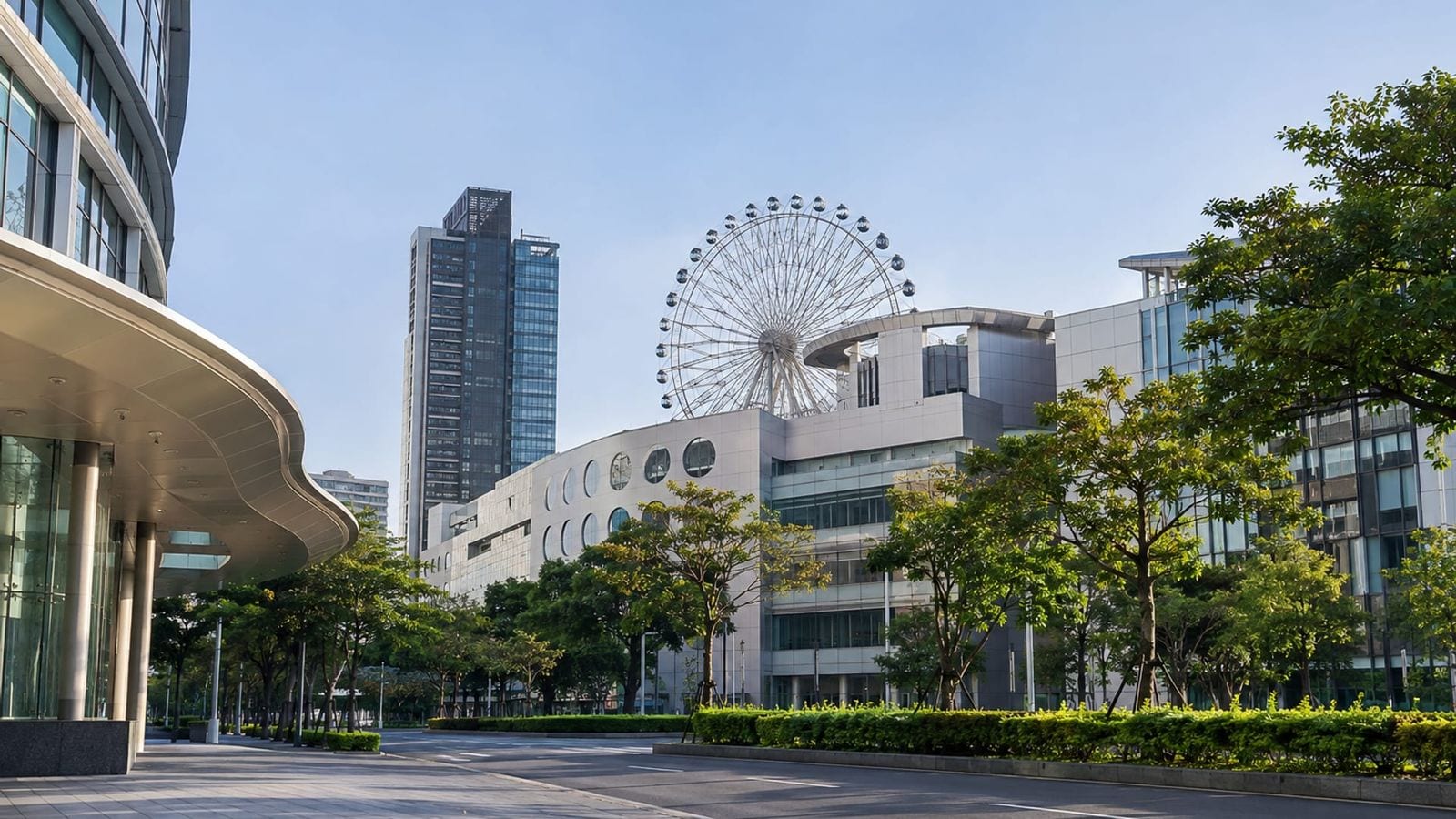
Zhongshan is north of Taipei Main Station, with office towers, department stores, small restaurants, cafes, and easy MRT links. It suits travelers who want central access without staying in the busiest tourist streets, plus simple transfers to rail, airport services, and older districts.
Best for: Central access, dining, and travelers who want easy metro connections
What to expect: Busy sidewalks near station exits, with calmer residential blocks a few streets back and plenty of dinner options
Hotel prices: Expect to pay NT$2,800 to NT$6,900 (US$90 to US$220) per night for comfortable mid-range and upscale options.
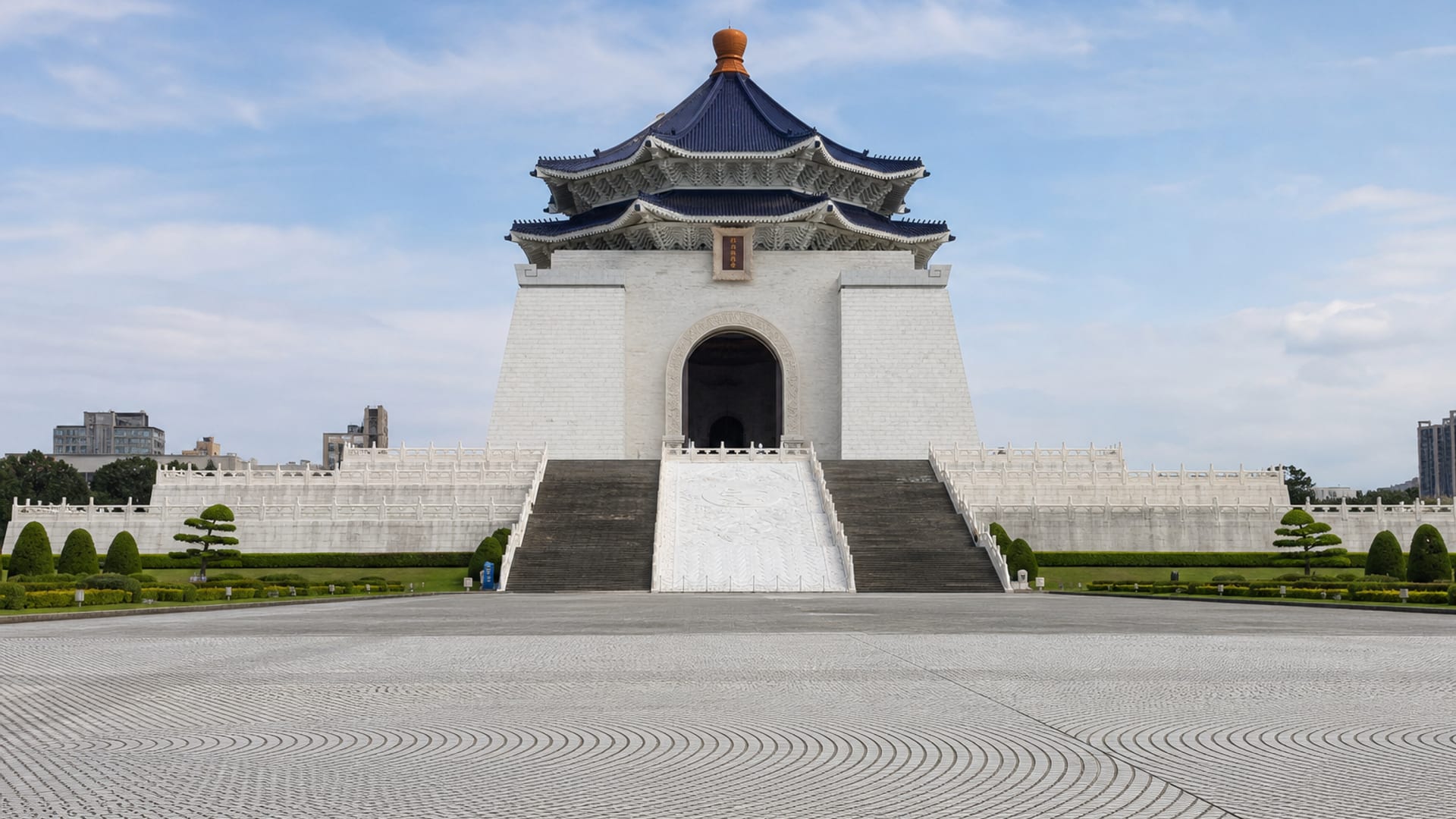
Distance to major sights: 8 minutes by MRT to Taipei Main Station; 15 minutes by MRT to Chiang Kai-shek Memorial Hall
Quietness: Active during office hours and dinner, then noticeably calmer on residential streets after about 10:00 pm
Main trade-off: Hotels in the most popular areas often cost more than those in nearby neighborhoods with similar transport access.
Good to know: If you plan to leave for the airport early, you might consider staying close to the metro station to reduce the transfer time you need.
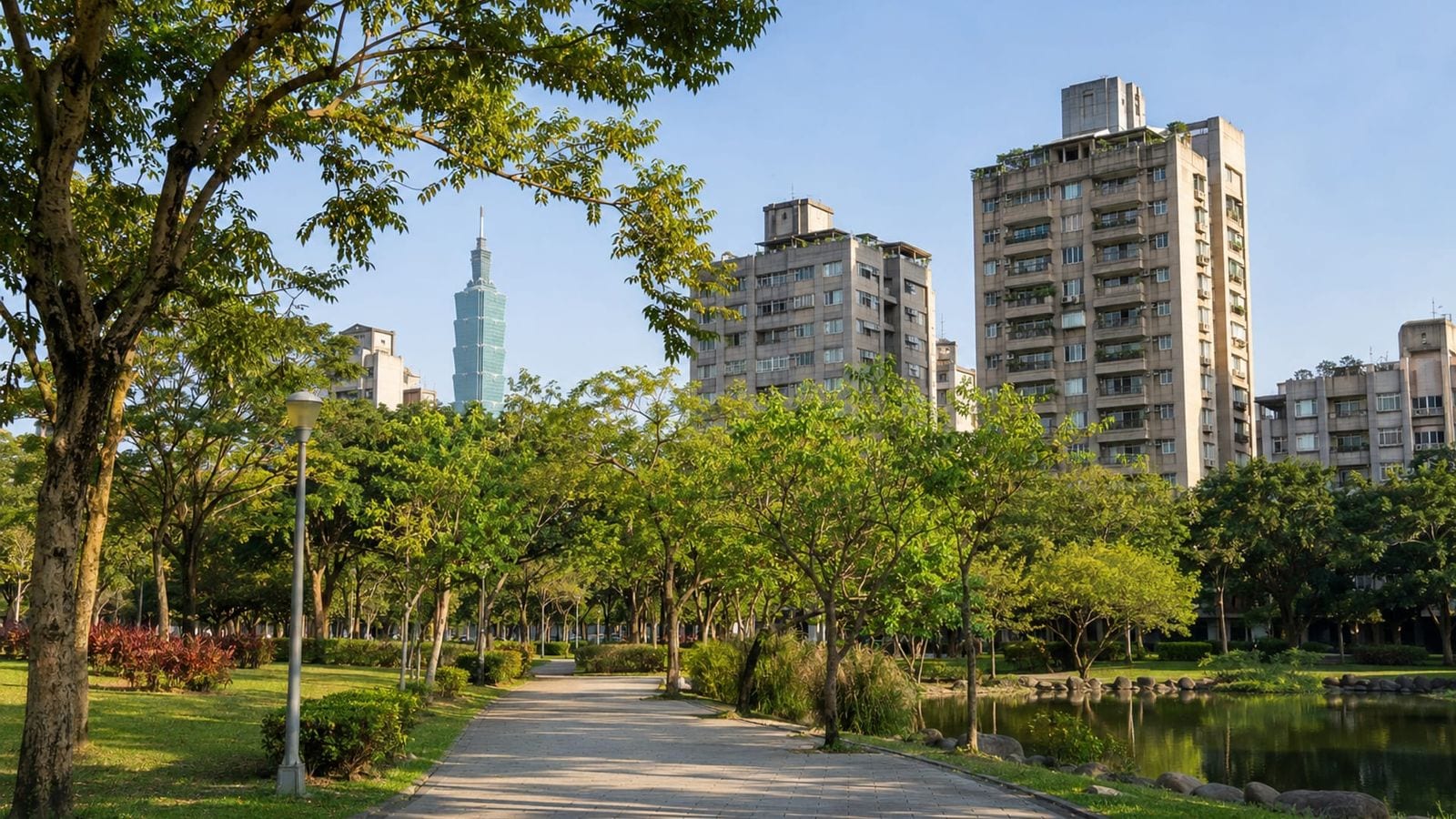
Da’an brings together cafes, leafy streets, local restaurants, Da’an Park, and strong MRT access between the city center and Xinyi. It suits travelers who want good meals close by, quieter evenings, and quick rides to Taipei 101 without staying in a dense nightlife area or hotel tower zone.
Best for: Restaurants, parks, and travelers who want a central neighborhood with a residential feel
What to expect: Busy cafes during the day, dinner crowds in the evening, and a mix of apartments, small shops, and local restaurants
Hotel prices: Rooms in this area often cost NT$3,100 to NT$7,500 (US$100 to US$240) per night.
Distance to major sights: 10 minutes by MRT to Taipei 101; 12 minutes on foot to Da’an Park
Quietness: Brisk and busy near main roads by day, then quieter on side streets after dinner
Main trade-off: Hotel rates can be higher than in outer districts, especially close to major metro stops.
Good to know: Pick this area if you want to walk to dinner most nights, since many good choices are on neighborhood streets instead of in one cluster.
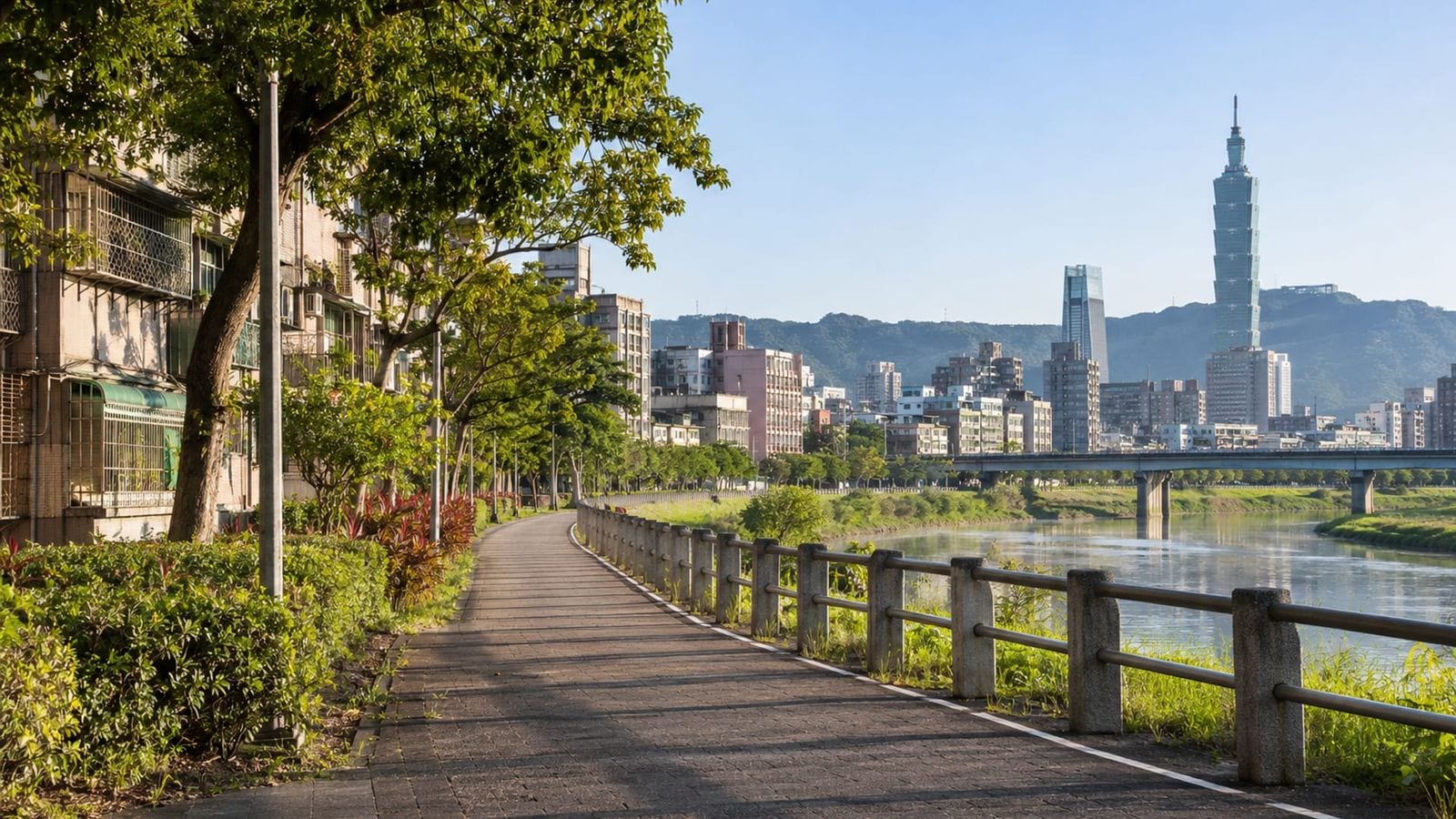
Songshan stretches across eastern Taipei, with Raohe Night Market, Taipei Arena, malls, office blocks, and useful MRT access. It suits travelers who want night-market food, shopping, easier trips to Taipei 101, Songshan Airport access, and a stay outside the busiest western districts.
Best for: Night market dining, shopping, and travelers who prefer an eastern Taipei area
What to expect: Office workers, shoppers, and night-market visitors, with the liveliest streets after sunset
Hotel prices: Nightly rates usually range between NT$2,800 and NT$6,600 (US$90 to US$210), depending on metro access and event dates.
Distance to major sights: Up to 10 minutes by MRT to Raohe Night Market; 15 minutes by MRT to Taipei 101
Quietness: Moderately busy in the day, then much louder near the night market and concert venues after dark
Main trade-off: The district is farther from western Taipei sights, so getting there takes longer than from other districts.
Good to know: Staying near the metro keeps the night market easy to reach, while streets farther north or east can be quieter.
Travelers usually avoid Tamsui and the far edges of New Taipei City, because getting to the tourist attractions in the center from there takes longer. Nangang can be a good option for business or exhibition trips.
Hotel deals
How to get around Taipei efficiently
Taipei’s Airport MRT, metro network, buses, and metered taxis each serve a different part of the city, so the easiest plan is to match the ride to the distance and time of day.

Metro
for longer distances
During your stay, you can use the Taipei Metro for cross-city trips and the Airport MRT to get from Taoyuan Airport (TPE) to Taipei Main Station. Express trains on this route take 35–40 minutes and charge NT$160 (US$5). Buy an EasyCard at MRT stations or convenience stores for simpler transfers.

Bus and tram
for convenience
Buses cover Taipei and New Taipei, where MRT lines do not reach directly. City fares usually cost NT$15 to NT$20 (US$0.50 to US$0.65), and you can pay with an EasyCard. Airport buses and buses on certain routes cost more, depending on distance.

Taxi
for convenience or late hours
Licensed taxis use meters. A ride from Taoyuan Airport (TPE) to central Taipei usually costs NT$800 to NT$1,300 (US$25 to US$40), plus possible surcharges. Use the official taxi rank, hotel help, Uber, or Taiwan Taxi.
*Prices are based on rates updated as of June 2026 and may change at the time of travel.
Use the metro for trips to the airport and across town, buses for slower neighborhood visits, and taxis when you are in a rush or need a late-night ride.
Iconic landmarks
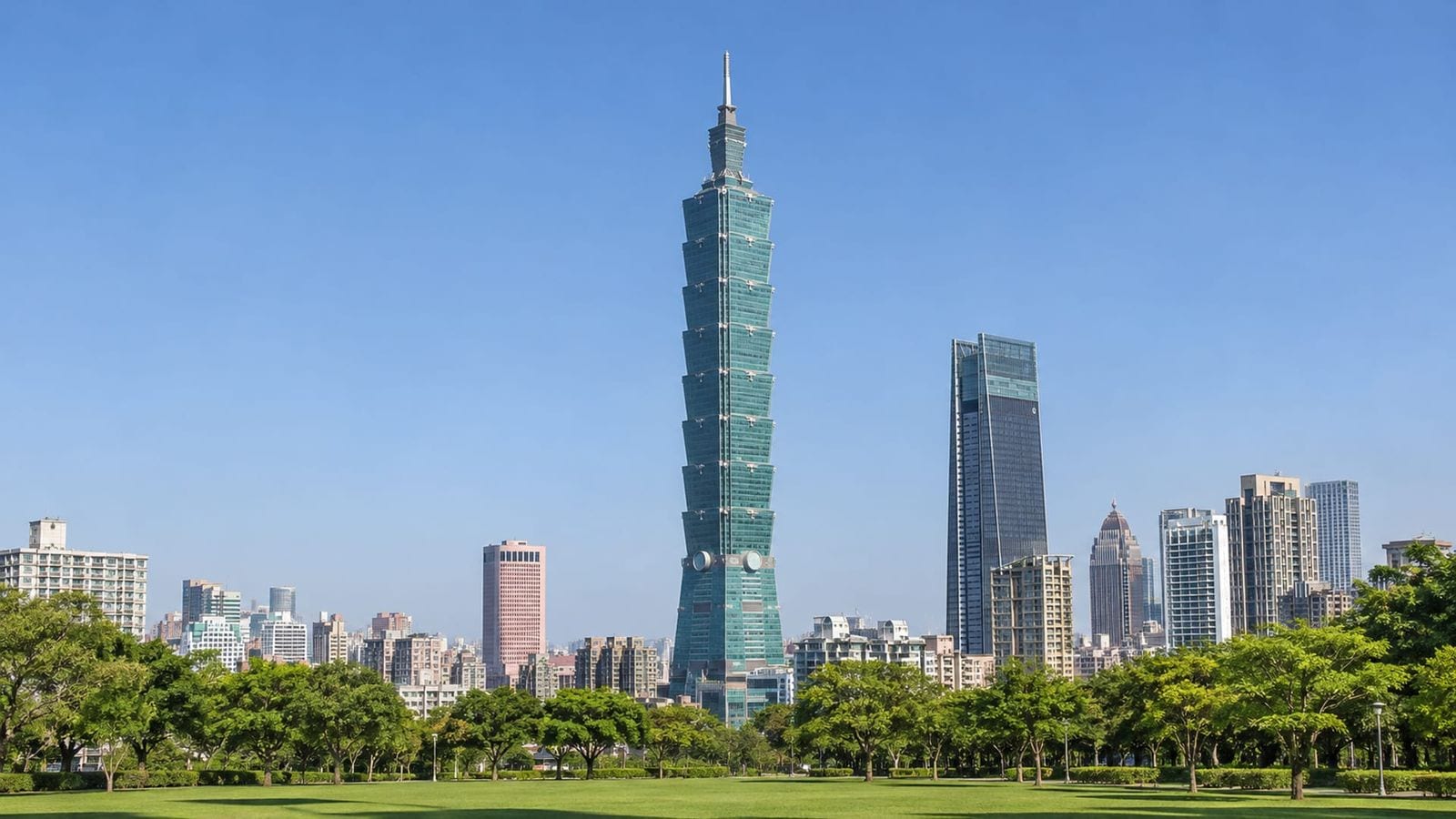
Taipei 101 Observatory
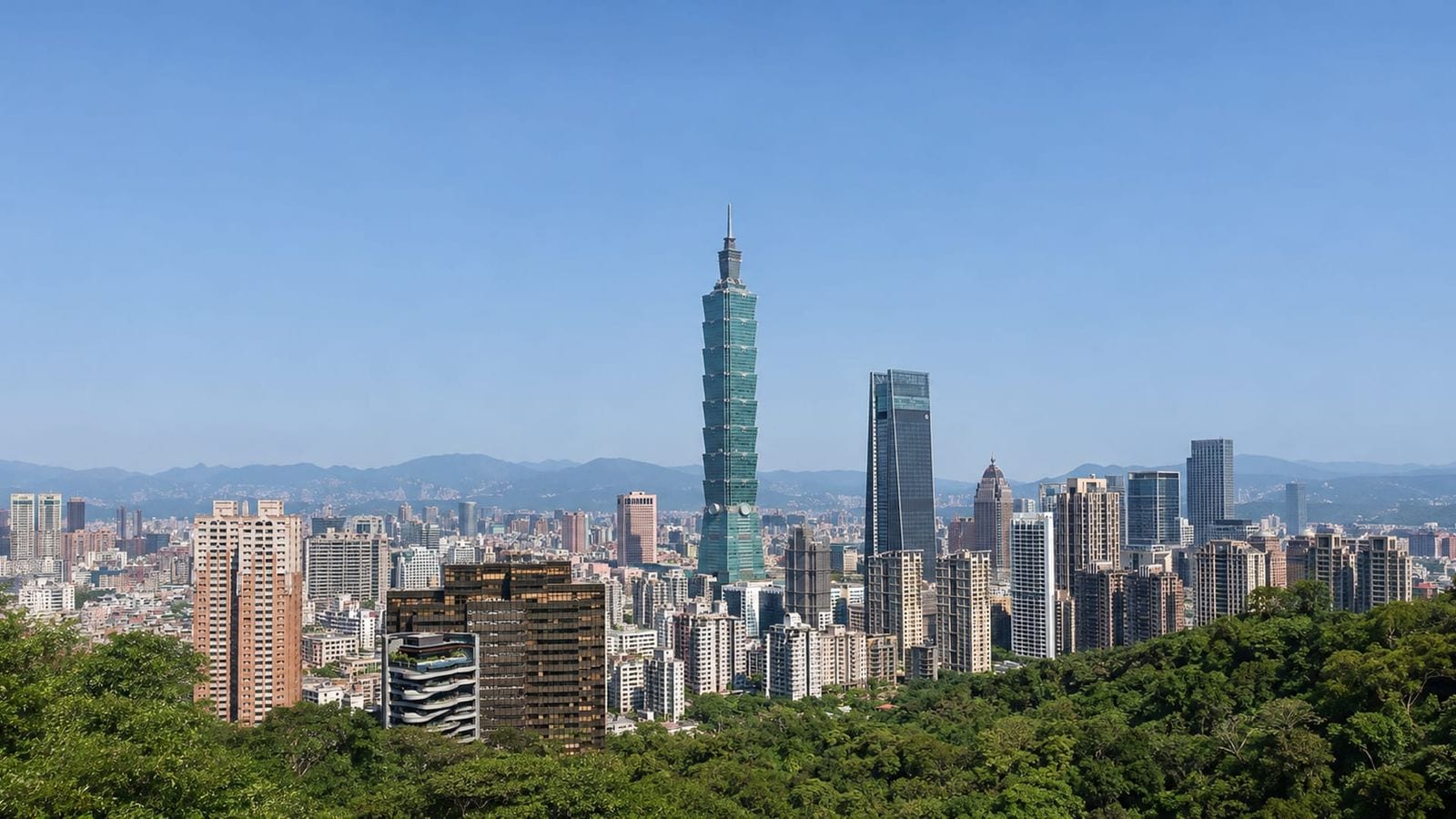
Ride one of the world’s fastest elevators to the Taipei 101 observatory for sweeping views of the city, mountains, and rivers. Don’t miss the giant tuned mass damper, a golden sphere that stabilizes the tower against wind and earthquakes.
Time needed: About 1 to 2 hours
Entry: Adult tickets cost NT$600 (US$18). Visit the official site for details.
Tip: Go near sunset for skyline light, then stay for the first round of city lights.
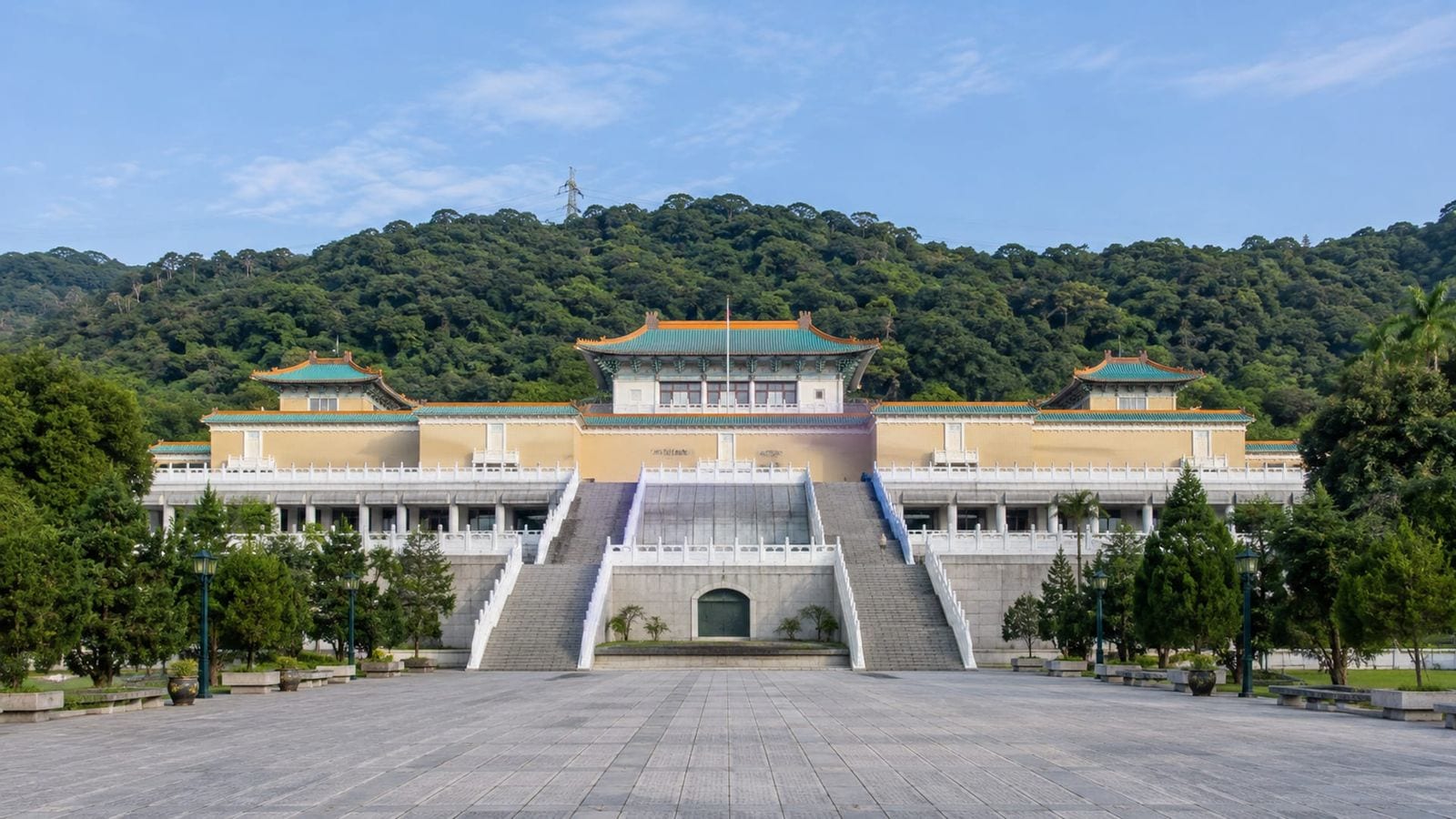
National Palace Museum
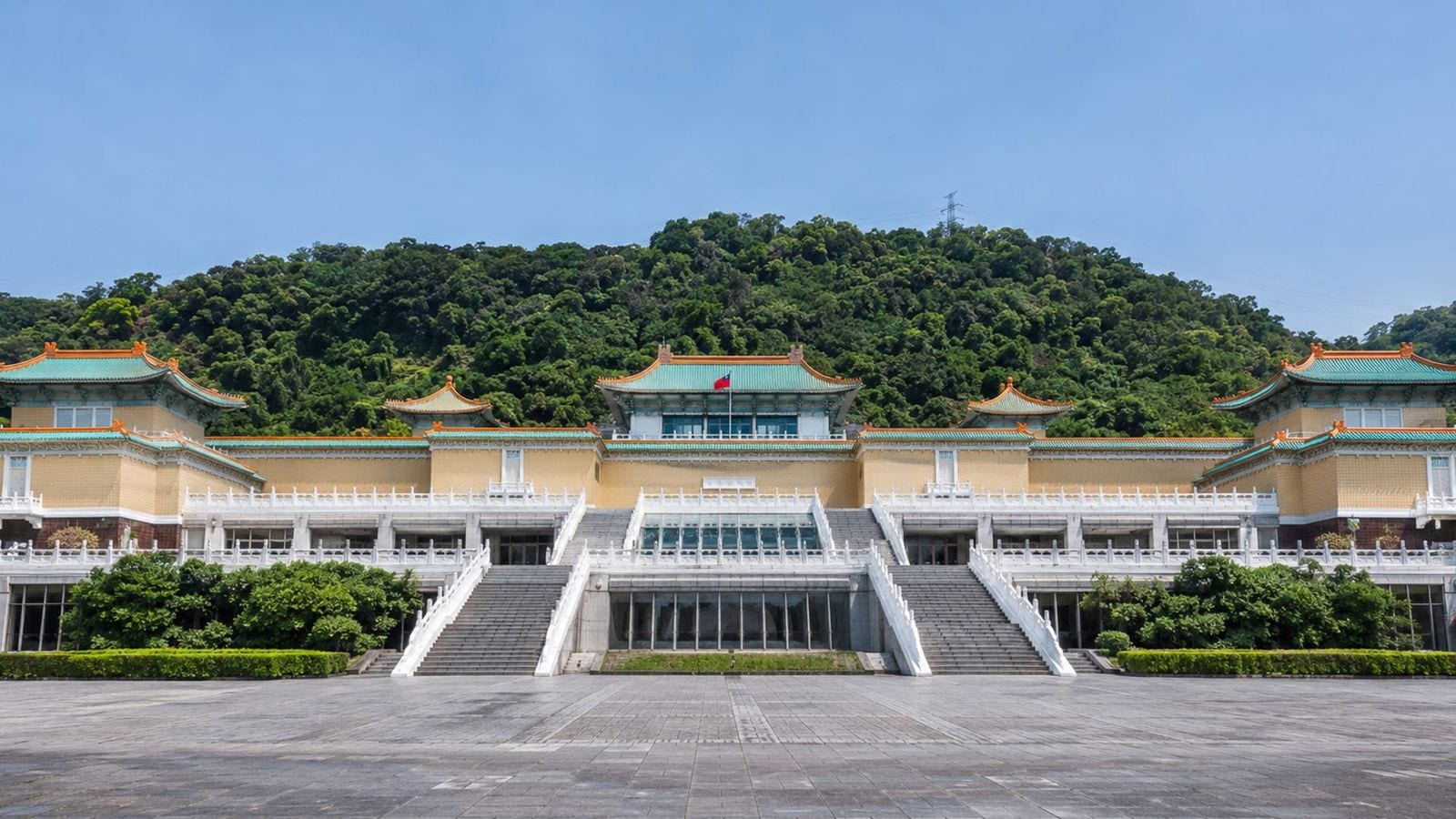
The National Palace Museum holds one of the world’s largest collections of Chinese imperial art, with over 700,000 pieces spanning from the Neolithic period through the Qing dynasty, including jade, bronzes, ceramics, and calligraphy. Its galleries give Taipei a clear anchor in art history.
Time needed: Most visits take 2–3 hours.
Entry: General admission costs NT$350 (US$11); visitors aged 17 and under enter free. Visit the official site for details.
Tip: Start early and leave time to visit the garden terrace before the galleries close.
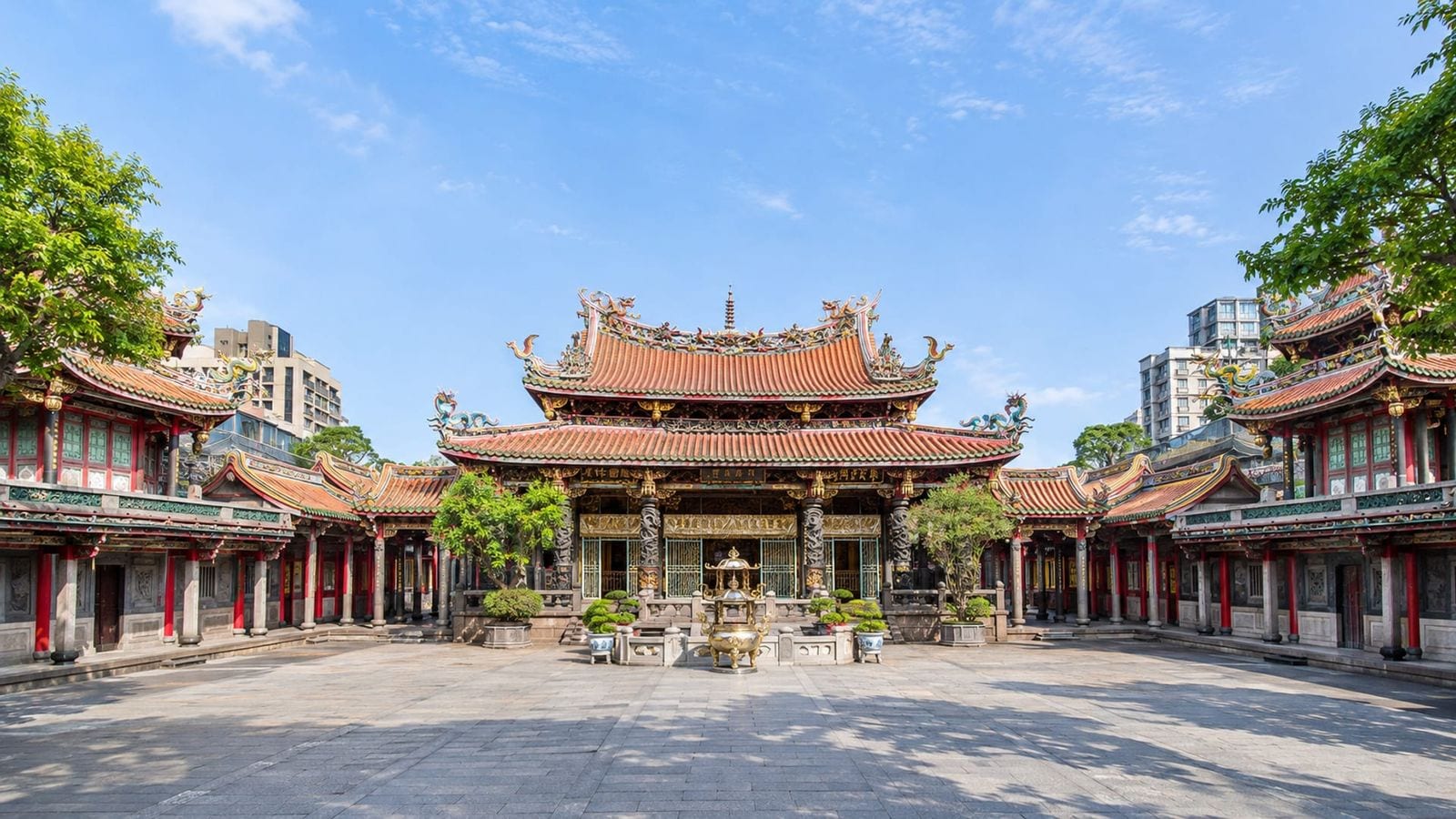
Longshan Temple
Longshan Temple draws worshippers and visitors to a richly detailed temple complex filled with ornate carvings, layered rooftops, and open courtyards built in the 18th century and rebuilt after wartime damage. Incense, carved beams, and daily offerings make it one of Taipei’s most important religious sites.
Time needed: About 45 to 60 minutes
Entry: Free to access
Tip: Visit in the morning for clear photos and a quieter temple courtyard.
Overlooked sites worth visiting

Treasure Hill Artist Village
This is a hillside cluster of converted homes and studios above the Xindian River, with narrow lanes, murals, and river views. Visit for small galleries, artist workshops, and beautiful stairs between the buildings.
Time needed: About 1 to 2 hours
Entry: Free to enter; studios and exhibitions charge a fee for special events or workshops, typically NT$3 to NT$10 (US$3 to US$10).
Tip: Go late afternoon for softer light on the river.

Dadaocheng
Dadaocheng is one of Taipei’s oldest trading areas, dating back to the 1850s, with Dihua Street, tea shops, dried-goods stores, restored buildings, and riverside walks. It suits a slower historic stop.
Time needed: About 45 minutes to 1 hour
Entry: Free to explore; guided tours cost extra.
Tip: Visit before dinner, then stay for tea, snacks, or a riverside walk.
Traditional food
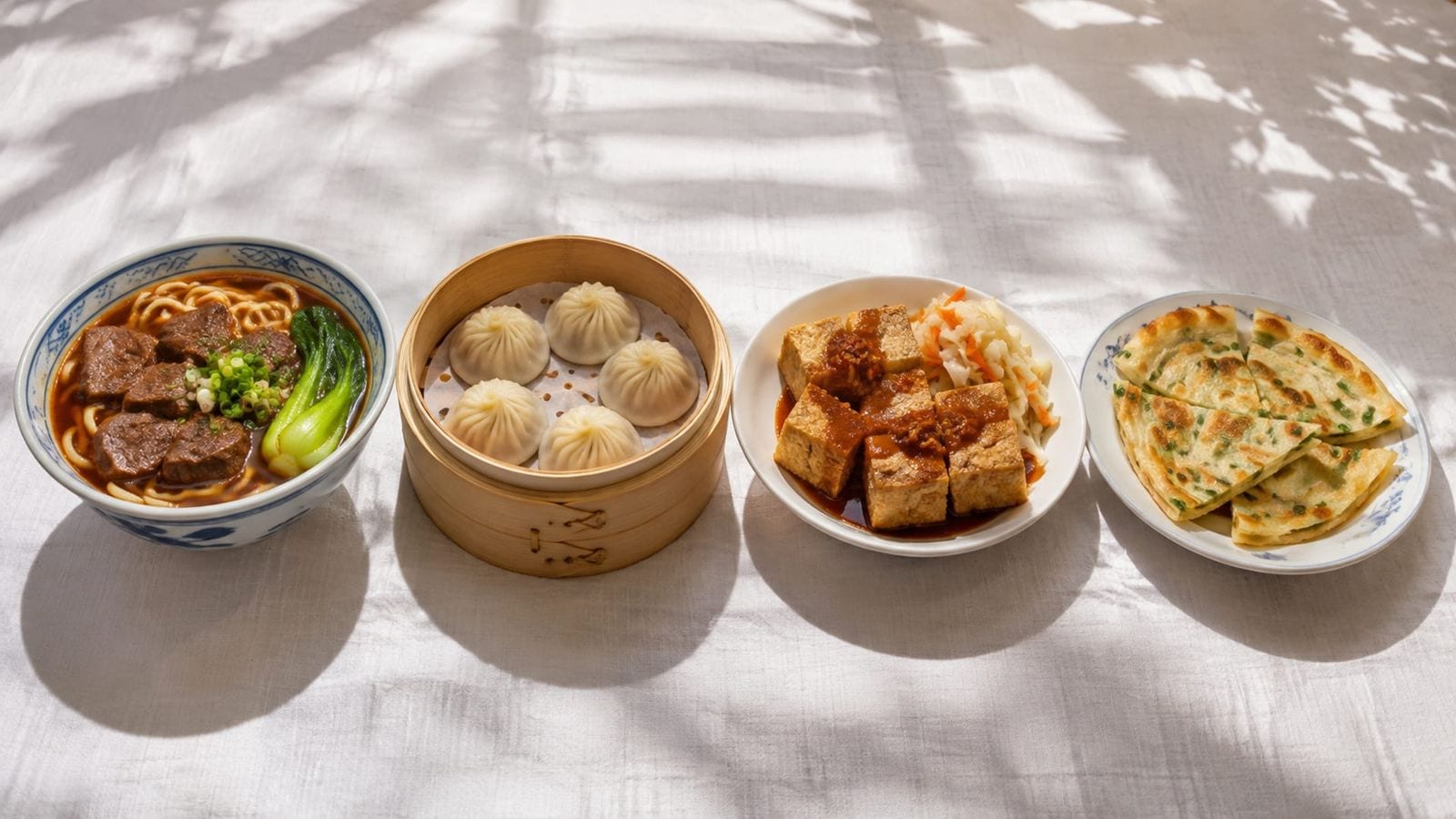
Taipei’s cuisine revolves around beef noodles, dumplings, soy milk breakfasts, night-market snacks, strong broths, scallions, chili, vinegar, and late meals.
Beef noodle soup
Taipei’s most iconic bowl pairs slow-cooked beef, wheat noodles, and a broth that can be clear, dark, spicy, or tomato-rich, often with pickled greens on the side. Yong Kang Beef Noodle is a classic place to start.
Xiaolongbao
Xiaolongbao are delicate soup dumplings filled with minced pork and hot broth, served in bamboo steamers with ginger and vinegar. Take the first bite carefully. Din Tai Fung is the best-known Taipei restaurant for this dish.
Stinky tofu
Stinky tofu starts with fermented tofu, which is fried until crisp outside and soft inside, and served with pickled cabbage, chili, or sauce. Raohe Night Market is a place where you can try it in a lively setting.
Scallion pancake
Scallion pancake, or cong you bing, is a flaky fried flatbread of layered dough and chopped scallions, served plain or with egg, ham, or cheese. You can try an authentic version of this dish at Tian Jin Onion Pancake on Yongkang Street.
Best time to visit Taipei
Taipei is most comfortable to visit in spring and fall. Summer heat, typhoons, and winter dampness change how much time you can spend outside.
Best for: Temple visits, riverside walks, market mornings, and mild city walking days
What you get: Warm weather, with temperatures of 68°F–82°F (20°C–28°C), spring flowers, light humidity, and enough dry spells for visits to temples and parks
Trade-offs: Rain can interrupt longer walks, especially in May, and humidity is on therise.
Best for: Night markets, indoor museums, late evenings, and major festival energy
What you get: Afternoons are hot, with temperatures of 81°F–93°F (27°C–34°C). Night markets and festival evenings keep the city lively after dark.
Trade-offs: Heat, heavy rain, and typhoon alerts can change outdoor plans quickly.
Best for: Taipei 101 views, neighborhood walks, food trips, and easy museum days
What you get: Clearer skies, daytime temperatures of 72°F–86°F (22°C–30°C), and lower humidity
Trade-offs: Early fall can still bring occasional heavy rain.
Best for: Food-focused trips, hot spring visits, museum time, and quieter city market walks
What you get: Cool weather with temperatures of 55°F–68°F (13°C–20°C), with lighter crowds outside Lunar New Year
Trade-offs: Gray skies and drizzle can limit skyline views and make evenings feel cooler.
A realistic 5-day plan in Taipei
This five-day Taipei plan balances historic streets, major museums, hillside art, night markets, skyline views, and quieter food stops, with enough time for MRT rides in between.
Land at Taoyuan International Airport (TPE), then take the Airport MRT to Taipei Main Station. The ride takes 35–40 minutes and costs NT$160 (US$5). Reach your hotel, whether it is in the busy Ximending district or in a quieter side of Da’an. After you check in, keep the evening simple and remember to hydrate yourself. Explore the neighborhood and have dinner at a local-style restaurant.
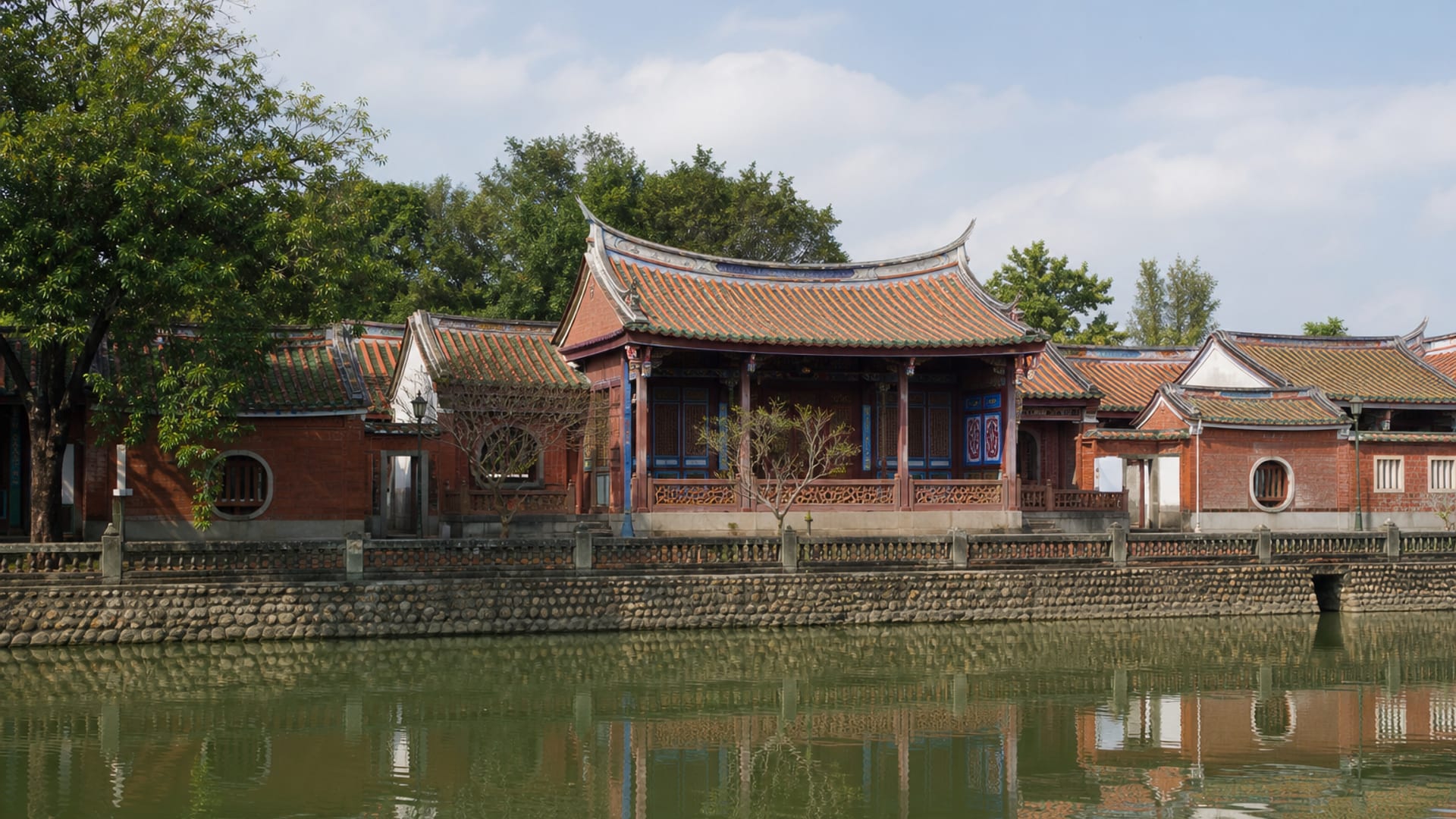
Begin in Ximending in the morning, where the pedestrian streets, the Red House theater, and the snack stalls around the main square take 2–3 hours to explore at a comfortable pace. From Ximen station, take the Blue Line to Longshan Temple to see its carved stone pillars and tiered roofline. Then, you can take a short ride to Dadaocheng, where Dihua Street holds restored Baroque and Fujian-style shophouses selling tea, dried goods, and herbal medicine. Allow 2 hours to explore the area before dinner.
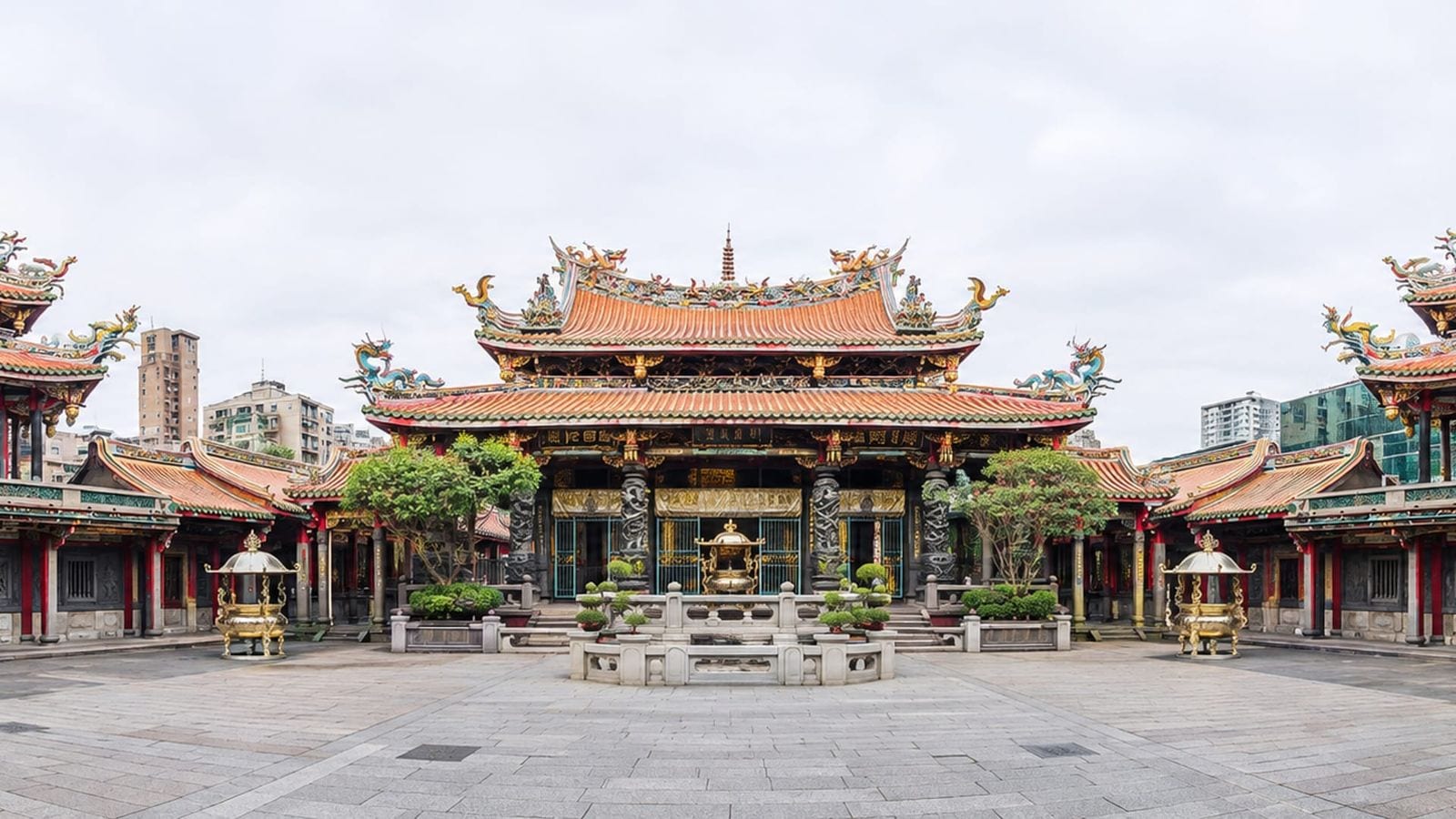
Spend the morning at the National Palace Museum, which holds over 600,000 objects spanning nearly 5,000 years of Chinese imperial history, with jade, bronzes, ceramics, and imperial scrolls. It usually requires 2 to 3 hours to fully explore. Then, take a 30-minute taxi ride to Treasure Hill Artist Village. The village, which began as an illegal settlement of veterans, was converted into an artist community in 2010. Explore its studios, murals, and cafés before returning to Da’an or Xinyi for dinner.
Start the day by exploring Da’an’s park and neighborhood cafés, which suit a slower morning. You will need 2–3 hours to explore the area. At lunch, head to Yongkang Street, where a dense stretch of restaurants and tea shops makes for an easy midday stop. From Da’an MRT, in just one stop on the Red Line, you can reach Taipei 101 in 5 minutes. Arriving at the observatory 1–2 hours before sunset allows you to see the cityscape above Xinyi in daylight and at dusk from the 89th floor.
Start the final morning with breakfast at Fu Hang Dou Jiang near Shandao Temple MRT, where warm soy milk, youtiao, and flaky shaobing make it one of Taipei’s most established breakfast stops. Allow about 45 minutes, then spend the remaining morning browsing shops or stopping for a last coffee in Ximending or Zhongshan. From Taipei Main Station, take the Airport MRT Express, which reaches Taoyuan Airport Terminal 1 in 35 minutes and Terminal 2 in 40 minutes, running every 15 minutes.
Business-class flights from the US to Taipei
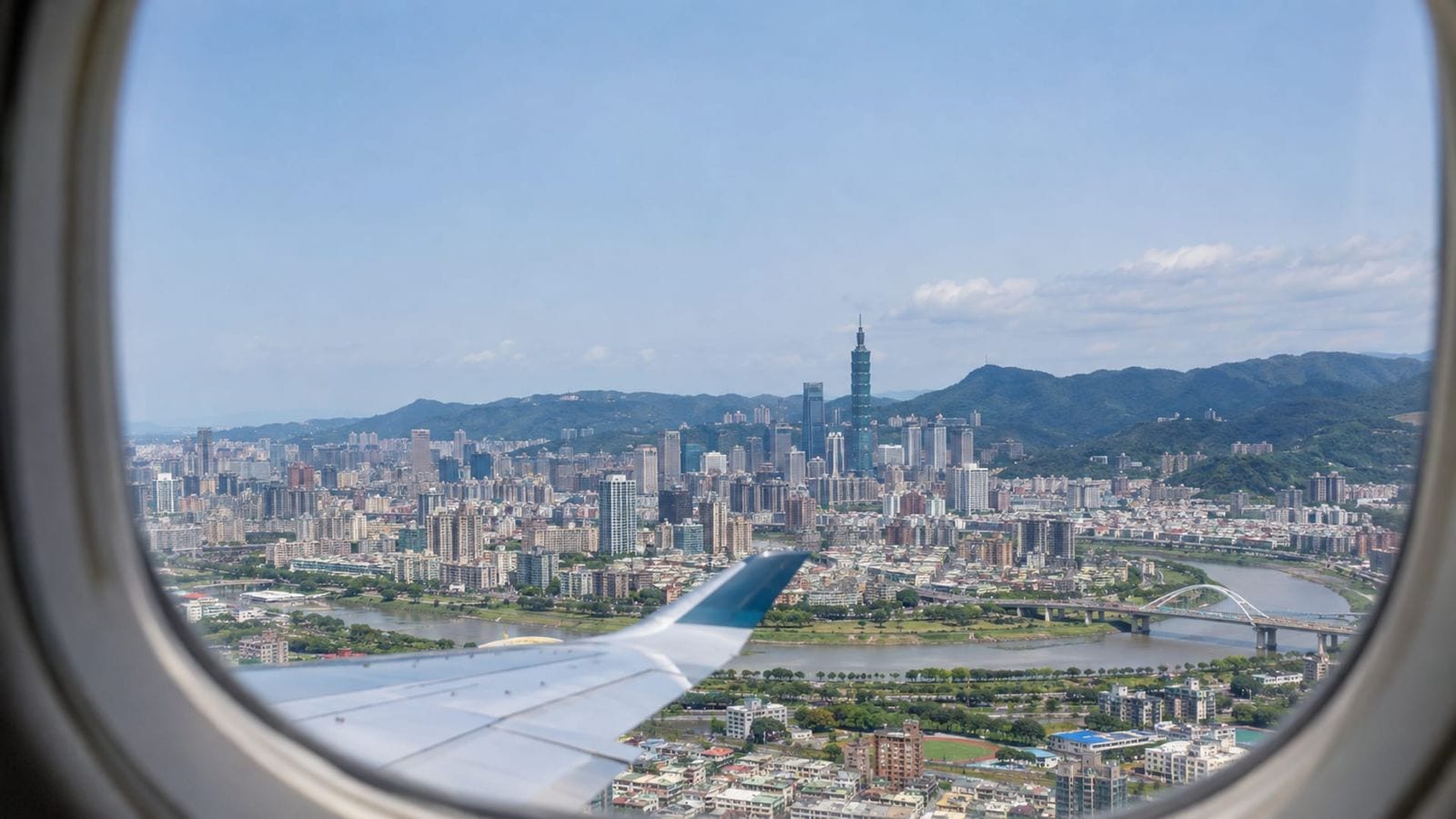
The US has nonstop business-class flights to Taipei from both coasts, with longer journeys from New York and more airline choice from Los Angeles.
New York (JFK) to Taipei (TPE)
EVA Air and China Airlines operate nonstop flights from New York (JFK) to Taipei (TPE), with flights lasting between 16 hours and 17 hours. For one-stop options, Cathay Pacific connects through Hong Kong (HKG), Korean Air and Asiana Airlines connect through Seoul (ICN), while ANA and Japan Airlines connect through Tokyo Haneda or Narita (HND/NRT). Business-class tickets cost $2,500 to $6,500.
Los Angeles (LAX) to Taipei (TPE)
Los Angeles offers travelers the widest selection of nonstop flights on this route. EVA Air and China Airlines fly directly from LAX to Taipei (TPE), with most flights taking 13–15 hours. One-stop and codeshare options are offered by airlines such as United Airlines and Delta Air Lines via San Francisco (SFO) and Seattle (SEA), All Nippon Airways (ANA) via Tokyo (HND), and Korean Air via Seoul (ICN). Round-trip business-class tickets generally range from $2,600 to $6,500.
Taipei feels different when you slow down
Taipei is easy to explore when your plan leaves room for the city’s natural rhythm: a long meal, a slow temple visit, a tea stop, or a walk on a quieter lane. Still, it is important to structure your visit well, choose the right neighborhood to stay in, and group nearby sights together.
While you take care of this part of the plan, you can leave the search for business-class flights to our travel experts at AranGrant. They will look for options that fit your dates and comfort preferences, so you can have a pleasant trip to Taipei.







