

Chapters:

Need help with your trip?
Our support team is available 24/7. Request a callback or call us directly at (833) 619-0908
Strasbourg trips often start with the cathedral, the canals of Petite France, and a dinner reservation in the old center, yet many visitors leave the European Quarter and the city’s quieter parks for another visit.
That pattern works for a short list, but it can miss how spread out the key stops are once you add trams, river crossings, and evening returns from dinner. Crowds also build quickly in the most photographed blocks.
This guide keeps the core sights in view while spacing them into a five-day plan, with clear bases, sensible transit choices, and time for the city’s food, museums, and institutional landmarks.
Useful things to know

Main language(s): French
Bonjour (bohn-zhoor) – Hello / good morning
S'il vous plaît (seel voo pleh) – Please
Merci (mehr-see) – Thank you
Parlez-vous anglais ? (par-lay voo ahn-gleh) – Do you speak English?
C'est combien ? (say kohm-byen) – How much does it cost?

Currency: The local currency is the euro (EUR, €).

Cash and cards: Cards and contactless are widely accepted; carry about €20 to €40 ($22 to $44) in cash for small buys.

Tipping: Round up for taxis and small bills; leave 5% to 10% in restaurants when service is good.

Traditional food: choucroute garnie, tarte flambée, baeckeoffe, kougelhopf

Water and coffee costs: Water about €2 ($2), bar espresso about €2.50 ($3).

Taxis and ride apps: Uber and Bolt operate here; taxis are also easy to find.

Plug and voltage: Type C/F socket, 230V

Dining and shop opening hours: Breakfast is about 07:00-09:00, lunch 12:00-14:00, and dinner 19:00-21:30. Many restaurants close between lunch and dinner, especially on Sundays.

Emergency number: Dial 112 for all emergencies, including police, fire, and ambulance.
Where to stay in Strasbourg
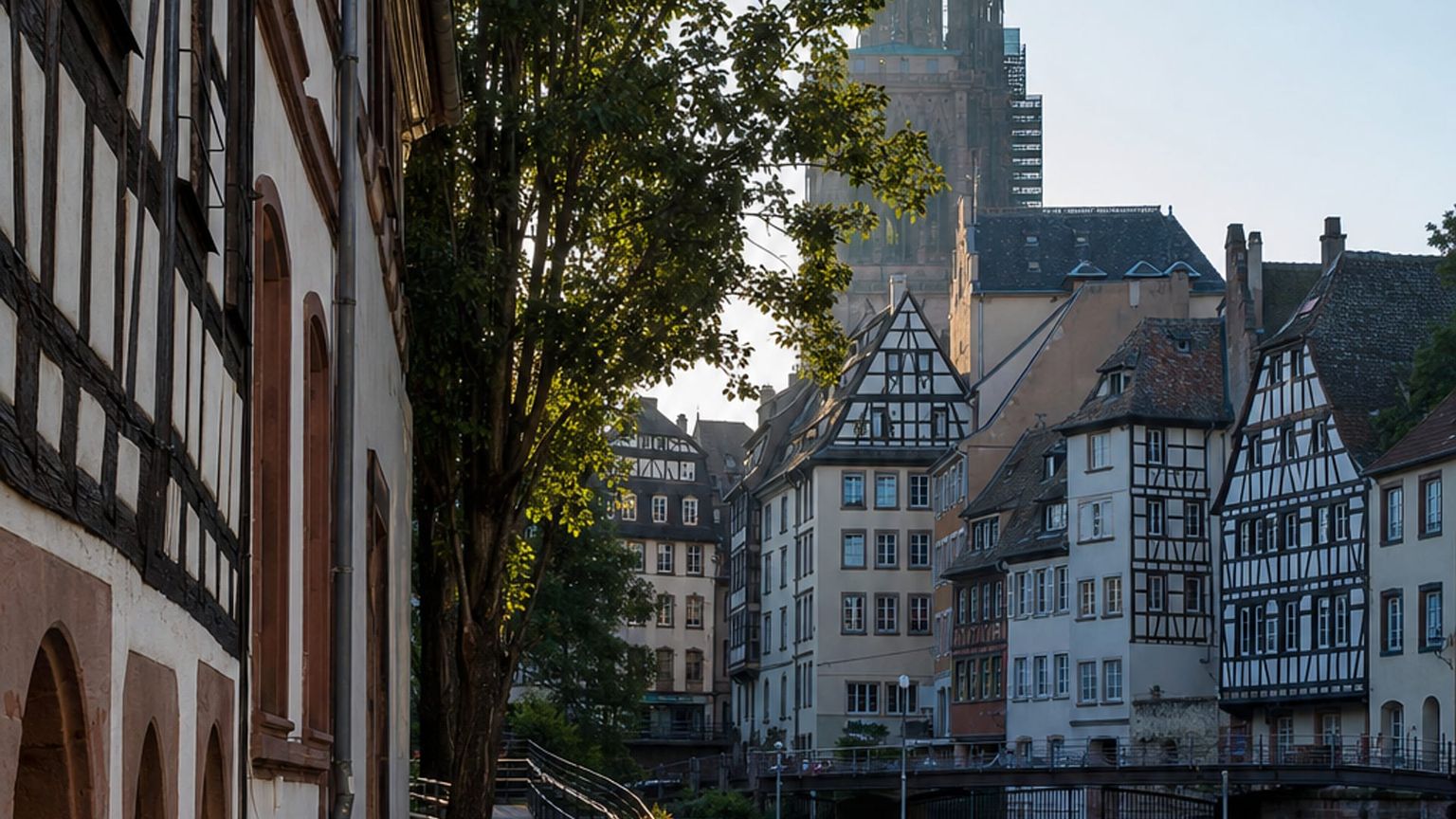
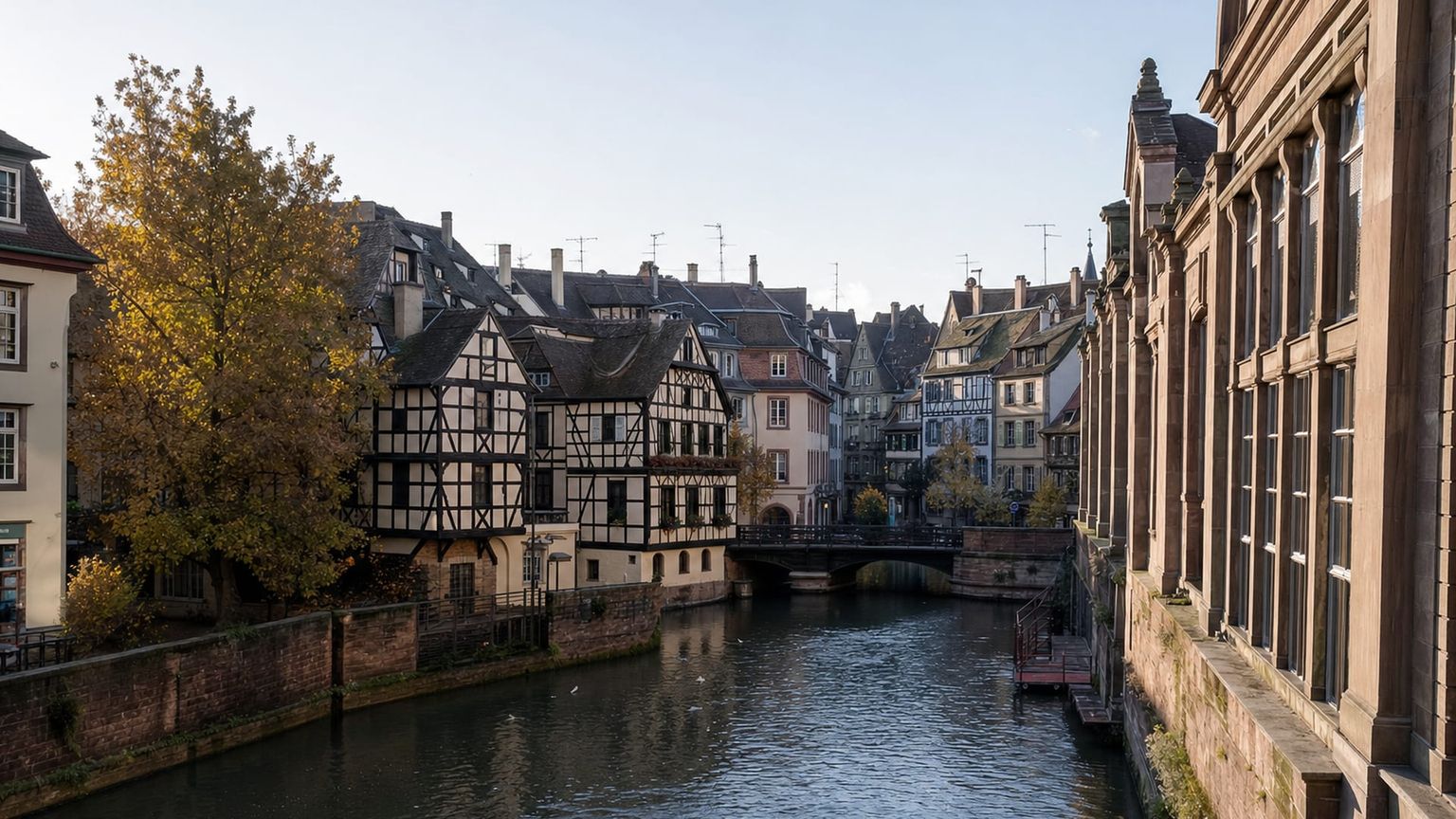
Strasbourg’s historic island is the compact core of the old city, ringed by canals and packed with landmarks, shops, and cafes. Staying here puts the cathedral, Petite France, and the main pedestrian streets within easy reach.
Best for: First-time visits, walking to major sights, and travelers who want to be in the historic center
What to expect: Busy pedestrian streets, constant daytime foot traffic, and a lively mix of visitors and locals.
Hotel prices: Usually about 140€ to 260€ (~$153 to ~$284) per night for well-rated stays
Distance to major sights: 5 to 10 minutes on foot to Strasbourg Cathedral; about 10 to 15 minutes on foot to Petite France
Quietness: Lively through the day, then calmer late at night once shops and restaurants close.
Main trade-off: Central rooms cost more, and the most atmospheric streets can bring early-morning deliveries and evening street noise.
Good to know: If you want a car-free base, book early and check whether your hotel sits on a pedestrian street or a tram-accessible block.
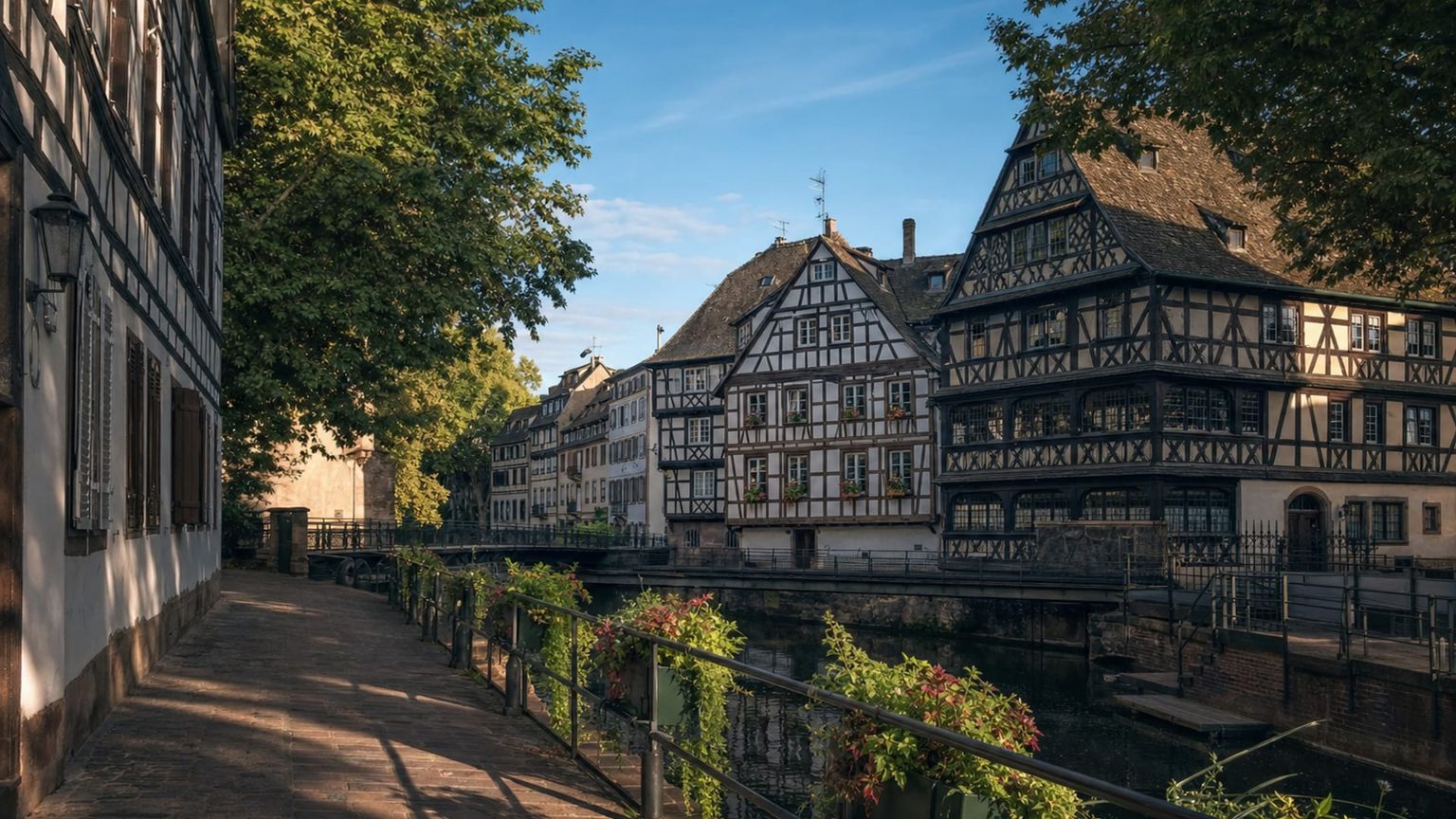
Petite France is the canal district west of the center, known for half-timbered houses, bridges, and riverfront walks. It suits travelers who want the city’s most photographed setting right outside the door, while still staying close to the old town.
Best for: Romantic stays, scenic walks, and travelers who prioritize atmosphere and waterfront views
What to expect: Heavy visitor traffic by day, camera stops on the bridges, and a steady flow of diners in the evening.
Hotel prices: Usually about 150€ to 280€ (~$164 to ~$306) per night for well-rated stays
Distance to major sights: 10 to 15 minutes on foot to Strasbourg Cathedral; under 10 minutes on foot to the Barrage Vauban
Quietness: Busier in daylight, then quieter at night except near the main dining streets.
Main trade-off: The prettiest blocks draw more foot traffic, and hotel choices are smaller, so room rates rise fast in peak season.
Good to know: Some streets here have limited vehicle access, so confirm taxi drop-off and luggage access before you book.
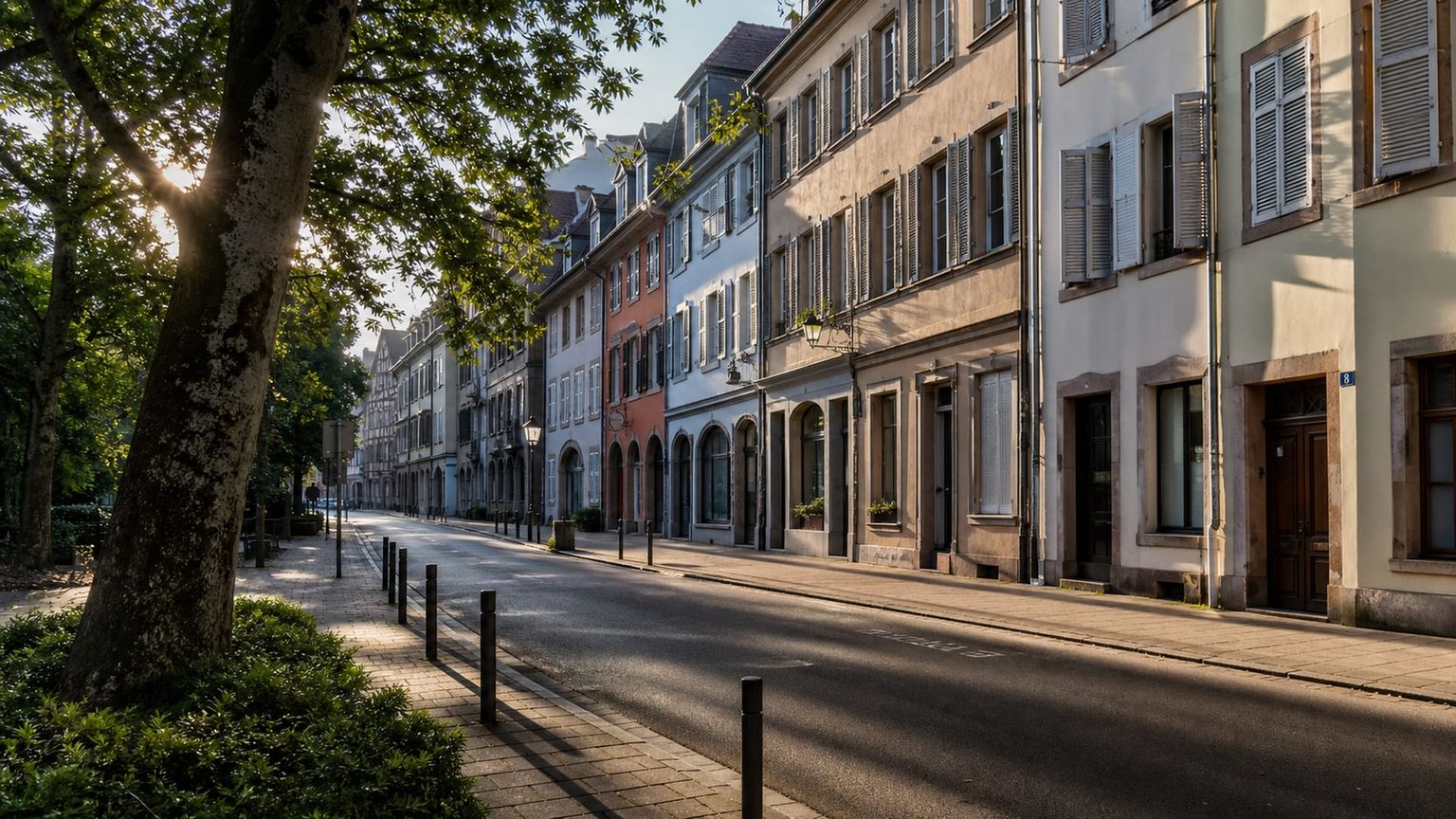
Krutenau sits just southeast of the historic core, with student bars, small restaurants, and a more lived-in neighborhood feel. It gives you quick access to the center without staying inside the most touristed blocks.
Best for: Food-focused stays, younger travelers, and visitors who want central access with more local street life
What to expect: Active evenings, casual bars, and a mix of students, residents, and travelers on the sidewalks.
Hotel prices: Usually about 110€ to 200€ (~$120 to ~$219) per night for well-rated stays
Distance to major sights: 10 to 15 minutes on foot to Strasbourg Cathedral; about 15 minutes on foot to Petite France
Quietness: Moderately busy in the evening, especially near bars, but calmer on side streets after midnight.
Main trade-off: You gain more neighborhood energy, but some corners can be noisy on weekends and late dinners run late.
Good to know: If you need early nights, choose a room away from the main bar streets and ask for an interior-facing room.
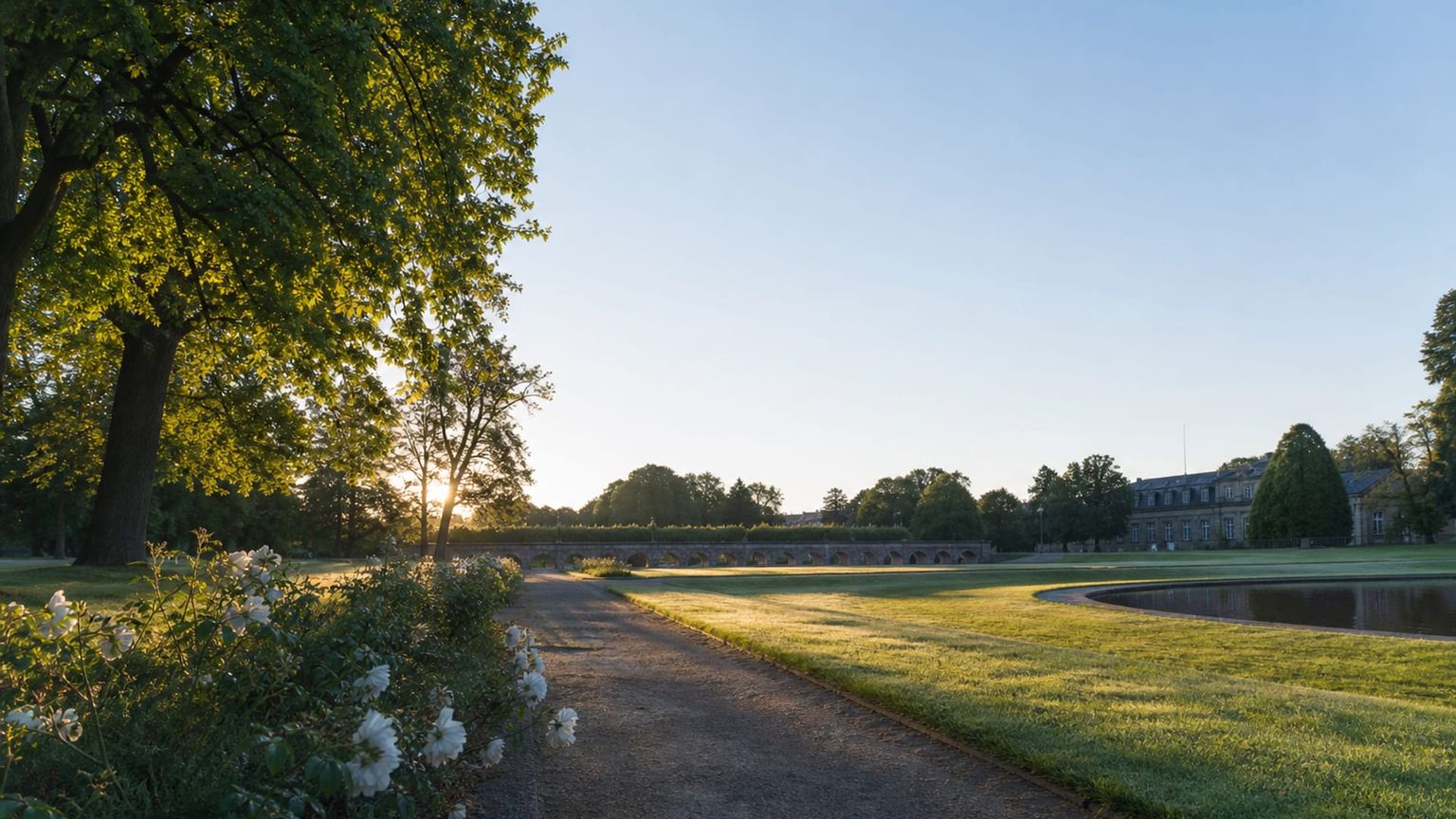
Orangerie is the elegant residential quarter north of the center, close to parks, embassies, and the European institutions. It works well for travelers who prefer wider streets, green space, and a quieter base with easy tram access.
Best for: Quieter stays, park access, and travelers visiting the European quarter
What to expect: Tree-lined streets, residential calm, and a more local evening scene than the historic center.
Hotel prices: Usually about 120€ to 230€ (~$131 to ~$251) per night for well-rated stays
Distance to major sights: 15 to 20 minutes by tram to Strasbourg Cathedral; about 10 minutes on foot to Parc de l’Orangerie
Quietness: Quiet during the day and especially calm at night, apart from main roads and tram stops.
Main trade-off: You will rely more on transit for the old town, and dining choices are thinner after office hours.
Good to know: For dinner plans, check tram times back from the center, since late returns are less frequent than in the old town.
Travelers usually avoid Hautepierre and Cronenbourg for hotel stays, since they sit west of the center, offer fewer visitor amenities, and add time to evening trips back from the Grande Île. Koenigshoffen is also less convenient, with a more residential feel and weaker access to major sights by foot, while Robertsau works less well if you want to spend most of your time in the historic core because it is farther north and best reached by transit or taxi at night.
Hotel deals
How to get around Strasbourg efficiently
Strasbourg pairs a compact old center with a tram network that reaches the European Quarter, the station, and outer neighborhoods, so most days work best with walking, trams, and the occasional taxi.

Metro
for longer distances
Strasbourg has no metro, so the tram and the TER suburban rail cover most trips instead. The tram network reaches the city center, the European Quarter, the main station, and several park-and-ride sites; a standard ticket costs about $1.80 (€1.70) and is valid for about 1 hour.

Bus and tram
for convenience
Trams A through H, plus city buses, form the main network, with dense coverage across central Strasbourg and useful links to neighborhoods such as Neudorf, Cronenbourg, and Robertsau. A single ride costs about $1.80 (€1.70), a 24-hour ticket is about $6.40 (€6), and tickets are valid for roughly 1 hour after validation; trams and buses run from early morning until late evening, with reduced service after about 10:30 pm.

Taxi
for convenience or late hours
Licensed taxis use metered fares in Strasbourg, and you can find them at ranks near the station, major hotels, and Strasbourg Airport (SXB), or book by phone or app. Expect about $12 to $20 (€11 to €19) for a central trip and roughly $45 to $60 (€42 to €56) from Strasbourg Airport (SXB) to the city center, with higher totals late at night, on Sundays, and for baggage or extra passengers; most taxis accept cards, but it is best to confirm before departure.
*Prices are based on rates updated as of June 2026 and may change at the time of travel.
Walk in the historic core, take the tram for longer cross-town hops, and use taxis or ride apps for late returns, airport transfers, and evenings when you want a direct door-to-door ride.
Iconic landmarks
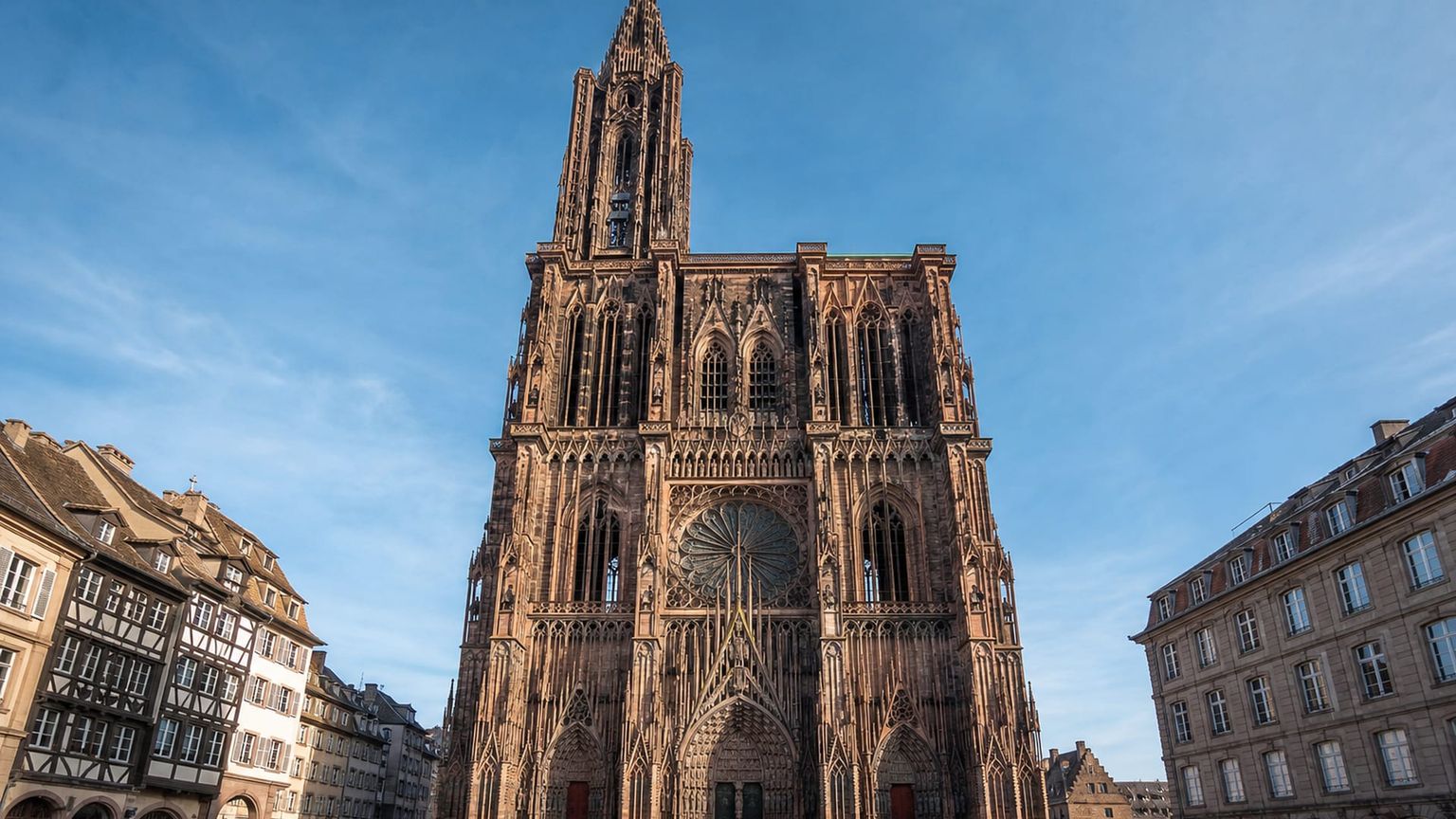
Strasbourg Cathedral
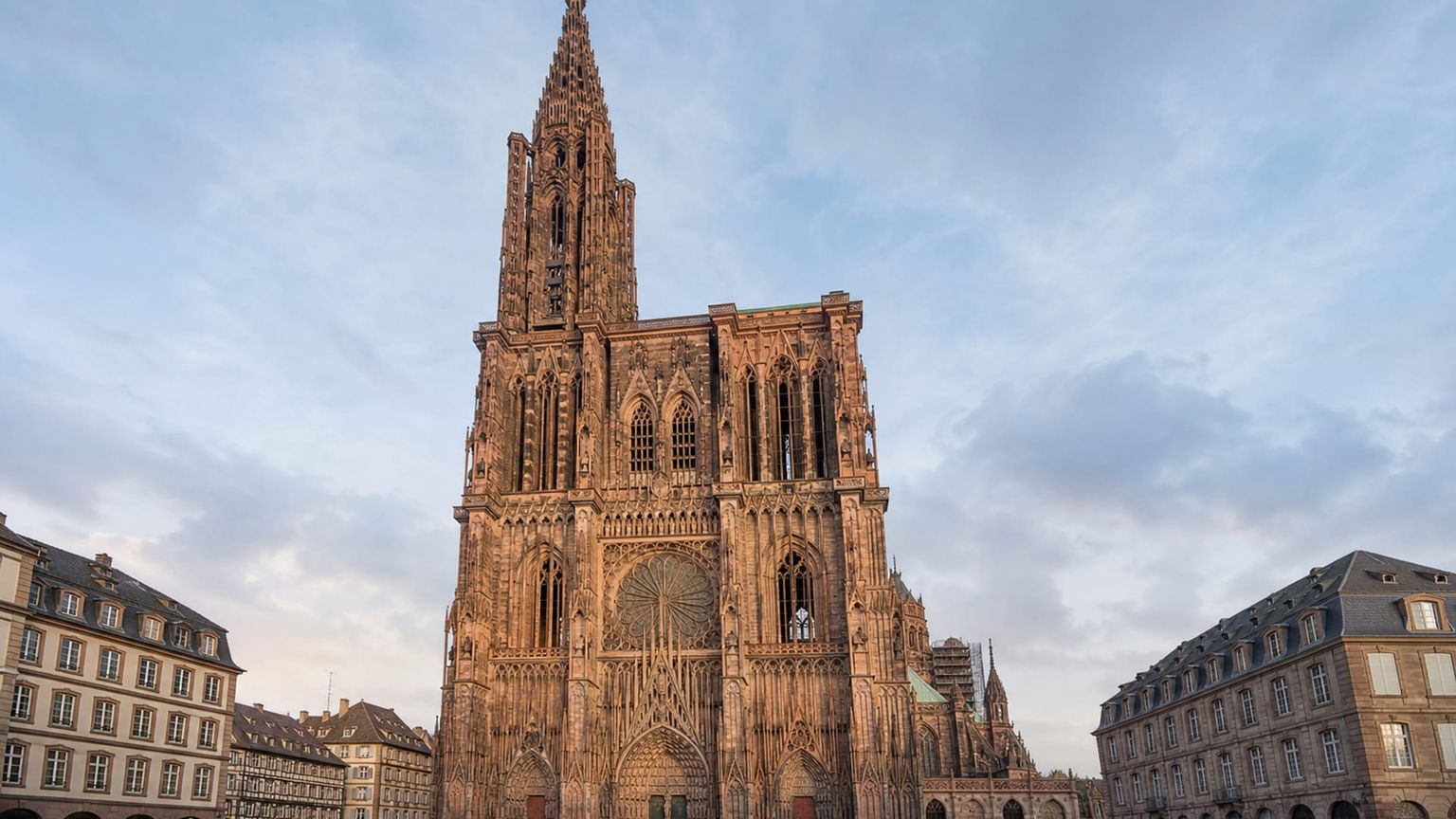
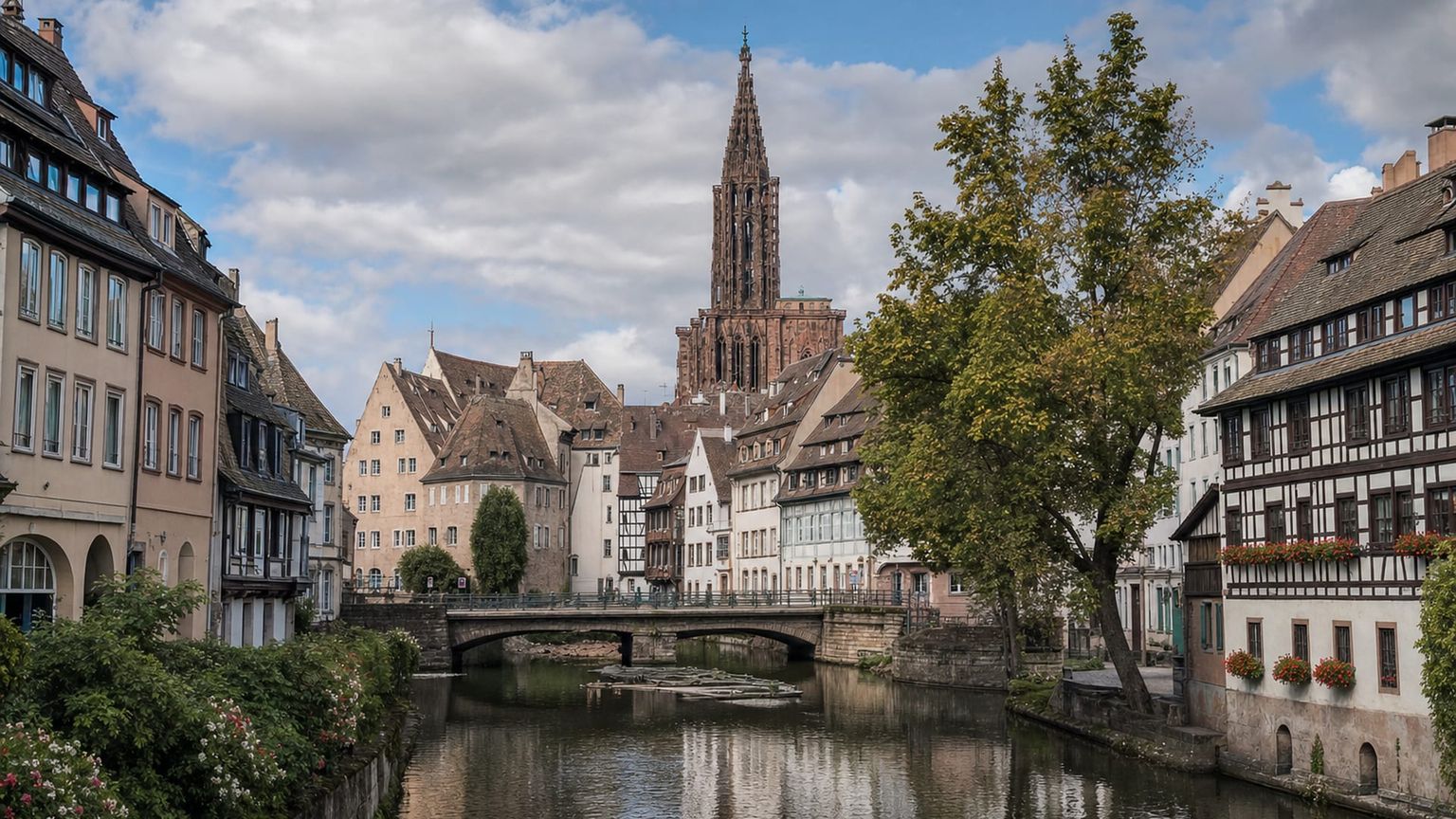
The Cathedral of Notre Dame dominates the old center with its lacework spire, carved west front, and 15th-century astronomical clock. Inside, look for the rose window, stained glass, and the view from the platform.
Time needed: About 1 to 2 hours
Entry: Entry to the cathedral is free; tower access costs about $9 (€8) for adults, with reduced rates for children and students. Visit the official site for details.
Tip: Arrive early or near sunset for softer light on the facade and fewer crowds.
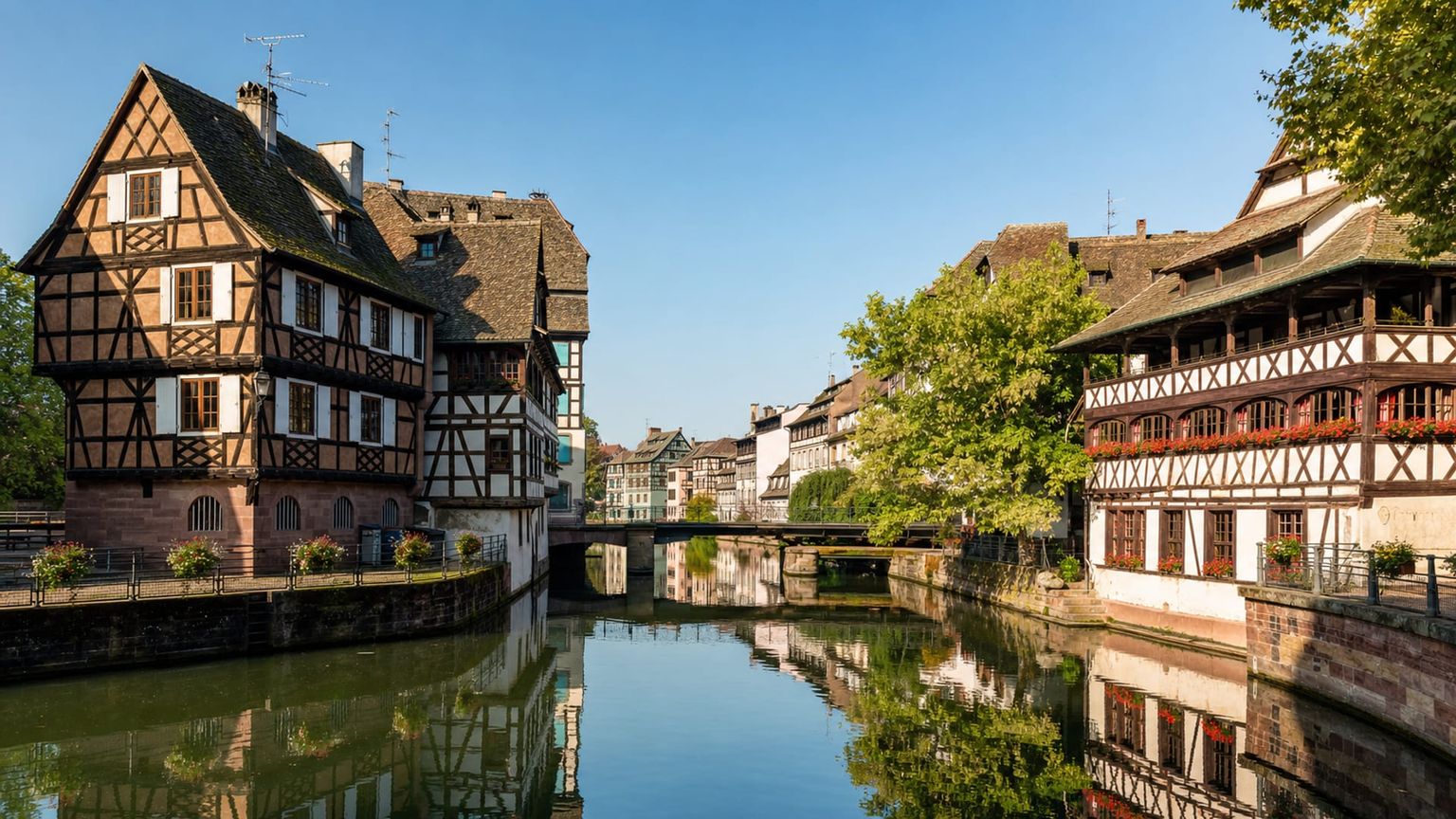
Petite France
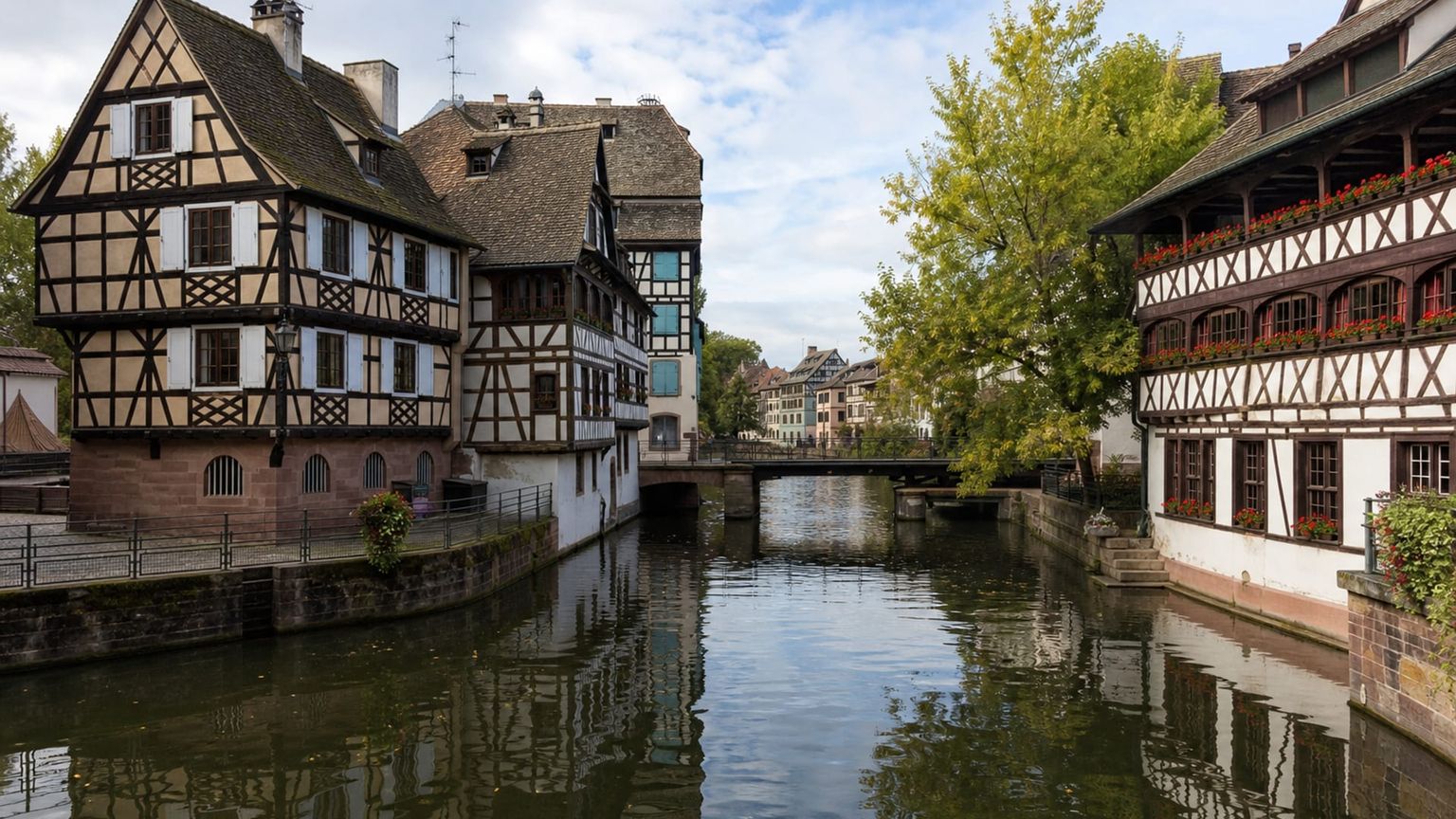
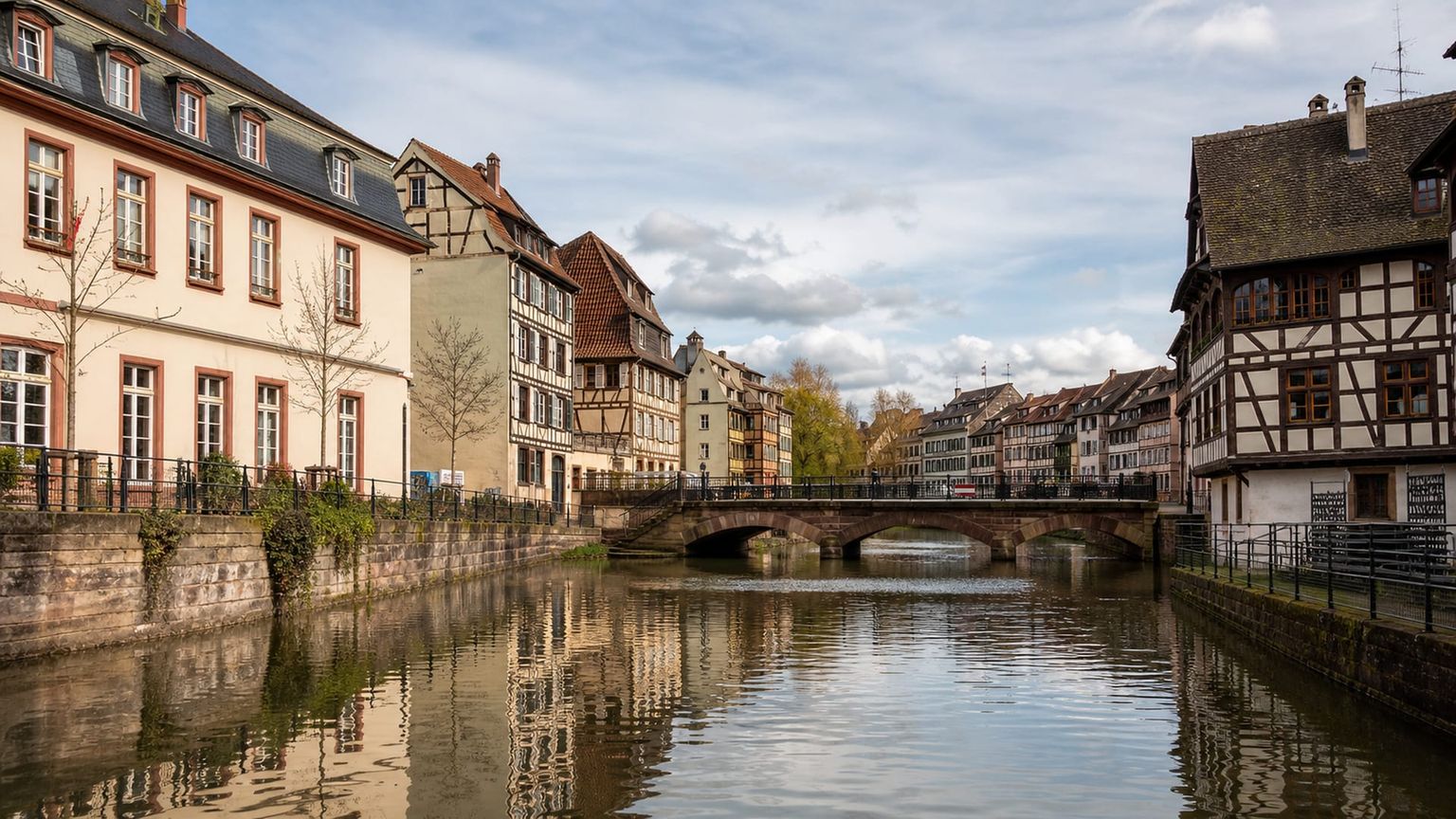
Petite France lines the Ill with half-timbered houses, former tanners’ workshops, and low bridges that frame the canals. It is the city’s most photographed quarter, with water views best seen on foot from the riverbanks.
Time needed: About 1 to 2 hours
Entry: Free to access, with no ticket required; canal boat rides in the area cost extra and vary by operator and season.
Tip: Go in the early morning for calm water and cleaner reflections under the bridges.
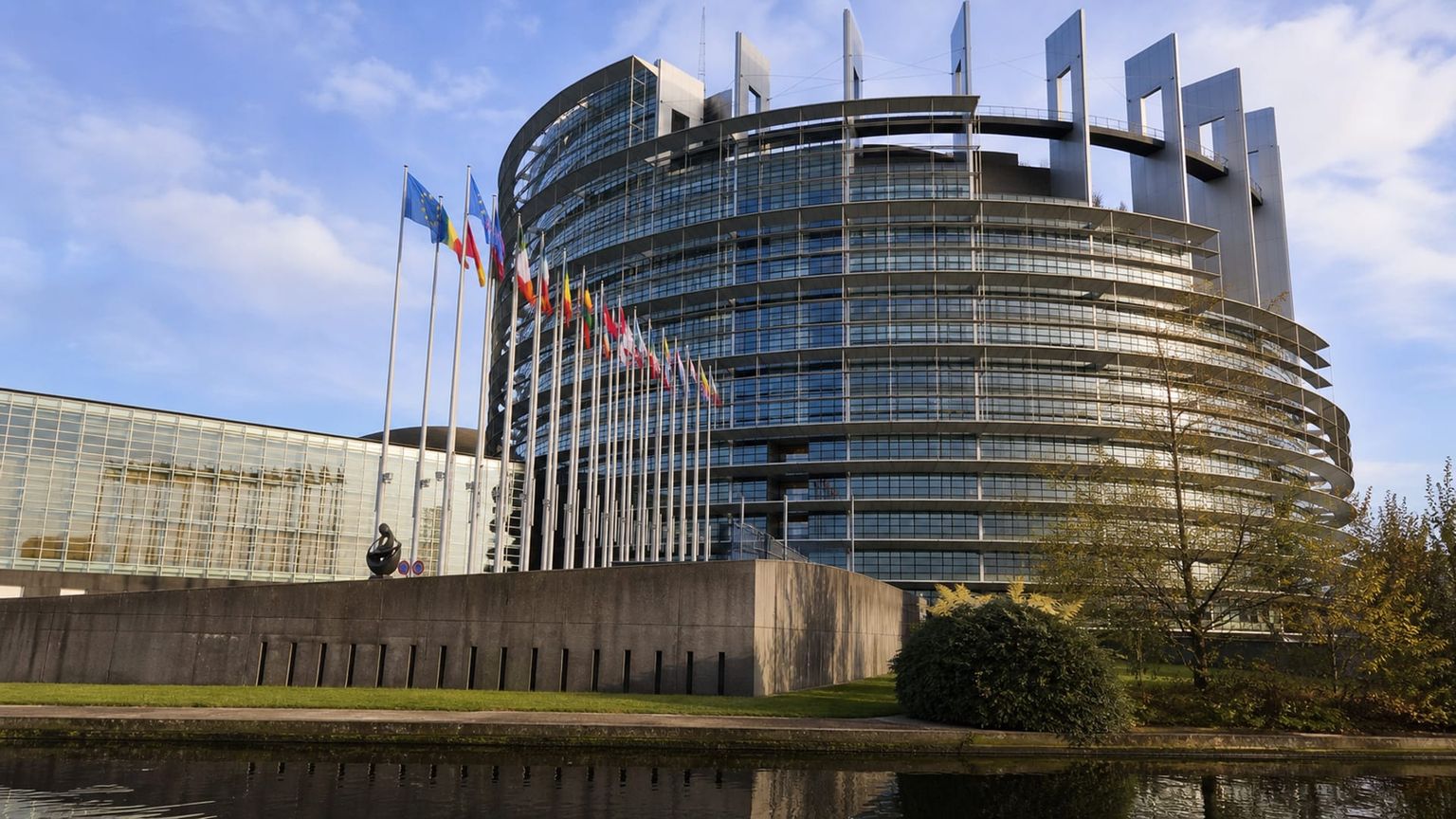
European Parliament
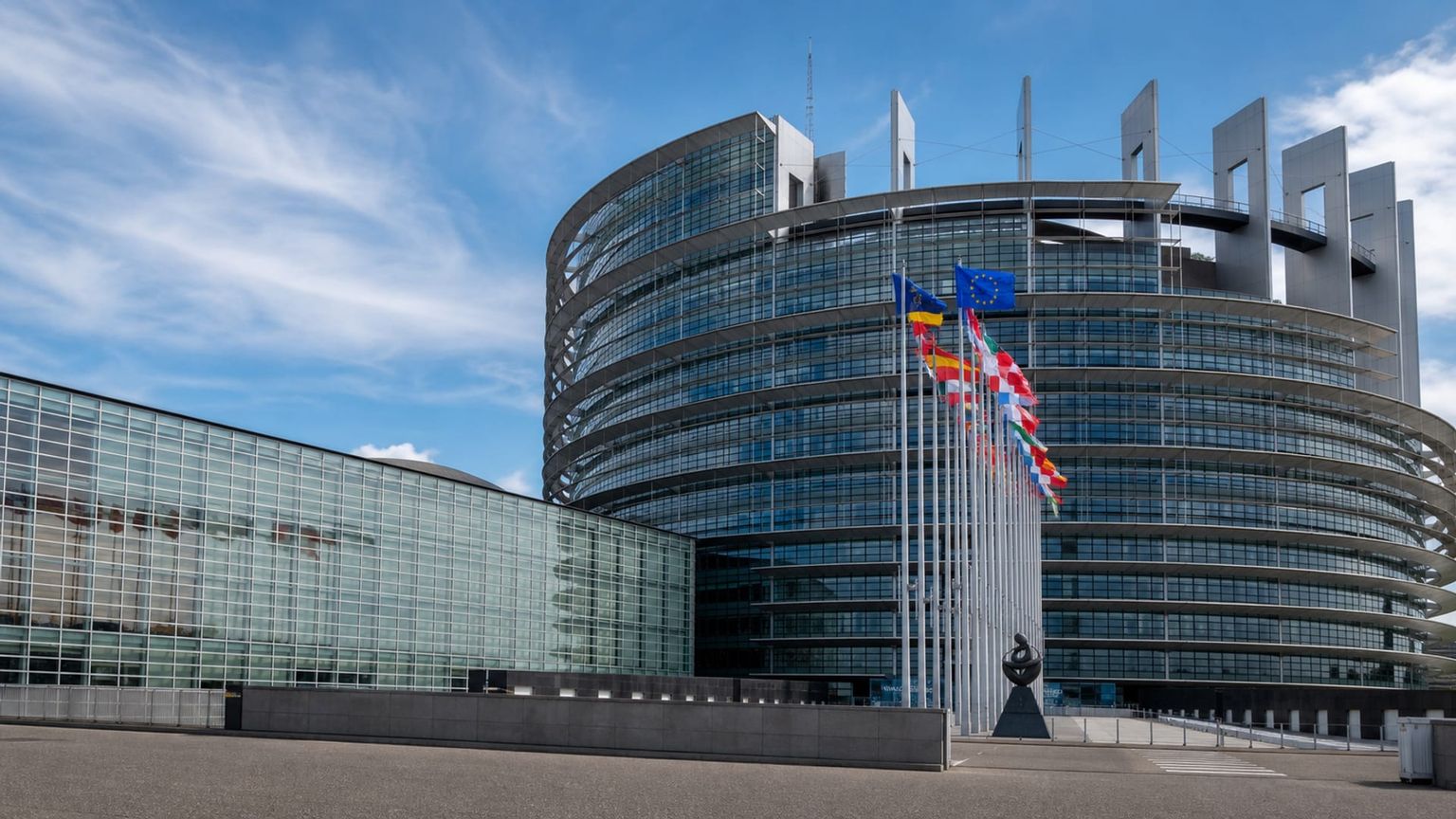
The European Parliament in Strasbourg is a major modern landmark with glass and steel offices beside the river. Visitors can tour the hemicycle, learn how plenary sessions work, and see the chamber from the public gallery.
Time needed: About 1 to 2 hours
Entry: Guided visits are free, but they run on set schedules and security screening applies; some sessions may be closed during parliamentary business. Visit the official site for details.
Tip: Bring a photo ID and allow time for security screening before your visit.
Overlooked sites worth visiting

Citadel Park
A moat-ringed remnant of Strasbourg’s 17th-century defenses, Citadel Park has open lawns, old masonry, and paths along the water. Go for a quiet walk, then pair it with a picnic beside the bastions.
Time needed: About 1 hour
Entry: Free to enter; the park is open to the public without a ticket. There is no admission charge for walking the grounds, though special guided visits or temporary events may have separate pricing when organized by local groups.
Tip: Visit late afternoon for softer light on the bastions.

Museum of the Oeuvre Notre-Dame
Tucked beside the cathedral, this compact museum gathers medieval sculpture, stained glass, and carved fragments from Strasbourg’s churches. Its size makes it easy to see closely without a rushed circuit.
Time needed: About 1 to 2 hours
Entry: Standard admission is about $9 ($8), with reduced rates for eligible visitors and occasional free entry on the first Sunday of the month. Combined tickets or temporary exhibition supplements can change the total price. Visit the official site for details.
Tip: Allow extra time for the upper galleries.
Traditional food
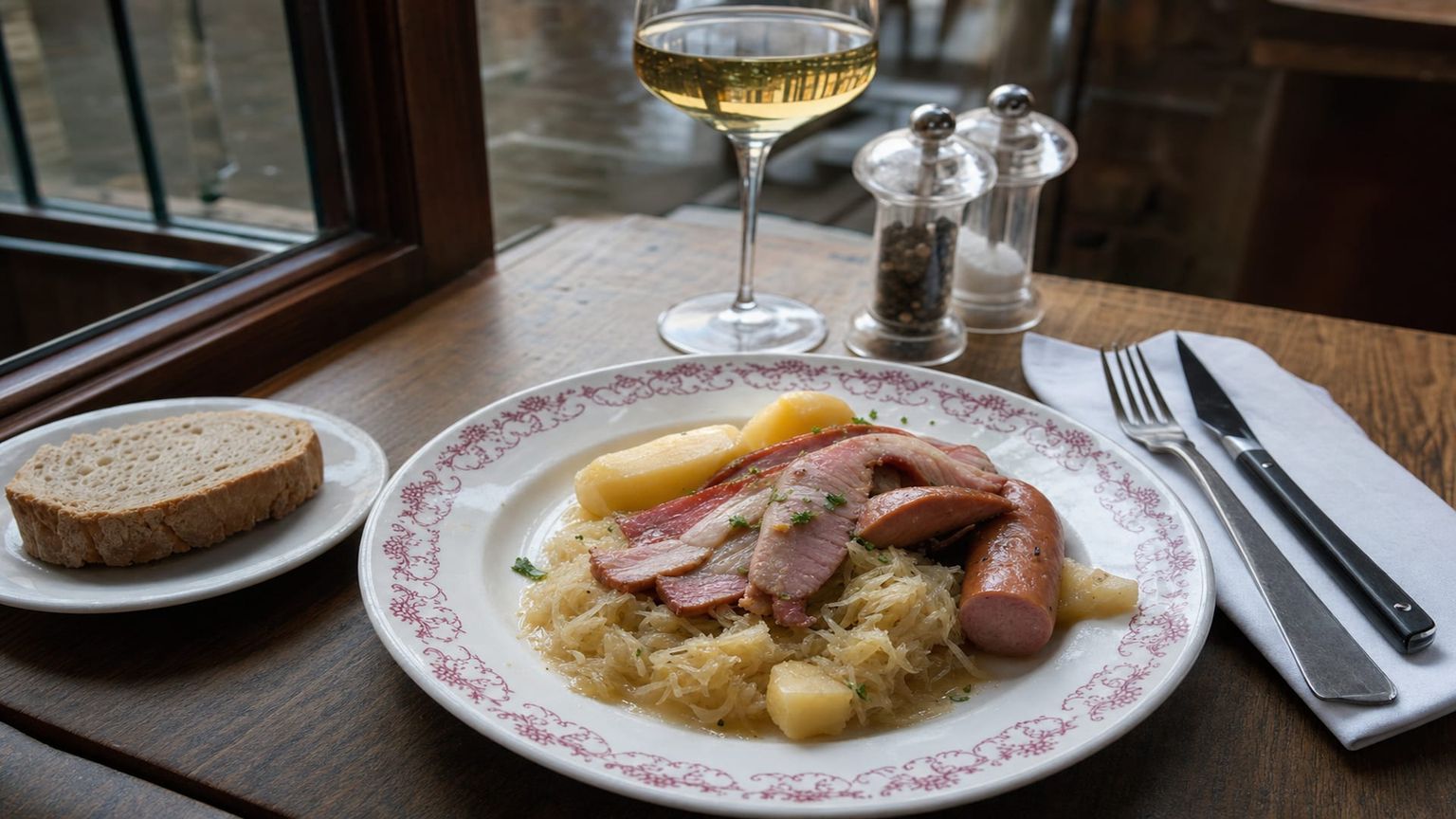
Alsatian cooking leans on pork, cabbage, pastry, and yeast-rich bakes, with sauerkraut, onion, bacon, and cream giving many dishes their depth. Meals often feel anchored by one hearty main course, then a pastry or coffee to finish.
Choucroute garnie
This cabbage-and-sausage plate brings the region’s salted, smoked flavors into one generous serving. Maison Kammerzell is a classic Strasbourg address for it, especially if you want the dish in a historic setting beside the cathedral.
Tarte flambée
Also called flammekueche, this thin flatbread comes with cream, onions, and bacon, then bakes until the edges turn crisp. Winstub Le Clou is a strong Strasbourg pick when you want it alongside a glass of local wine.
Baeckeoffe
This slow-baked casserole layers potatoes, meat, onions, and white wine into a dish that works well as a long lunch or a winter dinner. La Corde à Linge is a useful Strasbourg stop for it in Petite France.
Kougelhopf
This yeasted cake appears at breakfast, coffee, or as a simple dessert, often with raisins and a light dusting of sugar. Pâtisserie Christian makes a well-known Strasbourg version worth seeking out.
Best time to visit Strasbourg
Strasbourg shifts with the seasons: spring and early autumn suit long walks and café stops, summer brings the most daylight, and winter adds colder air but attractive markets and indoor museum time.
Best for: Cathedral visits, river walks, and café terraces
What you get: About 45°F to 66°F (7°C to 19°C), with moderate crowds and frequent but manageable showers
Trade-offs: Weather can change quickly, so you may need a light rain layer
Best for: Long evenings in Petite France and park time in Orangerie
What you get: About 57°F to 82°F (14°C to 28°C), with the busiest crowds and the longest days
Trade-offs: Popular sights and restaurant terraces fill early
Best for: Museum time, food-heavy days, and calmer sightseeing
What you get: About 43°F to 70°F (6°C to 21°C), with thinner crowds and comfortable walking weather
Trade-offs: Later autumn brings shorter days and cooler evenings
Best for: Christmas market visits and indoor sightseeing
What you get: About 30°F to 45°F (-1°C to 7°C), with smaller daylight windows and lighter daytime crowds outside holiday weeks
Trade-offs: Cold mornings and occasional damp weather make longer walks less comfortable
A realistic 5-day plan in Strasbourg
The five-day plan below keeps Strasbourg in logical pieces, from the cathedral and Petite France to the European Quarter and the parks north of the center. It leaves room for slower meals and a final day that does not require a packed schedule.
Land at Strasbourg Airport (SXB), then take the shuttle or a taxi into the center, about 20 to 30 minutes depending on traffic, with taxis usually costing about $35 to $45 (€32 to €41) and the shuttle much less. Check in near Grande Île or Petite France, where you can reach dinner on foot, then keep the evening simple with water, an early meal, and an unhurried walk along the canals before bed.
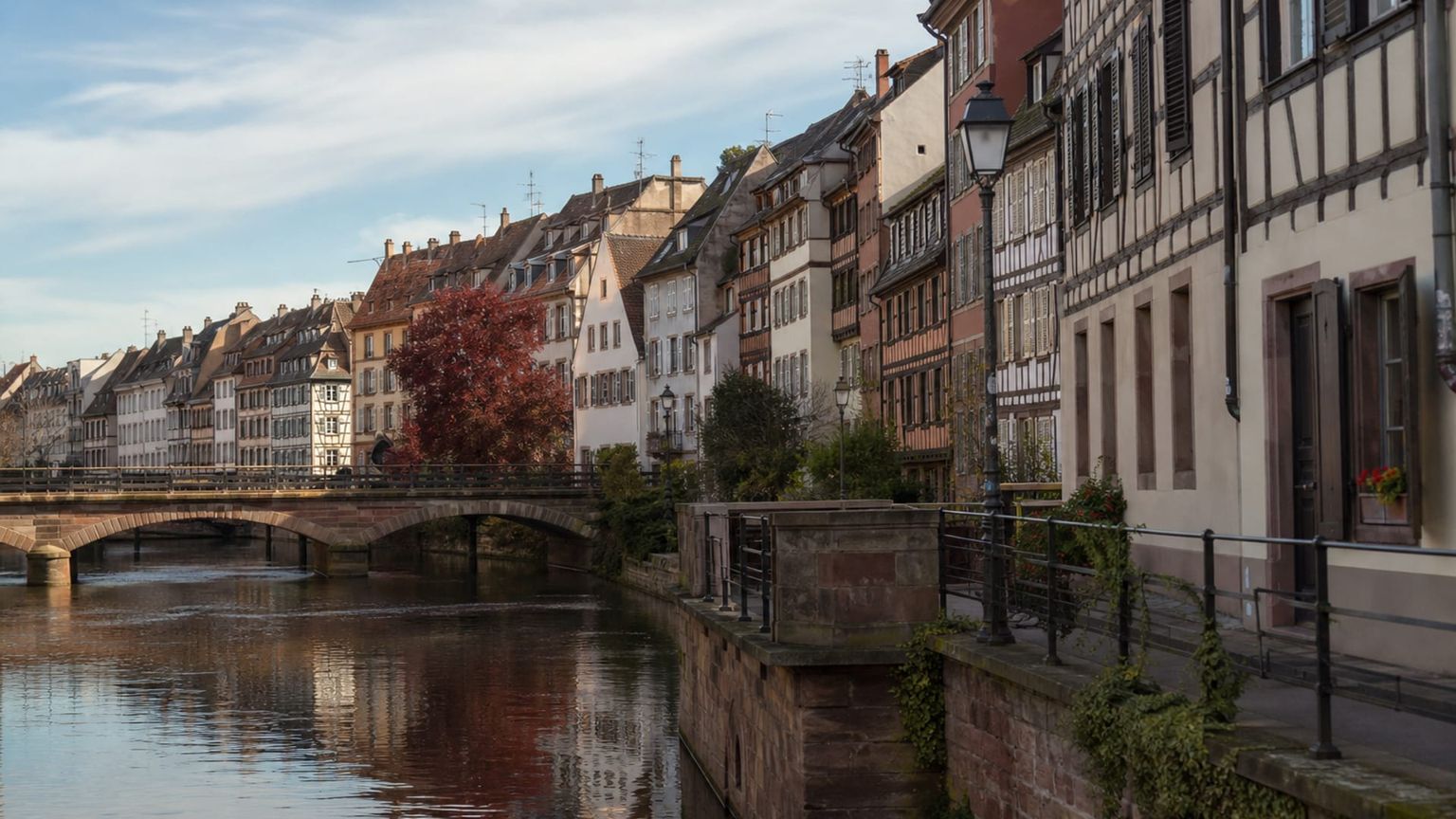
Start at Strasbourg Cathedral when the facade is still quiet, then spend about 1 to 2 hours inside and on the tower platform if you want the view. From there, it is only a short walk, about 5 minutes, to the Museum of the Oeuvre Notre-Dame, where medieval sculpture and stained glass give you a close look at the city’s church art; after that, continue about 10 minutes on foot into Petite France for the half-timbered houses and riverfront paths, then finish with dinner in the old center.
Begin in Petite France, where the early light works well on the canals and bridges, then walk about 15 minutes north to the Barrage Vauban area for wider river views. After lunch, head about 15 minutes on foot toward Citadel Park for a quieter stretch of lawns, bastions, and water, and if you want a longer evening, return toward Grande Île for a cafe stop and a final look at the cathedral district after dark.
Head east to the European Parliament for a guided visit, which takes about 1 to 2 hours and needs a photo ID plus security screening. From there, continue about 10 to 15 minutes by tram or taxi to Parc de l’Orangerie for an easy walk among the trees, then spend the rest of the afternoon back in the center, where Krutenau offers casual dinner spots and a more local evening scene than the old town.
For a last day that does not require a long schedule, begin with one more museum stop if you missed it earlier, or revisit the Museum of the Oeuvre Notre-Dame for a final look at the cathedral collections. Then spend the afternoon shopping on Grande Île, where the pedestrian streets make it easy to browse without rushing, and finish with coffee or an early apéritif in Krutenau before heading back to pack.
Business-class flights from the US to Strasbourg
Strasbourg’s long-haul connections usually run through one European hub rather than nonstop service, so the most useful comparisons are the one-stop patterns from New York and Los Angeles. The fare range changes with season and connection quality.
From New York, Air France, Lufthansa, Swiss International Air Lines, KLM Royal Dutch Airlines, British Airways, and Iberia often price round-trip fares about $2,400 to $5,500, with itineraries commonly connecting through Paris (CDG), Frankfurt (FRA), Munich (MUC), Amsterdam (AMS), London (LHR), or Zurich (ZRH).
Los Angeles fares usually run about $3,200 to $7,000 round trip on Air France, Lufthansa, Swiss International Air Lines, KLM Royal Dutch Airlines, British Airways, and Turkish Airlines, and the longer itinerary often connects through Paris (CDG) or Frankfurt (FRA), which can trim the fare if you accept a layover of about 14 to 19 hours.
Strasbourg feels different when you slow down
A deliberate Strasbourg trip gives each district a clear role, with the cathedral and Grande Île early, Petite France at the quieter edges of the day, and the European Parliament or Orangerie when you want more space and fewer crowds. Trams make the longer crossings simple, while evening walks and Alsatian meals keep the center grounded in place. If you want help shaping those days, AranGrant experts can build a Strasbourg plan around your dates and the part of the city you want to see most