

Chapters:

Need help with your trip?
Our support team is available 24/7. Request a callback or call us directly at (833) 619-0908
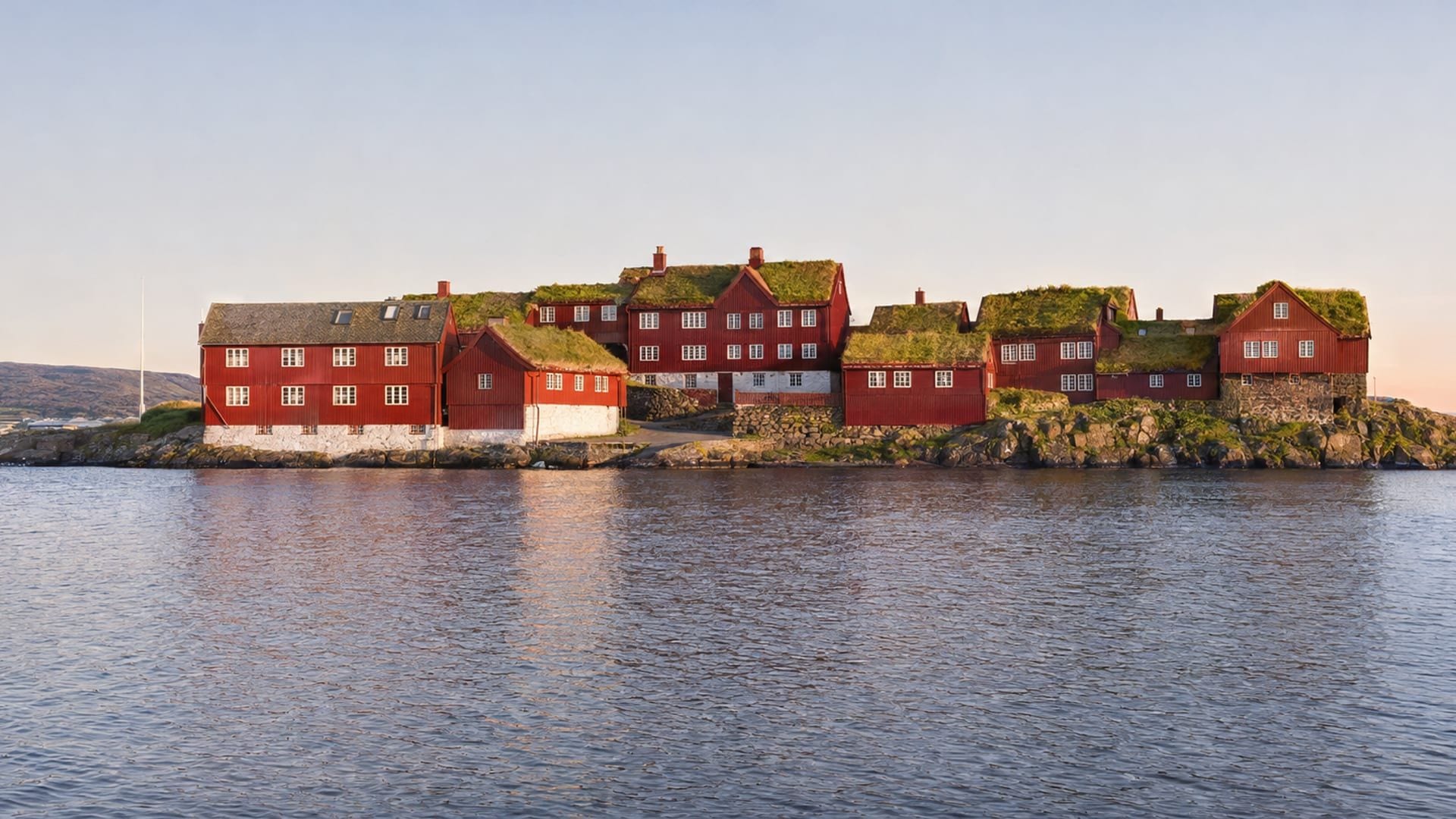
The Faroe Islands’ maritime history reaches into the heart of Tórshavn, where turf-roofed government buildings face the harbor at Tinganes. The capital’s waterfront connects political history with the fishing and seafaring traditions that have shaped life across the islands.
Walk through Tinganes, look for the suspended ship models inside Tórshavn Cathedral, and climb to Skansin for views across the harbor. These nearby stops reveal different chapters of the same relationship with the sea, from church interiors to coastal defenses.
Five days allow time for the waterfront, woodland walks, and contemporary art without filling every afternoon. Stay in Tórshavn city center for meals on foot, and allow a separate transfer across the islands to Vágar Airport (FAE).
Useful things to know
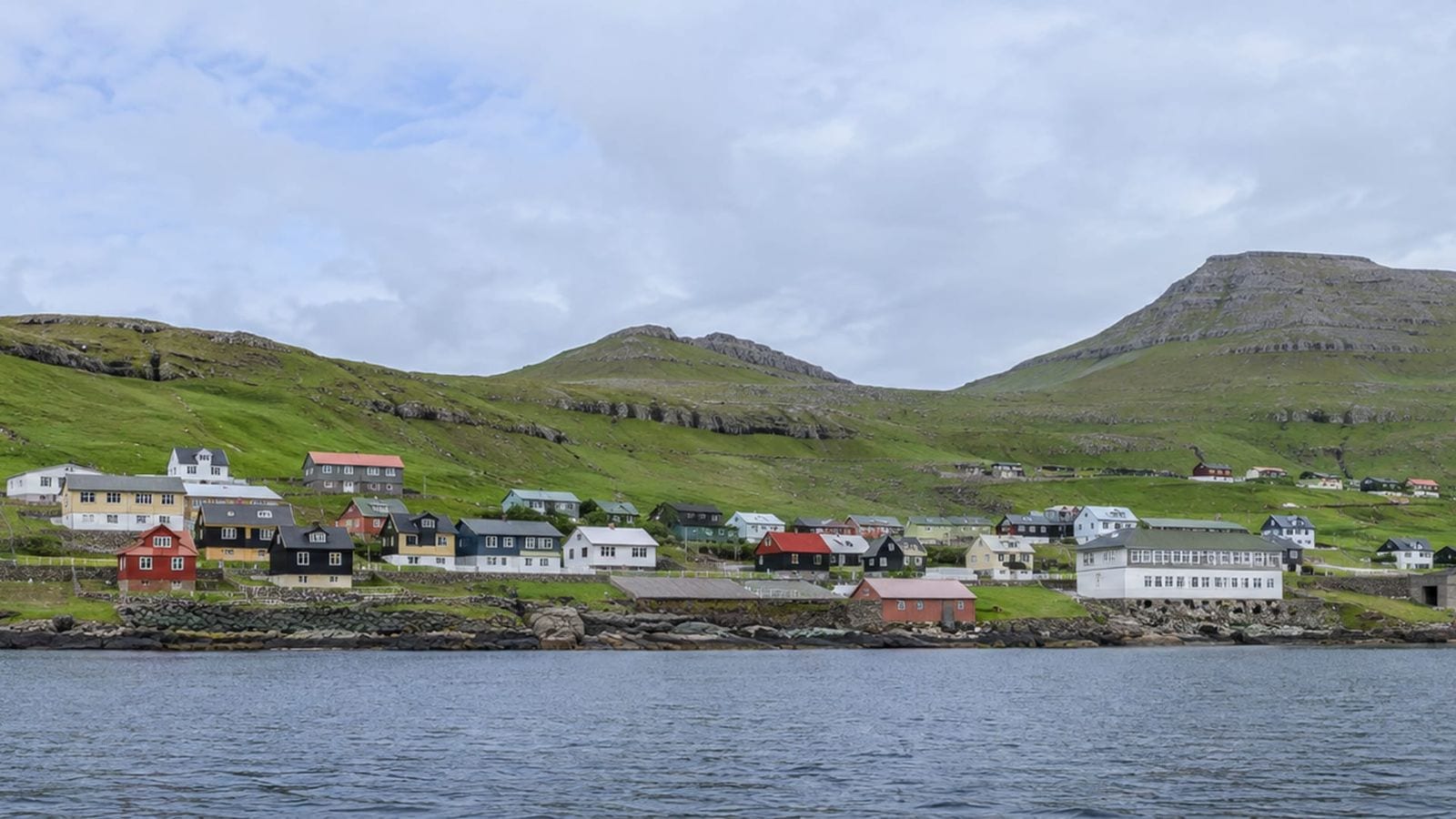

Main language(s): Faroese
Góðan dag (GOH-an dah) – Hello
Vinarliga (VIN-ar-lee-ah) – Please
Takk (tahk) – Thank you
Tosar tú enskt? (TOH-sar too enskt) – Do you speak English?
Hvussu nógv kostar tað? (KVOOS-soo nugv KOS-tar teh) – How much does it cost?

Currency: Faroese króna (DKK, kr)

Cash and cards: Cards and contactless are widely accepted; carry roughly DKK 100 to DKK 200 ($15 to $30) in cash.

Tipping: Round up if you wish; tipping is optional, and restaurant bills include service.

Traditional food: Skerpikjøt, ræst kjøt, ræstur fiskur, and tvøst og spik are among the classic dishes of the Faroe Islands.

Water and coffee costs: Bottled water DKK 15 to DKK 25 ($2 to $4); espresso DKK 25 to DKK 40 ($4 to $6).

Taxis and ride apps: Find licensed taxis at Vágar Airport (FAE); confirm the fare before the ride.

Plug and voltage: Type C/E/F/K socket, 230V

Dining and shop opening hours: Breakfast is usually 7 am to 9 am, lunch noon to 1 pm, and dinner 6 pm to 8 pm. Shops generally open 9 am to 5 pm on weekdays; many close Sundays.

Emergency number: 112 for police, ambulance, and fire.
Where to stay in Faroe Islands
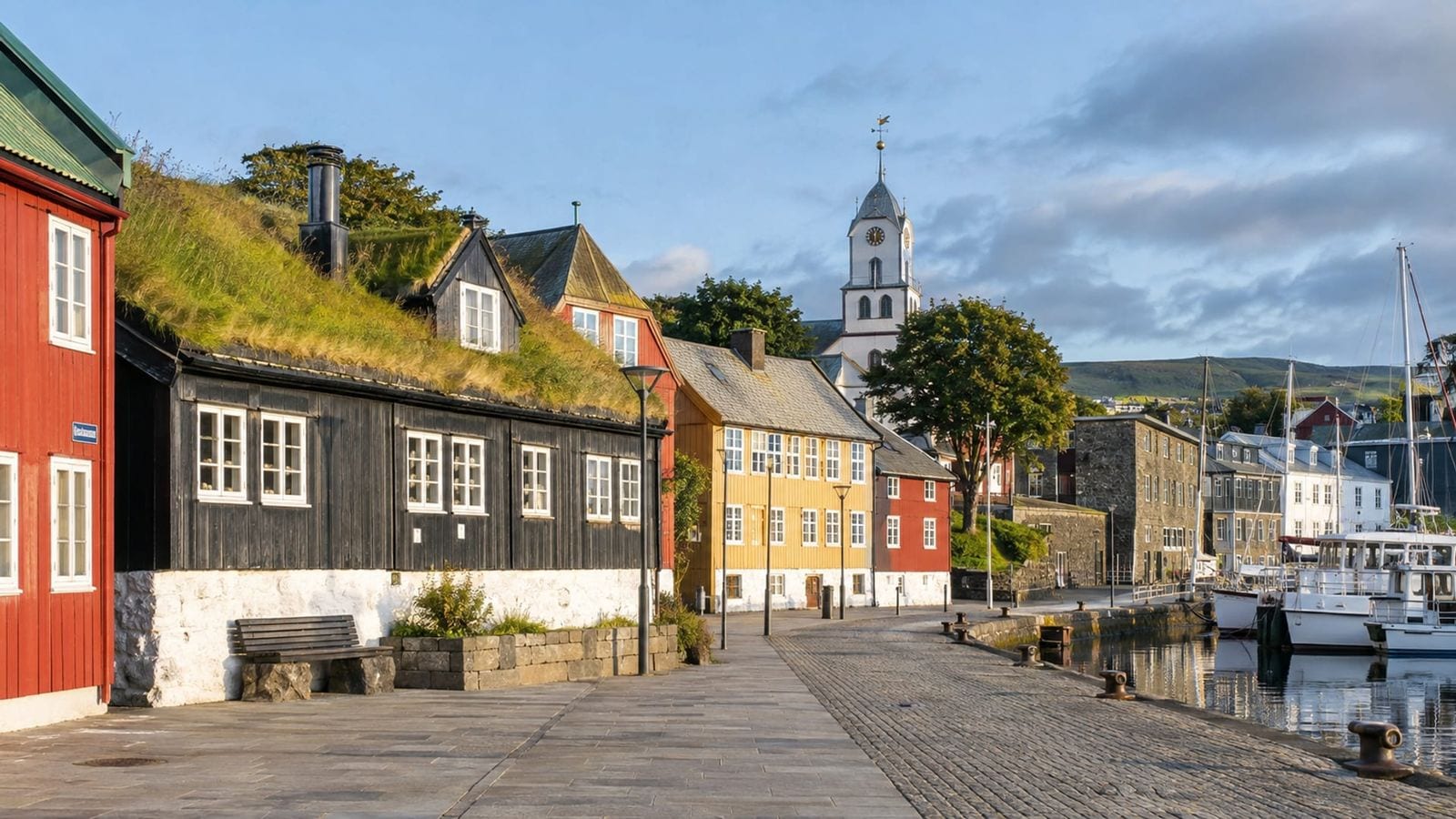
Tórshavn city center gathers the capital’s hotels, restaurants, and shops beside the harbor, with narrow lanes leading toward the government quarter of Tinganes. Staying here puts waterfront walks and evening meals within easy reach, with several hotels a short walk from the historic waterfront.
Best for: Walking to restaurants, harbor strolls, and exploring the capital
What to expect: Harbor traffic and shopping bring daytime activity, while restaurants draw people into the evening.
Hotel prices: Well-rated hotels cost DKK 1,200 to DKK 2,400 ($175 to $350) a night.
Distance to major sights: Tinganes is a 5 to 15-minute walk from most central hotels.
Quietness: Shopping streets are busier by day; bars can bring noise to nearby rooms on weekend evenings.
Main trade-off: Central rooms can face late-night noise, and hotel parking may require a separate arrangement.
Good to know: If renting a car, choose a hotel with confirmed parking because central spaces can have time limits.
Remote rural locations are less convenient without a car: restaurants are fewer, and limited evening bus connections can make returning after dinner difficult.
Hotel deals
How to get around Faroe Islands efficiently
Free red buses cover Tórshavn, while regional buses, taxis, and ferries connect the capital with the airport and neighboring islands.

Bus and tram
for convenience
Red city buses in Tórshavn are free, with routes linking the center and residential neighborhoods. Use them for cross-town trips of roughly 10 to 30 minutes; regional blue buses charge separate fares and connect towns across the islands.

Walking
for short central distances
Between Tórshavn harbor and the grass-roofed buildings of Tinganes, walking takes about 10 minutes and costs nothing. Explore the compact historic center on foot; steep streets and strong coastal winds can make longer uphill walks demanding.
Ferry
for island or coastal routes
A 20-minute ferry crossing links Tórshavn with Nólsoy on route 90. Budget DKK 40 to DKK 100 ($6 to $15) for an adult return ticket. This passenger connection suits an island day trip; wind can disrupt departures, so check the return sailing before leaving.
*Prices are based on rates updated as of November 2026 and may change at the time of travel.
Walk between harbor sights, use red buses across Tórshavn, take regional buses or taxis for airport trips, and choose the ferry for a day on Nólsoy.
Iconic landmarks
Tinganes
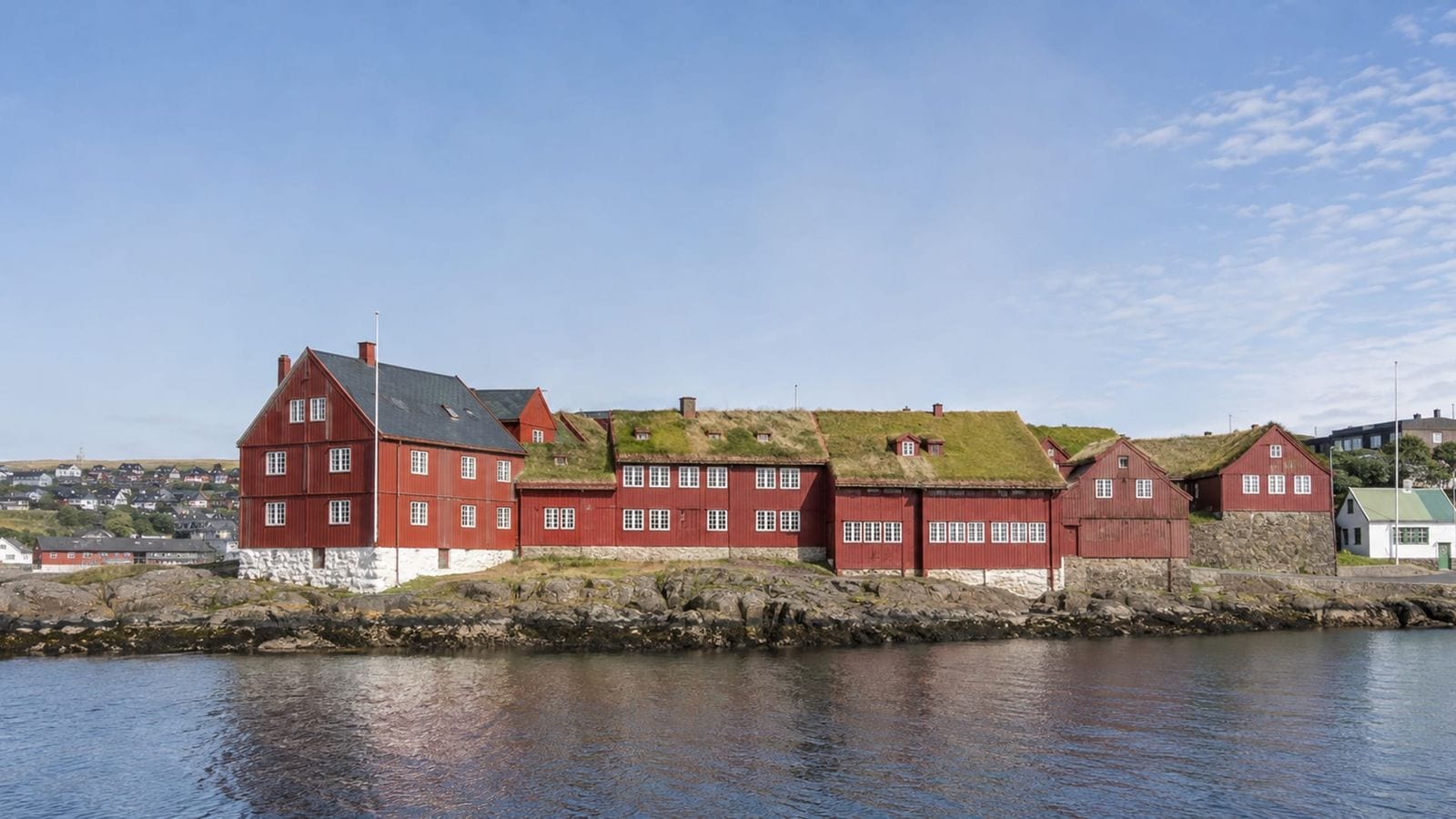
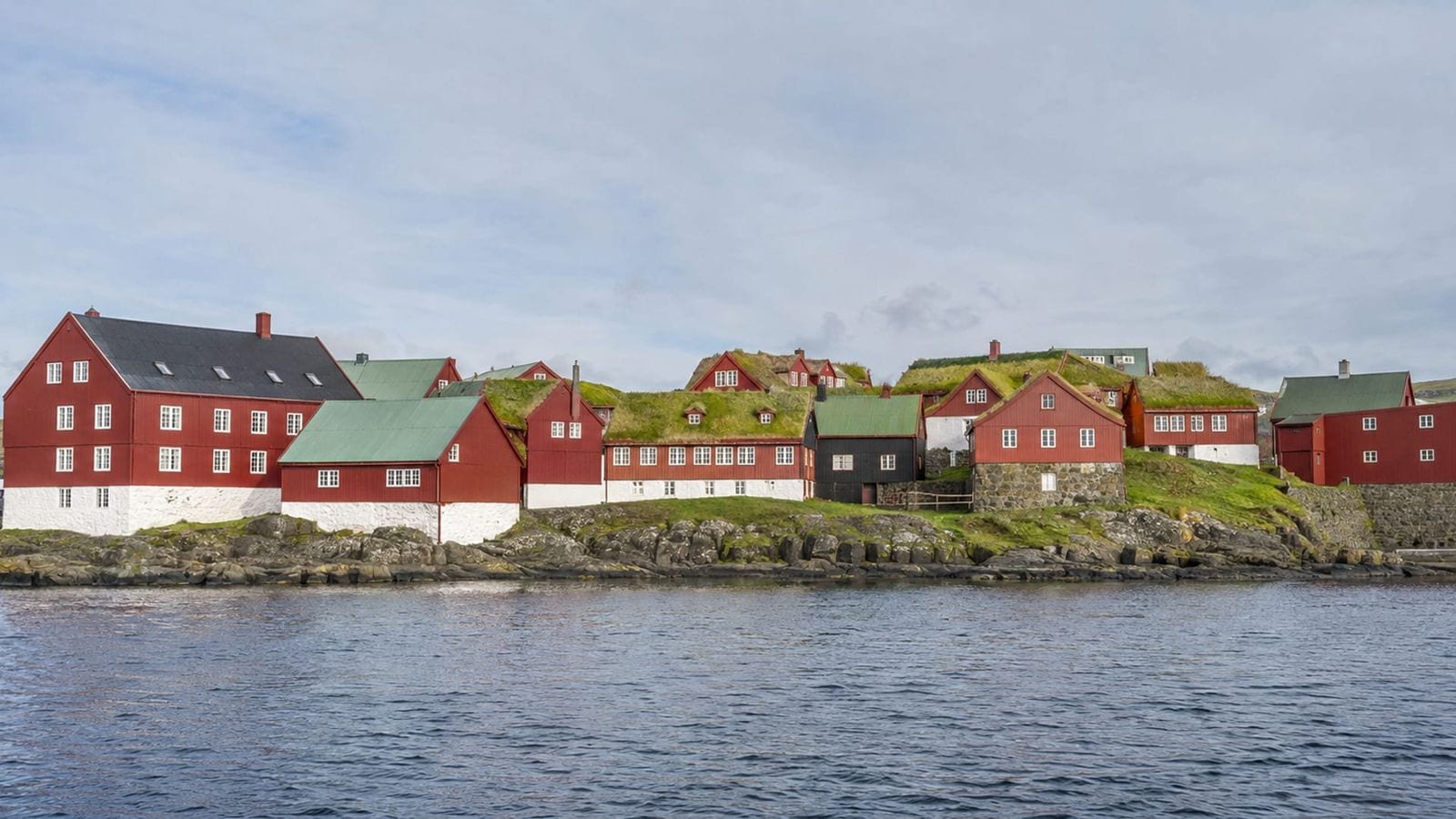
Red wooden government buildings with turf roofs line this rocky peninsula beside Tórshavn’s harbor. Narrow lanes lead through the historic seat of Faroese government, where the islands’ parliamentary tradition reaches back to the Viking Age.
Time needed: About 30 to 60 minutes
Entry: Free to access
Tip: Follow the waterfront to the peninsula’s tip; government offices are private.
Skansin
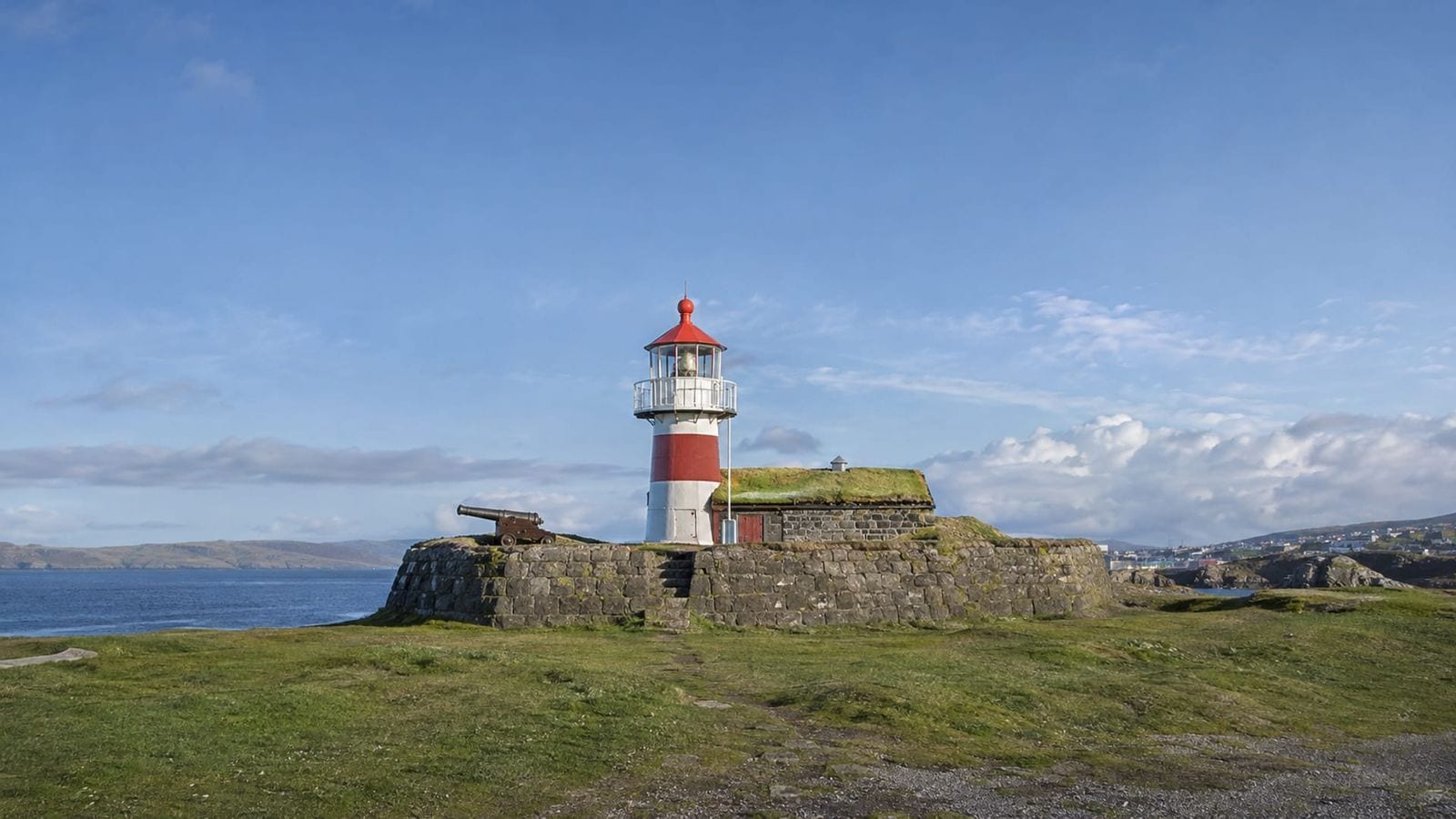
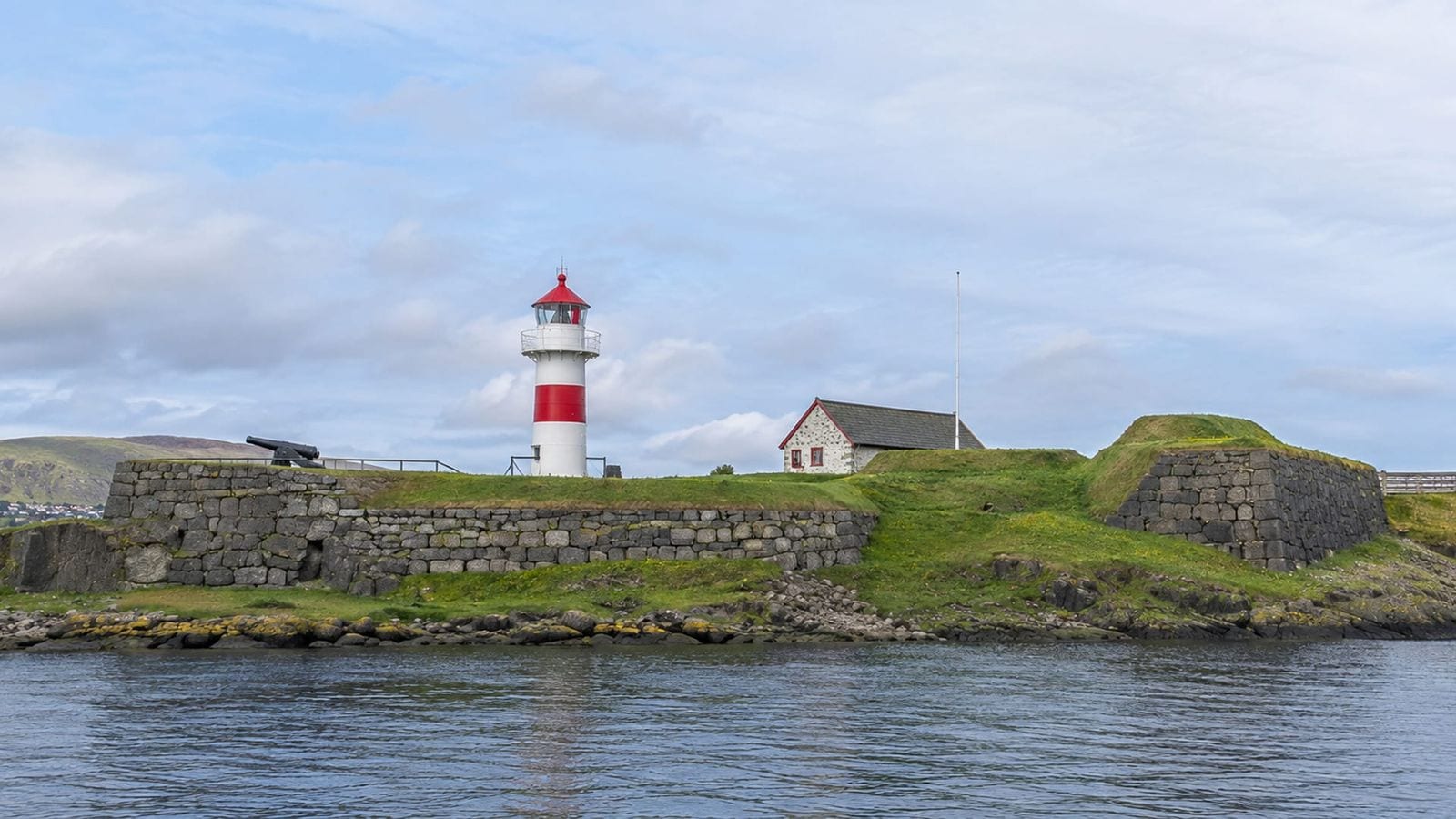
Built in 1580 to defend Tórshavn against pirate attacks, Skansin overlooks the harbor from a grassy rise. Its lighthouse, old cannons, and British naval guns connect the capital’s maritime defenses with its role during World War II.
Time needed: About 30 to 60 minutes
Entry: Free to access
Tip: Approach from the harbor; the exposed grassy ramparts can be slippery in rain.
Tórshavn Cathedral
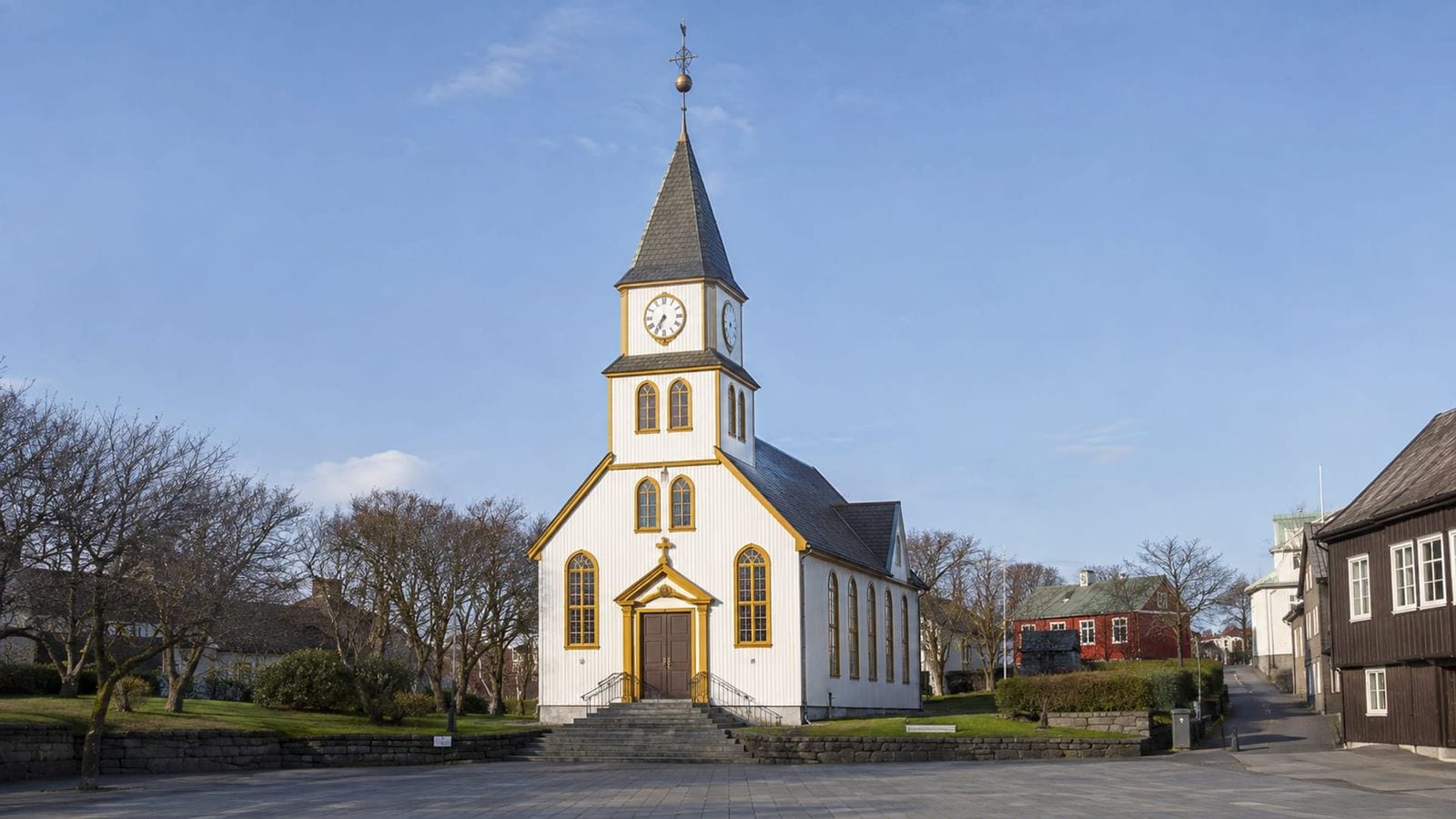
A white wooden church with a slate roof and clock tower, Tórshavn Cathedral has overlooked the old town since 1788. Inside, ship models suspended from the ceiling reflect the seafaring traditions of the Faroese capital and its congregation.
Time needed: About 30 to 60 minutes
Entry: Free to access
Tip: Leave interior sightseeing until after Sunday worship if a service is underway.
Overlooked sites worth visiting

Viðarlundin í Havn
Viðarlundin í Havn brings woodland paths and a duck pond into Tórshavn, with trees sheltering the walks from coastal winds. The art museum’s outdoor sculptures add interest along the way.
Time needed: About 30 to 60 minutes
Entry: Free to access
Tip: Enter beside the art museum to include the outdoor sculptures in your walk.

Steinprent
Steinprent combines a printmaking workshop with a gallery on Tórshavn’s waterfront. Exhibitions focus on contemporary art, while the workshop produces lithographs with Faroese and artists.
Time needed: About 20 to 40 minutes
Entry: Free: gallery admission
Tip: Ask gallery staff before entering the printmaking workshop.
Traditional food
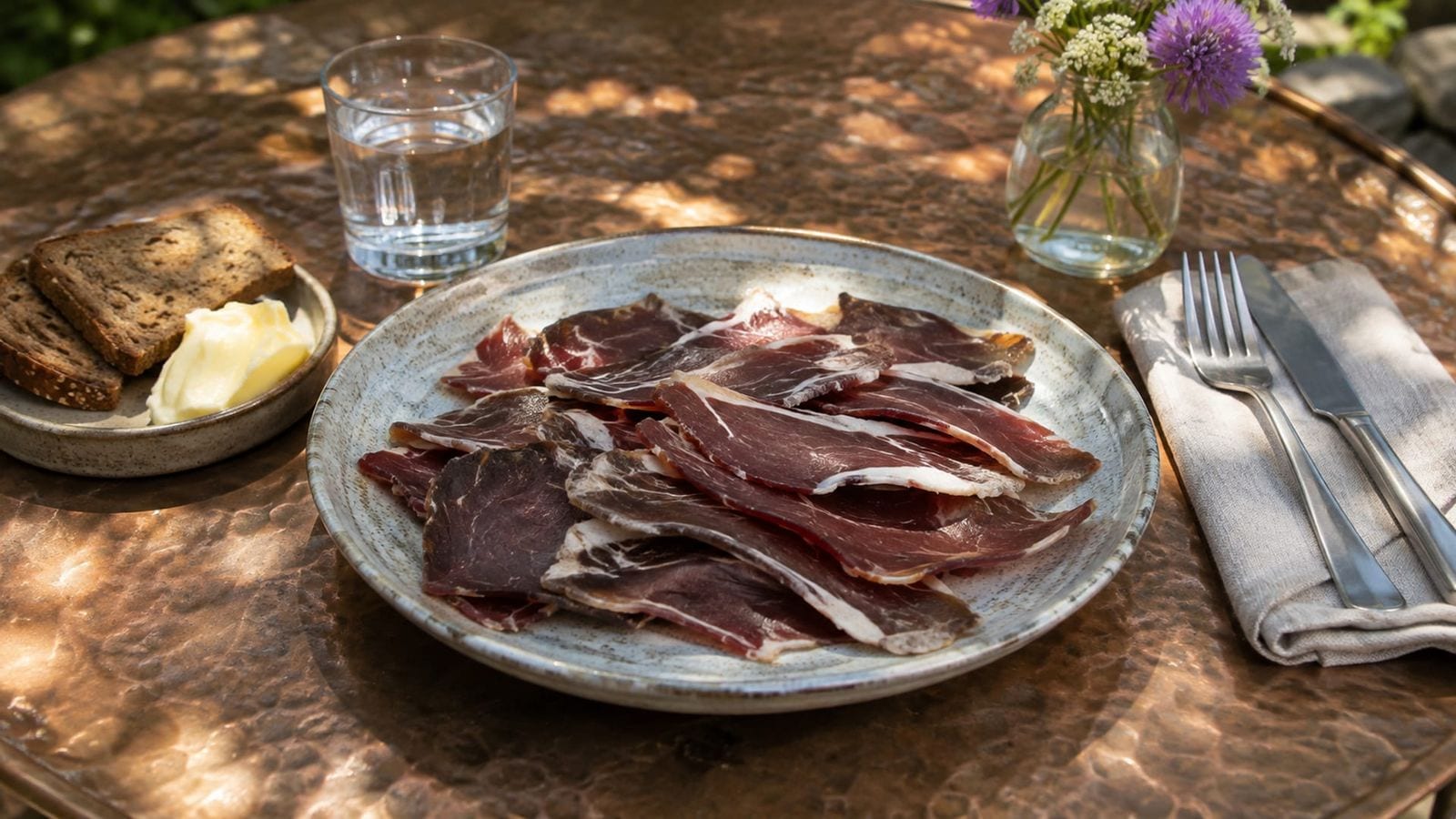
Faroese cooking draws on lamb, fish, and traditional wind drying. Fermentation gives preserved meat and fish their distinctive flavors, while seasonal availability shapes traditional meals.
Skerpikjøt
Skerpikjøt is wind-dried, aged mutton, usually cut into thin slices and eaten without cooking. At Ræst, ask whether this traditional preparation features in the current menu before reserving a meal centered on preserved foods.
Ræst kjøt
Ræst kjøt is fermented, partially dried lamb that develops a pronounced aroma before cooking. Ask Áarstova whether it offers this preparation on your travel dates, since its familiar cooked lamb dishes are a different preparation.
Ræstur fiskur
Ræstur fiskur is fish preserved through wind drying and fermentation, then cooked for the table. Contact Barbara Fish House about availability before reserving; its seafood menu does not guarantee this traditional preparation.
Tvøst og spik
Tvøst og spik combines pilot whale meat and blubber, traditionally accompanied by potatoes. Ask Katrina Christiansen specifically about availability before booking, since this Faroese dish is not an everyday restaurant offering.
Best time to visit Faroe Islands
Long summer days extend island excursions, while winter brings shorter daylight and more weather-dependent travel.
Best for: Lengthening days for harbor walks and woodland paths in the Faroese capital
What you get: Expect 37°F to 48°F (3°C to 9°C), with fewer visitors than summer and increasing daylight for exploring Tórshavn’s waterfront on foot.
Trade-offs: Cold winds can shorten exposed walks at Skansin, particularly early in the season.
Best for: Long daylight hours for island excursions and evenings beside the harbor
What you get: Temperatures reach 46°F to 55°F (8°C to 13°C); the busiest travel season brings more visitors to Tórshavn and demand for island lodging.
Trade-offs: Fog and wind can disrupt island connections even during the longest days.
Best for: Combining contemporary art indoors with shorter walks along the waterfront
What you get: Conditions span 39°F to 52°F (4°C to 11°C), with visitor numbers easing after summer and shorter days favoring time in Tórshavn’s galleries.
Trade-offs: Increasing wind and rain can limit ferry excursions and exposed coastal walks.
Best for: A capital-focused stay with gallery stops and traditional restaurant meals
What you get: Expect 35°F to 43°F (2°C to 6°C), fewer leisure visitors, and brief daylight that concentrates outdoor sightseeing near the middle of the day.
Trade-offs: Storms and limited daylight leave fewer opportunities for excursions beyond Tórshavn.
A realistic 5-day plan in Faroe Islands
This five-day sequence moves from arrival on Vágar to Tórshavn’s historic waterfront, woodland, and galleries. Keep the Steinprent day on a weekday and reserve the final morning for the airport transfer.
From Vágar Airport (FAE), take a taxi to Café Zorva in Sørvágur for a light dinner before continuing to your hotel in Tórshavn city center. Allow 60 to 75 minutes of driving across both legs and DKK 900 to DKK 1,400 ($130 to $205); confirm the fare before departure. Dinner near the airport breaks up the journey before the longer drive to the capital.
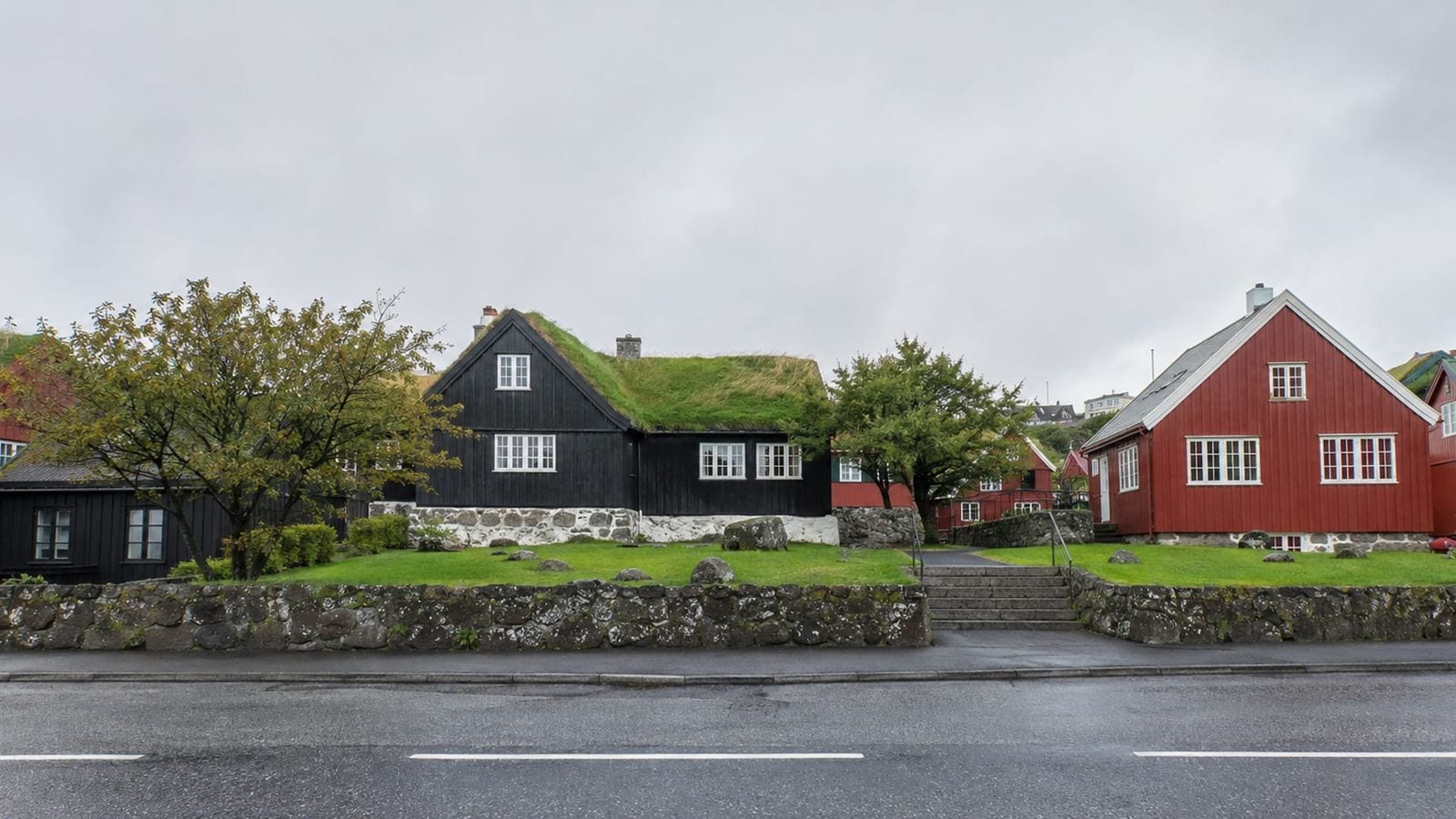
Turf roofs and harbor views frame a morning at Tinganes, where the lanes are public but government offices are private. Allow an hour, then walk 5 minutes to Tórshavn Cathedral for its suspended ship models. Both stops are free. Spend the afternoon exploring the adjoining lanes and waterfront in Tórshavn city center; on Sunday, enter the cathedral after worship.
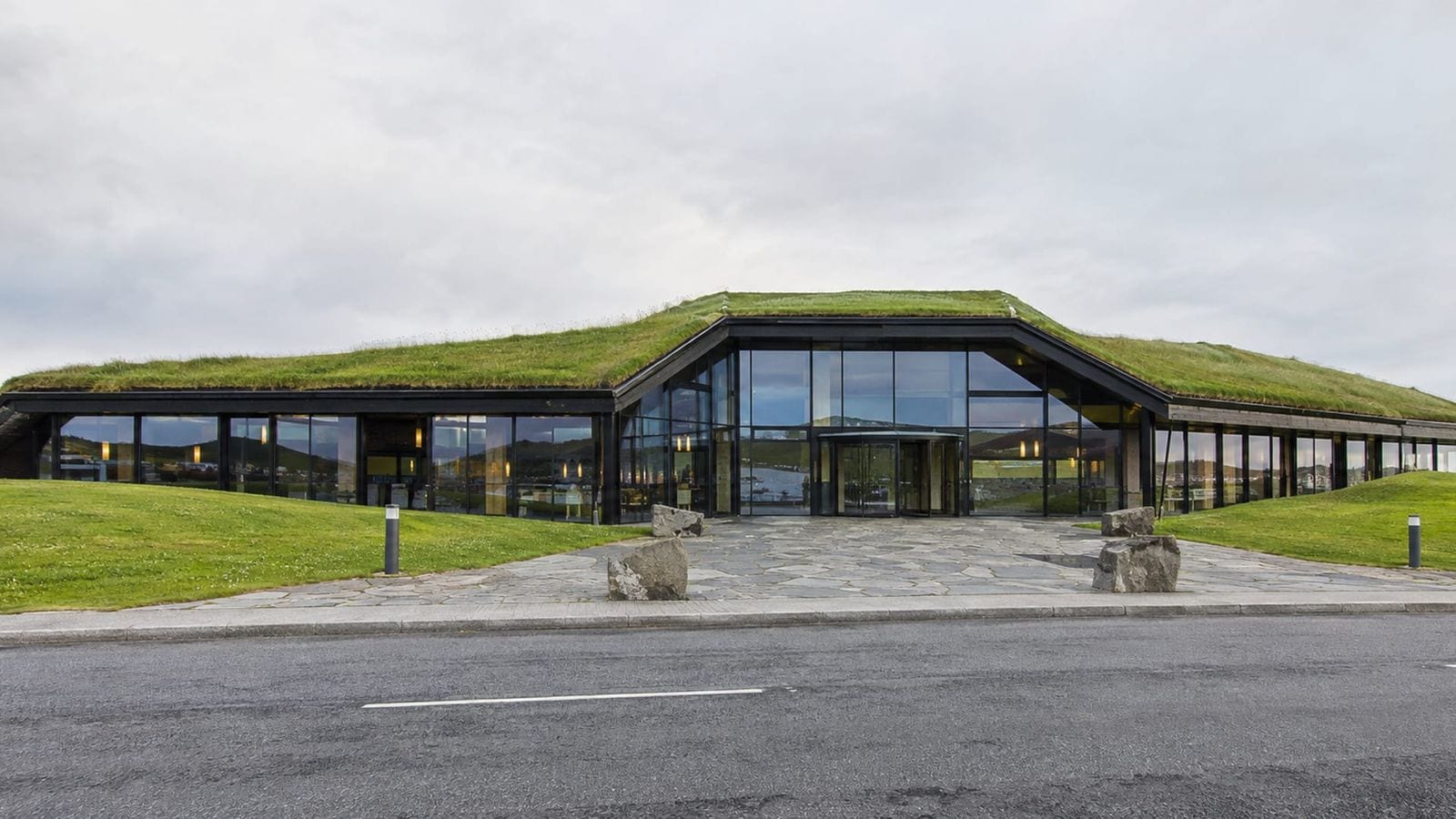
Begin among the woodland paths, pond, and outdoor sculptures of Viðarlundin í Havn, allowing 90 minutes for the park. Walk uphill for 20 minutes to the Nordic House, where the turf roof connects contemporary architecture with Faroese building traditions. Devote the afternoon to its exhibition spaces and café, with lunch between the park walk and the indoor galleries.
A weekday pairs Steinprent’s waterfront gallery with Skansin’s maritime defenses. Explore Steinprent between 9 am and 5 pm, allowing an hour for the prints and asking staff before entering the workshop. Continue along the harbor for 15 minutes to Skansin. After lunch near the harbor, spend the afternoon examining its cannons, lighthouse, and views; rain makes the grassy ramparts slippery.
Before leaving your hotel, pack purchases and arrange the departure transfer from Tórshavn city center to Vágar Airport (FAE). Allow 50 to 60 minutes by taxi and DKK 800 to DKK 1,200 ($115 to $175), confirming the fare when booking. Finish with coffee at the airport after check-in, leaving the final hours beside your departure point.
Business-class flights from the US to Faroe Islands
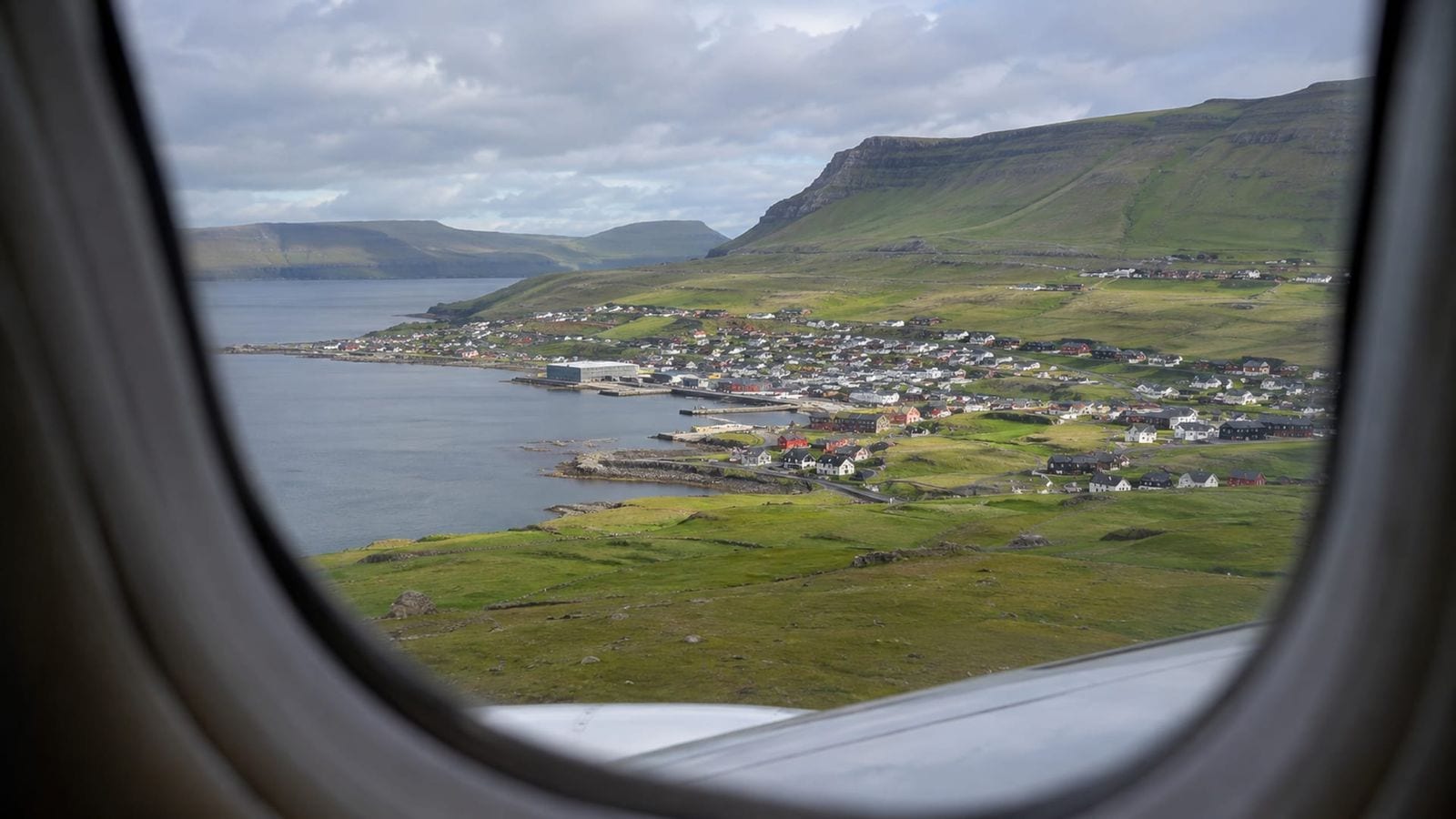
New York and Los Angeles itineraries connect through Copenhagen (CPH) before continuing to Vágar Airport (FAE), with different journey times and fares.
From New York, a one-stop journey through Copenhagen (CPH) takes 10 to 15 hours. Round-trip fares range from $3,000 to $6,500, with Atlantic Airways and SAS Scandinavian Airlines listed for the route to Vágar Airport (FAE).
Allow 15 to 21 hours to reach Vágar Airport (FAE) from Los Angeles with a connection in Copenhagen (CPH). The round-trip price range is $4,000 to $8,000; airlines listed for this journey are Atlantic Airways and SAS Scandinavian Airlines.
Faroe Islands feels different when you slow down
A Faroe Islands trip takes shape through specific choices: a hotel in Tórshavn city center, a morning among the lanes of Tinganes, and an afternoon pairing waterfront prints with Skansin’s cannons. Free red buses extend your reach across the capital, while a ferry excursion adds another island when conditions permit. Ask AranGrant experts to connect your flights with a stay near Tórshavn’s harbor, leaving time for its galleries and the transfer to Vágar Airport (FAE)







