

Chapters:

Need help with your trip?
Our support team is available 24/7. Request a callback or call us directly at (833) 619-0908
Sapporo built its identity around beer, snow, and long winters, and that history still shapes the pace of the city today.
Sapporo Station handles most of the city’s train and subway traffic, Odori Park cuts through downtown, and Susukino handles nightlife, but the sculpture trails of Sapporo Art Park and the confectionery halls south of downtown fall outside most short visits.
This guide treats Sapporo as a set of distinct pockets. Each day has a clear starting point, a route between the sights worth the detour, and a meal stop built into the plan, so five days cover both the brewery core and the quieter parts of the map most visitors skip.
Useful things to know

Main language(s): Japanese
こんにちは (konnichiwa) – Hello/Good afternoon
お願いします (onegaishimasu) – Please
ありがとうございます (arigatou gozaimasu) – Thank you
英語を話せますか? (eigo o hanasemasu ka?) – Do you speak English?
いくらですか? (ikura desu ka?) – How much does it cost?

Currency: Japanese yen (JPY, ¥)

Cash and cards: Most places accept cards and contactless payments. Carry ¥3,000 to ¥5,000 ($20 to $35) in cash for small cafes and stalls.

Tipping: Tipping is not customary; leave no extra unless a bill includes a service charge.

Traditional food: Soup curry, miso ramen, Genghis Khan, shio ramen

Water and coffee costs: A bottle of water costs ¥150 to ¥250 ($1 to $2), and a bar espresso costs ¥400 to ¥600 ($3 to $4).

Taxis and ride apps: Uber works in limited supply, and Japanese app GO has the widest taxi coverage.

Plug and voltage: Type A/B socket, 100V

Dining and shop opening hours: Restaurants serve breakfast from 7:00 am to 9:30 am, lunch from 11:30 am to 2:00 pm, and dinner from 5:30 pm to 9:00 pm. Many close one day a week, often Monday.

Emergency number: 119 for fire and ambulance, 110 for police.
Where to stay in Sapporo
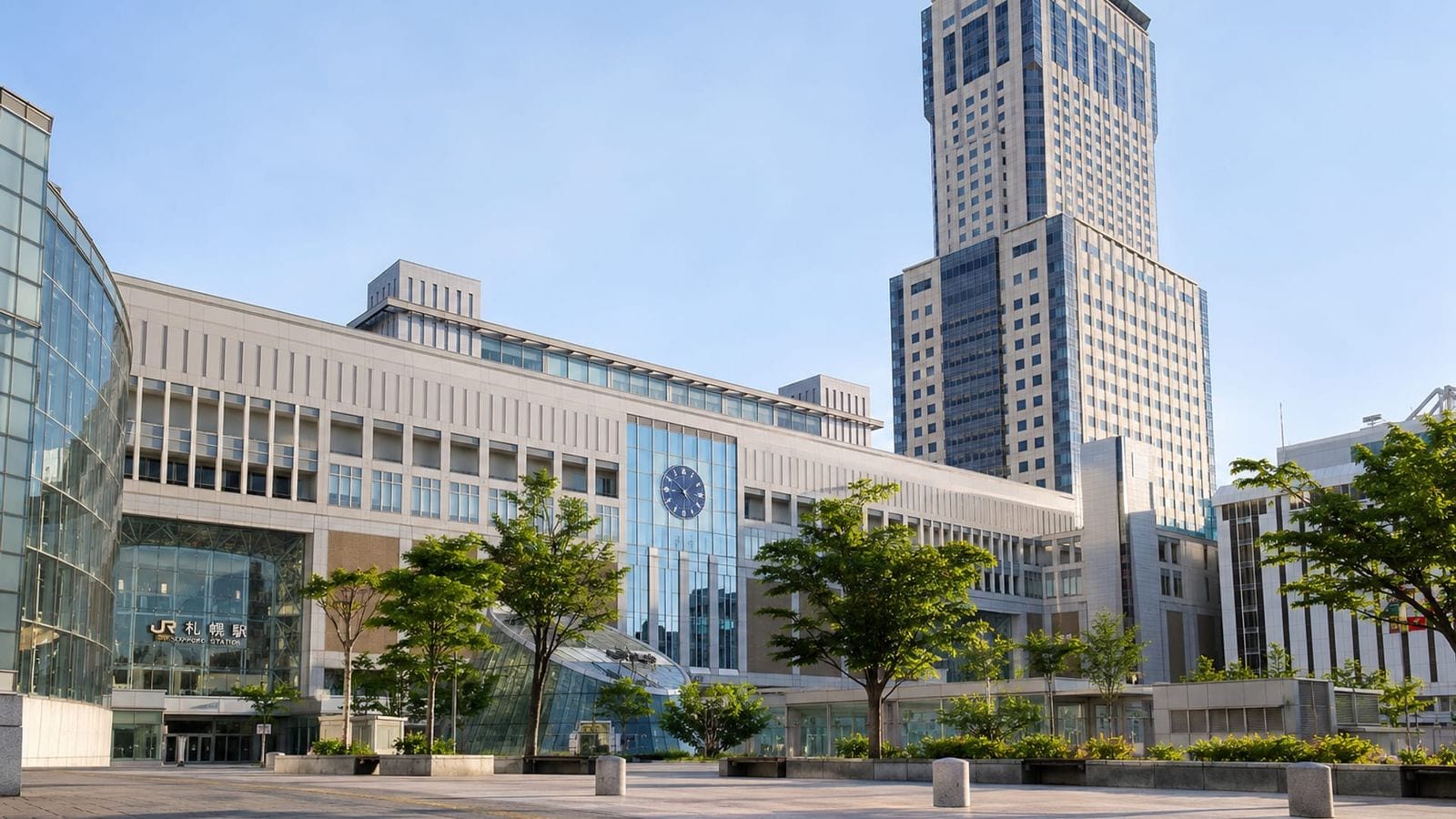
Sapporo Station is the city’s main rail hub, with direct access to the subway, JR lines, and department stores, hotels, and offices nearby. It suits travelers who want the easiest arrivals and a central spot for reaching Odori Park, Susukino, and the city’s major sights, including the Beer Museum.
Best for: Train arrivals, city sightseeing, and travelers who want the easiest connections to trains and the subway
What to expect: Busy sidewalks during the day, especially near the station exits and shopping complexes, with quieter streets once offices close
Hotel prices: Well-rated hotels cost ¥17,500 to ¥35,000 ($110 to $220) per night.
Distance to major sights: 5 to 10 minutes by subway to Odori Park, 15 minutes on foot to the Former Hokkaido Government Office
Quietness: The area is busy during the day, and train and subway traffic keep it lively. Evenings are calmer once office crowds thin.
Main trade-off: Rooms near the station cost more than those in outer districts, and the streets nearby are lined with offices and traffic, not parks or gardens.
Good to know: Choose a hotel a few blocks from the main subway exits if you want to avoid hearing late-night platform announcements and foot traffic at street level.
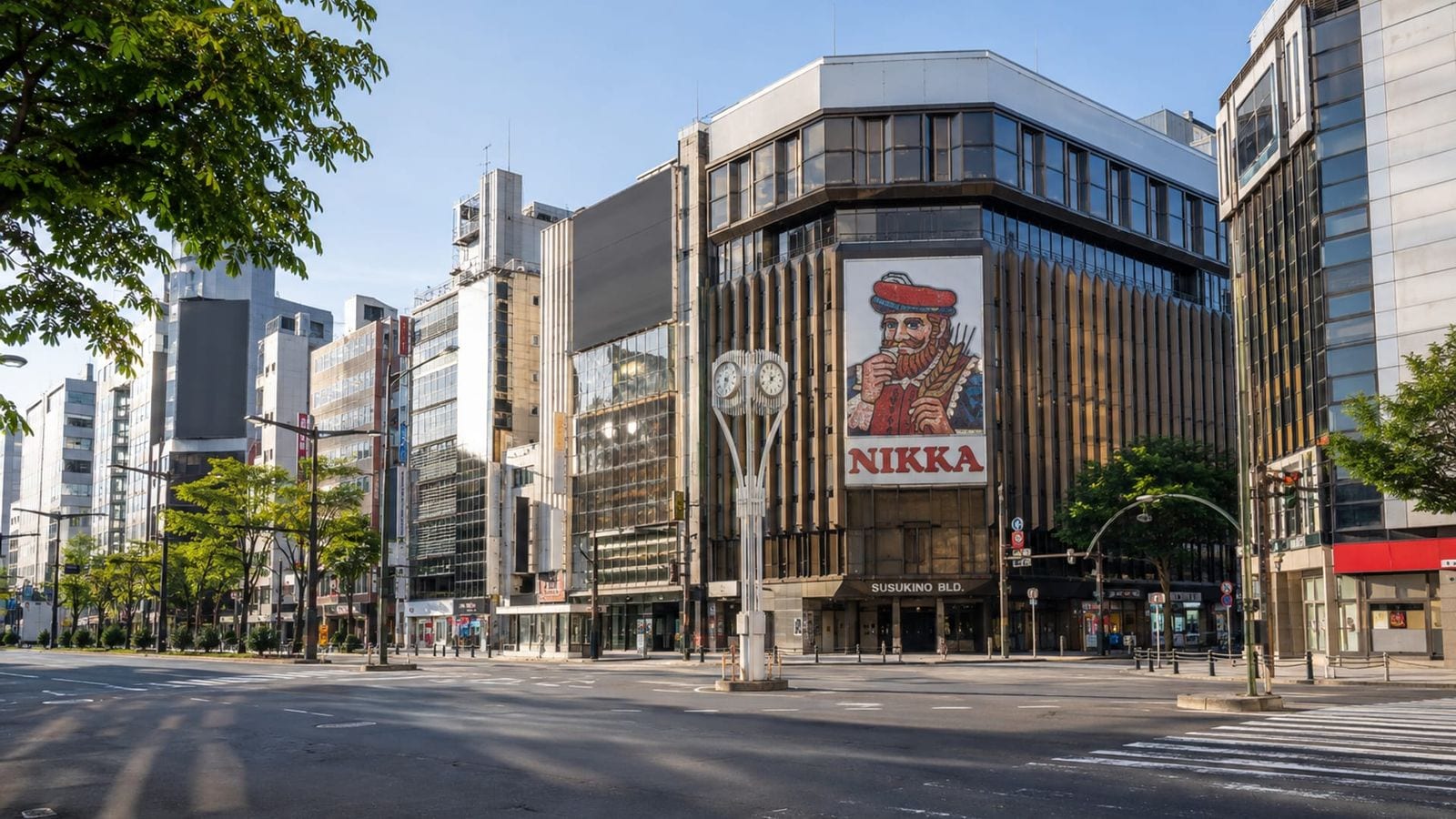
Susukino is Japan’s largest entertainment district north of Tokyo, packed with ramen shops, bars, and karaoke spots around Ramen Yokocho. It suits travelers who want to stay close to Sapporo’s nightlife and food scene, just two subway stops from Sapporo Station, with Nakajima Park’s greenery nearby.
Best for: Nightlife, ramen, and travelers who want to stay within walking distance of bars, restaurants, and late-night food stalls
What to expect: Crowded sidewalks and bright signage after dark, with karaoke bars, izakayas, and ramen counters staying busy well past midnight
Hotel prices: Well-rated hotels cost ¥12,500 to ¥21,000 ($80 to $135) per night.
Distance to major sights: 1 to 3 minutes by subway to Odori or Sapporo Station; about 10 minutes on foot to Nakajima Park
Quietness: Loud and lively after dark year-round; mornings are calmer but still busier than other areas.
Main trade-off: Nightlife noise can carry into hotel rooms on upper floors near the main streets, especially on weekends.
Good to know: Book a room set back from the main strip if you want quieter nights without losing the short walk to restaurants.
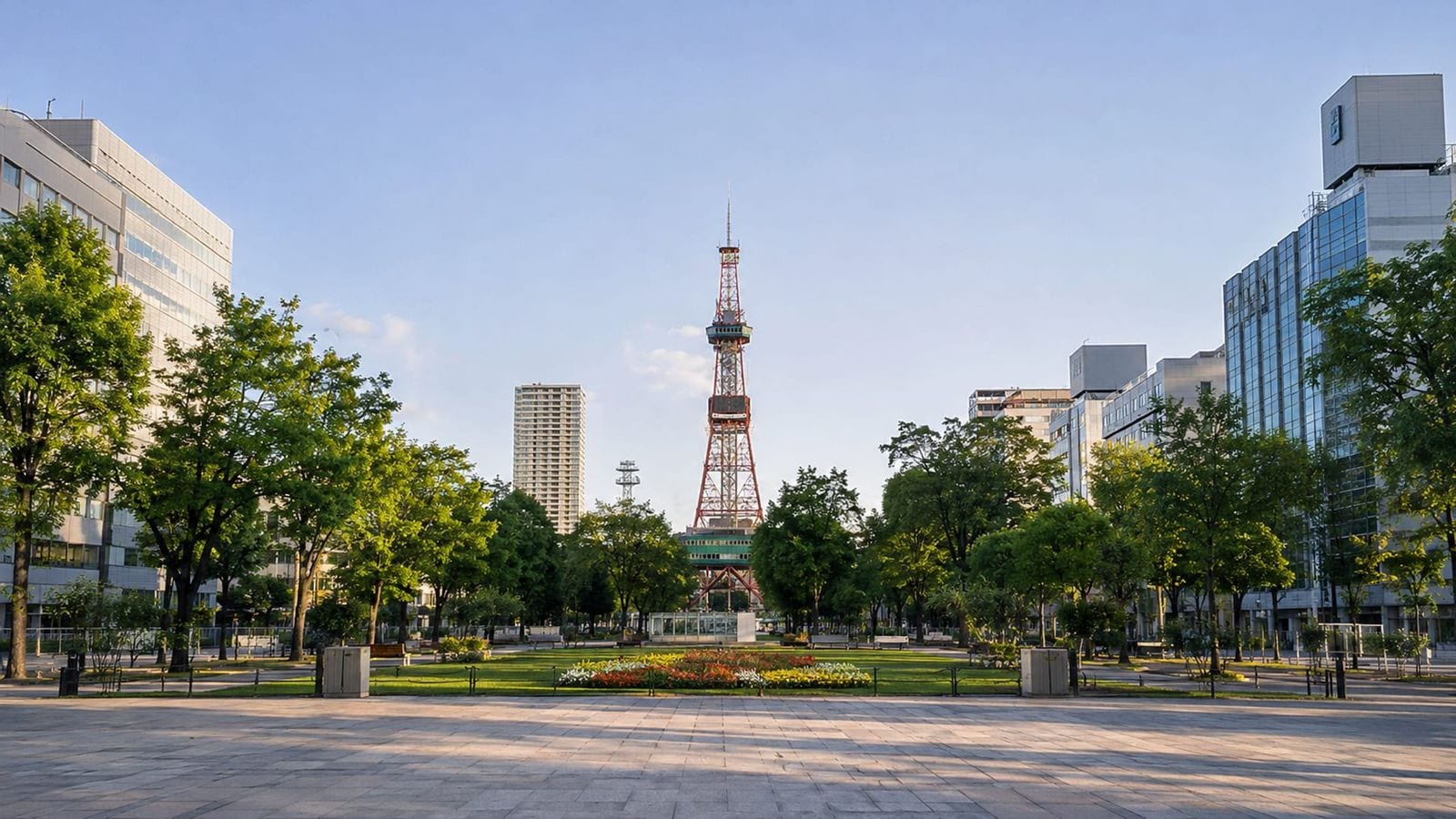
Odori spans the area between Sapporo Station and Susukino, built around the long central park, underground shopping malls, and the Sapporo Clock Tower. It suits travelers who want a walkable, central spot close to festivals, shopping, and Sapporo’s main landmarks, with Tanukikoji’s arcade a short walk away.
Best for: Central sightseeing, shopping, and travelers who want equal access to Sapporo Station and Susukino
What to expect: Steady foot traffic near the park and underground mall, with a calmer, more upscale feel than Susukino after dark
Hotel prices: Well-rated hotels cost ¥18,000 to ¥33,000 ($115 to $210) per night.
Distance to major sights: 5 minutes on foot to the Sapporo Clock Tower; 1 to 3 minutes by subway to Sapporo Station or Susukino
Quietness: The area is busy by day near the park and shops. Evenings are calmer than Susukino but livelier than Sapporo Station.
Main trade-off: Hotels here often cost more than Sapporo Station or Susukino for similar room quality and size.
Good to know: Many hotels connect directly to the underground shopping arcade, useful for avoiding winter cold and snow.
Travelers usually avoid Shin-Sapporo, since it is east of the city center and works better as a rail transfer point than a place to stay. Sapporo Station’s outer business blocks also have fewer dining and nightlife options than Susukino.
Hotel deals
Getting around Sapporo
Sapporo’s subway, streetcar, buses, and taxis cover different parts of the city, so the right pick depends on where you’re headed.

Subway
for longer distances
Sapporo’s subway covers downtown with the Namboku, Toho, and Tozai lines, and trains arrive every few minutes from early morning until near midnight. A single ride costs ¥210 to ¥380 ($1.30 to $2.40) by distance, and a one-day pass costs ¥520 ($3.30) on weekends or ¥830 ($5.20) on weekdays.

Bus and streetcar
for convenience
City buses reach neighborhoods the subway skips, with fares from ¥240 to ¥300 ($1.50 to $1.90) depending on the zone. The Sapporo Streetcar loops through downtown and Chuo-ku for a flat ¥230 ($1.40) fare, and both accept IC cards such as SAPICA or Kitaca.

Taxi
for convenience or late hours
Licensed taxis start at ¥650 ($4.10) for the first mile (1.3 km), then add ¥300 ($1.90) per 0.6 mile (1 km). Flag one down on the street or use a rank, and pay with cash, major cards, or an IC card; from New Chitose Airport (CTS) to central Sapporo, expect ¥10,000 to ¥19,000 ($65 to $120).
*Prices are based on rates updated as of June 2026 and may change at the time of travel.
Use the subway for central hops, the streetcar or bus for districts the subway skips, and a taxi late at night or when you carry heavy luggage.
Iconic places in Sapporo
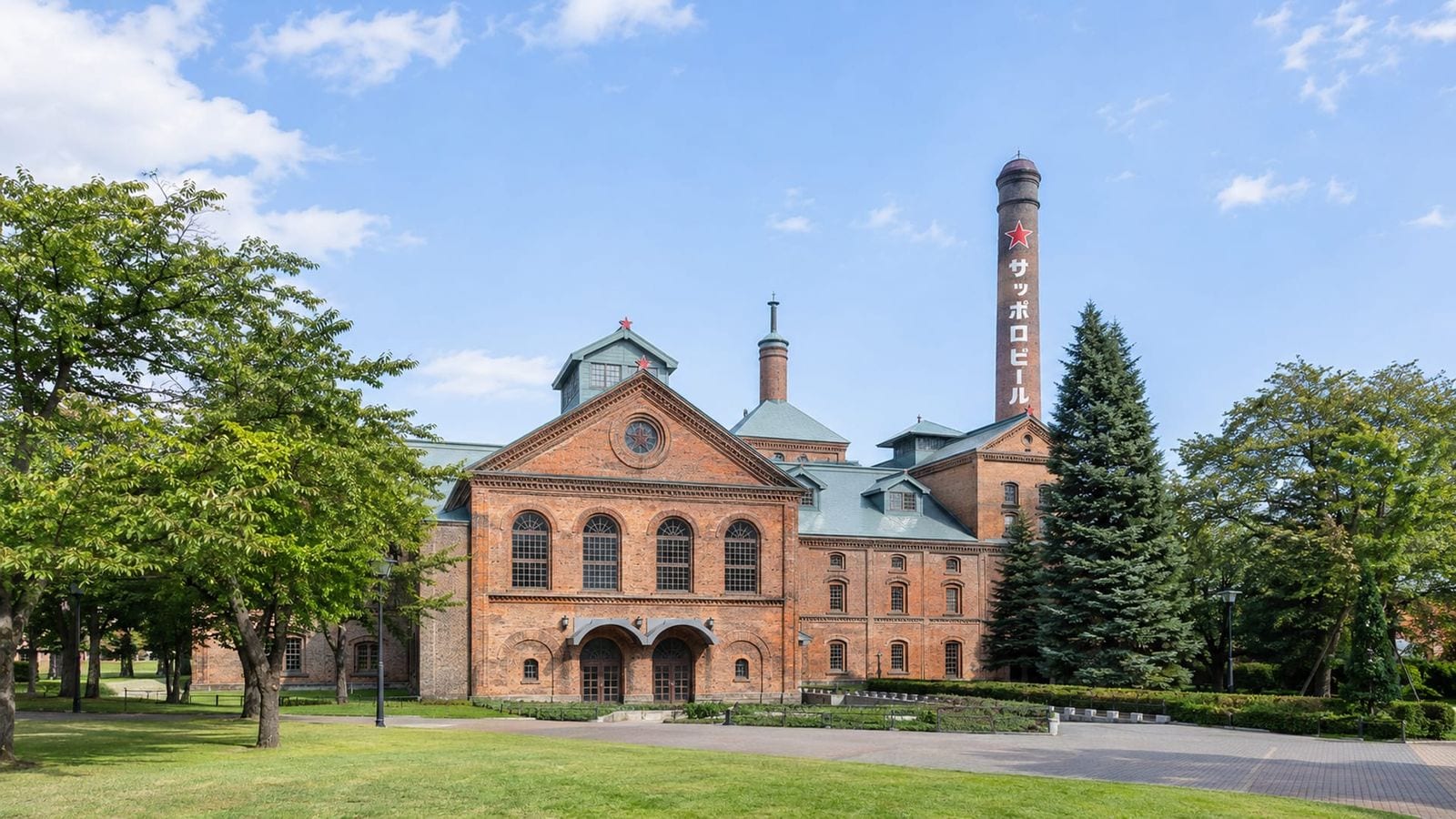
Sapporo Beer Museum
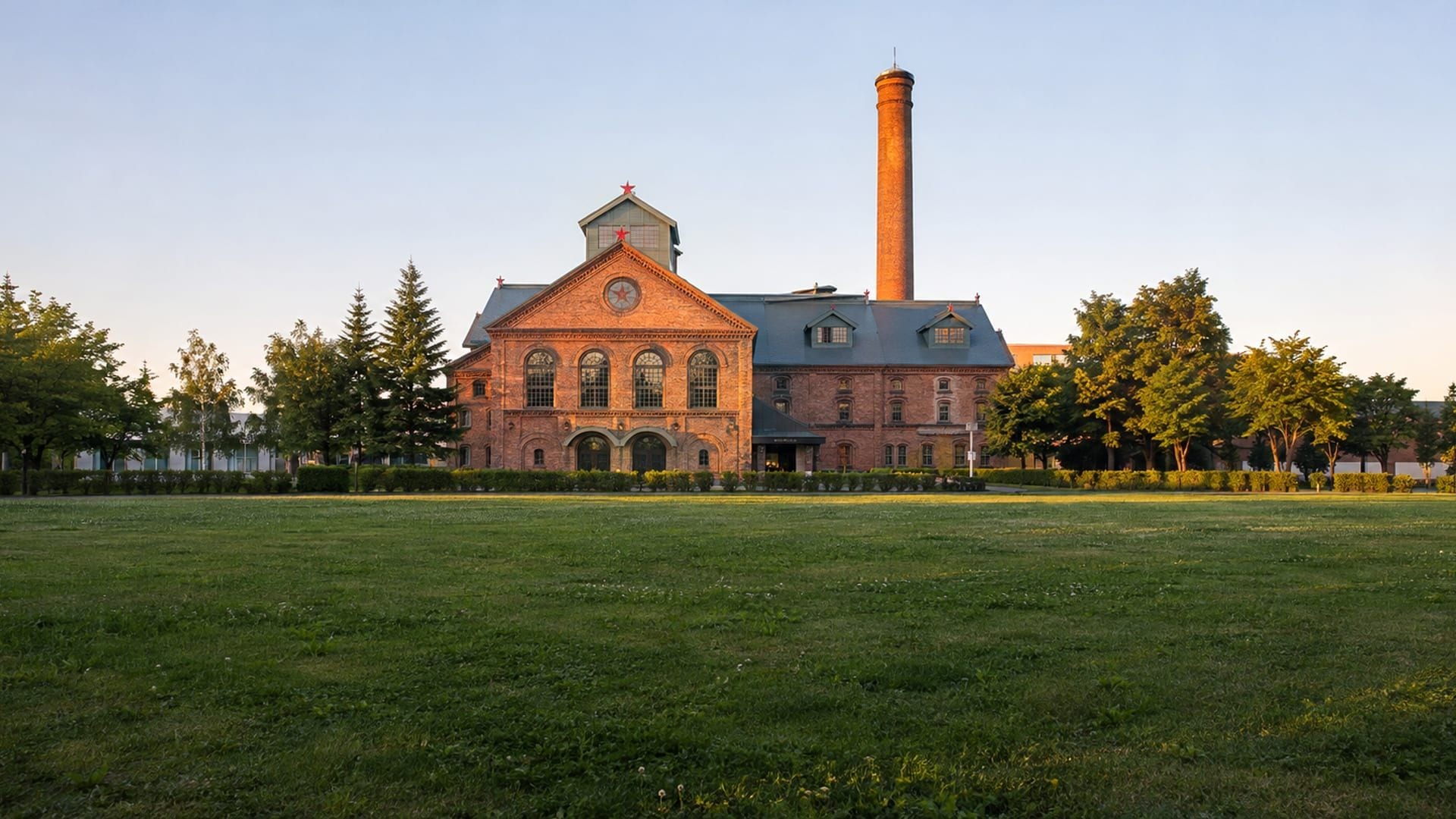
Japan’s only beer museum occupies a red-brick former sugar factory and traces Sapporo’s brewing history through exhibits, vintage labels, and original equipment. The adjacent tasting hall pours the brand’s classic beers.
Time needed: About 1 to 2 hours
Entry: Adults pay ¥1,000 ($6.50), ages 12–19 pay ¥500 ($3.25), and for children under 12, entry is free. Visit the official site for details.
Tip: Book the self-guided tour online to skip lines, then finish at the tasting hall.
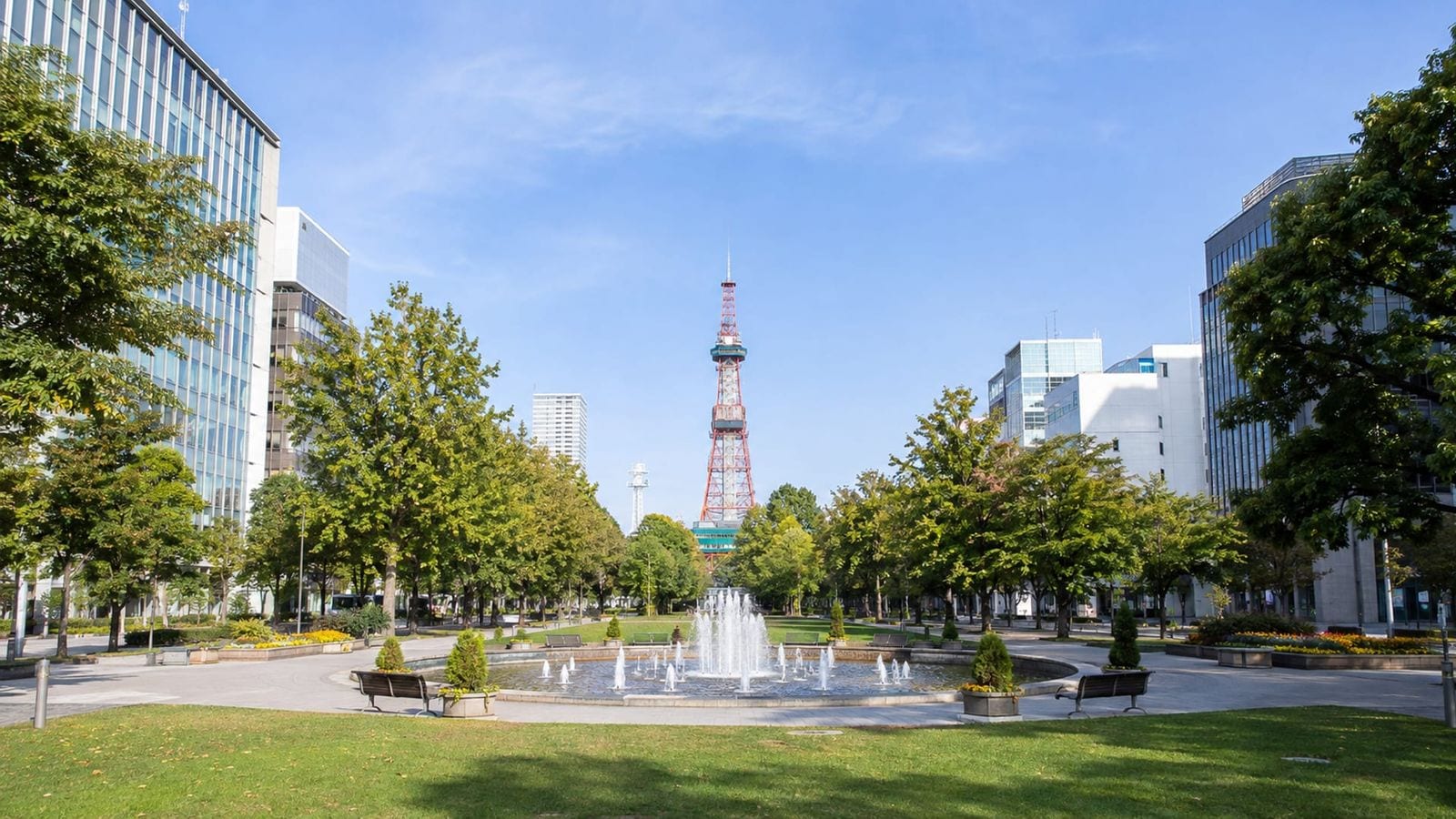
Odori Park
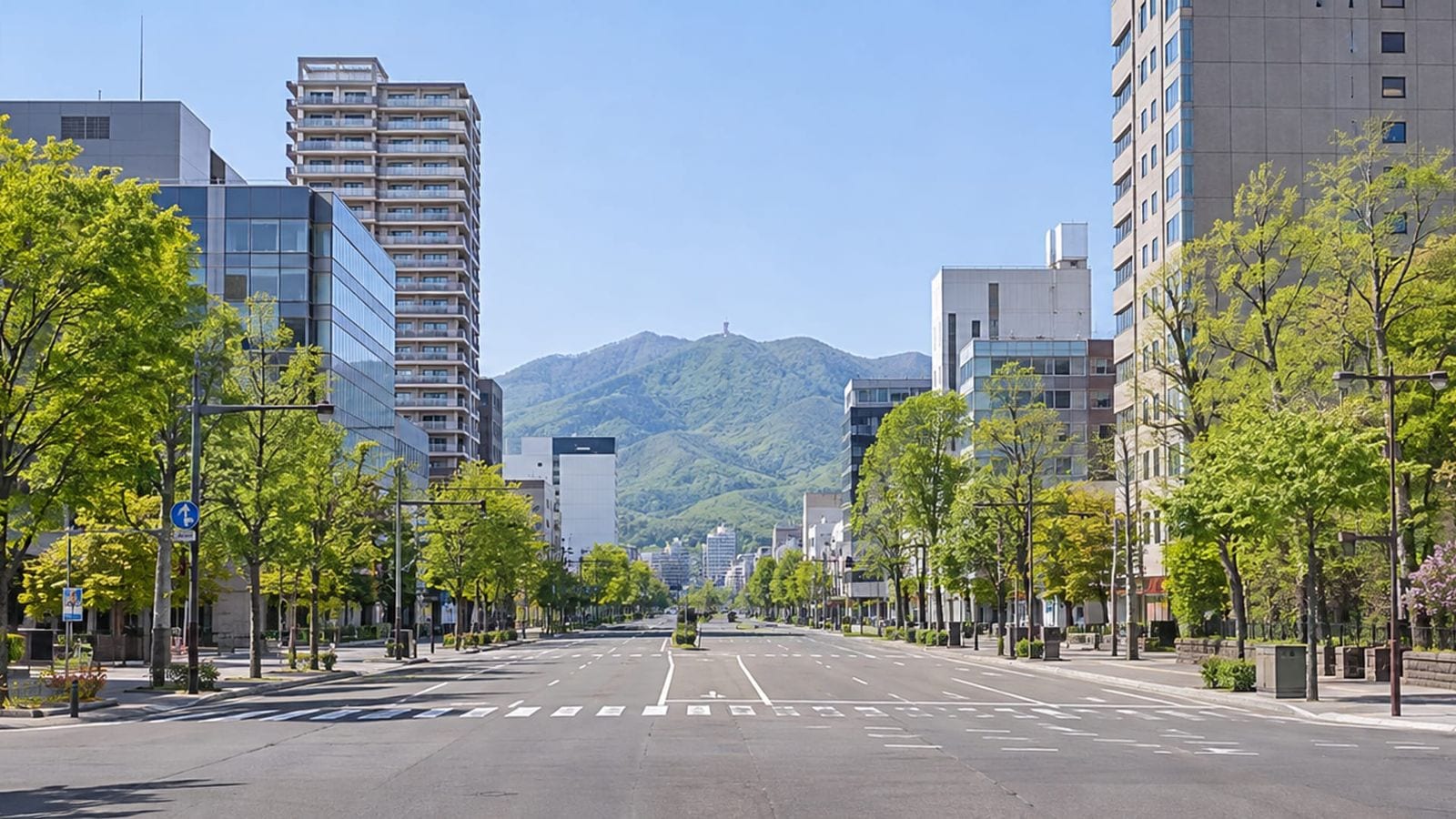
This long central park cuts through downtown Sapporo for about 0.9 miles (1.5 km), with lawns, fountains, seasonal flower beds, and the city’s festival grounds. Views toward Sapporo TV Tower anchor the eastern end.
Time needed: About 1 to 2 hours
Entry: Free; special events, winter illuminations, and seasonal installations may charge separately at select venues.
Tip: Visit near sunset for softer light, then stay for the evening tower lights if they are on.
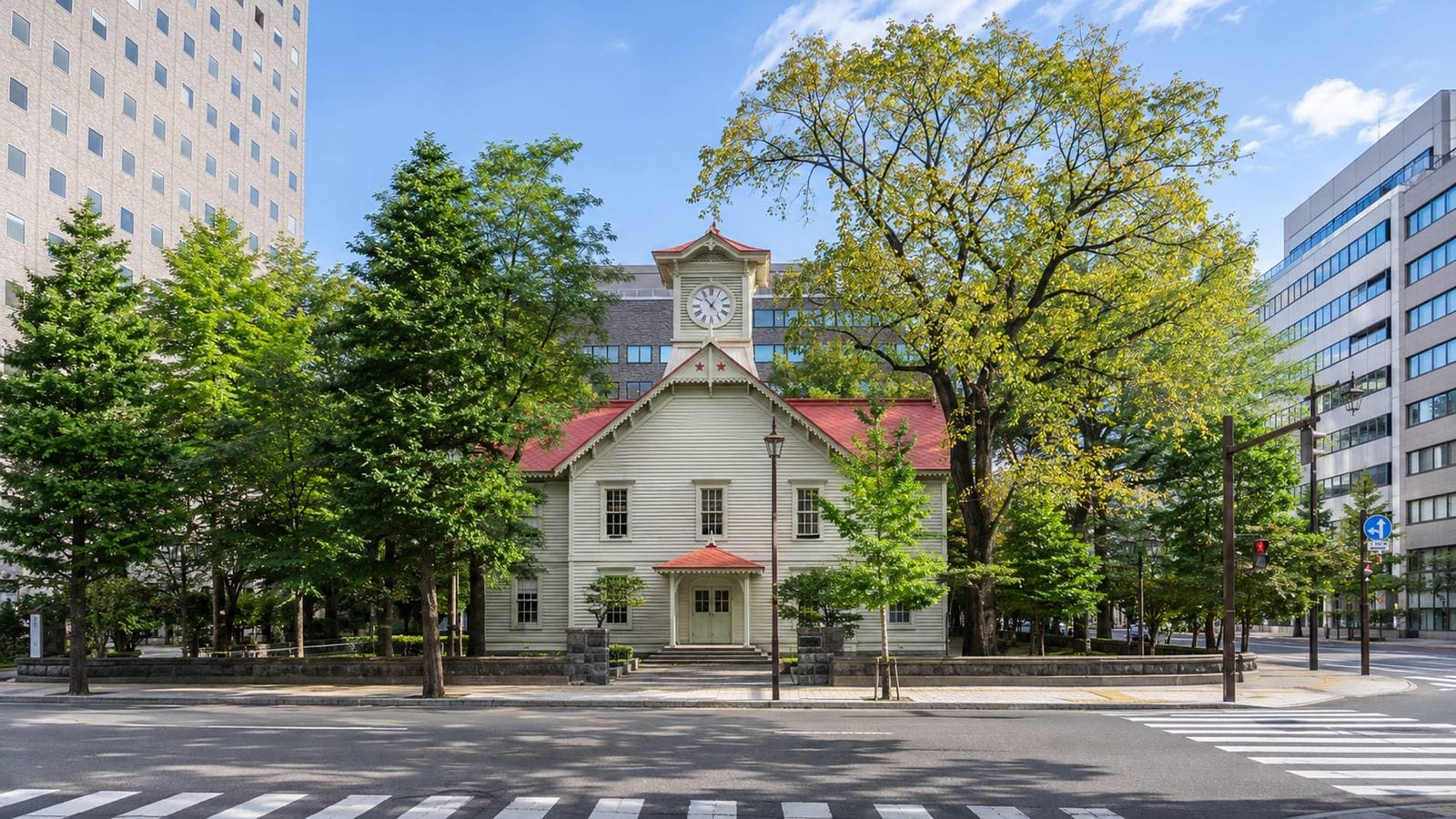
Sapporo Clock Tower
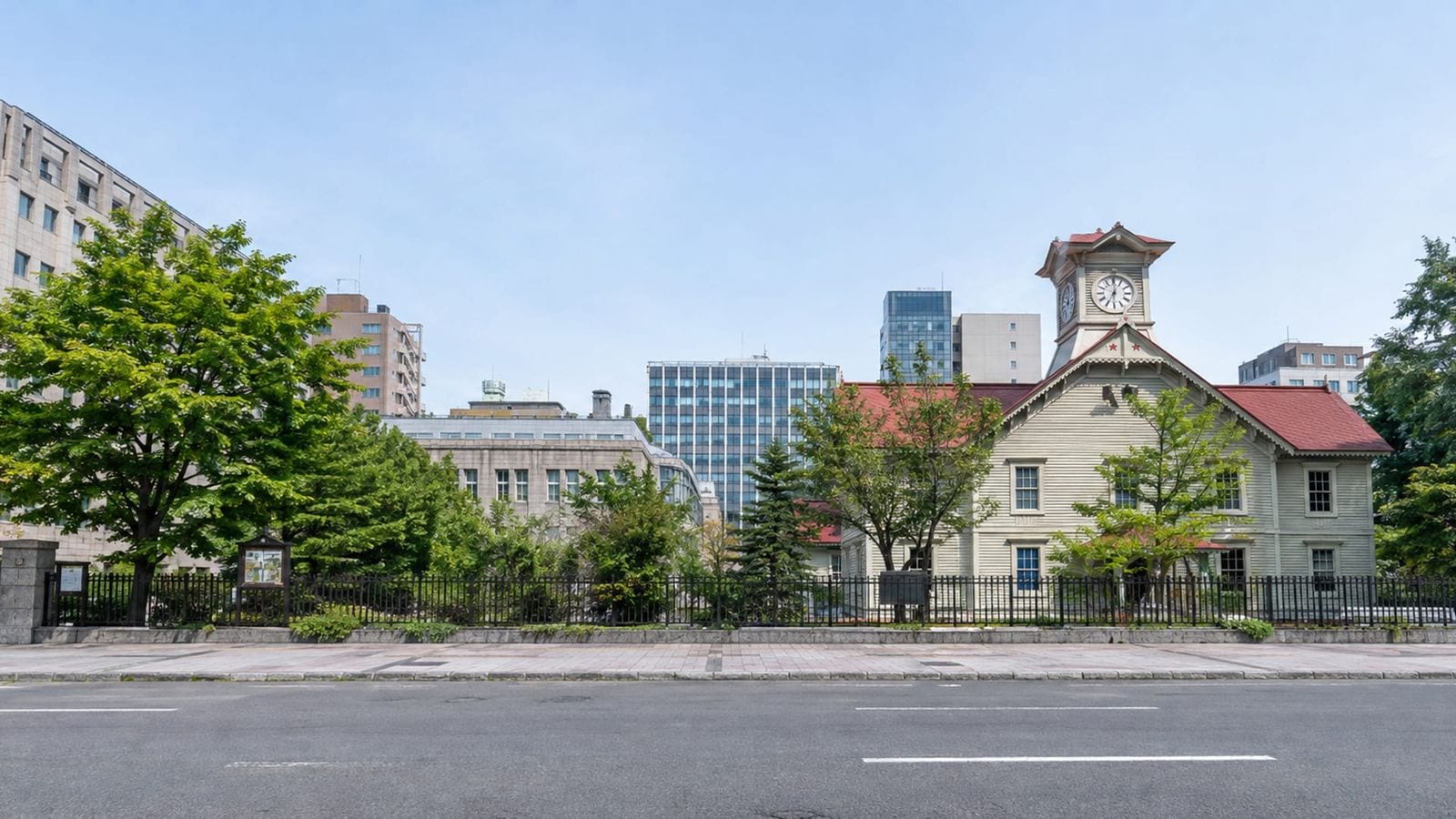
Built in 1878 as a drill hall for Sapporo Agricultural College, this white wooden building is the oldest surviving Western-style clock tower in Japan and one of the city’s most recognized symbols. Its bell has rung on the hour since 1881.
Time needed: 30 to 45 minutes
Entry: Admission costs ¥350 ($2.20) for adults and is free for children through high school. Visit the official site for details.
Tip: Arrive right on the hour to hear the bell chime before continuing to Odori Park.
Overlooked places in Sapporo

Sapporo Art Park
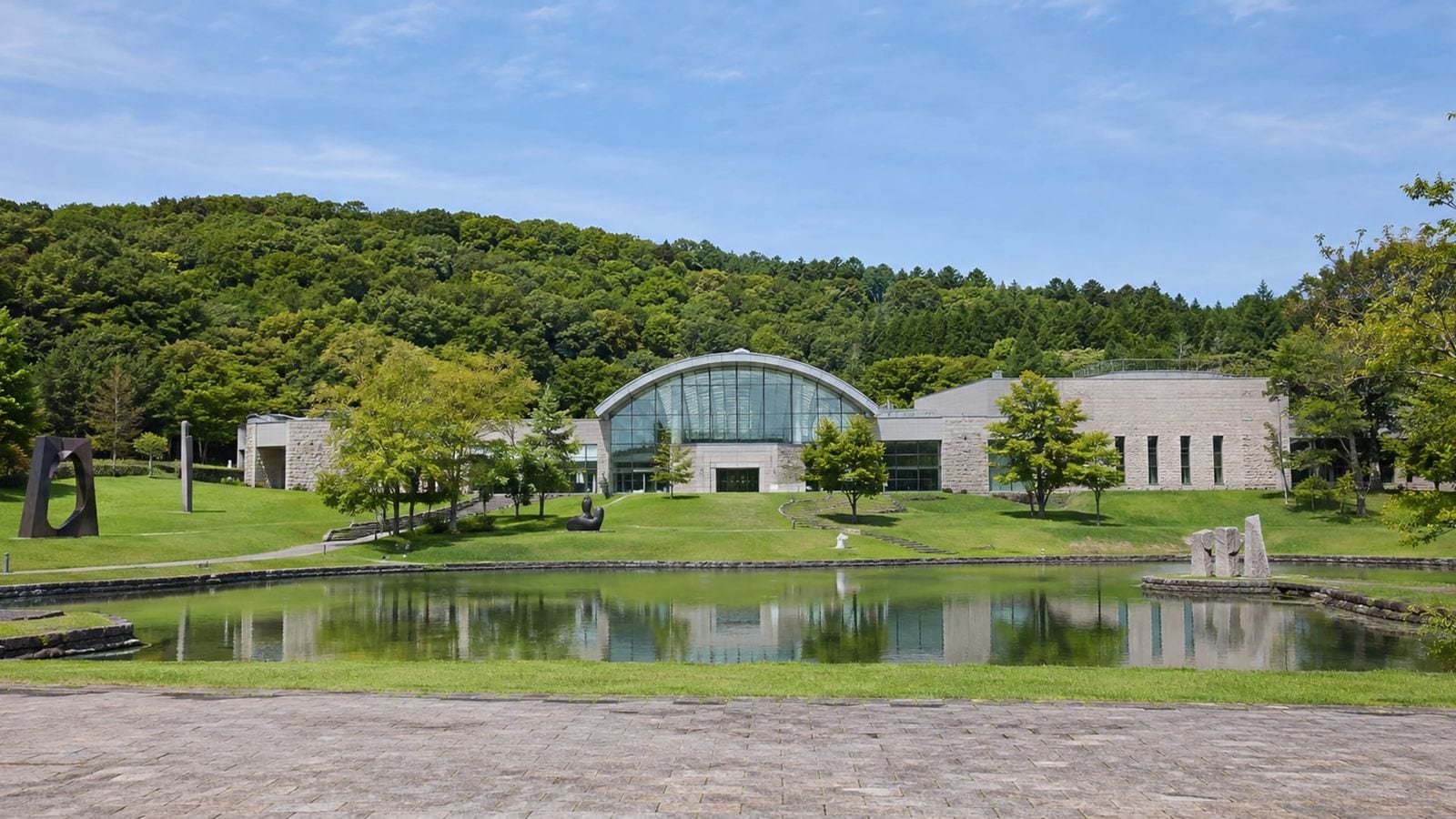
This forested park south of the city pairs sculpture trails with indoor galleries and workshops. The grounds hold more than 70 outdoor works, so you can move between trees, lawns, and exhibition rooms in one visit.
Time needed: About 2 to 3 hours
Entry: General park access is free. Admission to the Art Museum and Sculpture Garden costs ¥700 to ¥800 ($4.50 to $5). Visit the official site for details.
Tip: Go in late afternoon for softer light on the sculptures.

Shiroi Koibito Park
This confectionery theme park pairs a cookie factory tour with a European-style garden. Ishiya’s Shiroi Koibito cookie anchors the exhibits, shops, and cafe throughout the grounds.
Time needed: About 1 to 2 hours
Entry: Garden and shop areas are free. The factory tour costs ¥800 ($5) for adults, ¥400 for ages 4 to 15; no booking required. Visit the official site for details.
Tip: Arrive early on weekends to avoid the busiest tour slots.
What to eat in Sapporo
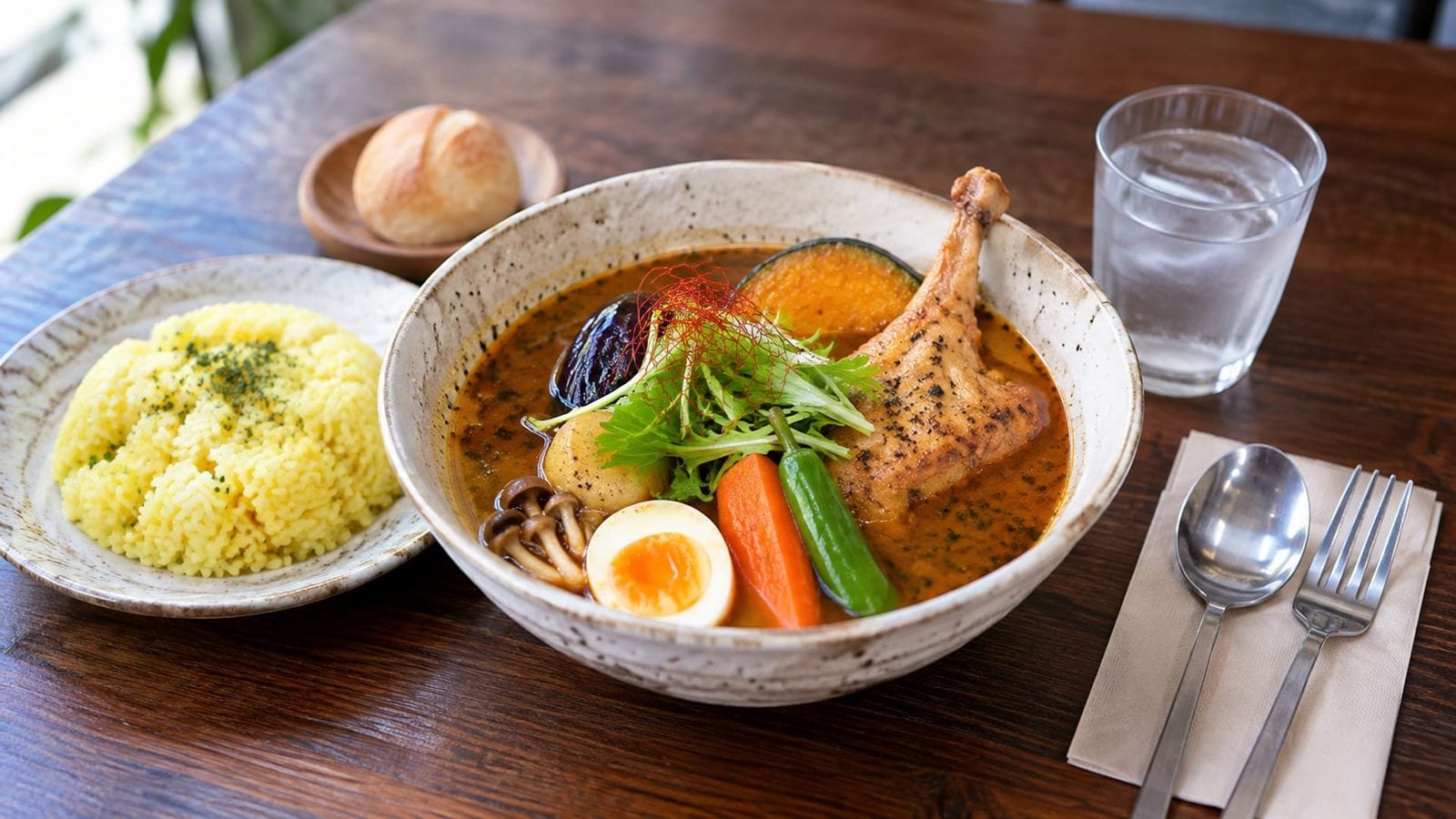
Sapporo’s food scene is built around miso ramen, soup curry, Genghis Khan, and shio ramen, with butter, seafood, and rich broths defining its hearty, winter-friendly dishes.
Soup curry
Soup curry arrives as a fragrant broth with vegetables, chicken, or pork served separately or partly submerged in the bowl. Garaku is a classic Sapporo stop for it, with lines that reflect its status.
Miso ramen
Sapporo’s signature ramen uses a hearty miso broth, curly noodles, corn, butter, and pork to suit the city’s cold winters. Ramen Shingen in Susukino is one of the most recognized addresses for it, and the queue outside usually confirms it.
Genghis Khan
This grilled lamb dish arrives on a domed skillet, where the meat cooks with onions and cabbage and picks up a light smoky edge. Sapporo Beer Garden is a canonical place to order it, especially paired with a beer hall setting and a cold draft beer.
Shio ramen
Shio ramen is made with a clearer salt-based broth, often lighter than miso but still deeply savory. Ramen Kichirin in Shin-Kotoni built its name on this style, using chicken bones, bonito, and kelp for a golden, delicate soup.
Best time to visit
Sapporo changes sharply by season, from snowy winters to mild summers, with shoulder months offering easier days for walking and sightseeing.
Best for: Snow scenes, beer halls, hot ramen, and the Sapporo Snow Festival in February
What you get: Daytime highs average 25°F to 33°F (-4°C to 1°C), with lows near 14°F (-10°C), so heavy snow limits long outdoor walks, and downtown stays busy.
Trade-offs: Cold sidewalks, short daylight, and icy paths make long walks outside less comfortable.
Best for: Cherry blossoms, park visits, lighter crowds, and comfortable city walking
What you get: Daytime highs climb from 27°F (-3°C) in March to 64°F (18°C) by May, and crowds stay lighter than summer’s festival season, mainly in May.
Trade-offs: Snow can linger into early March, and mornings often stay cold even as afternoons warm quickly.
Best for: Odori Park festivals, long evenings, and Sapporo’s liveliest public spaces
What you get: Daytime highs range from 70°F (21°C) in June to 80°F (27°C) in August, with warm, humid afternoons and the year’s heaviest visitor traffic.
Trade-offs: Hotels and popular sights can book up fast during festival weeks, especially in July.
Best for: Clear air, autumn foliage, and easier day trips outside the city center
What you get: Daytime highs fall from 68°F (20°C) in September to 45°F (7°C) by November, with crisp air and moderate crowds for easy sightseeing days.
Trade-offs: Nights turn cold quickly, and early snow is possible by late November.
A 5-day plan in Sapporo
Five days in Sapporo come together best when you keep the center compact, then assign farther sights to separate half-days. That leaves room for parks, museums, and dinner without turning each move into a cross-town transfer.
Fly into Sapporo (SPK), then take the JR Rapid Airport train to Sapporo Station in about 40 minutes for ¥1,150 to ¥1,430 ($7 to $9), or the airport bus if your hotel is closer to Odori or Susukino. Stay near Sapporo Station for the easiest rail links, then settle in with a short walk, water, and an early dinner in the station area, where department-store food halls and noodle counters make for a low-effort first meal.
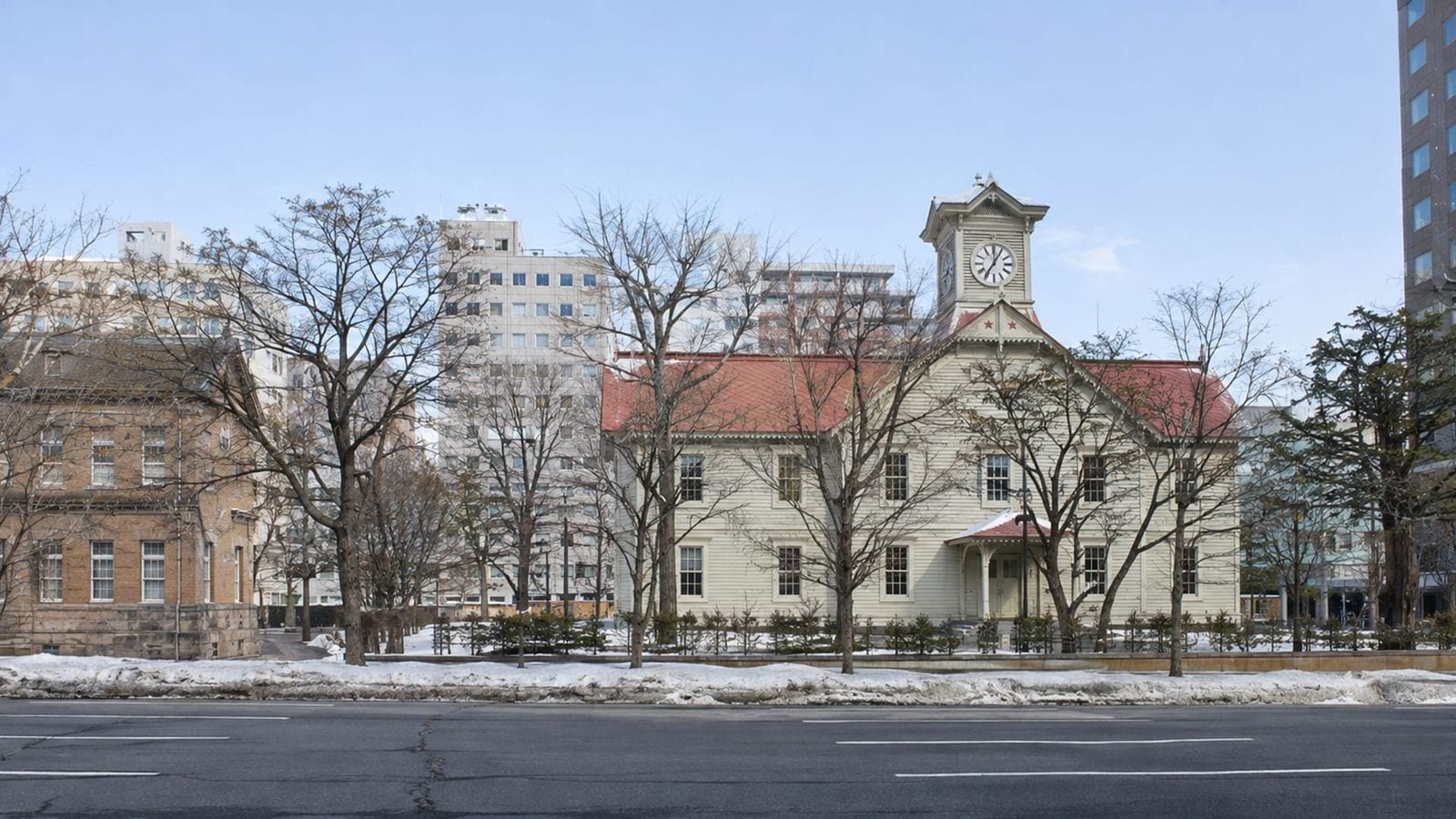
Start at the Sapporo Clock Tower, about a 10-minute walk from Sapporo Station, then continue 5 minutes to Odori Park and Sapporo TV Tower for views over the park. From there, continue by subway or taxi to the Sapporo Beer Museum in about 15 to 20 minutes, where the red-brick setting and tasting hall make an easy late-afternoon stop before you head back toward the station or Odori for dinner.
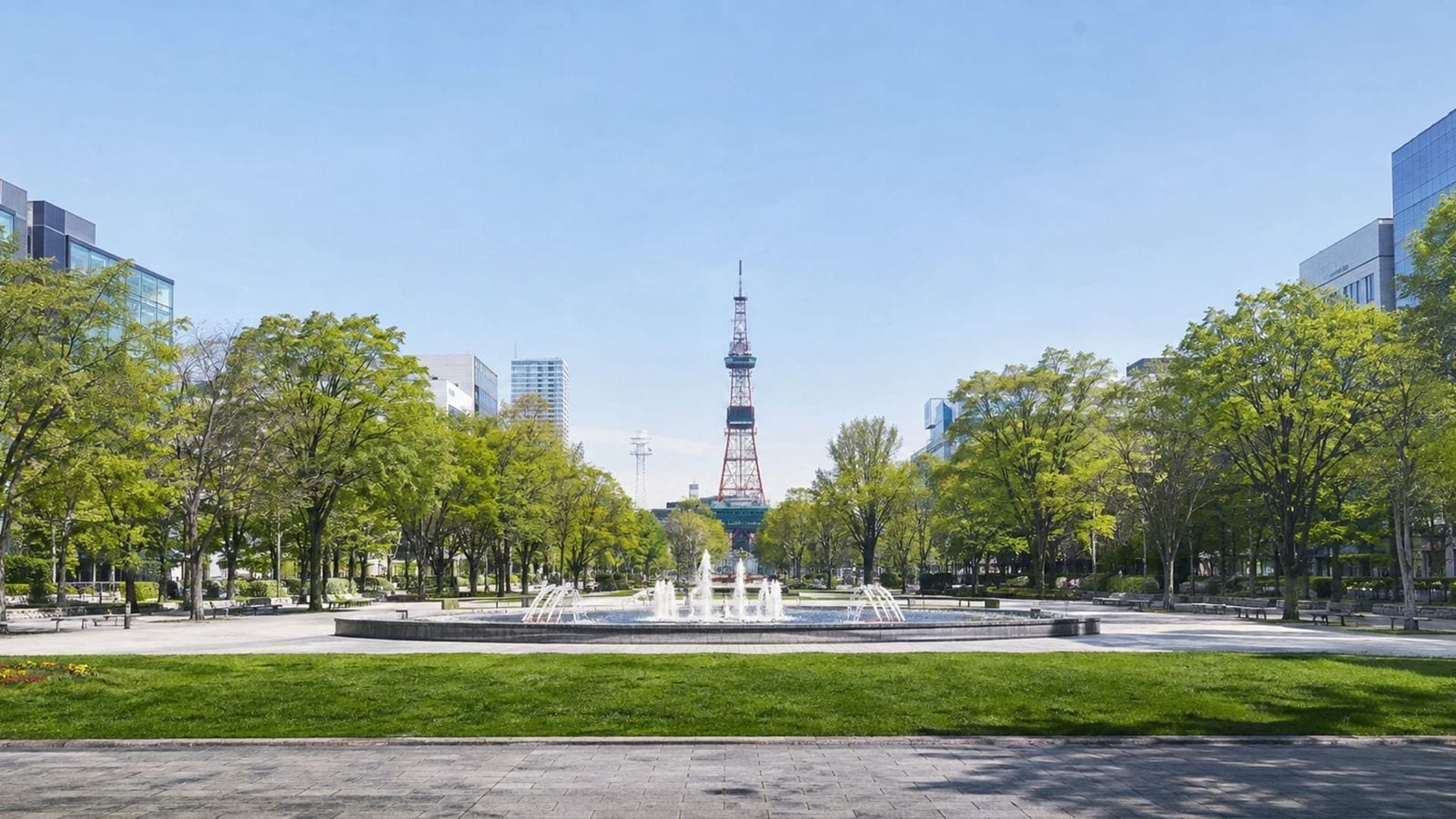
Begin in the Sapporo Station area, then take the subway and a bus, or a taxi to save time, to Shiroi Koibito Park in roughly 30 to 40 minutes. Spend a couple of hours with the factory exhibits, garden, and cookie shop, then return downtown for a relaxed evening near Odori or Sapporo Station, where you can stop for dessert or an early supper.
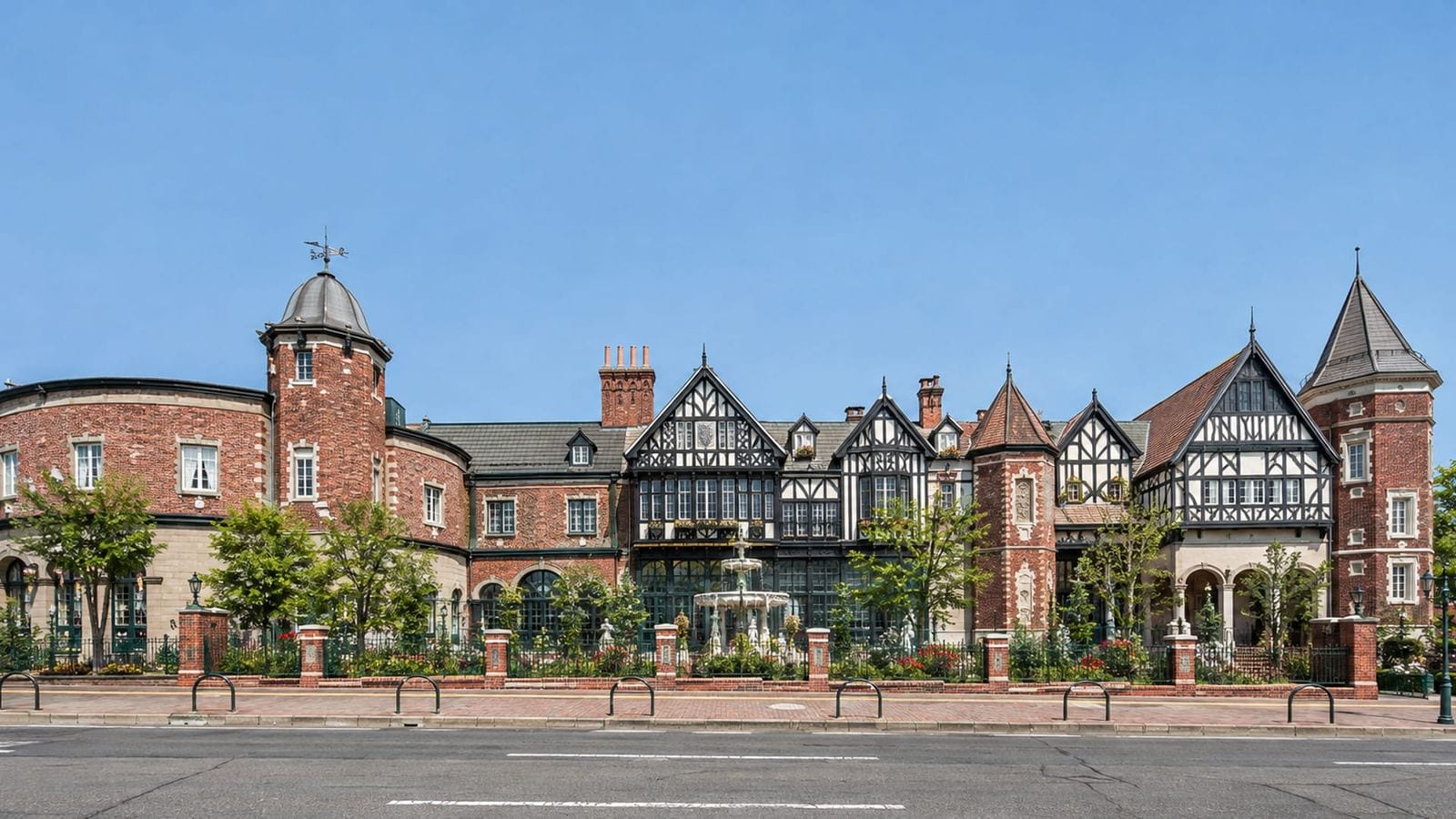
Head south to Sapporo Art Park, which takes about 40 to 50 minutes by subway and bus from central Sapporo, or roughly 30 to 40 minutes by taxi. Walk the sculpture trails first, then step into the indoor galleries and workshops, and finish the day by returning to the city center for dinner near Sapporo Station, where transport connections are simplest after dark.
Start with one last stop at the Sapporo Beer Museum for a quick revisit before checkout. After that, spend time shopping in the Sapporo Station area, then settle into a café in Odori or the nearby Tanukikoji shopping district for a quiet coffee and a pastry before heading to the airport or the train.
Business-class flights from the US to Sapporo
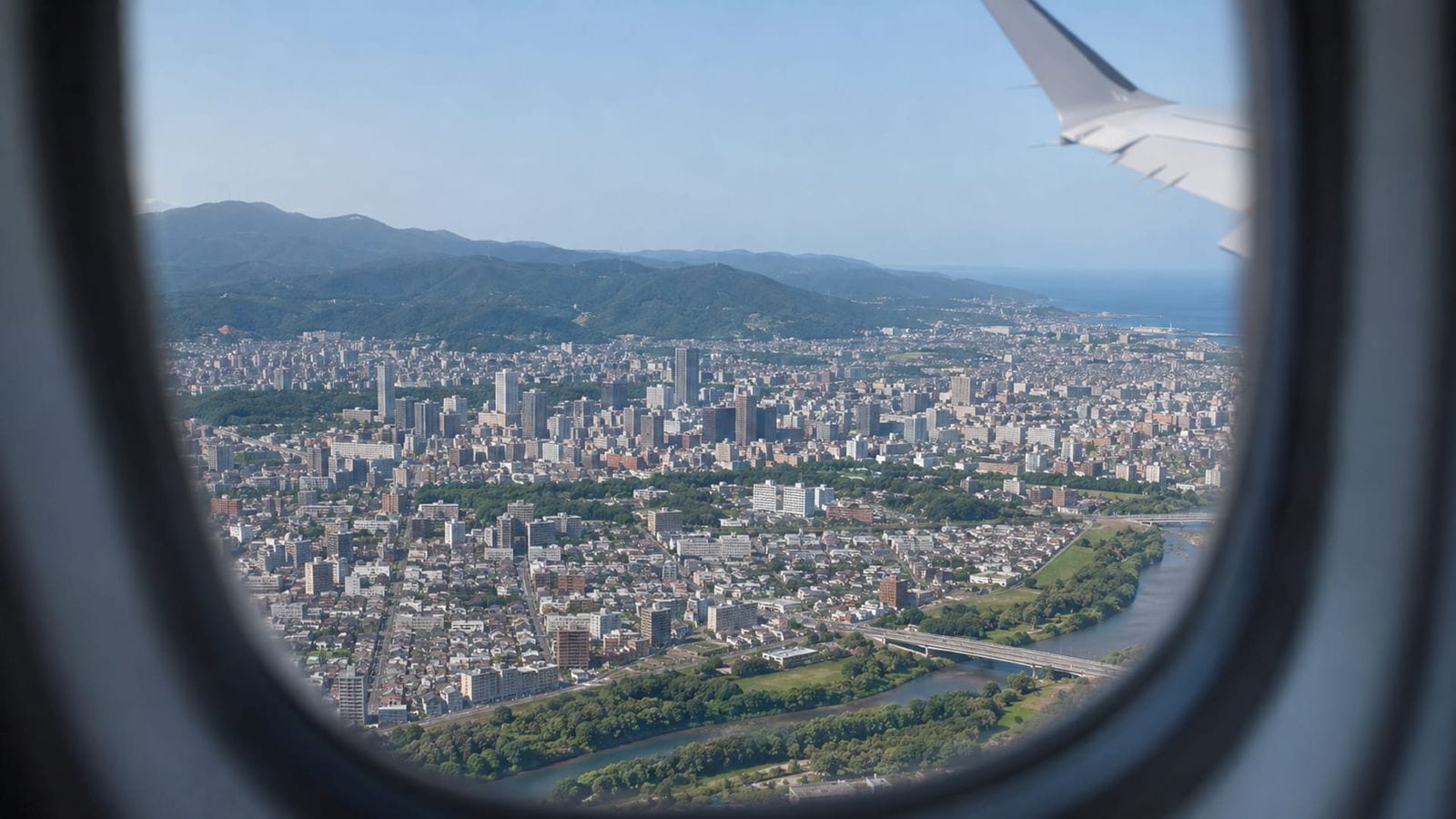
Flights to Sapporo (CTS) from the US always route through a connecting hub, so timing and airline choice matter more than searching for a nonstop option.
New York (JFK) to Sapporo (CTS)
No airline flies nonstop between New York (JFK) and Sapporo (CTS); every route connects through a hub such as Tokyo (HND or NRT), Seoul (ICN), or Taipei (TPE). Major airlines on this route include All Nippon Airways, Japan Airlines, Korean Air, Asiana Airlines, EVA Air, Delta Air Lines, and United Airlines. Total travel time takes 18 to 20 hours including the layover, and round-trip business-class fares typically range from $5,000 to $8,500.
Los Angeles (LAX) to Sapporo (CTS)
From Los Angeles (LAX), travelers can choose a one-stop flight to Sapporo (CTS) through Tokyo (HND or NRT), Seoul (ICN), or Taipei (TPE). Key carriers include All Nippon Airways, Japan Airlines, Korean Air, Asiana Airlines, EVA Air, STARLUX, Delta Air Lines, and United Airlines. Total travel time is 15 to 16 hours including the layover, and round-trip business-class fares generally range from $4,500 to $7,500.
Discover Sapporo through snow, ramen, and beer
Sapporo is easier to experience when you give each part of the city its own time: the station area, the brewery district, and the quieter neighborhoods south of downtown. Planning around these distinct areas keeps a short visit from feeling rushed. Our experts at AranGrant can help you find business-class flights and hotels for dates that suit this kind of trip.







