

Chapters:

Need help with your trip?
Our support team is available 24/7. Request a callback or call us directly at (833) 619-0908
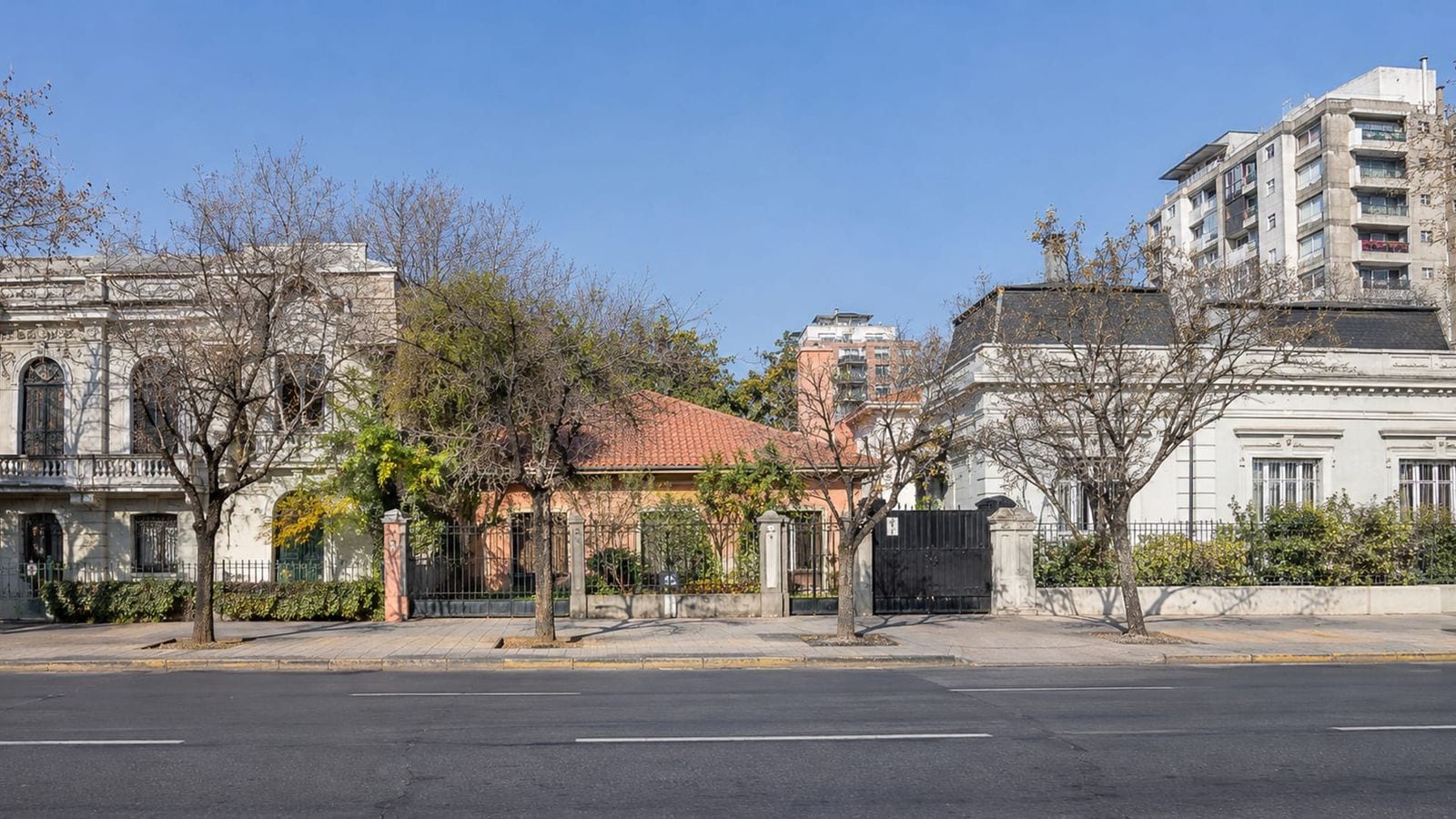
Santiago’s neighborhoods are genuinely distinct from one another. Lastarria is compact and cultural, Bellavista is denser and food-focused, Vitacura is upscale and residential, and the historic center is civic and monumental, with plazas and architecture that need dedicated time.
Visiting those neighborhoods in the same day produces a trip that never fully arrives in any of them. Each shift in character requires a reset, and moving between them too quickly leaves the itinerary feeling scattered.
Organizing each day around a single neighborhood changes that. The pace, meals, and timing all follow the logic of where you are, and each part of Santiago gets the attention it requires.
Useful things to know

Main language(s): Spanish
Hola (OH-lah) – Hello
Por favor (por fah-VOHR) – Please
Gracias (GRAH-syahs) – Thank you
¿Habla inglés? (AH-blah een-GLAYS) – Do you speak English?
¿Cuánto cuesta? (KWAHN-toh KWEHS-tah) – How much does it cost?

Currency: Chilean peso (CLP, $)

Cash and cards: Contactless and card payments are widely accepted; carry CLP 18,000 to CLP 37,000 ($20 to $40) in cash for small purchases and taxis.

Tipping: Round up small bills; leave 10% at restaurants if service is good.

Traditional food: Pastel de choclo, empanada de pino, cazuela, completos

Water and coffee costs: A small bottle of water costs CLP 1,500 ($1.60); a bar espresso costs CLP 1,800 to CLP 2,500 ($2 to $2.70).

Taxis and ride apps: Uber, Cabify, and DiDi operate here; check the license plate before boarding.

Plug and voltage: Type C/L socket, 220V

Dining and shop opening hours: Breakfast is served from 8:00 am to 10:00 am, lunch from 1:00 pm to 3:00 pm, and dinner from 8:00 pm to 10:30 pm. Many restaurants close between lunch and dinner.

Emergency number: Dial 131 for ambulance, 133 for police, 132 for fire rescue.
Where to stay in Santiago
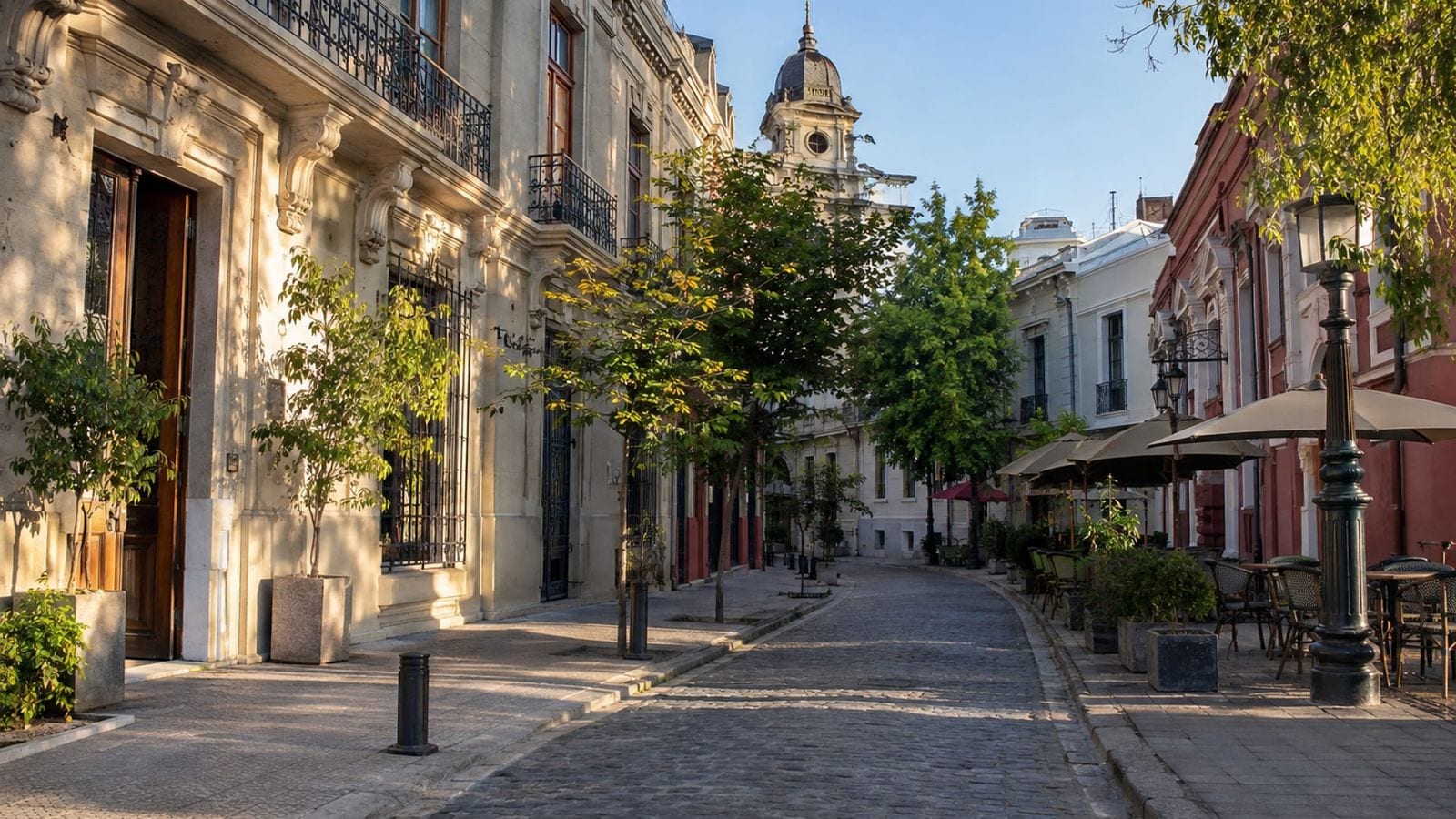
Lastarria borders Cerro Santa Lucía at the edge of downtown Santiago, packed with cafés, galleries, restaurants, and boutique hotels. It’s a compact, walkable location for central sightseeing and dining, and one of the city’s most characterful, atmospheric neighborhoods for a stay.
Best for: Walking to museums, dining, and central sightseeing
What to expect: Sidewalk cafés, steady pedestrian traffic, and a lively dinner scene that stays active into the evening
Hotel prices: Usually CLP 90,000 to CLP 250,000 ($100 to $270) per night for well-rated stays; five-star suites can be priced higher.
Distance to major sights: About 5 minutes on foot to Cerro Santa Lucía and 15 minutes on foot to Plaza de Armas
Quietness: Daytime is lively and busy; evenings are active, with more restaurant and bar noise on main streets.
Main trade-off: Rooms in the most central blocks can cost more, and some streets pick up late-night noise from bars and restaurants.
Good to know: Choose a room off the main bar streets if you want to sleep before midnight; the noisiest blocks are near the busiest dining strip.
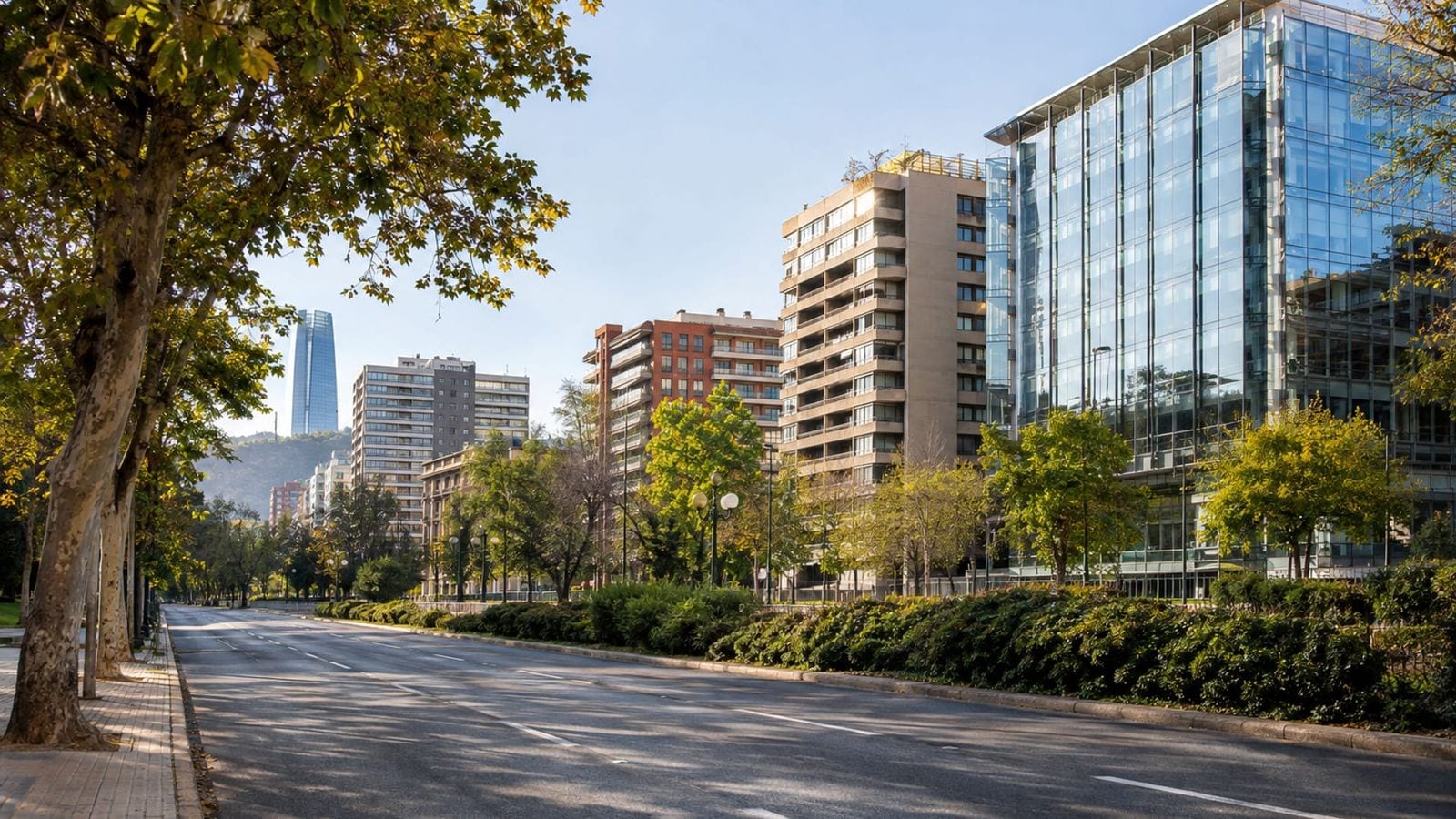
Providencia is a broad, well-connected district east of the center, with tree-lined residential streets, shopping corridors, and many midrange hotels. It suits travelers who want easy metro access, reliable dining options, and a neighborhood that feels less compressed than the historic core.
Best for: Metro access, midrange hotels, and travelers who prefer a more residential setting
What to expect: Busy avenues, neighborhood cafés, and a mix of local life and hotel traffic, especially near Metro stations and major malls.
Hotel prices: Expect CLP 73,000 to CLP 173,000 ($80 to $190) a night for solid midrange options.
Distance to major sights: About 15 minutes by metro to Cerro Santa Lucía, about 20 minutes by metro to Plaza de Armas
Quietness: Daytime is busy along the main avenues; evenings are calmer on side streets and residential blocks.
Main trade-off: You will spend slightly more time reaching the oldest sights, and the main avenues can feel traffic-heavy during rush hours.
Good to know: Stay near a Metro station if you plan to cross the city often, because the district is spread out and the walk between attractions can be long.
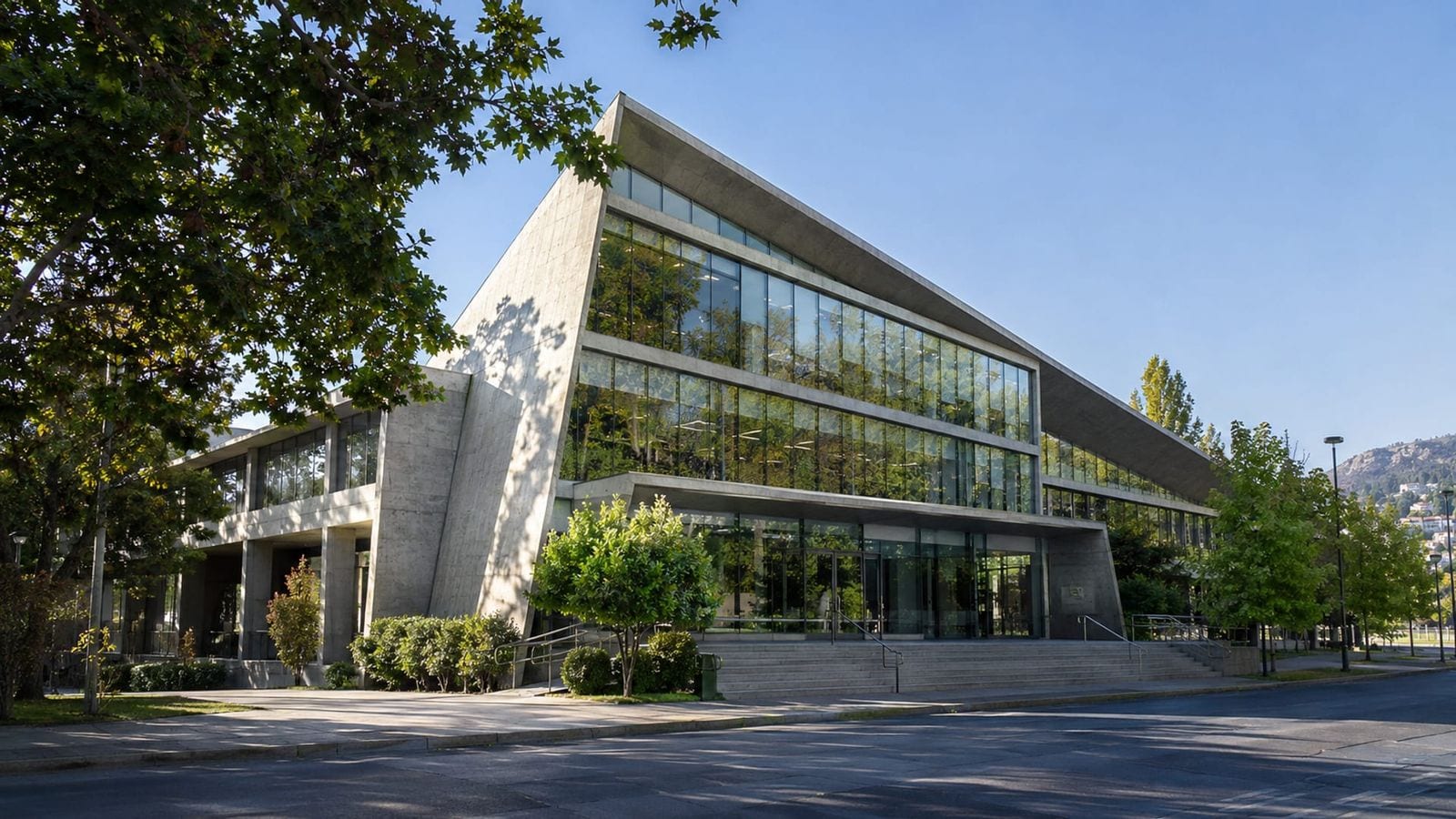
Vitacura is an upscale northern district known for its embassies, design shops, parks, and some of Santiago’s best hotels and restaurants. It suits visitors who want a quieter, more polished residential setting, with quick access to business areas and easy taxi rides toward the hills.
Best for: Luxury stays, dining, and travelers who want a quieter residential feel
What to expect: Broad avenues, upscale restaurants, and low pedestrian density outside the main commercial strips
Hotel prices: Usually CLP 120,000 to CLP 320,000 ($130 to $350) per night for well-rated stays
Distance to major sights: About a 10-minute taxi ride to Cerro San Cristóbal and roughly 15 minutes to Plaza de Armas
Quietness: Daytime is active around shopping and office areas; evenings are generally calm once restaurants close.
Main trade-off: It is farther from the colonial center, so you will rely more on taxis or ride-hailing for older sights and nightlife.
Good to know: If you want to have dinner close to your hotel, check which block you book, because a few stretches are far from the main restaurant clusters.
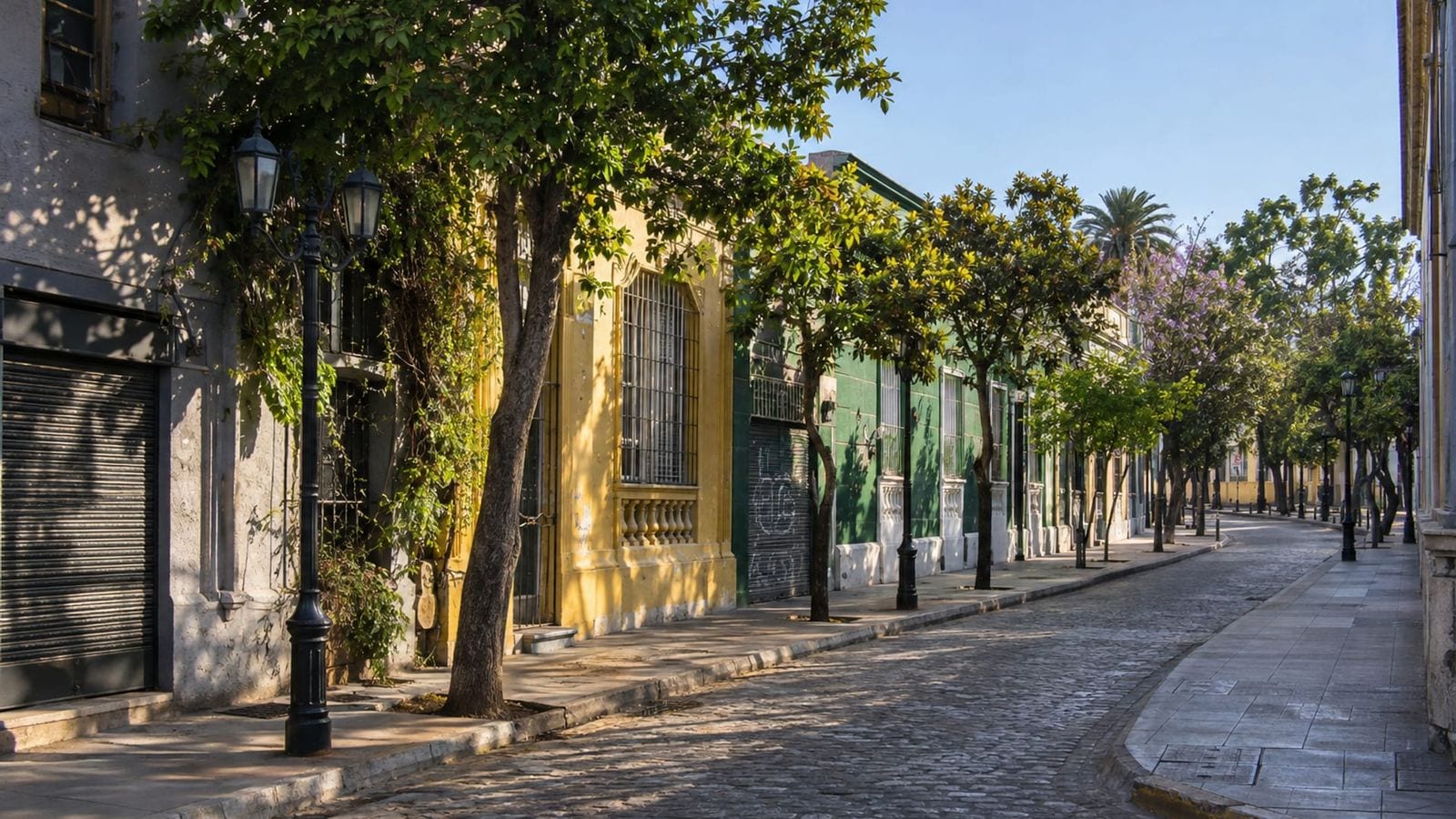
Bellavista lies between the Mapocho River and Cerro San Cristóbal, with colorful streets, nightlife, and quick access to the hillside park. It’s a strong pick for travelers who want evenings out nearby and do not mind a busier, more exposed urban setting.
Best for: Nightlife, short stays, and easy access to Cerro San Cristóbal
What to expect: Busy restaurant streets, late crowds, and a visible nightlife scene, especially around the main entertainment blocks
Hotel prices: Usually CLP 64,000 to CLP 165,000 ($70 to $180) per night for solid, comfortable hotels
Distance to major sights: The funicular entrance is a 10-minute walk away; Plaza de Armas is roughly 20 to 25 minutes on foot.
Quietness: Daytime is active but manageable; evenings can be loud, especially near bars and late-opening venues.
Main trade-off: The area is not the best choice for light sleepers, and some streets feel less comfortable very late at night.
Good to know: Book a room away from the main party area if you want quiet nights, since weekend noise can carry well past dinner hours.
Travelers usually avoid San Bernardo, Colina, Lampa, Padre Hurtado, and far Maipú. These are on Santiago’s outskirts, with long transfers downtown, fewer hotels, and limited walkable dining or nightlife.
Hotel deals
How to get around Santiago efficiently
Getting around Santiago combines metro rides for longer cross-city trips, buses for airport rides, and taxis for routes the rail network does not cover.

Metro
for longer distances
Santiago has the Metro de Santiago, with Line 1 offering the best airport-area link via Pajaritos and Los Héroes. Fares run CLP 735 to CLP 895 ($0.80 to $0.95) by time of day, with free bus transfers within two hours. The airport has no metro station, so you will need to spend up to 60 minutes on the metro and bus to reach it.

Bus and tram
for convenience
Red Metropolitana buses cover Santiago widely, and Route 555 links the airport directly with Pajaritos station on Line 1. Fares vary from CLP 700 to CLP 800 ($0.75 to $0.85) on a Bip! card, with free transfers to Metro within a two-hour window. Frequent on main corridors, but slower in peak traffic.

Taxi
for convenience or late hours
Licensed taxis from Santiago Airport (SCL) quote set fares in advance. Expect to pay CLP 22,000 to CLP 35,000 ($25 to $38) to central Santiago, plus tolls. You can book a taxi at the airport rank, through your hotel, or via a licensed app. Confirm the fare before departing.
*Prices are based on rates updated as of July 2026 and may change at the time of travel.
Use the metro and buses for cross-town rides, and taxis or rideshare cars for rides to the airport and at late hours.
Iconic landmarks
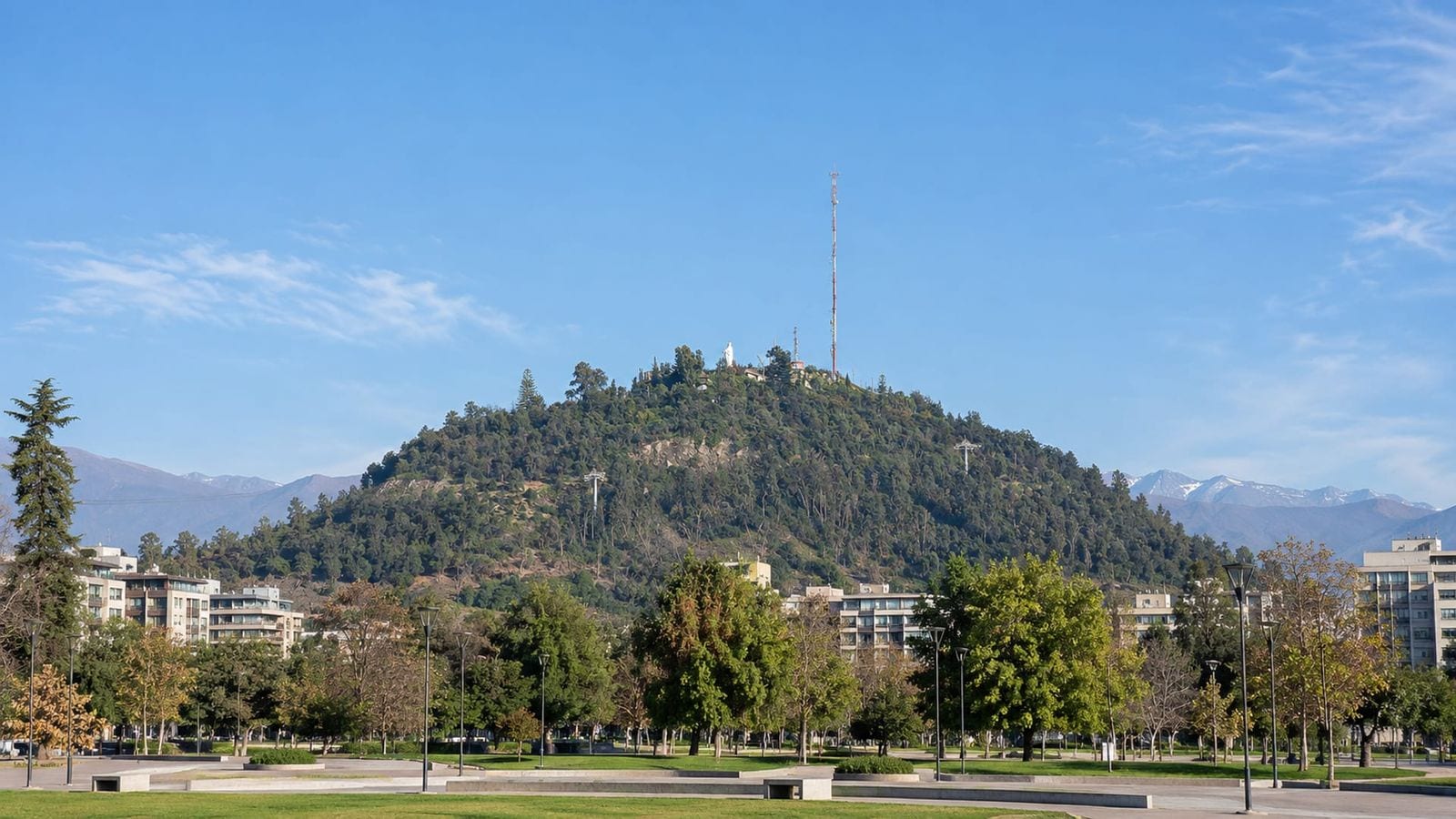
Cerro San Cristóbal
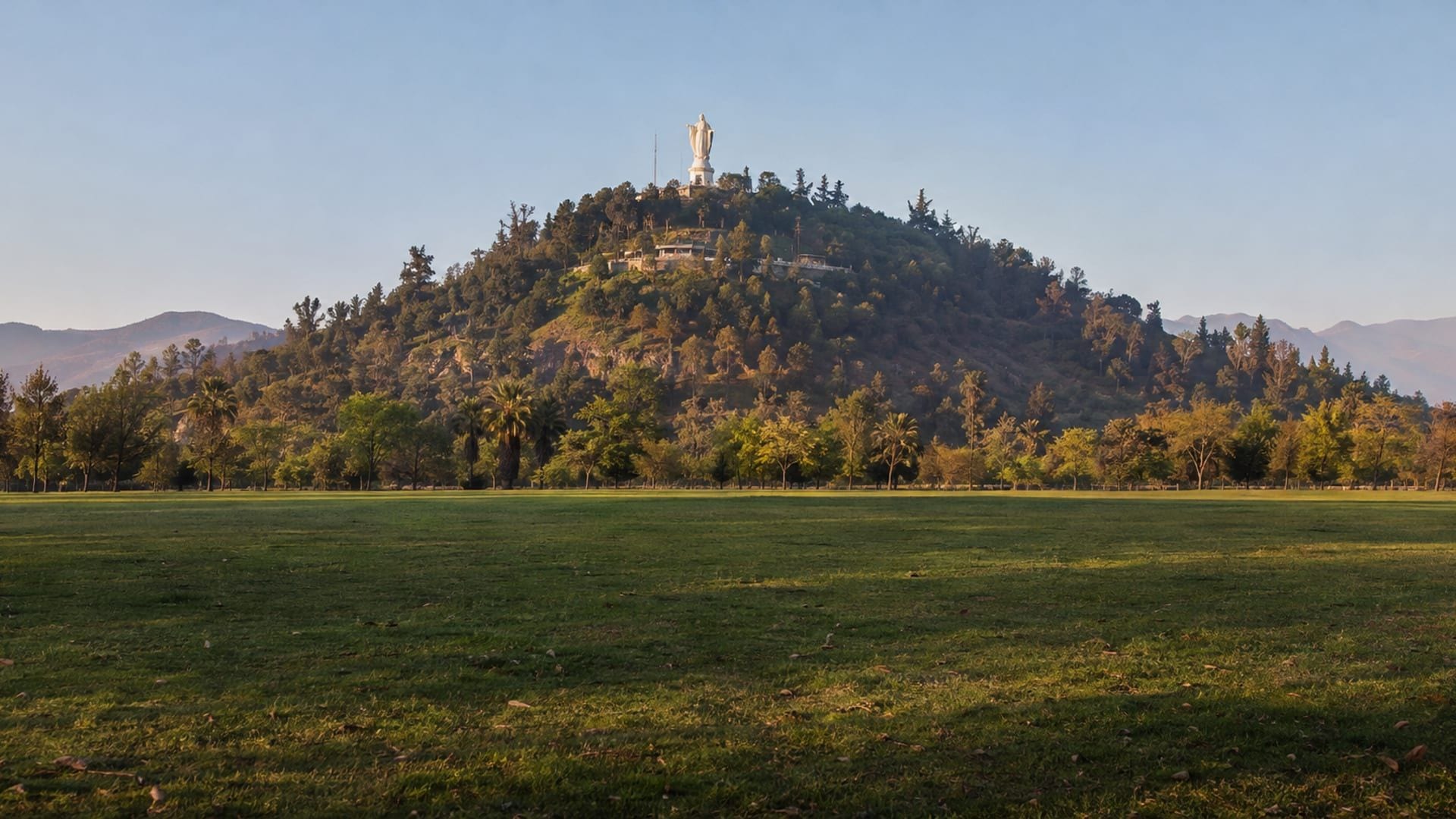
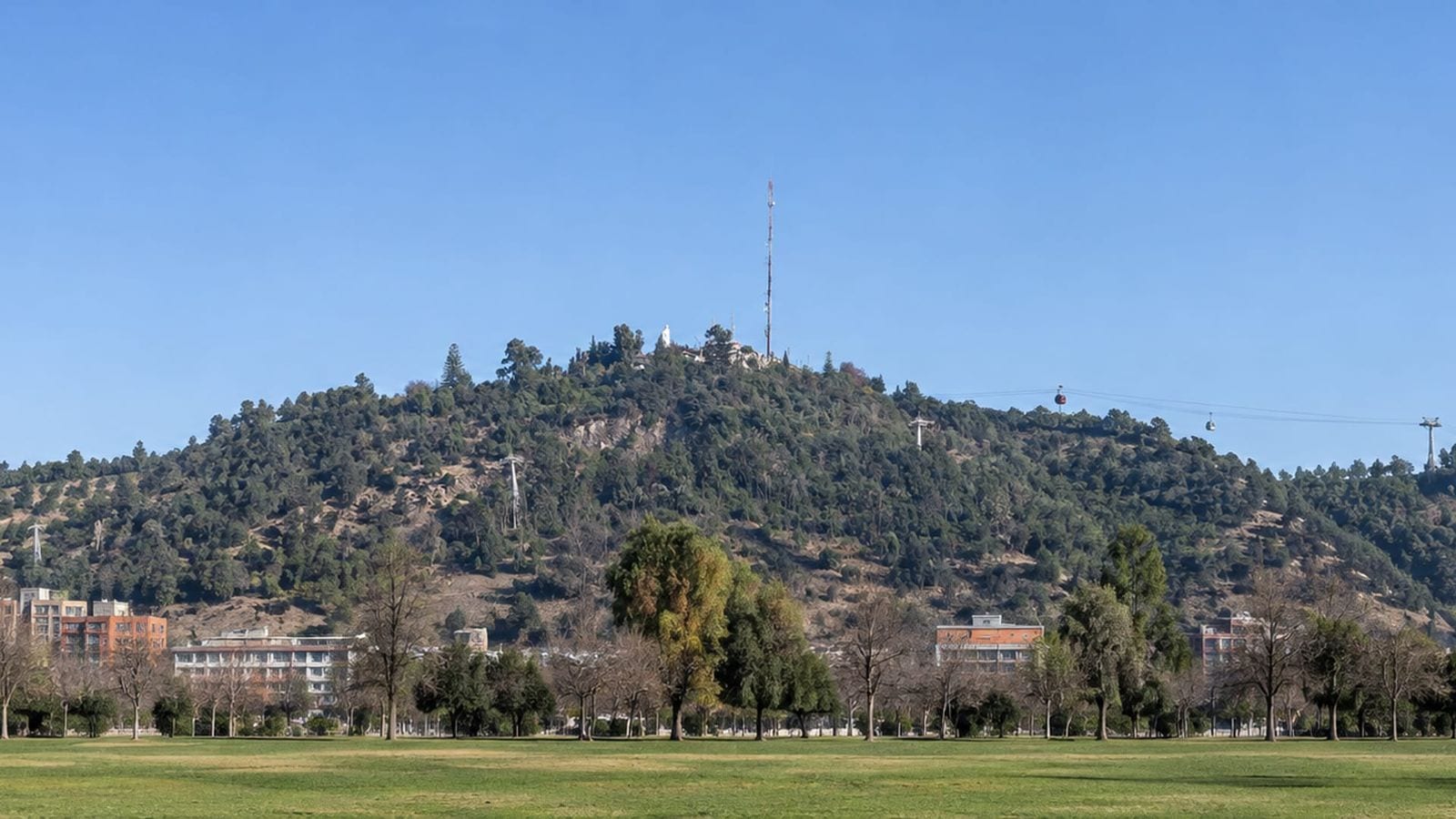
This hill rises above central Santiago and anchors Parque Metropolitano, with the Virgin shrine, cable car, and wide city views from several lookouts. It also links to walking paths, the zoo, and the funicular station.
Time needed: About 2 to 3 hours
Entry: Free to enter; cable car and funicular ride tickets vary by route, day, and age. Visit the official site for details.
Tip: Go near sunset for clear views of the Andes, then descend before the final rush.
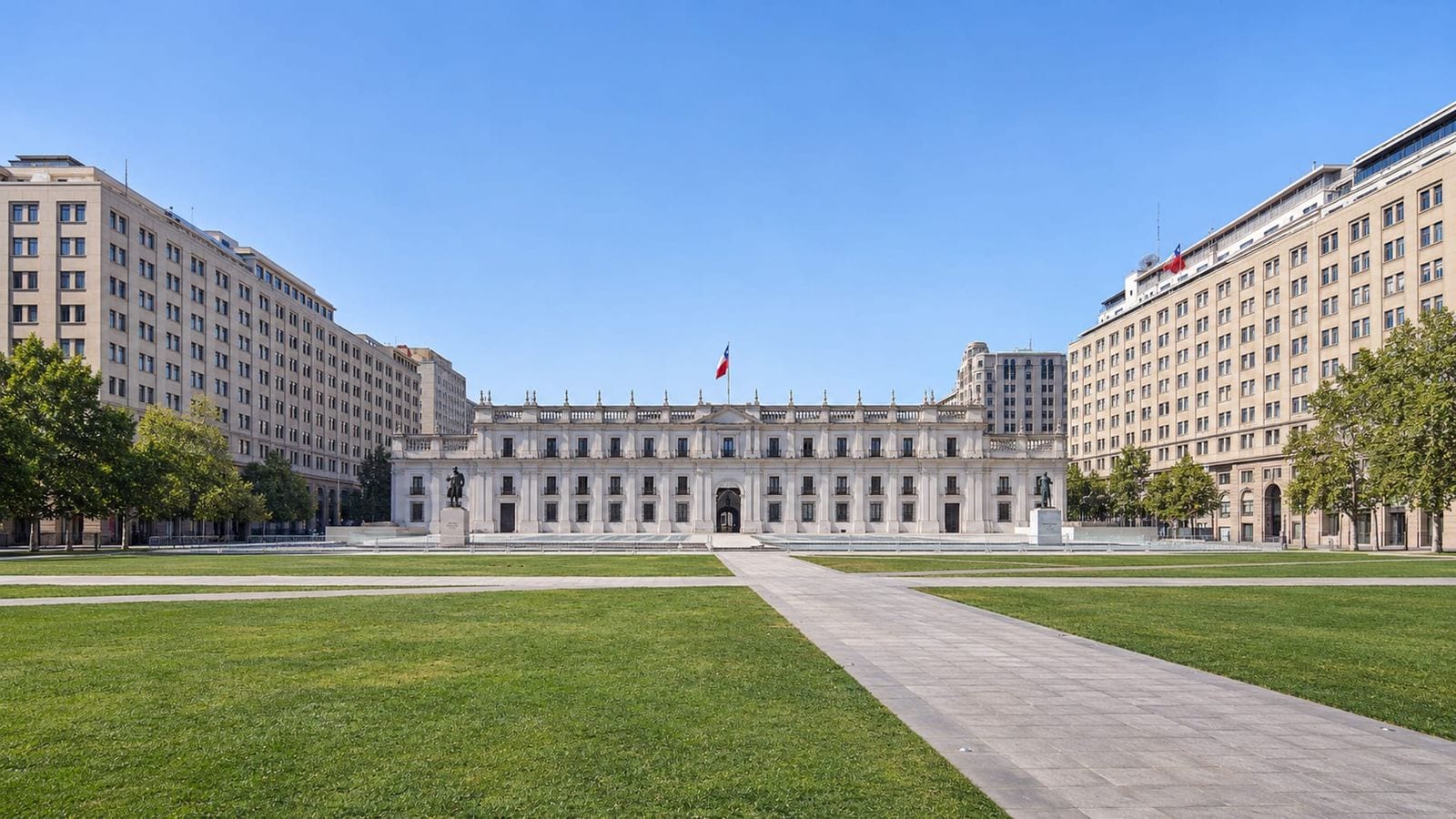
La Moneda Palace
Chile’s presidential palace is located in the civic center and marks one of Santiago’s most important historic addresses. Visitors come for the changing of the guard, the surrounding plazas, and the Centro Cultural La Moneda below.
Time needed: About 1 to 2 hours
Entry: Free to view from the exterior; guided visits are free on certain days and require advance registration. Visit the official site for details.
Tip: Arrive early; the guard change is every other day at 10:00 am.
Plaza de Armas
Founded in 1541, Plaza de Armas is Santiago’s historic main square and official Kilometer Zero. It’s ringed by the Metropolitan Cathedral, the National History Museum, and the Central Post Office, with street performers, chess players, and artists filling the square daily.
Time needed: About 1 hour, more if you also visit the cathedral
Entry: Free Visit the official site for details.
Tip: Visit on a weekday morning to avoid the busiest crowds and pickpockets.
Overlooked sites worth visiting

Cerro Santa Lucía
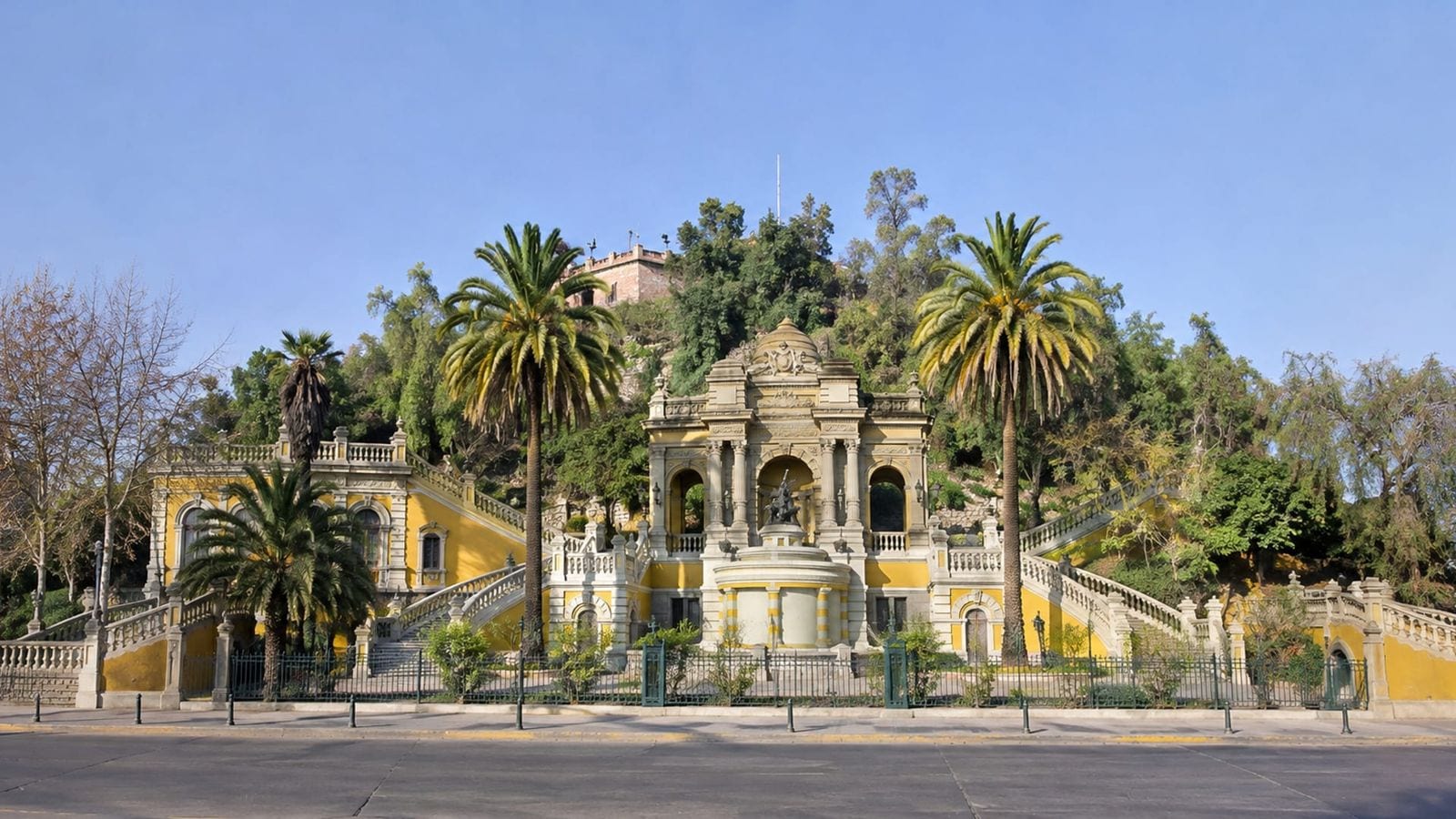
This hilltop park in the city center pairs terraced gardens, fountains, and lookout points with short stair climbs. Visit it for city views, tiled pavilions, and a quieter break above the traffic.
Time needed: About 1 to 2 hours
Entry: Free entry; open daily from 9:00 am to 6:00 pm, and later from October until February. Sign a registry at the gate.
Tip: Go late afternoon for softer light and fewer crowds.

Museo de la Memoria y los Derechos Humanos
This compact museum covers Chile’s dictatorship era through photos, documents, audio, and filmed testimony. The presentation is restrained and chronological, which makes the material easier to follow without reducing its weight.
Time needed: About 1 to 2 hours
Entry: Free for the permanent collection. It is open daily from 10:00 am to 6:00 pm, except Mondays. Visit the official site for details.
Tip: Allow extra time for the archive exhibits on the upper level.
Traditional food
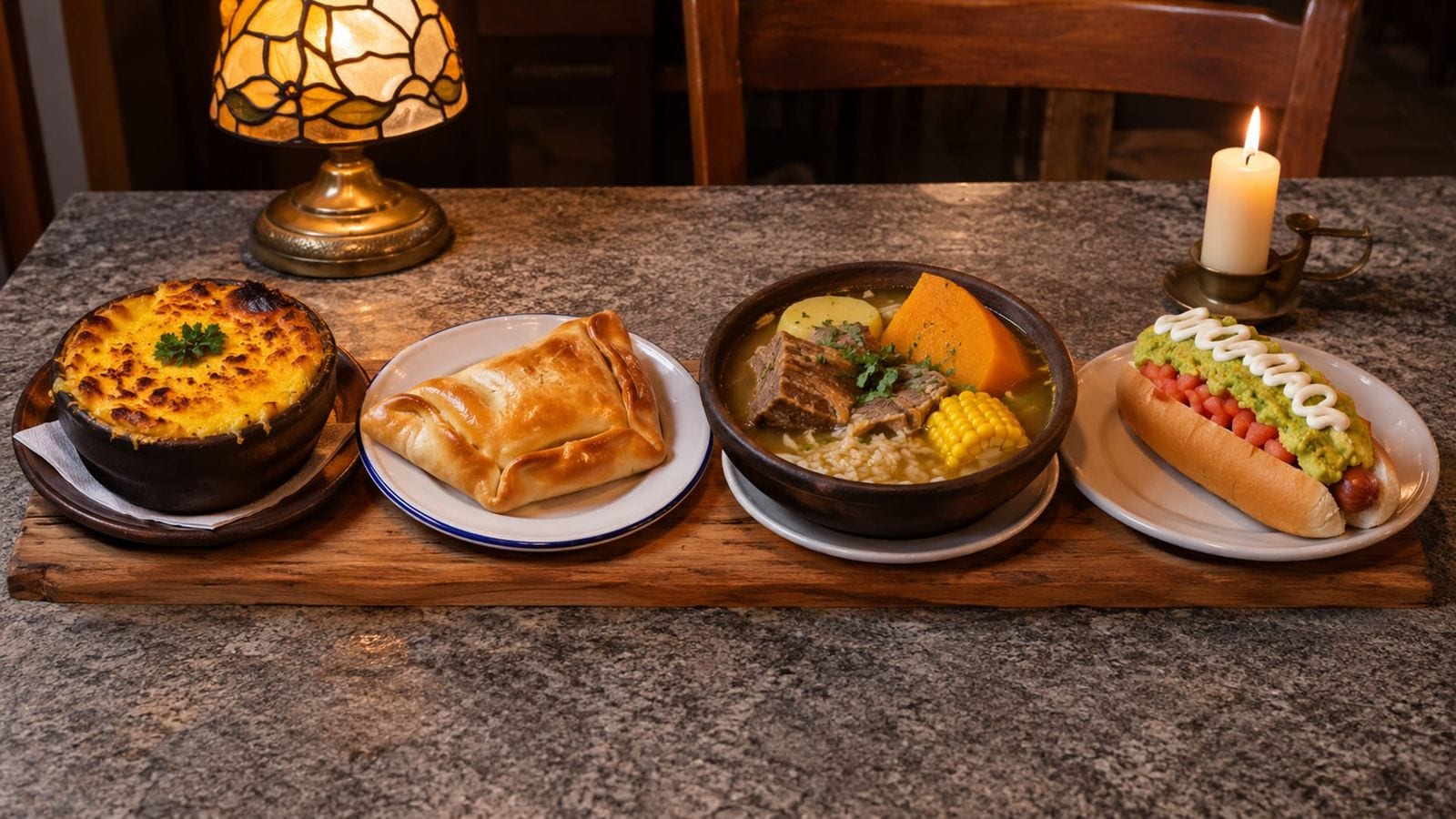
Corn, beef, and seasonal produce form the foundation of traditional food in Santiago, with pastel de choclo and cazuela among the dishes most closely associated with the city.
Pastel de choclo
This corn-topped baked dish layers seasoned meat, chicken, olives, and egg under a sweet corn crust. Doña Tina has been serving a reliably classic version in Lo Barnechea for years.
Empanada de pino
A baked empanada filled with minced beef, onion, olive, and egg is a natural choice for lunch or an early dinner starter. Emporio Zunino has been baking a classic version near Mercado Central since 1930.
Cazuela
Cazuela is a broth-based stew of meat, potato, pumpkin, corn, and rice, a comforting dish that suits cooler days and long, slow lunches. Galindo in Bellavista has served this home-style classic since 1968.
Completo
Chile’s loaded hot dog piles on tomato, avocado, and mayonnaise, and sometimes sauerkraut or chopped greens. Dominó has been one of Santiago’s best-known places for it since 1952, ideal between sightseeing stops.
Best time to visit Santiago
Santiago changes more by season than by month, with dry summer light, cool winter mornings, and shoulder seasons ideal for walking.
Best for: Long daylight, clear mountain views, rooftop dining, and outdoor park visits
What you get: Expect temperatures from 82°F to 88°F (28°C to 31°C), dry and sunny throughout, with the biggest visitor flow around the holiday period.
Trade-offs: Afternoons can feel hot on exposed streets and hills.
Best for: Comfortable walking weather, calmer sightseeing, and mellow harvest-season light
What you get: Expect temperatures from 44°F to 76°F (7°C to 24°C), cooling steadily through the season, with lighter crowds and good conditions for central neighborhoods.
Trade-offs: Evenings cool noticeably by May, and rain becomes more likely late in the season.
Best for: Museum days, cozy indoor dining, and clear mountain views after cold mornings
What you get: About 36°F to 61°F (2°C to 16°C), with cold, crisp mornings that warm to comfortable afternoons, fewer visitors, and occasional rain or fog.
Trade-offs: Early mornings feel cold, especially in shaded streets, and some hill trails can be muddy.
Best for: Garden walks, blooming jacarandas, and a comfortable mix of mild, sunny days
What you get: About 45°F to 78°F (7°C to 25°C), warming steadily through the season, with moderate crowds, blooming parks, and clear Andes views on many days
Trade-offs: Late spring brings more dust, pollen, and stronger afternoon sun.
A realistic 5-day plan in Santiago
This five-day plan follows Santiago in a natural order: center first, then the hills, then the farther districts, and one quieter museum stop. That keeps transfers clear and leaves room for lunch, dinner, and a slower final day before the airport.
Land at Santiago Airport (SCL) and take a taxi or app-based ride into Lastarria or Providencia. This usually takes about 20 to 35 minutes (longer during weekday rush hour) and costs about CLP 18,000 to CLP 32,000 ($20 to $35), depending on traffic and time of day. If you arrive before evening, settle into your hotel, drink water, and keep dinner close to where you’re staying, such as a café in Lastarria or a neighborhood restaurant in Providencia, so you can unwind without crossing the city.
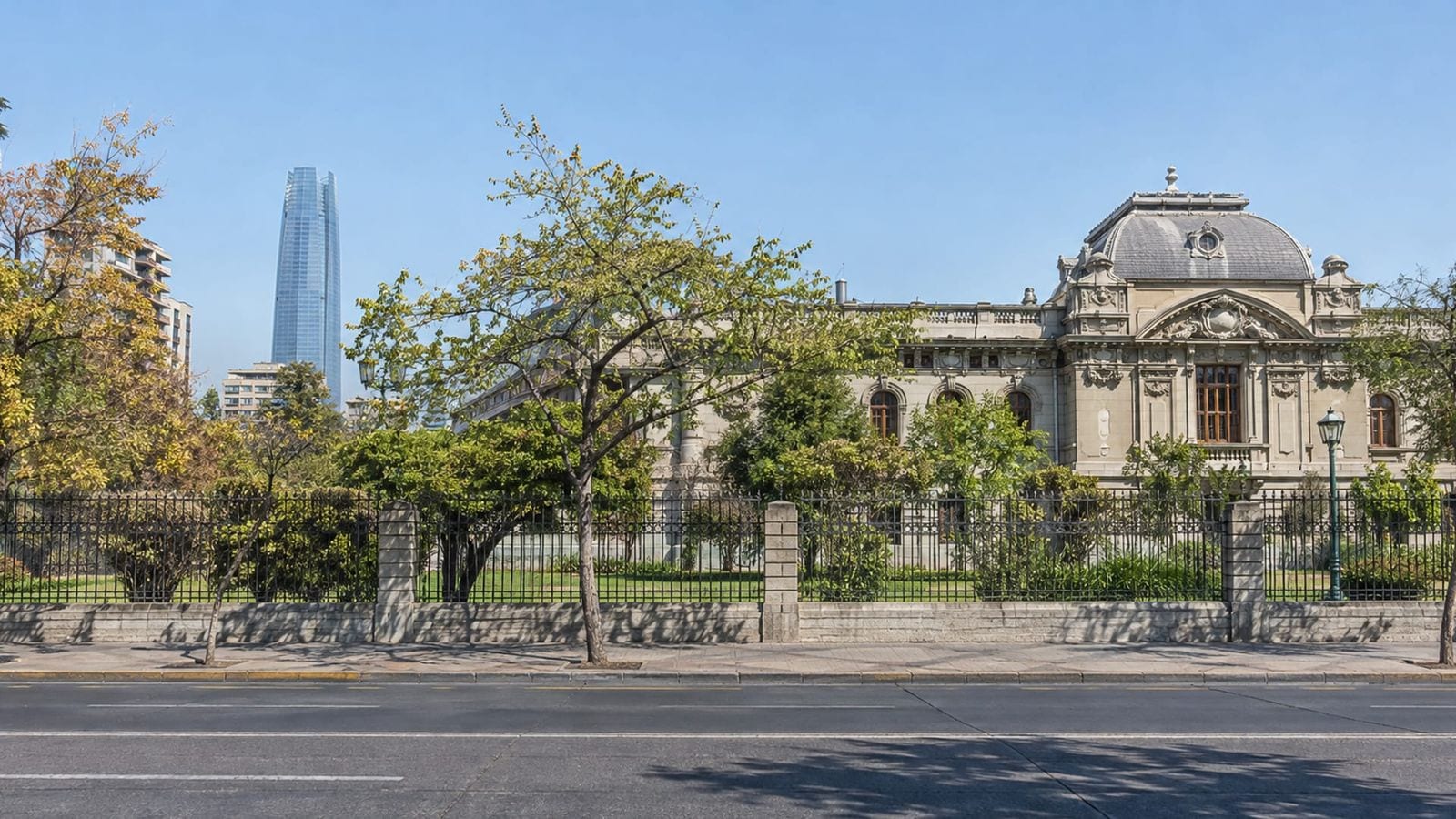
Start with Cerro Santa Lucía, then walk about 10 minutes to the civic center for La Moneda Palace and the plazas around it. Continue for 10 minutes to Plaza de Armas for the Metropolitan Cathedral and historic square, then walk about 15 minutes to Lastarria for lunch, galleries, and a slower afternoon. Return to Cerro Santa Lucía at sunset for city views, then stay in Lastarria for dinner.
Begin in Bellavista and take the funicular up to Cerro San Cristóbal, only about 5 to 10 minutes on foot from the neighborhood’s main streets. Spend about 2 to 3 hours on the hill for the cable car, viewpoints, and the Virgin shrine, then head down to Bellavista for lunch before taking the metro to Museo de la Memoria y los Derechos Humanos, about 15 to 20 minutes via Line 5. Finish with an early evening meal back in Bellavista or nearby Providencia.
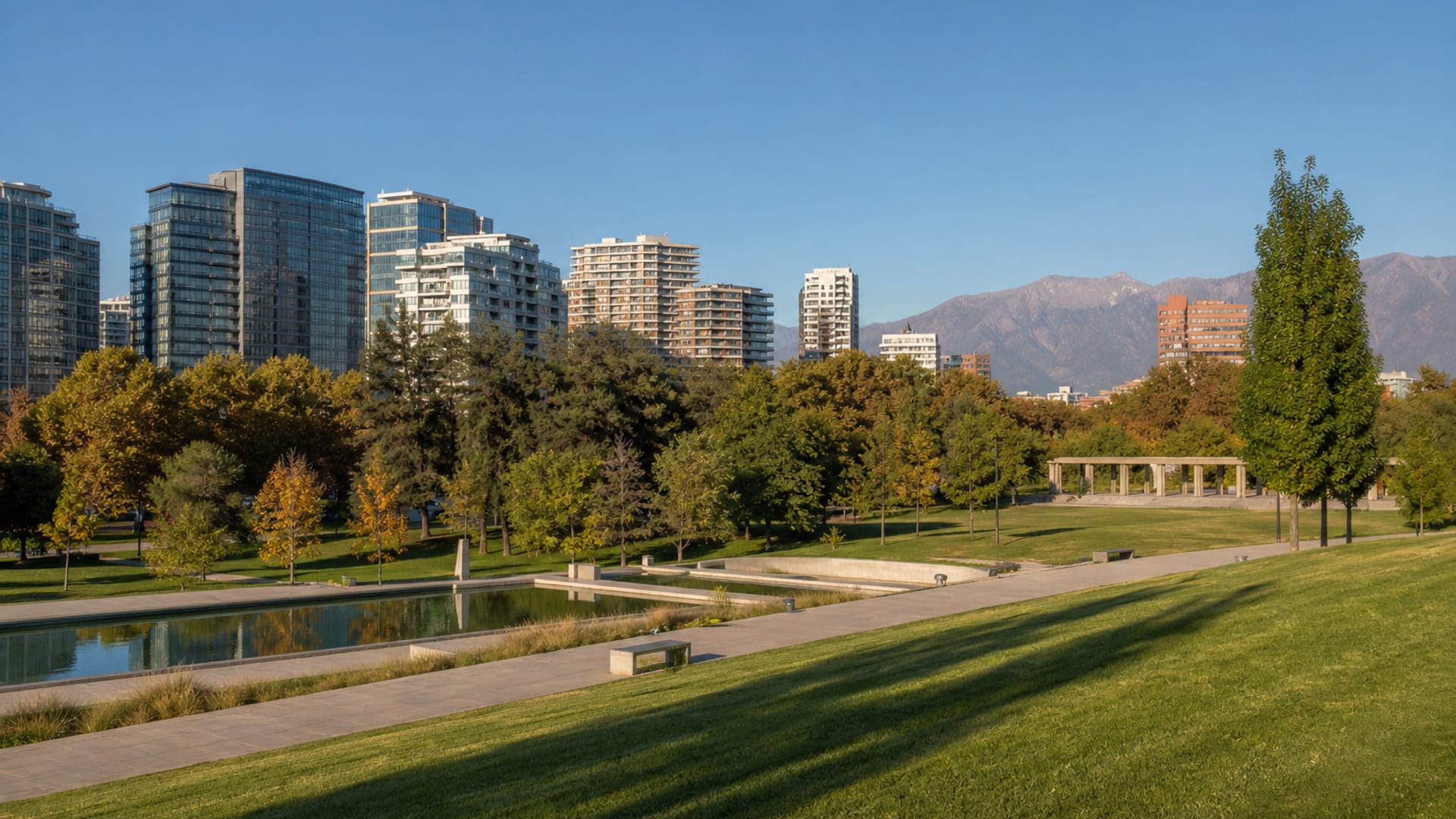
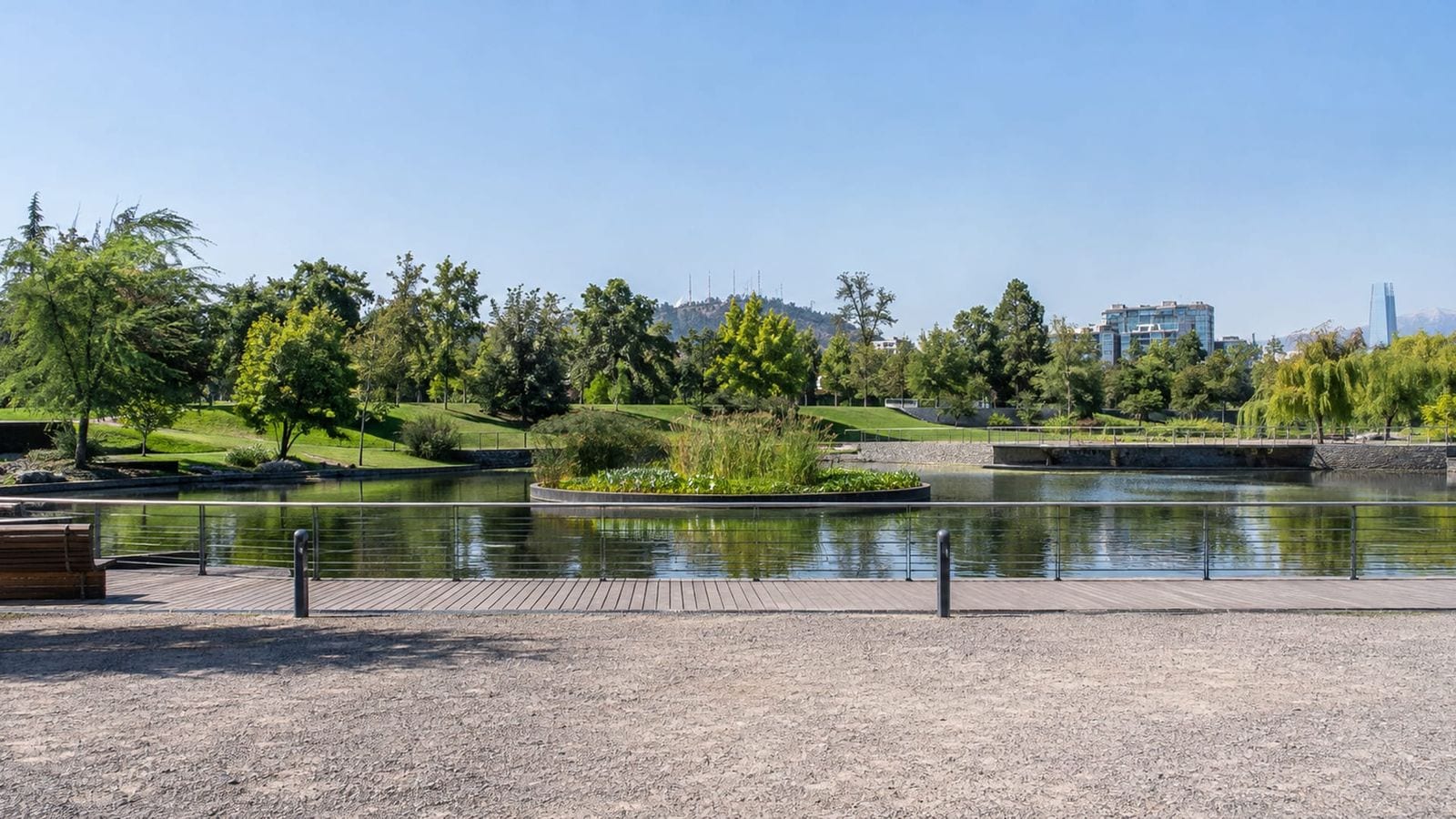
Vitacura suits a quiet morning at Bicentennial Park, with about 1 to 2 hours for walking the lagoons and riverside paths. From the park, a short taxi ride reaches the district’s shopping and dining streets, setting up an easy lunch. Head back toward the center in the afternoon for a slower walk through Lastarria or Parque Forestal, or one more look at the city from Cerro Santa Lucía if you did not linger there on day 2. If you prefer a quieter finish, stay in Vitacura for dinner and a final drink near your hotel.
For a low-key final day, revisit Museo de la Memoria y los Derechos Humanos if you missed it or want a deeper look at the permanent collection, then spend the rest of the morning in Providencia browsing its shopping corridors and stopping for coffee. Afterward, settle into a café in Lastarria for a slow lunch, with Cerro Santa Lucía an easy nearby walk before heading to Santiago Airport (SCL). Leave enough time for the transfer, especially during rush hour.
Business-class flights from the US to Santiago
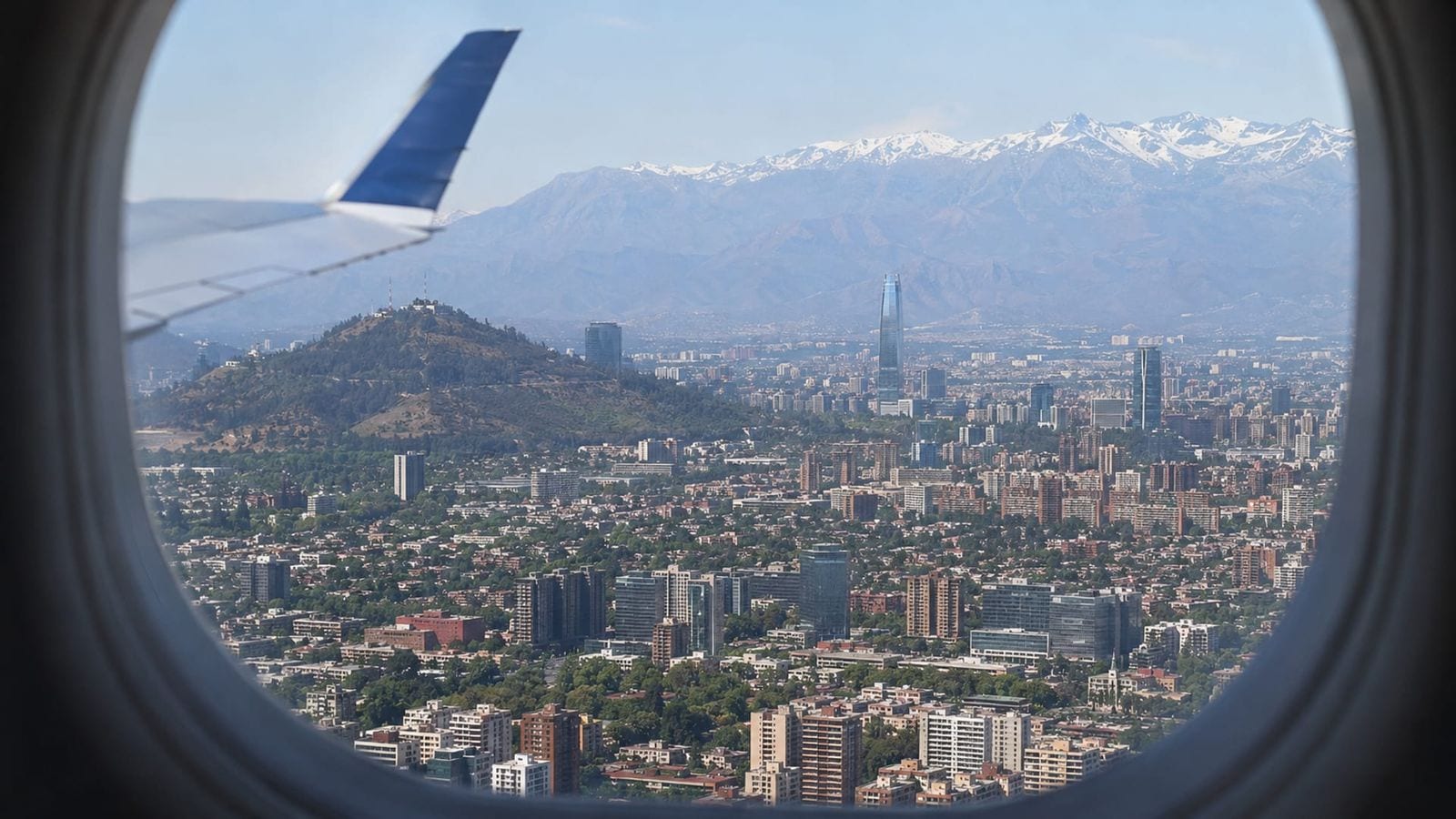
From both coasts of the US, travelers can take nonstop flights to Santiago, which are at least five hours shorter than one-stop flights on the same routes.
New York (JFK) to Santiago (SCL)
From New York (JFK), LATAM offers the only nonstop flight to Santiago, which takes 10 to 11 hours. Delta Air Lines, American Airlines, Copa Airlines, and Avianca all serve the route with one stop, commonly via Panama City (PTY), Lima (LIM), Miami (MIA), Bogotá (BOG), or Atlanta (ATL). Round-trip business-class fares usually start at $2,500 and can reach $10,500.
Los Angeles (LAX) to Santiago (SCL)
Travelers from Los Angeles (LAX) can take nonstop flights to to Santiago (SCL) with LATAM, which last 10 hours. American Airlines, Delta Air Lines, Copa Airlines, and Avianca connect with one stop, commonly via Panama City (PTY), Lima (LIM), Miami (MIA), or Dallas-Fort Worth (DFW). Round-trip business fares on this route range from about $2,000 up to roughly $8,500.
Santiago opens up when you give it time
A good Santiago trip gives each district its own job: Lastarria for walks and dinner, the civic center for La Moneda Palace, Bellavista for Cerro San Cristóbal, and Vitacura for Bicentennial Park. The city rewards using the metro for part of the day, taxis for longer crossings, and a patient lunch break when the kitchen closes between services. When you are ready to start planning your trip to Santiago, you can reach out to our travel experts at AranGrant, who will help you find a convenient business-class flight to your destination.







