

Chapters:

Need help with your trip?
Our support team is available 24/7. Request a callback or call us directly at (833) 619-0908
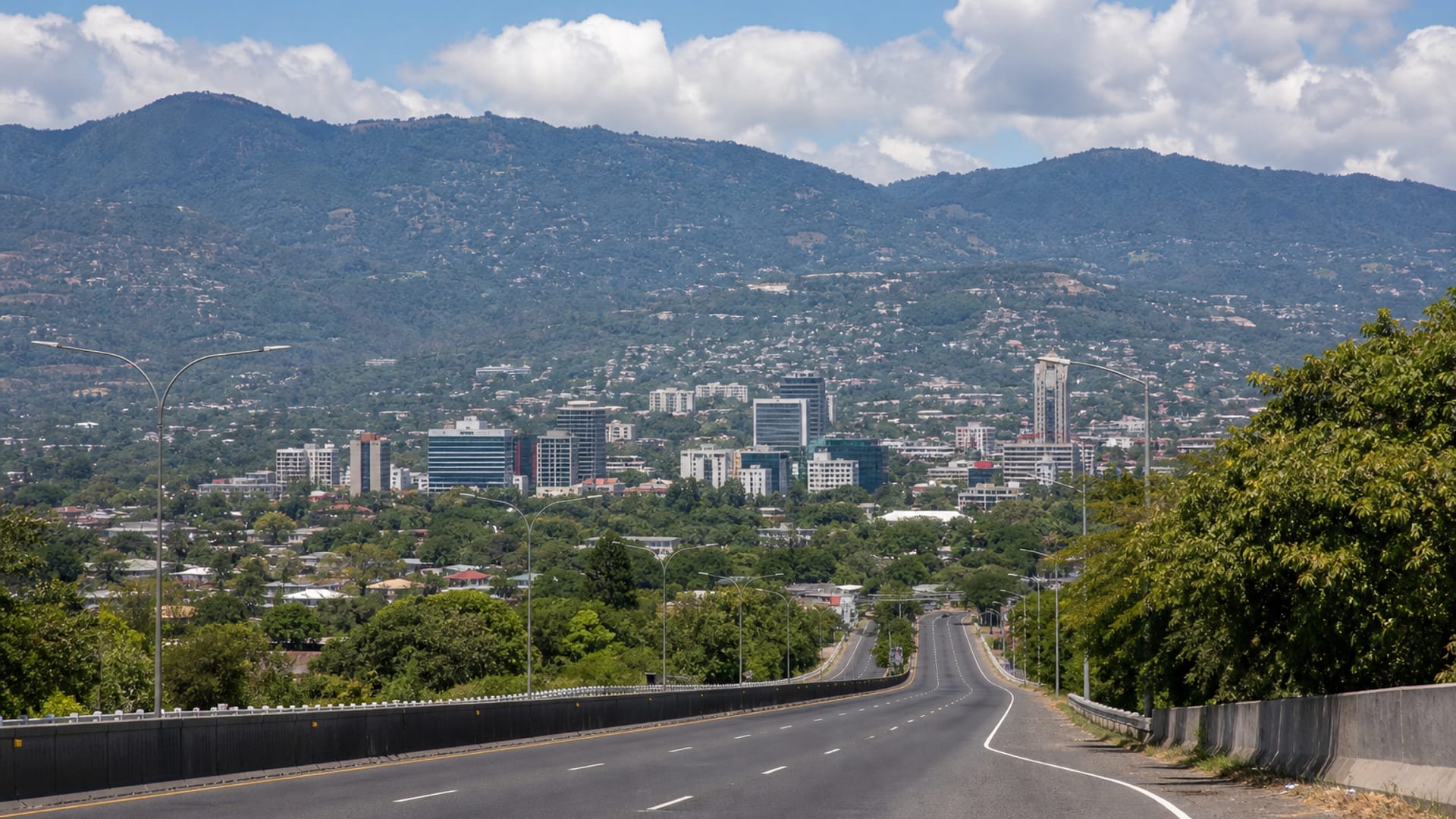
San Salvador is located in a valley ringed by volcanoes, and that shape drives the whole trip. The Historic Center holds the government palace and cathedral, the hillside neighborhoods hold the hotels and restaurants, and Los Planes de Renderos rises above both with the city’s best sunset view.
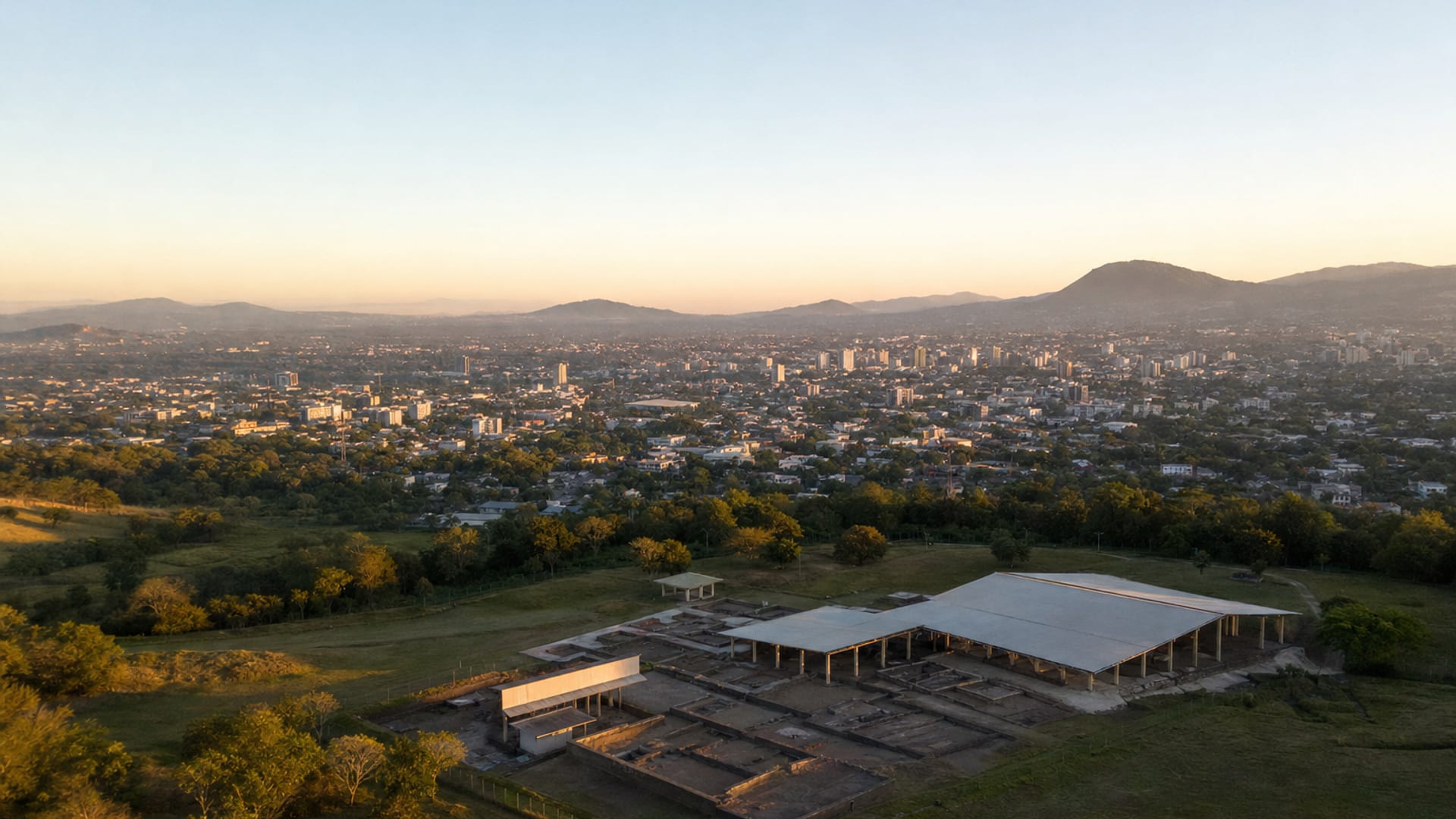
A day trip to the Maya ruins at Joya de Cerén adds a fourth, entirely different layer, and it deserves its own morning, not a rushed afternoon.
Getting between these pieces takes real time. The city has no metro, so taxis and Uber cover most cross-town trips. This guide lays out where to stay, how long each landmark takes, and how to order five days with the fewest backtracks.
Useful things to know

Main language(s): Spanish
Hola (OH-lah) – Hello
Por favor (por fah-VOR) – Please
Gracias (GRAH-see-ahs) – Thank you
¿Habla inglés? (AH-blah een-GLES) – Do you speak English?
¿Cuánto cuesta? (KWAN-toh KWEHS-tah) – How much does it cost?

Currency: US dollar (USD, $)

Cash and cards: Merchants accept cards almost everywhere; carry $20 to $40 in cash for taxis and small purchases.

Tipping: Many restaurants already add a 10% service charge. Check the bill before tipping again. Taxi drivers don’t expect tips.

Traditional food: Pupusas, yuca frita con chicharrón, sopa de gallina india, empanadas de plátano

Water and coffee costs: A bottle of water costs $1 to $2, and a bar espresso costs $2 to $3.

Taxis and ride apps: Uber operates citywide. Airport pickup points can change, so confirm your meeting spot in advance.

Plug and voltage: Type A/B socket, 120V

Dining and shop opening hours: Expect breakfast from 7:00 am to 9:00 am, lunch from 12:00 pm to 2:00 pm, and dinner from 6:30 pm to 8:30 pm, with many spots closing early on Sundays.

Emergency number: 911 for police, fire, and medical emergencies
Where to stay in San Salvador
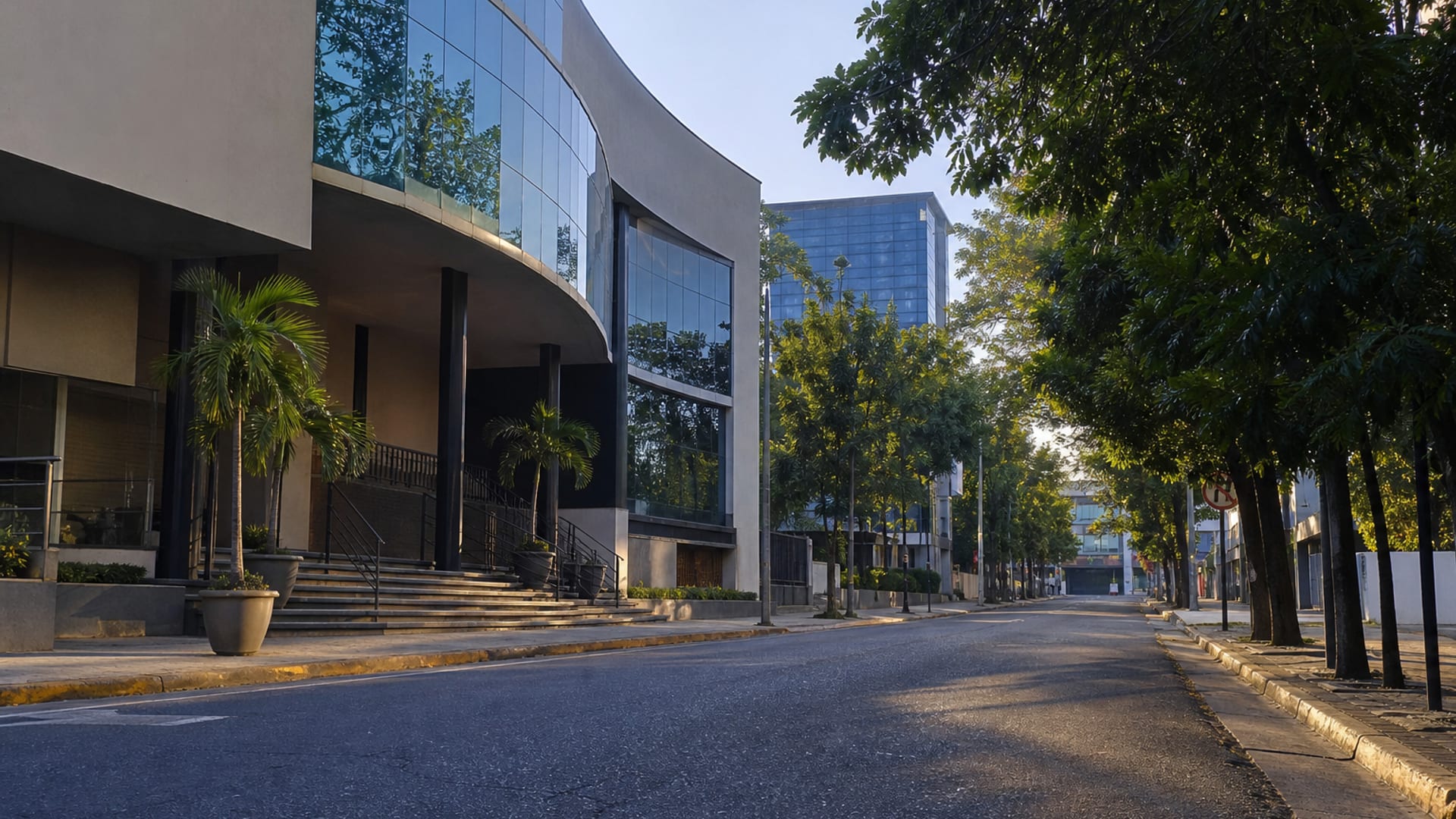
A compact hotel and restaurant district west of the city’s business core, Zona Rosa is close to upscale dining, galleries, and the city’s best-known nightlife. It suits travelers who want a convenient central spot for meetings, museum visits, and evenings out.
Best for: Dining, nightlife, and travelers who want a central spot near embassies and major hotels
What to expect: Sidewalk traffic stays moderate by day, then picks up in the evening near restaurants, bars, and hotel entrances.
Hotel prices: Well-rated hotels cost $100 to $250 per night.
Distance to major sights: 10 to 15 minutes by taxi to Plaza Salvador del Mundo; 20 to 25 minutes by taxi to the National Palace
Quietness: The area is quiet in the morning and livelier after dark near the restaurant strips.
Main trade-off: Hotel rooms cost more than in nearby neighborhoods, and evenings bring more traffic and noise.
Good to know: Taxis are the easiest way to travel around after dinner, since late venues cluster along a few busy blocks.
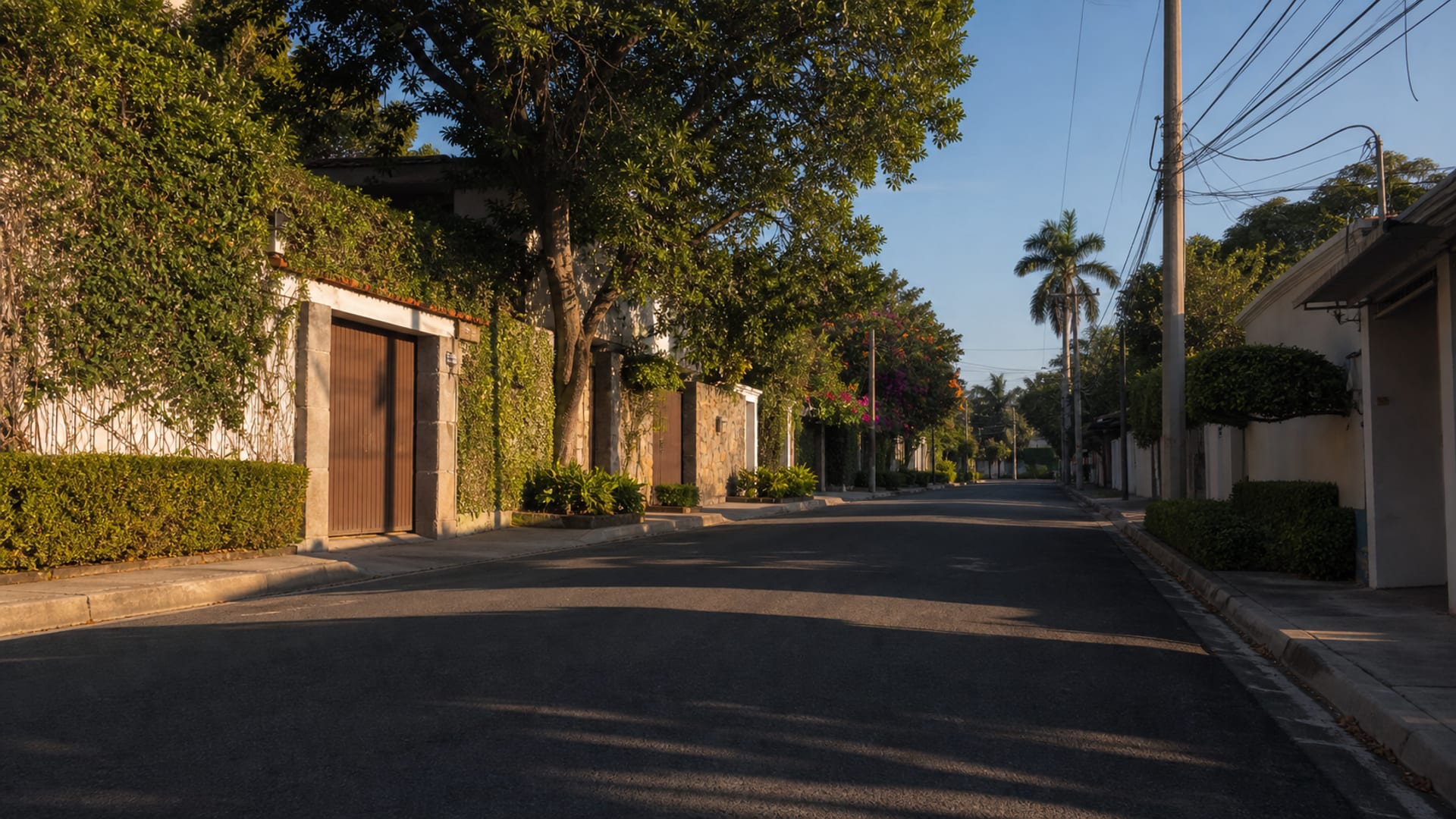
Escalón is one of San Salvador’s main residential and commercial districts, with malls, business hotels, and a wide choice of restaurants. It suits travelers who want reliable access to shopping and cross-town rides without staying in the busiest downtown blocks.
Best for: Shopping, business trips, and travelers who prefer a modern residential neighborhood
What to expect: Broad avenues, malls, and office traffic define the day, while dinner crowds gather around the best-known restaurants.
Hotel prices: Well-rated hotels cost $100 to $250 per night.
Distance to major sights: 5 to 10 minutes by taxi to Plaza Salvador del Mundo; about 25 minutes to the Historic Center
Quietness: The neighborhood is calmer than the busiest nightlife zones, with more traffic than purely residential pockets.
Main trade-off: You trade walkability to major sights for a larger district where taxis and Uber become necessary.
Good to know: Choose a place near the main avenues if you plan several museum or dinner stops, since some blocks in this wide district need a taxi.
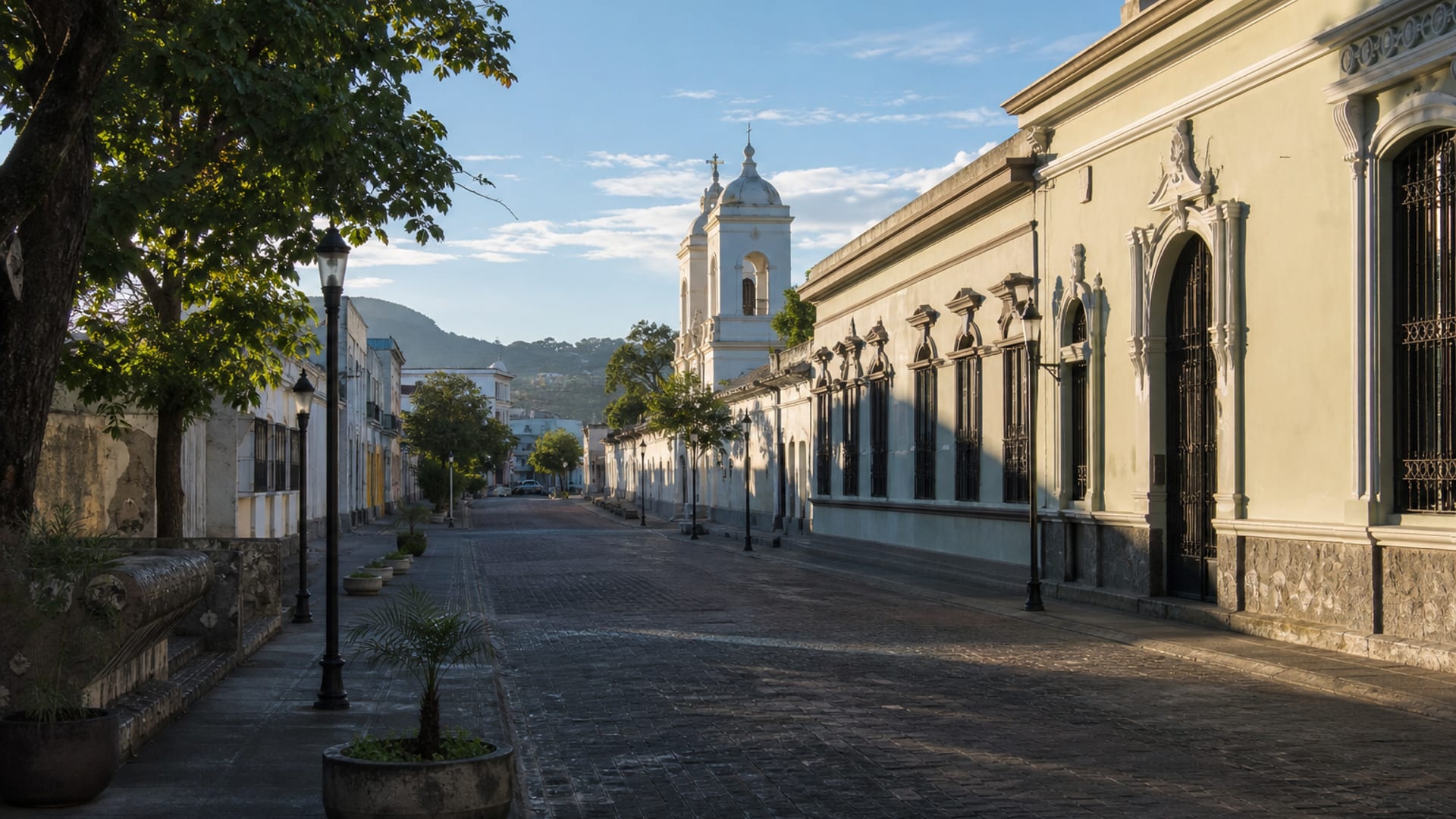
San Benito contains the Zona Rosa nightlife district and borders Escalón, with embassies, restaurants, and several of the city’s best boutique hotels. It is close to San Salvador’s most polished dining areas without being isolated from central roads.
Best for: Boutique hotels, restaurant-focused stays, and visitors who want an upscale central neighborhood
What to expect: The streets are active around hotels and restaurants, but residential blocks stay calmer between meal times.
Hotel prices: Well-rated hotels cost $100 to $250 per night.
Distance to major sights: 10 minutes by taxi to Plaza Salvador del Mundo; a short walk to the National Museum of Anthropology
Quietness: San Benito is quieter than Zona Rosa on most blocks, though restaurant streets get busier at dinner.
Main trade-off: Rooms here cost more than in surrounding districts, and late-night options thin out once the restaurants close.
Good to know: If you want dinner options within walking distance, check the exact block your hotel is located. Some hotels are on quieter streets, away from the main restaurant strip.
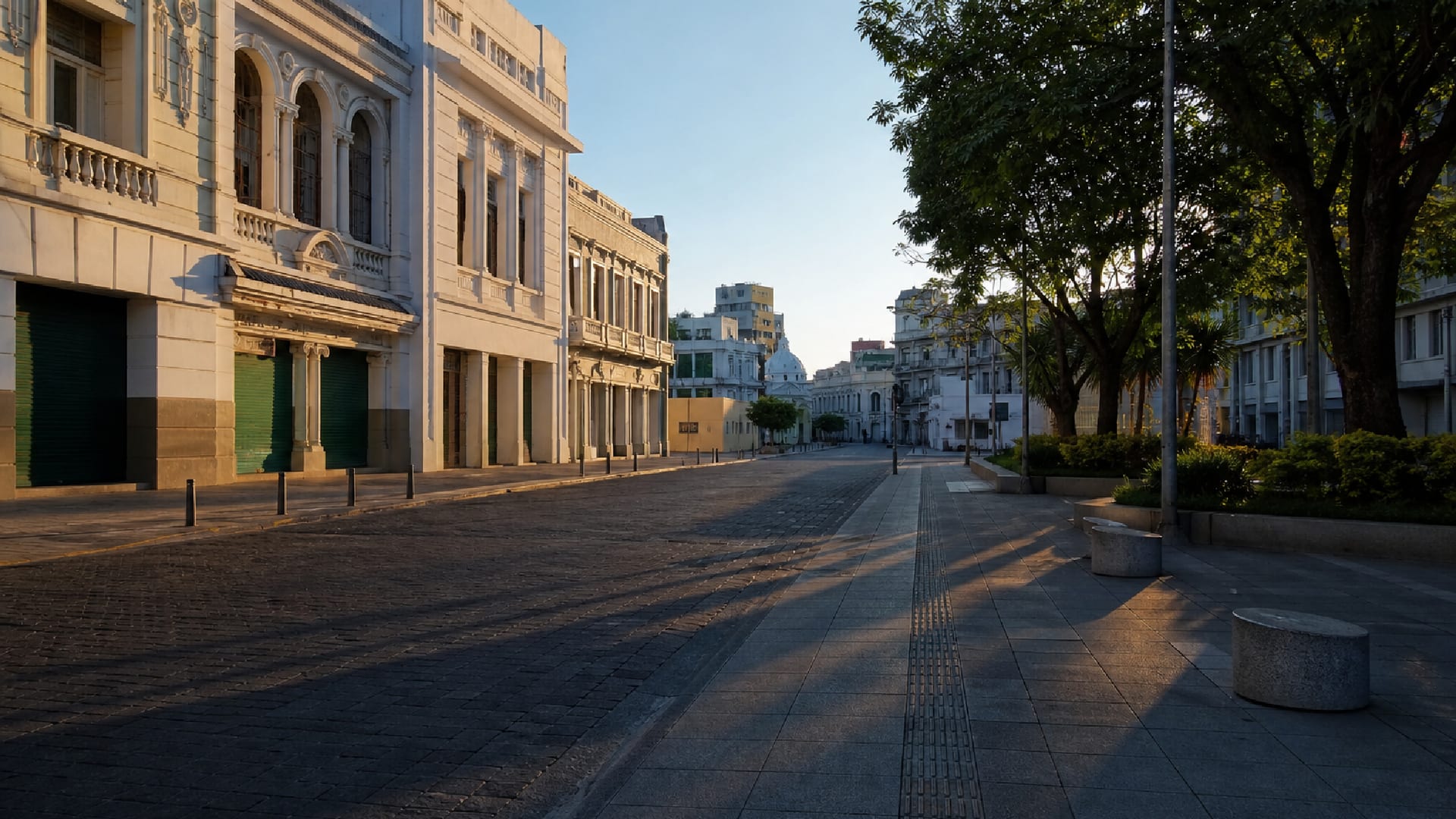
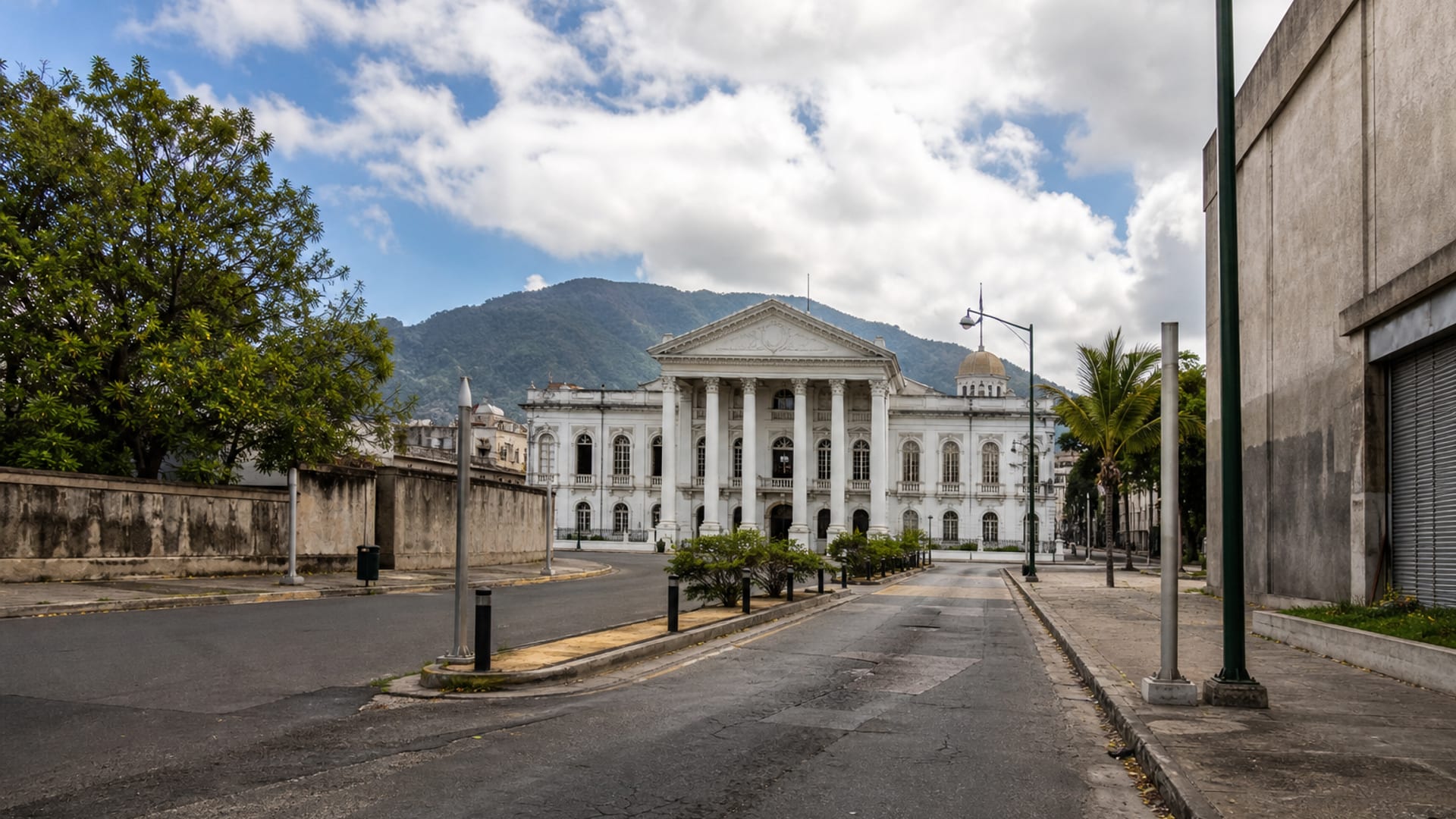
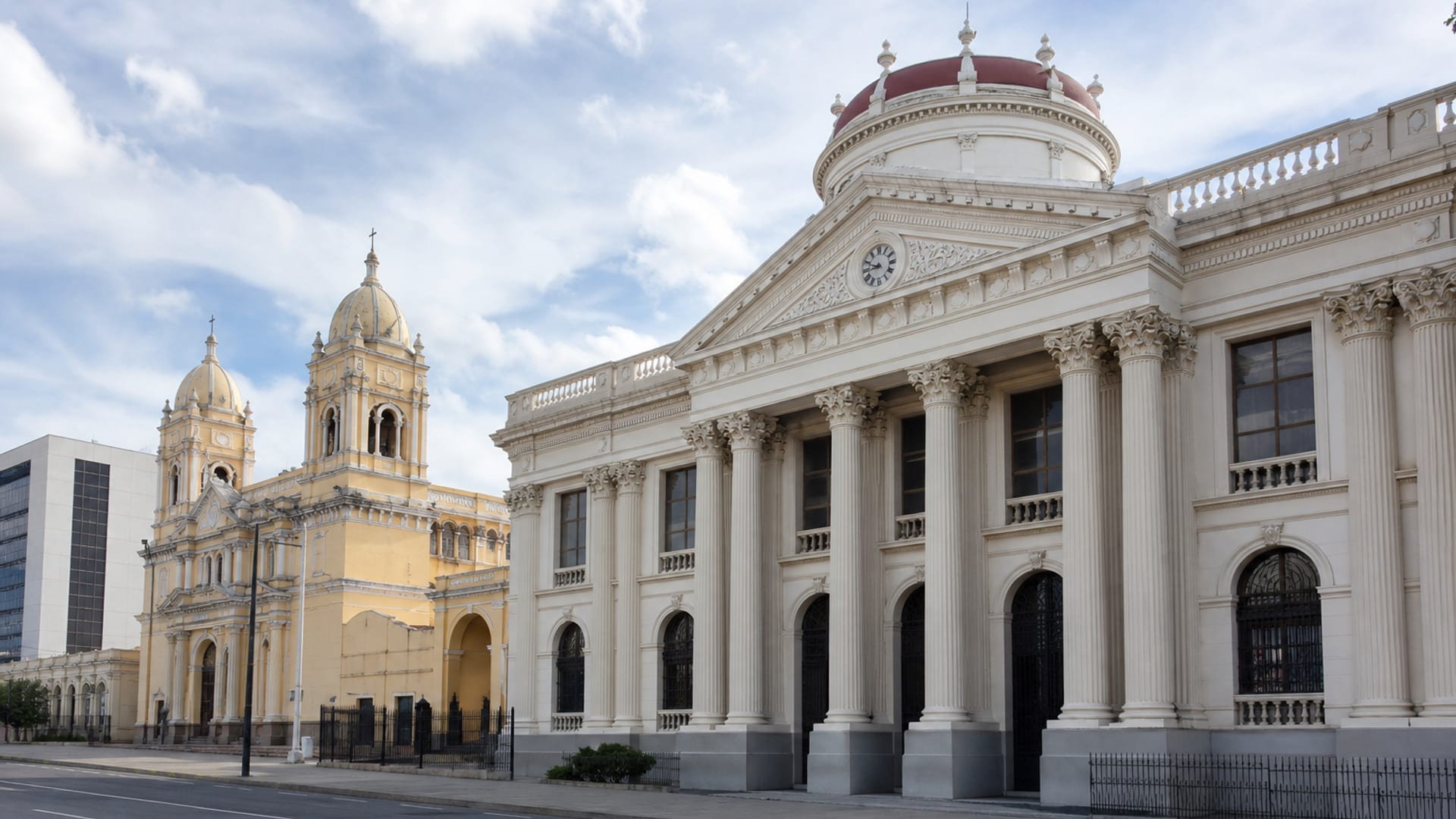
The Historic Center holds the National Palace, Metropolitan Cathedral, and the main civic squares, making it the city’s most historic core. Most landmark buildings date to the early 1900s, after independence, and it is the most direct choice for architecture and early-morning sightseeing.
Best for: Architecture lovers, civic landmark seekers, and travelers who want the historic core within walking distance
What to expect: Crowds building around the plazas in daylight, with vendors, commuters, and tour groups giving the area a busy urban edge
Hotel prices: Well-rated hotels cost $60 to $150 per night.
Distance to major sights: A short walk to the National Palace, Metropolitan Cathedral, and Plaza Barrios
Quietness: The area is busy and lively by day, then much quieter once offices close and the plazas empty.
Main trade-off: You gain immediate access to the main monuments, but the area has fewer upscale hotels and less appeal for late evenings.
Good to know: Plan dinners before dark or arrange transport in advance, because nearby choices shrink fast once the plazas clear.
Avoid staying in Soyapango, Apopa, Ilopango, Mejicanos, and Ciudad Delgado. These areas lie far from San Salvador’s main sights and offer fewer hotels, restaurants, and bus options for visitors.
Hotel deals
Getting around San Salvador
In San Salvador, most visitors get around by bus, taxi, or Uber. Rental cars are also useful for day trips.

Bus
for short local trips
Bus route 138 links the airport with downtown for $0.60, and most urban buses charge under $1 per ride. Buses get crowded during rush hours, and stops aren’t always marked, so confirm your route with the driver or a local before boarding.

Taxi and rideshare services
for convenience or late hours
Licensed taxis charge $30–$40 for rides from the airport downtown, so confirm the price and carry cash before you take a ride. Uber also operates citywide and shows its price upfront. Pickup points near the airport can change, so confirm your meeting spot in the app.

Rental car
for day trips outside the city
Avis, Budget, Hertz, and Alamo run desks at the airport, with rates from $22 to $35 per day. A rental car suits day trips to Joya de Cerén or the coast, since city traffic and limited parking make it impractical for downtown sightseeing.
*Prices are based on rates updated as of June 2026 and may change at the time of travel.
Use taxis or Uber for airport rides and evening cross-town trips, buses for short rides if you already know the routes, and a rental car for day trips.
Iconic places in San Salvador
Monumento al Divino Salvador del Mundo
This 1942 monument of Christ standing on a globe is El Salvador’s most recognized symbol, rising over Plaza El Salvador del Mundo where Colonia Escalón’s main avenues meet. It survived the 1986 earthquake and was fully restored.
Time needed: 15 to 30 minutes
Entry: Free and open at all times. The monument is illuminated after dark.
Tip: Visit near sunset for photos with softer light and fewer crowds.
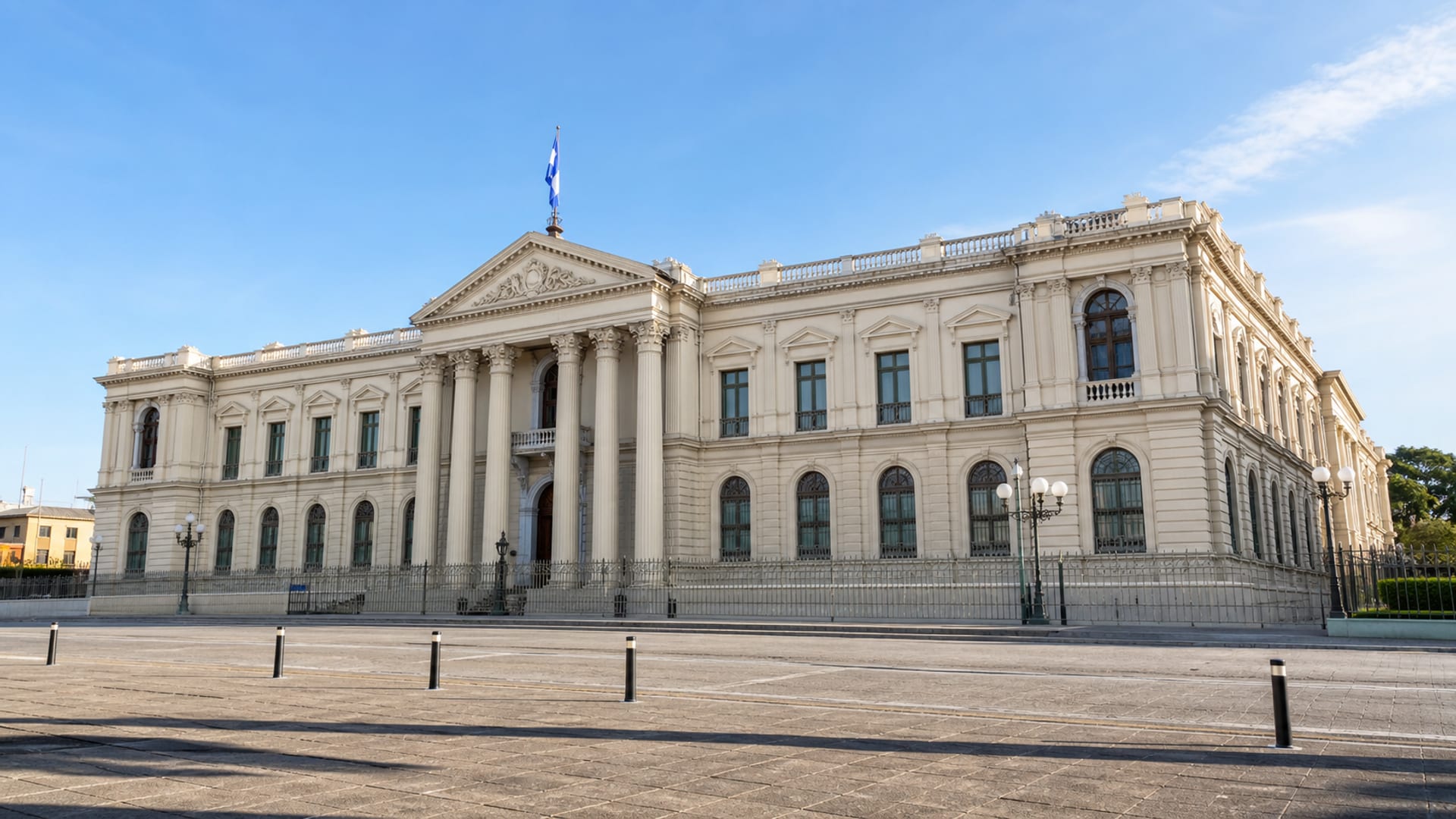
National Palace of El Salvador
Built in the late 19th century, the palace pairs neoclassical halls with chambers once used for government business. Restored rooms, ironwork, and courtyards make it one of the capital’s clearest historic landmarks.
Time needed: About 45 to 60 minutes
Entry: Admission costs $1 for Salvadorans, $3 for foreign residents, and $5 for other visitors. Visit the official site for details.
Tip: Visit midmorning for better light in the courtyards and fewer tour groups.
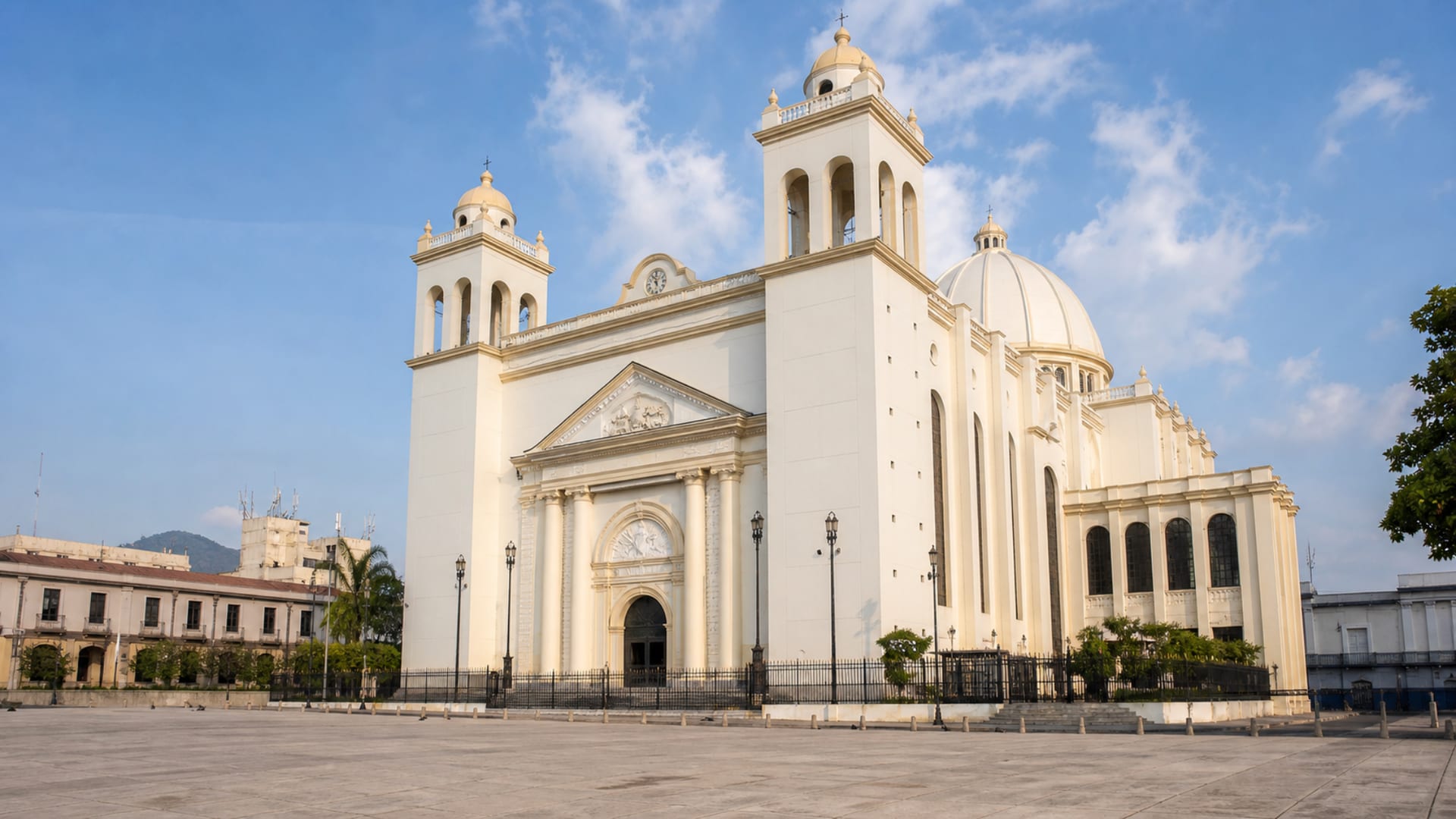
Catedral Metropolitana de San Salvador
This cathedral anchors the historic center and holds the tomb of Archbishop Óscar Romero beneath its main altar. Its painted ceiling, altar area, and broad plaza make it a central stop in the capital.
Time needed: About 30 to 45 minutes
Entry: Admission is free, with optional donations and mass-time entry limits.
Tip: Stop by outside mass hours if you want time to see the altar and tomb quietly.
Overlooked places in San Salvador

El Rosario Church
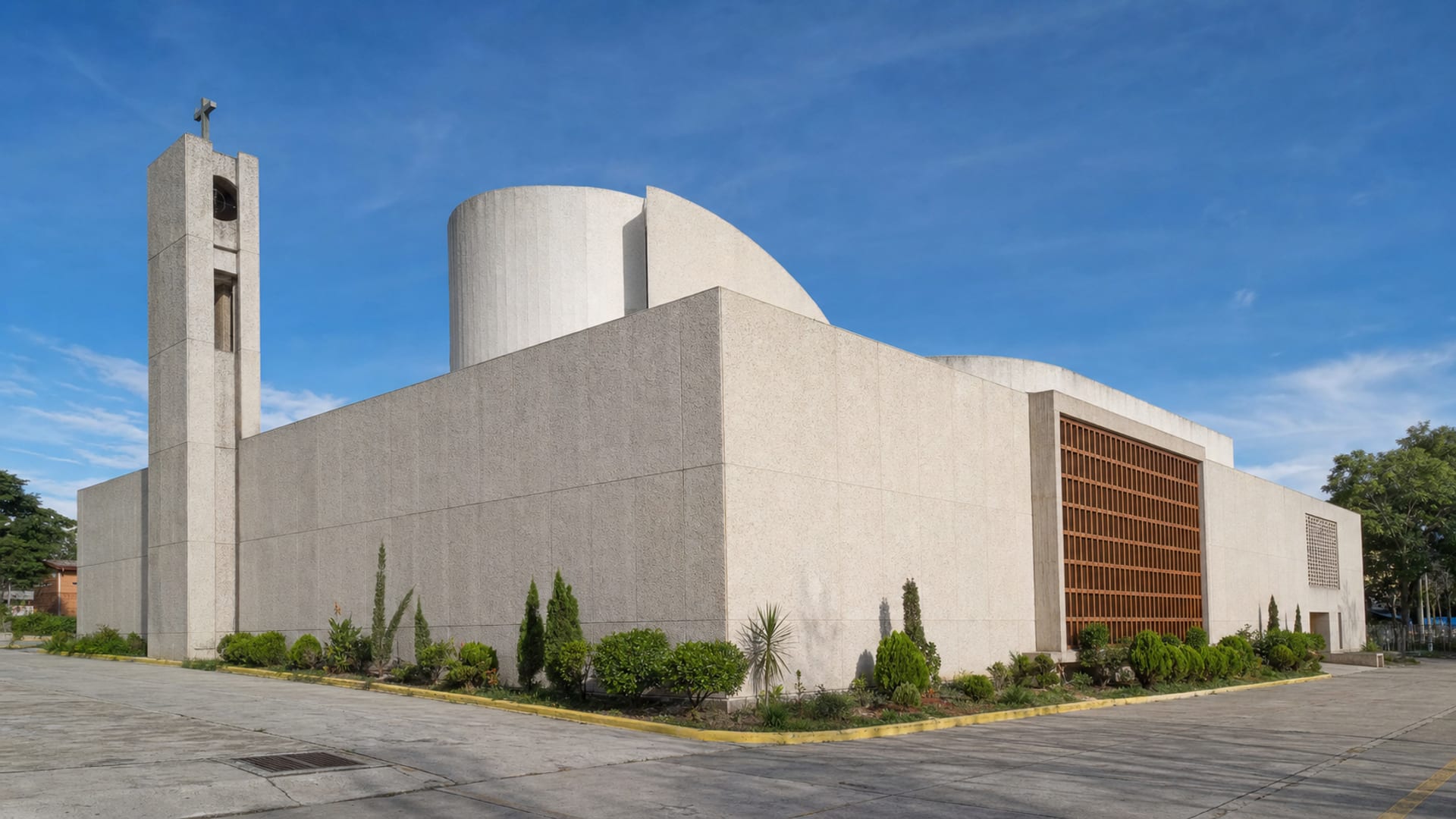
A concrete church with stained glass that turns the interior blue, green, and red in midday light. Its plain exterior hides one of San Salvador’s most distinctive interiors.
Time needed: About 30 to 45 minutes
Entry: Free entry, no booking needed. A modest dress code applies, and mass times may limit visits.
Tip: Visit late morning for the strongest light through the glass.

Los Planes de Renderos
This hilltop area south of the city draws local families for pupusas, El Salvador’s stuffed corn tortillas, along with city views and cooler air than the capital below.
Time needed: About 1 to 2 hours
Entry: Free
Tip: Go near sunset, when the view opens and temperatures drop.
What to eat in San Salvador
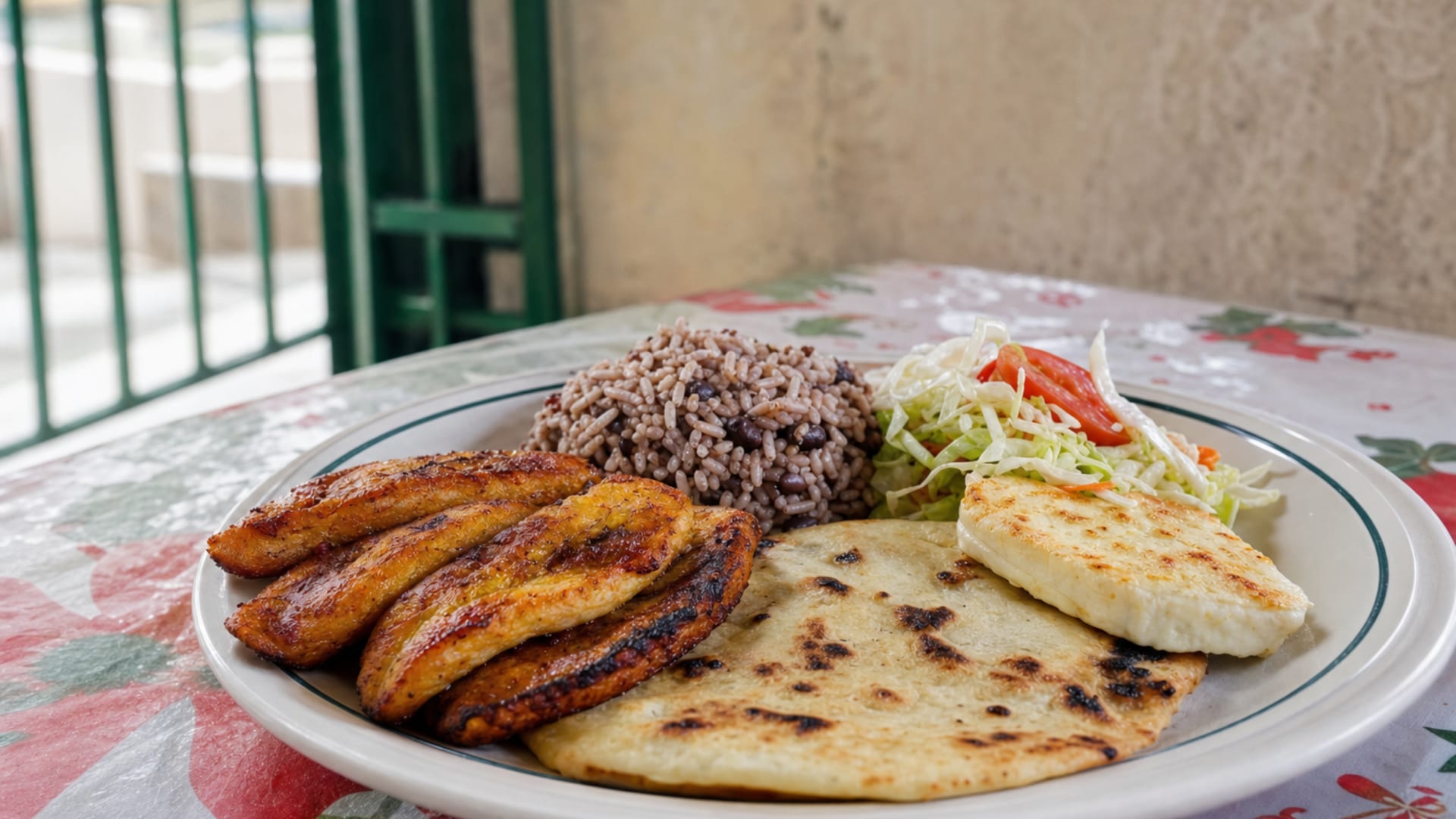
Corn, cheese, beans, plantains, and slow-cooked meats fill the Salvadoran table, with pupusas as the clear favorite.
Pupusas
These thick corn tortillas filled with cheese, beans, or pork define San Salvador eating, and the best versions come hot from the griddle. Pupuseria Nauak in Escalón is a solid city reference for them.
Yuca frita con chicharrón
Fried cassava with crispy pork and curtido gives you a classic savory plate with texture and salt. Paseo El Carmen in Santa Tecla has several spots where the dish is a reliable order.
Sopa de gallina india
This chicken soup brings a deeper broth, vegetables, and a home-style richness that suits a long lunch. Las Brumas Grill & Café serves a well-known version near the city.
Empanadas de plátano
Sweet plantain empanadas, filled with milk custard, work as a dessert or afternoon snack. The bakery stalls at Mercado Ex-Cuartel in the Historic Center are a reliable place to find them.
Best time to visit
San Salvador is warm year-round, with a dry season for clear sightseeing and a wet season with heavy afternoon rain.
Best for: Clear skies, dry streets, and the year’s most reliable sightseeing
What you get: Temperatures stay between 66°F and 83°F (19°C to 28°C), skies are mostly clear, and crowds ease once the January holiday rush settles down.
Trade-offs: Evenings still feel cool enough for a light layer.
Best for: Warm, bright mornings before the rainy season reaches its peak
What you get: Temperatures reach 70°F to 89°F (21°C to 32°C), with March and April staying dry and locals filling the city center more than in winter.
Trade-offs: May already brings the season’s first heavy afternoon rain showers.
Best for: Greener hillsides and flexible indoor sightseeing on rainy afternoons
What you get: Temperatures range from 68°F to 84°F (20°C to 29°C), with rain falling most afternoons and mornings staying clear enough for outdoor plans.
Trade-offs: Afternoon downpours can slow cross-town transfers.
Best for: Lower hotel prices, thinner crowds, and unhurried museum visits
What you get: Temperatures hold between 67°F and 82°F (19°C to 28°C), streets stay quiet, and September brings the heaviest rainfall of the entire year.
Trade-offs: September and October are the wettest months, with conditions drying out by late November.
A 5-day plan in San Salvador
Five days in San Salvador divide naturally by function: one day for the Historic Center, one for the Maya ruins outside town, and one for hilltop views. That keeps transfers manageable and gives each stop a clear purpose.
Land at San Salvador (SAL) and take a taxi or prebooked transfer into Zona Rosa, San Benito, or Escalón, which takes 30 to 45 minutes and costs $30 to $40. Check in, drink plenty of water, and keep dinner close by, ideally at a restaurant in Zona Rosa or San Benito so you avoid a long first-night ride. If you still have energy, walk a few blocks in the hotel district and call it an early night.
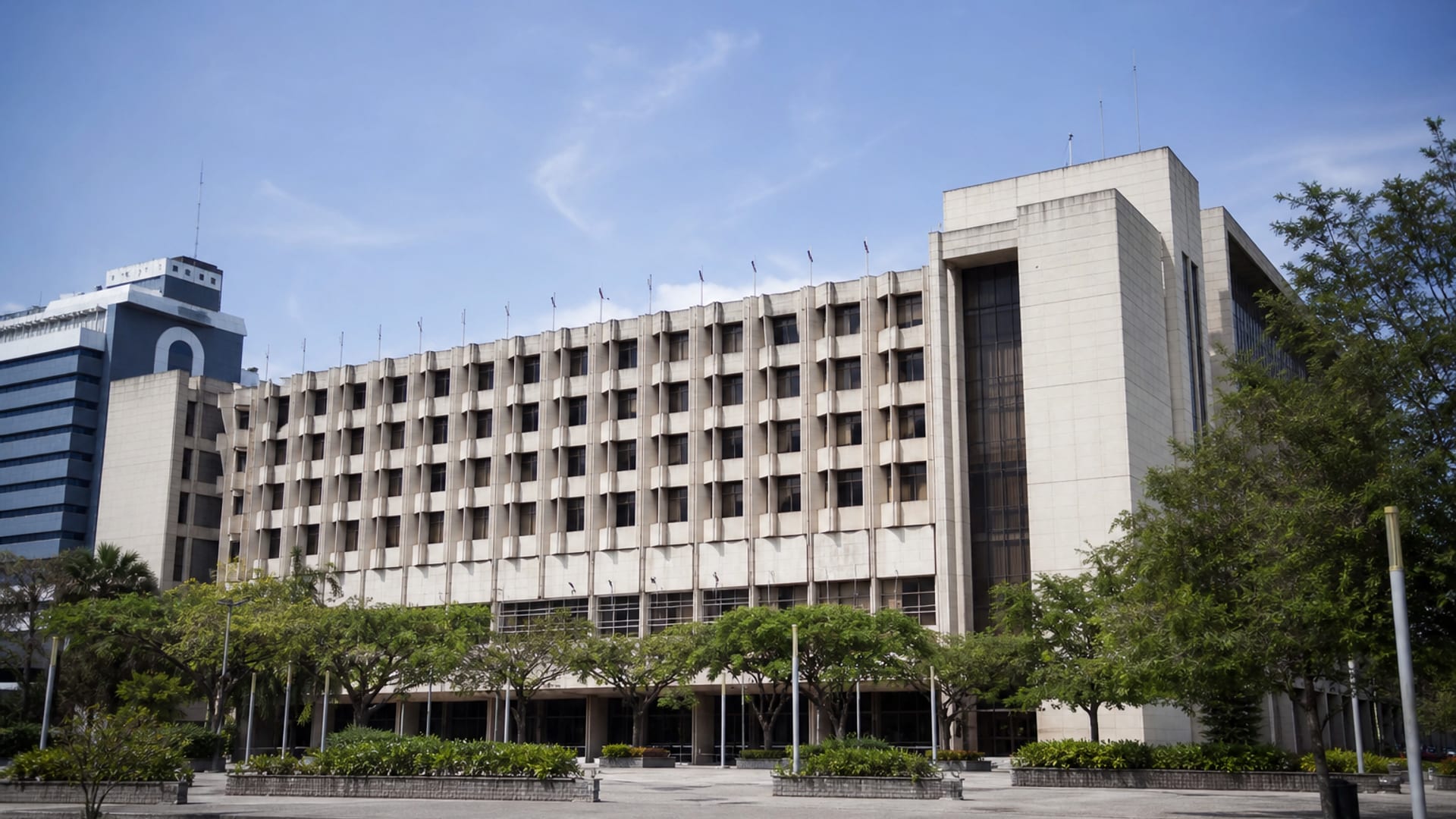
Start in the Historic Center at Plaza Barrios, where the Metropolitan Cathedral and the National Palace stand directly across from each other. Spend about an hour at the palace, then walk 10 to 15 minutes to El Rosario Church to see its stained-glass interior, timing your visit for late-morning light. Take a taxi back to your hotel, stopping in Escalón at the Monumento al Divino Salvador del Mundo, El Salvador’s most recognized landmark, before continuing to Zona Rosa, San Benito, or Escalón.
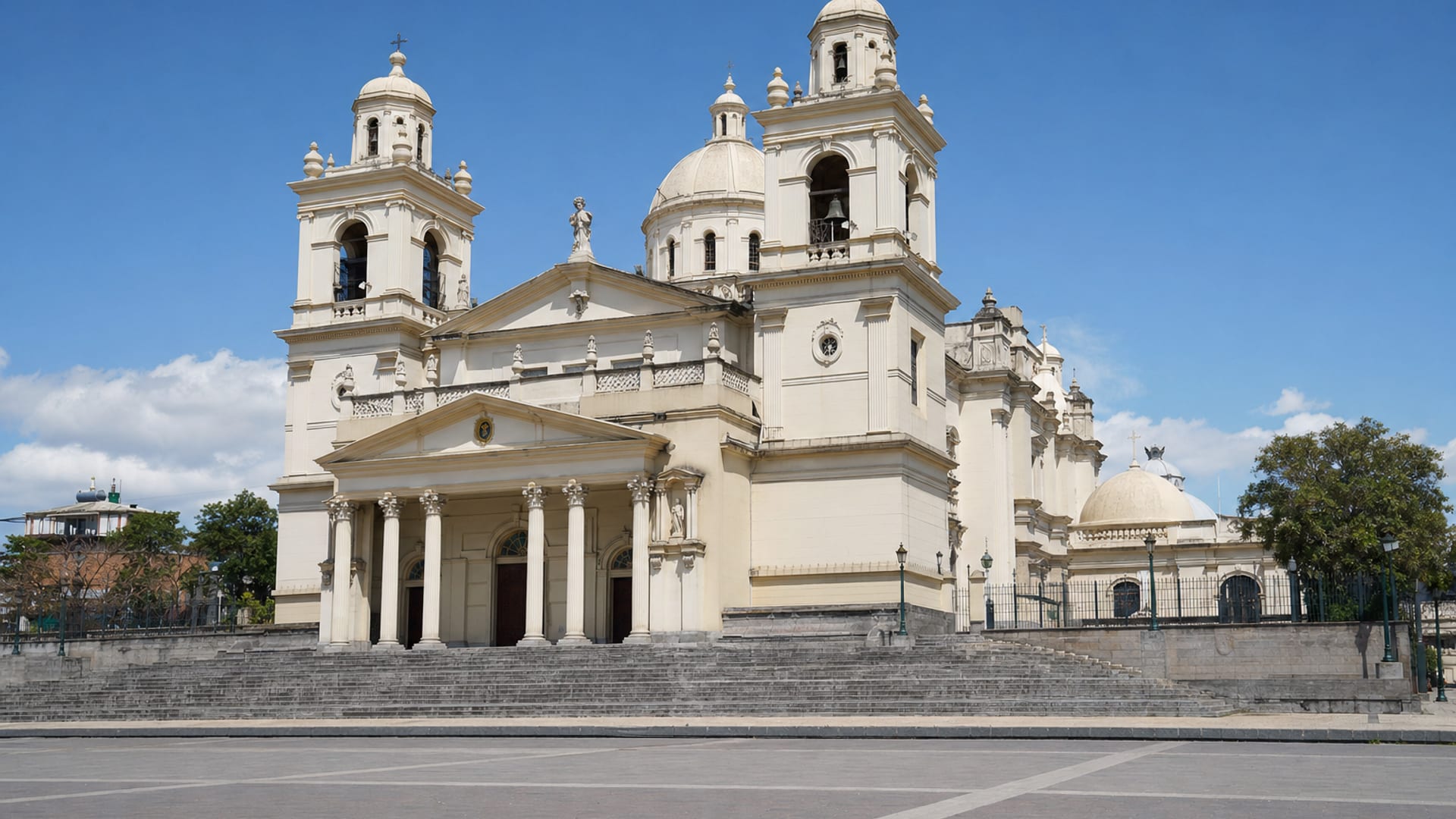
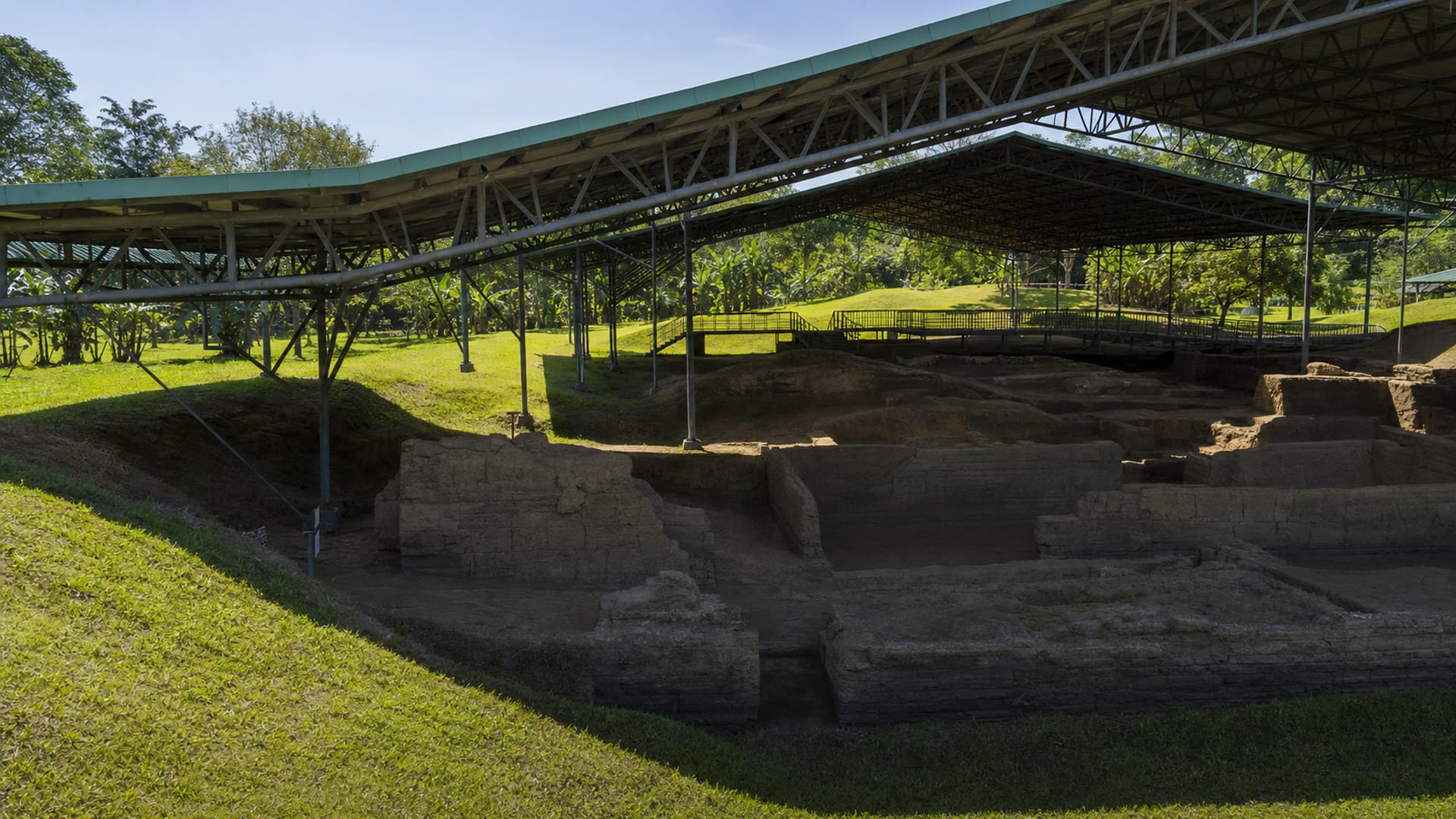
Joya de Cerén, a UNESCO-listed Maya village preserved by volcanic ash, sets the pace for the day. The drive from central San Salvador takes 45 minutes to 1 hour by car. Tour the site for 1 to 2 hours, then return toward the city and stop for an early lunch in San Benito or Escalón, about 45 minutes back depending on traffic. In the afternoon, shift to a quieter dinner neighborhood such as Zona Rosa, where you can end the day without adding another cross-town transfer.
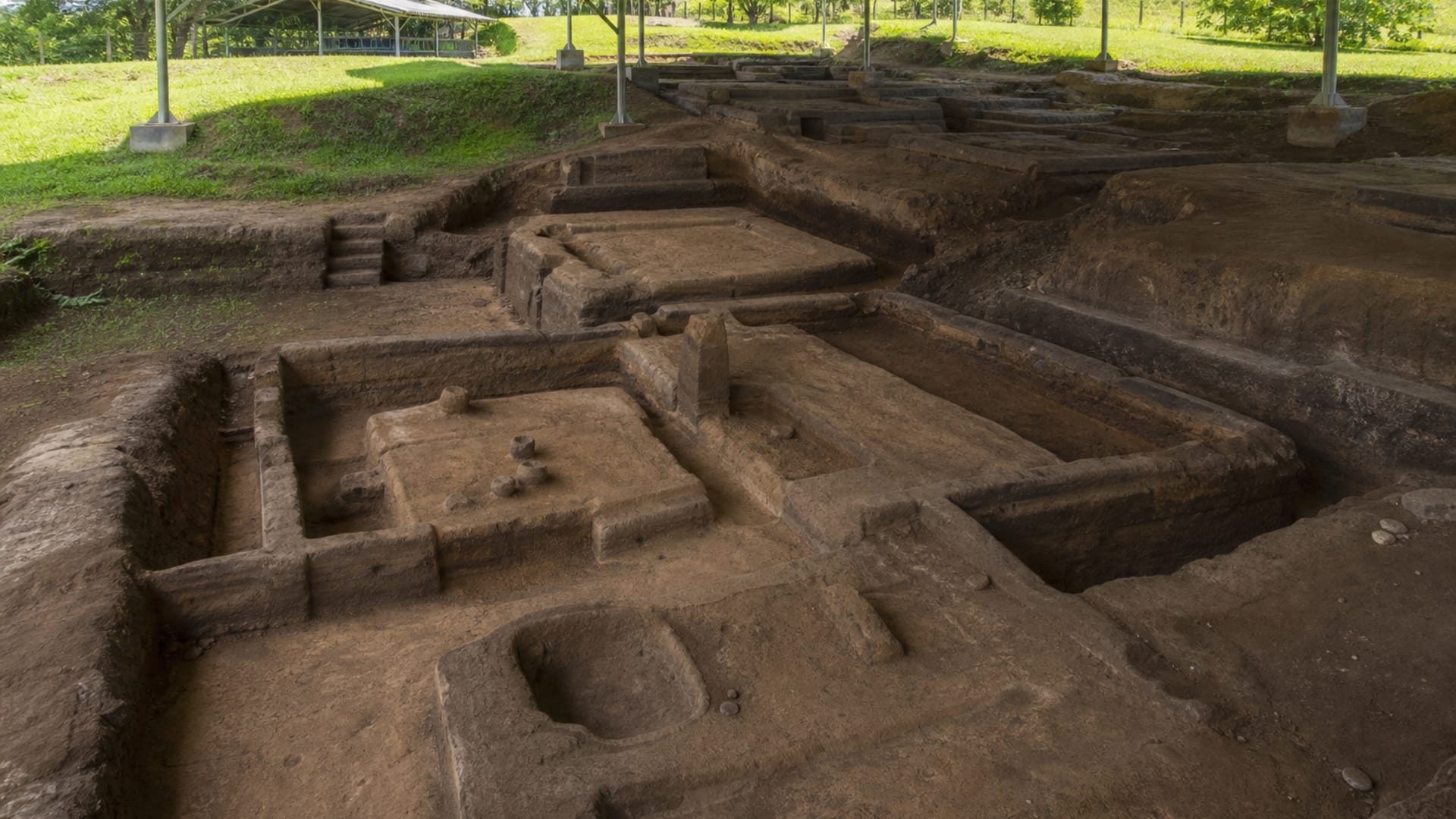
Begin with a late morning visit to El Rosario Church, then ride 20 to 25 minutes to the National Museum of Anthropology in San Benito if you want a broader look at the country’s history and material culture. After lunch, head south to Los Planes de Renderos, about 25 to 40 minutes by taxi, and stay for sunset views and pupusas that cost $1 to $2 each. Finish with an easy ride back to San Benito or Zona Rosa, 20 to 35 minutes from the hilltop depending on traffic.
Spend your last morning at the National Museum of Anthropology or a similar indoor stop for one more cultural visit before checkout, then move to Colonia Escalón for shopping at malls and department stores. Settle into a café in San Benito for a coffee or pastry break, since the neighborhood is close to central roads and keeps the final errands short. If your flight leaves in the evening, store luggage at the hotel and time your airport transfer for 30 to 45 minutes back to San Salvador Airport (SAL).
Business-class flights from the US to San Salvador
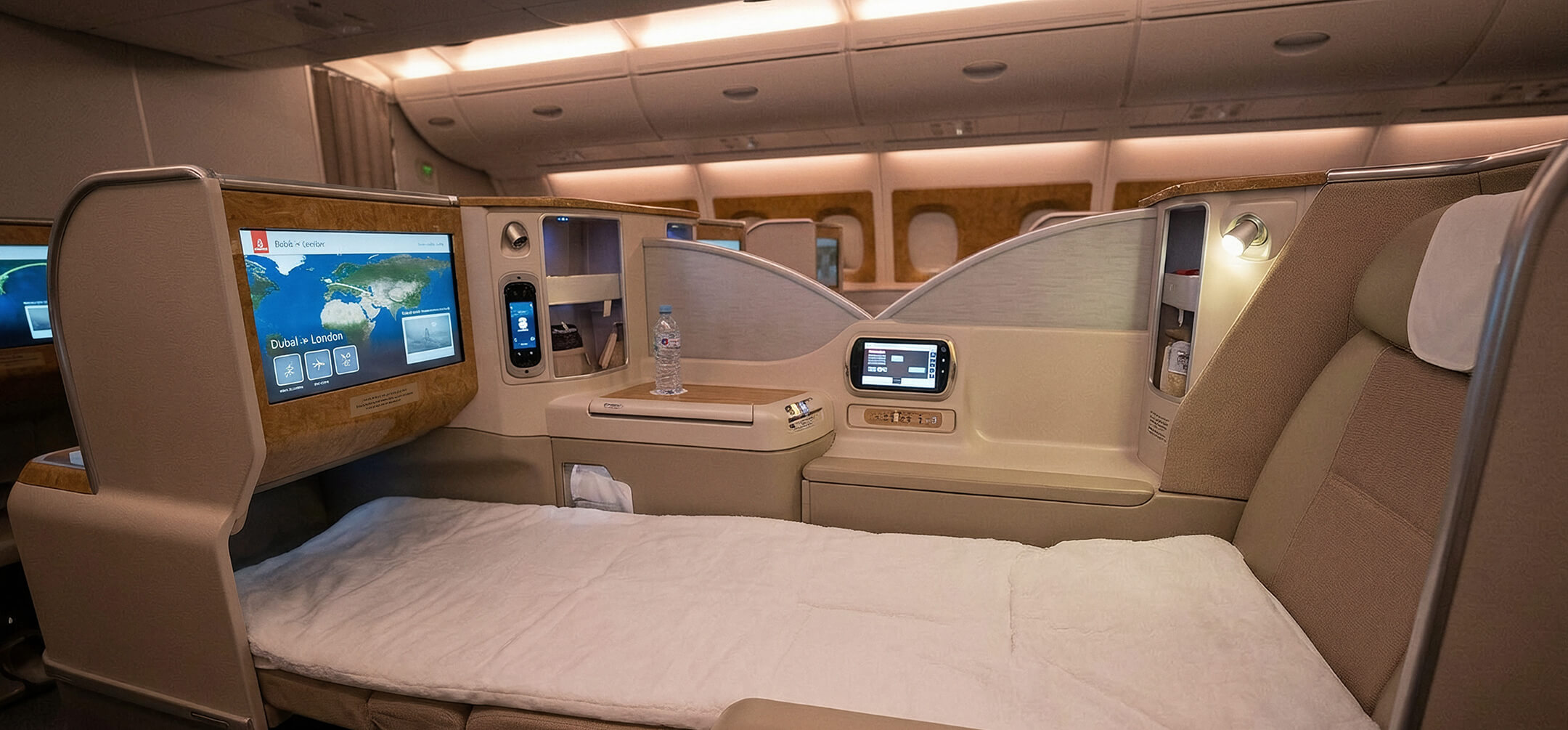
Flying to San Salvador from either coast of the US means choosing between a nonstop flight or a one-stop flight with more airline options.
New York (JFK and EWR) to San Salvador (SAL)
From the New York area (JFK and EWR), nonstop flights to San Salvador (SAL) take about 5 hours and are operated primarily by Avianca and United Airlines. American Airlines, Delta Air Lines, and Copa Airlines offer one-stop flights on this route through Miami (MIA), Atlanta (ATL), or Panama City (PTY). Connecting itineraries typically take 7 to 11 hours, and round-trip business-class fares usually range from $1,100 to $2,800.
Los Angeles (LAX) to San Salvador (SAL)
From Los Angeles (LAX), nonstop flights to San Salvador (SAL) take about 5 hours, operated by Avianca, United Airlines, and Volaris El Salvador. With airlines like American Airlines, Delta Air Lines, or Copa Airlines, common layover cities on this route include Dallas (DFW), Miami (MIA), or Panama City (PTY). One-stop business-class itineraries from Los Angeles (LAX) generally range from $1,400 to $3,000 round trip.
San Salvador reveals more beyond the city center
Pairing the Historic Center, hilltop views, and the Joya de Cerén day trip with the right neighborhood keeps transfers short and each day focused. Taxis and Uber cover the rest. When you’re ready to book, AranGrant can help you find the right flight and a well-located hotel for your trip.