

Chapters:

Need help with your trip?
Our support team is available 24/7. Request a callback or call us directly at (833) 619-0908
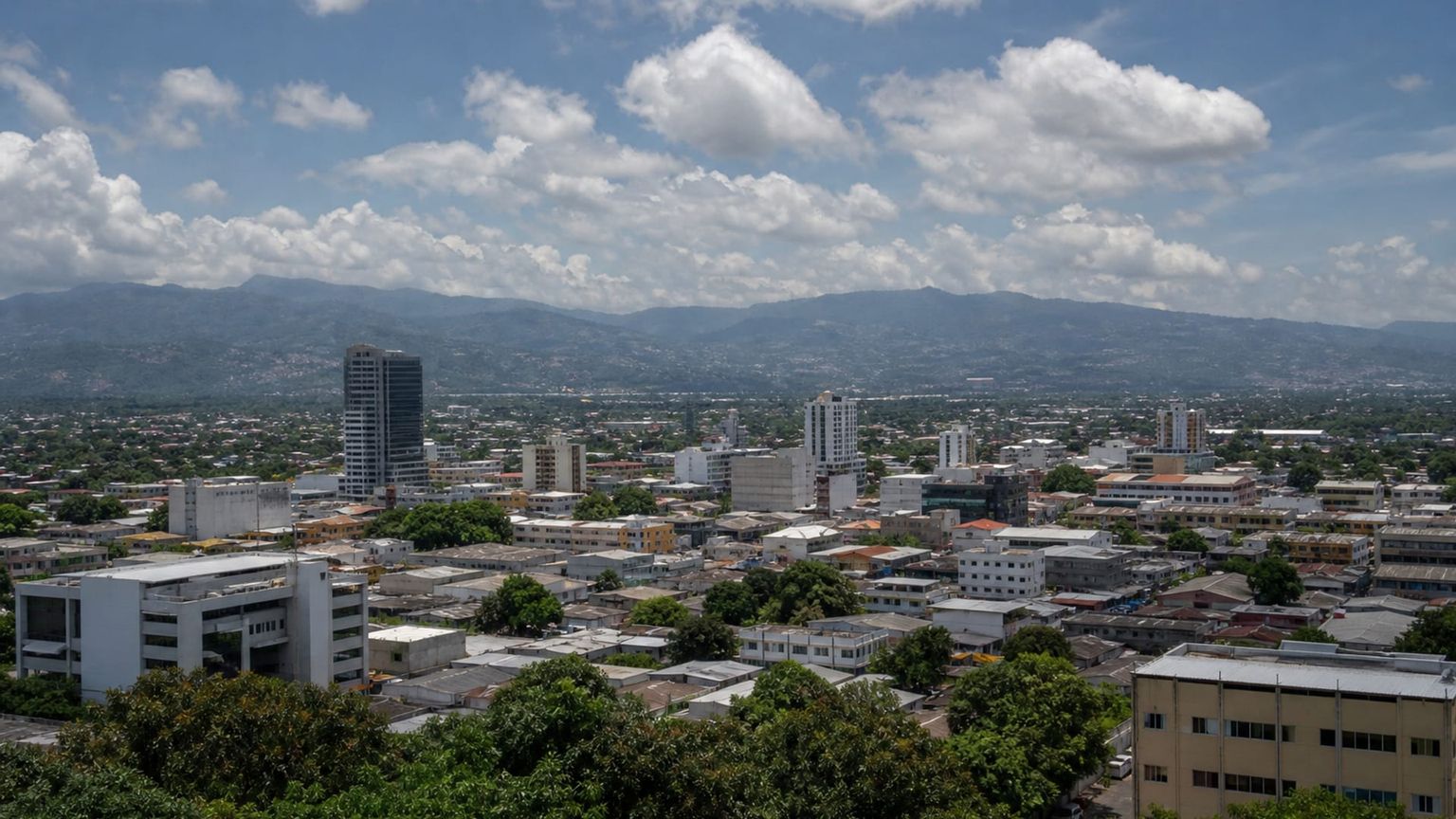
San Pedro Sula usually works best as a city of short transfers and one clear base, yet many visitors still try to fit it into a generic stopover pattern. They miss the way traffic, district gaps, and early closing hours shape the day.
That approach can waste time fast, because downtown sights, hotel corridors, and shopping areas sit in different parts of the city, and moving between them by foot is not always simple. Evening plans also narrow once businesses close.
This guide sets out a tighter sequence, with neighborhoods, meals, and day trips arranged to match the city’s actual pace.
Useful things to know

Main language(s): Spanish
Hola (OH-lah) – Hello / good morning
Por favor (por fah-VOR) – Please
Gracias (GRAH-see-ahs) – Thank you
¿Habla inglés? (AH-blah een-GLAYS) – Do you speak English?
¿Cuánto cuesta? (KWAN-toh KWEHS-tah) – How much does it cost?

Currency: The local currency is the Honduran lempira (HNL, L).

Cash and cards: Cards and contactless are accepted in many hotels and larger restaurants, but carry about L1,000 to L2,000 ($40 to $80) in cash.

Tipping: Round up taxis and small bills; leave 10% in restaurants if service is not included.

Traditional food: Baleadas, pastelitos, sopa de caracol, carne asada

Water and coffee costs: Water ~L30 to L50 ($1 to $2), bar espresso ~L60 to L90 ($2.50 to $4).

Taxis and ride apps: Uber and inDrive operate here; confirm the plate before getting in.

Plug and voltage: Type A/B socket, 110V

Dining and shop opening hours: Breakfast is about 07:00-09:00, lunch 12:00-14:00, and dinner 19:00-21:00. Many restaurants close between meals and some close earlier on Sunday.

Emergency number: 911 for police, fire, and ambulance.
Where to stay in San Pedro Sula
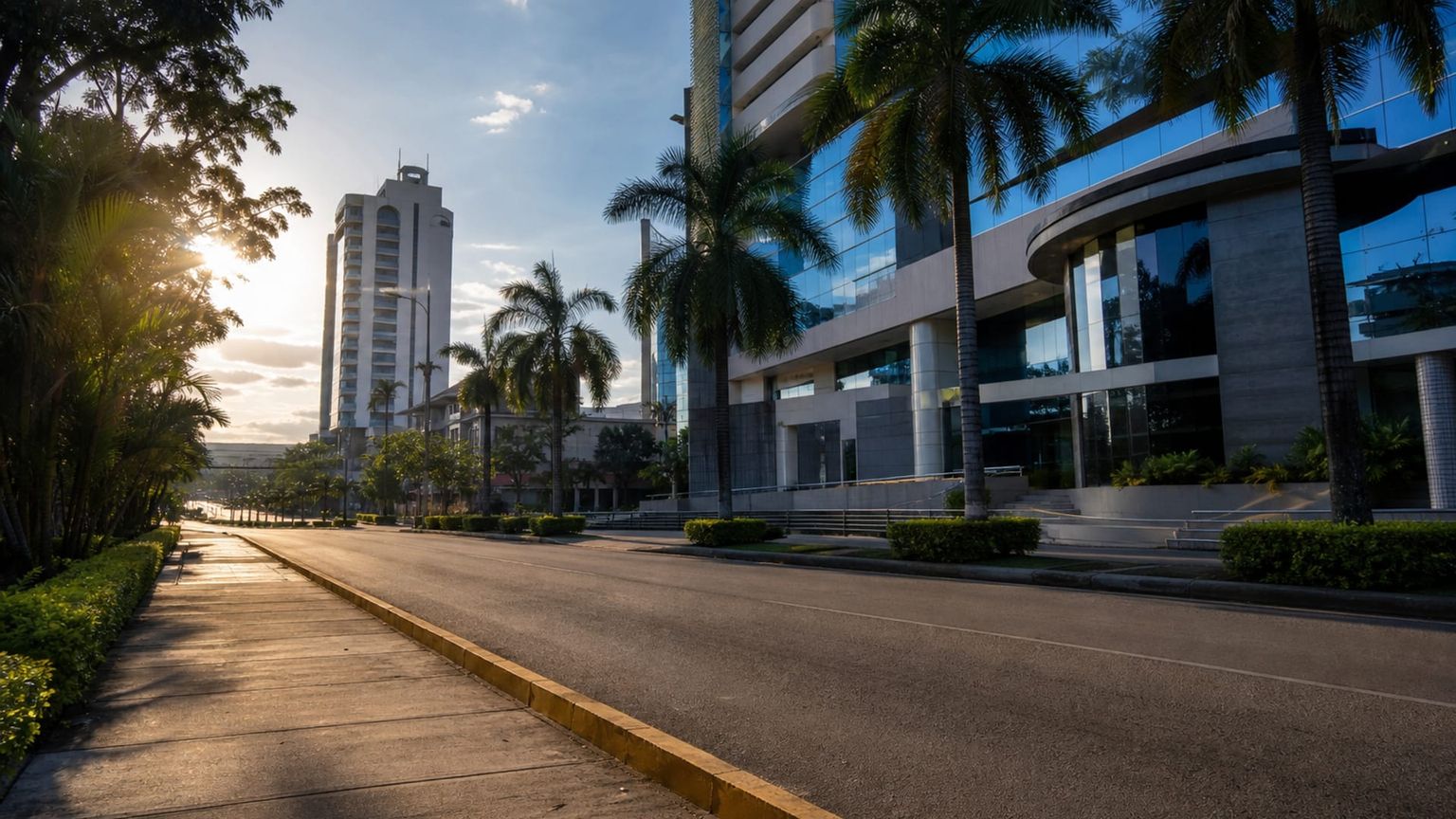
San Pedro Sula’s main hotel and dining district, with chain hotels, offices, and some of the city’s most active evening streets. It matters because you can base yourself near restaurants, bars, and easy rides across the city.
Best for: Business travel, short stays, and visitors who want restaurants and nightlife nearby
What to expect: Busy weekdays, steady car traffic, and more foot activity after dark near the main hotel blocks.
Hotel prices: Usually about $80 to $180 per night for well-rated stays
Distance to major sights: About 10 to 15 minutes by car to Catedral de San Pedro Apóstol
Quietness: Quieter in the morning and early afternoon, louder at night near bars and restaurant clusters.
Main trade-off: Room rates run higher here than in outlying neighborhoods, and the liveliest blocks can pick up late-night noise.
Good to know: If you plan to move by car or rideshare, this area cuts down cross-town transfers, but walking at night is best kept to the busiest streets.
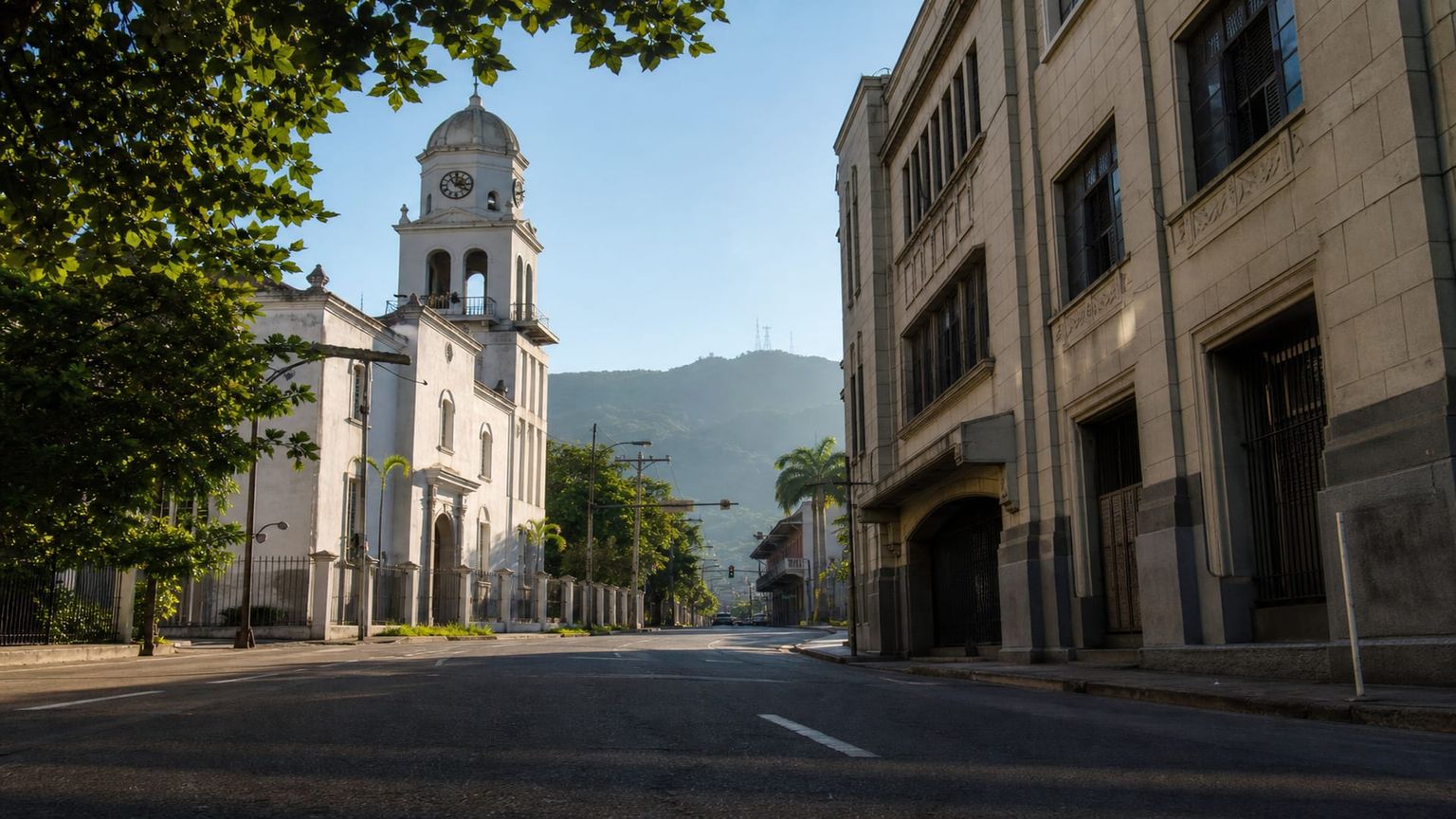
The historic downtown around the cathedral, civic buildings, and market streets, where you see the city’s older commercial core. It matters if you want to stay close to landmarks, local shops, and daytime street activity.
Best for: Sightseeing, short daytime errands, and travelers who want to stay near the historic center
What to expect: Dense daytime activity, buses and taxis passing often, and a sharper drop in street life after business hours.
Hotel prices: Usually about $45 to $100 per night for well-rated stays
Distance to major sights: On foot to Catedral de San Pedro Apóstol in about 5 to 10 minutes
Quietness: Lively and noisy by day, much calmer after offices and shops close.
Main trade-off: Even though you stay close to the main sights, evenings are quieter and some streets feel empty once businesses shut.
Good to know: Choose a hotel with secured parking or a staffed front desk, because the area works best when you keep arrivals and late returns simple.
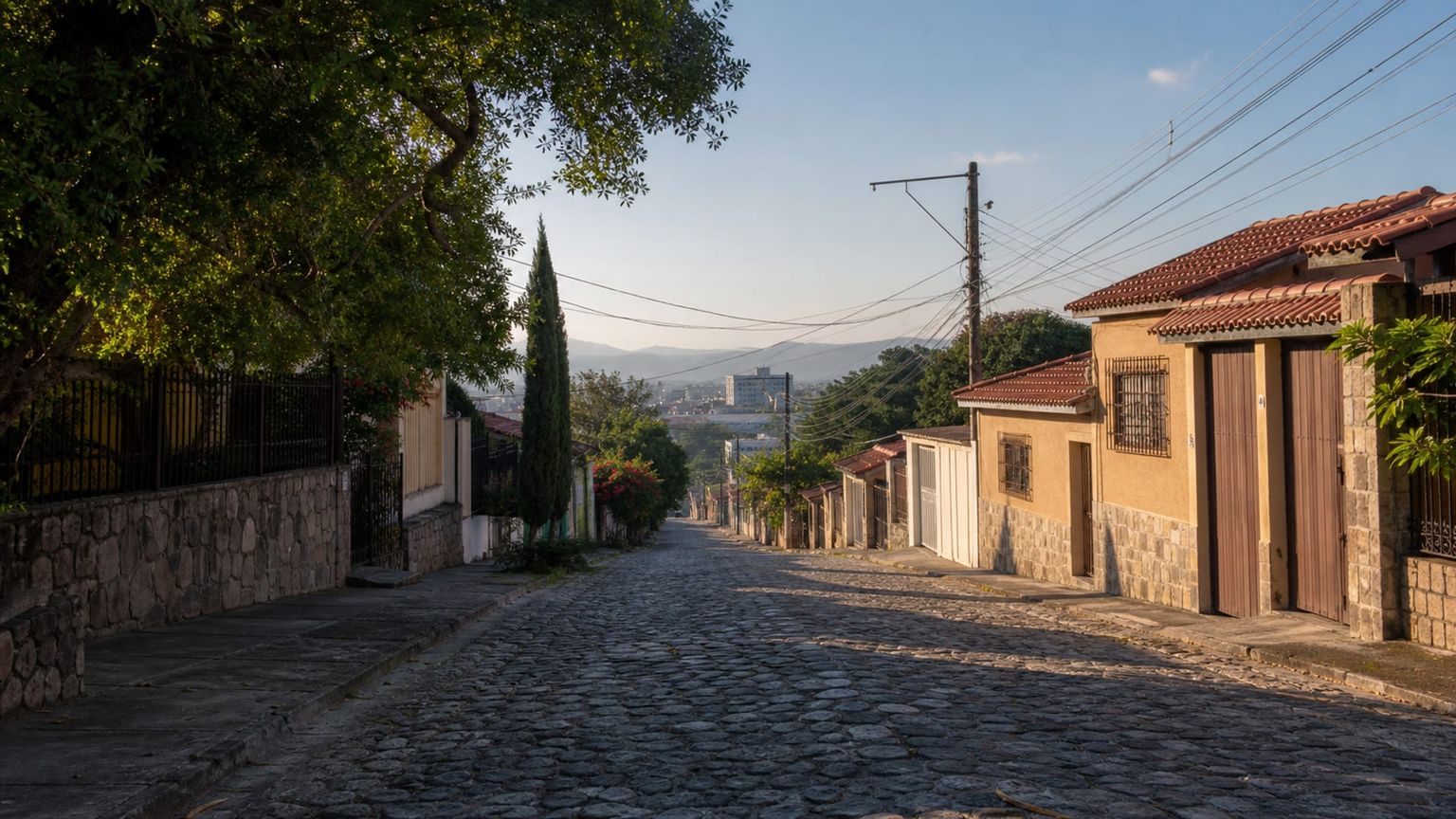
A residential-commercial district with shopping centers, restaurants, and easy access to the city’s western side. It matters for travelers who want a base with malls and supermarkets, plus faster car access than the central grid.
Best for: Longer stays, shopping access, and travelers who prefer a residential base with services nearby
What to expect: Moderate traffic, mall activity, and fewer pedestrians than in the center or hotel zone.
Hotel prices: Usually about $50 to $120 per night for well-rated stays
Distance to major sights: About 15 to 20 minutes by car to Catedral de San Pedro Apóstol
Quietness: Usually calmer than downtown in the evening, with most noise tied to shopping areas and main roads.
Main trade-off: You will rely more on taxis or a car for evenings and sightseeing, since the area is less walkable than Centro.
Good to know: This is a good pick if you plan to stock up on groceries or stay several nights, but expect less of a walkable dining scene after dark.
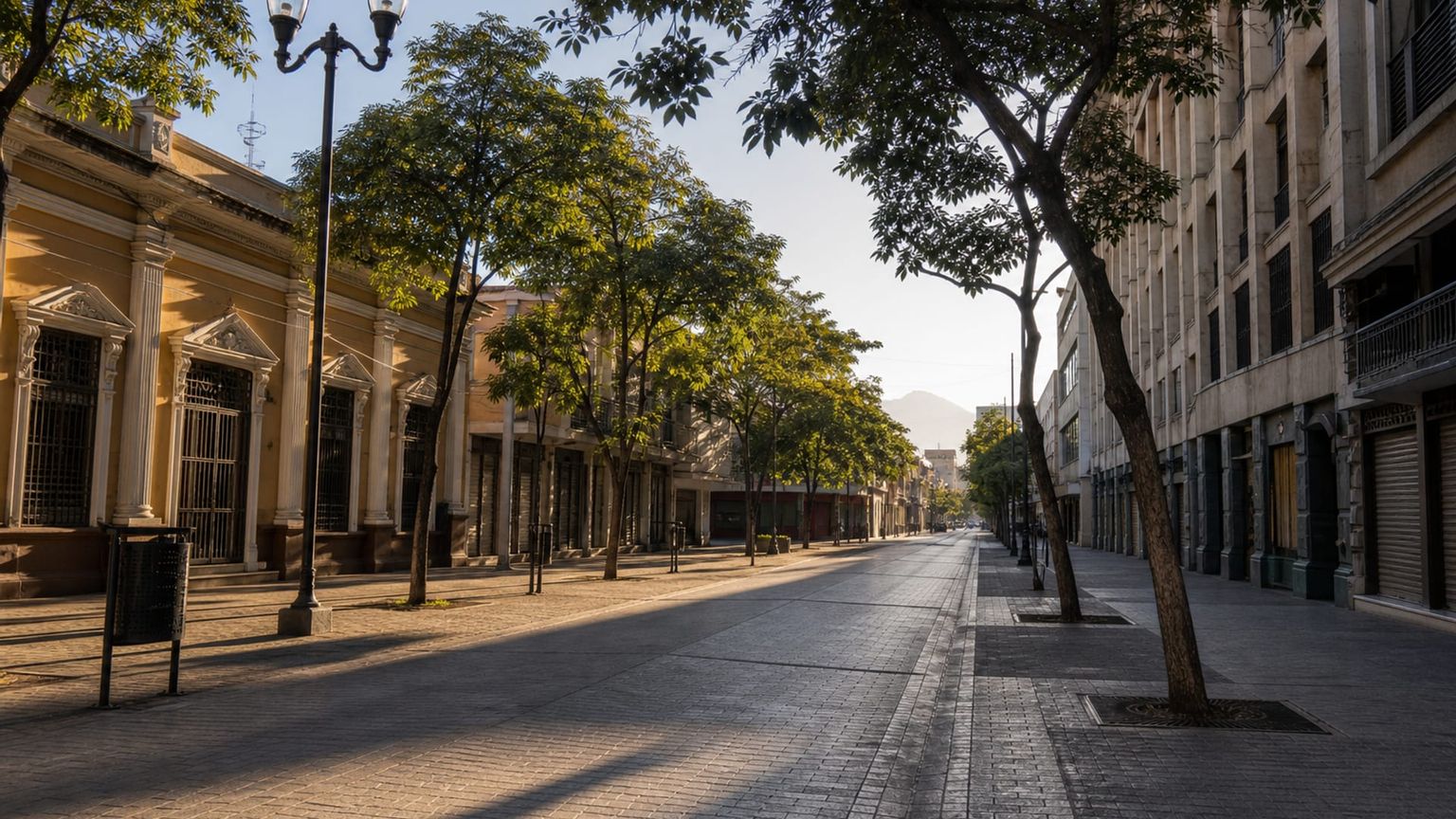
A corridor of hotels, offices, and restaurants stretching along one of the city’s main avenues. It matters because it gives you a central, car-friendly base with quick links to business addresses and several dining options.
Best for: Business trips, restaurant access, and travelers who want an address that is easy to reach by car
What to expect: Heavy traffic at rush hour, steady daytime movement, and active restaurants in the evening.
Hotel prices: Usually about $70 to $160 per night for well-rated stays
Distance to major sights: About 10 to 15 minutes by car to Catedral de San Pedro Apóstol
Quietness: Busier through the day, with road noise lingering into the evening on the main stretch.
Main trade-off: The avenue is convenient for getting around by car, but the traffic and sound level are higher than in nearby residential streets.
Good to know: Book inward-facing rooms if you are sensitive to traffic noise, because the main avenue can be active well into the night.
Travelers usually avoid staying in Chamelecón, Cofradía, and Rivera Hernández, since they sit far from the city center and the main hotel cluster, with limited visitor amenities and few reasons to base yourself there for sightseeing. Low-lying industrial or residential stretches near the airport and highway corridors are also less convenient for most visitors because evening travel into the center takes longer and the area has fewer restaurants and tourist-oriented services.
Hotel deals
How to get around San Pedro Sula efficiently
Road transport does most of the work here, with buses on major avenues, negotiated taxis, and ride apps filling the gaps between the airport, Zona Viva, Centro, and Los Andes.

Metro
for longer distances
San Pedro Sula has no metro or suburban rail, so visitors rely on road transport for trips across the city and to the airport area.

Bus and tram
for convenience
City buses and colectivos cover San Pedro Sula’s main corridors, with many trips costing about $0.20 to $0.80. Use them for short hops on major avenues, but expect informal stops, simple route markings, and limited English signage; ask the driver or a local helper before boarding if you are unsure of the destination.

Taxi
for convenience or late hours
Licensed taxis in San Pedro Sula usually use negotiated fares rather than meters, and airport runs often cost about $12 to $25 depending on the district and time of day. Arrange one through your hotel, an authorized stand, or a phone dispatch, and confirm the price before departure; most drivers prefer cash, usually in U.S. dollars or lempiras.
*Prices are based on rates updated as of June 2026 and may change at the time of travel.
Use buses for short corridor hops, taxis or ride apps for point-to-point trips, and keep walking for the historic center when your stops sit close together.
Iconic landmarks
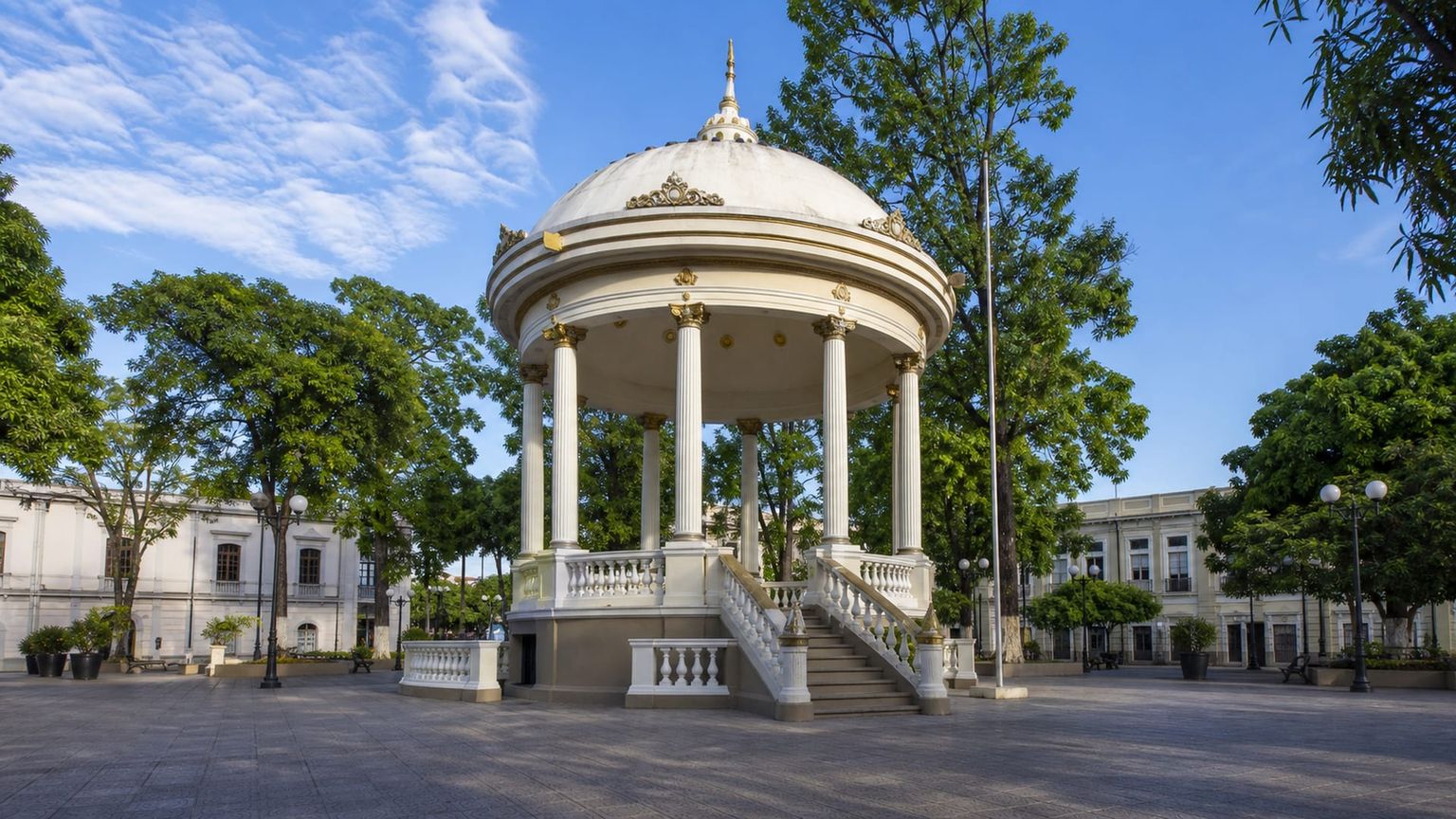
Parque Central
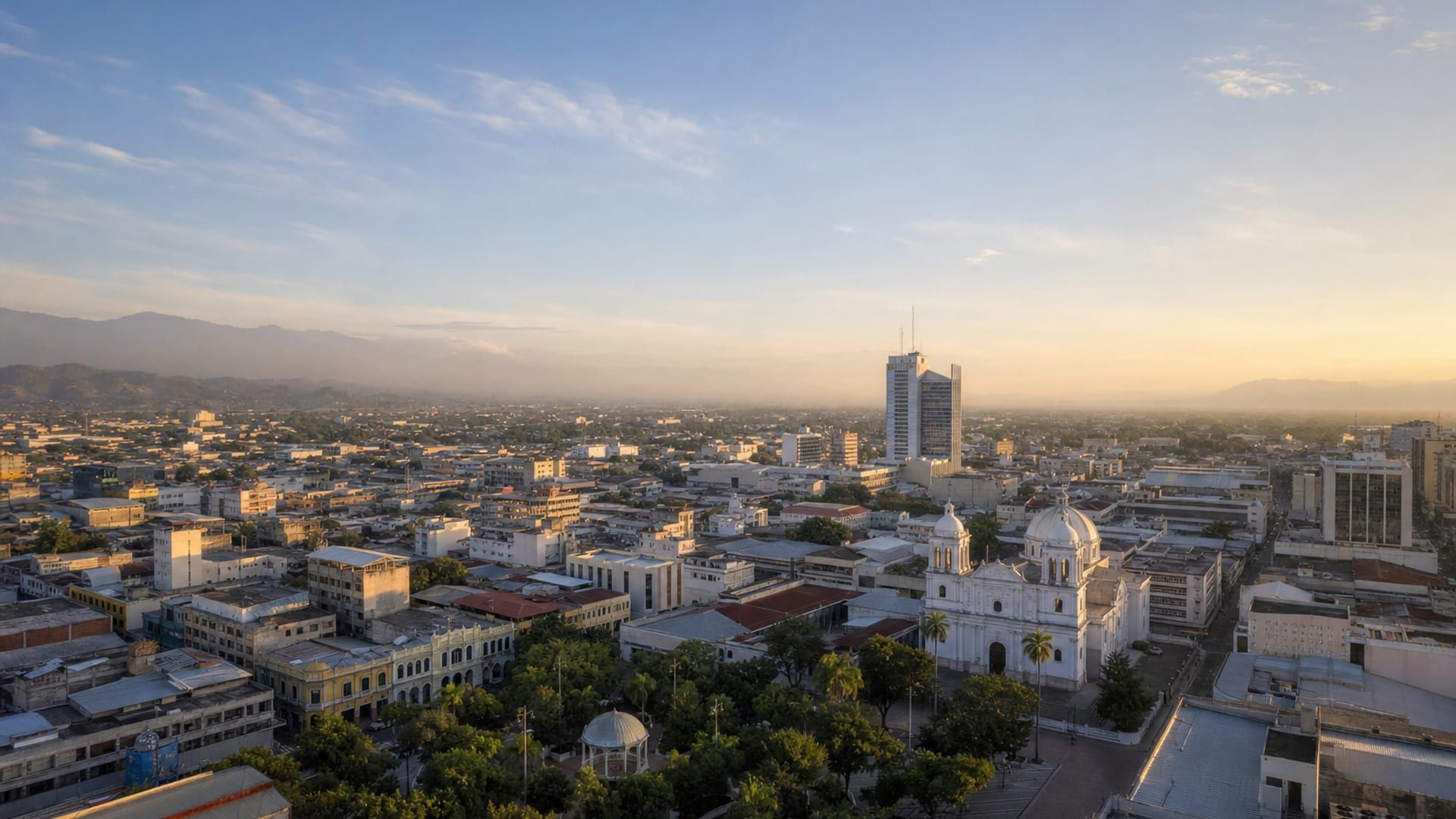
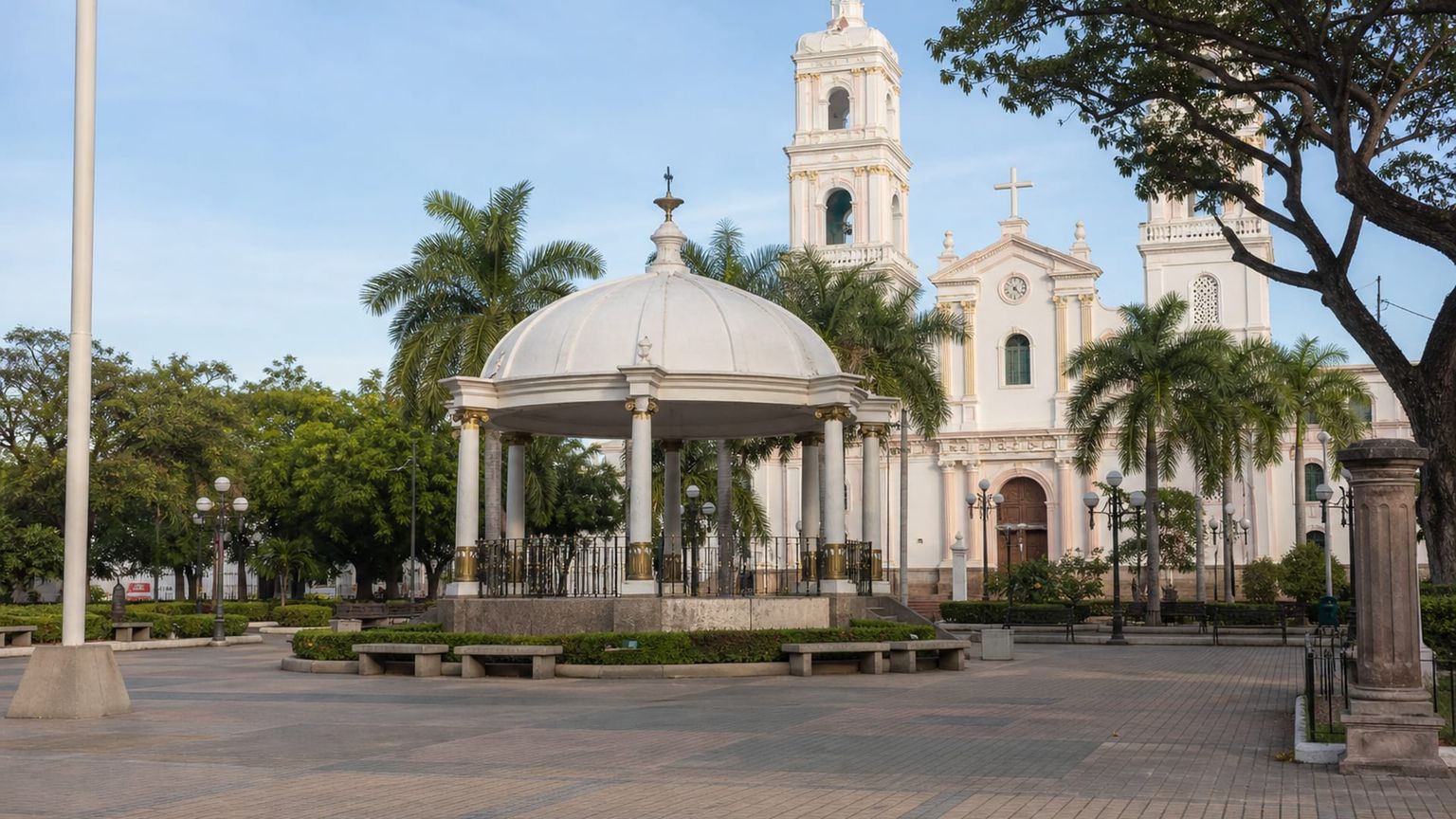
San Pedro Sula’s main plaza anchors the historic center with the Cathedral of St. Peter the Apostle on one side and civic buildings around the square. It gives a clear read on daily city life and the downtown street grid.
Time needed: About 45 to 60 minutes
Entry: Free to access; no ticket or timed entry is required for the plaza or the cathedral exterior
Tip: Visit in the morning, when the square is quieter and the light is better for photos.
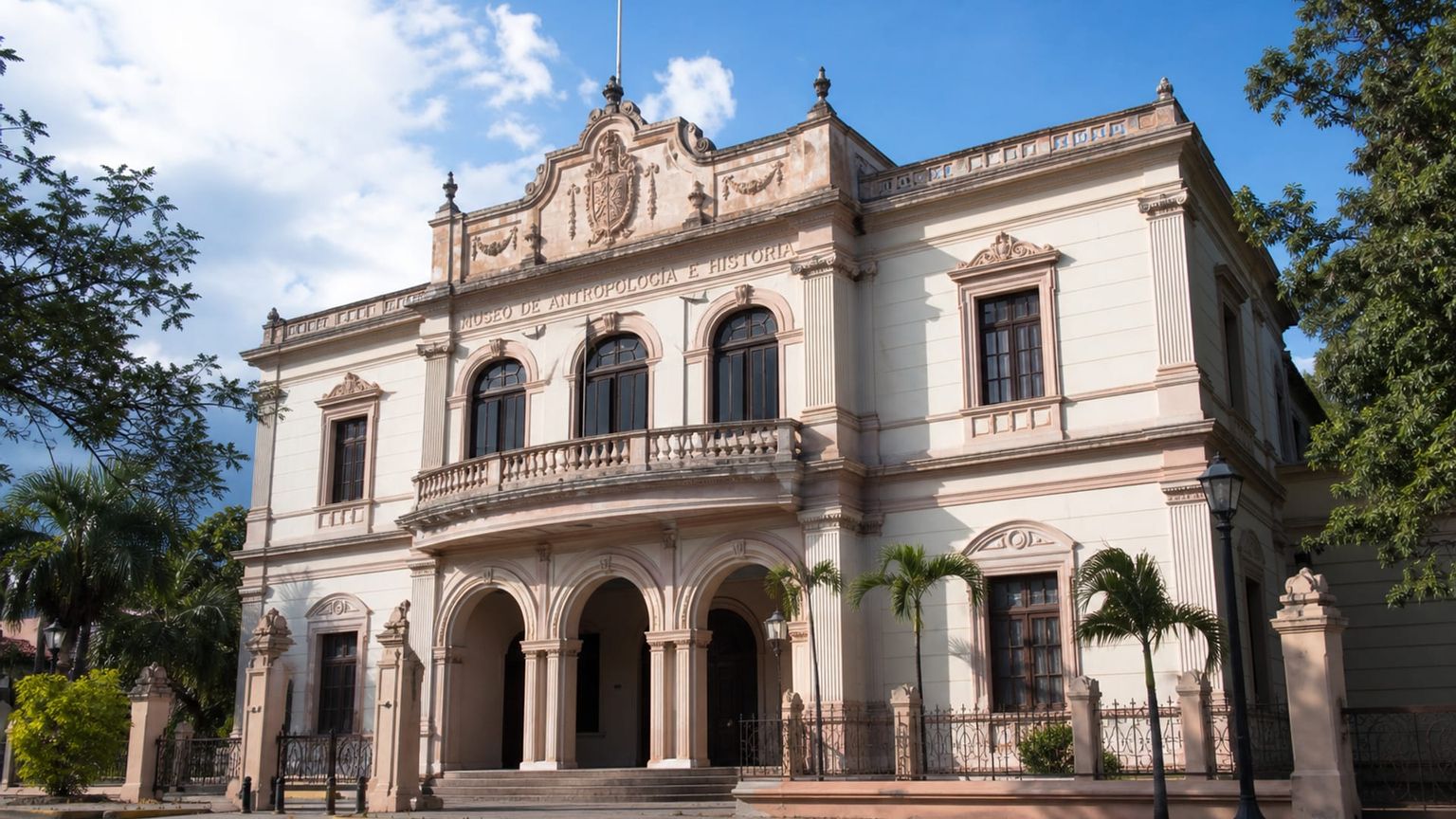
Museum of Anthropology and History
This downtown museum traces the north coast through pre-Columbian objects, colonial-era material, and city history. Its compact galleries make it one of the best indoor stops for context on San Pedro Sula and the Sula Valley.
Time needed: About 1 to 2 hours
Entry: Admission is typically about $2 to $5 (about 50 to 125 HNL)
Tip: Go early on a weekday, when galleries are quiet and the staff can answer questions.
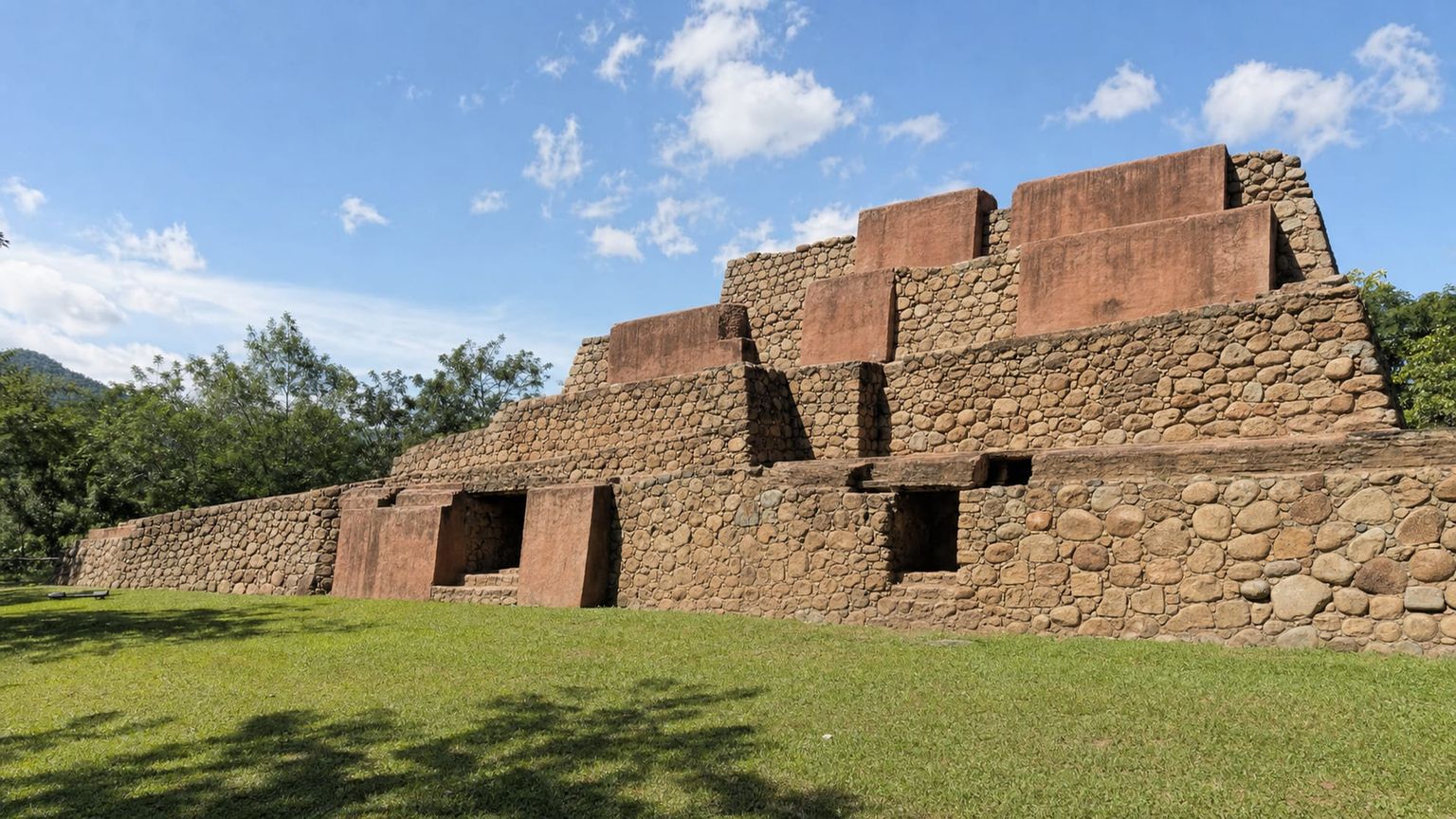
El Zapotal Archaeological Park
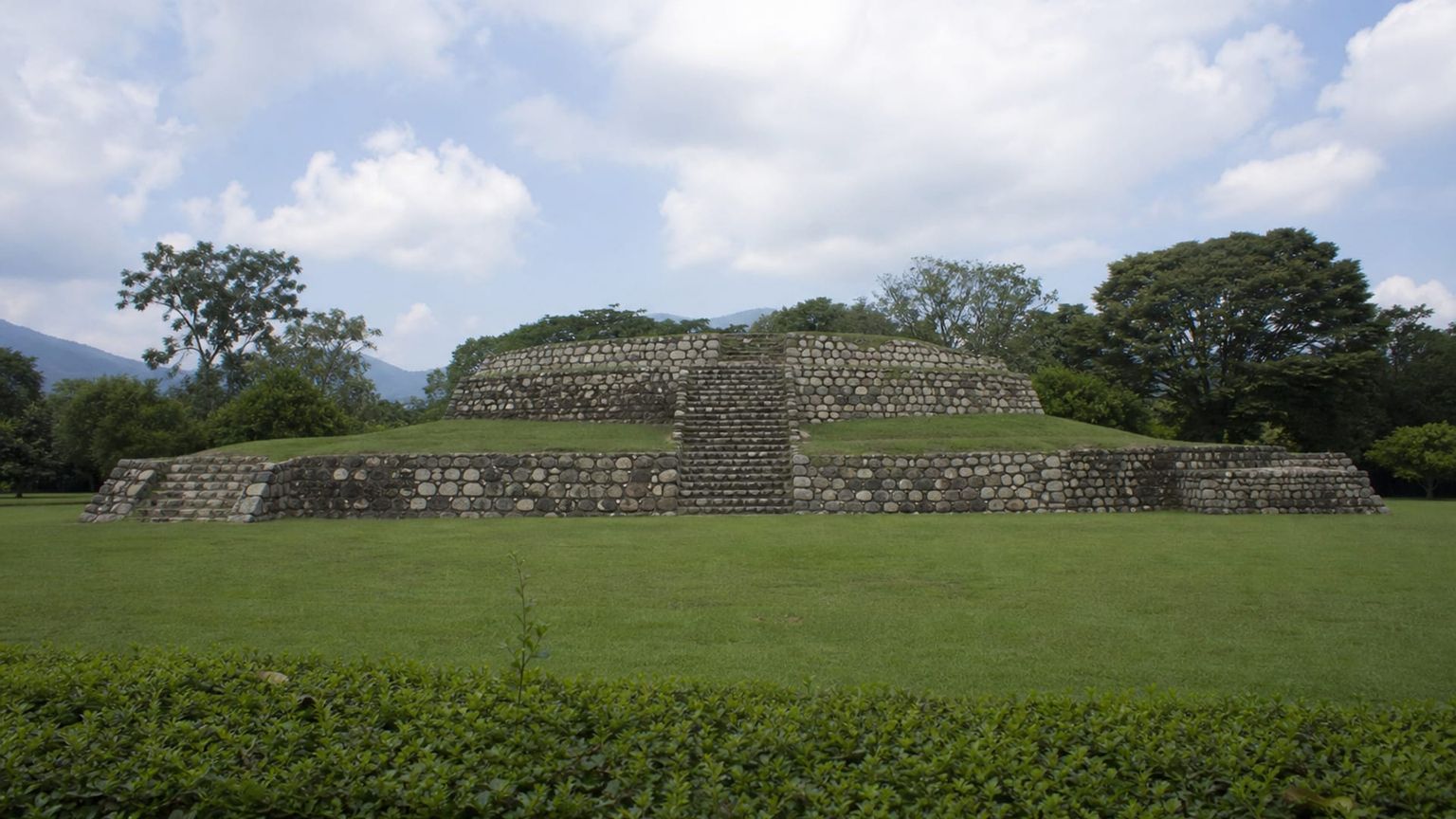
About 10 km from the center, El Zapotal preserves a Maya site with sculptures, mounds, and a small site museum. The park offers a direct look at pre-Hispanic settlement just outside the city, without leaving the metro area.
Time needed: About 1 to 2 hours
Entry: Admission is typically about $3 to $6 (about 75 to 150 HNL)
Tip: Go in the morning, when heat is lower and the paths are easier to walk.
Overlooked sites worth visiting

Museum of Anthropology and History
This compact city museum traces the Valley of Sula with pottery, tools, and colonial-era objects. The exhibits are easy to cover in one visit, and the building sits close to downtown streets.
Time needed: About 1 hour
Entry: Admission typically costs about $2 ($50 HNL) for adults, with local rates that may change for students and children. Check the museum desk for current pricing before you go, since special exhibits or holidays can affect access and hours.
Tip: Go earlier in the day for a quieter visit.

Parque Acuático Splash
This water park outside the city center offers pools, slides, and shaded areas for a slower half-day break. It draws more local families than tourists, so the mood is different from central San Pedro Sula.
Time needed: About 3 to 4 hours
Entry: Day passes usually cost about $6 to $12 ($150 to $300 HNL), depending on age and day of visit. Locker rental, food, and tube use may cost extra, so bring cash and ask about weekend or holiday pricing at the gate.
Tip: Arrive early to choose a shaded spot near the pools.
Traditional food
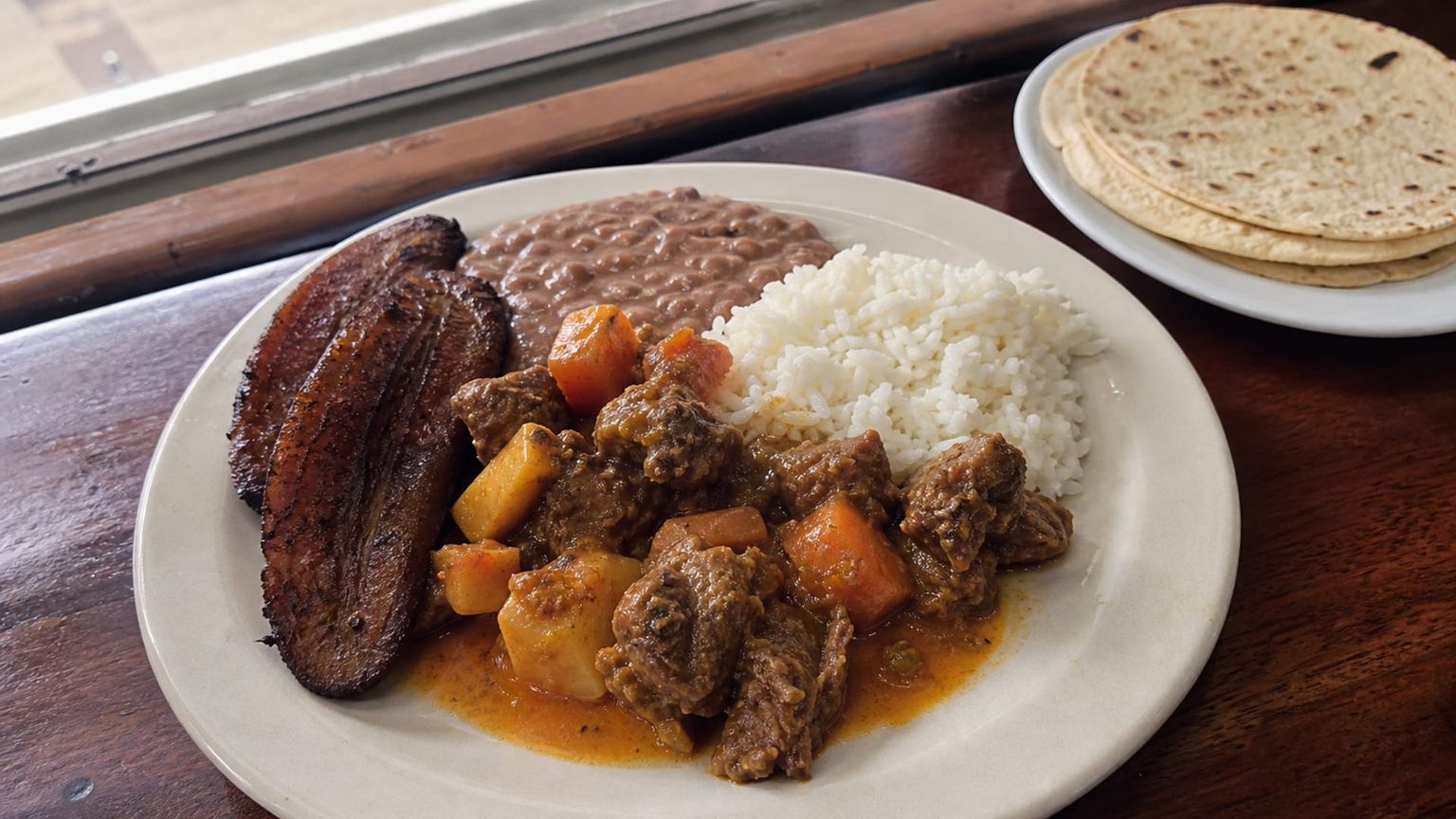
San Pedro Sula’s food leans on corn, beef, seafood, and fried snacks, with baleadas, pastelitos, sopa de caracol, and carne asada anchoring the table. Lunch hours matter, and dinner often starts later than you might expect.
Baleadas
A soft flour tortilla folded with refried beans, crema, and cheese, often with egg or avocado added. La Cabaña in San Pedro Sula is a solid place to order one in a familiar city setting.
Pastelitos
These fried turnovers usually come filled with meat or vegetables and make an easy midday snack. Restaurante Las Tejas in San Pedro Sula is a practical stop for a fresh batch.
Sopa de caracol
A coconut-based conch soup with plantain, yuca, and herbs, it gives a clearer coastal note to local cooking. El Portal de las Carnes in San Pedro Sula is a dependable place to look for it.
Carne asada
Grilled beef usually arrives with rice, beans, plantains, and tortillas, making it one of the city’s most common evening plates. Asados El Corral in San Pedro Sula is a fitting canonical choice for it.
Best time to visit San Pedro Sula
San Pedro Sula runs warmer and wetter from late spring into fall, while the drier months bring clearer sightseeing days, lighter road delays, and better conditions for walking the center and nearby parks.
Best for: Best for the driest weather and easier downtown walks
What you get: About 64 to 88°F (18 to 31°C), with lighter rain and manageable visitor numbers
Trade-offs: Afternoons can still run hot, and popular lunch spots may fill quickly
Best for: Best for museum days and early departures to nearby sights
What you get: About 70 to 93°F (21 to 34°C), with rising heat and moderate city activity
Trade-offs: Late afternoons get warmer, and showers begin to appear toward the end of the season
Best for: Best for travelers who do not mind heat and want flexible hotel rates
What you get: About 72 to 92°F (22 to 33°C), with frequent rain and fewer midday walkers
Trade-offs: Storms and humidity can slow transfers and limit outdoor time
Best for: Best for indoor sights and shorter city loops
What you get: About 68 to 89°F (20 to 32°C), with wetter days and lighter tourist traffic
Trade-offs: Heavy showers can interrupt plans, especially later in the afternoon
A realistic 5-day plan in San Pedro Sula
The five-day plan follows the city’s real geography, starting near the historic center, moving out to El Zapotal, and returning to hotel districts and shopping areas when longer transfers make more sense. It keeps the itinerary compact without ignoring the time needed to move between neighborhoods.
Land at San Pedro Sula (SAP), then take a taxi or rideshare into Zona Viva, which usually takes about 20 to 30 minutes and costs roughly $8 to $15. If you arrive in a traffic lull, Bulevar Morazán is another easy base, with similar car access and a slightly quieter evening scene. After check-in, drink water, rest for an hour, then head to a nearby restaurant in Zona Viva for a simple dinner and an early night.
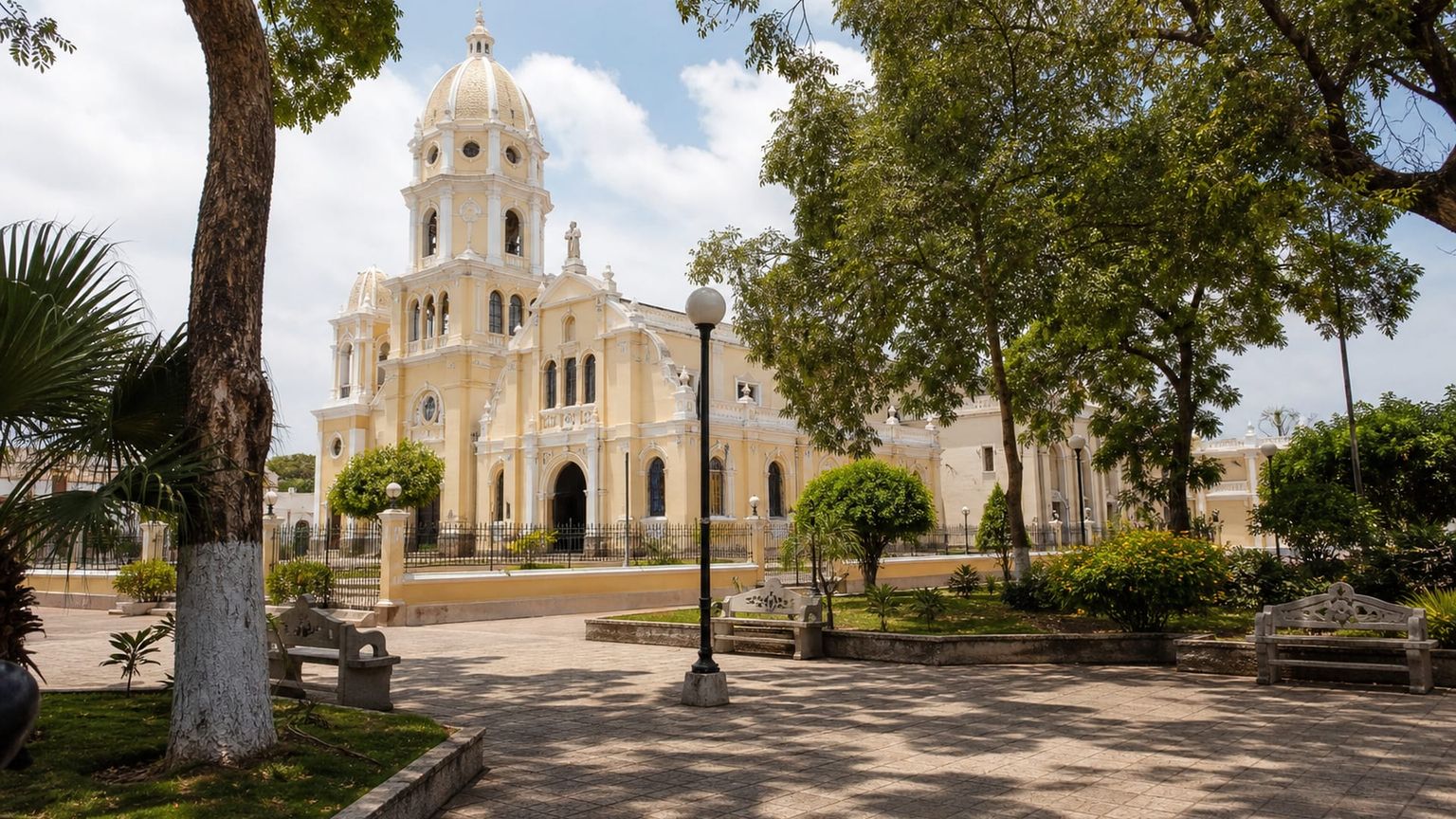
Start in Parque Central, where the cathedral and square give you the clearest first look at downtown, then walk about 5 to 10 minutes to the Museum of Anthropology and History for local context. Go in the morning for cooler streets and fewer crowds, then have lunch near Centro before heading back to your hotel. If you want a short evening outing, stay in Zona Viva or Bulevar Morazán, where dinner options are close and car transfers stay under about 15 minutes.
El Zapotal Archaeological Park sets a different pace for the day, so plan a morning transfer of about 25 to 35 minutes from Centro or Zona Viva and spend about 1 to 2 hours on site. The park works well before lunch, when the heat is lower and the paths are easier to walk. Back in town, return to a hotel in Centro or Los Andes, then end with an unhurried dinner in Los Andes, where restaurant and mall areas stay active without the downtown daytime crowds.
Begin with a second museum stop in the historic center, then pair it with a return visit to Parque Central if you want better photos or more time around the square. From Zona Viva, the drive to Centro usually takes about 10 to 15 minutes, so you can fit both stops into a half day without rushing. In the afternoon, cross to Parque Acuático Splash for pools and shade, which is about 20 to 30 minutes by car from most central hotels and works well for a longer break before dinner back in Bulevar Morazán.
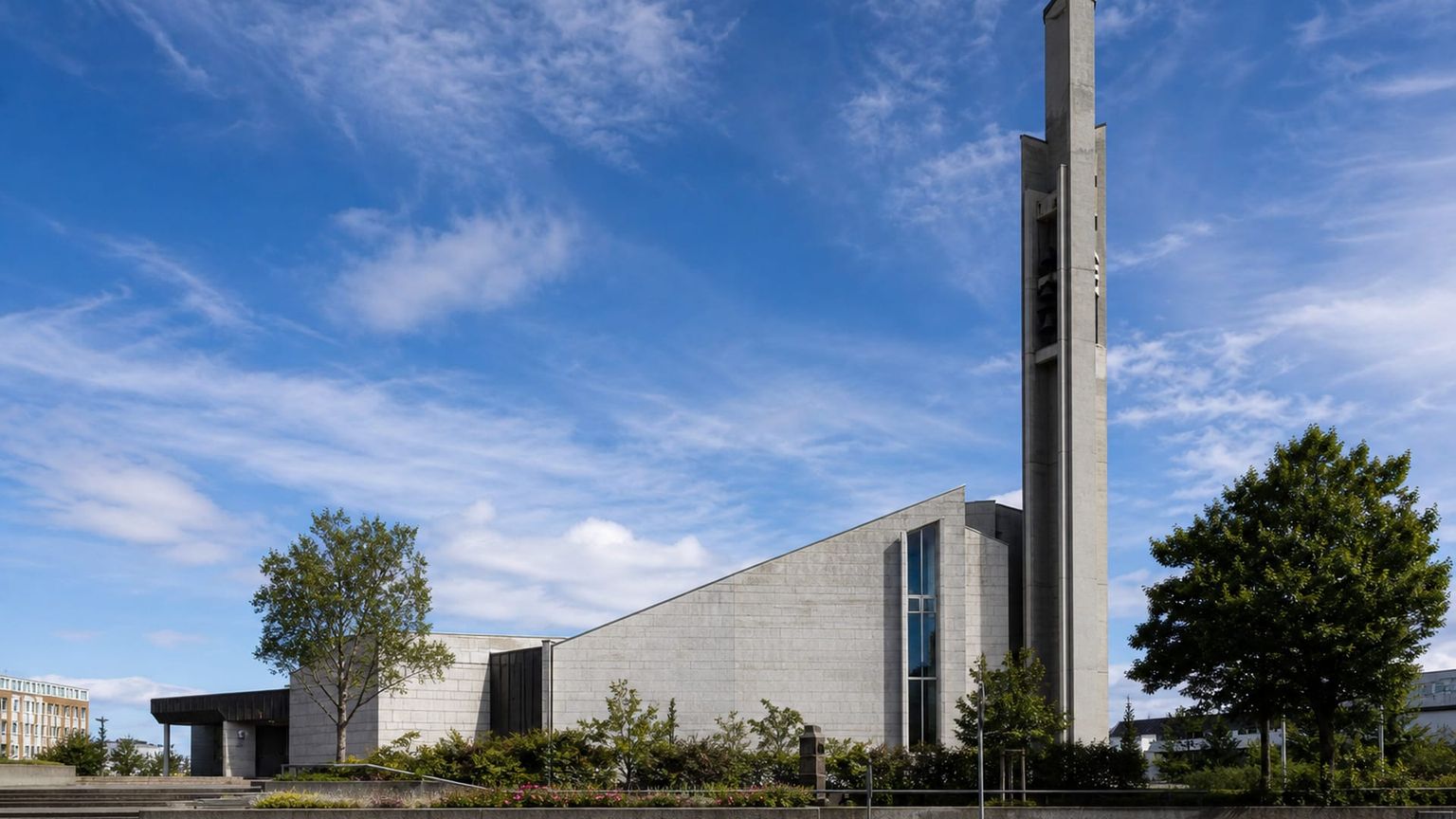
A final morning at the Museum of Anthropology and History gives you one last indoor stop, and it is easy to reach from most central hotels in about 5 to 15 minutes by car. After that, spend the afternoon in Los Andes for shopping, supermarket stops, or a relaxed café break before heading to the airport. If you are staying in Centro, allow about 20 to 25 minutes for the transfer back to San Pedro Sula (SAP), and about 25 to 30 minutes from Los Andes or Zona Viva if traffic builds.
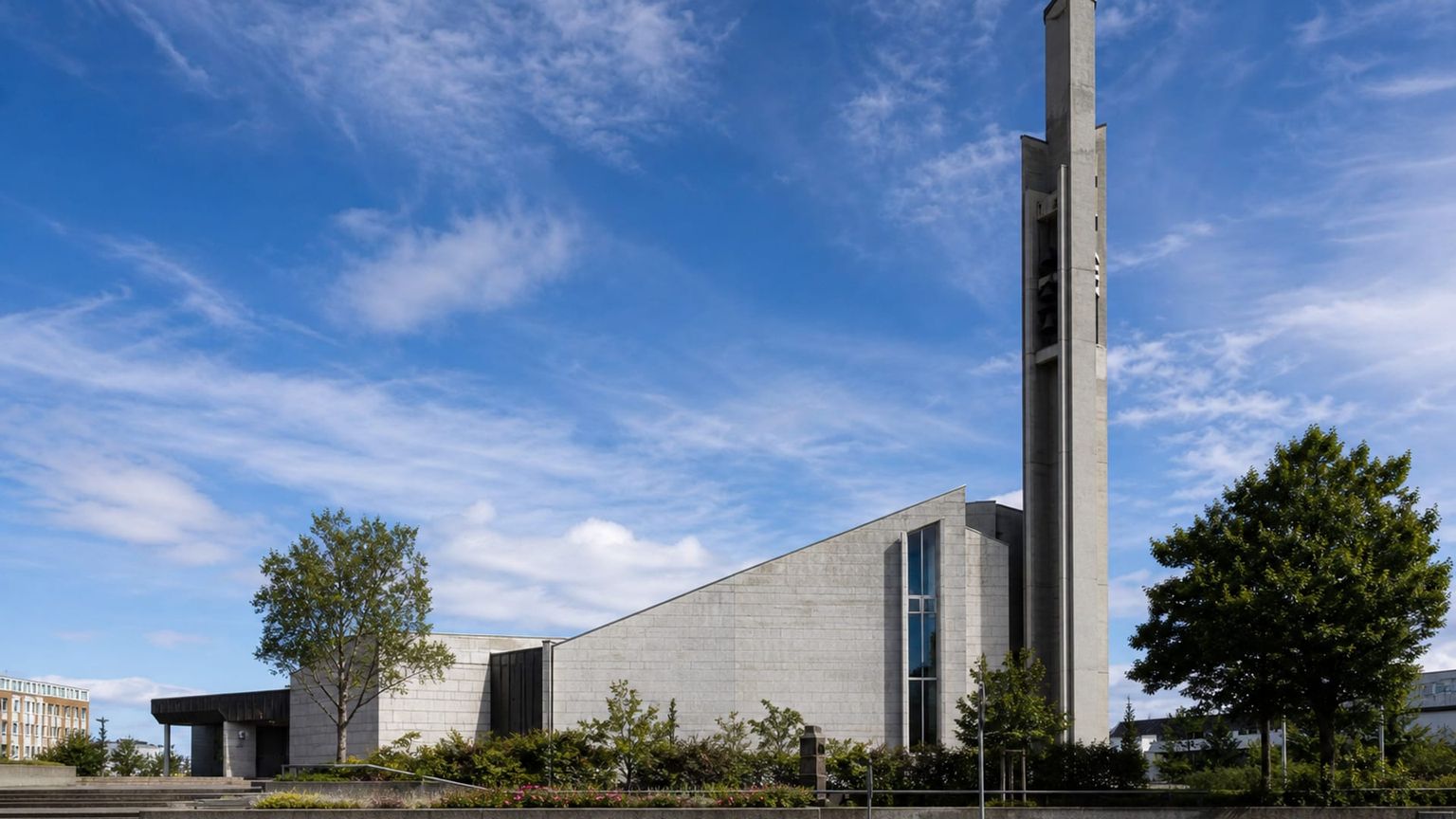
Business-class flights from the US to San Pedro Sula
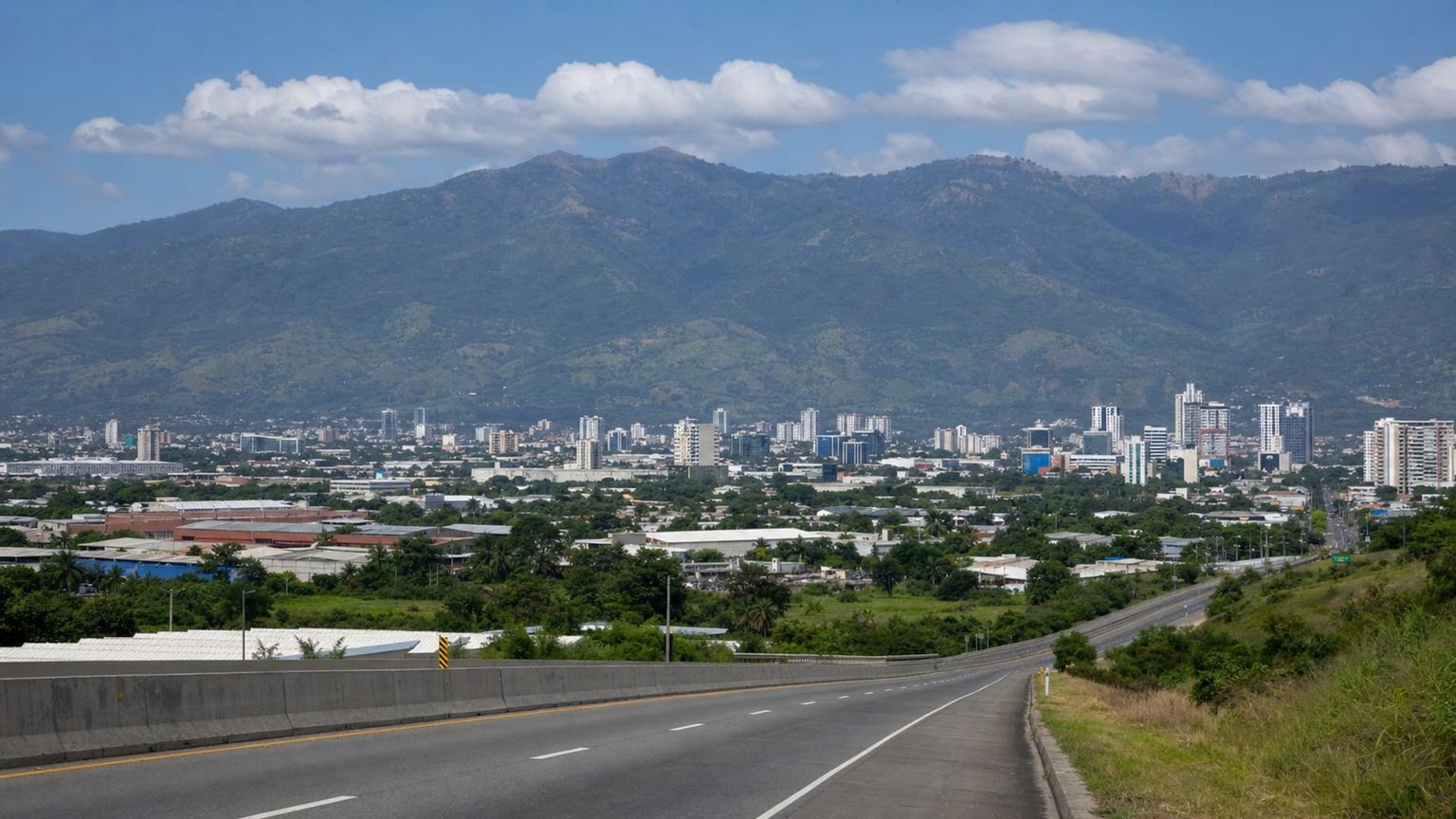
Business-class examples to San Pedro Sula usually route through a hub rather than flying nonstop, and the best option often depends on whether you start on the East Coast or West Coast. The itinerary below shows the trade-offs in time, price, and connections.
From New York, American Airlines, Avianca, Copa Airlines, United Airlines, and Spirit Airlines are all common options for the trip, with nonstop flying time at about 4 to 5 hours when a direct seat is available. If you do not mind a connection, typical stops run through Panama City (PTY), Bogota (BOG), Miami (MIA), Houston (IAH), or Fort Lauderdale (FLL), and round-trip fares usually start at $850 and can reach about $1,700. With a layover, common routings via Panama City (PTY) or Miami (MIA) can drop the fare to about $450 to $800.
Los Angeles itineraries usually run through Panama City (PTY), Bogota (BOG), Houston (IAH), Miami (MIA), or Dallas Fort Worth (DFW), and the total trip often takes about 7 to 11 hours. American Airlines, Avianca, Copa Airlines, United Airlines, and Delta Air Lines are the main carriers on these routes, and round-trip fares usually run $900 to $1,900. One-stop tickets via Panama City (PTY) or Houston (IAH) can sometimes lower that to roughly $500 to $950.
San Pedro Sula feels different when you slow down
A careful trip in San Pedro Sula starts with the right base, then keeps the day linked to the map: Centro for the cathedral and museums, Zona Viva or Bulevar Morazán for dinners, Los Andes for errands, and a taxi or ride app for the longer hop to El Zapotal or Parque Acuático Splash. That kind of plan matches the city’s road network and closing hours instead of fighting them. For a route built around your dates, ask the AranGrant experts to shape the details before you go