

Chapters:

Need help with your trip?
Our support team is available 24/7. Request a callback or call us directly at (833) 619-0908
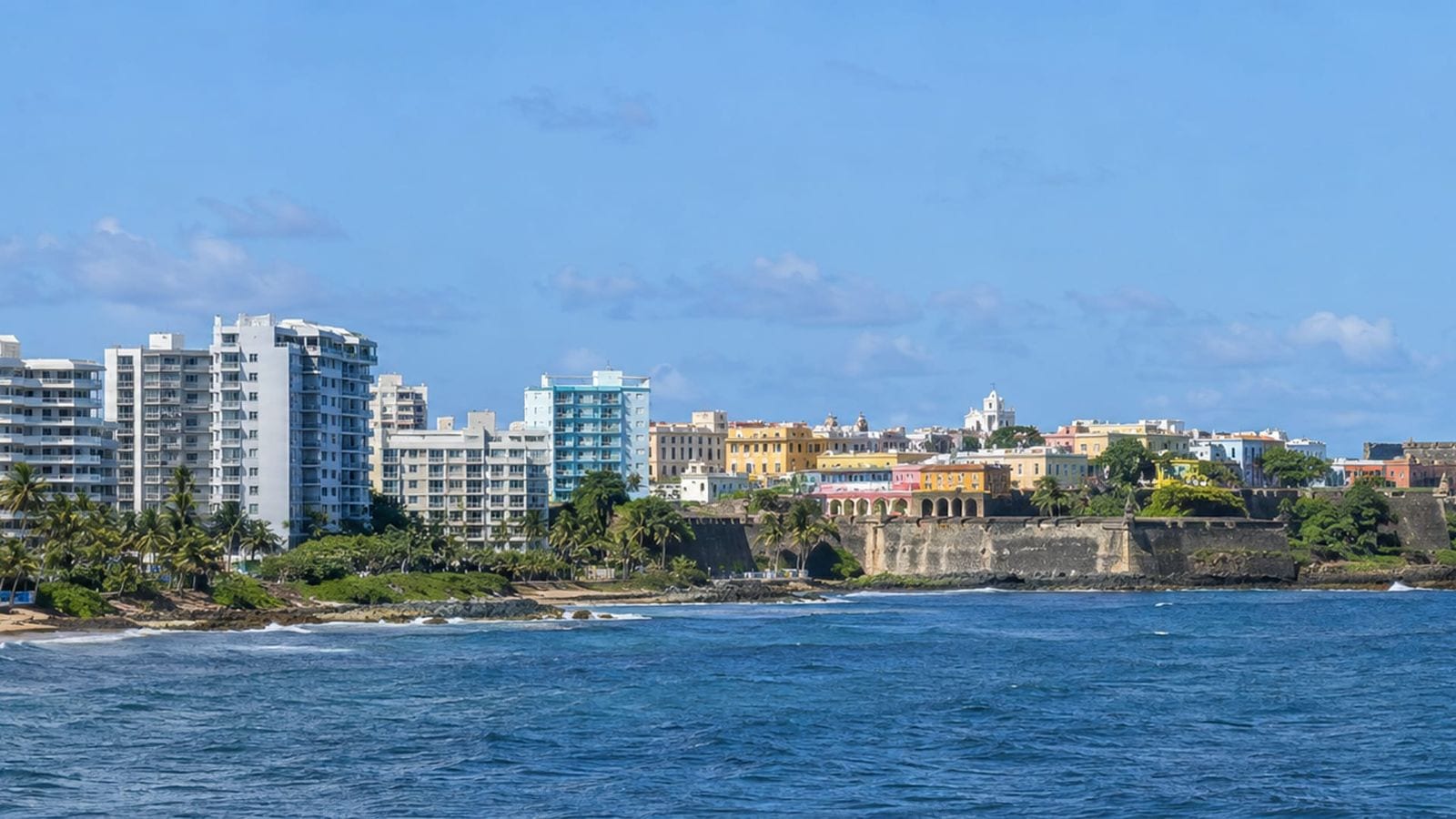
San Juan gives you several versions of the city at once. Old San Juan brings blue cobblestones, plazas, forts, and centuries-old façades, while Condado and Ocean Park shift toward beaches, hotels, and evening dining. Farther east, Piñones adds mangroves, a long coastal road, and casual food stops by the water.
The main planning difference comes from how you move between them. Old San Juan is best explored on foot, while the beach districts and Piñones usually require taxis or ride apps. This guide helps you divide the trip by area, so you can spend more time exploring and less time crossing the city.
Useful things to know

Main language(s): Spanish and English; Spanish is more widely used in everyday life.
Hola (OH-lah) – Hello
Por favor (por fah-VOR) – Please
Gracias (GRAH-see-ahs) – Thank you
¿Habla inglés? (AH-blah een-GLAYS) – Do you speak English?
¿Cuánto cuesta? (KWAHN-toh KWES-tah) – How much does it cost?

Currency: US dollar (USD, $)

Cash and cards: Cards are widely accepted in San Juan. Keep $20–$40 in cash for small purchases, tips, and taxis that require cash payment.

Tipping: Leave 15%–20% in restaurants when service is not already included. Tips for taxis, hotel staff, and bartenders are also customary.

Traditional food: Mofongo, lechón asado, arroz con gandules, alcapurrias, pasteles, and asopao are among Puerto Rico’s best-known dishes.

Water and coffee costs: Bottled water usually costs $2–$4, while espresso is $2–$3 at cafés around San Juan.

Taxis and ride apps: Uber operates throughout San Juan and serves Luis Muñoz Marín International Airport (SJU). Licensed taxis also serve hotels and tourist areas.

Plug and voltage: Puerto Rico uses Type A and B plugs with a 120V supply, the same standard used in the mainland US.

Dining and shop opening hours: Breakfast often starts from 7:00 am, while many restaurants serve dinner from 5:30 pm or 6:00 pm. Hours vary considerably by neighborhood.

Emergency number: Dial 911 for police, fire, or medical emergencies in Puerto Rico.
Where to stay in San Juan
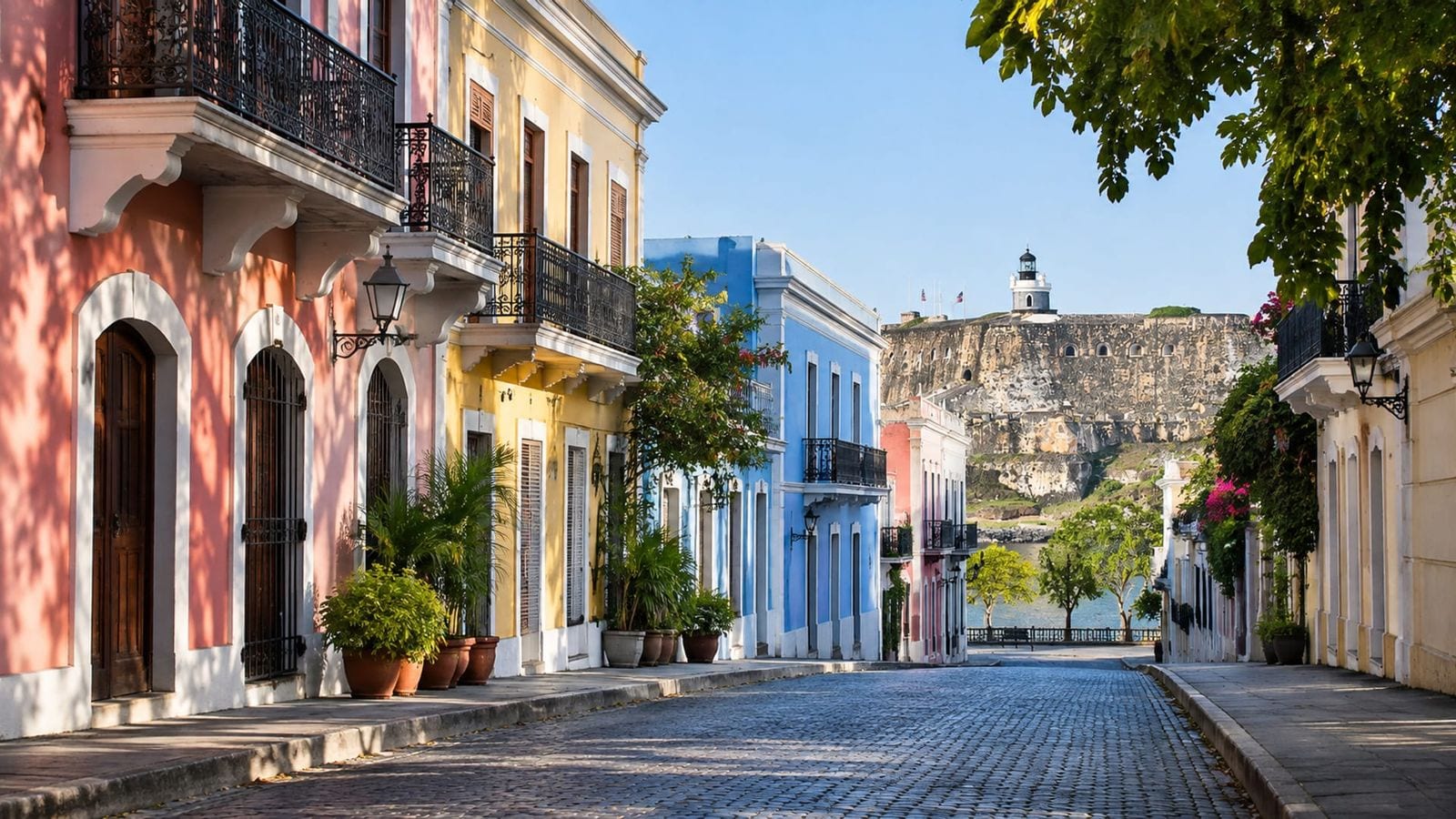
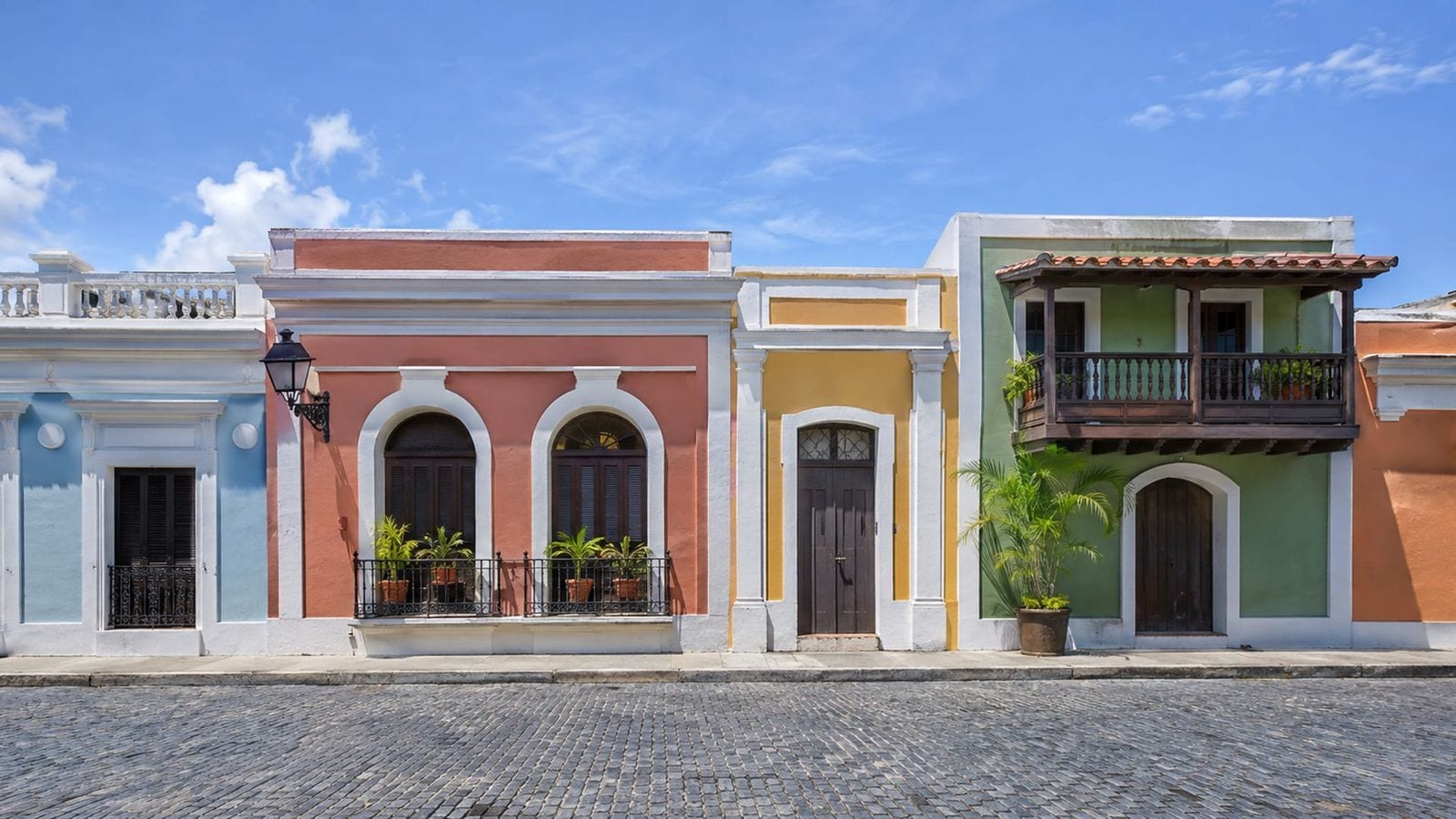
Old San Juan fills the western end of the islet with blue cobblestones, pastel façades, plazas, churches, and Spanish forts above the bay. Most major sights, cafés, and restaurants are within walking distance, making it the strongest choice if history and evening strolls lead your trip.
Best for: Historic sightseeing, walkable stays, and travelers who want the main landmarks close by
What to expect: Cobbled streets, steady daytime foot traffic, and a lively restaurant scene that stays busy into the evening.
Hotel prices: Usually about $180 to $350 per night for well-rated stays
Distance to major sights: 5 to 15 minutes on foot to Castillo San Felipe del Morro and San Juan Cathedral
Quietness: Busy from late morning through dinner, then calmer after the restaurants close.
Main trade-off: Rooms often cost more, and some streets can be noisy from bars, events, and tour groups.
Good to know: Choose a hotel away from the busiest nightlife streets if you want to sleep earlier.
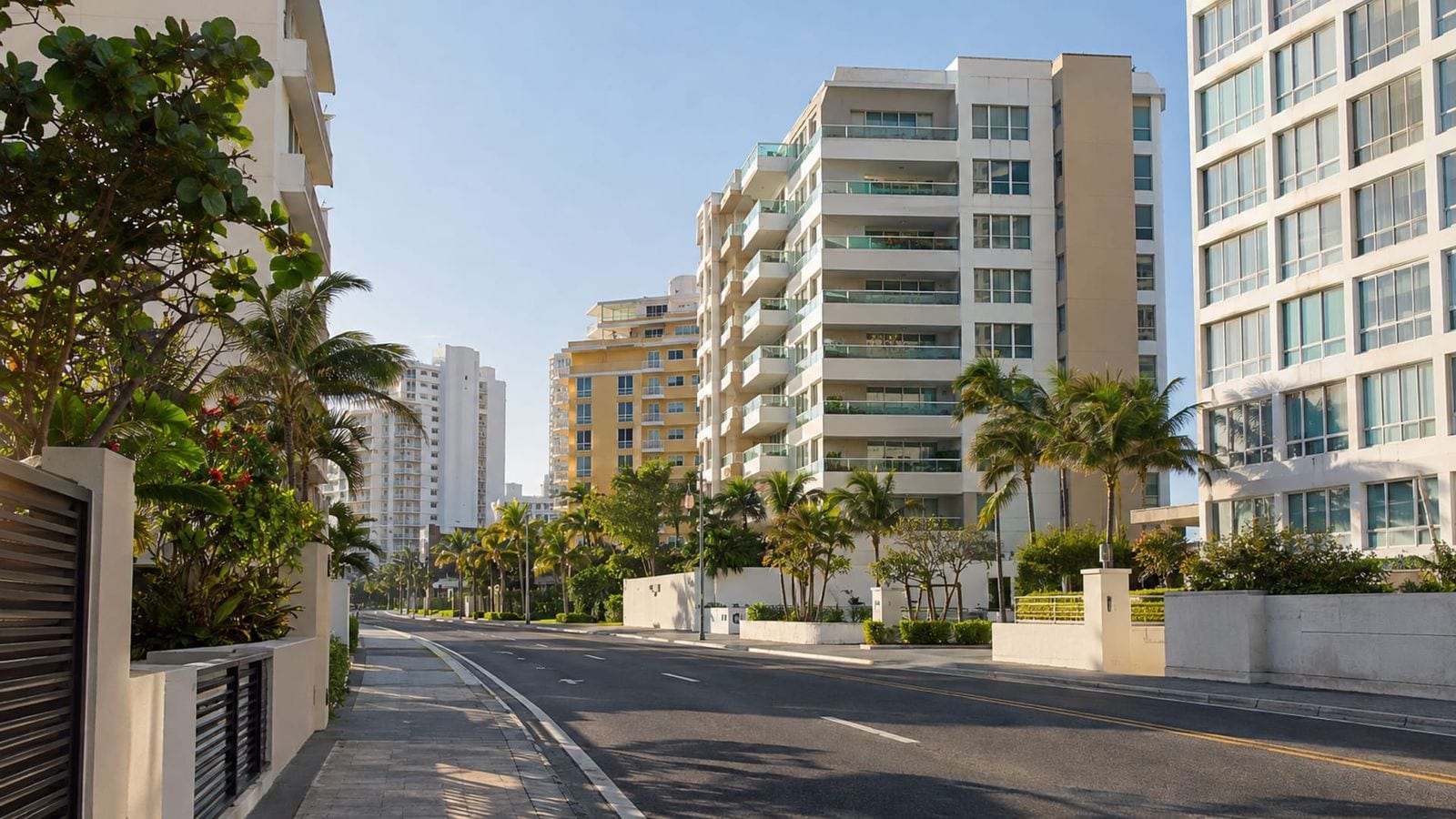
Condado runs along the Atlantic east of Old San Juan, with beachfront hotels, apartment towers, restaurants, and shops centered on Ashford Avenue. The area feels polished and lively, and it suits travelers who want beach access without giving up quick rides to the historic center.
Best for: Beach access, resort stays, and visitors who want restaurants nearby
What to expect: Busy sidewalks, constant taxi traffic, and a mix of hotel guests, diners, and beachgoers from morning to late night.
Hotel prices: Usually about $170 to $320 per night for well-rated stays
Distance to major sights: 10 to 20 minutes by taxi to Old San Juan, about 20 minutes to Luis A. Ferré Performing Arts Center
Quietness: Lively during the day and often noisy at night near bars, traffic, and beachfront hotels.
Main trade-off: Beachfront convenience comes with higher rates and less space than many inland neighborhoods.
Good to know: Check whether the hotel faces the ocean or Condado Lagoon if the view is important to you.
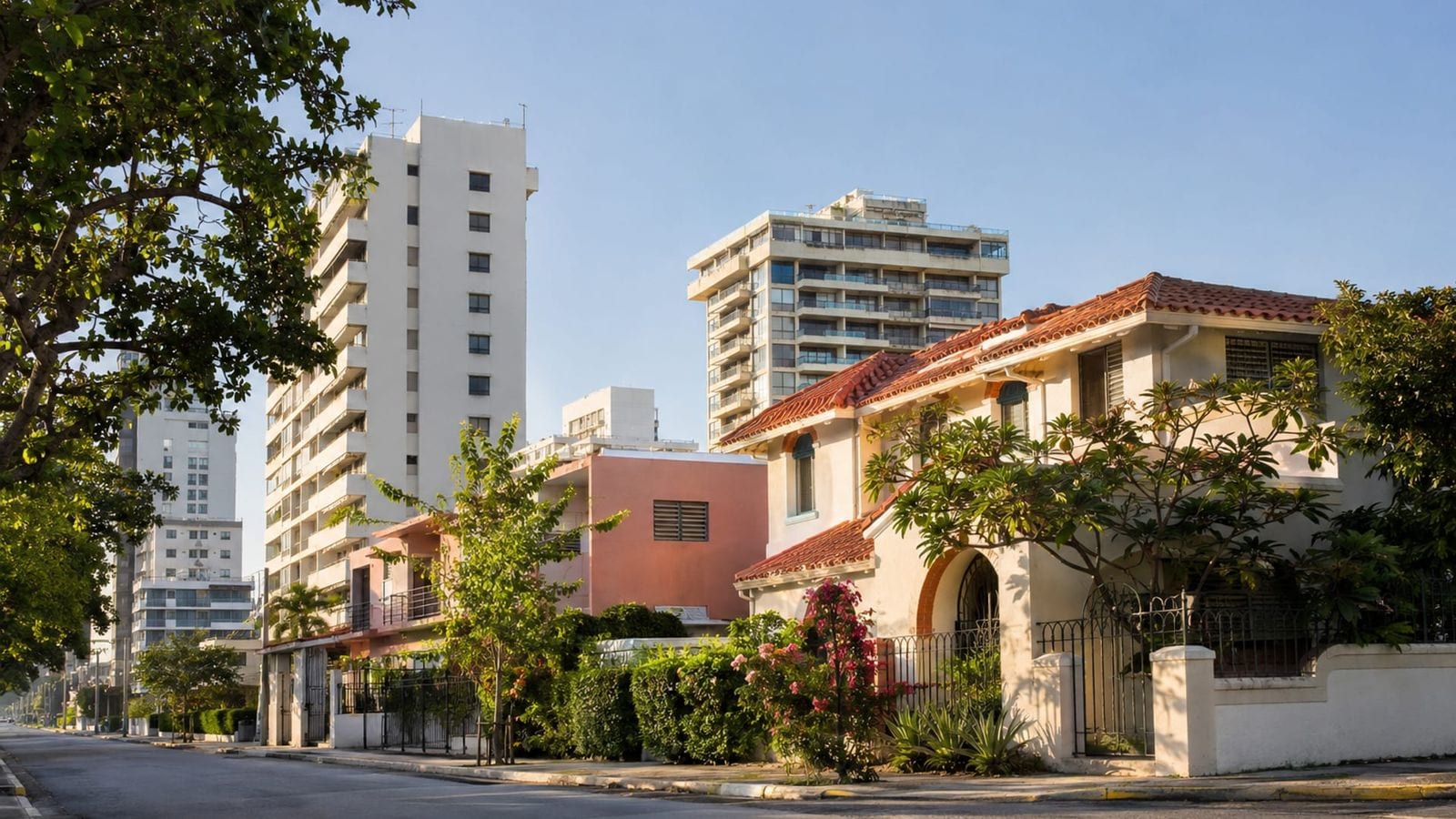
Miramar occupies a quieter stretch between Condado Lagoon and the convention district, with early-20th-century homes, tree-lined streets, smaller hotels, and local restaurants. Its central position suits business trips and travelers who prefer a residential setting with less nightlife than Condado.
Best for: Business travel, convention access, and travelers who want a central base with fewer resort crowds
What to expect: Tree-lined streets, moderate traffic, and a quieter evening scene than Condado or Old San Juan.
Hotel prices: Usually about $140 to $260 per night for well-rated stays
Distance to major sights: 10 to 15 minutes by taxi to Old San Juan, about 15 minutes on foot to Distrito T-Mobile
Quietness: Calm in the evening on residential blocks, with more activity near hotels and main roads during the day.
Main trade-off: You will usually need a taxi or rideshare for the beach and the historic center.
Good to know: Miramar is especially convenient if your trip includes events at the Puerto Rico Convention Center.
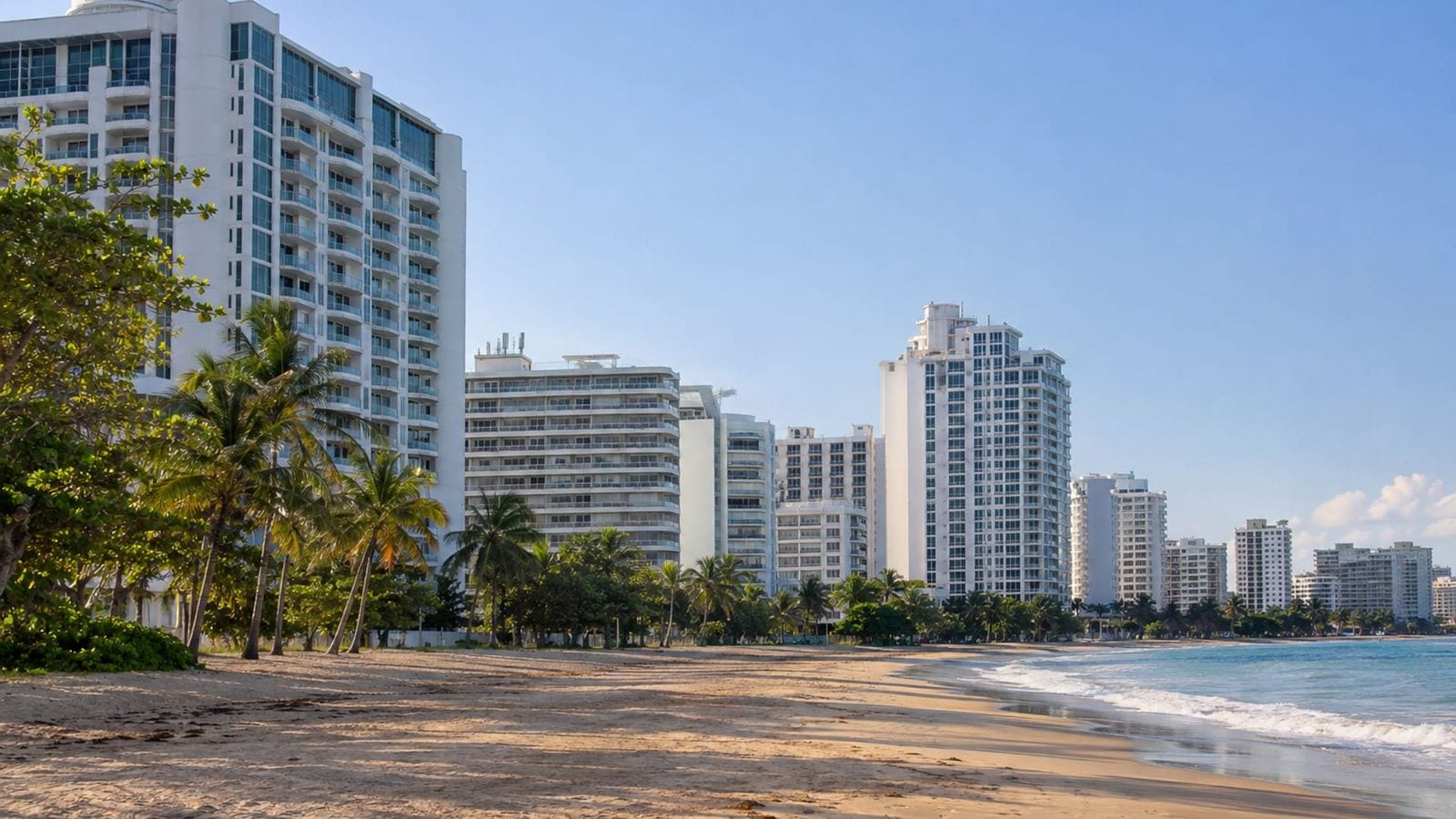
Santurce stretches south of Condado through one of San Juan’s main arts and dining districts, where murals, galleries, museums, cafés, and La Placita shape the neighborhood. It suits travelers who want culture, restaurants, and nightlife close by without staying inside Old San Juan.
Best for: Beach stays, short airport transfers, and travelers who want resort amenities
What to expect: Wide sidewalks, heavy hotel traffic, beach crowds by day, and a late-night hotel and casino scene.
Hotel prices: Usually about $160 to $330 per night for well-rated stays
Distance to major sights: About 10 minutes by car from San Juan (SJU), about 20 to 30 minutes by taxi to Old San Juan
Quietness: Busy through the day and often active well into the evening near hotels, bars, and the beach.
Main trade-off: It is convenient for arrivals and departures, but you will spend more time getting to the historic center.
Good to know: Stay closer to the museums or quieter residential streets if nightlife is not a priority.
If sightseeing is your priority, avoid staying near Luis Muñoz Marín International Airport (SJU), where you will rely on rides for nearly everything. Old San Juan and Condado keep more restaurants and attractions within easy reach.
Hotel deals
How to get around San Juan efficiently
San Juan relies mainly on buses, taxis, and Uber for trips between the airport, beach districts, Old San Juan, and other central neighborhoods.

Public bus
for longer distances
AMA buses serve San Juan, Carolina, Bayamón, Guaynabo, and nearby municipalities. A standard ride costs $0.75, and transfers to Tren Urbano are free within two hours. Service is useful for daytime trips, but schedules become less practical at night.

Tren Urbano
for convenience
Tren Urbano is San Juan’s light-rail system, linking parts of San Juan with Guaynabo and Bayamón. A single ride costs $1.50. Buy transit passes at Tren Urbano stations; the line does not reach SJU or Old San Juan.

Taxis and Uber
for convenience or late hours
Official taxis wait outside SJU, where airport staff calculates preset fares by destination. Uber also operates 24/7 and shows the price before booking. Uber trips between SJU and San Juan average roughly $16, although demand and destination can change the final price.
*Prices are based on rates updated as of June 2026 and may change at the time of travel.
Use buses for low-cost daytime trips, Tren Urbano for the rail corridor, and taxis or Uber for direct airport or evening transportation.
Iconic landmarks
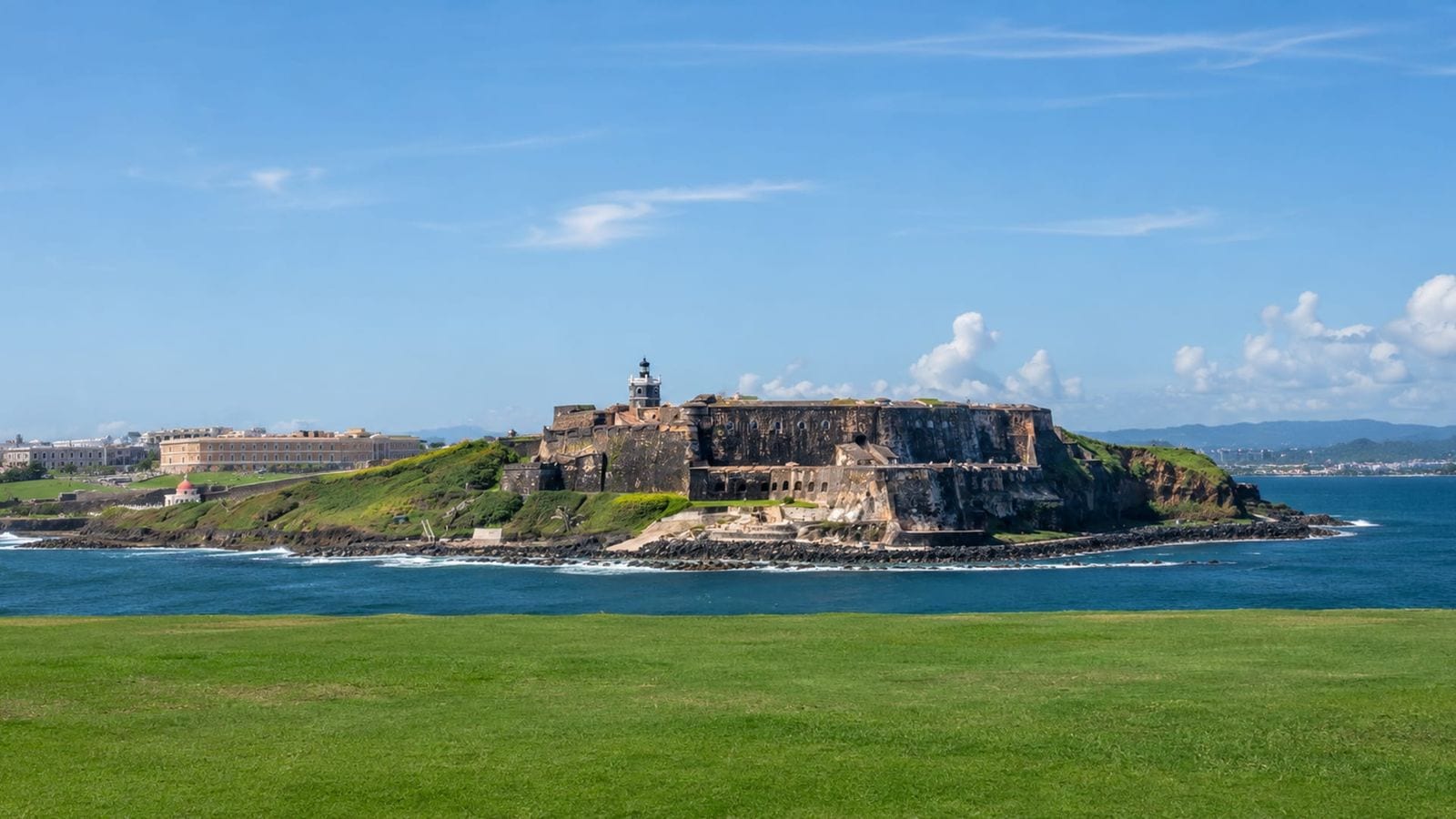
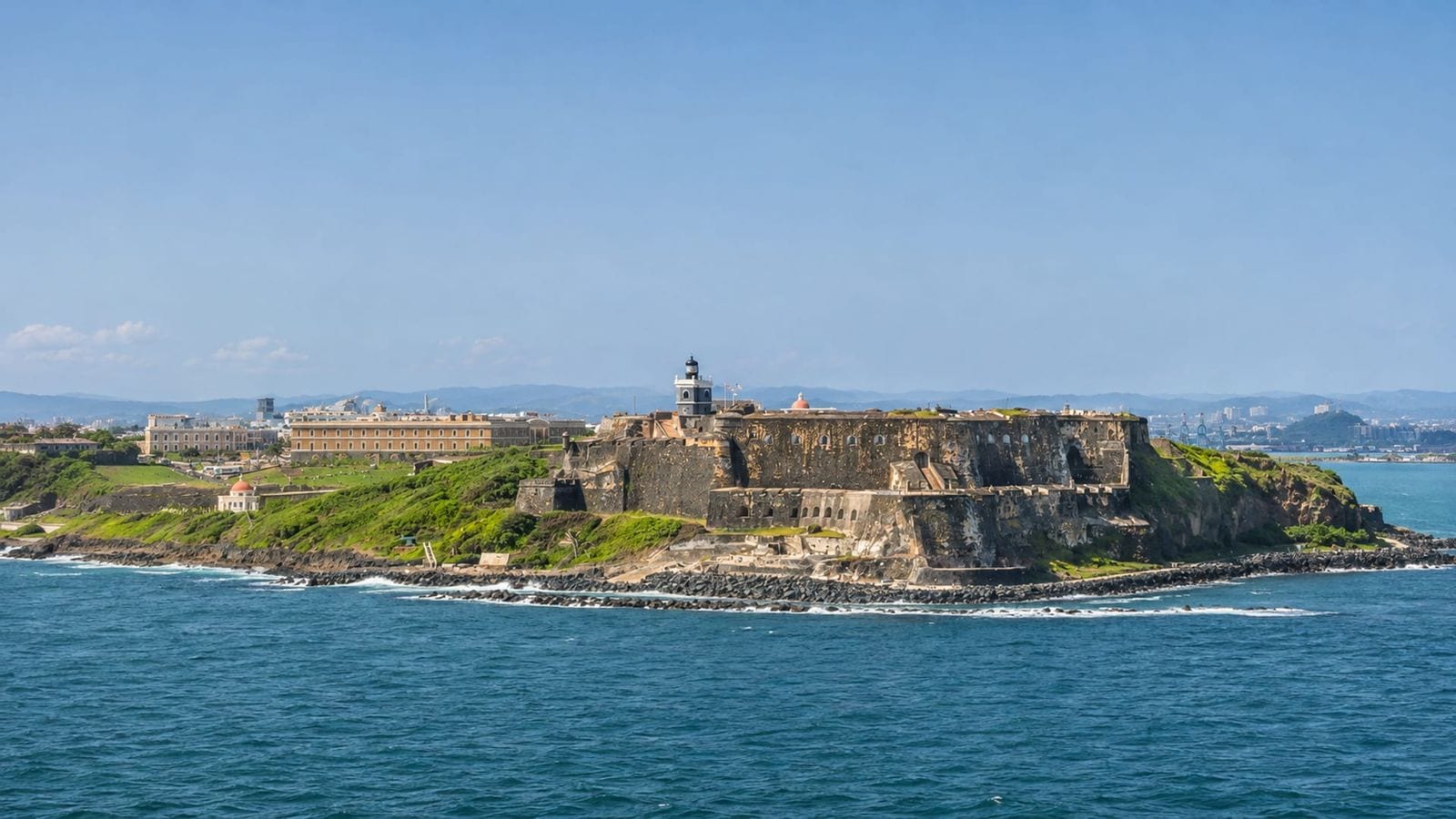
Castillo San Felipe del Morro
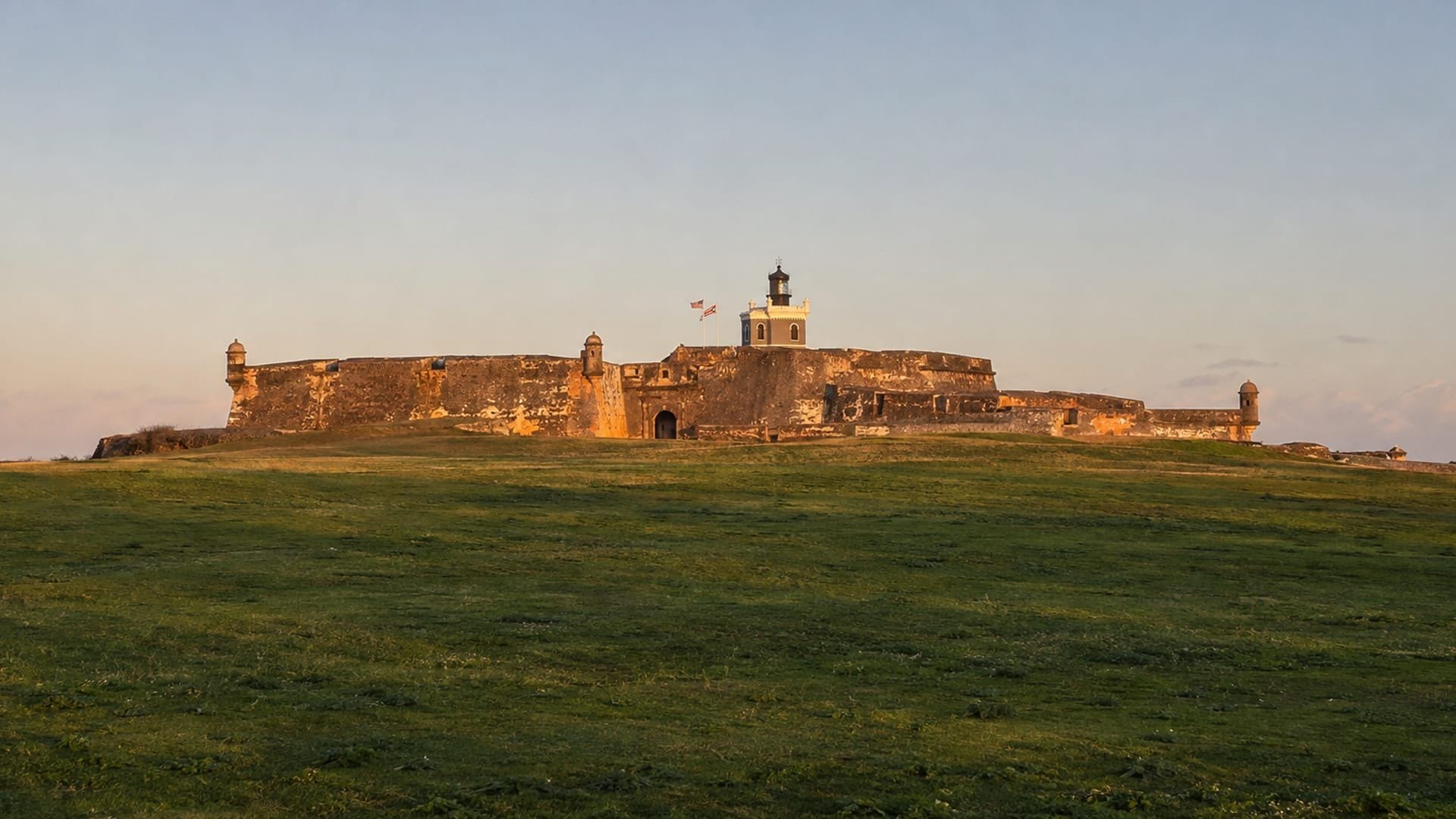
El Morro rises above the entrance to San Juan Bay, where six levels of ramparts, cannon batteries, sentry boxes, and thick stone walls reflect more than 250 years of Spanish military construction. Its position above the Atlantic makes it one of Puerto Rico’s defining landmarks.
Time needed: 2–3 hours
Entry: Adults pay $10; ages 15 and under enter free. The ticket covers both forts for 24 hours. Visit the official site for details.
Tip: Visit early for cooler temperatures and more time to explore the lower levels.
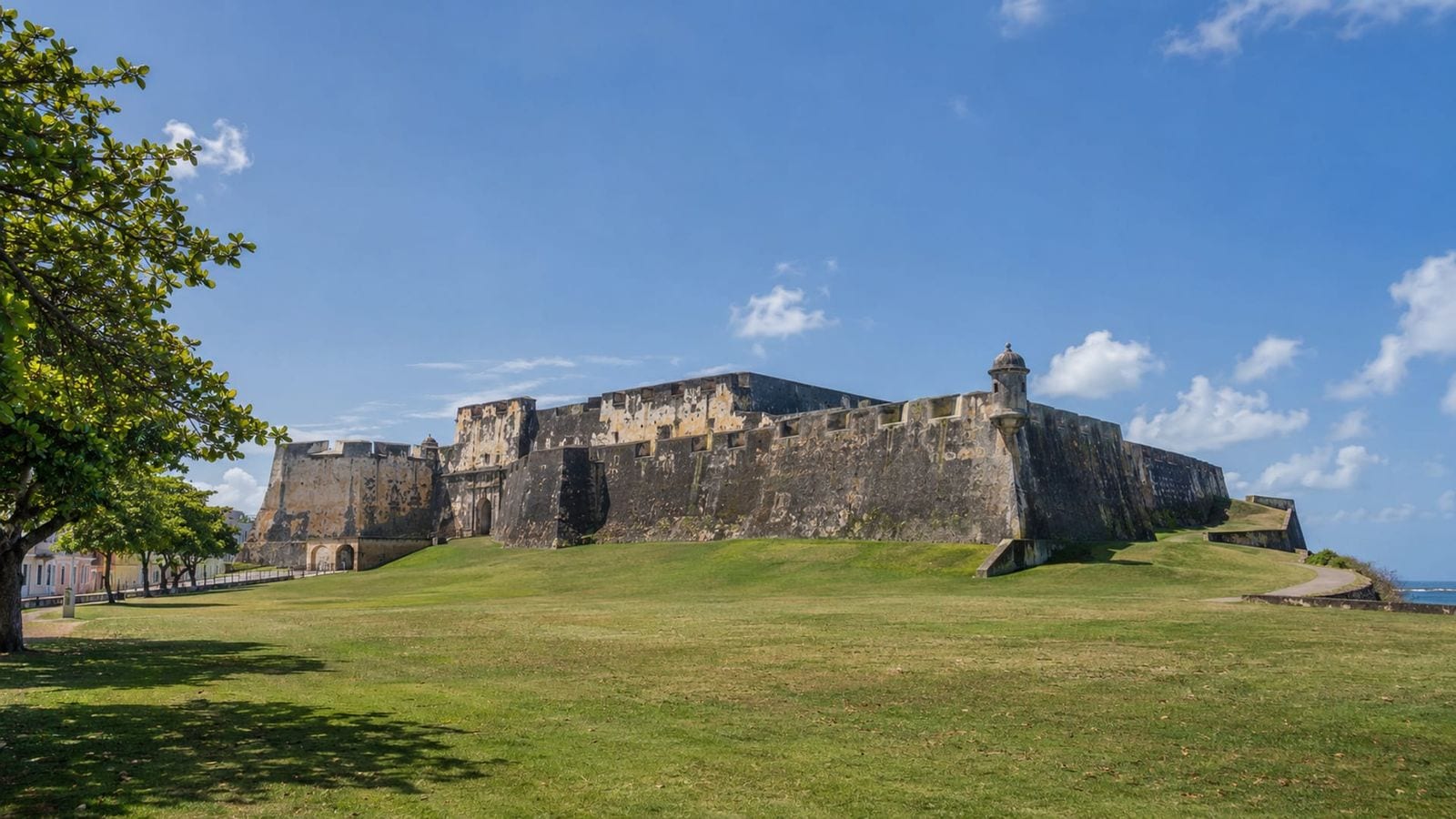
Castillo San Cristóbal
Castillo San Cristóbal protected Old San Juan from land attacks and grew into the largest Spanish fortification in the New World. Its tunnels, artillery positions, broad walls, and Garita del Diablo overlook both the historic city and the Atlantic coast.
Time needed: 2–3 hours
Entry: Adults pay $10; ages 15 and under enter free. The same ticket covers El Morro for 24 hours. Visit the official site for details.
Tip: Allow time for the tunnels and upper walls instead of limiting the visit to the entrance level.
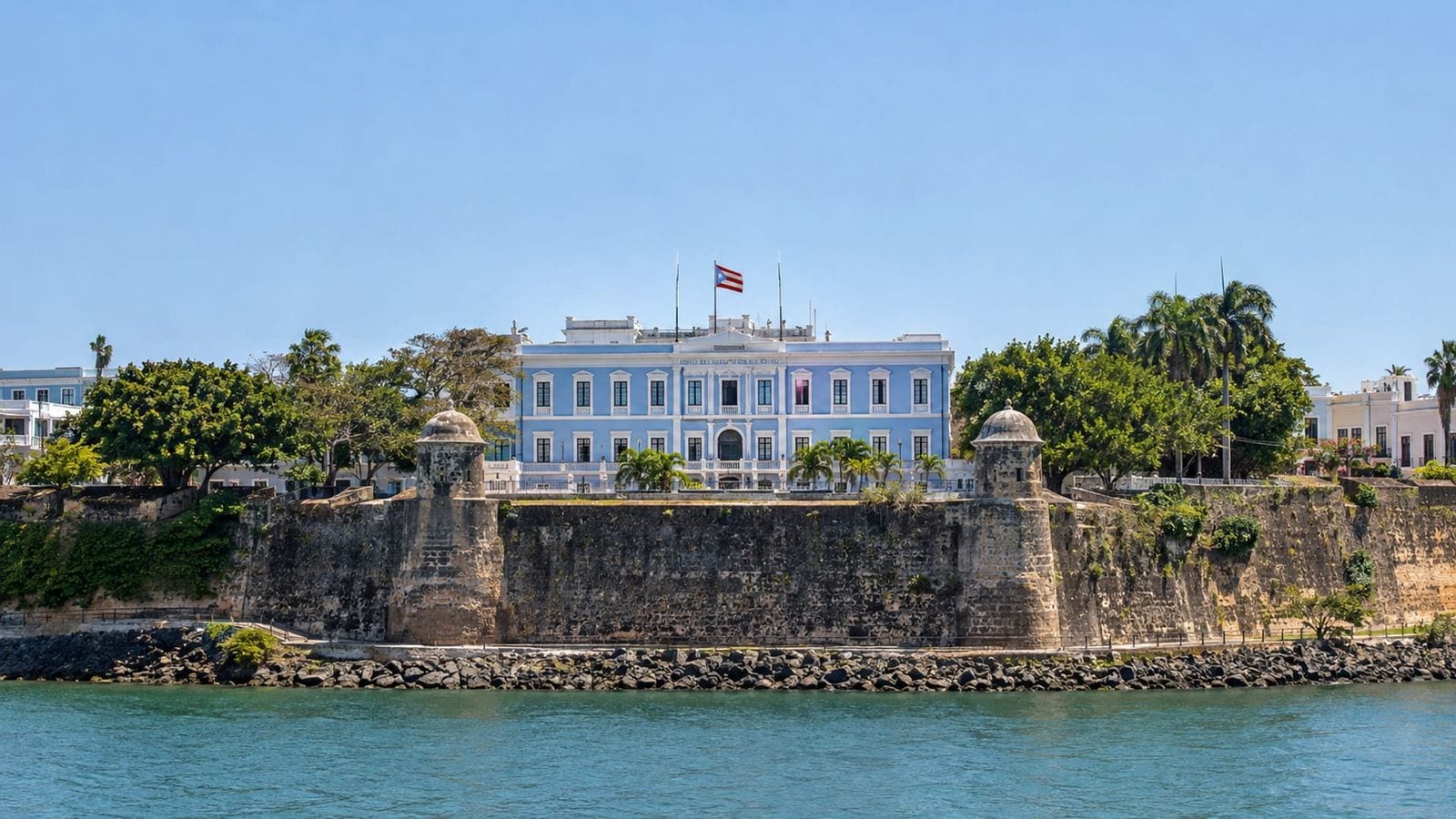
La Fortaleza
La Fortaleza began as a defensive structure in 1533 and later became Puerto Rico’s governor’s residence. Its blue-and-white façade, balconies, gardens, and position above San Juan Bay make it one of Old San Juan’s most recognizable historic buildings.
Time needed: 45–60 minutes
Entry: Guided tours are free but require a reservation and valid photo ID for adults. Visit the official site for details.
Tip: Reserve ahead and bring photo ID; tours run Monday through Friday.
Overlooked sites worth visiting

Piñones Boardwalk
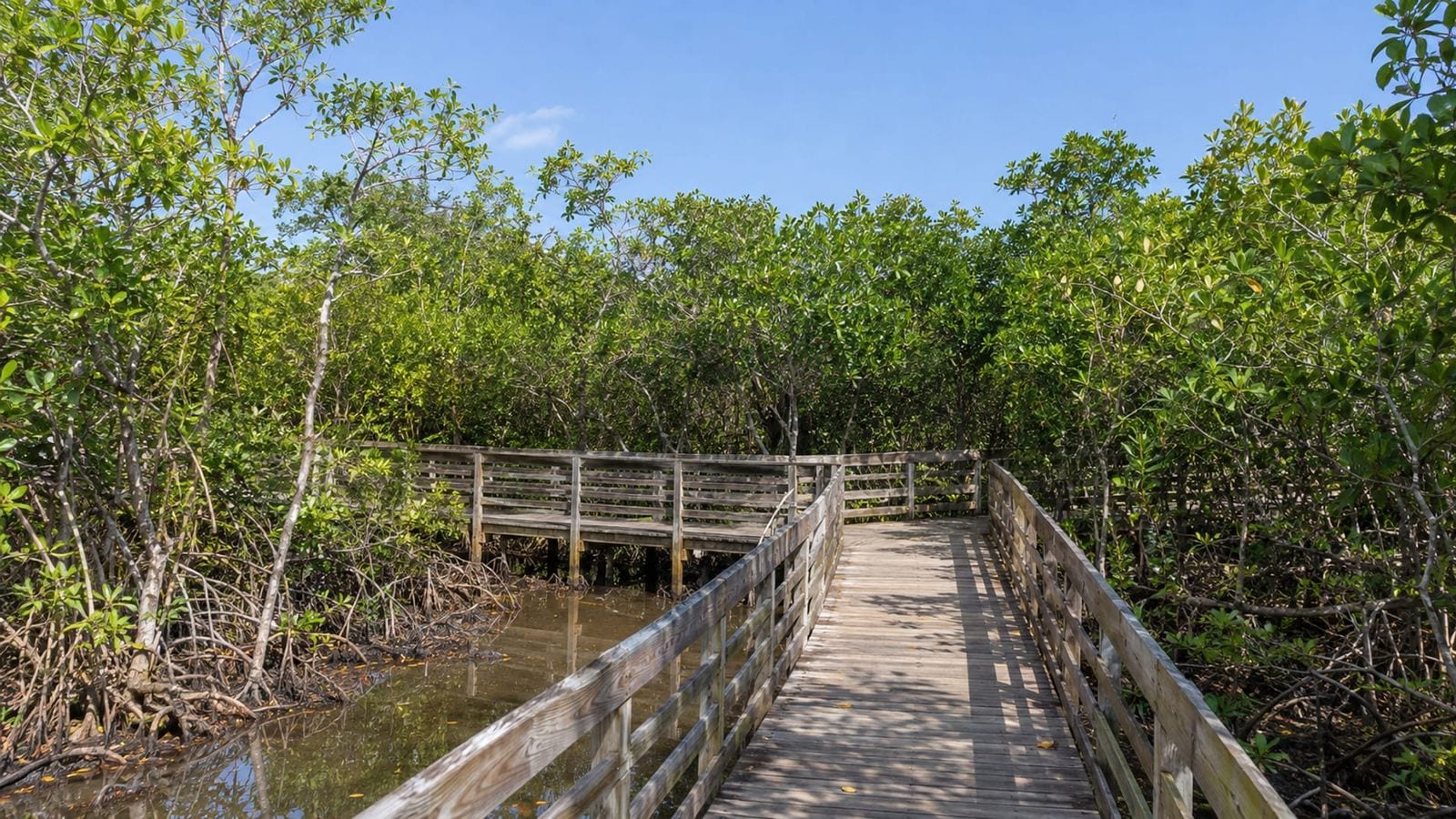
The Piñones boardwalk runs through mangroves, lagoons, beaches, and coastal forest east of San Juan. The 11 km route is popular for walking and cycling, with kiosks and Atlantic views along the way.
Time needed: 1–2 hours
Entry: Free access and parking; bike rentals cost extra.
Tip: Go early or late in the day for cooler temperatures and fewer cyclists.

Museo Casa Blanca
Casa Blanca dates to 1521 and is the oldest residence in Old San Juan. The museum preserves 16th- and 17th-century objects, period rooms, gardens, and courtyards linked to the city’s early colonial history.
Time needed: 1 hour
Entry: Tickets cost $5; no booking is required. Visit the official site for details.
Tip: Visit midmorning, then continue toward El Morro or the nearby city walls.
Traditional food
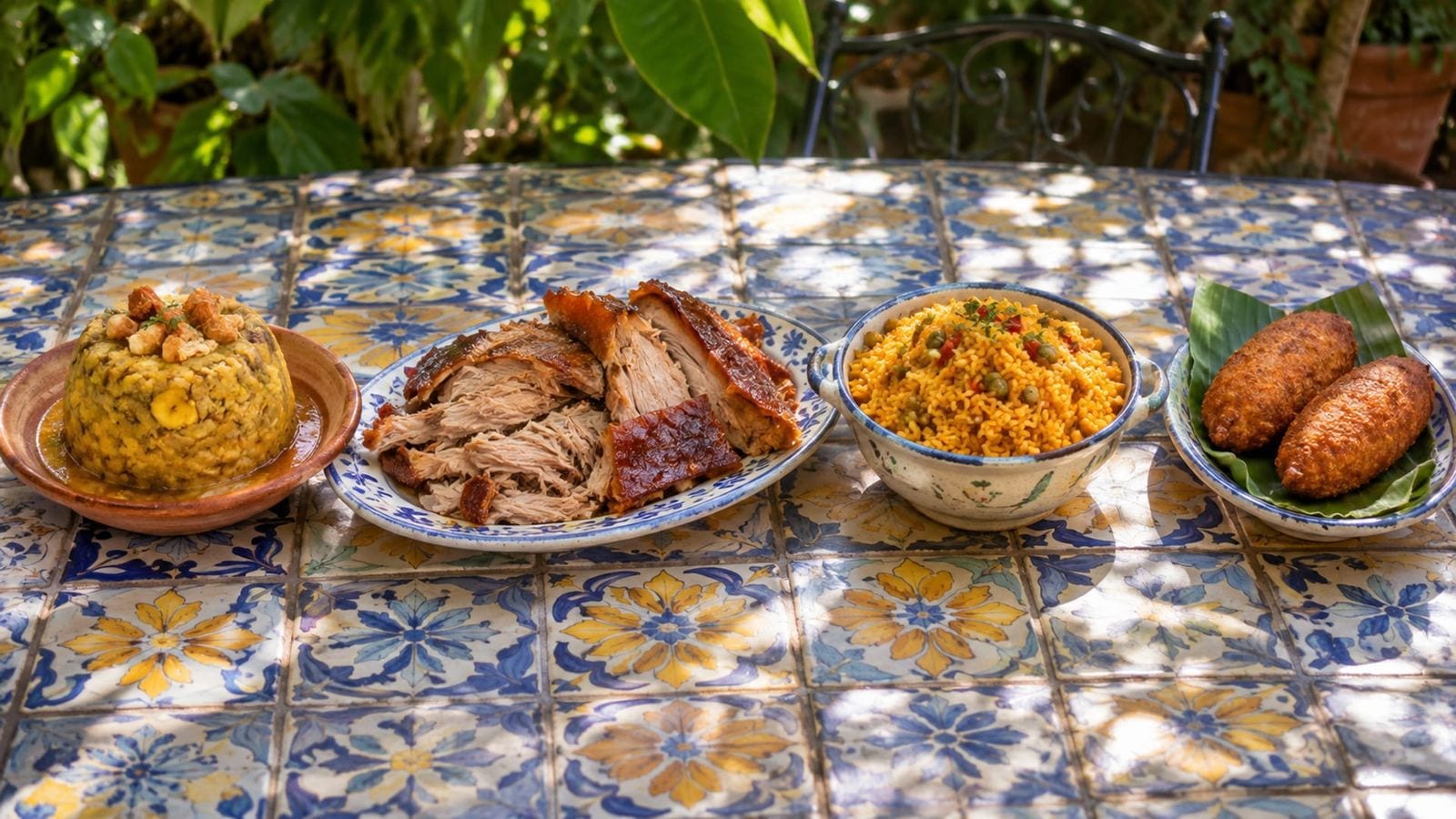
San Juan’s cooking draws on plantains, pork, rice, pigeon peas, root vegetables, and sofrito, with fried snacks and slow-cooked dishes central to Puerto Rican cuisine.
Mofongo
Mofongo uses fried green plantains mashed with garlic and often pork cracklings, then pairs them with meat or seafood. Casita Miramar is known for Puerto Rican cooking and serves versions of the dish.
Lechón asado
Lechón asado is seasoned pork roasted until the meat turns tender and the exterior develops a crisp finish. Raíces serves lechón a la vara with root vegetables and arroz con gandules on weekends.
Arroz con gandules
Arroz con gandules cooks rice and pigeon peas with sofrito and seasonings, creating one of Puerto Rico’s best-known side dishes. Mi Viejo San Juan serves it alongside several traditional plates.
Alcapurrias
Alcapurrias wrap seasoned beef or crab in a mixture of green banana and yautía, then fry it until crisp. Kiosko El Boricua in Piñones is especially known for its crab-filled versions.
Best time to visit San Juan
San Juan is warm year-round, with winter bringing drier weather and summer and fall bringing more humidity, rain, and storm risk.
Best for: Drier days, beach time, historic walks, and outdoor dining
What you get: Temperatures are usually 73°F–84°F (23°C–29°C), with lower humidity, less rain, and some of the busiest travel weeks.
Trade-offs: Hotels cost more, and Old San Juan can feel crowded around holidays and cruise days.
Best for: Warm beaches, city walks, easier reservations, and fewer winter crowds
What you get: March starts near 74°F–85°F (23°C–29°C), while May reaches roughly 77°F–88°F (25°C–31°C) as humidity rises.
Trade-offs: Rain becomes more frequent toward May, especially during the afternoon.
Best for: Beach days, warm evenings, fewer winter visitors, and hotel choice
What you get: Expect 79°F–89°F (26°C–32°C), strong sun, high humidity, and short tropical showers that often arrive later in the day.
Trade-offs: Hurricane season has begun, and midday heat can make long walks tiring.
Best for: Quieter streets, warm water, flexible hotel choices, and slower sightseeing
What you get: September and October stay near 79°F–89°F (26°C–32°C), while November becomes slightly cooler as rainfall stays elevated.
Trade-offs: This is the most weather-sensitive period, with hurricane season continuing through the end of November.
A realistic 5-day plan in San Juan
Five days give you enough time to see San Juan beyond the forts without rushing between neighborhoods.
After landing at Luis Muñoz Marín International Airport (SJU), head to your hotel in Condado, Miramar, Santurce, or Old San Juan and keep the first afternoon easy. Once you have settled in, take a short walk near your hotel, stop for coffee or a drink, and choose dinner nearby. If you stay in Condado, a walk by the lagoon or beach works well without committing to a long evening. Save the forts and the steeper streets of Old San Juan for the next day.
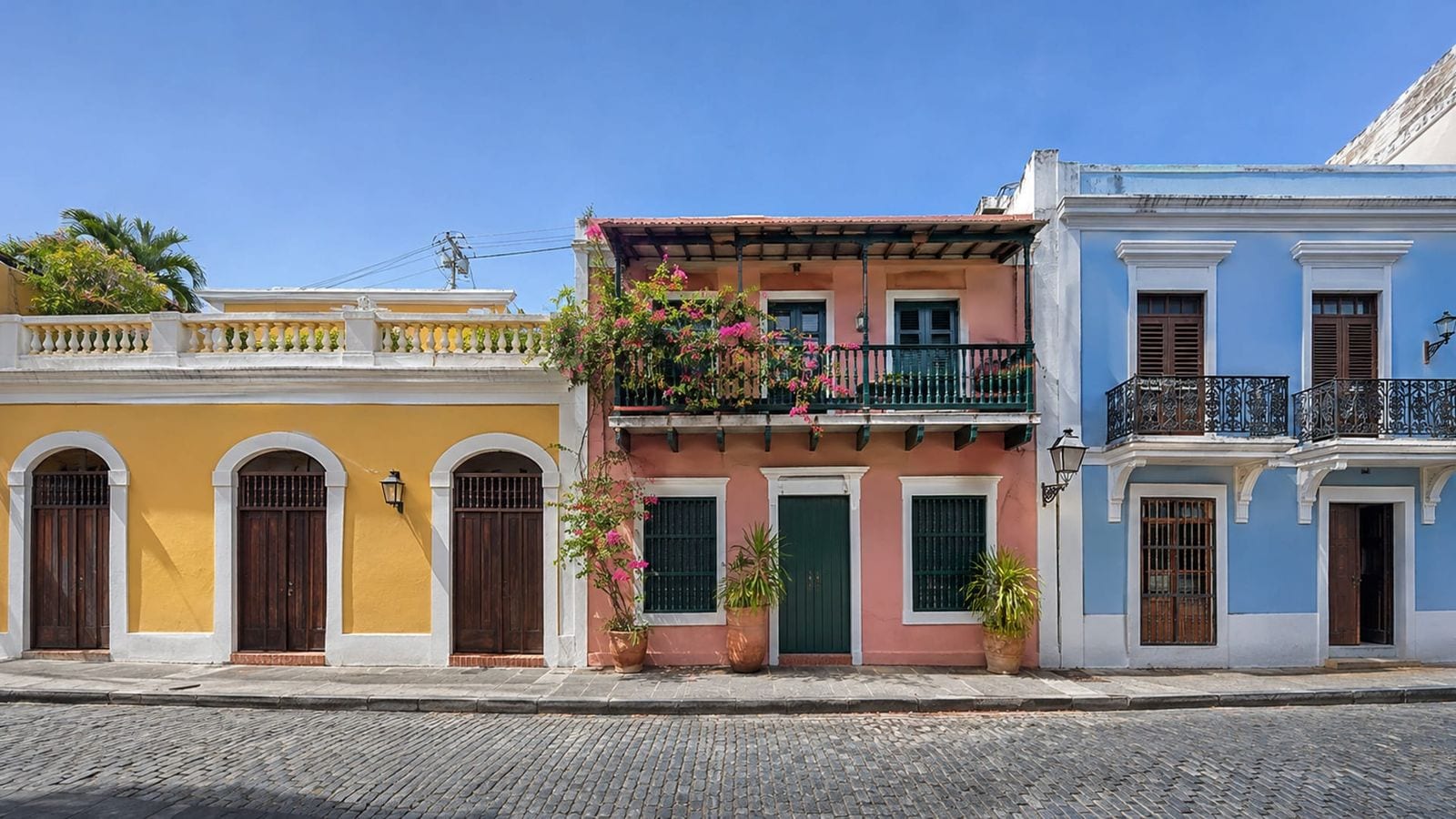
Give Old San Juan most of the day, starting at Castillo San Cristóbal before the heat builds. Spend 2–3 hours exploring its tunnels, walls, and Atlantic views, then walk toward Plaza de Armas for lunch. Continue through the historic streets to La Fortaleza and Museo Casa Blanca, allowing time for courtyards, façades, and small plazas along the way. Stay in the old city for dinner so you can enjoy the streets after the daytime crowds thin out.
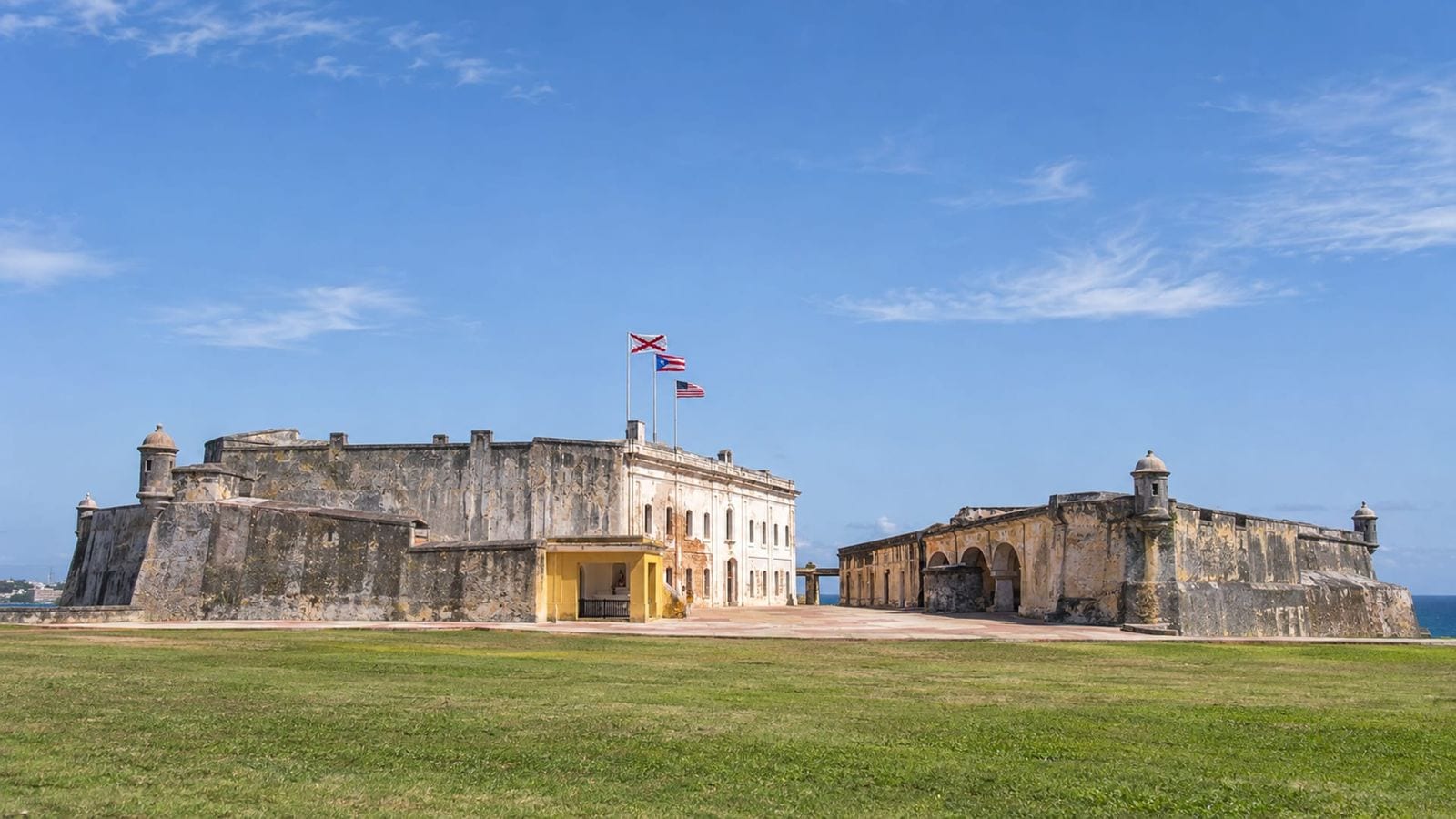
El Morro deserves a slower morning. Walk across the broad lawn toward the fortress, then spend 2–3 hours exploring the ramparts, sentry boxes, and views over San Juan Bay. After lunch, return through the western streets for San Juan Cathedral and the nearby plazas, stopping whenever a courtyard, café, or shaded square catches your attention. Finish near the city walls in the late afternoon, when the light softens over the water and the old buildings.
Head east in the morning for Piñones, where mangroves, lagoons, beaches, and food kiosks create a very different day from Old San Juan. Walk or cycle part of the boardwalk before the midday heat, then stop for alcapurrias or another local snack nearby. Later, return toward San Juan for beach time in Condado or Ocean Park. A swim, a slower oceanfront walk, and dinner nearby give the afternoon enough structure without turning it into another sightseeing marathon.
Keep the final morning close to the city. If you stay in Condado or Miramar, head into Santurce for coffee, murals, and a short visit to one of the neighborhood’s museums or galleries before lunch. You can also return to Old San Juan for any shops or streets you missed earlier. Leave enough time to collect your luggage and travel to Luis Muñoz Marín International Airport (SJU), especially if your flight falls near the afternoon traffic period.
Business-class flights from the US to San Juan
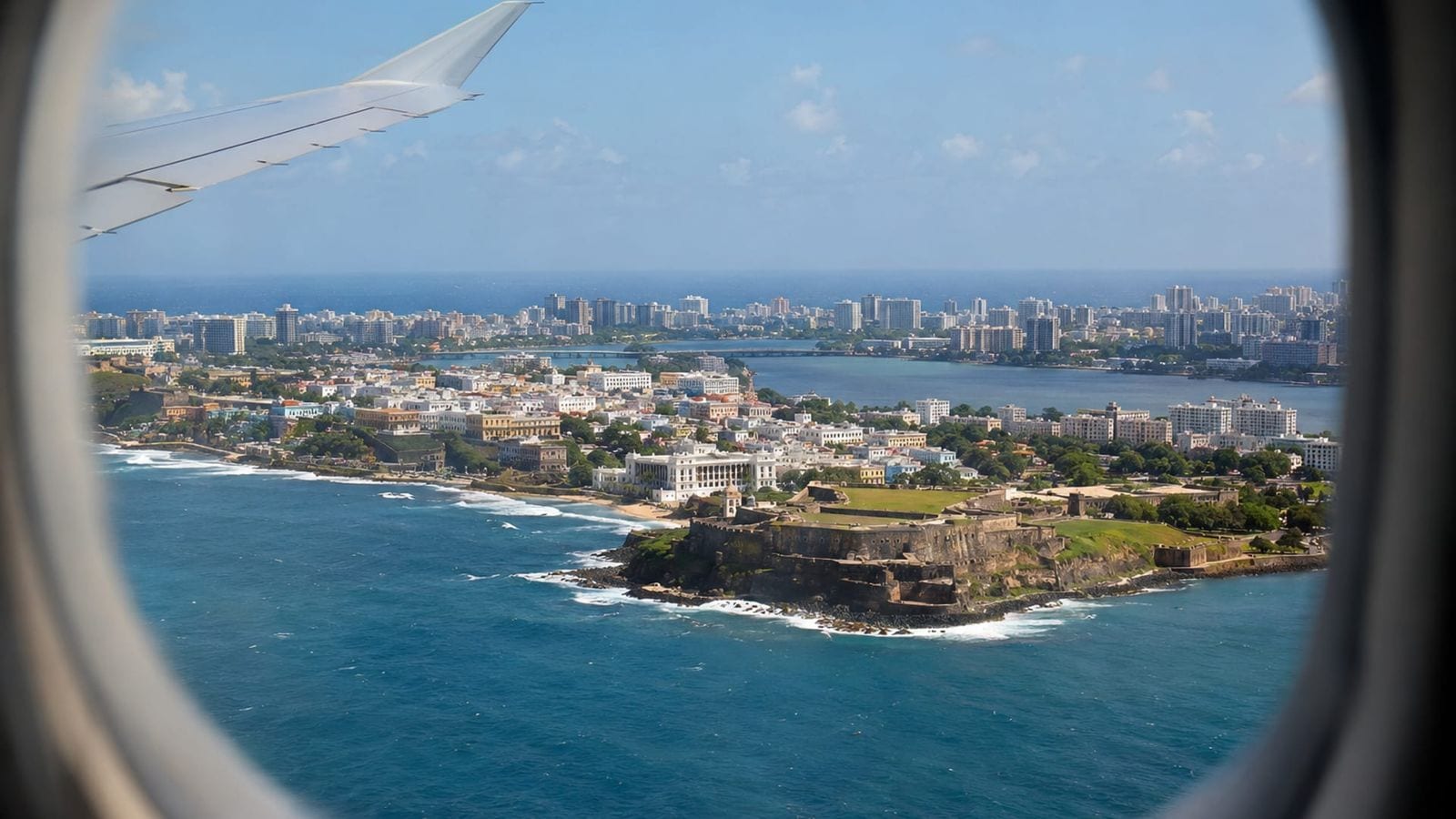
From New York, you can fly nonstop to San Juan, while flights from Los Angeles require a connection through a major US hub.
New York (JFK) to San Juan (SJU)
From JFK Airport in New York, Delta Air Lines and JetBlue fly nonstop to San Juan, with the journey taking roughly 4.5 hours. One-stop alternatives can connect through Atlanta (ATL), Miami (MIA), or Charlotte (CLT), which usually extends the trip to 6–9 hours. Round-trip premium-cabin tickets generally range from about $900 to $2,200, depending on the airline and travel dates.
Los Angeles (LAX) to San Juan (SJU)
There are no nonstop flights from LAX to San Juan. Delta Air Lines, American Airlines, United Airlines, and JetBlue offer one-stop itineraries through hubs such as Atlanta (ATL), Miami (MIA), Dallas (DFW), Houston (IAH), or Fort Lauderdale (FLL). The fastest trips take 7.5–9 hours, while longer connections can exceed 12 hours. Round-trip premium-cabin tickets often range from $1,100 to $2,800.
A more relaxed way to see San Juan
San Juan does not need a tightly packed ending to feel complete. The strongest trips usually leave room for an extra coffee in Old San Juan, a longer lunch in Santurce, or an afternoon by the water when the heat slows things down. A little structure keeps those moments from getting squeezed out. When the trip starts taking shape, AranGrant can help you compare business-class flights and hotels that fit your dates.