

Chapters:

Need help with your trip?
Our support team is available 24/7. Request a callback or call us directly at (833) 619-0908
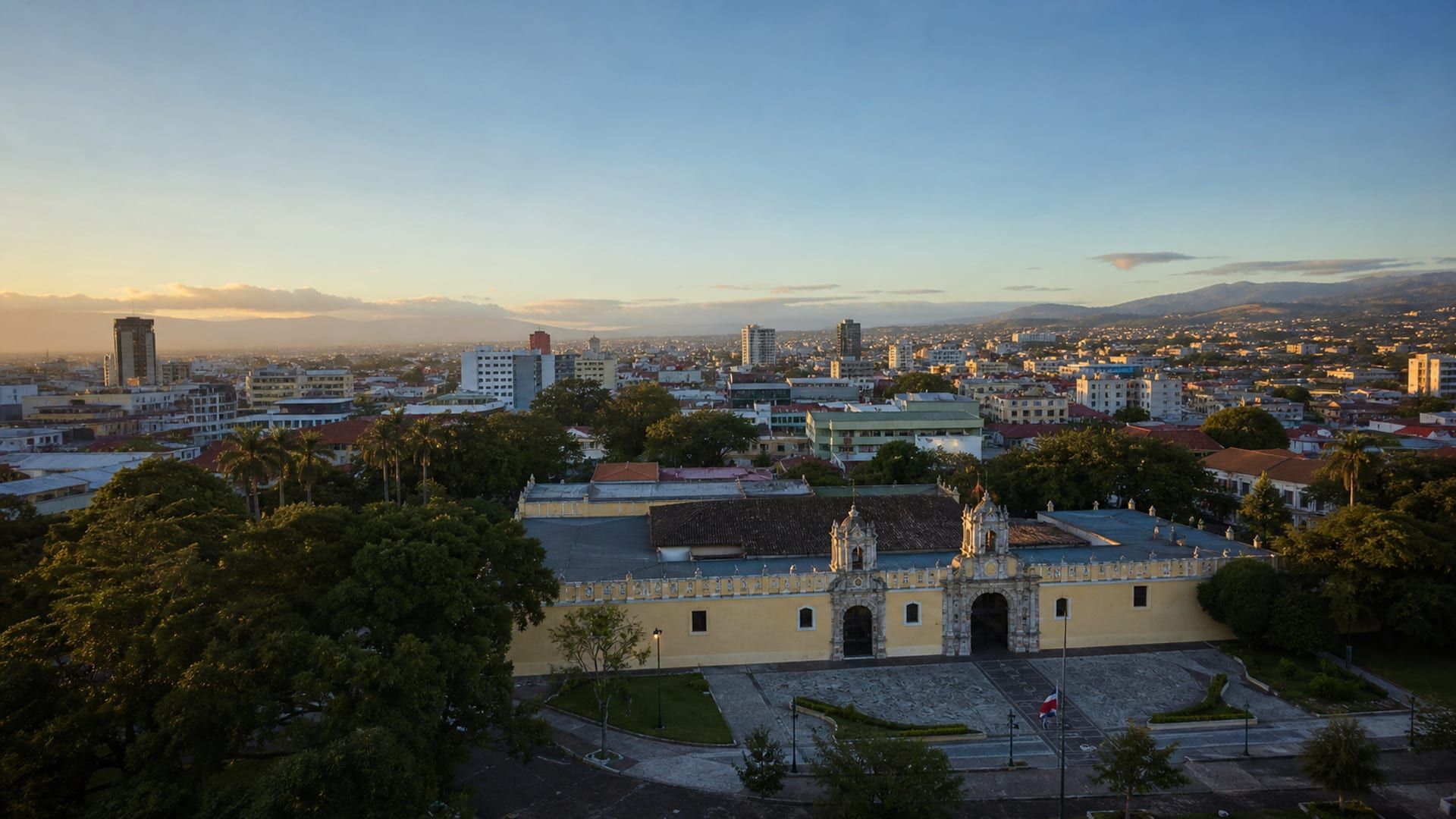
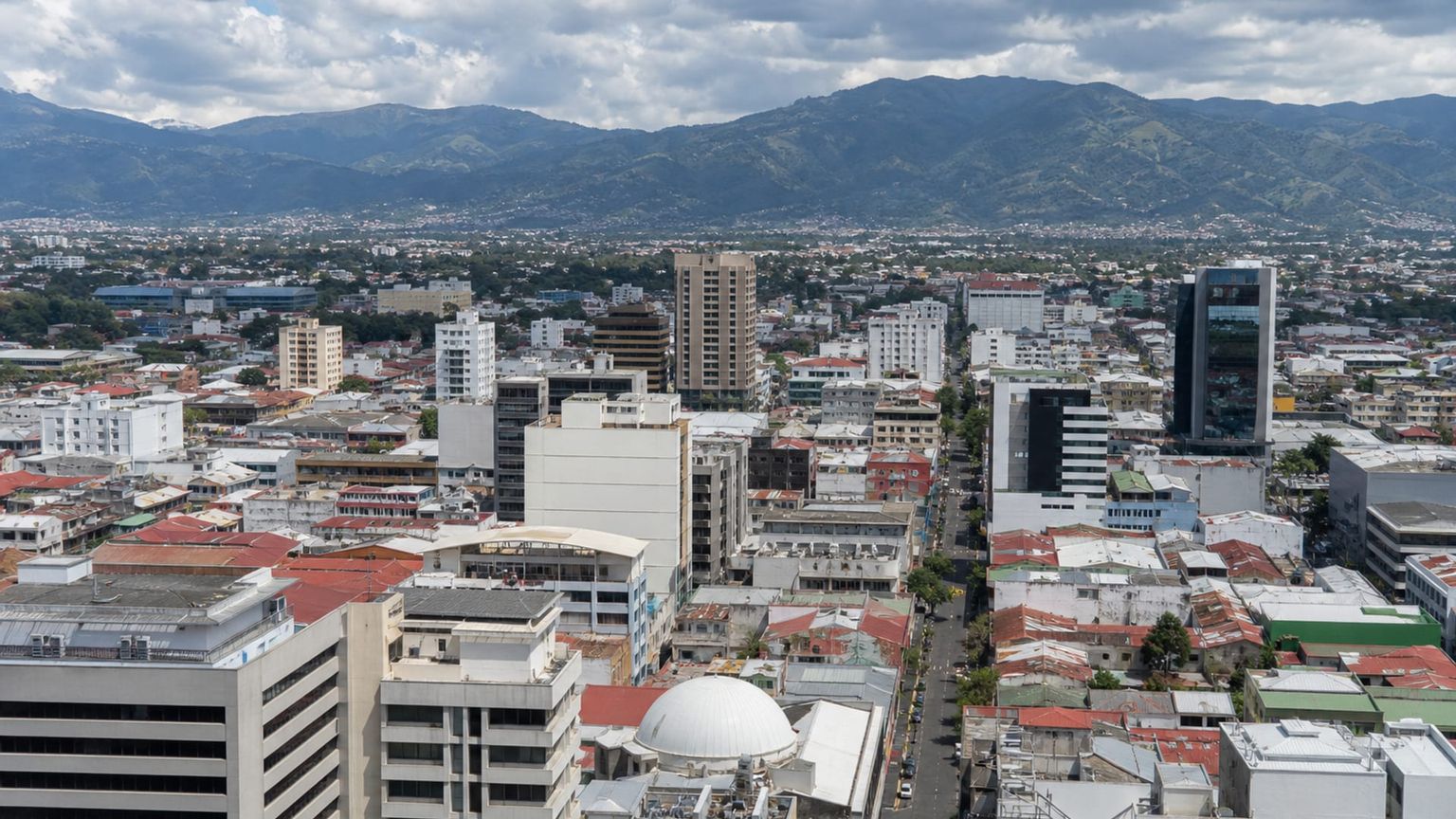
San José is Costa Rica’s capital, located in the Central Valley at 3,770 feet (1,149 meters) above sea level. The city is compact: San José canton covers about 17 square miles (44 square kilometers) and has more than 350,000 residents. Locals often call the capital “Chepe”, the same way you would call someone named Joseph “Joe” or “Joey”.
This guide covers where to stay, what to eat, how to get around, when to visit, which places to see, and how to spend five days in Chepe.
Useful things to know

Main language(s): Spanish
Hola (OH-lah) – Hello
Por favor (por fah-VOR) – Please
Gracias (GRAH-see-ahs) – Thank you
¿Habla inglés? (AH-blah een-GLAYS) – Do you speak English?
¿Cuánto cuesta? (KWAHN-toh KWES-tah) – How much does it cost?

Currency: Costa Rican colón (CRC, ₡)

Cash and cards: Hotels, restaurants, supermarkets, and larger shops widely accept cards. Keep some colones for taxis, small businesses, and other cash payments.

Tipping: Restaurants add a 10% service charge to the bill. Any additional tip is optional.

Traditional food: Common Costa Rican dishes include gallo pinto, casado, olla de carne, and ceviche.

Water and coffee costs: A bottle of water can cost ₡1,000 ($2.20), while an espresso can cost about ₡1,500 ($3.30). Prices vary by café or restaurant.

Taxis and ride apps: Uber and DiDi operate in San José. Check the pickup point in the app before requesting a ride.

Plug and voltage: Costa Rica uses Type A and B plugs and 120V power.

Dining and shop opening hours: Restaurants commonly open by 11:00 am and close between 9:00 pm and 11:00 pm. Most shops are open from 8:00 am to 6:00 pm, while malls often stay open until 9:00 pm.

Emergency number: Call 911 for police, fire, or medical emergencies.
Where to stay in San José
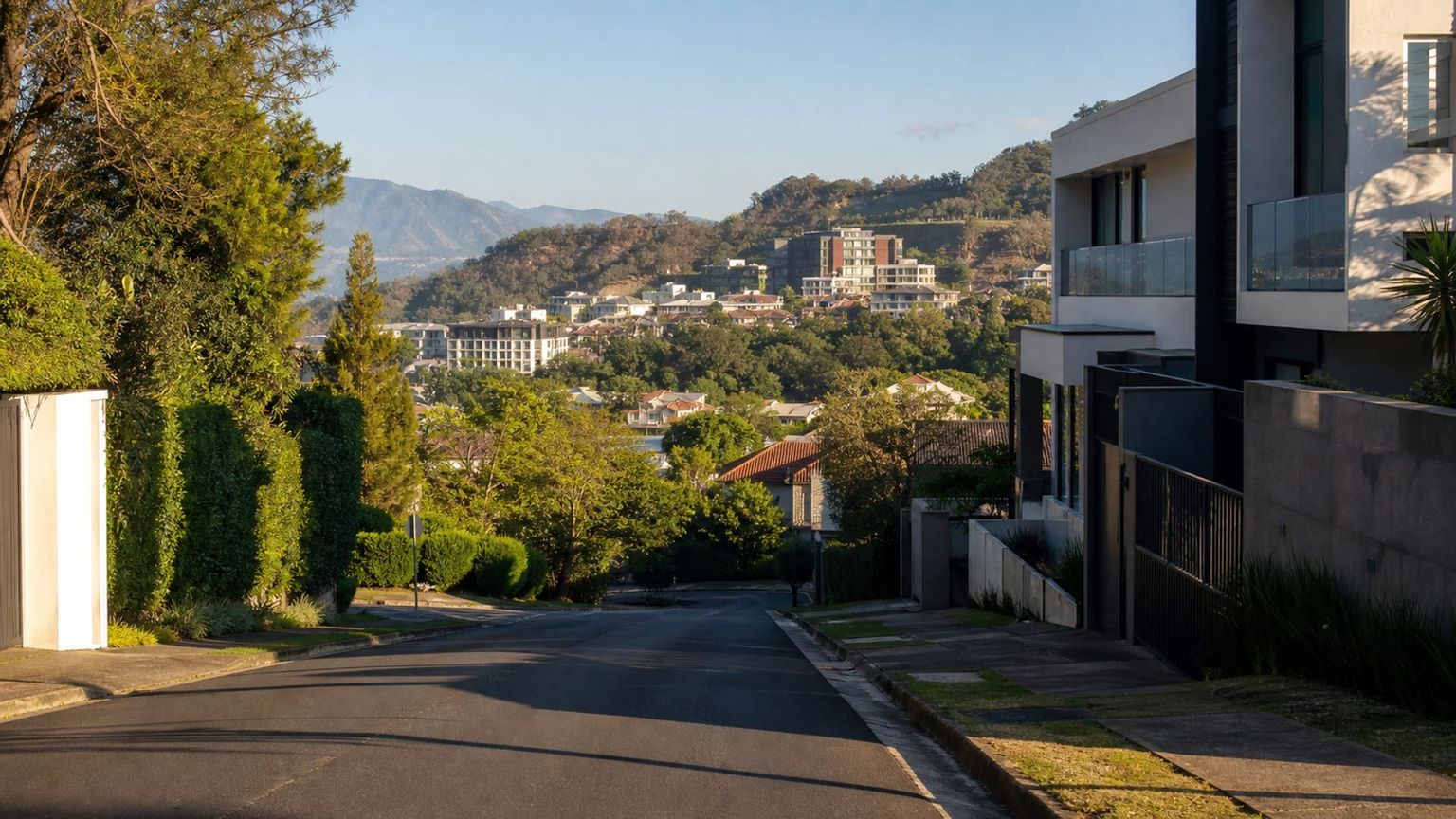
Escazú is a canton west of San José with three districts: Escazú, San Antonio, and San Rafael. Escazú and San Antonio are mainly residential and hilly, while San Rafael has malls, hotels, and restaurants.
Best for: Shopping, restaurants, and staying in upscale hotels
What to expect: Busy main roads in San Rafael, large shopping centers, hotel buildings, restaurant terraces, and residential hillside streets in Escazú and San Antonio
Hotel prices: Many international hotels charge ₡68,000–₡181,000 ($150–$400) per night, depending on the property and travel dates.
Distance to major sights: From San Rafael, the drive to the National Theatre and Plaza de la Cultura usually takes 15–25 minutes in light traffic and longer at peak times.
Quietness: Traffic noise is more common near major roads in San Rafael. Residential streets farther from the commercial areas are quieter.
Main trade-off: Most museums and historic landmarks are in central San José, so visitors usually need a taxi or ride-hailing car to reach them.
Good to know: Hotels advertised as being in Escazú may be in any of the canton’s three districts, so check the address to see exactly where the property is.
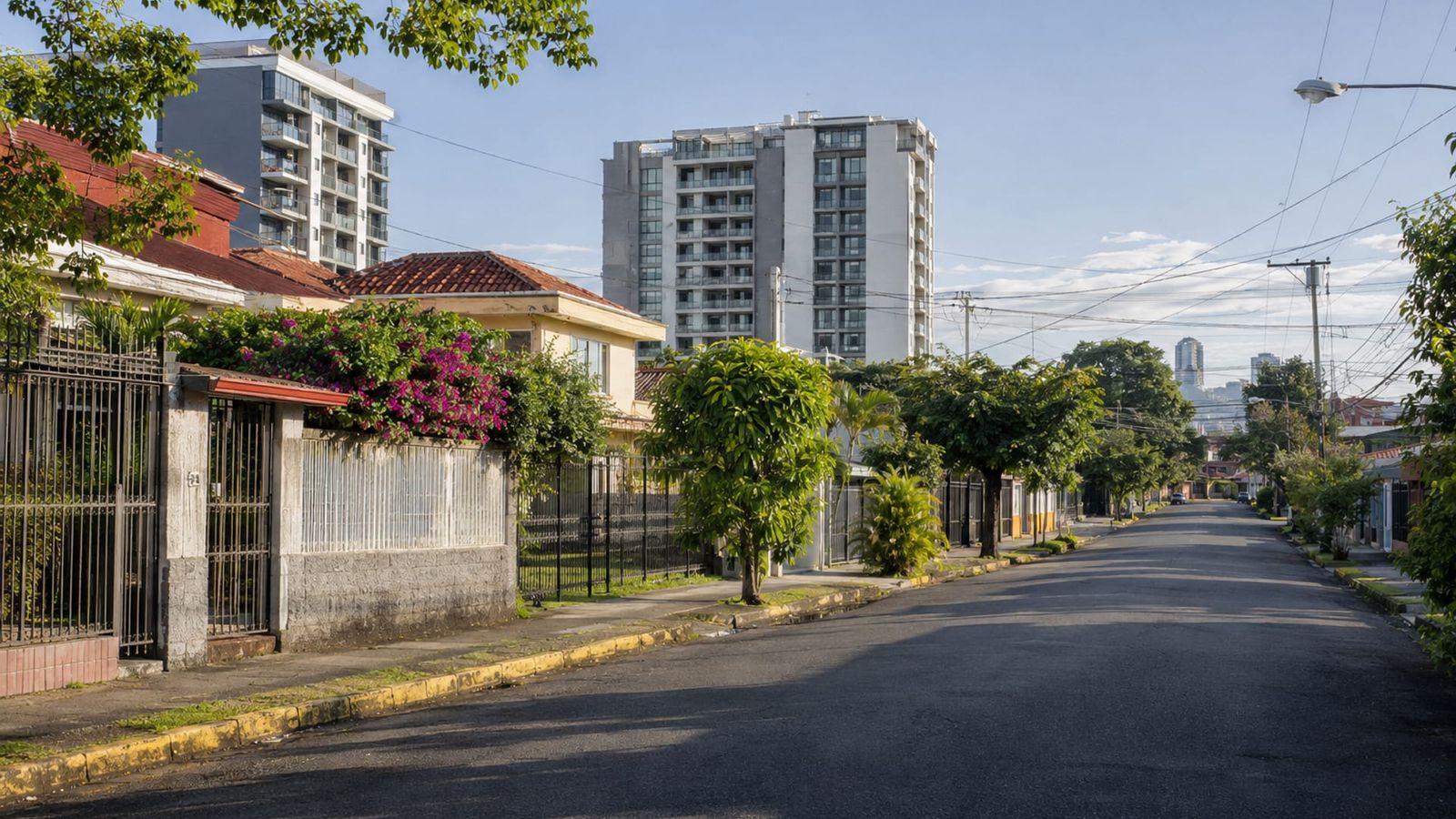
Mata Redonda is a district west of central San José. Parque Metropolitano La Sabana occupies a large part of it, with hotels, apartment towers, and residential streets nearby.
Best for: Museum visits, park access, and travelers who want easy central connections
What to expect: A mix of commuters, hotel guests, and joggers during the day, then a quieter residential feel after business hours.
Hotel prices: Usually about $90 to $200 per night for well-rated stays
Distance to major sights: About 10 to 20 minutes on foot to the National Museum and about 20 minutes by transit to the National Theatre
Quietness: Livelier in daylight near the park and offices, calmer in the evening.
Main trade-off: Restaurant choice is thinner than in Escazú or Barrio Escalante, so you may rely more on taxis for dinner.
Good to know: Large events at the National Stadium can cause road closures, traffic diversions, and additional noise to the streets near La Sabana.
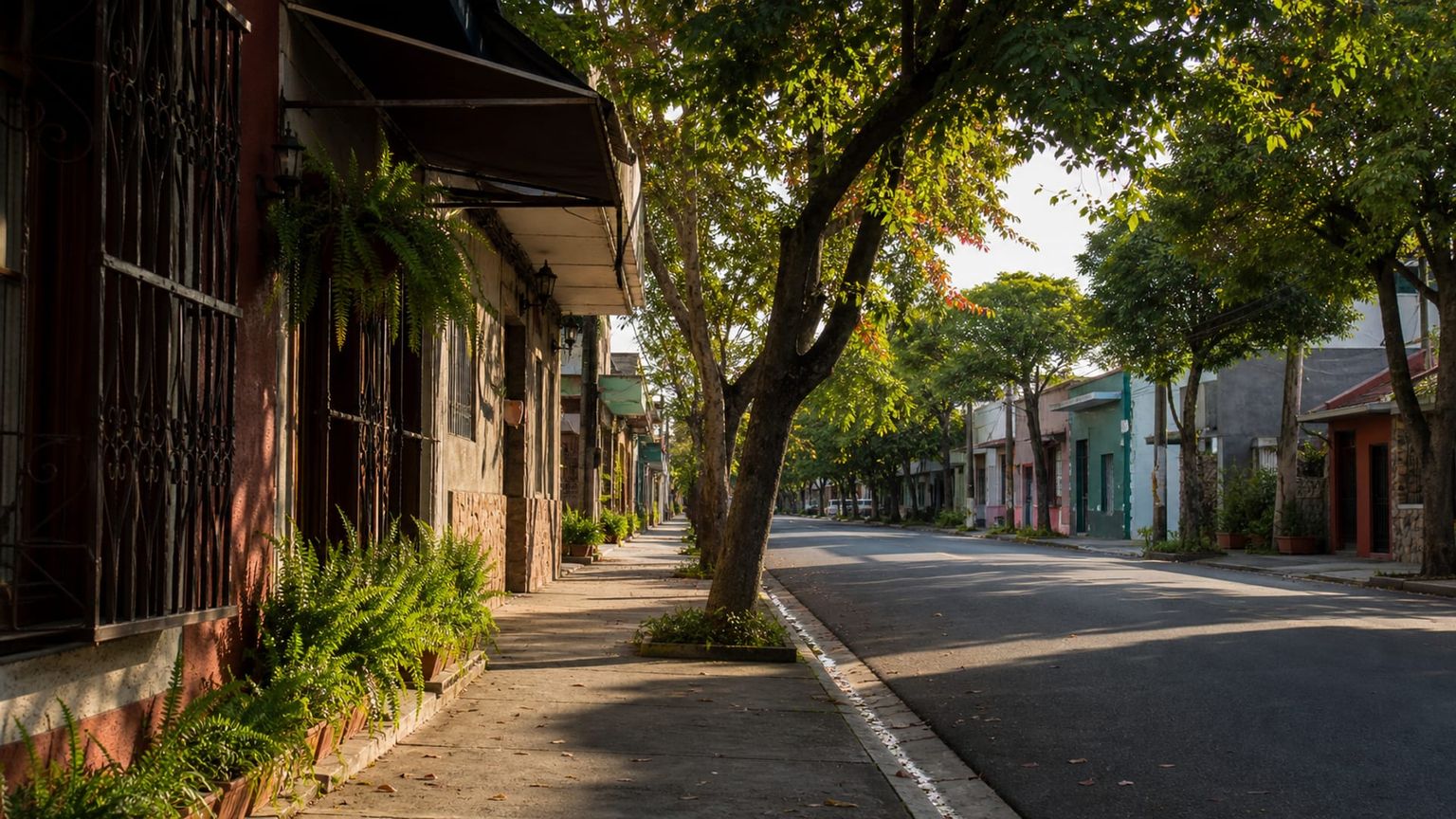
Barrio Escalante is a residential neighborhood east of central San José, with houses and low-rise buildings along leafy streets. Most restaurants, cafés, and bars are concentrated on Calle 33, the neighborhood’s main dining street.
Best for: Dining-focused stays, nightlife, and walkable evenings
What to expect: Active sidewalks, restaurant patios, and a younger crowd in the evening, with less traffic than the main avenues nearby.
Hotel prices: Usually about $100 to $220 per night for well-rated stays
Distance to major sights: About 15 to 25 minutes on foot to Plaza de la Cultura and the National Theatre
Quietness: Busy and social at night, quieter in the morning before lunch service starts.
Main trade-off: Rooms near the restaurant strip can pick up late noise, especially on weekends.
Good to know: Barrio Escalante is part of the Carmen district, so Carmen may appear in addresses and location details.
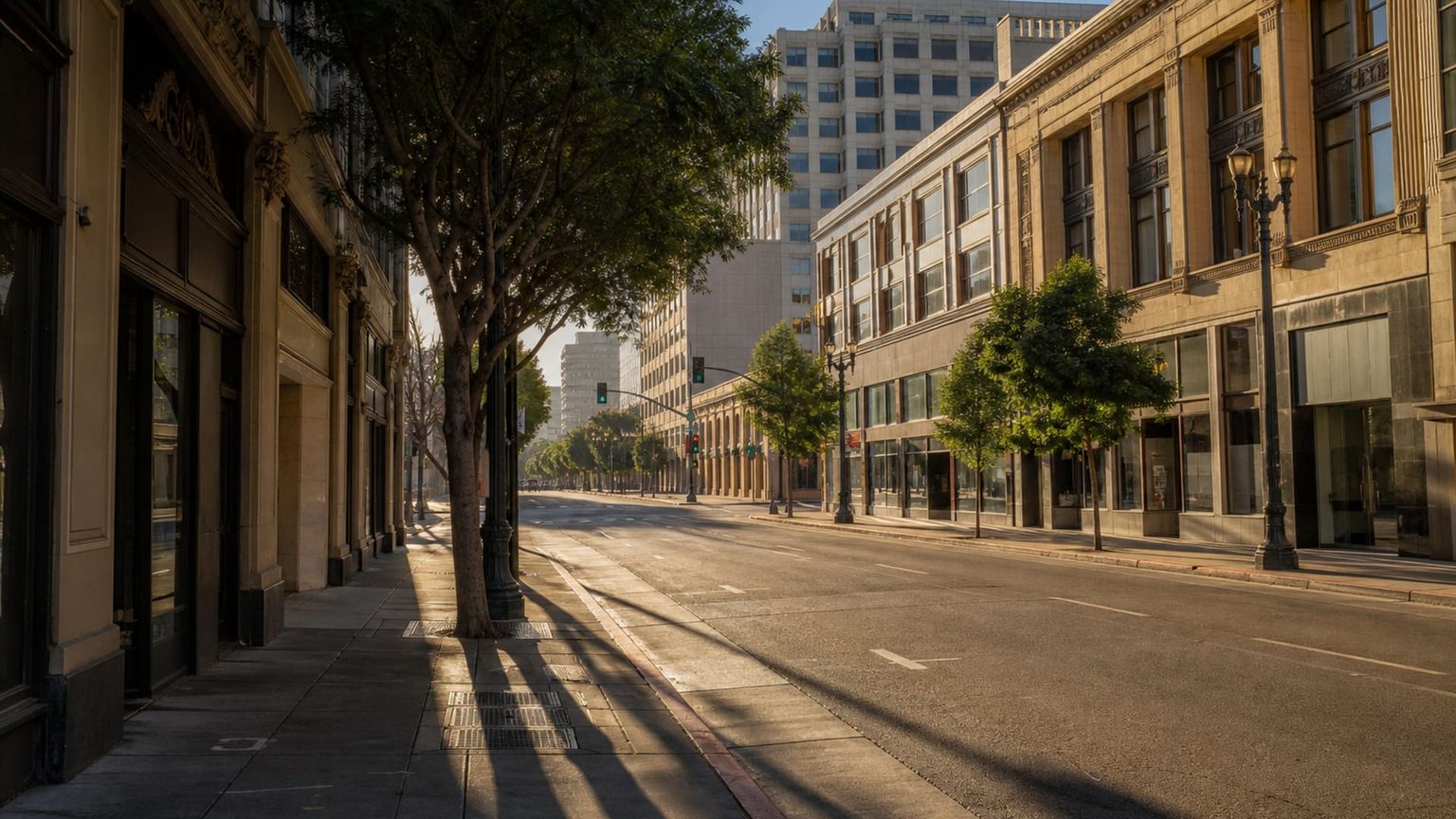
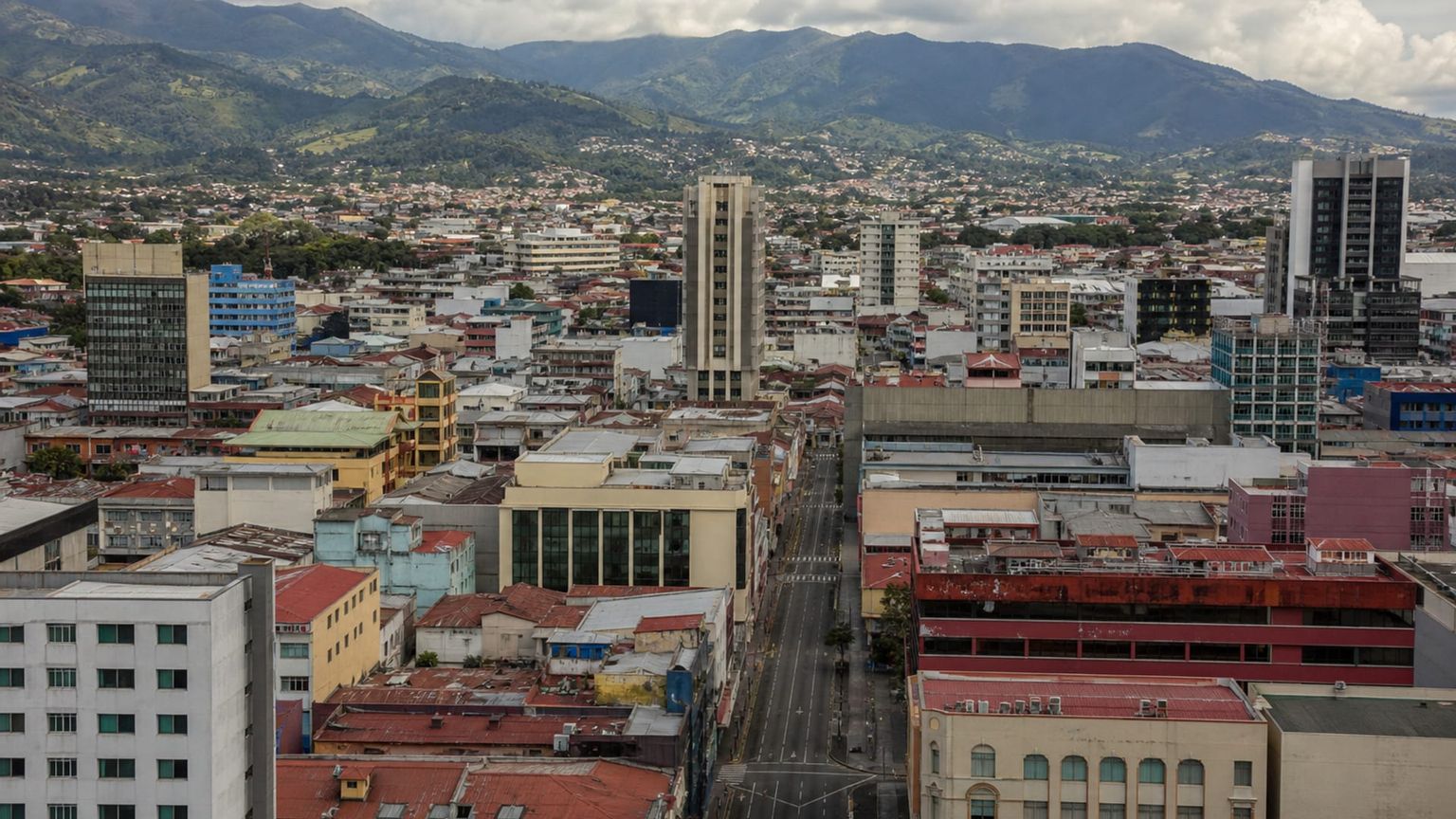
Downtown San José includes the streets around Plaza de la Cultura, Avenida Central, the National Theatre, and the Central Market. This part of the city has historic buildings, plazas, museums, shops, and pedestrian streets.
Best for: First-time visits, sightseeing, and travelers who want the shortest trips to major landmarks
What to expect: Crowded sidewalks, bus traffic, street vendors, and the most constant city activity in San José.
Hotel prices: Usually about $80 to $180 per night for well-rated stays
Distance to major sights: On foot to Plaza de la Cultura, National Theatre, and Central Market
Quietness: Noisy and busy by day, much calmer after offices and shops close.
Main trade-off: The area is the least relaxed at night, and some blocks feel empty once commercial activity winds down.
Good to know: Avenida Central is pedestrianized through much of downtown and connects several central plazas, shops, and historic buildings.
For a sightseeing trip, avoid staying in Pavas, Uruca, Alajuelita, Curridabat, and San Pedro. Most hotels in these areas require a bus, taxi, or ride-hailing car to reach San José’s main museums, historic landmarks, and central restaurants.
Hotel deals
How to get around San José efficiently
San José has no metro or tram. Visitors usually use commuter trains for specific suburban routes, buses for trips to the airport, and taxis or rideshare cars between neighborhoods.

Commuter train
for day trips
INCOFER trains connect San José with Alajuela, Heredia, Cartago, Curridabat, Pavas, and Belén. Fares are about ₡310–₡800 ($0.70–$1.80), depending on the route. Most trains operate during weekday commuting periods, and the network does not serve the airport terminal.

Bus
for rides to the airport and low-cost trips
Buses connect central San José with neighborhoods across the city. TUASA buses run between Juan Santamaría International Airport (SJO), San José, and Alajuela. The airport fare is about ₡740 ($1.60), and the trip to San José usually takes 35–60 minutes, depending on traffic.

Taxi
for convenience or late hours
Red licensed taxis operate throughout San José. At Juan Santamaría International Airport (SJO), official orange taxis pick up passengers outside the terminal. Airport taxis use distance-based fares, so the final price depends on the destination and traffic. Uber and DiDi are also available.
*Prices are based on rates updated as of June 2026 and may change at the time of travel.
Use buses for inexpensive airport and local trips, taxis or ride-hailing cars for direct rides between neighborhoods, and commuter trains when you have plans outside San José.
Iconic landmarks
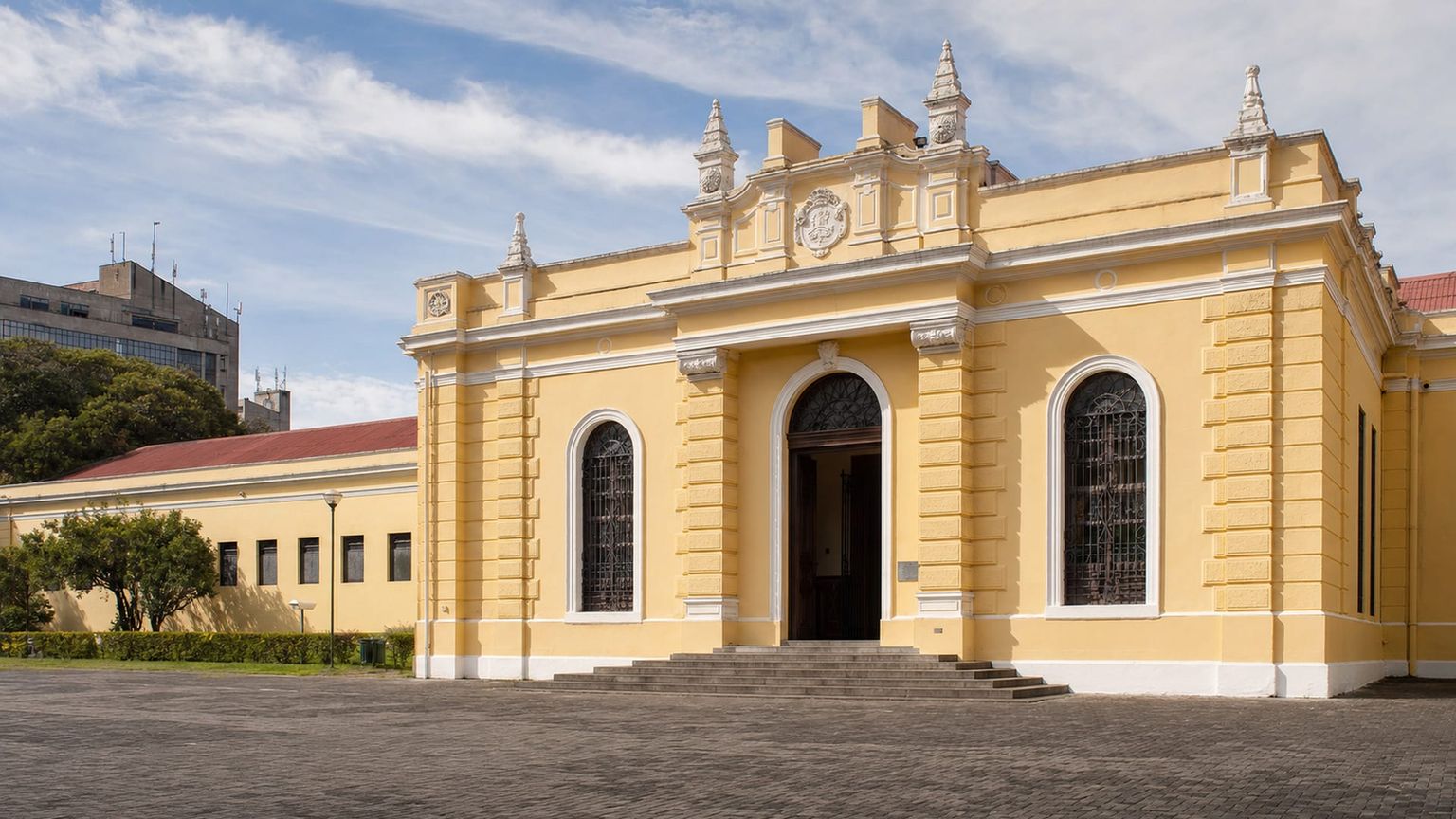
National Museum of Costa Rica
The National Museum is inside the former Bellavista Barracks. Visitors can see bullet marks on the walls, archaeological objects, colonial artifacts, and exhibits on Costa Rica’s history.
Time needed: About 2 to 3 hours
Entry: Tickets cost about $11 ($5,500) for adults; discounts apply for students, seniors, and children, with some categories admitted free. Visit the official site for details.
Tip: Look for the bullet marks on the exterior walls before entering; they date from the 1948 civil war.
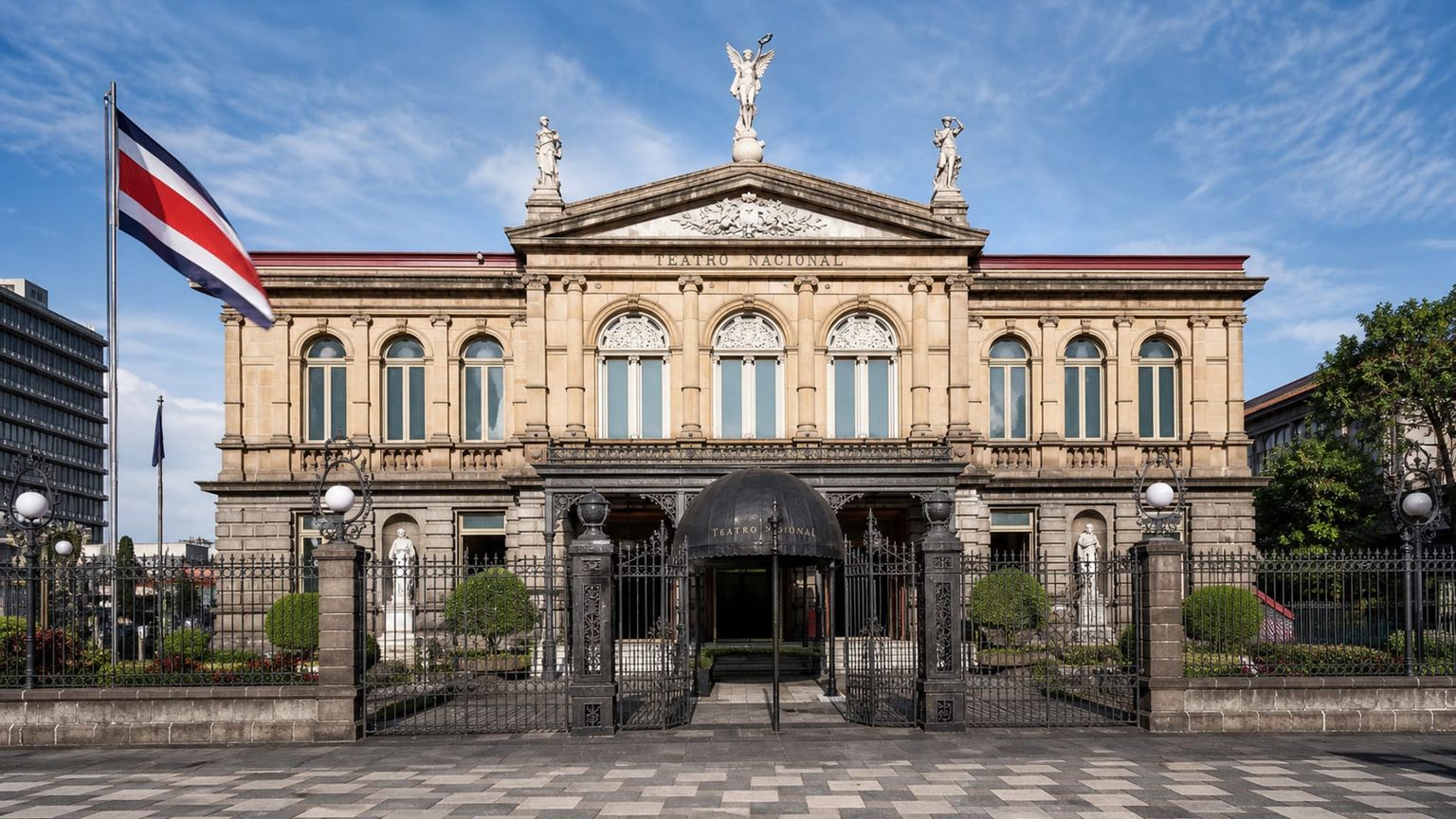
National Theater of Costa Rica
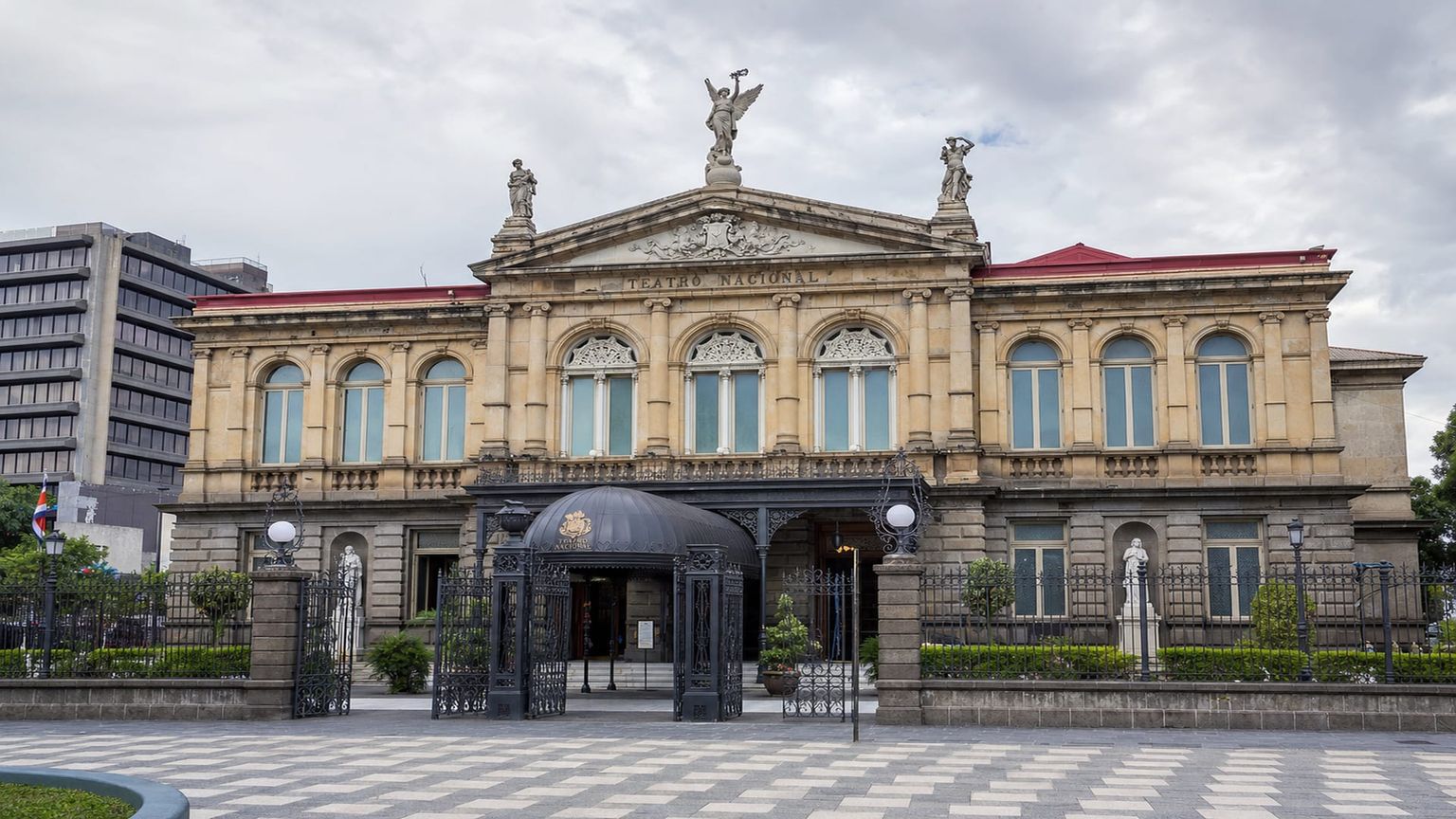
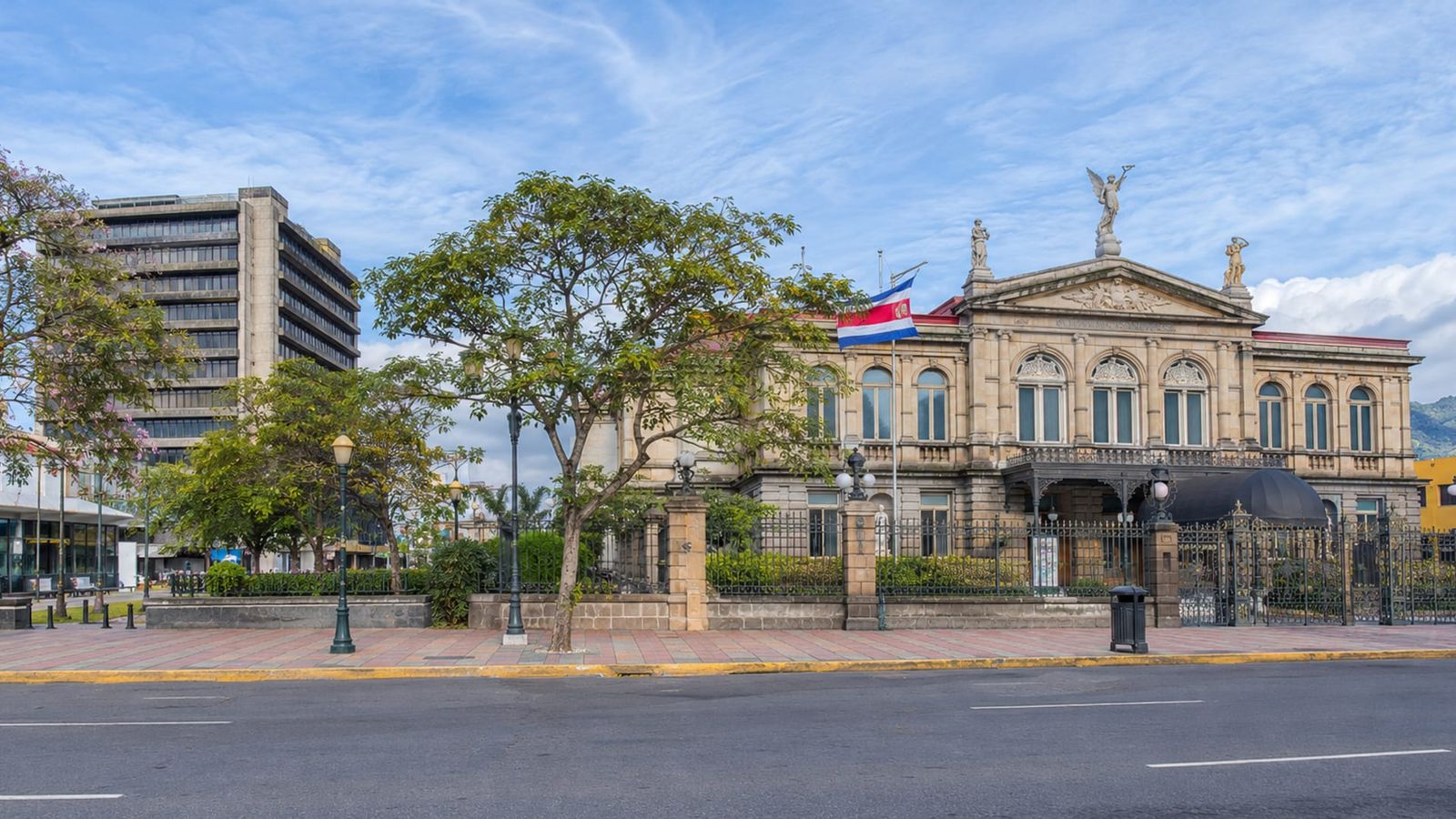
The National Theatre opened in 1897. Inside, visitors can explore marble staircases, painted ceilings, gilded decoration, sculptures, and the richly decorated auditorium.
Time needed: About 1 to 2 hours
Entry: Guided tours and performances cost about $12 to $30 ($6,000 to 15,000), depending on the program, seat, and age category. Visit the official site for details.
Tip: Guided visits take place hourly from 9:00 am to 4:00 pm. Check the schedule before visiting because performances can affect access.
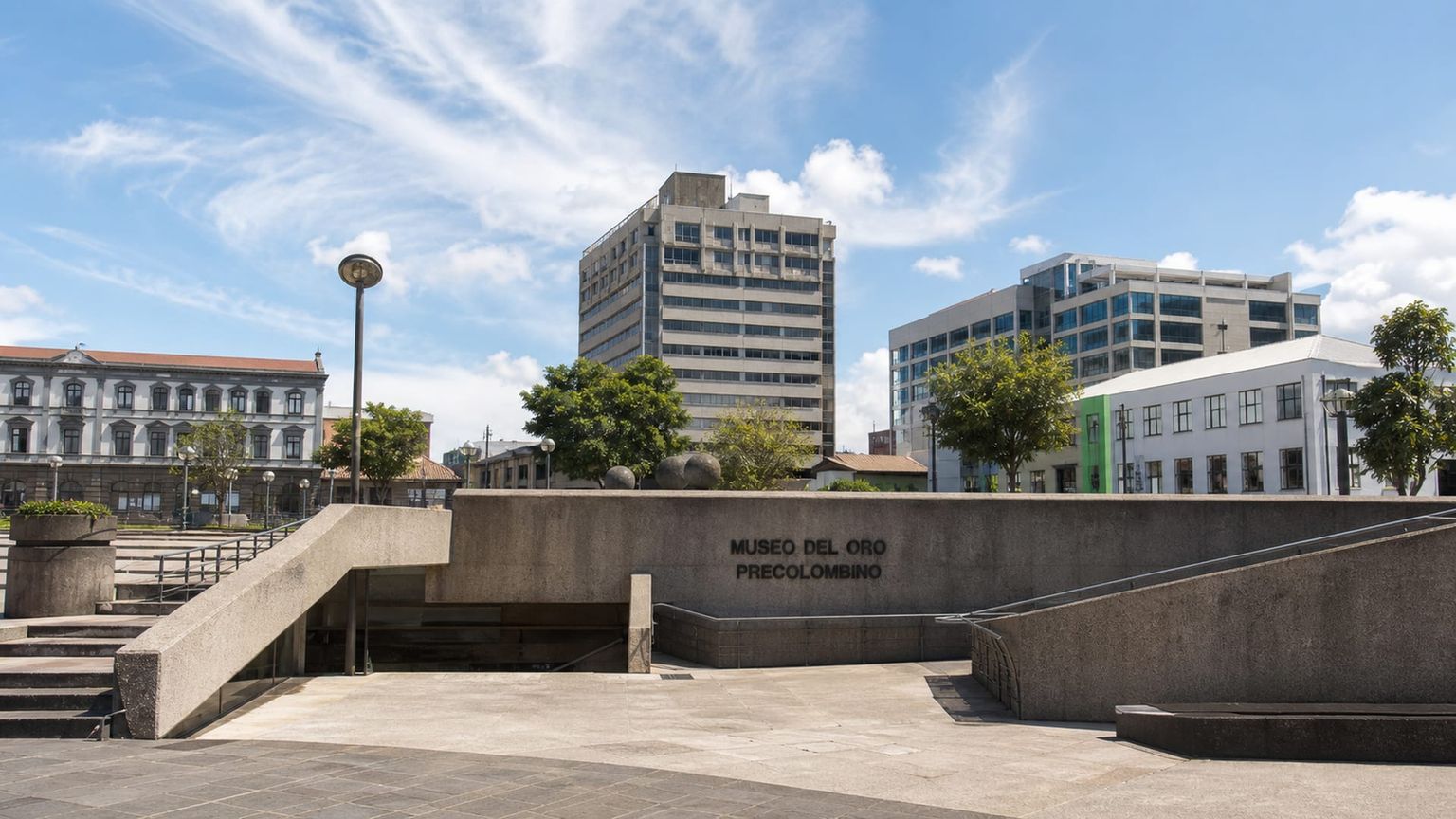
Pre-Columbian Gold Museum
The museum is beneath Plaza de la Cultura in a three-level underground building. Visitors can see pre-Columbian gold pieces alongside ceramics and stone objects from Costa Rica’s archaeological collection.
Time needed: About 1 to 2 hours
Entry: Admission costs about $10 ($5,000) for adults; reduced rates are available for students, children, and some resident categories. Visit the official site for details.
Tip: The National Theatre is beside Plaza de la Cultura, so both places are easy to visit on the same day.
Overlooked sites worth visiting

Parque Metropolitano La Sabana
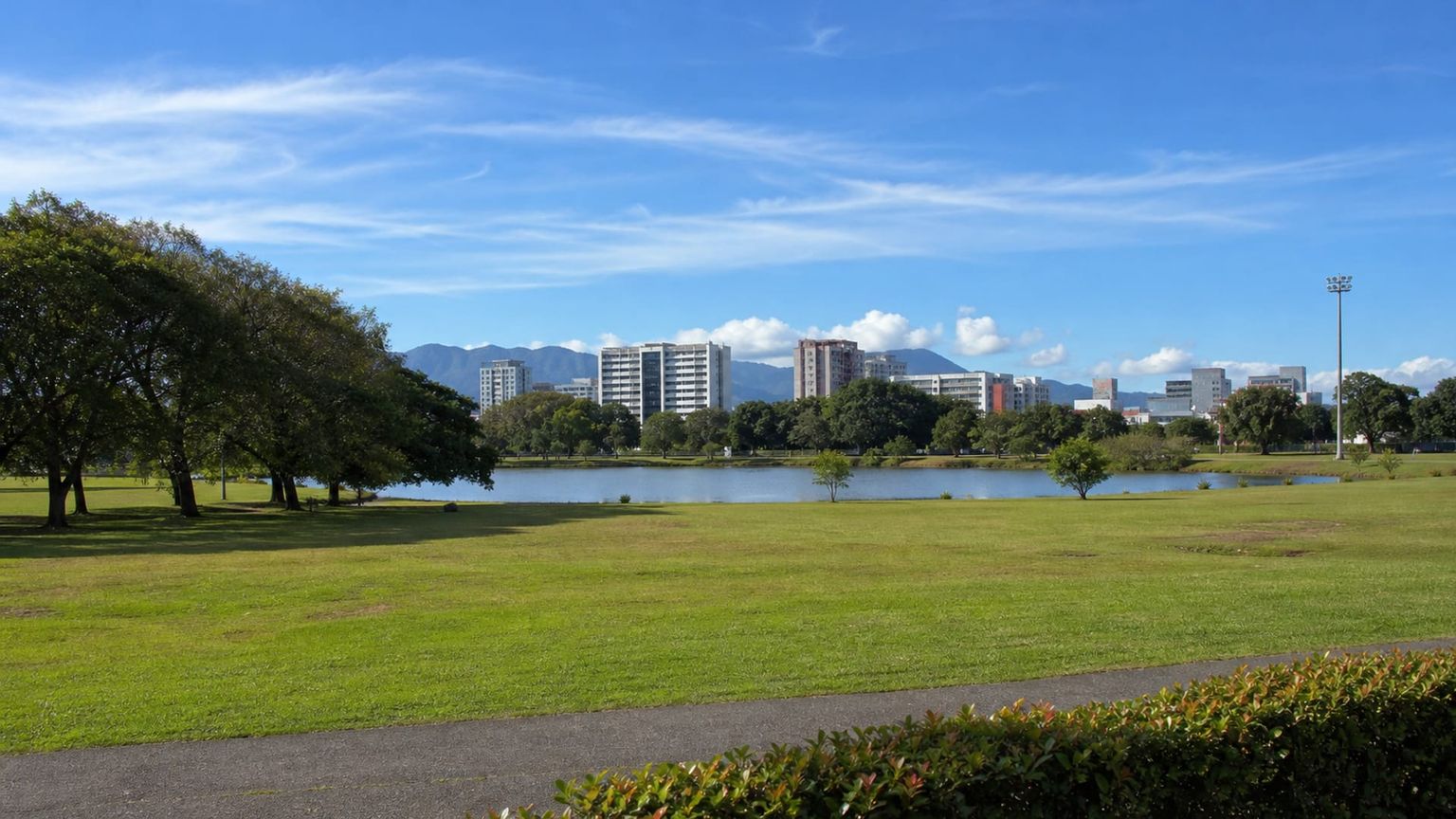
Parque Metropolitano La Sabana covers 178 acres (72 hectares) west of central San José. Its grounds include a lake, open lawns, sports fields, the National Stadium, and long walking paths through wooded sections of the park.
Time needed: About 1 to 2 hours
Entry: Free to access
Tip: Check ICODER updates before visiting, as renovation work continues through February 2027 and may affect access to some paths or facilities.

Museo de Arte y Diseño Contemporáneo (MADC)
MADC occupies part of the former National Liquor Factory in central San José. Its galleries show contemporary art and design by Costa Rican, Central American, and international artists.
Time needed: About 1 to 1.5 hours
Entry: Admission costs $11 ($5,500) for adults; students, seniors, and children may qualify for reduced rates, with occasional free entry days announced by the museum. Visit the official site for details.
Tip: Check the exhibition calendar before visiting, since the museum changes its temporary exhibitions throughout the year.
Traditional food
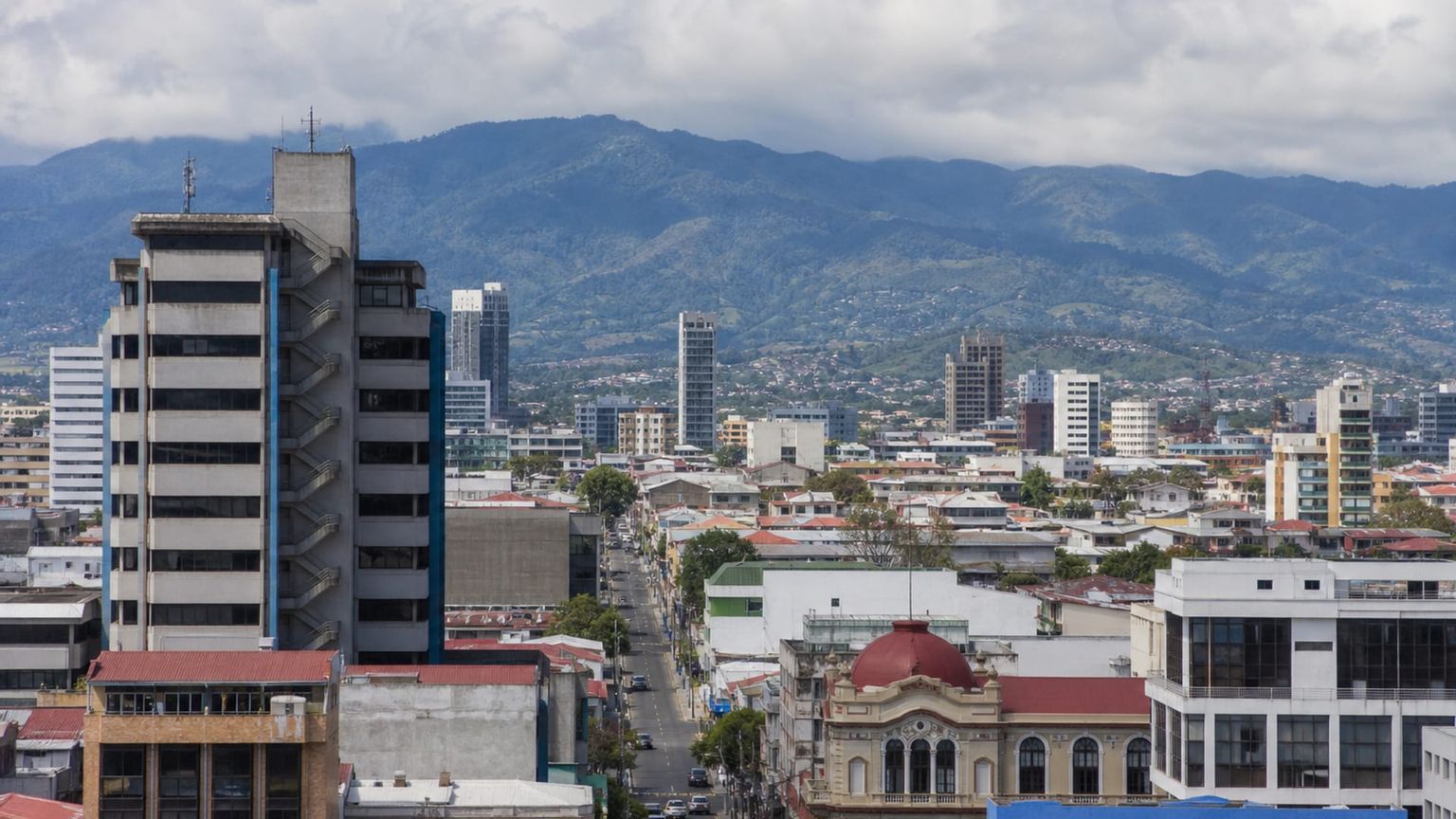
Costa Rican cooking is simple and filling, with rice, beans, vegetables, plantains, meat, and fresh fish used in many traditional dishes.
Gallo pinto
Gallo pinto is rice and black beans cooked together with onion, sweet pepper, cilantro, and seasonings. Restaurants often serve it at breakfast with eggs, fried plantain, cheese, and natilla. Soda Tapia is a well-known place to try it.
Casado
A casado is a plate of rice, beans, salad, fried plantain, and a choice of meat, chicken, fish, or another protein. Some versions also include vegetables or a tortilla. Plan a visit to Soda Tala to try it.
Olla de carne
Cooks make olla de carne by simmering beef with vegetables and root crops such as yuca, potato, chayote, corn, carrot, and plantain in broth. Restaurante Nuestra Tierra is a good place to try it.
Ceviche
Costa Rican ceviche usually consists of pieces of fresh fish marinated in lime juice with onion, cilantro, and sweet pepper. Some versions add shrimp or other seafood. El Lobo Mestizo is a good place to order it.
Best time to visit San José
San José has a mild highland climate, with warm days, cool evenings, and little temperature change through the year. The main difference between seasons is the amount of rain.
Best for: Long walks through downtown, time in La Sabana, outdoor dining, and day trips to nearby volcanoes
What you get: Temperatures of 63°F–79°F (17°C–26°C), sunny weather, and very little rain
Trade-offs: December and January are popular travel months in Costa Rica, so flights and hotels can be more expensive.
Best for: Central Market visits, café stops in Barrio Escalante, museum visits, and walking between historic landmarks
What you get: Temperatures of 64°F–81°F (18°C–27°C). March is dry, while rain becomes more frequent during April and May.
Trade-offs: By May, afternoon rain can interrupt outdoor plans.
Best for: The National Museum, Pre-Columbian Gold Museum, MADC, and performances at the National Theatre
What you get: Temperatures of 64°F–78°F (18°C–26°C), frequent afternoon rain, and occasional drier periods during the midyear veranillo (a short drier period that can occur during the rainy season)
Trade-offs: Frequent rain limits the amount of time available for outdoor sightseeing.
Best for: Restaurant visits, coffee shops, food markets, and indoor cultural events
What you get: Temperatures of 63°F–77°F (17°C–25°C). September and October receive heavy rain, while November begins the transition toward drier weather.
Trade-offs: September and October can bring prolonged rains that disrupt outdoor plans.
A realistic 5-day plan in San José
San José is a compact city, so five days give you plenty of time to see its main sights, neighborhoods, parks, and museums without rushing.
After arriving at Juan Santamaría International Airport (SJO), take a taxi or ride-hailing car to the hotel and settle in. Keep the rest of the day light. Have dinner nearby or head to Barrio Escalante, where there are plenty of restaurants and cafés along Calle 33.
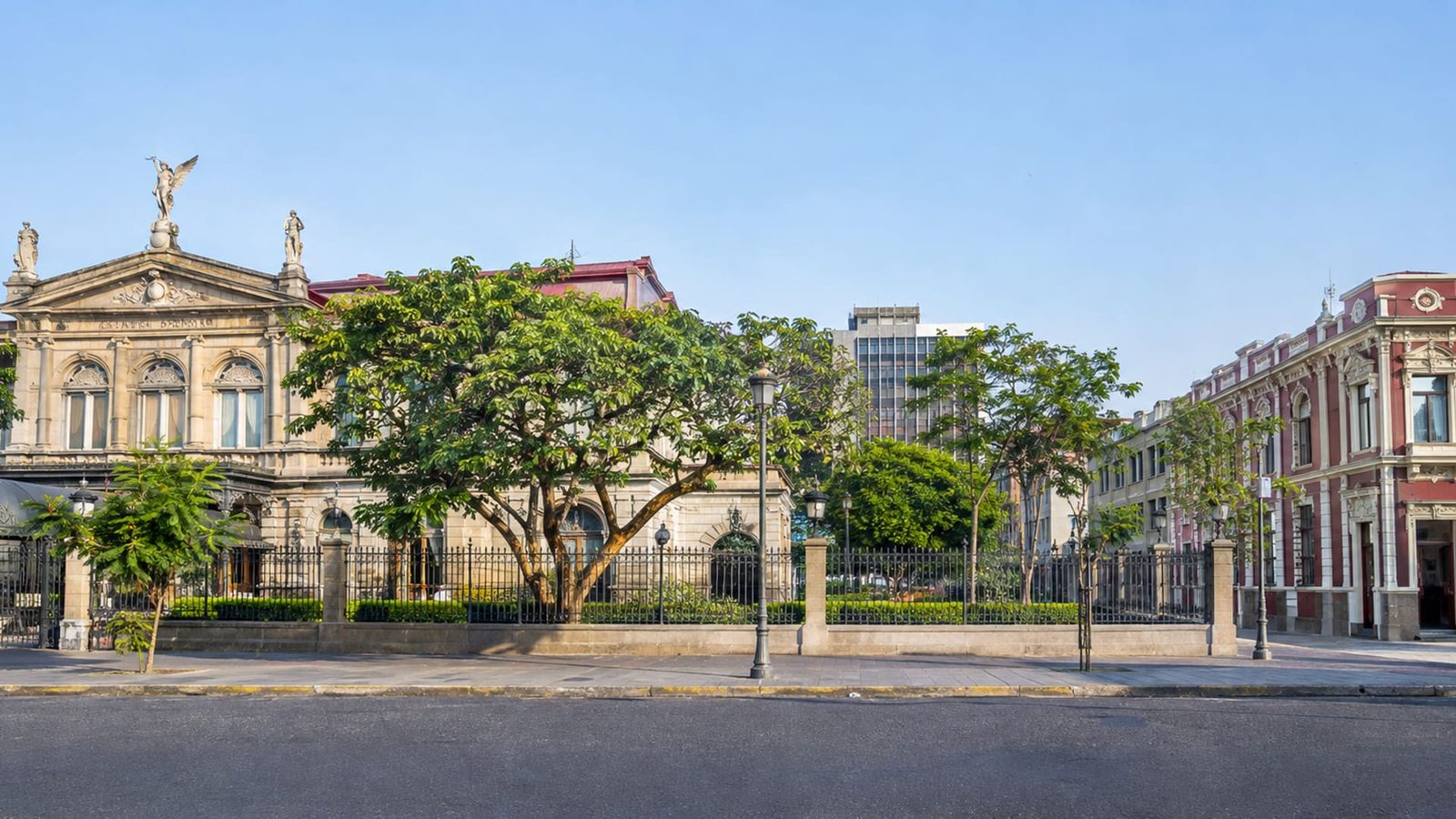
Start the morning at Parque Metropolitano La Sabana and walk through the park past the lake, sports fields, and National Stadium. Afterward, take a taxi or ride-hailing car downtown and visit the National Museum of Costa Rica. Its collections cover Costa Rican archaeology and history, while the former Bellavista Barracks still show bullet marks from the 1948 civil war. Plaza de la Democracia is directly outside and makes a natural final stop before lunch or an afternoon downtown.
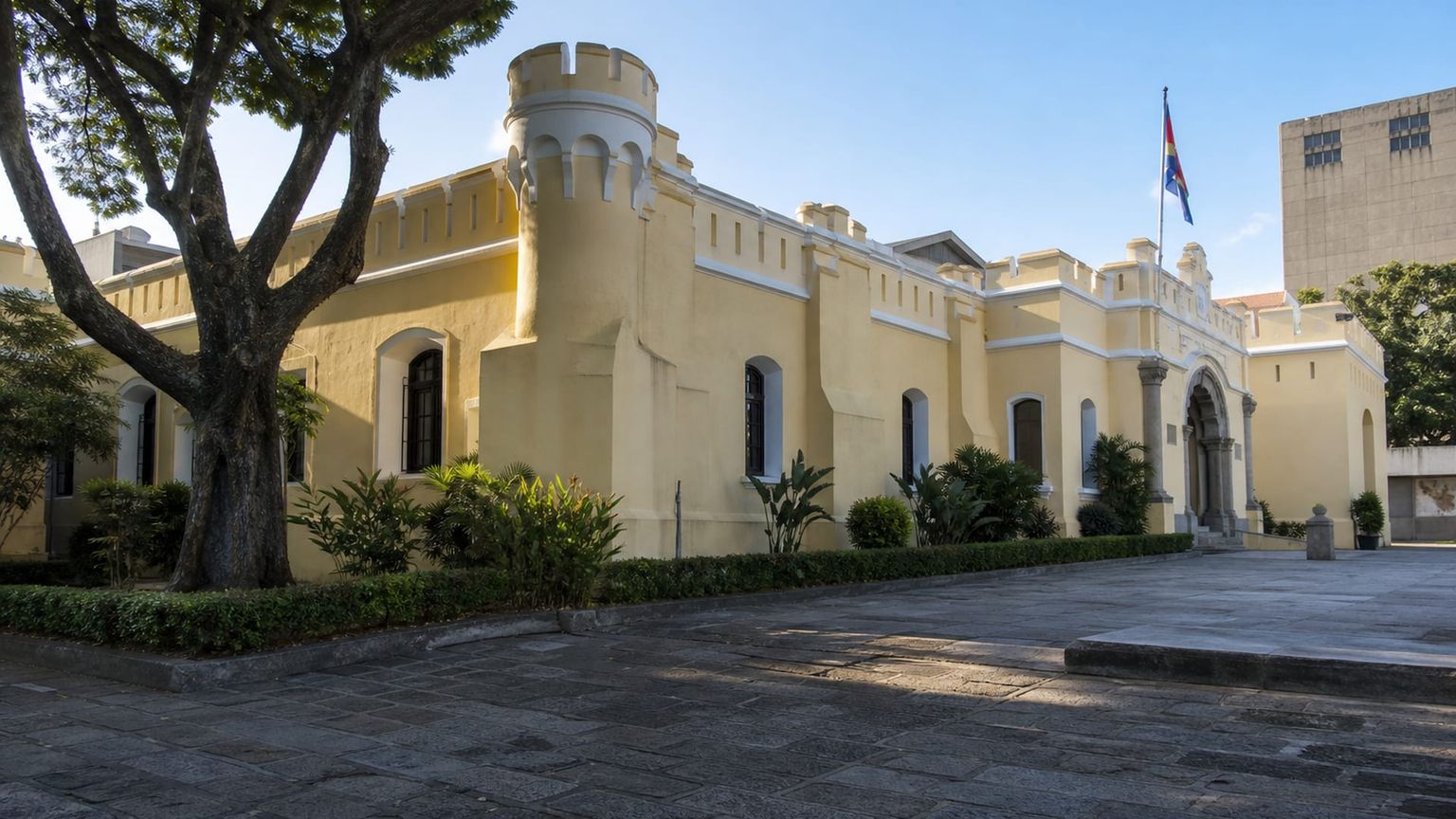
Begin at the National Theatre of Costa Rica with a guided visit through its auditorium and decorated interiors. A short walk takes you to Plaza de la Cultura and the Pre-Columbian Gold Museum beneath it, where the collection includes gold, ceramics, and stone objects. Continue to Mercado Central for lunch and spend some time among its food stalls, produce stands, coffee sellers, souvenir shops, and small local businesses.
Visit the Museo de Arte y Diseño Contemporáneo (MADC) in the morning to see its current exhibitions of contemporary art and design. Head to Barrio Escalante for lunch afterward and spend the afternoon exploring Calle 33 and the nearby streets. Stop for coffee or something from a bakery during the afternoon, then stay for dinner at one of the neighborhood restaurants.
Spend the last morning in Escazú before heading to the airport. Start with breakfast or coffee, then visit Multiplaza or Avenida Escazú for shopping and a final walk through the area. Have lunch nearby before collecting the luggage and leaving for Juan Santamaría International Airport (SJO).
Business-class flights from the US to San José
For transits from New York and Los Angeles, the most useful comparison is not just the price band, but whether you want a nonstop trip or accept a one-stop itinerary through a major hub. The route mix is broad enough that timing often matters as much as fare.
Airlines on this route include American Airlines, Avianca, Delta Air Lines, JetBlue, United Airlines, and Copa Airlines. A nonstop flight takes about 4 to 5 hours, while one-stop itineraries often route through PTY, BOG, MIA, IAH, or ATL and usually take about 7 to 11 hours. Round-trip fares usually start at about $1,200 and can climb to $2,800.
From Los Angeles, American Airlines, Alaska Airlines, Avianca, Delta Air Lines, United Airlines, and Copa Airlines all appear on common itineraries. Nonstop flights take about 6 to 7 hours, and if you choose a one-stop trip via PTY, BOG, MIA, IAH, or DFW, total travel time usually stretches to about 8 to 13 hours. Round-trip fares often fall between $1,000 and $2,500; if you do not mind a layover, the longer route can trim the price.
More to discover in San José
San José has plenty more beyond its best-known sights, from local neighborhoods to everyday restaurants and cultural spaces. When it is time to plan your trip, our travel experts at AranGrant can help you with finding business-class flights to Costa Rica.