

Chapters:

Need help with your trip?
Our support team is available 24/7. Request a callback or call us directly at (833) 619-0908
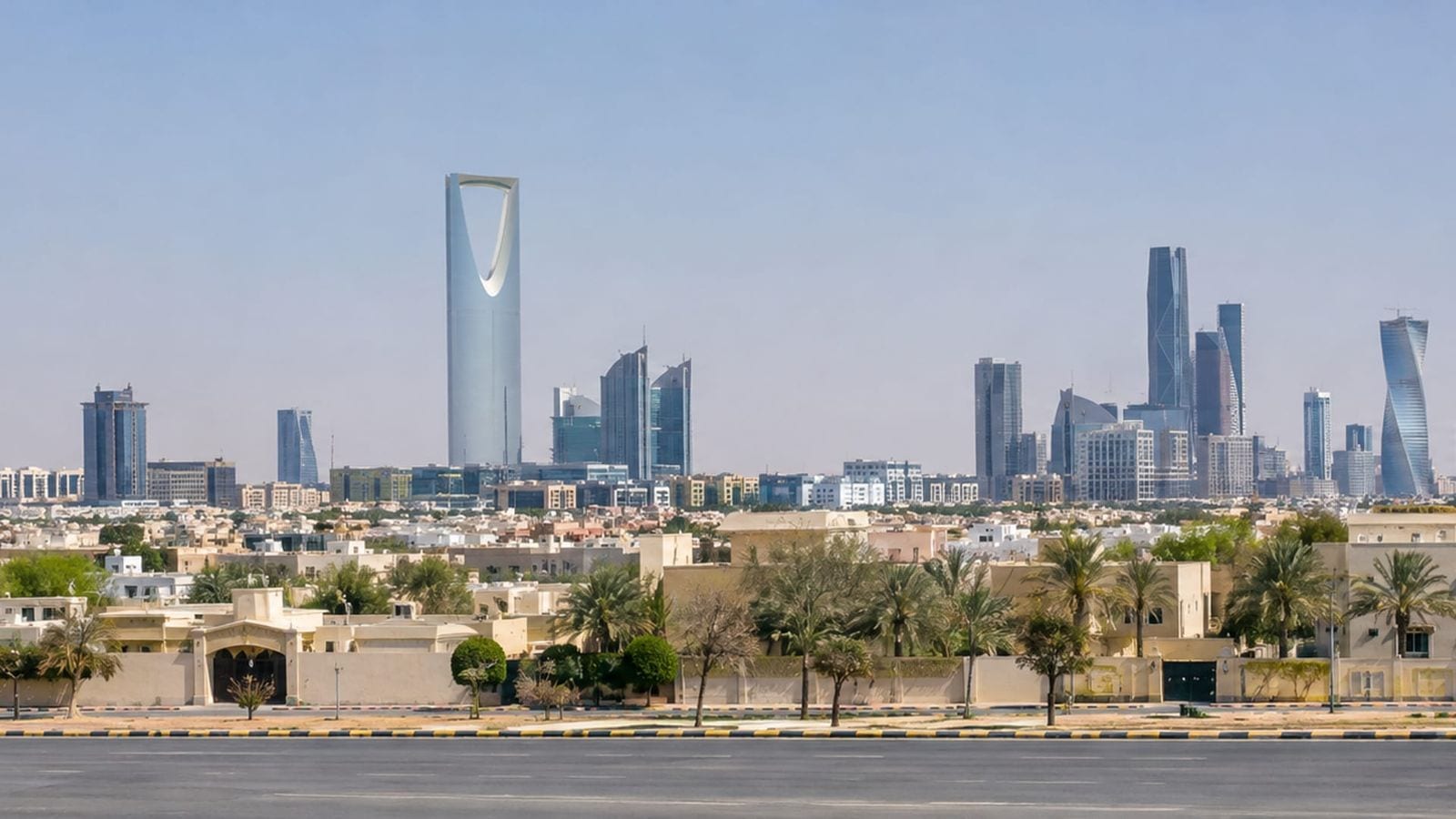
Riyadh brings together different periods of Saudi Arabia within one expansive capital. Mud-brick palaces and traditional souqs reveal its origins, while contemporary art spaces, financial towers, and new commercial districts show how rapidly the city is changing.
Its scale shapes every visit. Most attractions are spread across districts designed for travel by car, so grouping nearby stops helps you avoid long cross-city trips. Seasonal heat also affects your schedule, with outdoor landmarks best visited during cooler mornings or after sunset.
A thoughtful plan gives each part of Riyadh enough time. By choosing the right area to stay in, allowing for traffic, and organizing five days by location, you can explore the city’s history, architecture, food, and modern culture at a comfortable pace.
Useful things to know

Main language(s): Arabic
Marhaban (mar-haban) – Hello / good morning
Min fadlak (min FAHD-lak) – Please
Shukran (SHOOK-ran) – Thank you
Hal تتحدث الإنجليزية؟ (hal tatahaddath al-injliiziyya?) – Do you speak English?
Kam al-thaman? (kam al-tha-man?) – How much does it cost?

Currency: Saudi riyal (SAR, ر.س

Cash and cards: Cards and contactless payments are widely accepted. Carry SAR 100 to SAR 200 ($27 to $53) for small purchases.

Tipping: Leave 10% in restaurants when service is not included. Rounding up taxi fares is optional.

Traditional food: Kabsa, jareesh, mandi, and saleeg are among Saudi Arabia’s best-known traditional dishes.

Water and coffee costs: Water costs SAR 2 to SAR 4 ($0.50 to $1), while an espresso generally costs SAR 10 to SAR 18 ($2.67 to $4.80).

Taxis and ride apps: Uber and Careem operate in the city. Follow airport signs to the designated ride-hailing pickup area.

Plug and voltage: Type G plugs use a 230V, 60Hz supply.

Dining and shop opening hours: Breakfast is generally 7:00 am to 10:00 am, lunch 12:30 pm to 3:00 pm, and dinner 8:00 pm to 11:00 pm. Hours change during Ramadan.

Emergency number: Call 911 for unified emergency assistance in Riyadh. Police: 999; ambulance: 997; Civil Defense: 998.
Where to stay in Riyadh
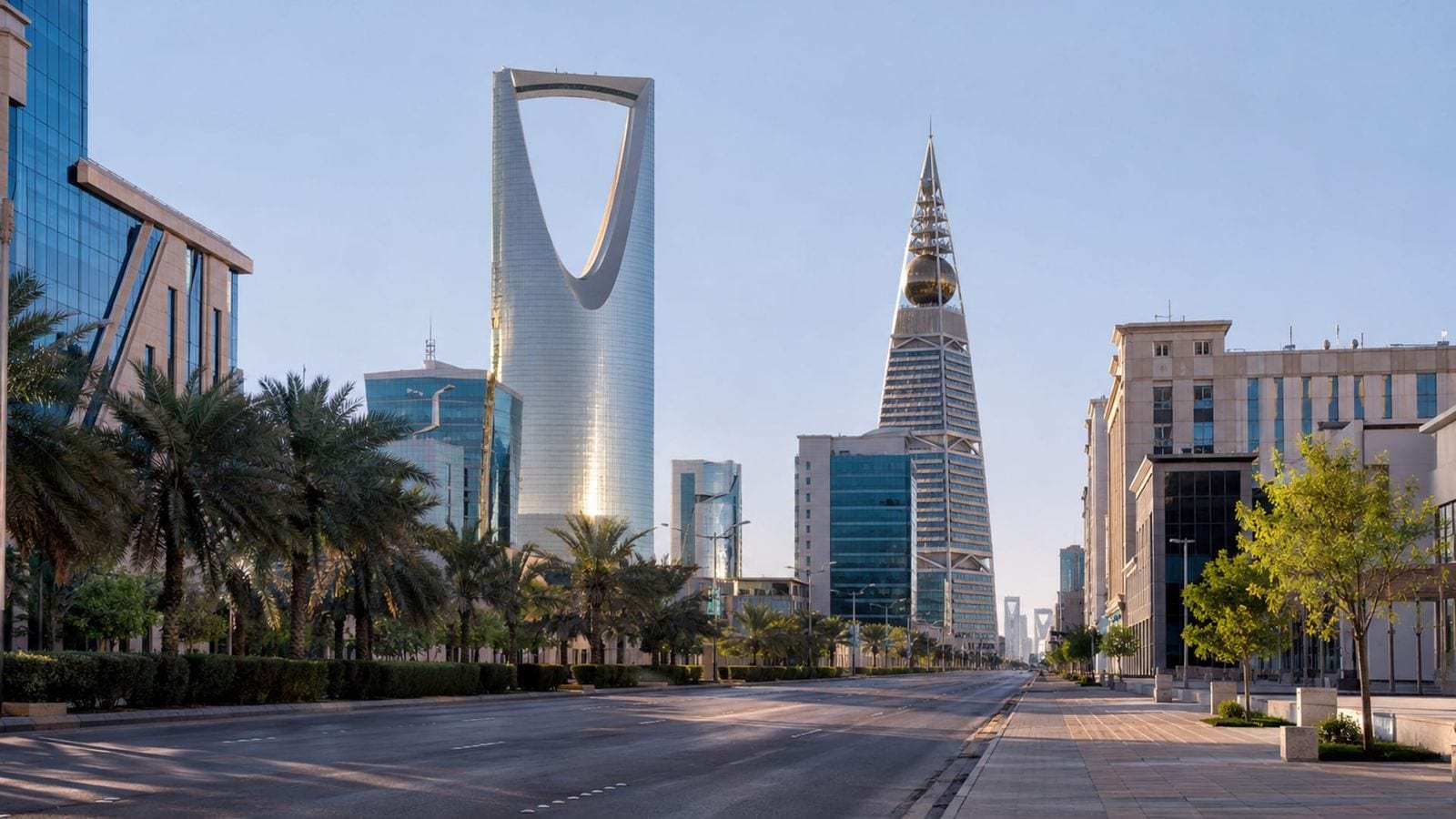
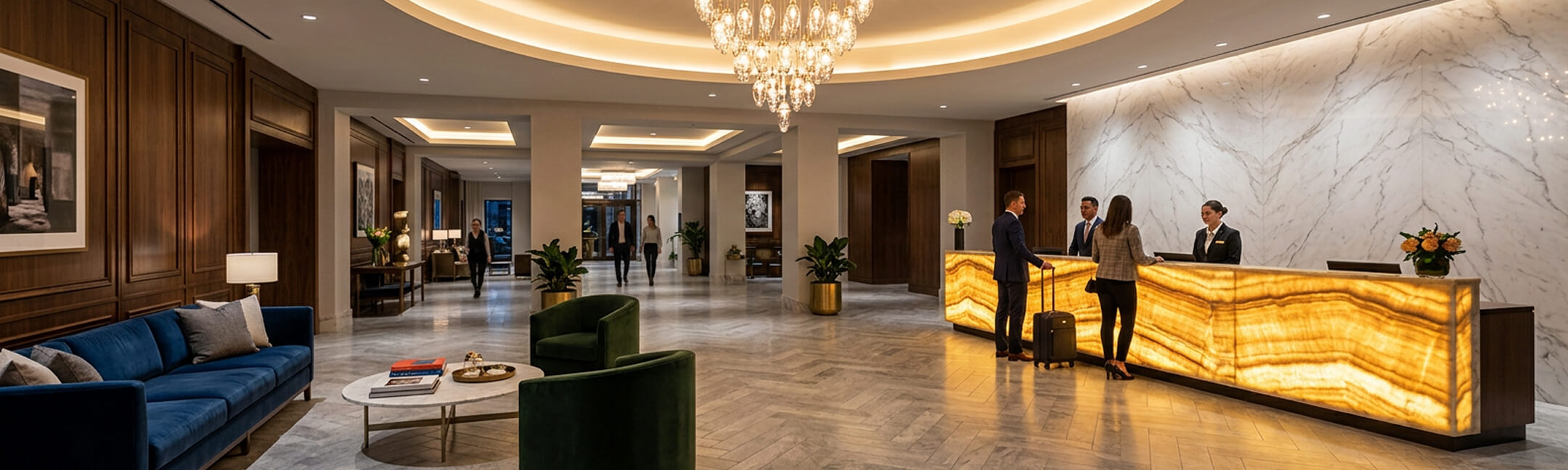
Al Olaya is one of Riyadh’s main commercial districts, stretching along Olaya Street and King Fahd Road. Office towers, international hotels, shopping centers, restaurants, Kingdom Centre, and Blue Line metro stations make it a practical choice for business trips and city visits.
Best for: Business trips, shopping, and access to major hotels, offices, and metro stations
What to expect: Wide avenues, tower views, and a busy weekday pace, with more activity in the malls and hotel lobbies than on the sidewalks.
Hotel prices: Usually about $140 to $320 per night for well-rated stays
Distance to major sights: About 10 to 15 minutes by car to Kingdom Centre and about 20 minutes to Al Masmak Palace Museum
Quietness: Busy during the day, quieter in the evening once offices close, though hotel zones stay active.
Main trade-off: You pay more for centrality, and the area can feel car-dependent because many destinations sit across large blocks.
Good to know: The Blue Line follows Olaya Street, but Al Olaya covers a large area. Check the distance between the hotel and its nearest metro station before booking.
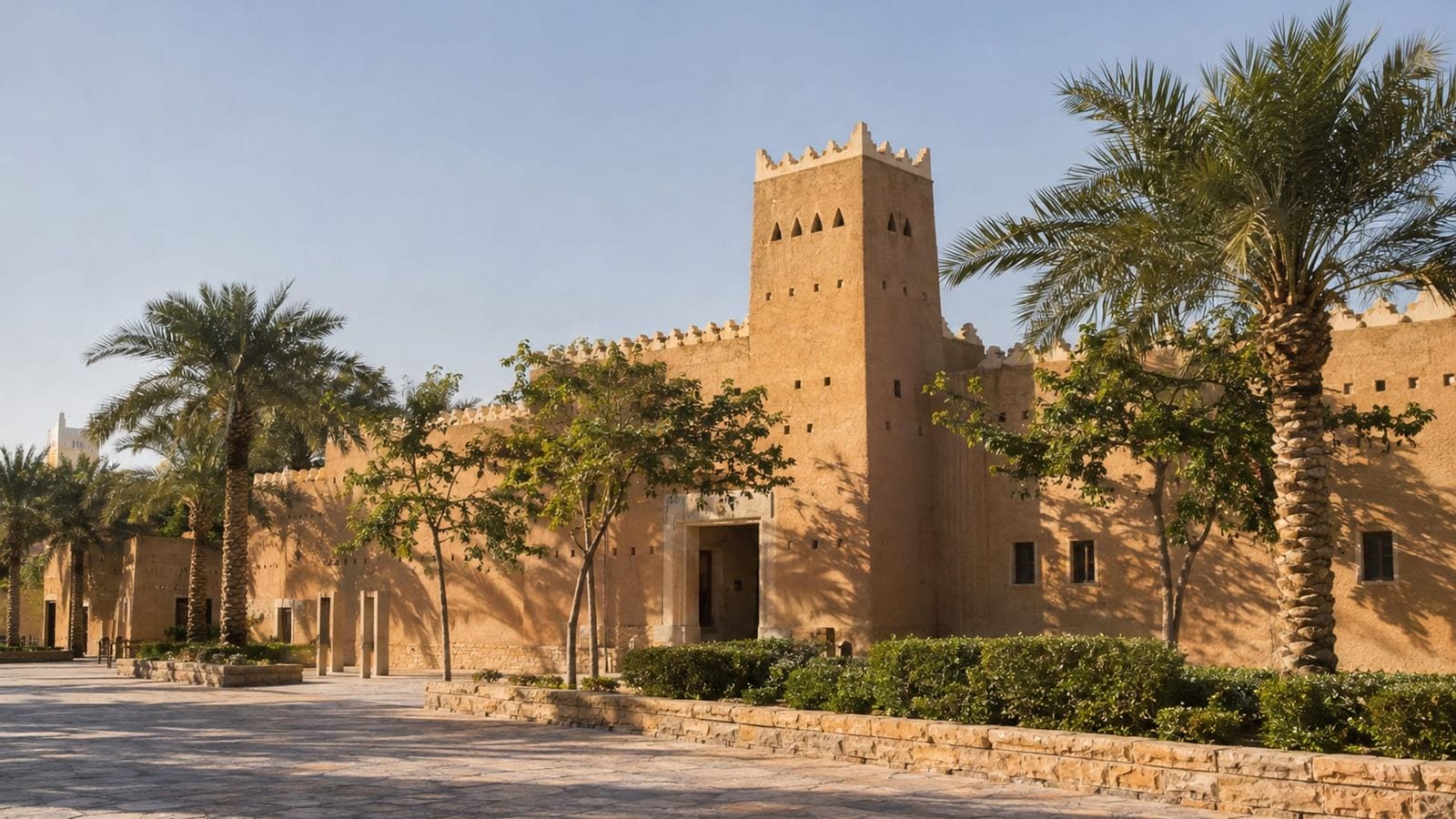
Al Murabba forms part of Riyadh’s historic center and contains the National Museum, Murabba Palace, government buildings, public gardens, and older commercial streets. Its two metro stations provide direct travel to Al Masmak Palace and Riyadh’s main business districts farther north.
Best for: Museum visits, heritage stops, and direct metro access to the historic center
What to expect: A calmer residential-and-institutional setting, with some office traffic by day and limited late-night street activity.
Hotel prices: Usually about $90 to $220 per night for well-rated stays
Distance to major sights: About 5 to 10 minutes by car to the National Museum and about 15 minutes to Al Masmak Palace Museum
Quietness: Fairly quiet at night, with more movement on weekday mornings and afternoons.
Main trade-off: Hotel choice is narrower than in the main business district, and dining runs lighter after office hours.
Good to know: Al Muorabba and National Museum stations serve the district. National Museum Station connects the Blue and Green lines.
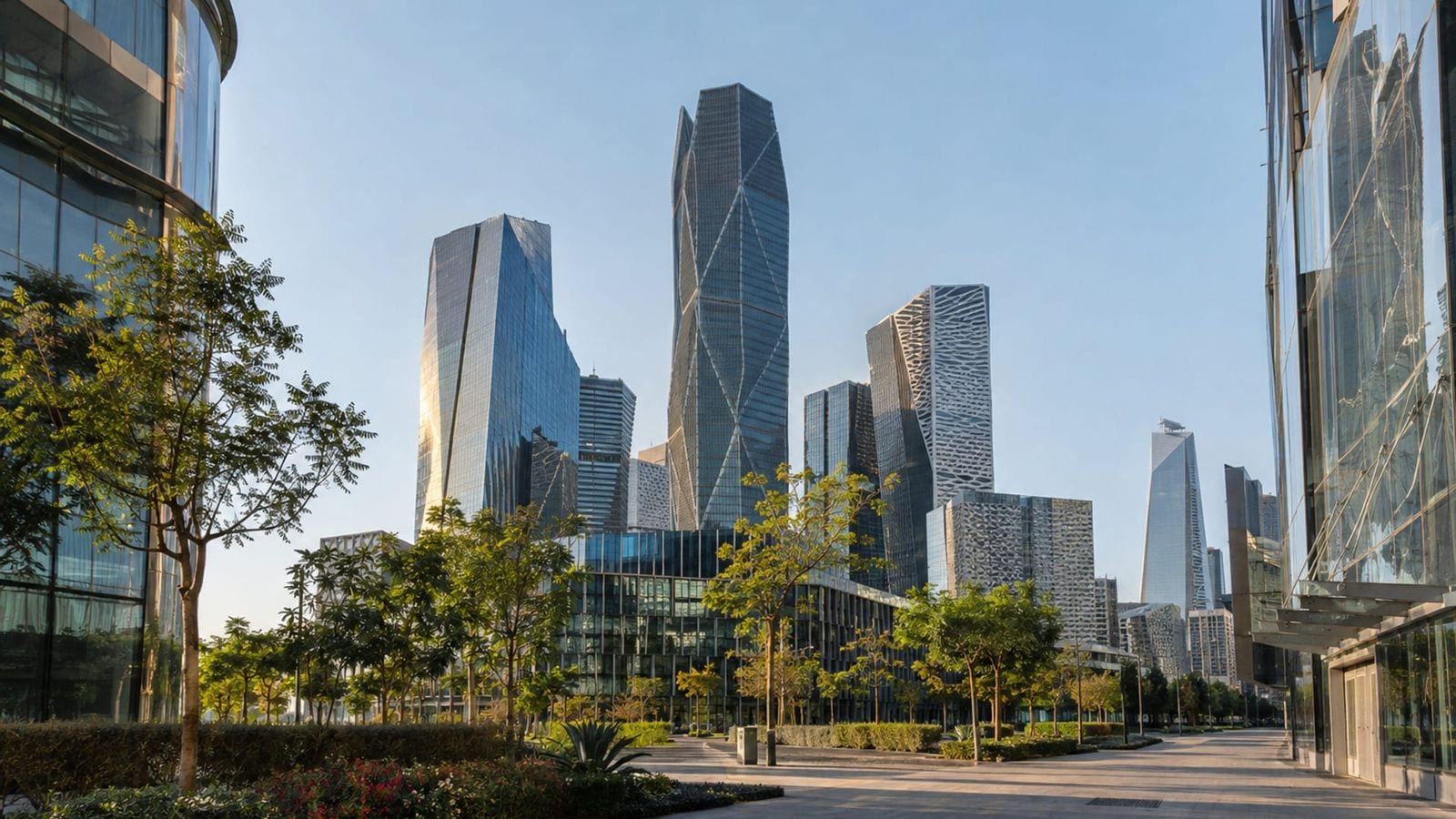
KAFD is a high-rise business district in northern Riyadh, with offices, upscale restaurants, cafés, public art, and pedestrian routes through KAFD Wadi. Kimpton and W hotels, direct metro access, and conference and event venues serve business travelers and modern city stays in the capital.
Best for: : Business trips, contemporary hotels, restaurants, and metro access
What to expect: New towers, wide streets, and a planned district layout, with the busiest scenes inside hotels, cafés, and conference spaces.
Hotel prices: Usually about $180 to $420 per night for well-rated stays
Distance to major sights: About 15 to 20 minutes by car to Kingdom Centre and about 25 to 30 minutes to Al Masmak Palace Museum
Quietness: Quiet on the sidewalks outside peak hours, livelier inside the hotels and restaurants through the evening.
Main trade-off: It sits farther from the historic core, so sightseeing days can mean longer taxi rides.
Good to know: KAFD Station serves the Blue, Yellow, and Purple lines, providing metro trips to central Riyadh and King Khalid International Airport.
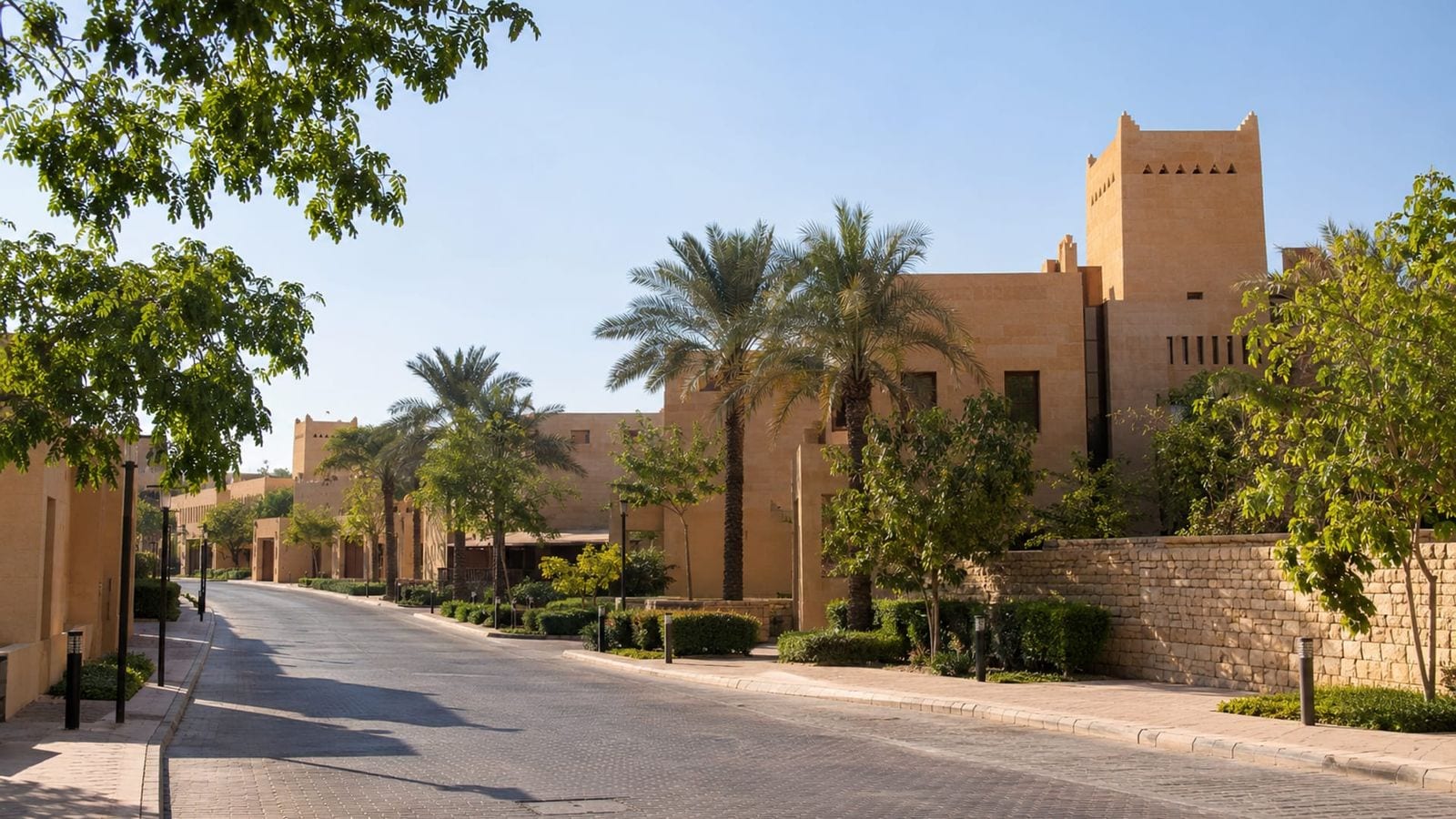
The Diplomatic Quarter occupies western Riyadh beside Wadi Hanifah. Embassies, landscaped parks, walking paths, cultural venues, restaurants, international hotels, and Al-Kindi Plaza create a quieter residential setting with more outdoor space than the city’s commercial districts.
Best for: Quiet accommodations, parks, walking paths, and business near embassies and government institutions
What to expect: Low foot traffic, broad roads, and a mostly residential atmosphere, with most movement coming from residents, diplomats, and hotel guests.
Hotel prices: Usually about $160 to $380 per night for well-rated stays
Distance to major sights: About 20 to 25 minutes by car to Al Masmak Palace Museum and about 15 minutes to King Khalid Grand Mosque
Quietness: Very quiet in the evening, with modest daytime activity around hotels, cafes, and institutions.
Main trade-off: You will spend more time in taxis, and dining and shopping options are more limited than in Al Olaya.
Good to know: The parks, plazas, and walking paths make short trips inside the district possible on foot. Use a taxi or ride-hailing car for other destinations.
For a first visit, avoid hotels in the southern industrial districts along Al Kharj Road, which are far from central sights. Northern districts such as Al Narjis and Al Yasmin require longer rides to the historic center.
Hotel deals
How to get around Riyadh efficiently
Riyadh’s metro and buses cover much of the city, while taxis and ride-hailing cars provide direct trips and airport transfers.

Metro
for longer distances
Use Riyadh’s six-line metro for cross-city and airport trips. The Yellow Line links King Khalid International Airport (RUH) with KAFD Station, where you can transfer to the Blue or Purple Line. A SAR 4 ($1.07) pass covers unlimited metro and bus travel for two hours.

Bus and tram
for convenience
Use Riyadh buses for districts and sights beyond walking distance of a metro station. A SAR 4 ($1.07) two-hour pass covers unlimited bus and metro travel during its validity. Use the Darb app to find the nearest stop, check live arrival times, and plan any line changes.

Taxi
for convenience or late hours
Choose a taxi, Uber, Careem, or Bolt for direct trips, late returns, luggage, and travel between stations and sights. Airport rides to Al Olaya cost SAR 80 to SAR 150 ($21 to $40); the app price changes with traffic, demand, vehicle type, and hotel location.
*Prices are based on rates updated as of June 2026 and may change at the time of travel.
Use the metro for cross-city trips, buses for places beyond the rail network, and taxis or ride-hailing cars for direct journeys, luggage, and late returns.
Iconic landmarks
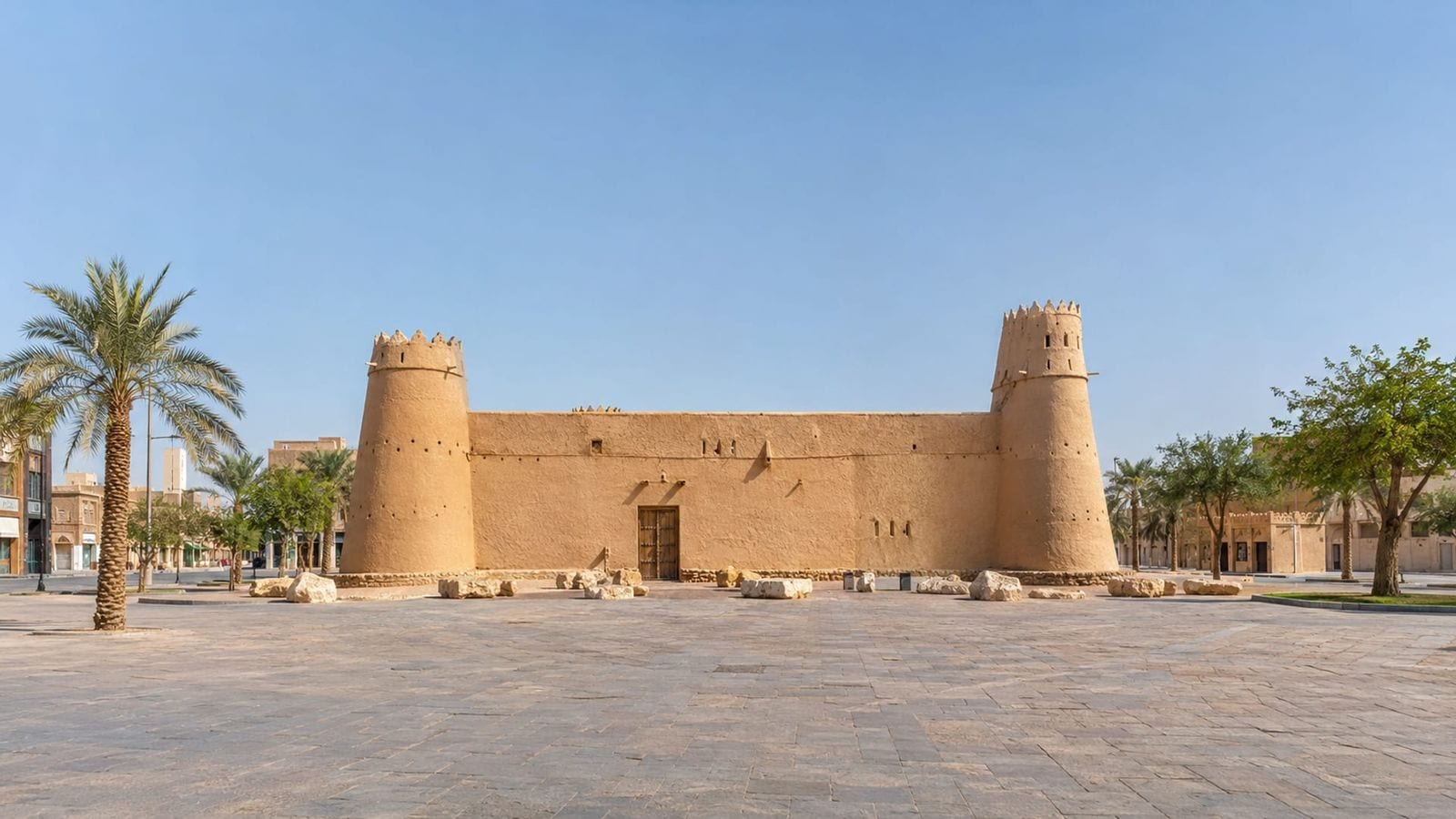
Al Masmak Fortress
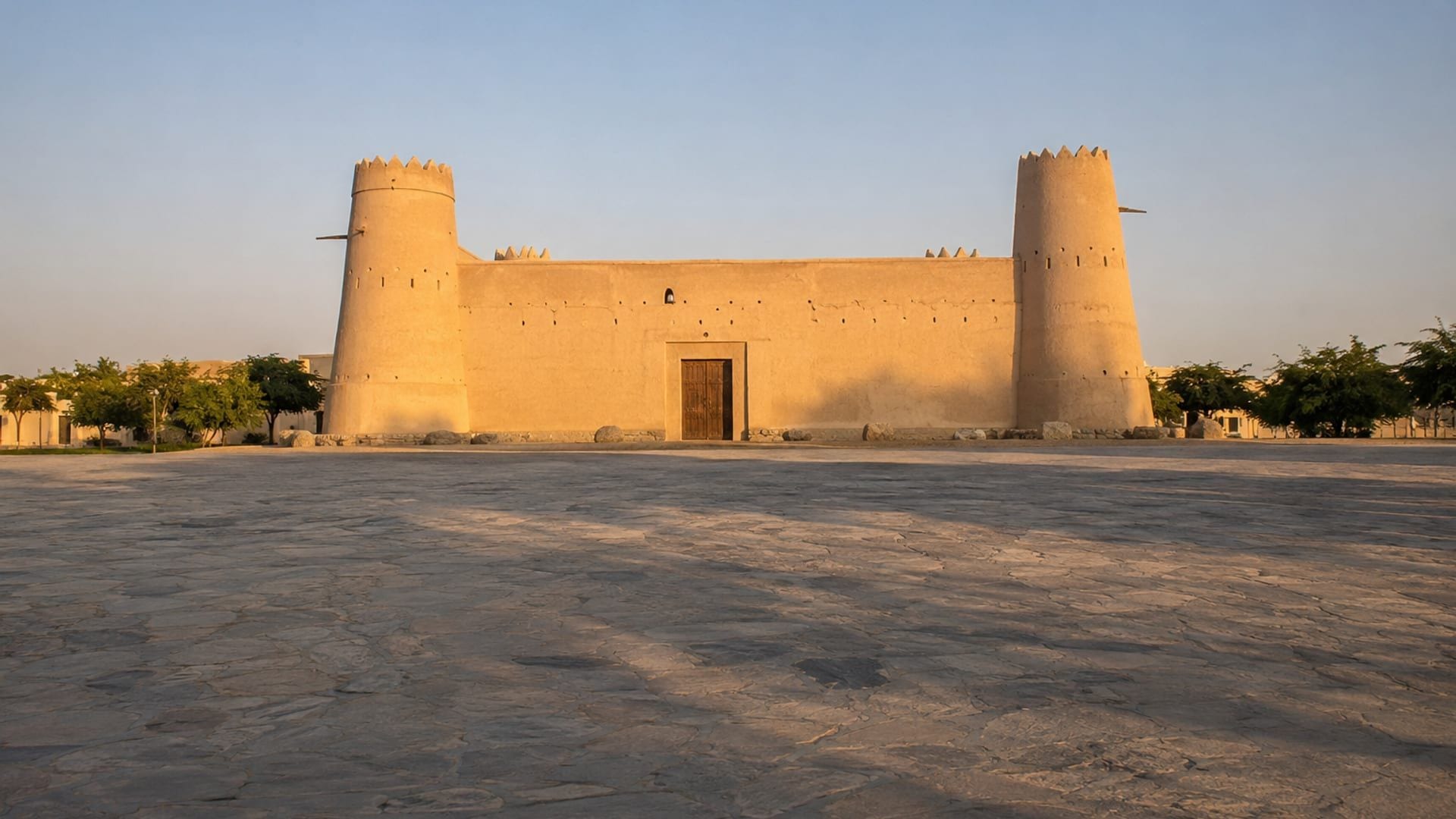
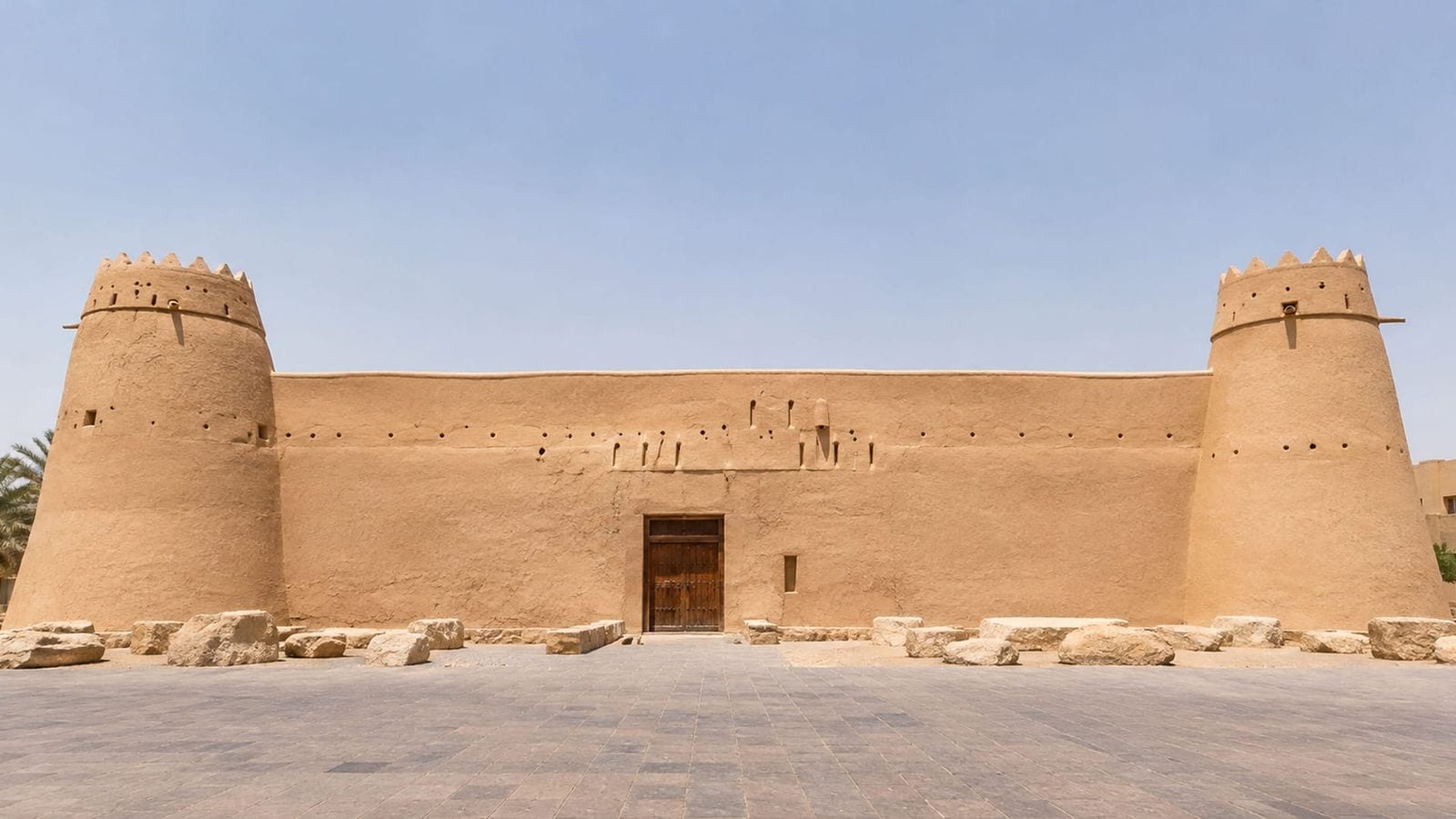
Al Masmak Fortress is a mud-brick stronghold with four watchtowers, a palm-trunk gate, an open courtyard, and exhibits on Riyadh’s past. King Abdulaziz captured it in 1902, an event tied to the formation of modern Saudi Arabia and the reason the fort became a national symbol.
Time needed: Allow 45 minutes to 1 hour for the fort and exhibits.
Entry: Admission is free. Check current opening hours before visiting, as schedules can change.
Tip: Visit in the morning, then continue on foot to Souq Al Zal and Deera Square.
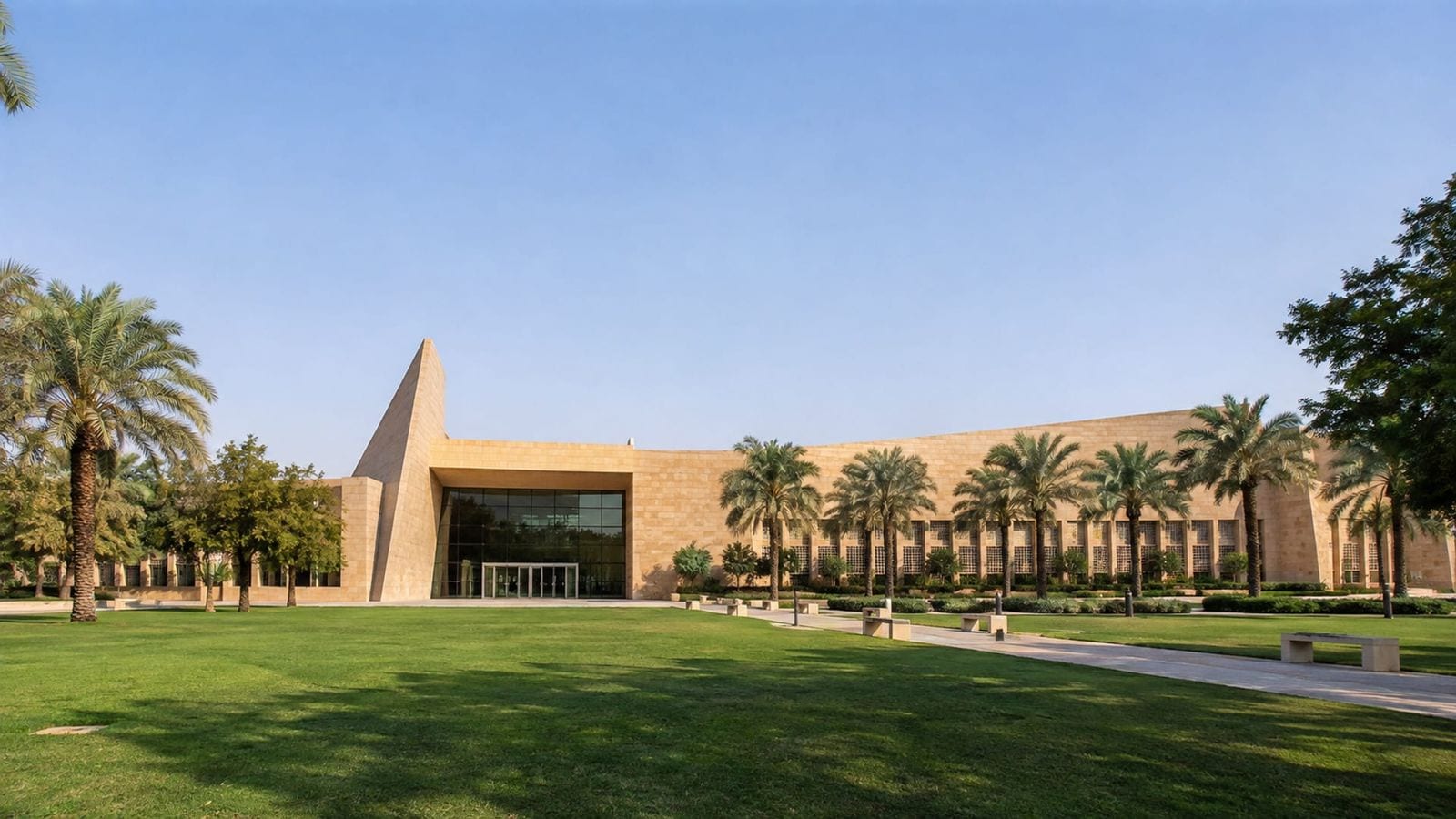
National Museum of Saudi Arabia
The National Museum presents the history of the Arabian Peninsula across eight galleries. Artifacts, manuscripts, movies, models, and reconstructed settings cover prehistoric life, ancient trade routes, the rise of Islam, and the unification of Saudi Arabia.
Time needed: About 2 to 3 hours
Entry: Admission costs $5 to $13 (20 to 50 SAR) Visit the official site for details.
Tip: Leave time for Murabba Palace and the historical center grounds beside the museum.
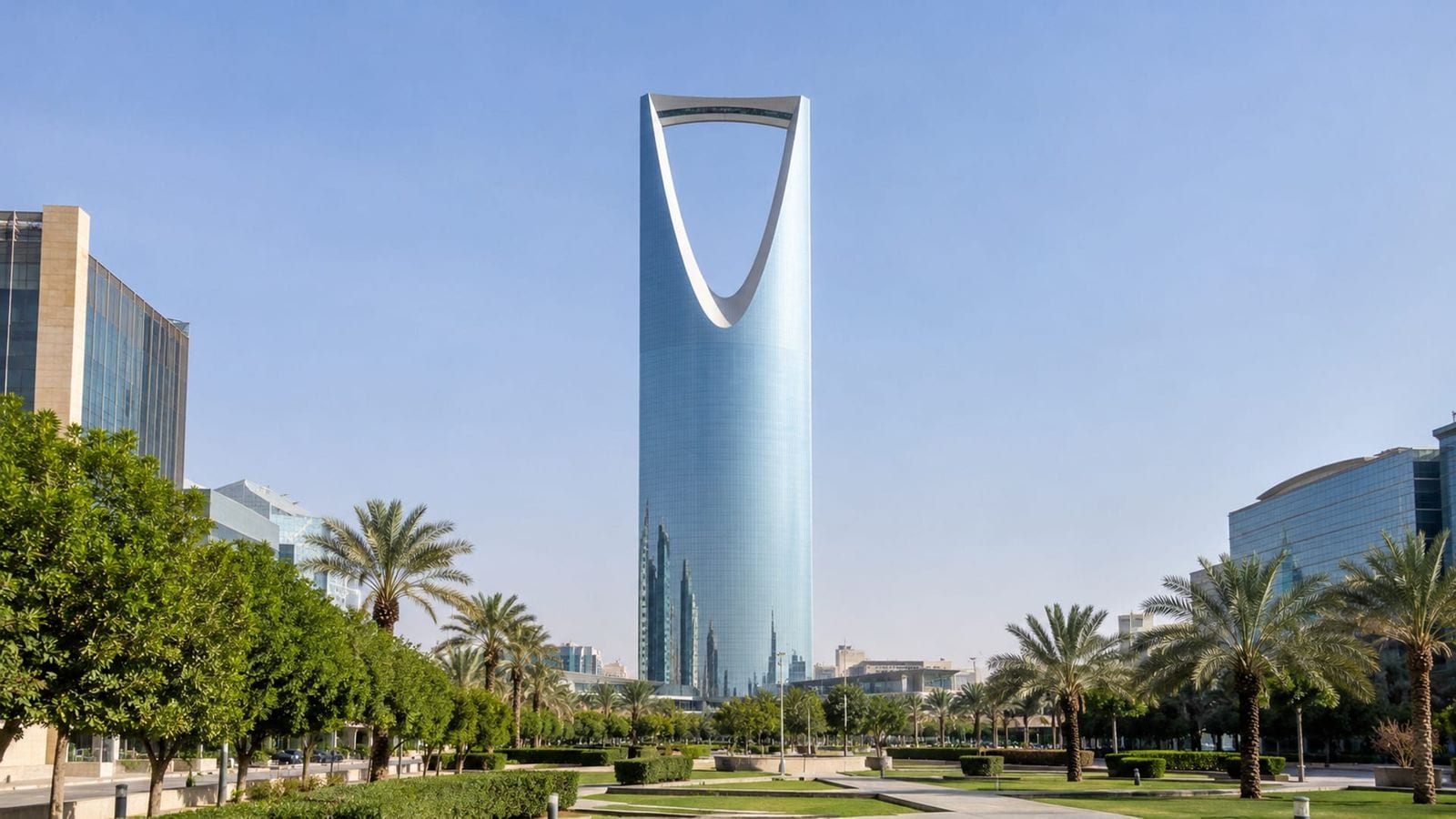
Kingdom Centre Tower Sky Bridge
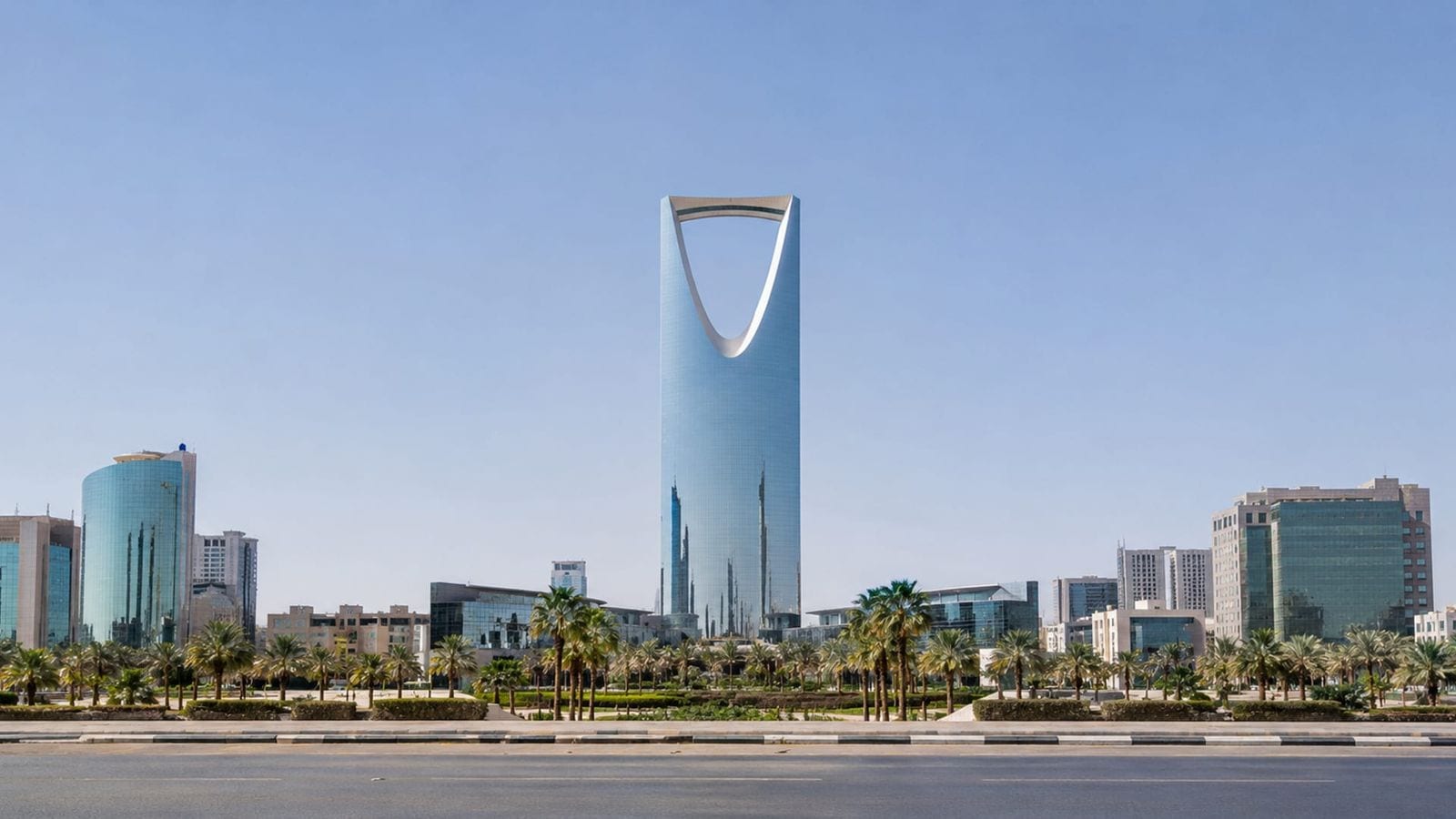
Kingdom Centre’s inverted arch makes the tower one of Riyadh’s defining landmarks. Inside the opening, a 213-foot (65-meter) enclosed bridge rises 984 feet (300 meters) above the city, with views over Al Olaya’s towers, Riyadh’s expanding northern districts, and the road network below.
Time needed: About 1 to 2 hours
Entry: Sky bridge tickets cost $13 to $16 (50 to 60 SAR) Visit the official site for details.
Tip: Arrive before sunset to see the skyline in daylight and after the lights come on.
Overlooked sites worth visiting

At-Turaif District, Diriyah
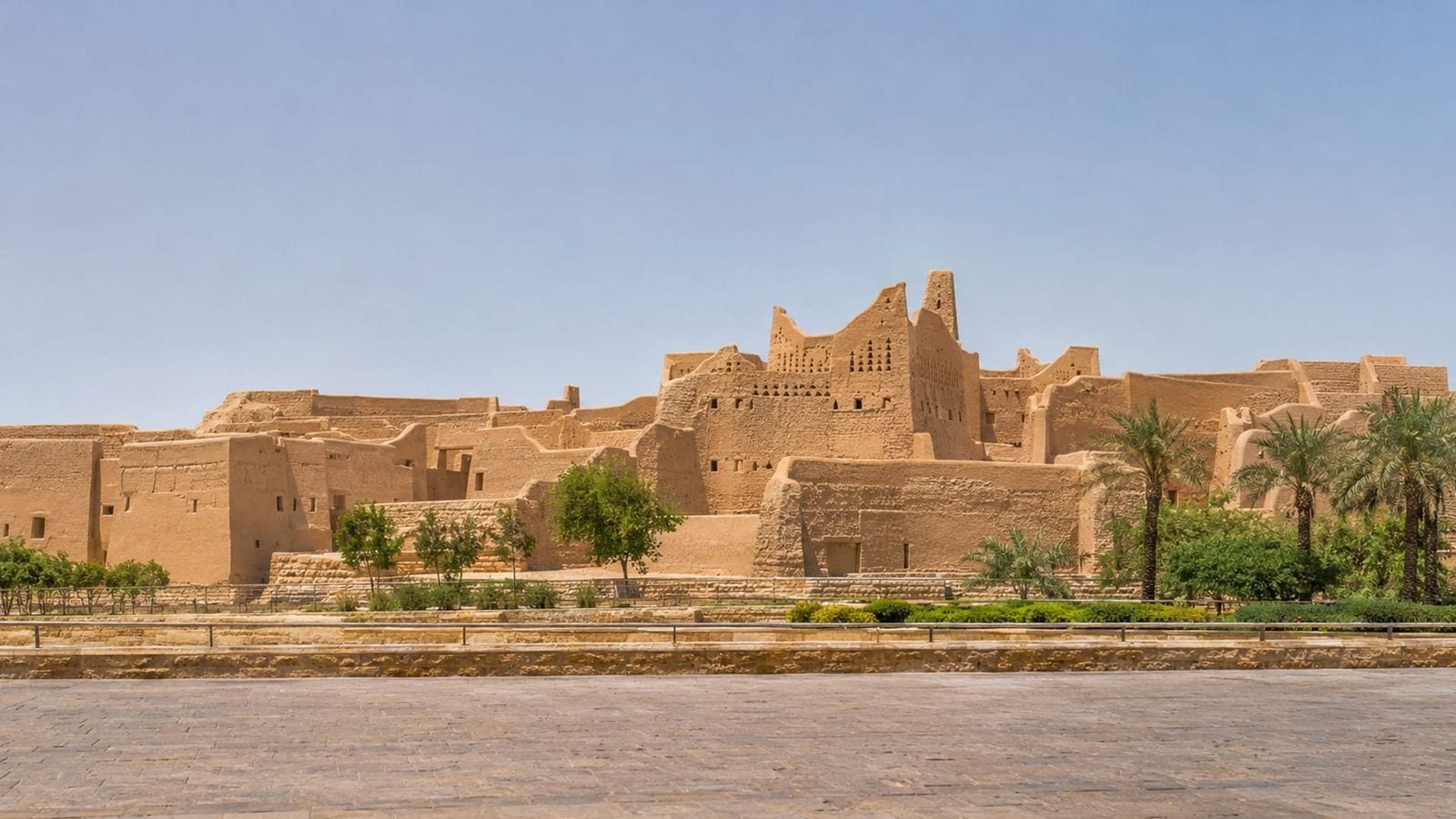
At-Turaif was the seat of the First Saudi State and is a UNESCO World Heritage Site. Its mud-brick palaces, museums, and illuminated ruins show how Diriyah shaped the origins of modern Saudi Arabia.
Time needed: Set aside 2 to 3 hours for a self-guided visit.
Entry: Entry starts at $15 (about SAR 56) for general access, with some museum or event spaces priced separately. Check the site for current packages, as hours and bundled tickets change by season and by the areas open to visitors Visit the official site for details.
Tip: Arrive at 5:00 pm and stay after dark to see the illuminated mud-brick ruins.

Saudi Arabia Museum of Contemporary Art
SAMoCA presents changing exhibitions by Saudi and international artists in JAX District. Opened in 2023, it was the country’s first museum dedicated to contemporary art.
Time needed: About 1 to 2 hours
Entry: Standard admission is about $13 (SAR 50) for adults, with reduced pricing for children and some groups. Temporary exhibitions or special programs may carry separate charges, so check current ticketing before you go Visit the official site for details.
Tip: Pair your museum visit with JAX District’s galleries, studios, and cafés.
Traditional food
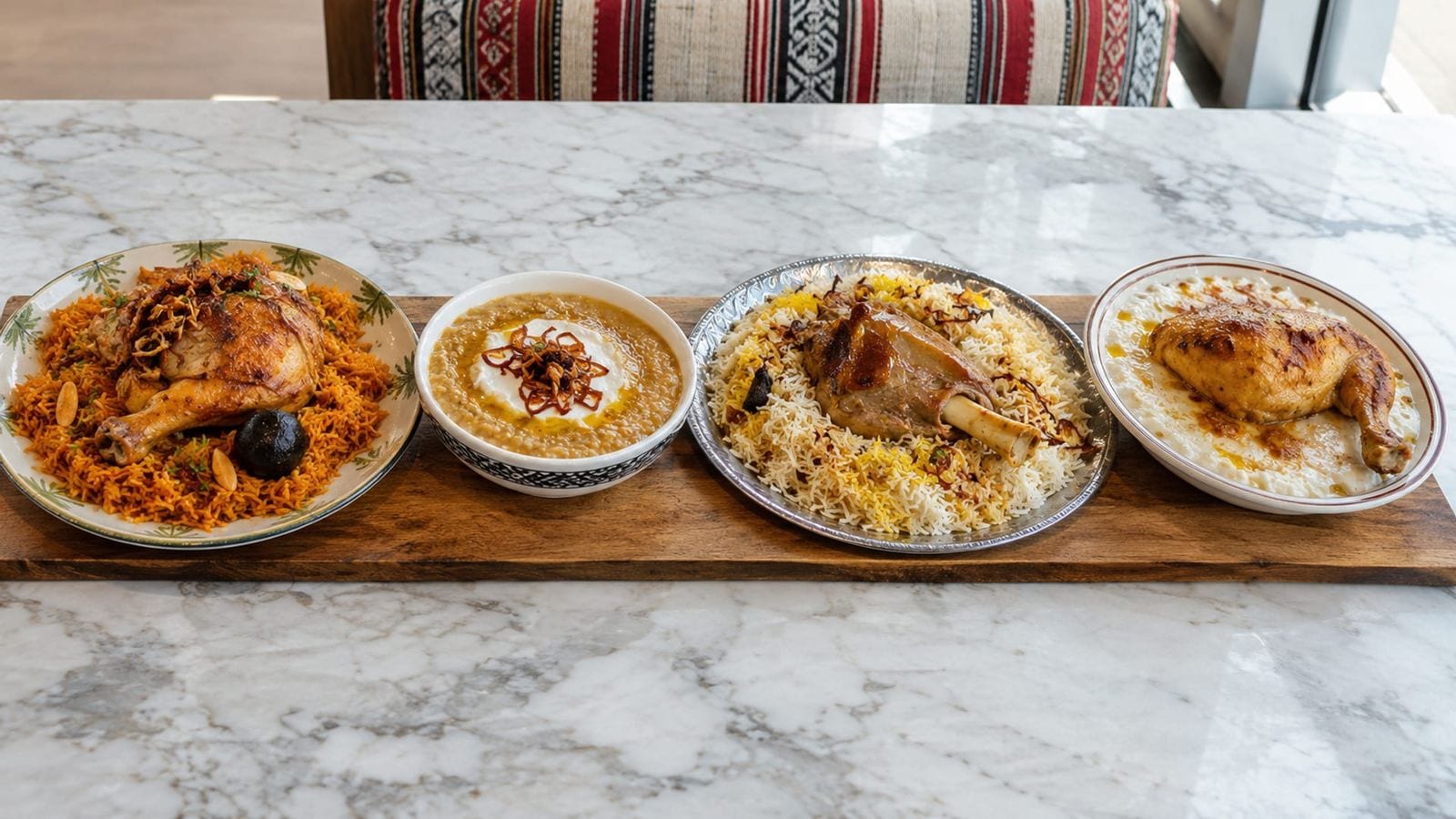
Riyadh’s traditional menus bring together Najdi dishes and specialties from across Saudi Arabia, including spiced rice, crushed wheat, slow-cooked meat, and milk-cooked rice.
Kabsa
Kabsa combines spiced rice with chicken or lamb, tomatoes, dried lime, and warm spices. Najd Village serves chicken kabsa and large lamb platters with kabsa rice in a dining room modeled on traditional Najdi architecture.
Jareesh
Jareesh is crushed wheat cooked with milk or yogurt, then topped with onions and ghee. Suhail serves its Riyadh-style version with laban, caramelized onions, ghee, and an elegant garnish of gold leaf.
Mandi
Mandi pairs rice with meat cooked slowly until tender, traditionally in an underground oven, which gives the dish a smoky flavor. Al Romansiah lists goat mandi and operates numerous branches across Riyadh.
Saleeg
Saleeg is a Taif-style dish of rice cooked in milk until creamy, then served with roasted chicken and sauces. Suhail prepares chicken saleeg with red chili sauce and a fragrant green herb sauce on the side.
Best time to visit Riyadh
Riyadh’s seasons shape how you explore the city. Winter supports outdoor days, while summer limits visits to mornings, evenings, and indoor spaces.
Best for: Old Riyadh, Diriyah, outdoor dining, and longer walks between museums
What you get: Average temperatures from 48°F to 75°F (9 °C to 24°C), with pleasant afternoons, cool evenings, and good conditions for outdoor activities
Trade-offs: Evenings can turn cool, so you may need a light layer after sunset.
Best for: Museum visits, tower views, and outdoor stops during the cooler parts of the day
What you get: Average monthly temperatures rise from 59°F to 103°F (15°C to 39°C), with March and early April providing the most comfortable conditions
Trade-offs: May is hot, while March and April bring Riyadh’s highest average rainfall and occasional dusty conditions.
Best for: Indoor museums, shopping centers, restaurants, and evening activities
What you get: Average monthly temperatures range from 83°F to 111°F (28°C to 44°C), with almost no rain and air-conditioned indoor venues.
Trade-offs: Afternoon heat severely limits outdoor sightseeing, and nighttime temperatures often stay above 80°F (27°C).
Best for: Diriyah, outdoor dining, city walks, and seasonal events from October onward
What you get: Average monthly temperatures fall from 105°F (41°C) in September to 82°F (28°C) in November, with cooler evenings later in the season.
Trade-offs: September is still extremely hot, so October and November provide better conditions for outdoor plans.
A realistic 5-day plan in Riyadh
The five-day plan covers historic Riyadh, skyline views, contemporary art, and Diriyah. Grouping nearby stops reduces unnecessary cross-city travel.
Land at King Khalid International Airport (RUH), then take a taxi or ride-hailing car to Al Olaya or the Diplomatic Quarter. The drive generally takes 30 to 50 minutes, but heavy traffic can extend the journey. Expect to pay SAR 80 to SAR 150 ($21 to $40), depending on demand, vehicle type, and your hotel’s location.
Check in and choose a nearby restaurant or hotel dining room for dinner. If you arrive early, take a short walk or stop at a local café before returning for an early night.
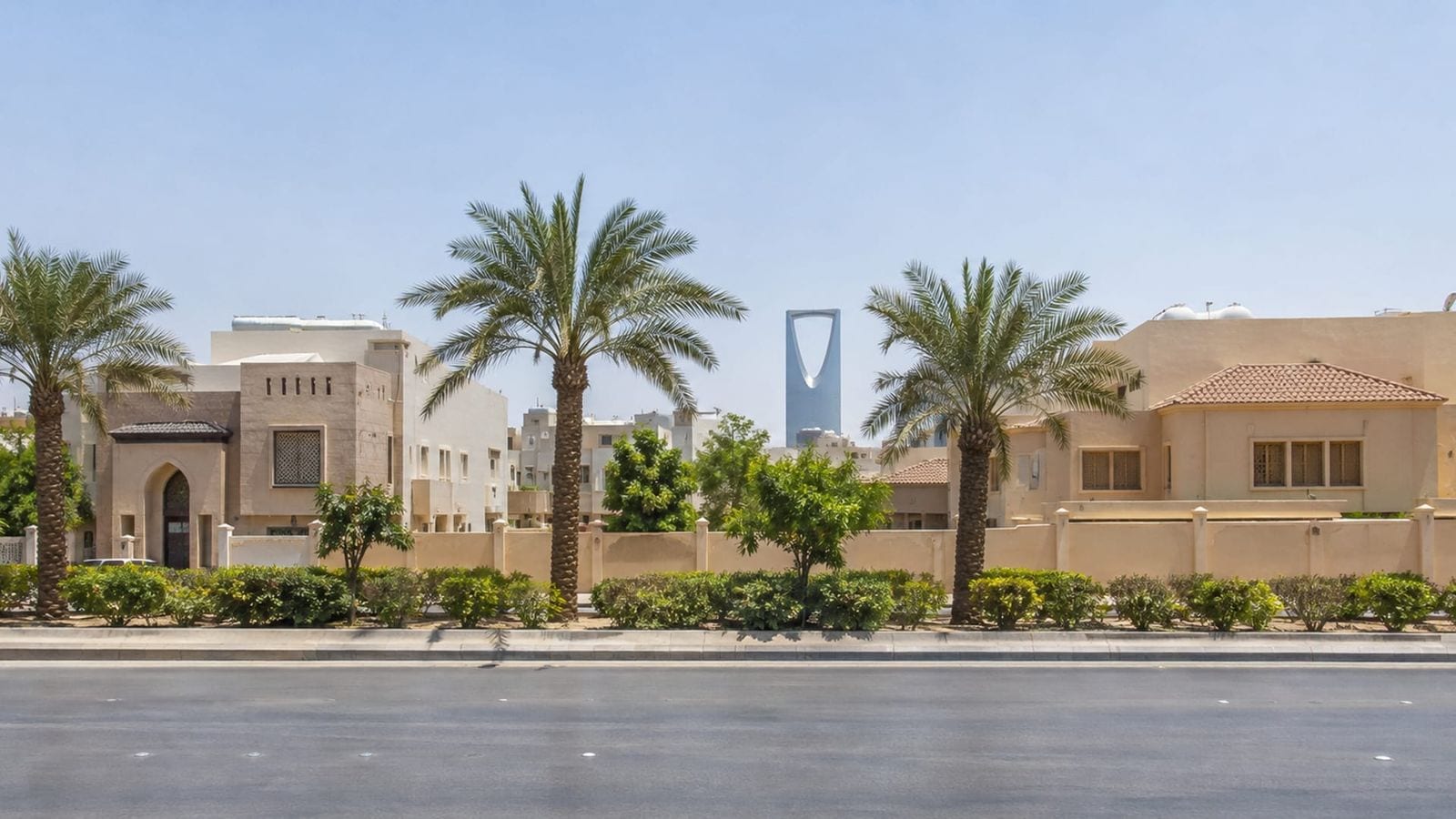
Begin at Al Masmak Fortress, where exhibits explain King Abdulaziz’s recapture of Riyadh in 1902. Walk to Souq Al Zal to browse carpets, incense, antiques, and traditional clothing.
A taxi to the National Museum takes 10 to 15 minutes outside peak traffic. Spend 1 to 2 hours exploring galleries that trace the Arabian Peninsula from prehistoric settlement to modern Saudi Arabia. Finish with coffee or a walk through the historical center grounds.
Spend the afternoon at Kingdom Centre, where you can have lunch, browse the shops, and see one of Riyadh’s defining towers from below. Visit the Sky Bridge shortly before sunset to watch the view change as daylight fades and the city lights come on.
After leaving the tower, have dinner in Al Olaya. Many restaurants and hotels are within a short taxi ride, while some may be accessible on foot, depending on where you are staying.
Start at the Saudi Arabia Museum of Contemporary Art in JAX District. Its changing exhibitions introduce contemporary work by Saudi and international artists. Check the current program and register before visiting.
Continue by taxi to At-Turaif and spend 2 to 3 hours exploring its mud-brick palaces, defensive walls, museums, and illuminated ruins. Finish with dinner at Bujairi Terrace, directly opposite the historic district, before returning to central Riyadh.
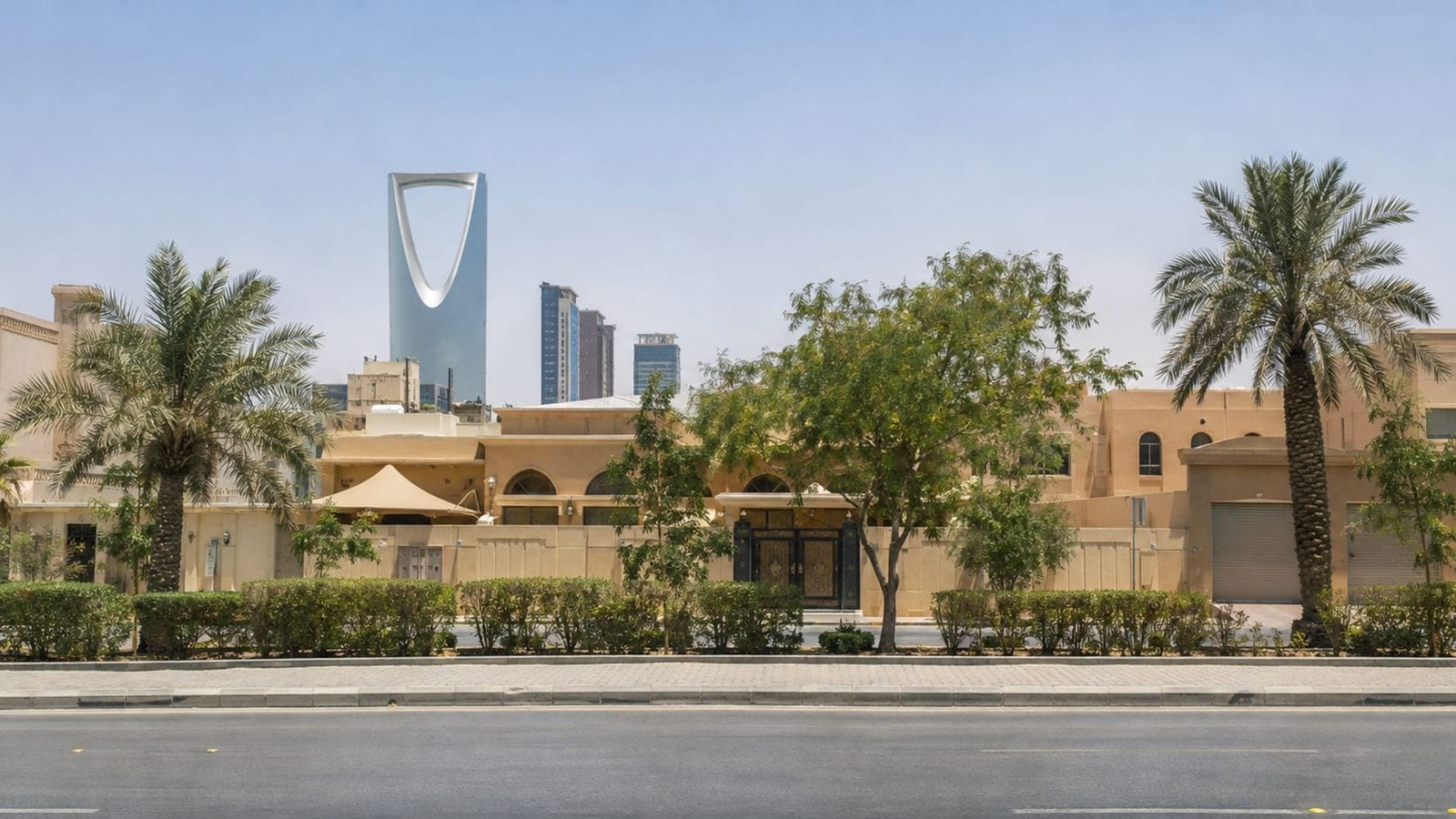
Use the morning for shopping in Al Olaya, or choose a café and walk in the Diplomatic Quarter for a quieter final outing. Have lunch near your hotel, collect your luggage, and take a taxi or ride-hailing car to King Khalid International Airport (RUH).
The drive generally takes 30 to 50 minutes, but heavy traffic can add time. Check the live journey estimate before leaving and account for airline check-in and security.
Business-class flights from the US to Riyadh
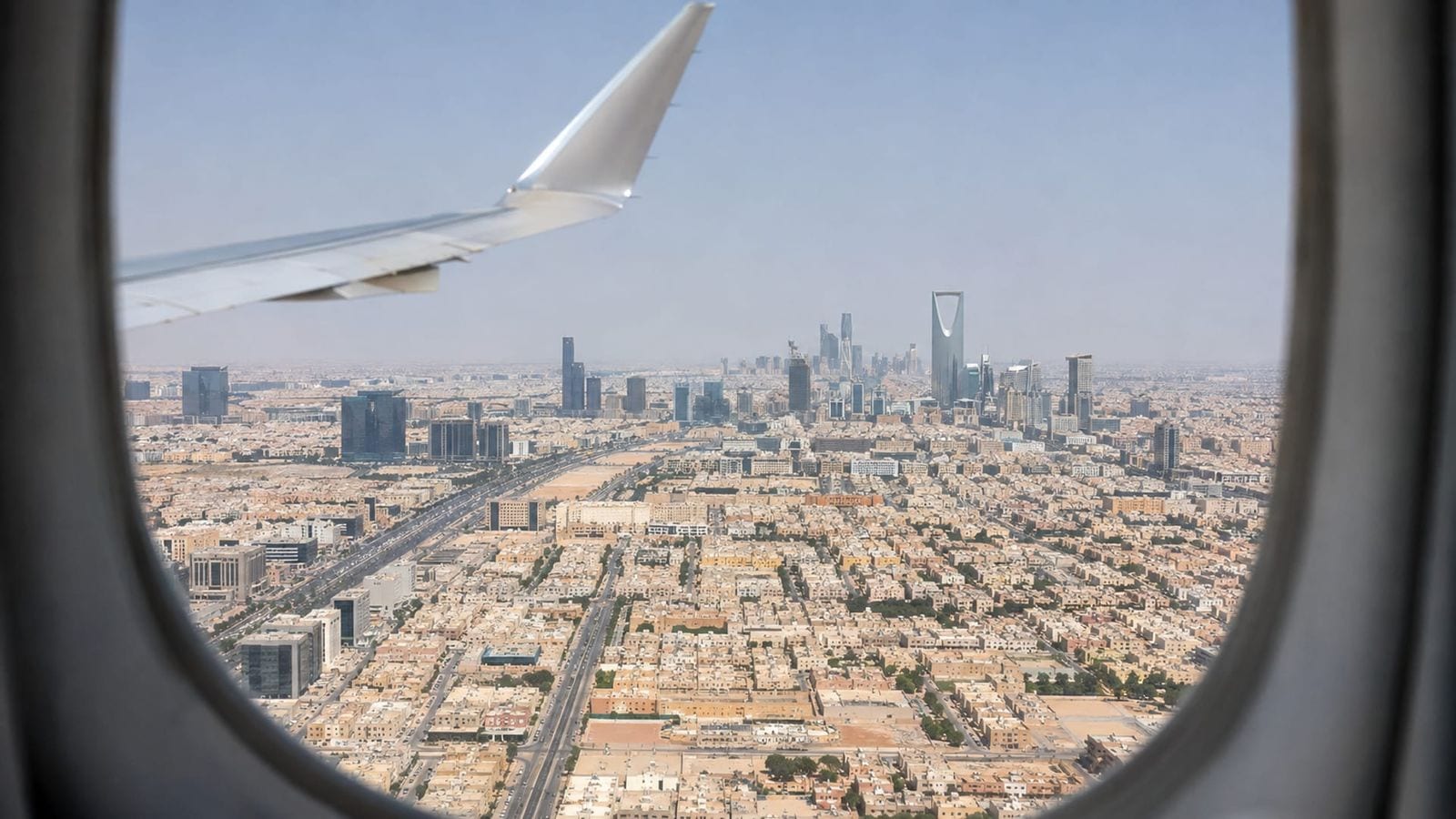
Business-class itineraries from New York and Los Angeles to Riyadh (RUH) include a limited nonstop option from New York and a broader selection of one-stop flights from both coasts.
New York (JFK) to Riyadh (RUH)
From New York John F. Kennedy International Airport (JFK), Saudia offers nonstop flights to King Khalid International Airport (RUH) on Tuesday, Thursday, and Saturday. The flight takes approximately 12 hours, with round-trip business-class fares from $7,200 to $19,600. Lower-priced one-stop options include British Airways via London Heathrow (LHR), Turkish Airlines via Istanbul (IST), Royal Jordanian via Amman (AMM), EgyptAir via Cairo (CAI), and Etihad via Abu Dhabi (AUH). These trips take 15 to 22 hours and generally cost $3,400 to $5,000.
Los Angeles (LAX) to Riyadh (RUH)
From Los Angeles International Airport (LAX), all flights to Riyadh require one stop. You can fly with Emirates via Dubai (DXB), British Airways via London Heathrow, Turkish Airlines via Istanbul, ITA Airways via Rome (FCO), Lufthansa via Frankfurt (FRA), or Qatar Airways via Doha (DOH). Travel time ranges from 17 to 24 hours, while round-trip business-class fares typically range from $3,900 to $9,300, depending on the airline, dates, and booking window.
Plan your Riyadh trip with confidence
A successful Riyadh trip depends on structure. Choose a suitable district, group nearby attractions, allow for traffic, and visit outdoor sites during cooler hours. This gives you more time to experience the city without filling each day with long transfers. When you are ready to book, our Arangrant agents can compare business-class flights, explain the differences between itineraries, and help you choose a hotel that suits your schedule, comfort preferences, and budget.