

Chapters:

Need help with your trip?
Our support team is available 24/7. Request a callback or call us directly at (833) 619-0908
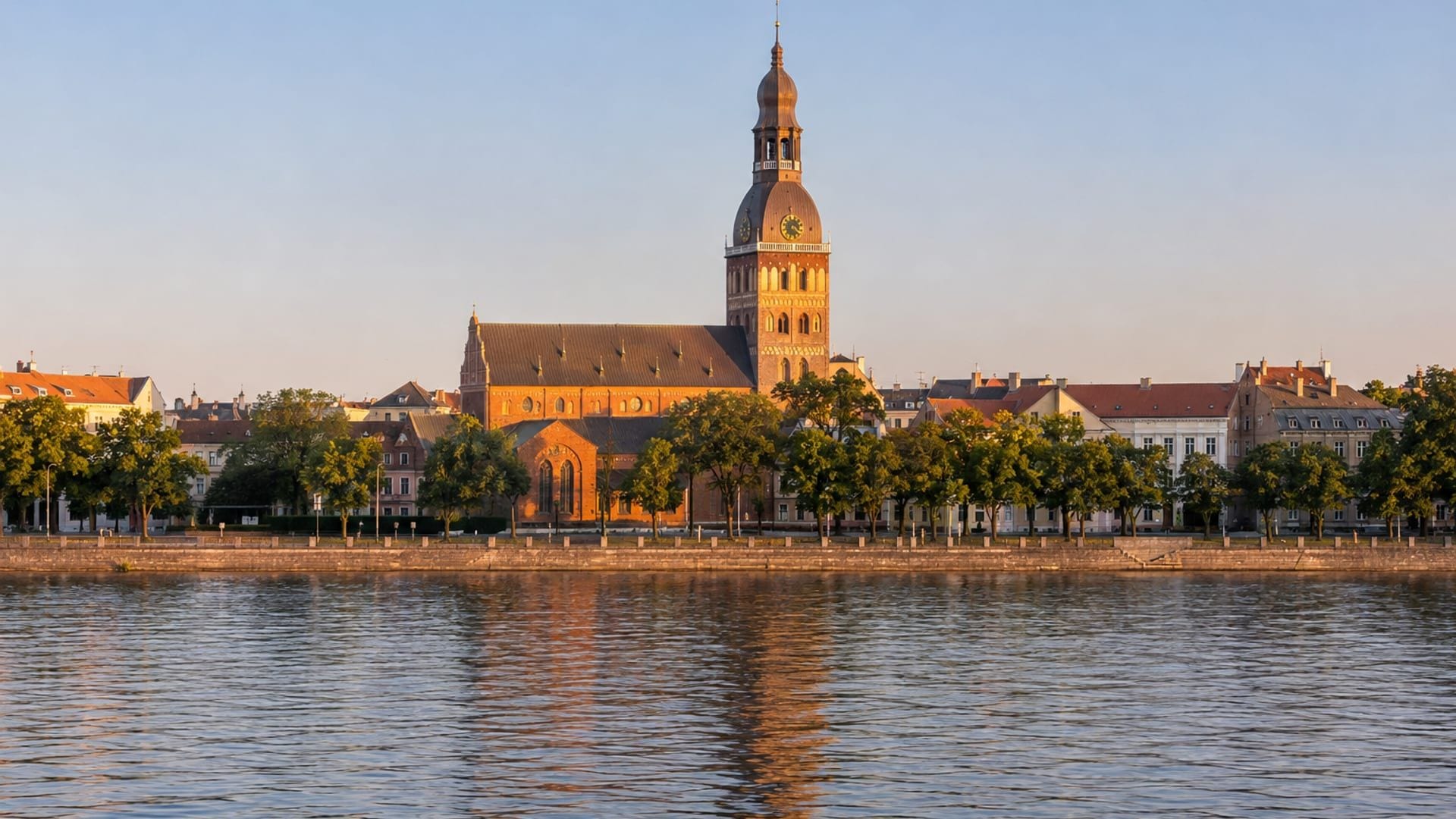
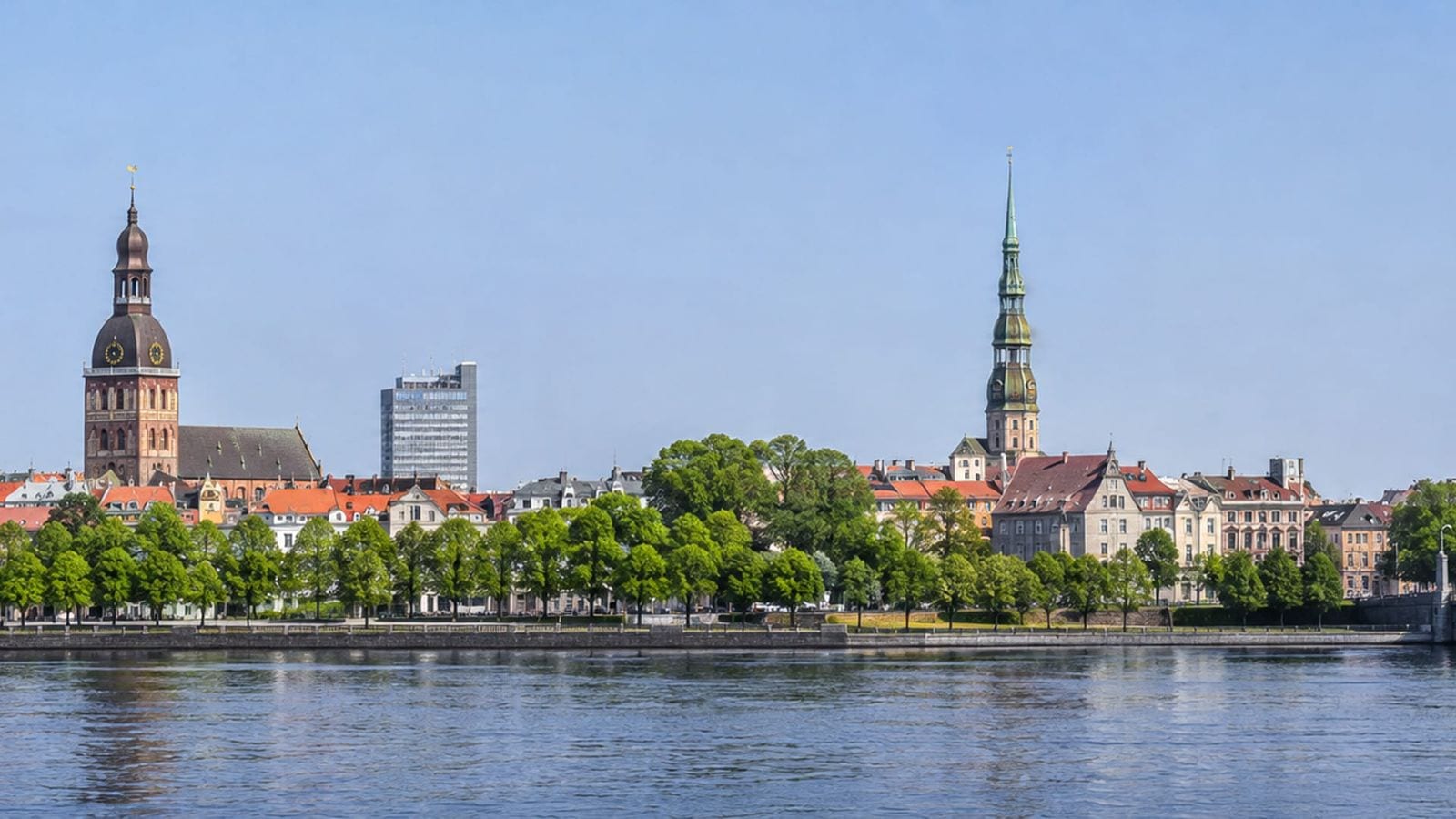
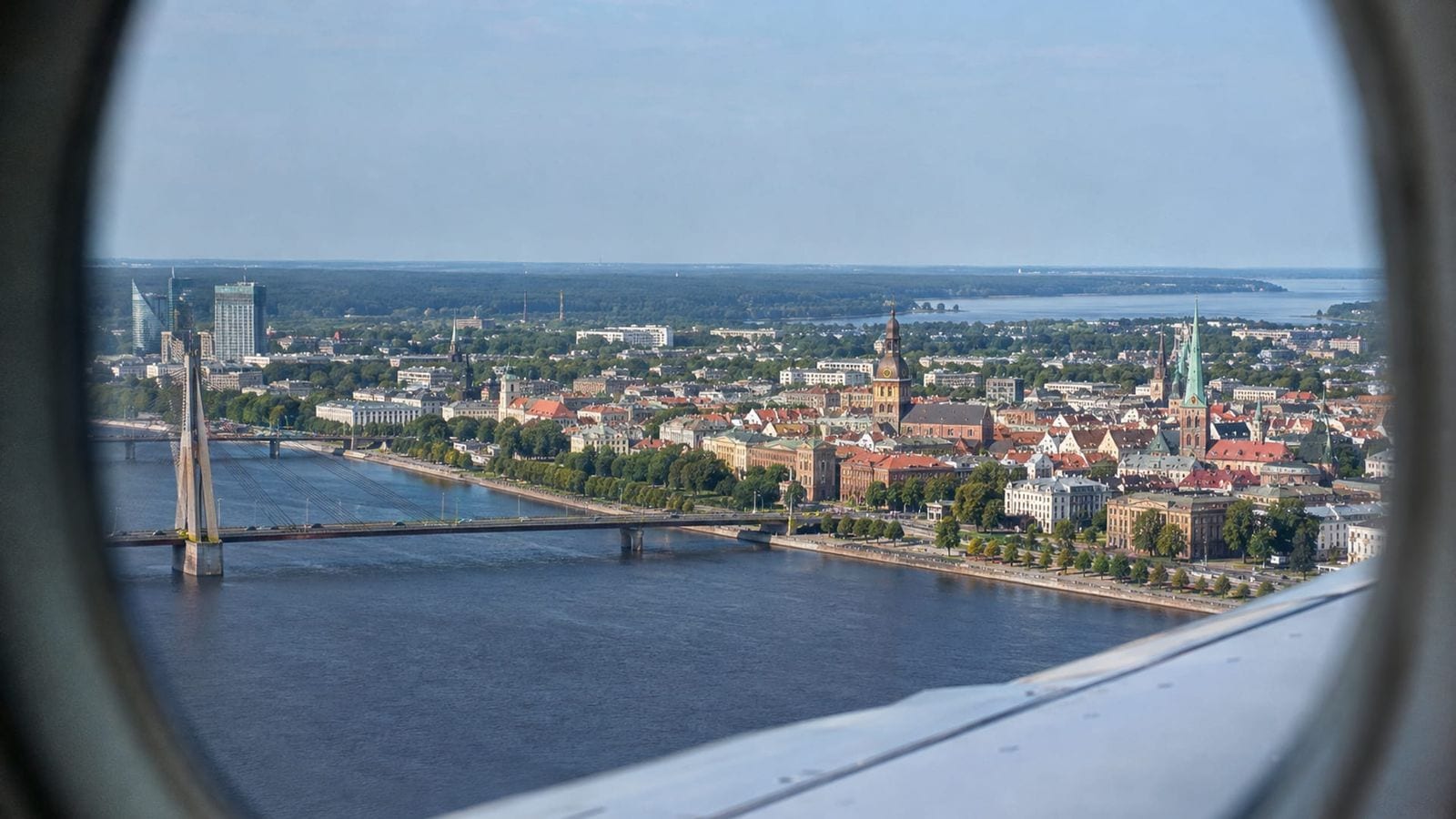
Riga stretches along the Daugava River with medieval churches, Art Nouveau façades, and neighborhoods shaped by several centuries of Baltic history. Old Town brings together cobbled lanes, merchant houses, and cathedral squares, while Centrs and the Quiet Centre feature ornate early-20th-century apartment buildings and tree-lined avenues.
The center is compact enough to explore on foot, but Riga becomes more interesting once you move beyond the same few squares. Central Market fills former airship hangars with food stalls, Āgenskalns offers green spaces across the river, and the city’s design museums add another layer to its architectural character.
This guide covers everything you need for five days in Riga, including where to stay, the best seasons to visit, and more practical advice.
Useful things to know

Main language(s): Latvian
Sveiki (SVAY-kee) – Hello
Lūdzu (LOOD-zoo) – Please
Paldies (pal-DYES) – Thank you
Vai jūs runājat angliski? (vai yoos roo-NAH-yat AHNG-lis-kee) – Do you speak English?
Cik tas maksā? (tsik tas MAHK-sah) – How much does it cost?

Currency: Euro (EUR, €)

Cash and cards: Hotels, restaurants, supermarkets, museums, and most shops accept cards and contactless payments. Carry €10–€20 ($12–$23) for small purchases and occasional cash-only payments.

Tipping: Round up smaller bills or leave 5%–10% in restaurants when service is not included.

Traditional food: Grey peas with bacon, cold beet soup, rye bread, and smoked sprats

Water and coffee costs: Bottled water generally costs €1.50–€3 ($1.70–$3.50). An espresso in a central café ranges from €2 to €3 ($2.30–$3.25).

Taxis and ride apps: Bolt and inDrive operate in Riga.

Plug and voltage: Type C/F socket, 230V

Dining and shop opening hours: Breakfast in Riga is enjoyed from 7:00 am to 10:00 am. Lunch generally begins near noon, while dinner can last from 6:00 pm until 10:00 pm. Some cafés and restaurants have shorter Sunday hours.

Emergency number: Call 112 for police, the fire department, or an ambulance.
Where to stay in Riga
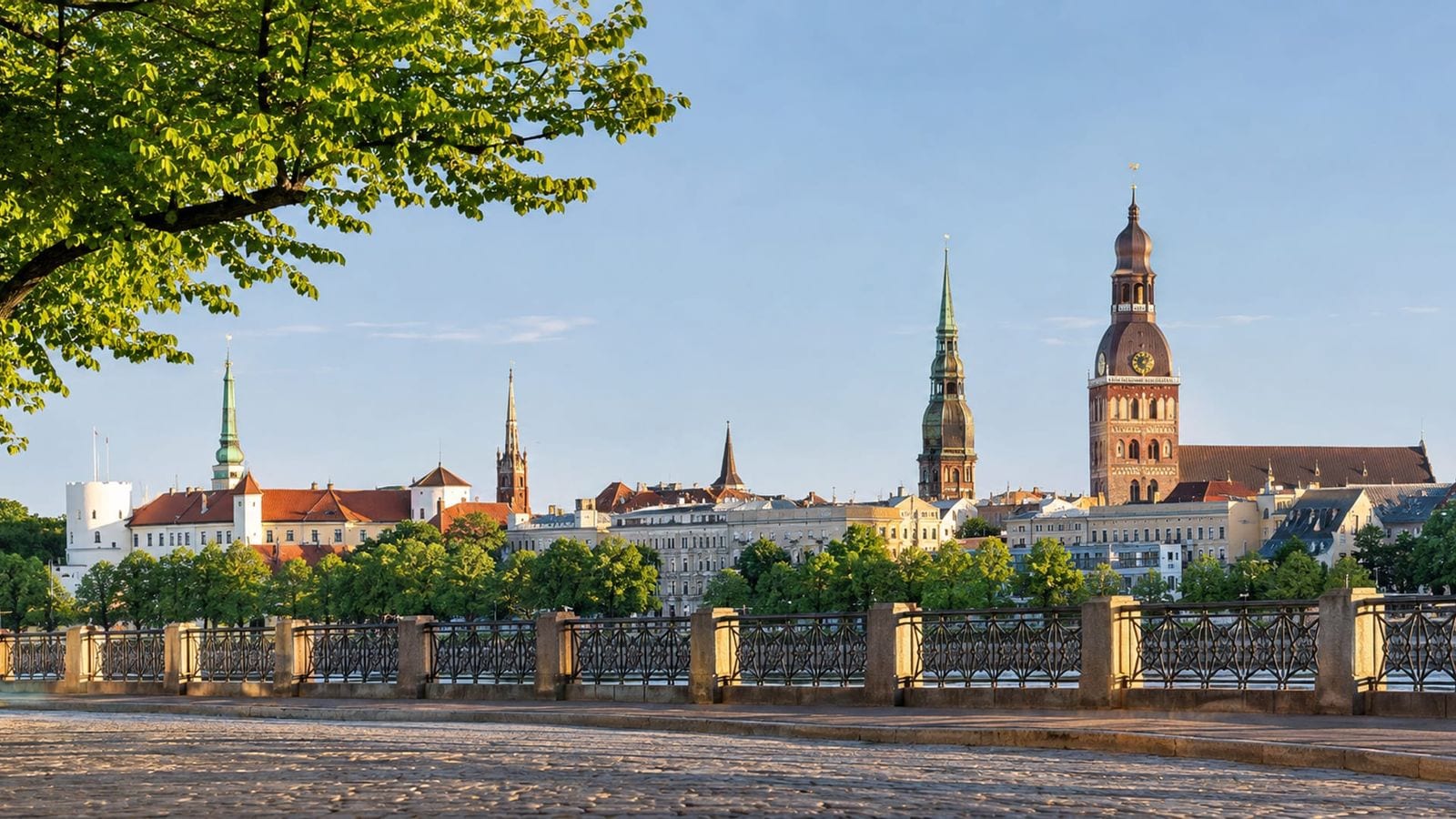
Riga Old Town brings together medieval lanes, church towers, guild houses, restaurants, museums, and some of the city’s most recognizable squares. Staying here places Riga Cathedral and the House of the Black Heads within a short walk.
Best for: First-time visits, architecture, museums, restaurants, and exploring on foot
What to expect: Cobbled streets, café terraces, tour groups, busy squares, and evening restaurant traffic
Hotel prices: Nightly rates typically range from €90 to €180 ($100–$210).
Distance to major sights: The House of the Black Heads and Riga Cathedral are 5 to 10 minutes away on foot.
Quietness: Main squares and restaurant streets are active into the evening, while smaller side lanes become calmer later at night.
Main trade-off: Central hotels cost more, and rooms facing popular squares or nightlife streets can receive considerable evening noise.
Good to know: Choose an inward-facing room or a hotel on a smaller lane if quiet nights are a priority.
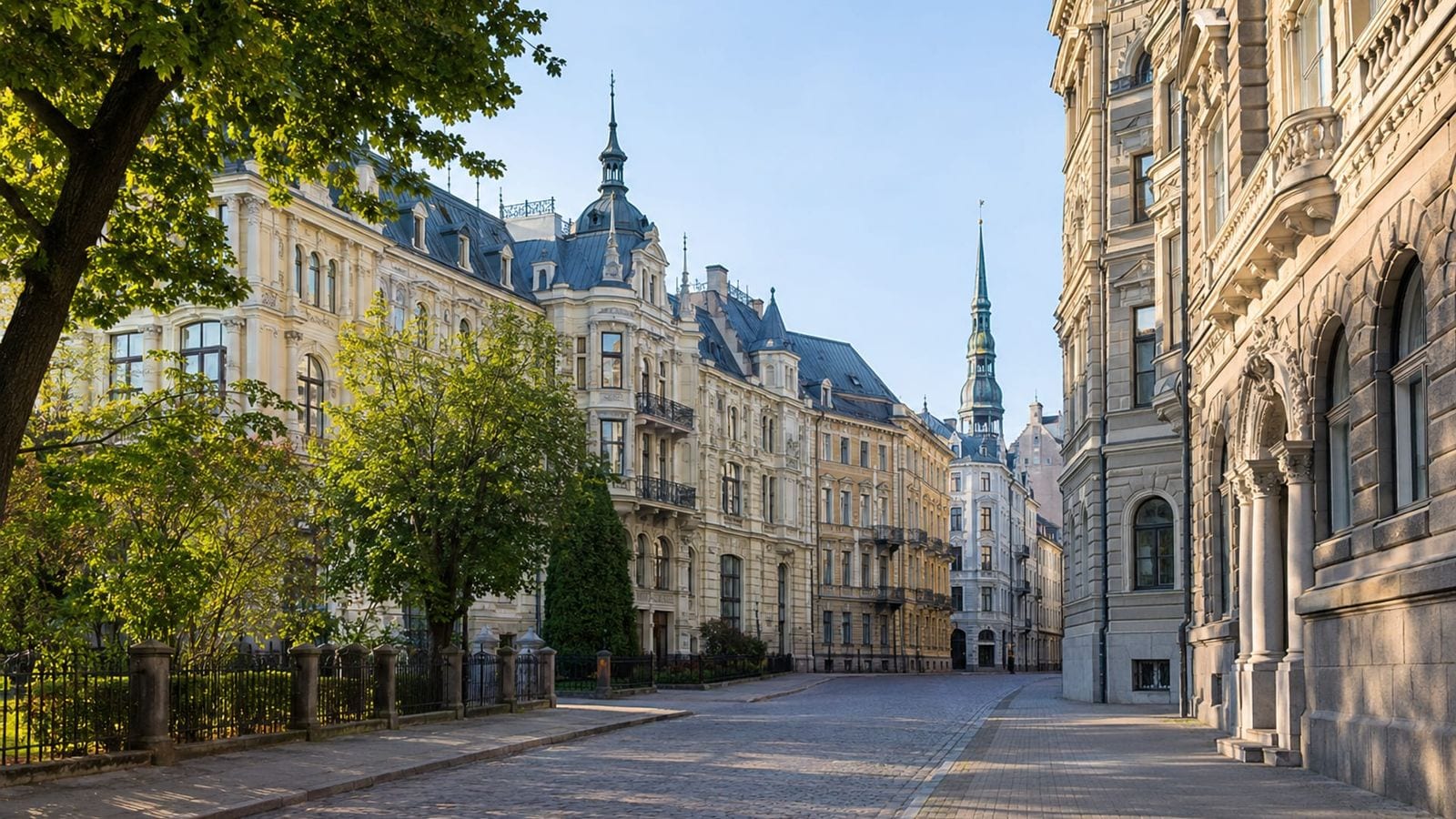
Centrs extends beyond the eastern edge of Old Town through broad boulevards, shops, cafés, offices, parks, and impressive Art Nouveau buildings. Its tram and bus connections make it convenient for travelers who plan to explore several parts of Riga.
Best for: Art Nouveau architecture, shopping, public transportation, and central hotels
What to expect: Office traffic, tram stops, restaurants, shops, and active main avenues during the day
Hotel prices: Rooms in well-reviewed properties generally cost €70–€150 ($80–$160) per night.
Distance to major sights: Freedom Monument is commonly 10 to 15 minutes away on foot, while Old Town takes approximately 15 minutes to reach.
Quietness: Main avenues stay busy during working hours, but residential side streets are quieter after dinner.
Main trade-off: Hotels beside tram lines and major roads can receive more traffic noise than properties farther inside residential blocks.
Good to know: Review the exact street before booking if you are sensitive to trams or late traffic.
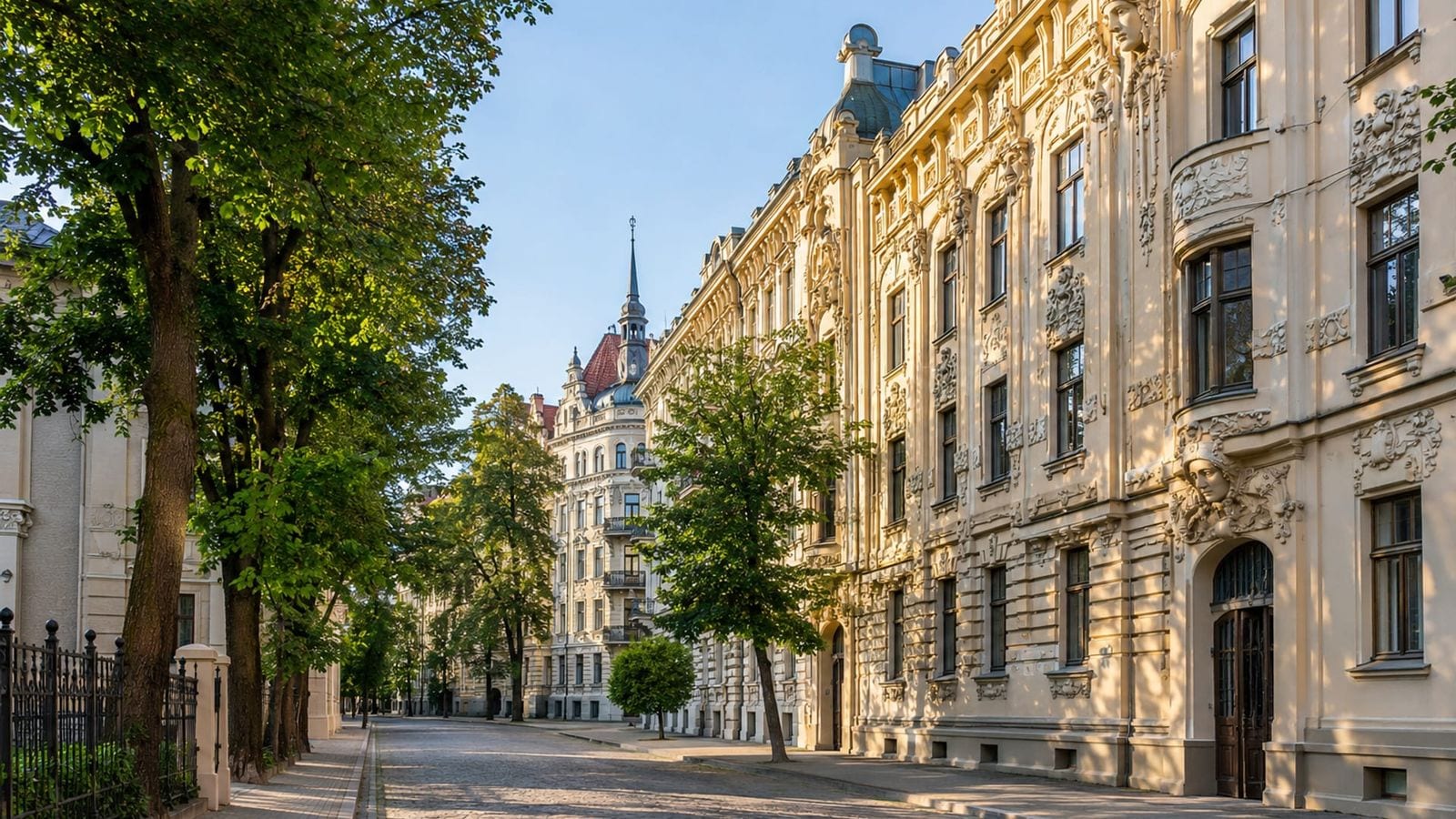
The Quiet Centre is known for embassy buildings, elegant apartment houses, restaurants, and some of Riga’s most elaborate Art Nouveau architecture. Streets around Alberta iela and Elizabetes iela feature sculpted faces, floral ornament, elaborate balconies, and richly decorated façades.
Best for: Architecture, quieter evenings, couples, and longer stays
What to expect: Embassies, restaurants, tree-lined streets, ornate façades, and fewer tour groups than in Old Town
Hotel prices: Expect to pay €80–€170 ($90–$200) per night at many popular properties.
Distance to major sights: Freedom Monument is approximately 15 to 20 minutes away on foot, while Town Hall Square takes 20 to 25 minutes to reach.
Quietness: Residential streets are quieter than in the Old Town, particularly after office hours.
Main trade-off: The main medieval attractions require a longer walk or a short tram ride.
Good to know: Accommodation near a tram corridor is convenient if you expect frequent journeys to Old Town or the market district.
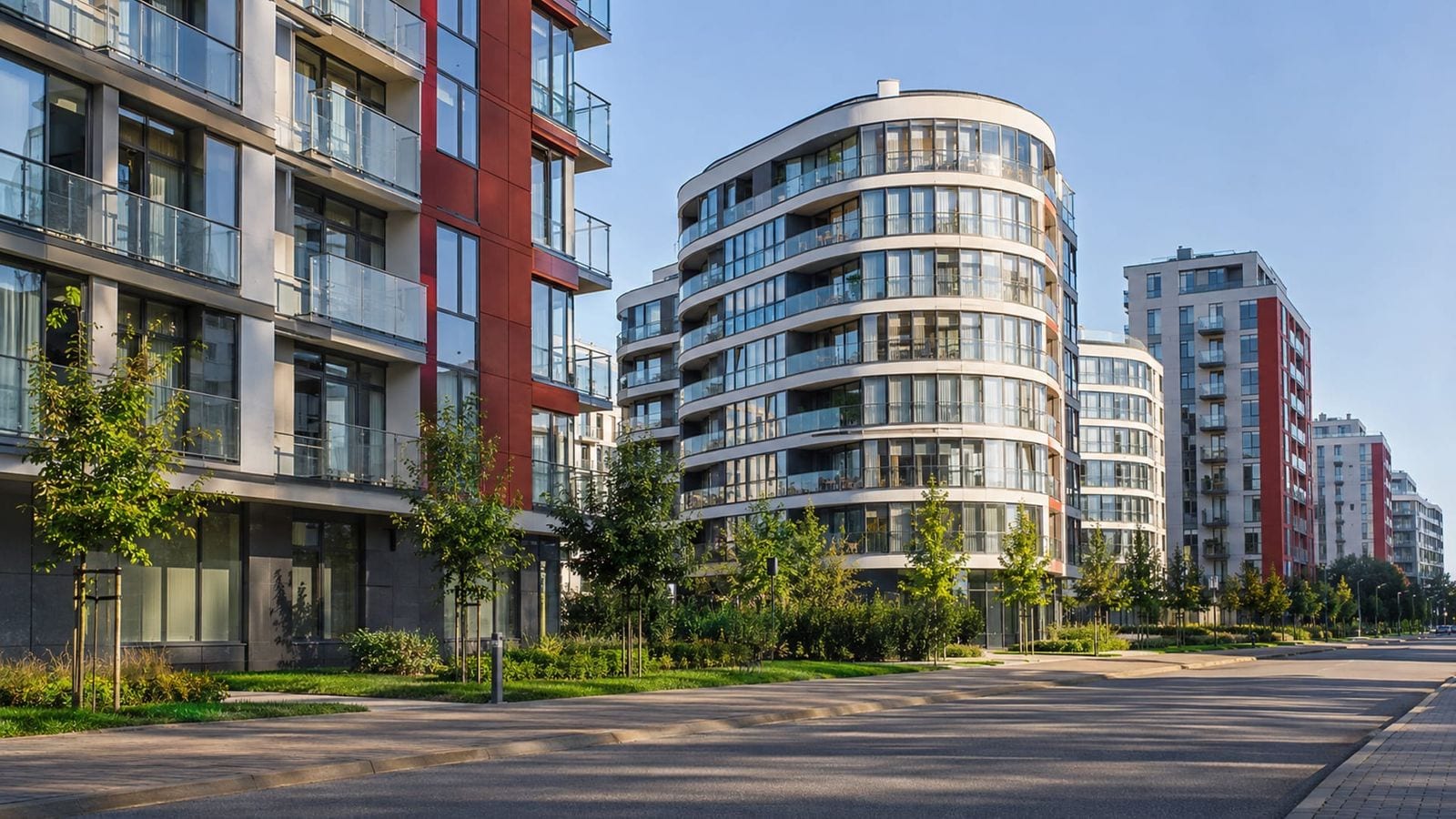
Skanste is a newer business and residential district north of the center, with contemporary apartment buildings, offices, event venues, and modern hotels. It offers more space and easier vehicle access than Riga’s historic districts.
Best for: Business trips, arena events, newer hotels, and travelers with a car
What to expect: Hotels in Skanste commonly charge €60–€130 ($70–$150) per night.
Hotel prices: Usually about €60 to €130 (~$65 to ~$141) per night for well-rated stays
Distance to major sights: Freedom Monument generally takes 10 to 20 minutes to reach by tram or bus, while Old Town is approximately 20 minutes away.
Quietness: The district is calm after office hours except during concerts, sporting events, and conferences.
Main trade-off: Restaurants and historic landmarks are less concentrated, so sightseeing usually involves public transportation.
Good to know: Check the event calendar before booking because nearby concerts and sports events can increase hotel demand.
Daugavgrīva, Bolderāja, and outer areas of Pļavnieki require longer trips to Old Town, Riga Central Market, and the Art Nouveau district. Airport-area hotels may be convenient before an early flight but offer fewer restaurants and attractions nearby.
Hotel deals
Getting around Riga
Trams and buses cover the central districts, while taxis and ride apps provide convenient airport transfers and direct cross-city journeys.

Metro
for longer distances
Riga’s tram network connects Centrs with several residential districts and provides convenient transportation beyond a comfortable walking distance from the Old Town. A 90-minute public transportation ticket costs approximately €1.50 ($1.70). You have to activate your tickets before boarding.

Bus and tram
for convenience
Buses cover outer neighborhoods and routes that the tram network does not serve. It takes Bus 22 approximately 30 minutes to reach central Riga from the airport. Bus tickets cost as much as tram ones do, €1.50 ($1.70). Buy them before boarding, since purchasing from the driver may cost more.

Taxi
for convenience or late hours
Licensed taxis operate from official ranks, while Bolt and inDrive offer app-based bookings. A trip from the airport to the center generally takes 15 to 25 minutes. Airport fares commonly range from €15 to €25 ($17–$29), depending on traffic and demand. Review the quoted price before boarding.
*Prices are based on rates updated as of June 2026 and may change at the time of travel.
Use trams for cross-city journeys along established routes, buses for inexpensive trips, and taxis or ride apps when carrying luggage or returning late.
Iconic places in Riga
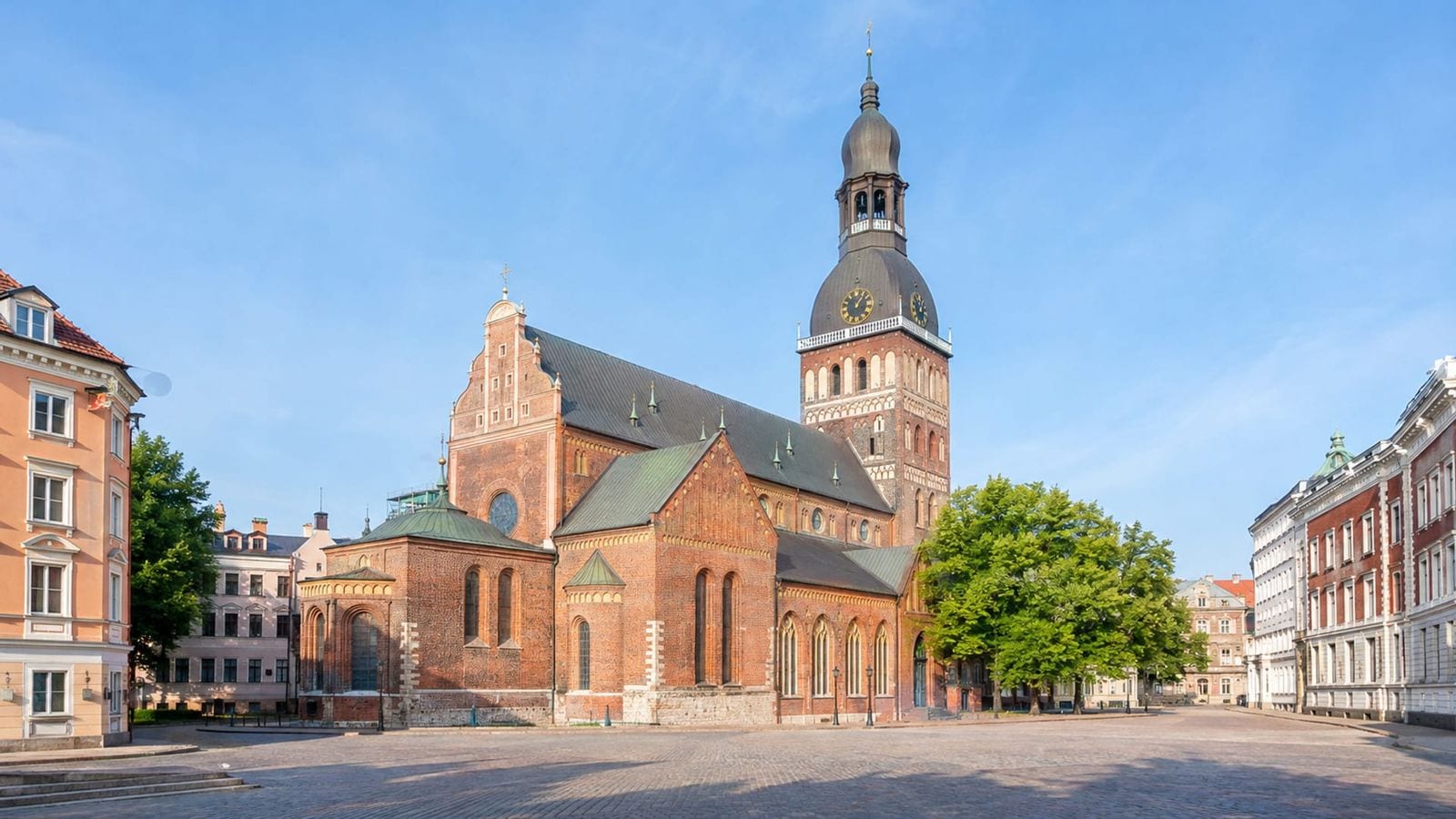
Riga Cathedral
Riga Cathedral, founded in 1211, has changed repeatedly through more than eight centuries of fires, renovations, and architectural additions. Romanesque foundations, Gothic vaults, Baroque details, and its tall tower create one of Old Town’s most recognizable silhouettes.
Time needed: 1 to 1.5 hours
Entry: Admission for adults costs €5 ($6). Visit the official site for details.
Tip: Visit earlier in the day for fewer crowds and check the organ-concert schedule beforehand.
House of the Black Heads
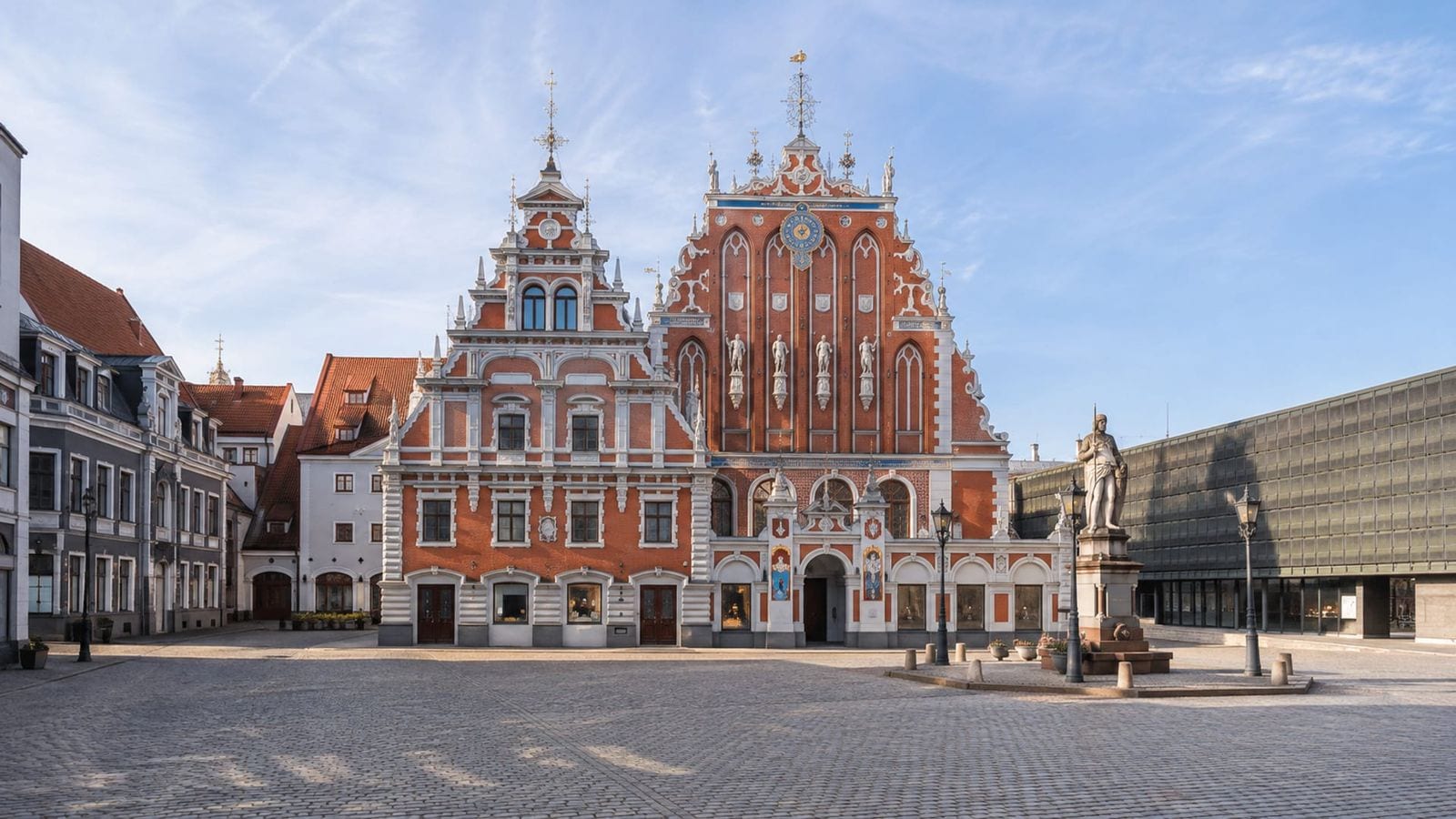
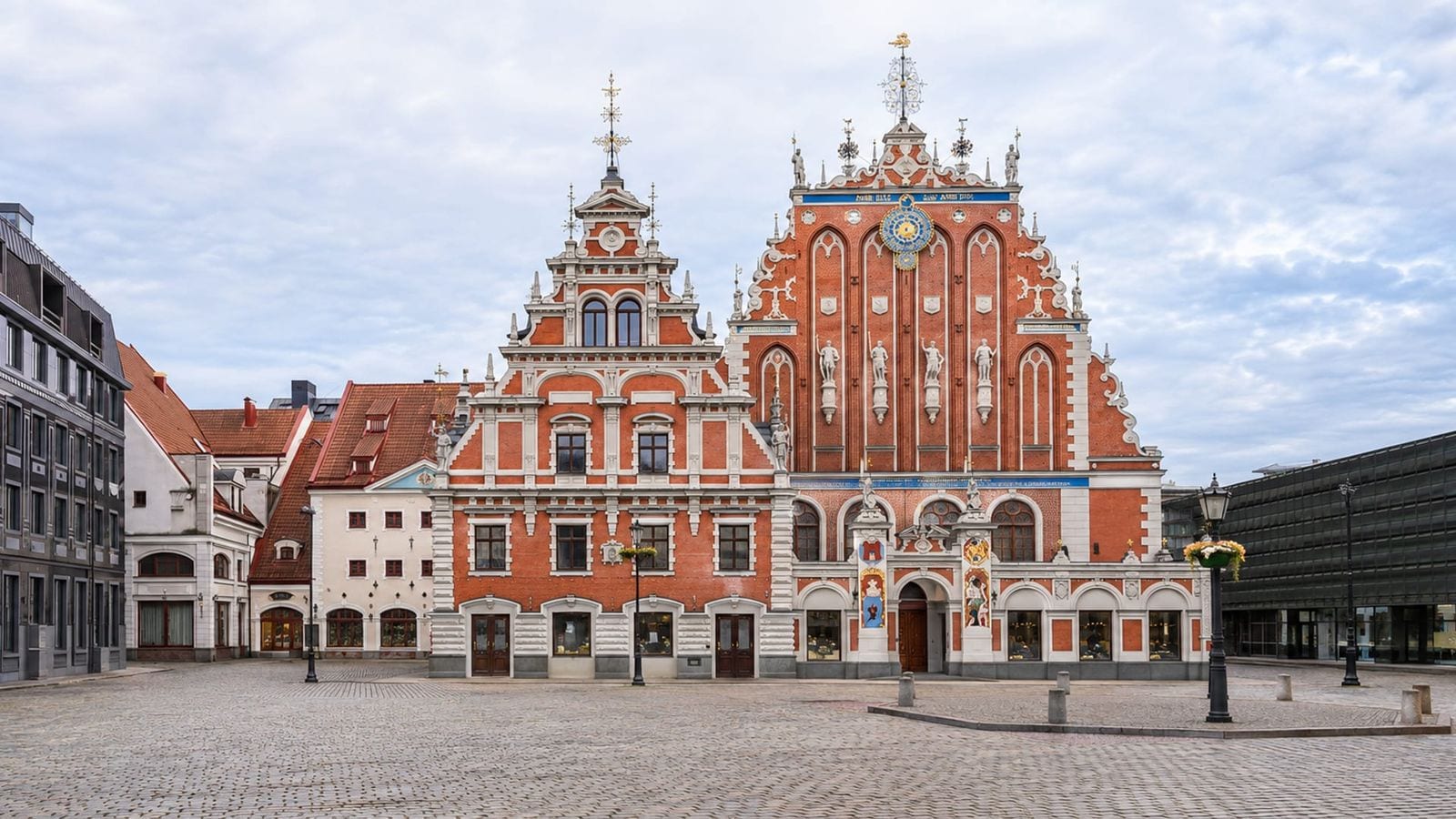
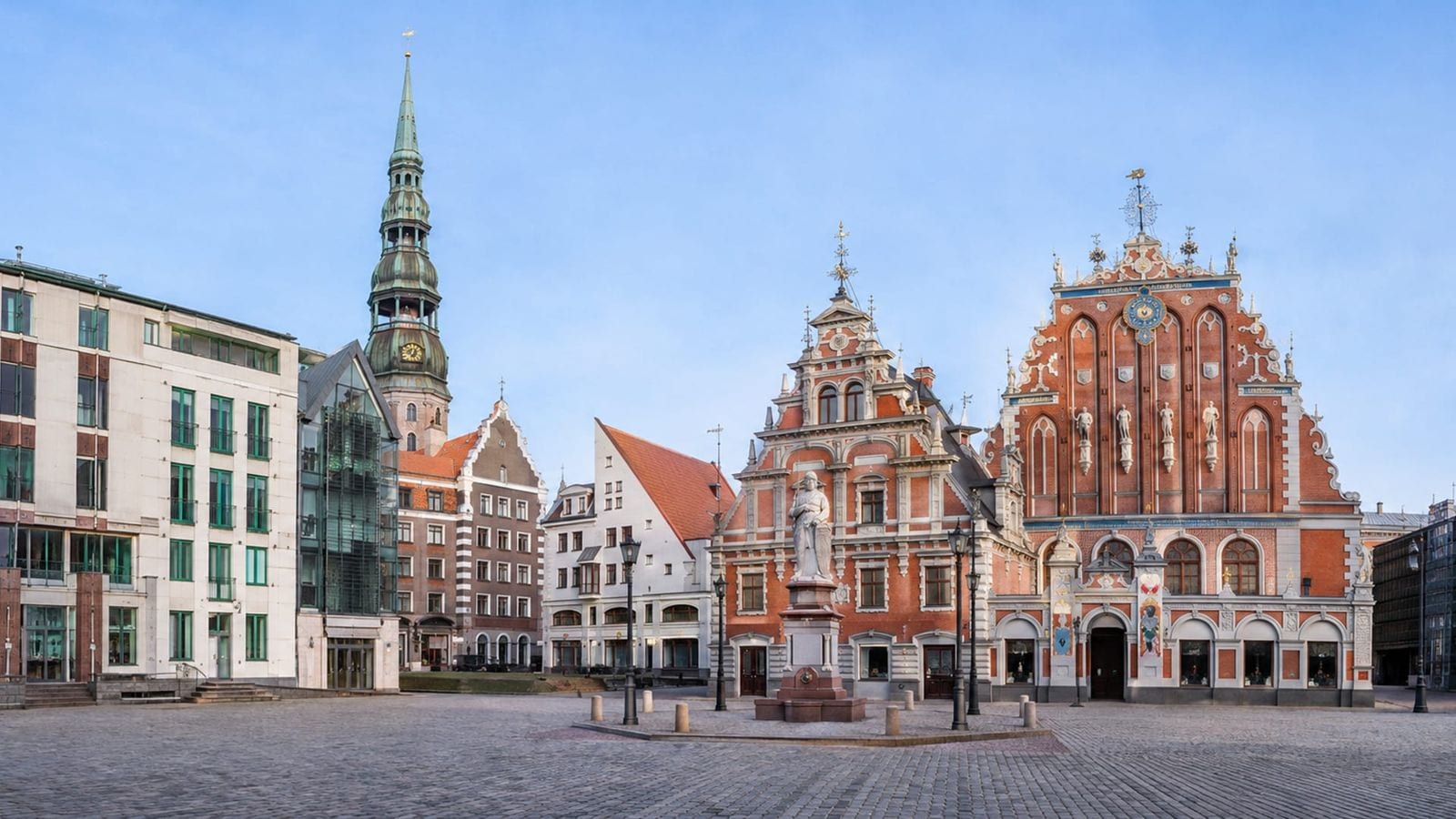
The House of the Black Heads traces its history to 1334, when the original building served Riga’s merchants and later the Brotherhood of Black Heads. Destroyed during World War II and reconstructed near the end of the 20th century, its ornate façade once again dominates Town Hall Square.
Time needed: 1 to 1.5 hours
Entry: Tickets cost €10.40 ($12), but special offers are available occasionally. Visit the official site for details.
Tip: Arrive in the morning, before the square becomes busier with walking tours.
Riga Central Market
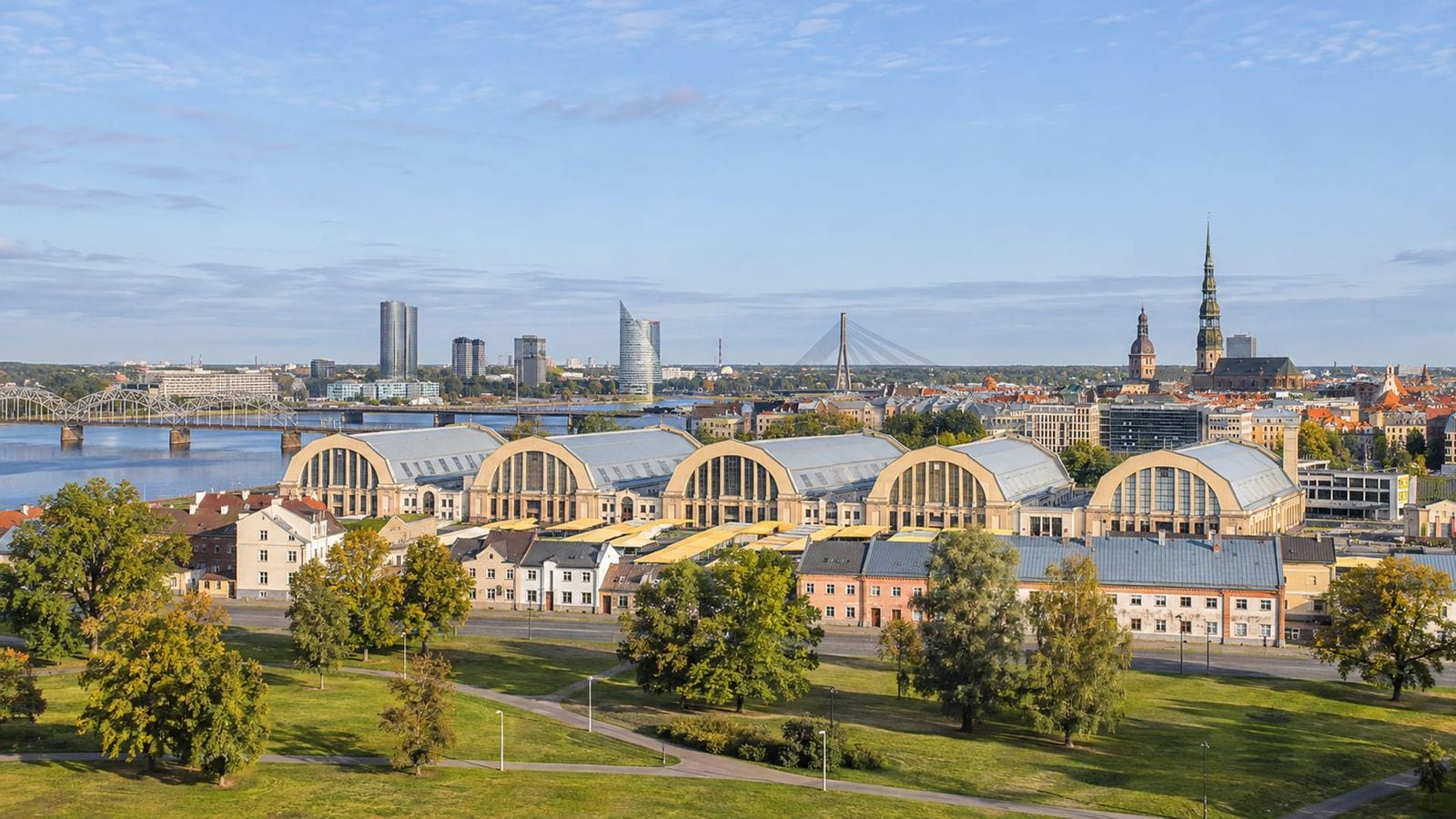
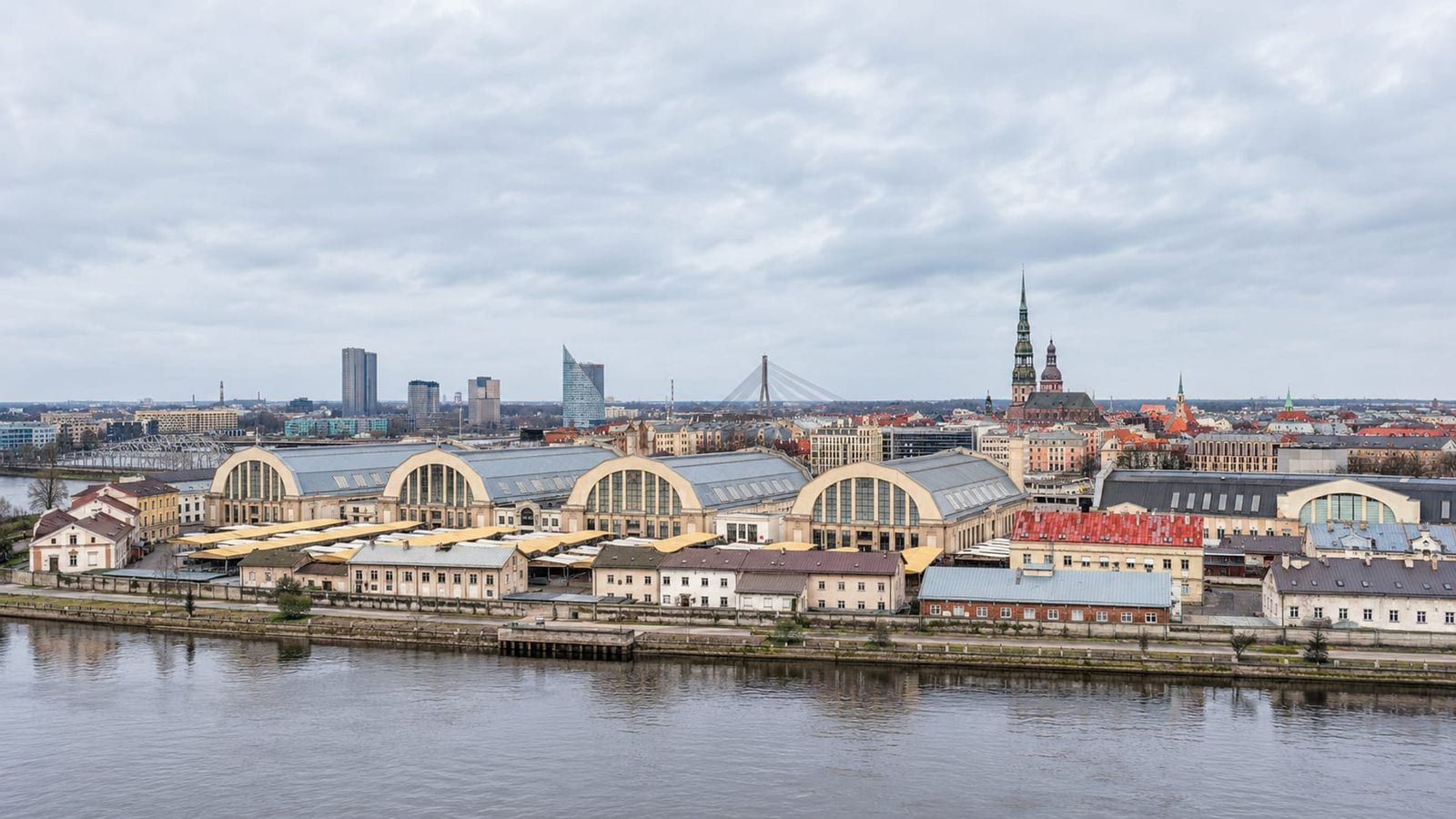
Riga Central Market spreads through a collection of vast market halls near the Daugava and Riga Central Station. Several halls were created using former Zeppelin hangar structures, giving fruit, fish, meat, dairy, and bakery stalls an unusually monumental setting.
Time needed: 1.5 to 2 hours
Entry: Free Visit the official site for details.
Tip: Visit before noon for a broader selection and easier movement through the busiest halls.
Overlooked places in Riga

Māras dārzs
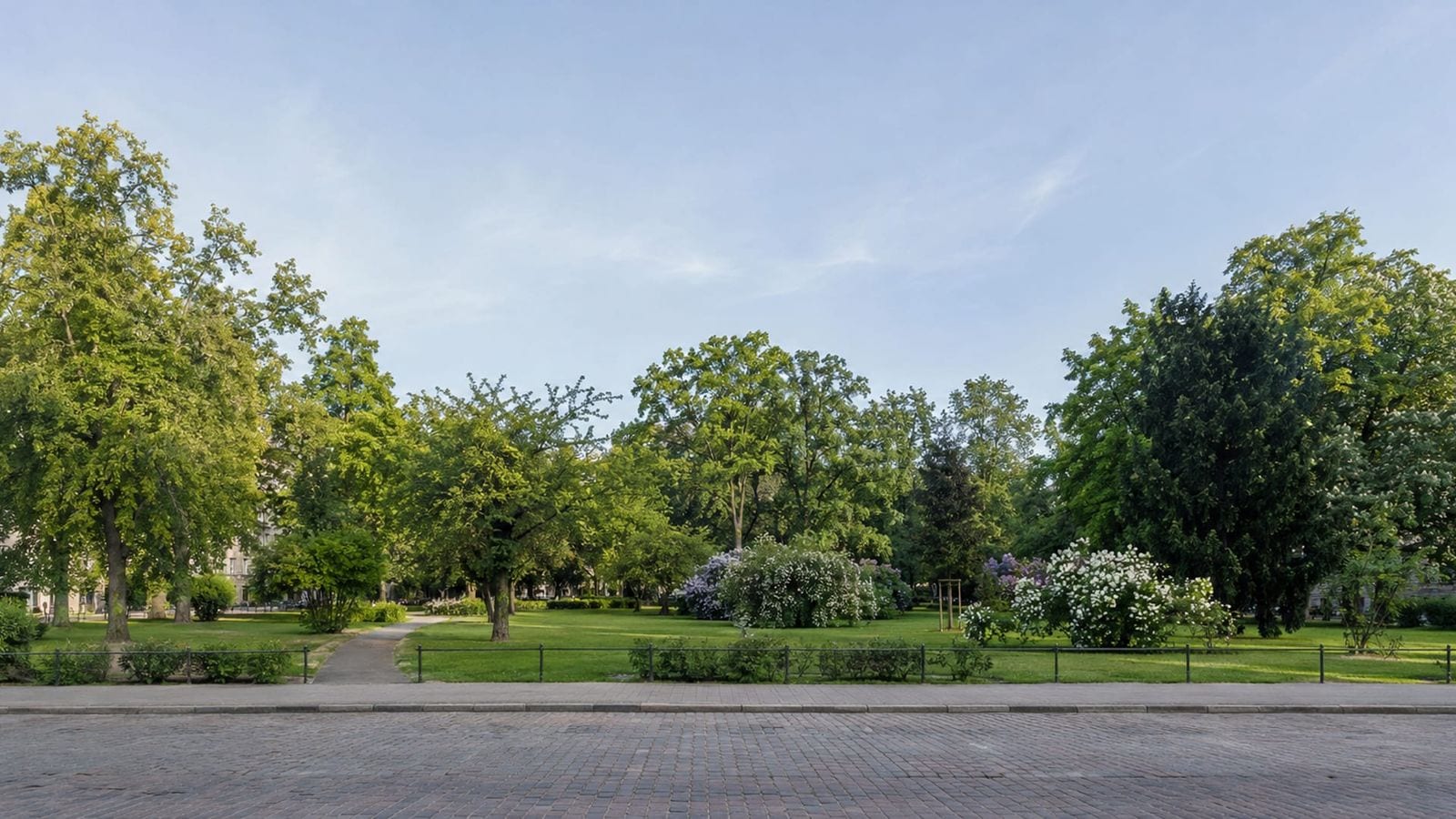
Māras dārzs offers a quieter green setting southwest of the historic center, with mature trees, paths, water, and nearby residential streets. Its paths are particularly pleasant in the late afternoon.
Time needed: 45 minutes to 1.5 hours
Entry: Free
Tip: Combine the park with a longer walk through Āgenskalns if the weather is pleasant.

Museum of Decorative Arts and Design
The museum opened in 1989 inside the former St. George’s Church, one of Riga’s oldest surviving stone buildings. Its galleries contain Latvian decorative art and design that date to the late 19th century.
Time needed: 1 to 1.5 hours
Entry: Individual adult tickets cost €12 ($14). Visit the official site for details.
Tip: Visit on a weekday and check the temporary exhibition schedule before arriving.
What to eat in Riga
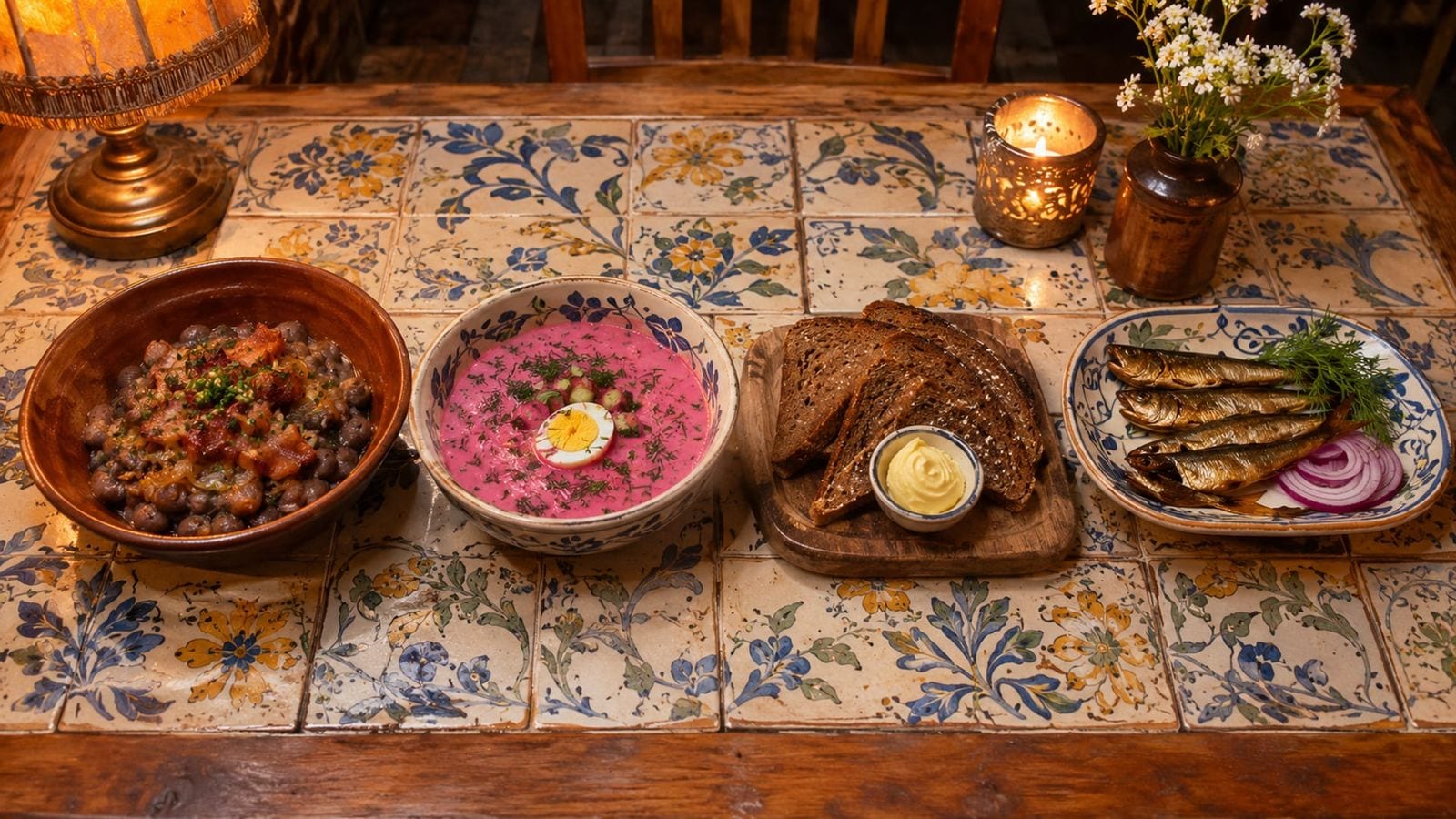
Traditional dishes tend to be hearty, with meat and vegetables, while summer menus add colder soups, berries, vegetables, and lighter market produce.
Grey peas with bacon
Grey peas with bacon combine large Latvian peas with fried bacon and onions in a filling dish traditionally associated with colder weather and festive meals. LIDO offers a wide selection of Latvian dishes in a casual self-service format, including this meal.
Cold beet soup
Latvian cold beet soup combines beets, kefir, cucumber, herbs, and boiled egg into a bright pink dish usually served during warmer months. Folkklubs ALA Pagrabs serves this dish inside vaulted cellars and hosts regular folk music and evening events.
Rye bread
Latvian rye bread is dark, dense, mildly sour, and frequently served with butter, cheese, smoked fish, soups, or meat dishes. Some versions add malt, seeds, or a subtle sweetness. You can enjoy it at Restorāns Milda.
Smoked sprats
Smoked sprats are small fish with a rich, salty flavor, commonly served on rye bread with butter, onion, lemon, or egg. Restaurant B7 focuses on contemporary Latvian cooking built around seasonal local ingredients, including smoked sprats.
Best time to visit Riga
Summer brings very long evenings, while winter transforms Old Town with Christmas markets, snow, and considerably shorter days.
Best for: Architecture, museums, parks, and smaller crowds
What you get: Temperatures rise from 36°F to 61°F (2°C–16°C), with increasing daylight and quieter streets before summer.
Trade-offs: Rain, wind, and sudden cold spells can interrupt longer walks.
Best for: Riverfront walks, café terraces, markets, and long sightseeing days
What you get: Travelers can expect temperatures between 54°F and 73°F (12°C–23°C), with long evenings and the year’s highest visitor numbers.
Trade-offs: Hotels cost more, and central attractions become crowded during midday.
Best for: Art Nouveau walks, museums, markets, and quieter central streets
What you get: The season brings temperatures of 34°F–63°F (1°C–17°C), with cooler afternoons and fewer visitors after September.
Trade-offs: Rain increases and daylight decreases quickly toward November.
Best for: Christmas markets, museums, cafés, and quieter sightseeing
What you get: Temperatures typically range from 20°F to 34°F (-7°C to 1°C), with occasional snow and short daylight hours.
Trade-offs: Ice, wind, and early darkness reduce the time available for outdoor walks.
A 5-day plan in Riga
The itinerary keeps central attractions together and leaves the final day flexible. It is organized to give you enough time for Old Town, Riga Central Market, Centrs, the Quiet Centre, and one quieter district across the Daugava.
Land at Riga (RIX) and take a taxi or Bolt to Old Town, which usually takes 20 to 30 minutes and costs €15 to €25 ($17–$28), depending on traffic and your arrival time. If you want a quieter hotel, set up near the Quiet Centre or on a side street in Old Town, then spend the evening close and have dinner at a café near the main squares rather than a late cross-city outing. If you arrive earlier in the day, a brief walk to the Daugava riverfront gives you fresh air without a packed schedule.
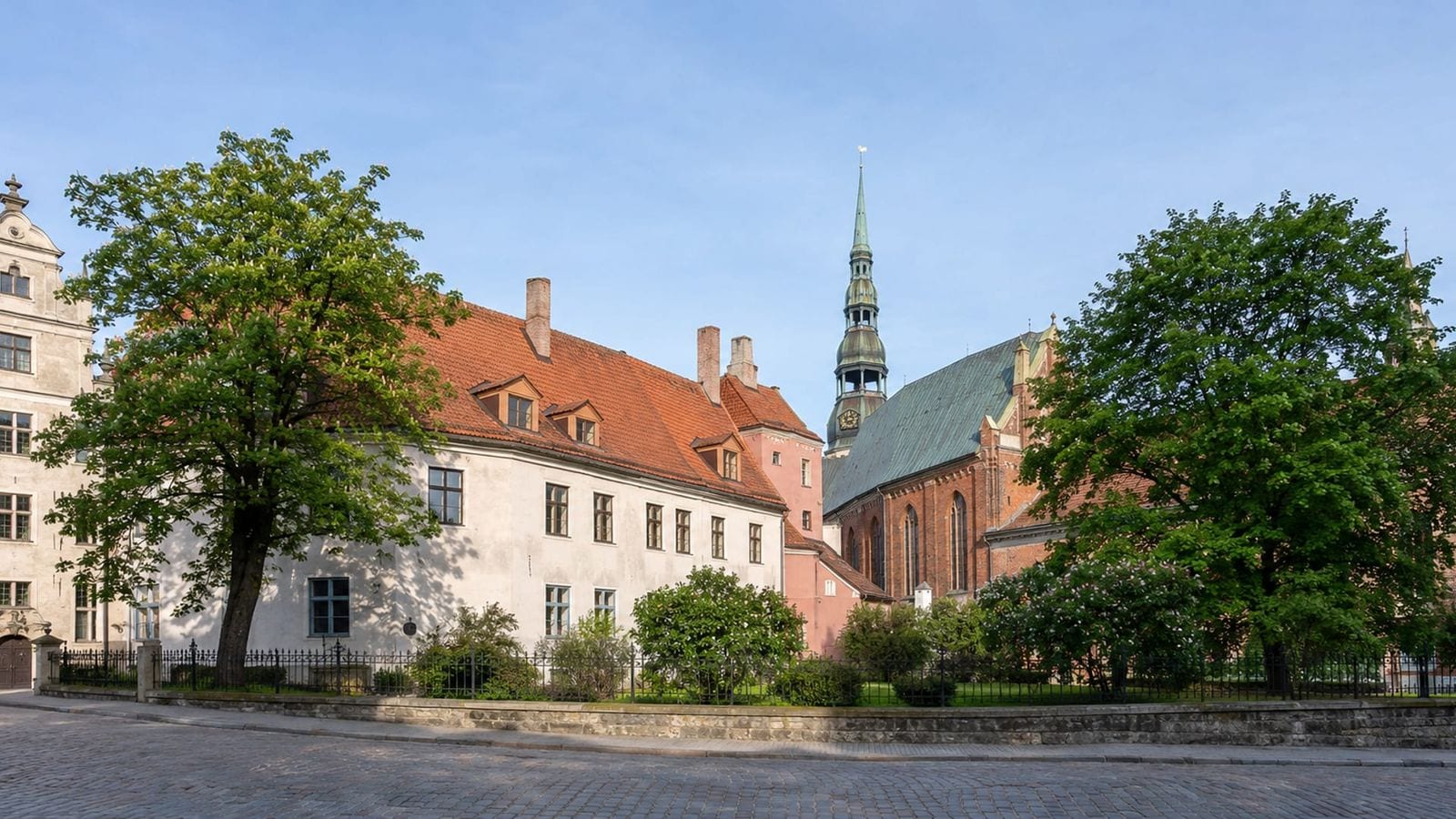
Begin in Old Town at Riga Cathedral, where a morning visit usually takes 1 to 1.5 hours. From there, walk 5 minutes to the House of the Black Heads for a second look at Town Hall Square and its merchant history; plan another 1 to 1.5 hours. Have lunch in the same district, then continue on foot through the surrounding lanes before ending the day with a return to your hotel. If you are staying in Centrs or the Quiet Centre, the walk back usually takes 15 to 20 minutes from the historic center.
Riga Central Market gives this day a strong food focus, and it works best if you arrive before noon, when the produce selection is widest, and the halls are easier to move through. Spend up to 2 hours among the Zeppelin hangars. Then, take a tram or a taxi to the Decorative Arts and Design Museum, which is 10–15 minutes away from the market area depending on traffic. Allow 1 to 1.5 hours there, then finish with an unhurried afternoon coffee in Centrs.
Start with a quieter shift west of the center at Māras dārzs, where a late-afternoon visit works well for river views and usually takes about 45 minutes to 1.5 hours. After that, return toward the historic center for a relaxed dinner, or pair the park with a late visit to the Daugava riverfront if the light is good. If you are based in the Quiet Centre, the park and the riverfront both fit comfortably into a day with short taxi rides or a longer tram ride back into town.
A final morning in Riga works well with one last museum stop and a slow café visit. You can also browse the Art Nouveau streets in the Quiet Centre or shop along the wider avenues of Centrs. Afterward, finish with coffee and an early lunch near your hotel. Then, allow approximately 40 minutes to reach the airport, longer if you are leaving during peak traffic or poor weather. To get there, you can either take a taxi or the bus 22.
Business-class flights from the US to Riga
There are no nonstop flights between the US and Riga. Travelers from both New York and Los Angeles connect through major European hubs instead.
New York (JFK) to Riga (RIX)
Finnair, Lufthansa, LOT Polish Airlines, Turkish Airlines, Scandinavian Airlines, British Airways, and partner airlines offer connecting flights from New York (JFK) to Riga (RIX). These have layovers in Helsinki (HEL), Frankfurt (FRA), Warsaw (WAW), Istanbul (IST), Copenhagen (CPH), or London (LHR). The total travel time generally ranges from 10 to 22 hours. Round-trip business-class fares with these airlines commonly cost $3,200–$5,500.
Los Angeles (LAX) to Riga (RIX)
Flights from Los Angeles International Airport (LAX) require at least one connection. Finnair, Lufthansa, Scandinavian Airlines, Turkish Airlines, British Airways, and other carriers provide itineraries through their European hubs, such as Frankfurt (FRA) and London (LHR). The journey generally takes 13 to 26 hours, depending on the length of the layover. Business-class tickets on this route typically range from $5,000 to $6,400.
Explore Riga beyond the medieval center
Riga’s Old Town features church towers, merchant houses, and cobbled squares, but the city’s character changes quickly beyond its medieval streets. Centrs and the Quiet Centre reveal elaborate Art Nouveau architecture, Central Market brings everyday Latvian food into vast historic halls, and Āgenskalns offers a quieter afternoon across the Daugava. If you are planning a trip to Riga soon, consider contacting our AranGrant experts. They can assist you with booking business-class tickets and hotels.