

Chapters:

Need help with your trip?
Our support team is available 24/7. Request a callback or call us directly at (833) 619-0908
Richmond trips often begin with a quick airport transfer, a downtown hotel, and a short list of headline stops, while the older neighborhoods and quieter museums get less attention.
That pattern can leave a lot on the table, because the city spreads its best sights across Church Hill, the riverfront, the Museum District, and the Fan, with busier blocks and slower side streets sitting close together but not always easy to read at first glance.
This guide sorts the city by area and by day, so you can move through Richmond in a steadier order and fit history, food, and neighborhood walks into a trip that respects the city’s scale.
Useful things to know

Main language(s): English

Currency: The local currency is the US dollar (USD, $).

Cash and cards: Cards and contactless are widely accepted; carry about $20 to $40 in cash for small vendors and tips.

Tipping: Tip 10 to 15% at sit-down restaurants when service is good; round up small bills elsewhere.

Traditional food: Mishka, southern barbecue, catfish, tamales

Water and coffee costs: Water about $2, bar espresso about $3.

Taxis and ride apps: Uber and Lyft operate here; airport pickups may be limited by local rules.

Plug and voltage: Type A/B socket, 120V

Dining and shop opening hours: Breakfast runs about 07:00-09:00, lunch 12:00-14:00, and dinner 18:00-21:00. Many places close midafternoon and stay closed on Sundays.

Emergency number: Call 911 for police, fire, or medical emergencies.
Where to stay in Richmond
Richmond’s central district puts the riverfront, government offices, and the main downtown blocks within easy reach. It matters if you want the broadest choice of restaurants, hotels, and walkable access to the city’s core sights.
Best for: First-time visits, dining, and walking access to downtown sights
What to expect: Busy streets by day, with office traffic, hotel guests, and restaurant crowds; evenings are calmer outside the main dining blocks.
Hotel prices: Usually about $140 to $260 per night for well-rated stays
Distance to major sights: 10 to 20 minutes on foot to the James River and Capitol Square
Quietness: Daytime is active, while evenings quiet down on residential side streets.
Main trade-off: Central hotels cost more, and some blocks pick up weekday noise from traffic and offices.
Good to know: If you want to walk to museums and the riverfront, check the exact block, since a short distance can change the amount of street noise.
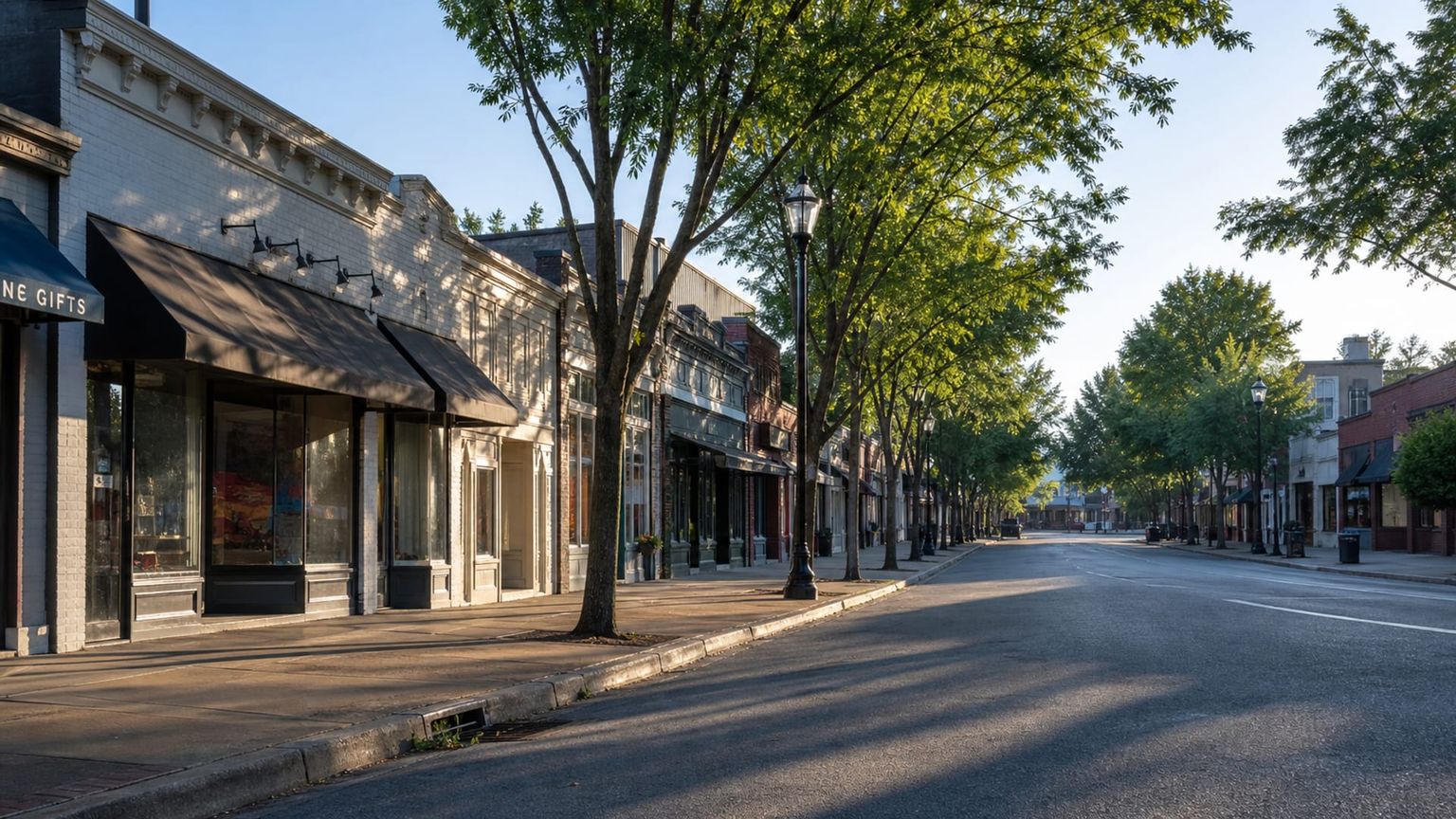
Carytown is Richmond’s shopping and dining strip, lined with independent stores, cafes, and casual restaurants. It works well if you want a lively base with easy access to food, browsing, and some of the city’s most recognizable low-rise streets.
Best for: Dining, boutique shopping, and travelers who want an energetic neighborhood base
What to expect: A steady flow of shoppers, diners, and local traffic along Broad Street and the side blocks.
Hotel prices: Usually about $150 to $280 per night for well-rated stays
Distance to major sights: 15 to 25 minutes by transit to the Virginia Museum of Fine Arts
Quietness: Daytime is lively, and evenings stay active near restaurants before easing later at night.
Main trade-off: You get a lot of food and retail nearby, but lodging choices are fewer than in downtown.
Good to know: Parking can be tighter here than in the central business district, so confirm whether your hotel includes a lot or valet.
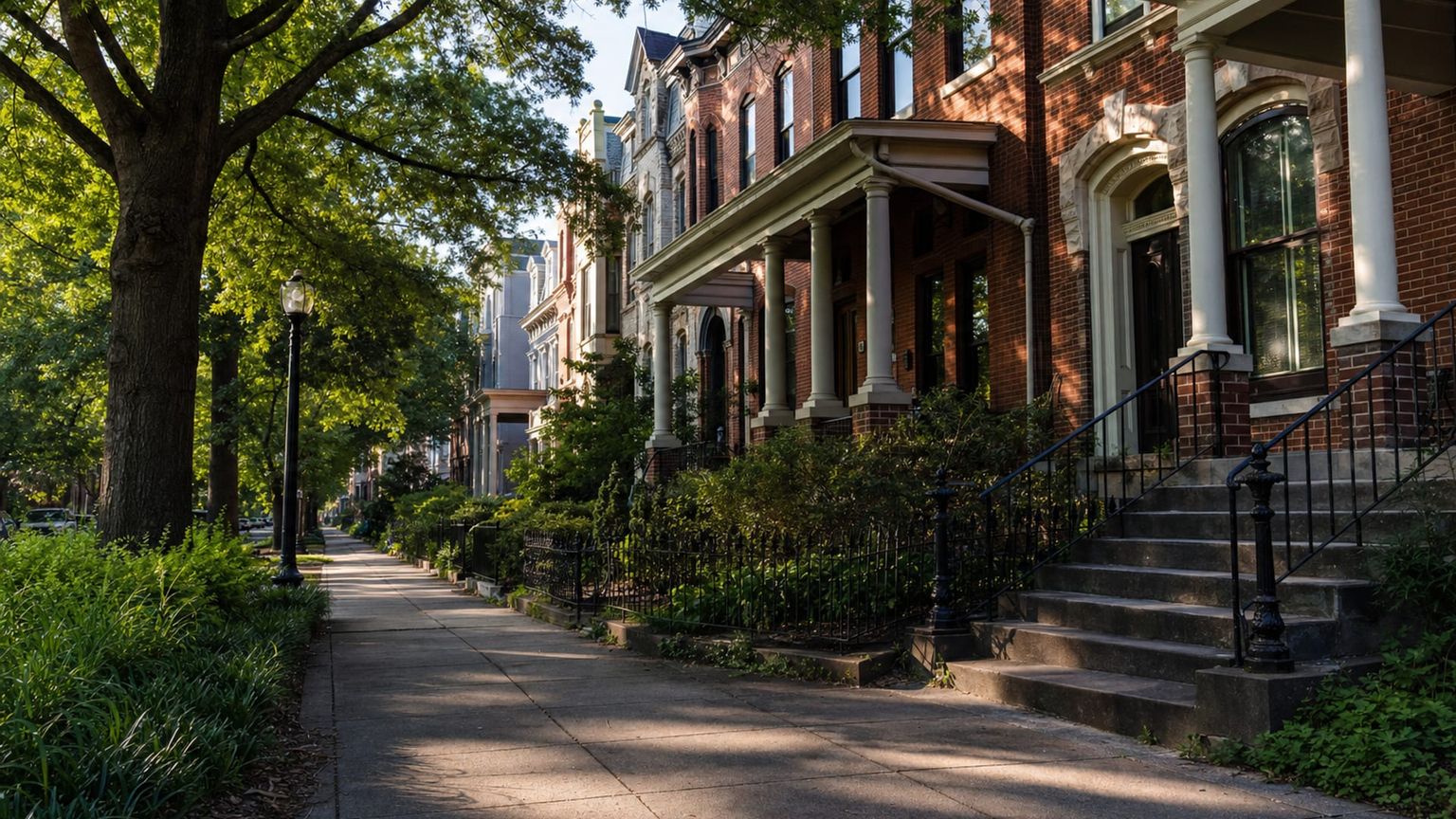
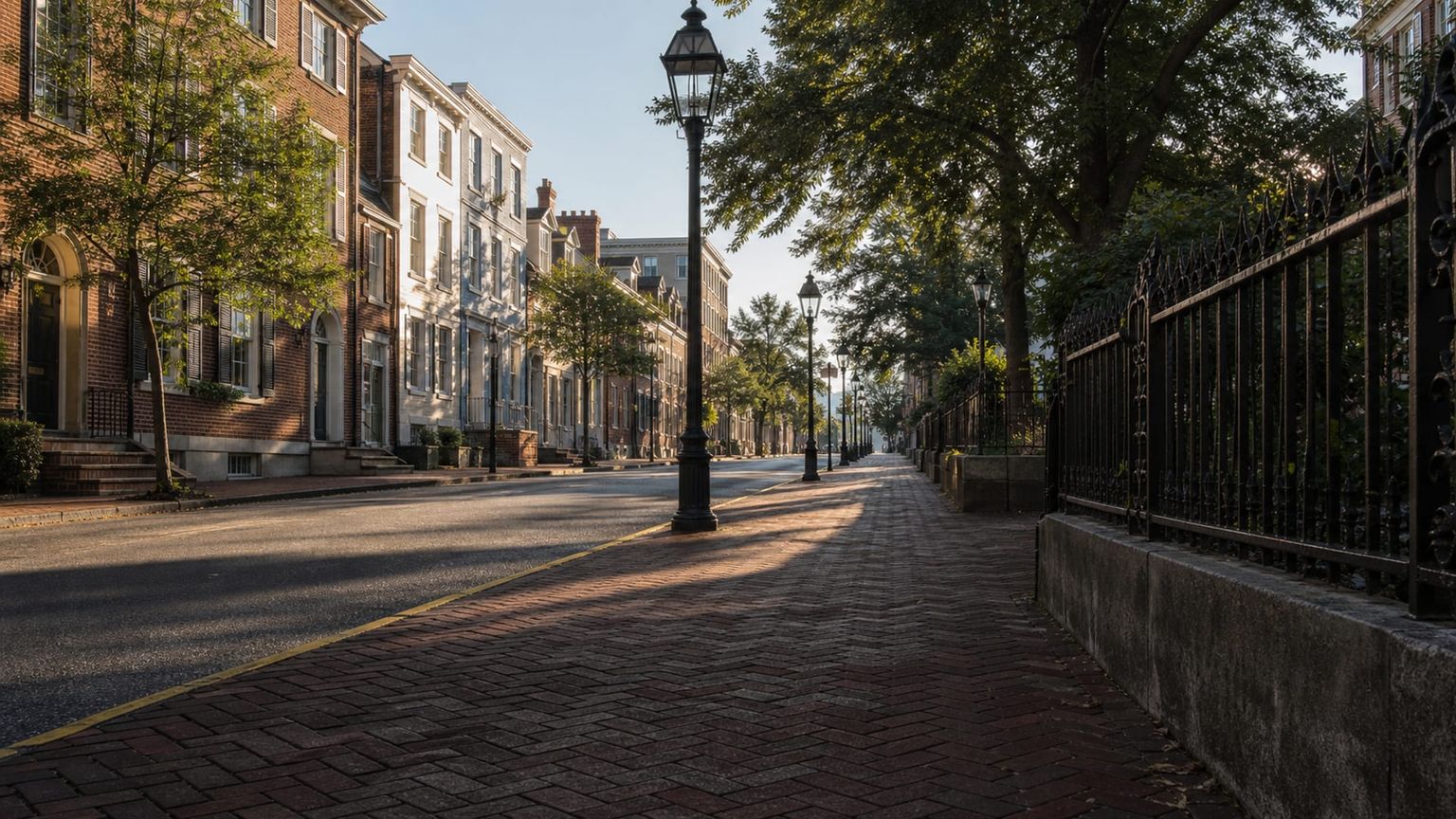
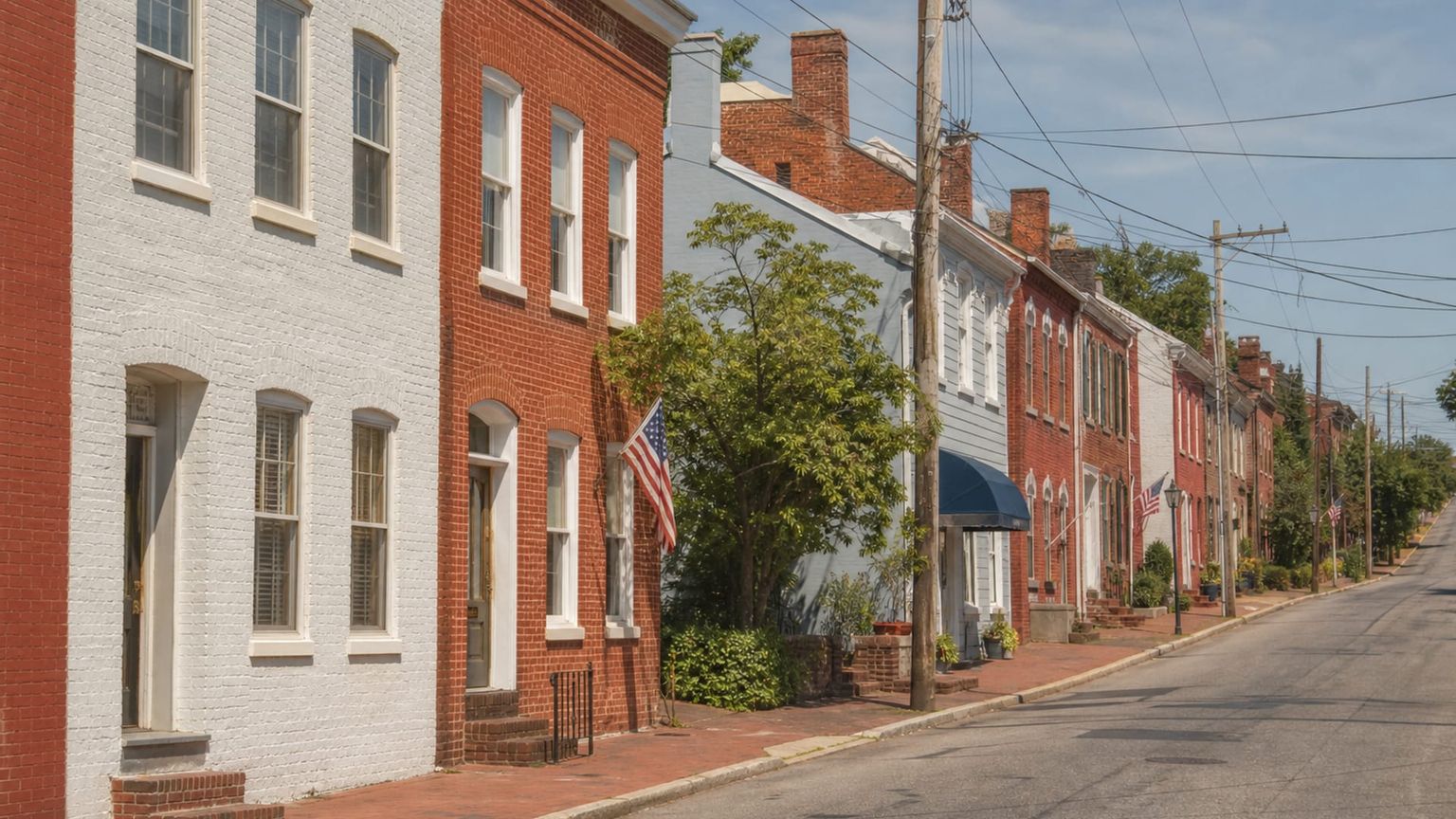
The Fan District is a dense historic residential area west of downtown, known for tree-lined streets and row houses. It matters for travelers who want a neighborhood feel with good access to Carytown, museums, and central Richmond.
Best for: Historic architecture, neighborhood walks, and access to museums and dining
What to expect: Residential street life, joggers, and dog walkers dominate, with quieter blocks and a few active corridors near cafes and bars.
Hotel prices: Usually about $160 to $300 per night for well-rated stays
Distance to major sights: 20 to 30 minutes on foot to the Virginia Museum of Fine Arts
Quietness: Days are active on the sidewalks, while evenings stay relatively calm except near busier intersections.
Main trade-off: This area often lacks large hotels, so rates can rise for smaller inns and short-term rentals.
Good to know: Some homes and guesthouses sit on streets with limited parking, so a car can be more trouble than it is worth if you plan to stay here.
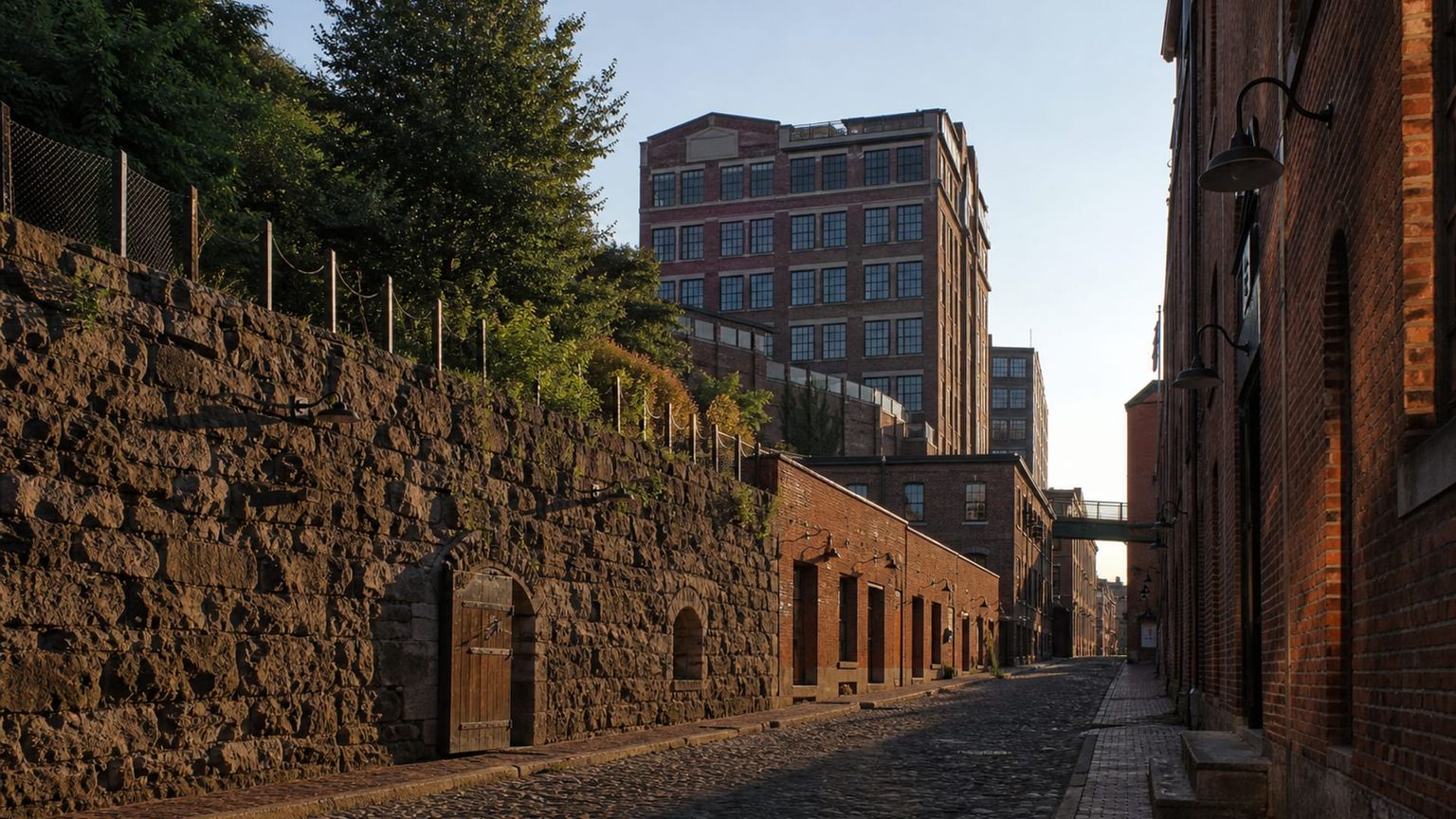
Shockoe Slip sits near the James River and close to the old warehouse district’s brick buildings and nightlife spots. It matters if you want a compact base for restaurants, bars, and quick access to downtown and the riverfront.
Best for: Nightlife, dining, and travelers who want to stay near downtown entertainment
What to expect: Heavier evening foot traffic than most Richmond neighborhoods, especially around restaurants, bars, and event nights.
Hotel prices: Usually about $170 to $320 per night for well-rated stays
Distance to major sights: 10 to 15 minutes on foot to the Canal Walk and about 20 minutes on foot to Capitol Square
Quietness: Busy in the evening, then quieter late at night on some blocks after venues close.
Main trade-off: The area can be noisy on weekends, and lodging often costs more than in nearby residential districts.
Good to know: If you are a light sleeper, ask for an interior room or a higher floor, since street activity can carry late into the night.
Travelers usually avoid staying in the outer edge of North Richmond and the industrial riverfront near the airport, because they sit far from the main sights and have limited visitor amenities. The same goes for remote parts of the southern suburbs and smaller outlying townships, where evening transport is limited and dining choices are thin.
Hotel deals
How to get around Richmond efficiently
Richmond has no metro, so most visitors rely on GRTC buses, rideshares, and taxis for cross-town moves, with walking filling the gaps in the central neighborhoods.

Metro
for longer distances
Richmond does not have a subway or metro network, so the nearest rail option is the VRE and Amtrak at Richmond Main Street Station and Richmond Staples Mill Road, which connect the city to Washington and other Virginia stops. For local trips, plan on buses or a taxi rather than rail.

Bus and tram
for convenience
GRTC runs the city bus network, including frequent Pulse service on Broad Street and routes linking Downtown, Carytown, the Fan, and Richmond International Airport. A standard ride is $1.50 ($1.50), and day passes are about $3 ($3); timed transfers are usually valid for about 1 hour. Check headways before you travel, because some crosstown routes run less often outside peak hours.

Taxi
for convenience or late hours
Licensed taxis in Richmond use meters, not set citywide flat fares, with airport trips and short downtown hops often landing at about $20 to $35, before tip, depending on traffic and distance. You can book by phone, use a taxi stand at Richmond International Airport, or hail one where local rules allow, and most cabs take cards as well as cash.
*Prices are based on rates updated as of June 2026 and may change at the time of travel.
Use buses for Broad Street and airport-linked trips, taxis or rideshares for faster point-to-point movement, and walking when your plans stay inside downtown, the Fan, or Church Hill.
Iconic landmarks
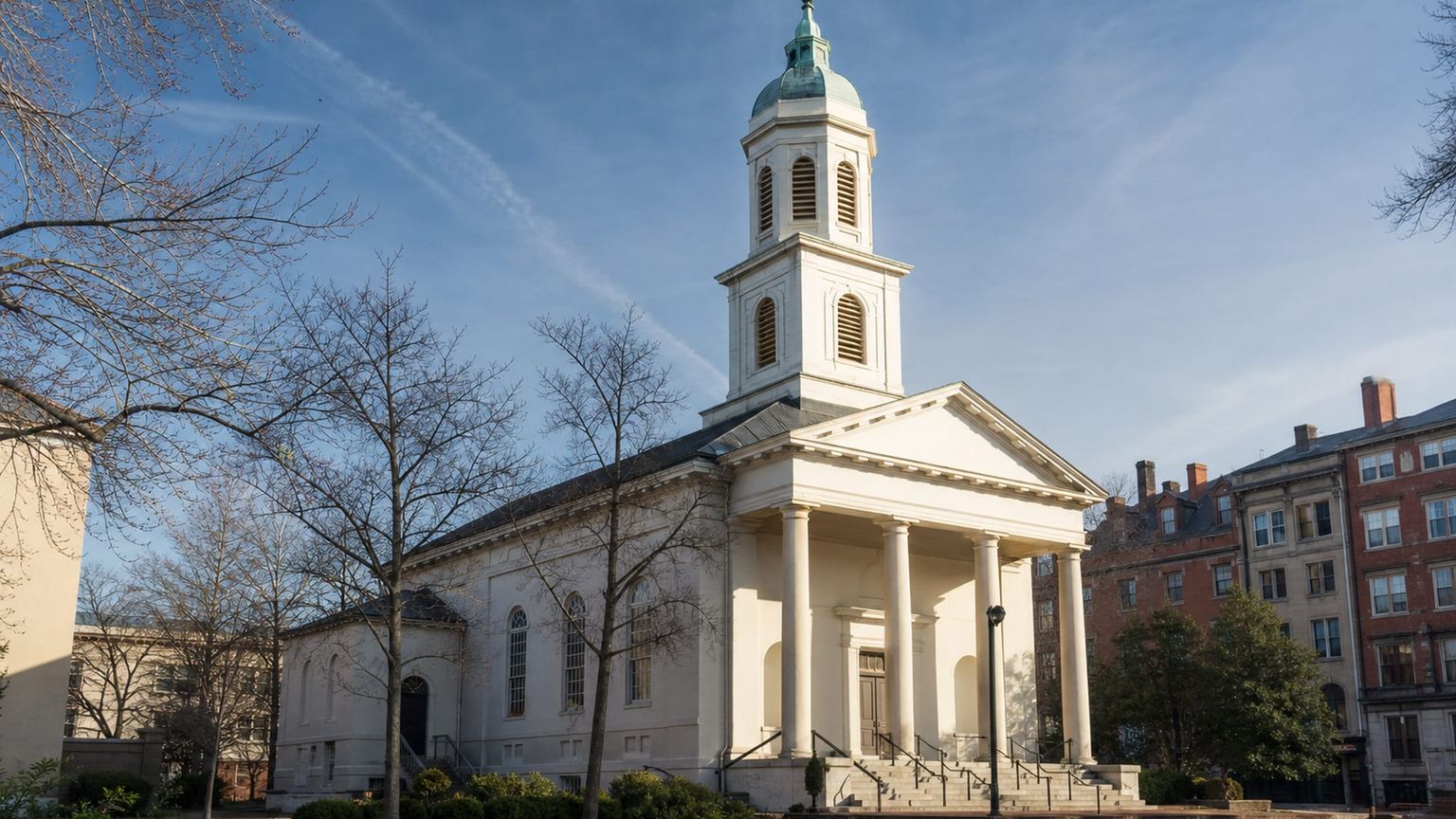
St. John's Church
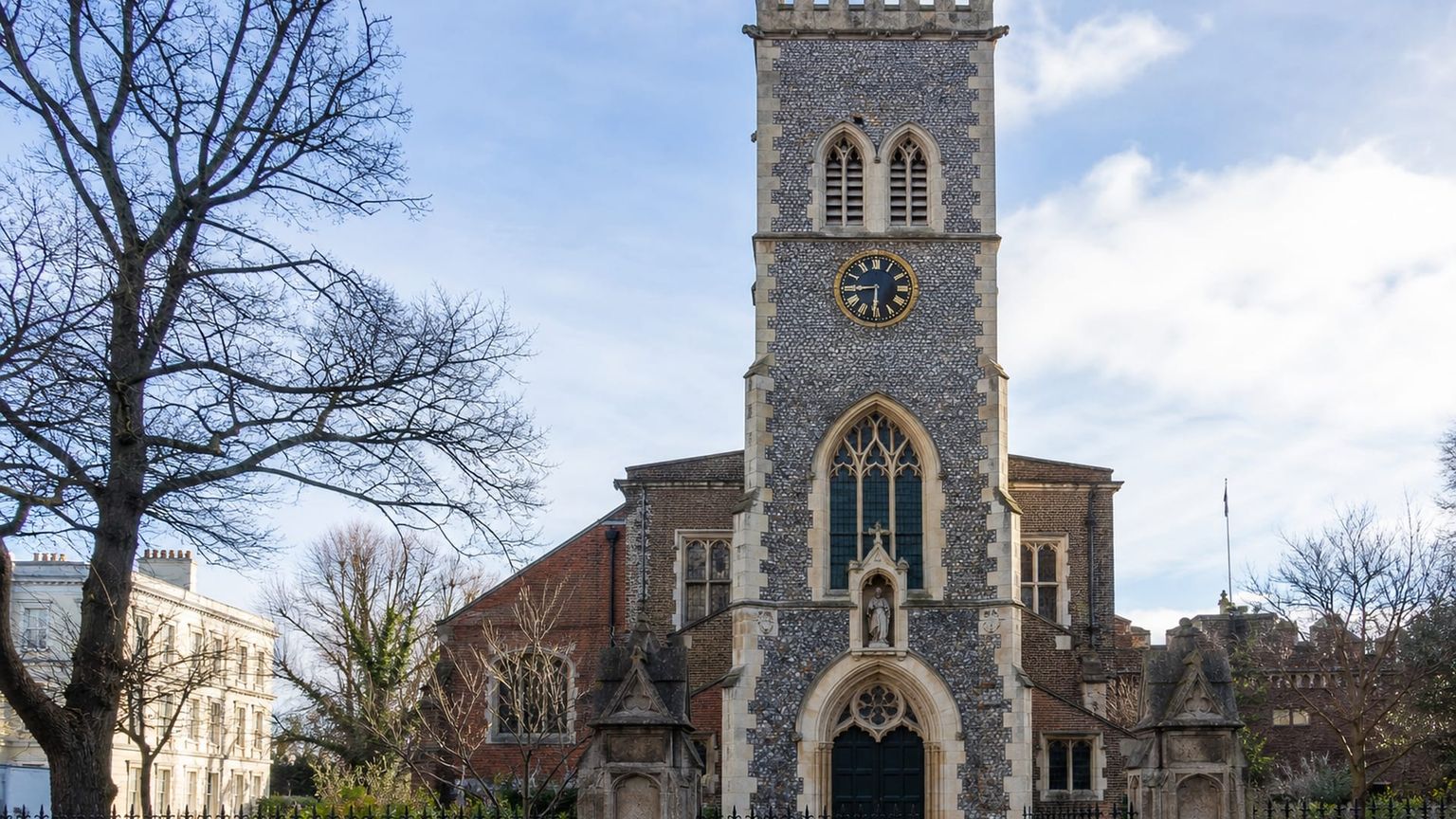
Built in 1741, St. John’s Church is Richmond’s oldest surviving structure and one of the city’s strongest links to its colonial past. The brick churchyard includes the graves of notable Virginians, and the site sits on Church Hill near other early landmarks.
Time needed: About 45 minutes
Entry: Admission is free; donations are welcome and guided tours cost $5 to $10 ($5 to $10) when offered Visit the official site for details.
Tip: Go in the morning for quieter churchyard views and softer light for photos.
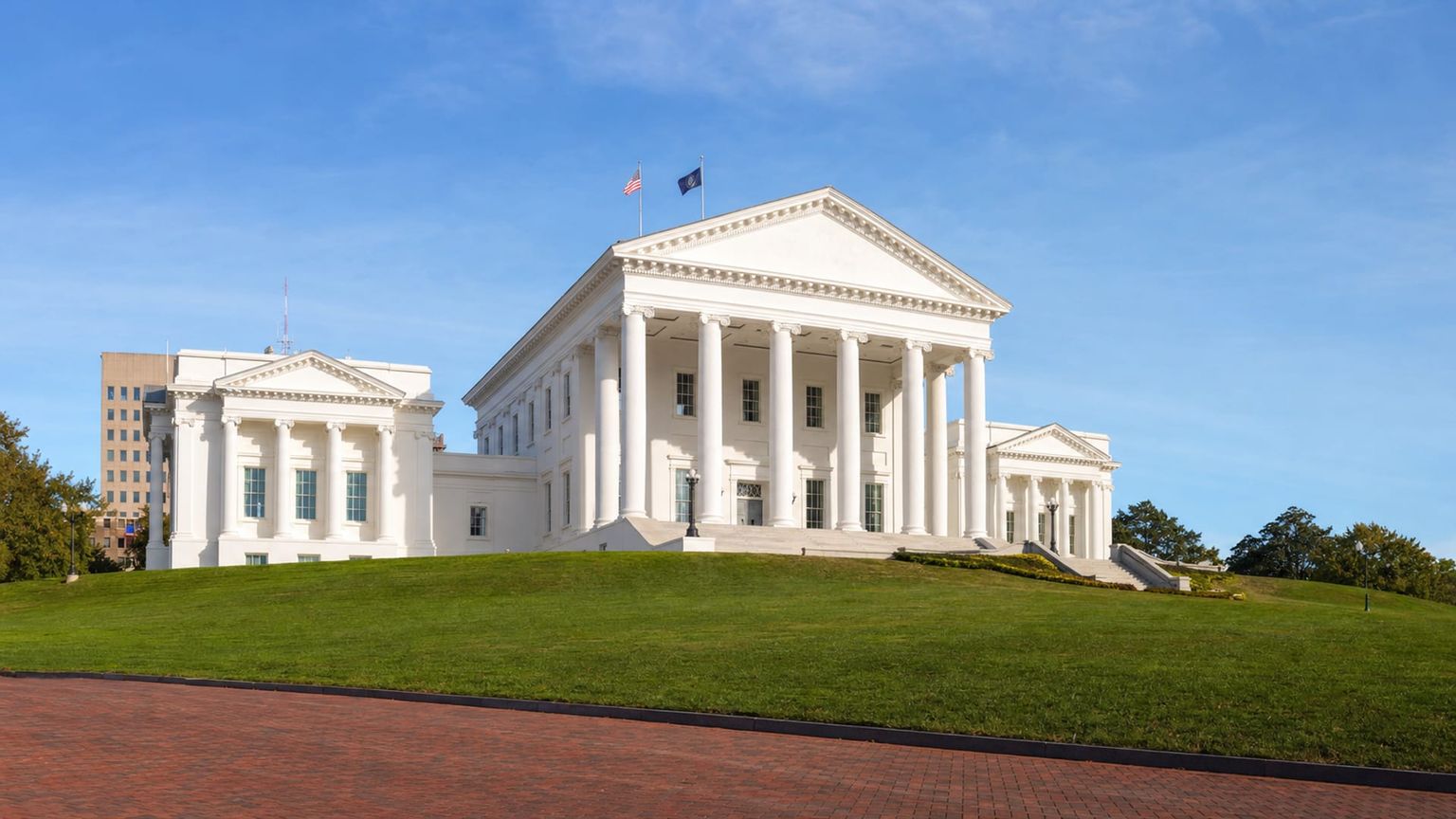
Virginia State Capitol
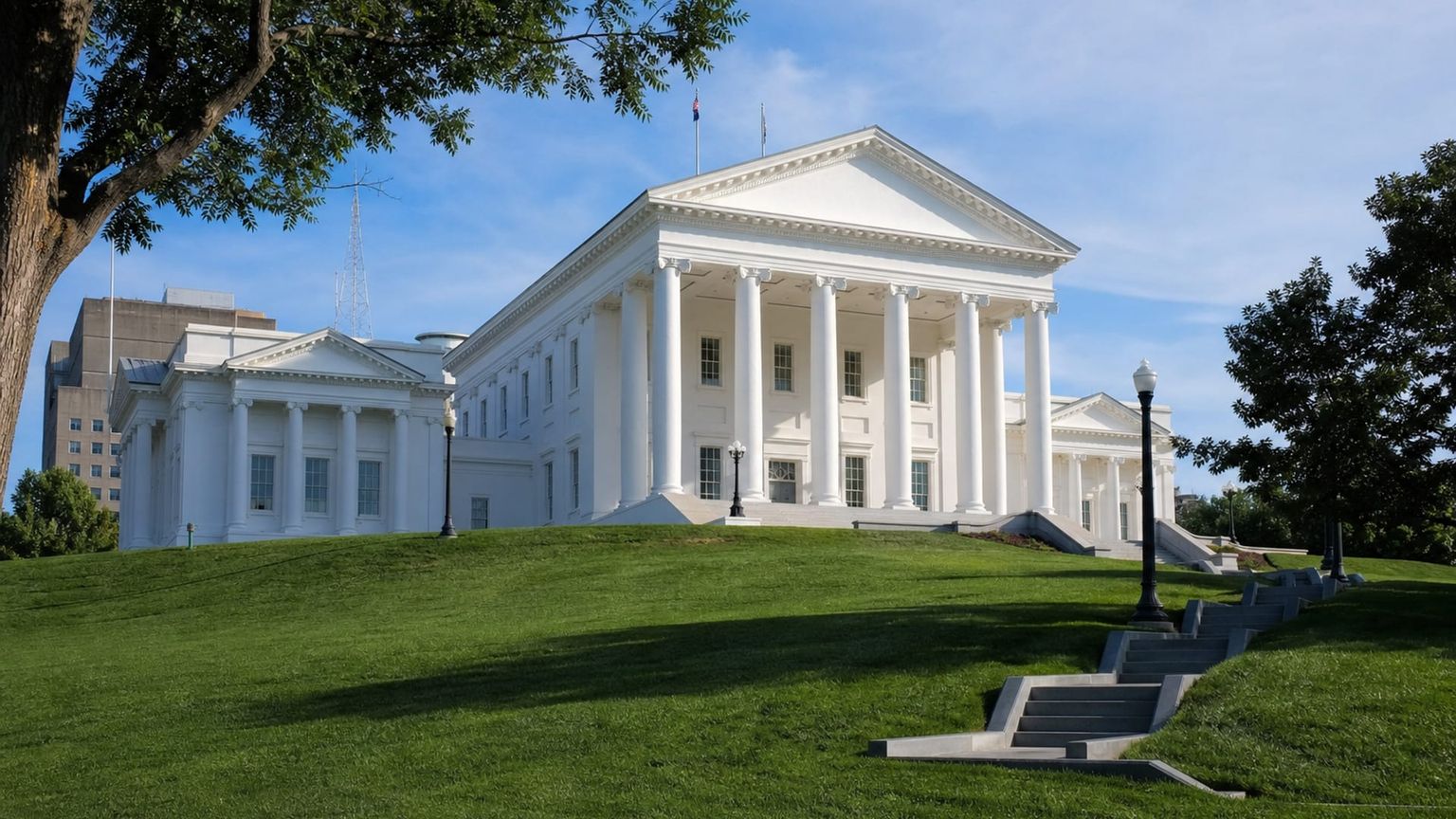
Designed by Thomas Jefferson and completed in 1788, the Virginia State Capitol anchors Capitol Square with a neoclassical plan that later statehouses copied. Inside, original legislative chambers and public rooms explain Richmond’s role in American politics.
Time needed: About 1 to 2 hours
Entry: Public tours are free; special exhibitions and some guided programs may carry separate fees Visit the official site for details.
Tip: Enter on a weekday if you want a better chance of seeing the chambers in use.
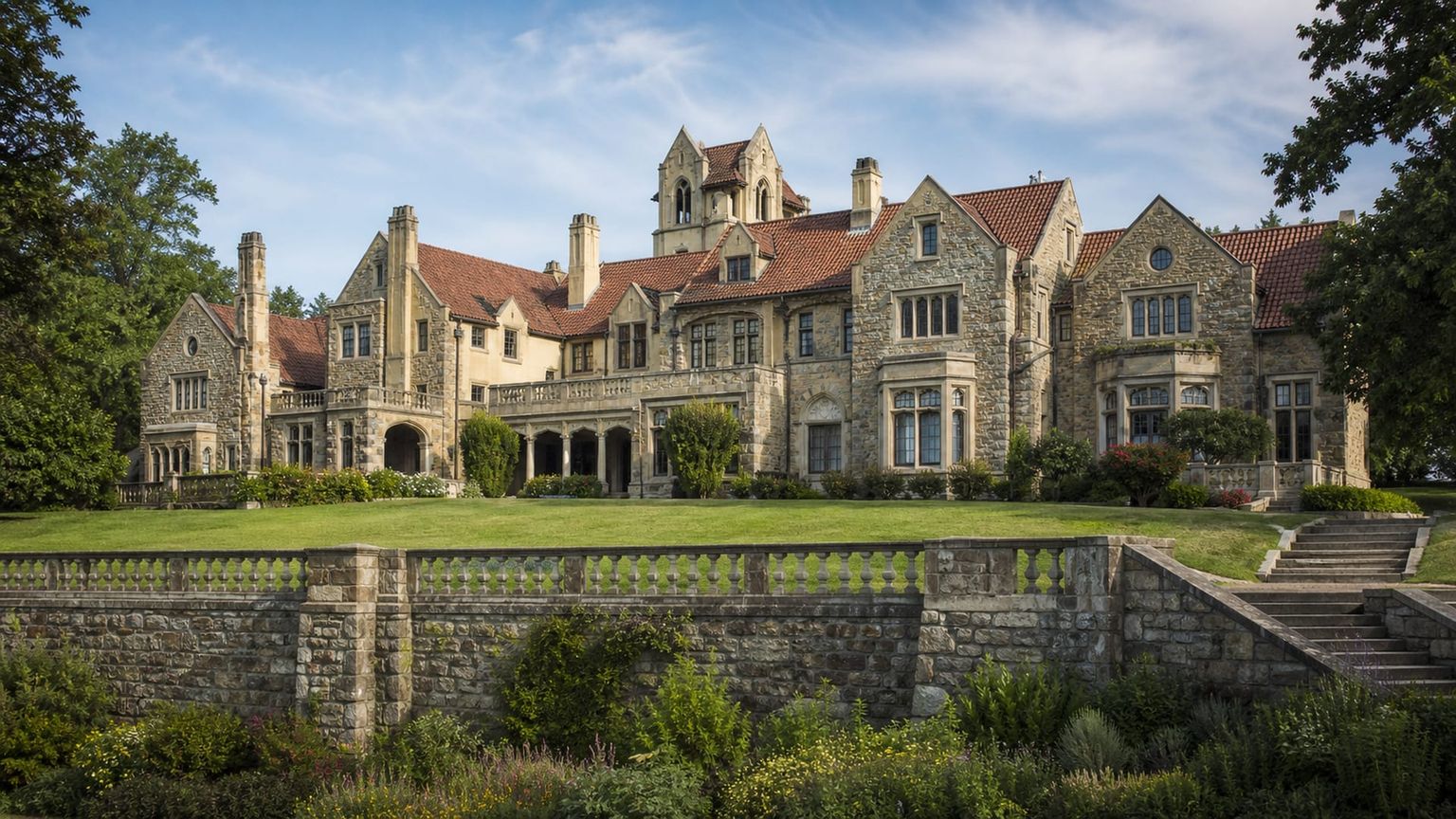
Maymont
Maymont combines a 100-acre estate, formal gardens, and a restored Gilded Age mansion just west of downtown Richmond. The grounds also hold a nature center, carriage collection, and animal exhibits, so you can move from house tours to outdoor paths in one visit.
Time needed: About 3 to 4 hours
Entry: Grounds are free; mansion and selected exhibits cost $8 to $15 ($8 to $15) depending on the area Visit the official site for details.
Tip: Start with the mansion, then walk the gardens before afternoon heat builds on the hills.
Overlooked sites worth visiting

Richmond Nature Park
A 57-hectare peat bog park with a raised boardwalk, second-growth forest, and a small interpretive center. Its flat loop suits a slow visit, and birdwatchers often stop at the viewing tower.
Time needed: About 1 to 1.5 hours
Entry: Free to access. The park has no admission charge, and the boardwalk and trails are open to the public year-round during park hours. Parking is free at the site, and the interpretive center operates seasonally.
Tip: Visit early for quieter trails and better bird activity.

Richmond Cultural Centre
This compact city venue brings together public art, local history displays, and community exhibitions under one roof. It works well for a short stop, with changing shows that add context to Richmond’s multicultural identity.
Time needed: About 45 minutes to 1 hour
Entry: Free to access. Admission to the public galleries and lobby exhibitions is free, though some special workshops or ticketed events may charge separate fees. Check the schedule before visiting if you want a specific program. Visit the official site for details.
Tip: Pair it with a library or gallery visit in the same complex.
Traditional food
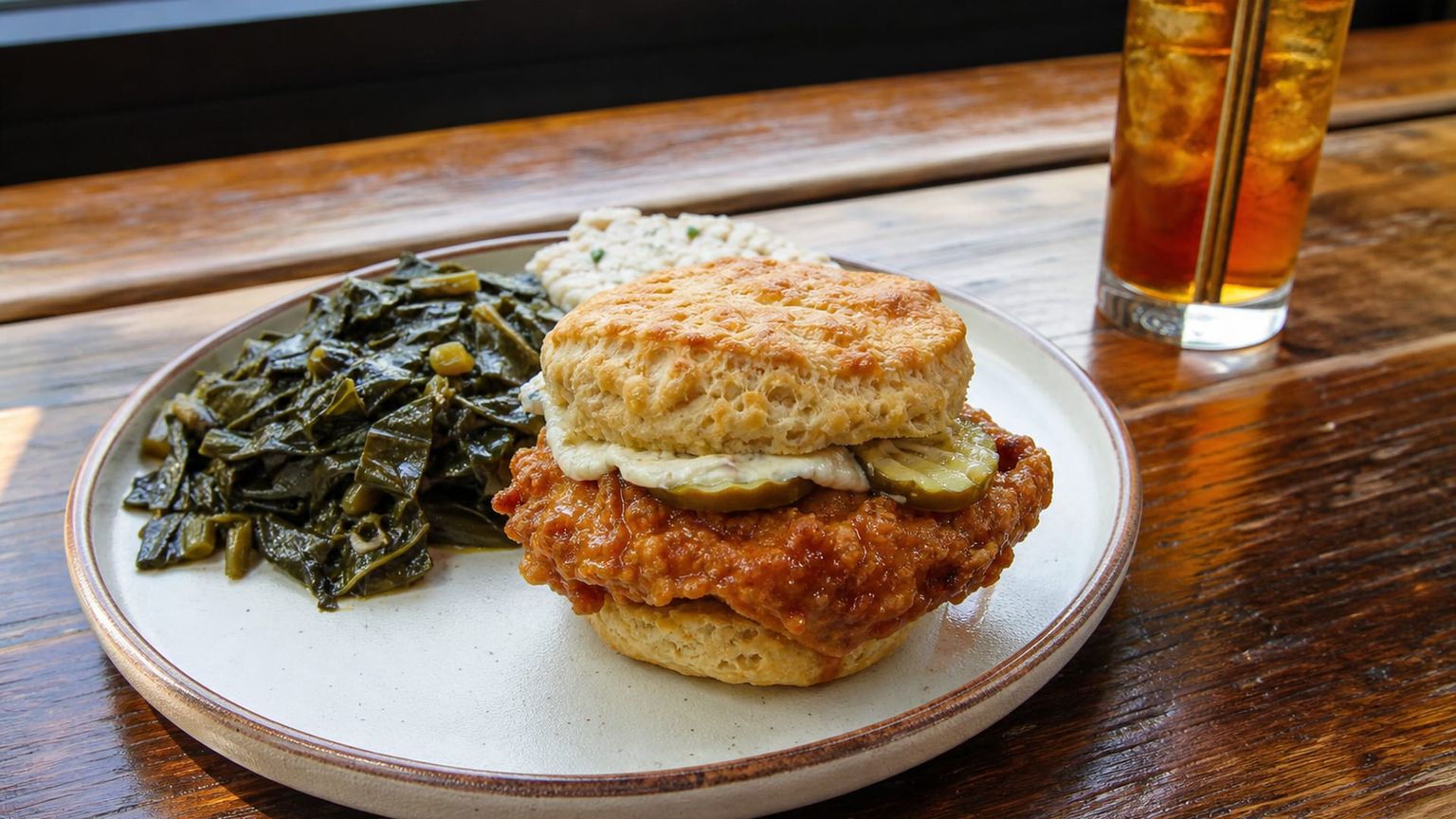
Richmond’s table leans on Southern barbecue, catfish, tamales, and other hearty plates, with many kitchens closing between lunch and dinner. The city rewards an early lunch, an unhurried supper, and a willingness to follow neighborhood dining streets.
Southern barbecue
Smoked pork, ribs, and brisket anchor many Richmond menus, often with tangy sauce and classic sides. ZZQ Texas Craft Barbeque in the near-West End is one of the city’s most cited stops for this style.
Catfish
Fried catfish brings a crisp crust and mild flesh that fits Richmond’s Southern cooking well. Mama J’s Kitchen in Jackson Ward is a long-running choice for a plate built around this fish.
Tamales
Richmond’s tamales often show up as a regional comfort dish, served with chili or sauce and a simple side. New York Deli in the West End is a local favorite where tamales have a devoted following.
Mishka
Mishka is a lesser-known local specialty on Richmond tables, usually tied to home-style cooking and a plate that feels rooted in neighborhood kitchens. The Cobbler and Café in the Manchester area is a plausible stop to seek out similar local comfort dishes.
Best time to visit Richmond
Richmond works across the year, but spring and autumn bring the most comfortable walking weather, while summer can feel hot and humid and winter stays comparatively mild.
Best for: Museum days, garden visits, and long walks in the Fan
What you get: About 55 to 78°F (13 to 26°C), with moderate crowds and frequent rain showers
Trade-offs: Pollen and sudden showers can interrupt outdoor plans
Best for: Riverfront walks, shaded neighborhoods, and evening dining
What you get: About 70 to 92°F (21 to 33°C), with heavier visitor traffic and higher humidity
Trade-offs: Heat and humidity can make midday sightseeing tiring
Best for: Historic sites, neighborhood walks, and outdoor dining
What you get: About 50 to 80°F (10 to 27°C), with comfortable crowds and clearer days
Trade-offs: Weekend travel can still fill popular restaurants and hotels
Best for: Indoor museums, Capitol Square, and quieter hotel stays
What you get: About 34 to 56°F (1 to 13°C), with lighter crowds and occasional cold snaps
Trade-offs: Some gardens and outdoor spaces lose their appeal in colder weather
A realistic 5-day plan in Richmond
Five days gives Richmond enough room for the major landmarks, one or two museum stretches, and the neighborhood time that makes the city easier to read. The sequence below keeps long transfers limited and places outdoor stops where they fit best.
Fly into Richmond (RCM), then take a rideshare or taxi into downtown Richmond or the Fan, which usually takes about 15 to 25 minutes and costs roughly $25 to $40. If you want the easiest first night, book a room near Downtown Richmond so you can reach the riverfront and dinner without another long ride. After you settle in, drink water, take a short walk on Main Street or near the Canal Walk if you still have energy, and keep dinner close, such as a simple meal in downtown or the Fan before turning in early.
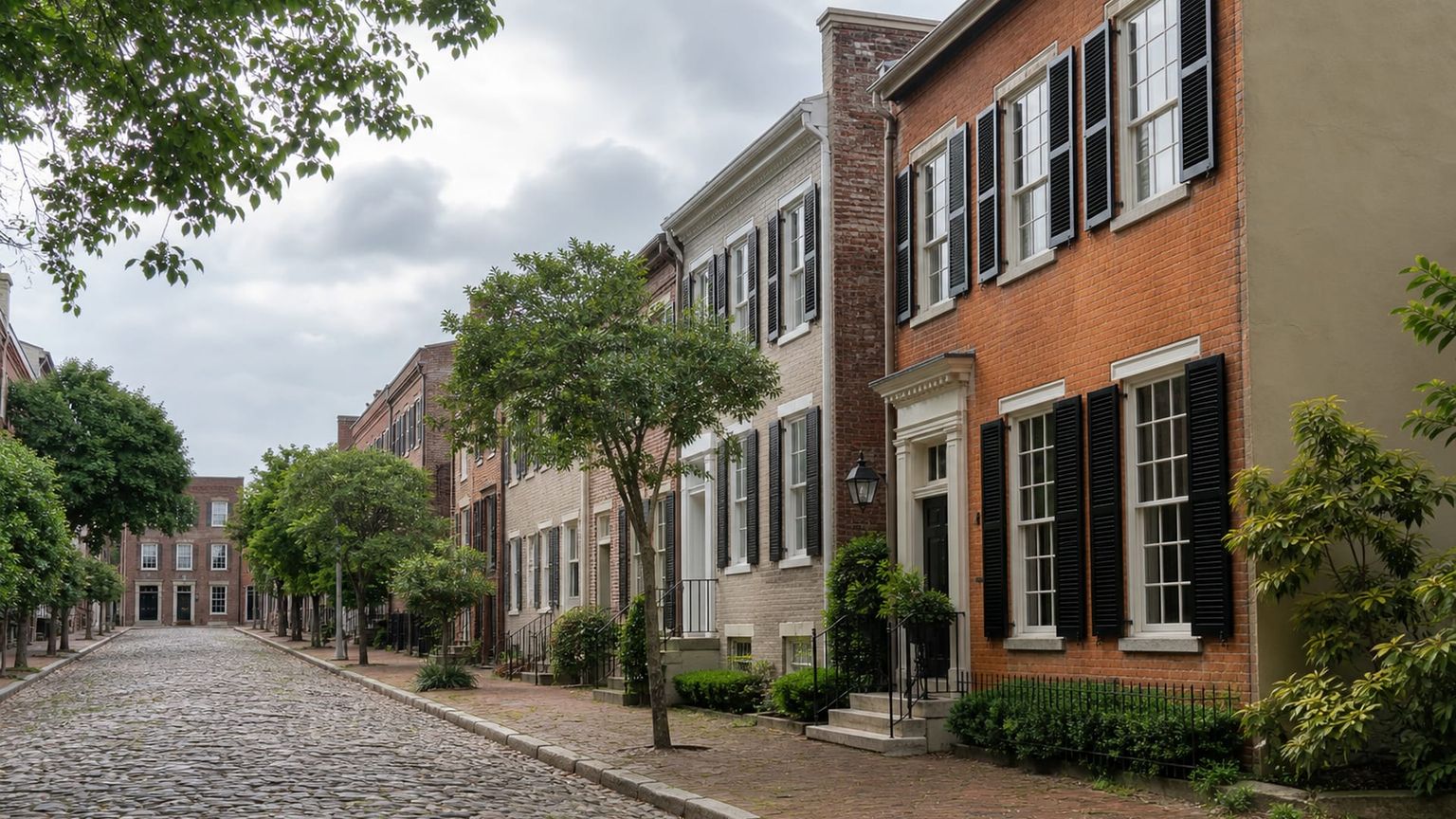
Begin at the Virginia State Capitol, then spend about 1 to 2 hours in Capitol Square before walking roughly 10 minutes to St. John’s Church for a 45-minute stop in the churchyard and historic interior. From there, continue by rideshare or a longer walk toward the riverfront for lunch in Downtown Richmond, then end the afternoon with a slow pass along the Canal Walk, where you can trace the water and the city’s older commercial blocks. Plan dinner back in the Fan, about 10 minutes by car from downtown, so you can choose among its restaurant streets without adding much transit time.
Maymont anchors this day, so start there in the morning and give the estate about 3 to 4 hours for the mansion, gardens, and grounds. After lunch, ride or drive about 10 minutes to the Museum District for the Virginia Museum of Fine Arts, then continue to the Virginia Museum of History and Culture if you want a second museum stop in the same area. Finish with a relaxed dinner on Broad Street or in the Fan, both close enough that you will not spend much time moving between stops.
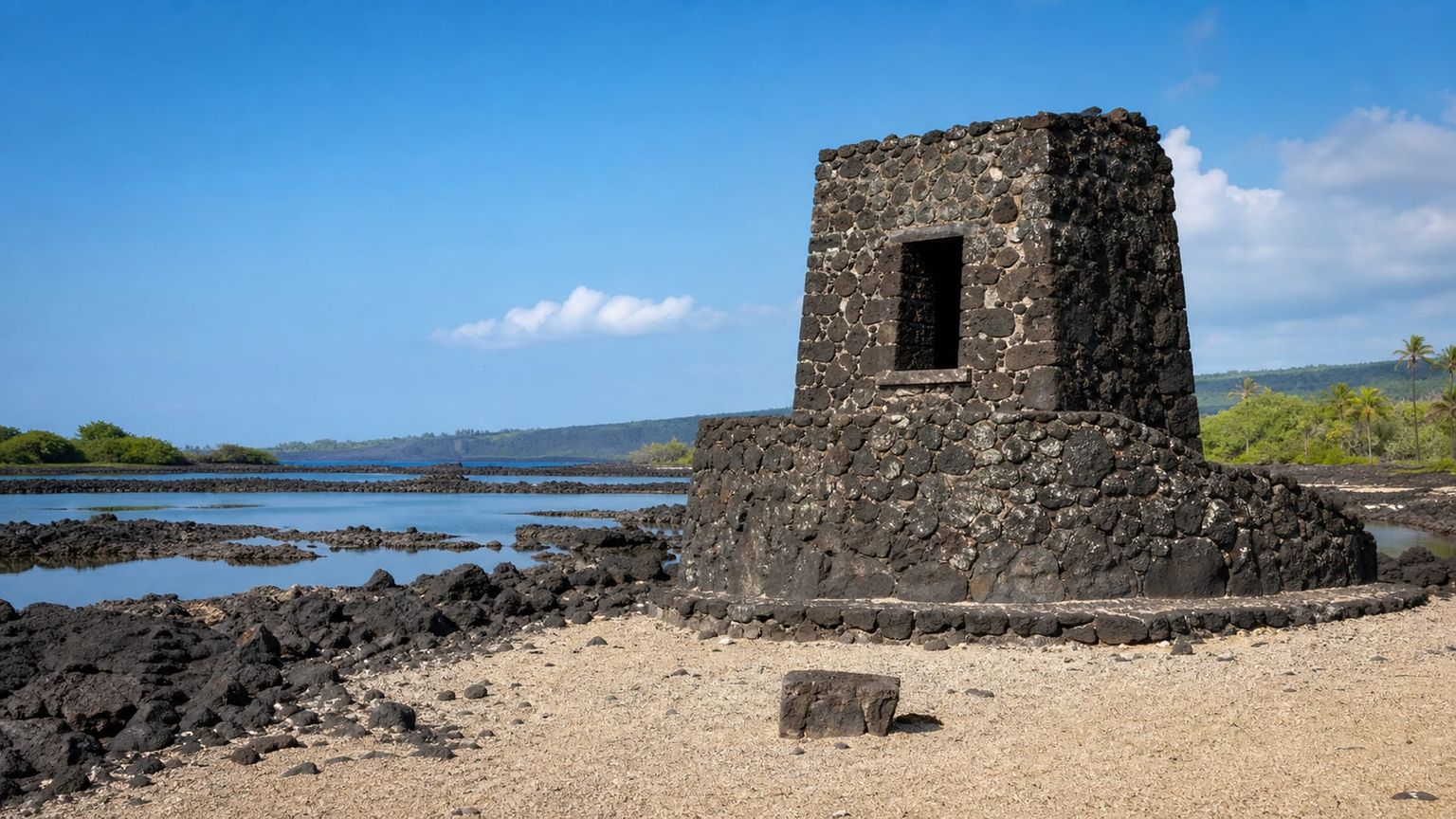
Start early at Richmond Nature Park, where the boardwalk, trails, and viewing tower reward a quiet morning and take about 1 to 1.5 hours. From there, head back toward central Richmond for the Richmond Cultural Centre, a short 45-minute to 1-hour stop that pairs cleanly with lunch nearby and gives you a different view of the city’s public art and local history. In the afternoon, return to Church Hill for one more look at St. John’s Church and the surrounding streets, then close the day with dinner in Downtown Richmond, about 10 minutes away by car.
Before you leave, spend your last hours on something low-key and close to your hotel, such as a final museum stop in the Museum District, a walk through The Fan’s independent shops, or coffee in Downtown Richmond near Cary Street. If you have time for one last interior visit, the Virginia Museum of Fine Arts gives you a strong final stop without requiring much cross-town travel. Keep your bags close, fit in an unhurried lunch nearby, and head to Richmond (RCM) with enough margin for traffic.
Business-class flights from the US to Richmond
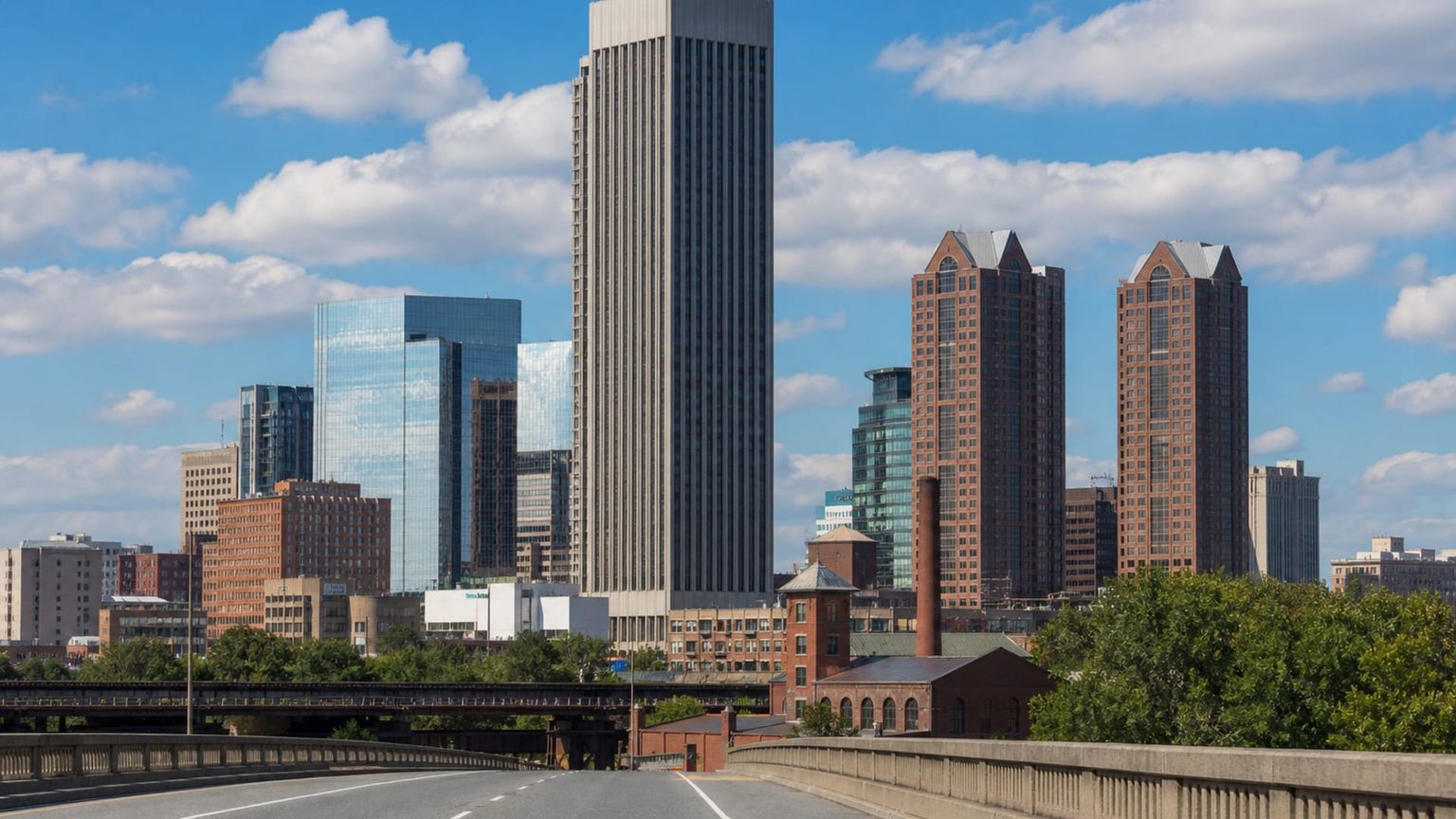
For a trip with only a few days in Richmond, the flight plan matters because the city often sits at the end of a connection rather than on a direct long-haul route. The examples below show how East Coast and West Coast travelers usually connect.
From New York, American Airlines, Delta Air Lines, and United Airlines typically route you via CLT, ATL, ORD, DFW, or MIA, with layovers of about 7 to 13 hours. Round-trip fares from New York usually start near $2,300 and can reach $4,800.
Los Angeles travelers usually connect through CLT, ATL, DFW, ORD, or SFO on American Airlines, Delta Air Lines, United Airlines, or Alaska Airlines. If you do not mind a layover, common routings via CLT or DFW can bring fares down, with round trips from Los Angeles generally running $2,100 to $4,500.
Richmond feels different when you slow down
A good Richmond trip has a clear shape, with Capitol Square, Church Hill, Maymont, and the Fan each taking a different role, and GRTC, taxis, or short walks filling the space between them. That mix gives the city room to show its history, gardens, and food blocks without forcing long cross-town detours. If you want to build that kind of plan, start with the AranGrant experts and match your dates to the part of Richmond that suits your pace