

Chapters:

Need help with your trip?
Our support team is available 24/7. Request a callback or call us directly at (833) 619-0908
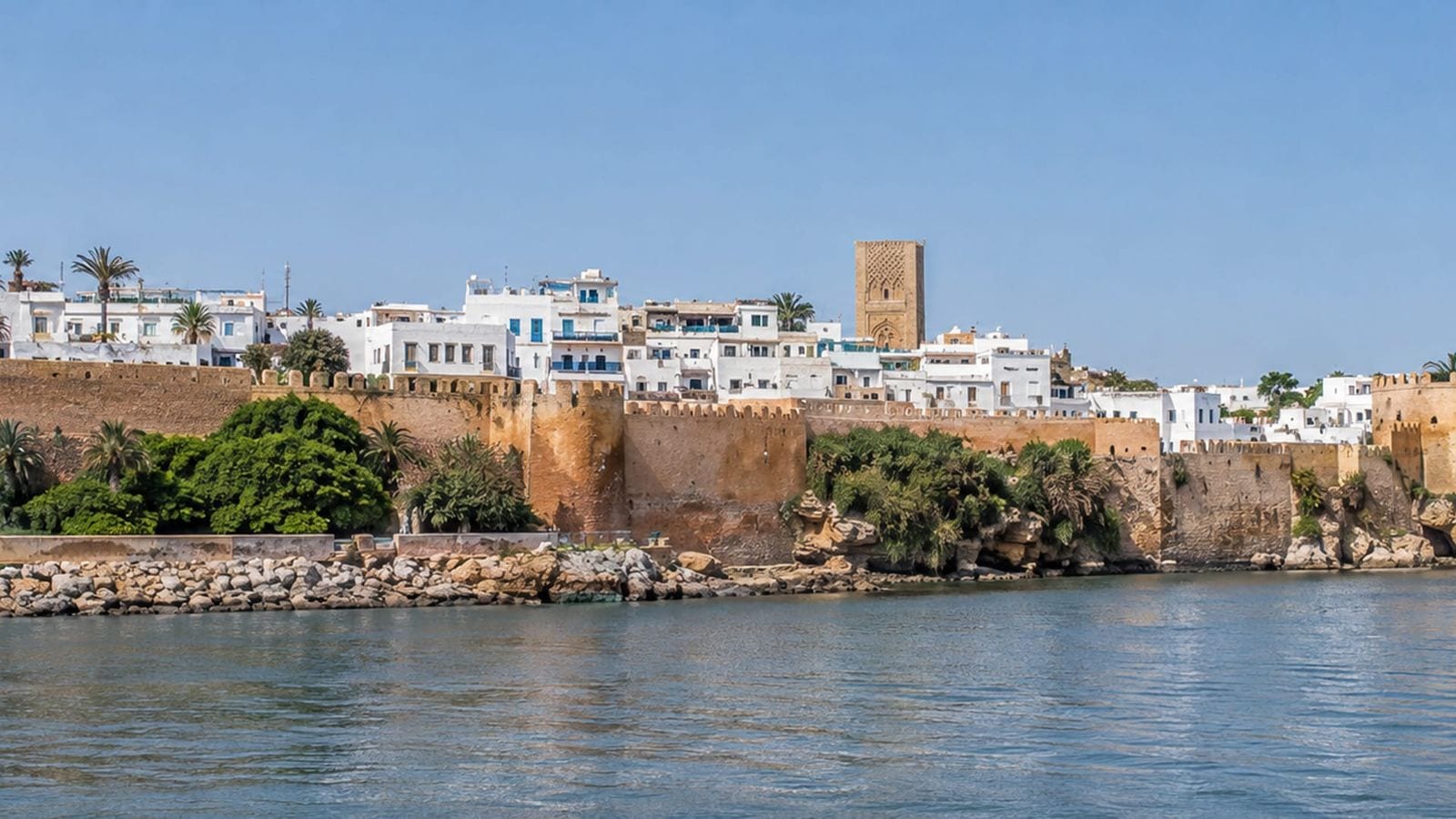
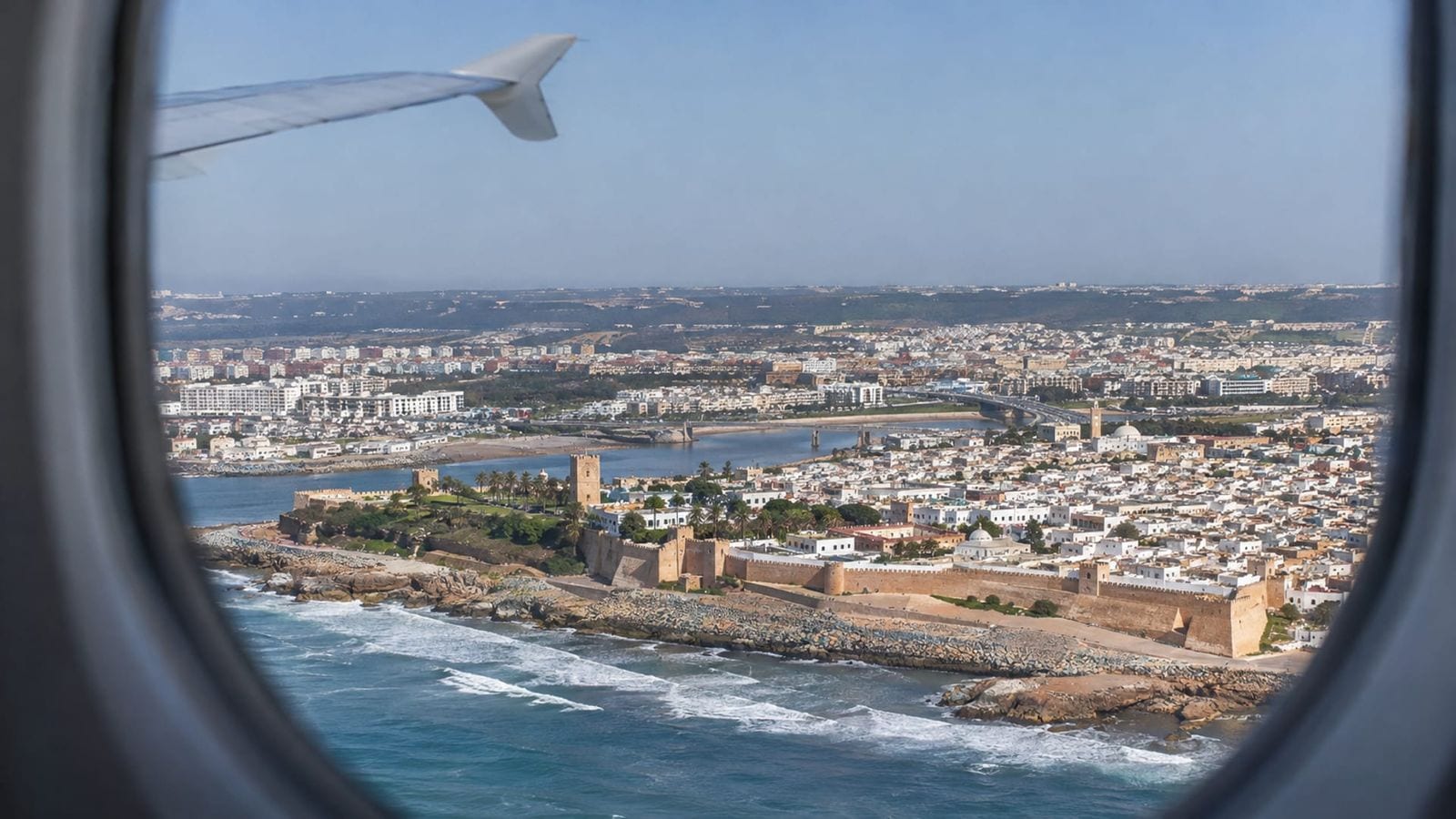
Rabat’s fortified Kasbah of the Udayas overlooks the mouth of the Bou Regreg River, where the water meets the Atlantic. Its walls and monumental gateway show how closely the city’s history connects to this coastal setting.
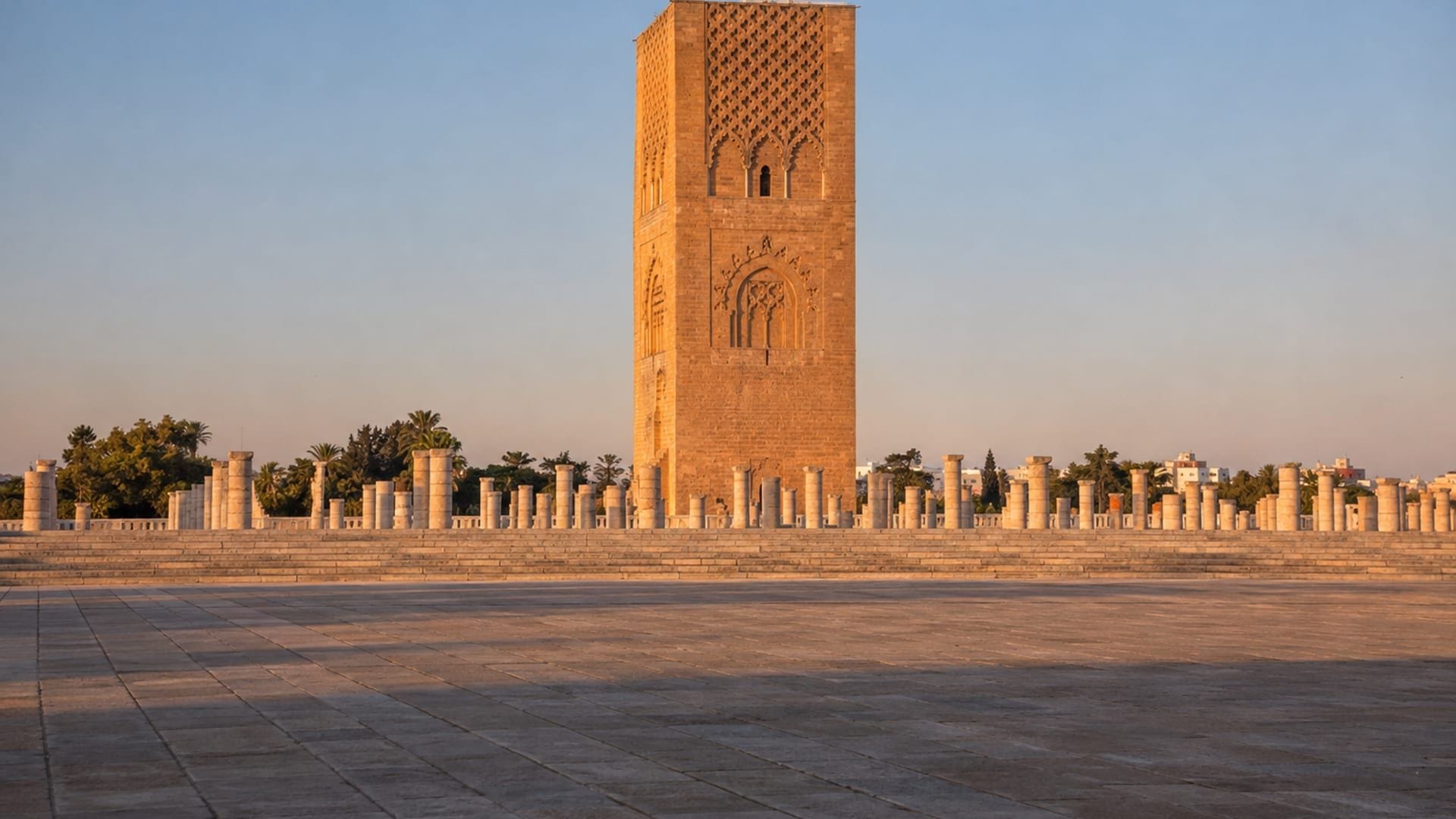
Inside the Kasbah of the Udayas, whitewashed lanes lead toward river views. Continue into the Medina for spice shops and leather goods, then turn inland to Hassan Tower, where rows of stone columns outline an unfinished mosque begun in the 12th century.
Five days allow time for this waterfront history alongside residential Rabat. Hassan puts the royal monuments within walking distance, while a separate afternoon in Agdal introduces shopping streets and cafe terraces beyond the old city’s walls.
Useful things to know

Main language(s): Moroccan Arabic, French
Salam (sah-LAHM) – Hello
Afak (ah-FAHK) – Please
Shukran (SHOOK-rahn) – Thank you
Kat-hder b l-inglizi? (kaht-HDER bel een-GLEE-zee) – Do you speak English?
Bshhal hada? (besh-HAHL HAH-dah) – How much does it cost?

Currency: Moroccan dirham (MAD, د.م.)

Cash and cards: Cards are common at hotels and larger restaurants; carry roughly MAD 200 to MAD 400 ($20 to $40) for small purchases.

Tipping: Leave 5% to 10% for good restaurant service and round up taxi fares.

Traditional food: Couscous, chicken tagine, harira, and pastilla are among the classic dishes of Rabat.

Water and coffee costs: Bottled water MAD 3 to MAD 7 ($0.30 to $0.70); espresso MAD 10 to MAD 20 ($1 to $2).

Taxis and ride apps: Hail blue petit taxis on the street; check the meter, with short rides typically MAD 10 to MAD 30 ($1 to $3).

Plug and voltage: Type C/E socket, 220V

Dining and shop opening hours: Breakfast: 7 am to 10 am; lunch: noon to 3 pm; dinner: 8 pm to 11 pm. Shops generally open 9 am to 8 pm, with some closing for lunch or Friday prayers.

Emergency number: Police 19, ambulance and fire 15.
Where to stay in Rabat
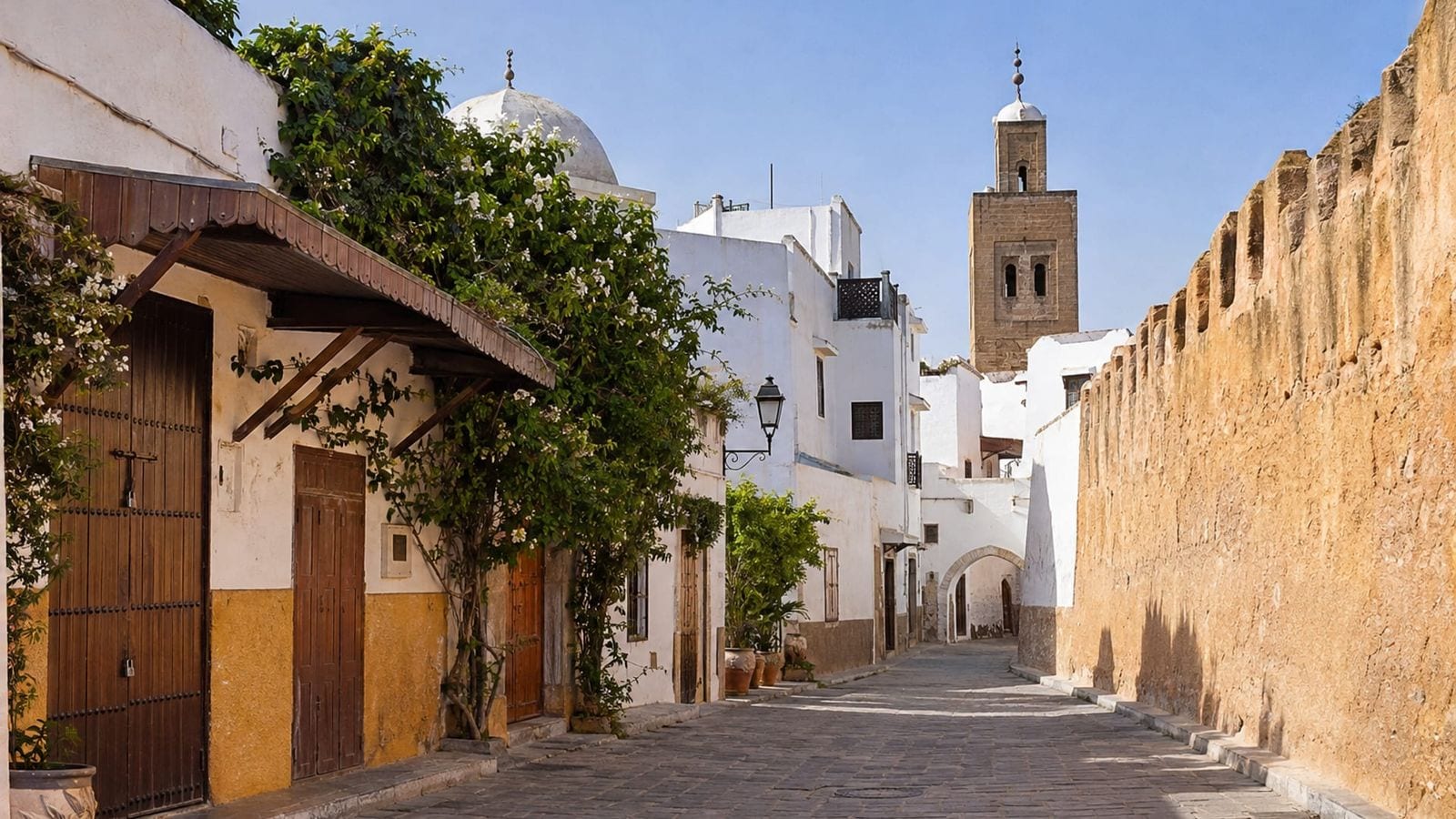
Rabat’s Medina is the old walled quarter, with market lanes, courtyard guesthouses, and small shops selling everything from spices to leather goods. Stay here for traditional accommodation and walks to the Kasbah of the Udayas, with much of your immediate neighborhood explored on foot.
Best for: Market browsing, traditional guesthouses, and exploring the old city on foot
What to expect: Shopping lanes fill with pedestrians by day, while residential side lanes have fewer people.
Hotel prices: Well-rated guesthouses cost MAD 700 to MAD 1,400 ($70 to $140) a night.
Distance to major sights: The Kasbah of the Udayas is a 10 to 25-minute walk from most guesthouses.
Quietness: Markets are lively during the day; evenings are quieter away from the main shopping lanes.
Main trade-off: Narrow pedestrian lanes can mean carrying luggage from the nearest vehicle access point.
Good to know: Ask your guesthouse which Medina gate to use and whether someone can meet your taxi.
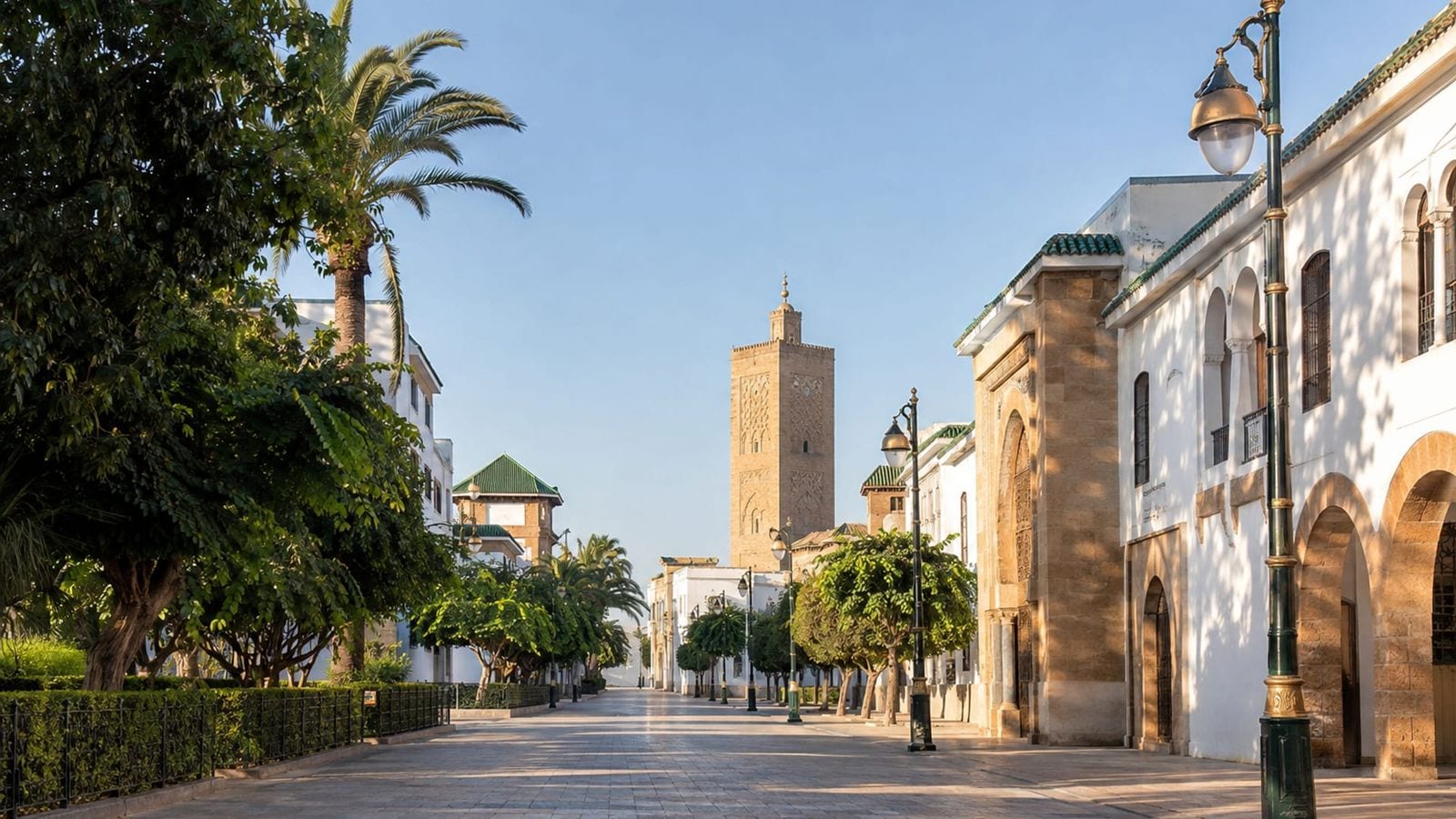
Hassan is a central district of apartment buildings, offices, and hotels near Hassan Tower and the Mausoleum of Mohammed V, east of Rabat’s Medina. Choose it for monument walks and conventional hotels with vehicle access, plus tram connections that make trips across central Rabat convenient.
Best for: Monument visits, tram journeys, and a central hotel location
What to expect: Office traffic and cafes animate the main roads, with quieter residential streets between them.
Hotel prices: Allow MAD 800 to MAD 1,800 ($80 to $180) nightly for a well-rated hotel.
Distance to major sights: Hassan Tower is a 5 to 20-minute walk from hotels across the district.
Quietness: Traffic is more noticeable during working hours; side streets generally become calmer in the evening.
Main trade-off: Rooms facing major roads can have traffic noise, and the district lacks the Medina’s enclosed lanes.
Good to know: Choose a room facing an interior courtyard if your hotel fronts a major road.
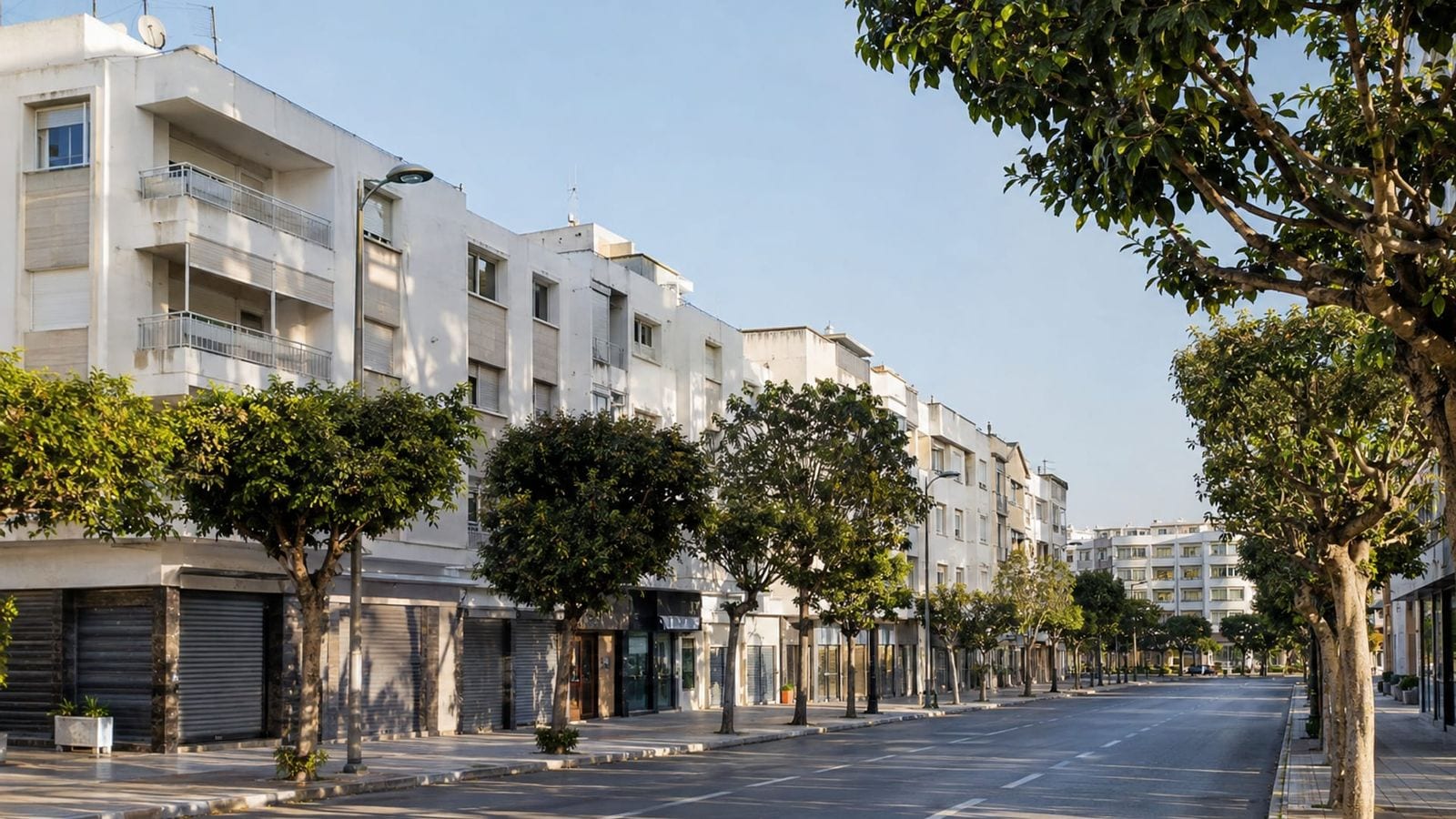
Agdal is a modern residential neighborhood with apartment blocks, busy shopping streets, cafes, and hotels south of Rabat’s historic center. Visitors stay here for restaurant choice and everyday shopping, with tram stops and Rabat Agdal station adding options for journeys within and beyond the city.
Best for: Restaurant choice, shopping, and intercity rail connections
What to expect: Cafe terraces and shops attract residents throughout the day and into the evening.
Hotel prices: A well-rated hotel typically charges MAD 900 to MAD 2,000 ($90 to $200) per night.
Distance to major sights: Allow 15 to 25 minutes by taxi to Hassan Tower, depending on traffic.
Quietness: Shopping streets stay active into the evening; residential side streets offer quieter nights.
Main trade-off: Reaching the Medina and waterfront requires a tram or taxi journey.
Good to know: For train departures, confirm that your ticket specifies Rabat Agdal station before choosing a nearby hotel.
Less convenient choices: Hay Riad, far from the medina; Hay El Fath, on Rabat’s southern edge; Yacoub El Mansour, outside the main sightseeing area with fewer visitor amenities.
Hotel deals
How to get around Rabat efficiently
Walking connects the Medina and Kasbah of the Udayas, while blue petit taxis and the Rabat-Salé tram extend journeys across the city.

Taxi
for convenience or late hours
Blue petit taxis use meters for trips within Rabat; short central rides typically cost MAD 15 to MAD 40 ($2 to $4). Confirm the meter before departure. Choose taxis for evening trips or journeys of 10 to 20 minutes beyond the medina.

Walking
for short central distances
From Rabat-Ville station, a walk through the medina to the Kasbah of the Udayas takes roughly 30 minutes. Walking costs nothing and suits the medina’s narrow shopping lanes; allow extra time for the uphill approach to the kasbah.

Bus and tram
for convenience
Across the Bouregreg River, the Rabat-Salé tram connects central Rabat with Salé. Budget MAD 7 to MAD 10 ($1 to $1) for a single ticket, purchased before boarding and validated at the stop. Allow 15 to 30 minutes for central cross-river trips.
*Prices are based on rates updated as of November 2026 and may change at the time of travel.
Explore the Medina on foot, take the tram for trips across the river to Salé, and choose a metered blue petit taxi for evenings or journeys into Agdal.
Iconic landmarks
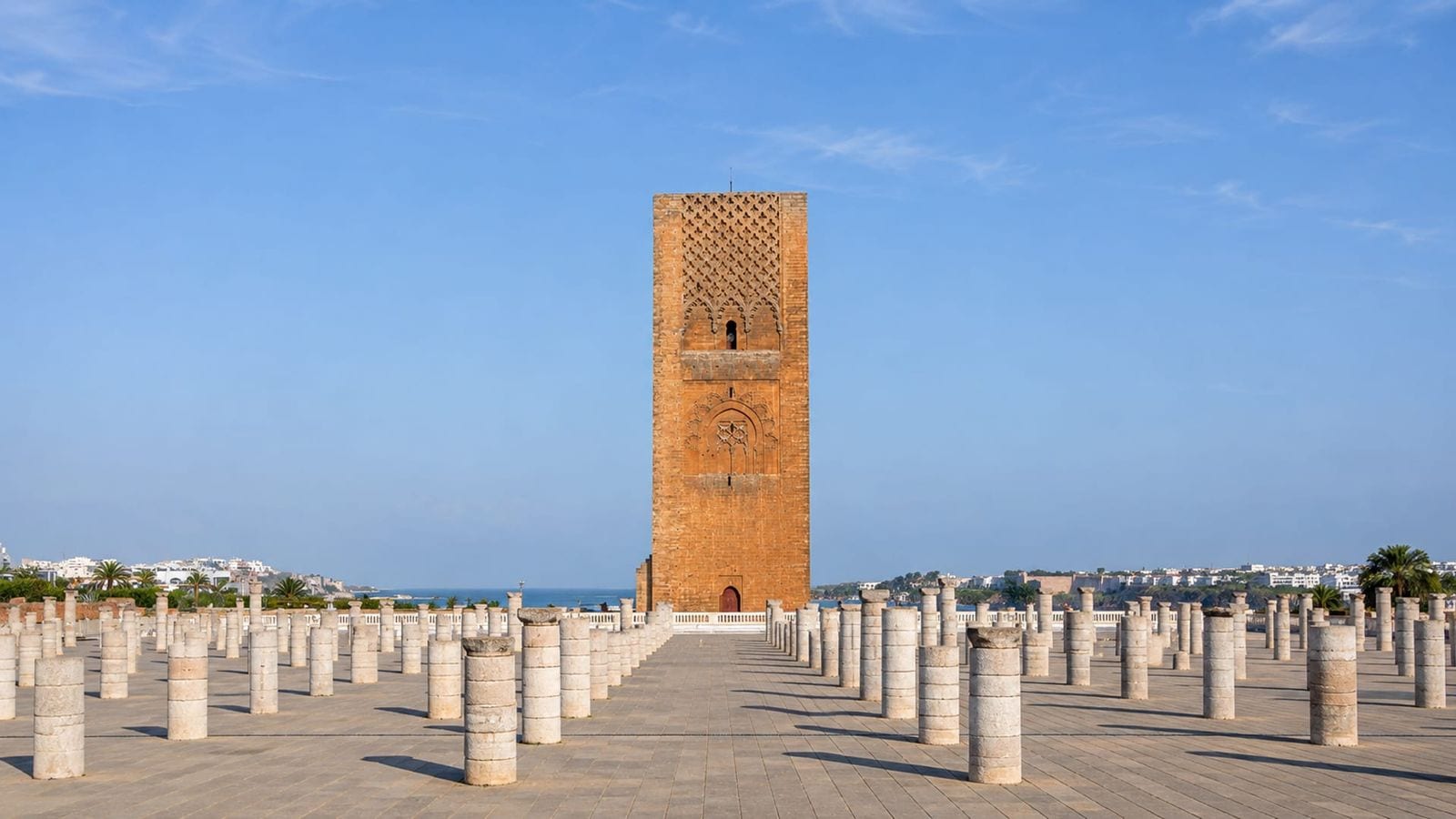
Hassan Tower
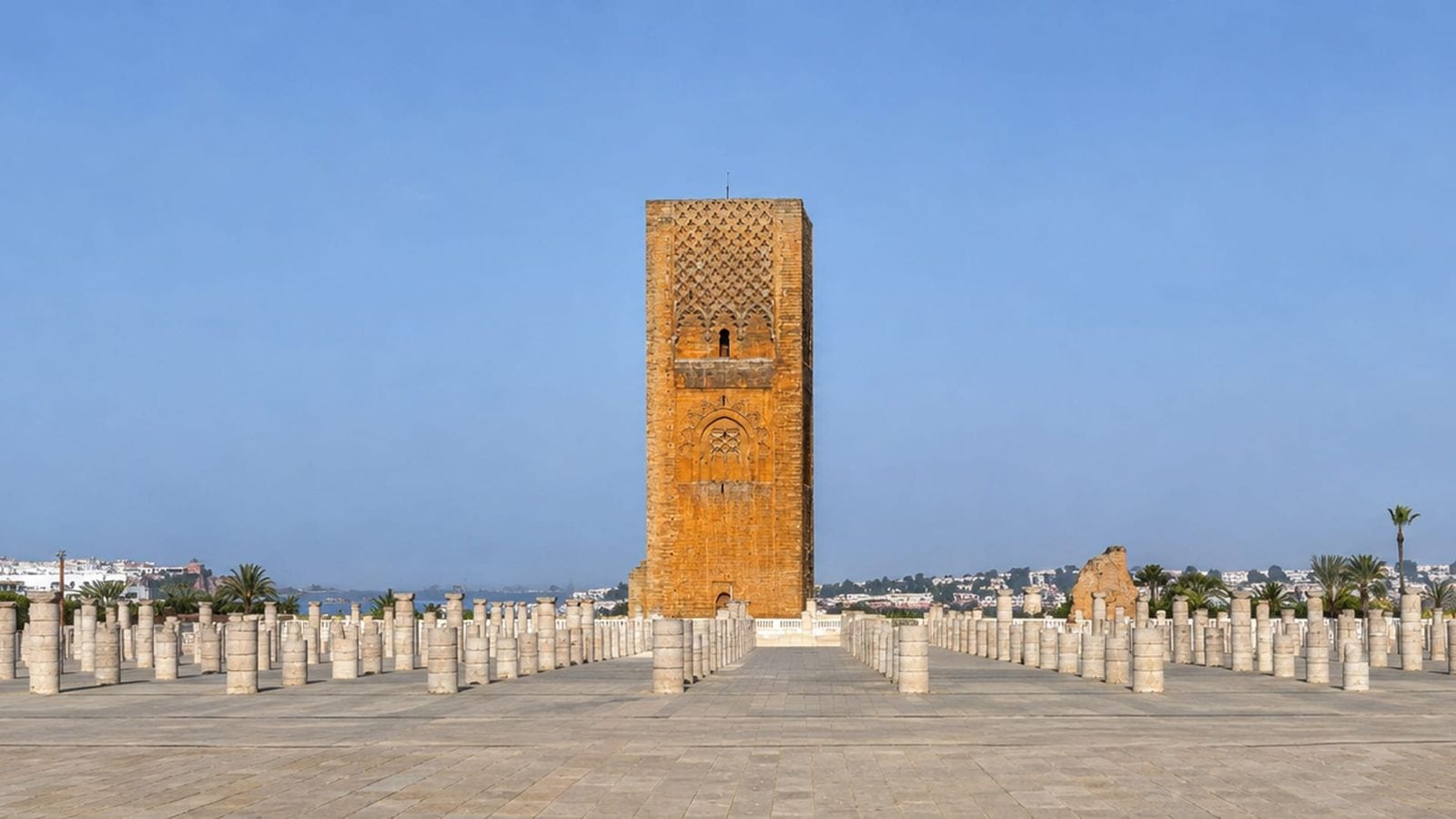
Begun in the 12th century under the Almohad ruler Yaqub al-Mansur, this unfinished minaret marks an ambitious mosque project. Rows of surviving stone columns spread across the esplanade, revealing the scale of the planned prayer hall.
Time needed: About 30 to 45 minutes
Entry: Free to access
Tip: Come late in the afternoon for warmer light on the tower’s carved stonework.
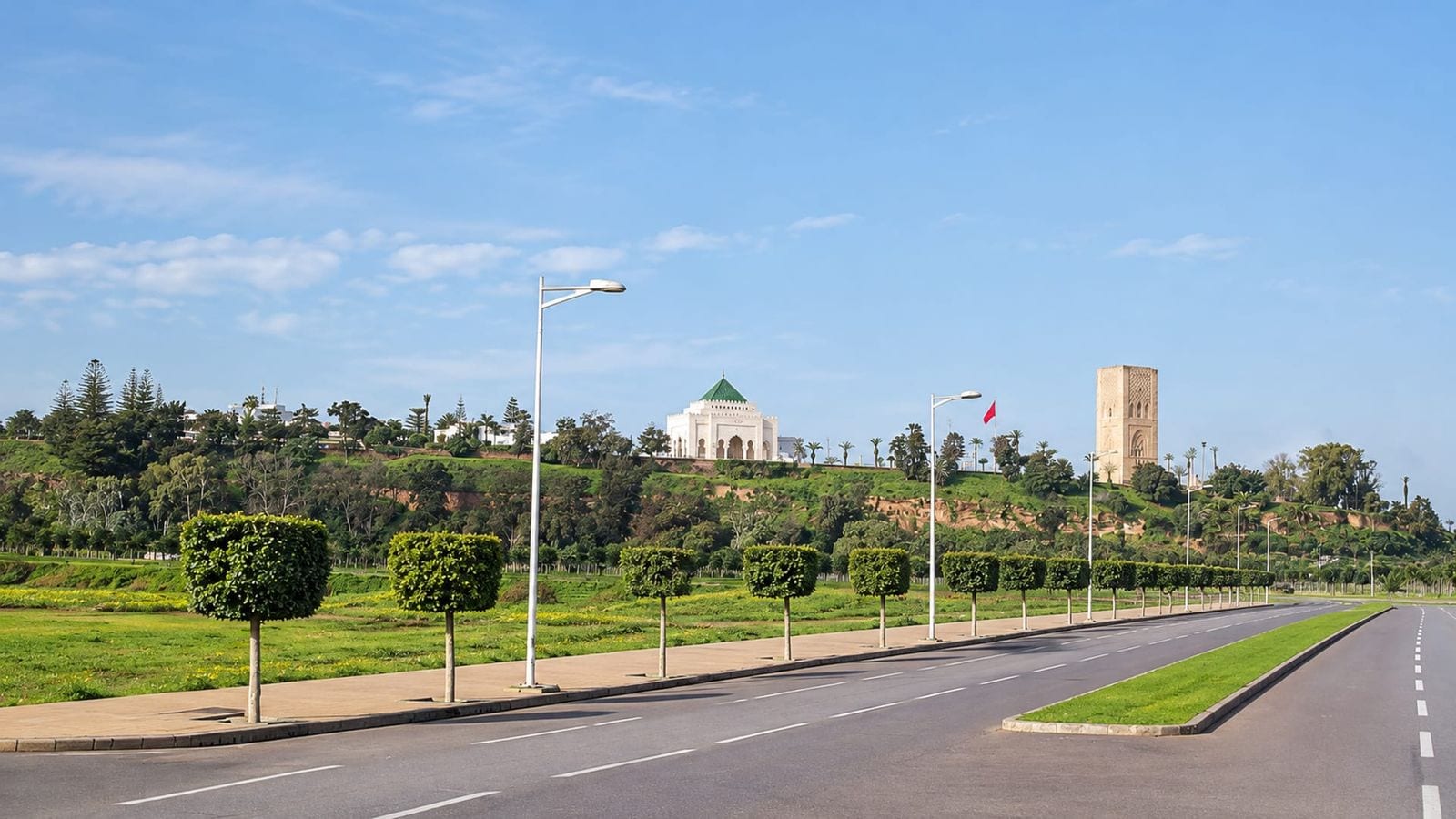
Mausoleum of Mohammed V
White walls and a green tiled roof distinguish this royal mausoleum beside Hassan Tower. Inside, carved plaster, marble, and intricate mosaics frame the tombs of Mohammed V and his sons, King Hassan II and Prince Moulay Abdallah.
Time needed: About 30 to 45 minutes
Entry: Free to access
Tip: Combine the mausoleum with Hassan Tower, across the same broad esplanade.
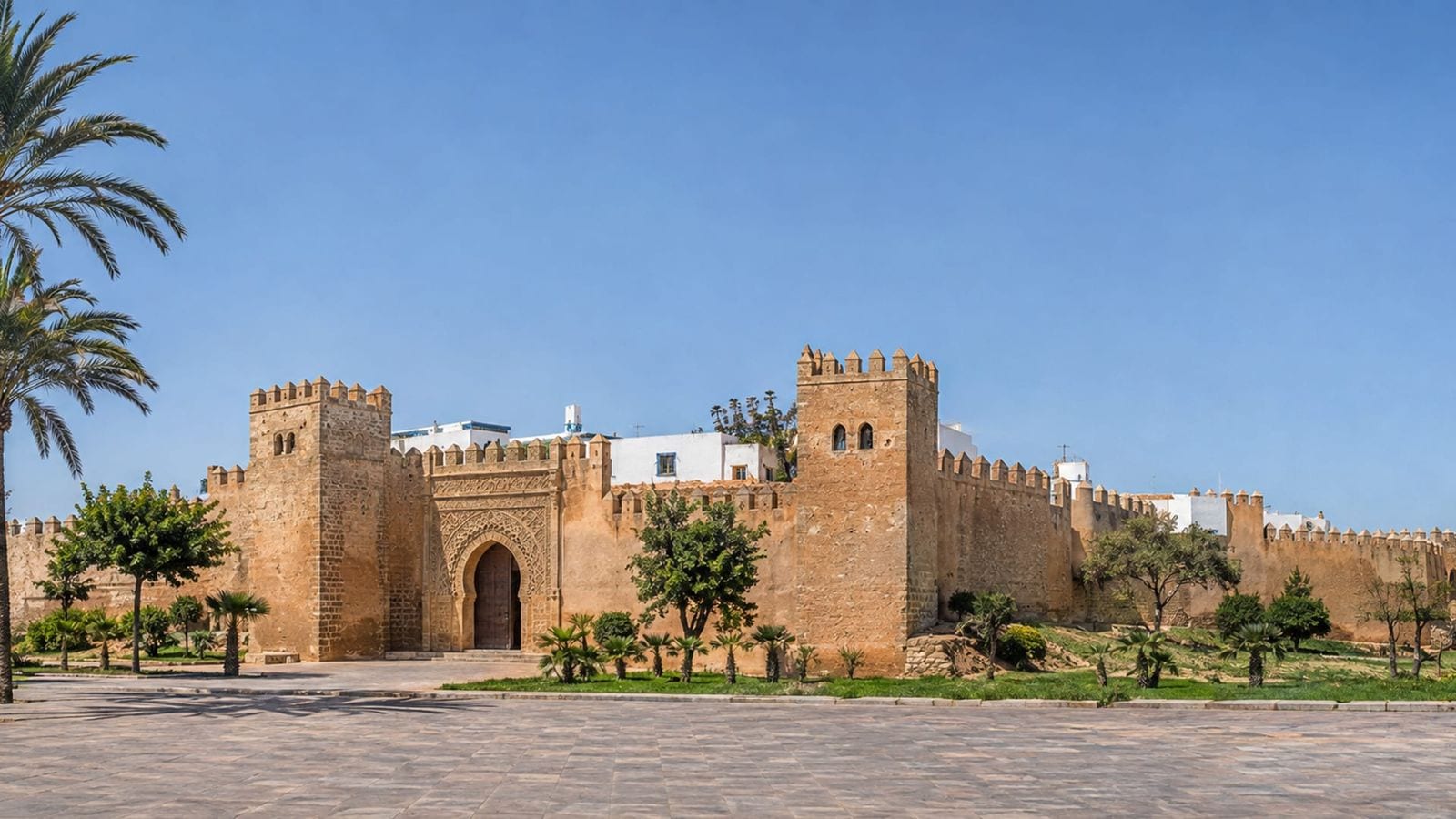
Kasbah of the Udayas
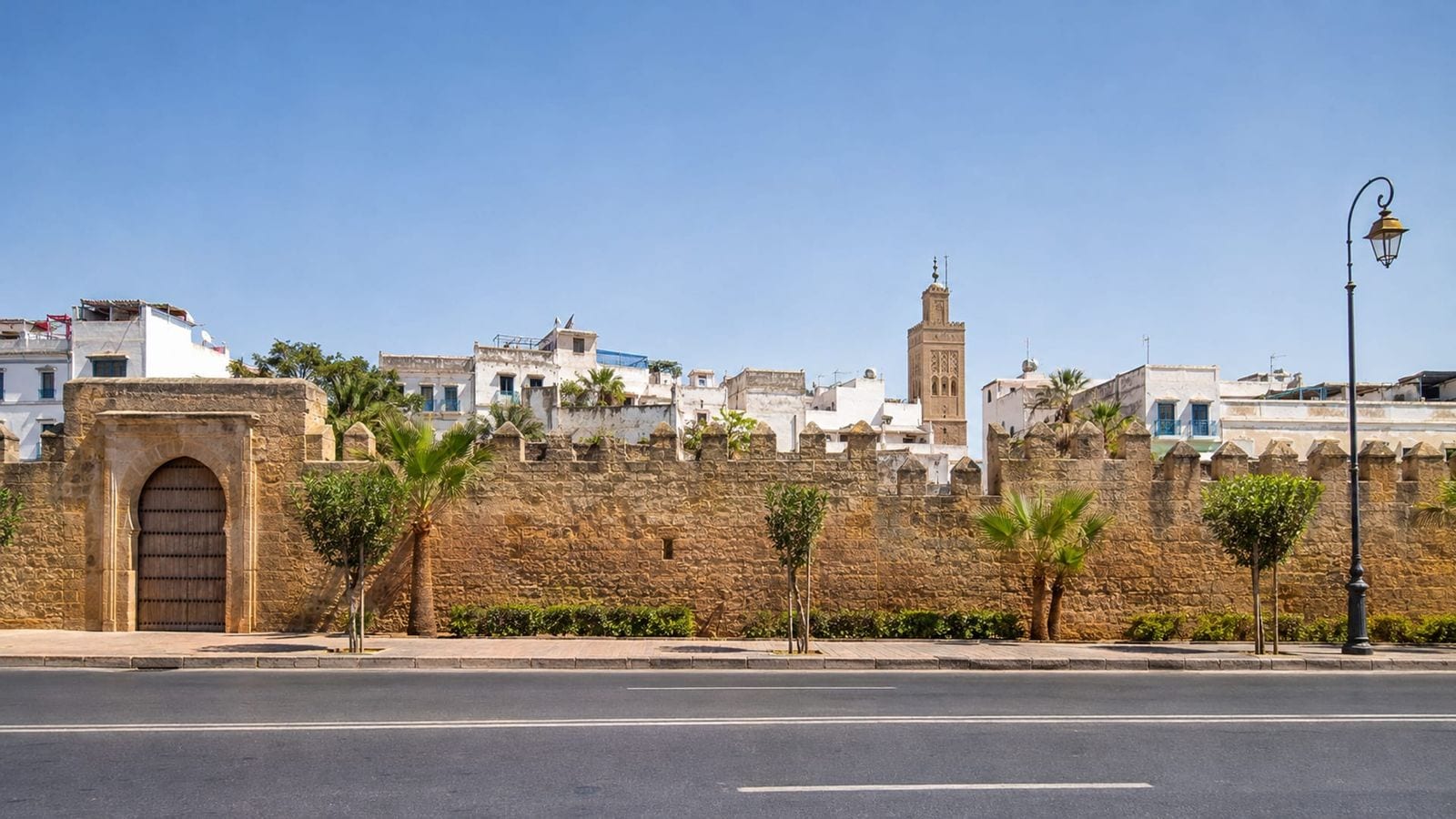
Above the mouth of the Bou Regreg River, the Kasbah of the Udayas encloses narrow lanes and whitewashed houses behind fortified walls. Its monumental Almohad gateway and views toward the Atlantic make this one of Rabat’s defining sights.
Time needed: About 60 to 90 minutes
Entry: Free to access
Tip: Enter through the monumental gateway, then follow the lanes toward the sea.
Overlooked sites worth visiting

Parc Ibn Sina
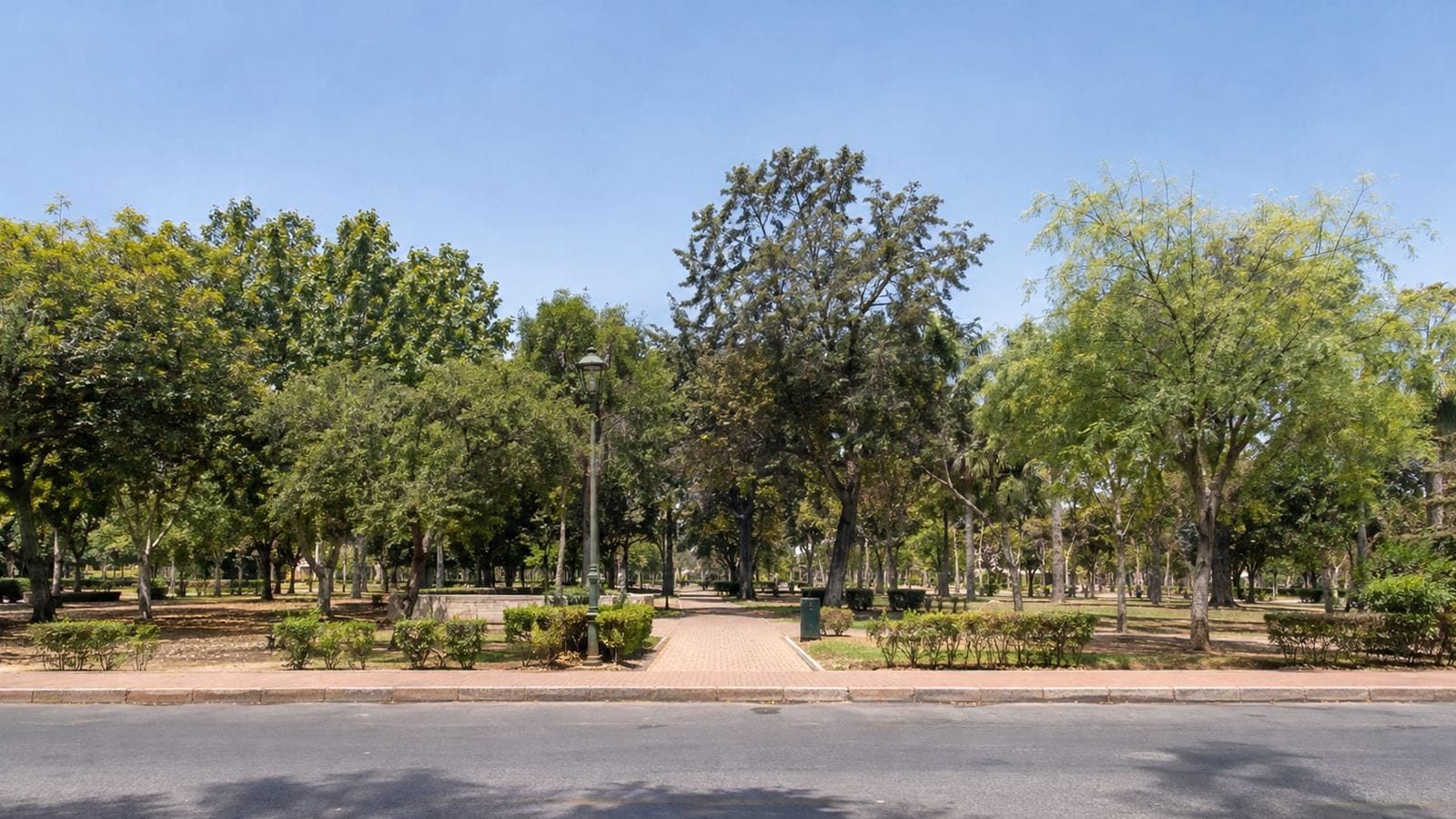
Parc Ibn Sina offers shaded walking paths beneath tall eucalyptus and pine trees. This large green space draws Rabat residents for jogging and unhurried walks away from the central sights.
Time needed: About 1 hour
Entry: Free to access
Tip: Choose a weekday morning for a quieter walk along the shaded paths.

Bank Al-Maghrib Museum
Bank Al-Maghrib Museum traces Morocco’s monetary history through coins, banknotes, and displays on minting. Its art collection adds paintings by Moroccan artists to the story of money.
Time needed: About 1 hour
Entry: Free to enter
Tip: Combine the coin displays with the museum’s Moroccan painting collection.
Traditional food
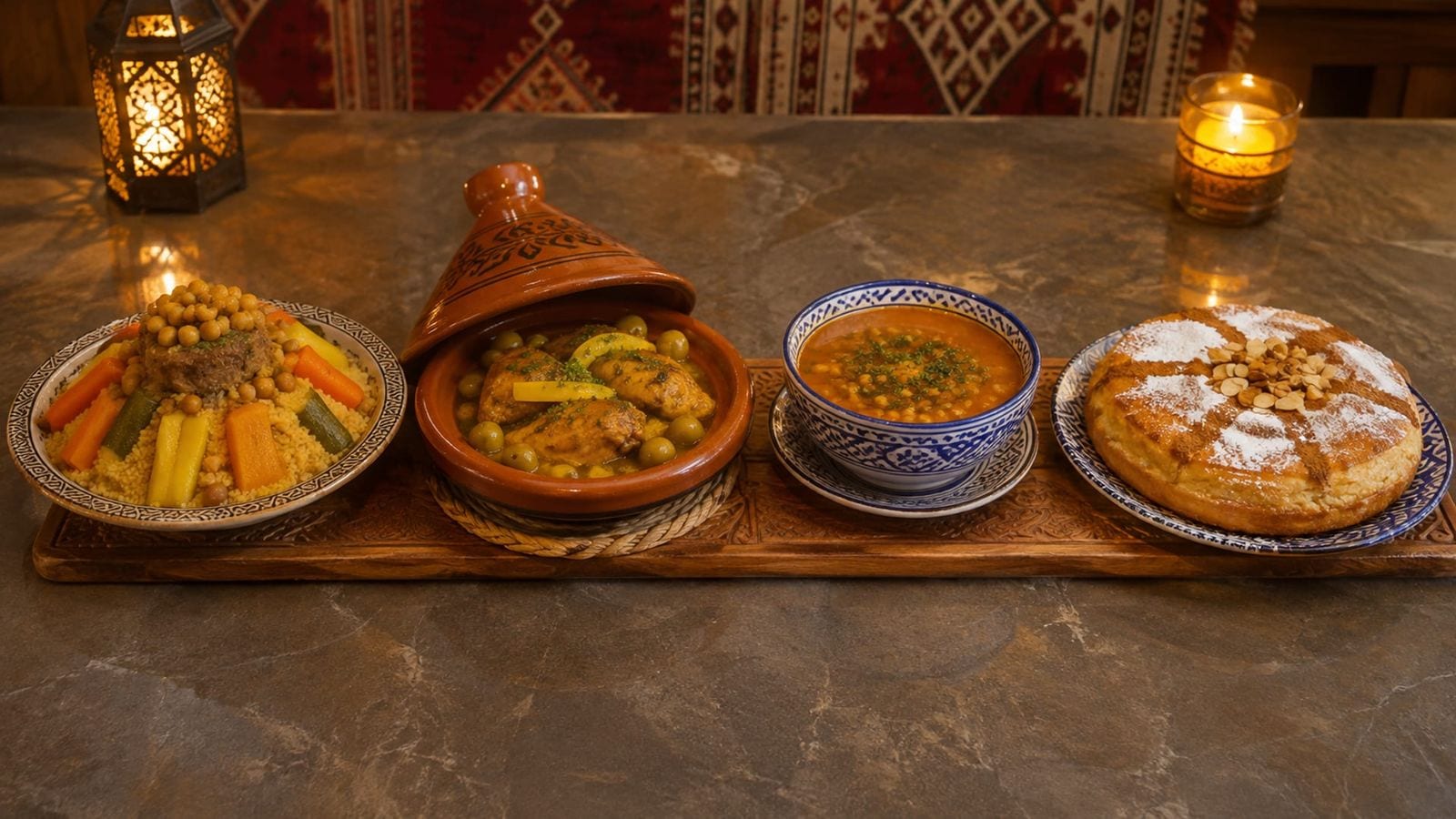
Rabat’s tables bring together steamed couscous, slow-cooked chicken, and the sweet-savory layers of pastilla. Harira adds tomatoes, legumes, and herbs to a repertoire shaped by Moroccan home cooking.
Couscous
Steamed semolina grains carry vegetables, broth, and tender meat, with chickpeas adding texture to this Moroccan staple. Try couscous at Dar Naji, where the generous presentation suits a long lunch in Rabat.
Chicken tagine
Chicken cooks slowly with spices until tender, often accompanied by preserved lemon and olives for a salty, citrus finish. Dinarjat offers chicken tagine in a traditional Rabat house with a courtyard dining room.
Harira
Tomatoes, chickpeas, lentils, and fresh herbs give harira its substantial texture, with spices adding warmth to the broth. Try this Moroccan soup at Dar El Medina as an opening course before a longer meal in Rabat.
Pastilla
Thin pastry encloses a savory poultry filling with almonds and warming spices, while cinnamon and sugar add sweetness to the crisp surface. Order pastilla at Le Ziryab for a classic Moroccan dish in Rabat’s Medina.
Best time to visit Rabat
Rabat’s Atlantic climate brings mild, wetter winters and dry summers, with spring and fall offering comfortable conditions for monument walks.
Best for: Walking the Medina and exploring the kasbah before the summer holiday peak
What you get: Temperatures of 50°F to 73°F (10°C to 23°C) accompany lengthening days; the main landmarks draw visitors without peak summer holiday crowds.
Trade-offs: Rain can interrupt outdoor plans, particularly in March and early April.
Best for: Atlantic views from the kasbah and evening meals on Agdal’s cafe terraces
What you get: Expect 63°F to 82°F (17°C to 28°C), dry weather, and Atlantic breezes; summer holidays bring more visitors to the kasbah and waterfront.
Trade-offs: Midday sun feels strong on Hassan Tower’s exposed esplanade.
Best for: Pairing Hassan’s royal monuments with shaded walks beneath Parc Ibn Sina’s trees
What you get: Days span 54°F to 81°F (12°C to 27°C) as summer warmth fades; September retains holiday visitors, while later fall generally feels quieter.
Trade-offs: Rain becomes more likely toward November, and daylight hours shorten.
Best for: Browsing the Medina between rain spells and lingering over hot Moroccan food
What you get: A range of 46°F to 66°F (8°C to 19°C) brings cool evenings and the wettest months; visitor numbers generally ease outside holiday dates.
Trade-offs: Atlantic wind and rain can shorten walks along the waterfront.
A realistic 5-day plan in Rabat
Arrival and departure frame three full days: the Medina and kasbah, Hassan’s royal monuments, then Parc Ibn Sina and Agdal. The sequence leaves time for market browsing, cafe stops, and neighborhood walks.
From Rabat–Salé Airport (RBA), take a taxi to your hotel in Hassan, allowing 25 to 40 minutes and MAD 150 to MAD 250 ($15 to $25); confirm the fare before departure. Unpack, then take a 10 to 15-minute taxi ride to Dar Naji for a light dinner before returning to your hotel.
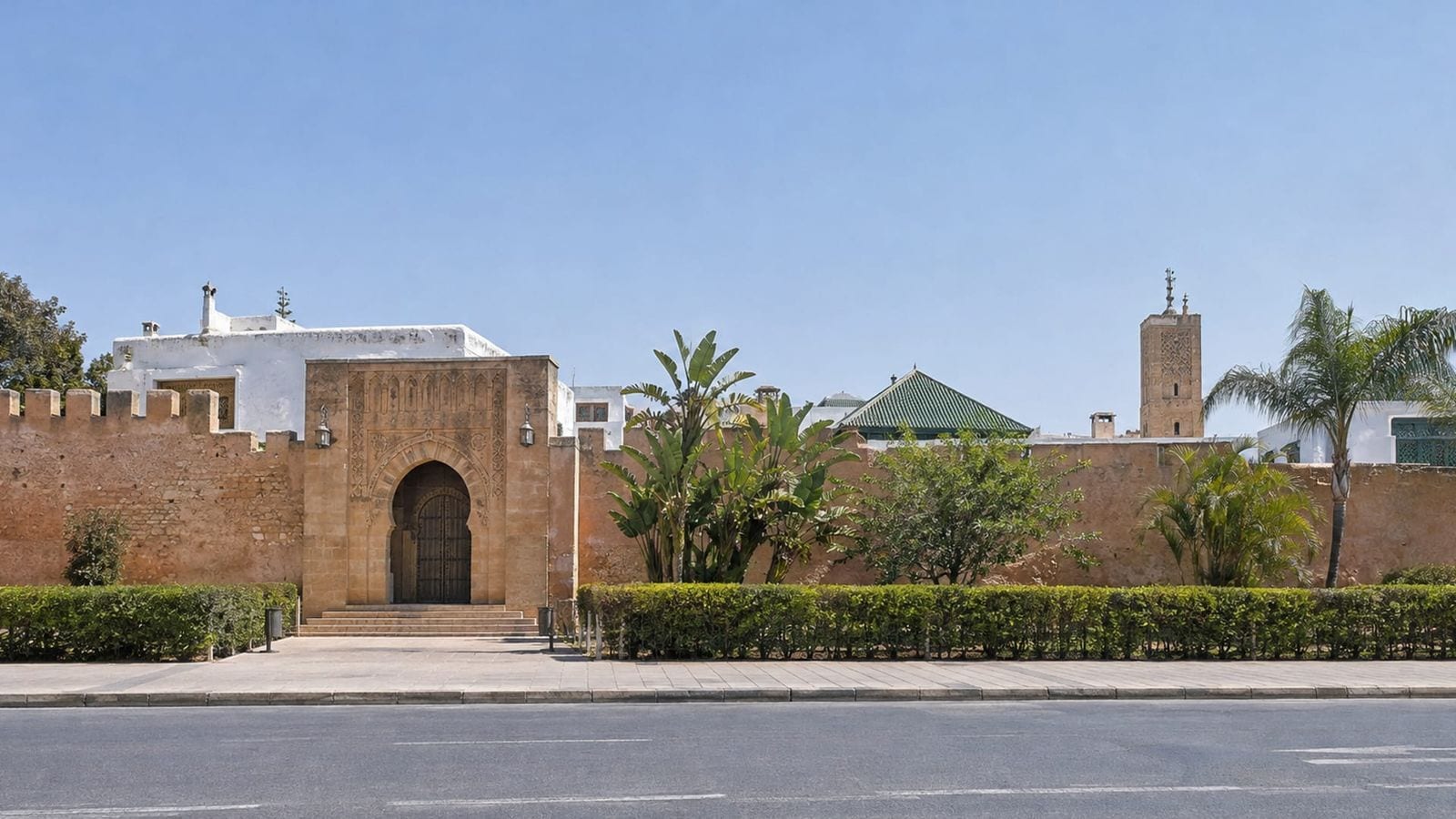
The Medina fills the morning with spice shops, leather goods, and pedestrian market lanes. Allow two hours for browsing and lunch, then walk 10 to 20 minutes to the Kasbah of the Udayas. Spend 60 to 90 minutes exploring its fortified gateway and whitewashed lanes, finishing with views across the mouth of the Bou Regreg River.
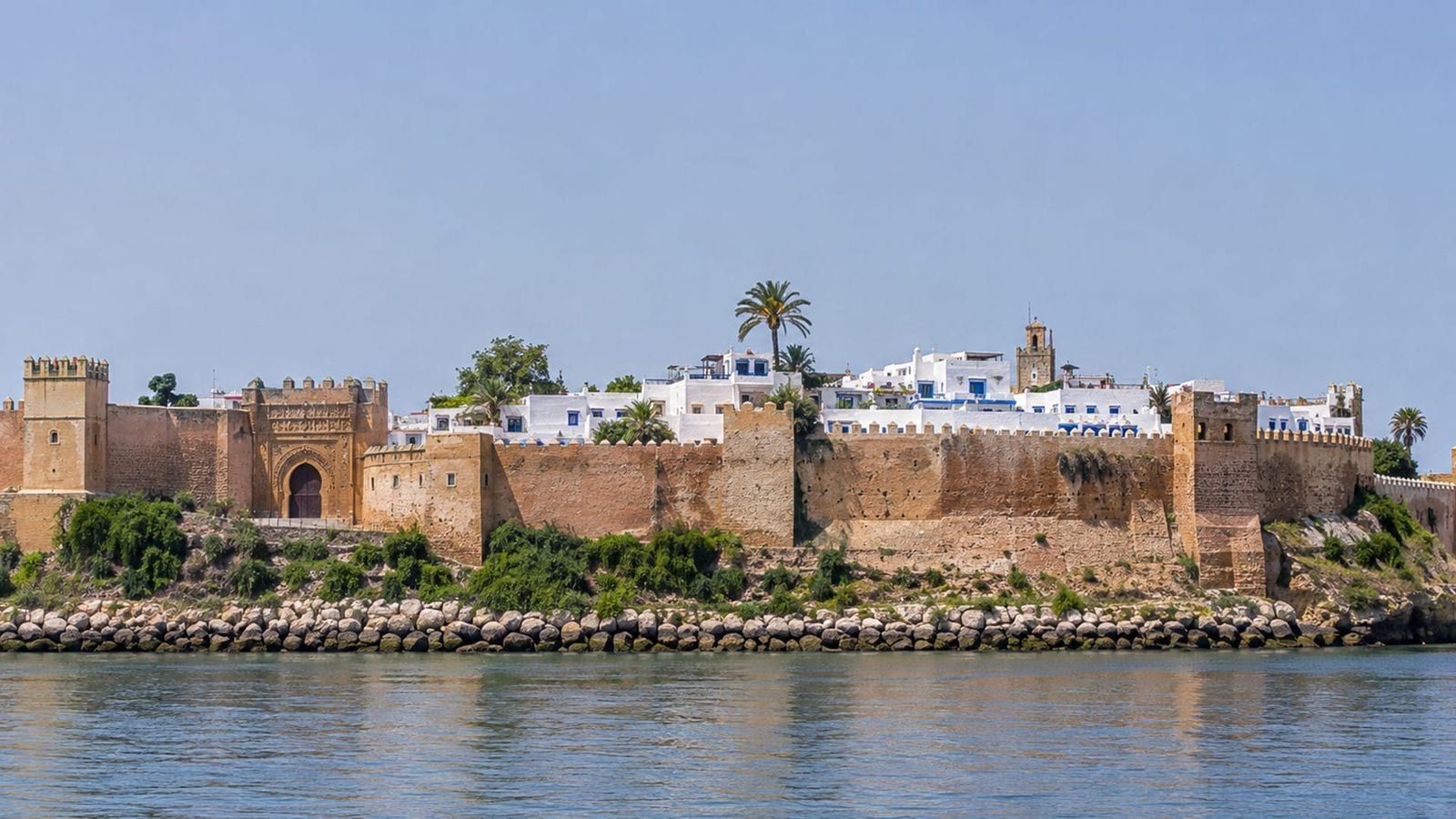
At Hassan Tower, rows of stone columns reveal the scale of the unfinished medieval mosque. Spend 45 minutes here, then walk five minutes across the esplanade to the Mausoleum of Mohammed V for its marble and mosaics. After lunch in Hassan, devote the afternoon to the district’s residential streets and cafes.
A morning beneath the eucalyptus and pine trees of Parc Ibn Sina introduces Rabat beyond its monuments. Allow an hour for the shaded paths, then take a 10 to 15-minute taxi ride to Agdal for lunch. Spend the afternoon exploring Agdal’s shopping streets and cafe terraces, with dinner in the neighborhood.
Before your departure, have breakfast at a cafe in Hassan and take a short walk through the neighborhood’s residential streets. Collect your luggage from the hotel, then allow 25 to 40 minutes by taxi to Rabat–Salé Airport (RBA), plus time for flight formalities. Confirm the airport fare before departure.
Business-class flights from the US to Rabat
The New York and Los Angeles examples connect to Rabat–Salé Airport (RBA) through Paris (CDG), with different journey times and round-trip fares.
From New York, Air France connects to Rabat–Salé Airport (RBA) through Paris (CDG), with a total journey time of 10 to 15 hours. Round-trip fares range from $2,800 to $6,500 for this one-stop journey to Morocco’s capital.
A one-stop journey from Los Angeles to Rabat–Salé Airport (RBA) takes 15 to 20 hours with Air France, connecting through Paris (CDG). Allow $3,500 to $8,000 for round-trip tickets on this route from the West Coast.
Rabat feels different when you slow down
A Rabat trip can connect the whitewashed lanes of the Kasbah of the Udayas with Hassan Tower’s open esplanade, then make room for an afternoon among Agdal’s cafes. Walking reveals the Medina’s shops; the tram opens a route across the river, and taxis connect the neighborhoods beyond. Leave time for couscous and a final breakfast in Hassan before the airport journey. Ask AranGrant experts to shape your flights around spring walks through Rabat’s royal landmarks