

Chapters:

Need help with your trip?
Our support team is available 24/7. Request a callback or call us directly at (833) 619-0908
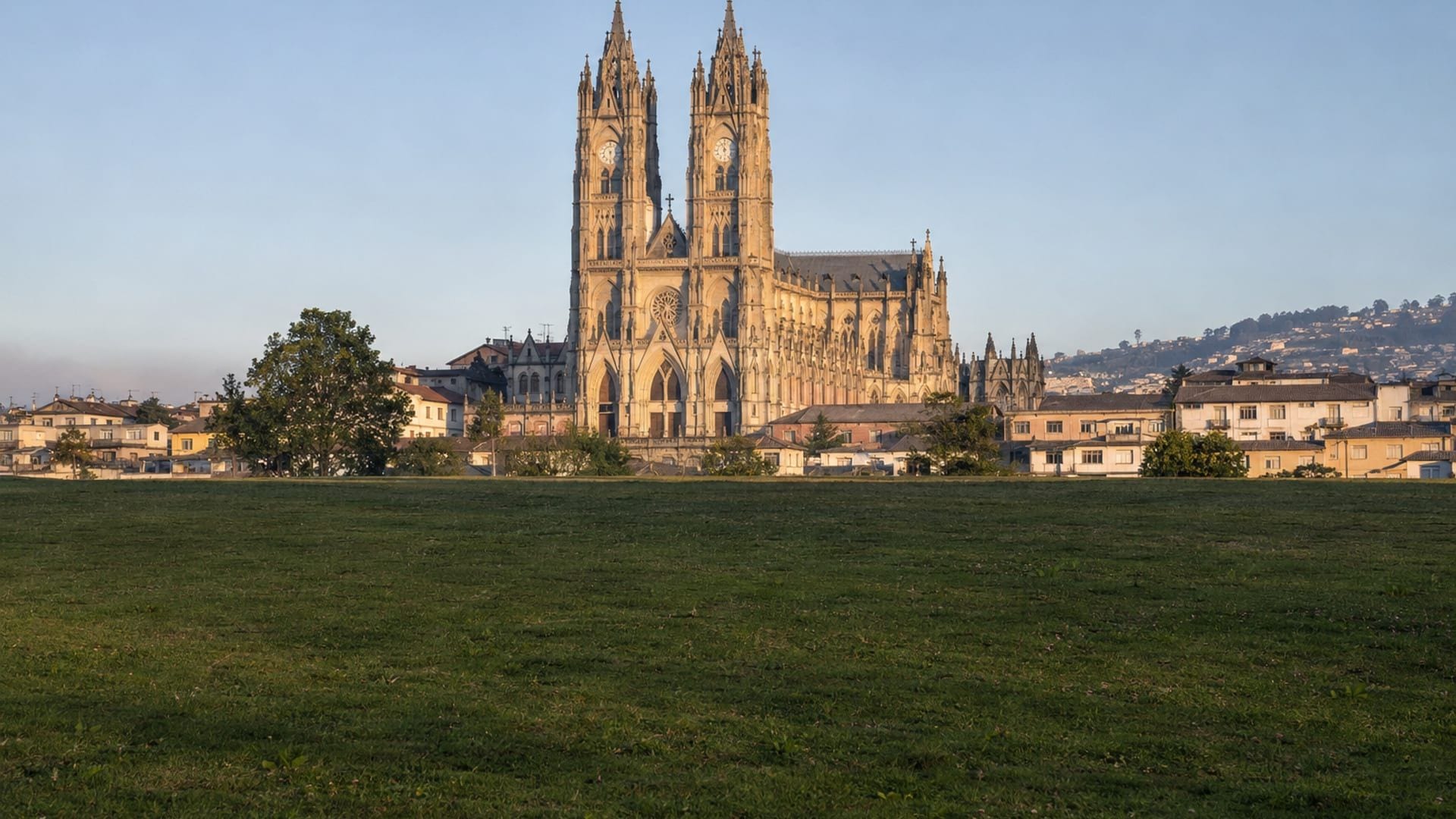
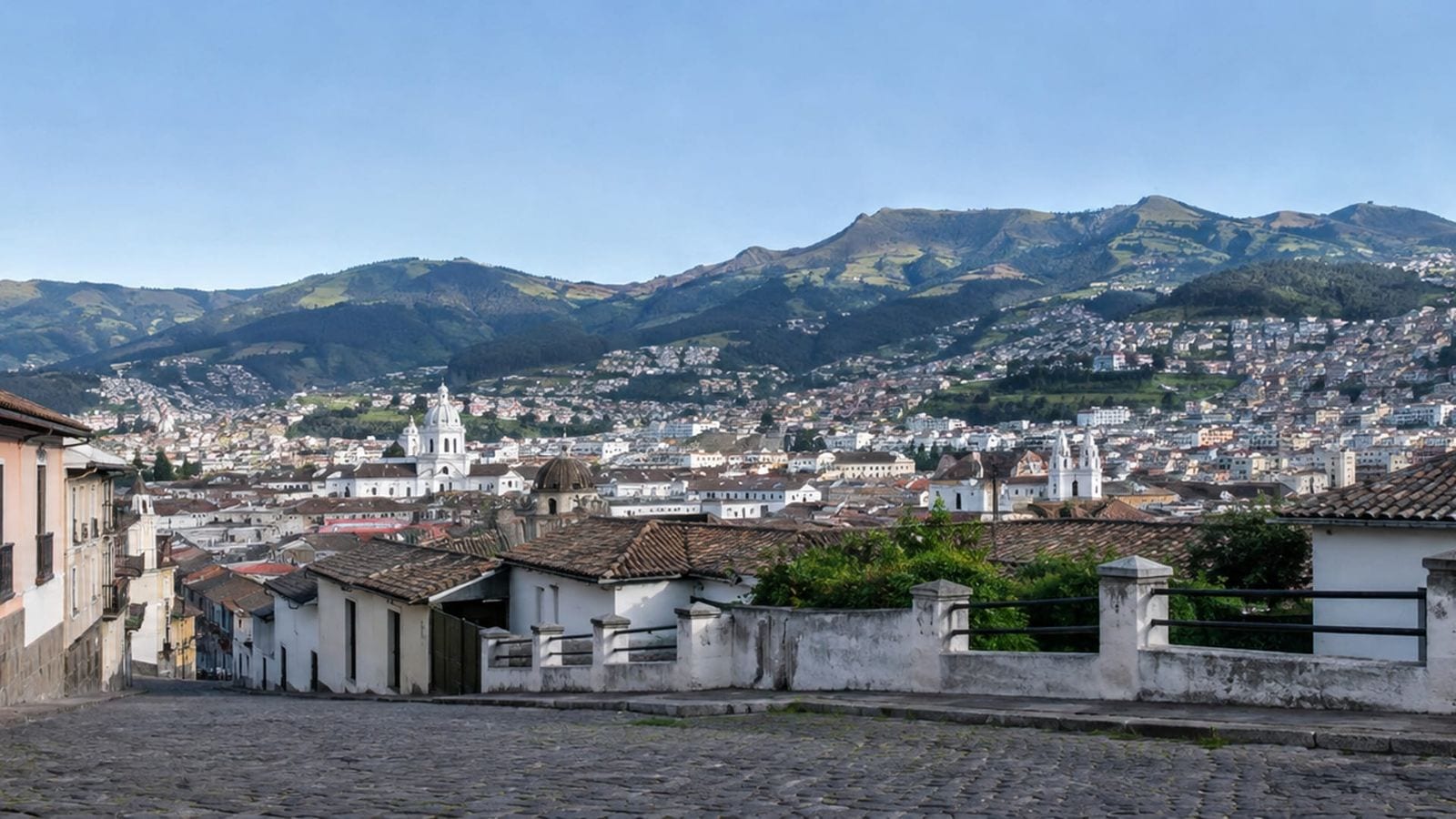
Quito stretches along a high Andean valley, with colonial church towers, steep residential streets, modern neighborhoods, and mountain ridges all visible within the same cityscape. Its historic center contains grand plazas, carved façades, and centuries-old churches, while areas such as La Floresta and Bellavista show a quieter, more contemporary side of the capital.
The altitude shapes the experience from the moment you arrive. Hills take more effort than expected, clouds can cover the surrounding peaks within minutes, and cross-city trips often take longer during busy traffic periods. A comfortable visit leaves room for slower mornings, short taxi rides, and breaks between outdoor stops.
This guide covers everything you need to know to plan an interesting five-day trip to Quito, including where to stay, how to navigate the city, what to eat, and a few of the city’s most memorable sights.
Useful things to know

Main language(s): Spanish
Hola (OH-lah) – Hello / Good morning
Por favor (por fah-VOR) – Please
Gracias (GRAH-see-as) – Thank you
¿Habla inglés? (AH-blah een-GLAYS) – Do you speak English?
¿Cuánto cuesta? (KWAN-toh KWES-tah) – How much does it cost?

Currency: US dollar (USD, $)

Cash and cards: Cards and contactless payments are widely accepted; carry about $20 to $40 in cash for small purchases and taxis.

Tipping: Tip about 10% in restaurants if a service charge is not included; round up taxi fares and small bills.

Traditional food: Hornado, llapingachos, locro de papa, empanadas de vien

Water and coffee costs: Bottled water usually costs about $1.50, while a bar espresso is about $2.

Taxis and ride apps: Uber and DiDi operate here and have dedicated pickup points at the airport.

Plug and voltage: Type A/B socket, 120V

Dining and shop opening hours: Breakfast is typically served between 7:00 am and 9:00 am, lunch from 12:30 pm to 3:00 pm, and dinner from 7:00 pm to 10:00 pm. Many restaurants close between lunch and dinner.

Emergency number: Dial 911 for police, fire, and medical emergencies.
Where to stay in Quito
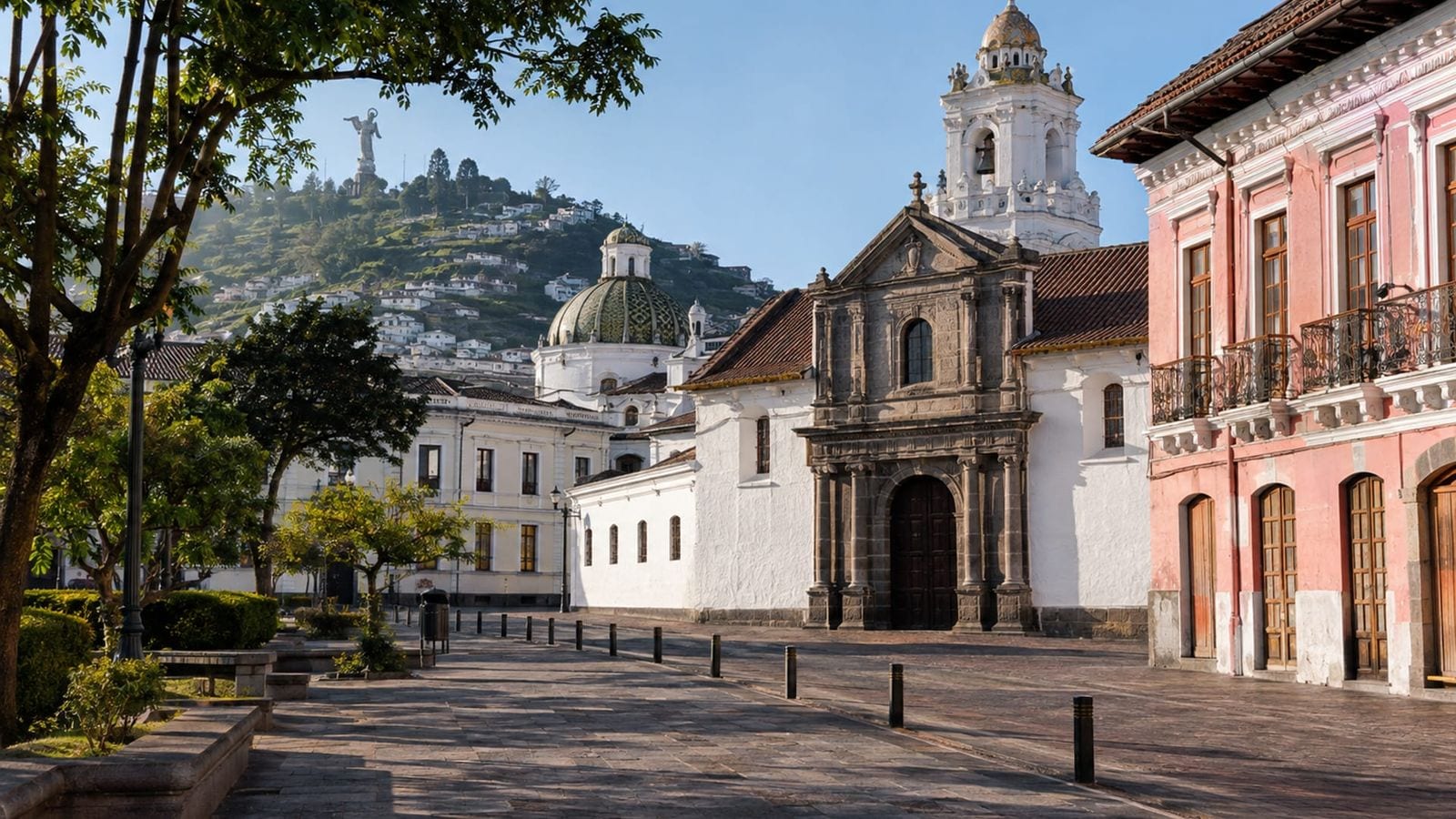
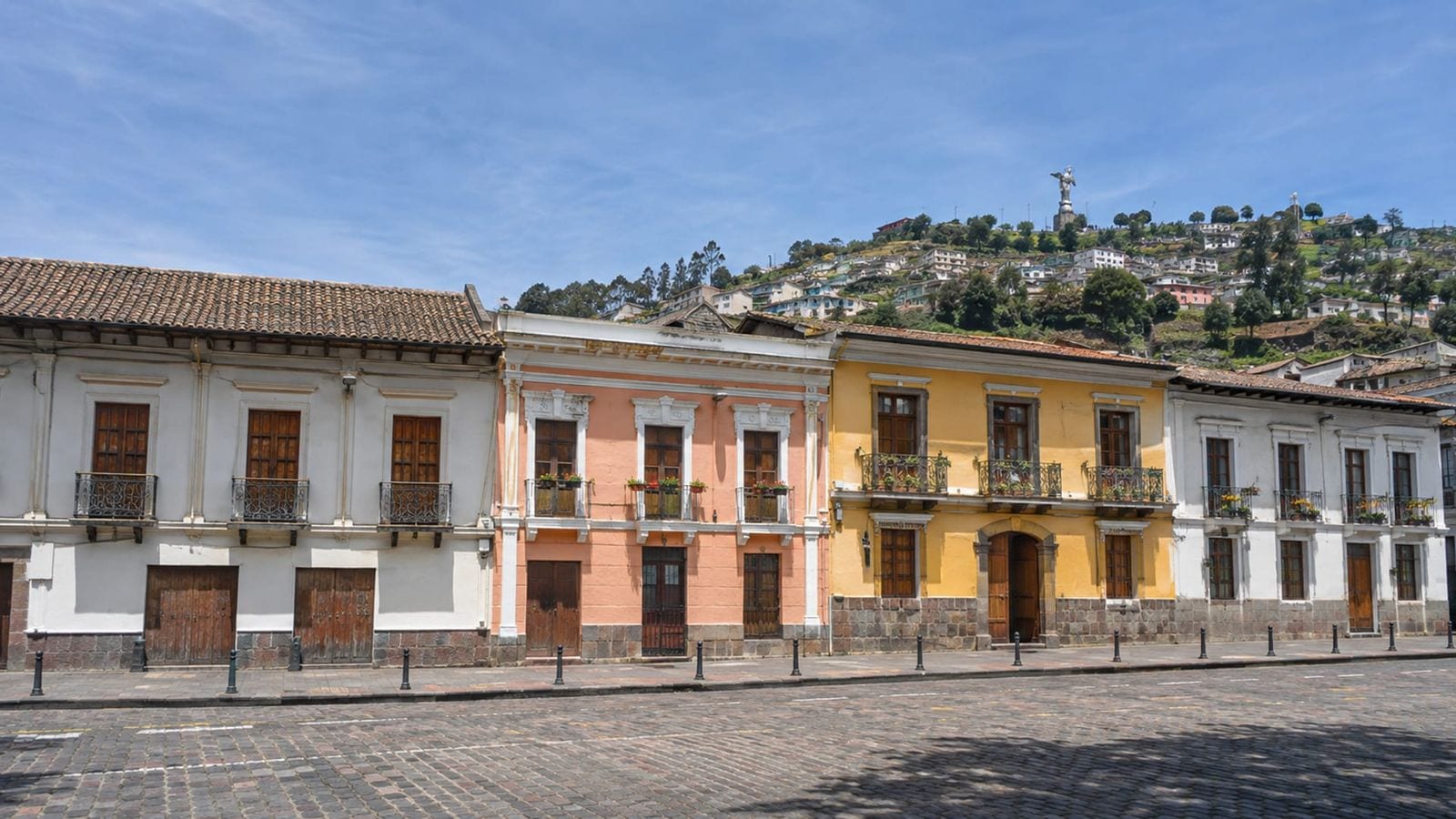
Centro Histórico is Quito’s colonial core, with restored historic streets where you can visit churches, museums, and plazas. Staying here puts the main heritage sights close together, with the Basilica, Plaza Grande, and San Francisco all within easy reach.
Best for: Heritage sightseeing, short walks to major landmarks, and travelers who want to be in the historic core
What to expect: Busy daytime streets, tour groups, and a quieter pace after dark once offices and museums close
Hotel prices: Usually about $60 to $180 per night for well-rated stays
Distance to major sights: 10 to 15 minutes on foot to Plaza Grande, and about 20 minutes on foot to the Basilica del Voto Nacional
Quietness: Lively by day, much quieter at night, especially on smaller side streets
Main trade-off: After dinner, many shops and restaurants close, leaving some streets quiet and with fewer people around.
Good to know: Choose a hotel near the main squares if you want to walk to the key sights, since steep streets and traffic can make short rides slower than they look.
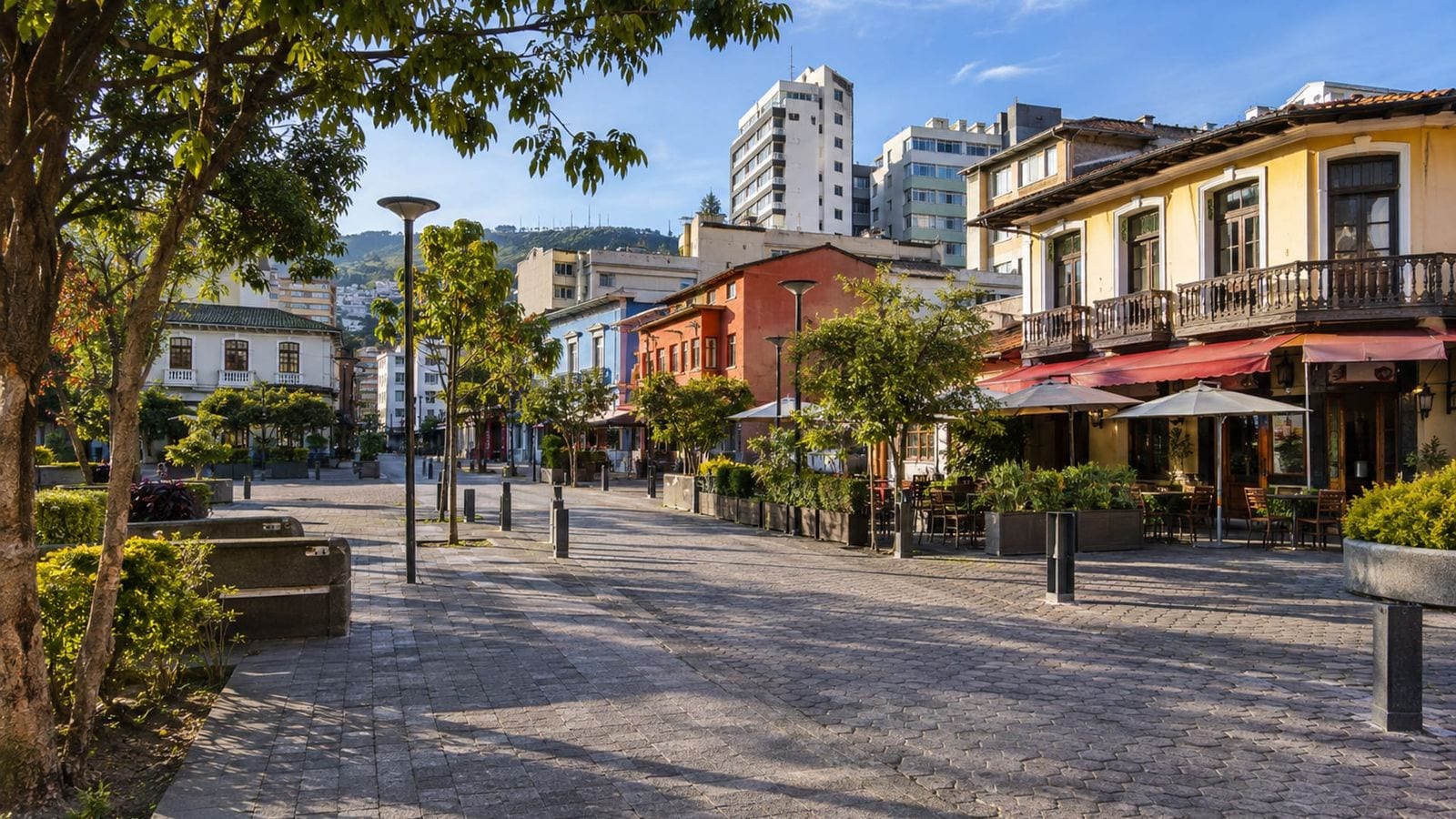
La Mariscal is Quito’s hotel and restaurant district, with a dense mix of bars, cafes, and midrange stays.
Best for: Dining, nightlife, and travelers who want central access to taxis and tour pickups
What to expect: Active sidewalks, full restaurants, and the highest concentration of late-evening activity in this part of the city
Hotel prices: Travelers can expect to pay $50–$140 per night at a hotel.
Distance to major sights: About 15 minutes by taxi to Centro Histórico, and 20 minutes by transit to TelefériQo
Quietness: Busy into the evening, then quieter on side streets after the bars close
Main trade-off: The livelier streets bring more noise and traffic, and some hotels are next to streets that stay active later than you may want.
Good to know: Check whether your room faces the street, because a few blocks here are exposed to late traffic and bar noise.
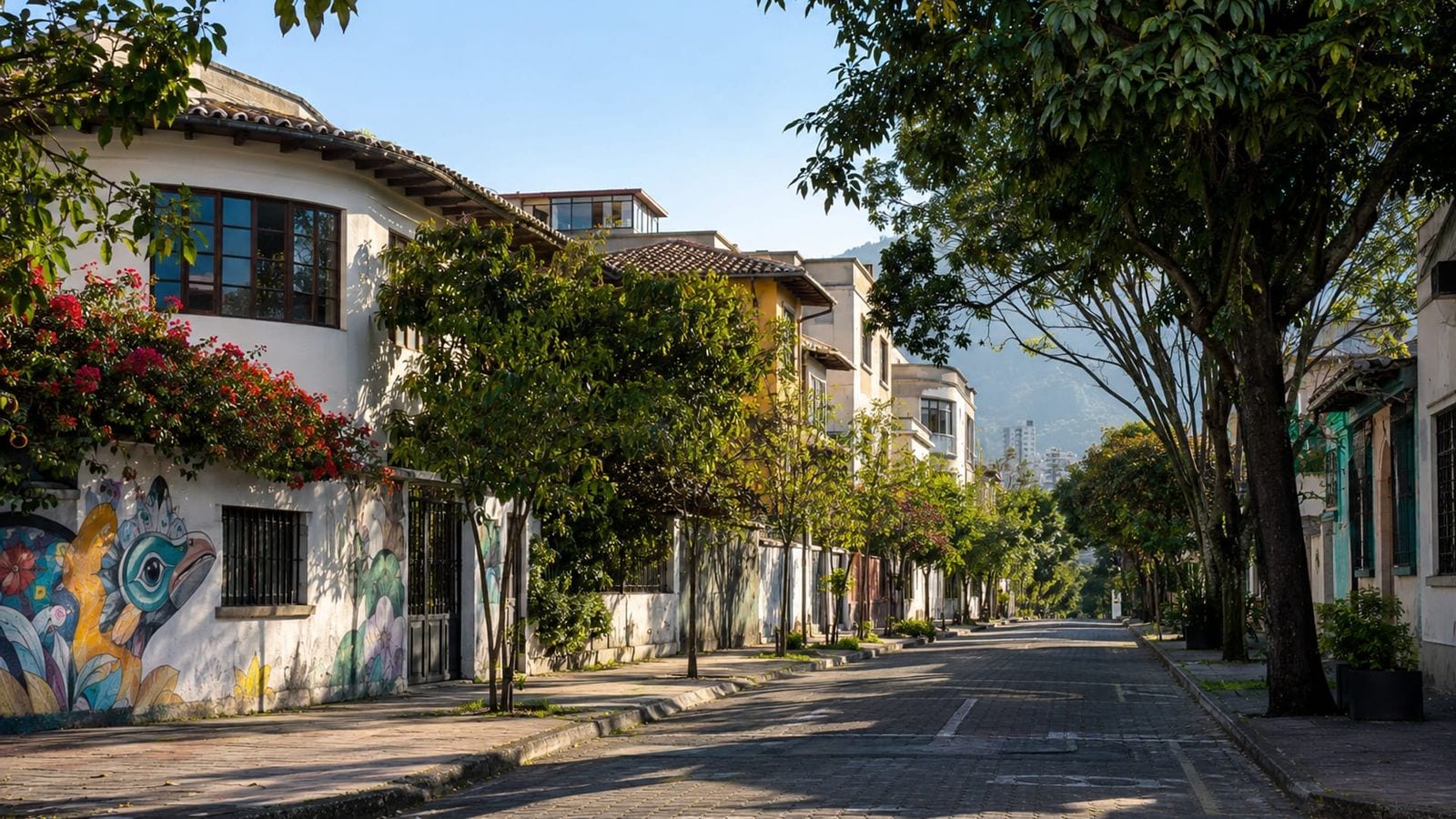
La Floresta is an artsy residential district with galleries, cafes, and a strong local restaurant scene. It gives travelers a neighborhood feel close to the center, with quick access to both La Mariscal and the historic core.
Best for: Cafes, local restaurants, and travelers who want a residential location near central Quito
What to expect: Tree-lined streets, neighborhood foot traffic, and a mix of locals heading to restaurants, galleries, and small shops
Hotel prices: Usually $45–$120 per night for highly-rated hotels
Distance to major sights: About 15 minutes by taxi to Centro Histórico, and 10 minutes by taxi to La Mariscal
Quietness: Quieter than Mariscal during the day, with only moderate evening activity on main streets
Main trade-off: The area does not have many landmarks or sights.
Good to know: La Floresta suits travelers who want to have many dinner options and a residential setting.
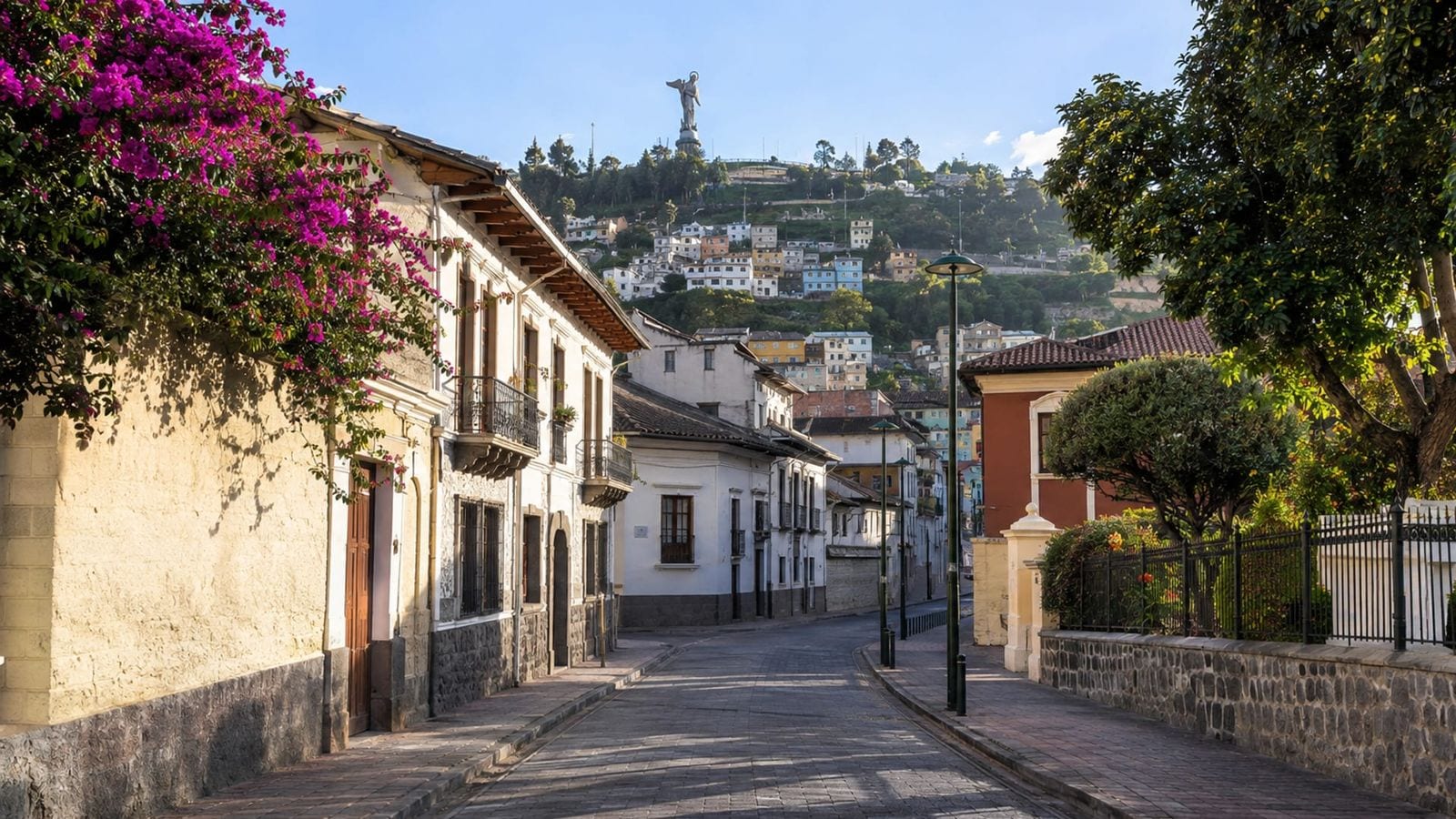
Bellavista is on the northern edge of central Quito, close to parks, embassies, and several museums. It gives visitors a calmer location with fast access to the TelefériQo and the city center by taxi or rideshare.
Best for: Museums, park access, and travelers who prefer a quieter residential area
What to expect: A residential area with fewer late-night crowds, some hotel traffic, and easy access to restaurants on nearby main roads
Hotel prices: Hotels in this area cost $70 to $180 per night.
Distance to major sights: About 15 minutes by taxi to the TelefériQo, and 20 minutes by taxi to Centro Histórico
Quietness: Calm in the daytime and notably quieter at night than Mariscal or the old town
Main trade-off: You trade walkable sightseeing for more taxi use, especially if you want to visit the colonial center several times.
Good to know: Book a hotel room here if you want quieter nights.
Travelers usually avoid staying in outer northern neighborhoods such as Calderón and Llano Chico, and southern parts like Quitumbe, since they are far from Quito’s main sights and have fewer visitor amenities.
Hotel deals
How to get around Quito efficiently
Quito’s narrow valley and steep terrain mean that no single transport mode covers the whole city. During your stay, you can walk between landmarks in the historic center and take taxis, the metro, or trunk buses for longer trips.

Bus
for longer distances
The Ecovía and Trolebús make up Quito’s main bus network, running north to south through the center with stations in outer neighborhoods. Tickets cost $0.35, and you can pay with a reloadable card or token at station gates

Tram
for convenience
The Trolebús tram line runs along the historic center spine and connects key stops between the south terminal and northern districts. Fares match the bus network ones; they cost $0.35, and the same reloadable card is valid across both systems.

Taxi
for convenience or late hours
Licensed yellow taxis use metered fares, with short rides often costing $3 to $5, while airport trips are $25 to $35. Ask the driver to use the meter, and carry cash, since most drivers don’t accept cards.
*Prices are based on rates updated as of July 2026 and may change at the time of travel.
Walk through the historic core, use taxis or rideshare cars for late rides and in areas with steep hills, and take buses or trams when you need to travel across the city.
Iconic landmarks
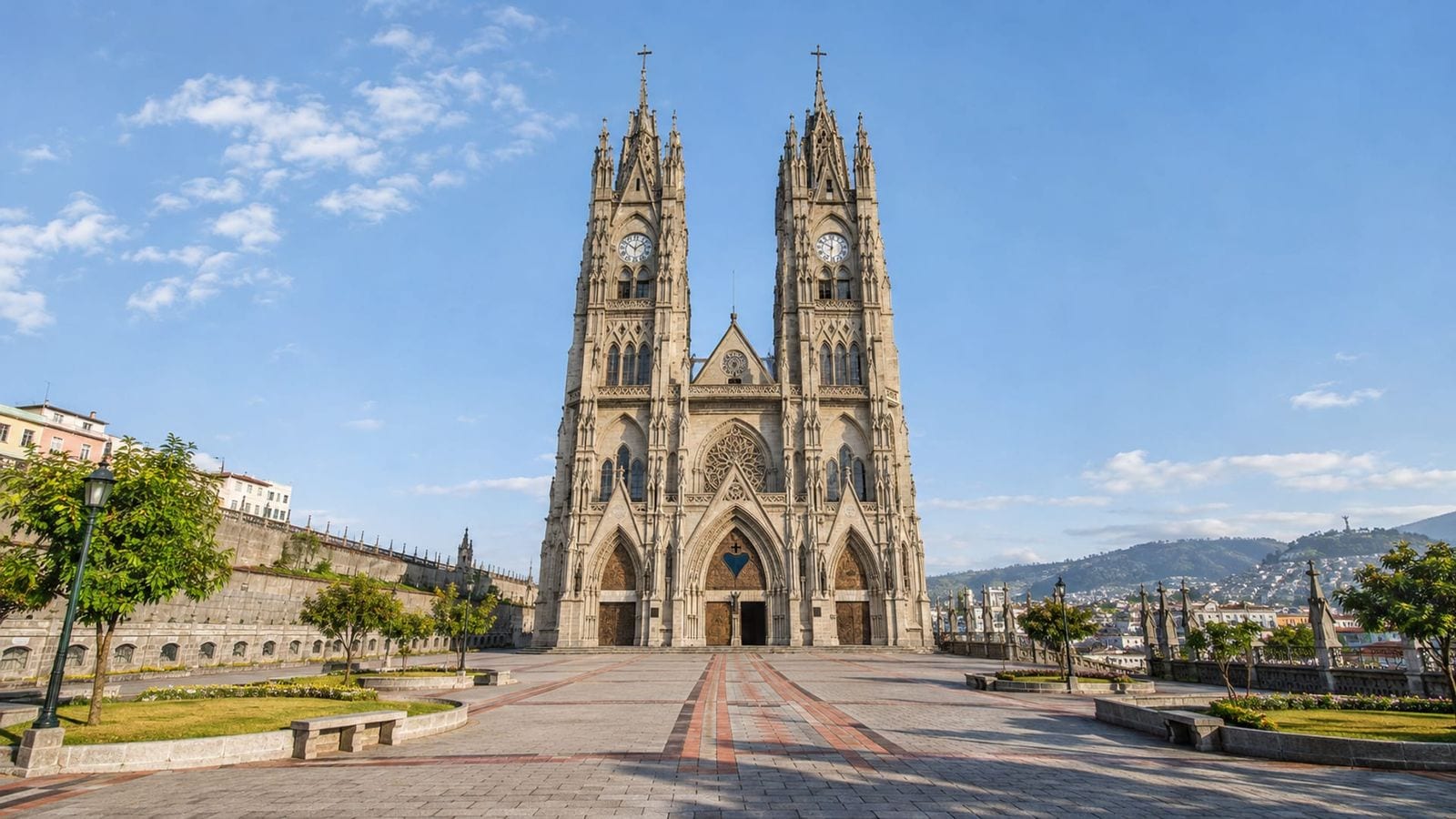
Basílica del Voto Nacional
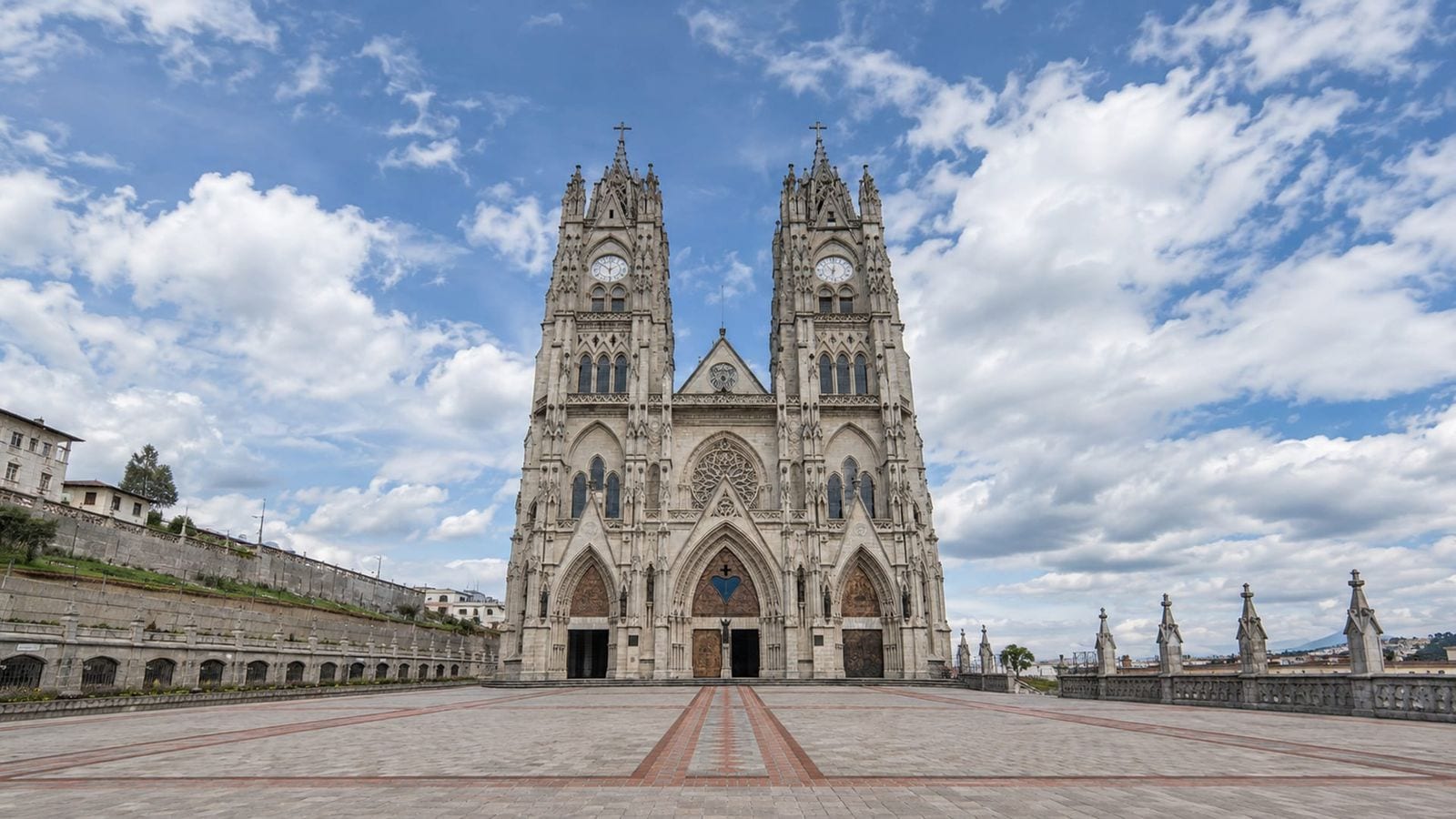
This neo-Gothic basilica in Quito’s old town has carved stone façades, stained glass, and water-spout gargoyles shaped like Andean animals. Climb the towers for views over the historic center and the hills beyond.
Time needed: About 1 to 2 hours
Entry: Tower access costs $2, while general church entry is free. Visit the official site for details.
Tip: Visit it early, before midday crowds build.
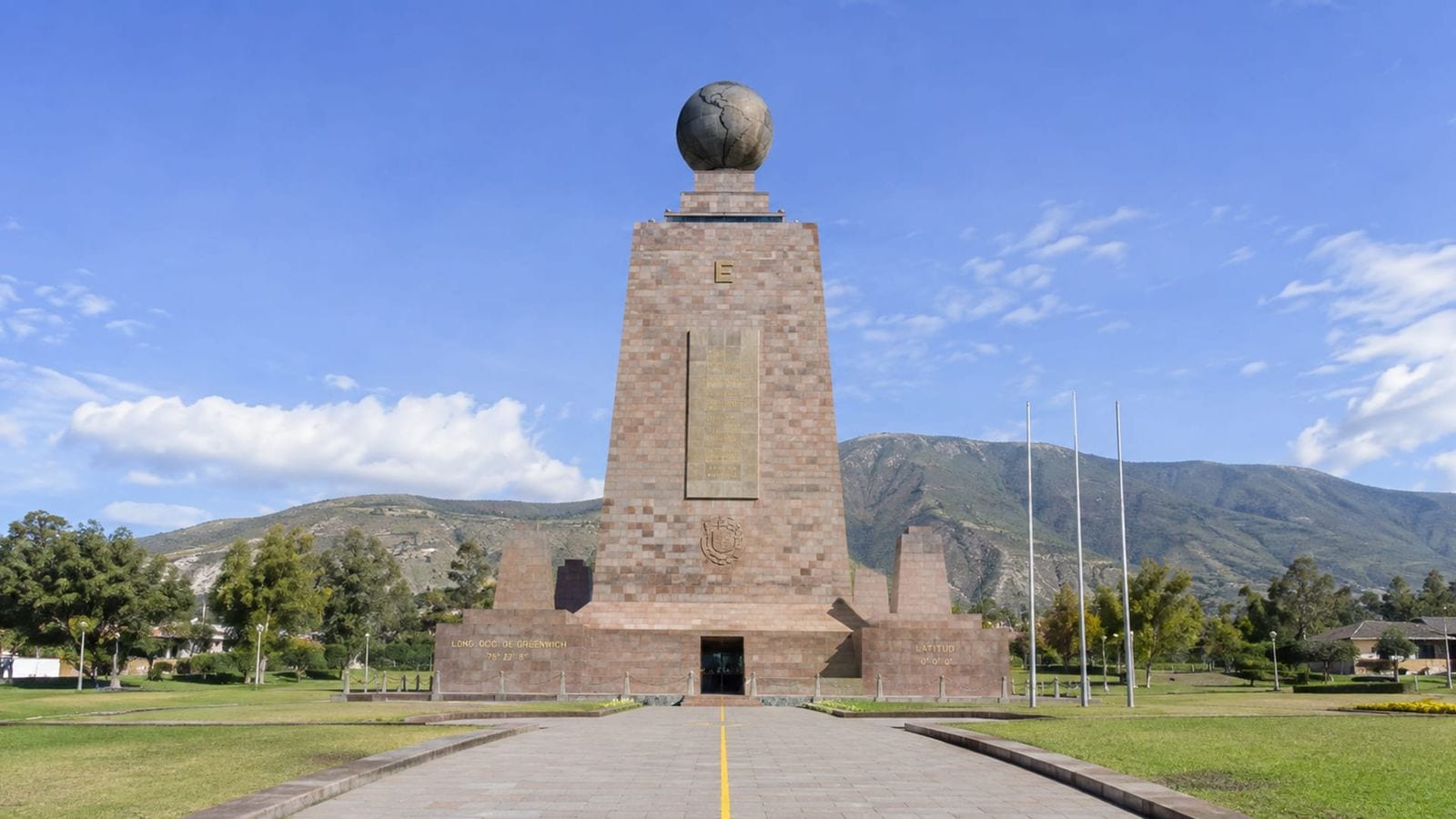
Mitad del Mundo monument
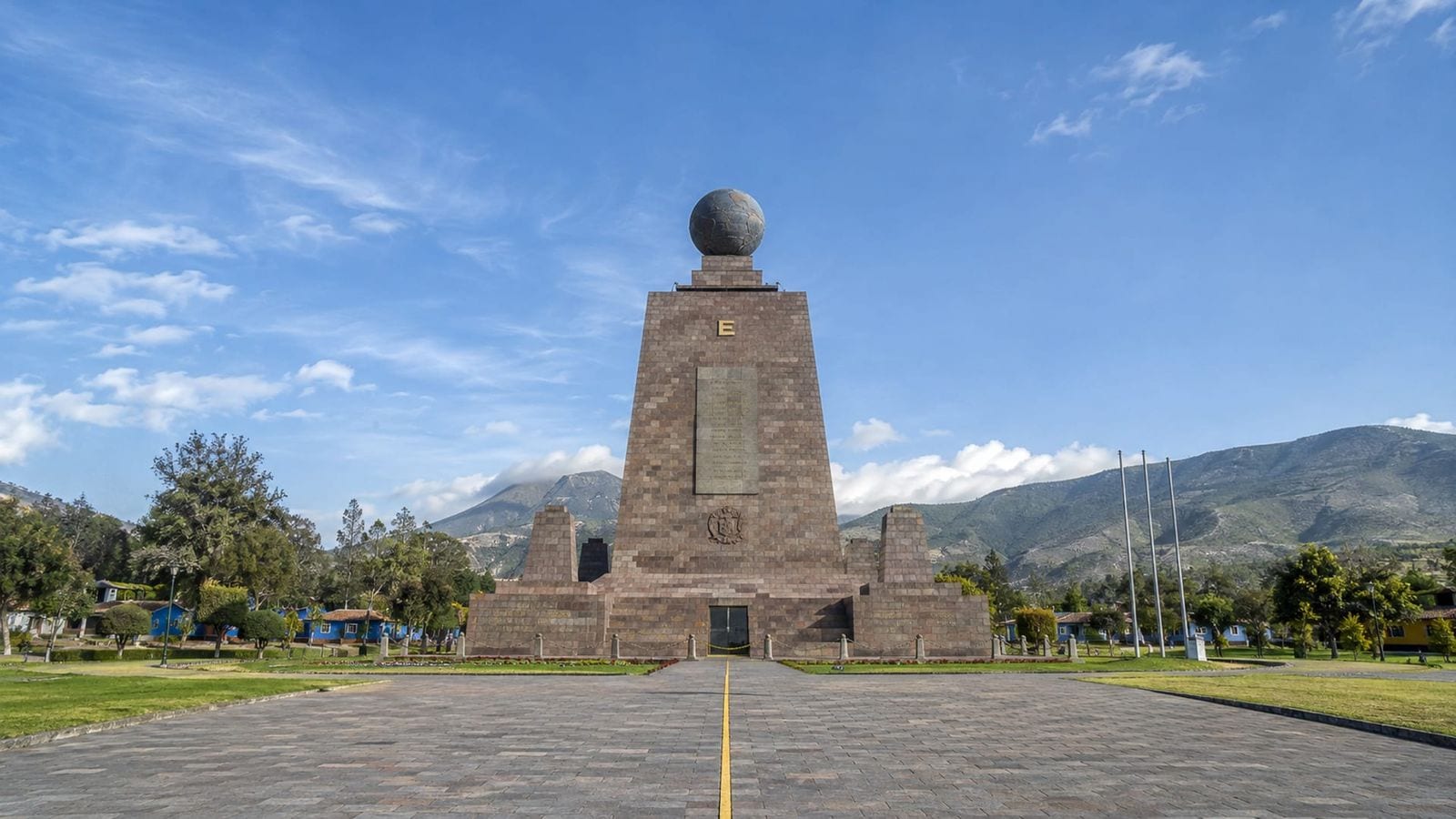
North of the center, the Mitad del Mundo monument marks the equator with a tall stone tower and plaza displays on the country’s geography. The site also includes museums and viewpoints that turn the stop into a longer half-day visit.
Time needed: About 2 to 3 hours
Entry: General admission costs $5 for adults and $2.50 for children. Visit the official site for details.
Tip: Arrive late morning, when the site is open and the light works well for plaza photos.
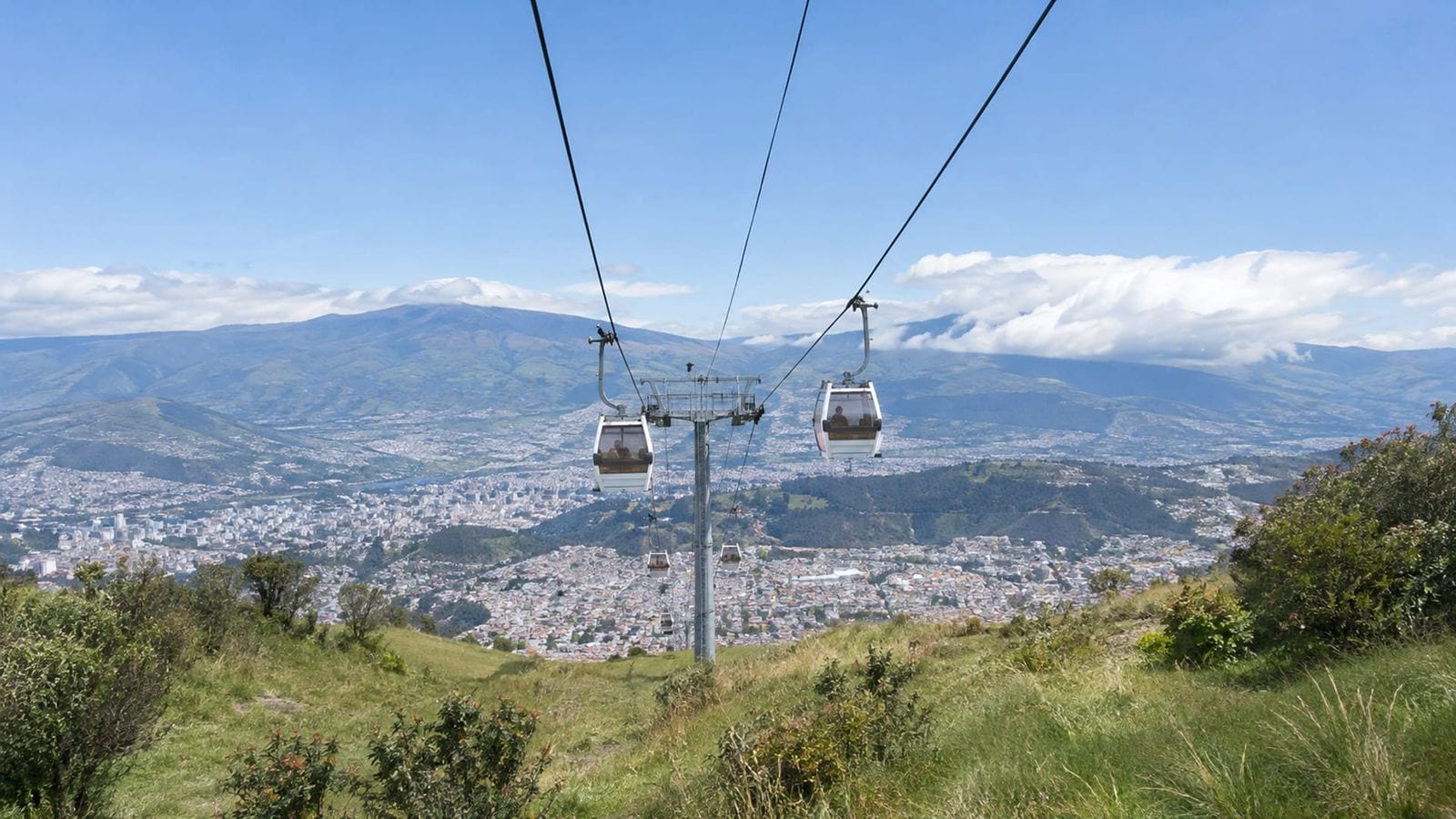
Quito cable car
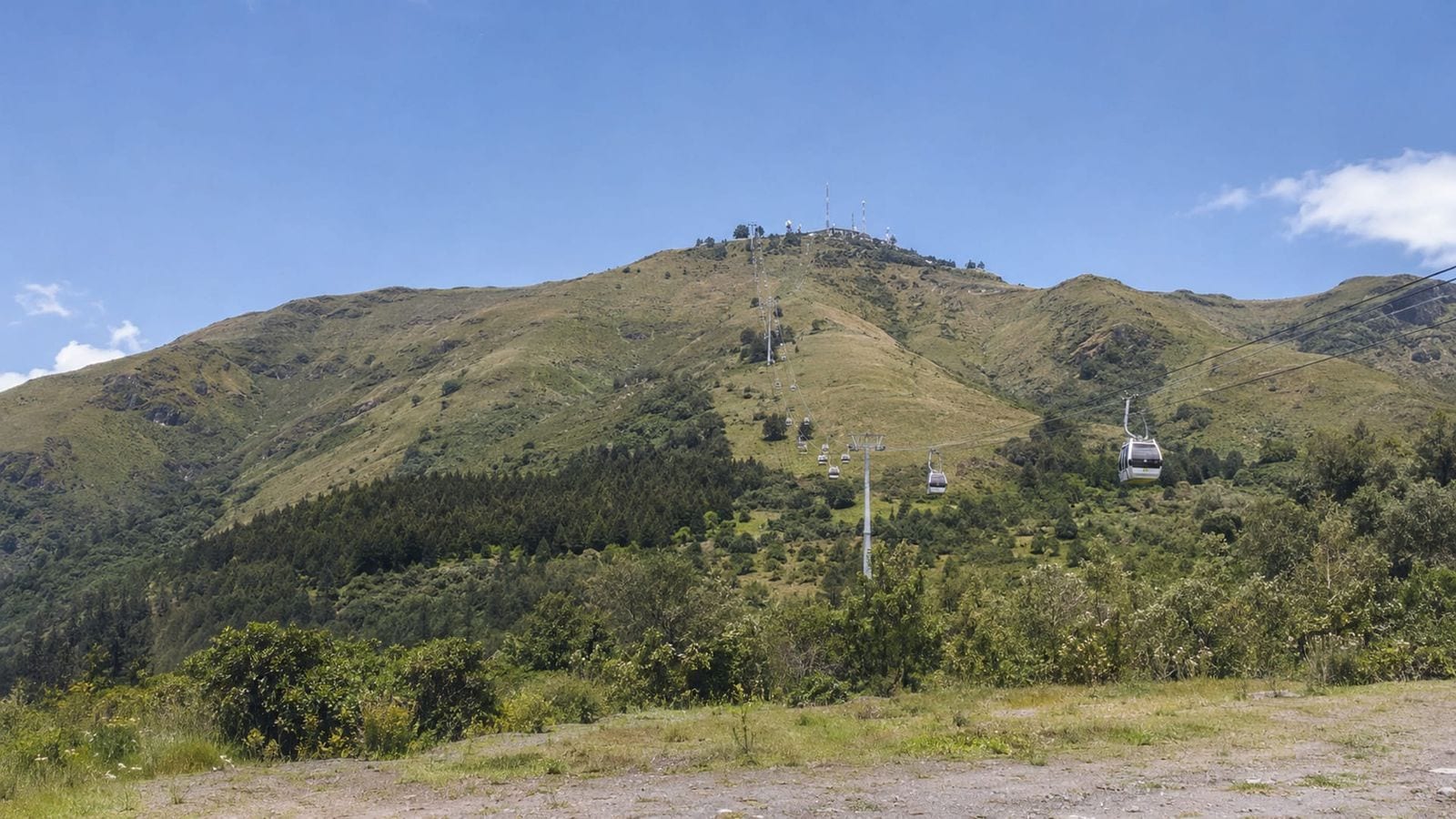
The TelefériQo rises from the city’s west side to the slopes of Pichincha, giving views over Quito, the valley, and the volcanoes on clear days. At the top, short trails and viewing areas turn the ride into a mountain stop.
Time needed: About 2 to 4 hours
Entry: Tickets cost $8.50 for adults and $6.50 for children. Visit the official site for details.
Tip: Go on a clear afternoon to enjoy the sunset and splendid views.
Overlooked sites worth visiting

Guápulo Viewpoint and Church
This hillside overlook above Guápulo overlooks eastern Quito and the valley below, with cobbled lanes, tiled roofs, and a small baroque church dating to the colonial era.
Time needed: About 1 hour
Entry: Free to access
Tip: Go near sunset for the clearest city views.

Museo Manuela Sáenz
This small museum in Quito’s historic center focuses on Manuela Sáenz, with letters, portraits, and period rooms that explain her role in the country’s independence.
Time needed: About 45 minutes
Entry: Admission costs $4.
Tip: Visit on a weekday morning to avoid school groups.
Traditional food
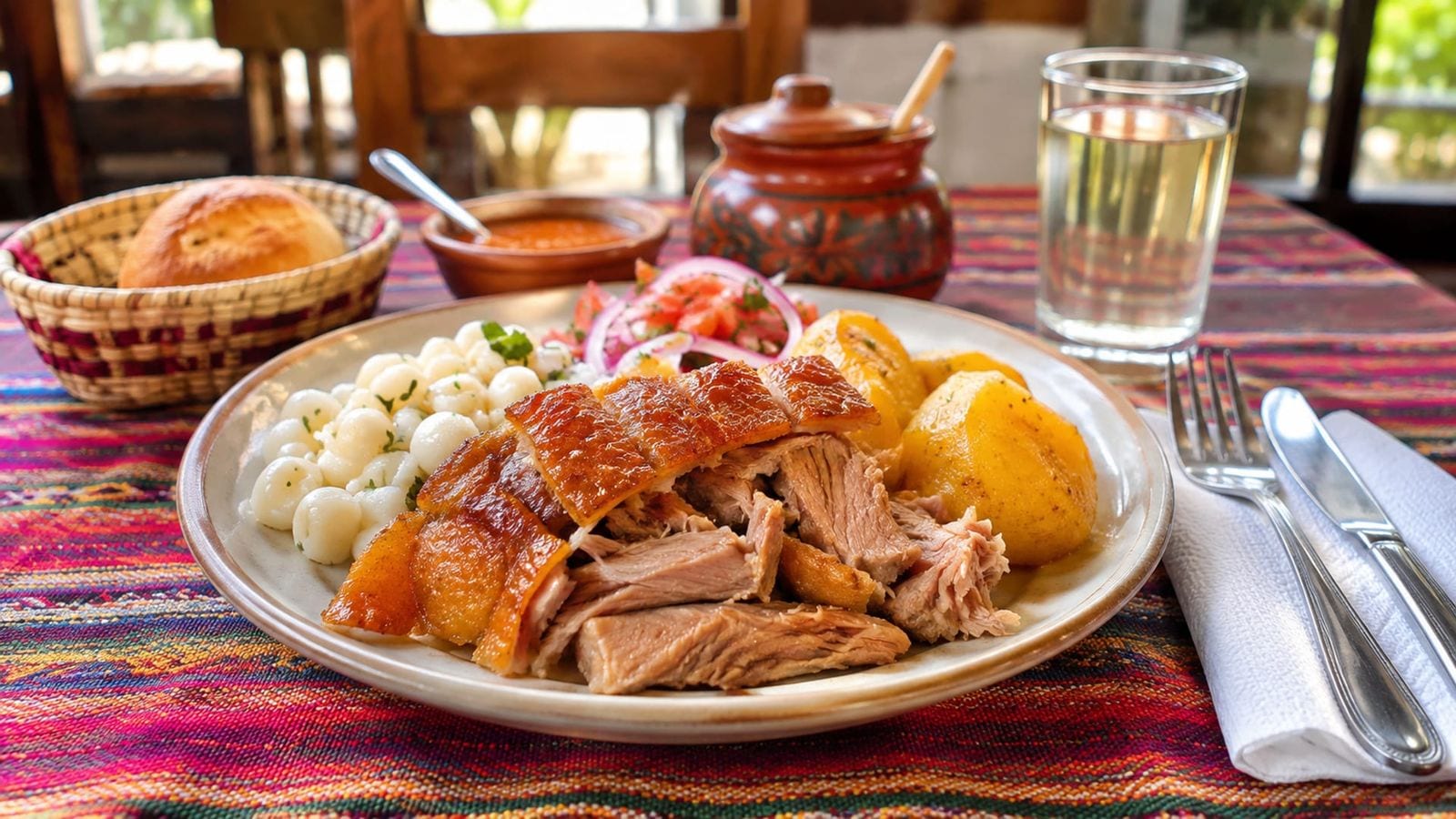
Quito’s traditional cuisine is hearty and comforting, shaped by Andean ingredients like potatoes, corn, pork, and fresh cheese. Meals often center around rich soups and filling dishes that reflect the city’s high-altitude climate and local food traditions.
Hornado
Hornado is slow-roasted pork served with sides such as potatoes, corn, salad, or llapingachos. Food stalls in Mercado Central in the historic center offer it as a lunch staple, and it only costs $2.50–$3.50.
Llapingachos
These potato patties are usually filled with cheese and served with egg, sausage, avocado, and peanut sauce. Urko Cocina Local in La Floresta offers its own version as part of a menu inspired by Ecuadorian ingredients and regional cooking.
Locro de papa
Locro de papa is a creamy potato soup finished with cheese and avocado, making it especially comforting in Quito’s cool mountain climate. Zazu in Bellavista serves the dish in a contemporary dining room known for Ecuadorian flavors.
Empanadas de viento
These crisp turnovers are filled with cheese, fried until golden, and dusted with sugar before serving. They are easy to find around La Ronda in the historic center and make a good afternoon snack.
Best time to visit Quito
Quito’s dry months bring clearer views and comfortable weather for mountain trips; the rainy season is still suitable for sightseeing.
Best for: Clear mornings, city views, and the best chance for cable car and hilltop trips
What you get: Temperatures are usually between 46°F and 66°F (8°C–19°C); tourist numbers stay moderate, and afternoons are rainy.
Trade-offs: Rain can interrupt your outdoor plans, especially in the afternoon.
Best for: Museum days and old-town walks
What you get: Temperatures of 46°F to 65°F (8°C to 18°C); crowds are usually manageable, with occasional rain showers
Trade-offs: The foggy weather may make it difficult to see the mountains and hills from afar.
Best for: Dry-weather sightseeing and longer outdoor stays
What you get: Temperatures average about 45°F to 65°F (7°C to 18°C); this is the busiest stretch for visitors.
Trade-offs: Hotels and popular sights can fill faster.
Best for: Balanced weather for the historic center, markets, and day trips
What you get: About 46°F to 66°F (8°C to 19°C); crowds stay moderate, and travelers can expect rain later in the season
Trade-offs: Afternoon rain becomes more likely toward November.
A realistic 5-day plan in Quito
Five days give Quito enough room for the old town, the equator, the cable car, and a slower final morning. The plan below keeps longer transfers grouped together, so the historic center does not get broken up by repeated cross-city rides.
Land at Quito Airport (UIO), then take a taxi or prebooked transfer to Centro Histórico or La Mariscal, which usually takes 45–60 minutes and costs $25 to $35. Book a hotel near Plaza Grande if you want to walk for an early dinner, or stay in La Mariscal if you prefer more restaurant choices after dark. Keep the first evening simple: drink water, eat soup or grilled chicken at a nearby cafe, and leave the high-altitude sightseeing for tomorrow.
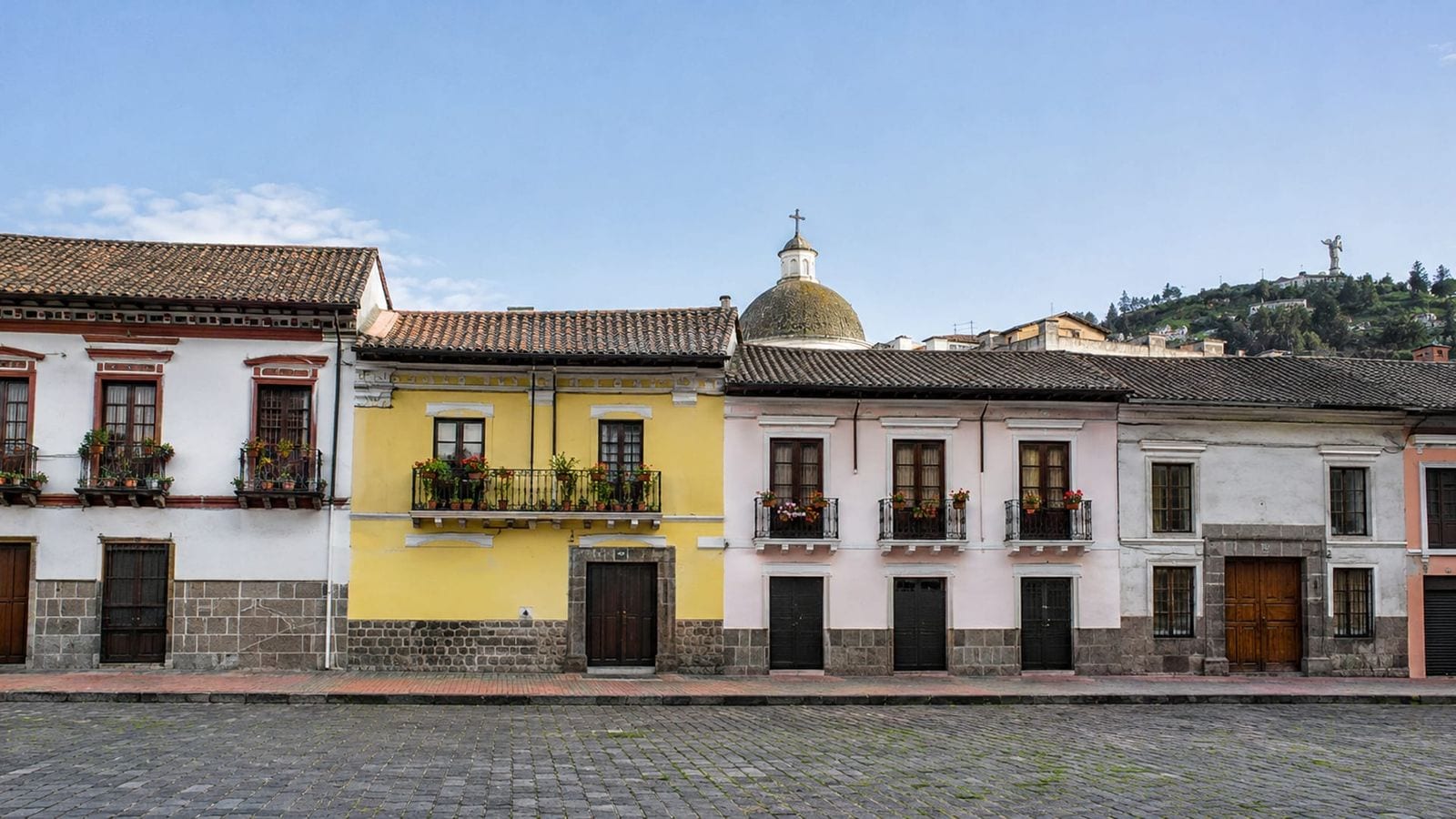
Start in the old town at the Basílica del Voto Nacional, where general entry is free, then spend 1 to 2 hours inside and on the towers. From there, walk 10–15 minutes to Plaza Grande, then 10 more minutes to reach the Museo Manuela Sáenz. Finish with San Francisco area streets and a late lunch in Centro Histórico, then go back to your hotel before the traffic builds.
A northbound half-day makes the best case for the Mitad del Mundo monument, which is located 45–60 minutes from central Quito by car and charges $5 for adult admission. Plan 2 to 3 hours there for the monument, museum areas, and viewpoints, then return to the city and stop in Bellavista or La Floresta for an early dinner. If you still have energy, you can take a taxi from the monument area back to La Mariscal. That usually takes close to 45 minutes, depending on traffic.
By midafternoon, ride the Quito cable car, which takes 2 to 4 hours including time on the slopes and viewpoints, and costs $8.50 for adults. From Centro Histórico or La Mariscal, the trip to the cable car base usually takes about 20 to 30 minutes by taxi. After the descent, head uphill toward Guápulo Viewpoint and Church, then spend about 1 hour there near sunset for city views over the valley before returning to dinner in La Floresta.
Begin with a late breakfast in La Floresta, then visit the Museo Manuela Sáenz in the historic center if you want one last short museum stop before the end of your trip. Afterward, browse for gifts or textiles in Centro Histórico, or spend your remaining time in La Mariscal for coffee and a slower lunch before your airport ride.
Business-class flights from the US to Quito
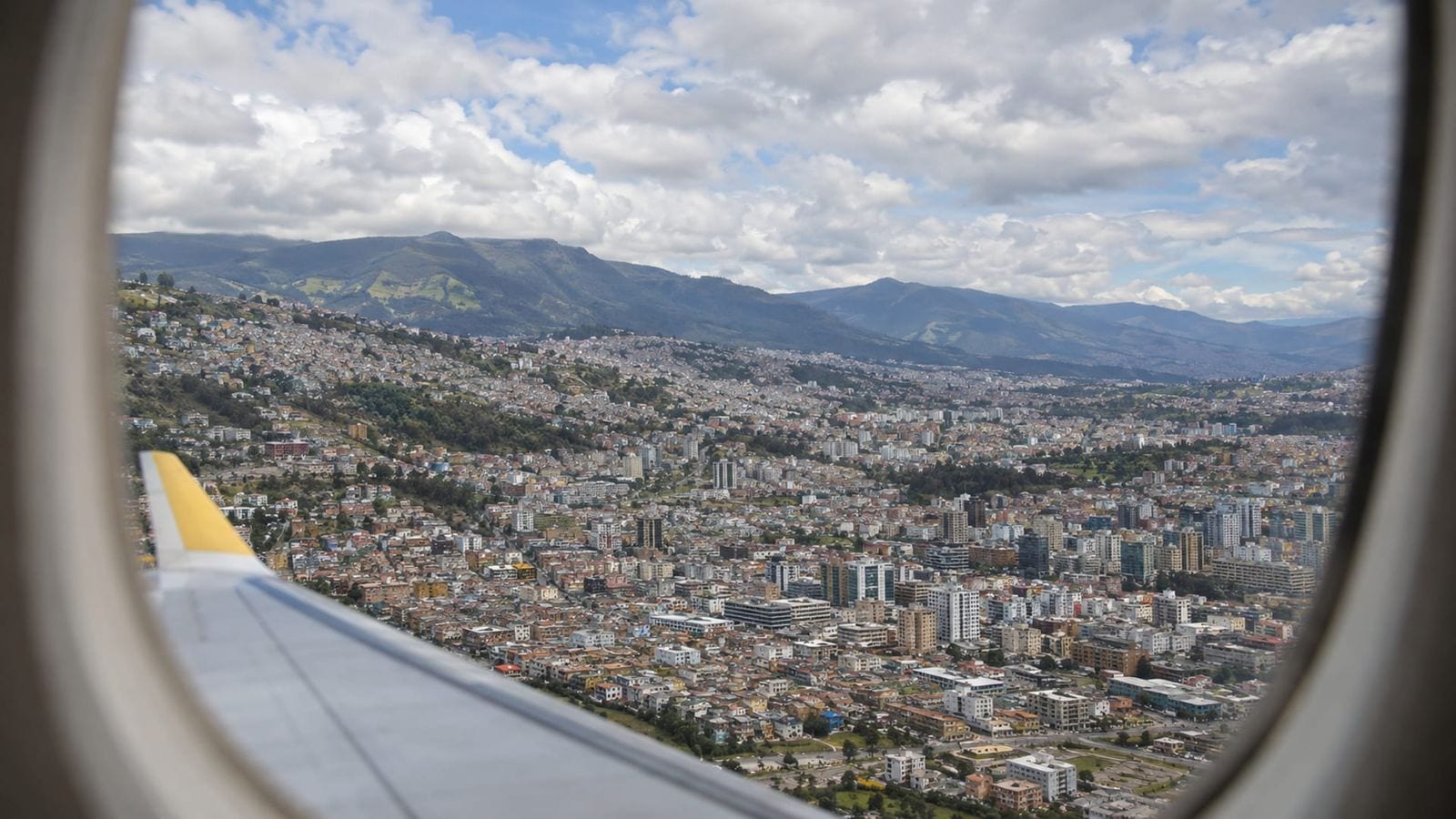
Travelers from New York can fly directly to Quito, while those from the West Coast can only take connecting flights to this destination.
New York (JFK) to Quito (UIO)
Avianca operates the only nonstop flights from John F. Kennedy International Airport (JFK) to Mariscal Sucre Quito International Airport (UIO). The flights take approximately 6 hours. Delta Air Lines, LATAM Airlines, American Airlines, United Airlines, and Copa Airlines also offer connecting flights to this destination through Panama City (PTY), Bogotá (BOG), Atlanta (ATL), or Guayaquil (GYE). They generally take 8 to 14 hours. Travelers can expect to pay $1,000 to $1,900 for round-trip tickets on these flights.
Los Angeles (LAX) to Quito (UIO)
Flights from Los Angeles International Airport (LAX) to Quito have at least one layover. Avianca, LATAM Airlines, American Airlines, United Airlines, Copa Airlines, and Delta Air Lines are some of the airlines that operate them. The total travel time for flights on this route usually ranges from 10 to 16 hours, depending on the length of the layover. Round-trip business-class fares with these airlines generally range between $1,000 and $1,500.
Exploring Quito: Ecuador’s high-altitude capital
Choosing the right hotel location and allowing extra time for getting around can make your stay much more comfortable, especially during your first days at altitude. When you are ready to plan the journey, our experts at AranGrant can help you compare business-class flights and hotels that suit your dates and budget.







