

Chapters:

Need help with your trip?
Our support team is available 24/7. Request a callback or call us directly at (833) 619-0908
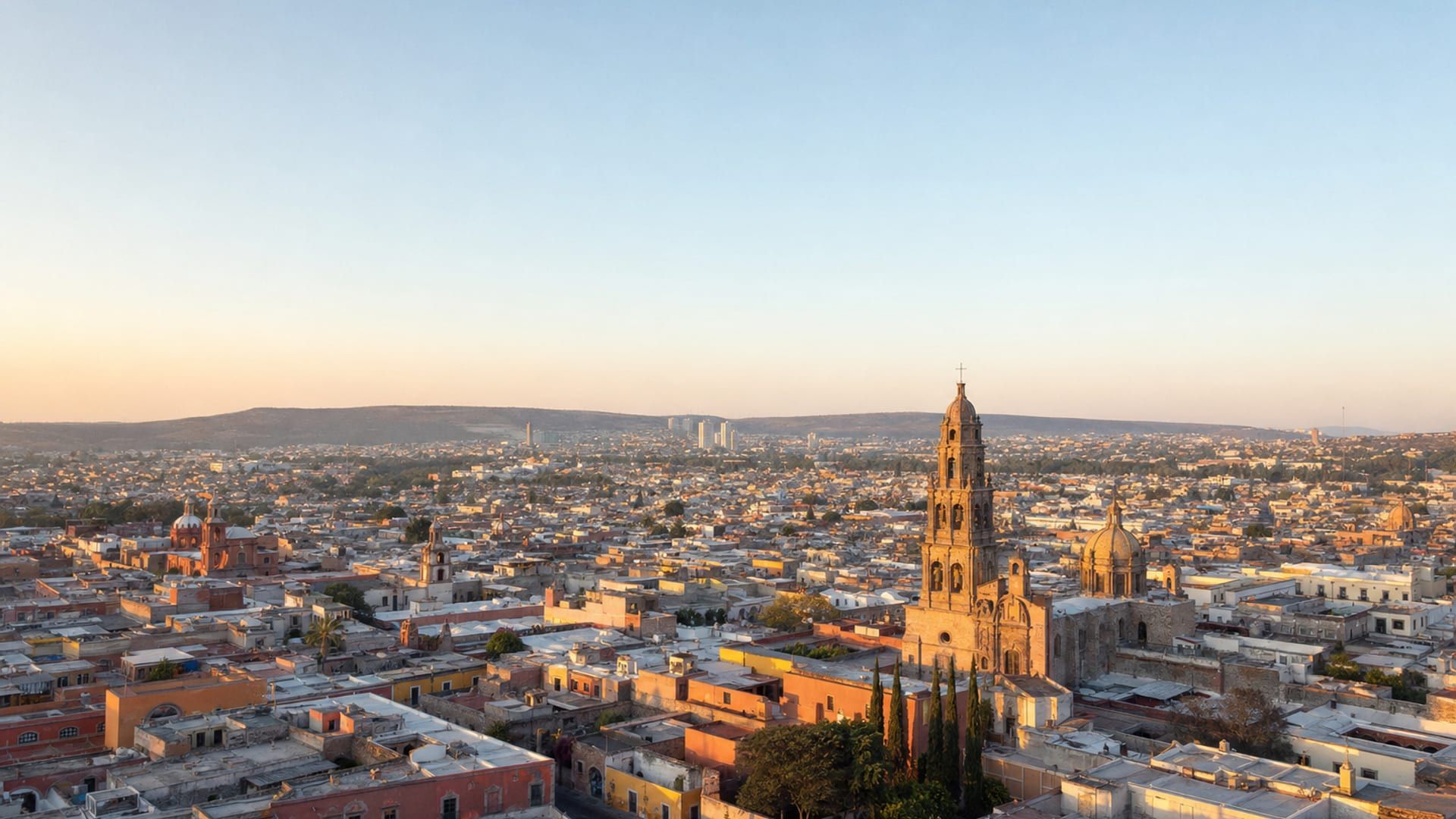
Querétaro often gets stitched together as a quick historic-center stop: a plaza lunch, a photo at the aqueduct, and one museum before moving on. What travelers miss is how much the city changes once you match the sightline to the hour.
The center is compact, but the most rewarding blocks sit a few minutes apart, and midday heat, evening crowds, and hotel placement can shape the whole day. Without a plan, visitors can spend too much time backtracking between plazas and the aqueduct route.
This guide keeps the city in sequence, with clear walking clusters, timed museum visits, and transport notes that fit the way Querétaro actually works.
Useful things to know

Main language(s): Spanish
Hola (OH-lah) – Hello
Por favor (por fah-VOR) – Please
Gracias (GRAH-see-ahs) – Thank you
¿Habla inglés? (AH-blah een-GLAYS) – Do you speak English?
¿Cuánto cuesta? (KWAHN-toh KWES-tah) – How much does it cost?

Currency: The local currency is the Mexican peso (MXN, $).

Cash and cards: Cards and contactless are widely accepted; carry about MXN 300 to 600 ($18 to $35) for small purchases and taxis.

Tipping: Round up small bills; add about 10% in nicer restaurants if service is not included.

Traditional food: Enchiladas queretanas, gorditas de migajas, nopal en penca, nacatamales

Water and coffee costs: Water about MXN 20 to 30 ($1 to $2), bar espresso about MXN 35 to 50 ($2 to $3).

Taxis and ride apps: Uber and DiDi operate here; verify the plate before you get in.

Plug and voltage: Type A/B socket, 127V

Dining and shop opening hours: Breakfast is about 07:00-10:00, lunch about 14:00-16:00, and dinner about 20:00-23:00. Many restaurants close between lunch and dinner.

Emergency number: 911 for police, fire, and medical emergencies.
Where to stay in Querétaro
Querétaro’s historic core pairs baroque churches, plazas, museums, and restored colonial houses with the city’s densest dining and hotel options. It puts you closest to the main sights, but evenings can be lively near the most popular squares.
Best for: First-time visits, walking between landmarks, dining, and short stays without using a car
What to expect: Narrow streets, steady daytime foot traffic, and a busy evening scene near the plazas.
Hotel prices: Usually about $70 to $180 per night for well-rated stays
Distance to major sights: 5 to 15 minutes on foot to Plaza de Armas and the aqueduct viewpoints
Quietness: Quieter in the morning and late at night, busier and noisier in the afternoon and evening
Main trade-off: You pay more for central placement, and the most atmospheric blocks can bring street noise from restaurants and weekend crowds.
Good to know: If you want to leave the hotel and start sightseeing on foot, this is the simplest base; parking and ride pickups can be less convenient on the busiest streets.
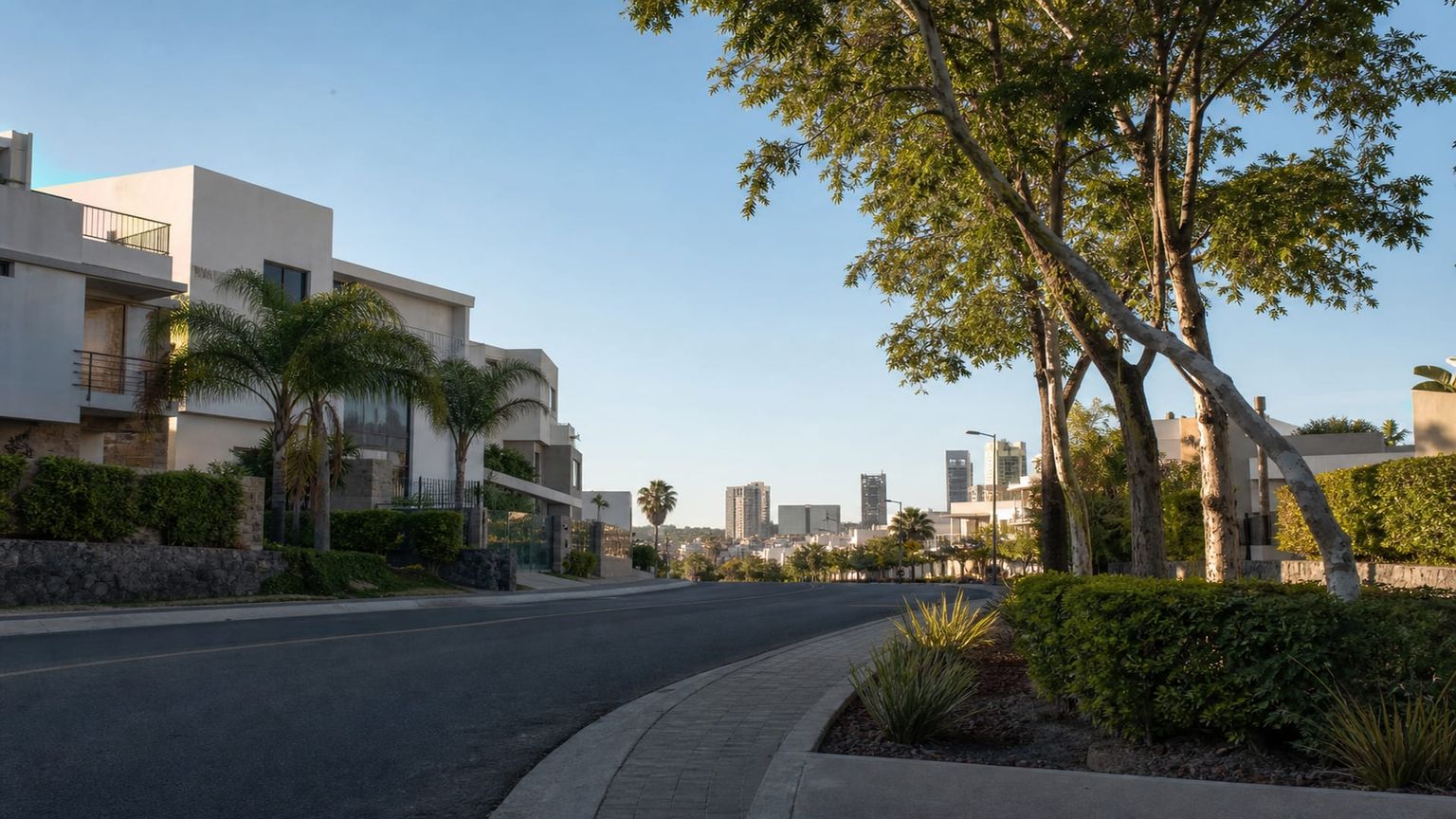
Juriquilla is a northwestern residential and business district with malls, restaurants, gated housing, and newer hotels. It suits travelers who want larger rooms, easier parking, and a calmer setting than the historic center.
Best for: Business trips, longer stays, families with a car, and travelers who prefer newer hotels
What to expect: Wide avenues, shopping centers, and a car-oriented layout with more local residents than tourists.
Hotel prices: Usually about $60 to $140 per night for well-rated stays
Distance to major sights: 20 to 35 minutes by car to Centro Histórico and about 15 minutes to Antea
Quietness: Quiet on most streets in the evening, with more activity around malls and restaurant clusters
Main trade-off: You give up walkable access to the colonial core, so sightseeing and nightlife usually need a car or rideshare.
Good to know: Traffic can thicken on weekday commute hours, so allow extra time if you need to reach the center for dinner or a morning tour.
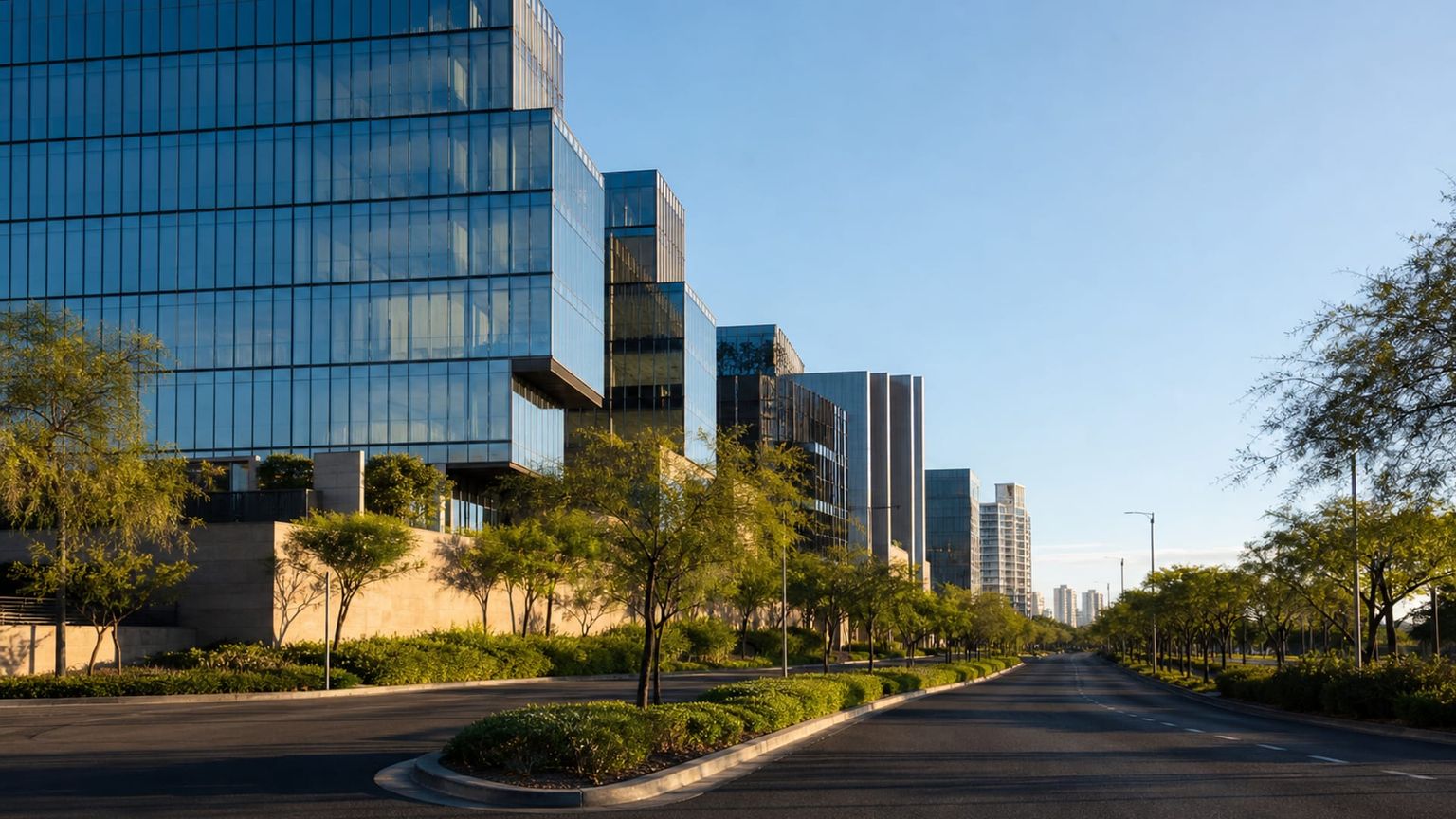
Centro Sur sits south of the historic center near government offices, the convention area, and major road links. It works well for visitors who want modern hotels, quick highway access, and an easier arrival by car or bus.
Best for: Convention visits, road travel, and travelers prioritizing highway access over a walkable historic setting
What to expect: Broad roads, business hotels, and heavier traffic at commuter hours and event times.
Hotel prices: Usually about $55 to $130 per night for well-rated stays
Distance to major sights: 10 to 20 minutes by car to Centro Histórico and about 10 minutes to Estadio Corregidora
Quietness: Quieter late at night, but traffic and event spillover build during the day and at evening venues
Main trade-off: The area sits farther from the old center, so you will spend more time and money on taxis if your plans focus on museums and colonial streets.
Good to know: If your trip depends on an early departure or late arrival, this area avoids the slowest inner-city streets, but daily sightseeing will take more coordination.
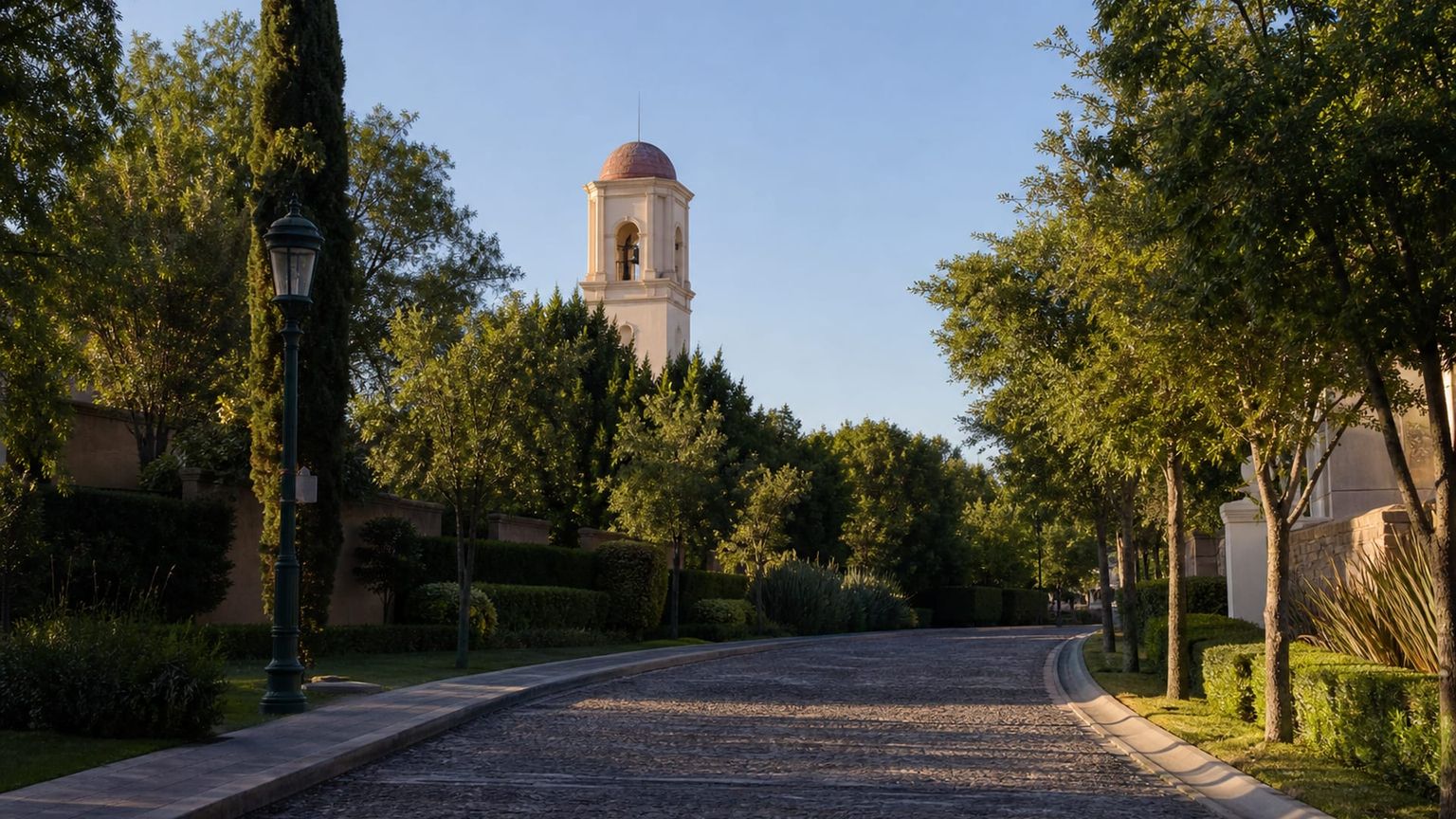
El Campanario is an upscale gated area west of the center with golf, landscaped streets, and high-end residential options. It appeals to travelers who want a quiet base and do not mind relying on rideshares for most outings.
Best for: Quiet stays, upscale residential comfort, and travelers with a driver or rideshare budget
What to expect: Low street activity, guarded entrances, and a residential atmosphere with limited nightlife nearby.
Hotel prices: Usually about $90 to $220 per night for well-rated stays
Distance to major sights: 15 to 25 minutes by car to Centro Histórico and about 20 minutes to the aqueduct viewpoints
Quietness: Very quiet in the evening, with only light neighborhood activity during the day
Main trade-off: The location adds time and transport cost for meals, museums, and evening plans in the historic center.
Good to know: Dining choices inside the neighborhood are limited, so plan restaurant reservations or transport before nightfall if you do not want to backtrack.
Travelers usually avoid staying in the far north of Juriquilla, since it sits well outside the historic center and the main museum and plaza area, and evening taxis can take longer. The airport corridor near Querétaro (QRO) and other industrial-edge areas on the city’s outskirts are also less convenient for sightseeing, with fewer visitor amenities and long rides into Centro Histórico.
Hotel deals
How to get around Querétaro efficiently
Querétaro has no metro or suburban rail, so most visitors move between Centro Histórico, the airport, and outlying districts by bus, taxi, or ride-hailing.

Metro
for longer distances
Querétaro has no metro or suburban rail network, so visitors rely on buses, taxis, and ride-hailing for cross-town trips. For longer hops, plan on road travel, since there is no rail alternative serving the city or the airport.

Bus and tram
for convenience
Qrobus covers most of the city and reaches the airport corridor through main roads rather than a rail line. Fares are typically about $0.50 to $0.60 (about 8 to 10 MXN), with trips valid for the purchased ride only; look for prepaid cards or exact-fare payment where required, and allow roughly 30 to 60 minutes for central-area rides depending on traffic.

Taxi
for convenience or late hours
Licensed taxis use metered or preset airport fares rather than a single citywide flat rate, and airport trips commonly cost about $15 to $25 (about 260 to 430 MXN) to central Querétaro. Use the airport taxi desk or a hotel dispatch for licensed cars, since street hails are less common, and many drivers take cash while some also accept cards or digital payment.
*Prices are based on rates updated as of June 2026 and may change at the time of travel.
Walk the historic core, use Qrobus for low-cost city trips, and choose taxis or rideshares for airport transfers and any evening cross-town ride.
Iconic landmarks
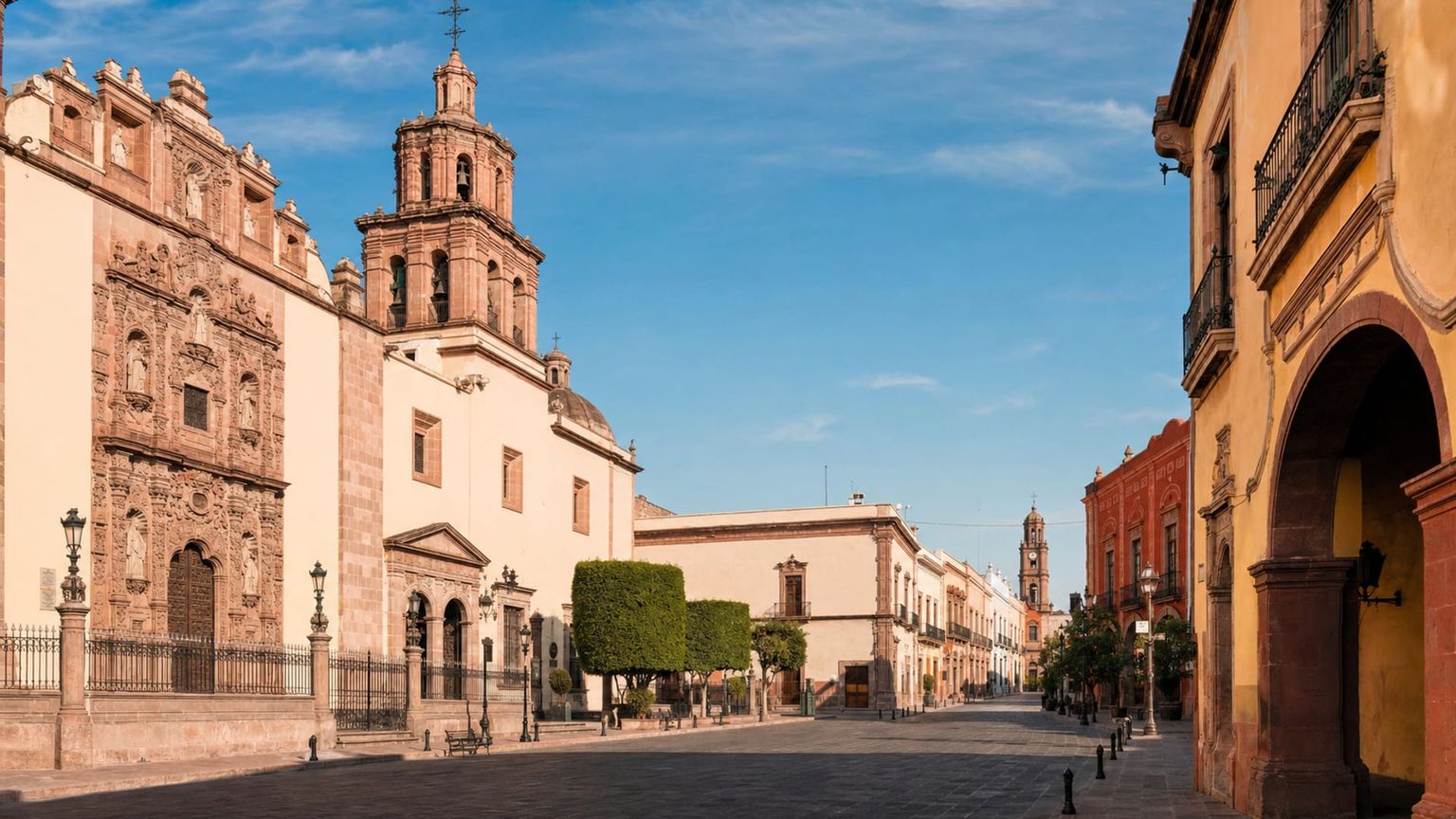
Historic Monuments Zone of Querétaro
This UNESCO-listed center brings together the Aqueduct, Baroque churches, shaded plazas, and civic buildings from the colonial era. Its grid of streets and preserved facades makes it the city’s clearest walk through layered history.
Time needed: About 3 to 4 hours
Entry: Free to access; museums, churches, and some interiors charge separately, usually $2 to $8 (about MXN 35 to MXN 140)
Tip: Start at sunrise or after 5:00 pm for cooler streets and better photos.
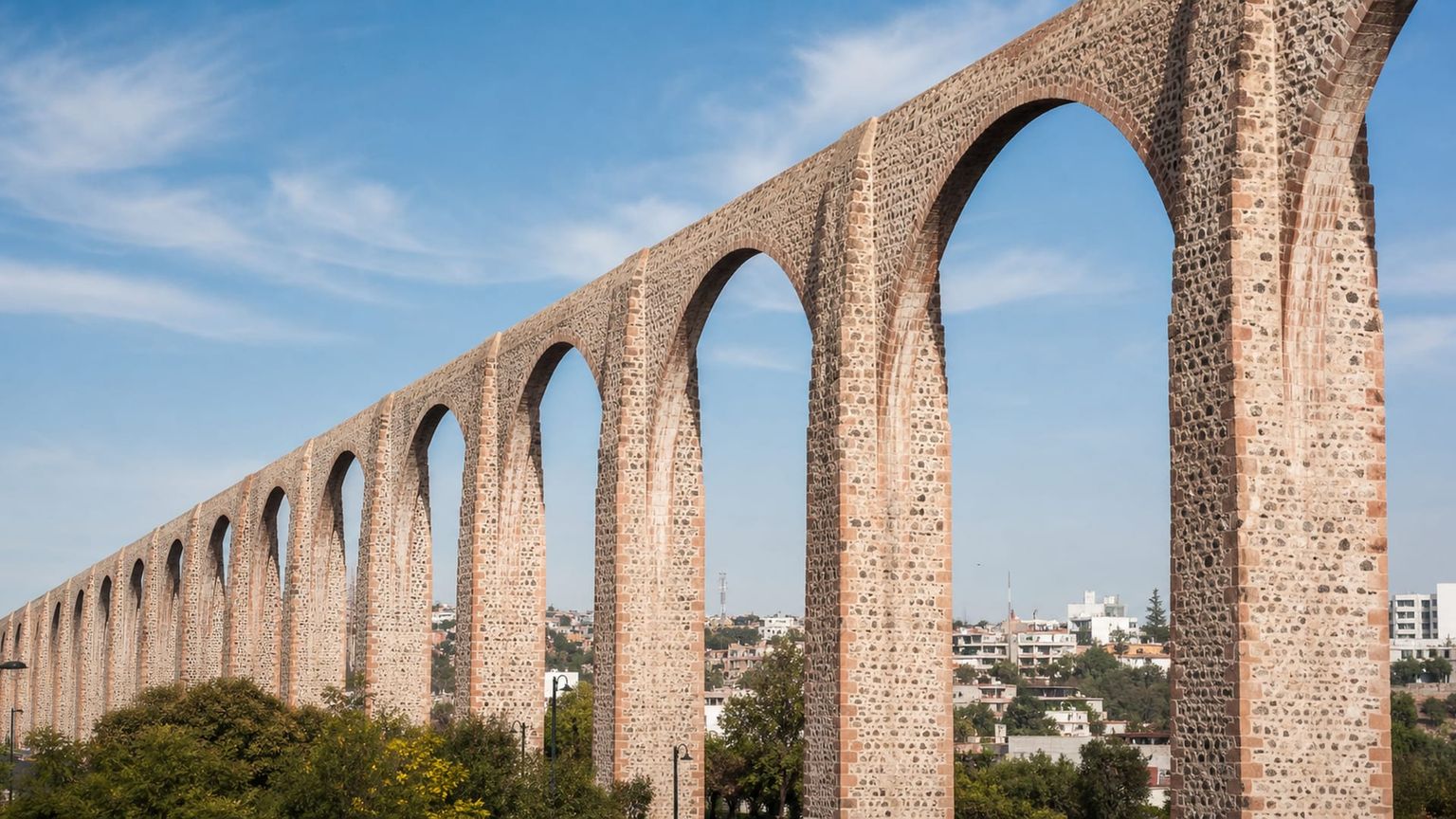
Aqueduct of Querétaro
Built in the 18th century, this 74-arch aqueduct cuts across the city in clean stone spans that still define Querétaro’s skyline. The best views come from roadside viewpoints and the old center below.
Time needed: About 1 to 2 hours
Entry: Free to view from public streets and plazas; guided access or nearby attractions may cost $3 to $10 (about MXN 50 to MXN 175)
Tip: Visit late afternoon, when the stone turns warm and the arches photograph well.
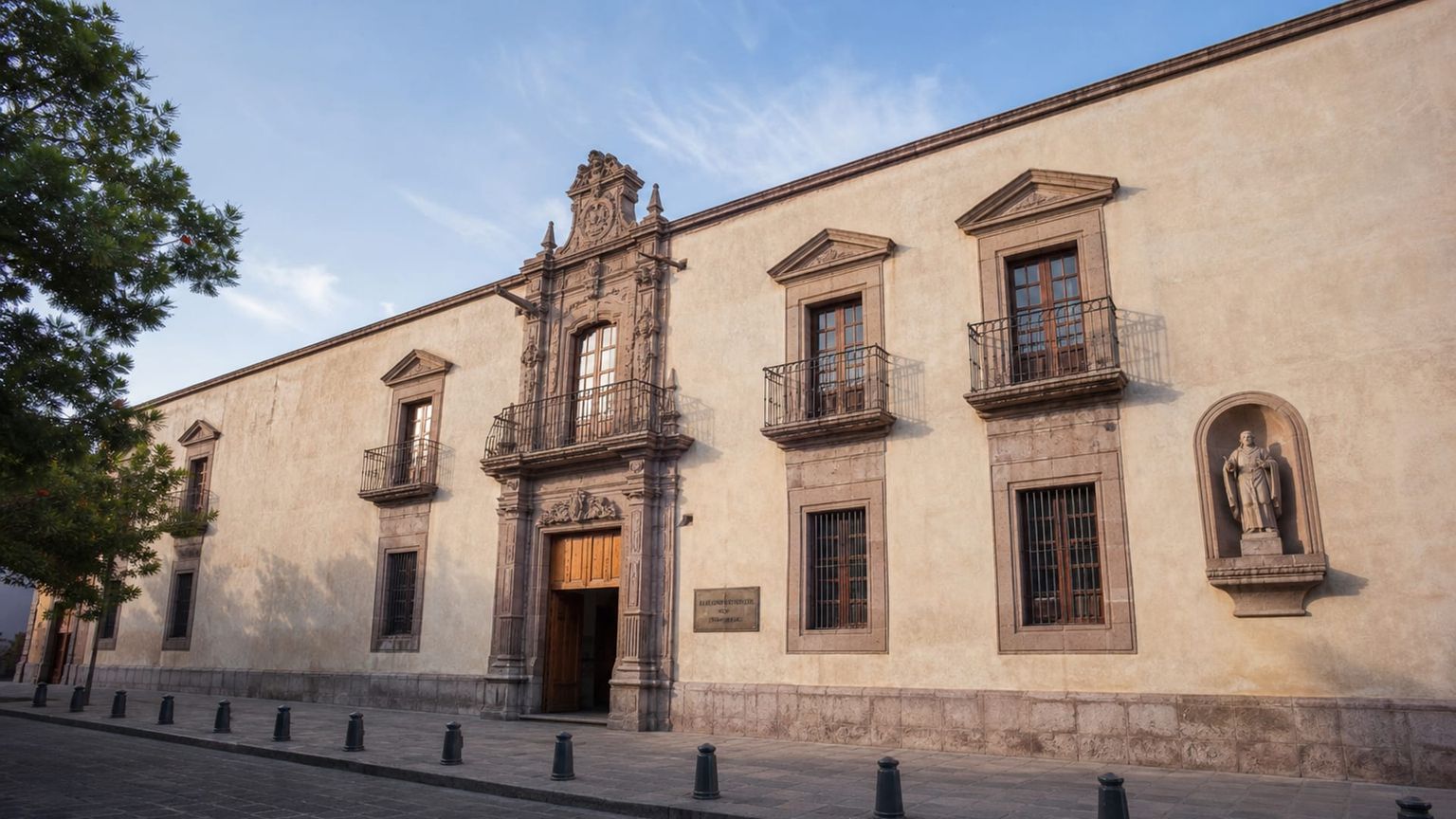
Santiago de Querétaro Regional Museum
Housed in a former convent beside the historic center, this museum traces the region from pre-Hispanic finds to colonial art and local history. The cloister setting adds calm courtyards and carved stone details between galleries.
Time needed: About 1 to 2 hours
Entry: Standard admission costs $3 to $5 (about MXN 55 to MXN 90); discounted rates may apply on select days Visit the official site for details.
Tip: Go midmorning, when the galleries are quiet and the courtyard has softer light.
Overlooked sites worth visiting

Panteón de los Queretanos Ilustres
This 19th-century cemetery honors figures tied to Querétaro’s independence history, with carved mausoleums and quiet aisles just off the historic center. It rewards a short, reflective visit.
Time needed: About 30 to 45 minutes
Entry: Free to access. It sits in the historic center and does not require a ticket for a normal walk-through visit. Check posted hours before you go, since cemetery access can change for ceremonies or maintenance.
Tip: Go in late afternoon for softer light on the stonework.

Museo de la Restauración de la República
Set in the former Iturbide Palace, this compact museum traces the 1867 Republican restoration with documents, weapons, and rooms linked to Maximilian’s trial. Its small size makes it easy to pair with nearby streets.
Time needed: About 1 hour
Entry: Standard admission is about $3 to $5 (about 60 to 100 pesos) for adults, with reduced rates for students, teachers, and seniors when valid ID is shown. Special exhibits or temporary closures can alter access, so confirm hours before visiting.
Tip: Visit early, then continue on foot through the surrounding center.
Traditional food
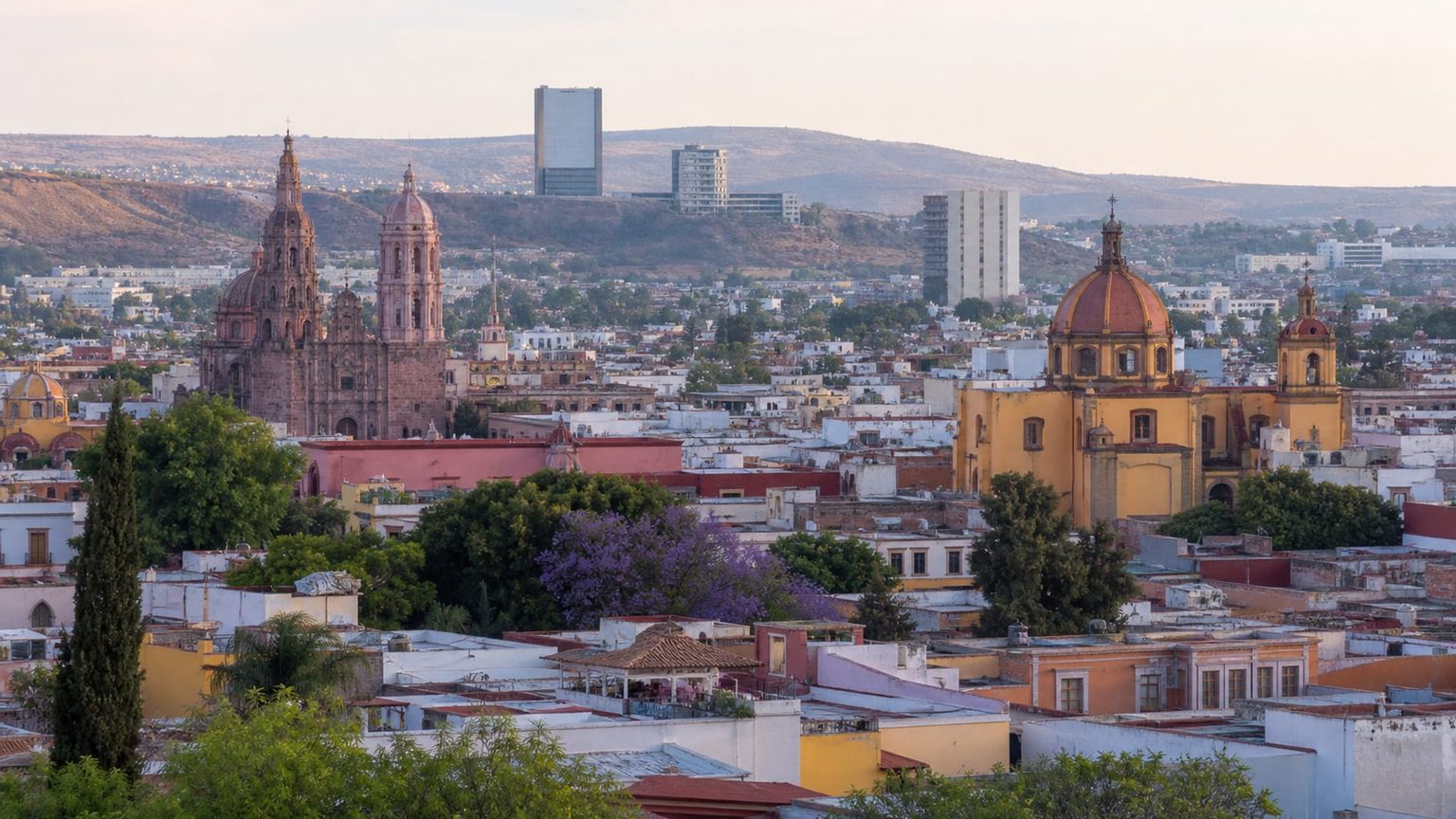
Querétaro’s food leans on corn, nopales, and savory stews, with enchiladas queretanas, gorditas de migajas, nopal en penca, and nacatamales shaping the table. Lunch usually runs late, and many kitchens pause between meals.
Enchiladas queretanas
These sauced corn tortillas usually arrive with chicken, potatoes, and cheese, giving Querétaro one of its most familiar regional plates. Café Café in Centro Histórico is a common choice for a polished downtown version.
Gorditas de migajas
Thick corn cakes filled with pork cracklings and topped with salsa make an unmistakably local snack or light meal. El Mesón de Chucho El Roto in the center is a well-known stop for a traditional serving.
Nopal en penca
Nopal cooked in its own cactus leaf often comes with meat, vegetables, and a gentle smoky edge. The Nicos in Querétaro is a strong pick for a careful, ingredient-focused version of the dish.
Nacatamales
These wrapped masa parcels usually hold seasoned pork or chicken and feel closer to a full meal than a snack. La Mariposa is a long-running downtown restaurant where the regional breakfast and lunch crowd keeps them in rotation.
Best time to visit Querétaro
Querétaro works well in most months, but the best window balances drier weather, easier walking, and the city’s busiest festival and weekend periods.
Best for: Clear skies and comfortable sightseeing mornings
What you get: About 50°F to 84°F (10°C to 29°C), with moderate crowds and warm afternoons
Trade-offs: Later in the season, the days turn hotter and lunch breaks matter more
Best for: Lush landscapes and fuller restaurant terraces
What you get: About 54°F to 79°F (12°C to 26°C), with lighter daytime crowds but more rain in the afternoons
Trade-offs: Showers can interrupt outdoor plans, especially near sunset
Best for: Museum days and long walks through Centro Histórico
What you get: About 48°F to 80°F (9°C to 27°C), with comfortable temperatures and moderate crowds
Trade-offs: Holiday weekends can raise hotel demand and traffic
Best for: Cooler air for walking the aqueduct and plazas
What you get: About 43°F to 74°F (6°C to 23°C), with relatively light crowds outside holiday periods
Trade-offs: Mornings can feel cold, so early starts need an extra layer
A realistic 5-day plan in Querétaro
The five-day plan below keeps the city in manageable pieces. It starts with a gentle arrival, then moves through the main monuments, museums, and quieter corners of the center before leaving time for one last walk and a calm airport transfer.
Land at Querétaro Intercontinental Airport (QRO), then take a taxi or rideshare to Centro Histórico, about 25 to 35 minutes and roughly $20 to $30, or about MXN 350 to MXN 520. Check into a hotel near Plaza de Armas or the aqueduct viewpoints so your first evening stays walkable, then settle in with water, a short stroll through the nearest plaza, and an early dinner in the historic center, where you can keep the meal simple and stay close to the hotel.
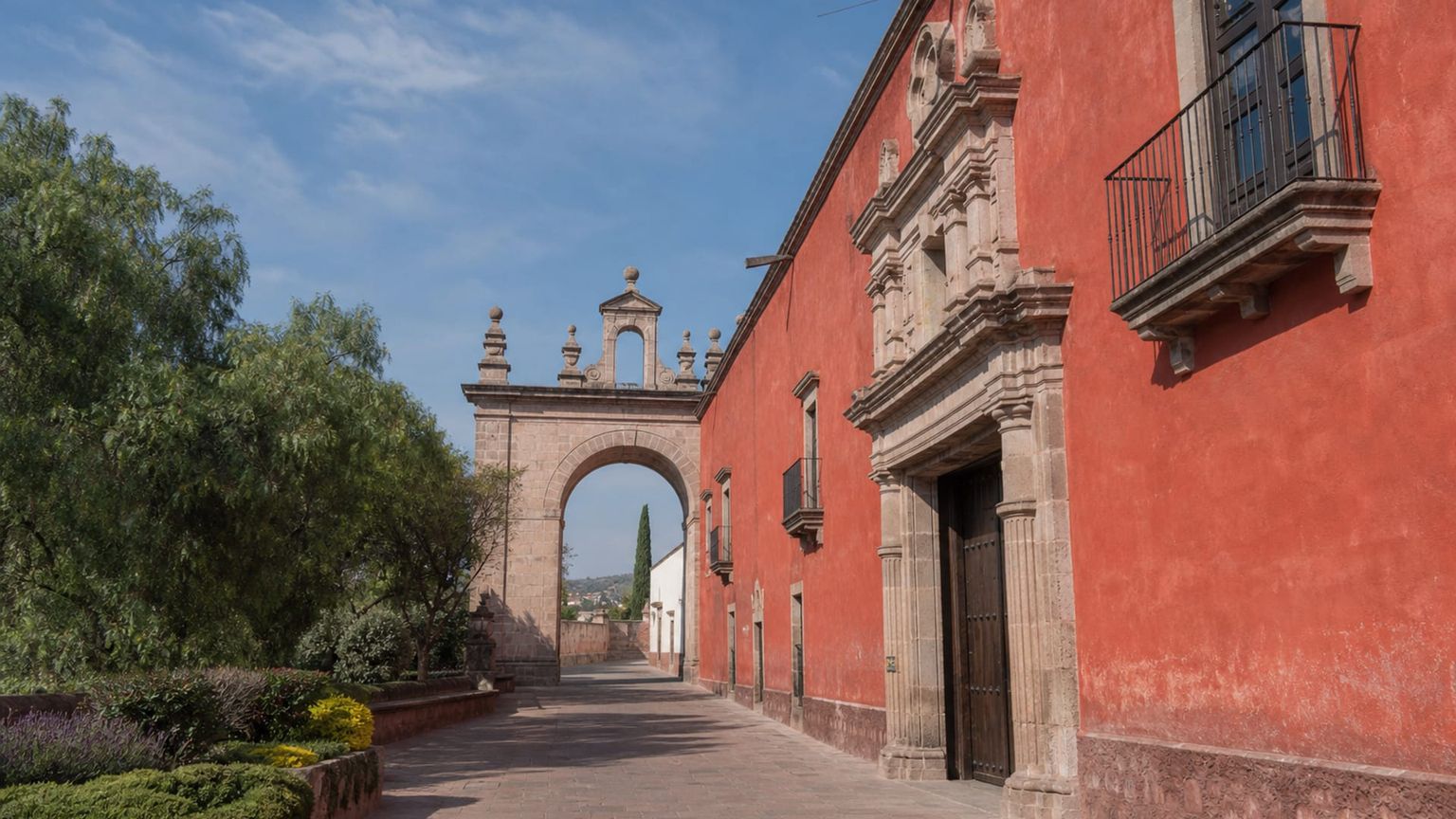
Start with the Historic Monuments Zone of Querétaro in the early morning, when the streets are quieter and the facades catch softer light, then spend about 1 hour to 2 hours at the Aqueduct of Querétaro viewpoints before lunch in Centro Histórico. After that, walk 5 to 10 minutes to the Museo de la Restauración de la República in the former Iturbide Palace, then continue about 10 minutes on foot to the Panteón de los Queretanos Ilustres for a short late-afternoon visit. End with dinner back near the plazas, where the center has the strongest concentration of restaurants within easy walking distance.
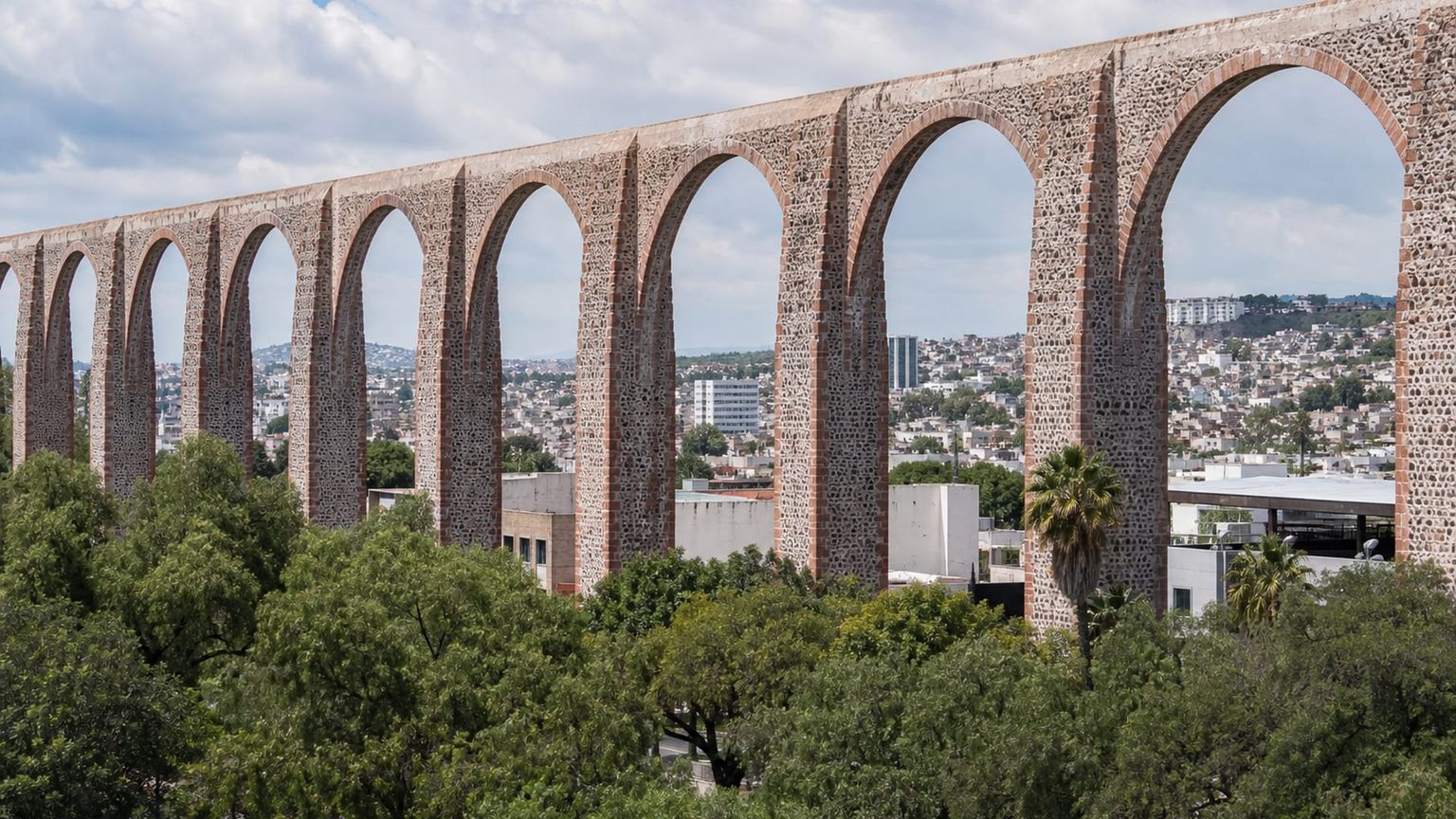
Begin at the Santiago de Querétaro Regional Museum, about 5 to 10 minutes on foot from much of Centro Histórico, and plan roughly 1 to 2 hours for the convent cloisters and galleries. From there, walk about 10 to 15 minutes to the nearby core of the Historic Monuments Zone, pausing at the plazas and churches before an unhurried lunch. In the afternoon, follow the aqueduct route again, this time aiming for the stone spans at sunset, then return to the center for dinner and an evening walk through the plaza area while the streets stay active.
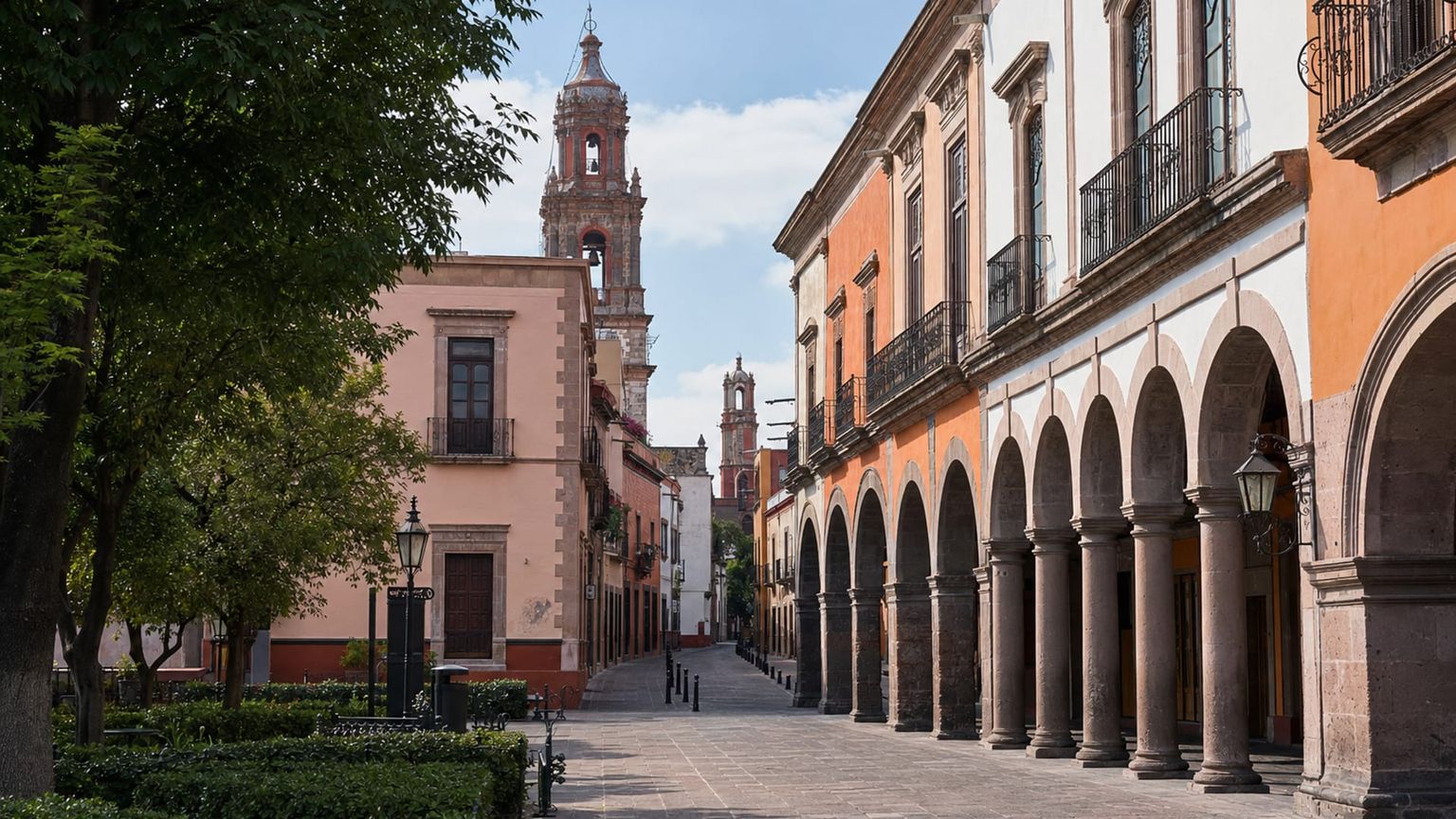
Take a slower fourth day and pair the quieter corners of the center with a longer meal break, beginning at the Museo de la Restauración de la República if you want a second look at the 1867 history, then walking about 10 minutes to the surrounding colonial streets. From there, spend another 10 to 15 minutes moving between the Historic Monuments Zone and the Panteón de los Queretanos Ilustres, which works well as a compact loop without extra transit. Finish with coffee or dessert near Plaza de Armas, then stay in Centro Histórico for dinner so you are not spending the evening in transit.
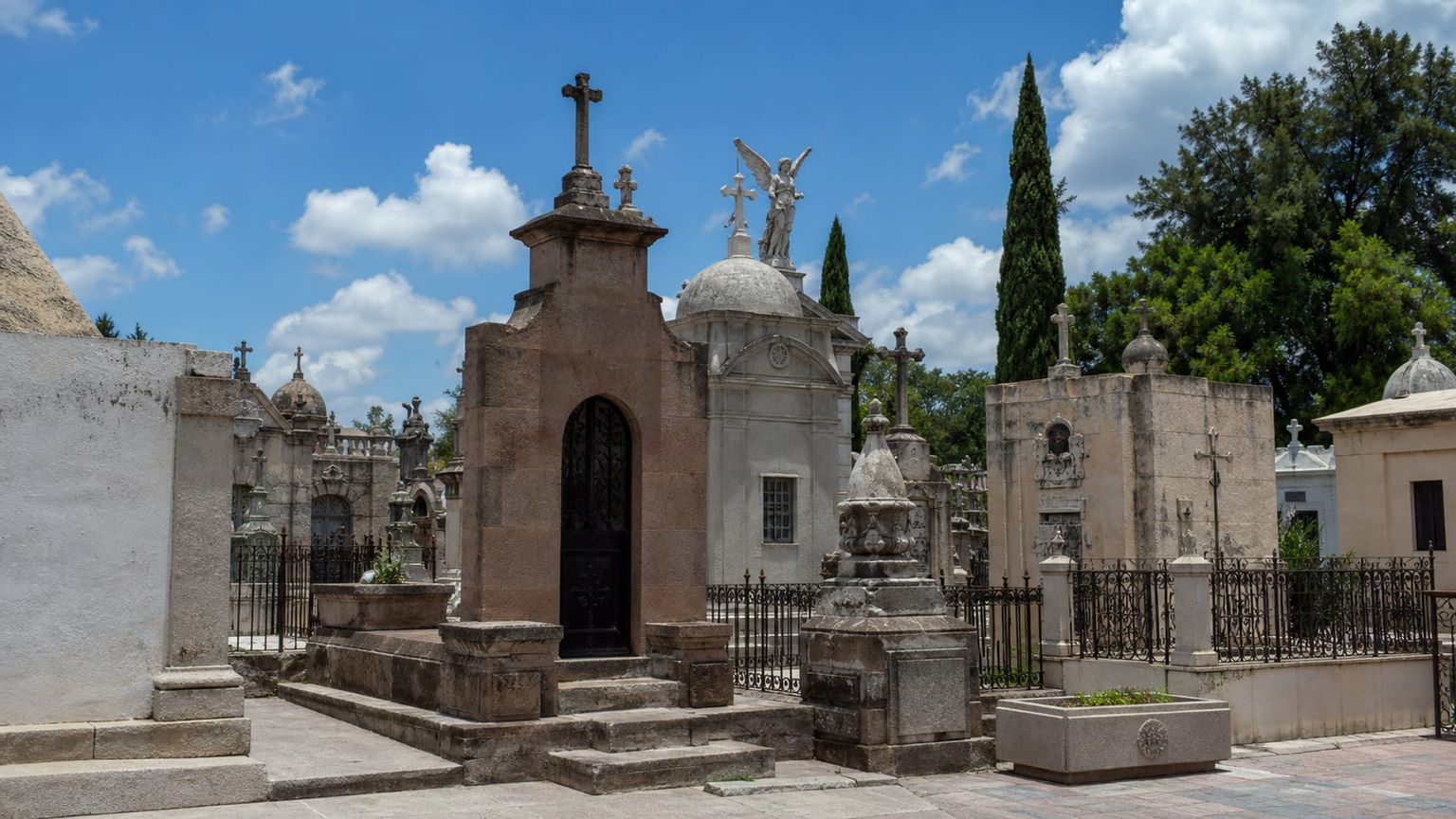
End with a relaxed morning in Centro Histórico, starting at the café nearest your hotel and then stopping for one final museum visit if your timing matches opening hours, most likely the Santiago de Querétaro Regional Museum or the Museo de la Restauración de la República. If you want a last bit of shopping, stay in the center, where small stores and souvenir counters sit within a short walk of the plazas, and keep your luggage at the hotel until departure. Leave enough time to reach Querétaro Intercontinental Airport (QRO), since a taxi or rideshare usually takes about 25 to 35 minutes from the historic core.
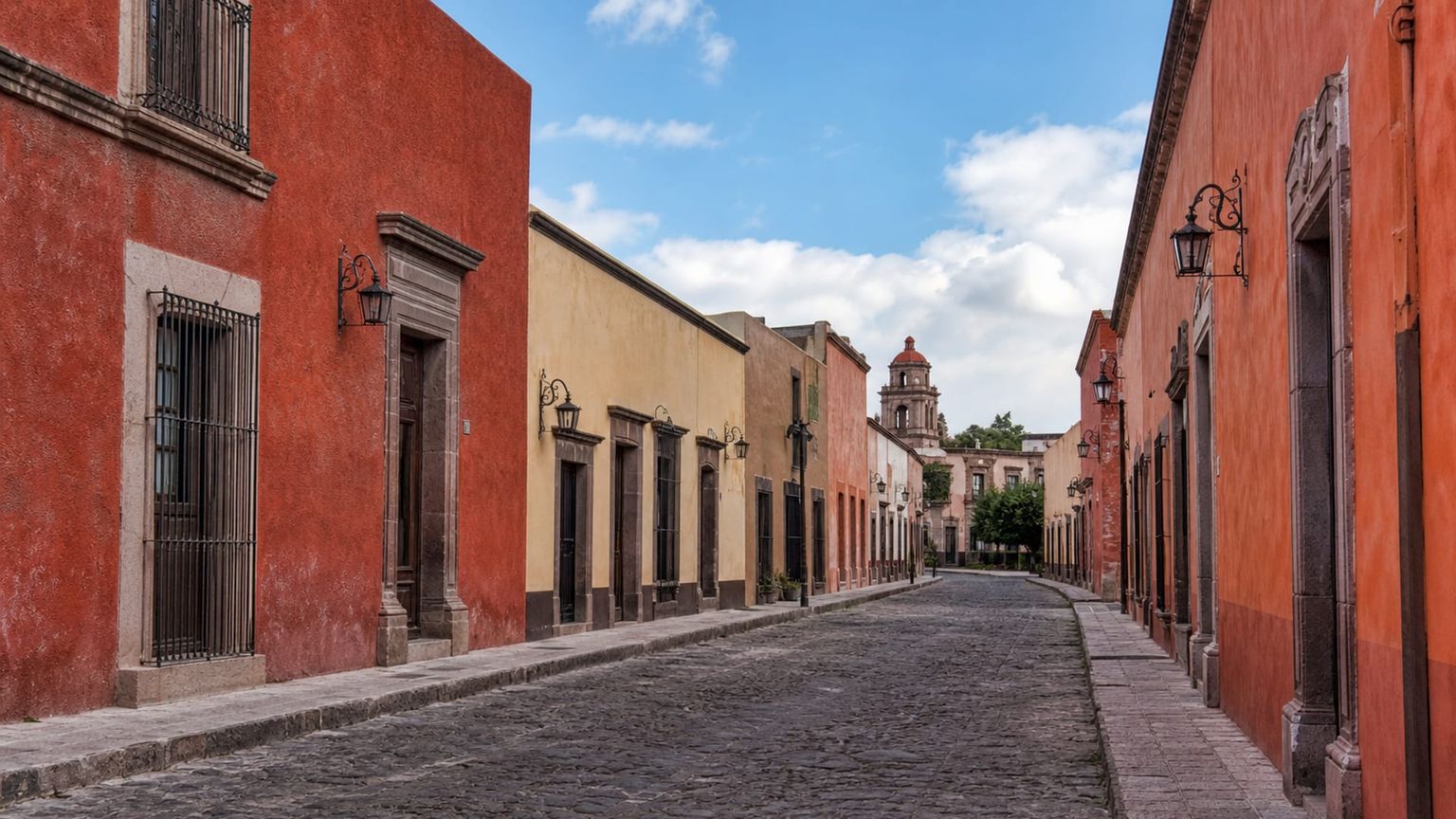
Business-class flights from the US to Querétaro
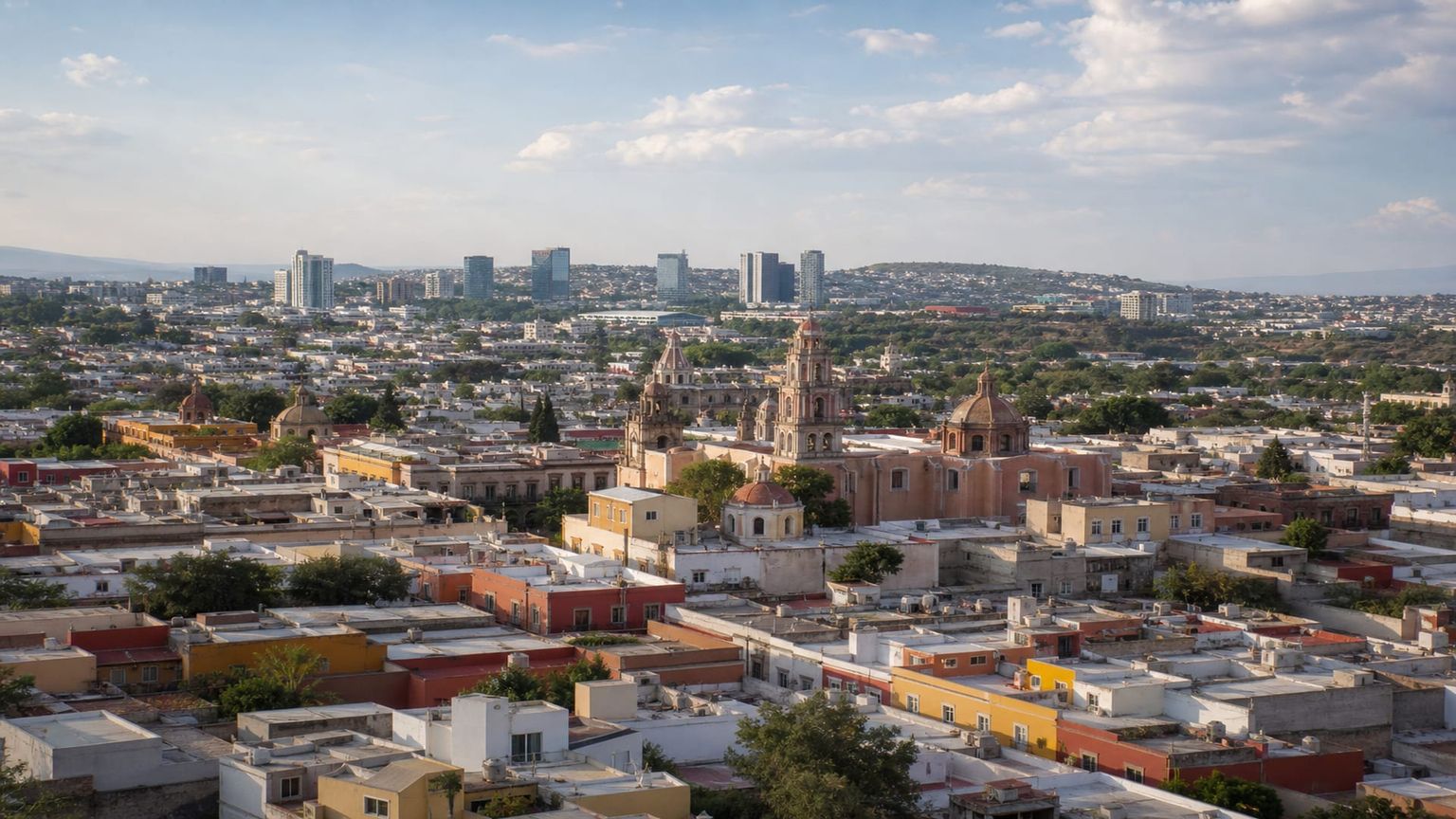
Business-class trips into Querétaro usually route through a hub rather than flying nonstop, so the useful comparison is between routing time, layover length, and fare. From either coast, the best options often hinge on how much connection time you want to tolerate.
From New York, American Airlines, Aeromexico, United Airlines, Volaris, and Air Canada all appear on common itineraries. Nonstop flying time, when available, runs about 4 to 5 hours, while one-stop trips often connect through Mexico City (MEX), Houston (IAH), Dallas (DFW), Toronto (YYZ), or Chicago (ORD) and usually take about 6 to 9 hours overall. Business fares from New York to Querétaro usually run from $1,000 to $2,200 round-trip. If you do not mind a layover, common routings via Mexico City (MEX) or Houston (IAH) can trim the fare and often land in the $700 to $1,300 range.
Los Angeles travelers typically see American Airlines, Aeromexico, United Airlines, Volaris, and Alaska Airlines on the board. Direct flying time is about 3 to 4 hours, and one-stop options often connect through Mexico City (MEX), Dallas (DFW), Phoenix (PHX), Houston (IAH), or Denver (DEN). From Los Angeles, expect about $900 to $1,900 round-trip for business fares.
Querétaro feels different when you slow down
A well-paced Querétaro trip usually means mornings in Centro Histórico, an afternoon at the Aqueduct of Querétaro, and a museum or two that fit neatly between walks through the plaza network. Qrobus works for lower-cost city hops, while taxis and rideshares make sense for the airport and evening returns. For a stay that keeps those pieces in order, ask the AranGrant experts to shape your trip around Plaza de Armas and the historic core







