

Chapters:

Need help with your trip?
Our support team is available 24/7. Request a callback or call us directly at (833) 619-0908
Qinhuangdao often gets treated as a quick coastal stop, with travelers splitting time between the beach and one headline wall site, then leaving the city center to fill the gaps. That approach misses how much ground the district layout covers, and how much time taxis can absorb.
Shanhaiguan, Beidaihe, Haigang, and the coast all pull in different directions, and the wrong base can mean repeated cross-city rides or late dinners after the best sights have thinned out. Peak-season beaches and fortress roads add another layer of timing.
This guide lays the trip out by area, season, food, and route, so you can connect the wall, sea, and inland stops without losing half a day to guesswork.
Useful things to know
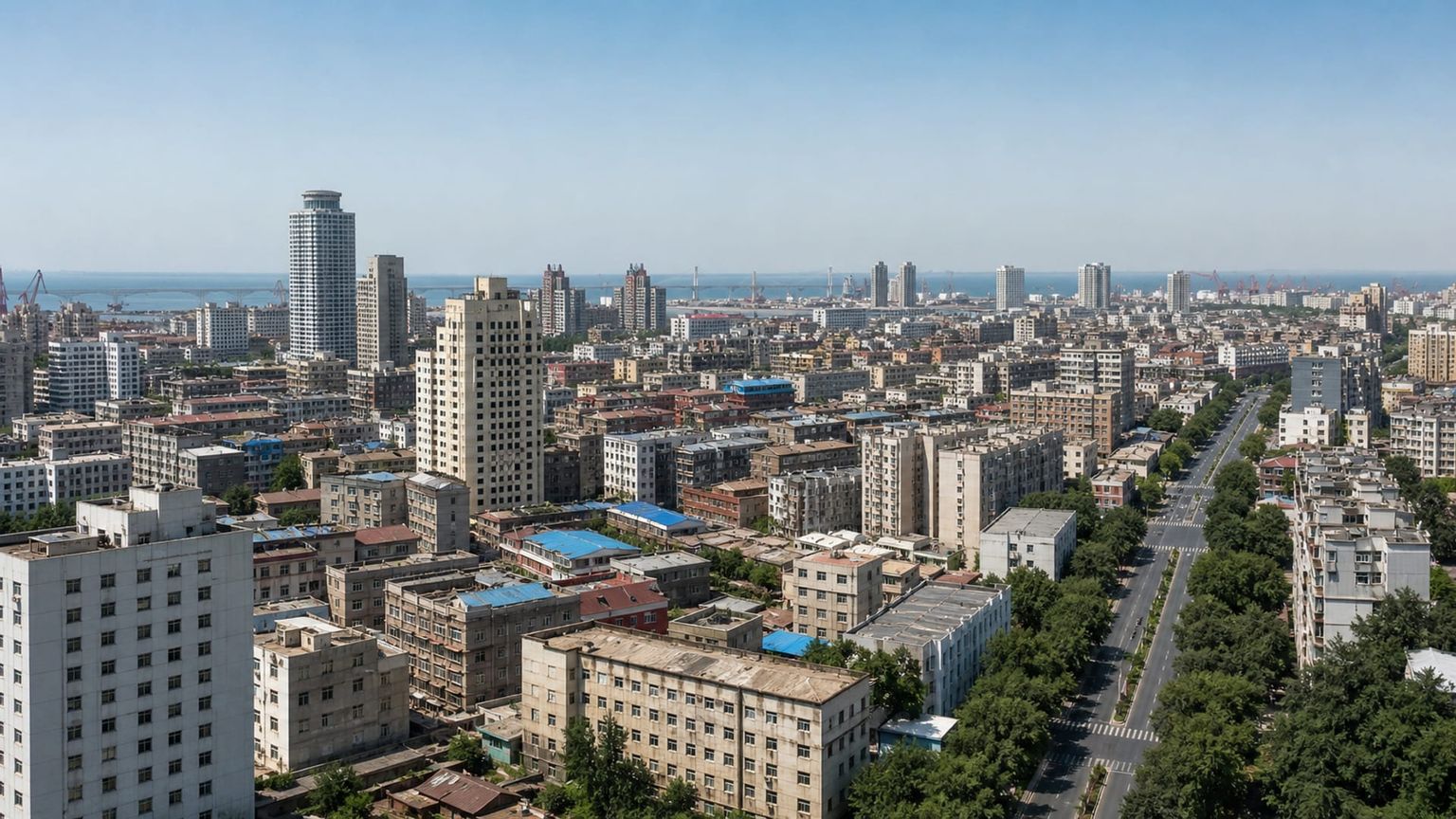

Main language(s): Mandarin Chinese
Nǐ hǎo (nee how) – Hello
Qǐng (cheeng) – Please
Xièxie (shyeh-shyeh) – Thank you
Nǐ huì shuō Yīngyǔ ma? (nee hway shwaw ying-yoo ma) – Do you speak English?
Duōshao qián? (dwo-shaow chyen) – How much does it cost?

Currency: The local currency is the Chinese yuan (CNY, ¥).

Cash and cards: Cards and contactless are accepted at larger hotels and shops; carry about ¥200 to ¥400 ($28 to $56) in cash.

Tipping: Tipping is not customary; round up only for small convenience gestures.

Traditional food: Baked flatbread, sea cucumber, roasted seafood, sweet potato noodles

Water and coffee costs: Water about ¥3 ($0.40), bar espresso about ¥25 ($3.50).

Taxis and ride apps: Didi works here; show the destination in Chinese if possible.

Plug and voltage: Type A/C socket, 220V

Dining and shop opening hours: Breakfast is about 07:00-09:00, lunch 11:30-13:30, and dinner 18:00-20:00. Many restaurants close earlier in smaller neighborhoods, and seafood places can stay busy later on weekends.

Emergency number: 112 for general emergency help; 120 for ambulance.
Where to stay in Qinhuangdao
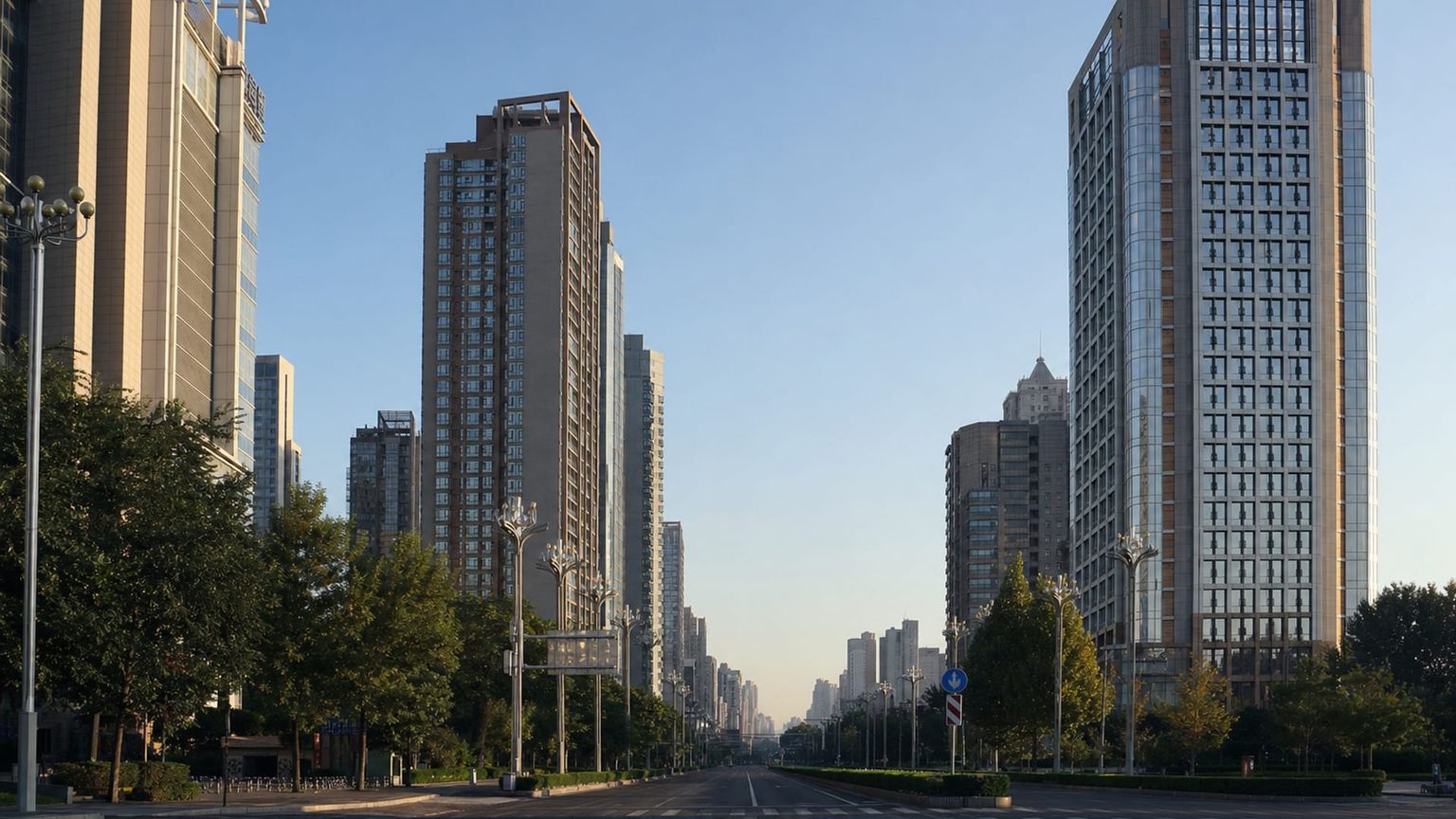
Qinhuangdao’s main urban core, with government offices, shopping streets, and the city’s densest cluster of hotels. It suits travelers who want the broadest choice of restaurants and transit links without heading to the coast or resort belt.
Best for: Business trips, errands, and travelers who want easy access to central dining and transit
What to expect: Busy roads, local shopping traffic, and the most active street life after office hours.
Hotel prices: Usually about $35 to $90 per night for well-rated stays
Distance to major sights: About 15 to 25 minutes by taxi to People’s Park and about 30 to 40 minutes to Shanhaiguan Old Town
Quietness: Noisy by day, with a moderate drop in activity after 9:00 pm.
Main trade-off: You give up beach access and a resort atmosphere, and the best seafront hotels sit farther away.
Good to know: Late-night dining is easy here, but you will rely on taxis for the main beach areas and historic sites.
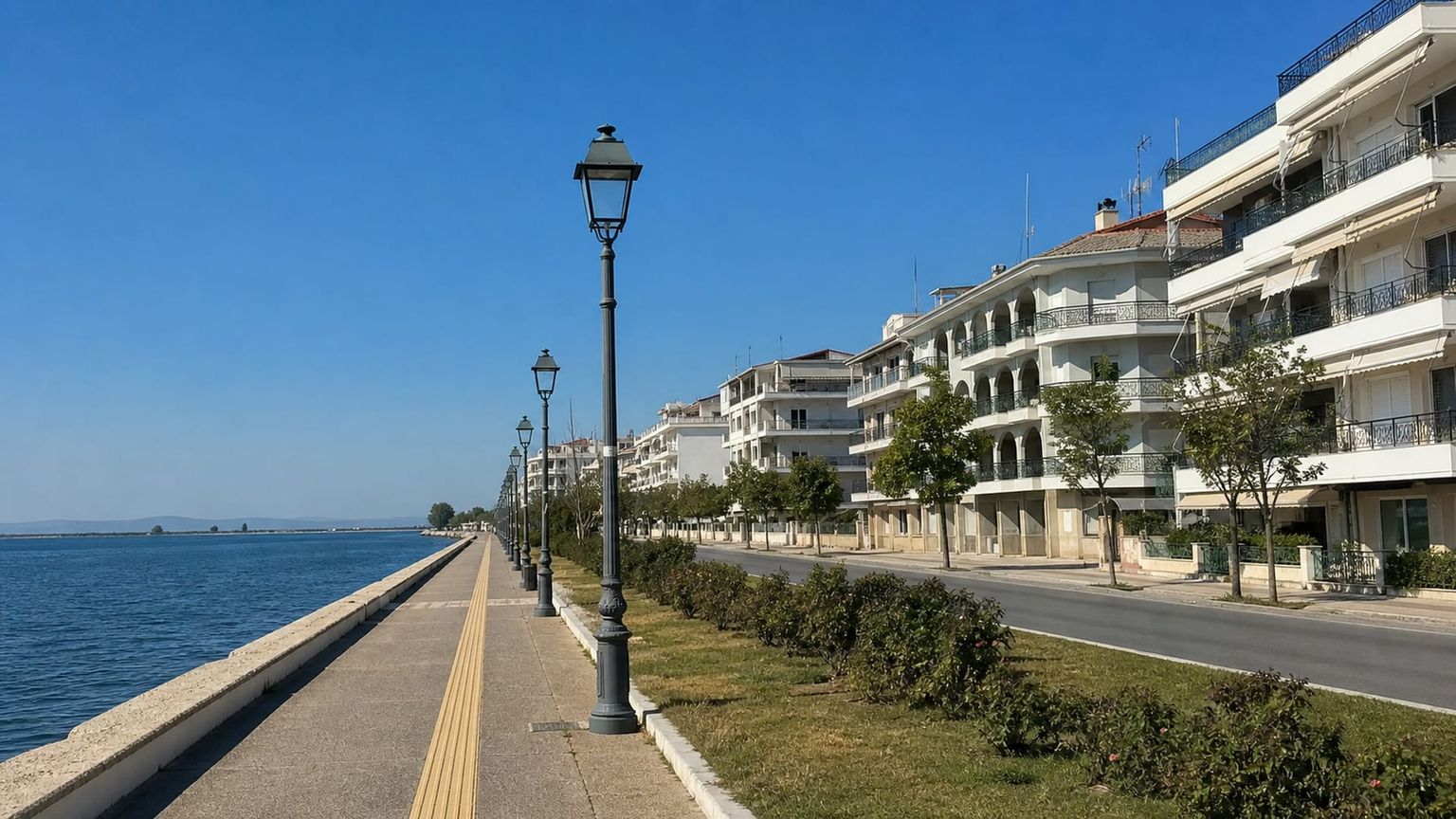
A seaside resort zone south of the city center, known for wide beaches, holiday apartments, and family-oriented hotels. It matters if you want ocean access first and city errands second, since many stays sit within walking distance of the sand.
Best for: Beach stays, family trips, and travelers who plan to spend most of the trip by the sea
What to expect: Vacation traffic, seasonal crowds, and a strip of cafes and holiday shops near the beach.
Hotel prices: Usually about $45 to $140 per night for well-rated stays
Distance to major sights: About 10 to 20 minutes on foot to the beach, and about 35 to 50 minutes by taxi to Shanhaiguan Old Town
Quietness: Calm in the morning and evening, busier and noisier during beach hours and summer weekends.
Main trade-off: You get the coast, but restaurant variety and historic sights are farther away than in the urban center.
Good to know: Summer weekends book up early, so secure lodging well ahead if you want a room close to the sand.
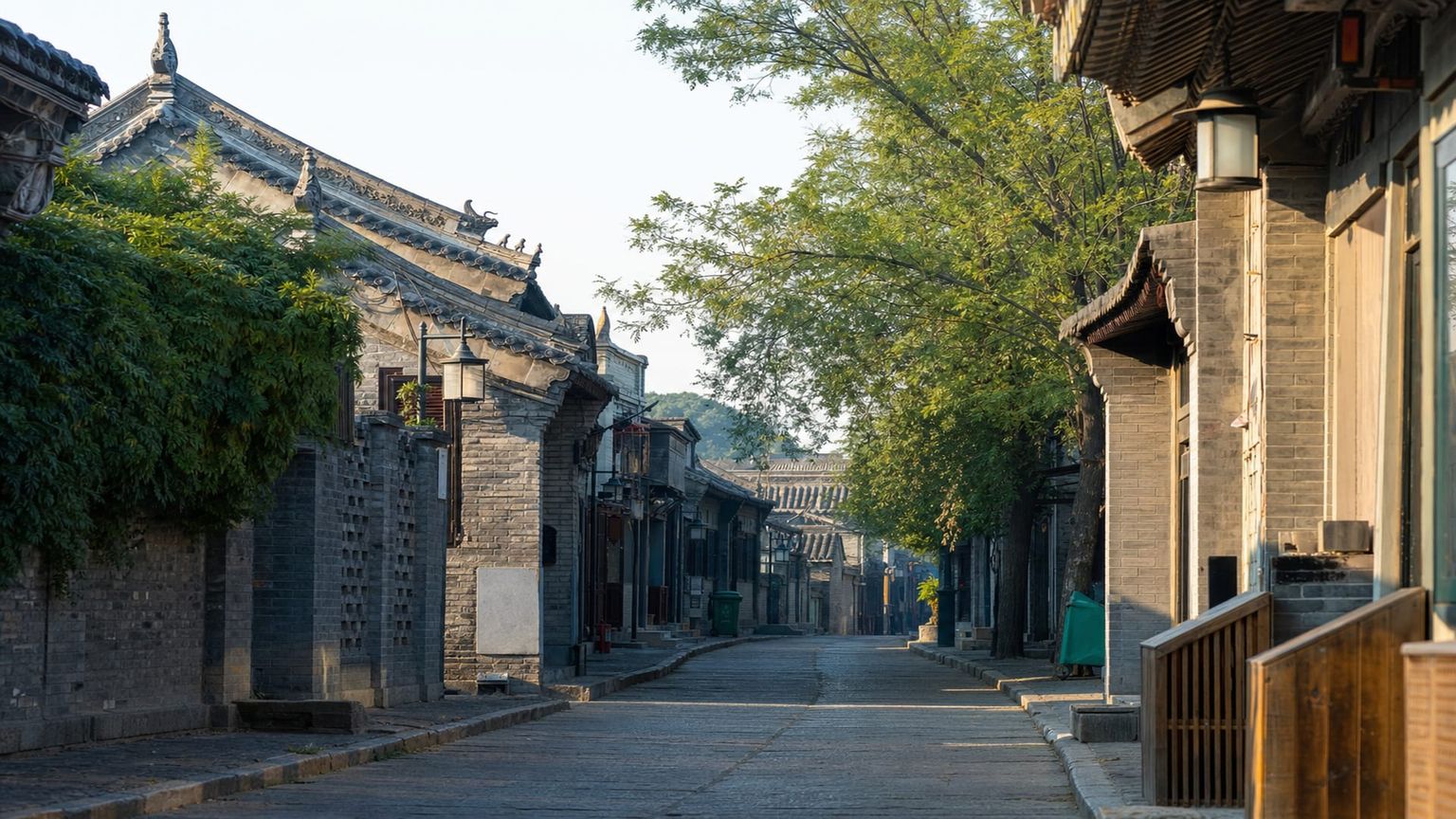
The historic eastern gateway district around the Great Wall’s coastal end, with fortifications, traditional streets, and a stronger sense of place than the newer business areas. It works well for visitors who want heritage sights at the door and do not mind a more limited hotel stock.
Best for: History-focused trips, architecture, and travelers who want to stay near major sightseeing
What to expect: Tourist foot traffic by day, souvenir stalls, and a quieter evening once day visitors leave.
Hotel prices: Usually about $40 to $110 per night for well-rated stays
Distance to major sights: About 5 to 15 minutes on foot to Shanhaiguan Pass and about 25 to 40 minutes by taxi to the city center
Quietness: Busy in daylight, then noticeably quieter after tour groups depart.
Main trade-off: You are close to the sights, but dinner choices and late transport are thinner than in the central districts.
Good to know: If you plan early mornings at the fortifications, staying here saves taxi time before the gates open.
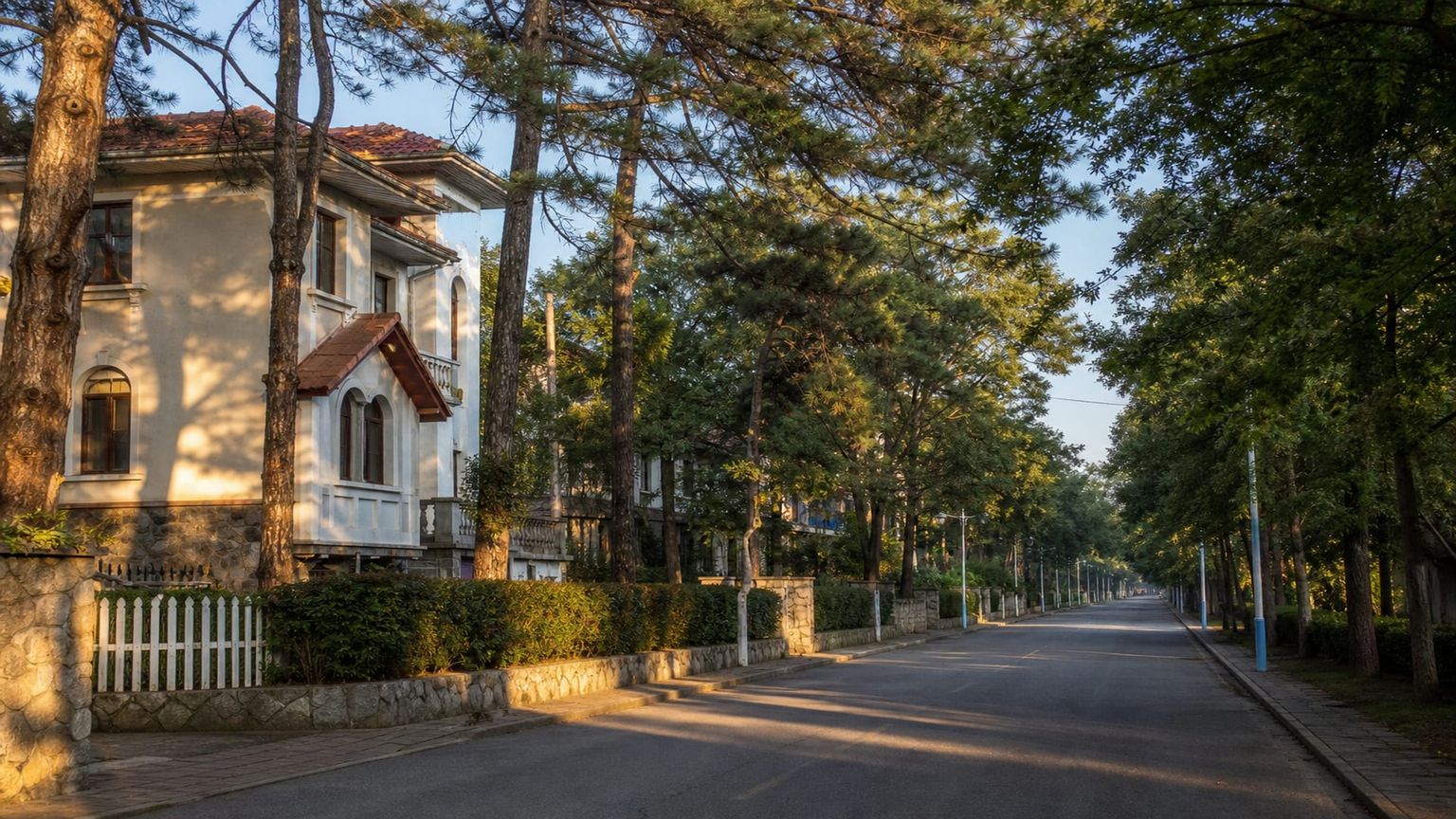
A long-established coastal district west of the city center, with beaches, villas, and a holiday-town feel that draws domestic visitors in summer. It matters for travelers who want a classic seaside base with more character than a modern hotel strip.
Best for: Seaside holidays, relaxed walks, and travelers who want a classic coastal district
What to expect: Heavy seasonal foot traffic, beach promenades, and lively cafes in the main holiday season.
Hotel prices: Usually about $45 to $150 per night for well-rated stays
Distance to major sights: About 5 to 20 minutes on foot to the beach and about 30 to 45 minutes by taxi to Shanhaiguan Old Town
Quietness: Moderate in the day, then quieter in the evening outside peak summer periods.
Main trade-off: Beach access is excellent, but prices rise in summer and the most popular dates sell out fast.
Good to know: If you visit in peak season, book early and check whether your hotel includes parking, since local streets can fill quickly.
Travelers usually avoid staying in Haigang District’s far southern inland neighborhoods, because they sit well away from Beidaihe’s beach area and Qinhuangdao’s main visitor sights, with fewer hotels and dining options. Shanhaiguan’s outlying residential areas are also less convenient for short stays, since evening transit back from the old city and coastal sites is limited, and there are fewer amenities after dark.
Hotel deals
How to get around Qinhuangdao efficiently
Qinhuangdao has no metro, so most visitors move between districts by bus, taxi, or Didi, with rail useful for longer cross-town hops.

Metro
for longer distances
Qinhuangdao has no metro network, so the closest equivalent is the city bus system plus intercity rail for longer cross-town trips; plan on buses for local movement and use trains for fast links to Beidaihe or the main station area. Fares on city buses are usually about $0.20 to $0.50 (CNY 1.5 to 3), with no timed transfer ticket, so you pay for each ride.

Bus and tram
for convenience
Bus routes cover the station districts, Beidaihe, Shanhaiguan, and the beaches, with the busiest corridors running from Qinhuangdao Railway Station toward downtown and the coastal areas. Most rides cost about $0.20 to $0.70 (CNY 1.5 to 5), and some longer suburban routes are higher; keep small cash or a mobile payment app ready, and allow about 30 to 60 minutes for cross-district trips depending on traffic.

Taxi
for convenience or late hours
Licensed taxis use metered fares, not set citywide flat rates, and you can hail them on main roads or use a ride-hailing app; airport and station pickups may queue at marked ranks. A short city ride often costs about $2 to $6 (CNY 15 to 45), while trips between central Qinhuangdao, Beidaihe, and Shanhaiguan commonly run about $9 to $22 (CNY 65 to 160), with late-night and longer coastal rides costing more. Most drivers accept cash, Alipay, or WeChat Pay.
*Prices are based on rates updated as of June 2026 and may change at the time of travel.
Use buses for low-cost local moves, taxis or Didi for time-sensitive cross-district travel, and walking when you are already inside Shanhaiguan, Beidaihe, or the beachfront zones.
Iconic landmarks
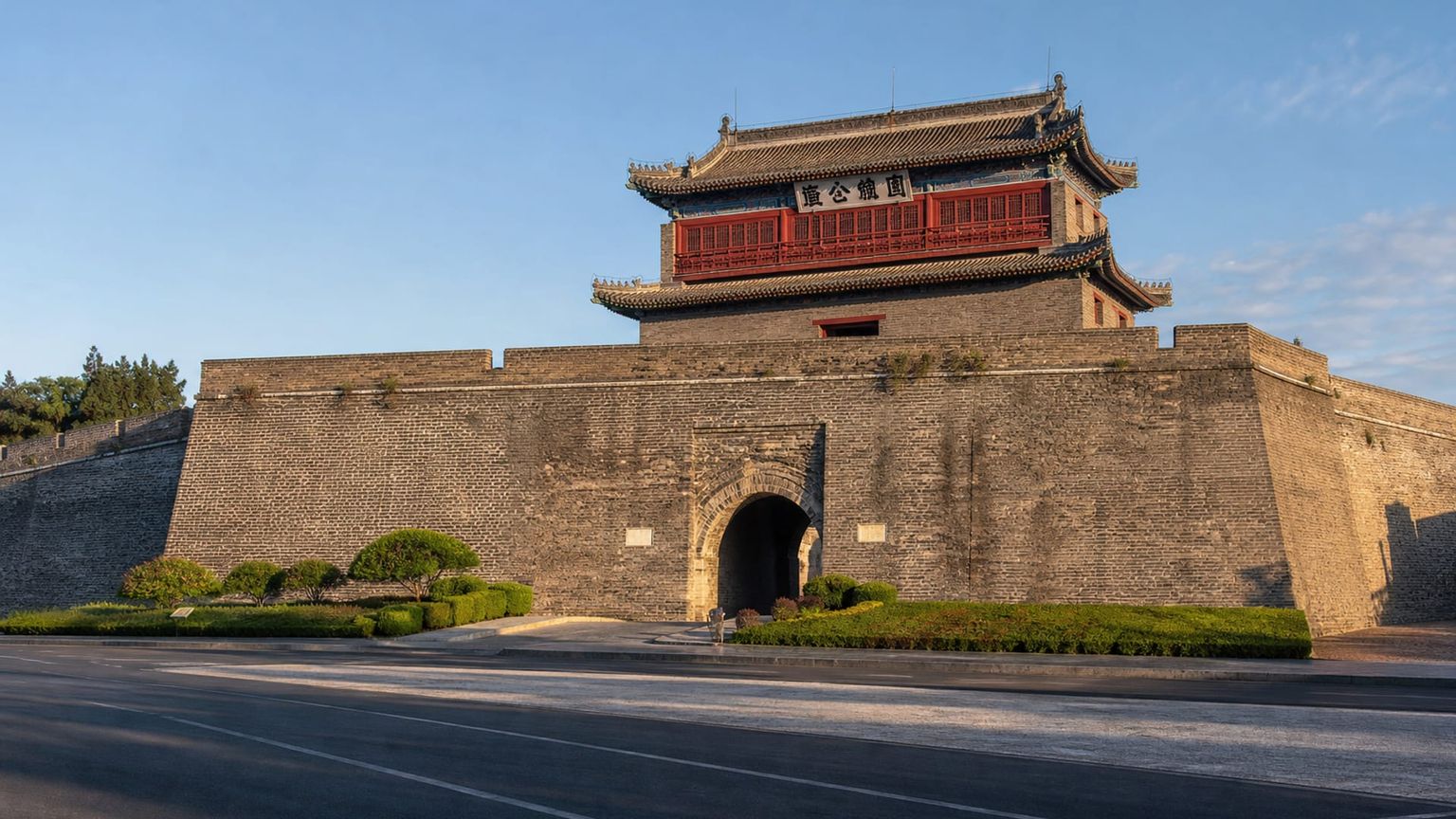
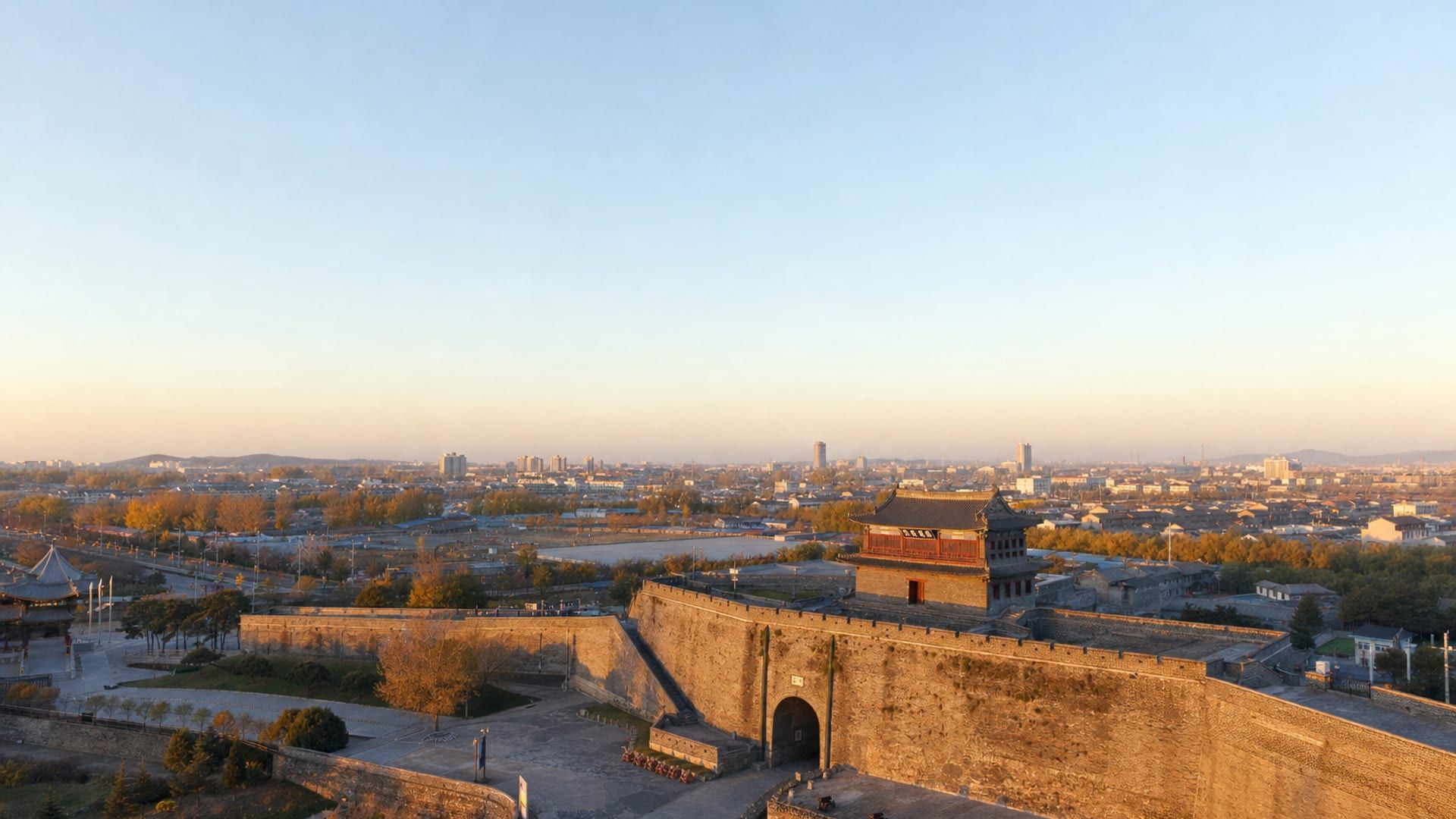
Shanhaiguan Pass, First Pass Under Heaven
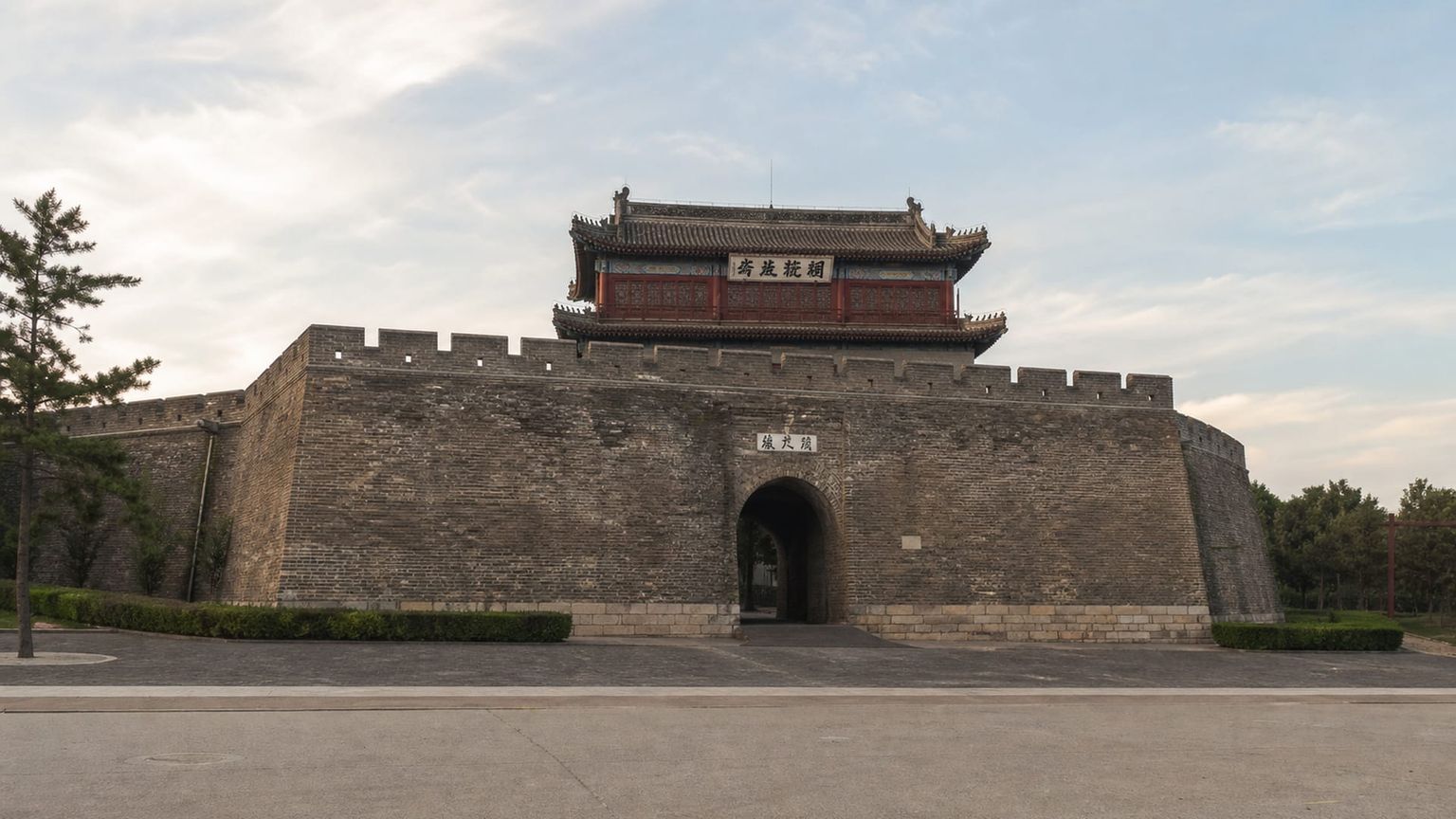
This Ming Dynasty sea gate marks the eastern end of the Great Wall and anchors the old fort town. Walk the ramparts, gate towers, and nearby streets for a close look at the wall’s defensive system and frontier setting.
Time needed: About 2 to 3 hours
Entry: Admission costs about $11 (79 yuan) per person, with possible seasonal price changes at the gate. Visit the official site for details.
Tip: Go early or near sunset, when the ramparts are cooler and the stonework photographs well.
Laolongtou Scenic Area
Laolongtou is the Great Wall’s eastern terminus, where stone battlements meet the Bohai Sea. Its dragon-head gate, beach wall, and watchtowers make the coast and frontier fortifications easy to read in one visit.
Time needed: About 2 to 3 hours
Entry: Admission costs about $12 (85 yuan) per person, with separate charges for some interior exhibits. Visit the official site for details.
Tip: Visit at low tide for a wider shoreline walk and clearer views of the wall base.
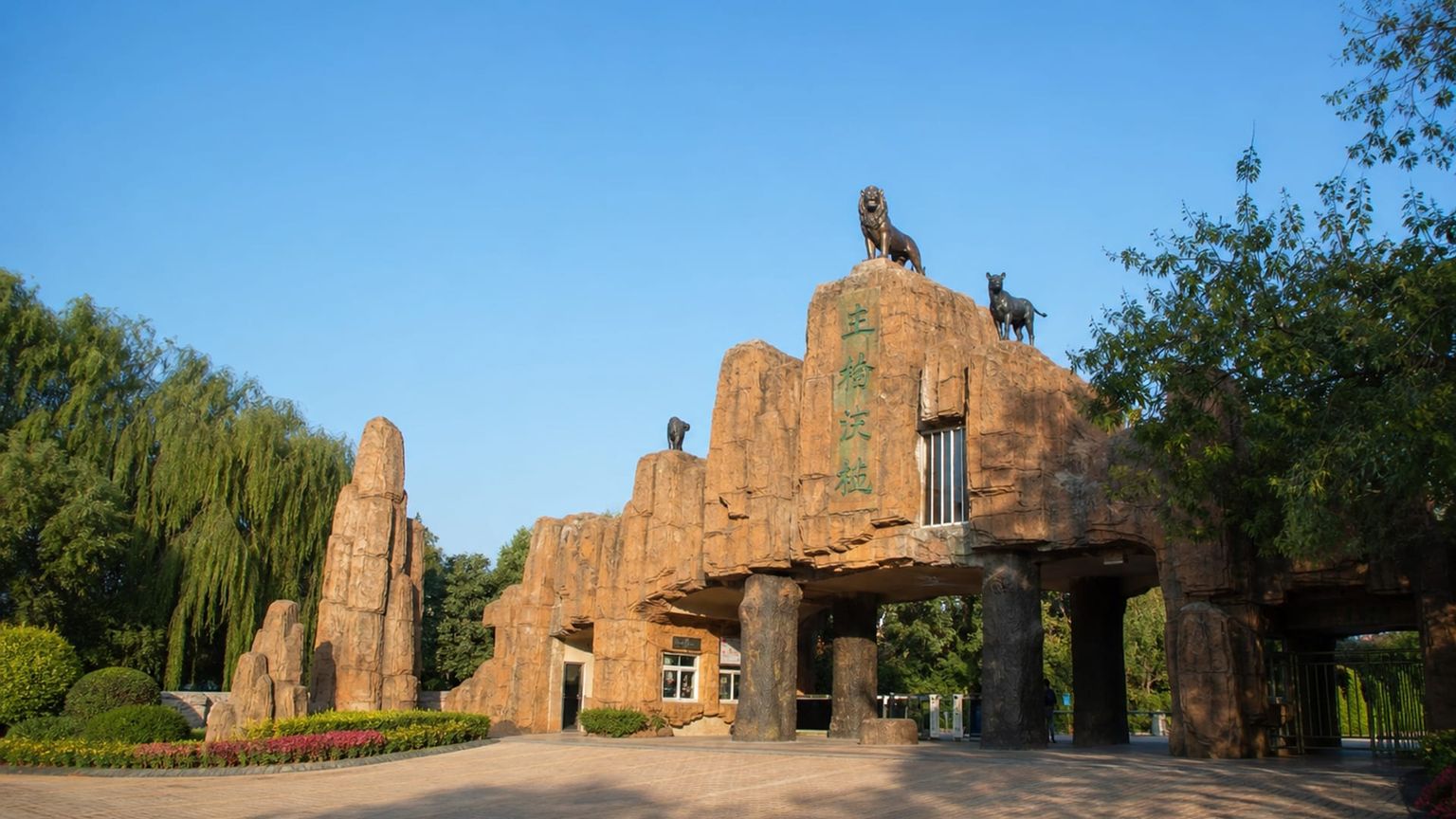
Qinhuangdao Wildlife Park
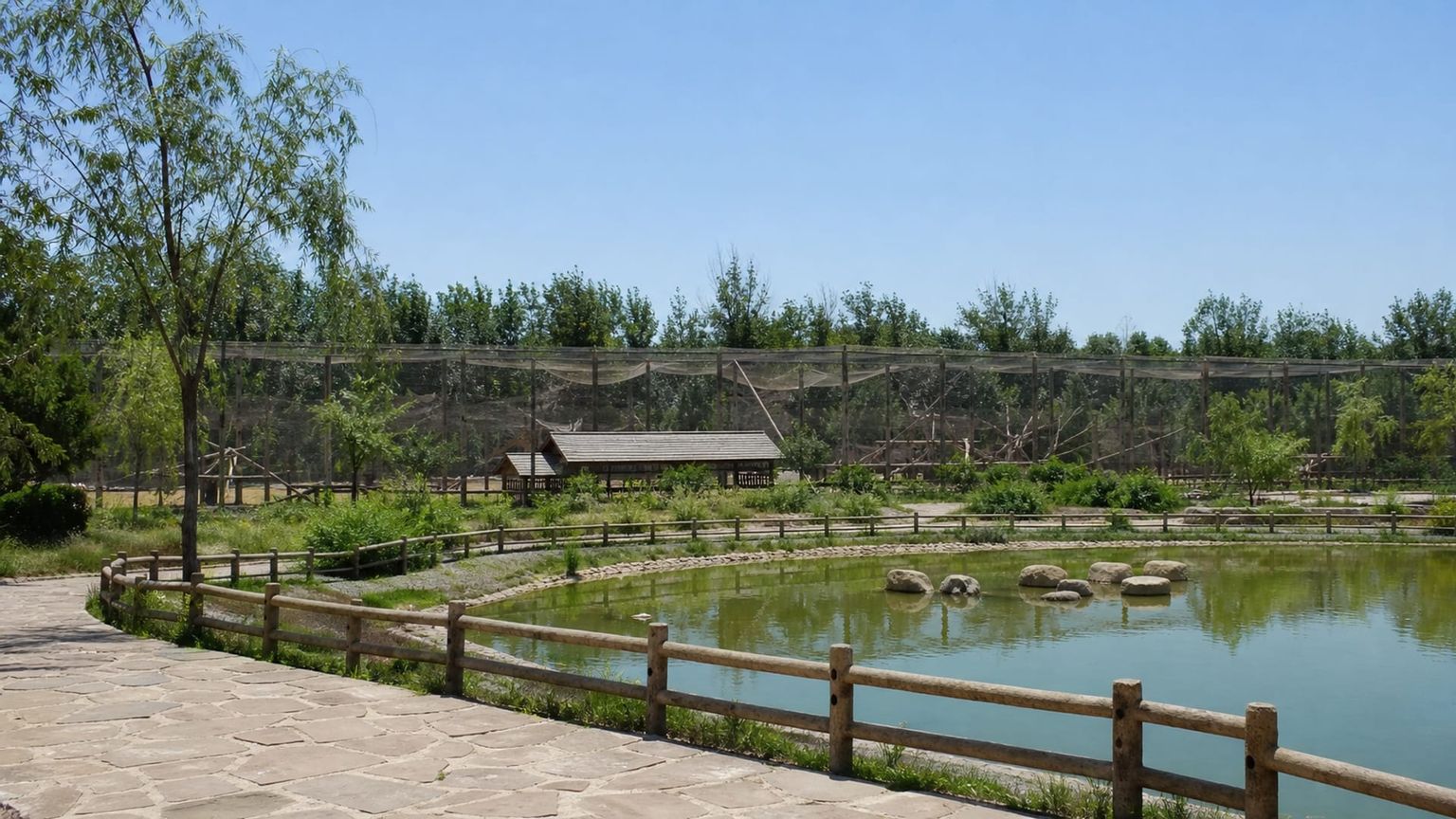
This large coastal zoo and safari park combines animal habitats, lake paths, and family rides inside one seaside site. It stands out for its wide grounds, mixed species collection, and easy pairing with a beach day.
Time needed: About 3 to 4 hours
Entry: Admission costs about $22 (158 yuan) for adults, with separate fees for some rides and animal feeds. Visit the official site for details.
Tip: Arrive before 10:00 am, when animals are most active and the walking paths stay cooler.
Overlooked sites worth visiting

Pigeon Nest Park
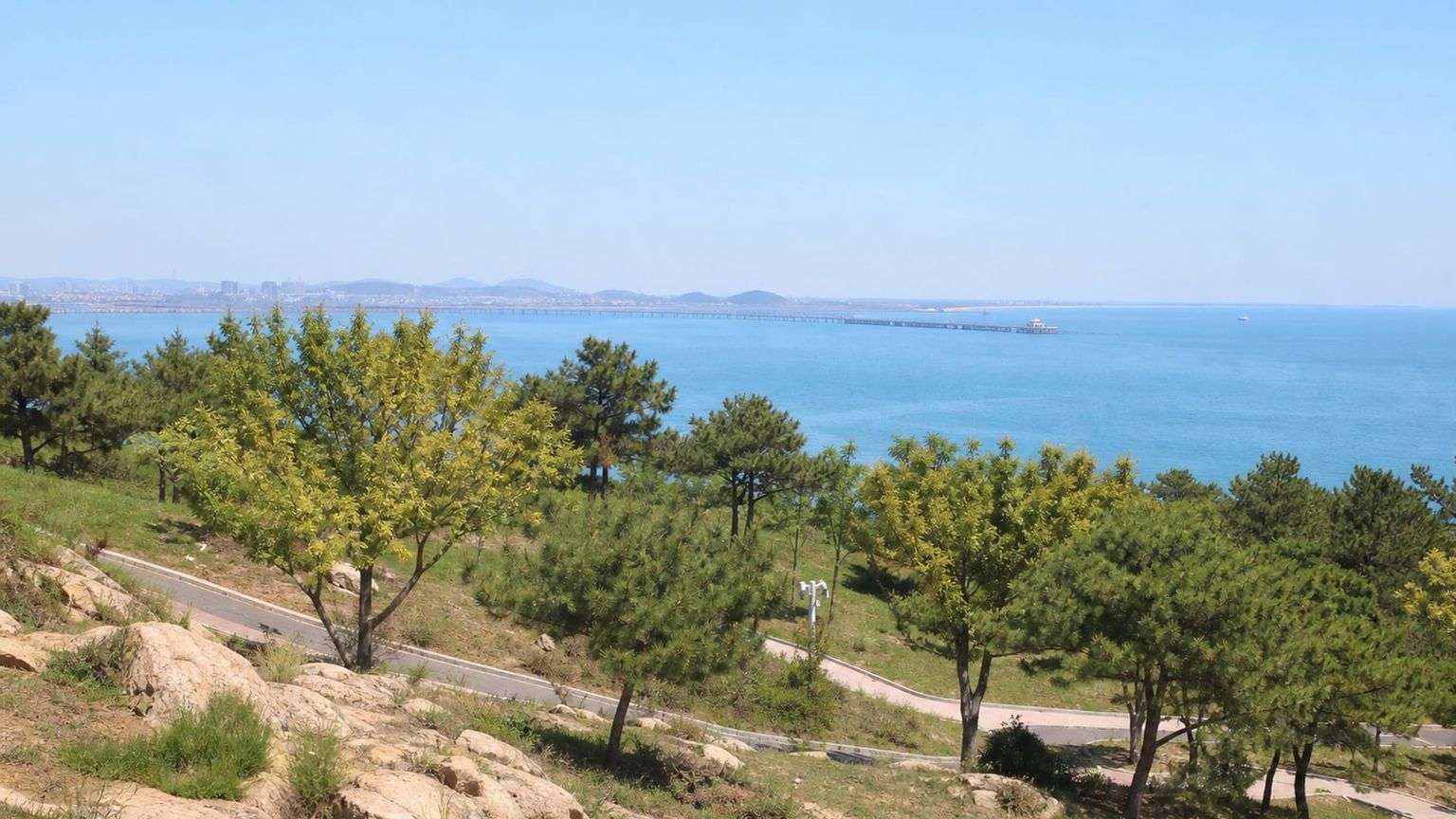
A seaside cliff park with pine shade, boardwalks, and broad views over the Bohai Sea. Fewer crowds come here than to the city beaches, and sunset light turns the rocks gold.
Time needed: About 1 to 2 hours
Entry: Free to access. The park has open public paths and viewing platforms, with no ticket office for general entry. Bring cash only if you plan to use nearby snack stalls, rented bicycles, or small amusement rides inside the wider seaside area.
Tip: Go near sunset for the clearest sea views.

Qinhuangdao Glass Museum
This compact museum traces the city’s glassmaking history with kiln models, old tools, and finished pieces. It works well as a short indoor stop after a day by the coast.
Time needed: About 1 hour
Entry: Admission typically costs $4 to $7 (about CNY 30 to 50), with occasional free-entry days for local events or school groups. Verify the current price at the gate if you visit during holidays, because hours and fees can change without much notice.
Tip: Visit on a weekday morning to avoid school groups.
Traditional food
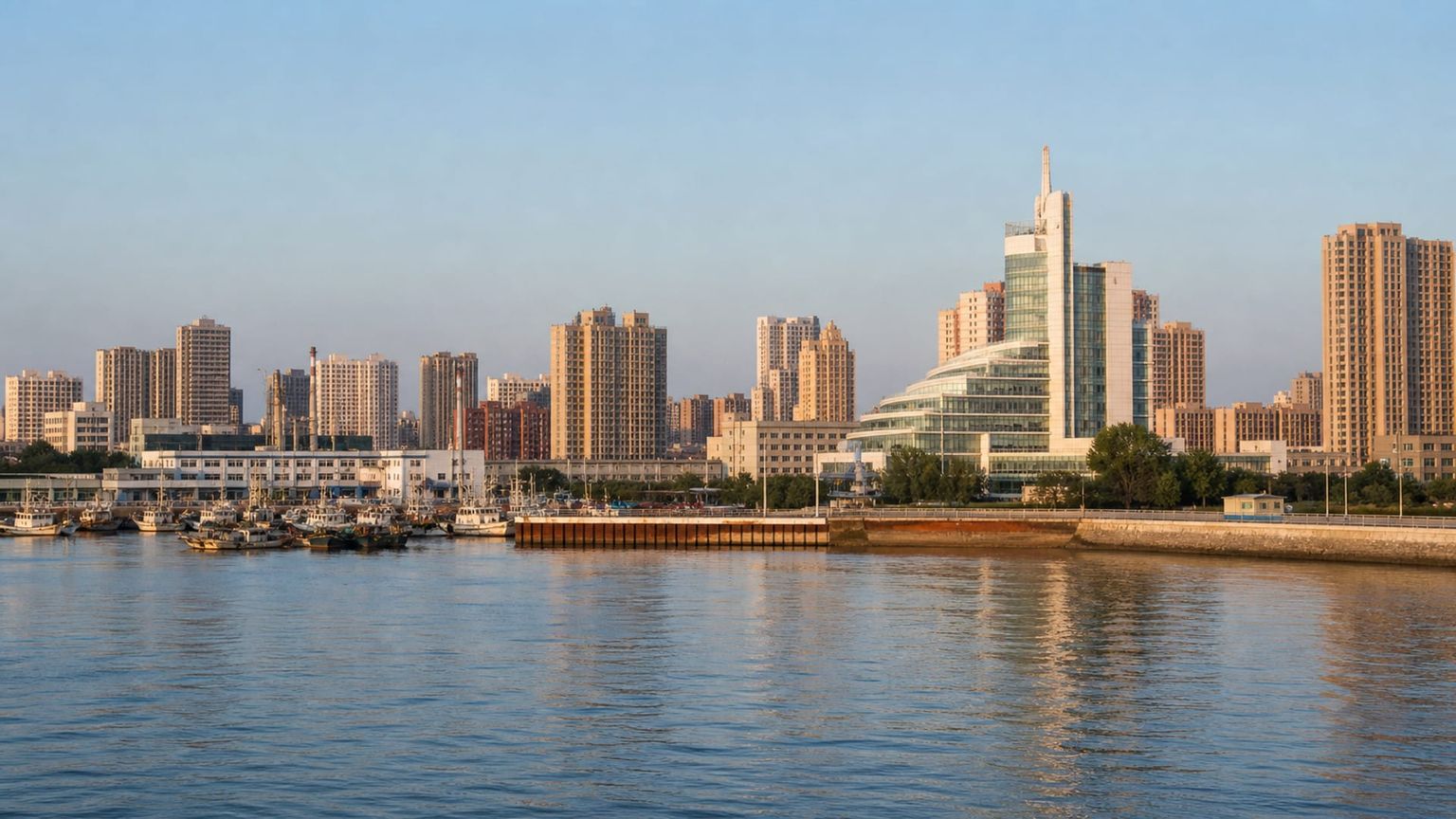
Qinhuangdao cuisine leans on Bohai seafood, baked flatbread, and wheat dishes that can stand up to salt, garlic, and chili. Meals often start early, move fast at lunch, and stretch later at seafood spots on busy weekends.
Baked flatbread
This crisp, oven-baked bread shows up in breakfasts and simple lunch spreads across the city. Lao Bing Cheng serves a classic version that fits the area’s wheat-and-seafood table.
Sea cucumber
Local kitchens prepare sea cucumber as a prestige seafood dish, often braised or stewed for a richer finish. Qinhuangdao Seafood Restaurant is a common pick for a traditional order.
Roasted seafood
Shellfish, fish, and squid often go straight to the grill or oven, then reach the table with garlic and scallion. Beidaihe Seafood City is a familiar stop for this style.
Sweet potato noodles
These chewy noodles bring a lighter, springy texture that works well with savory broths and stir-fries. Shanhaiguan Old Town Food Street is a dependable place to try them in the old district.
Best time to visit Qinhuangdao
Qinhuangdao changes character by season, with beach weather, fortress visits, and park walks all shifting as sea fog, heat, and winter wind move through the coast.
Best for: Best for Shanhaiguan and long coastal walks
What you get: About 43 to 77°F (6 to 25°C), with lighter crowds before summer holidays
Trade-offs: Sea breezes can still feel sharp, especially near the wall and open water
Best for: Best for Beidaihe, beaches, and sunset visits to Pigeon Nest Park
What you get: About 68 to 88°F (20 to 31°C), with the highest crowds and the busiest hotel demand
Trade-offs: Heat, humidity, and packed seaside roads can slow the day
Best for: Best for clear views, museum stops, and balanced sightseeing days
What you get: About 46 to 77°F (8 to 25°C), with fewer crowds after the main summer rush
Trade-offs: Evenings cool quickly, so late seaside time needs an extra layer
Best for: Best for quiet hotels, short museum visits, and low-key city stays
What you get: About 18 to 45°F (-8 to 7°C), with the lightest crowds of the year
Trade-offs: Cold wind and shorter daylight limit beach time and long outdoor walks
A realistic 5-day plan in Qinhuangdao
The five-day plan starts with arrival, then spreads the coast, the old fort district, and the city parks across manageable blocks. That order keeps transit simple and leaves room for weather changes, which matter here more than in a compact inland city.
Fly into Qinhuangdao (BPE) and take a taxi into Haigang District center, where the ride usually takes about 35 to 50 minutes and costs roughly $10 to $15, depending on traffic and your hotel address. Check in near the main dining streets so you can settle quickly, hydrate, and keep dinner close, then choose a simple meal of noodles, dumplings, or seafood before an early night.
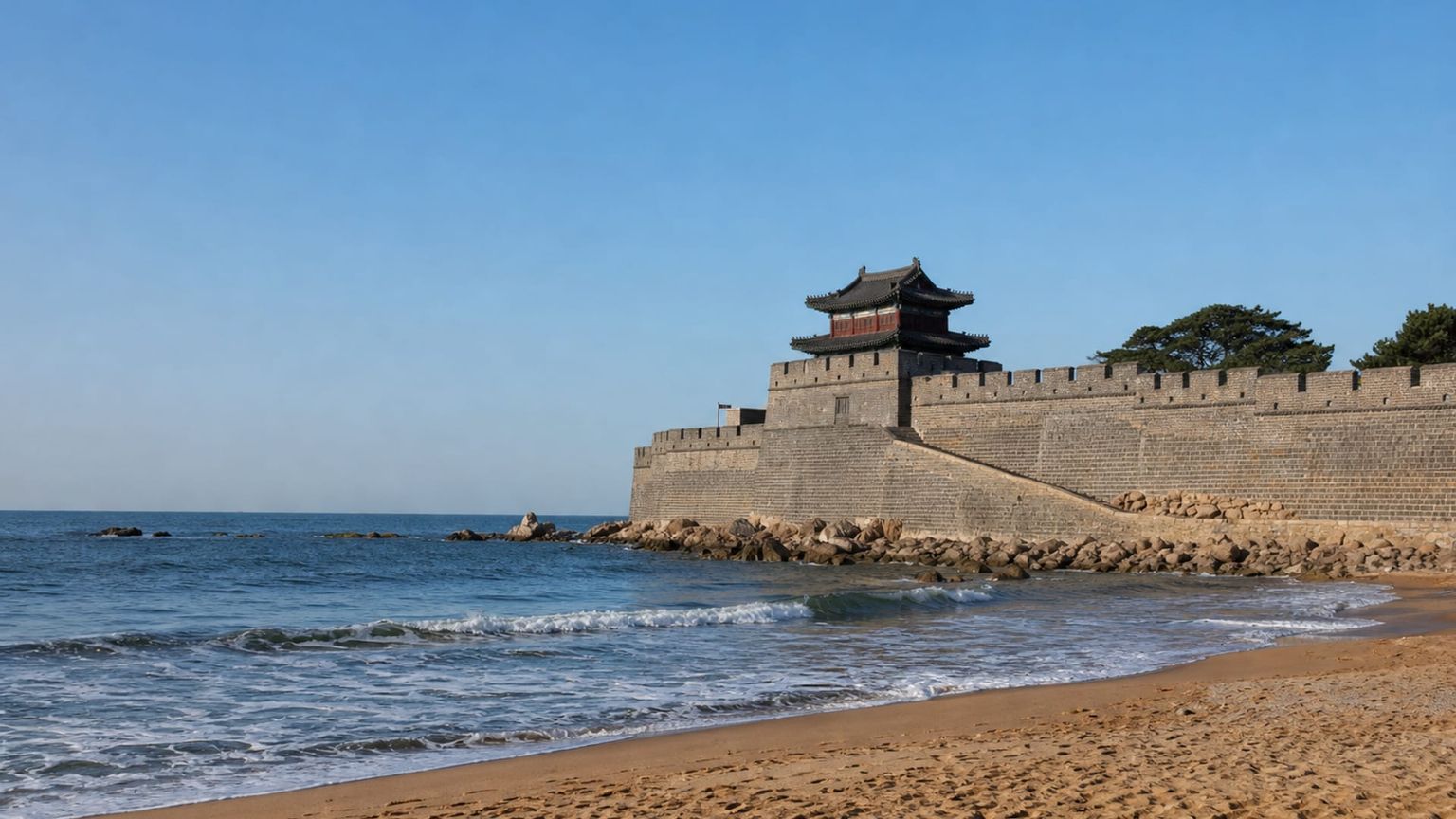
Start with Shanhaiguan Pass, First Pass Under Heaven, where the gate towers and ramparts work well in the cooler morning light, then continue into the old streets nearby, about 5 to 15 minutes on foot. From there, take a taxi about 15 to 20 minutes to Laolongtou Scenic Area for the wall meeting the Bohai Sea, and plan about 2 to 3 hours there. If you want a late stop, add a short coastal walk back toward the Shanhaiguan area before dinner.
Begin at Qinhuangdao Wildlife Park before 10:00 am, when the paths are calmer and the animals are more active, then spend about 3 to 4 hours moving through the lake paths and safari-style sections. After lunch, ride about 20 to 30 minutes to Pigeon Nest Park for the cliffside boardwalks and sea views, and stay through sunset if the weather is clear. Return to Beidaihe or Haigang District center for dinner, depending on where you are staying.
A beach-forward day works best in Beidaihe, starting with an easy morning walk on the sand and a café stop near the promenade. After that, take a taxi about 15 to 25 minutes to the Qinhuangdao Glass Museum for an hour of indoor time, then continue to Pigeon Nest Park, about 10 to 15 minutes away, for pine shade and a broader view over the Bohai Sea. End with an early seaside meal in Beidaihe, where the evening stays calmer than the afternoon.
For a final, unhurried day, start with a short museum stop at the Qinhuangdao Glass Museum if you want one last indoor visit, then head to Haigang District center for shopping in the main retail streets and a café break. If you are staying near the coast, a late morning return to Beidaihe for coffee and a shoreline walk fits well before checkout, and the taxi back to Qinhuangdao (BPE) usually takes about 35 to 50 minutes.
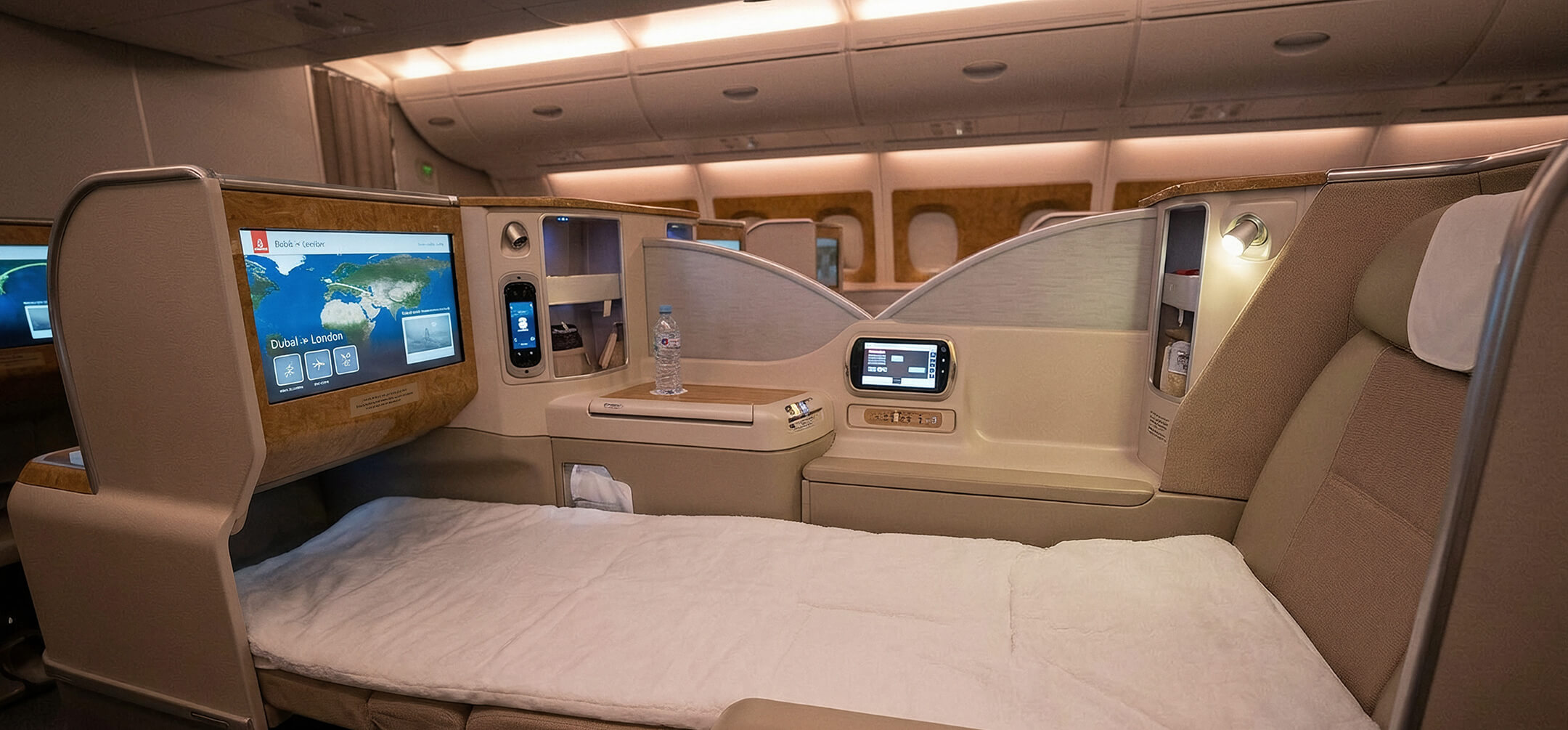
Business-class flights from the US to Qinhuangdao
Long-haul trips to Qinhuangdao usually route through a major hub, and the best option depends on whether you are starting on the East Coast or West Coast. The two examples below show how much the itinerary shape changes with origin.
From New York, Air China, China Eastern Airlines, Hainan Airlines, Cathay Pacific, and Korean Air all appear on common itineraries. Nonstop travel takes about 14 to 15 hours, while one-stop options via Beijing (PEK), Shanghai (PVG), Hong Kong (HKG), Incheon (ICN), or Haneda (HND) often cut the fare from about $3,800 to $7,500.
Los Angeles departures usually run through Air China, China Eastern Airlines, Hainan Airlines, Cathay Pacific, or Korean Air. Direct itineraries take about 12 to 13 hours, and one-stop trips via Beijing (PEK), Shanghai (PVG), Hong Kong (HKG), Incheon (ICN), or Narita (NRT) generally land in the $3,200 to $6,800 range.
Qinhuangdao feels different when you slow down
A careful Qinhuangdao trip gives each district a clear role, from Shanhaiguan Pass in the morning to Beidaihe at sunset, with Haigang for dinners and the Glass Museum for an indoor pause. Taxis, buses, and short walks do the work here, not a packed checklist. If you want more support shaping your route or choosing a base near the coast, the AranGrant experts can help you match the trip to the season and the neighborhoods you want most